Has Canada Bypassed the United States As North America's Tennis Power?
O Canada, you're showing off now.
The country that rules the ice is now making noise on grass, clay and hard courts. When it comes to tennis, Canada is putting its neighbor to the South on notice.
The No. 7-ranked players on the ATP and WTA Tours are both Canadian. Milos Raonic, 23, and Eugenie Bouchard, 20, also lead a class of next generation Millennials.
.jpg?w=2560 "Election 2024 Julie Pace Column")


Raonic reached the semifinals and Bouchard made it to the finals at Wimbledon.
Historically, Canadians have been like index entries when compared to the many chapters written about America's glorious tennis past. The problem is that America's dominance in tennis is becoming a distant memory.
With Raonic and Bouchard leading the way, Canadians have reason to feel more optimistic about the future of tennis. Just based on perception, Canada has bypassed the U.S. as the North American tennis power.
In reality, which country is more successful?
That depends how success is measured. If measuring participation, the U.S. leads Canada in number of players in the Top 100. But in terms of which country has better top players, Canada beats the U.S. on the men's side. Despite Bouchard's success, Canada trails the U.S.
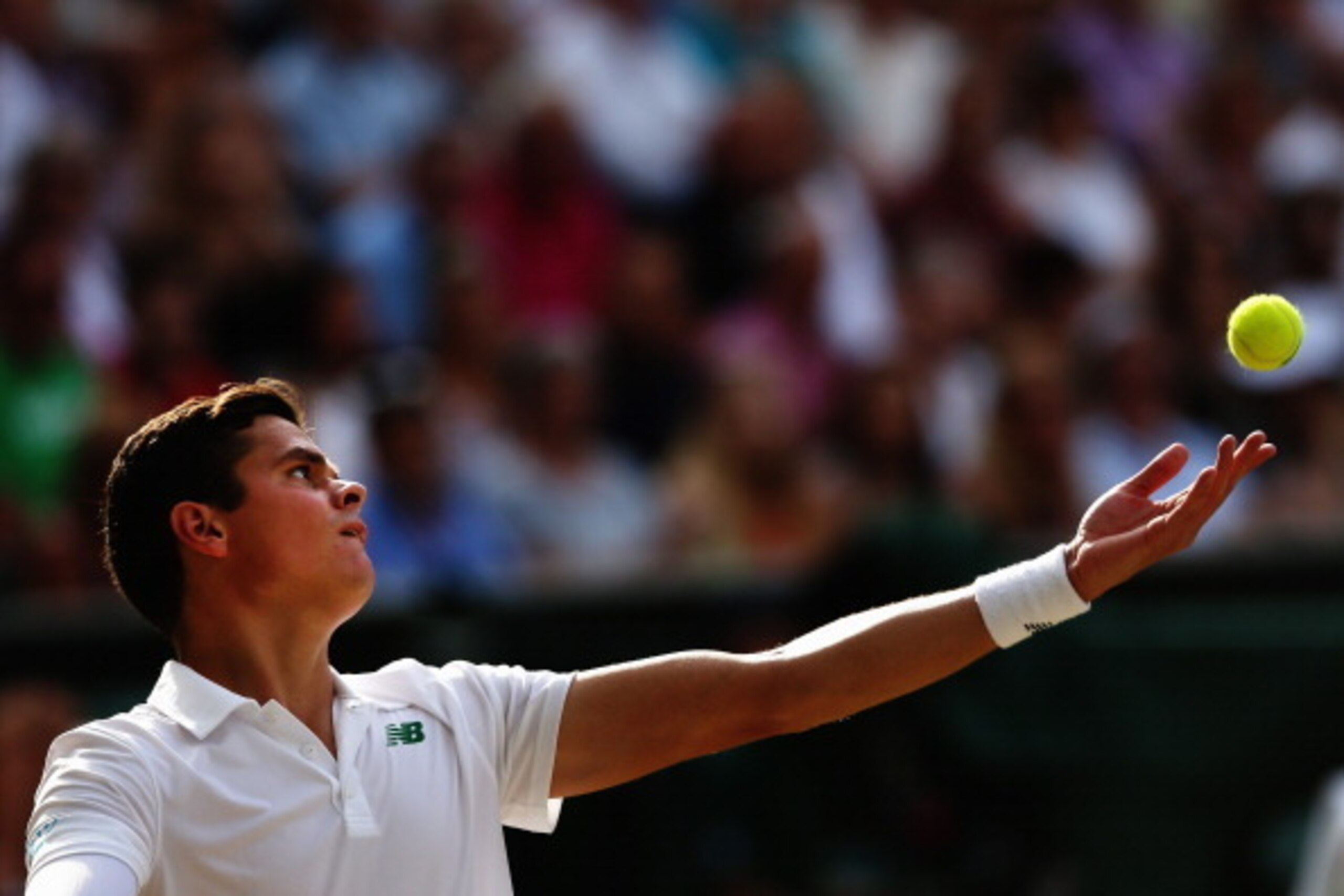
There are six Americans and two Canadians ranked in the ATP's Top 100. Raonic is ranked ahead of the highest-ranked American, No. 12 John Isner. After Isner, the next ranked American is No. 61 Sam Querrey. That's just sad.
Canada's Vasek Pospisil is ranked No. 39.
More importantly, Pospisil and Raonic are both under 25. Isner, 29 and Querrey, 26, have probably reached their peak.
On the women's side, Americans trump Canadians in terms of rank and participants. Serena Williams remains No. 1. No matter how bad her season has been, she remains the only active player in the Greatest of All Time conversation.
The next highest-ranked American is No. 22 Sloane Stephens. Venus Williams is ranked No. 25. There are 11 American women ranked in the Top 100. The only other Canadian woman in the Top 100 is No. 85 Sharon Fichman.
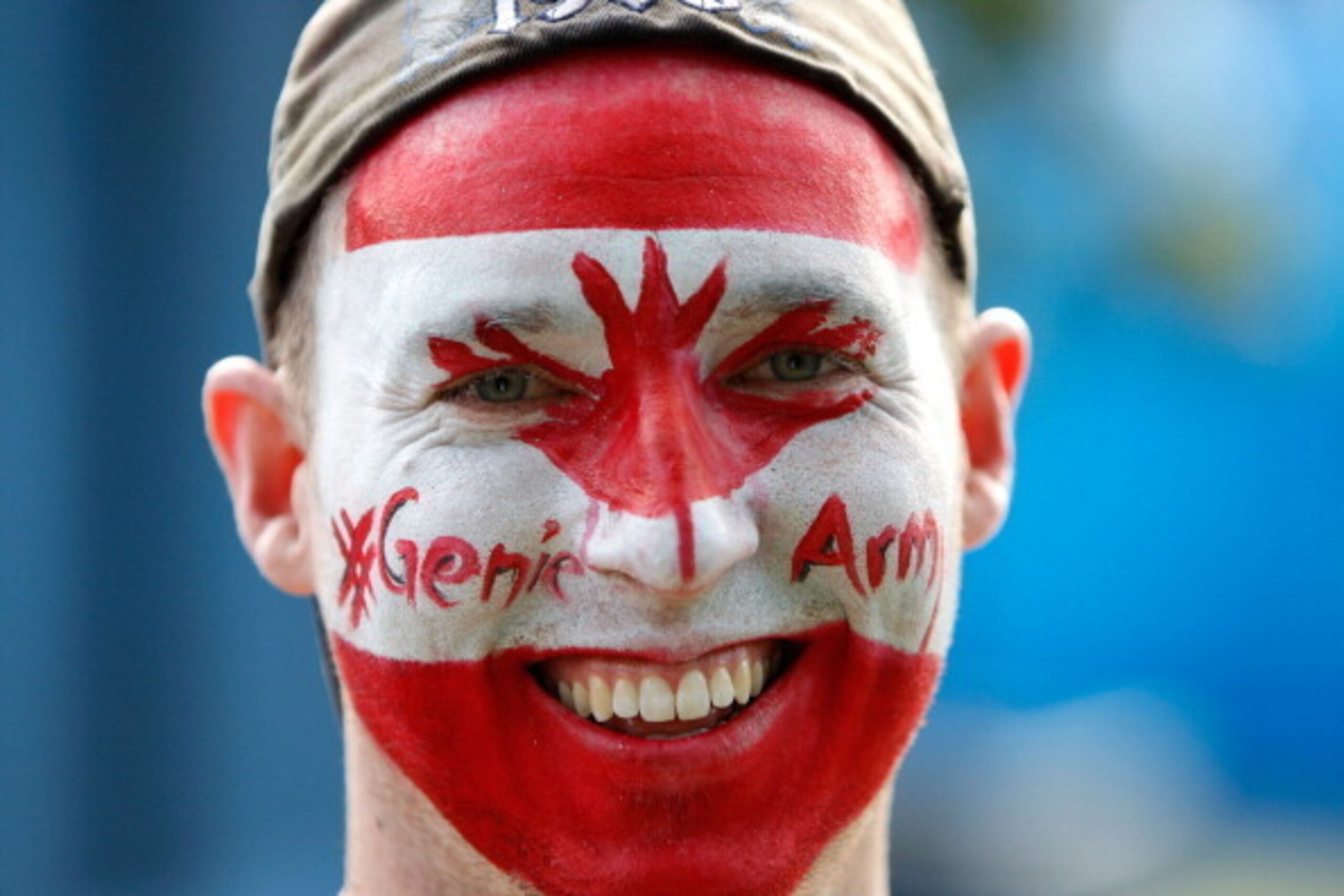
Still, Canada's got the momentum now. Bouchard has become a tennis sensation. She's reached at least the semifinals at every Grand Slam this year. Despite a lopsided loss to Petra Kvitova in the Wimbledon final, Bouchard still made history.
She became the highest-ranking Canadian woman ever.
So what's behind Canada's rise to power? Tennis Canada has out hustled the United States Tennis Association.
About a decade ago, Tennis Canada shifted its focus from the primary goal of hosting the Rogers Cup to developing top talent. Instead of promoting wide-reaching programs, Tennis Canada put money behind elite players who showed the most promise. The focus on quality instead of quantity has put Canada on the tennis map.
They also hired foreign coaches to teach Canadian players.
One of those coaches was Louis Borfiga, of France. Borfiga oversaw the development of Jo-Wilfried Tsonga, Gael Monfils and Gilles Simon. He told The Globe and Mail that the toughest part was altering the mindset of Canadian players.
"I found the Canadian players … they played to have a good match, rather than to win...What I tried to do was change the mentality … telling them that they are really stronger than the others, that they could win. We did this work even with the younger players, with all the boys and girls at the centre.
"
When it became clear that Raonic's talent outgrew programs at home, Tennis Canada helped fund his training in Croatia and Spain. They subsidized Bouchard's development in Florida. This non-provincial approach has yielded two future superstars.
Wimbledon served as a coming-out party for Canadian players. Bouchard and Raonic were joined by Pospisil, who along with American partner Jack Sock upset the Bryan brothers to win the men's doubles title.
The Rogers Cup in Toronto and Montreal,gets underway in early August. It will be homecoming for Bouchard, Raonic and Pospisil.
You can bet that Canadian nationalism will be on full display. That type of national pride could generate a new generation of Canadian tennis players.



.jpg?w=2560 "Commanders OL HEATED After Tie ▶️")
.jpg?w=2560 "49ers LB Suspended for Headbutt")