Roberts, Not Rodriguez, Damaged by “A-Rod” Book
There’s no question Alex Rodriguez appears as a selfish and needy superstar in Selena Roberts’ new book, “A-Rod: The Many Lives of Alex Rodriguez.” Based on her reporting, Roberts concludes Rodriguez used steroids not only with the Texas Rangers, as he has admitted, but also in high school and while on the Yankees.
She also writes of his many alleged cases of marital infidelity. And while he tipped pitches to opposing players, Roberts reports, he’s not as generous at the Hooters in Baltimore, where he leaves the minimum 15 percent.
But the book fails to significantly tarnish Rodriguez’s reputation – mostly because it’s already been soiled. He’d already been proven a cheater. Roberts herself dropped the big hammer when in February she revealed the slugger tested positive for steroids during the 2003 season.
TOP NEWS

MLB Commissioner Defends Salary Cap

Miz Sets WS Record Already ⛽
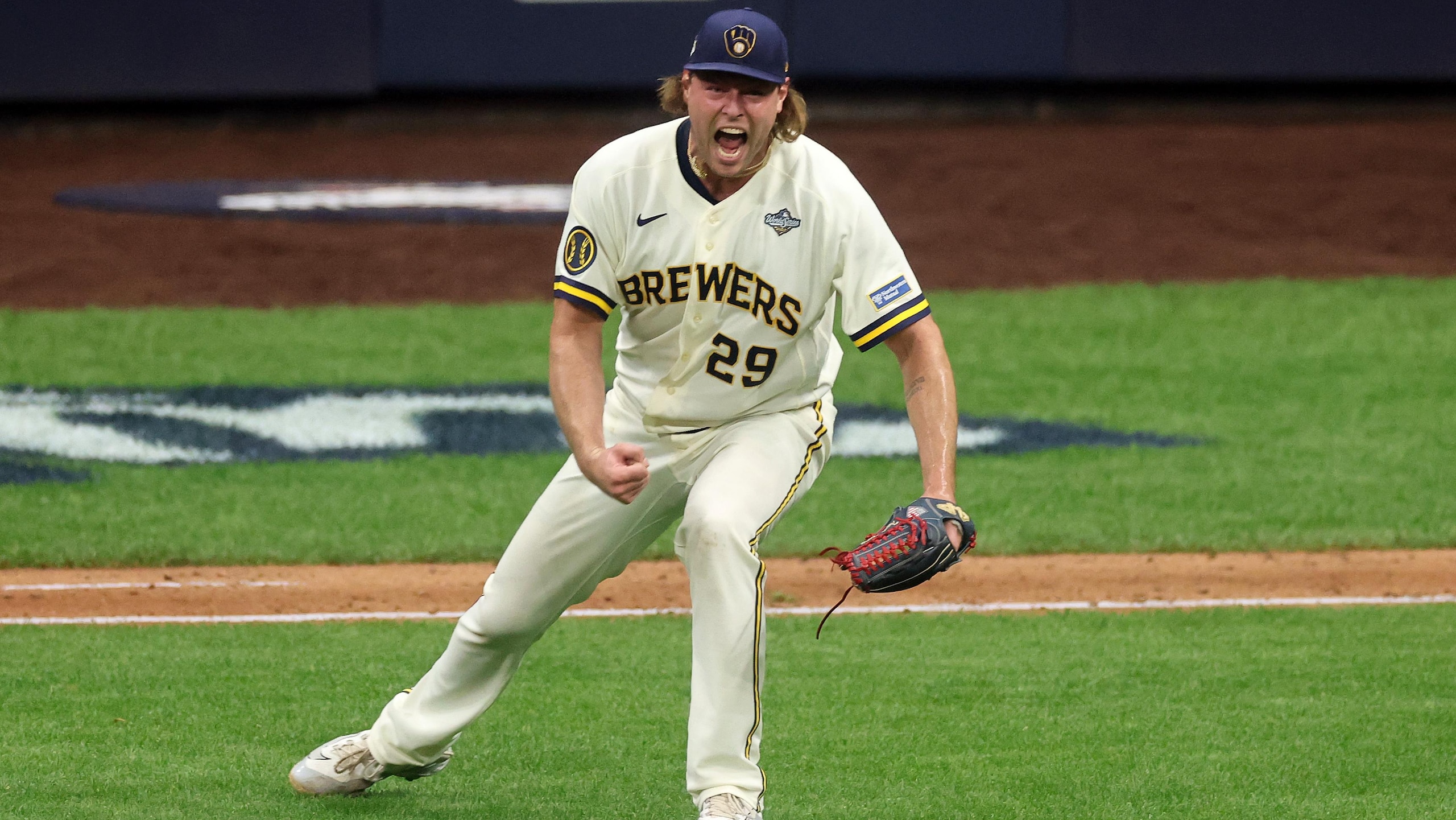
Brewers Get 1st WS Win Since 1982 💪
Sure, new allegations surfaced in the book, like the pitch tipping or how he might have used steroids longer than we thought. Roberts writes he might have done other disgraceful things, like hit on teammates’ wives and order clubhouse attendants to load his toothbrush with toothpaste.
And the contention that he frequently used the pick-up line, “Who’s hotter, me or Derek Jeter?” leads one to believe Rodriguez’s game has shortcomings that extend beyond hitting in the late innings.
But Roberts’s allegations are simply more fodder for the already-established legions of A-Rod haters. Even prior to that news, no one confused Rodriguez with Cal Ripken Jr. Rodriguez’s reported rendezvous with strippers, the divorce from his wife, and the relationship with Madonna had taken the luster off of his wholesome image.
Likewise, we already knew he doesn’t always relate well to teammates or speak to the media without sounding like he’s reading from a script. On the field, his inability to produce in the clutch or carry a team led to widespread criticism. Despite his gaudy statistics, teams seem to get worse when he arrives.
To the contrary, the book gives depth to the public perception of Rodriguez, humanizing him in a way which actually makes him appear a little relatable. For example, Roberts details how Rodriguez’s father abandoned him, giving more context for some of Rodriguez’s antics.
Roberts takes readers past the headlines to see a person full of flaws like the rest of us. At some level, we all struggle with the same insecurities as Rodriguez. The questions, “What will people think of me if I do this?” and “What should I be doing right now to impress people?” float not just in his head, but in ours as well.
While Rodriguez is mostly spared from further damage to his standing, the book does draw new-found negative attention to someone else—Roberts.
Journalistically, she falls short of meeting established standards of evidence. With lots of anonymous sources and speculative claims, the book reads more like an extended article from a gossip blogger than a piece of fine journalism. Roberts is an accomplished journalist, but this piece reeks of surface-level reporting.
She couldn’t find one person to go on-record about some of Rodriguez’s alleged steroid use as a high-schooler? Instead, Roberts anonymously quotes a former classmate, who heard from a former teammate of A-Rod that Rodriguez used steroids in high-school. She “supports” her claim by using another anonymous quote from a former teammate.
She wasn’t able to locate one person who could describe Rodriguez’s alleged steroid use with the Yankees? No, Roberts makes the allegation, based on suggestions from anonymous teammates, that he possibly used them.
Not only does Roberts quote numerous anonymous sources, she fails to dig deeper into some of the claims these nameless sources present.
She could have watched videotape of his games with the Rangers to see if he was in fact tipping pitches. Or analyzed statistics of middle infielders playing against the Rangers in late-inning blowouts. The New York Times recently did so, and found if Rodriguez did tip pitches, opponents gained no advantages.
One must wonder why she didn’t pursue these stories. Did she just craft a portrait of A-Rod that she liked, regardless of whether it was accurate. Controversy sells, ho-hum daily life doesn’t.
Futhermore, the publication date was repeatedly rushed up, making people question if Roberts’s goal was to sell books or produce a complete narrative steeped in thorough reporting. Delaying the book’s release and spending more time thoroughly investigating these matters would make them more believable. Of course, it would be much less profitable as well.
So consider Rodriguez’s already-tarnished reputation. Add Roberts’s rushed journalistic practices to baseball fans’ waning appetite for steroids talk. And throw in how the Manny Ramirez steroids story broke the same week Roberts’ book was released.
It’s no wonder the baseball-loving public doesn’t seem to hate Rodriguez any more than they already do.
The book highlights the irony behind Rodriguez’s actions. He spends inordinate amounts of time and energy trying to craft a likable image, which, predictably, leads to criticism of him not being authentic.
With this book, Roberts operated the other way. She spent an inadequate amount of time and energy crafting a marketable book. But by doing so, Roberts ended up just like Rodriguez—coming off looking insincere and incomplete.
.png?w=2560)

.jpg?w=2560 "NFL House in Paris Closes for Protests")

.jpg?w=2560 "Trevon Diggs Cut by Seahawks")