One-and-Dones Aren't What's Wrong with College Basketball
It’s that time of year again. Days are longer, weather is warmer and the “stay in school” mafia has its bullhorns shined and ready to go.
You know about these people, right? Every year, in a ham-fisted attempt to extend the amateur careers of college basketball players, they do their best to shame young men away from million-dollar salaries. They claim it’s for the well-being of the students.
They are liars.
TOP NEWS
NFL Season Shaping Up To Be Unpredictable 🗣️
.jpg?w=2560 "Texans Titans Football")
Cam Ward Says He's Not A Loser
.jpg?w=2560 "Broncos Chargers Football")
Chargers Fall to 0-5 🤢
Neither Jabari Parker nor Andrew Wiggins, the two most high-profile names in college basketball this season, made it out of the first weekend of the NCAA tournament. Their failure to uplift their squads gave college basketball loyalists proof that the system is broken.
Parker and Wiggins are lauded as future superstars, but whispers of them “not being ready” have pulsated across social media and comment boards. They are ready, though; NBA teams have decided so. They are likely top-three picks.
Having a college degree is an accomplishment, one that enriches a person's life. But this is Career Advancement 101. Wiggins has already announced that he’s leaving school, while Parker’s decision is still pending. Other players are expected to announce now that the tournament has ended.
You strike when the iron is hottest. Everyone knows that, yet somehow these players are supposed to sacrifice.
People want entertainment, and these kids are interfering by chasing their personal goals. It’s really that simple. Fans would know that if they pulled themselves away from the March Madness teat long enough to notice.
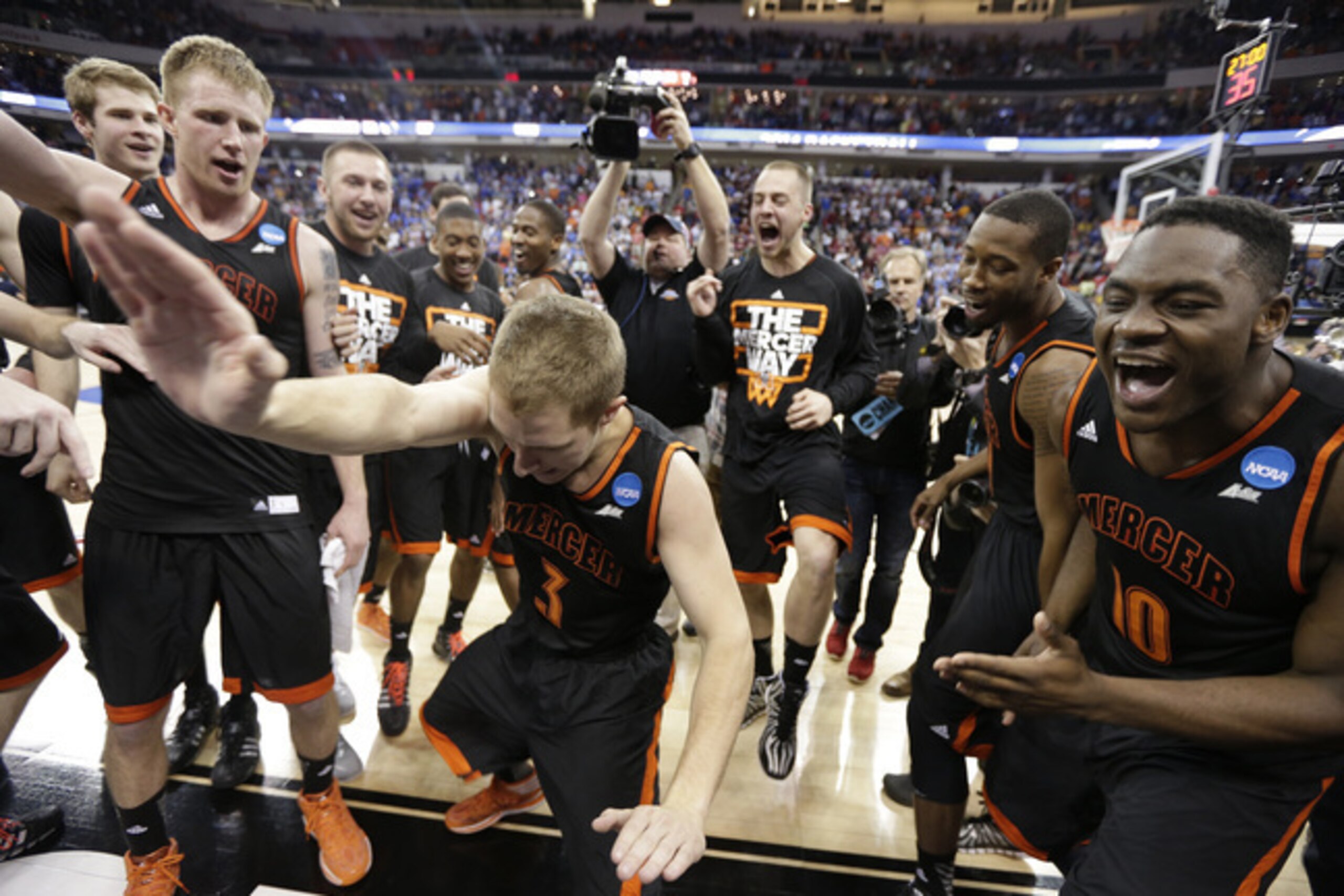
For some, March Madness represents the best sports has to offer. It’s where athletic excellence dances in a two-step—err, Nae Nae—with the sanctity of education. The effervescent NCAA tournament is supposedly the antithesis of the money-driven sterility of pro sports. Every time a kid leaves early, the existence of this oasis is threatened, and we know what happens when people feel threatened.
Wanting players to stay isn’t surprising. It’s reasonable that alums, citizens of college towns and fans of college basketball would have bias in their thinking. But what’s not reasonable is the sense of entitlement over someone else’s life.
“When student-athletes pick a school and go to college, they go for the reason to have the best chance to have the best life, and certainly the time is right for Andrew.”
That is what Kansas coach Bill Self said during Wiggins’ exit press conference. His response is exactly how everyone should respond. It’s a family decision, period.
But try running the question “Is one-and-done ruining college basketball?” through a search engine. Loads of vitriol will appear, and all of it is echoed by people such as Bobby Knight, Pac-12 commissioner Larry Scott and even new NBA boss Adam Silver.
Speaking during February’s NBA All-Star Game, Silver told reporters, "If those players had the benefit to play for some of these great college coaches for longer periods of time, I think it would lead to stronger college basketball and stronger NBA ball as well.”
So the NCAA and NBA should benefit, but not the players? Do you understand how problematic this is?
Last year's No. 1 pick, Anthony Bennett, signed a contract worth over $24 million, per ShamSports.com. The second pick, Victor Oladipo, signed a similar contract, with roughly $10 million guaranteed for the first two years.
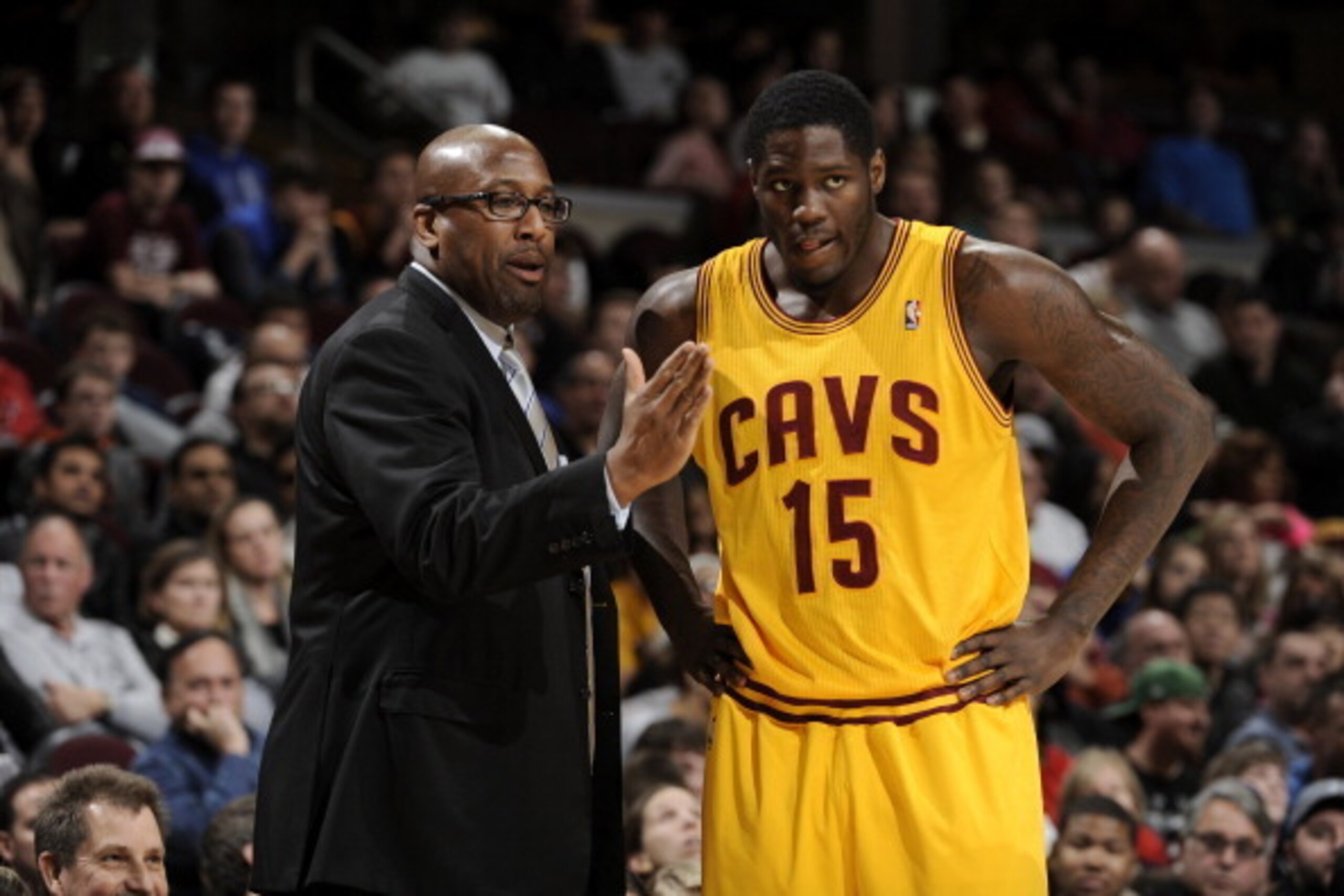
For those of us not related to Sheryl Sandberg, that’s life-altering money. The kind of transformative windfall that turns dreams into Manifest Destiny. How dare we ask families to turn that down?
As we’ve all learned over the last few years, the NCAA isn’t the model of excellence it appears to be. It’s a major company, and it behaves accordingly. Nobody is saying the NCAA is Monsanto, but it isn't perfect.
Media members, college administrators and that guy at the office who hates pro sports tell us that the one-year rule is put in place to protect players. To allow players to gain both mental and physical maturity. To protect students from overzealous agents and hangers-on who hope to profit.
The truth is that it’s there to allow college basketball programs to keep their biggest assets—star players—in school longer and to safeguard NBA franchises from extinction-level events such as drafting Kwame Brown with the No. 1 pick.
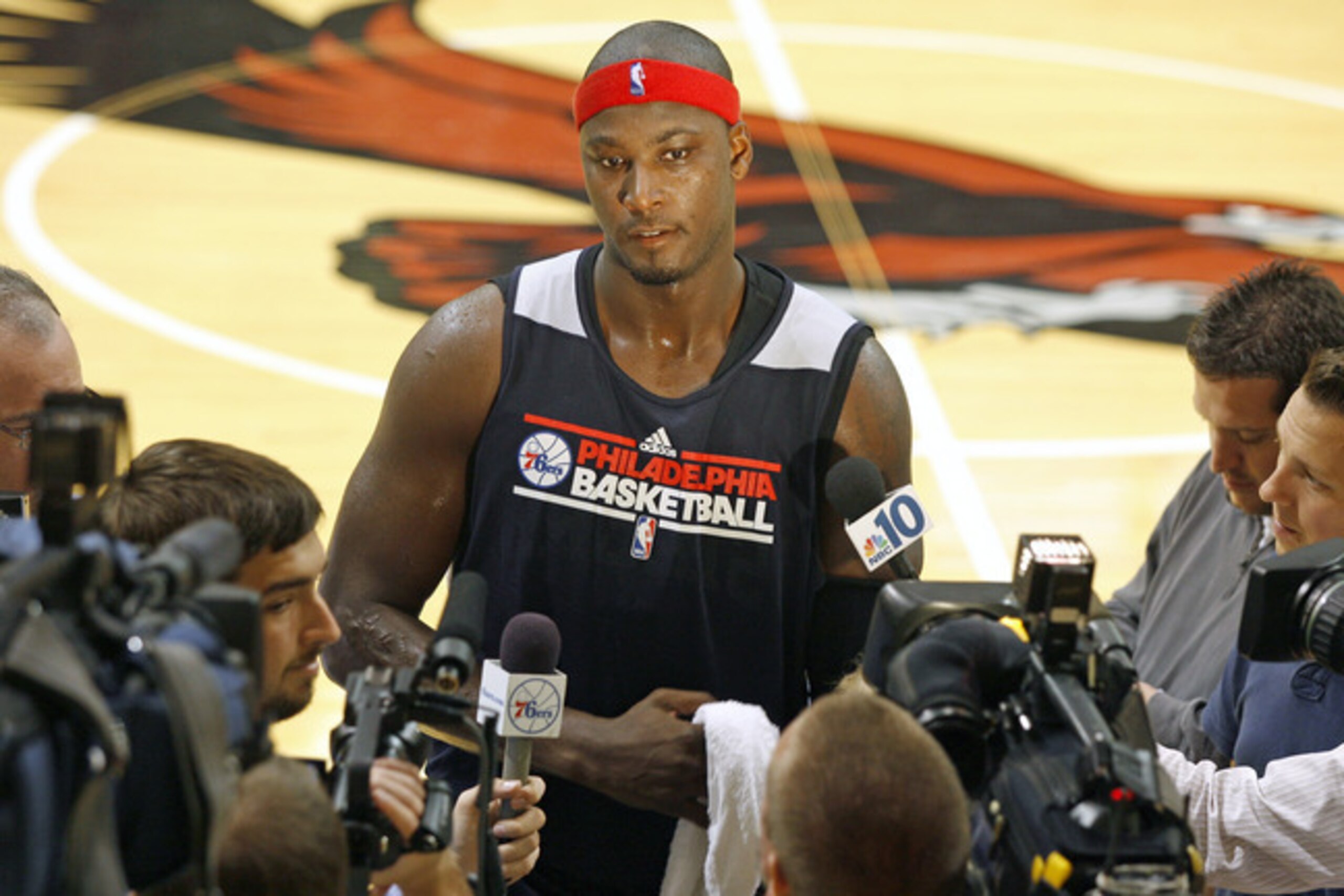
PR-wise, that’s a tough sell, so it’s labeled a moral issue. Phrases like “all about the money” and “selfish players” and “not valuing education” are thrown out there to place the blame on players. Somehow, it’s the players who are greedy. We call into question their moral fiber.
The U.S. didn’t invent capitalism, but it excels at it. We’re reminded of that every time a car company admits to lying about manufacturer defects. The "get as much as you can" mentality works for everyone else. Why should these student-athletes behave differently?
The critics of one-and-done know that having the chance to leave after one year is reserved for a select few. The majority of players stay longer because NBA teams aren’t interested in their services. Some take a chance anyway and aren’t selected, but that’s their choice.
The criticism is especially unfair when we consider that coaches leave schools for better jobs all the time and people barely bat an eye.
Don’t be fooled. College basketball is not in decline. The NCAA has a $10.8 billion deal to broadcast the tournament. The money is deserved, so stop blaming kids for behaving exactly like the NCAA.
Khalid Salaam is a former editor at The Shadow League and Slam Magazine. In his career he has written for several media outlets, including Esquire.com, Inc.com, Black Enterprise and JET. He is based in New York City and can be reached via Twitter @MrKhalidS.
.jpg?w=2560 "Lions Cardinals Football")