

NFL Regional Combine 2014: Key Information for Evaluations
The surest way to make it in the NFL is by becoming a superstar college football player, declaring your intentions to go to the draft, hiring an agent to negotiate with teams on your behalf and then dominating at the official NFL Scouting Combine.
However, not every player gets the chance to do that.
That’s where the NFL Regional Combines come in.

.jpg?w=2560 "Falcons Saints Football")
.jpg?w=2560 "Rams Eagles Football")
Starting Saturday in Houston, NFL hopefuls will have an opportunity to test their skills in a series of open tryouts. Let’s dig into some key information for the evaluations.
What it is
Before you hop on a plane to Houston to finally try out for an NFL team, know that there is an entire list of eligibility rules you must pass to be given a chance at a regional combine.
For one, the fee is $245 for positional players and $295 for kickers and punters.
Assuming the fee is covered, the combines are open to players who meet the eligibility standards for the 2014 NFL draft but were not invited to the official NFL Scouting Combine, players who have played professionally in some capacity for a period of time and players who were eligible for previous drafts who never signed an actual NFL contract.
The best players at the regional combines are then invited to the NFL Super Regional Combine in Detroit on April 12, and they have a chance to perform in front of NFL scouts.
Among the various tests and drills are the short shuttle run, the bench press, the vertical jump and the 40-yard dash, as well as a number of position-specific drills.
Note: A full list of eligibility restrictions, rules and various drills are available on the event’s official website: https://www.NFLRegionalCombines.com/.
Schedule
The official schedules for the NFL Regional Combines are as follows:
| Feb. 8 | Houston |
| Feb. 15 | New York/New Jersey |
| Feb. 22 | Los Angeles |
| Mar. 1 | Tampa Bay |
| Mar. 8 | Atlanta |
| Mar. 9 | Atlanta |
| Mar. 15 | Chicago |
| Mar. 22 | Miami |
| Mar. 22 | Seattle |
| Mar. 29 | Baltimore |
| Mar. 29 | Indianapolis |
| Mar. 30 | Baltimore |
| Apr. 12 | Detroit (Super Regional) |
| Feb. 9 | Houston | K |
| Feb. 9 | Houston | P |
| Feb. 16 | New York/New Jersey | K |
| Feb. 16 | New York/New Jersey | P |
| Mar. 23 | Seattle | K |
| Mar. 23 | Seattle | P |
| Apr. 12 | Detroit (Super Regional) | K/P |
So You’re Saying There’s a Chance
The traditional path to the NFL is difficult enough as it is, so getting there through the regional combines may as well be a pipe dream, right?
Not exactly.
NFL Media analyst Daniel Jeremiah told Chase Goodbread of NFL.com that more teams and scouts are starting to pay attention:
"The regional combines are gaining in popularity with NFL teams. Every team receives a copy of the testing numbers, but more and more teams are beginning to send their own scouts to these workouts.
"
Echoing that sentiment was Baltimore Ravens general manager Ozzie Newsome, per Dan Greenspan of NFL.com: "As a general manager, I am always looking for opportunities to get information on as many college players as I can. The NFL Regional Combines are another resource I can use."
The interest in the process from the higher-ups in the NFL isn’t just talk. The league started these regional workouts a year ago as something of an appetizer to the official combine, and 50 participants from the 2013 regional combines made NFL rosters, with 30 of them on actual rosters.
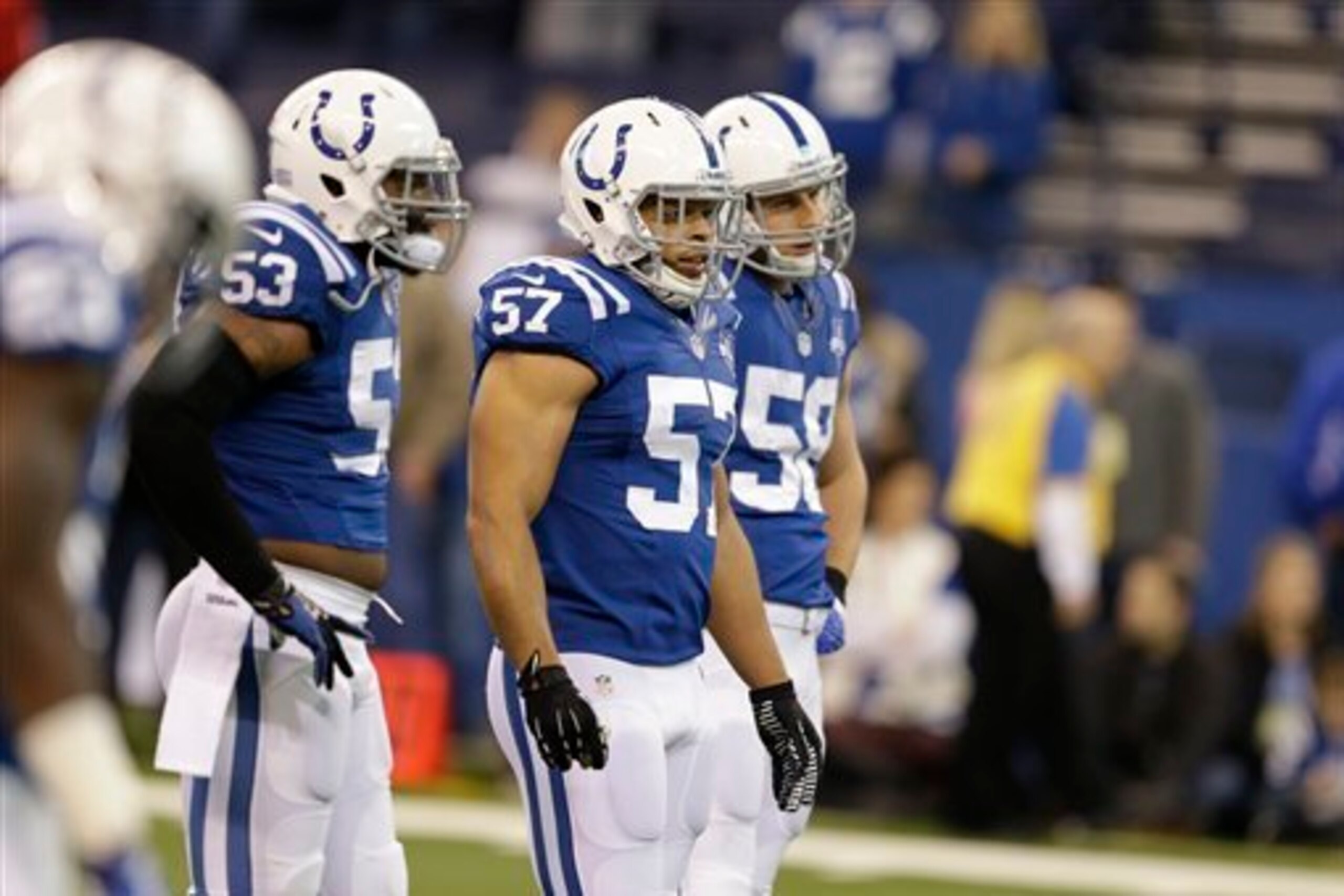
Notable players who went through the process were Seattle Seahawks quarterback B.J. Daniels and Indianapolis Colts linebacker Josh McNary.
Perhaps the next success story will begin in one of the NFL Regional Combines in 2014.
Follow me on Twitter:
.jpg?w=2560 "Texans-Mixon Released Football")

.jpg?w=2560 "Grading WWE Raw 🔠")


.jpg?w=2560 "2 NFL Officials Suspended")
