Toronto Maple Leafs Face Tough Decisions as Cap Space Dissipates
Dave Nonis can't be sleeping well these days.
An eventful offseason has left the Leafs with just under $5 million in cap space, which likely won't be enough to ink restricted free agents Cody Franson and Nazem Kadri.
Both players are coming off career years. Kadri, 22, showed flashes of brilliance in his first "full" season with the team, finishing second on the team in goals (18), assists (26) and points (44) while Franson, 25, finished eighth in the league in scoring amongst defensemen and was a big contributor in the playoffs.
Given their respective performances last season, and the fact that both are entering their prime, the pair figure to not only be in the Leafs' immediate plans, but the team's long-term plans as well.
So what will it take for the Leafs general manager to get both Franson and Kadri under contract?
Let's explore his options.
Trade John-Michael Liles
1 of 7Why it makes sense for the Leafs
Liles hasn't been the same player since a concussion derailed his 2011-12 season, and it's anybody's guess if he'll ever return to form. Ridding themselves of his $3.875 million cap hit would be a great way to clear the required cap space to sign both Kadri and Franson.
Why it doesn't
Like the Leafs, the other 29 teams in the league are unsure about what Liles can still bring to the table. Any team acquiring Liles would want to hedge its bet by forcing the Leafs to eat a substantial portion of his cap hit.
Likelihood of it happening
Not likely.
If there were a great market for Liles, he would have been dealt by now.
Is it the optimal solution?
Even if trading Liles saved the team enough money to sign both Kadri and Franson, which is debatable assuming the Leafs would have to pay a portion of his cap hit, the Leafs' depth on defense would take a hit. After signing Kadri and Franson, the team would be left with peanuts in cap space—a major hindrance on their ability to remedy the lack of depth on the back end.
The Leafs could offer an additional asset to avoid eating a portion of Liles' cap hit, but depending on the value of that asset, they could end up making a bad situation worse.
Trade James Reimer
2 of 7Why it makes sense for the Leafs
There's no doubt Reimer was a big reason why the Leafs made the playoffs last season, but the acquisition of Jonathan Bernier makes him expendable.
His $1.8 million salary wouldn't save the Leafs a ton of cap space, but a package involving Reimer could include John-Michael Liles and his $3.875 million cap hit. It could be the only way to rid themselves of Liles' contract while getting something of value in return.
Why it doesn't
Shipping Reimer out of town would be a major leap of faith in Bernier. Despite the hype, Bernier is extremely unproven with only 62 games played in his brief NHL career. Reimer is cheap for at least another season, is coming off an impressive season and is still only 25 years old.
Sometimes it's better to hang on to two young goalies before making any rash decisions.
Likelihood of it happening
Not very likely, but definitely possible.
The Leafs traded three assets and shelled out $5.8 million over the next two years to acquire the services of Johnathan Bernier. Leafs management wouldn't have done that if it didn't believe Bernier was an upgrade over Reimer. Reimer's value is also sky-high right now after an impressive 2012-13 campaign, and there's no shortage of teams looking to upgrade between the pipes.
Saving $1.8 million may still leave the Leafs short in terms of signing Kadri and Franson, however, and there's no way the Leafs are trading Reimer unless they're positive it will allow them to sign the pair of restricted free agents.
Is it the optimal solution?
Unless they're blown away by an offer, the Leafs should explore other avenues.
Trade Phil Kessel
3 of 7Why it makes sense for the Leafs
Kessel is an unrestricted free agent at the end of this season and will, deservedly, demand top dollar. The Leafs are expected to be close to the cap again next season and agreeing to a new deal with the star forward will be a challenge.
After finishing in the top seven in scoring for the second year in a row and a strong performance in the playoffs, Kessel's value has never been higher. Trading the star right winger seems unthinkable to many, but the move would free up $5.4 million this season and would net the Leafs a king's ransom of assets. If the Leafs are unsure about being able to get Kessel under contract long term, getting something in return before he's allowed to bolt is something they need to consider.
Why it doesn't
Kessel is easily the Leafs' best forward and losing him would be a major setback for the team.
Likelihood of it happening
Not likely.
25-year-old goal-scoring machines don't grow on trees. The Leafs will do whatever it takes to get Kessel under contract long term.
Is it the optimal solution?
Unless the Leafs have inside information that Kessel isn't happy in Toronto or have serious doubts about re-signing him, it's far from the optimal solution.


Trade Dion Phaneuf
4 of 7Why it makes sense for the Leafs
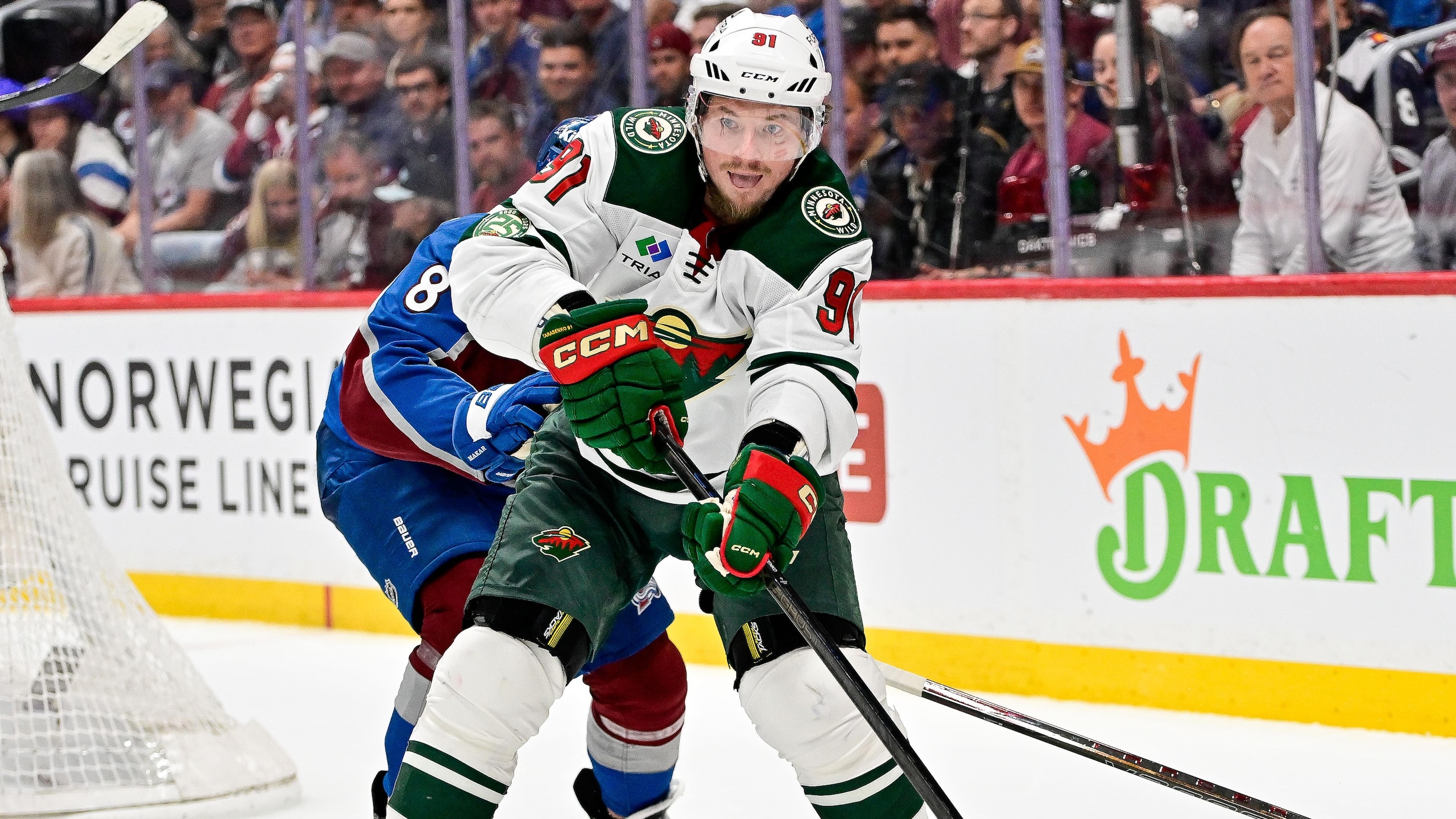
The Leafs need to clear cap space and trading captain Dion Phaneuf—the team's most expensive player—would certainly do the trick.
Similarly to Phil Kessel, Phaneuf's contract is expiring at the end of the upcoming campaign, and there's no guarantee the Leafs will be able to retain his services beyond the 2013-14 season. Cutting bait now, acquiring some assets and inking both Franson and Kadri may be the optimal move.
Why it doesn't
While Phaneuf is expensive, there's nobody on the Leafs roster that has proven they can play 25-plus minutes per game, including time on both the power play and penalty kill. Phaneuf has his flaws, but losing him would create a big hole on the back end.
Likelihood of it happening
It's definitely a possibility.
Phaneuf has been the subject of trade rumors all summer, and according to the Edmonton Journal, there has been recent chatter of the Oilers being interested in the 28-year-old defenseman.
The Oilers are reportedly looking to strengthen their blue line and Phaneuf would certainly accomplish that, while the Leafs would have a variety of young, skilled Oilers—signed to affordable entry level contracts—to choose from in return.
When it comes to trade rumors in the NHL, when there's smoke, there sometimes is fire.
Is it the optimal solution?
If Leafs management doesn't believe it'll be able to sign Phaneuf long term, trading the captain may be the best option. There's no question it will hurt the team in the short term, but allowing Phaneuf to bolt next summer without receiving anything in return would be a bigger setback.
Trade Nazem Kadri
5 of 7Why it makes sense for the Leafs
Kadri is coming off the best season of his young career and trading him would fetch the Leafs a massive return.
His shooting percentage was unsustainably high last season at 16.8 percent, meaning it's possible we've seen the best Kadri can offer. Selling high could end up being a great move by the Leafs.
Why it doesn't
The reason Kadri could fetch the Leafs a massive return is exactly why the Leafs could end up regretting trading him—there's no telling how good he can be.
Likelihood of it happening
Not very.
The Leafs are already paper-thin at center and losing their second-line center would be a big detriment to the team's offense.
Is it the optimal solution?
Far from it. The Leafs have done an excellent job of acquiring and developing young talent. Now is not the time to start trading it away, regardless of how desperate the Leafs may be.
Trade Cody Franson
6 of 7Why it makes sense for the Leafs
Franson will be seeking a pretty substantial raise after his breakout season in 2013 and the Leafs are seemingly struggling to pay up. If the Leafs aren't able to clear cap space, Franson may be on the move, as signing the younger Nazem Kadri will likely be the higher priority.
With Morgan Rielly set to receive serious consideration for a roster spot this season, Franson could be expendable if his contract demands are too high.
Why it doesn't
The Leafs aren't exactly stacked on defense; therefore, losing a big, young blueliner with good puck-moving ability could spell trouble.
If the Leafs are forced to give Rielly big minutes due to lack of depth on the blue line, it could stunt his development as a player if he isn't ready.
Likelihood of it happening
Likely.
TSN's Darren Dreger tweeted last week that a trade involving Franson could be on the horizon due to his contract demands. Dreger mentioned that the return coming back to Toronto could be a prospect and a pick, which would be a great return on investment considering what the Leafs gave up to acquire Franson in the first place.
Is it the optimal solution?
Trading Franson would leave a pretty big hole in the Leafs defense corps. If it came down to choosing between Franson and Kadri, however, Franson is the preferred option to be dealt, as the Leafs have more organizational depth on defense than they do up the middle.
Buy out John-Michael Liles
7 of 7Why it makes sense for the Leafs
On August 2nd, the Leafs' 48-hour non-compliance buyout period will open and Liles is a prime candidate to be axed. According to capgeek.com, the Leafs would save $3 million in cap space in each of the next two years by buying out the much maligned defenseman.
Why it doesn't
While buying out Liles would save the team substantial money in each of the next two years, the buyout cap hit jumps to $2.375 million in 2015-16 before steadying at $1.25 million for each of the final three years of the buyout.
For those counting at home, that's a total of six years. Yuck.
Likelihood of it happening
Extremely likely.
Once news broke that the Leafs would be eligible for the 48-hour non-compliance buyout period, despite agreeing to deals with Mark Fraser and Carl Gunnarsson ahead of their arbitration cases, Twitter exploded with speculation that the team would buy out Liles and save $3 million in cap space this offseason.
Is it the optimal solution?
Buying out Liles would leave the team with just under $8 million in cap space, which should be enough to sign both Kadri and Franson.
Paying for a player for six years after he's left your team is rarely the optimal solution, but in this case, the immediate advantages outweigh the downside of the long payment term of the buyout.



.jpg?w=2560 "Commanders OL HEATED After Tie ▶️")
.jpg?w=2560 "49ers LB Suspended for Headbutt")