

After a lockout shortened the 2013 regular season, the NHL must shake the foundation of the sport to draw more interest and maximize the local rivalries.
That’s where conference and divisional realignment will truly help the league, both fiscally and in the mainstream view of hockey.
The NHL has reportedly continued to work on a deal that would encompass realigning how the league is laid out. According to Elliotte Friedman on CBC's Hockey Night in Canada (h/t Adam Gretz of CBS Sports) and ESPN's Pierre LeBrun, the plan would entail four re-worked divisions and two overhauled conferences.
TOP NEWS

BS Meter on Latest NHL Trade Rumors 🌡️
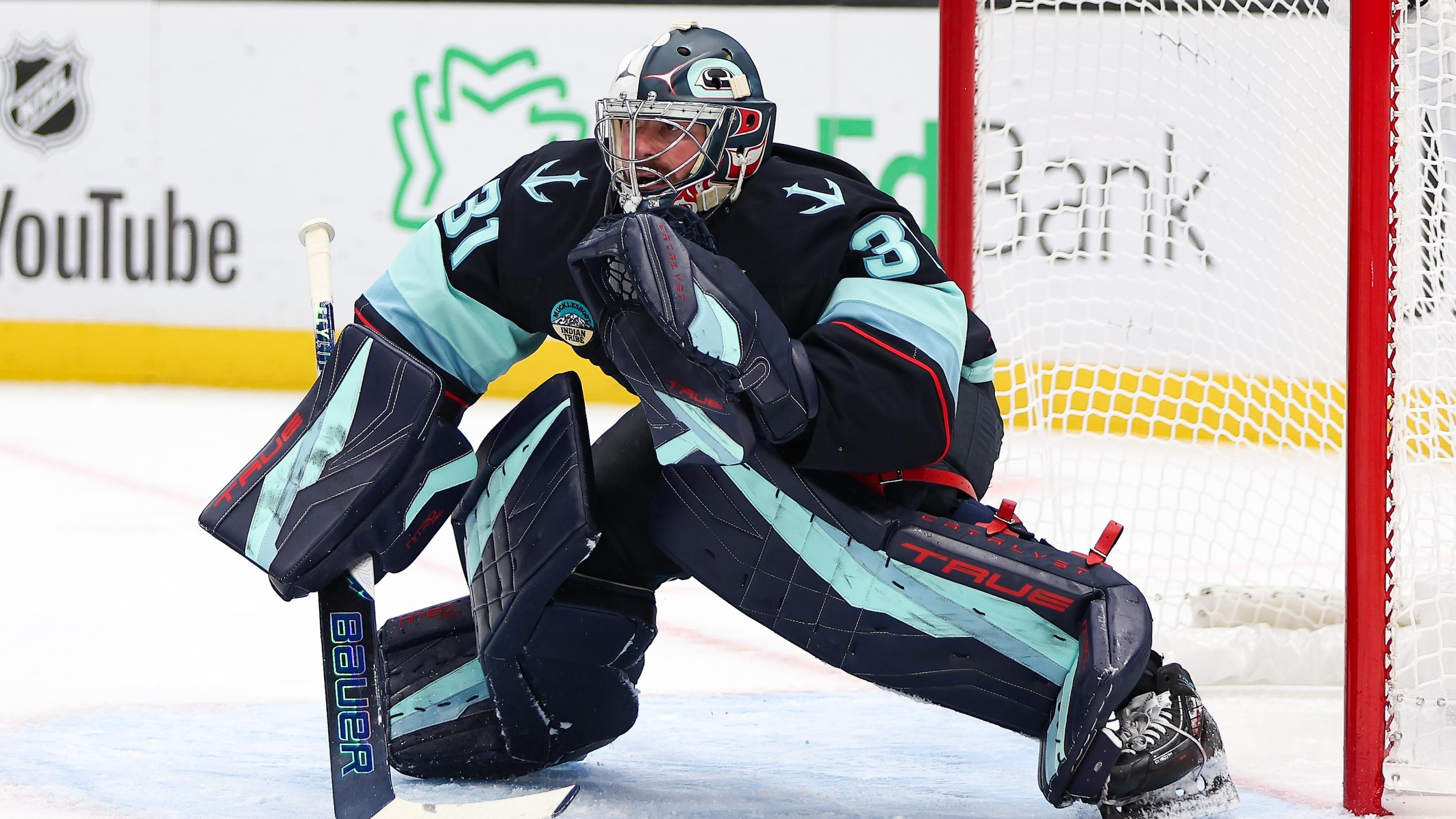
Teams That Need Goalie Trade💡

Best NHL Heritage Classic Jerseys 📋
As seen by the chart above (h/t Icethetics), the decision to put the teams together in the most logical way possible—geographic position—is the best way to not only cut down travel costs for franchises across the league, but also help fuel rivalries between cities that likely already have history.
Nothing breeds rivalries like proximity.
The shock of changing the way the NHL is currently formatted may be too much for some fans to handle (there will always be traditionalists that reject change), but moving Western Conference teams like the Detroit Red Wings and Columbus Blue Jackets to the Eastern Conference is the smartest plan.
While Detroit has become a perennial Western Conference powerhouse, the team is a better geographic fit moving to the Eastern Conference and could foster some amazing new rivalries.
The intrigue over seeing the new divisions, the new alignment of the playoffs and the bitter battles the changes will breed should have even the most causal NHL fans excited over the possible advancements.
As far as the playoffs are concerned, LeBrun has the full breakdown of how the seeding would work and which teams would make the postseason:
"The new plan calls for divisional playoffs, not conference playoffs as the NHL currently has. The division winner with the most regular-season points will play the lowest-seeded wild-card team in the first round, with the other division winner playing the other wild-card team.
"
There are definitely flaws to the proposed plans—like having the Florida Panthers and Tampa Bay Lightning possibly playing with Central Division instead of the Atlantic Division—but the general idea of the realignment is the invigoration of energy the NHL needs.
Despite the need for change to the sport, judging from the way the league handled its most recent labor dispute, it could be a long time before any of these necessary changes actually come to fruition.
With that said, LeBrun is optimistic that changes could come as early as 2014.
Reported Conferences (via CBS Sports and Elliotte Friedman)
| Eastern Conference | ||||||||
| Atlantic Division | Central Division | |||||||
| Carolina Hurricanes | Boston Bruins | |||||||
| Columbus Blue Jackets | Buffalo Sabres | |||||||
| New Jersey Devils | Detroit Red Wings | |||||||
| New York Islanders | Florida Panthers | |||||||
| New York Rangers | Montreal Canadiens | |||||||
| Philadelphia Flyers | Ottawa Senators | |||||||
| Pittsburgh Penguins | Tampa Bay Lightning | |||||||
| Washington Capitals | Toronto Maple Leafs | |||||||
| Western Conference | ||||||||
| Mid-West Division | Pacific Division | |||||||
| Chicago Blackhawks | Anaheim Ducks | |||||||
| Colorado Avalanche | Calgary Flames | |||||||
| Dallas Stars | Edmonton Oilers | |||||||
| Minnesota Wild | Los Angeles Kings | |||||||
| Nashville Predators | Phoenix Coyotes | |||||||
| St. Louis Blues | San Jose Sharks | |||||||
| Winnipeg Jets | Vancouver Canucks | |||||||
.jpg?w=2560 "NHL Trade Grades Connor Hellebuyck")



.jpg?w=2560 "Latest Peyton-Colts Rumors")



.jpg?w=2560 "Landing Spots for Trade Candidates 📍")
.jpg?w=2560 "Ugly Jets Scoring Stat 😳")