Why Superteams Are the Future of the NBA
Today, as the gulf between the NBA’s upper- and lower-echelon teams widens, we must all face the inevitable fact.
Superteams are the future of the NBA.
Between the Los Angeles Lakers, Los Angeles Clippers, Oklahoma City Thunder and San Antonio Spurs, the NBA’s Western Conference will probably not be won by a team that has fewer than three All-Star caliber performers.

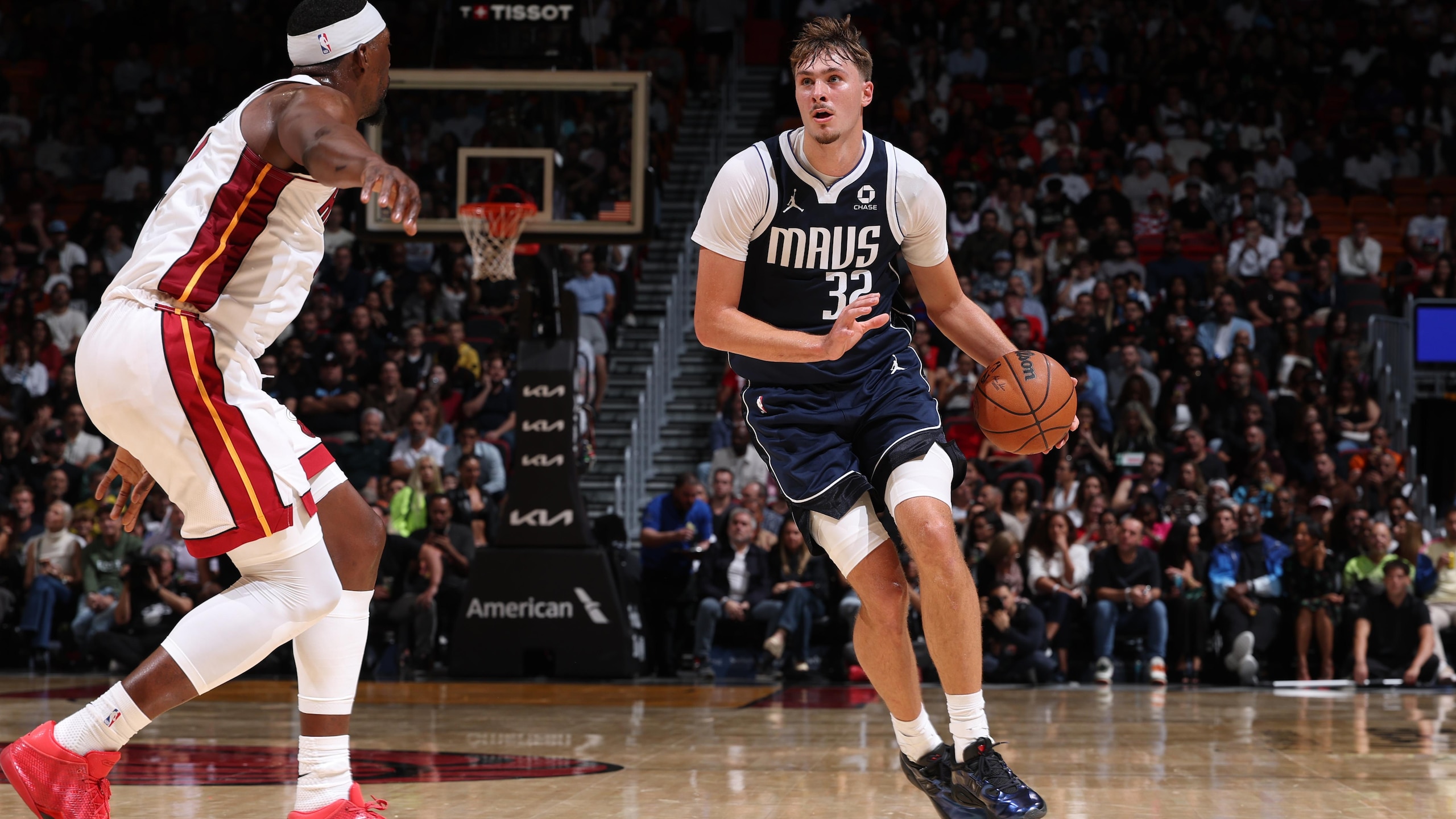
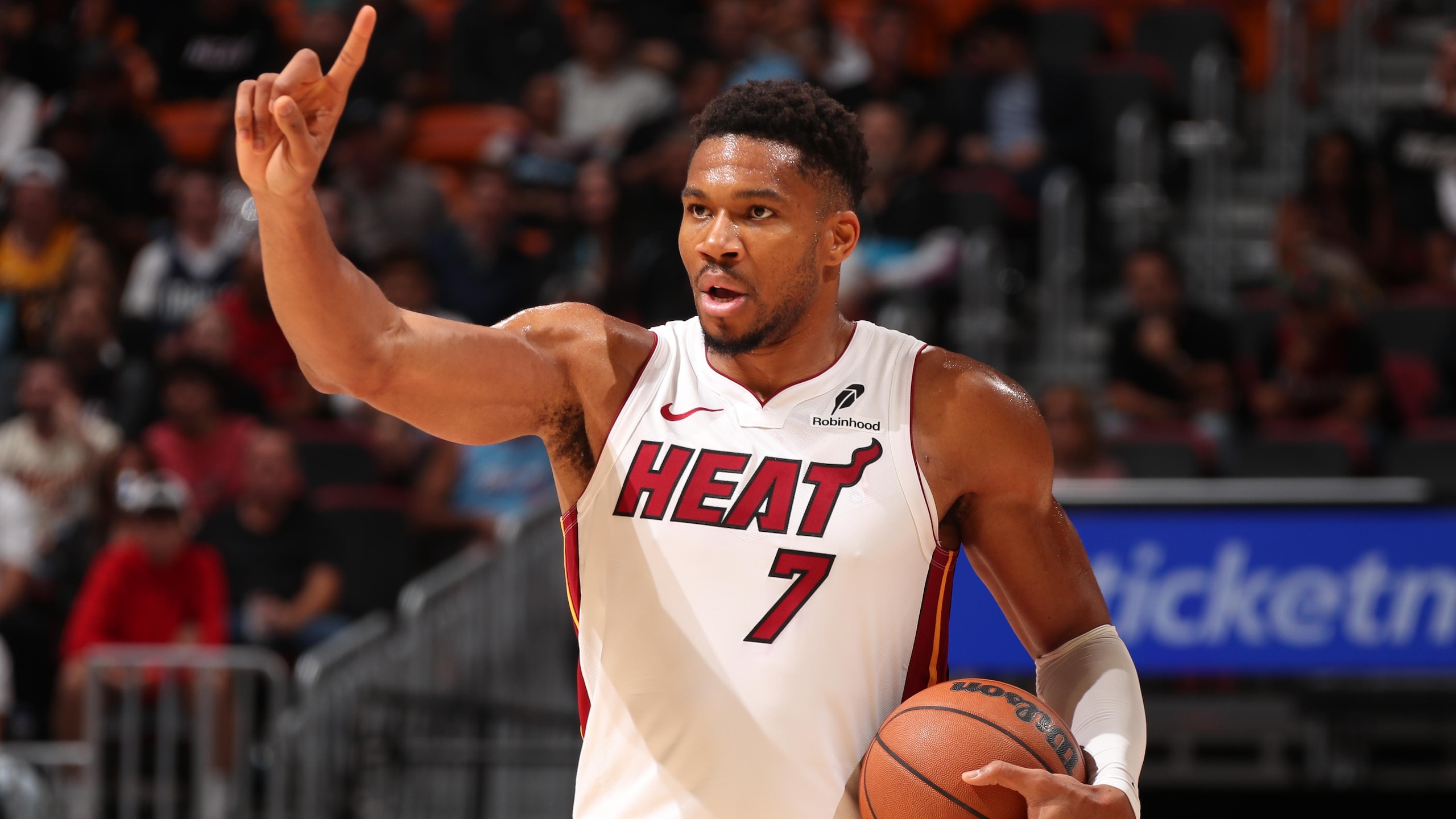
And out East, between the Boston Celtics and the Miami Heat, you’ve got five first-ballot Hall of Famers, and three others—Rajon Rondo, Chris Bosh and Rashard Lewis—who will probably get in one day.
The Chicago Bulls, New York Knicks and Brooklyn Nets have all done their best to build their own superteams, but they’re still at least a bit behind.
As for why this is the NBA’s future?
It’s because it has been the NBA’s immediate past.
And it’s worked right before our very eyes.
The seeds of it all were planted back in 2007.
After pulling a fairly obvious tank job in which Danny Ainge was angling to take Kevin Durant with either the first or second overall pick of the 2007 draft, the Celtics, after failing to win as many as 30 games in their 2006-07 campaign, also failed to win the draft lottery.
So, back in 2007, instead of ending up with a core of Sebastian Telfair (who the Celtics still believed to be a great prospect), Kevin Durant and Al Jefferson, Danny Ainge sent a package of players, including Jeff Green (who he selected with that fifth overall pick) to the Seattle SuperSonics in exchange for a package built around Ray Allen.
About a month later, Ainge managed to trade a package built around Al Jefferson to the Minnesota Timberwolves in exchange for Kevin Garnett.
In the summer of 2007, our contemporary version of a “Big 3” was formed.
And just one year later, in the summer of 2008, they would be crowned NBA champions.
But before then, during the 2007-08 season, other NBA teams tried to keep up with the Celtics. Mark Cuban’s Mavericks traded for Jason Kidd, the Phoenix Suns dealt for Shaquille O’Neal, and the Los Angeles Lakers acquired Pau Gasol.
The Mavericks featured Kidd with Dirk Nowitzki and Jason Terry. The Suns had Shaq running with Amar'e Stoudemire and Steve Nash, and the Lakers managed to up the ante by putting Gasol on their frontline and forming a fearsome foursome with Kobe Bryant, Lamar Odom and Andrew Bynum.
The Cleveland Cavaliers brought in Ben Wallace and Wally Szczerbiak to pair with LeBron James and Larry Hughes.
Everyone tried to keep up. Everyone rolled the dice. But nobody could stop the Celtics.
James would experience the pain of losing to them in seven games in the second round of the Eastern Conference playoffs, so for him, it was more personal.
Yes, James lost to the Celtics. Wade missed almost all of the season due to injury and Chris Bosh’s Raptors were ousted in the first round.
While those three were touring Asia as members of the United States Olympic Basketball “Redeem Team,” they realized that to become champions, they would eventually have to form a superteam of their own.
Though the Celtics wouldn't win another championship, they were, without question, the cream of the conference. They were the gold standard.
So James, Wade and Bosh formed their own Big 3.
And in July 2010, when the NBA stars in their peer group saw the Miami Heat celebrating the biggest free-agent coup of all time and saw Dwyane Wade, Chris Bosh and LeBron James together in white-hot Heat uniforms, their immediate thought must have been, “How am I supposed to compete with that?”
The next NBA season, in 2010-11, Carmelo Anthony helped to answer that question.
Anthony forced the Denver Nuggets to trade him to the New York Knicks because Anthony and Chris Paul had visions of forming their own “Big 3” in New York City with Amar’e Stoudemire.
That vision obviously failed to come to fruition, but Paul found himself on the Clippers and he’s doing just fine. And now Dwight Howard lives in Los Angeles, and he’s being flanked by three Hall of Famers.
Today, Kevin Durant and Deron Williams hope they can compete.
Deep down, Kevin Love and LaMarcus Aldridge probably know that they can’t.
And what we have today, aside from the NBA talent arms race, is a younger generation of potential All-Stars—Monta Ellis, Josh Smith, Kyrie Irving and Jrue Holiday, to name a few—who are looking up in the standings and seeing talent-rich teams which feature 11th and 12th men that are better than some of the other players that they’re starting with.
Veteran players nearing the end of their careers—guys like Rashard Lewis, Leandro Barbosa and Antawn Jamison—are taking minimum salaries and guarantees of career-low minutes-per-game averages for an opportunity to sit on the end of the bench of a team that hopes to compete for an NBA championship.
Ultimately, the rich get richer. Good players want to win big. But to win big, you've got to go to a good team. So, the good players are going to good teams.
Mediocre teams are left with scraps.
For a veteran, taking less money is admirable. And for the contending team, having someone on the end of the bench whom the coach can rely on in the event of injury is valuable.
But for the younger players around the league hoping to be able to compete for a championship, it's discouraging. And in response, there’s only one thing they can do.
Form their own superteams.
Today, the league’s superteams—the Lakers, Heat and Celtics—as well as the second tier of high-salaried teams—the Nets, Knicks, Clippers and Bulls—all have core players whose best days are probably behind them.
However, as we look ahead to the summer of 2014—when at least 10 of the league’s teams will have ample cap space—it’s quite possible that at least one brave owner, maybe Mark Cuban, will attempt to score a free-agent haul similar to the one that Pat Riley secured for the Miami Heat.
Although signing three maximum free-agent talents to long-term contracts doesn’t guarantee anything, we did see the Miami Heat become an instant contender, and years prior we saw the Boston Celtics—though they traded their way to become a superteam—become an NBA champion overnight.
As for the Heat, after winning the Eastern Conference in 2011 and losing in the NBA Finals, they re-tooled and came back in 2012 and are now the reigning NBA champions.
Now, this year, they are wiser, more experienced and better to the point that 70 percent of the league’s general managers believe that the Heat will repeat as champions this coming season. Of the remaining 30 percent, 23 percent believe that the Lakers will win.
So, in other words, according to the NBA’s general managers, this season, you only have a seven percent chance of winning the NBA championship if you’re not a member of a superteam.
Who in the world would want those odds?
Not me, not Kevin Love, not LaMarcus Aldridge and not any of the NBA's future stars.
Clearly then, it doesn’t take a rocket scientist to see where this is going.
Unfortunately, the pursuit of the superteam is going to become the new norm.
.jpg?w=2560)
.jpg?w=2560 "Chiefs, Steelers Eye WR Trades")
.jpg?w=2560 "WWE Raw Live Grades 🔠")

.jpg?w=2560 "Cowboys Handle Eagles on MNF 🤠")
.jpg?w=2560 "🚨Jay-Z Headlining Super Bowl")