Breaking Down Ramifications of NHL's Attempt to Terminate Expiring Labor Deal
With the NHL's revenue and television viewership at its highest mark since the entire 2004-05 season was lost due to a lockout, it's no secret that another lockout could be disastrous. Even so, the NHL has taken the first step toward a potential lockout.
According to Liz Mullen of the Sports Business Journal, the league has told the NHL Players Association that it intends to terminate or modify the current collective bargaining agreement, which expires on Sept. 15, 2012.
Essentially this means that if the players and owners can't come up with a new deal over the summer, then the league is in very real danger of having to cancel some games or perhaps even another full season as was the case eight years ago.
TOP NEWS
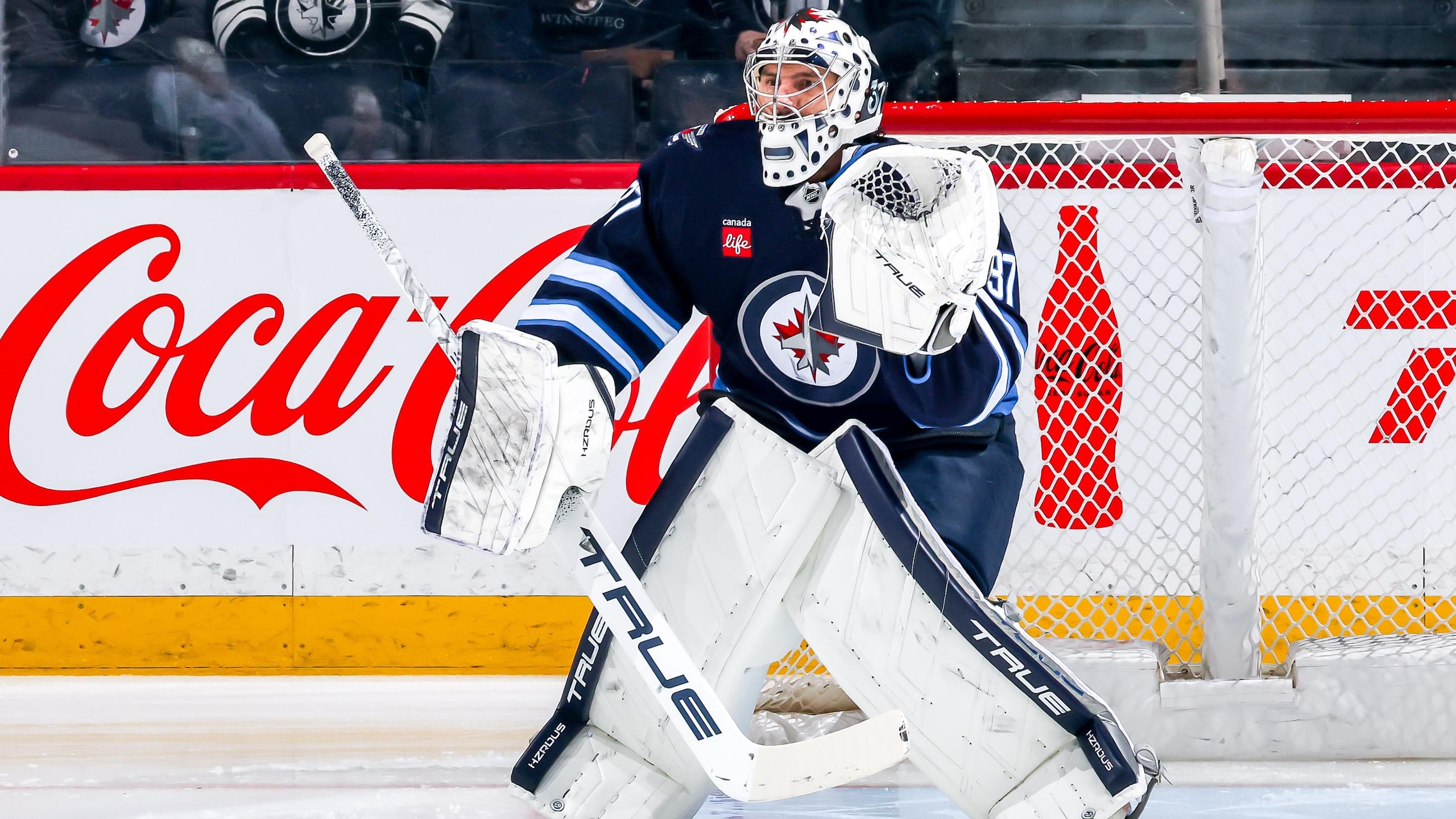
3-Way Trade Ideas for Connor Hellebuyck and Alexander Nikishin Amid NHL Rumors
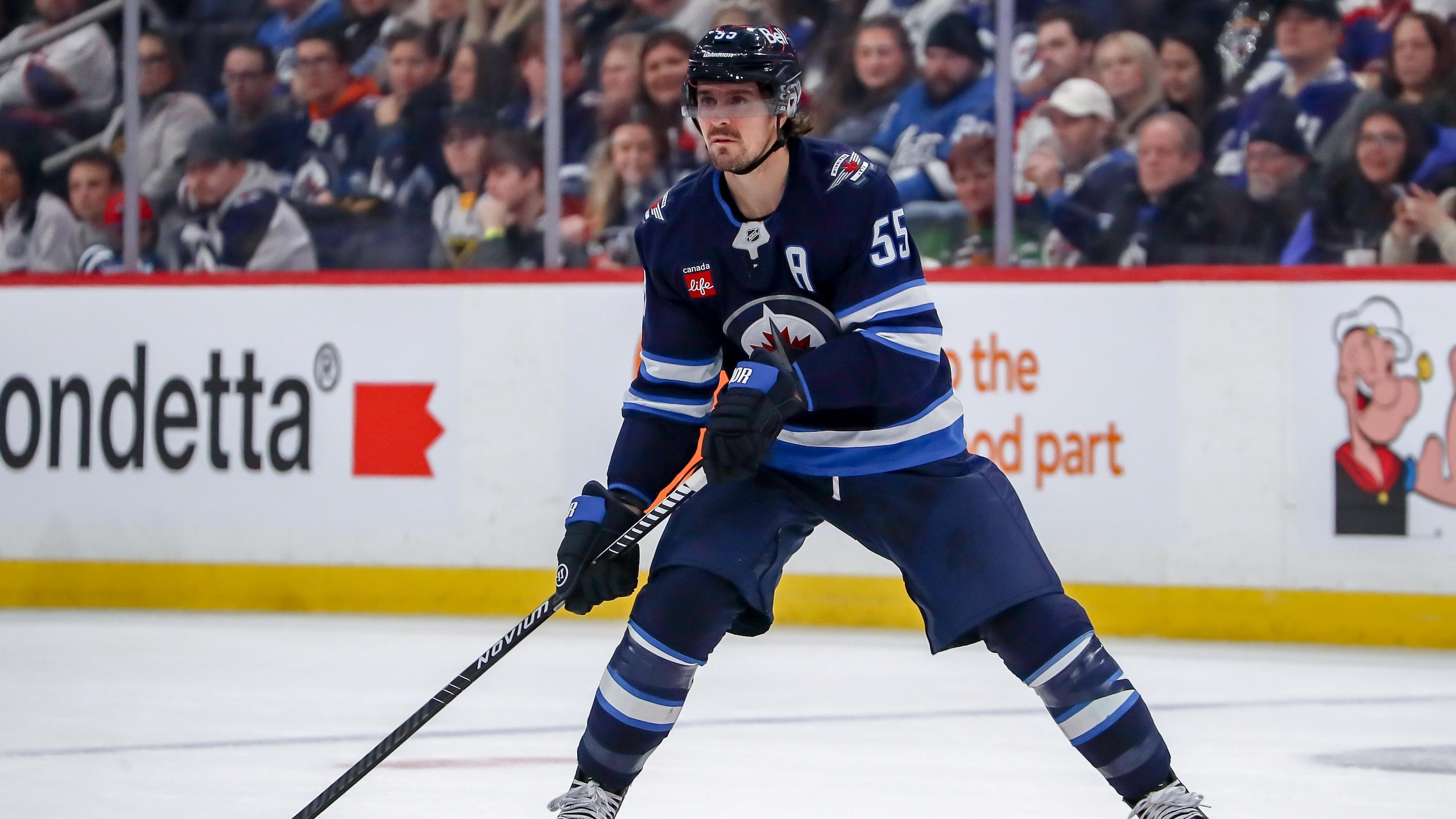
Mark Scheifele Landing Spots 📍

Every Team's Odds to Win the Cup 🏆
Jason Brough of ProHockeyTalk.com is reporting that the players are currently receiving 57 percent of the league's revenue. That will undoubtedly be a major point of contention and it may very well be the biggest issue when it comes to getting a deal done, much like the NBA this past off-season.
Money is always the problem when it comes to labor negotiations and this will be no different. The NHL was in dire straits prior to the 2004-05 lockout, and while it took quite a bit of time to re-brand the game and to rebuild the viewing audience, the league is certainly quite healthy in that regard right now, and it has the lockout to thank.
At the same time though, a second lockout would be a dagger through the league's heart. There is no doubt that the NHL could improve in several areas, but the current situation is nowhere near as bad as it was eight years ago.
In addition to revenue sharing, it will be interesting to see if the salary cap comes into play. There was no cap prior to the 2005-06 season, but the owners got their way as they were able to institute one. It has most definitely helped maintain the competitive balance, but it has begun to get out of control. The cap started at $39 million, but it has reached a high-water mark of $64.3 million this season.
Additionally, the on-ice product has reverted back to a pre-lockout style in recent years, and that may be something that the owners want to address as well. Rule changes and an emphasis on getting clutching and grabbing out of the game led to a major increase in scoring for the 2005-06 season. However, the league has seen a precipitous drop ever since.
The NHL isn't a broken league like it was in 2004 by any means, but it can still get much better. Because of that, the league's desire to terminate or modify the CBA can be viewed as a positive, but at the same time it makes a lockout possible, and the NHL has come too far to go through that again.
Follow @MikeChiari on Twitter




.jpg?w=2560 "NFL investigating 2 referees for separate viral exchanges")
.jpg?w=2560 "Report: Chiefs Contact Hill's Agent")
.jpg?w=2560 "OBJ Calls Out Giants 😳")


.jpg?w=2560 "Tyreek makes another cryptic post amid Chiefs rumors")