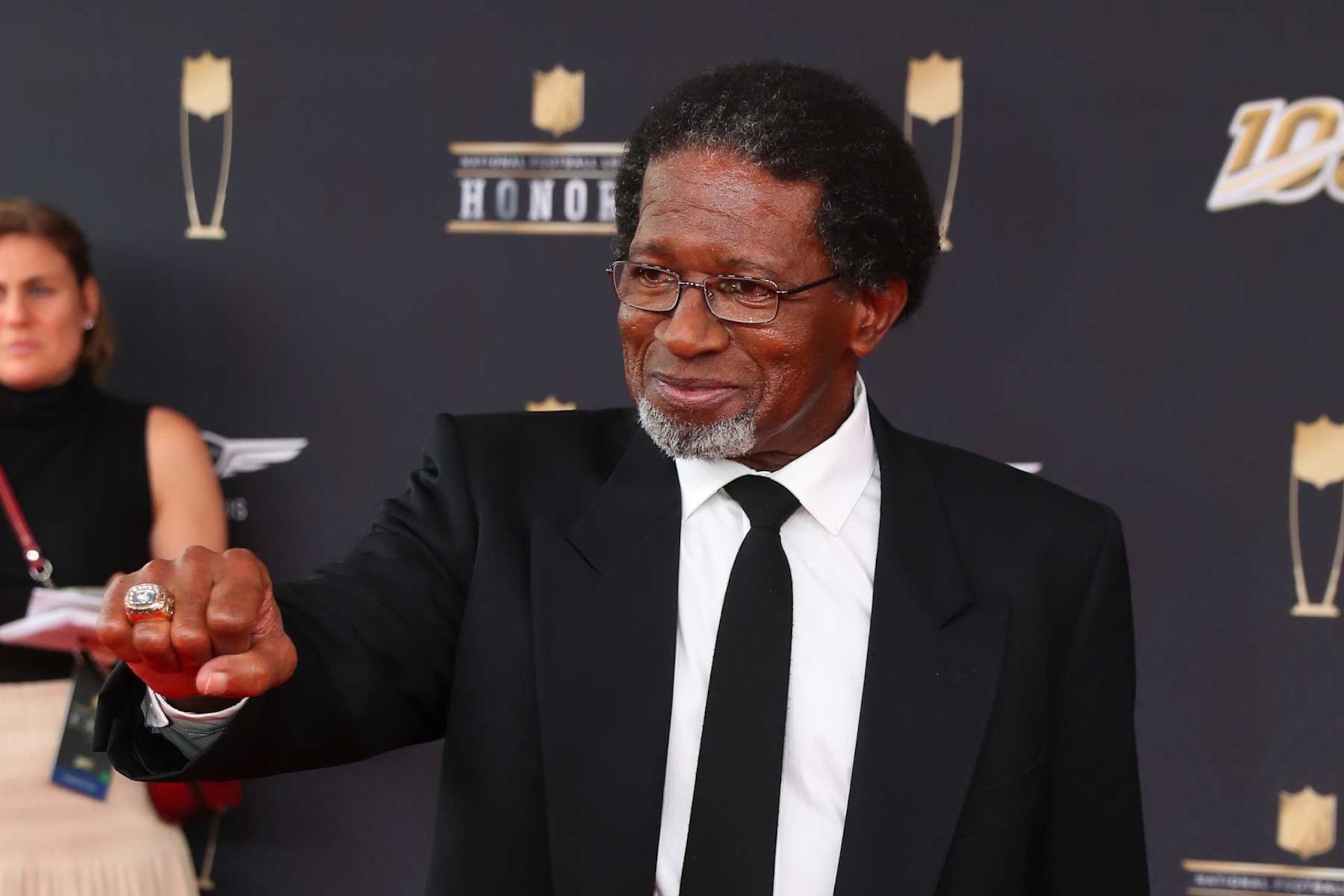

Mercury Morris Dies at 77; Star of Dolphins' Undefeated Team Won 2 NFL Super Bowls
Miami Dolphins legend Eugene "Mercury" Morris died at the age of 77.
Tim Reynolds of the Associated Press noted the team revealed Sunday that Morris died and shared a statement from his family that said his "talent and passion left an indelible mark on the sport."
TOP NEWS

New NFL contenders starting to emerge after Week 4
.jpg?w=2560 "Cardinals Giants Football")
NFL investigating 2 referees for separate viral exchanges
.jpg?w=2560 "Hill Injury Update Football")
Report: Chiefs Contact Hill's Agent
The family's statement continued and said, "Beyond the field, Mercury was a devoted father, a loving brother, a loyal friend, and a pillar in the community. His presence extended far beyond football, as he touched the lives of many throughout his time in Miami."
Miami selected Morris with a third-round pick in the 1969 NFL draft, and he played seven seasons for the team before playing his final NFL campaign on the San Diego Chargers in 1976.
He remains fourth on the Dolphins' all-time leaderboard for rushing yards with 3,877, which is behind only Larry Csonka (6,737), Ricky Williams (6,436) and Ronnie Brown (4,815). He also ran for 29 touchdowns and scored another as a receiver during his tenure with the AFC East team.
Morris' best two seasons also coincided with the best two seasons in Dolphins' history.
Miami went 14-0 and won the Super Bowl during the 1972 campaign as the running back tallied 1,000 yards and a league-best 12 touchdowns on the ground. He then ran for 954 yards and a team-high 10 touchdowns during the team's second straight Super Bowl-winning season in 1973.
Morris, Csonka and Jim Kiick formed a dominant rushing trio, and those Lombardi Trophies remain the only two in franchise history.
Those 1972 Dolphins also remain the only NFL team to finish undefeated and untied, which cemented their status in league history.
Longtime NFL journalist Ed Werder was among those who reacted to the news of Morris' death and his overall impact on the Miami area:
Following his retirement, Morris was sentenced to 20 years in prison following a 1982 conviction on cocaine trafficking charges. However, that conviction was overturned, which led to the next chapter of his life.
"He fought the conviction, admitting he used cocaine—in part to deal with numerous lingering injuries—but never sold the drug," Reynolds wrote. "His conviction was overturned by the Florida Supreme Court in 1986 and Morris became a motivational speaker urging people to avoid drugs."
Morris is now a member of the Dolphins' Walk of Fame and is survived by his five children and three siblings.
.jpg?w=2560 "Titans Giants Football")
.jpg?w=2560 "Dolphins Bills Football")


.jpg?w=2560 "Greenlaw Talks Payton Exchange")
