
How Projected NHL Salary-Cap Increase Affects Every Team
After several years of almost no jump in the NHL's salary cap, commissioner Gary Bettman recently announced that the league's salary cap is expected to jump to around $87.7 million for the 2024-25 season.
That would not only be an increase of more than $4 million from this season, it would also be the largest increase in six years.
That is good news for pretty much every team in the league.
It gives contenders more wiggle room to add. Teams that have significant free agents to deal with will have more room to retain their stars. Rebuilding teams will have more salary-cap space they can weaponize to try to buy draft picks or prospects.
Let's take a quick look around the league at what it could mean for each of the league's 32 teams.
Rebuilding Teams Getting Trade Ammunition
1 of 4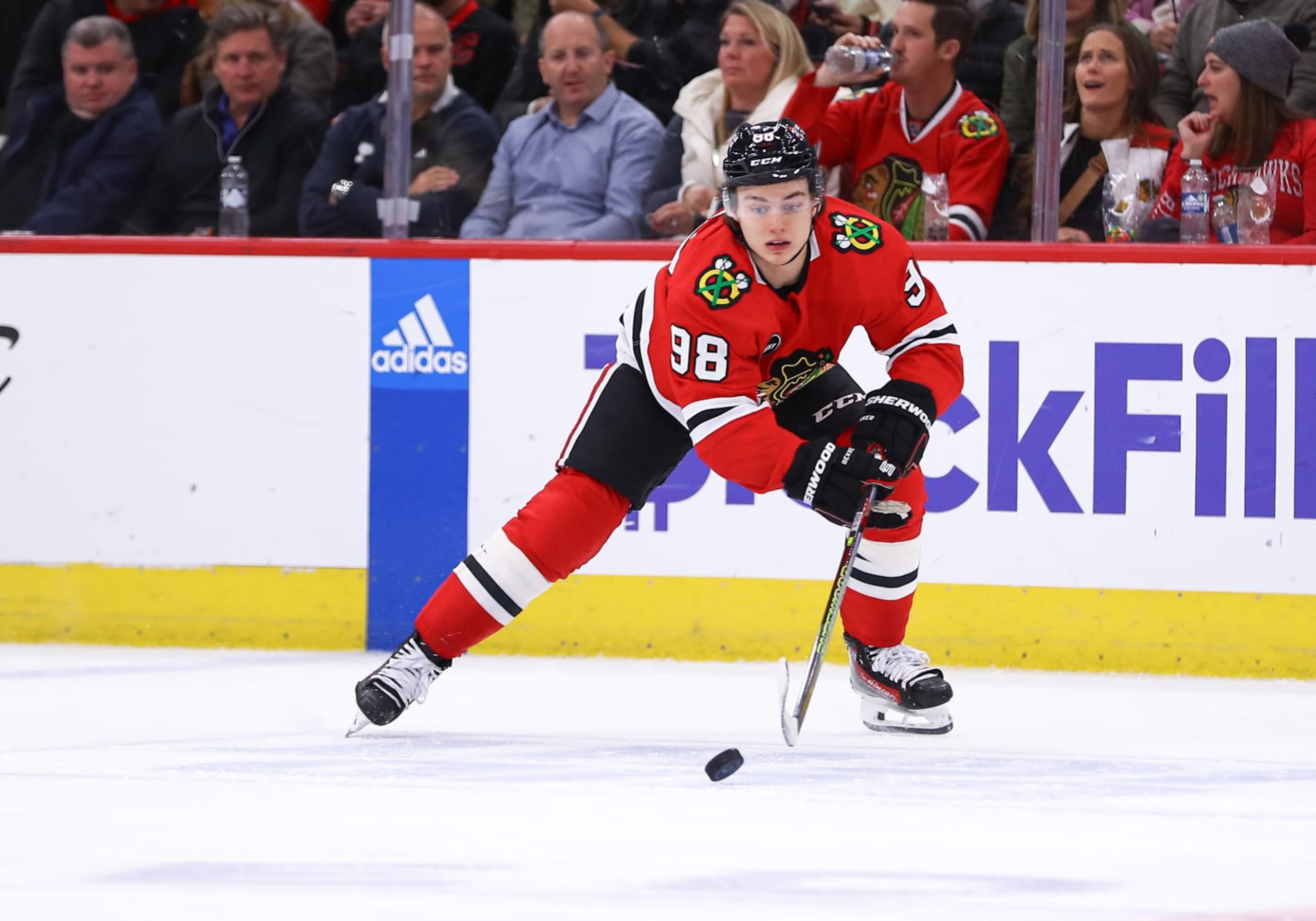
Anaheim Ducks, Arizona Coyotes, Chicago Blackhawks, Nashville Predators, Montreal Canadiens, Philadelphia Flyers, San Jose Sharks
These seven teams are all under one umbrella because they will all be facing a similar situation.
None of them figure to be contending for a Stanley Cup next season.
All of them will still be in a rebuilding phase, even if they are in different stages of it.
For teams like Anaheim, Philadelphia and Chicago, it will present an opportunity to perhaps add established pieces through trades to help build up around their cores. The Coyotes might also be in that same tier if they keep showing progress throughout the 2023-24 season and have players like Logan Cooley develop.
For teams like Montreal and San Jose, it might be an opportunity to use their salary-cap space (San Jose has more than Montreal) to acquire draft picks or prospects in return for taking on bad contracts.
Even with the rise in the salary cap, there are still going to be teams that need to shed money or dump undesirable contracts. Arizona has made a habit out of taking them in recent years to acquire picks. Chicago tried to do that this past offseason.
Nashville is also going to be a team to watch because it has spent the past year shedding contracts, has a new general manager (former head coach Barry Trotz) and still has a couple of veteran players who could be attractive to buyers, including defenseman Roman Josi and goalie Juuse Saros if it really wanted to kic-kstart a rebuild.
The Predators have not quite thrown in the towel on this core, but they probably should given how it is still a veteran team with a thin farm system that needs everything to go perfectly just to have a shot of sneaking into the playoffs as a wild-card team.
Free-Agent Retention Teams
2 of 4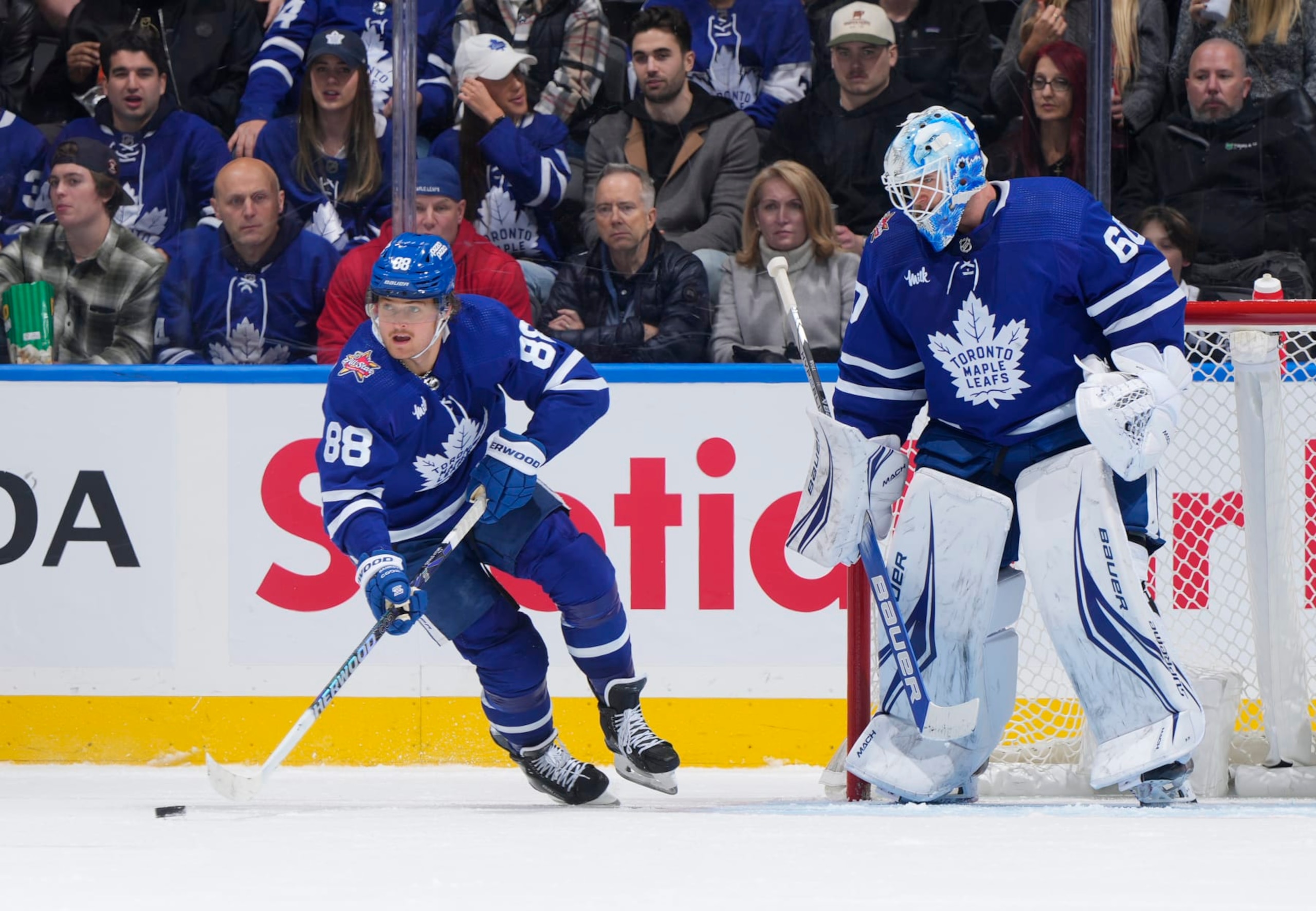
Boston Bruins
The Bruins will almost certainly still have some needs at center, but their top priority will be retaining goalie Jeremy Swayman (RFA) and winger Jake DeBrusk (UFA). The latter has developed into a legit top-six producer and after a trade request last year really seems to have found a home and a role in Boston.
Swayman, 25, is part of an elite goaltending duo with the 30-year-old Linus Ullmark and has not only been the superior goalie so far this season, he is almost certainly the team's long-term starter given his age. An extra $4.2 million could be huge in keeping one or both.
Carolina Hurricanes
The Hurricanes have a significant portion of their core not only locked in place, but also locked in to mostly team-friendly contracts. Their primary concern this offseason will be getting new deals signed with a couple of restricted free-agent forwards in Martin Necas, 24, and Seth Jarvis, 21.
Both players are potential building blocks who are just entering their prime years. But Necas has developed into one of their top offensive stars and will be in line for a huge payday.
Detroit Red Wings
Detroit has spent big in unrestricted free agency and on the trade market the past two offseasons, while also re-signing Dylan Larkin. But the Red Wings are entering an offseason with only 10 players under contract for the 2024-25 season and have 13 pending free agents.
That not only includes veteran unrestricted free agents such as David Perron and Robby Fabbri, but also key restricted free agents like Lucas Raymond and Moritz Seider.
Raymond, 21, and Seider, 22, will be the most important re-signings as they are key members of their long-term core and both starting to enter their prime. The big question the Red Wings have to answer is do they go with short-term bridge deals or go all-in with long-term pacts?
Florida Panthers
The Panthers have two major unrestricted free agents this offseason in forward Sam Reinhart and defenseman Brandon Montour. They will present the Panthers with two significant questions: Do they want to keep them, and how much do they trust them on long-term deals?
Montour was one of the league's surprising breakout stars last season but has been limited to 11 games this season because of a shoulder injury. He's also never come close to producing at that level throughout his career.
Reinhart is on track for a career year with 37 points in his first 27 games. The Panthers will have $28 million in cap space to work with during the offseason, which in theory is more than enough to sign both players, but they only have nine players under contract. That means they still have 60 percent of a roster to fill out.
Los Angeles Kings
The Kings are going to be facing some big headaches this offseason with young forwards Quinton Byfield and Arthur Kaliyev entering restricted free agency. Byfield is going to be the main concern, as he is finally having the breakout year the Kings were hoping for and might be in line for a long-term deal.
They will only have $22.6 million to sign nine players, including the two young forwards and both goalie spots as Cam Talbot and Pheonix Copley are each playing on expiring contracts.
Pittsburgh Penguins
The Penguins have shown zero interest in starting a rebuild and seem determined to keep trying to compete in what is left of the Sidney Crosby era. There is no reason to believe that will change this offseason.
Their big concern will be trying to re-sign forward Jake Guentzel, a pending unrestricted free agent. He is one of the most productive wingers and goal-scorers in the NHL and has an incredible chemistry alongside Crosby. He has been playing on a team-friendly $6 million cap hit the past few years, but he has played his way into a significant raise on his next deal.
An extra $4 million in cap space will help a cap-strapped Penguins team keep him if they choose.
Tampa Bay Lightning
Does an increase in the salary cap potentially change their plans for impending UFA Steven Stamkos? The fact that they have not re-signed the franchise legend, as well as general manager Julien BriseBois' comments on his situation before the season, cast some doubt as to whether the Lightning want to bring him back.
But the 33-year-old is still an elite scorer and should still have some big years ahead. Even with the projected increase in the cap, the Lightning only have $12 million in space remaining with eight spots to fill. Figure a new Stamkos deal eats up at least $8 million of that...and maybe more. It still might require another trade to get him back and still fill the rest of the spots.
Toronto Maple Leafs
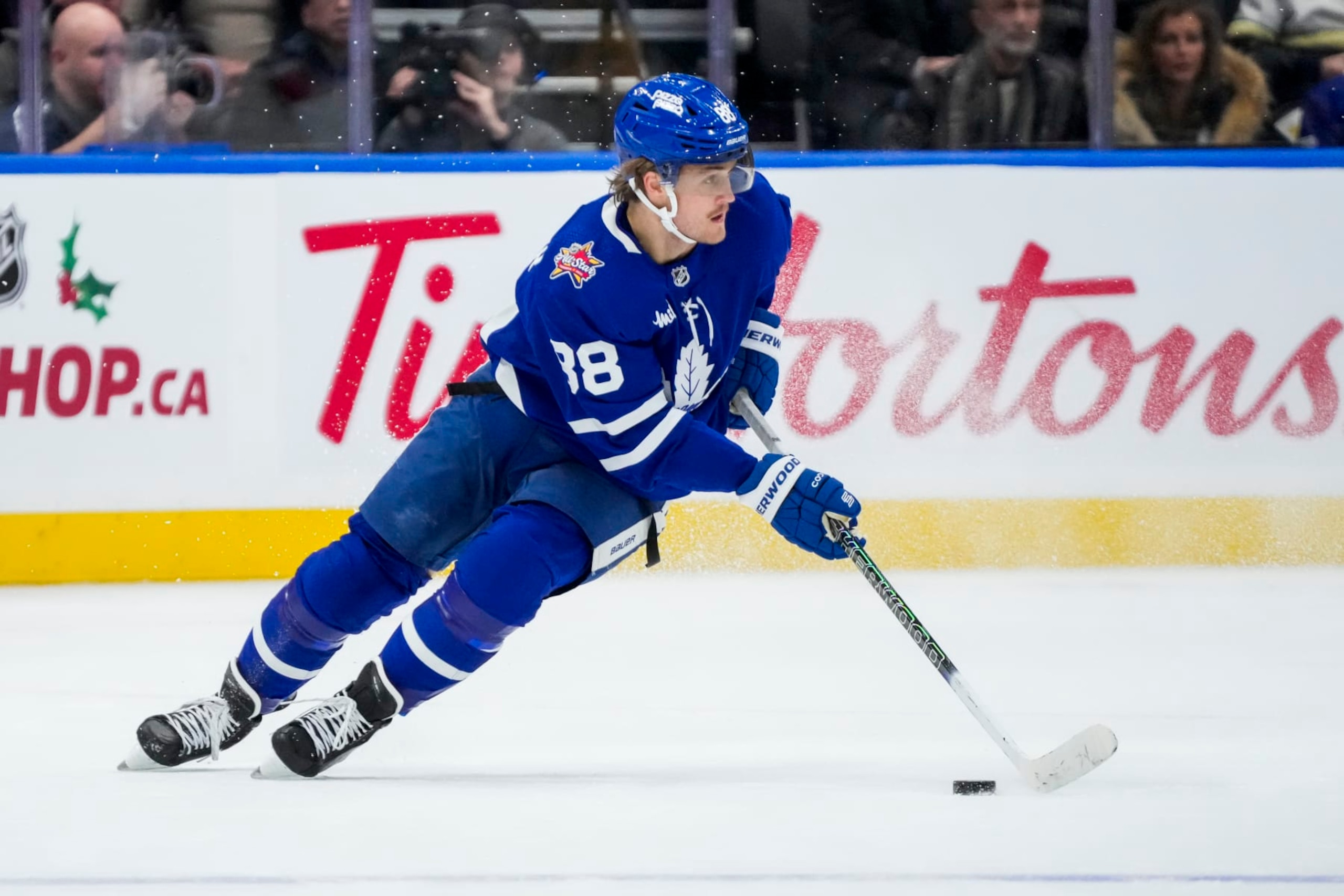
The good news for the Maple Leafs is that even with the contracts for Auston Matthews, Mitch Marner, John Tavares and Morgan Rielly, they still have over $34 million in cap space this offseason.
The bad news is they only have 10 players under contract and have the top unrestricted free agent on the market in William Nylander. Even before the potential increase in cap space there was still an argument to be made they could retain Nylander.
They have big money coming off the books following the 2025 season and would really only need to worry about a cap-crunch for one season. Given his production (13 goals, 21 assists, 34 points), there is almost no chance Nylander signs for a dollar less than $10 million per season.
That would still leave Toronto with somewhere around $24 million to fill out 12 spots. That is very doable.
Vancouver Canucks
For most of the Jim Benning era, the Canucks were perpetually in salary-cap shambles despite the fact that they never had a good team and never really had any of the top-50 contracts in the NHL.
But now they actually have a little bit of cap flexibility, and it couldn't come at a better time as they have to figure out how to get superstar forward Elias Pettersson signed to a long-term deal.
He is going to be the top restricted free agent on the market this offseason and will be looking at a 10-figure salary...easily. The Canucks have over $30 million in cap space with 11 players already signed. If Pettersson takes up between $10 and $12 million of that, then that is going to leave them $18 to $20 million for the next 10 players. Defenseman Filip Hronek is the only other key player whose contract is up after this season.
Vegas Golden Knights
Vegas is always in the market for whatever big-name player is available, but its main focus this offseason should be retaining its own star. In this case, Jonathan Marchessault.
He has been one of the most important Golden Knights forwards from their arrival in the NHL, and he is still going strong. Between him and Chandler Stephenson, who has been one of the biggest steals by any team in recent years, Vegas has two prominent forwards to try to keep. They should eat up a significant portion of Vegas' $16 million in salary-cap space this offseason.
The Contending Spenders
3 of 4
Colorado Avalanche
The Avalanche are one of the teams that are in most need of a salary-cap increase. And the $4 million is probably not going to be enough. Colorado's Stanley Cup window is still going to be wide-open with its fantastic core, but it only has about $2 million in cap space to work with just 13 players under contract.
The Avalanche will definitely be in the market to add but will need to get creative with their cap approach, either with LTIR (Gabriel Landeskog?) or finding a potential blockbuster trade.
Dallas Stars
The Stars are going to be an intriguing team to watch this offseason. They are already one of the best squads in the league, have almost all of their major core players signed long-term and don't have significant restricted free agents to re-sign outside defenseman Nils Lundkvist.
They do have two significant veteran UFAs in Joe Pavelski and Matt Duchene, but the Stars will have more than $18 million in cap space to work with. That would be plenty of room to potentially re-sign Pavelski for another year if he wants to return, or be potential players in the free-agent market or trade market.
Edmonton Oilers
The Oilers are another contender who will significantly benefit from any cap increase. With Connor McDavid and Leon Draisaitl combining to account for over $20 million in cap space, they need to get creative in building out a roster around them.
The Oilers are actually in a decent spot with 14 players signed for next season and more than $14 million in space to work with. If they could figure out a way to dump Jack Campbell's contract ($5M AAV through 2026-27), they could really give themselves some serious flexibility to try to add a better solution in goal.
New Jersey Devils
The Devils might be in one of the best positions of any team in the league. Their four best players—Jack Hughes, Nico Hischier, Jesper Bratt and Timo Meier—are all not only in the prime of their careers, but also signed long-term for a combined salary-cap number of just $30 million per season.
Having top-tier players signed for that much of a bargain creates all sorts of interesting possibilities and flexibility for building a roster. They already have 15 players signed and have nearly $20 million in salary space to work with this offseason. They can be in the market for a goalie, more help on defense, more scoring depth or pretty much anything else they want.
New York Rangers
The Rangers have $15 million to spend to fill 10 roster spots. Their most important restricted free-agent decision will be figuring out what to do with former No. 2 overall pick Kaapo Kakko. He has yet to truly break out and become a star, and they will have a big decision to make.
Beyond him, almost every other player is signed, and they will only have to deal with filling out depth pieces.
The Wild-Card Spenders
4 of 4
Buffalo Sabres
It seems like a lot of the Sabres' approach will come down to how the rest of this season goes. In theory, this should be a team ready to contend. But it has not quite played out that way, as the Sabres sit at 12-14-3.
They only have 11 players under contract for next season, but almost all of their key players are locked in. They have $25 million to spend but still need to fix some depth and goaltending issues.
Calgary Flames
The Flames seem like a team that is in need of some major changes. They missed the playoffs a year ago, have been a disappointment this season and three prominent free agents in Elias Lindholm, Chris Tanev and Noah Hanifin, all of whom seem to be trade candidates.
They also have a potential albatross contract in Jonathan Huberdeau at more than $10 million per season. They have the cap space to retain any of those three or potentially add, but it seems like a team in need of subtractions and changes rather than additions.
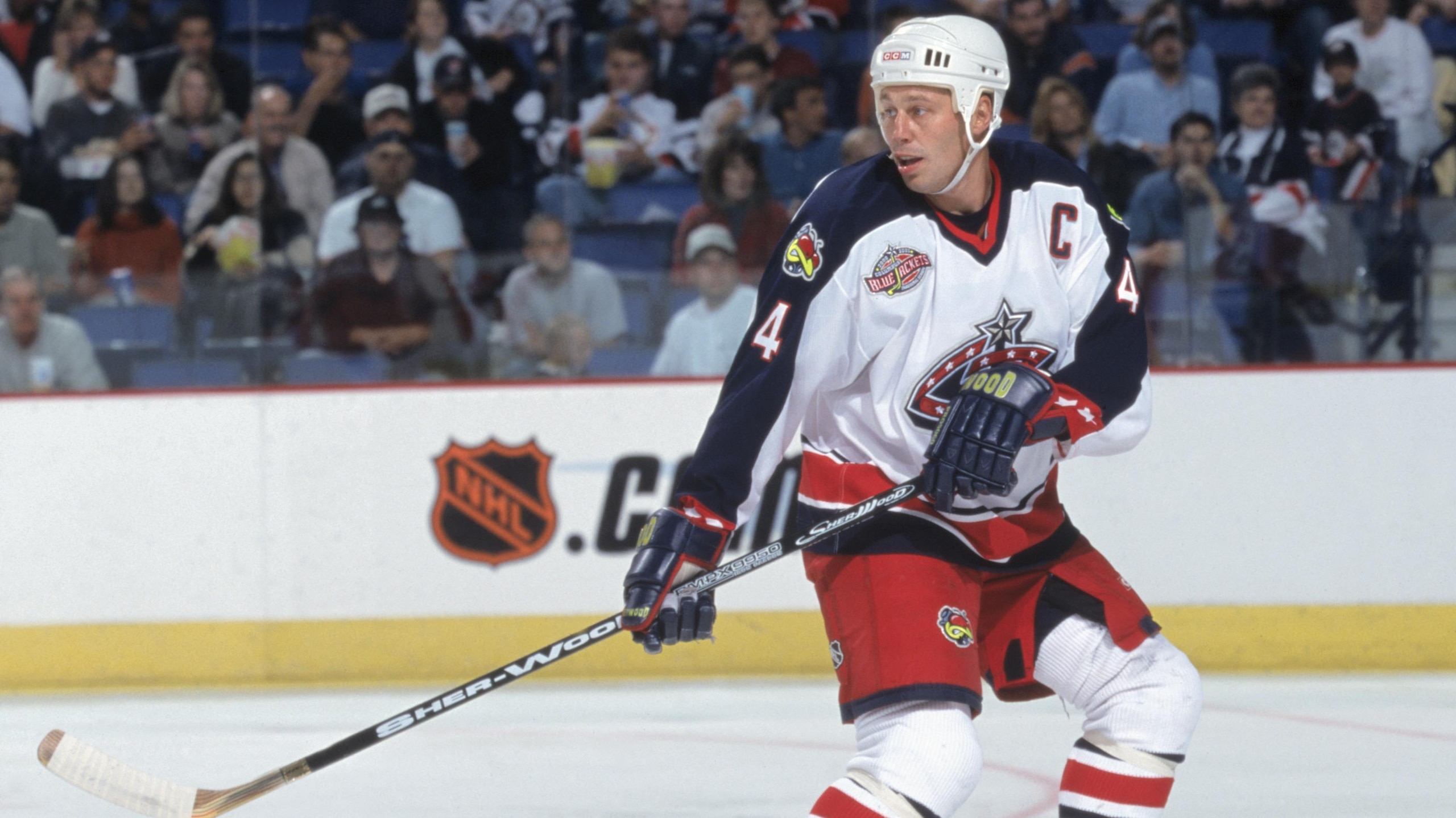
Columbus Blue Jackets
You just never know what this team is capable of or what its plans are. They spent the past two offseasons making major splashes despite the fact that they are not close to contending. They have a projected $20 million in cap space, but have a handful of restricted free agents including Kent Johnson, Kirill Marchenko, Cole Sillinger and Emil Bemstrom.
They shouldn't have any trouble getting any of them signed, but a lot of their spending on outside free agents and trades might come down to who their general manager is. If it is still Jarmo Kekalainen, all bets are off. But a new general manager (which could happen, and perhaps should happen), might take a dramatically different approach.
Minnesota Wild
Next season will be the last year the Wild are hamstrung by the Zach Parise and Ryan Suter buyouts. With those two eating up more than $14 million in salary-cap space, the Wild will again be very limited in what they can do.
The good news is they do not have a single prominent RFA or UFA to worry about. The bad news is they have a very average team and only $11 million to spend on eight roster spots.
New York Islanders
The Islanders will only have $6 million in cap space and only 16 players under contract. They only have one player making more than $8.5 million a year, none more than $10 million, and their roster is painfully mediocre and average.
That makes the lack of salary-cap space seem downright appalling. The jump in the cap will help, but it will not be enough. They need to shed some salaries.
Ottawa Senators
The Senators have locked in every core player they have as part of their rebuild, but the question has to be asked: Is this core good enough? They are a .500 team and have some serious questions relating to scoring depth and goaltending.
They also have just $12 million to spend with 15 players under contract. They need to compete. They need to add. But it is going to be a challenge even with the jump in cap space.
Seattle Kraken
Even with a playoff appearance—and series win—in year two of their existence, the Kraken have not come close to matching the expansion success of the Vegas Golden Knights. There is a solid core in place, but this is still very much a team that is in the building phase of its franchise development.
The Kraken only have 12 players under contract and $26 million to spend. Jordan Eberle is the big UFA, but Matty Beniers is the restricted free agent who is going to have to take all of the priority. Even if they get those two contracts taken care of, this is still a team that needs more scoring depth and quality goaltending.
St. Louis Blues
The Blues are kind of stuck in no-man's land. They are not Stanley Cup contenders, but they have enough good players—especially at forward—where they are not really bad enough to go with a full-blown rebuild.
They only have $16 million to spend with 15 players under contract and have desperately needed to upgrade their defense for years. Is that enough cap space to do it? It might require trading a forward.
Washington Capitals
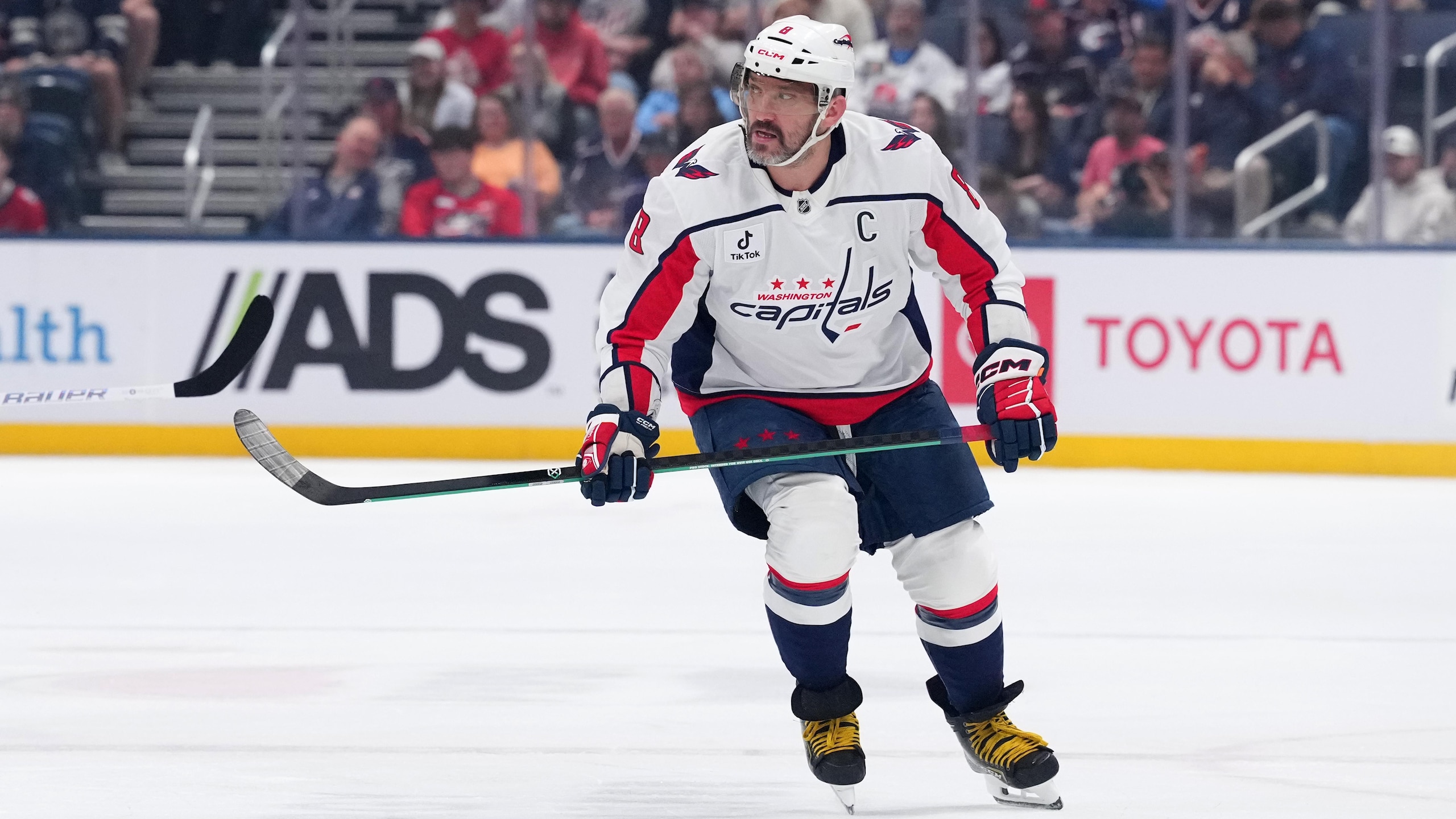
This is going to be a fascinating team to watch. Alex Ovechkin is still playing and pursuing Wayne Gretzky's goal record. Would they ever stop trying to compete as long as those two things are taking place?
They also just signed Tom Wilson to a new long-term contract extension. Anthony Mantha's deal is coming off the books, and there seems to be virtually no chance of him re-signing, while they also probably need to consider moving on from—or trying to move on from—Evgeny Kuznetsov and T.J. Oshie.
All of that could create even more cap space than $15 million they have now. But that would still create an awful lot of holes to fill.
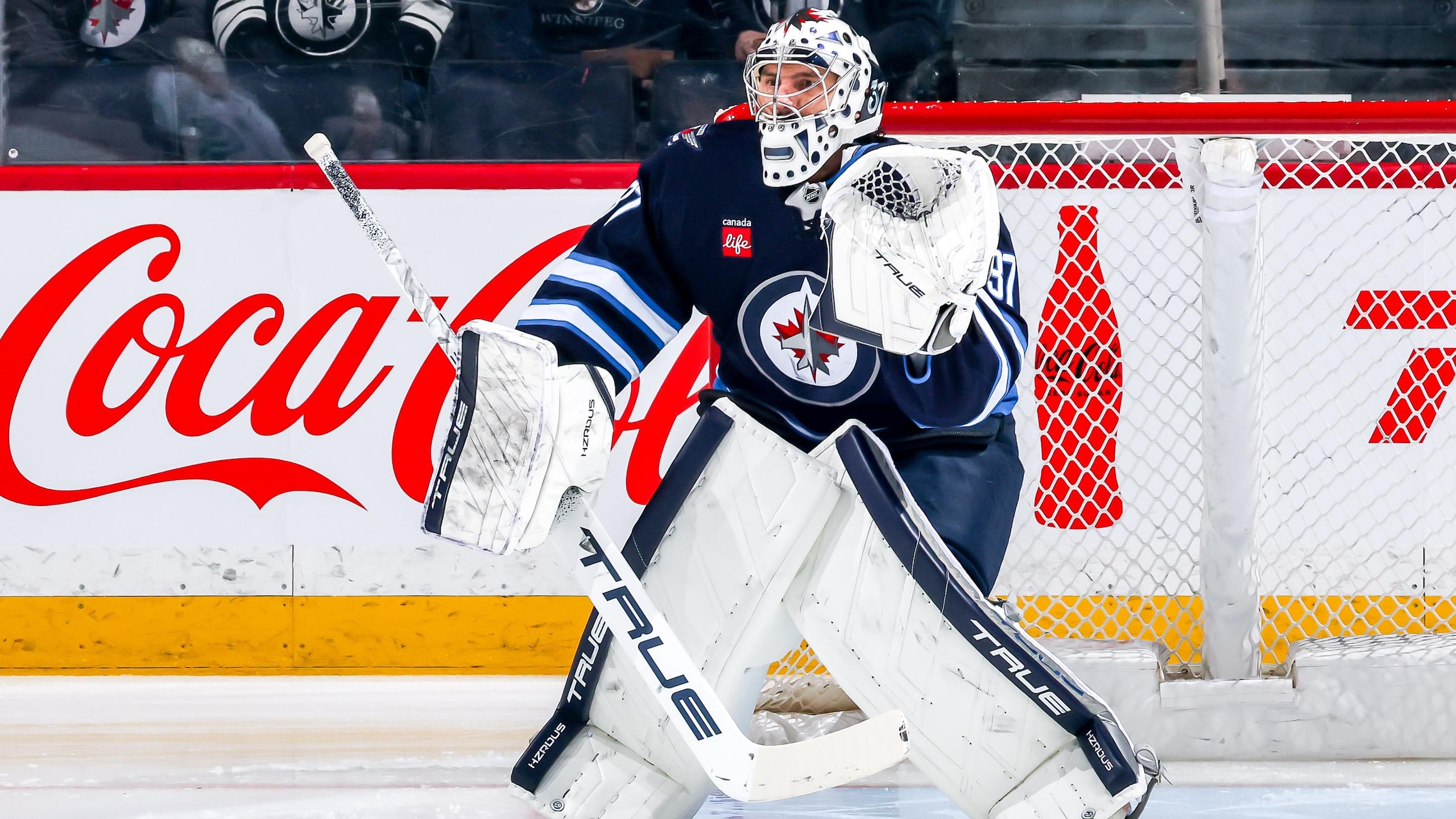
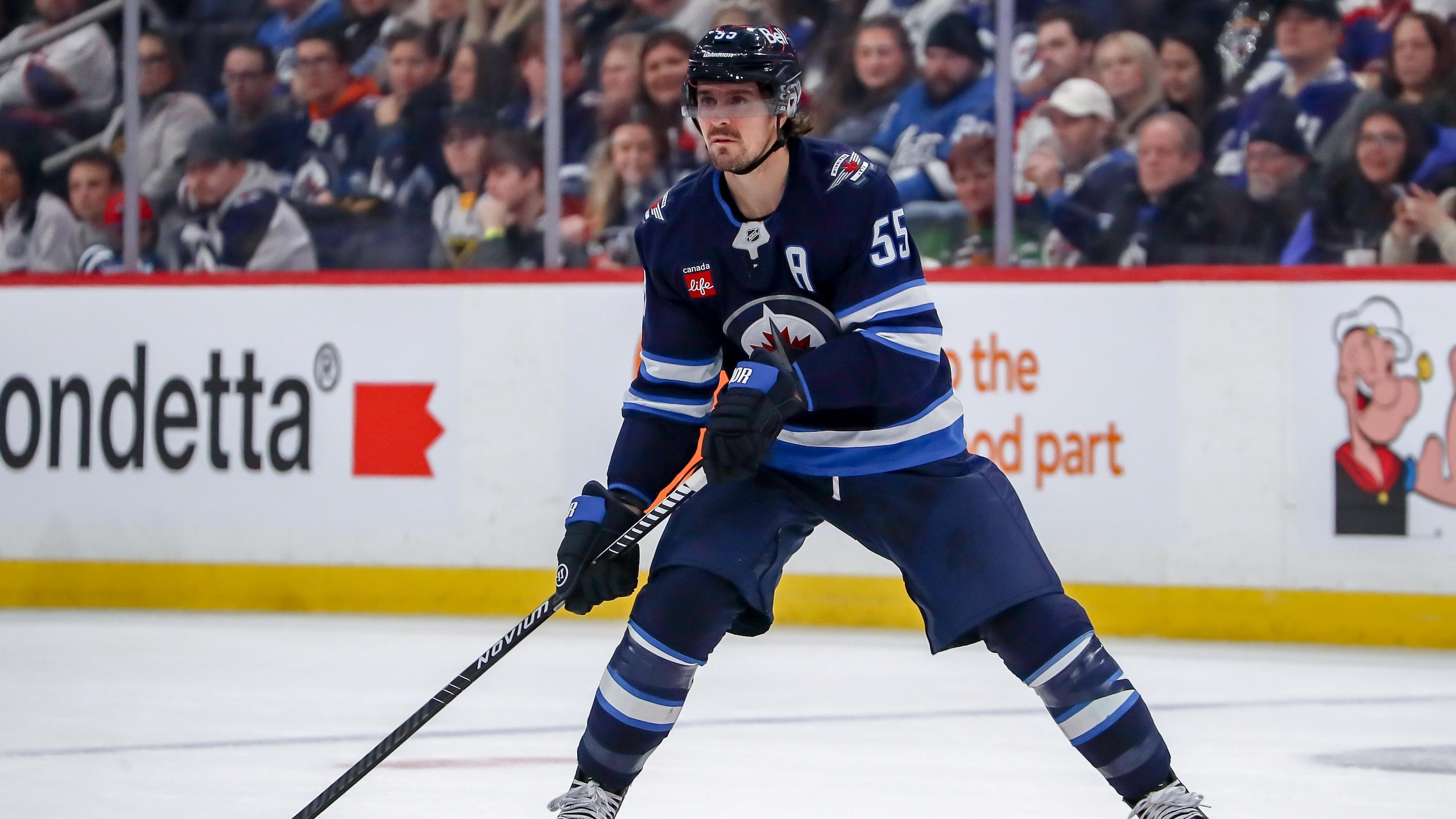
Winnipeg Jets
The Jets stunned the hockey world before the 2023-24 season when they re-signed veterans Mark Scheifele and Connor Hellebuyck to long-term contract extensions, indicating that a serious rebuild is not going to happen anytime soon.
They have exceeded expectations in the first half of this season at 16-8-2, but are still extremely top-heavy and in need of some major depth additions to really become a serious Stanley Cup contender.
They only have $13 million to spend with 16 players under contract and are going to need to re-sign rising star Cole Perfetti as a restricted free agent. The Jets do not make many big moves under general manager Kevin Cheveldayoff and will probably continue to be rather inactive on the trade and free-agent market.
All salary data in this post via CapFriendly.

.jpg?w=2560 "Love's Body Already 'Tired'")

.jpg?w=2560 "Tyreek Deal May Come Soon")
.jpg?w=2560 "Ward Nearly Walks Out of Presser ▶️")



.jpg?w=2560 "NFL investigating 2 referees for separate viral exchanges")
