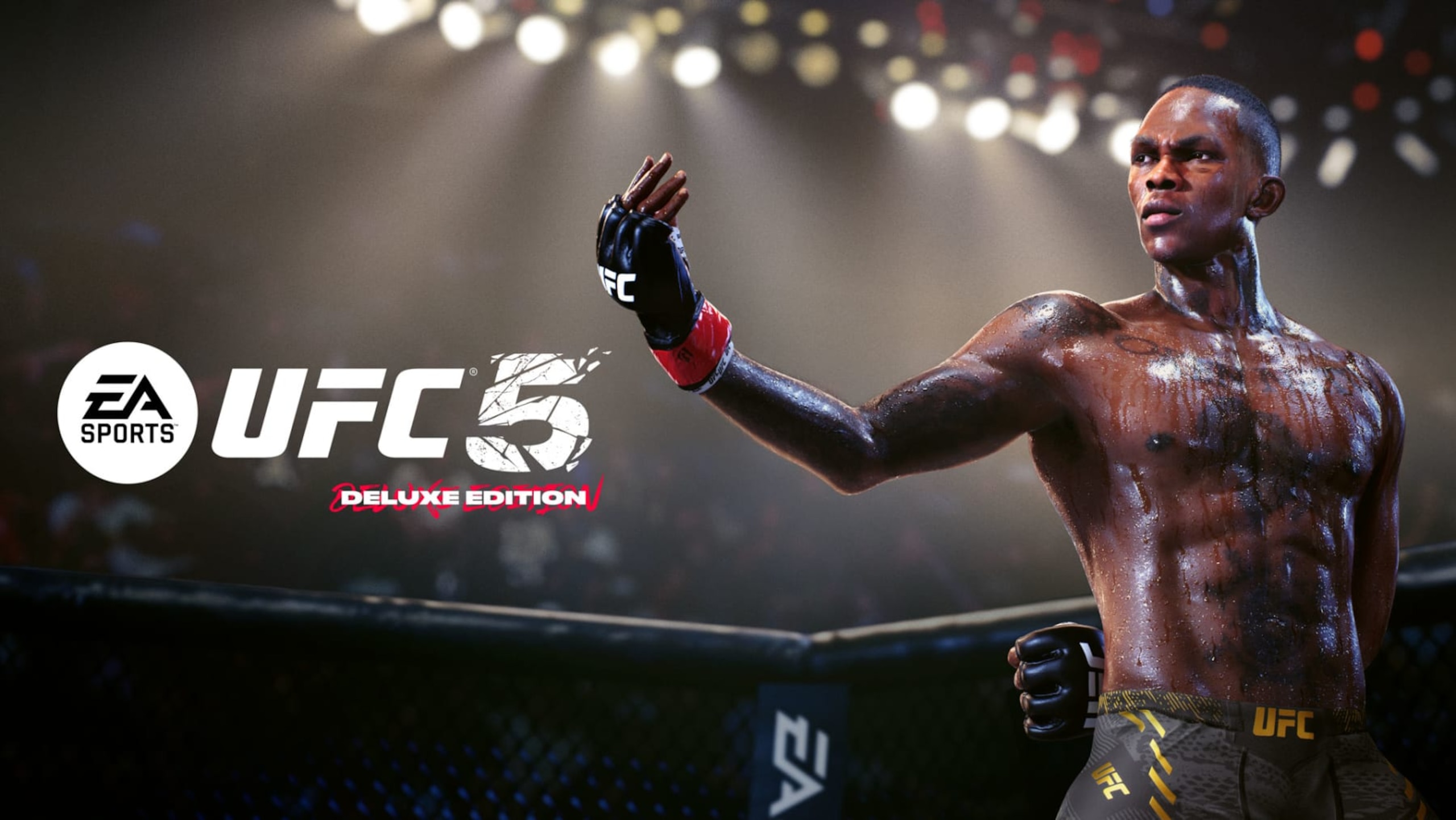

UFC 5 from developer EA Vancouver rests in one of the more interesting situations we've seen from a sports game in years.
Free of the usual annual release cycle for sports games, a big three years separate this latest release from UFC 4, where the series took big strides in gameplay and the strong career mode.
It's clear upon viewing the first few seconds of gameplay that UFC 5 made the most of the gap. Gone is support for last-generation consoles, and in is the first year of the Frostbite engine for the series, plus a well-earned M rating for the first time, too, because of the power backing the realistic mid-fight damage inflicted on fighters.
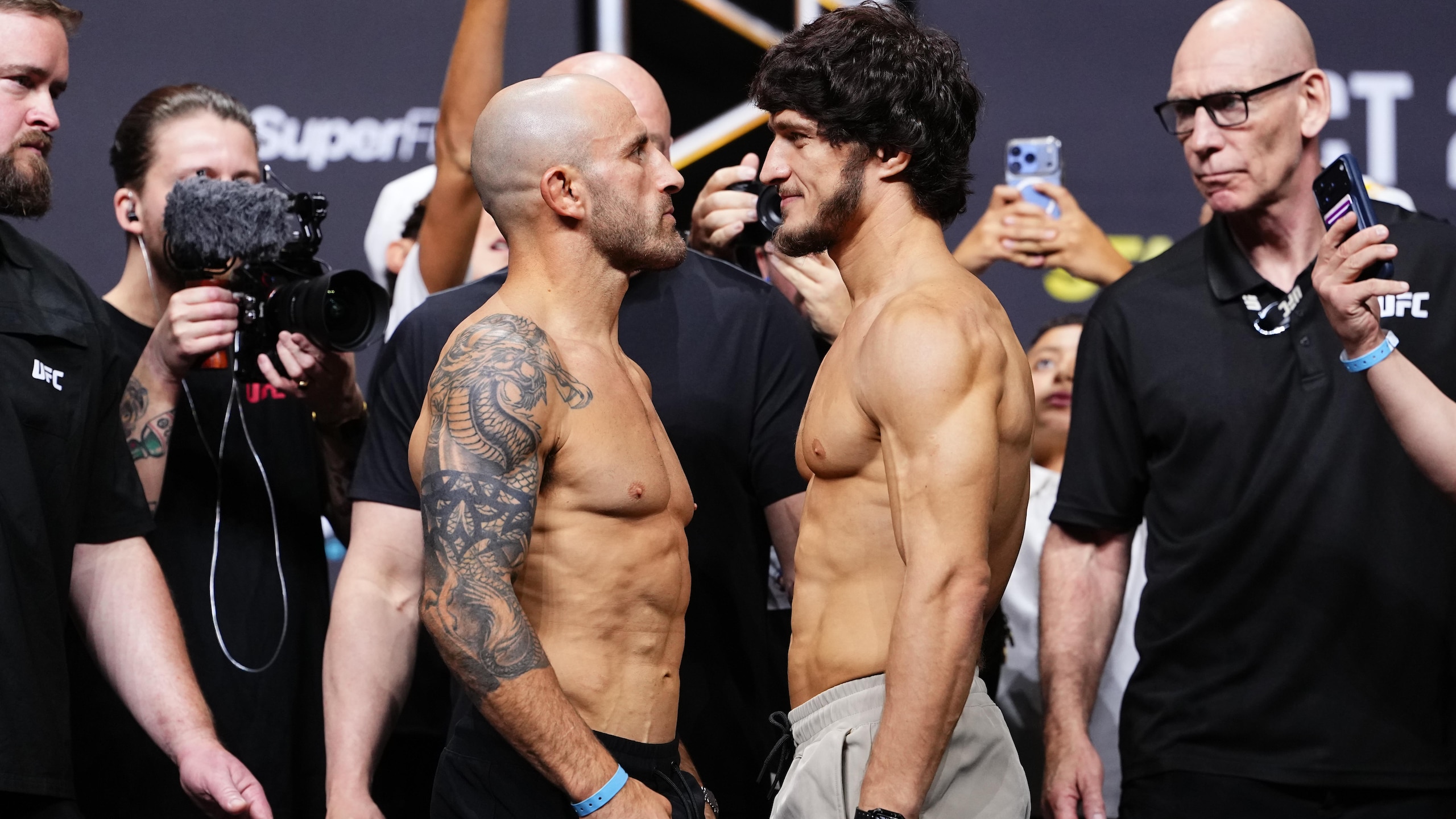


While the most ambitious entry in the series to date, as veteran fighters can attest, the hype matters little once the door to the Octagon locks and execution under the spotlight is the only thing left.
Gameplay
The biggest draw to any sports game sequel is how the follow-up listens to feedback and further improves on systems in ways that improve the experience.
Some of the finer tweaks to UFC 5's gameplay loop fall out of the spotlight compared to the realistic damage systems made possible by the stunning horsepower of next-generation consoles, though, and rightfully so.
The game's marketing throws out a ton of numbers and buzzwords to describe it, but the gist is simple and stunning. Target a leg and a fighter limps, impacting speed and power of strikes, etc.
This impressive functionality extends to faces, too, where a cut over an eye can impact vision, which then can negatively impact defense to that side of the body.
A shattered nose is a common example and simple enough to exploit, which then hurts a fighter's ability to recoup as much stamina due to the change in breathing.
The game even loops in the very rare doctor stoppages when a damaged fighter for some reason hasn't lost the bout yet.
All of these fantastic improvements to gameplay marry well with the fluid action that goes at a steady 60 frames per second. Striking especially benefits from this upgrade, creating a more responsive-feeling game that is a joy to throw down with—and the blocks and stamina tweaks for fighters on the defensive feel pretty well-tuned to compensate.
One of the real stars of the show beyond the power boost is the feedback-driven seamless submissions that refreshingly remove the minigames. In is a thankfully-simple submission gauge a player must manage.
Fighter ratings seem to matter more than in the past too and players will certainly feel the difference in speed across the mat when using a fighter with a high footwork stat, for example.
Given the layered systems once they get moving in unison that creates impressive depth, there are still big skill gaps obtainable, especially through submissions—players on the higher end of the ladder will be able to do more complex things like keying submissions out of reversals of transitions and takedowns.
That's as it should be—UFC 5 is a blast to pick up and play, with a steady uphill climb of understanding of the sport and execution that leads to a rewarding trek.
Graphics and Presentation
There's little debate that UFC 5 is one of the best-looking sports games on the market upon release.
Equipped with a photorealism that will trick the uninformed eye, the game moves at a steady 60 frames per second, the stars, with a few exceptions, look accurate and the lighting and shadows are world-class stuff.
Ditto for the crowd reactions and the big broadcast feel to the ambiance. There are swooping camera cuts and light work that will dazzle during entrances not unlike WWE itself.
Like in past games, this effort doesn't get to hide behind pads and helmets and even swaying, textured jerseys. Sweat and blood droplets fly through the air and actually create notable drops on the mat as a fight progresses, damage gets inflicted and worsens (with neat camera effects for serious escalation of damage) and everything is laid bare in a brutally honest representation of the sport.
New camera angles provide a peek into each fighter's corner and do other interesting things with perspectives throughout a match, while informative stat overlays hit onlookers with important info.
The Cinematic K.O. replays feel like a no-brainer of an addition too, with the realism making it sometimes a little uncomfortable to see the bodily harm inflicted upon a fighter so accurately in slow motion with such graphical fidelity.
Career and More
UFC 4's campaign was a stunner in the way it recreated a real-world approach to fights, putting players in control of how to train, what, when, where and how, including control over training camps and even how to scout opponents after agreeing to terms.
Much of that is back in its tried-and-true form here in UFC 5, with players again able to choose how they begin in their very humble careers and as a novice before making it big, if they even desire to head for the biggest promotions.
Valentina Shevchenko is a fantastic addition to the coaching side of career as she assists in a very strong onboarding process that introduces players to the fundamentals.
And that's a big emphasis again here. Career mode is fun and will lure in all ranges of players. Using the narrative-based mode as a tutorial to really whet the appetite of players new to the game—or even the sport itself—and bring them along is a really nice touch.
Also, a superb quality of life feature is the ability to earn grades for sparring challenges that can then be applied to future sessions, meaning getting to meaningful pay-per-view fights that matter, faster. On the player agency front, the ability to select whether the career mode itself follows a simulation style, or something distinct such as strike-focused works well.
There are new cinematics and training camp A.I. is notably improved, which makes it more engaging. Having the option to juggle sponsors and even fan-given challenges is a nice touch, too. But otherwise, it feels a little too familiar to past iterations, right on down to the menu designs, with it pretty clear the big emphasis during the break was on the stuff surrounding the well-received mode.
Unfortunately, the series won't ever escape comparisons to similar games such as the WWE 2K series and indeed, such side-by-sides leave UFC feeling barebones without things like general manager controls over match cards, backstage stuff, etc.
Even worse, the side-by-side compared to prior games isn't any better, especially when one considers the three-year gap between releases.
Huge here is not having to go it alone. A new online career mode for created fighters offers up skill-based matchmaking, division progression and even competing for titles.
A currency dubbed "Fighter Evolution Points" governs enhancing and customizing fighters, to the point players can even "prestige" a created fighter like they would rank in say, Call of Duty. It's not a terrible idea though, as in practice, it should encourage players to reset a created fighter and try new builds.
The overall online portion of the game is beefy, as expected. It smartly loops in Fight Week content, matching real-life pay-per-view cards. Players can make fight picks for those cards that then rewards UFC Coins currency or other things. It's a little surprising a game like Madden hasn't let players make weekly picks as a sort of fun side activity, too.
Things found in other games that make the cut here are daily battles against the computer and overarching weekly challenges. These figure to get harder by the day in a nice escalation to really test players, which is a nice touch.
Unfortunately, the first of these doesn't arrive until November 6 before UFC 295, so it remains to be seen how it all really plays out in live action.
Similarly, "Alter Ego" fighters that give players access to alternate models from a specific era, such as a new look for Israel Adesanya, will be in the game. It does feel like the series trying to dip into a Madden Ultimate Team-styled pie though, so it remains to be seen how these rare alternate fighters impact metas, if at all, and how they get monetized.
UFC 5 isn't a slouch in the options department, at least. In fact, UFC 5 excels in giving players choices, including grappling assists or the ability to revert back to legacy controls.
Conclusion
In sheer presentation and gameplay upgrades alone, UFC 5 heavily, even dramatically benefits from not having to adhere to an annual release cycle—so much so, it's unfortunate other sports titles must.
That said, the same doesn't apply to a very same-feeling career mode. That won't matter as much to newer players and it's even a nice in-depth for those players. But for those who poured many hours over multiple years into the mode, it's a disappointment most have come to expect from sports games.
Despite this, the groundwork via presentation and tweakable gameplay combined with planned support make UFC 5 the definitive experience that should hold up well no matter how big the gap until the next release is.


.jpg?w=2560 "Malik Beasley Negotiating Plea Deal (AP)")

.jpg?w=2560 "Jonathan Taylor Landing Spots")