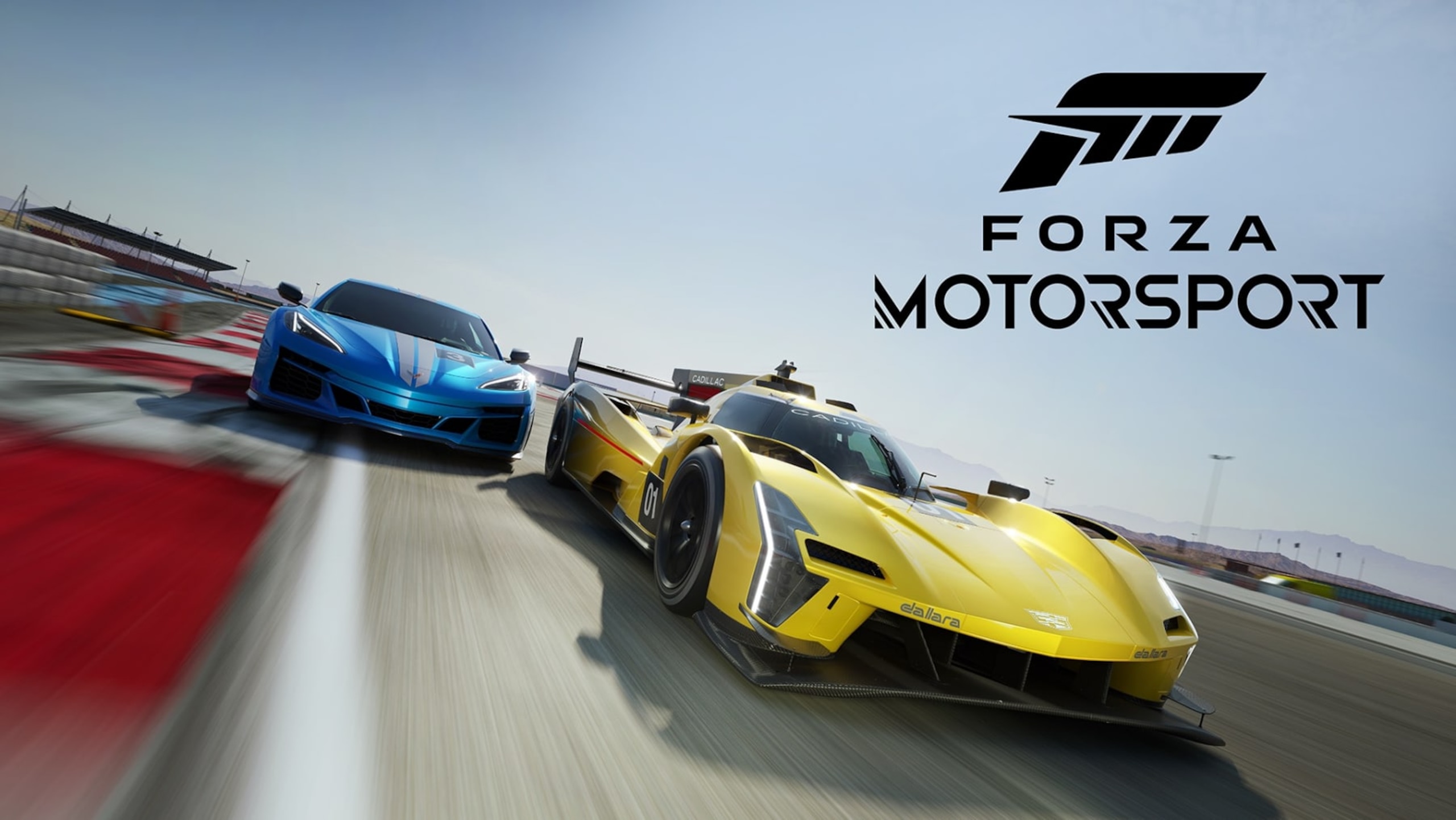


Forza Motorsport is a landmark entry for the storied racing series and one that could have massive ripple effects on the genre.
The latest effort from developer Turn 10 Studios and Xbox Game Studios is more than a simple reboot. It's the first Motorsport entry in the series since 2017's Forza Motorsport 7, while multiple Forza Horizon entries occupied the gap.
That's not all, either. This rebrand feels like the goal is to be the final entry in the Motorsport saga for a long time, with it embracing a live-service system, something that was just in its infancy in the video game sphere when Motorsport 7 arrived.
TOP NEWS

🚨 NC State Fires Head Coach

Malachi Toney Sets ANOTHER Record
.jpg?w=2560 "NBA Gambling Charges")
Malik Beasley Negotiating Plea Deal (AP)
Equipped with all of the long-anticipated upgrades that come with each release, efforts to appeal to even more players and a risky gambit at live service, Forza Motorsport is one of the year's most compelling efforts.
Gameplay
The series that feels like the industry pioneer for staples such as driving assists, rewinds and accessibility returns for the crown.
Forza Motorsport feels great to control, as expected, but it's that deep-as-wanted approach that sets it apart. Droves of assists and settings truly ease even the newest of players into the game in an enjoyable manner before—provided the player wants it—really peeling back the layers to encourage improvement.
The big thing longtime fans will want to hear about is the cornering and weight behind driving, so here goes—it doesn't feel as floaty as Motorsport 7, which figures to register as good news for most.
It's clear right away that there is less grip and more understeer in turns, which means more thinking about how to approach corners—leading to a higher skill gap on the competitive bracket.
Racing against A.I. seems less video-game-ified too, which only makes sense given the gaps between releases. It doesn't feel like getting passed or even losing is artificial via random catch-up mechanics and most opposing drivers seem appropriately aggressive.
It helps that the checkered flag or podium finish isn't the only thing that matters thanks to some innovative progression decisions that still reward a player for time invested in a race by grading even minor details such as how well they took a corner.
While it's far from the first racing game to do it, the impact of dynamic time of day and apparent effects on tracks and visibility keeps things feeling realistic. Grip levels on the track change throughout the course of a race, meaning no two laps can feel the same.
Ditto for damage model changes that look more realistic and have meaningful impacts on how vehicles control.
The reality is that, with a game as in-depth as this and with so many assists, mileage will vary by the player in terms of how sticky or responsive things feel. But it is fun regardless of assists and it gets pretty addicting rather quickly to race against one's own best time on a lap, rather than simply focusing on where one finishes in the final order.
Graphics and Presentation
At this point, a flagship racer having some of the best visuals in gaming is commonplace and a minimum expectation.
This reboot delivers with some obvious upgrades across the board, especially compared to Motorsport 7. Something as simple as crowd density is a big deal while players get immersed in the setting of each of the game's varied tracks.
It feels inevitable that this release will face accusations of seeming a little "muted" in comparison to other racers. But the toned-down visuals compared to the neons and outright flamboyance of the Horizon efforts is more in line with realistically reflecting the on-track action—which it does well.
Many things related to weather catch the eye. A so-called procedural cloud system makes for some gorgeous skyboxes, especially when the sun glare comes through, reflecting off everything realistically. Impressively, the game might look its best at night, which most racers can't normally say.
Also in this category is some outright stunning lighting and fog work, with shadows especially feeling denser and more accurate. This pairs very well with foilage and trees that serve as a highlight, making everything feel more lush around the track itself.
Sound design is best in the business, of course,. The rides sound unique and true to life and directional audio helps players pick up pass attempts, the screech of tires, radio calls and roars of the crowd to great effect. Most importantly, listening careful to audio feedback will cue a player in on mistakes they might be making say, mid-turn.
The user interface and HUD does a good job of relaying the necessary info to players while staying relatively minimalistic, too. A special shout goes to the very well-planned pitting interface that helps players quickly make decisions on the fly in longer races.
In short, the headway made in these areas makes it feel like less of a video game and more like catching a broadcast online.
Features and More
Accessibility and reaching as many players as possible is an obvious theme with this release, hence saying no thanks to putting an "8" on the end of the title and offering features such as auto-tuning so that players uninterested in the deep complexities of tuning can pass.
This extends to the overall vibe of the game. It's not the aw-shucks-cars-are-great festival vibes of the Horizon series, but it does make some smart concessions to cast a wide net of appeal that makes it a better experience.
The Builders Cup career mode places a big emphasis on customization across the board. Featured Tours is one way players will engage with the mode and it seems to take some light inspiration from the themed events found in Horizon. Beyond the initial onboarding tour that does a great job of explaining the game's systems, there is a nice variety of tours to tackle similar to other releases.
A good example right out of the gates—qualifying is gone in favor of letting players choose where they start on the grid. The farther back they pick, the better the potential rewards. It's a very video game solution and a nice mixup.
In addition to this is the "Challenge the Grid" feature, players can also tweak pre-race settings like damage scaling and race rules in the name of player agency.
This theme extends to the previously hinted progression reworks, which include progress made in career, online multiplayer and the other game modes.
Earned through gameplay, experience governs a car's level and access to upgrades, while Car Points are the standard currency to purchase said upgrades. Credits remain... credits.
Players can now upgrade between races and it's no longer as simple as sinking a boatload of cash to soup up a car in the next class, or just outright purchase one.
It's actually a really interesting dynamic to consider. One of the game's stated goals is to let players really zero in on 10 or so cars and this accomplishes it quite well. Where the Horizon arm of the series has mastered an almost Pokemon collect-'em-all angle, this reboot dials in on mastering a handful which will vary greatly by player.
There's an RPG element to this that simply works. Get points through things like how well a player took each turn, then apply those to a car. Then, there's a possibility of re-specing the car not unlike a character in an RPG while trying different builds—this time to tackle different types of tracks or events, etc.
That said, this progression model will also register as controversial for many. It does feel grindy, with 50 or so levels per car required to unlock things throughout multiple tiers. The fact leveling up one car might not apply to an identical duplicate seems a tad too tedious. It's also worth wondering if this timesink format, especially online, will cause players to only level up a select handful of "meta" cars for specific tracks and ignore everything else.
This is something the game can address through post-release tweaks of course. But while the idea of getting intimate with a handful of vehicles is a good one, there are some notable possible pitfalls worth watching.
Other game modes include Rivals, Time Attack, and Free Play for competitive racing and each is a nice timesink in its own right.
The multiplayer front is where Motorsport really rolls out the live-service features. Hesitancy on the part of players is only natural given some of the industry's problems with this format over the years, but at launch, the game promises it won't do battle passes or the seasonal structure found in other live-service games.
Instead, it will lean into a race weekend structure that attempts to better mirror real-world formats. So much so, there's a sense of real spectacle as some events will start at real-world times.
Besides some themed events and timed challenges to earn rewards, Motorsport covers all its bases with Spec Series and Open Series. The former evens the playing field by restricting a player's car picks, while the latter lets players bring whatever they want in a certain class. Featured Rivals and Time Attacks boast heavy leaderboard integration for a little competition between friends.
And again, given the pitfalls of live-service games, it's a wait-and-see approach. But the promise at launch is additional things capable of being added throughout the game's life cycle, be it patching in physics changes, new cars and other additions to the Builders Cup career mode.
As always, Forza remains ahead of the game in its competitive fairness offerings. Driver and safety ratings will attempt to match skill properly and judge players based on actual in-game behavior. These Forza Race Regulations claim to be able to identify and address all sorts of dirty racing, be it track cutting, intentional wrecking and more. Players with bad safety ratings will get lumped with others of their ilk, a refreshing thing games such as first-person shooters should take up more often.
The competitive side of Motorsport will benefit greatly from private lobbies in which the hosts have control over the finer details, down to whether collisions are enabled and track temperatures.
Like its predecessors, Motorsport runs great and presents a variety of performance options on consoles. It also sports a robust accessibility suite, general options and a player-onboarding process with smooth tutorials and a slow escalation that feels like it really helps players progress at a nice pitch.
Conclusion
Forza Motorsport is an admirable attempt at a forever game.
For a game that is supposed to stand tall as the foundation of a live-service that gets constant upgrades over the years, it gets a lot right and takes some risks at the same time. If nothing else, it's nice to know that feedback could influence positive changes and launch is merely the beginning.
At launch, though, it smartly broadens its horzions (get it?) to loop in more players. Those who want to tinker with every little detail under the hood and otherwise can do so. Those who just want to play some great-feeling racing without the off-track deep dives can, too. Bonus points for a more grounded presentation compared to its zany festival cousin.
Forza Motorsport feels like the culmination of the Motorsport branch of the series in a good way, especially for the way it nails down the fun factor and positive feedback loop that keeps players engaged. Now it gets a chance to take first place as a live-service racer, too, making it an industry staple to watch with great interest in the coming years.

.jpg?w=2560 "Commanders 49ers Football")

.jpg?w=2560 "Jonathan Taylor Landing Spots")