
Biggest Re-Signing Mistakes of 2023 NBA Free Agency
At the start of any NBA offseason, excitement and optimism are all the rage.
Allow enough time for the ink on freshly signed contracts to dry, though, and some of that initial excitement can start to wane. In some cases, it can even be outright replaced by regret.
With the dog days of this offseason officially upon us, let's revisit some of those regrets while spotlighting some of the re-signing decisions that players, teams or both might already second-guess.
Ayo Dosunmu Running It Back with the Bulls
1 of 5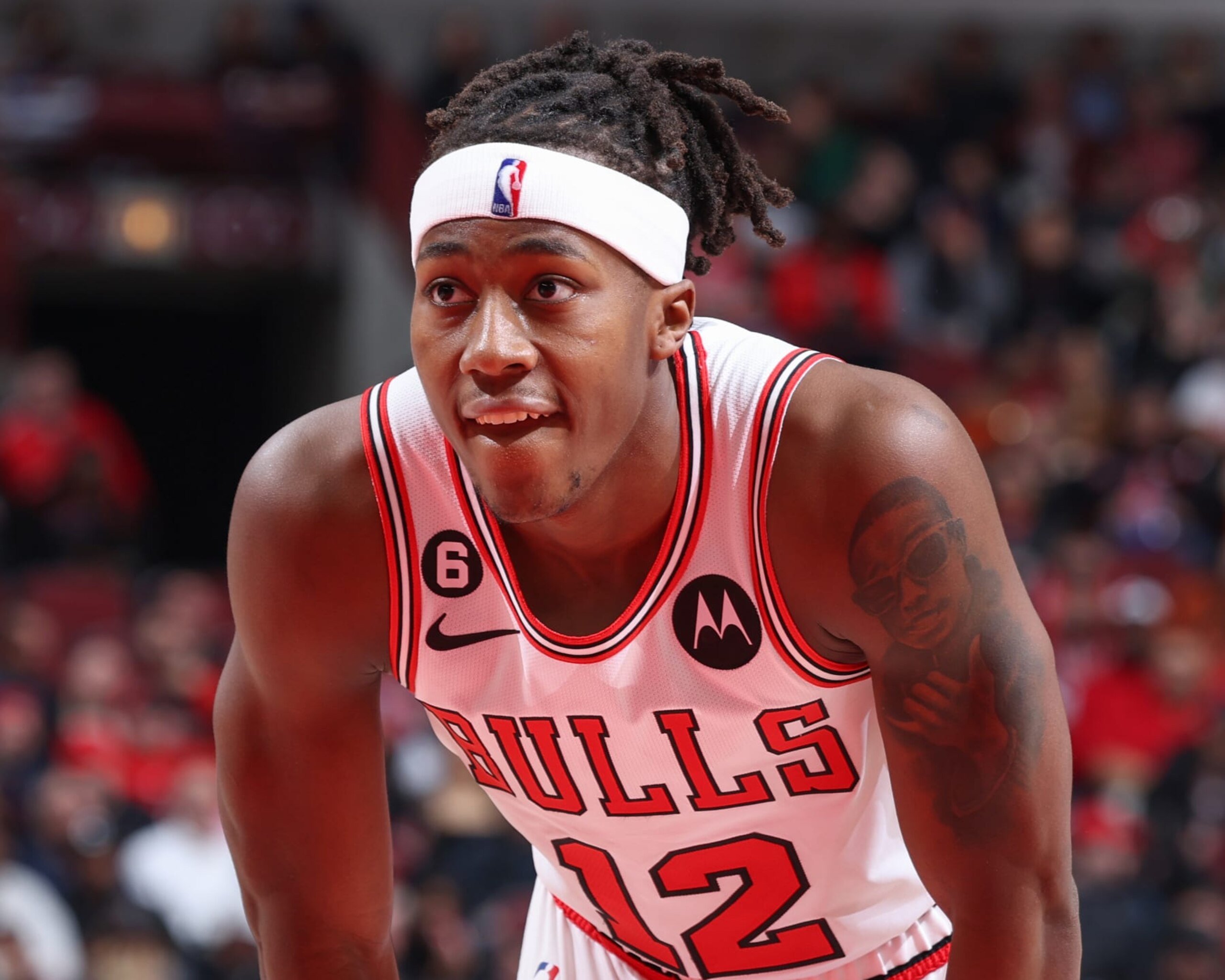
The Chicago Bulls seemed content to let the market determine Ayo Dosunmu's pay rate in restricted free agency. It wasn't the worst strategy, as the combo guard had exceeded expectations as a rookie and then fell well short of them during his follow-up season.
If only the Bulls had stuck to that plan.
Instead, they effectively waited for money to dry up around the Association, then gave Dosunmu a bigger bag than anyone anticipated (three years, $21 million). Who were they bidding against, exactly? And what gives them confidence he'll even have the chance to live up to this contract?
He appears to be, at best, fifth in the backcourt rotation behind Zach LaVine, Jevon Carter, Alex Caruso and Coby White. Should Dalen Terry—last summer's No. 18 pick—ever show signs of life, that could put yet another obstacle in front of Dosunmu.
Theoretically, he'll have chances to rise above this role, but his game needs a lot of work. He is an unreliable (and sometimes unwilling) shooter from distance, not a natural playmaker and limited as an off-the-dribble attacker. For his career, Chicago has fared 7.4 points worse per 100 possessions with him than without.
In other words, he has more question marks than you'd like for someone collecting a $7 million annual salary. And ironing out his weaknesses will be a challenge when the Bulls can't guarantee him the developmental minutes he needs.
As for Dosunmu himself, he must be thrilled with his new pay rate, but he has to be worried about the minutes crunch that could be coming his way. There's a non-zero chance that one rough patch could get him squeezed out of the rotation entirely, especially if Terry does anything of note.
Blazers Giving Jerami Grant the Bag
2 of 5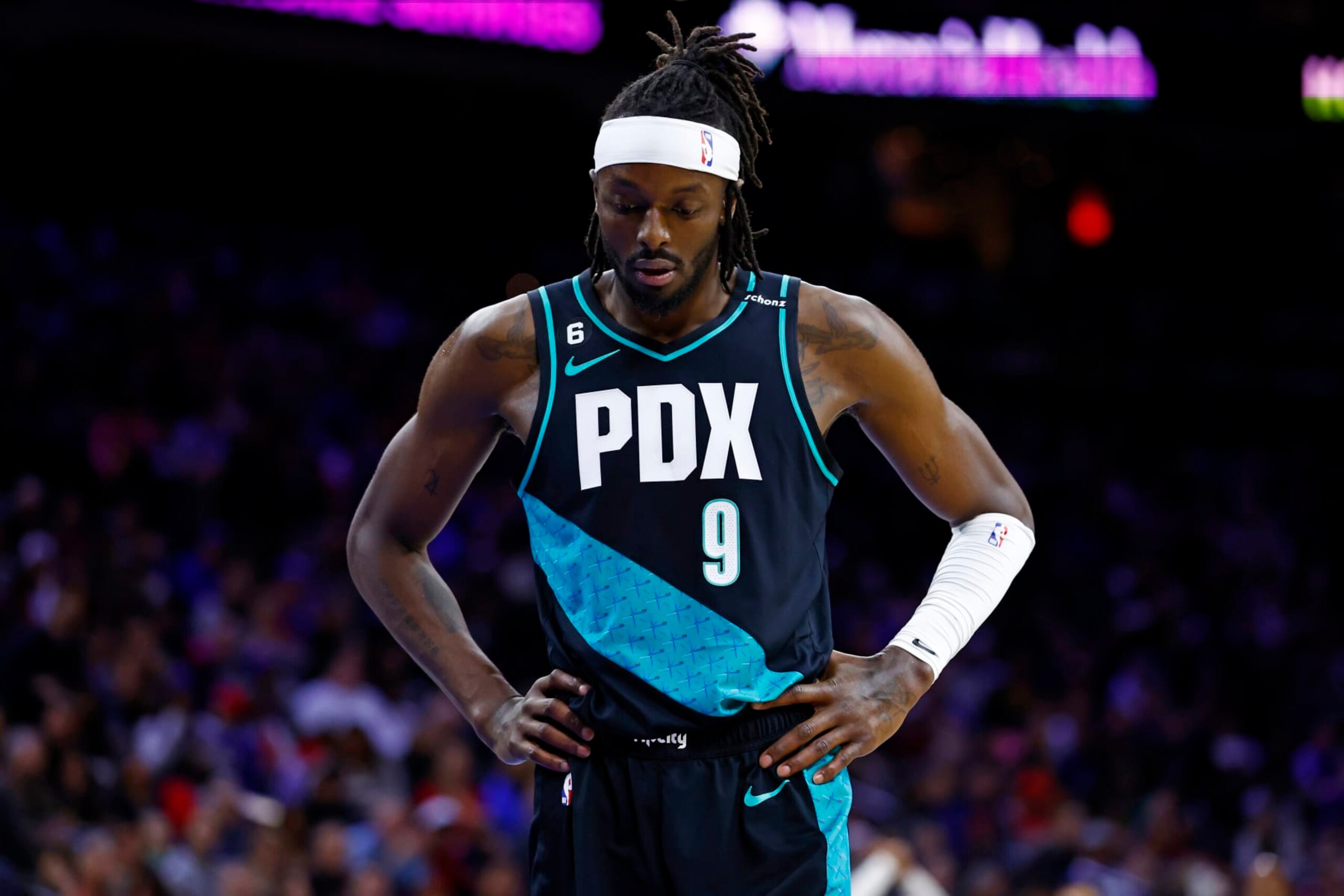
The Portland Trail Blazers likely entered this offseason under the belief that any hope they had in keeping Damian Lillard happy began with bringing back Jerami Grant.
Well, as soon as the market opened, they routed every Brink's truck in the Pacific Northwest in Grant's direction and quickly got his commitment on a five-year, $160 million deal. And guess what happened? Lillard decided he was done with Portland, anyway.
Assuming the Blazers eventually grant Lillard's wish—at least by trading him somewhere, if not to his preferred destination of the Miami Heat—you'd think they would want to immediately pivot into a long-term rebuild around Scoot Henderson and Shaedon Sharpe. Portland insists that isn't the case, though.
"Our goal is to win to keep moving forward," Blazers general manager Joe Cronin told reporters. "We feel like our talent base is high."
Portland, for the record, went a combined 60-104 over the past two seasons, and that was with Lillard making 87 appearances. If Dame couldn't elevate this roster, who on earth is supposed to do that now? Good luck if the answer is Grant. He's a fine player, but the only team that leaned on him as a primary option was the Detroit Pistons, who went 43-111 during his two-year tenure.
He simply isn't worth this kind of coin—his 14.0 career player efficiency rating is actually a tick below league-average—and the only (relatively) reasonable rationale for the overpay was to keep Lillard happy. That obviously didn't happen, putting Portland in a wholly troublesome spot with Grant. At this pay rate, he might be impossible to trade for the next few seasons without incentivizing a team to take on his contract.
Mavericks Hitching Their Wagon to Kyrie Irving
3 of 5
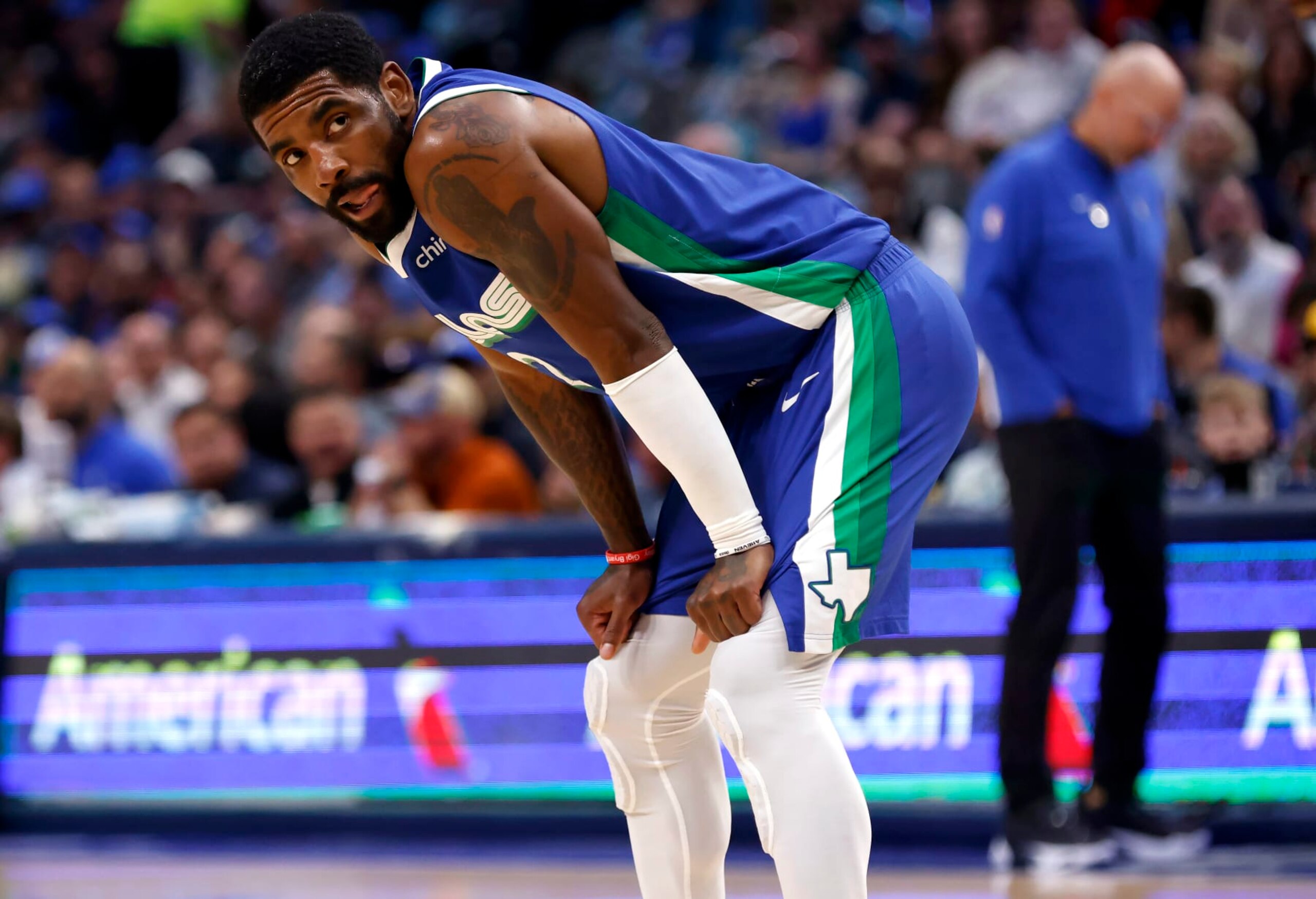
The Dallas Mavericks essentially committed themselves to re-signing Kyrie Irving the second they landed him at the trade deadline. For myriad reasons—the price paid to acquire him, the possibility of Luka Dončić getting restless, the lingering pain of losing Jalen Brunson for nothing last summer—they likely felt as if they had no choice but to keep Irving.
Yet, what beyond crossed fingers and wishful thinking would lead them to believe Irving will be worth the $126 million they'll pay him for the next three seasons?
He is not at all reliable. He hasn't topped 70 games since 2016-17 and has made fewer than 30 appearances in two of the past four seasons. No matter how incredible he can look inside the lines, he's as helpless as anyone when stuck on the sidelines.
He also can't seem to control his wandering eye. In Cleveland, he tired of being LeBron James' sidekick. In Boston, he pledged his allegiance to the franchise, then signed elsewhere roughly nine months later. In Brooklyn, he left behind his "best friend" Kevin Durant and asked for a trade out of town.
Why would Irving's time in Dallas play out any differently? Playing with Dončić seems fun—even if both work best with the ball in their hands—but Irving has almost always teamed with other stars. And at least he won with those players. The Mavericks, meanwhile, couldn't even crack the play-in tournament field while going just 9-18 once Irving debuted.
He might have had leverage on Dallas given its obvious need to bring him back, but his options to sign elsewhere were murky at best. By giving him a contract this rich and this long, the Mavericks are taking on a colossal amount of risk.

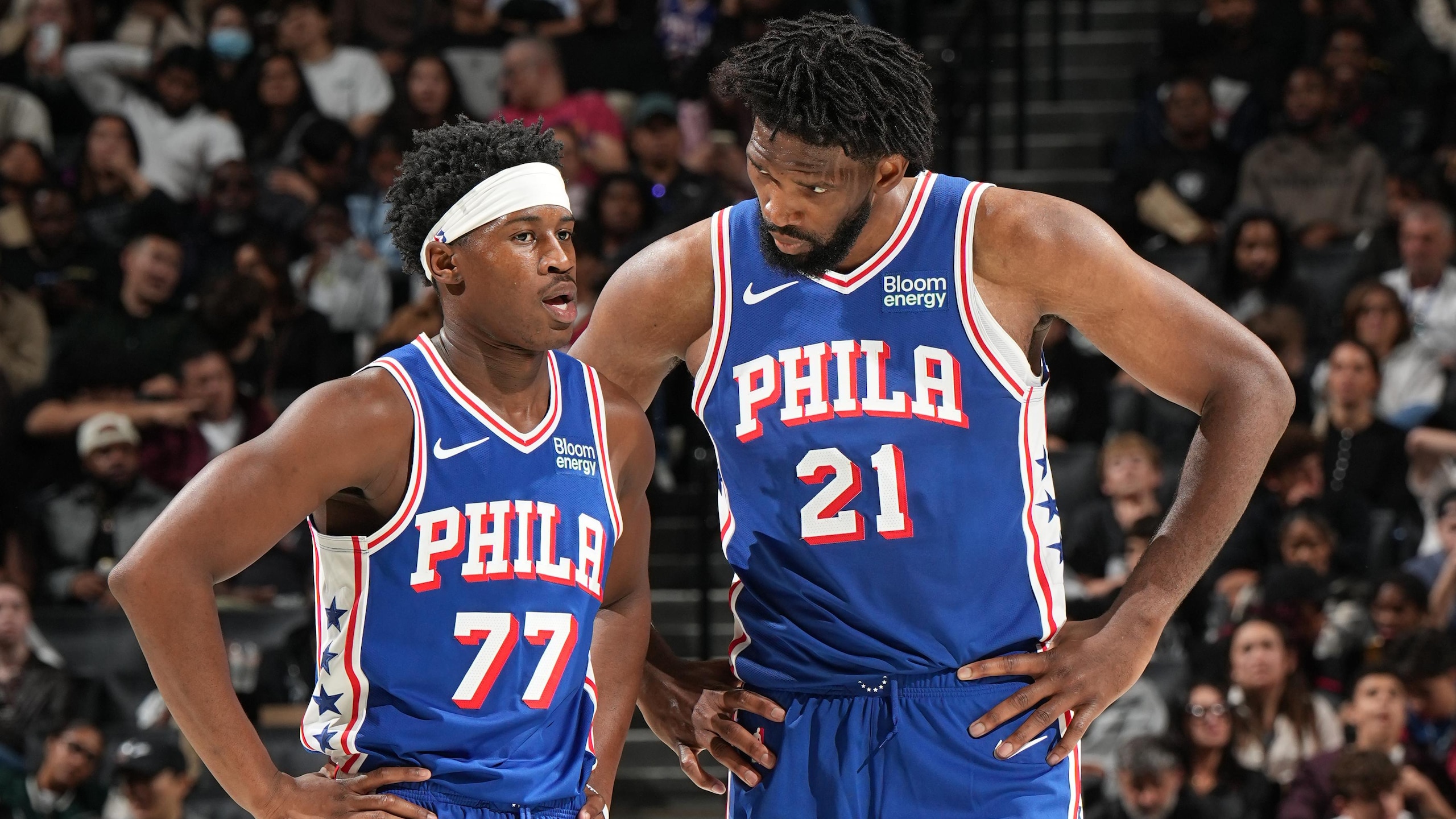
Wizards Keeping Kyle Kuzma
4 of 5
It almost happened. After toiling away for years in the NBA's dreaded middle class, the Washington Wizards came this close to diving head-first into an overdue rebuilding project this summer.
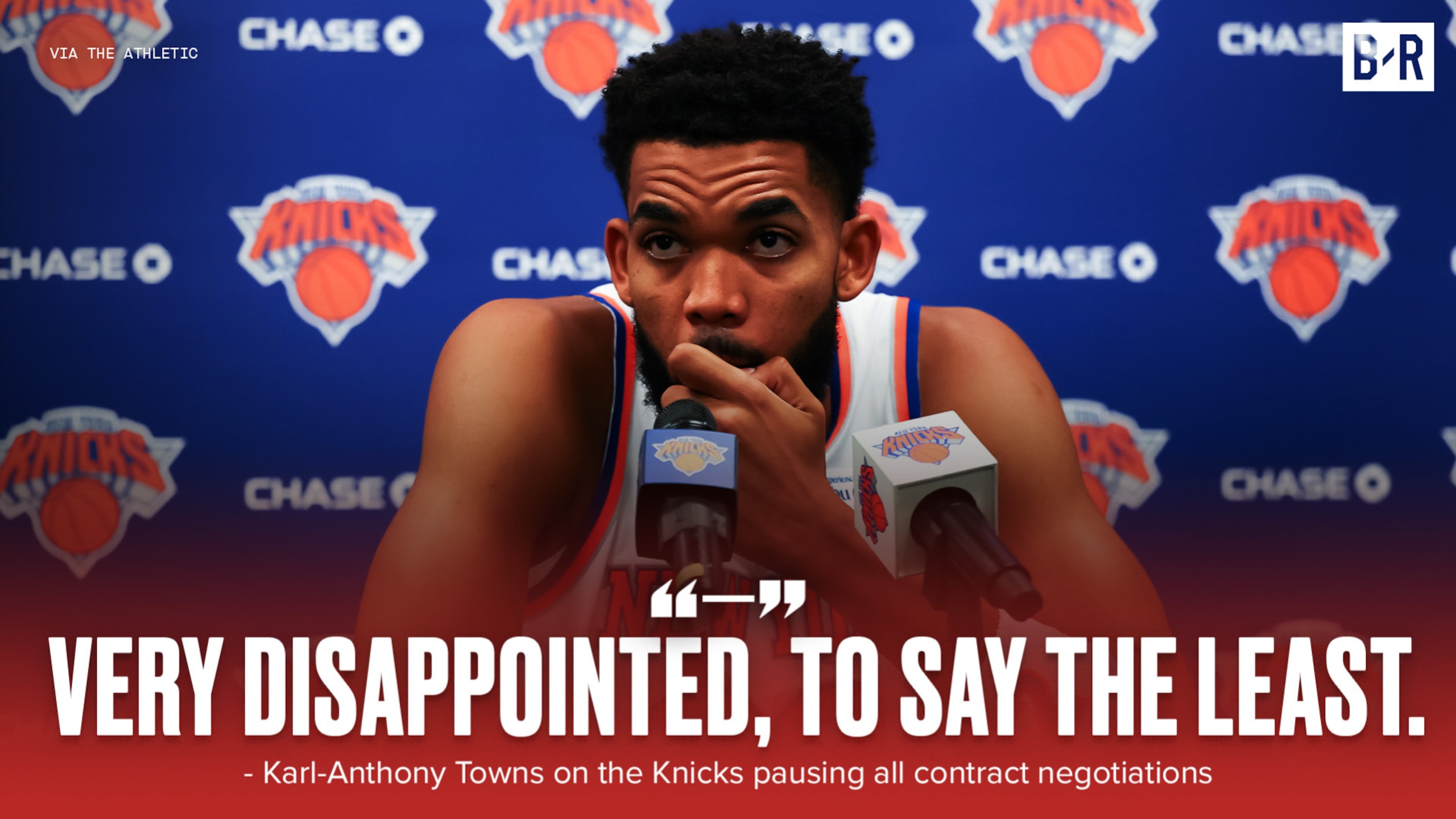
Yet, despite letting go of both Bradley Beal and Kristaps Porziņģis and taking a huge swing at upside during the draft in the form of No. 7 pick Bilal Coulibaly, the Wizards wouldn't fully commit to a youth movement. Instead, they ponied up a four-year, $102 million deal to bringing back 28-year-old swingman Kyle Kuzma.
In a vacuum, that's a decent contract for a player of his caliber. He isn't a star, but he is a solid scorer who has made noticeable strides as a defender and distributor. Slot him alongside a few elites, and he could maybe be the third-best player on a really good team.
But what is Washington hoping to get out of him? The Wizards should be ready to bottom out—they are in dire need of more blue-chip prospects—but Kuzma could nudge their floor closer to mediocrity. Even if they land among the cellar-dwellers, their race to the bottom could be less beneficial than others with Kuzma taking minutes, touches and offensive opportunities away from younger players.
Washington could, of course, view Kuzma as an asset and hold desires of dealing him down the line, but it's hard to see the now well-paid swingman drumming up significant interest on the trade market any time soon. He maybe isn't overpaid at this price, but he certainly isn't a bargain. In six NBA seasons, he has posted an above-average PER just once.
Nuggets Signing Up for More Reggie Jackson
5 of 5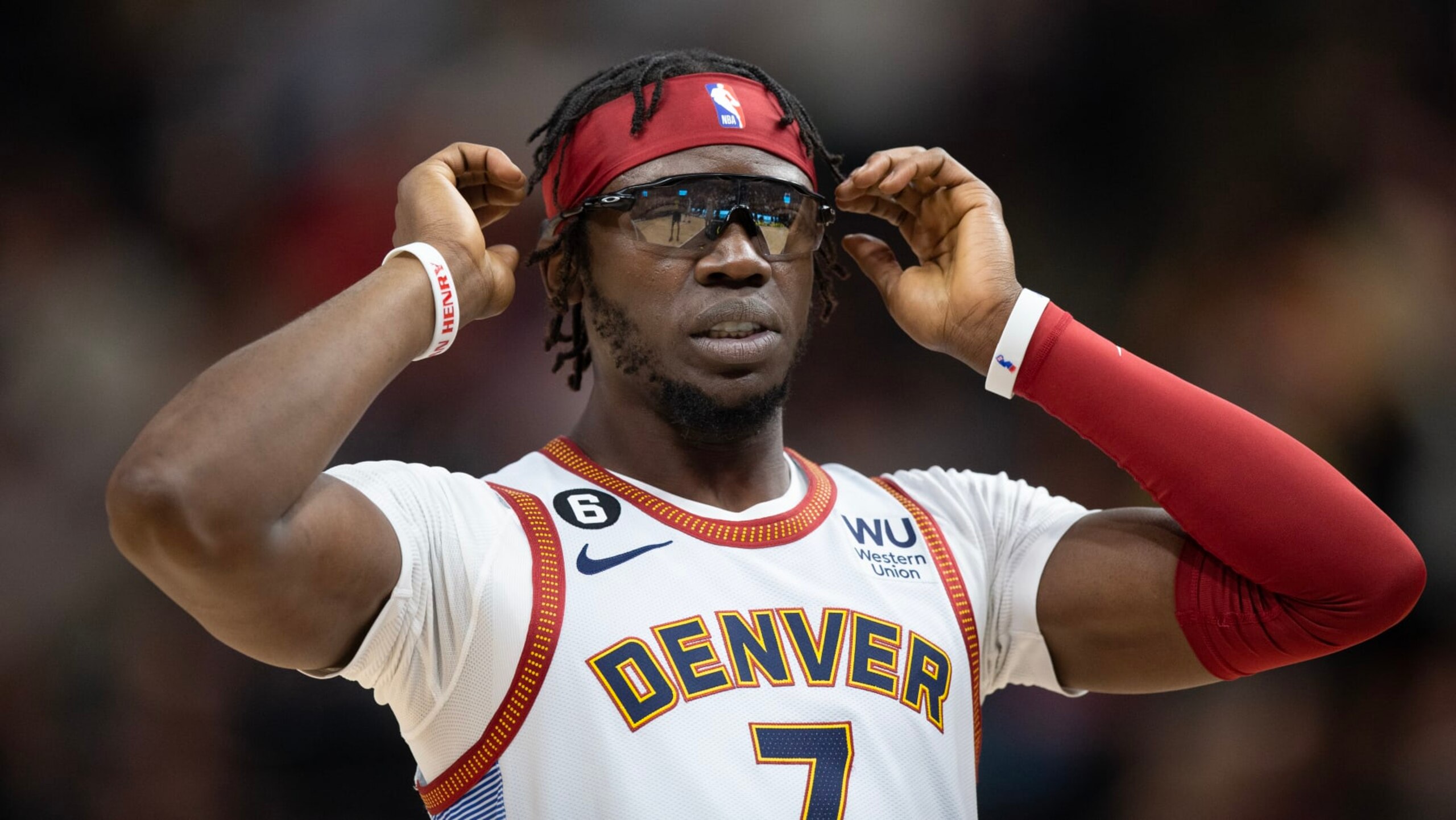
Attrition was always likely to come for the Denver Nuggets this summer. Their championship-winning roster was loaded with uber-talented players who were paid accordingly and left little flexibility to keep their own free agents or add external targets.
They did have one tool at their disposal in the form of the taxpayer mid-level exception. In an ideal world, that would've been enough to keep Bruce Brown with handshake promises of a payday down the line. In reality, it wasn't nearly enough to bring back the Swiss Army knife, so Denver instead spent it on...Reggie Jackson?
Maybe the Nuggets were still indulging in that championship champagne, because they apparently forgot just how little Jackson, who inked a two-year, $10.3 million pact, provided to their title run. Plucked off the buyout market in mid-February, he made 16 shaky appearances the rest of the regular season (posting an abysmal 38.3/27.9/83.3 shooting slash) before being left out of the playoff rotation.
While Denver needed to put a point guard behind Jamal Murray, was Jackson really the best it could do? Jevon Carter didn't cost much more (three years, $19.5 million). Russell Westbrook, Cory Joseph, Patrick Beverley and Dennis Smith Jr. all signed for less. The Nuggets could have signed a cheap veteran to pair with rookie second-rounder Jalen Pickett and then used the midlevel exception to replace some of the frontcourt depth they lost.
Instead, they're pushing ahead with Jackson, a player they decided they couldn't rely on before.
Statistics courtesy of Basketball Reference and NBA.com.
Zach Buckley covers the NBA for Bleacher Report. Follow him on Twitter, @ZachBuckleyNBA.

.jpg?w=2560 "Cam Ward Says He's Not A Loser")
.jpg?w=2560 "🚨 Texans Trade for MHJ")
.jpg?w=2560 "Chargers Fall to 0-5 🤢")
.jpg?w=2560 "Grading MHJ Trade 📝")

.jpg?w=2560 "MHJ Bought Own Jugs Machine")