
Ranking the 7 Most Likely Destinations for MLB's Next City After A's-to-Vegas Move

With the Oakland Athletics having joined the Tampa Bay Rays in taking steps toward a new stadium, Major League Baseball suddenly has the window it sought to expand for the first time since 1998.
So, where should it go next?
We've ranked seven cities as potential homes for new MLB teams. There's no definitive metric that could have pointed us to an obvious No. 1, so we considered a variety of factors. Population and market size were the big ones. Also the current professional sports scene—specifically pertaining to the "Big Four"—and apparent appetite for a major league franchise, as well as geographic location and any relevant environmental considerations.
As for which cities made the cut, MLB Commissioner Rob Manfred specifically cited six possibilities in 2018:
With the A's all-in on moving there, Las Vegas, Nevada is presumably out. But that still leaves five from Manfred's list. A separate mention by Manfred of Vancouver, Canada, makes six, and Salt Lake City, Utah, recently threw its hat into the ring.
Before we get to counting down those seven cities based on their merits, let's first touch on some honorable mentions that invite speculation.
Honorable Mentions
1 of 8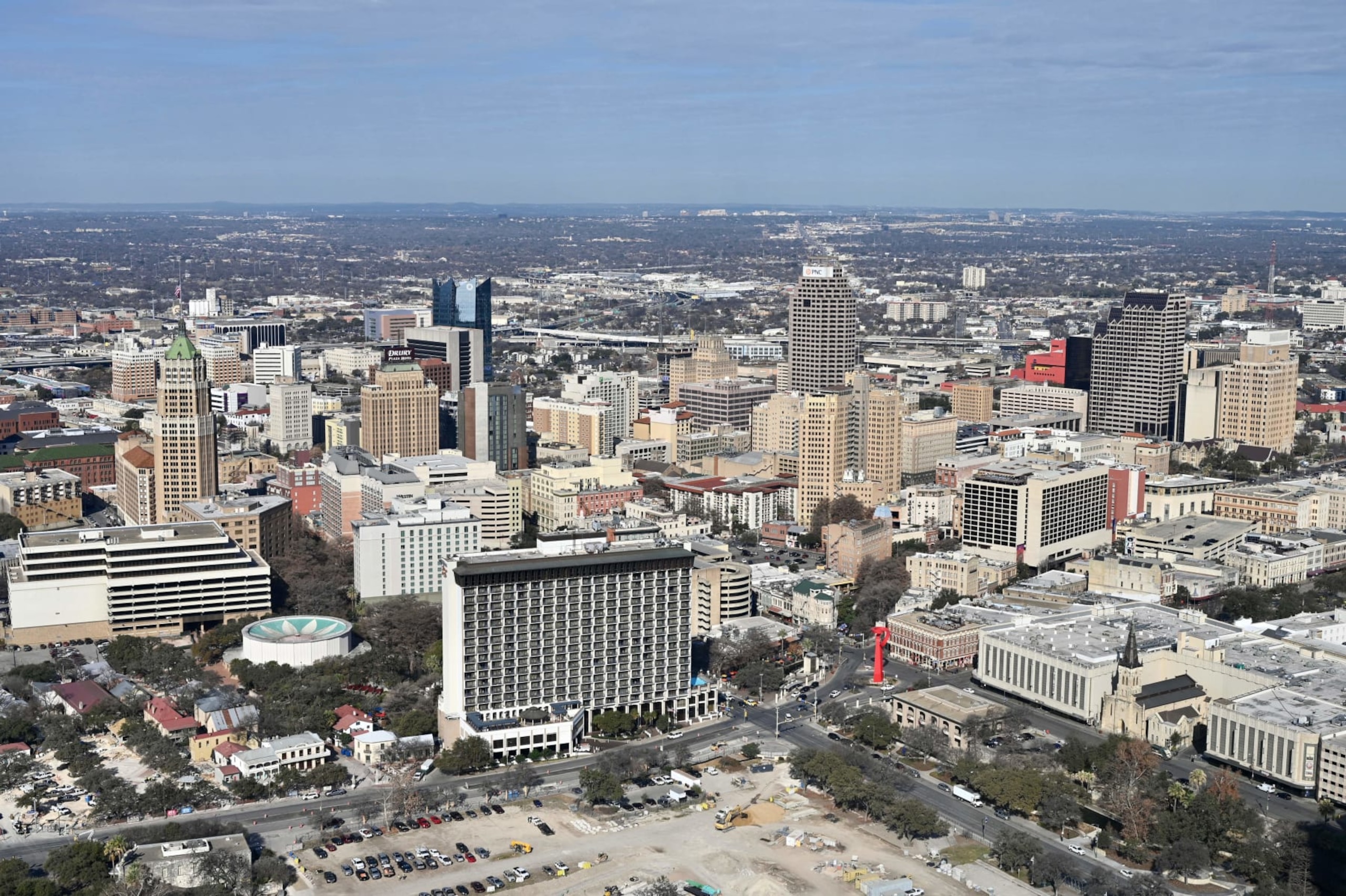
Orlando, Florida
With nearly 1.8 million homes in the area, this is the biggest market in the United States that doesn't have an MLB team. Yet neither the Tampa Bay Rays nor the Miami Marlins have found sustained success despite also operating in large Florida markets, and Orlandoans already seem to have a preferred team in the New York Yankees.
Oakland and Sacramento, California
The A's may be ready to leave town, but Oakland is worth keeping in mind because, hey, it's hosted a major league franchise for 55 years and counting. A new team would just need a new stadium, as destruction is the only right thing for RingCentral Coliseum.
Sacramento, meanwhile, is the second-biggest market in the U.S. without an MLB team, and the infrastructure is there. The catch is that summertime in Sacramento is so hot that an open-air stadium probably wouldn't be a good idea.
San Antonio, Texas
The Spurs of the National Basketball Association have made a nice home out of San Antonio, and the city itself saw the biggest numerical population gain of any in the U.S. from 2020 to 2021. Yet it's only the 31st-biggest market in the U.S. anyway, and the proximity of the Texas Rangers and Houston Astros could complicate the process of cultivating a fanbase.
Raleigh, North Carolina
Here's where there's an actual advocacy group for bringing a major league franchise, and it doesn't hurt the cause that the Raleigh-Durham area is a bigger market than major league cities like St. Louis and Pittsburgh. Trouble is, it's the second-biggest market in North Carolina after a city that MLB seems to prefer.
7. Mexico City, Mexico
2 of 8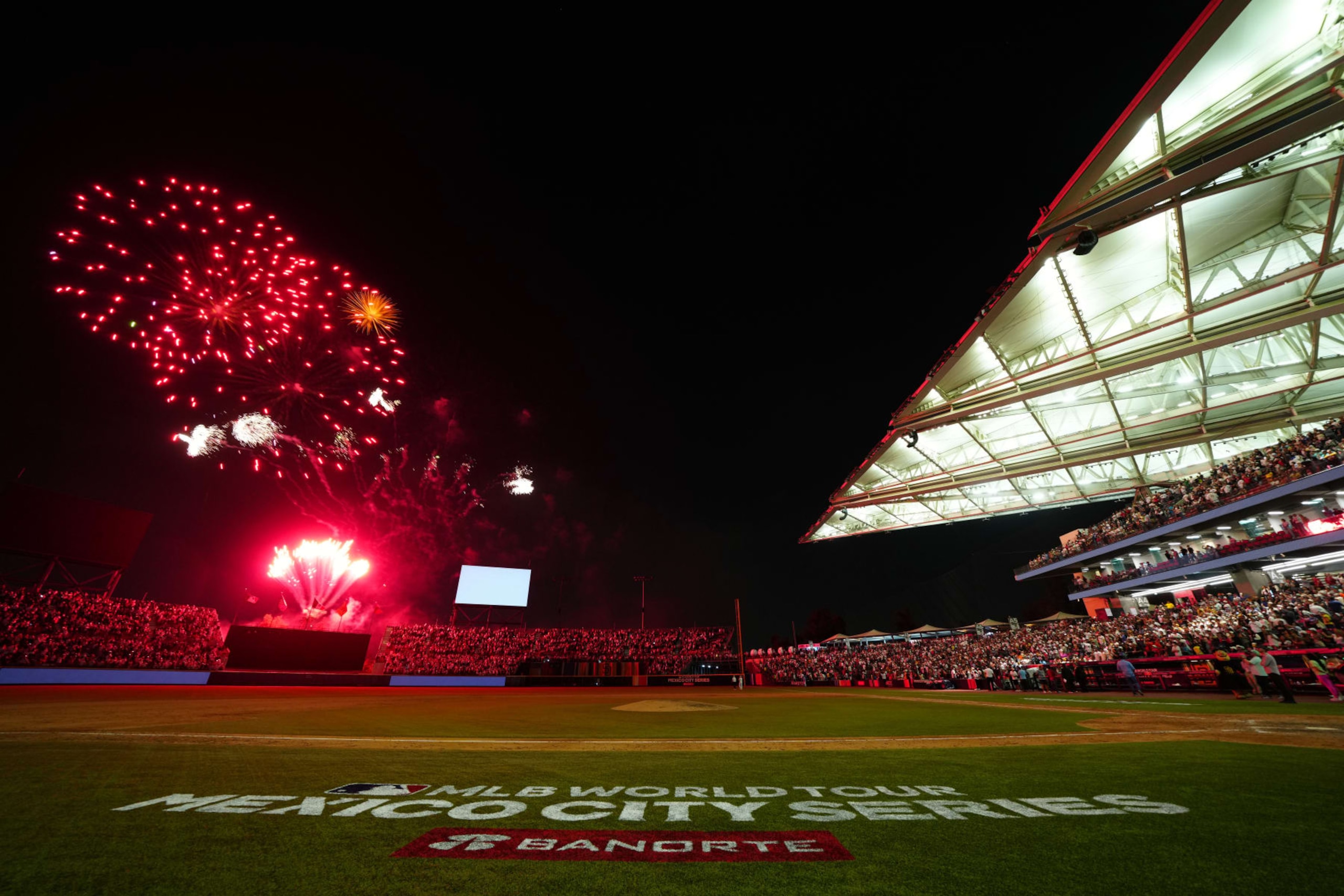
Population: 22,281,442 (1st in Mexico)
Big Four Franchises: None
Why It's a Fit
Mexico City isn't merely the most populous city in Mexico. Its population is indeed the sixth-highest in the entire world.
It was no wonder that Manfred expressed enthusiasm in 2017 about playing regular-season games in Mexico City as a "kind of experiment" for a resident MLB franchise. This past weekend, the San Francisco Giants and San Diego Padres brought that experiment to life in a hugely entertaining two-game series.
Though many in attendance were surely just visiting Mexico City—which, by the way, was rated by Travel+Leisure readers as the seventh-best in the world for travelers in 2021—the raucous vibes during the Mexico City Series also reflected the country's fondness for baseball. Polls have shown it to be Mexico's second-favorite sport after soccer.
Why It's Not a Fit
Honestly? This is a courtesy inclusion as much as anything else. Manfred may have gotten his wish this past weekend, but he had previously said in April that he has "never been close to the idea of Mexico as an expansion opportunity."
Eric Gomez of ESPN has a comprehensive look at the many challenges of putting an MLB team in Mexico City, including infrastructure- and climate-related ones. Elevation and location are two more, as Mexico City (7,349 feet) sits even higher than Denver, Colorado (5,279 feet), and it's about a two-hour flight from the nearest MLB city in Houston, Texas.
6. Vancouver, Canada
3 of 8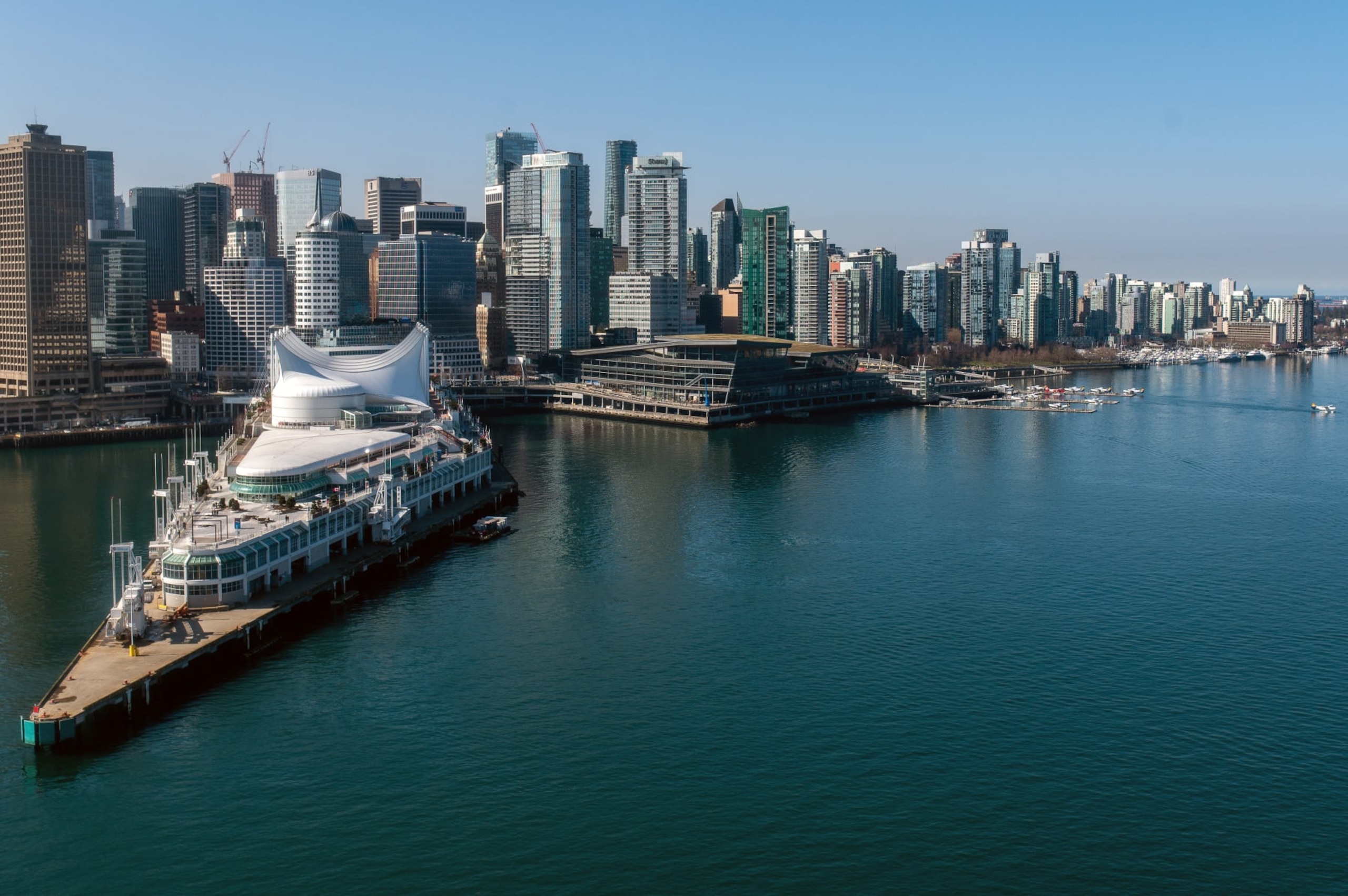
Population: 2,657,088 (3rd in Canada)
Big Four Franchises: Vancouver Canucks (NHL)
Why It's a Fit
Vancouver's population may look miniscule next to that of Mexico City, but it's bigger than that of Chicago, and its 0.97 growth rate from 2022 to 2023 outpaced that of Canada's two most populous cities, Toronto and Montreal.
Vancouver is also an objectively great place to be. This is according to the Global Liveability Index for 2022 from Economist Intelligence Unit, which placed it at No. 5 for the whole world. It helped that the city got a perfect 100 score for its culture and environment.
Would an MLB team in Vancouver ever be a hotter ticket than the Canucks? Probably not, no. But it's not as if there aren't baseball fans in Vancouver. The city plays host to the High-A Canadians, an affiliate of the Toronto Blue Jays, and they regularly draw well in the summer.
Why It's Not a Fit
Let's just say that an MLB team in Vancouver would spend a lot of time in the air. The Seattle Mariners routinely travel more air miles than any other major league team, and a Vancouver club would be situated even farther to the north of all the other MLB franchises.
And while a 2021 poll from Research Co. did uncover local support for the concept of a major league team in Vancouver, the reality of it was met with more skepticism. A new stadium—ideally one with a roof to ward off the rain—would certainly be necessary, as BC Place isn't a baseball park and Nat Bailey Stadium is too small for a major league franchise.
.png?w=2560)
5. Salt Lake City, Utah
4 of 8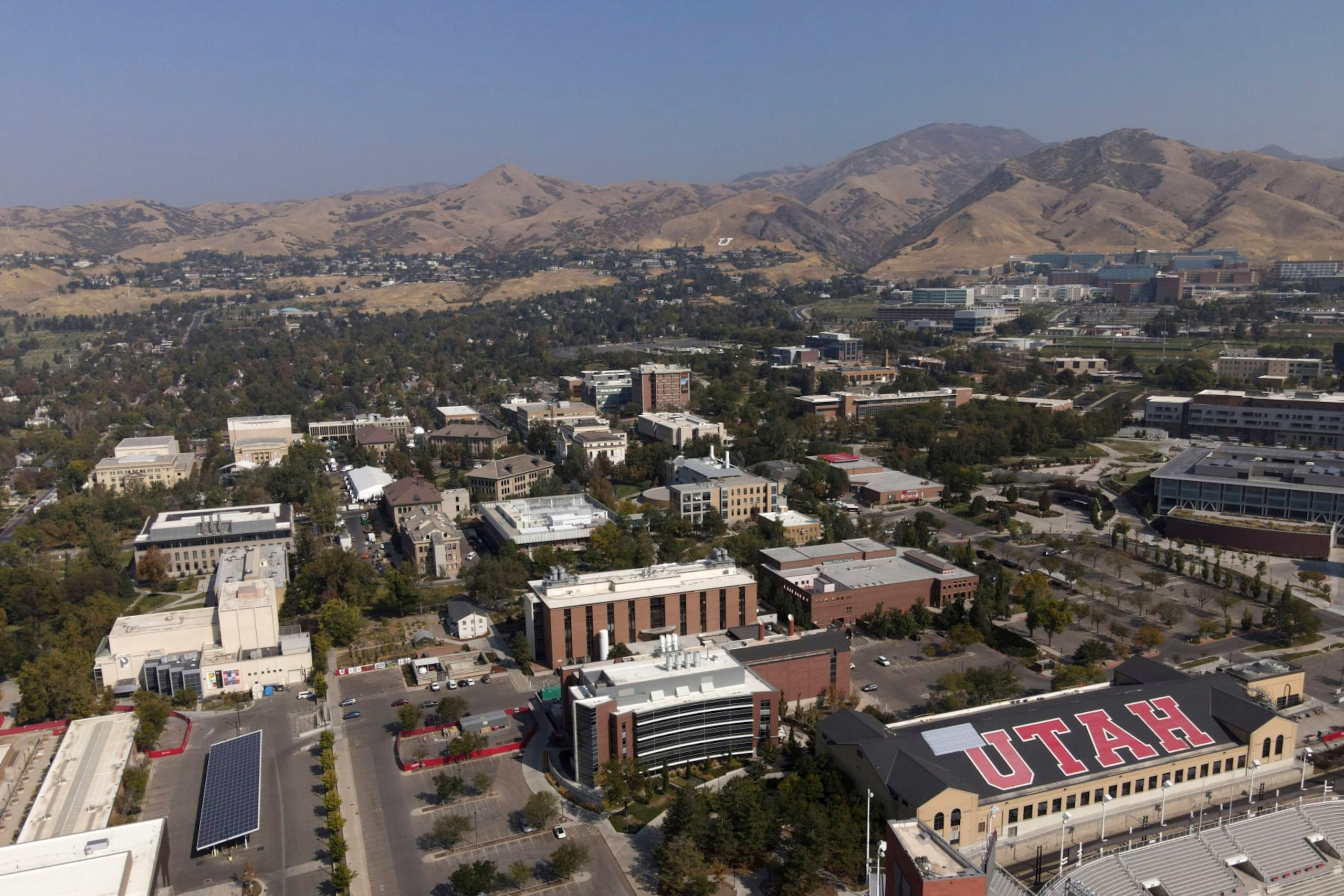
Population: 202,272 (119th in USA)
Big Four Franchises: Utah Jazz (NBA)
Why It's a Fit
Salt Lake City isn't a big city in and of itself, but Utah's population is growing, and the area's media market is bigger than those of four current MLB franchises.
These are indeed points that Steve Starks of Big League Utah, a coalition formed to attract an expansion team to Salt Lake City, raised to Jeff Passan of ESPN in April. He could have also mentioned that Utah is prime real estate for fresh baseball blood, as there's little love in the state for the Colorado Rockies even though they're the nearest franchise geographically.
Elsewhere, on the topic of "prime real estate," Thrillist ranked Utah as the fourth-most beautiful state in the country. Were a new stadium to incorporate or simply showcase that beauty in some way, it could be a big draw for more than just Utahns.
Why It's Not a Fit
Utah is growing, alright, but it's not in Salt Lake County where the biggest gains are happening. It's really Utah County and Washington County where things are booming, and only the former is close to Salt Lake City.
Perhaps that's a nitpick, but the same can't be said of environmental concerns. At 4,226 feet, Salt Lake City would be MLB's second-highest city after Denver. It also gets really hot in the summer, with the average temperature reaching 94 degrees in July. A roof of some kind would mitigate that but also potentially shut out the surrounding beauty.
4. Portland, Oregon
5 of 8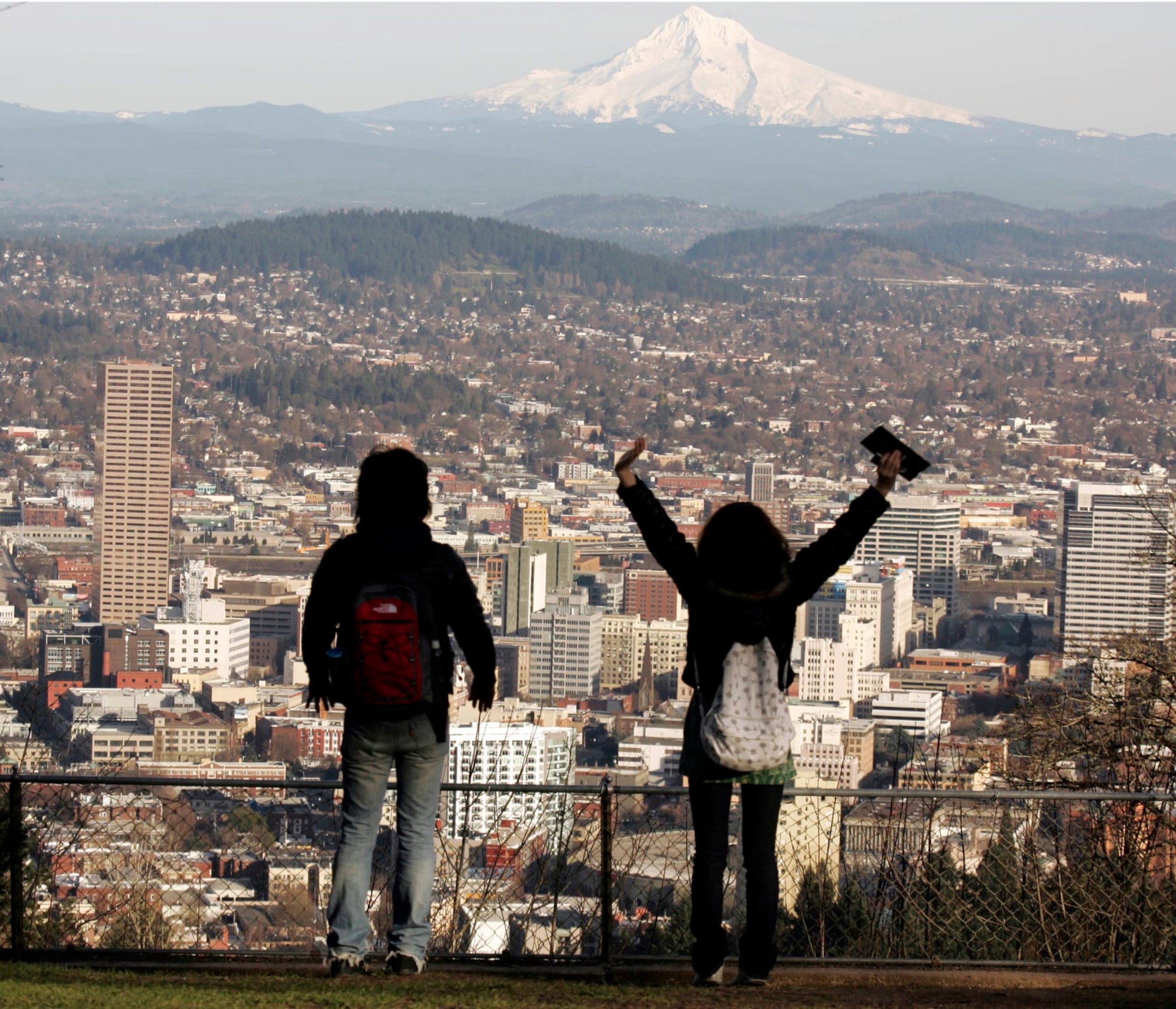
Population: 619,286 (28th in USA)
Big Four Franchises: Portland Trail Blazers (NBA)
Why It's a Fit
Anyone who doesn't think a major professional baseball franchise would work in Portland needs to go watch The Battered Bastards of Baseball and report back with a more positive attitude.
In all seriousness, the Portland Diamond Project is for real about bringing a major league franchise to the city, and it has strong legs to stand on. It's a big city with a big market, with the latter checking in at No. 22 ahead of St. Louis, Pittsburgh, Baltimore and San Diego, according to Sports Media Watch.
No. 22 is also where U.S. News & World Report ranks Portland as a place to live among U.S. cities, notably with help from a high score for "Desirability." The city has character, alright, and one wonders how that might translate into a truly unique stadium and team.
Why It's Not a Fit
Portland may be a big city, but it's getting smaller. The population listed above represents 33,102 fewer people in the city as of the 2020 census. And it's not just Portland, as all of Oregon has been experiencing population decline.
Especially considering that the Pacific Northwest is already Mariners country, it thus seems an awkward time to introduce some competition just a few hours down I-5. The city's weather presents still another complication, as it gets more days of snow or rain in a year than all but two other major U.S. cities.
3. Montreal, Canada
6 of 8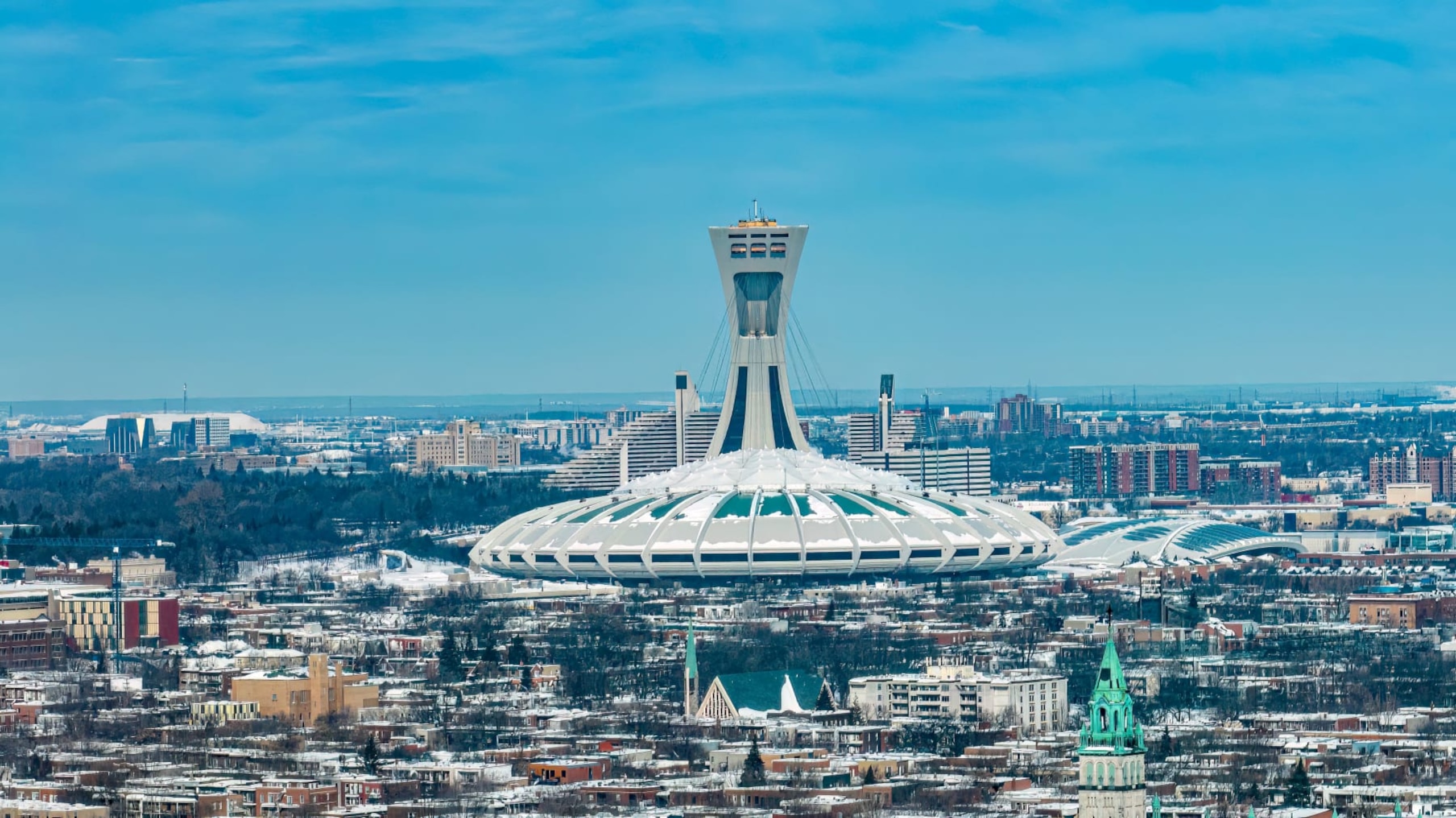
Population: 4,307,958 (2nd in Canada)
Big Four Franchises: Montreal Canadiens (NHL)
Why It's a Fit
"Expos" is still available and Olympic Stadium is still standing, so here's where we come to the only city on this list that has both a ready-made name and park for a major league team.
There was indeed MLB baseball in Montreal for 35 years between 1969 and 2004, and what killed the Expos wasn't so much fan indifference as bad ownership. Montrealians made the Expos a top-five draw in the National League in the late 1970s and early 1980s, and they've been showing up for Toronto Blue Jays spring training games in recent years.
Montreal itself is not only big but still growing, with a population increase of 0.73 percent over 2022. And per its second-place ranking in Travel+Leisure's ranking of Canadian cities to visit, it's also a great destination for tourists. Basically, an ideal city for baseball.
Why It's Not a Fit
It seems only fair to worry about whether Major League Baseball expanding to Montreal would be a case of making the same mistake twice. Those years when the Expos had great attendance were the exception, not the rule.
On a related note, it likewise seems fair to question whether Olympic Stadium is really a viable place for a full-time major league team. If reintroduced into the fold, its 1976 origins would make it the seventh-oldest stadium in the majors.
2. Charlotte, North Carolina
7 of 8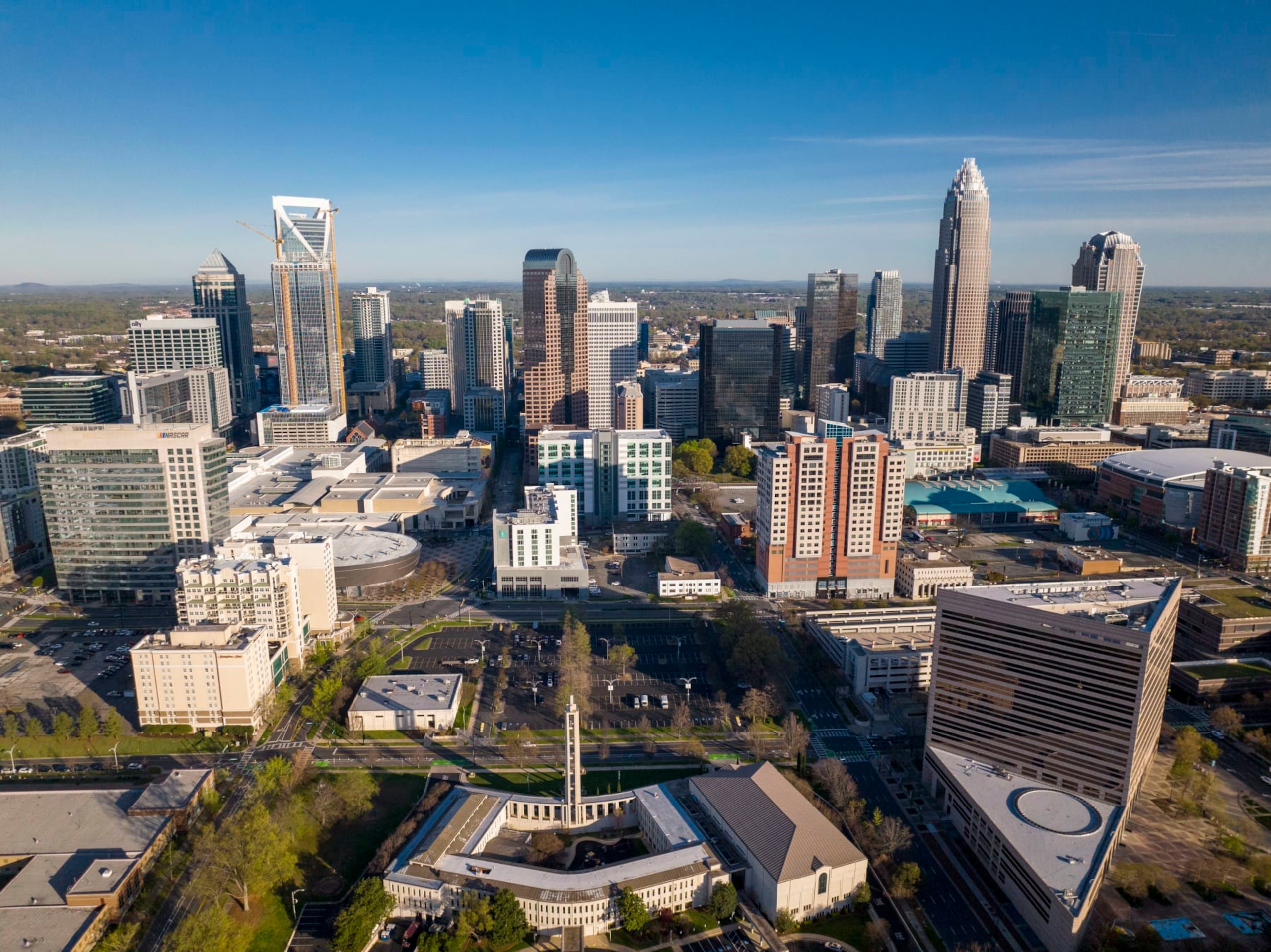
Population: 885,663 (15th in USA)
Big Four Franchises: Charlotte Hornets (NBA), Carolina Panthers (NFL)
Why It's a Fit
We touched on Raleigh and how it's hypothetically a big enough market for a major league team. But since its population is about twice as big as Raleigh's, it's not surprising that Charlotte is the North Carolina city on Manfred's radar.
And lest anyone think there's no room for a major league team next to the Hornets and Panthers, Mecklenburg County (i.e., the one where Charlotte is located) is at the center of the rapid growth of North Carolina as a whole. It's all one big boomtown.
It further helps that Charlotte is already an island of resistance amid a sea of loyalty to the major league club down in Atlanta, Georgia. And while a bigger stadium would be needed eventually, Truist Field could house a new major league team for a year or two at the outset.
Why It's Not a Fit
There is an advocacy group to bring MLB to Charlotte, but it's frankly a minor-league operation compared to those pushing for Salt Lake City, Portland and, well, the next city on this list. That raises a question of just how mutual the interest between Manfred and the city really is.
It's otherwise hard to find fault with the notion of having Major League Baseball in Charlotte. Because even if it does bear noting that it can get really hot there during the summer, the city's average temperatures generally mirror those of Atlanta.
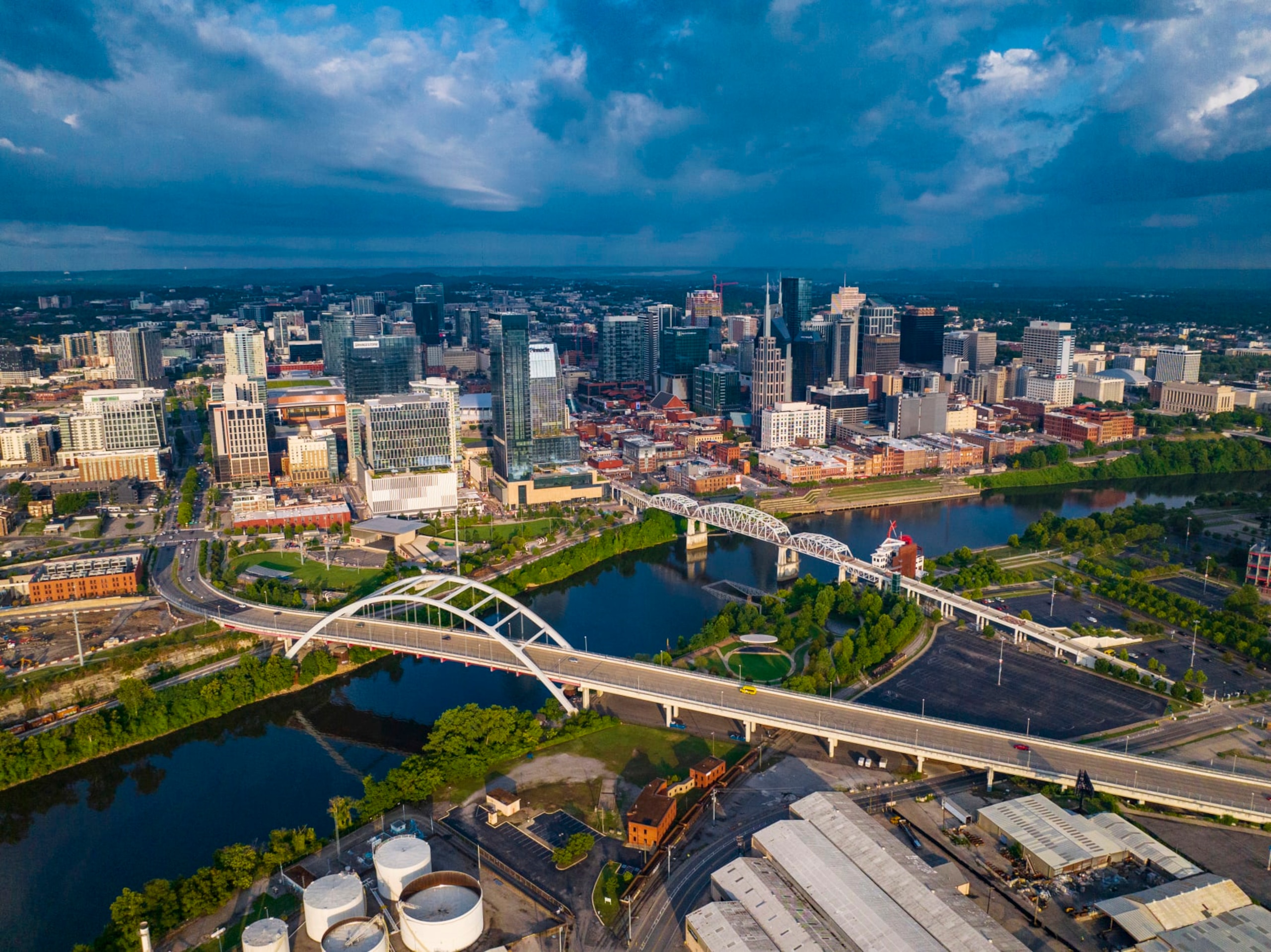
1. Nashville, Tennessee
8 of 8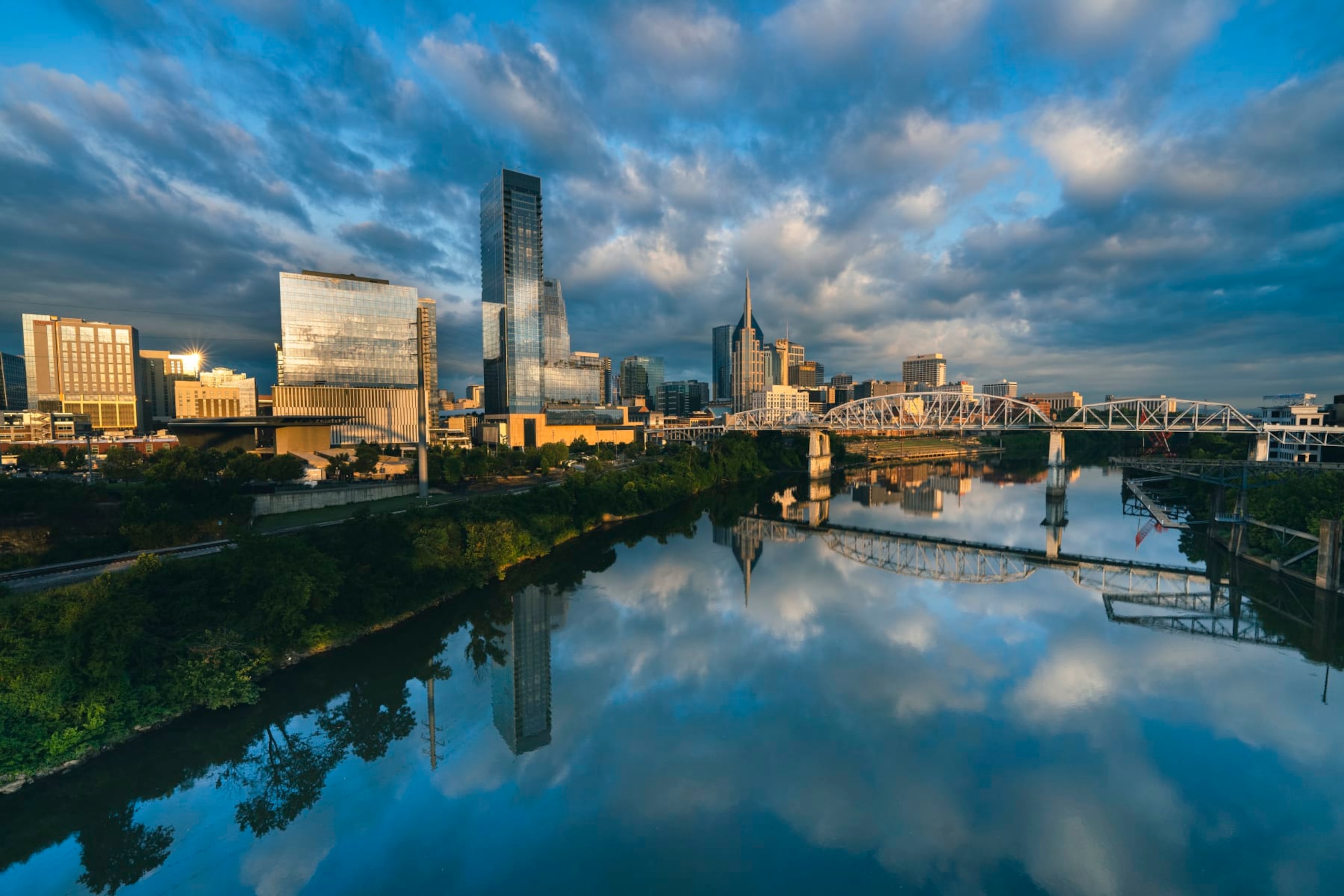
Population: 658,525 (22nd in USA)
Big Four Franchises: Tennessee Titans (NFL), Nashville Predators (NHL)
Why It's a Fit
How serious are they about bringing an MLB team to Nashville? Well, put it this way: You don't arrange a star-studded advocacy group, make plans for a stadium and even pick out a name ahead of time if you're not very serious.
Such is the level of commitment of Music City Baseball, the group that's trying to move the Nashville Stars—the name is a nod to a Negro Leagues team from the 1930s, 40s and 50s—from dream to reality. And it's not exactly being wasted on an unworthy city.
As it's known for being a musically inclined cultural hot spot, nobody should be surprised to hear that Nashville landed in Travel+Leisure's list of the 15 best American cities for tourists. And in First Horizon Park, it does have a solid temporary home for a new major league team until a proper stadium could be built.
Why It's Not a Fit
Davidson County, where Nashville is situated, did see its population decline from 2021 to 2022. It can also get hot in the summer months, where average temperatures are even higher than those of Charlotte and Atlanta.
For the most part, however, Tennessee has been experiencing population growth in recent years. And if the Charlotte area represents an island of disinterest in the most local MLB team, the Nashville area is an even bigger island in between oceans belonging to Atlanta, the Cardinals and the Reds. One big enough to sustain its own fanbase, even.
Stats courtesy of Baseball Reference.
.png?w=2560)
.jpg?w=2560 "Trevon Diggs Cut by Seahawks")
.jpg?w=2560 "Grading SmackDown 🔠")