In the minds of all NFL personnel, there's a voice reminding the individual that the NFL Scouting Combine has limited value.
The unpadded setting is not a reflection of what happens on Sundays in the fall. Draft prospects train specifically for workouts that often only indirectly influence their performance in actual games. College tape should be the most impactful piece of any evaluation.
However, that internal voice occasionally gets overruled. And the result can be a combine star who becomes a bust.
While NFL history is littered with applicable examples—such as Tony Mandarich back in 1989—the following group is a selection of players who entered the league in the last 20 years.
Aaron Curry
1 of 7
As the 2009 combine ended, NFL personnel undoubtedly left hugely impressed with Aaron Curry.
The linebacker posted a 4.52-second 40-yard dash with a 37-inch vertical and 10'4" broad jump, all of which finished among the top-five marks at his position. Curry solidified his billing as a star prospect.
Curry headed to the Seattle Seahawks as the No. 4 overall pick, bringing hope of a star defender. By his third season, Curry lost his starting job. Seattle dealt him to the Oakland Raiders, who soon waived him after a knee injury limited Curry to two games in 2012.
Looking back, Curry later said he'd been motivated by poverty while at Wake Forest and no longer made football a priority once he signed the professional contract.
Vernon Gholston
2 of 7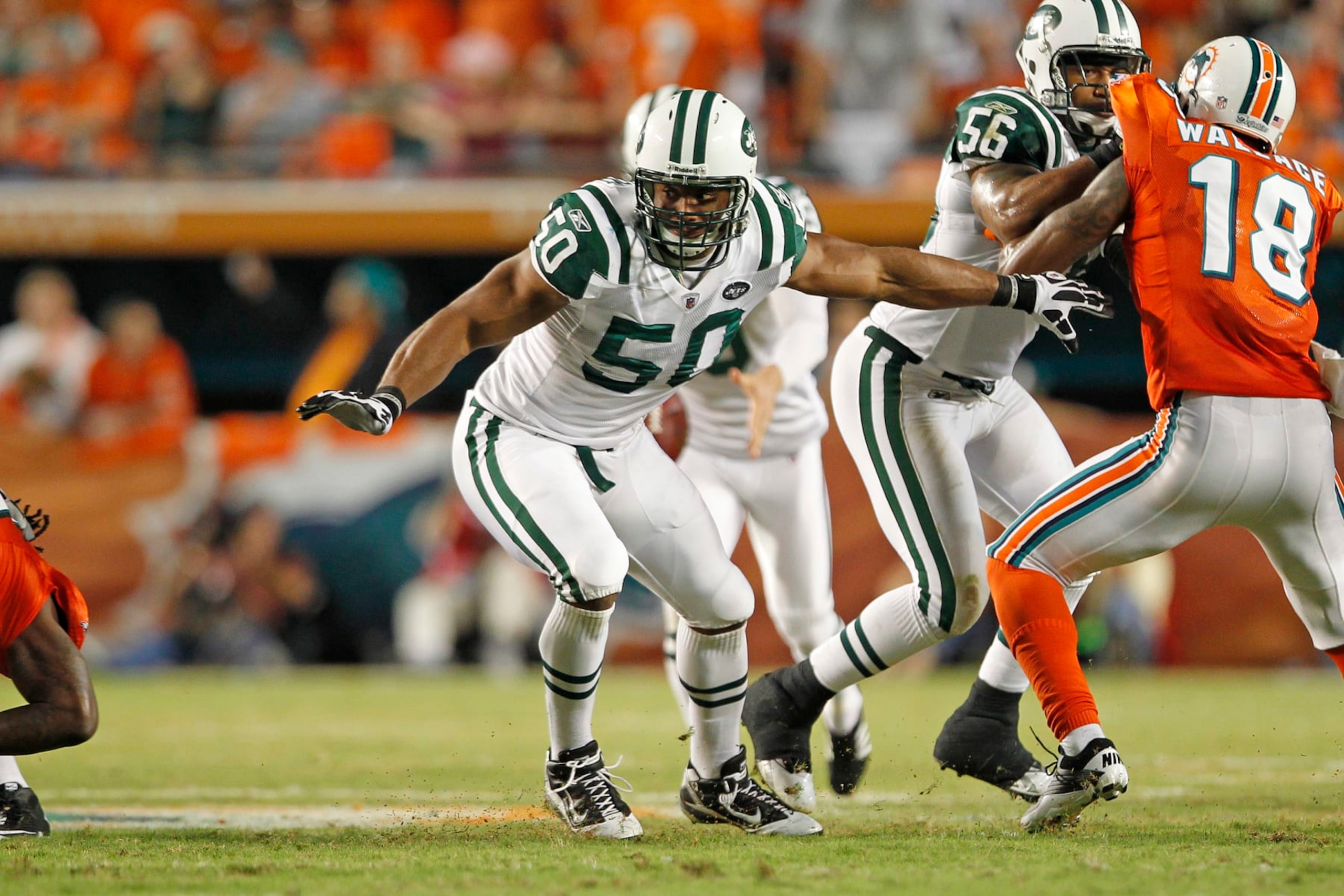
One year earlier, the New York Jets selected Ohio State pass-rusher Vernon Gholston with the sixth overall pick.
In short: It was a disaster.
The memorable bust followed an epic performance at the 2008 combine. Gholston paced all defensive ends with a 4.68-second 40, a 35.5-inch vertical, 37 bench reps and a 10'5" broad jump. That showing only cemented his spot as a coveted talent.
But he simply never contributed in a meaningful way in New York. Gholston appeared in 45 games during three NFL seasons, totaling just 42 tackles and—most glaringly—zero sacks.
Chris Henry
3 of 7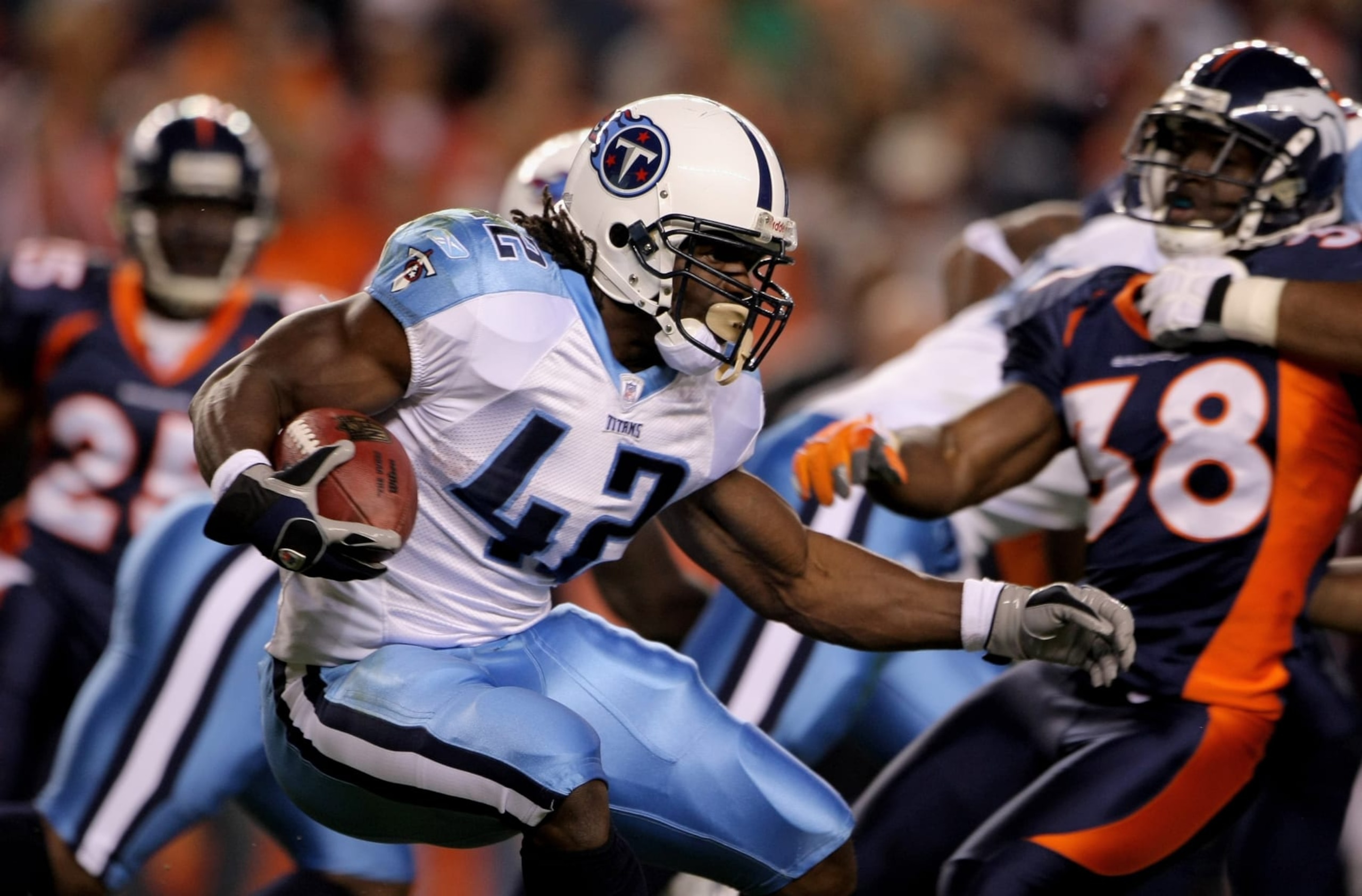
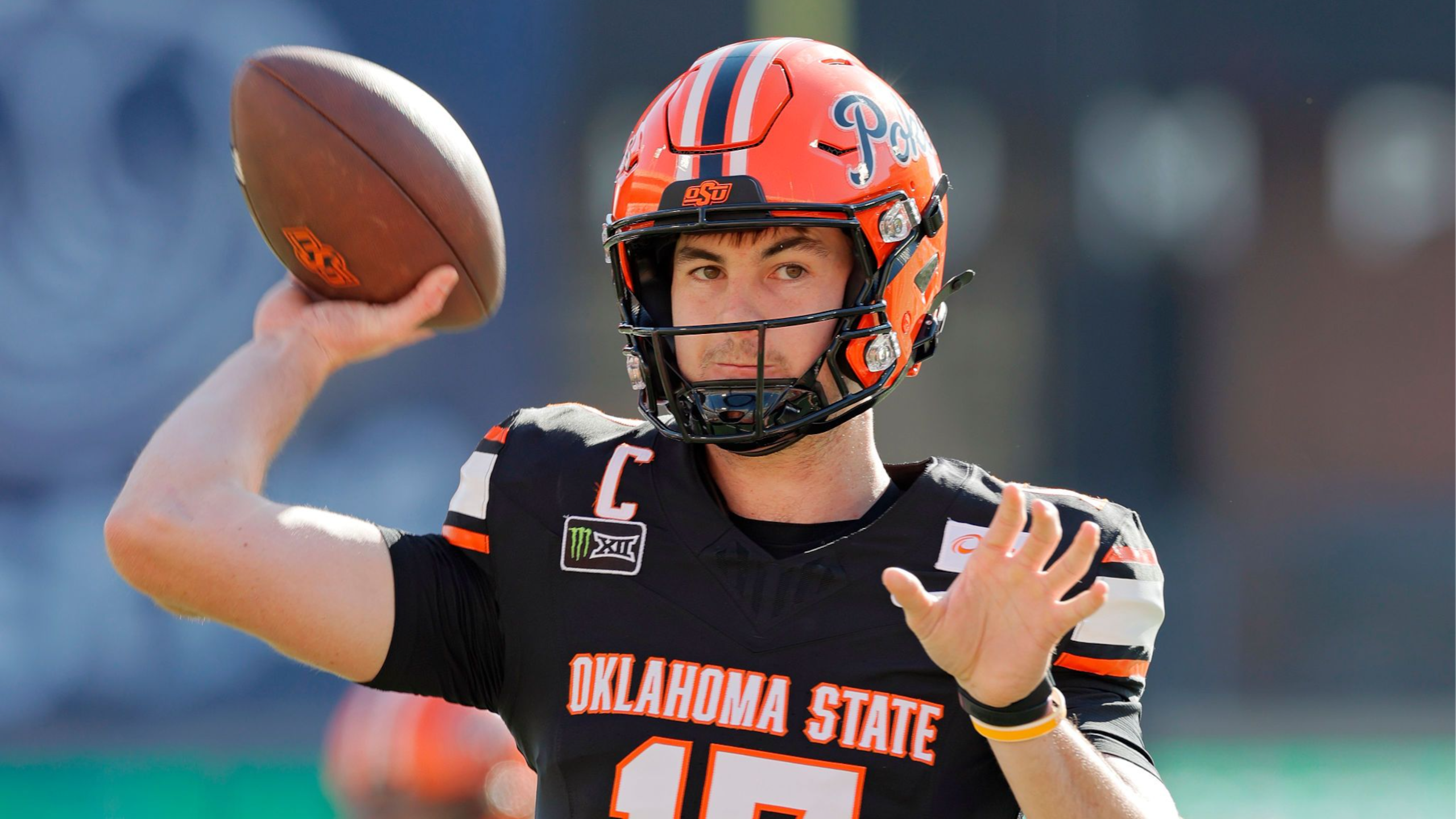
During the 2007 combine, future All-Pro running back Adrian Peterson sprinted to a 4.40-second 40-yard dash, leapt 10'7" in the broad jump, and notched a 38.5-inch vertical.
Chris Henry, meanwhile, matched Peterson in both the 40 and broad jump, reached 36 inches with his vertical and posted 26 reps on the bench. He bested Peterson in the 20-yard shuttle and three-cone drill.
Hello, cautionary tale.
As it turns out, Henry's limited college production—892 rushing yards on 3.3 per carry—should've been a red flag.
Nevertheless, the Tennessee Titans used a second-round pick on Henry. He managed 444 all-purpose yards in his rookie year before a four-game suspension for violating the league's substance abuse policy. He recorded a single carry for the remainder of his NFL career.
.jpg?w=2560 "Chargers Chiefs Football")
.jpg?w=2560)
Darrius Heyward-Bey
4 of 7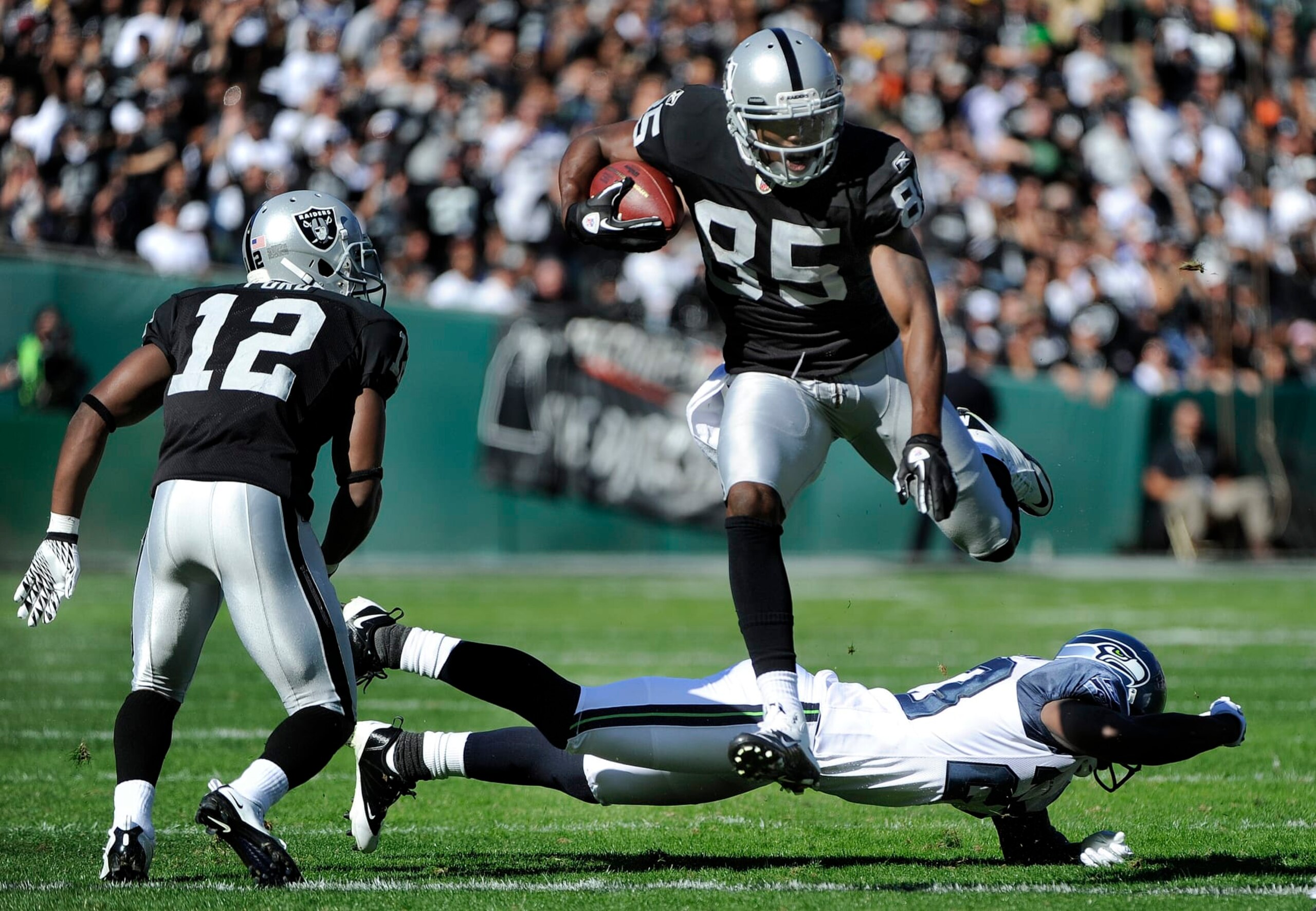
Darrius Heyward-Bey dazzled at the combine, tying Mike Thomas for a combine-best 4.30-second 40-yard run. Heyward-Bey also recorded a 38.5-inch vertical and strong three-cone (6.80) and shuttle (4.18) times.
That performance convinced the Oakland Raiders to use the seventh pick on the Maryland product.
Although it's unfair to label him a bust, DHB never held a meaningful role on a competitive team. He averaged 33.8 catches, 476 yards and 2.4 touchdowns in five seasons as a starting receiver. Those are fine numbers for a complementary wideout, but expectations were much higher for a combine star selected at No. 7 overall.
At the very least, Heyward-Bey deserves a golf clap for extending his career a half-decade as a regular contributor on special teams for the Pittsburgh Steelers from 2014-18.
Matt Jones
5 of 7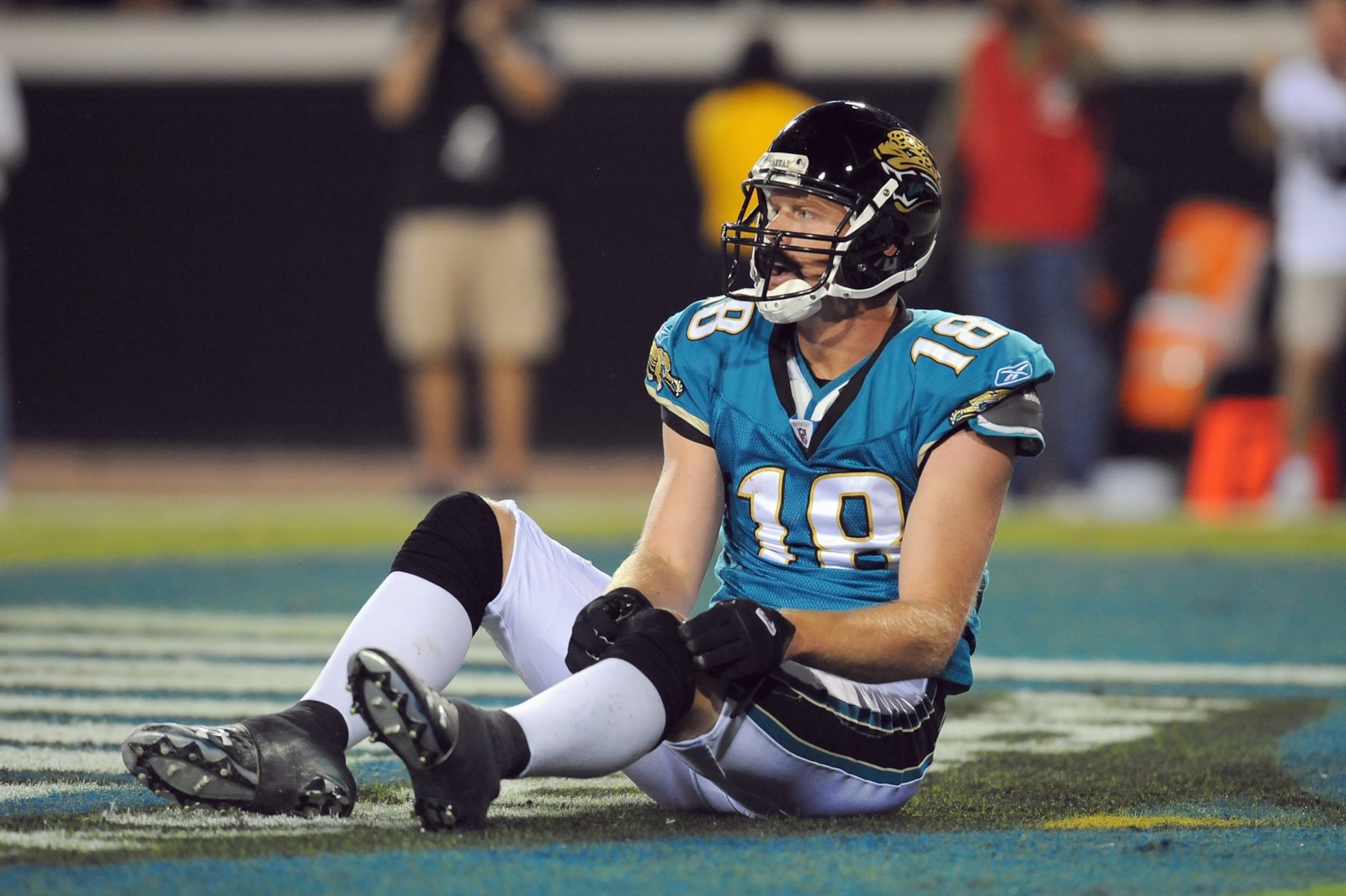
While at Arkansas, Matt Jones played basketball for one year before he focused on football as the starting quarterback.
Given that history, it's only sensible he tested well athletically.
Jones ripped off a sizzling 4.37-second 40-yard run, 39.5-inch vertical and 10'9" broad jump. Relative to any of his potential NFL positions—quarterback, tight end or wide receiver—each of those marks, at worst, would've been a top-five finish at the 2005 combine.
After the Jacksonville Jaguars used the No. 21 overall pick on Jones, he steadily worked toward a larger role at receiver. But in 2008, a violation of the league's substance abuse policy cut short the remainder of that season and ultimately ended his career.
John Ross III
6 of 7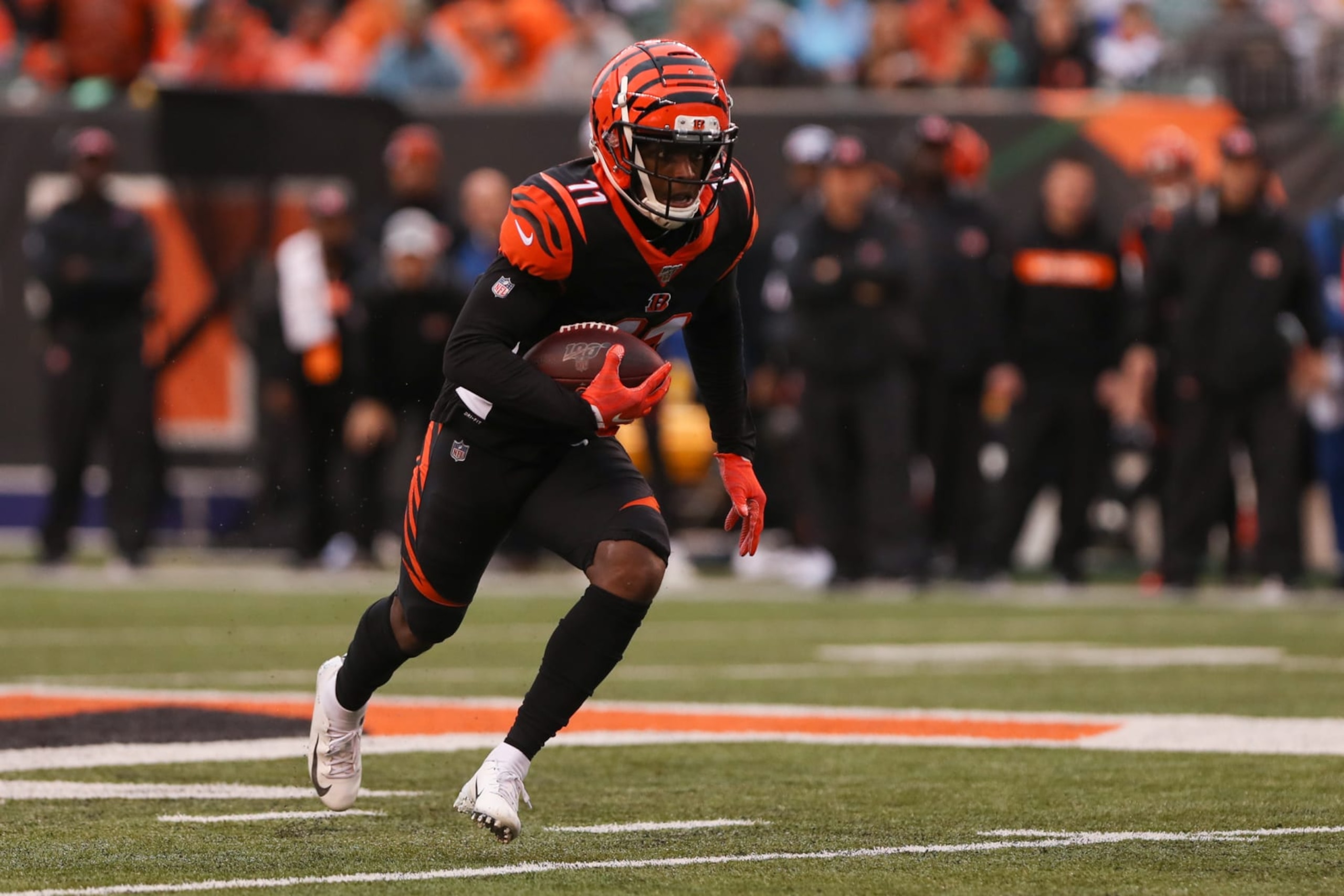
Owner of the fastest 40 time in combine history, John Ross III never developed into a reliable NFL contributor.
As a rookie in 2017, everything from knee and shoulder injuries to healthy scratches limited the No. 9 overall pick in the draft to a single touch. Ross started 10 games for the Cincinnati Bengals in 2018 and caught seven touchdowns, but he totaled just 21 receptions for 210 yards.
Ross seemed to have a breakout year in 2019, tallying 506 yards in eight appearances evenly separated by a shoulder injury. That would be his final moment as a relevant player.
The 2020 season included a stretch of healthy scratches and a foot injury with Cincinnati. Ross joined the New York Giants for the 2021 campaign but caught 11 passes in 10 games.
Troy Williamson
7 of 7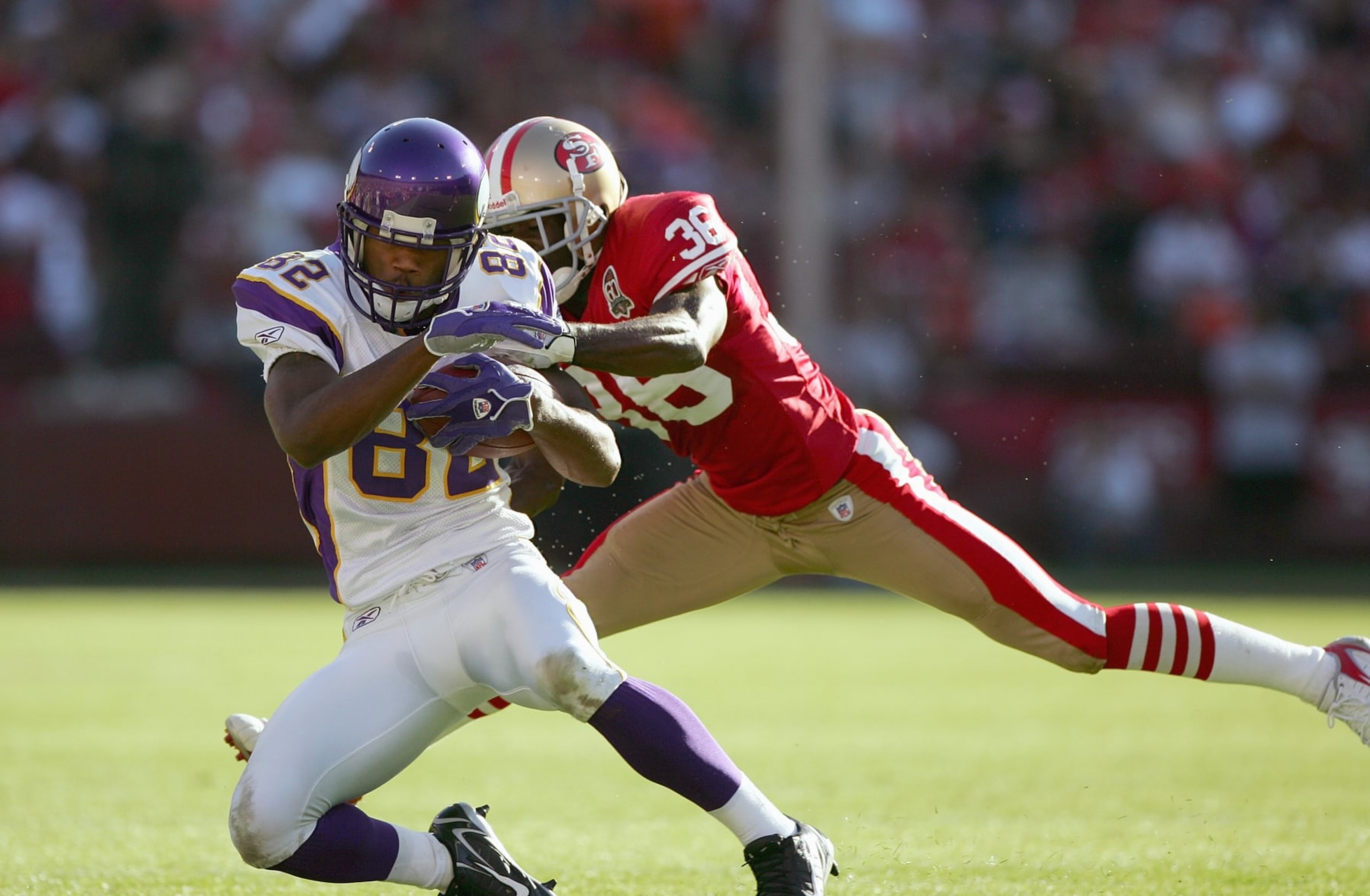
Troy Williamson averaged an explosive 19.3 yards per reception in three seasons at South Carolina. He ran a scorching 4.32-second 40 at the 2005 combine, and the Minnesota Vikings were convinced they'd found a big-play replacement for a Hall of Famer.
In a trade sending Randy Moss to the Raiders, Minnesota acquired the No. 7 overall pick and ultimately chose Williamson.
The speedster played three seasons with the Vikings, tallying only 79 catches for 1,067 yards and three touchdowns while struggling badly with drops. Williamson also had a poor relationship with head coach Brad Childress, later saying they could fight at the 50-yard line.
Minnesota traded Williamson to the Jaguars following the 2007 season. He totaled eight catches in 10 games over two years.
.jpg?w=2560 "Seahawks Chiefs Football")

.jpg?w=2560 "Grading SmackDown 🔠")