

No team ever walks out of the offseason thinking their big addition will end up being a bad move. Otherwise, they would not have acquired the player in the first place.
But often it does not take long for that buyer's remorse to kick in when the puck drops and a team sees how that new addition fits on their roster and actually plays for them.
A lot of times, that big free-agent addition is a buyout or trade waiting to happen. Sometimes the player a team gave up in a trade blossoms, while the player they acquired doesn't work out. That is the risk teams take in a lot of these moves.
We take an early look at teams that might be already having second thoughts about their additions.
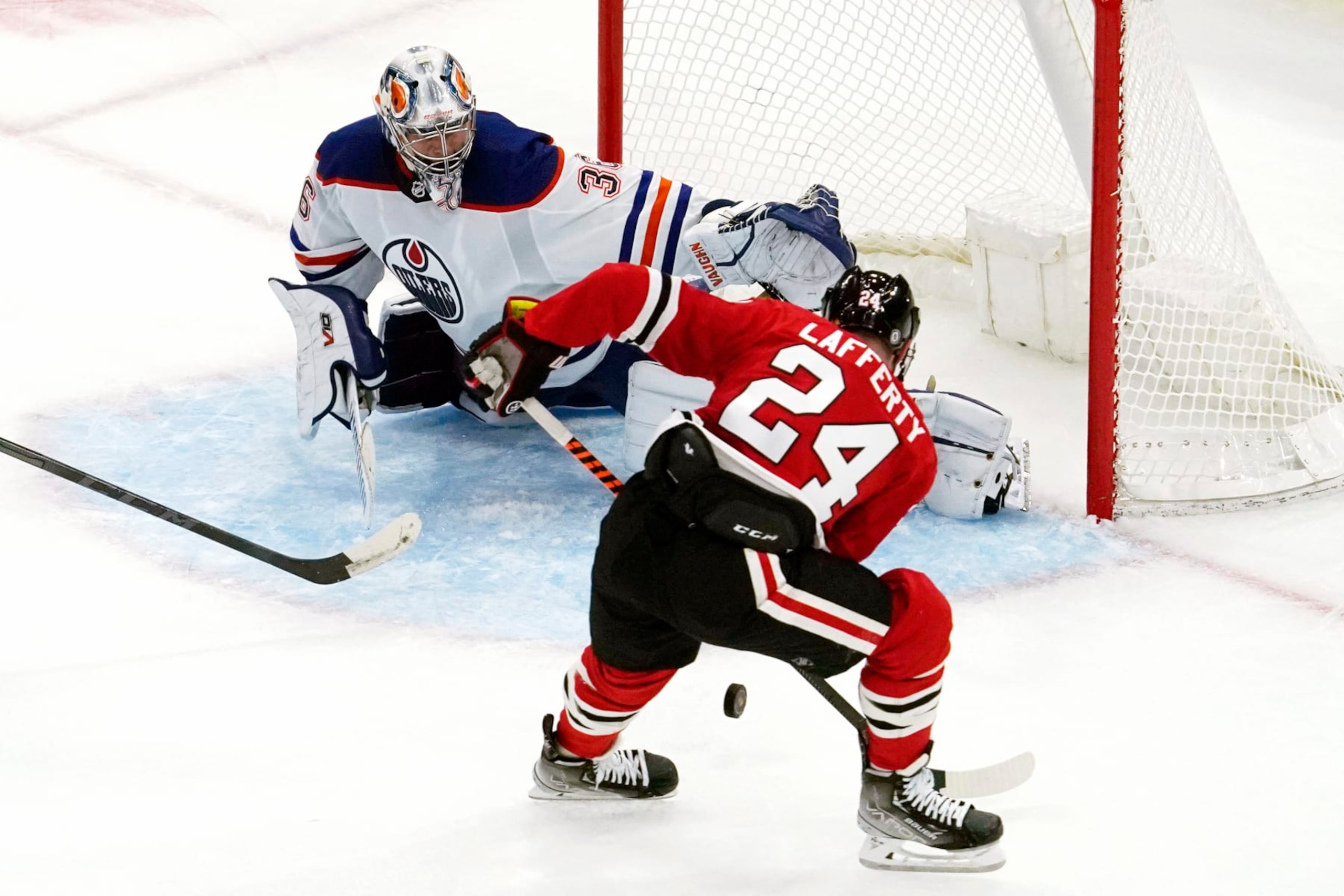
Edmonton Oilers: Signing Jack Campbell
1 of 10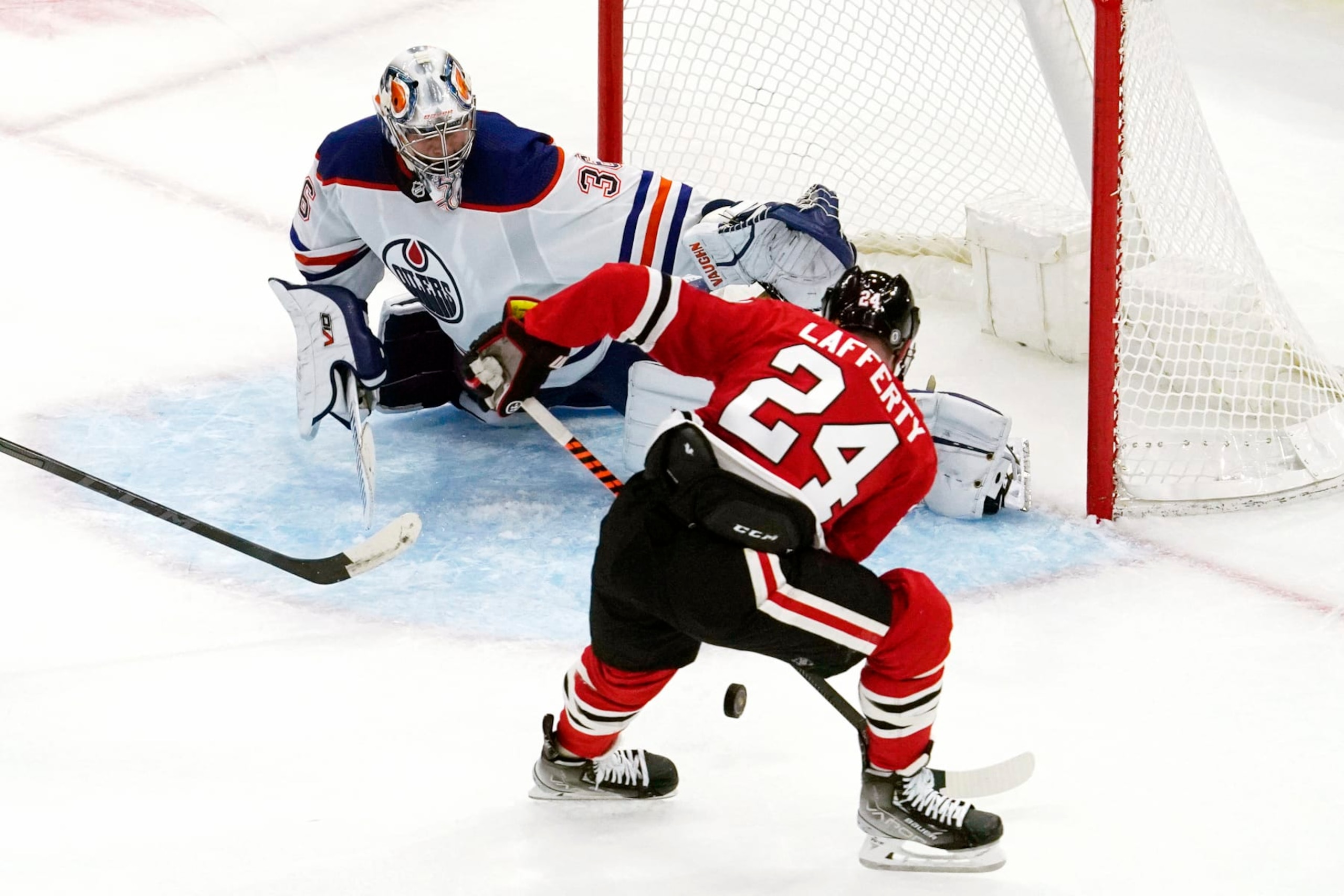
Goaltending has been a major issue for the Oilers for most of the Connor McDavid era. General manager Ken Holland made a meaningful effort to improve that this offseason when he signed Campbell to a five-year, $25 million contract in free agency to take over their top goalie spot.
There is always a risk with long-term contracts in free agency for goalies, and Campbell seemed especially risky because he does not have an extensive track record of consistent success in the NHL.
Another red flag: Another Stanley Cup contender (Toronto) decided he was not worth that price and they needed to upgrade the position.
Campbell has been a solid backup, and he showed flashes of potential during his time as a starter in Toronto. But he turns 31 in January, and few would be able to say how good of a goalie he actually is with any confidence. There is always a significant risk in trying to project future goaltending performances because the position can be so maddening, and making that sort of investment in a player who has no extended track record as a high-level starter is quite the roll of the dice.
Campbell has had a rough start with the Oilers, managing only a .874 save percentage in his first eight appearances, and he has been outplayed by backup Stuart Skinner.
The Oilers are pushed to the top of the league's salary cap and do not have the flexibility to miss on free agents at this important of a position. They better be right about Campbell. Early returns are not promising.
Toronto Maple Leafs: Matt Murray Trade
2 of 10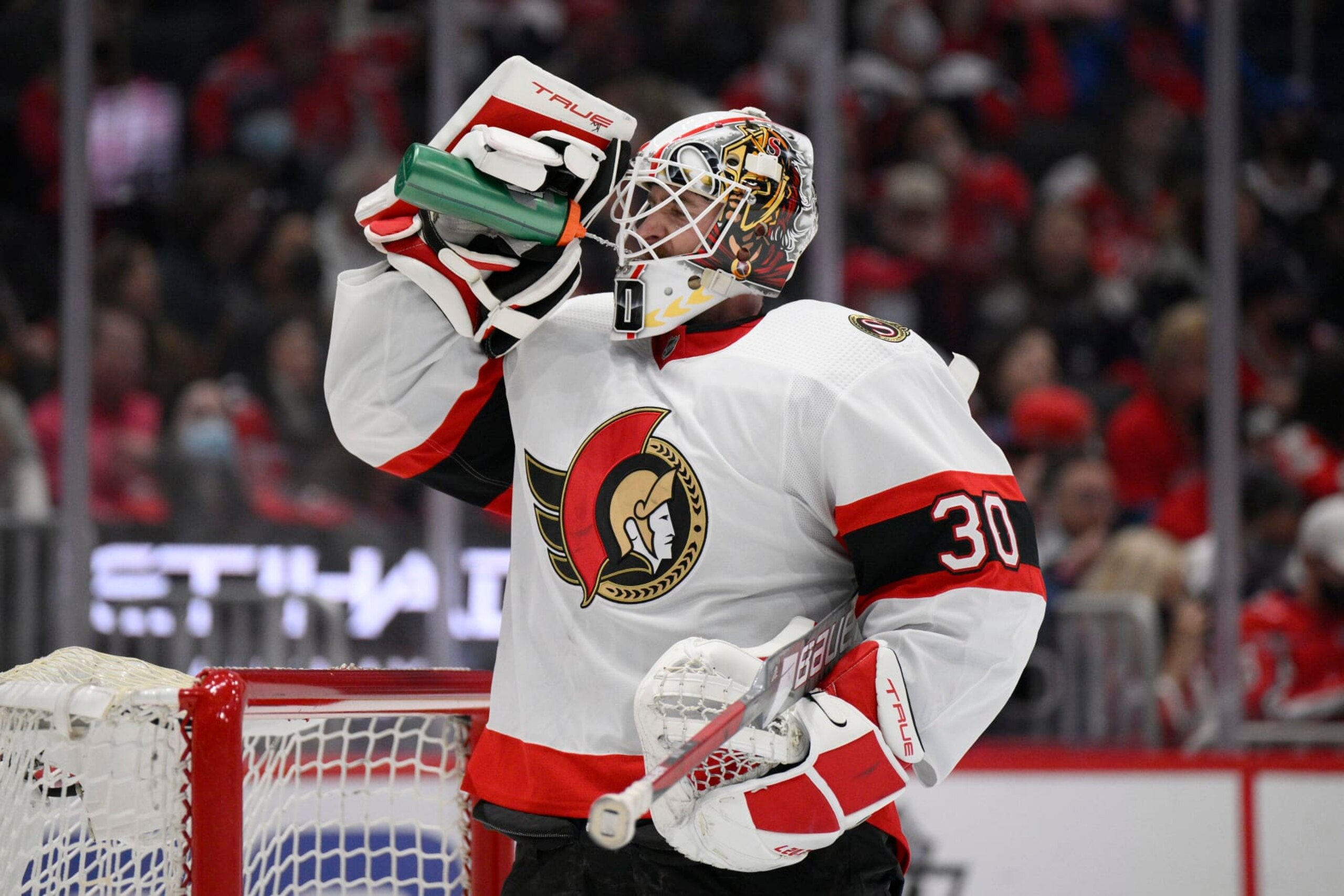
This might be unfair because Murray has only played in one game and been sidelined with an injury, but that is sort of the problem with Toronto's decision to take on Murray's contract.
He has not only regressed from where he was in his first two years when he was a back-to-back Stanley Cup champion with the Pittsburgh Penguins, but he has also missed a lot of time to injury recently.
This was always a curious decision by Toronto.
The Maple Leafs are under immense pressure to have postseason success and desperately needed to find a strong solution in goal. Murray has not been one of the league's least productive goalies over the past three years, but he carries a $6.25 million salary cap hit for this season and next season. For a team that is pushed to the limits of the salary cap, that is a huge commitment to take on.
Given the questions surrounding Murray, as well as the way some of their other potential offseason options (Darcy Kuemper, Ville Husso, Alexandar Georgiev) are playing, it would not be wrong for the Maple Leafs to have some regrets.
Especially during what has been a really disappointing start to the season for the team overall.
Nashville Predators: Trading For Ryan McDonagh
3 of 10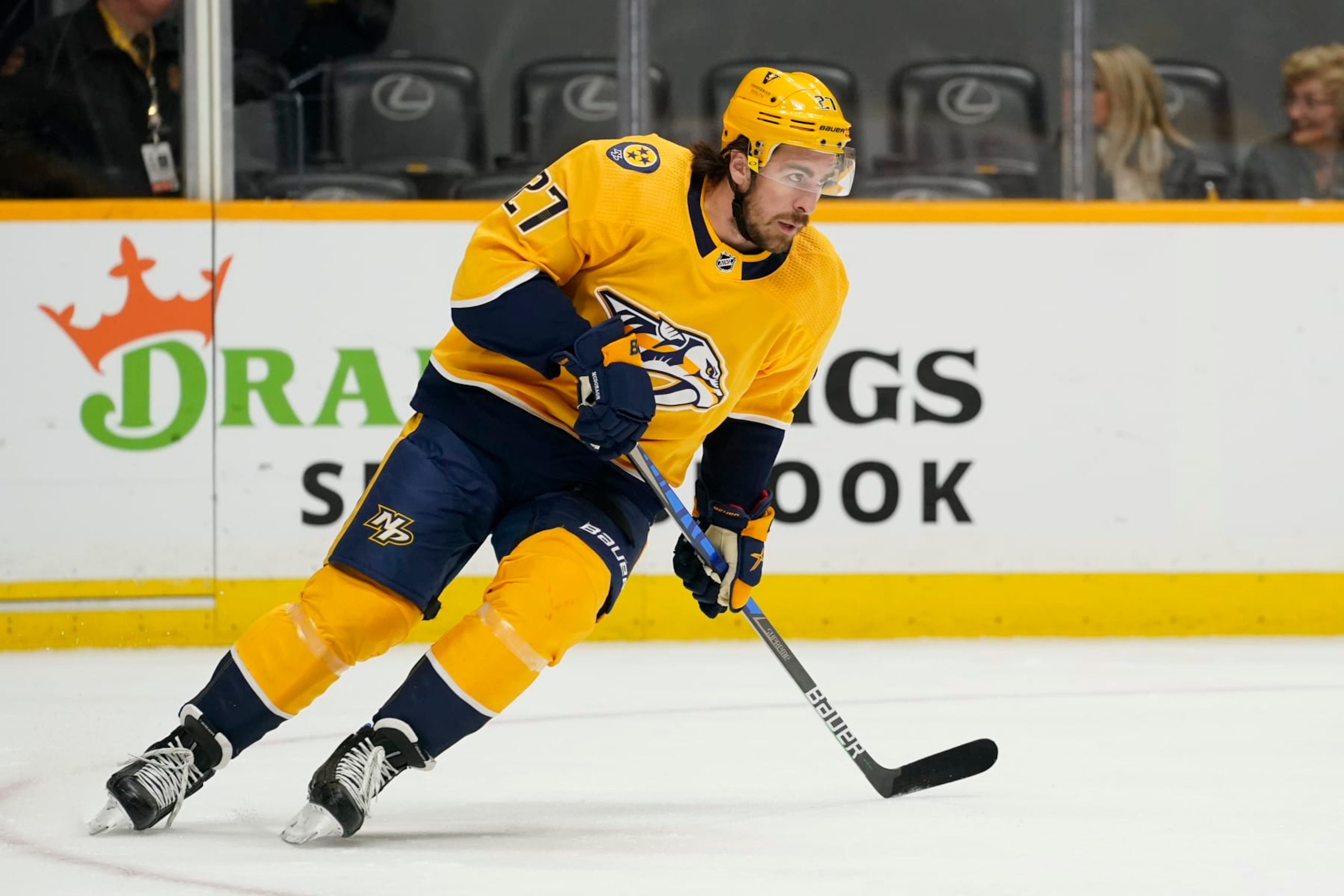
McDonagh was one of the salary-cap casualties in Tampa Bay this offseason, and the Predators were able to acquire him for the relatively low price of Philippe Myers and forward Grant Mismash.
That price is not going to set the Predators back by any means, but McDonagh's contract might.
While he is still a capable top-four defender, he has shown some signs of slowing down in recent years and is now in his age 33 season. It is likely his best days are in the rearview mirror.
That is going to be a problem for the Predators because McDonagh is still signed for another three full seasons beyond this campaign at $6.75 million per year. That is a big price for a defender on the downward slope, especially on a team that might also be starting to slide in the same direction.
The Predators were a fringe playoff team a year ago and needed a lot of things to go right to be even that. They needed Juuse Saros to be a superstar in goal, and they needed players like Matt Duchene, Ryan Johansen and Filip Forsberg to have massive shooting-percentage spikes that are almost certainly going to regress this season. It would not be a shock if they missed the playoffs, especially after a 5-6-1 start to the season. If that happens, it could be the start of a long few years in Nashville. The Predators already have a lot of questionable contracts, and they may have simply added another.
.jpg?w=2560 "NHL Trade Grades Connor Hellebuyck")
Columbus Blue Jackets: Signing Erik Gudbranson
4 of 10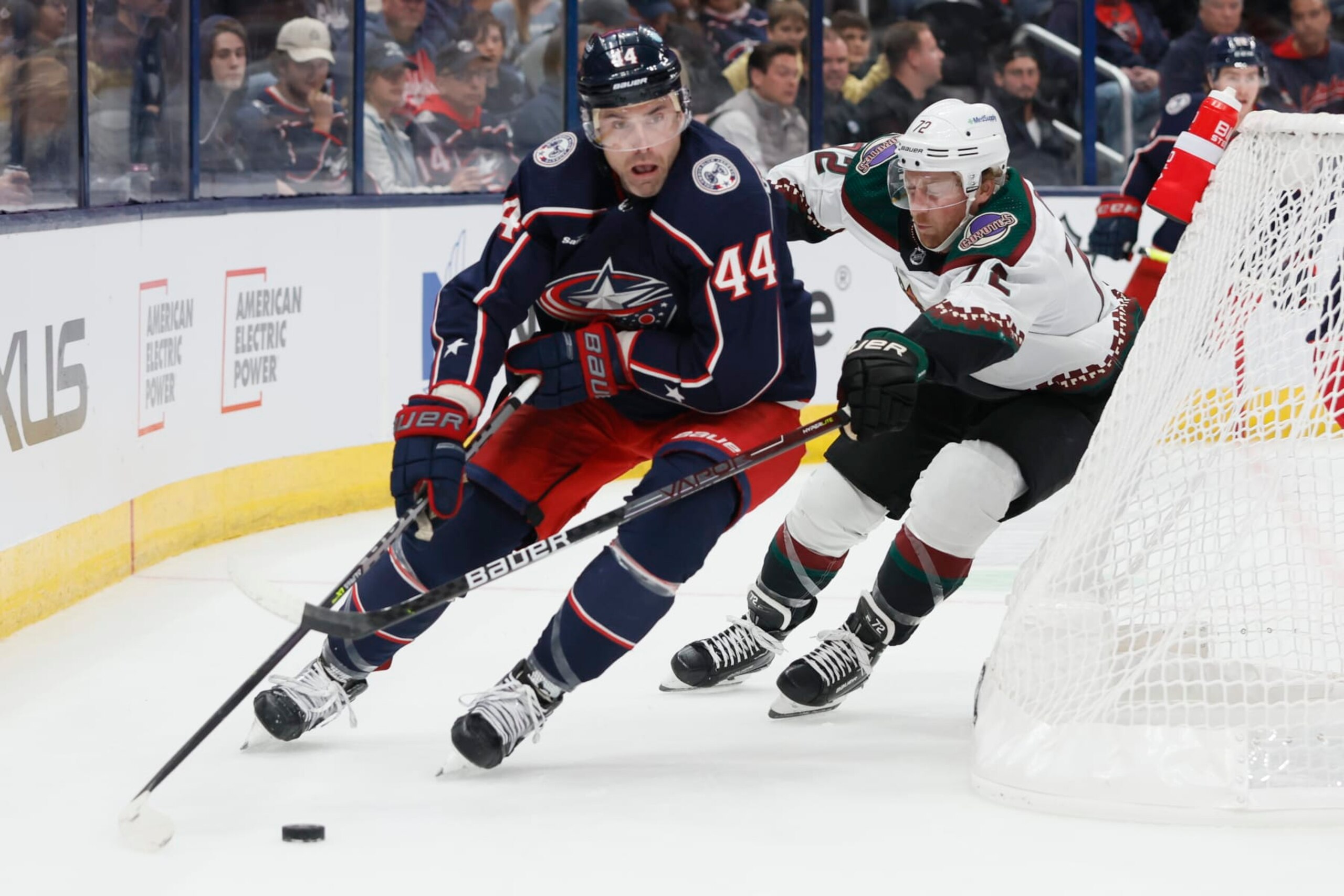
There are some contracts that just seem like a bad idea at the time, and this was one of them.
There is a place for a player like Gudbranson in the NHL, and there is a reason that teams keep bringing him on board and working to acquire him.
It's not an issue to have him on your roster. The problem comes with the four-year, $16 million free-agent contract that Columbus signed him to this offseason.
That is a huge commitment for a player who is probably best suited as a third-pairing defender and is not going to provide much, if any, offensive production. It is just not something a team needs to do, especially when that contract is a big reason why that team has to trade one of its most productive offensive players—in this case, Oliver Bjorkstrand—for next-to-nothing just to dump salary to make the team salary-cap compliant.
Entering play on Tuesday, his on-ice numbers have been about as bad as you can get for an NHL defender.
When he has been on the ice during 5-on-5 play, the Blue Jackets are managing just 35 percent of their usual total shot attempts and scoring only 30 percent of their expected goals. They have also been outscored by an 11-4 margin. He is playing 18 minutes per game and has managed only three assists.
Pittsburgh Penguins: Jan Rutta
5 of 10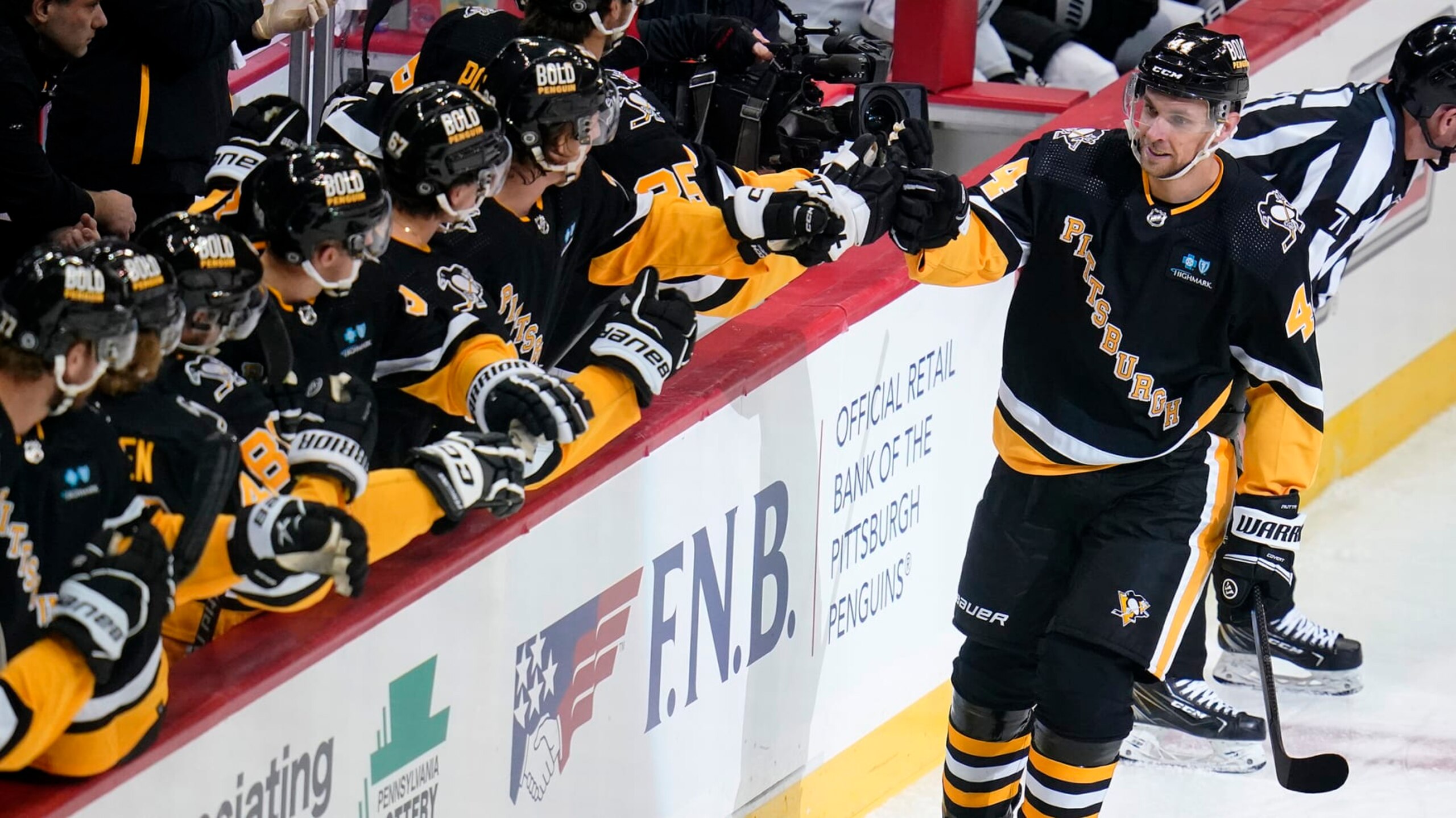
The Penguins completely overhauled their defense this offseason, and the early returns have not been great.
Rutta is an interesting case because the issue is not so much the quality of his play but rather the cost that came with signing him.
He is a fine player for a team's third pairing, has Stanley Cup experience with Tampa Bay and is a capable defender. But did the Penguins really need to sign him to a three-year deal worth $2.75 million per season to play on their third pairing? Especially when they had so many other areas to address on the roster, such as their goaltending depth and their bottom-six forwards?
When you combine Rutta's deal with the re-signing of Kasperi Kapanen, two players they probably did not need and who won't bring a ton of value, that is nearly $6 million per year in salary-cap space over the next couple of years that could have gone to a much-needed third-line forward or more dependable goaltending option.
The Penguins are usually a well-run team that typically avoids bad contracts, but in the past few years, they have had at least one player at the bottom of the lineup they are overpaying for too many years. Rutta is currently that player.
Pittsburgh Penguins: Ty Smith trade
6 of 10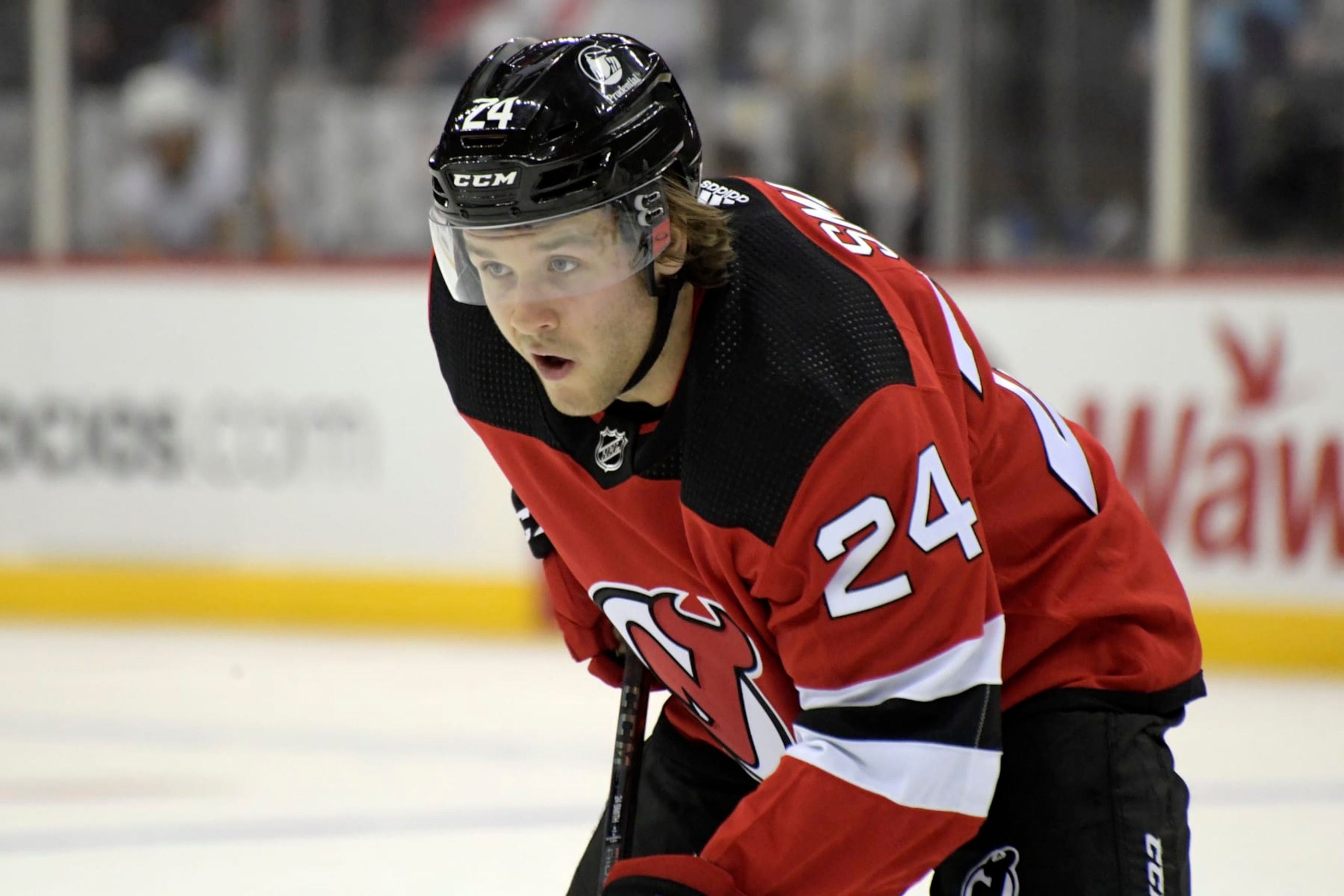
This was another of the Penguins' moves to overhaul their defense, and the issue is not so much the addition of Smith but the cost it came at.
Smith has not actually played a game for the Penguins and has been relegated to duty in the American Hockey League. He lost a spot on the team's blue line to open the season, largely because they did not want to expose Pierre-Olivier Joseph to waivers and risk losing him.
Smith, who was waivers exempt, ended up getting the demotion.
The problem with all of that is the Penguins had to trade John Marino to acquire him, and Marino is off to an absolutely sensational start with the New Jersey Devils. Quite honestly, he has been one of the league's best defenders through the first month of the season and is looking like the player the Penguins thought he would be after his rookie season.
Given how the Penguins' defense has struggled so far this season at holding leads, they could certainly use a player like Marino on their blue line.
Especially since the player they traded him for is not even playing in the NHL.
None of that is to say the Penguins should completely write off the idea of Smith ever being a contributor. Despite his struggles in his sophomore season, he is still only 22 years old, has had flashes of success in the NHL and still has the potential to be a good player.
The Penguins are just not getting any of that now while their defense struggles and the player they traded away is excelling on a team within their own division.
Toronto Maple Leafs: Calle Järnkrok
7 of 10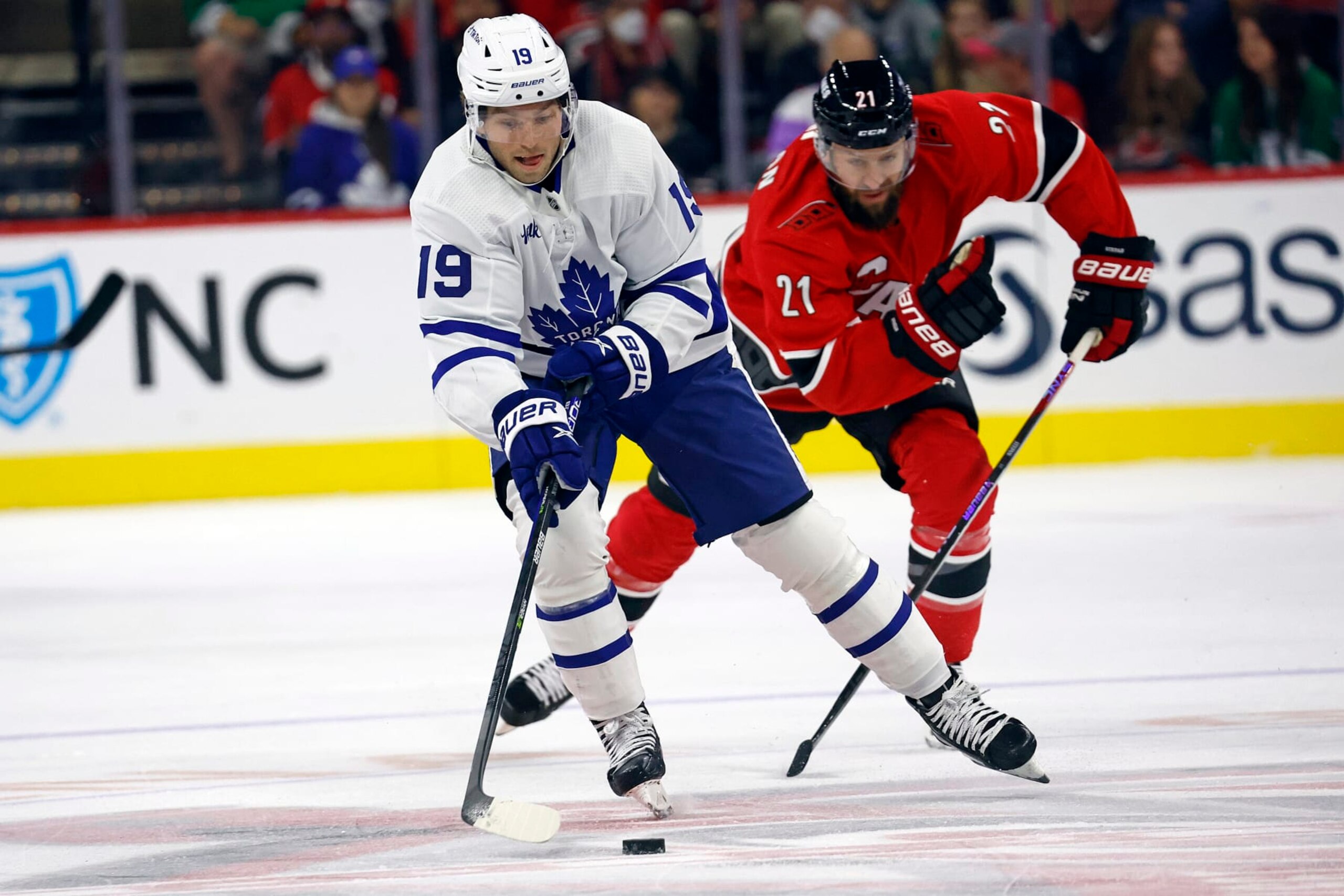
A good rule of thumb for teams in free agency should be to not sign depth players (bottom-six forwards, third-pairing defenders) to long-term contracts.
Especially when they are on the other side of 30.
The Maple Leafs might be in the process of finding out why when it comes to Järnkrok's four-year deal.
Prior to this season, Järnkrok has been a good bottom-six player who has shown an ability to drive possession and chip in around 10-15 goals per season. He does not do anything exceptionally well, but he is useful and can help your team.
But players like that are not always going to age well, and when they do start to slow down, there is not much room for their production to drop and still be valuable contributors.
Järnkrok does have three goals for Toronto entering play on Tuesday, but there is not much to like about the rest of his performance when it comes to his underlying numbers. He has just 16 shots on goal in 13 games (the worst per-game rate of his career), while his possession numbers are among the worst in Toronto's lineup.
When he is on the ice during 5-on-5 play, the Maple Leafs are generating less than 43 percent of their usual total shot attempts and scoring chances, and they only have a 36 percent expected goal share. In other words, when he is on the ice, the Maple Leafs are getting buried in their own zone and badly outchanced, and he is not doing much to generate offense.
When teams like the Maple Leafs have so much money invested in their top-end core players, they have to get creative in how they build out the rest of their roster to maintain a competitive level of play. They have struggled with that the past couple of years. Could Järnkrok be another miss?
Montreal Canadiens: Evgenii Dadonov
8 of 10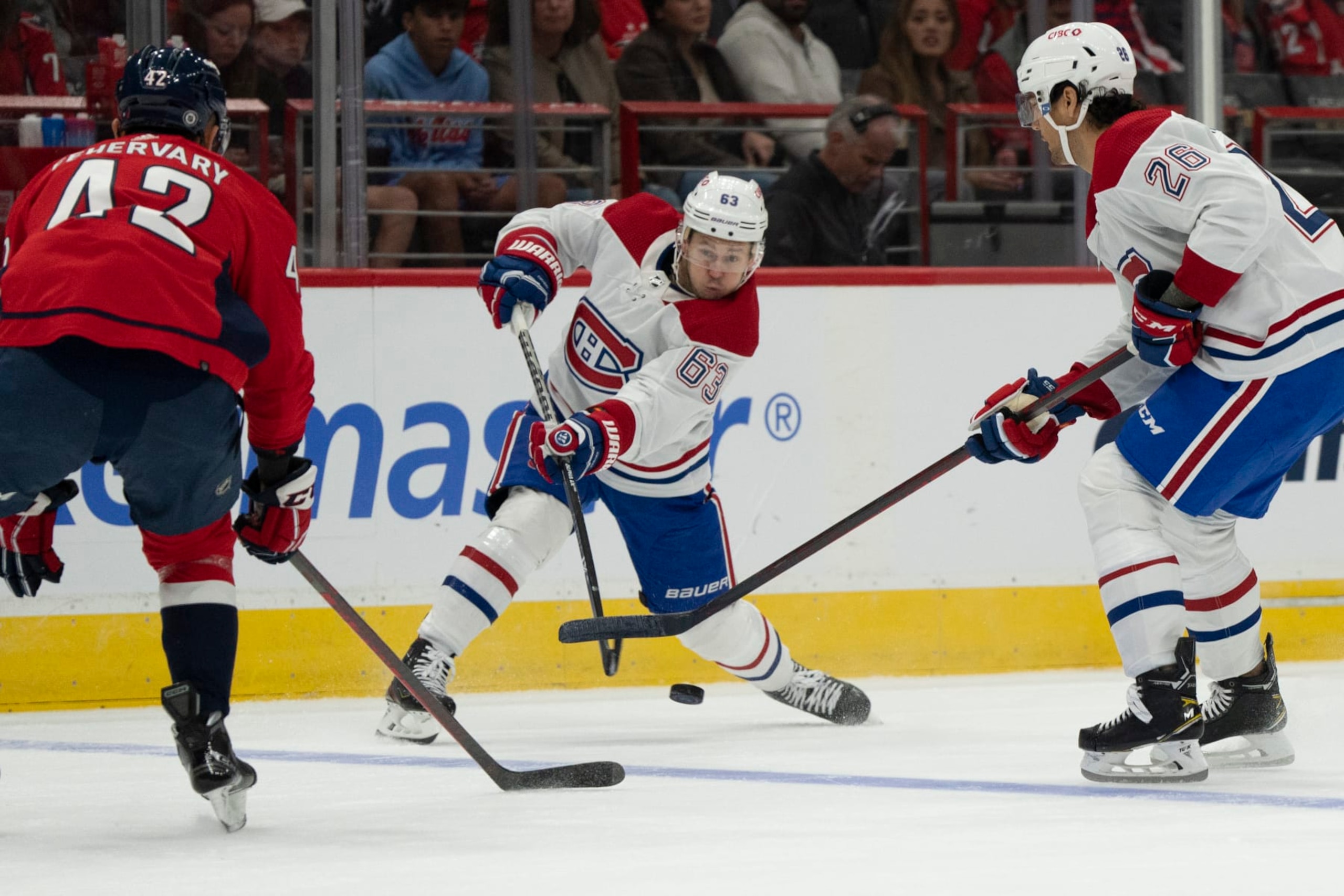
The Canadiens' acquisition of Dadonov was more of a salary-cap move than a hockey move.
They acquired him in a trade with the Vegas Golden Knights in exchange for the remainder of Shea Weber's contract (which still has four years at more than $7.5 million per year remaining on it). With Weber unlikely to ever play again because of injury, it was simply a salary-cap move to allow Vegas to put him on LTIR and create salary-cap space, and to make it so Montreal did not have to worry about dealing with any of that in the future.
It also appeared to be a trade that landed them a pretty good player in Dadonov.
Even though Vegas tried (and failed) to dump his salary at the deadline, he was still one of their best and most productive players. There was good reason to believe he could still be a useful veteran player on a young, rebuilding Canadiens team.
It has not worked out that way for the Canadiens.
Dadonov has failed to record a point in his first eight games, and there is now a mystery as to his short-term (and long-term) future with the team. After initially being a healthy scratch, he was then said to be out of the lineup for therapy days and then because of an illness. Nobody really knows for sure what the issue is (if it is personal, we do not need to know) or when he will return.
So far, it just has not worked out.
Tampa Bay Lightning: Vladislav Namestnikov
9 of 10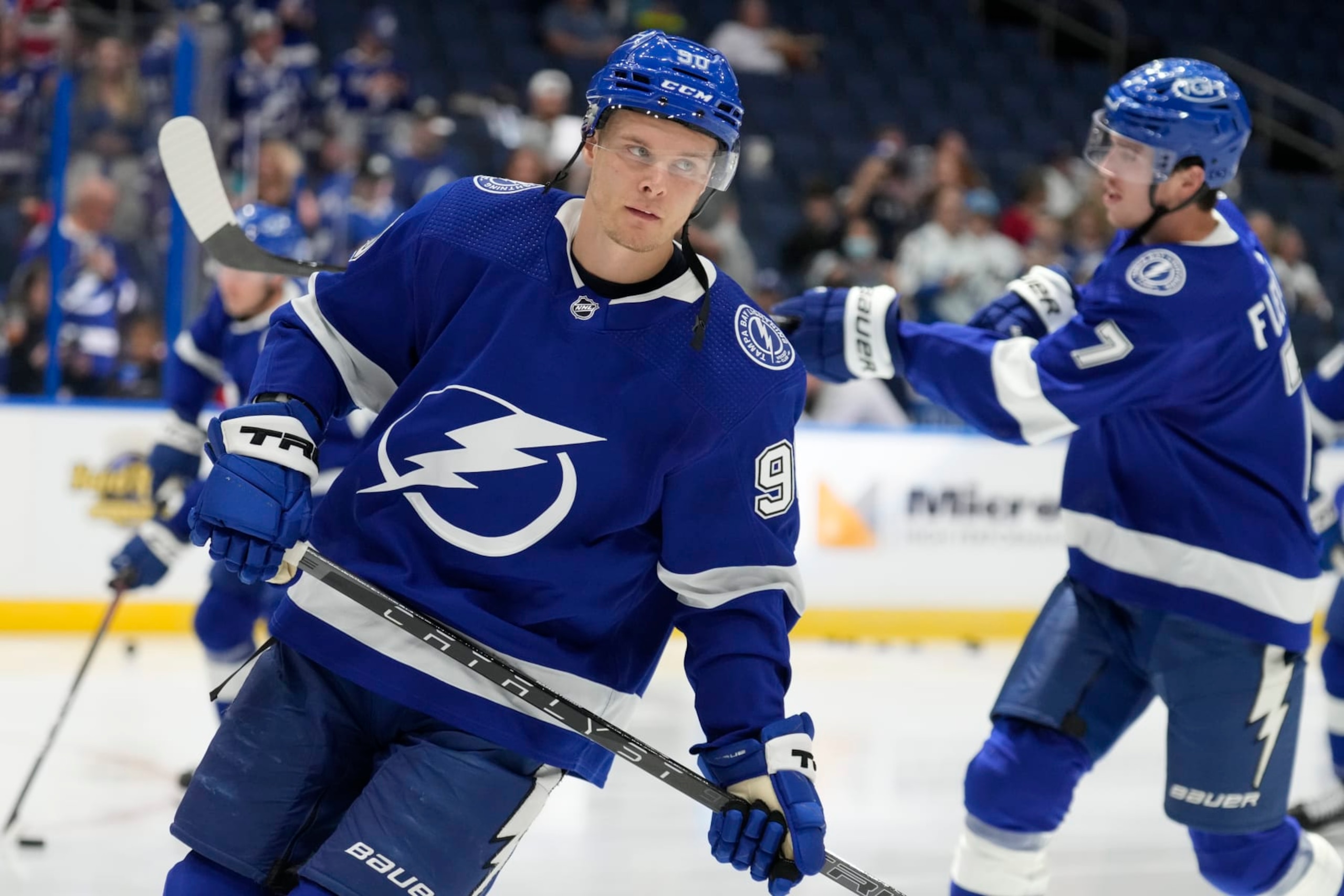
The Lightning are another contender that has to be creative in how they build their depth because of how much money they have invested in their core. They need to rely on a steady pipeline of young, cheap talent and smart free-agent signings who can come in on team-friendly deals.
They have been successful at doing that in recent years, building a roster that has played in three consecutive Stanley Cup Finals and winning two of them.
But a lot of that depth has been decimated over the years by the salary cap and Seattle Kraken expansion draft, forcing them to find replacements for key role players like Blake Coleman, Yanni Gourde, Barclay Goodrow, J.T. Miller, and Ondrej Palat.
Namestnikov was one of their attempts at doing so this offseason, bringing him back to Tampa Bay for a second stint on a $2.5 million contract for the 2022-23 season.
Through the Lightning's first 12 games, his contributions have been minimal, to say the least.
He is averaging just 1.25 shots on goal per game, has only three assists and has yet to score a goal.
It is not a terribly damaging deal as it is only a one-year contract, but the Lightning will need a lot more production from him if they are going to have any chance of making a fourth consecutive run to the Stanley Cup Final. Their bottom-six is not anywhere near as dangerous as it was during their championship years, and while Namestnikov has the talent to produce, he has not shown it yet.
New Jersey Devils: Ondrej Palat
10 of 10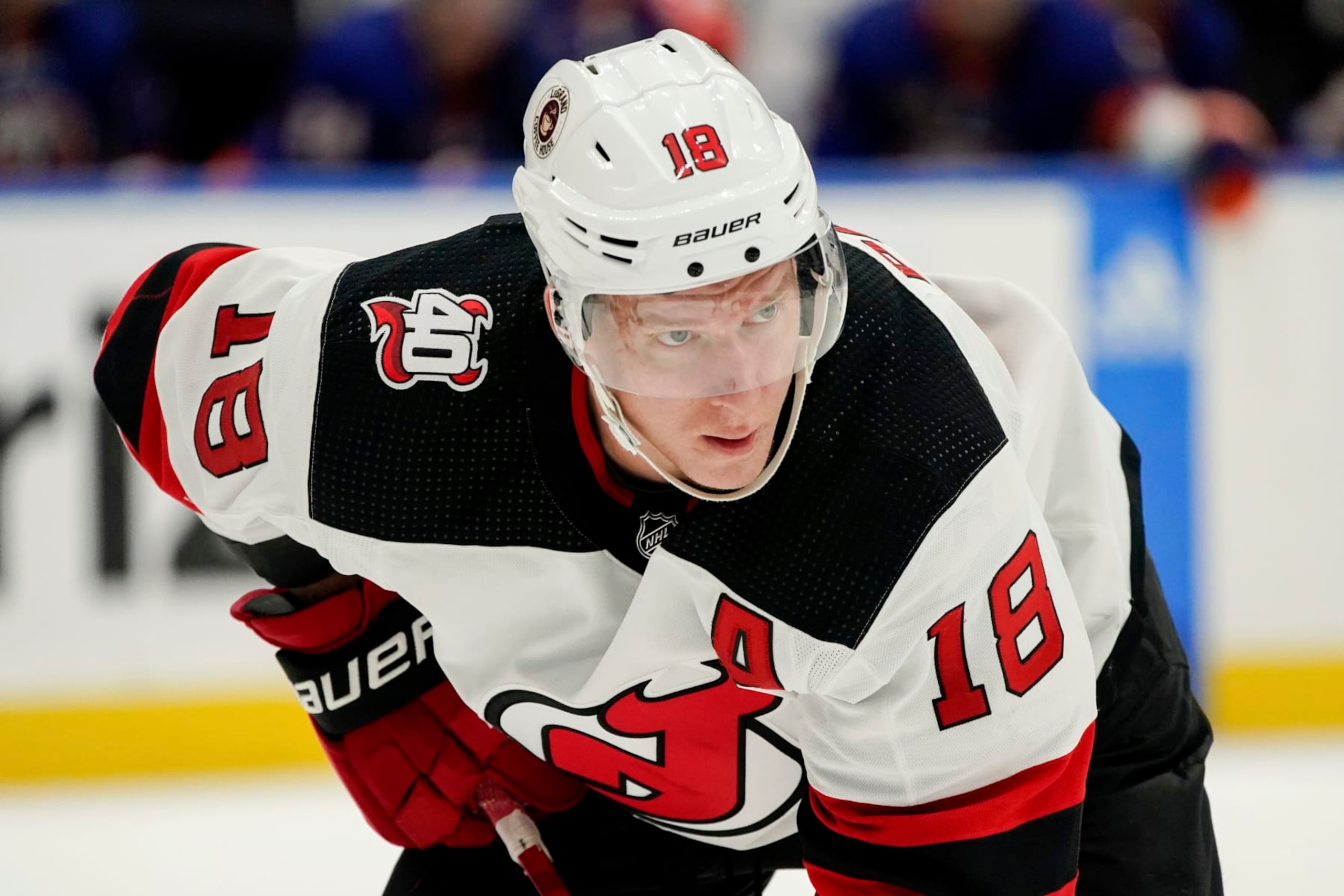
Sometimes contracts do not work out because of simple bad luck, and that is something to keep an eye on here.
Palat signed a five-year, $30 million contract in free agency with the Devils to add some complementary scoring to the Devils' impressive young core of Jack Hughes, Nico Hischier, and Jesper Bratt.
Things started off well, with Palat scoring three goals in his first six games.
But then he went down with a groin injury that required surgery, and he is going to be out of the lineup for an extended period of time.
The make-or-break question for the Devils is: How will he perform when he comes back from that? Palat is 31 (he will be 32 in March) and has never been a big-time scorer.
There is already some risk to signing a non-elite player in their 30s to a five-year deal. Those deals have a tendency to end in a trade or waivers—or a buyout under normal circumstances—just because of the aging curve. But when you add a significant groin injury on top of that, it can certainly make things a little more problematic in the future.
The Devils are off to a great start, and Palat could certainly end up being a strong addition. But there are some early red flags here with his age and the injury.




.jpg?w=2560 "Jonathan Taylor Landing Spots 📍")





