
Memo to NHL Teams: Trust Your Young Talent Now and Reap the Benefits in the Future
There is one very simple change NHL head coaches could make as a group to not only potentially improve their teams but also improve the quality of the league.
That change: simply giving their young players more of an opportunity to succeed or fail.
The 2022-23 NHL season is only a week old, but we have already seen some head-scratching coaching decisions around the league regarding some of the league's best prospects.
TOP NEWS
3-Way Trade Ideas for Hellebuyck 💡

Ovechkin's Greatest Moments 🎱
Mark Scheifele Landing Spots 📍
San Jose, a team in desperate need of a rebuild and already going nowhere fast this season, sent top prospects William Eklund and Thomas Bordeleau to the American Hockey League, where they want to see them dominate before getting a shot in the NHL. Despite a cap-strapped veteran roster in desperate need of youth and energy, the Sharks have decided they would be best served with the kids developing in the AHL. They've also started the season 0-5-0.
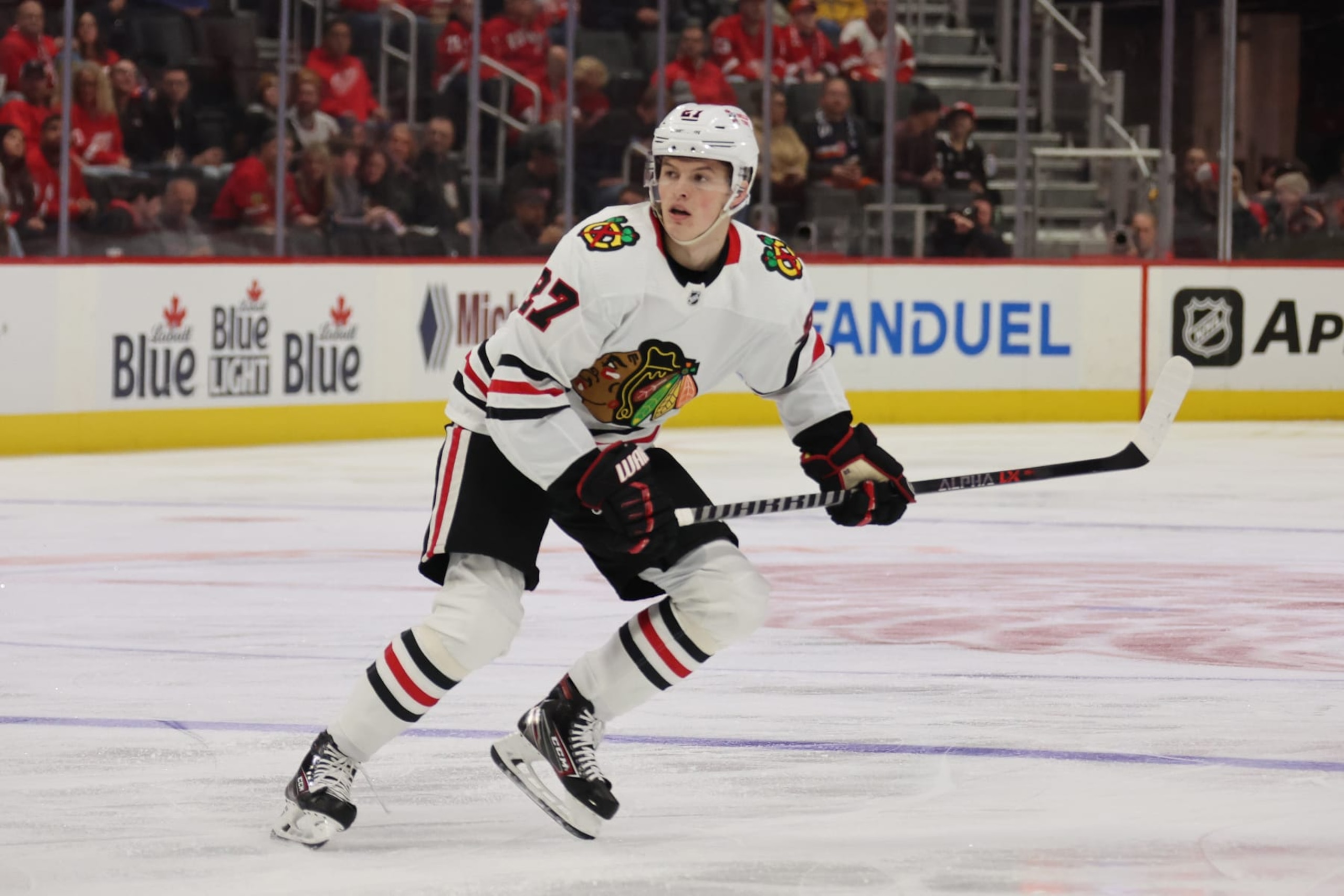
The Chicago Blackhawks, a team already knee-deep into a rebuild that figures to be one of the worst in the league, did the same with Lukas Reichel. While it might be prudent to let Reichel develop elsewhere than Chicago since the team is embracing the tank, wouldn't it also help accelerate his development by playing with Patrick Kane or Jonathan Toews, guys who have been in similar positions and won Stanley Cups? Having the 20-year-old play on the big club won't necessarily mean more wins this season, but it will give him valuable ice time with veterans that have been there and done that.
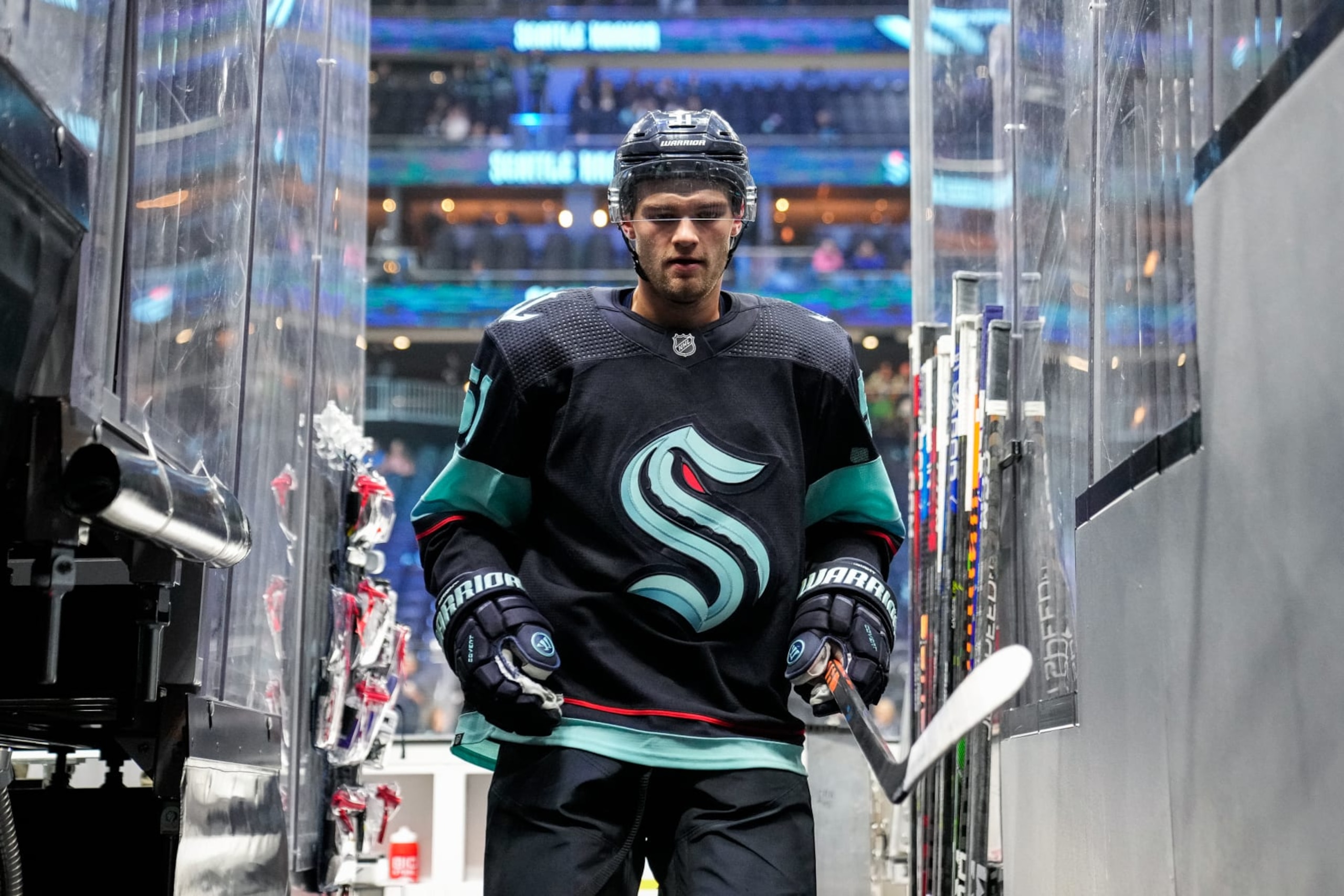
When it comes to young players who actually are in the NHL, they are not getting a ton of playing time or are getting scratched. Minnesota has barely played Marco Rossi and made him a healthy scratch. Seattle has handled the No. 4 overall pick, Shane Wright, the exact same way. And it's baffling.
There is definitely a fear that coaches have with playing rookies (especially teenagers) and a certain type of security that comes from veteran players. But there is also a huge advantage in trying to get the most out of young players that can be beneficial for building a team.
One of the most valuable types of players in the NHL is the young player on an entry-level deal who plays a significant role. It gets your team top-line talent without having to pay a top-line price. It is an enormous advantage under the salary cap. Wasting the entry-level years of a young player's contract takes away that advantage.
Take the Rangers as an example.
They had back-to-back years with top-two overall picks that they used to select Kaapo Kakko (No. 2 overall) and Alexis Lafrenière (No. 1 overall) among other high draft picks during their rebuild. They kept Kakko and Lafrenière on incredibly short leashes earlier in their careers and did not really give them a chance to shine.
New York wasted some of their most valuable years by burying them in the lineup and limiting their ice time. Both players are now finally cracking top-six minutes, but the Rangers' conservative approach to their development has to be questioned, particularly when head coach Gerard Gallant scratched Kakko during the postseason despite him performing well.
Kakko and Lafrenière have undoubtedly better linemates this season, with Kakko playing with Mika Zibanejad and Lafrenière on a line with Artemiy Panarin. And wouldn't you know it, they're both playing well.
With the Rangers up against the cap in coming seasons, it'll take creative accounting to keep the youngsters together with the team's veteran core.
It was a similar story for the Montreal Canadiens a year ago.
Early in the year, head coach Dominique Ducharme was not giving young players like Cole Caufield and Nick Suzuki opportunities to shine, despite the fact that the team was likely headed nowhere and they were going to be key building blocks in both the short and long term.
It had such a negative impact on Caufield that he ended up getting sent to the American Hockey League for a brief time.
It was not until Montreal changed coaches and brought in Martin St. Louis that things started to dramatically turn around for their young guys. Players like Caufield and Suzuki not only got more playing time (multiple extra minutes per game), they were put into situations where they could succeed and play to their strengths.
It's a lesson teams like Seattle, Chicago, San Jose and Minnesota should be learning from this season.
The former three teams are not really going anywhere and have young players who could be getting valuable playing time and experience while also potentially making their teams more watchable. There is no reason for Wright to be playing fewer than 7 minutes per game or sitting in the press box. There is no need for Eklund to be playing in the American Hockey League for San Jose when he might be able to give the Sharks some much-needed scoring punch.
The Kraken have explained their reason behind Wright's limited usage that they want to take their time in easing Wright into the daily grind of the NHL. But look at Seattle's depth chart. Does it serve the team's future to have Wright barely play on the team's fourth line? This is a player who put up 94 points in 63 games last season in the OHL. Why not let him develop by having him play more minutes?
Minnesota to get as much production and playing time out of entry-level players such as Rossi as possible. Their salary cap is so messed up for the next three years due to the buyouts for Zach Parise and Ryan Suter that they are operating with around a $70 million budget when everybody else has more than $82 million to spend. If any team should be capitalizing on as much cheap talent as it can, it is the Wild.
The NHL is becoming a young man's game more and more every year, and while there is always the chance rookies and young players can make mistakes, there is also the chance they can make a huge impact and greatly improve a team's roster. More teams should be willing to give them a chance to grow and learn, even if it comes with the occasional gaffe. There is an even bigger potential payoff.

.jpg?w=2560 "2 NFL Officials Suspended")
.jpg?w=2560 "Injury-stricken Seahawks signing veteran RB")


.jpg?w=2560 "Mahomes' Wife Trolls Kubiak 💀")