
Federer vs. Nadal: One of a Dozen Dazzling Moments in French Open History
What tennis matches contested since the beginning of the modern era have given us the most memorable moments in French Open history?
“Memorable,” of course, has different meanings for each and every tennis aficionado reliving the French Open during particular matches from a recollected vantage point.
Needless to say, players on the grounds at Stade Roland Garros have produced many memorable matches over the years.
A dazzling match could stand out because of a player who made a complete turnaround or comeback during the match. It might also emerge from the rest because of the quality of tennis and the length of the match.
It could mean that the match turned on a particular point or event or it might be that the conclusion of the match produced an historical or record breaking result.
This list has all of those attributes and more. There are seven men's matches and five women's matches on the list. Most are French Open finals, but not all.
Feel free to mention the matches you deem worthy of inclusion as well as your ranking. All suggestions will be considered.
12. Serena Williams Defeated Venus Williams 7-5, 6-3: 2002 Final
1 of 12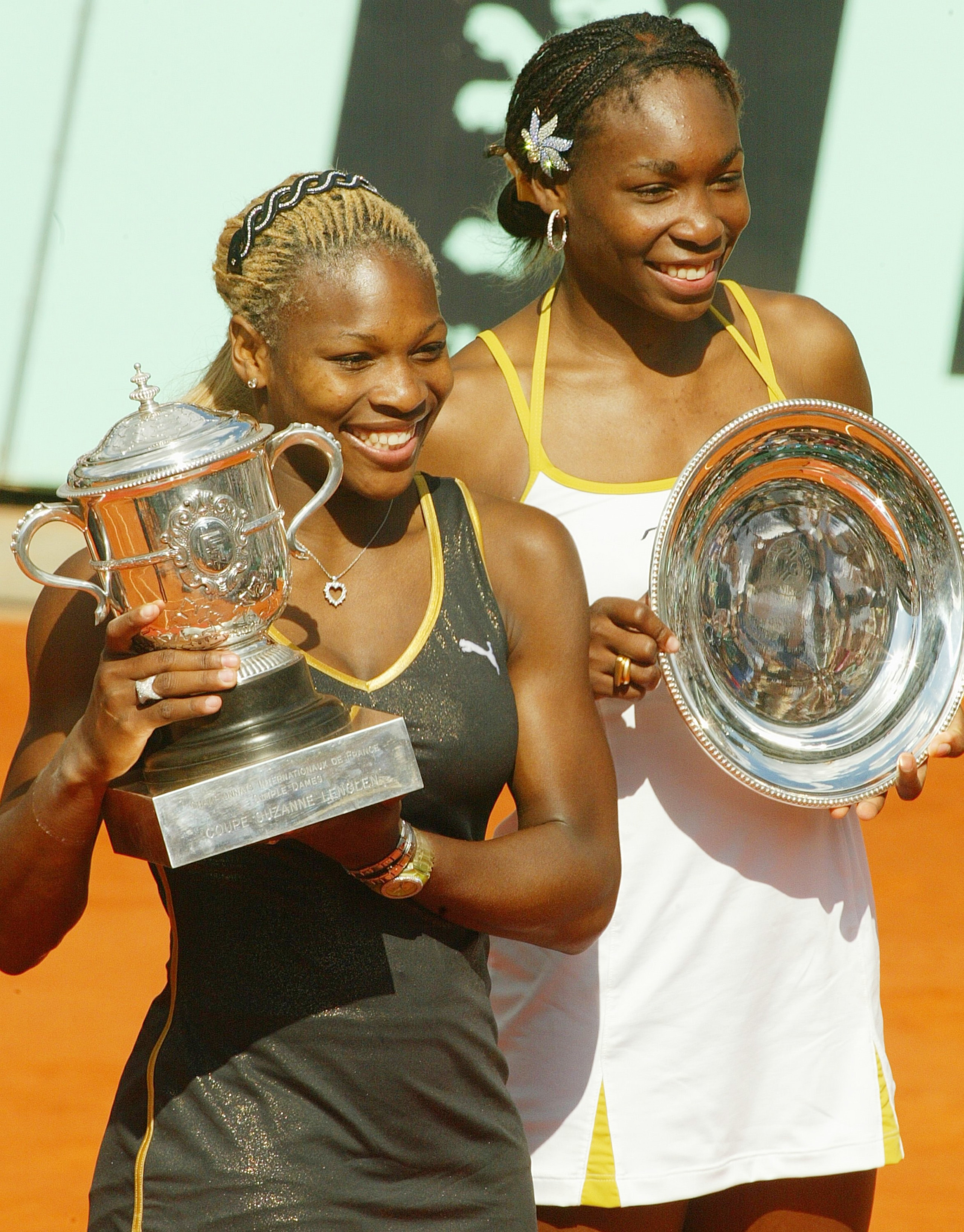
Even though Venus and Serena Williams were the No. 1 and No. 2 players in the world back in 2002, no one seemed pleased at their play against each other, especially in this particular French Open final.
Since the match in 2002 , neither sister has returned to a final at Stade Roland Garros. The match itself is important in a historical context for that reason.
No one disagreed that the sisters were the cream of the Roland Garros crop in 2002, but the media wanted more drama, more intensity and less sisterly concern for each other in the final.
The media and the French crowd wanted their fill of blood, sweat and tears on the tennis court.
The press reiterated that when Venus served for the first set at 5-3, she could only manage to gain one subsequent point.
The elder Williams sister held her serve exactly three times out of 11 service games. Most telling of all in the stats was the fact that of the 149 points contested, 101 culminated in unforced errors .
A pretty match filled with high-quality replays it was not.
Yet it is memorable because the two sisters made it to the finals this one time.
In the years following 2002, the sisters could never find their way back to this one bright moment in the spot light at Stade Roland Garros.
11. Gustavo Kuerten Defeated Magnus Norman 6-2, 6-3, 2-6, 7-6 (8-6): 2000 Final
2 of 12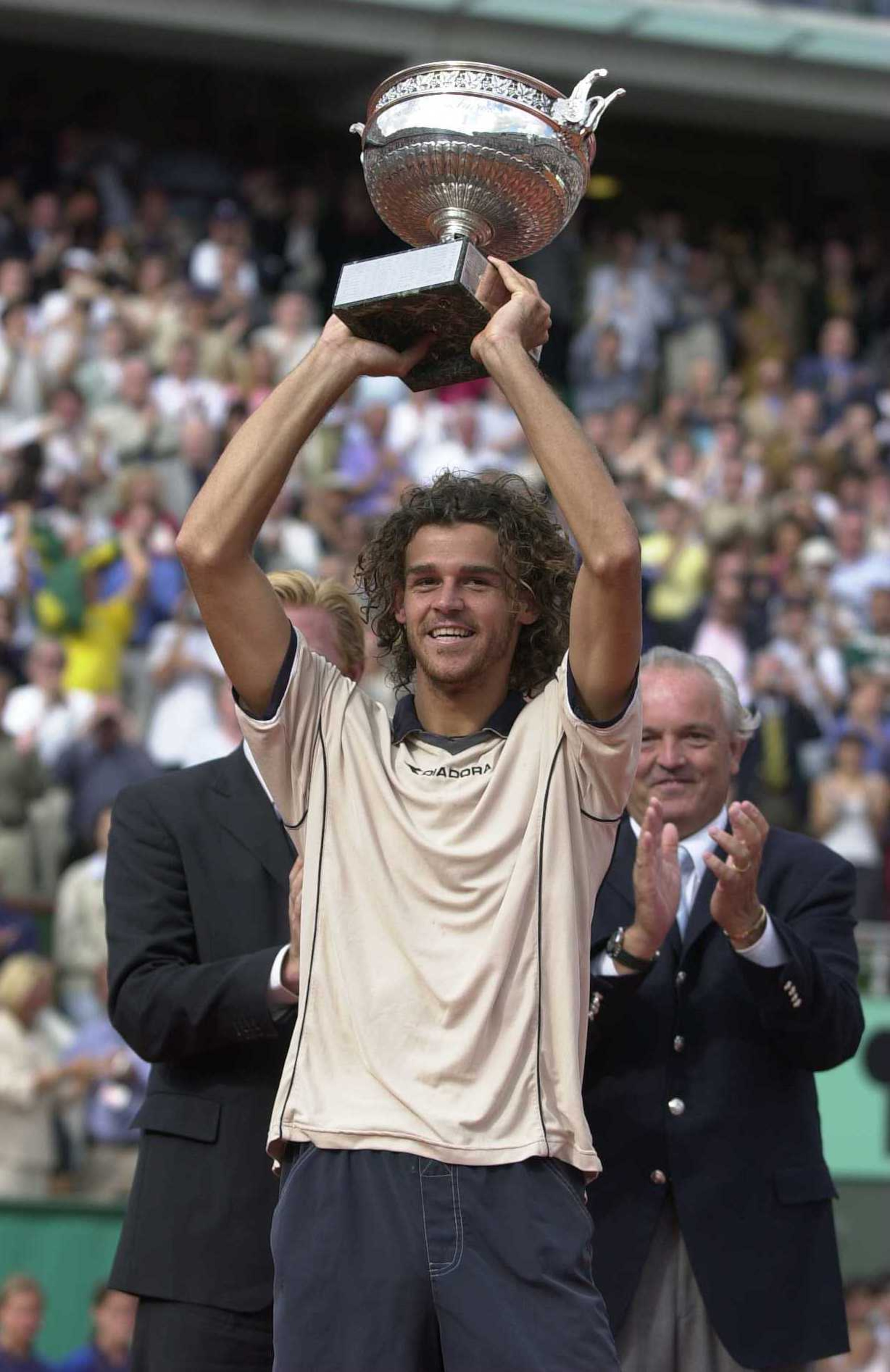
Sometimes winning is an immense struggle, especially on the slow clay of Stade Roland Garros. This was true in 2000 when Brazilian Gustavo Kuerten did battle with Swede Magnus Norman.
They engaged in seemingly unending multiple-stroke rallies, which stretched the four-set encounter to three hours and 44 minutes before Kuerten was finally able to close it out. But it was not easy.
The fourth and final set stretched out interminably it seemed––especially to the combatants.
The Swede Norman found himself facing his first championship point while he was serving down 4-5 in the fourth set. It took an umpire to declare that Kuerten’s forehand had landed wide to save the match for Norman.
A second overrule over a point originally called in Kuerten’s favor gave Norman the point he needed to draw even at 5-5.
Serving at 5-6, Norman saved four more championship points––finally sending the fourth set to a tiebreak after winning that 24-point 12th game.
In the tiebreak, Kuerten shot out to a 3-0 lead, but Norman rallied, tying the score at 3-3. Once again Kuerten ran off three points, leading the breaker 6-3.
At that point, each of Guga's three championship points ended on a Kuerten error.
With the breaker tied at 6-6, Kuerten finally produced a service winner, going up 7-6. When Norman walloped a forehand that landed just wide, Kuerten won the tiebreak and the match.
After trying 10 times to close out the match, Kuerten finally won on his 11th championship point. The win gave the Brazilian, affectionately known as Guga, his second French Open title.
Both players were exhausted as well as the crowd, who rose and fell again with each championship point in play. The final set took an hour and 36 minutes to complete.
10. Andre Agassi Defeated Andrei Medvedev, 1-6, 2-6, 6-4, 6-3, 6-4: 1999 Final
3 of 12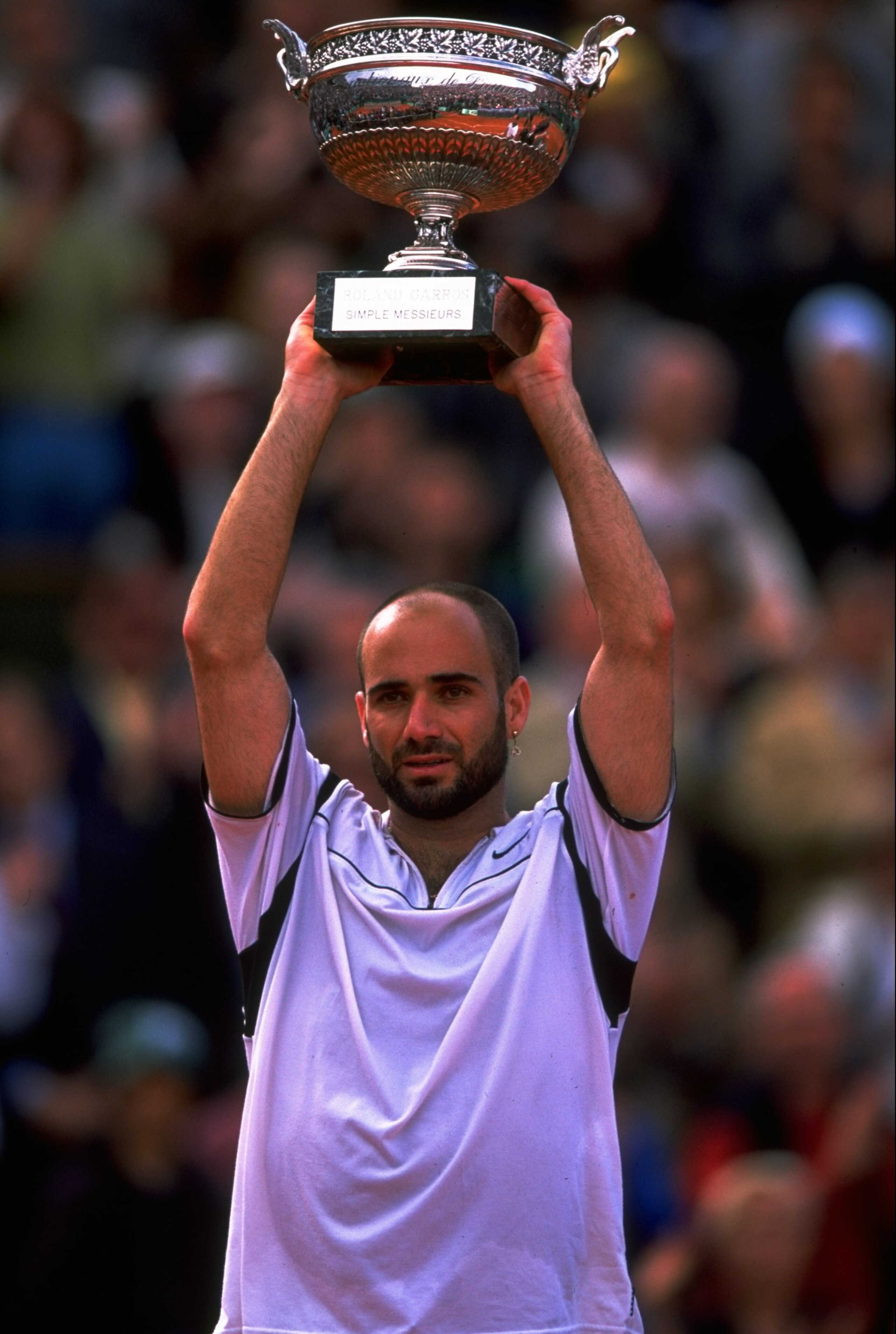
Andre Agassi had a firm affinity with losing when it came to the French Open.
Having lost in the finals in both 1990 and 1991, Agassi was able to wait for his moment. When the sun broke loose and the wind abated, Agassi found a way to win this elusive title in 1999.
In the beginning, Agassi looked like a loser. Medvedev took the first set in 19 minutes––some games on the red clay have lasted longer.
Agassi committed error after error in the second set, soon finding himself trailing two sets to love.
But Agassi did not give up and go away. He kept fighting back, and in doing so, Medvedev found his own confidence waning.
Medvedev fired in 23 aces in the match. Agassi, however, was one of the best returners the game has ever known and after the first two sets, Agassi’s return of serve began to have an impact.
Finally in the third set, Agassi went up a break at 4-2. The American was beginning to believe.
Even though Medvedev broke back, Agassi held to go up 5-4. Earning three set points on his opponent’s serve in the next game, Agassi got the break when the Ukrainian’s lob sailed beyond the baseline.
Agassi won the third set.
In the end Agassi came back from two sets down to win the match, claiming his first French Open title.
The win gave Agassi a career grand slam, having won a slam title at each of the other majors.
Agassi became only the fifth man in the history of men’s tennis to win a career Grand Slam.

9. Jennifer Capriati Defeated Kim Clijsters 1-6, 6-4, 12-10: 2001 Final
4 of 12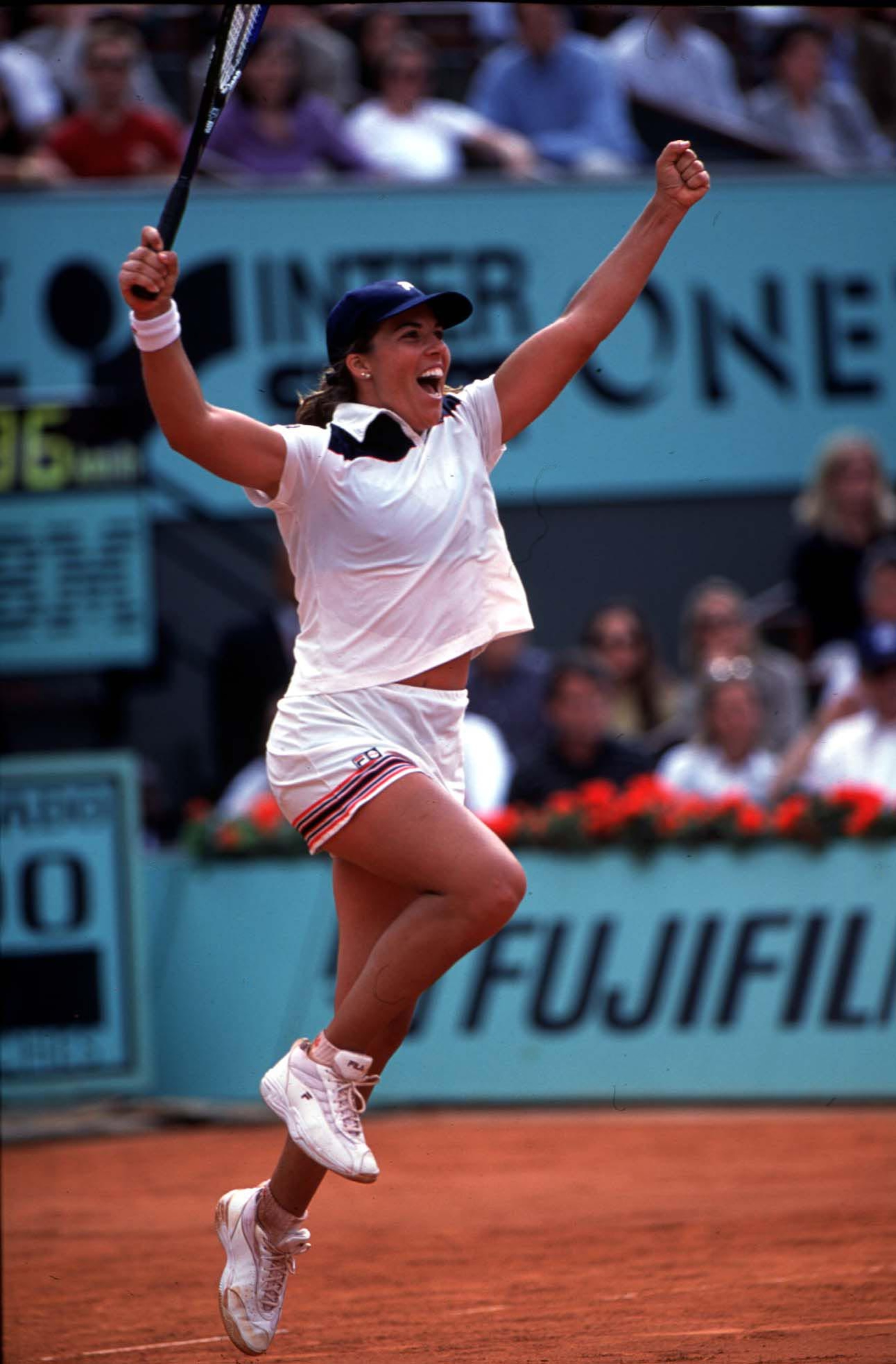
Jennifer Capriati had made a name for herself 11 years prior to this final in 2001, when as a 14-year-old, she made it to the semifinals of the French Open.
After being derailed earlier in her career by drugs compounded by equally bad personal decisions, Capriati’s comeback in 2001 seemed to be a miracle to friends and family assembled in Paris to watch her triumph.
Already this year, the American had won the Australian Open. With her victory over Kim Clijsters in the 2001 French Open final, Capriati was on her way to the top of the women’s game––halfway to a grand slam in women’s tennis.
At one point, Capriati had dropped all the way to World No. 267, but she now stood at 14-0 in majors so far in 2001.
Capriati began the match in tentative fashion, losing the first set 1-6 to an 18-year old Clijsters. After losing the opening set, Capriati began her comeback by taking the second set from a tenacious Clijsters 6-4.
Their third set became a marathon, with Clijsters holding the win on her racket four times and Capriati fighting back each and every time to level the match again.
Eventually, the Clijsters-Capriati final distinguished itself by producing the most games in a women's final in the Open Era, ending 12-10. The last time Stade Roland Garros saw a women’s match extended that long was in 1956.
It was not a pretty final, filled with unforced errors on the part of both players. Ultimately, it was Capriati’s experience that won the day.
Clijsters seemed to possess the most talent, but she played it safe too often.
The Belgian let Capriati back in the match time after time until the American seized the match and brought it home.
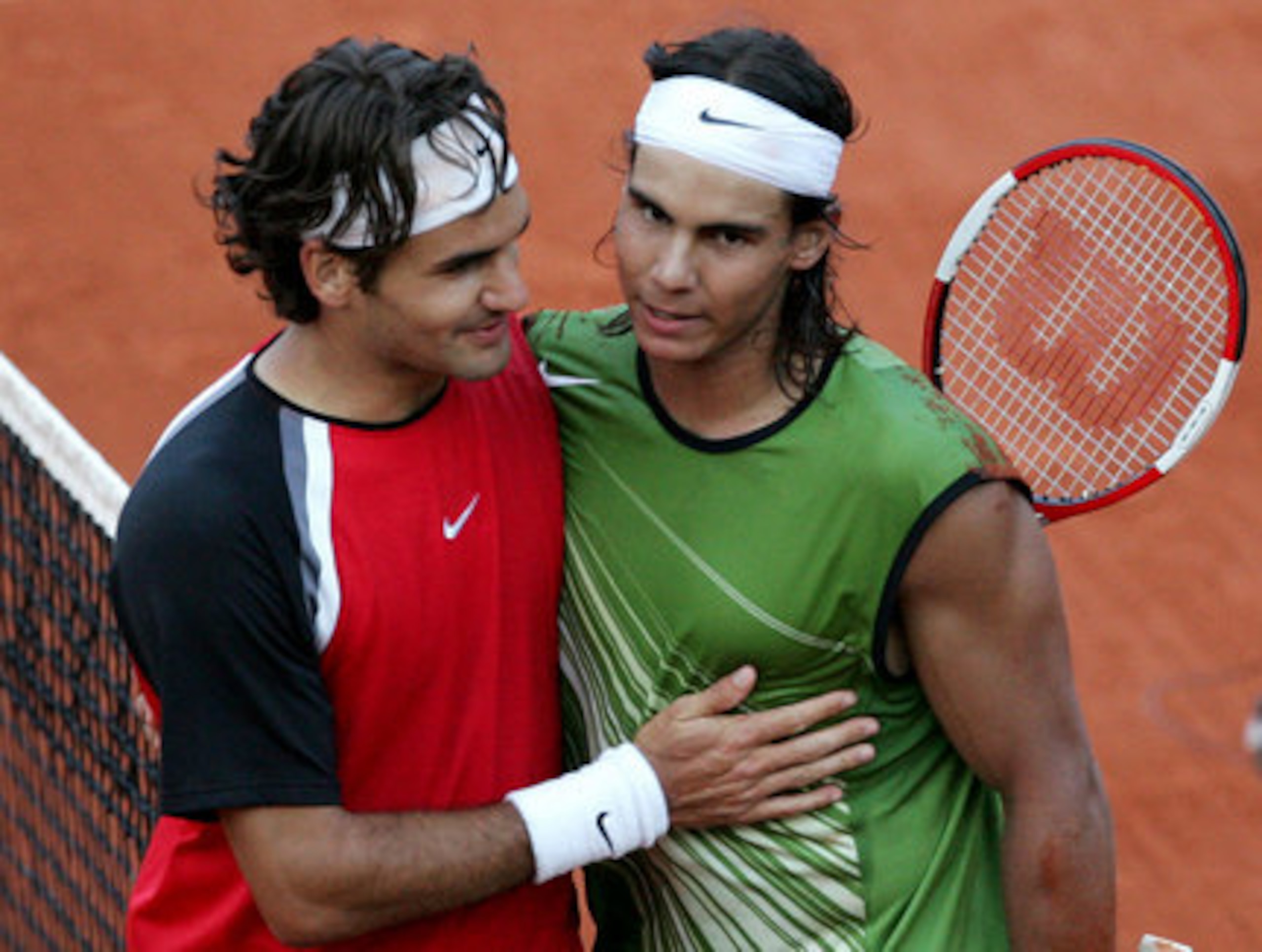
8. Rafael Nadal Defeated Roger Federer 6-3, 4-6, 6-4, 6-3: 2005 Semifinal
5 of 12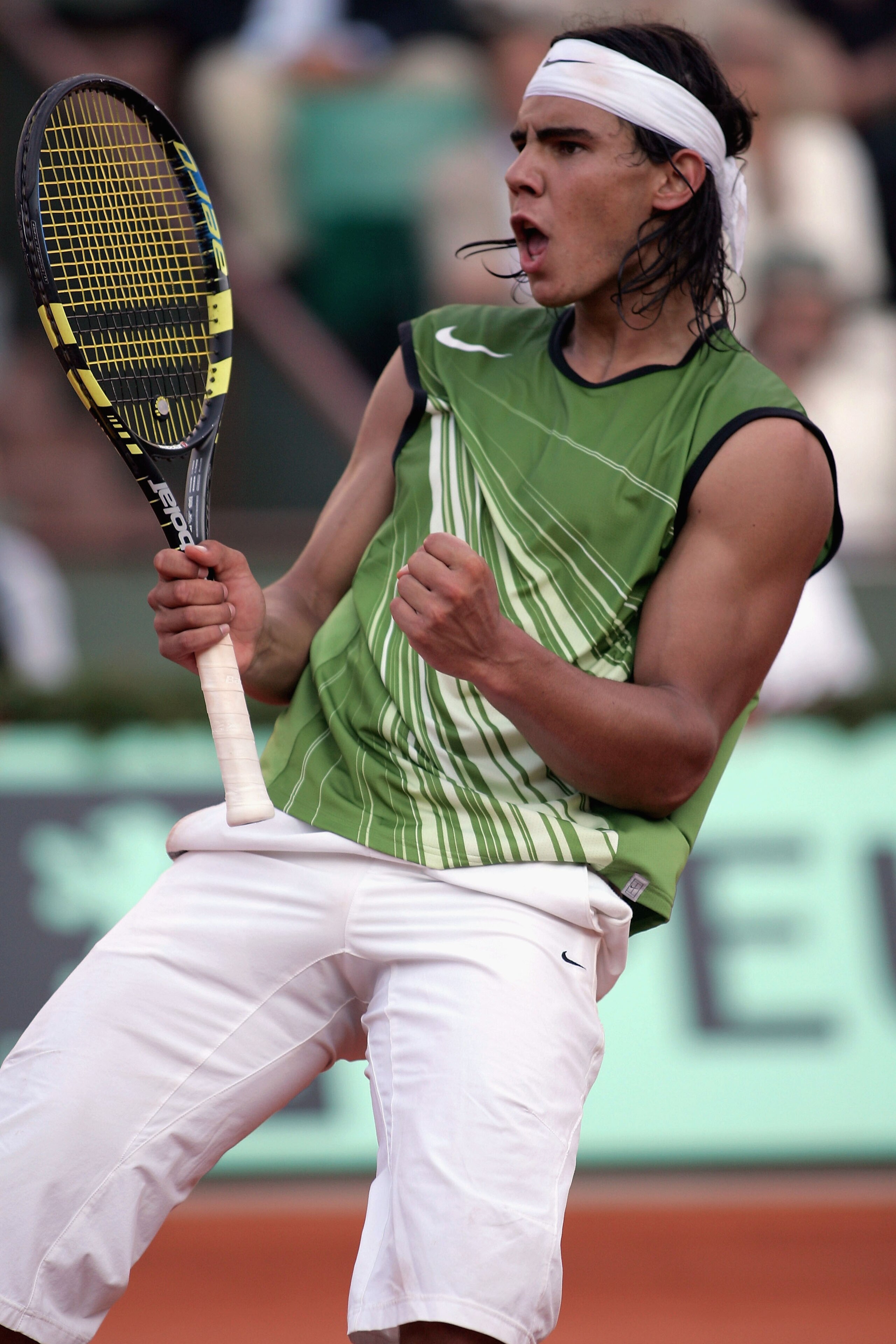
This match marked the beginning of Rafael Nadal’s dominance on the grounds of Stade Roland Garros as well as over his arch-rival Roger Federer on clay.
To say the great World No. 1 Federer did not play up to his lofty standards remains an understatement of mammoth proportions.
But there was then, as now, something in the Nadal game that continually frustrated the mighty Swiss.
Perhaps it had something to do with the fact that Nadal always played his best against the best––and there was none better than Federer in 2005 when the Swiss lost only four matches all year. One of them was this semifinal contest in Paris.
On this day, Federer’s forehand went awry, and he could not hold onto his serve, losing it nine times––a record in the Federer book. Uncharacteristically, the stoic Swiss howled and stamped in frustration, even hitting himself with his racket in utter disgust.
The teenager, Nadal, held his nerve and his serve while the World No. 1 threw everything at him during the Majorcan's first French Open appearance in 2005.
In fact, Nadal celebrated birthday No. 19 by defeating Federer and making his way into his first major final.
The weather also did nothing to help Federer sustain his 3-1 lead in the fourth set. When the rains came, play continued, and in the damp conditions, Federer faltered further, committing 62 unforced errors in total to Nadal’s 32.
Nadal went on to defeat Mariano Puerta of Argentina in the final, winning his first of four consecutive French Open finals––facing Roger Federer in the next three.
All future finals against Federer ended much as this first contest on the grounds of Stade Roland Garros.
7. Jim Courier Defeated Andre Agassi, 3-6, 6-4, 2-6, 6-1, 6-4: 1991 Final
6 of 12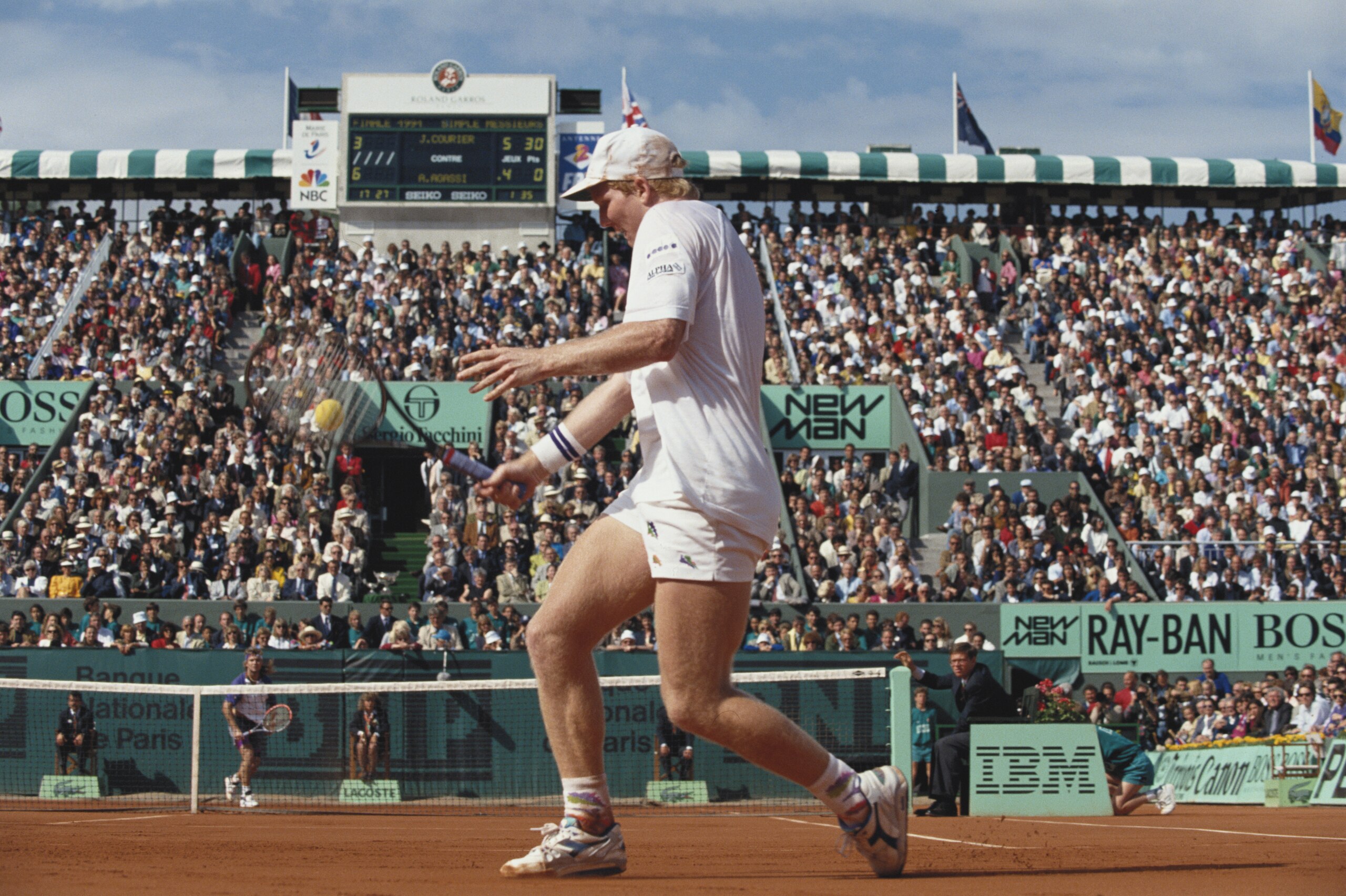
When the Andre Agassi generation of players, once enrolled at the Nick Bollettieri Tennis Academy, began to compete on the professional tour, everyone expected Agassi to be the star of the group.
The players striving for top honors included Jim Courier, Pete Sampras as well as Agassi, to name the most prominent.
The two Americans, fighting impossible weather in Paris in the 1991 final, were also defying odds. They represented the first all-American men’s final since 1954. They also managed to produce the first five-set final since Michael Chang upset Stefan Edberg in 1989.
But there was nothing esthetically pleasing in the match that was characterized by over 100 unforced errors. It was a survival of the fittest contest––mentally and physically.
In the beginning, Agassi was in control winning the first set and up 3-1 in the second set when a rain delay halted action. Courier's coach, Jose Higueras, advised him to back up further to return Agassi’s serve in order to give himself more time.
That major adjustment gave Courier the edge he needed to turn around the second set, coming back to win it 6-2.
The two continued to struggle against each other, but no one could sustain momentum until Courier settled in to take the last two sets, leaving Agassi the runner-up once again after over three and a half hours on court.
Agassi had made it into three grand slam finals within the past year, and each time, he came away empty, including at this French Open final in 1991.
6. Steffi Graf Defeated Martina Hingis, 4-6, 7-5, 6-2: 1999 Final
7 of 12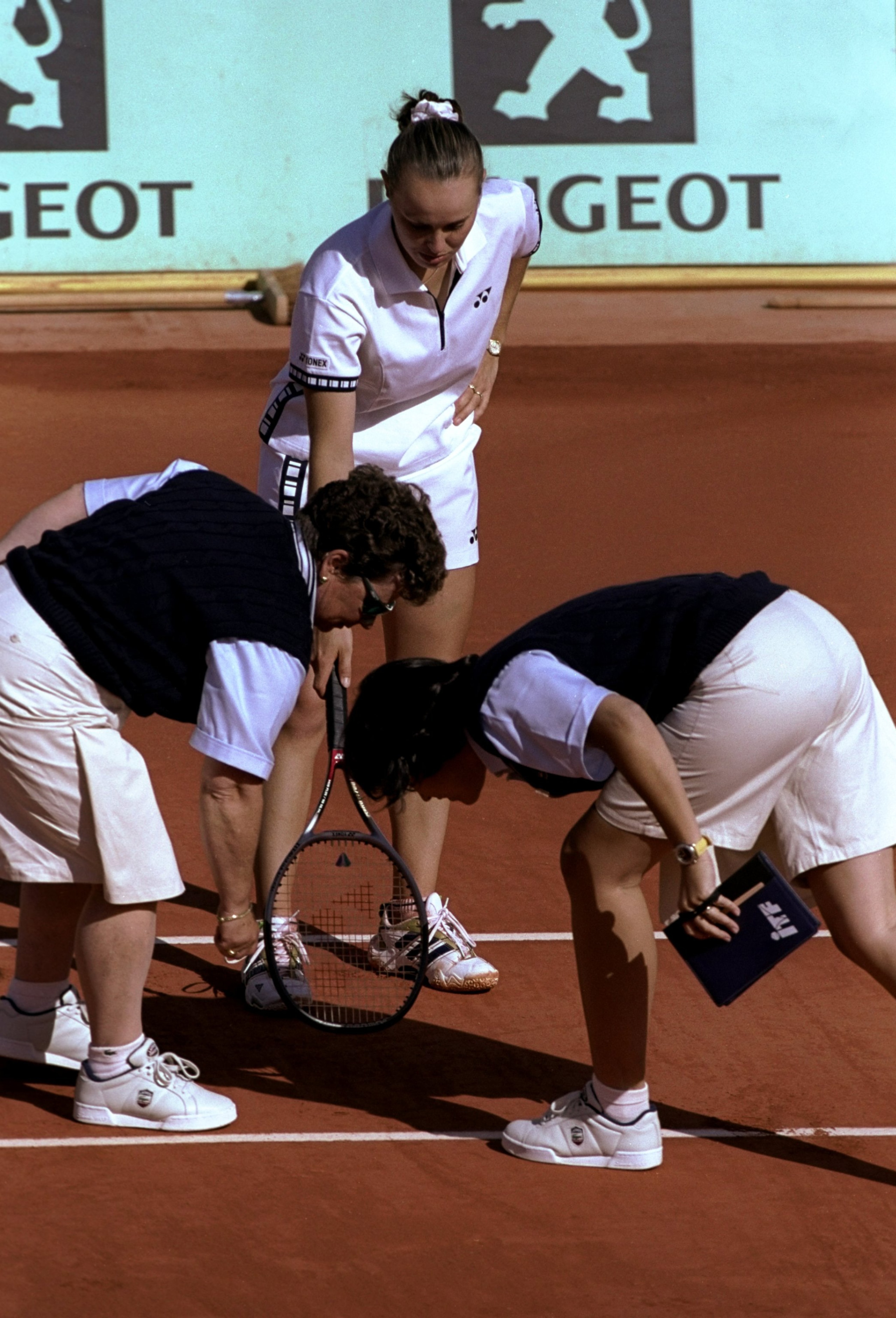
For Martina Hingis, fame and fortune came too easily. She won her prizes too effortlessly, too young. When you never lose, you never learn how to lose.
You exhibit arrogance in your impatience with those standing in the way of what you want. Such was the fate of precocious Hingis in the finals of the French Open in 1999 facing veteran Steffi Graf.
Hingis played great tennis, taking the first set, 6-4, and leading by a 2-0 margin in the second set. That is when the bottom fell out of Hingis’ well-ordered, self-assured world. Hingis disputed a line call. Her ball was called out. She felt the ball had hit the line. Hingis asked the umpire to check the line, which she did. The call stood.
Hingis then walked over to Graf’s side of the net and pointed to the mark she felt proved her point. This was arrogance in full bloom. It was also grounds for a penalty point. You cannot cross over to the opponent’s side of the net. It is written. Hingis knew that and did it anyway.
Still, the umpire did not penalize her. Hingis refused to play on, instead taking her chair and asking for the tournament referee. The referee came on court and denied Hingis an overrule. Further, the referee imposed the penalty, and Hingis lost the argument and, at that point, the match.
From that moment, the crowd abandoned her and Hingis could not recover. Like Michael Chang 10 years prior, Hingis began to break down, but her meltdown was mental and not physical.
Still Hingis did have her chances to win.
She came within three points of winning the second set but could not finish the match. Graf won the second, and Hingis was never a factor in the third.
Yes, Hingis was guilty of hubris. Her self-assured arrogance cost her dearly in this match. But she was 18 and the crowd was unforgiving. It was not a fair fight. She left the court in tears, breaking down completely once the match was over.
Graf announced after the match that it was her last French Open and she intended to retire. Later that year, Graf made her retirement official.
Vive la France! But never displease the French crowd during the finals at Stade Roland Garros...
5. Michael Chang over Ivan Lendl, 4-6, 4-6, 6-3, 6-3, 6-3: 1989 Quarterfinals
8 of 12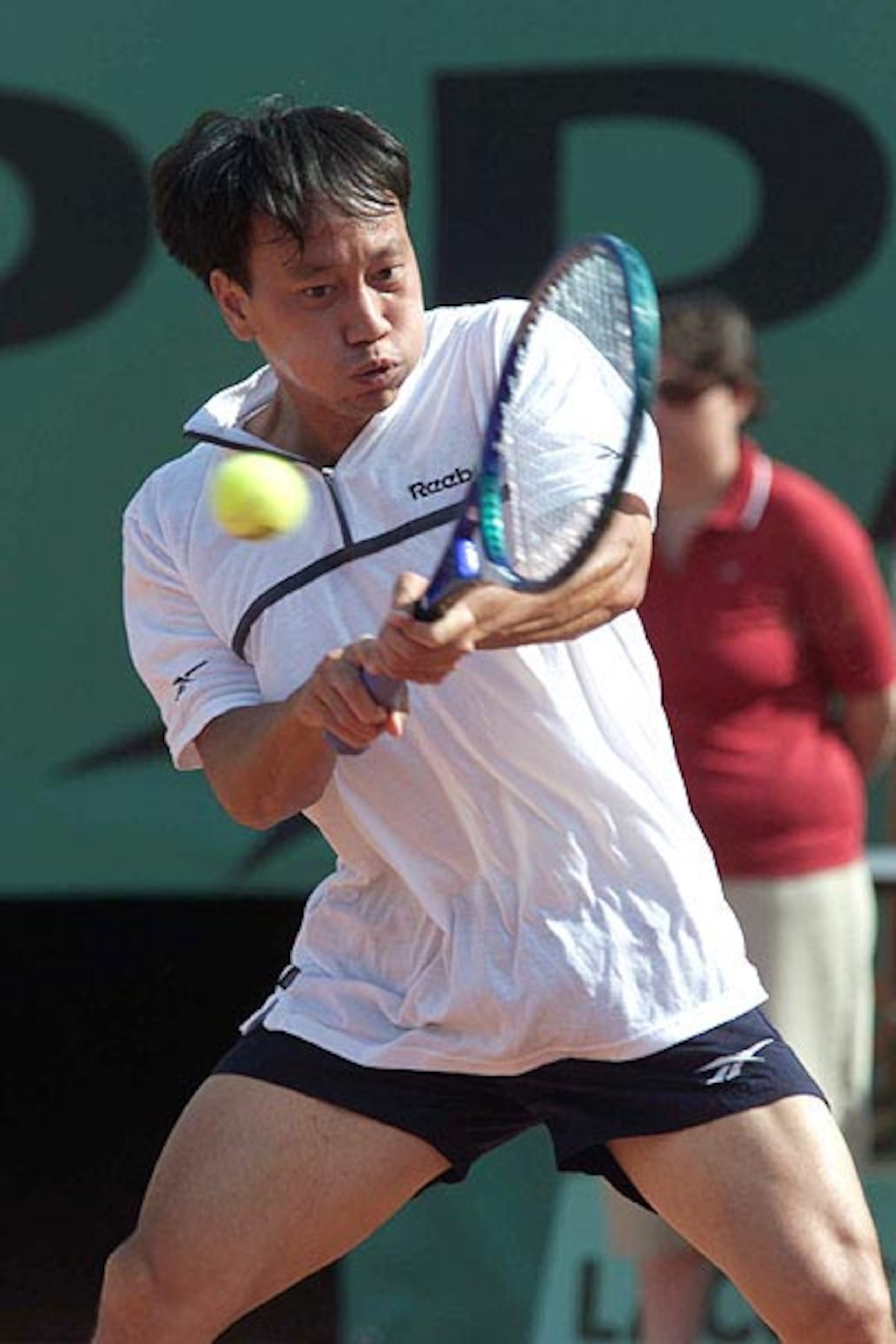
Since winning his first grand slam title in 1984, Lendl stood as the No. 1 player in the world and a three-time French Open champion by the time the 1989 French Open got underway.
American Michael Chang, on the other hand, came into the French Open that year seeded No. 15 as a 17-year-old.
Lendl lost no time exerting his dominance, winning the first two sets 6-4, 6-4. When Lendl broke Chang’s serve in the opening game of the third set, it looked like the match was over but for the shouting.
But then the feisty and diminutive Chang broke back immediately, digging in to take the third set, 6-3.
As the match wore on, however, Chang began to suffer.
Half way into the fourth set, Chang's body began breaking down as he suffered leg cramps. It was very painful to watch him try to play. Nonetheless, Chang held on to win the next two sets 6-3, 6-3.
With his ability to move severely limited as cramps racked his body, the American had to use his wits to overcome the solid Czech. In the eighth service game, Chang served underhanded. Lendl seemed to come unglued with this unexpected tactic. Chang took away the pace, hitting moon balls. Lendl never recovered.
Lendl lost his rhythm, trailing in the fifth set. Because he had no choice, Chang stood well inside the baseline to return Lendl's serve. The ultimate reward for this tactic was to force Lendl into double-faulting on match point.
The four-hour, 37-minute match captured world-wide attention and made Chang a star. Just to prove he was no fluke, Chang would go on to win the 1989 French Open against Stefan Edberg seven days later.
4. Monica Seles Defeated Steffi Graf, 6-2, 3-6, 10-8: 1992 Final
9 of 12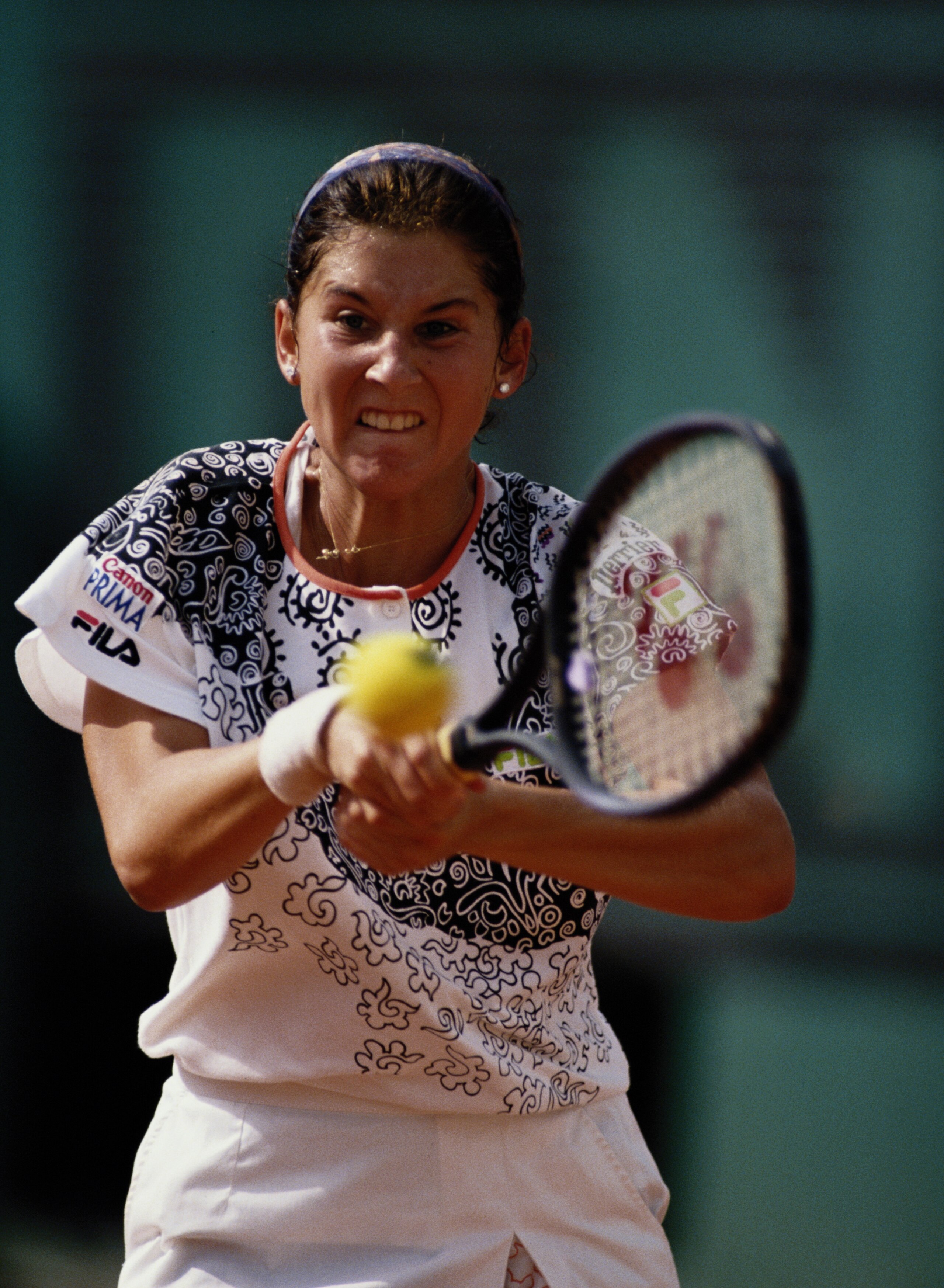
The rivalry between Monica Seles of Yugoslavia and German Steffi Graf gave women’s tennis a real shot in the arm in the late 1980s and early 1990s. These two ladies played all out all the time, especially when competing against each other.
In 1992, Seles was the No. 1 player in the world, a title she had wrestled away from Graf.
Graf had not won a championship at the French Open since 1988 when she won a golden slam, winning all four majors plus the Olympic Gold Medal in tennis. Seles was going for her third consecutive French Open title in 1992.
During this French Open final in 1992, Graf fought her way back into the match after losing the first set, being dominated by Seles. After breaking Seles in the pivotal seventh game of the second set, Graf needed only two more service games to close out the set.
The third set was a marathon of determination on the part of both players, with Seles trying desperately to win while Graf fought equally as hard not to lose.
In a match lasting almost three hours, Graf saved five match points before falling in the final set. Seles served for the title three times in a final set that lasted 91 minutes.
Seles became the first woman to win three consecutive French Open titles since German Hilde Sperling did it in 1935-1937.
Less than a year later, Monica Seles would be stabbed by a deranged German fan in Hamburg, essentially ending her great career.
3. Bjorn Borg Defeated Ivan Lendl 6-1, 4–6, 6–2, 3–6, 6–1: 1981 Final
10 of 12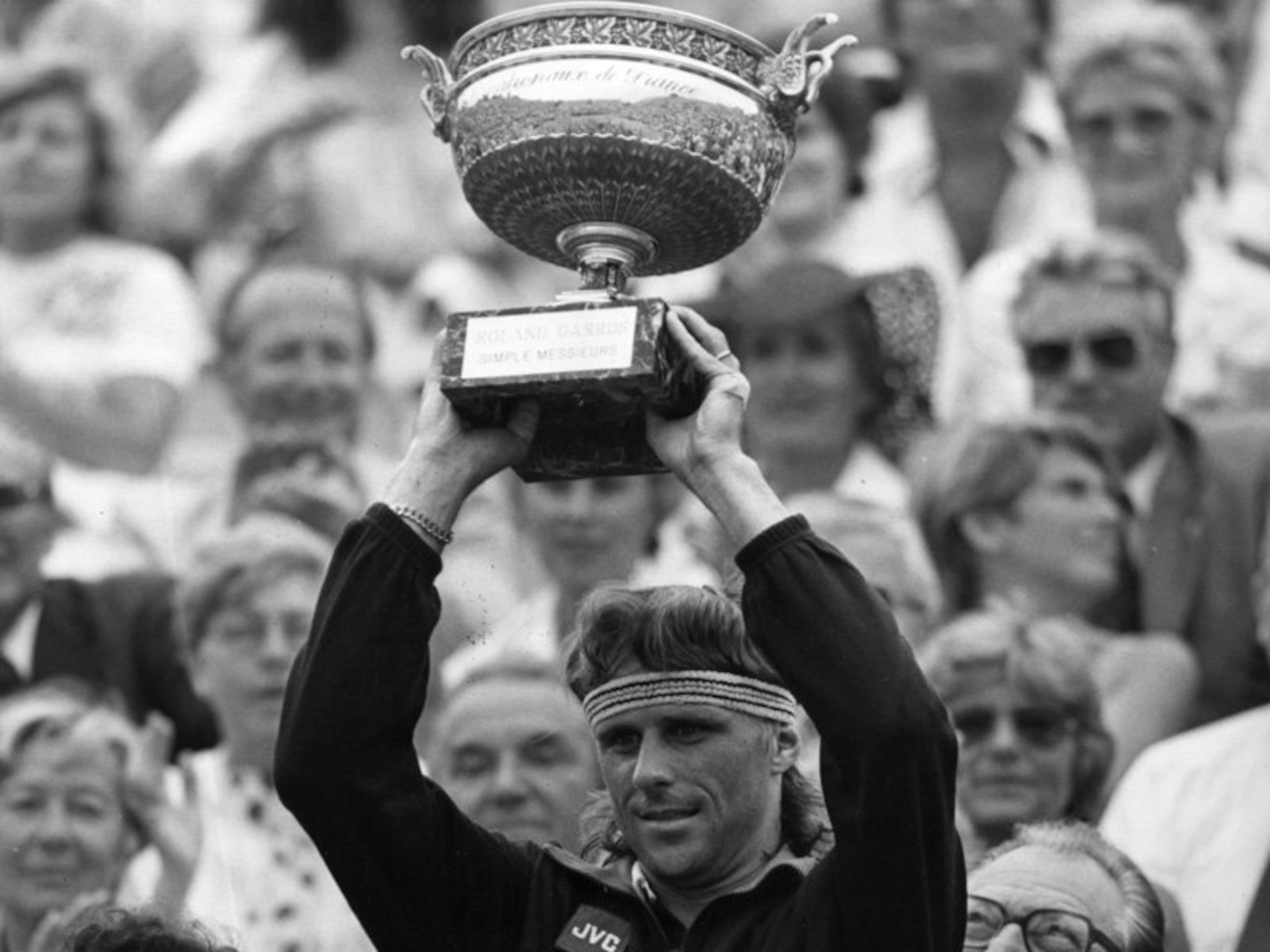
Rumor was that Bjorn Borg was in hiding before he showed up in Paris in May of 1981. Questions in the press seemed to suggest that the Ice-Man had lost his fire to win, but Borg quickly stilled those suggestions as play at the French Open got underway.
Borg met Czech Ivan Lendl in the final. Lendl proved to be a whole different kind of player than the Swede was used to seeing across the net at Stade Roland Garros.
Lendl was the second greatest clay courter in the game in 1981, right behind Borg. Yet even though Lendl had defeated the Swede, he had never done so on clay.
Lendl lost the first five consecutive games to lose the first set 6-1. Most facing Borg would have given up at that point, but not Lendl. Retooling his splendid forehand, Lendl fired back, gaining the upper hand and winning the second set 4-6. The match was all even at this point.
Borg was serving extremely well and countered the Czech’s new-found forehand by serving and attacking. Once again, Borg went on a five-game winning streak and took the third set from Lendl 6-2.
Lendl roared back in the fourth employing his forehand and straining for winners as he raced along the baseline.The Czech took the fourth set 6-3.
The two combatants continued to rage from the baseline, neither advancing toward the net. At that point, Borg had begun to come in behind short shots in the fourth set discovering Lendl had found his passing gear.
In the fifth, according to Borg, it is character plus stamina that wins matches.
By slowing the pace and upping his consistency, Borg wore down Lendl, taking the final set 6-1 from an exhausted Czech.
There was no question of the Swede's fitness or his form. Borg, most agreed, simply could not be defeated on the clay of Stade Roland Garros.
Borg won his sixth French Open title in 1981. It would prove to be his last.
In the end, Borg acknowledged that Lendl would become a force to be reckoned with in tennis. The Ice Man was right again.
2. Chris Evert Defeated Martina Navratilova, 6-3, 6-7 (4-7), 7-5: 1985 Final
11 of 12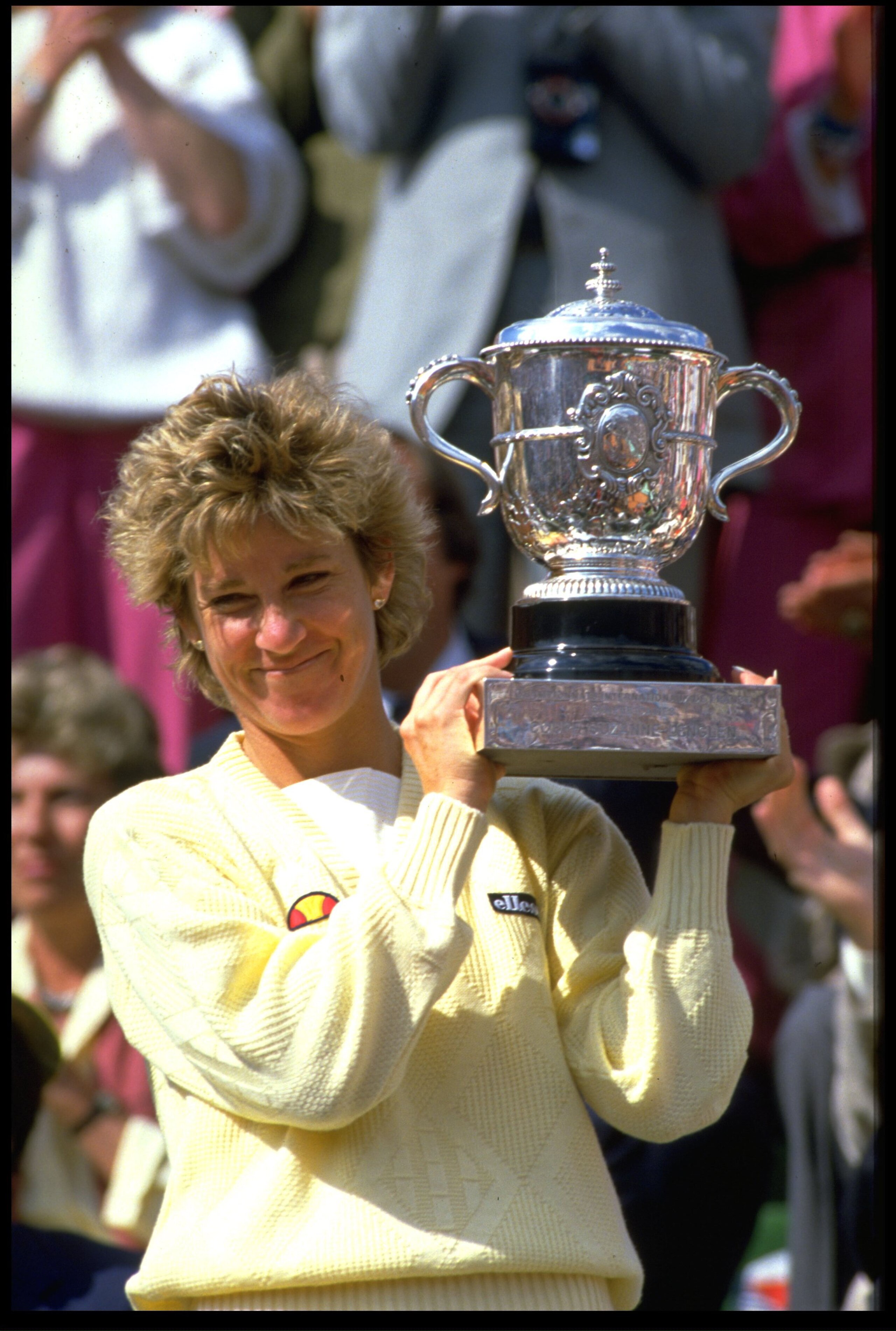
There has never been a better rivalry in all of tennis than the one between Chris Evert and Martina Navratilova. When they came into this French Open final in 1985, Navratilova led 33-31 in their overall head count. In fact, Navratilova had won 15 of their last 16 matches.
But clay was Evert’s forte, and she felt most comfortable on the grounds at Stade Roland Garros. This final was among the best matches in their long-storied rivalry.
Evert won the first set highlighted by three-game runs, which started and ended with her. It was a very windy day, which necessitated extreme accuracy on the part of both players.
The second set seesawed, eventually going to a tiebreak. In the breaker, Navratilova went up 4-1 and won it 7-4.
The third and final set would determine the winner.
Evert started the set, holding serve then going on to break Navratilova to lead 2-0. The two traded breaks during the next two games, giving Evert a 3-1 lead. But no player could seem to hang onto their serve.
Fighting back with some terrific tennis, Navratilova closed the gap and evened the score at 3-3.
Eventually, the final set was tied 5-5 with Evert trailing 0-40 on her serve in the 11th game. It looked like the end for the American.
But Evert rallied to win that game, breaking Navratilova in the following game.
The American won the final service game to win the title.
Evert’s affinity for the clay paid real dividends throughout her career, giving her seven French Open titles, the most by any player, male or female, in the Open Era.
By winning in 1985, Evert recaptured the No. 1 ranking for the final time in her career.
1. Ivan Lendl Defeated John McEnroe, 3-6, 2-6, 6-4, 7-5, 7-5: 1984 Final
12 of 12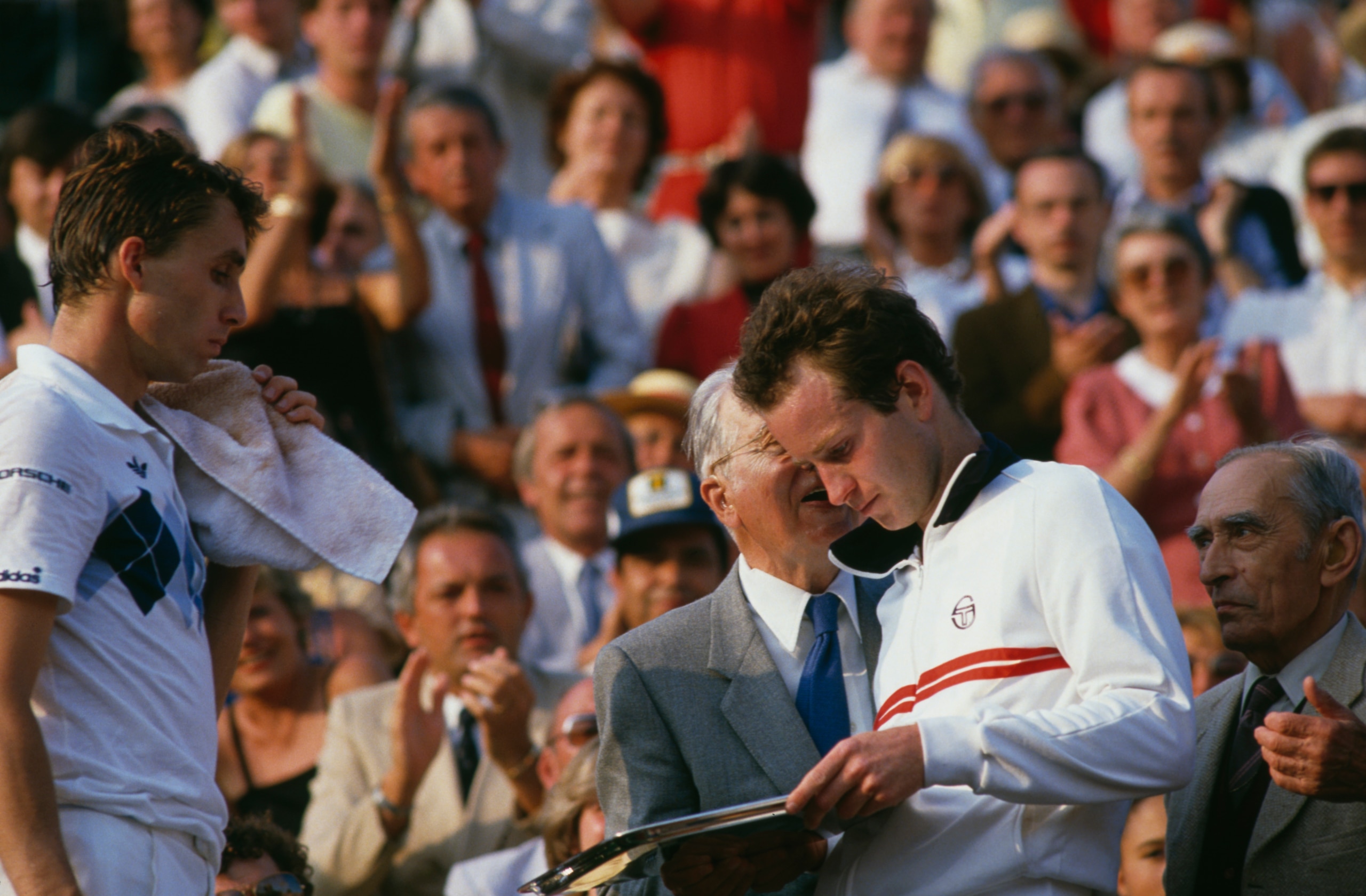
The year was 1984, and John McEnroe was enjoying the peak of his powers on the tennis court. McEnroe would end the year with an 82-3 win-loss record.
In 1984, McEnroe made it to the final of the French Open to face the Czech Ivan Lendl.
Ivan Lendl, who was 24 years old in 1984, had never won a major. When McEnroe and Lendl met in the finals of the French Open in June of 1984, McEnroe was the prohibitive favorite, having in essence assembled a perfect season to date.
In fact, McEnroe had not lost a match in 1984.
Lendl was down two sets––apparently receiving last rites––when McEnroe began to unravel. The turning point of the match came in the third set. McEnroe was becoming increasingly agitated by a camera man whose headset was emitting noise that apparently disturbed the quick-tempered American.
When the score stood at 1-1 with an advantage over Lendl of 0-30, McEnroe walked over to the camera man and shouted something into his headset. With McEnroe’s concentration broken, Lendl escaped.
Lendl, in the meantime, had found his game. The Czech's ground strokes were growing menacing plus Lendl began lobbing effectively when McEnroe crowded the net. McEnroe’s game grew steadily weaker as Lendl’s grew stronger. The seesaw third set finally went to Lendl, 6-4.
Lendl was in the best shape of his life. He found renewed energy in the fourth and fifth sets while McEnroe struggled.
The French crowd was fully engaged and fully behind Lendl, the underdog. They chanted his name and cheered wildly when points fell his way.
All of this was getting on McEnroe’s frayed nerves. But the world's No. 1 player never quit while battling mightily in the last set.
In the sixth game of the fifth set, McEnroe held break points against Lendl, but he could not convert. Lendl’s power surged after this, as McEnroe faded quickly. McEnroe fell to 15-40 on his own serve at 5-6. Match points were now against him.
The American saved one match point but then shoved a volley wide, and Lendl won the match. It marked the biggest collapse in the history of the tournament to date, with Lendl winning the last set 7-5.
The match lasted four hours and eight minutes. McEnroe declined to address the crowd, who had been so vocal in their support of Lendl, and his escape was accompanied by a chorus of boos.
The red clay of Paris had buried another American alive.
The match was a turning point for Lendl, who had no trouble after this victory winning the big matches.
The monkey was officially off his back. Lendl would become a real thorn in the side of McEnroe for the rest of his career.


.jpg?w=2560 "Latest Peyton-Colts Rumors")