
Tiki Barber and the Greatest Backfield Tandems in NFL History
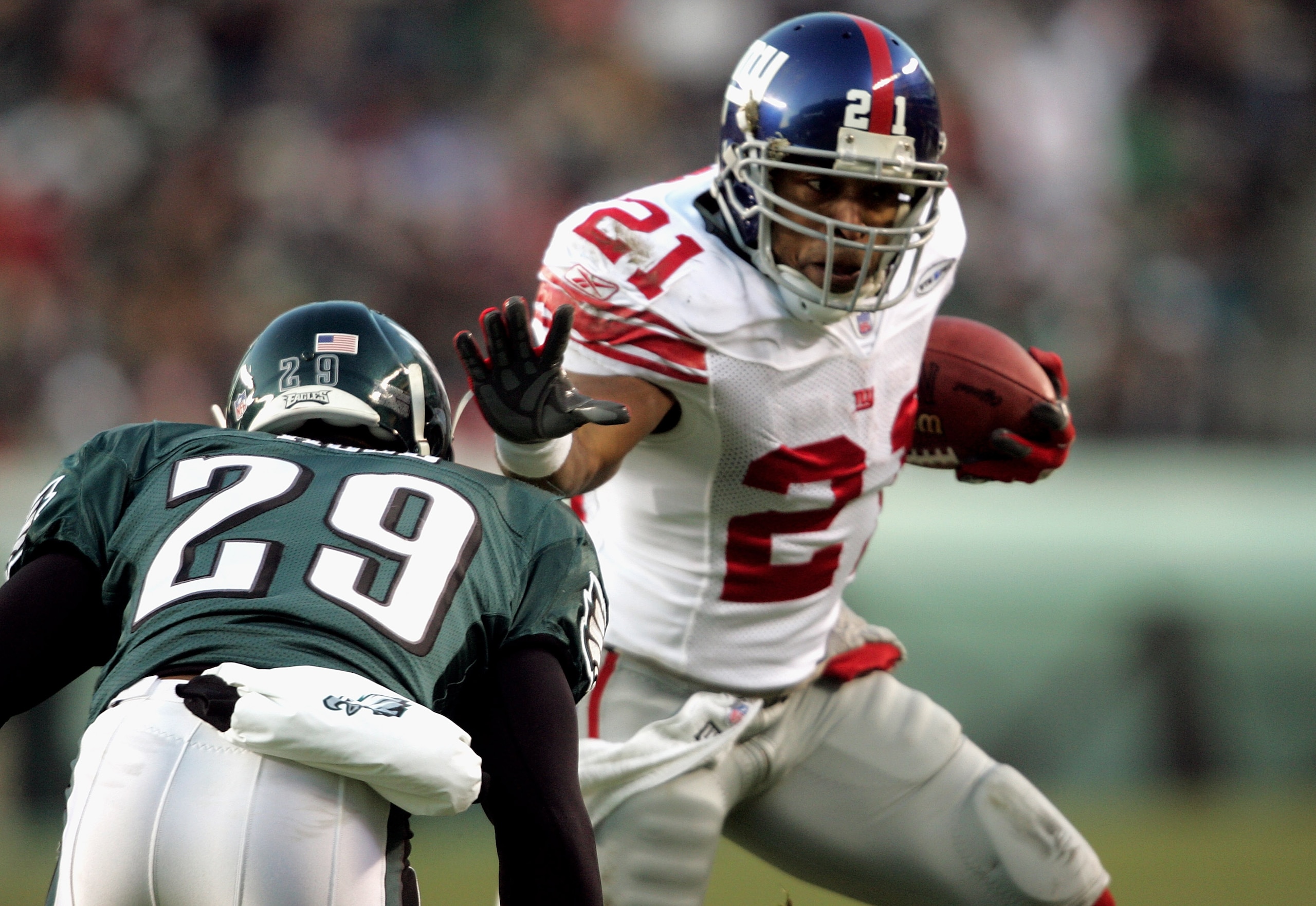
Tiki Barber is coming back…not with the Giants of course. Who knows where he'll land, but it will likely be a place with a starter already firmly in place.
Should it be a team with an All-Pro or former rushing champion, it's not fair to say that it would constitute a “great backfield tandem.” Barber is WAY past his prime.
That has us thinking about the truly great backfield tandems in NFL history.
What we're talking about is tandems where both backs (or even all three) were in their prime at the same time.
For example, Jim Brown and Leroy Kelly were on the same Browns team in 1964 and 1965. But Brown and Kelly wouldn’t really be a “tandem” since Kelly only carried the ball 43 times in Brown's final two seasons with Cleveland. A modern example of that scenario would be LaDainian Tomlinson and Michael Turner. They don't qualify.
Neither does a once-great back who is joined by a budding superstar: Just because Steven Jackson played alongside Marshall Faulk during Faulk's last two years doesn't mean they were a "great" tandem.
No, we're talking about backfields that featured two (or more) backs who were still great runners at the time they teamed up together.
And were NOT counting great scrambling QBs! You won’t see Michael Vick or Steve Young on this list!
Read on!
Honorable Mention: Walter Payton and “Any Other Back,” Chicago Bears
1 of 26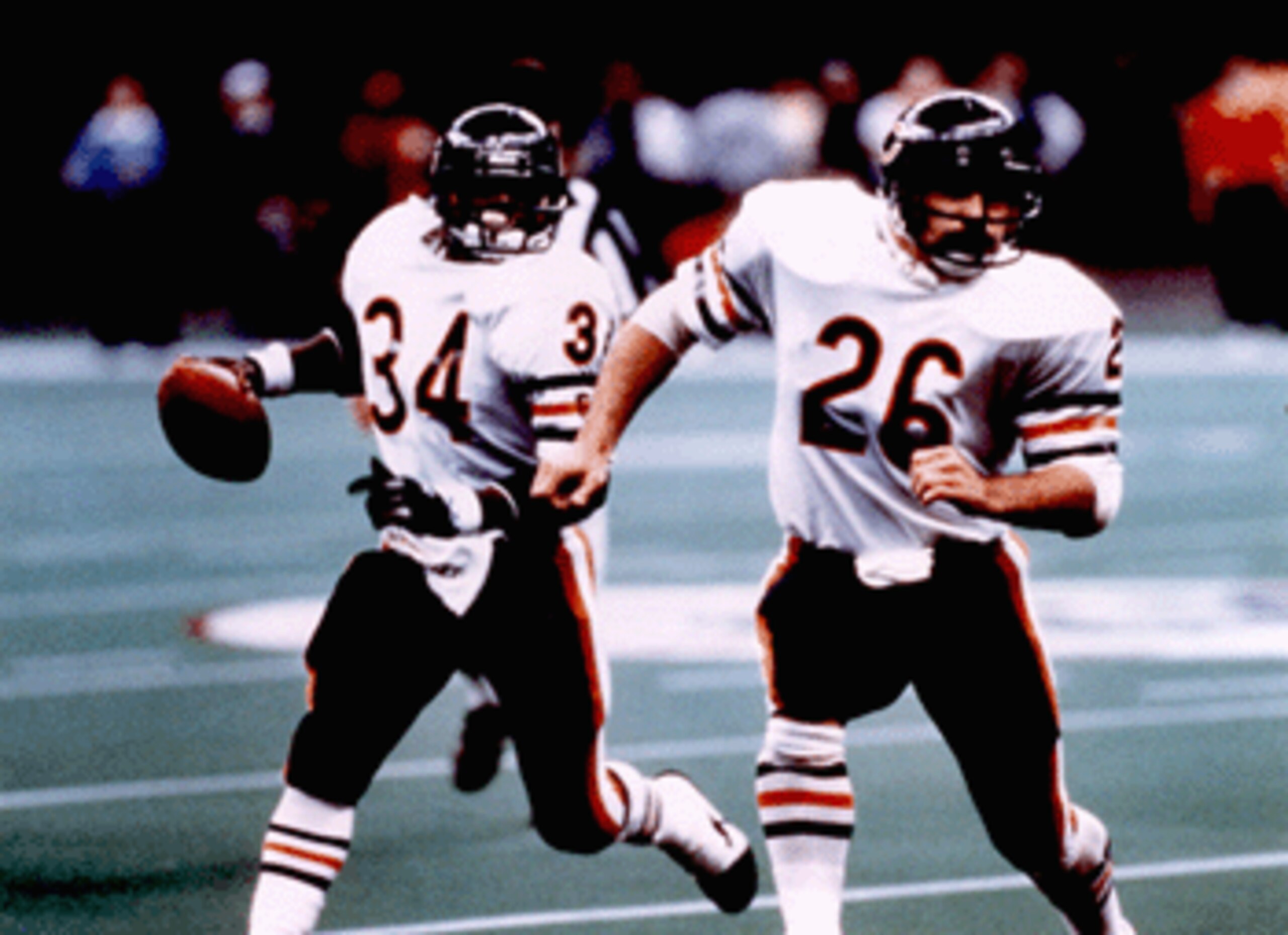
Best Combined Season: 1977
Stats: 2,387 yards, 17 TD
Matt Suhey, the Bears fine fullback, once told NFL Films, “it’s often been said that the greatest combination backfield is Walter Payton and any other back."
Of course the same could probably be said about Jim Brown, Barry Sanders, or a few other Hall of Famers and “any other back".
But because the quote is tagged to Payton, he gets the mention.
Payton and Roland Harper were a great duo in 1978: 1,395 yards for Payton, 992 for Harper.
But since Suhey and Payton combined for 2,112 yards in 1983 and 2,118 the next season, we can’t forget him.
No. 25: Stephen Davis and DeShaun Foster, Carolina Panthers
2 of 26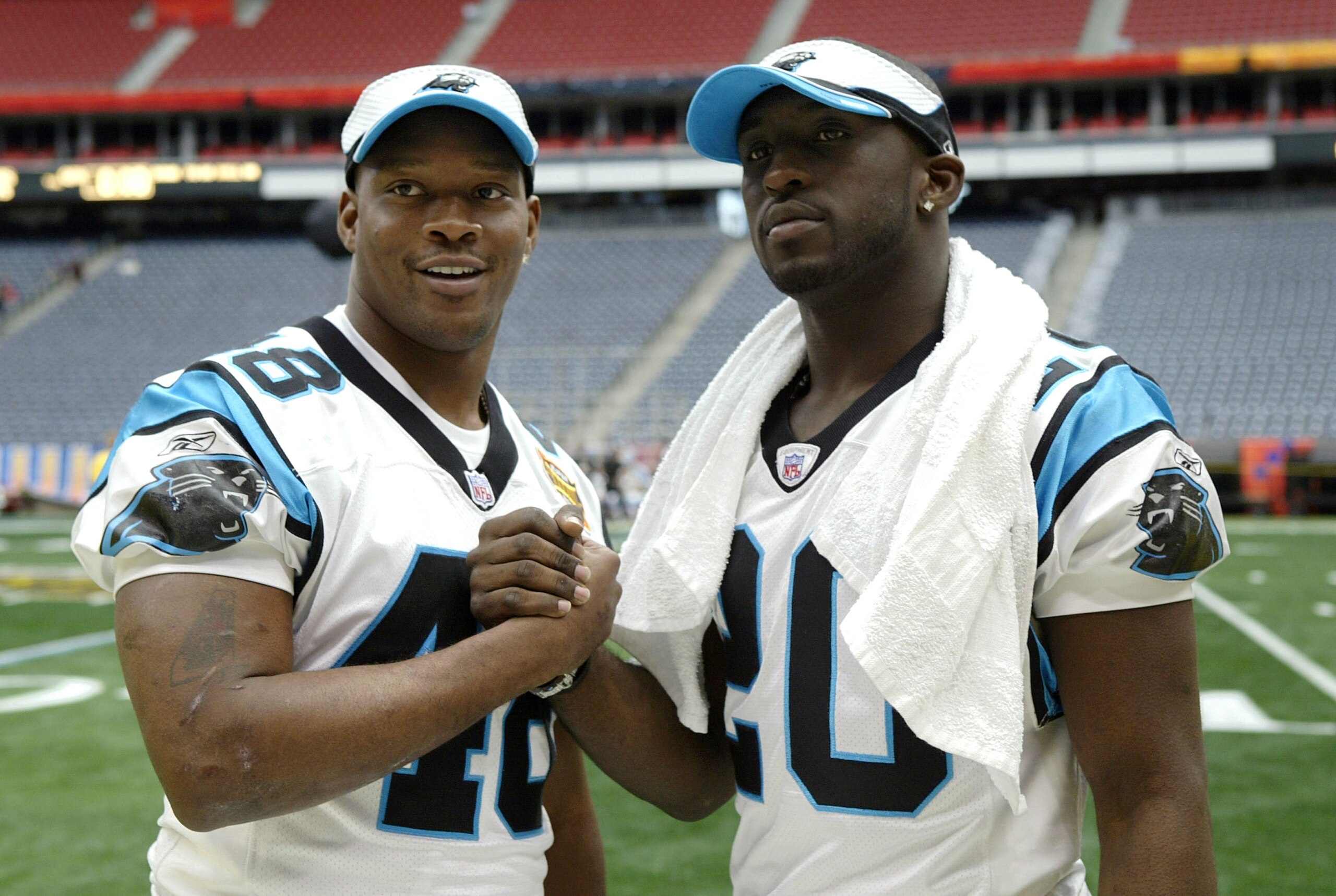
Best Combined Season: 2003
Stats: 1,873 yards, 8 TD
Davis only had one truly good season in Carolina. Foster never even topped the 1,000 yard mark. And together, they didn’t reach the somewhat “magical” 2,000-yard figure for a pair of backs. Although they put up good numbers in the 2003 regular season.
Instead, they get a spot on this list for what the pair did in the Panthers Super Bowl run that year.
In the win at St. Louis, they combined for 181 yards on the ground. In the upset of Philadelphia they combined for 136. And in the narrow loss to the Patriots in Super Bowl XXXVIII, they added another 92, including Foster's electrifying score at the beginning of that wild fourth quarter.
No. 24: Terry Metcalf and Jim Otis, St. Louis Cardinals
3 of 26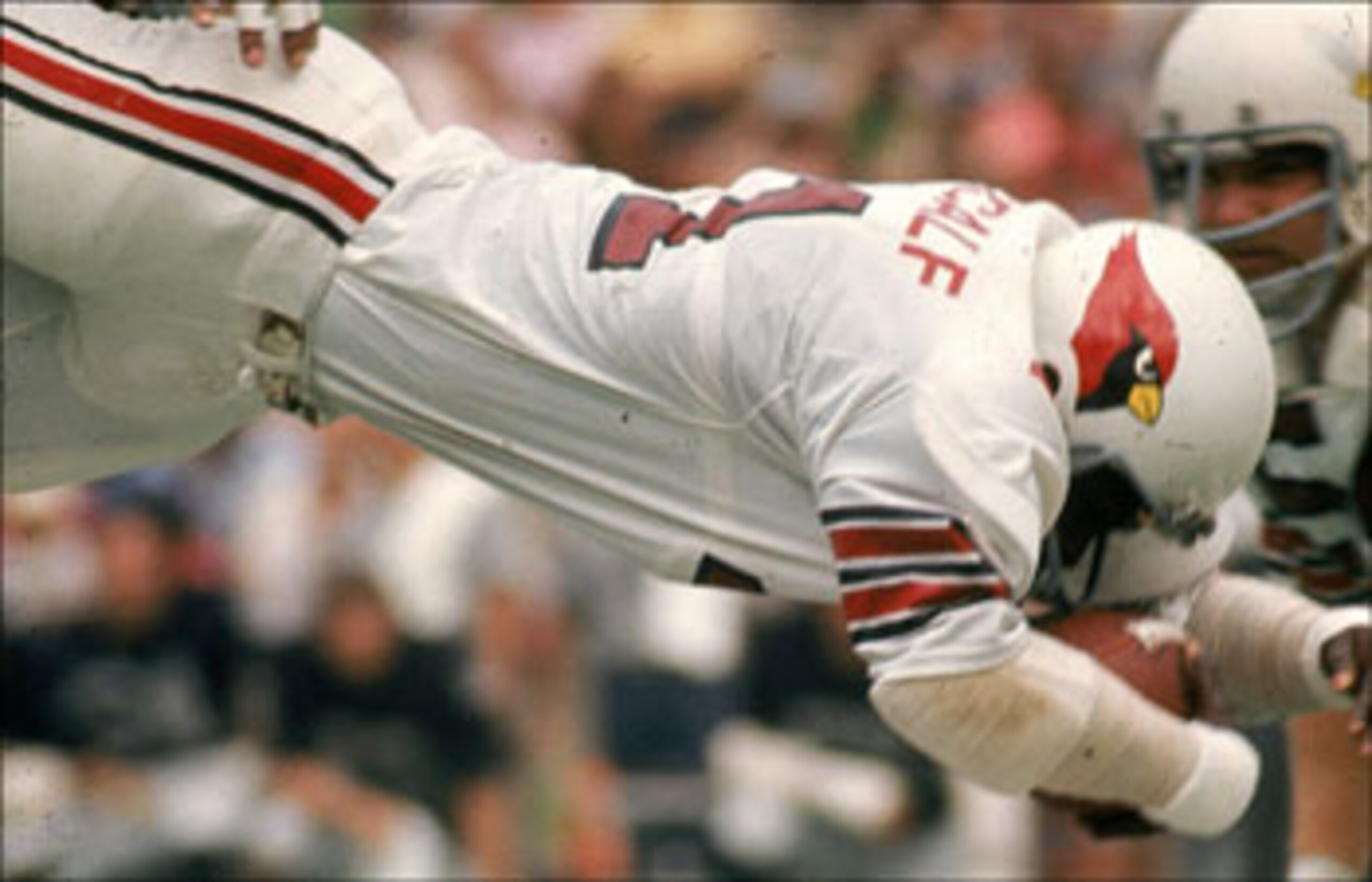
Best Combined Season: 1,892 yards, 14 TD
Stats: 1975
The last great team the St. Louis Cardinals ever had came in 1975. That year they won a second straight NFC East title.
And even though their head coach was Don Coryell—later of the Air Coryell passing brilliance—the Cardinals were predominantly a running team.
They had speedy, shifty runner “The Franchise” Terry Metcalf as “Mr. Outside,” and a tough load at fullback, Jim Otis.
Otis and Metcalf were a powerful pair in the mid-1970s. From 1974 -76 Otis averaged 877 yards, Metcalf, 690.
Maybe they weren’t the first NFC duo to each rush for 1,000 yards in a single season; that wouldn’t come until 2006. But they came plenty close several times and would have almost certainly done so in a 16-game schedule. Too bad that wasn’t implemented until 1978.
.jpg?w=2560 "Seahawks Chiefs Football")

No. 23: Adrian Peterson and Chester Taylor, Minnesota Vikings
4 of 26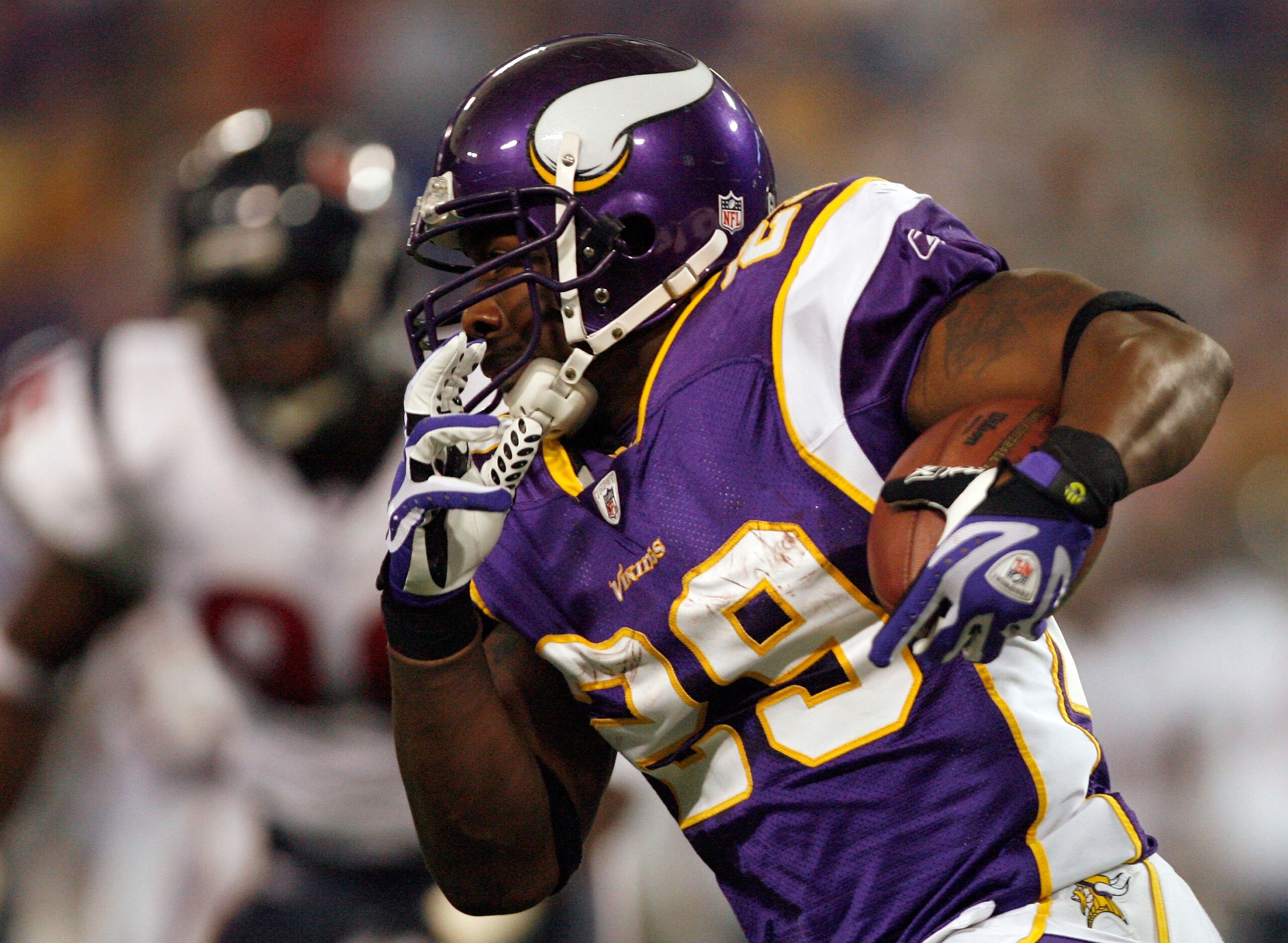
Best Combined Season: 2007
Stats: 2,185 yards, 19 TD
It’s probably just a coincidence that the Vikings completely fell apart in 2010, a year after Chester Taylor left town via free agency. And probably a coincidence that the Bears went to the NFC Championship Game after signing him.
Still, you have to wonder.
Adrian Peterson is...Adrian Peterson, clearly the best running back in the NFL the past four seasons.
But Taylor was a 1,000 yard runner the year before they drafted him in the first round.
Their first year together, they were a great pair and combined for over 125 yards every time they both suited up.
Over the next two seasons, Taylor carried the ball less often and for fewer yards, but the Vikings running game was still a great threat with either or both men in the backfield. Even without Brett Favre under center.
No. 22: Essex Johnson and Boobie Clark, Cincinnati Bengals
5 of 26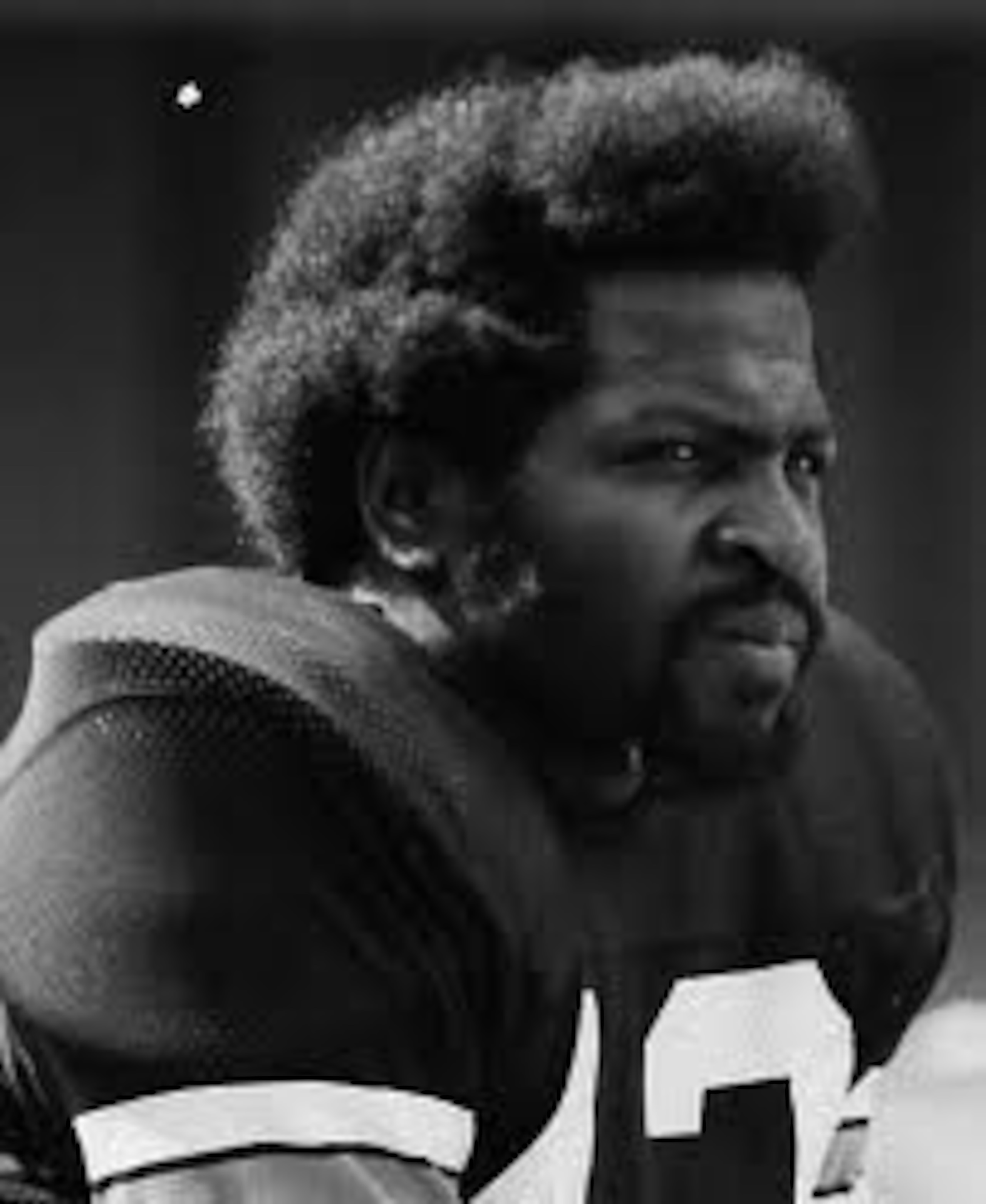
Best Combined Season: 1973
Stats: 1,985 yards, 12 TD
Essex Johnson was the Bengals starter and premier runner in the early 1970s, but they found a real diamond in the rough late in the 1973 NFL Draft. With the 12th round pick, Paul Brown—who knew a thing or two about drafting and molding great runners like Jim Brown and Marion Motley—nabbed Charles “Boobie” Clark from Bethune-Cookman.
Clark rushed for 988 yards in his first season; on far fewer carries, Johnson also came within a few yards of breaking the 1,000 yards mark. (They too only played in the 14-game schedule).
Breaking down the math, that means that together they averaged over 140 yards a game.
Johnson’s production sharply declined after that fine 1973, and Clark never turned into a superstar. But for one year, they were a forced to be reckoned with.
No. 21: James Brooks and Ickey Woods, Cincinnati Bengals
6 of 26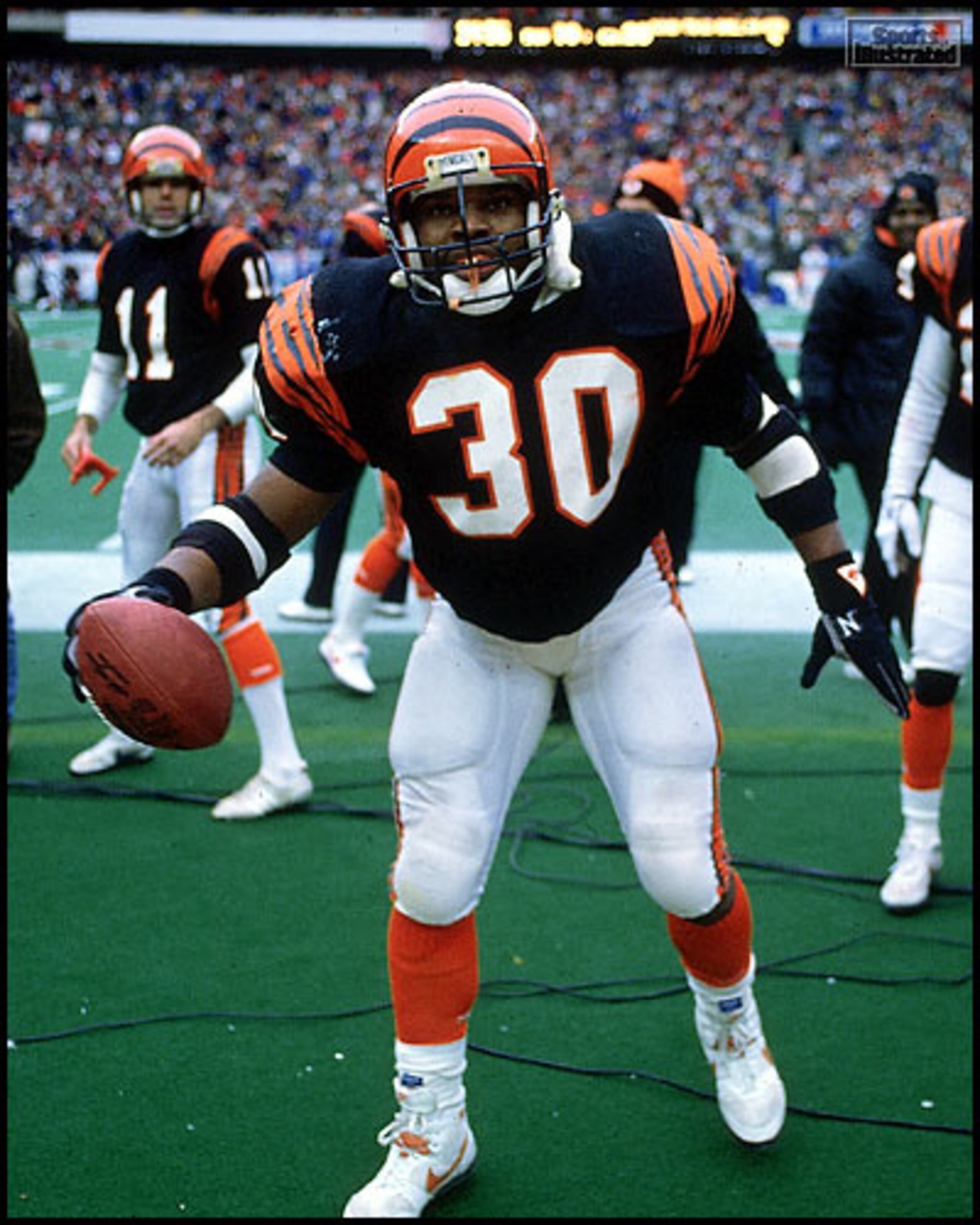
Best Combined Season: 1988
Stats: 1,997 yards, 23 TD
Rookie Ickey Woods was a major celebrity during the 1988 NFL season. He scored 15 touchdowns, broke the 1,000-yard mark, and had a pair of outstanding playoff games as the Bengals ran to Super Bowl XXIII.
Still, James Brooks was the Bengals truly elite back on the roster. He went to four Pro Bowls during a five year stretch and until Corey Dillon came along he was the franchise’s leading rusher.
So since their primes overlapped, Brooks and Woods were an outstanding duo.
But since Woods prime lasted just one year, it’s too much of a stretch to put them inside the top 20.
No. 20: Doak Walker and Bob “Hunchy” Hoernschemeyer
7 of 26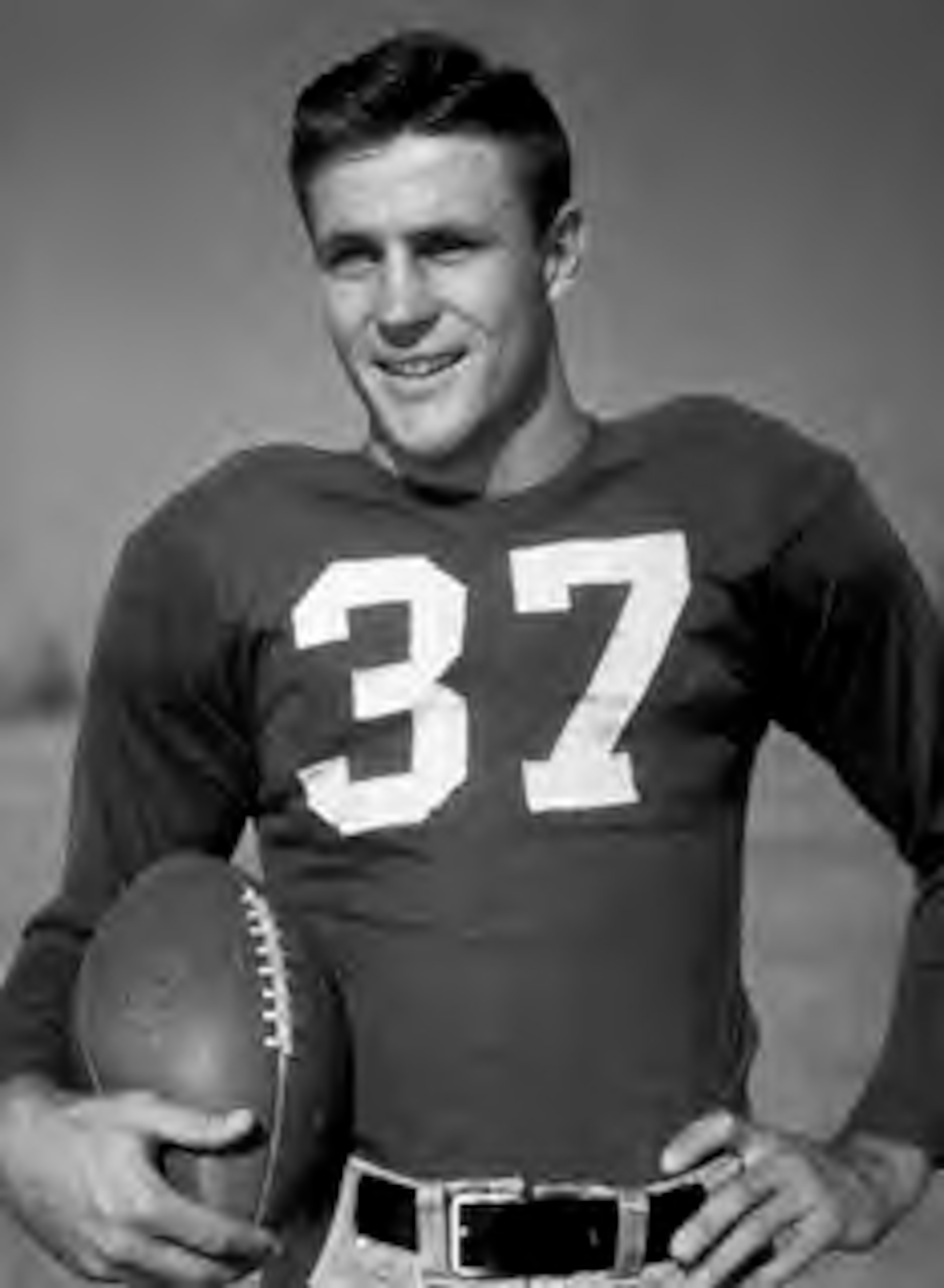
Best Combined Season: 1951
Stats: 1,034 yards, 4 TD
Stats from the early 1950s just don’t translate today. But we’re not going to punish two old timers for that.
Doak Walker—the 1948 Heisman Trophy winner and Lions Hall of Fame running back—was a Pro Bowler in all but one of his six NFL seasons. Certainly it was his versatility as a kicker, returner, receiver, and runner that landed him in Canton. But on limited carries, he averaged just under five yards per carry.
Still, they had another player who was the most explosive running back on that Lions team that played in the NFL title game each year from 1952-54.
“Hunchy” Hoernschemeyer led the team in rushing four straight seasons and followed up a 96-yard touchdown run in 1950 with a 85-yard touchdown run a year later.
And in their 1952 NFL Title victory over the Browns, the pair combined for 124 yards.
No. 19: Thomas Jones and Shonn Greene, New York Jets
8 of 26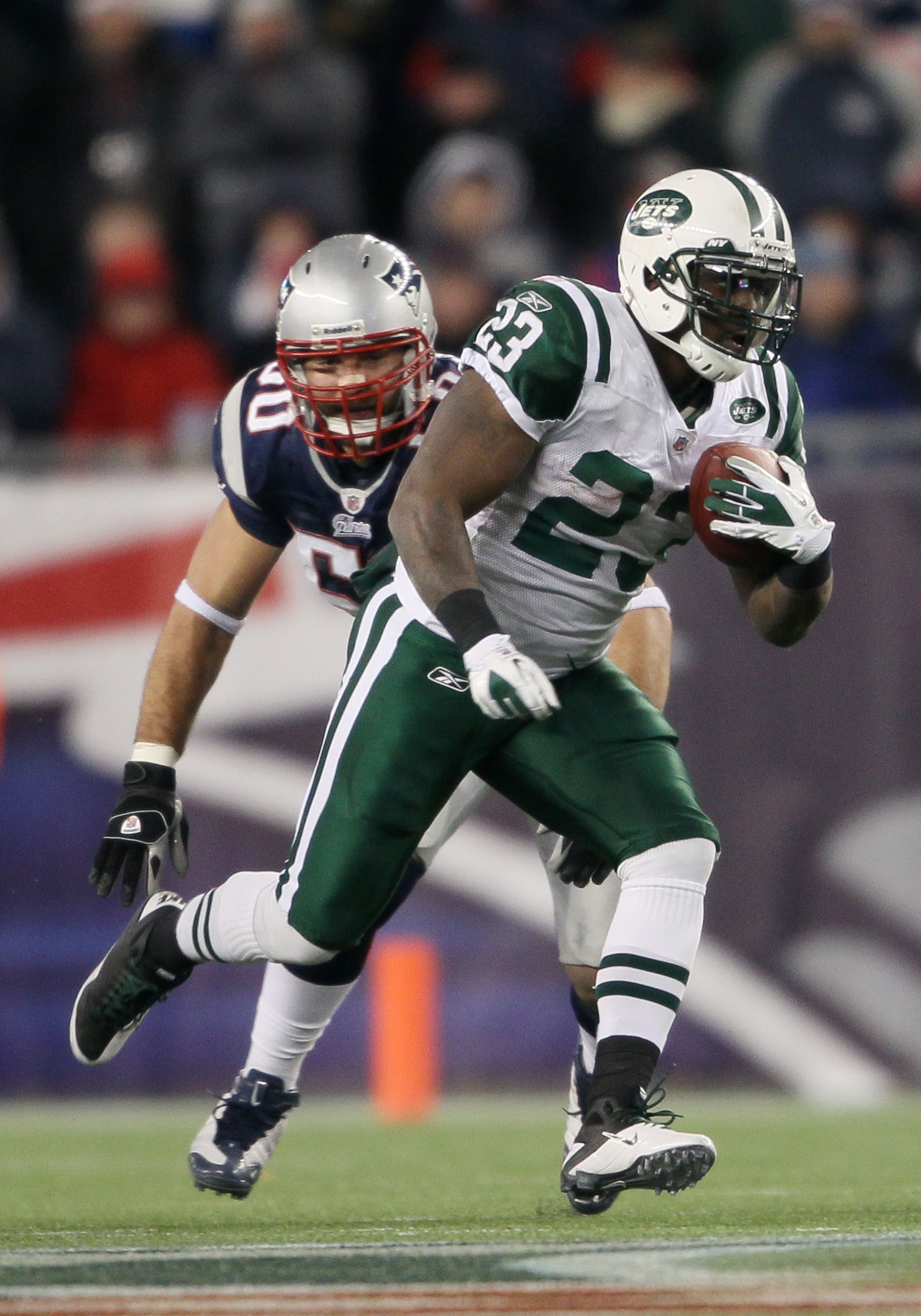
Best Combined Season: 2009
Stats: 1,942 yards, 16 TD
For the bulk of the 2009 regular season, Thomas Jones was the starter and workhorse ball carrier. Aside from 2,000-yard rusher Chris Johnson, he might have been the best back in the AFC.
Meanwhile, rookie Shonn Greene was not a proven or reliable option.
Until the Jets critical stretch run.
In the Jets final five games (regular and post-season) he averaged 17 carries and 92 yards. Jones wasn’t quite as effective, but he carried the ball roughly 20 times a game.
Between Jones regular season performance (1,407 yards, 14 TD) and Greene’s postseason run (304 yards in three games) they were a great single-season tandem.
No. 18: Fred Taylor and Maurice Jones-Drew, Jacksonville Jaguars
9 of 26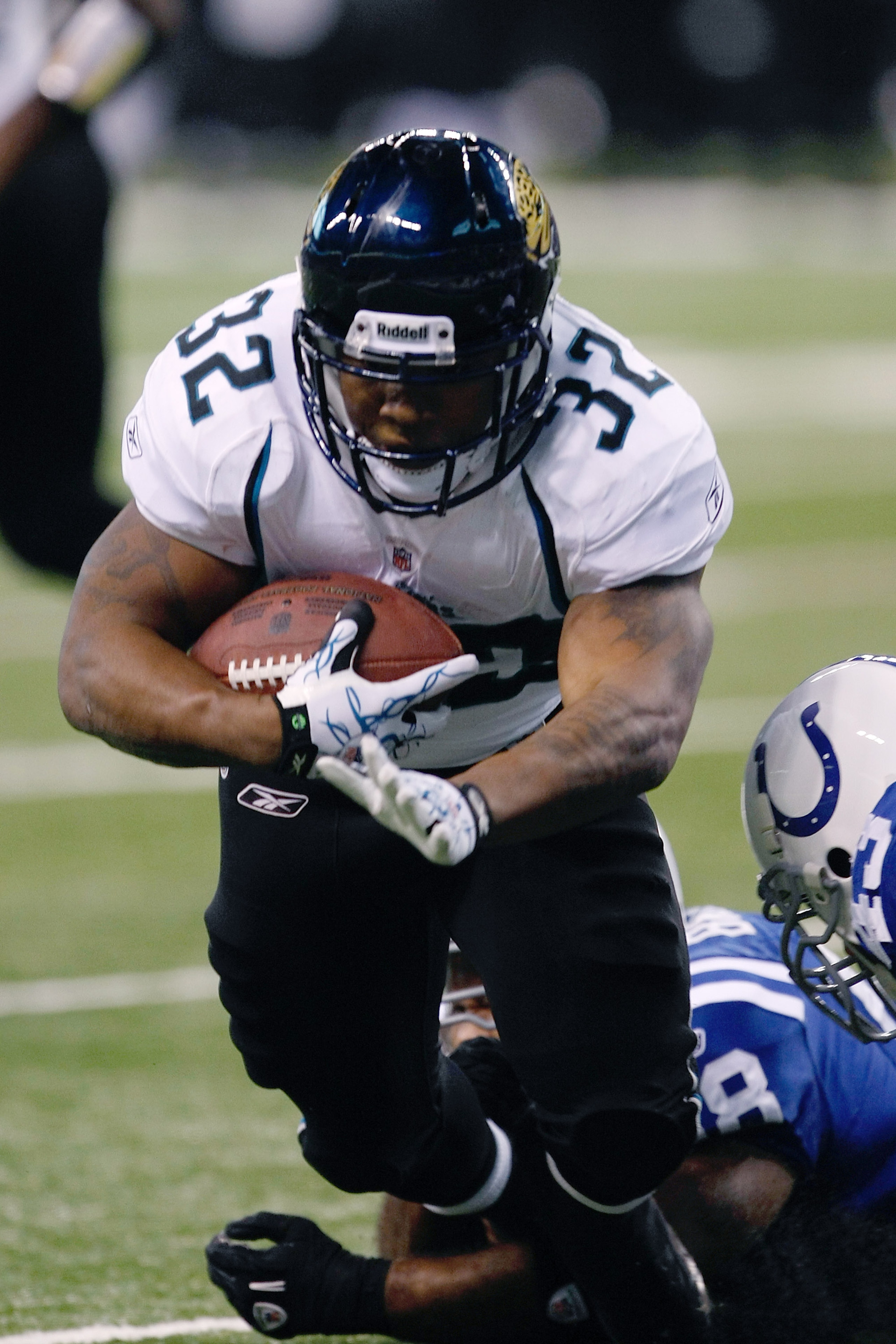
Best Combined Season: 2006
Stats: 2,087 yards, 18 TD
Maurice Jones-Drew is now “the guy” in Jacksonville and averaged over 1,350 yards and 10 touchdowns each of the past two years.
But it took him two years to make franchise record-holder Fred Taylor expendable.
During Jones-Drew’s first two seasons in Jacksonville, Taylor earned his only pro bowl spot and the pair combined for 2,348 yards.
Still, while fighting for playing time and carries, Jones-Drew was a great replacement and a short-yardage expert.
As a rookie, he rushed for 941 yards and 13 touchdowns while Taylor added 1,146.
After Taylor’s sub-par season in 2008, he was released, letting MJD take on the full load. But for those two years, the Jags had the best tandem in the NFL.
No. 17: LenDale White and Chris Johnson, Tennessee Titans
10 of 26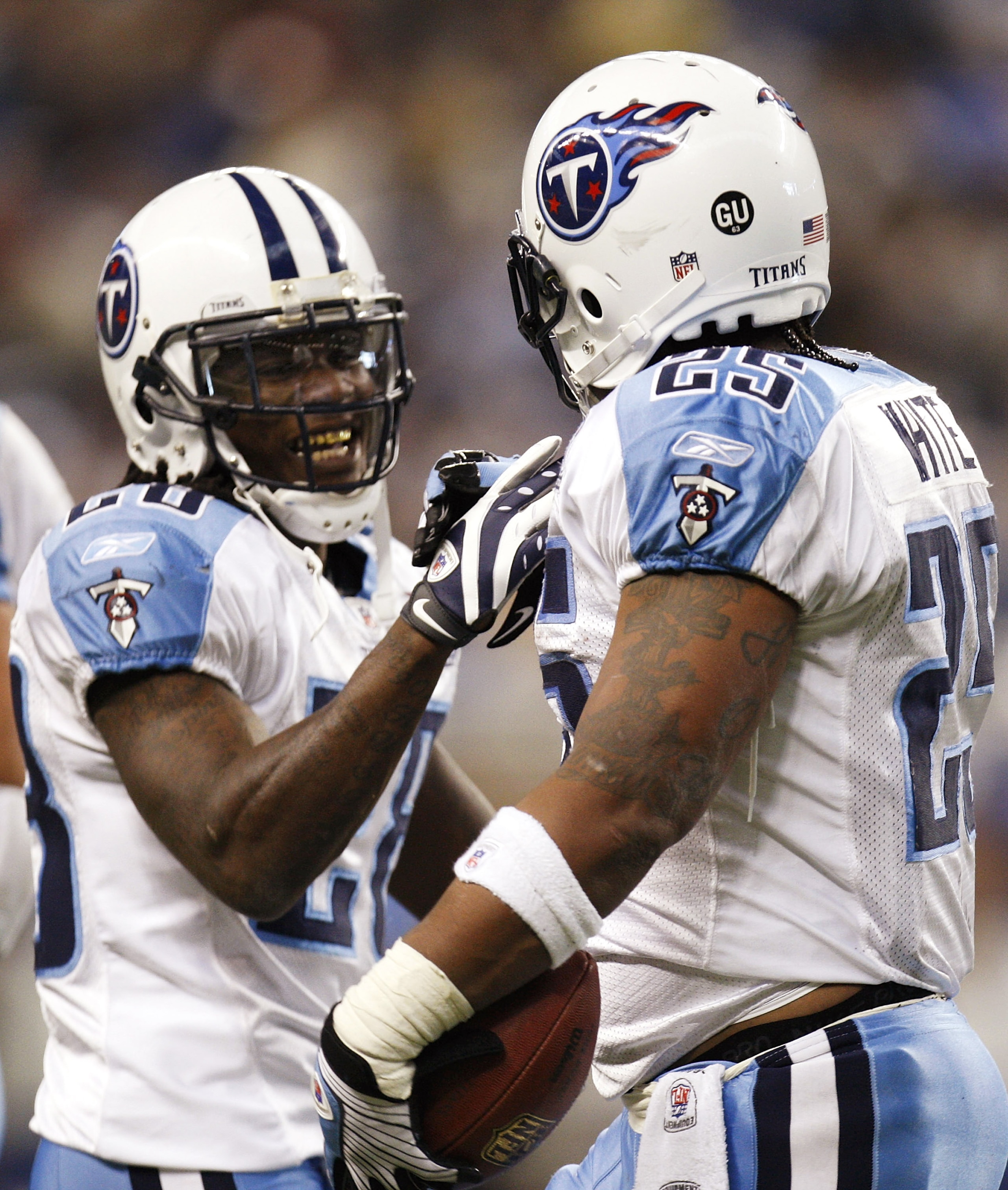
Best Combined Season: 2008
Stats: 2,001 yards, 24 TD
Like several of these entries, this tandem was only great for one year.
After White rushed for 1,110 yards in his second season, the Titans couldn’t pass up a speedster like Johnson and drafted him in the first round of the 2008 NFL draft.
Thanks to two completely different styles, White and Johnson became a remarkable duo.
As a rookie, Johnson ran for over 1,200 yards while White—who added another 774—was a tremendous short yardage back, rushing for 15 scores.
With White and Johnson (and Vince Young adding plenty as well) the Titans earned the AFC’s top seed.
Too bad it lasted just one season. Since both were in their early-to-mid 20s it could have lasted a lot longer.
No. 16: Joe Washington and John Riggins, Washington Redskins
11 of 26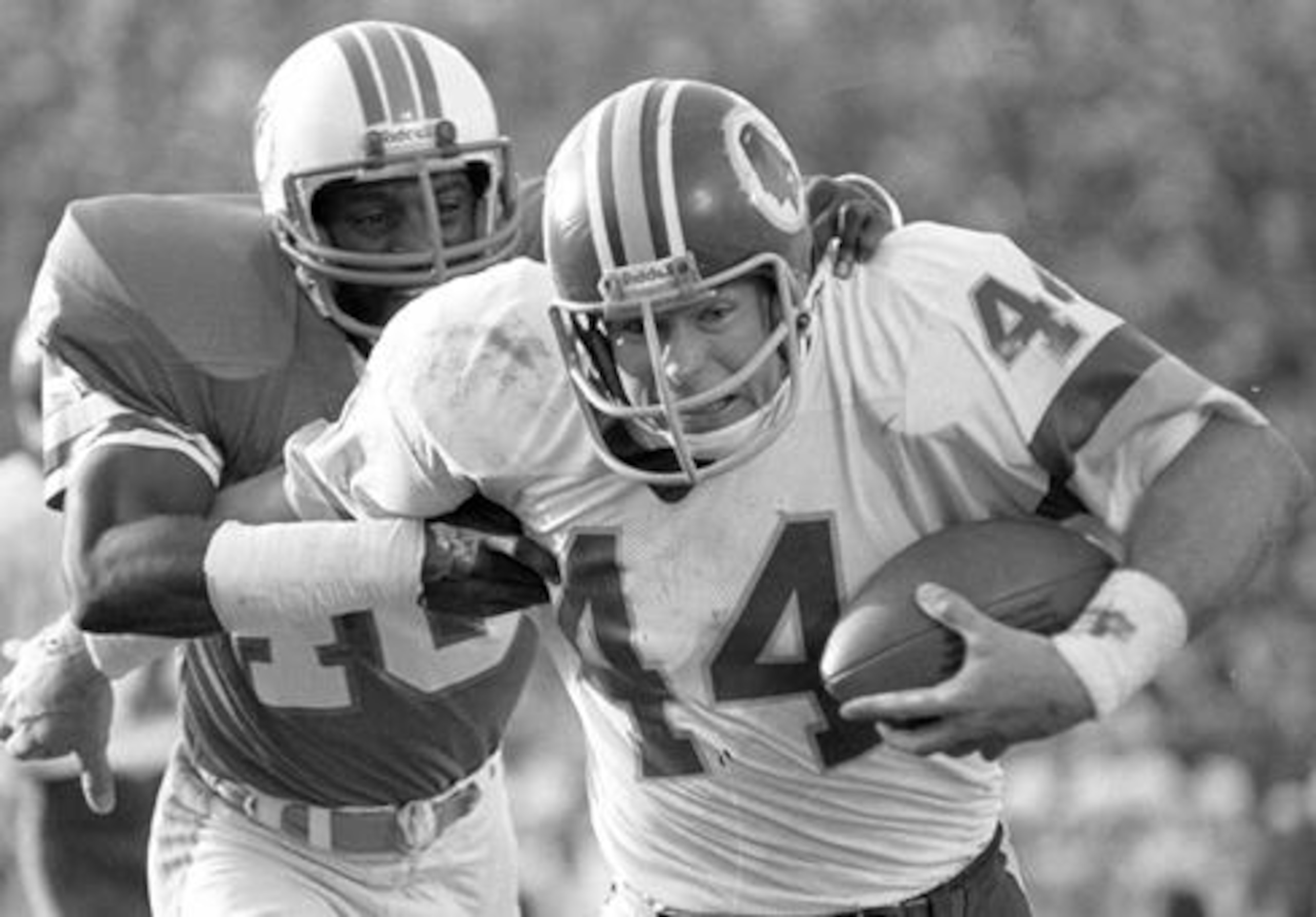
Best Combined Season: 1983
Stats: 2,119 yards, 24 TD
Riggo received most of the glory for the Redskins consecutive NFC Championships and Super Bowl victory in 1982.
But with the “Hogs”, a case could be made that almost anyone could run through those holes.
And Joe Washington sort of proved that during his short stay in Washington.
In 1981, Washington led the Redskins with 916 yards and for the most part kept Riggins as HIS backup. Riggins took over the starter’s job late in the season and went on to his dominant stretch from 1982-83.
Washington, however, made the most of his carries. In 1983, as Riggins set a new record for rushing touchdowns. The former Oklahoma star rushed for 772 yards. Combined with Riggins career-high 1,347 yards, the Redskins had a nice answer to Walter Payton and the Bears wonderful backfield duo.
No. 15: Duane Thomas and Calvin Hill, Dallas Cowboys
12 of 26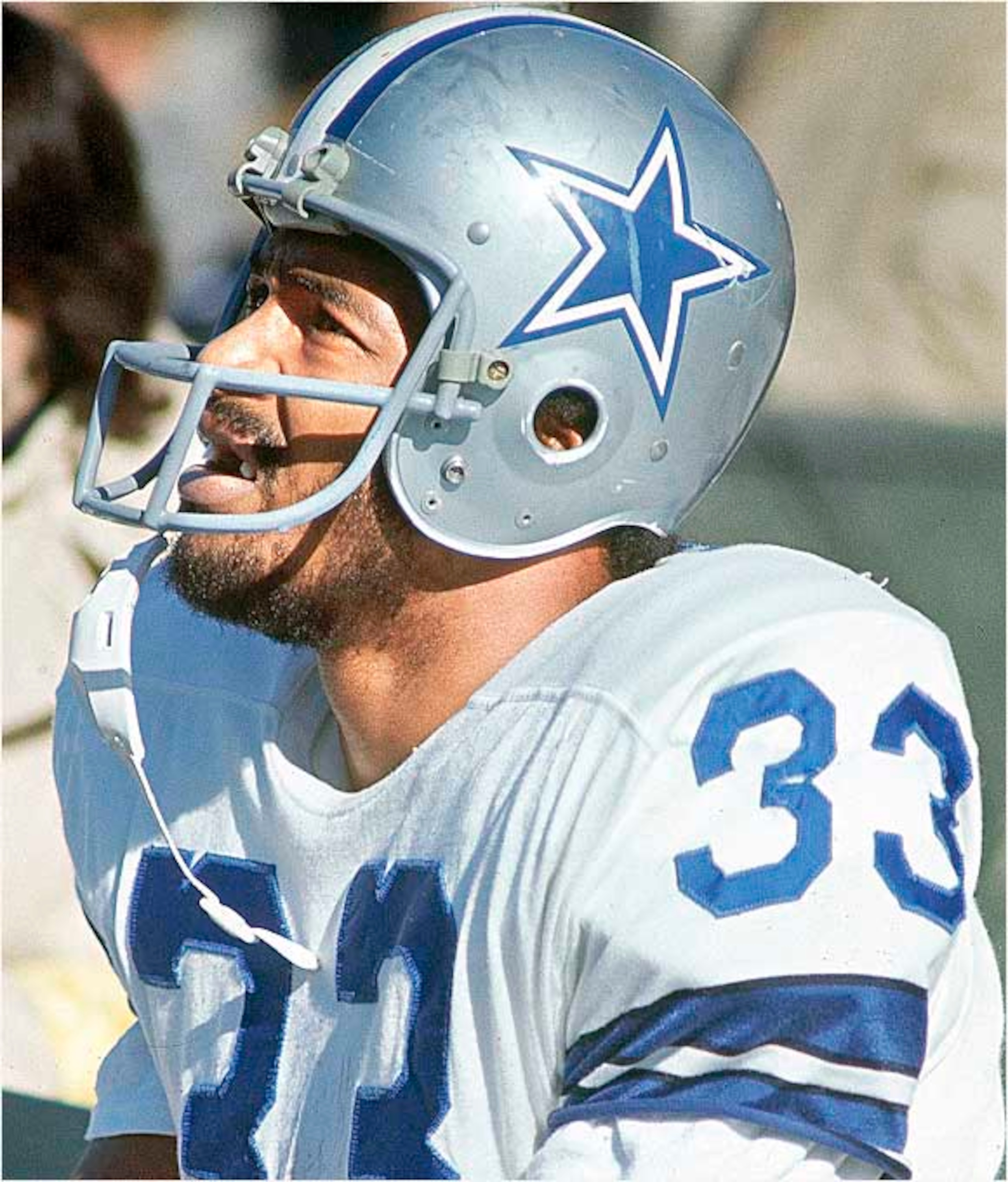
Best Combined Season: 1970
Stats: 1,380 yards, 9 TD
Here’s another case where stats don’t tell the entire story.
In search of a running back, Tom Landry and the Dallas Cowboys spent first round draft pick on running backs in both 1969 and 1970.
Yale’s Calvin Hill, the 1969 selection, had a great rookie season, becoming an All-Pro. Still, a year later, the Cowboys took Duane Thomas, an extremely athletic in-state back from West Texas A&M.
Their first year together, Thomas rendered Hill a backup thanks to a fine rookie season of his own. In the playoffs, Thomas rushed for 135 yards on 30 carries in a win over Detroit, then 143 yards on 27 carries a week later in the NFC Championship Game.
A year later in their Super Bowl win over Miami, Thomas dominated, rushing for 95 yards and a touchdown on 19 carries.
But his stay in Dallas fell apart quickly and Hill soon returned to the starter’s role. He immediately went to three straight Pro Bowls, averaged over 1,000 yards from 1972-74, and had two great postseason games (125 yards in a win over San Francisco, 97 yards on 25 carries a year later in a loss to the Rams).
Thomas and Hill were never really a great 1-2 punch, but when they were together either one was a threat to rush for 100 yards and tote the ball 25-plus times.
No. 14: Derrick Ward, Brandon Jacobs, and Ahmad Bradshaw, New York Giants
13 of 26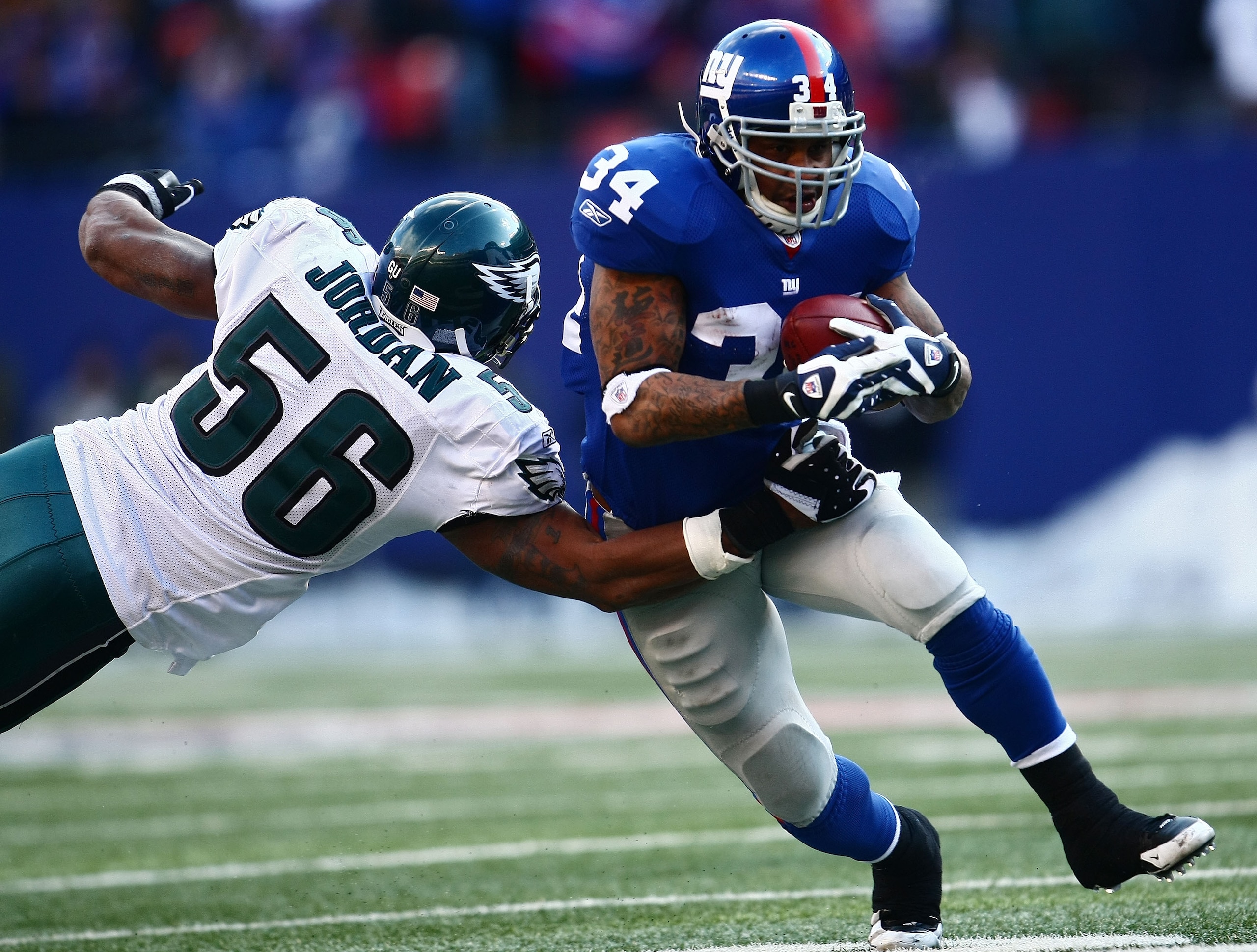
Best Combined Season: 2008
Stats: 2,469 yards, 18 TD
Last year’s Giants backfield of Ahmad Bradshaw and Brandon Jacobs was pretty good, but didn’t manage the coveted 1,000/1,000-yard mark like Jacobs did with Derrick Ward two years earlier.
Both Jacobs and Bradshaw averaged over five yards per carry and helped give the Giants the NFL’s most prolific ground game.
Jacobs probably had the better single-season effort, scoring 15 rushing touchdowns while leading the Giants in yards. Ward, however, was an excellent pass catcher and, on nearly 200 carries, averaged 5.6 yards per pop.
When you throw in Bradshaw, who had a string of long runs and rushed for 355 yards on just 67 carries, “Earth, Wind, and Fire” as they were known was a modern day version of the Dolphins great tandem in the early 1970s.
No. 13: Roger Craig and Wendell Tyler, San Francisco 49ers
14 of 26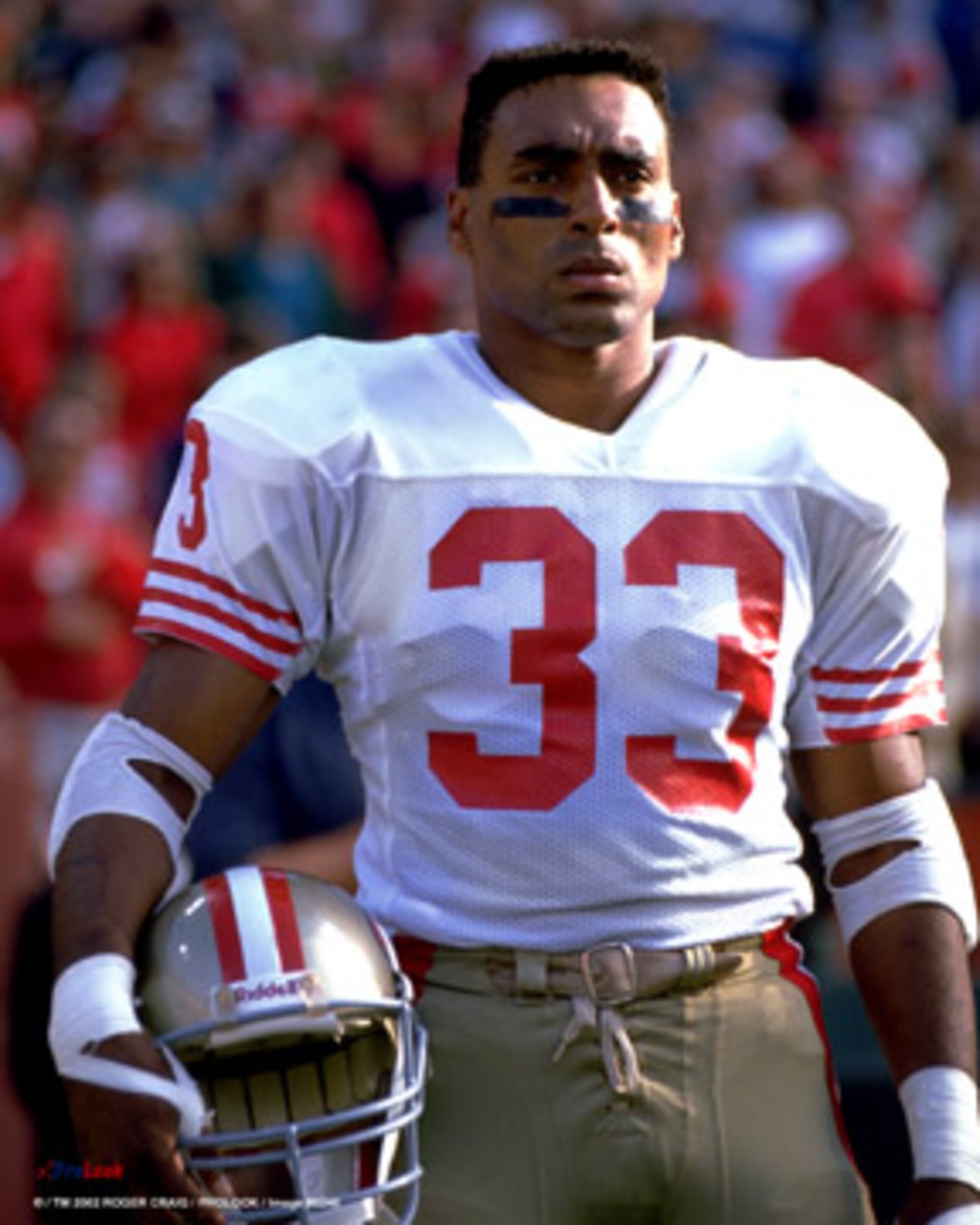
Best Combined Season: 1985
Stats: 1,917 yards, 15 TD
Even though they won a Super Bowl in 1981, the 49ers did not have much of a running game in the early 1980s. So in 1983—during the span of one day—Bill Walsh brought in not one, but two top notch backs.
Intent on drafting Eric Dickerson, the Rams shipped Wendell Tyler to the 49ers for a pair of draft picks. A day later, the 49ers selected Nebraska workhorse Roger Craig in the second round.
At halfback, Tyler led the team in rushing in 1983 and went to the Pro Bowl in 1984, while Craig developed as a fullback and carried the ball with good consistency.
But they somewhat switched roles in 1985: Craig became the 1,000-yard, Pro Bowl runner, while Tyler carried the ball a bit less, though he still rushed for 867 yards and six touchdowns.
For a three year stretch, from 1983-85, the duo routinely gave the West Coast offense a steady running game that averaged well over 100 yards per game.
No. 12: Mark Van Eeghen and Clarence Davis, Oakland Raiders
15 of 26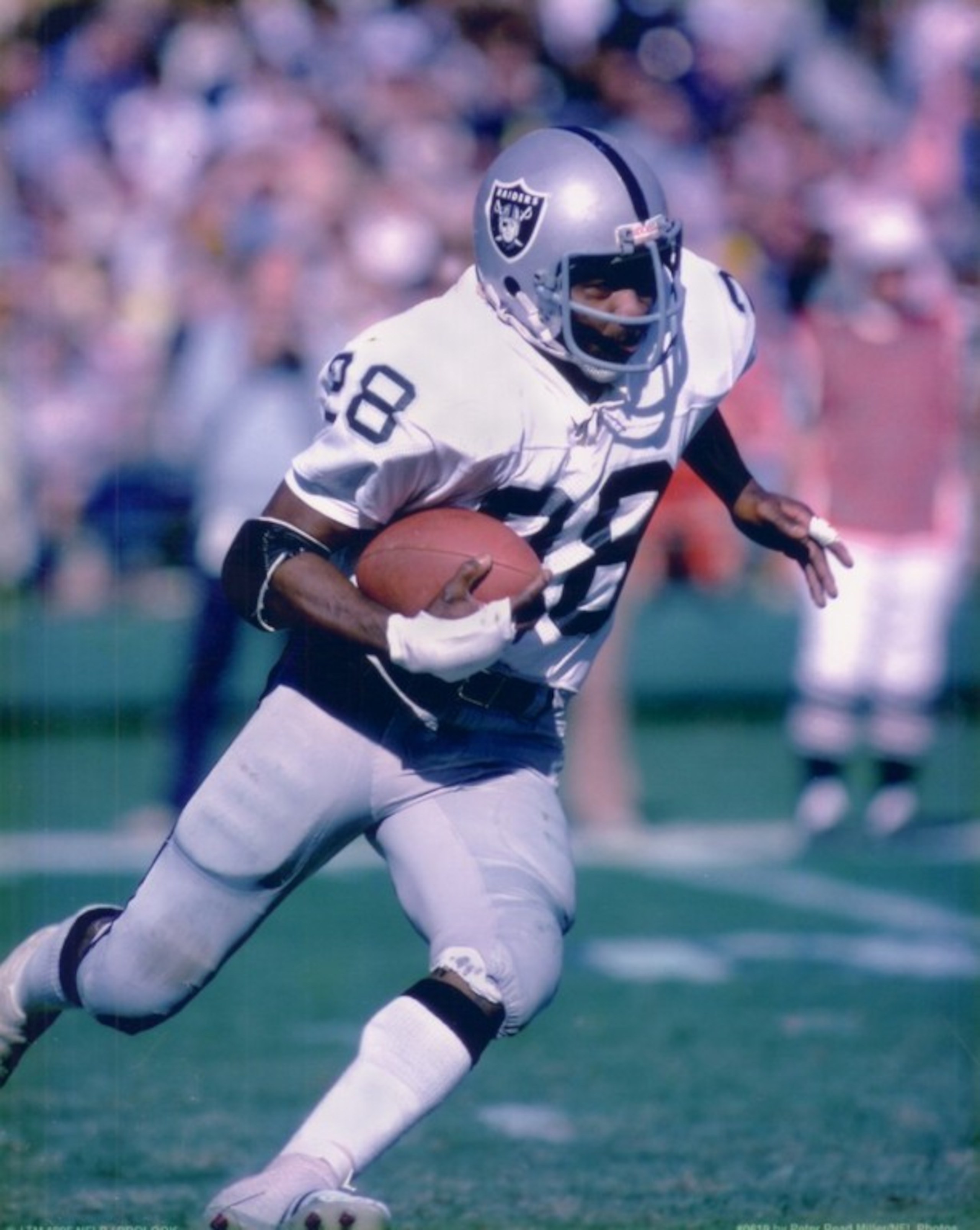
Best Combined Season: 1977
Stats: 2,060 yards, 12 TD
During the regular season, fullback Mark Van Eeghen was the leading rusher on the soon-to-be World Champion Raiders.
But in their Super Bowl XI win, Clarence Davis—who at the time was known primarily for catching Ken Stabler’s “Sea of Hands” pass in the 1974 playoffs—made the most impact.
Davis ran for 137 yards on just 16 carries. Together, he and Van Eeghen combined for 210 yards against the great "Purple People Eater" defense of the Minnesota Vikings.
The next year Davis continued to steal some of Van Eeghen’s thunder, setting new career highs in yardage (787) and carries (194) and again playing great in a playoff win over Baltimore.
Neither man was a “great” back. But together they were a powerful tandem.
No. 11: Jamaal Charles and Thomas Jones, Kansas City Chiefs
16 of 26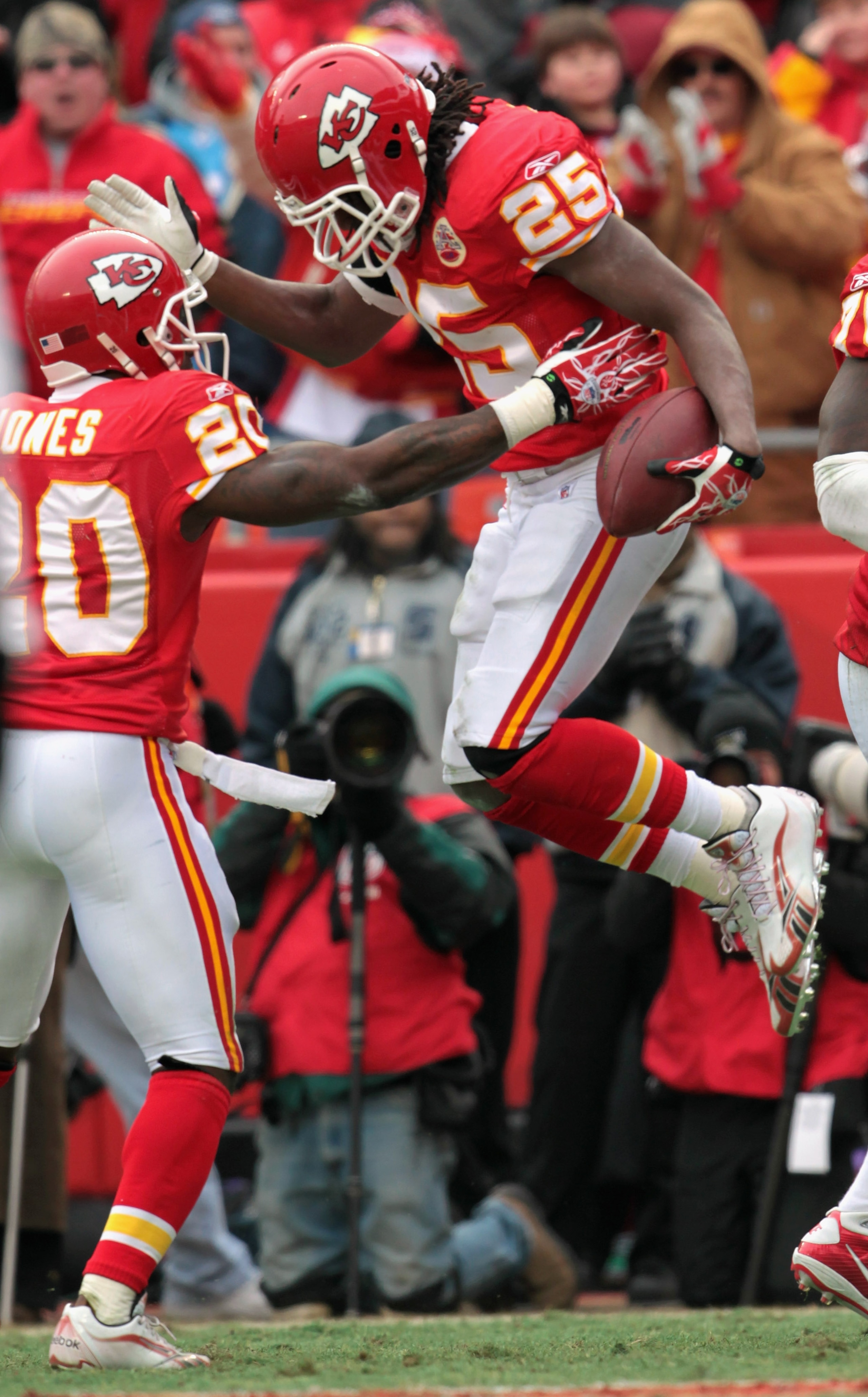
Best Combined Season: 2010
Stats: 2,363 yards, 11 TD
Sure it was only one season and we’re aware of the absurdity of TWICE putting Thomas Jones on any all time NFL history list.
But Jones and Jamaal Charles each had incredible seasons last year.
Jones had three great games (95 yards, 100 yards, 125 yards) early in the season before Charles took over in a Week Seven overtime win over Buffalo.
That day he rushed for 177 yards on 22 carries. He would top the 100-yard mark three more times and finish the season with the second most yards rushing. Most impressive was his 6.4 yards per carry total, the most by a running back since Jim Brown.
Thomas Jones sure knows how to mentor young running backs...and get plenty of yards and carries while doing so.
No. 10: Ronnie Brown and Ricky Williams, Miami Dolphins
17 of 26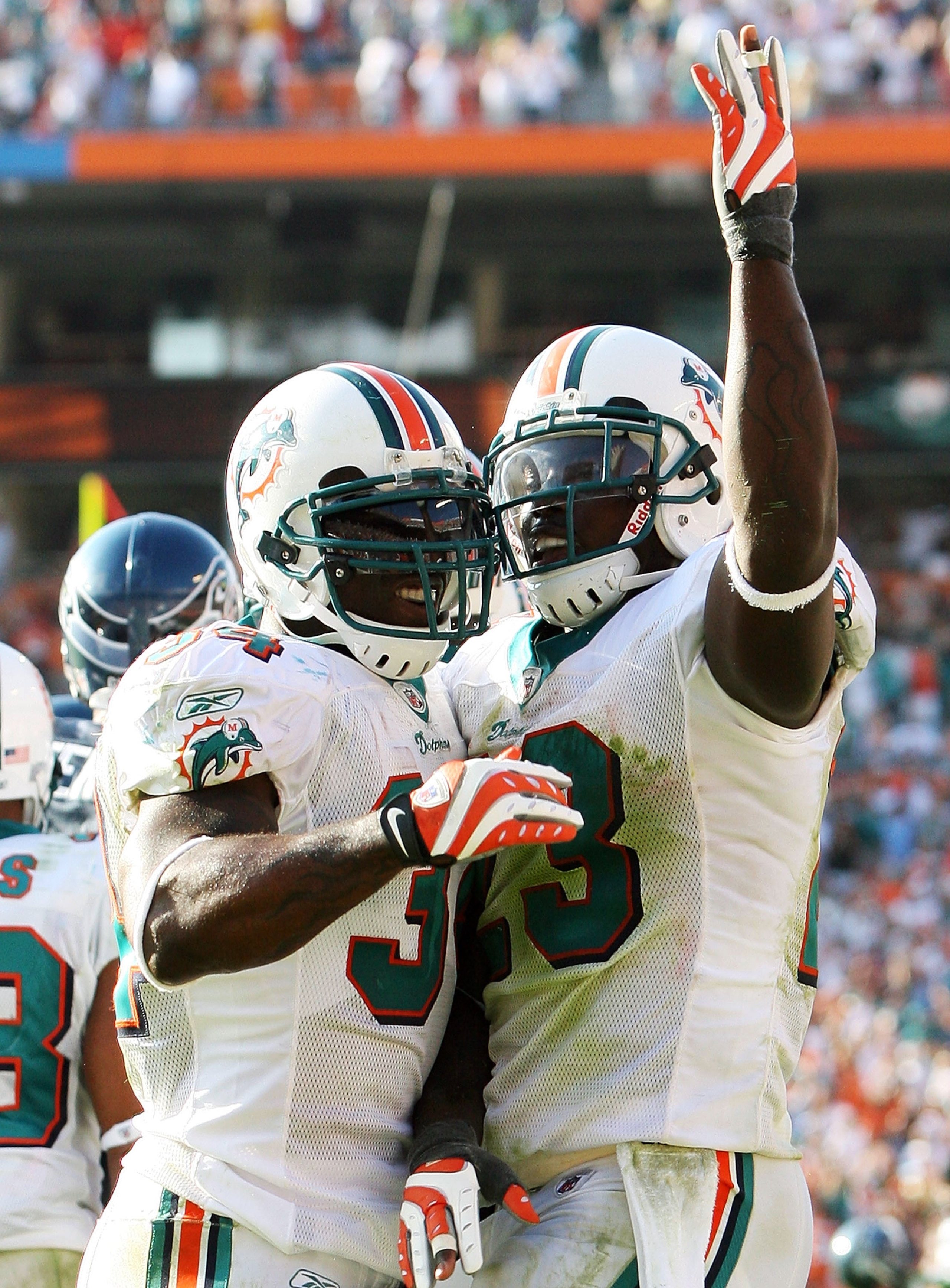
Best Combined Season: 2009
Stats: 1,780 yards, 19 TD
Maybe the “gimmick” involved with the Wild Cat gives this entry an unfair advantage over some of the others on this list.
Still, it’s hard to deny how exciting and productive Ronnie Brown and Ricky Williams were for a two-year stretch in South Florida.
The two former college stars and top five overall picks were an unlikely pair, but for whatever reason it worked.
With both of them on the field at the same time, the Dolphins came close to 150 yards on the ground each week.
It remains to be seen, however, if we’ve seen the last of this particular edition of the Wild Cat.
No. 9: Joe Perry and Hugh McElhenny, San Francisco 49ers
18 of 26
Best Combined Season: 1954
Stats: 1,564 yards, 14 TD
The first truly “Hall of Fame” duo resided in San Francisco during the mid-1950s.
Joe Perry—who is still the 49ers' career leader in rushing yards—had already won an NFL rushing title when San Francisco spent their first round draft choice on Washington star Hugh McElhenny.
That didn’t discourage Perry from winning two more rushing titles in 1953 and 1954. In the meantime, McElhenny learned from Perry, carried the ball occasionally and even scored a handful of long touchdowns, including an 89-yarder in his second game as a pro.
Over the next seven seasons, the two split time, carries, and yards and went on to a combined eight Pro Bowls.
No. 8: Kevin Mack and Earnest Byner, Cleveland Browns
19 of 26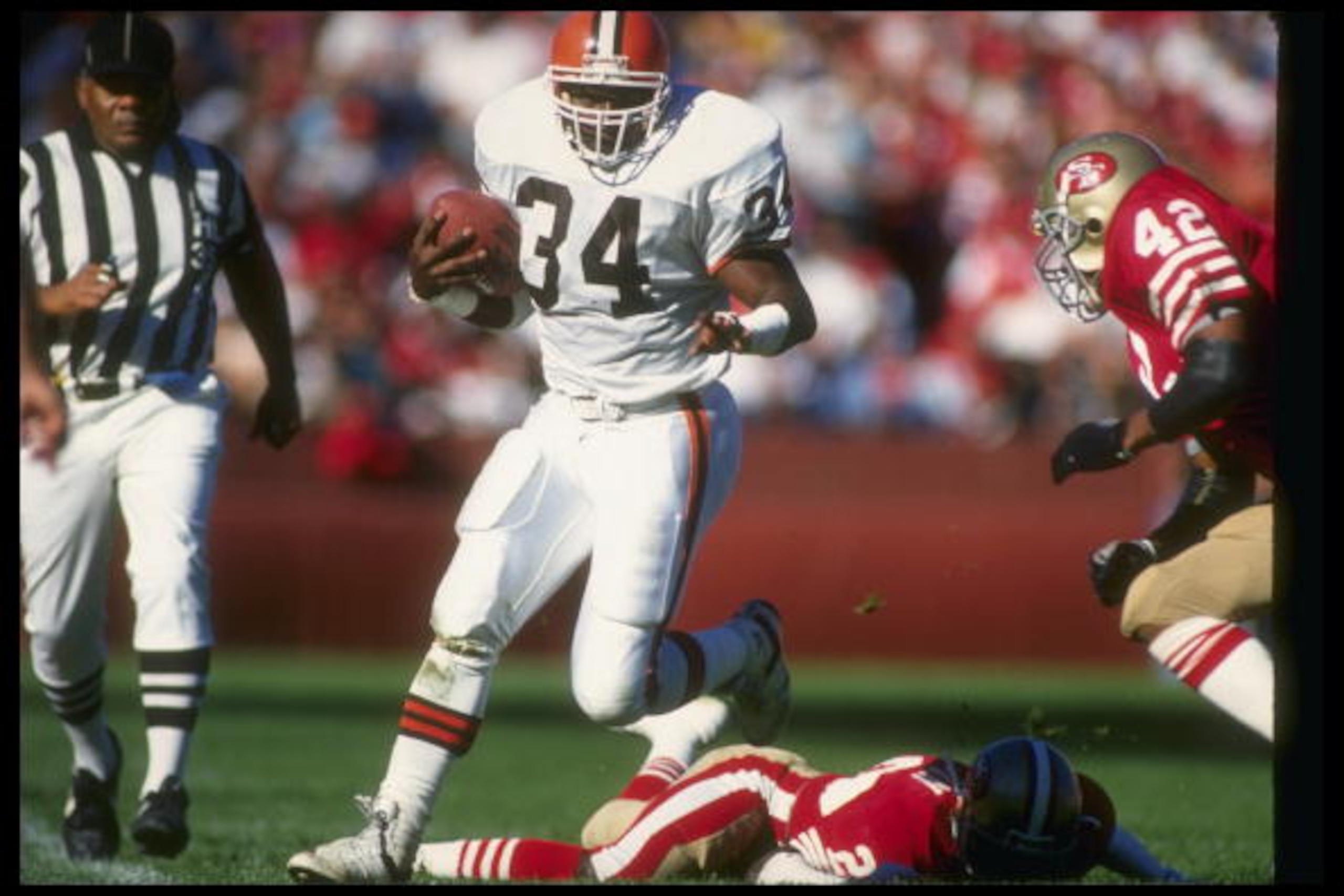
Best Combined Season: 1985
Stats: 2,106 yards, 15 TD
It’s somewhat unfortunate that Earnest Byner is best remembered—at least in a Cleveland Browns uniform—for “The Fumble,” because prior to that, he was actually a key part of POSITIVE NFL history.
In 1985, Byner and Kevin Mack, a first round rookie out of Clemson, each topped 1,000 yards rushing.
Thanks to the tandem, the Browns and their rookie quarterback Bernie Kosar (barely) won the AFC Central.
Two years later, Byner and Mack again helped carry Cleveland into the postseason. Mack, now a two-time pro bowler, rushed for 735 yards. Byner had fairly mediocre regular season numbers, but accumulated 350 yards from scrimmage in two playoff games.
Sadly his last touch that year resulted in “The Fumble.”
No. 7: DeAngelo Williams and Jonathan Stewart, Carolina Panthers
20 of 26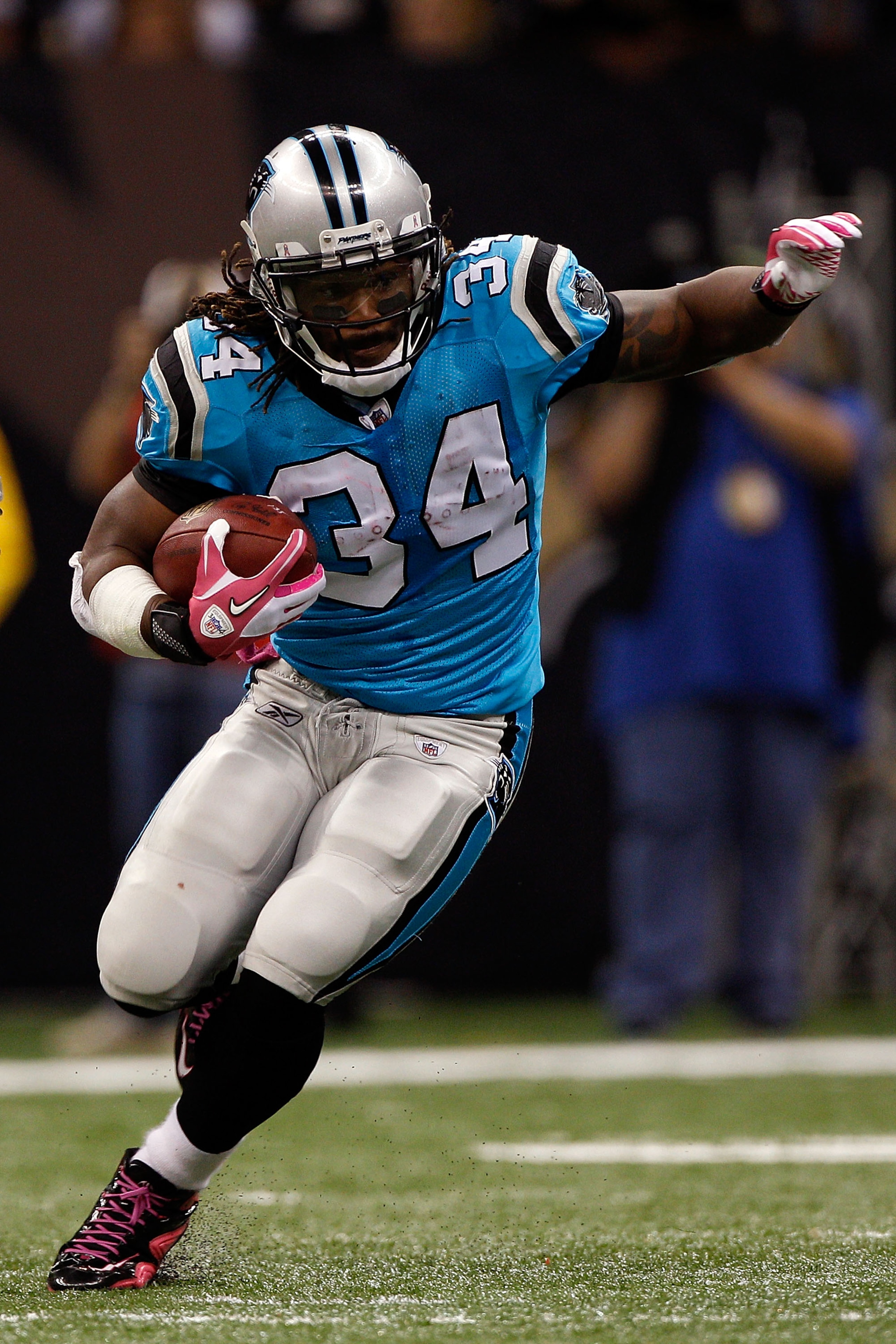
Best Combined Season: 2008
Stats: 2,351 yards, 28 TD
There’s a good chance that this great duo won’t exist after the free agency period begins: Williams might leave for another team.
Still, for the three years they were together—provided both were healthy—Williams and Stewart gave the Panthers the best duo in the NFL.
After an outstanding season in 2008, both Stewart and Williams topped the 1,100-yard mark, becoming the first and only tandem to do so.
Injuries to both in 2010 cost them a shot to repeat or best that mark, but together “Smash and Dash” were a nightmare for opposing coordinators.
No. 6: Paul Lowe and Keith Lincoln, San Diego Chargers
21 of 26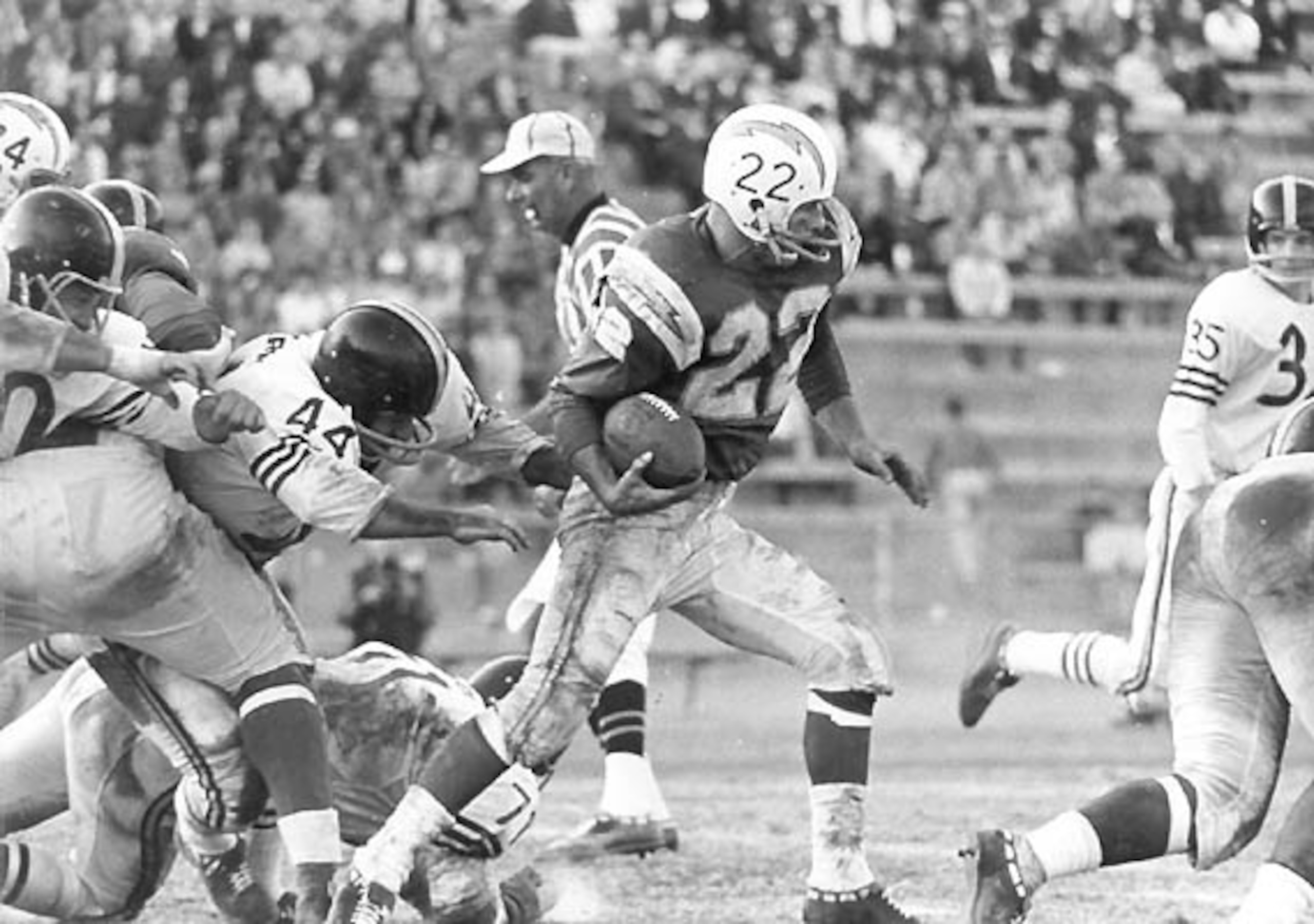
Best Combined Season: 1963
Stats: 1,836 yards, 13 TD
We won’t split hairs here: the 1960s Charger teams may have been members of the AFL, not the NFL, but the stats still count.
In 1963 halfback Paul Lowe finished second in the AFL in rushing yards, a year after leading the AFL in touchdown runs.
And with teammate Keith Lincoln contributing another 826 yards on the ground, Sid Gillman had a great running game to go along with his incomparable vertical passing attack led by Lance Alworth.
It’s no wonder they won the Western Division and reached the AFL title game.
There, they clobbered the Boston Patriots, combining for 300 yards on the ground on only 25 carries, 206 yards for Lincoln, 94 for Lowe.
Two years later, Lowe would win a rushing title, the same year that Lincoln went to his fourth straight Pro Bowl.
No. 5: Franco Harris and Rocky Bleier, Pittsburgh Steelers
22 of 26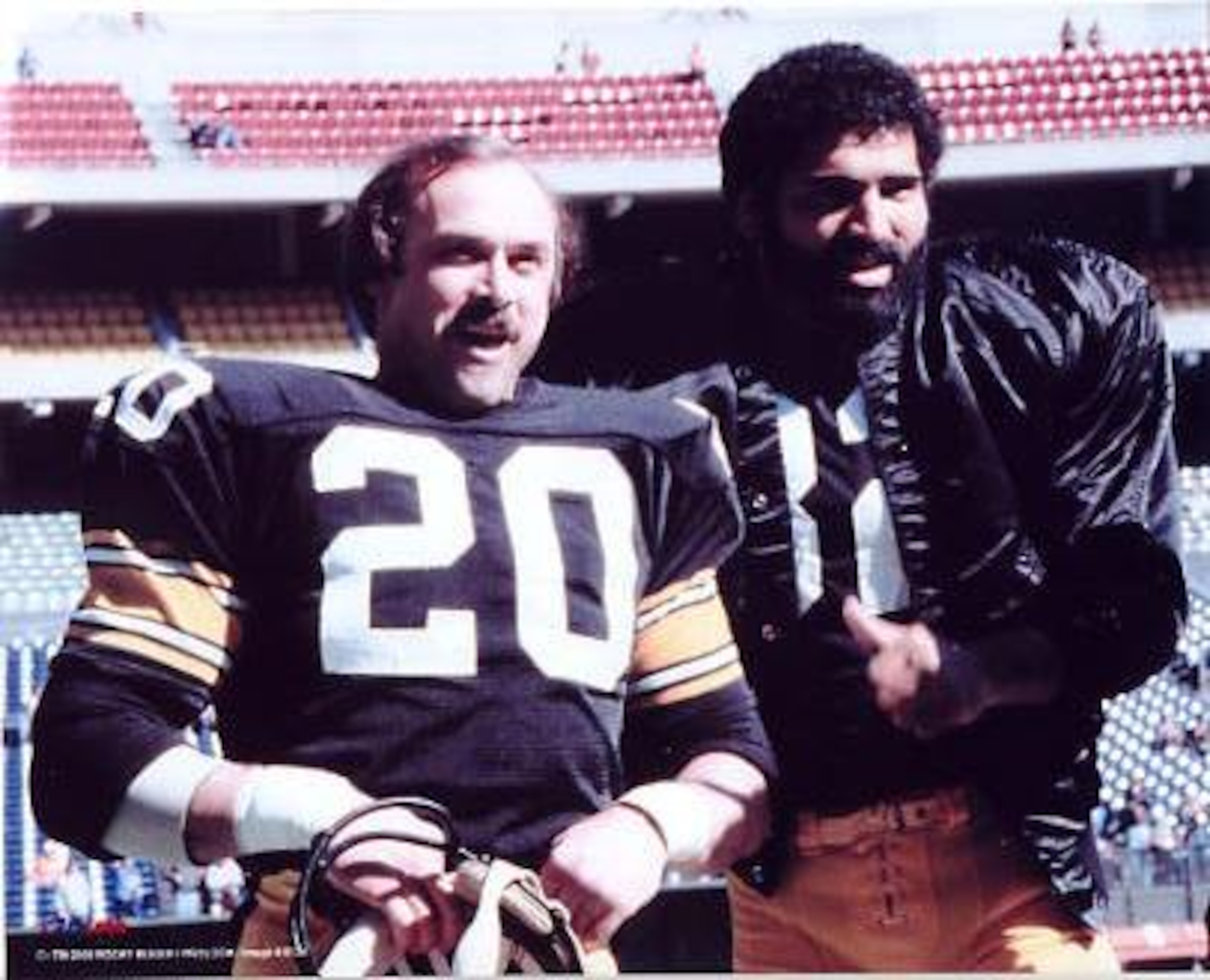
Best Combined Season: 1976
Stats: 2,164 yards, 19 TD
Although he is something of a cult figure in Pittsburgh—playing with permanent war injuries will do that in the Steel City—Rocky Bleier really only had one great season as a ball carrier. He was a great blocker and quality pass catcher, however.
With Super Bowl MVP Franco Harris on the squad, Bleier didn’t need to be the workhorse...although Bleier did have 98 yards rushing (to go with Harris' 111) in the Steelers' first-ever AFC Championship Game win in 1974.
But an injury to Terry Bradshaw in 1976 forced the Steelers' offense to be somewhat one-dimensional, and both Bleier and Harris had to carry the ball over 200 times.
Bleier made the most of it, rushing for his first and only 1,000-yard season; Harris continued his path to the Hall of Fame, posting 1,000 yards for the fourth time in his five-year career.
The next year, with Bradshaw back to full strength, the Steelers' running game largely returned to it’s one-man setup.
But for that one season, the Steelers had two of the NFL’s top 10 rushers.
No. 4: Lenny Moore and Alan Ameche, Baltimore Colts
23 of 26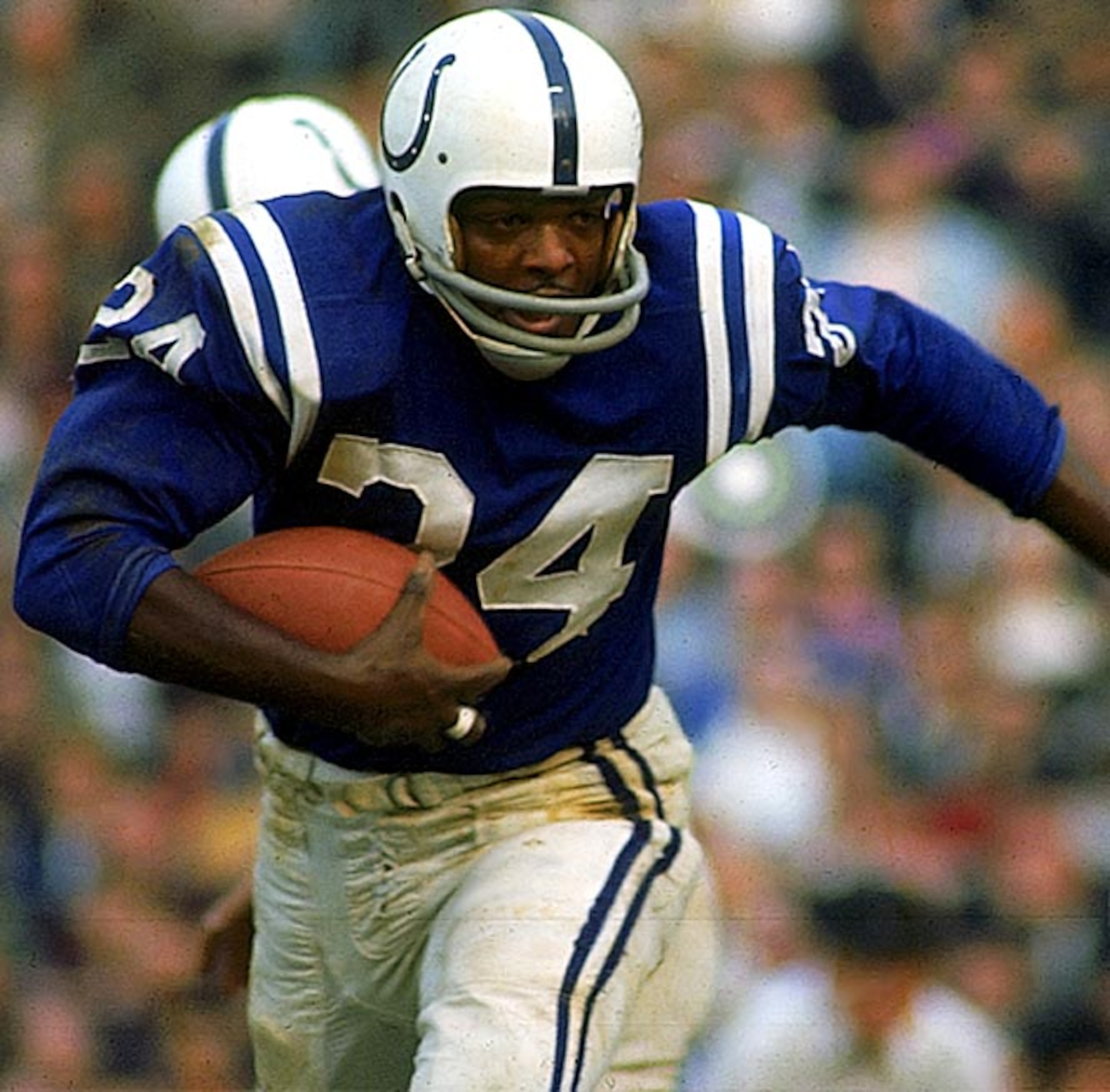
Best Combined Season: 1958
Stats: 1,389 yards, 15 TD
The Baltimore Colts dynasty of the late 1950s may have centered around two diamonds-in-the rough: former semi-pro quarterback Johnny Unitas and 20th round draft choice Raymond Berry.
But it doesn’t hurt to add a Heisman Trophy winner and a future Hall of Famer for your backfield by way of consecutive drafts.
In 1955, the Colts took Wisconsin star Alan Ameche with the third overall selection, immediately giving them an All-Pro fullback who led the NFL in rushing.
A year later, they added another All-Pro to play halfback: Penn State star Lenny Moore.
When Ameche was on the Colts (1955-60), Moore didn’t carry the ball that often; pass catching was his greatest contribution. But when he did, he made the most of it, leading the NFL in yards per carry in his first three seasons.
Ameche, on the other hand, was the workhorse, carrying the ball roughly 15 times a game, and he scored arguably the most important touchdown in NFL history.
No. 3: Larry Csonka, Mercury Morris, and Jim Kiick, Miami Dolphins
24 of 26
Best Combined Season: 1972
Stats: 2,638 yards, 23 TD
It’s not hard to understand why the Miami Dolphins went undefeated in 1972. They averaged an incredible 211 yards per game during the regular season.
Most people remember that Csonka and Morris combined to become the first tandem ever to each top 1,000 yards rushing. But Kiick—who averaged roughly 650 yards a year for his first four seasons—was a major contributor as well, adding another 521 yards on 137 carries.
In all, the threesome would combine to earn 10 Pro Bowl selections, two for Kiick, three for Morris, and five for Csonka.
Although there has never been a trio of backs with that type of resume, that doesn’t necessarily make them the greatest TANDEM in NFL history.
No. 2: Paul Hornung and Jim Taylor, Green Bay Packers
25 of 26
Best Combined Season: 1961
Stats: 1,904 yards, 23 TD
In reality, the Packers legendary backfield was only at full strength for two seasons: 1960 and 1961.
Taylor didn’t become an every down player until 1960. And after a down season in 1962, Hornung’s best days were behind him when he returned from his infamous year-long suspension in 1963.
Still, for those two seasons, Hornung and Taylor were virtually unstoppable.
Taylor carried the ball more often and for far greater yardage: had it not been for Jim Brown, Taylor would have won three more NFL single season rushing titles.
Hornung, on the other hand, was an incredible runner inside the 10 yard line. That’s how he managed to score 21 touchdowns from 1960-61.
With Bart Starr under center—yes, that means the Packers had three future Hall of Famers in their backfield—it’s no wonder that Vince Lombardi won five NFL championships and 75 percent of the games he coached in Green Bay.
No. 1: Bo Jackson and Marcus Allen, Los Angeles Raiders
26 of 26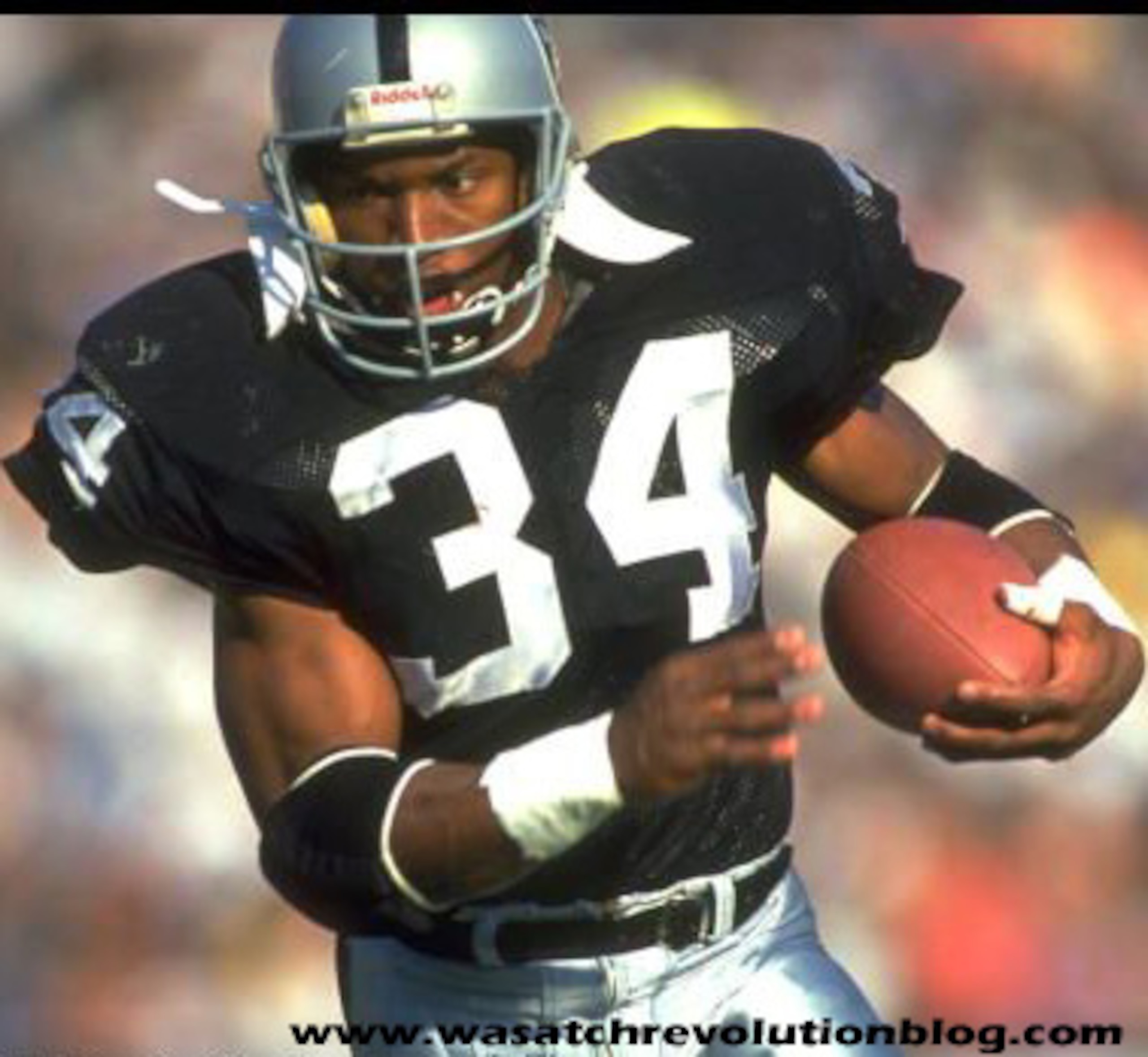
Best Combined Season: 1990
Stats: 1,380 yards, 17 TD
Maybe this entry is skewed thanks to TecmoBowl. Or maybe it’s skewed because it’s the only running back tandem in history that had two different Heisman Trophy winners.
But those aren’t the only reasons why they get the top spot.
Marcus Allen was a Super Bowl MVP, NFL rushing champion, and three time Pro Bowler when the Raiders were lucky enough to have Bo Jackson join their team in 1987. Maybe his best years were behind him, but he was still an extremely productive runner and tremendous in short yardage and goal line situations.
So when you add Bo Jackson—a man who might have become the greatest running back in history had he a) stayed healthy and b) not played baseball—that seals the top spot on this list.
Stats cannot be the end-all be-all for this type of list...although admittedly they’ve been the foundation of each entry.
Instead, consider the danger each man posed to the opposing defense.
Both were famous for breaking long, electrifying runs. Alone either Allen or Jackson was a threat to score from anywhere on the field.
Together, they were twice the nightmare.