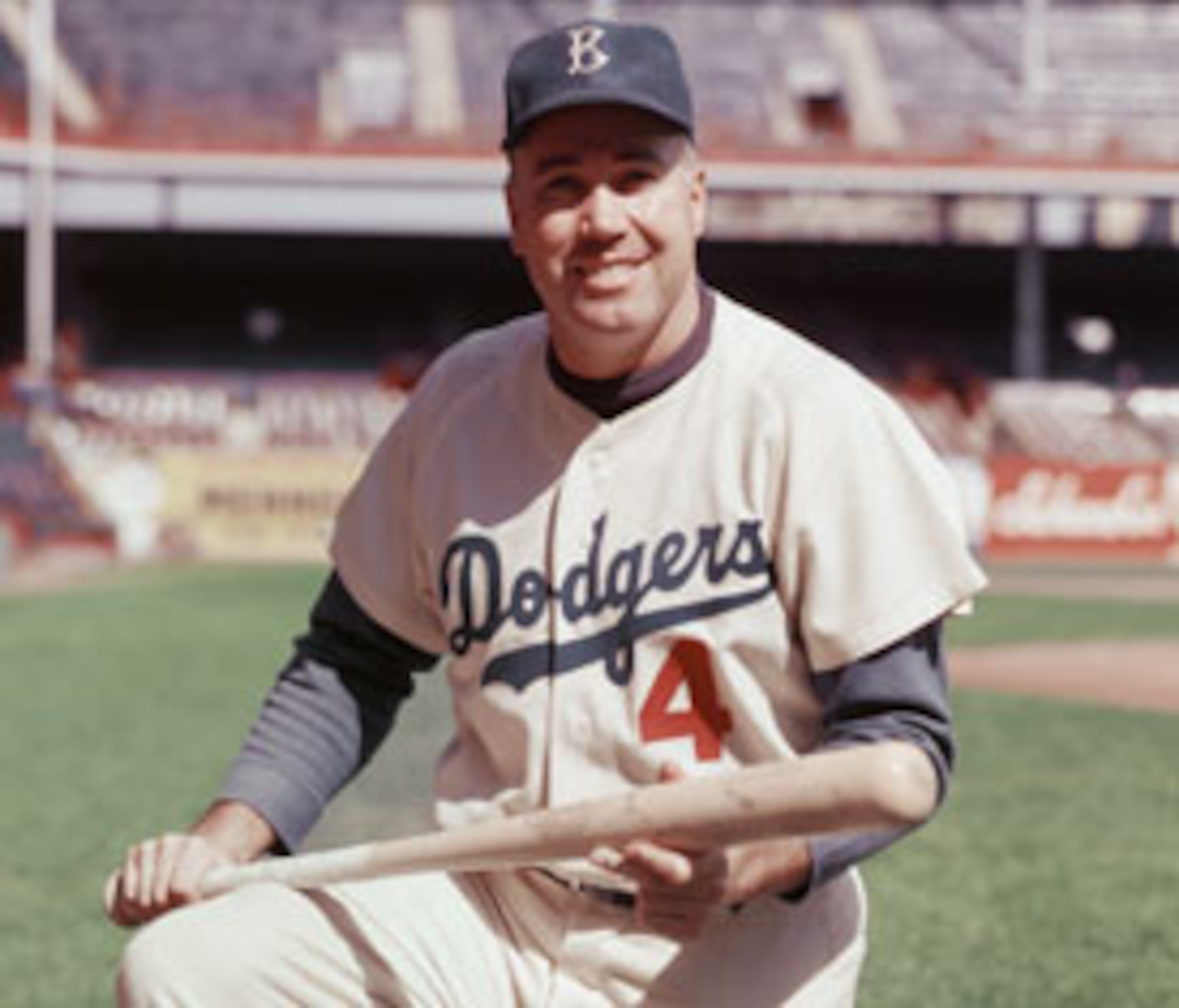

Duke Snider and the 25 Most Underrated Players in MLB History
Duke Snider, the great Brooklyn Dodgers center fielder, passed away on Sunday.
The Duke of Flatbush was a Hall of Famer and an eight-time All Star.
But, even though he is immortalized in Terry Cashman’s “Willie, Mickey and the Duke," it’s no surprise that he comes after Mays and Mantle: Right or wrong, Snider is never mentioned in the same breath as Mays and Mantle for the game’s all-time greatest players.
Clearly, Snider—who didn't win a single NL MVP, while teammates Roy Campanella, Don Newcombe and Jackie Robinson won a combined five from 1949-56—is one of the most underrated players ever to step on the diamond.
That got us thinking about other such players across the game’s history. We chose the top 25 and ranked them.
Now, of course, “underrated” is a subjective term. But let’s say this: If a deserving player is usually left out of the conversation for greatest pitcher or greatest first baseman or whatever position, then they qualify.
And with the internet, ESPN and all the media out there (or the fact that any “underrated” player will probably be plucked out of town by the Yankees or Red Sox), it’s going to be hard for any player from today’s game to land on this list.
No. 25: Ryan Braun, LF
1 of 25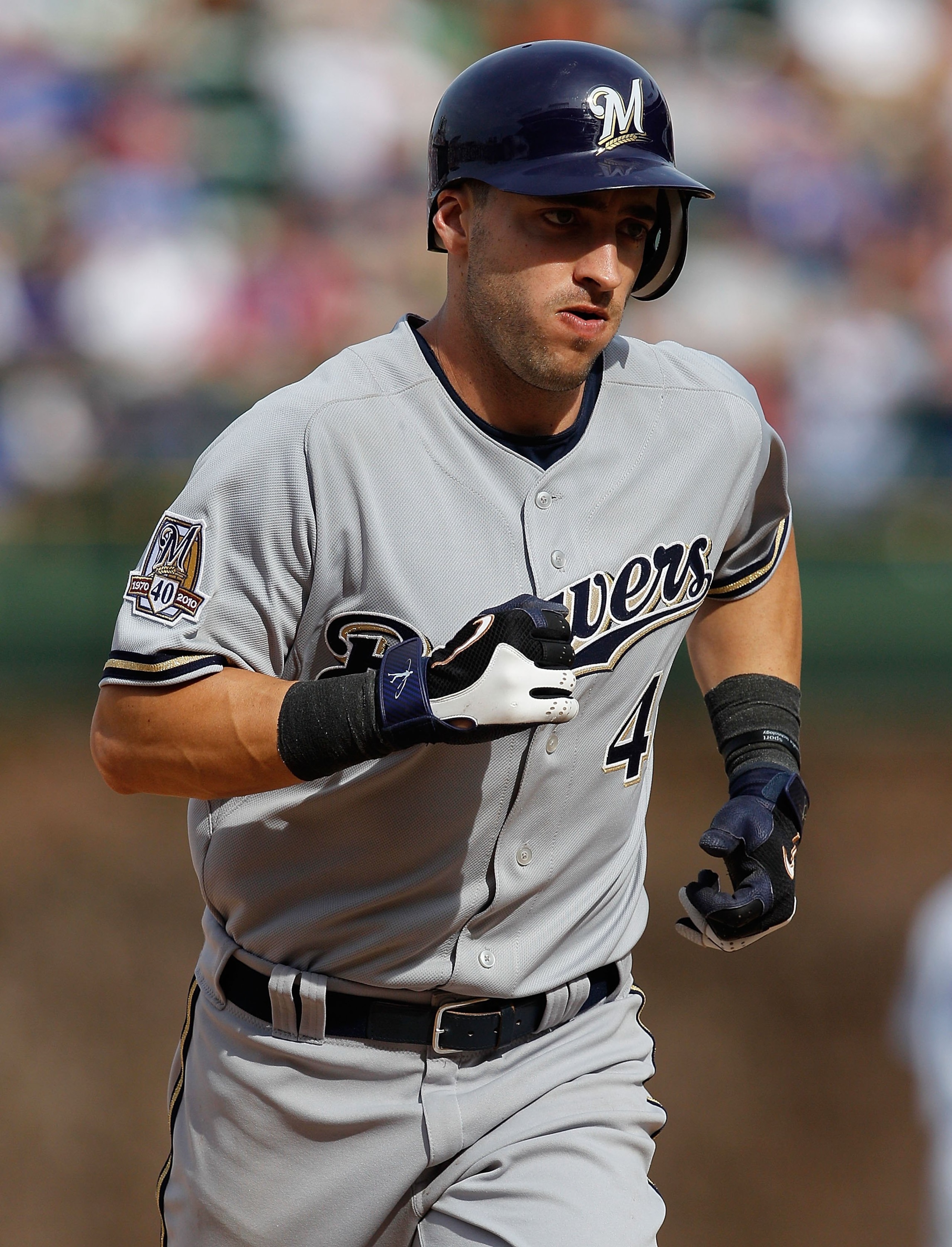
Years: 2007-present
Teams: Brewers
Best Season: (2009) 32 HR, 114 RBI, .320 average
Career Stats: 128 HR, 420 RBI, .307 average
It’s hard to be considered “underrated” when signed to an eight-year, $45 million contract. But considering the market he plays in and the wealth of big stars in today’s game—including Prince Fielder on his own team and Albert Pujols in his division—Braun is routinely overlooked.
The 2007 NL Rookie of the Year has averaged better than 30 homers, 100 RBI and a .300 average each of his four seasons in the NL and is an excellent fielder.
And even if it's hard to say he is one of the most underrated players of all-time, he's certainly one of the most underrated players today. That gets him a spot on our list.
No. 24: Tim Raines, LF
2 of 25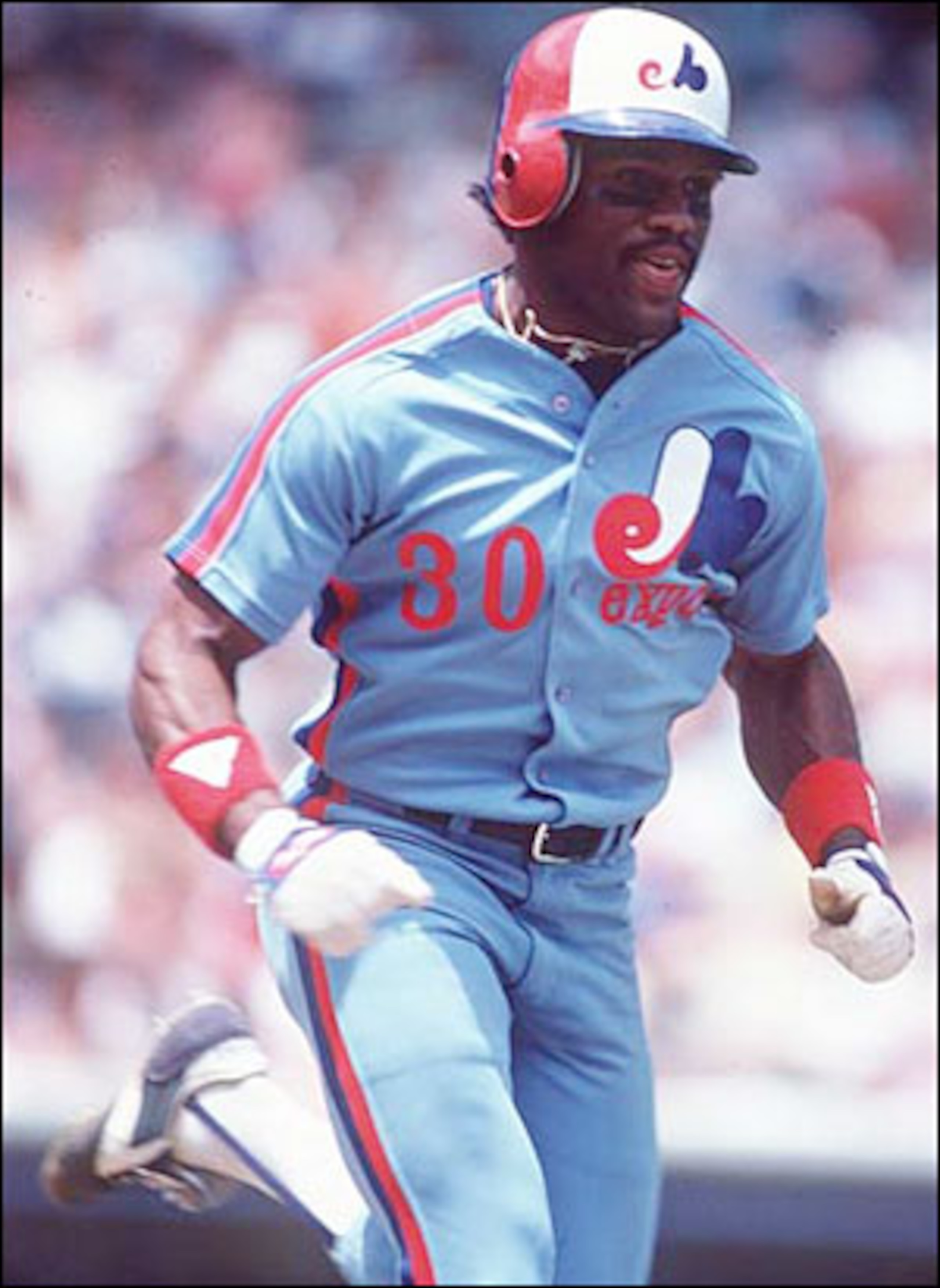
Years: 1979-2002
Teams: Expos, White Sox, Yankees, A’s, Orioles, Marlins
Best Season: (1987) .330, 18 HR, 68 RBI, 50 SB, 123 R
Career Stats: 170 HR, 980 RBI, 808 SB, .294 average.
Lost in the headlines that Ricky Henderson and Vince Coleman were making in the early-to-mid 1980s was the play of Rock Raines.
Not only did he lead the NL in steals four straight years, Raines was a great hitter.
He averaged over 180 hits from 1982-1987, led the NL in doubles one year, won a batting crown another and drove in 60 or more runs seven times.
And as the leadoff hitter for the 1996 Yankees—along with a rookie named Derek Jeter—Raines provided key leadership on that first edition of the newest Yankee dynasty.
No. 23: Dick Allen, LF
3 of 25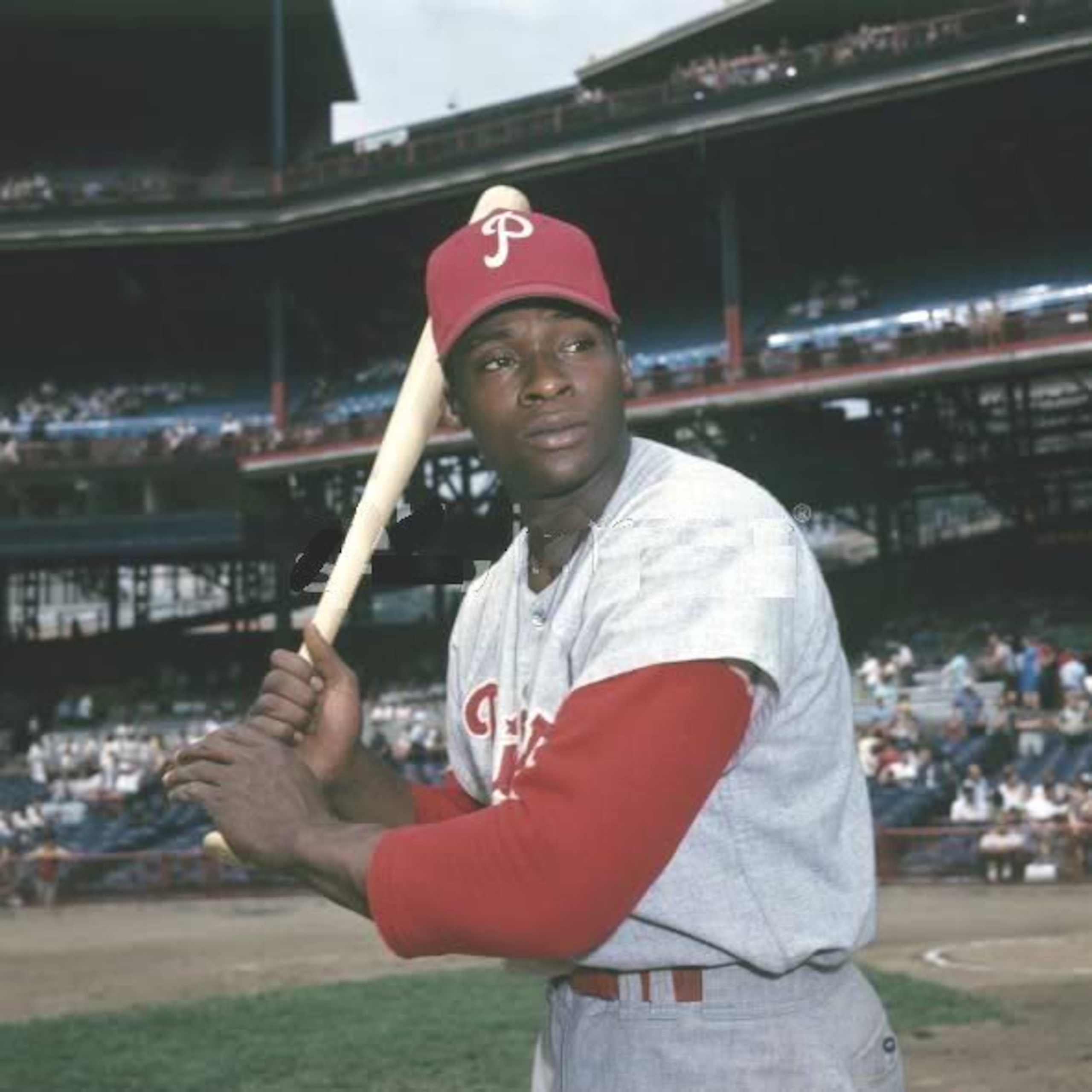
Years: 1963-77
Teams: Phillies, Cardinals, Dodgers, White Sox, A’s
Best Season: (1972) 37 HR, 113 RBI, .308 average
Career Stats: 351 HR, 1,119 RBI, .292 average
Allen struck out way too much and his only postseason appearance came when he was way passed his prime.
But for a period throughout the 1960s and early 1970s, Allen was one of the most feared hitters in baseball.
The 1964 NL Rookie of the Year hit .318, led the NL in runs and posted 80 extra-base hits.
He averaged roughly 30 homers a season until 1971, before being dealt to the White Sox.
In his first season in the American League, Allen came within 10 points (just a few more base knocks) from winning the triple crown.
Had injuries in the mid 1970s not significantly slowed him down, Allen would probably have pushed his stats up to “Hall of Fame numbers.”


No. 22: Dale Murphy, 1B/LF
4 of 25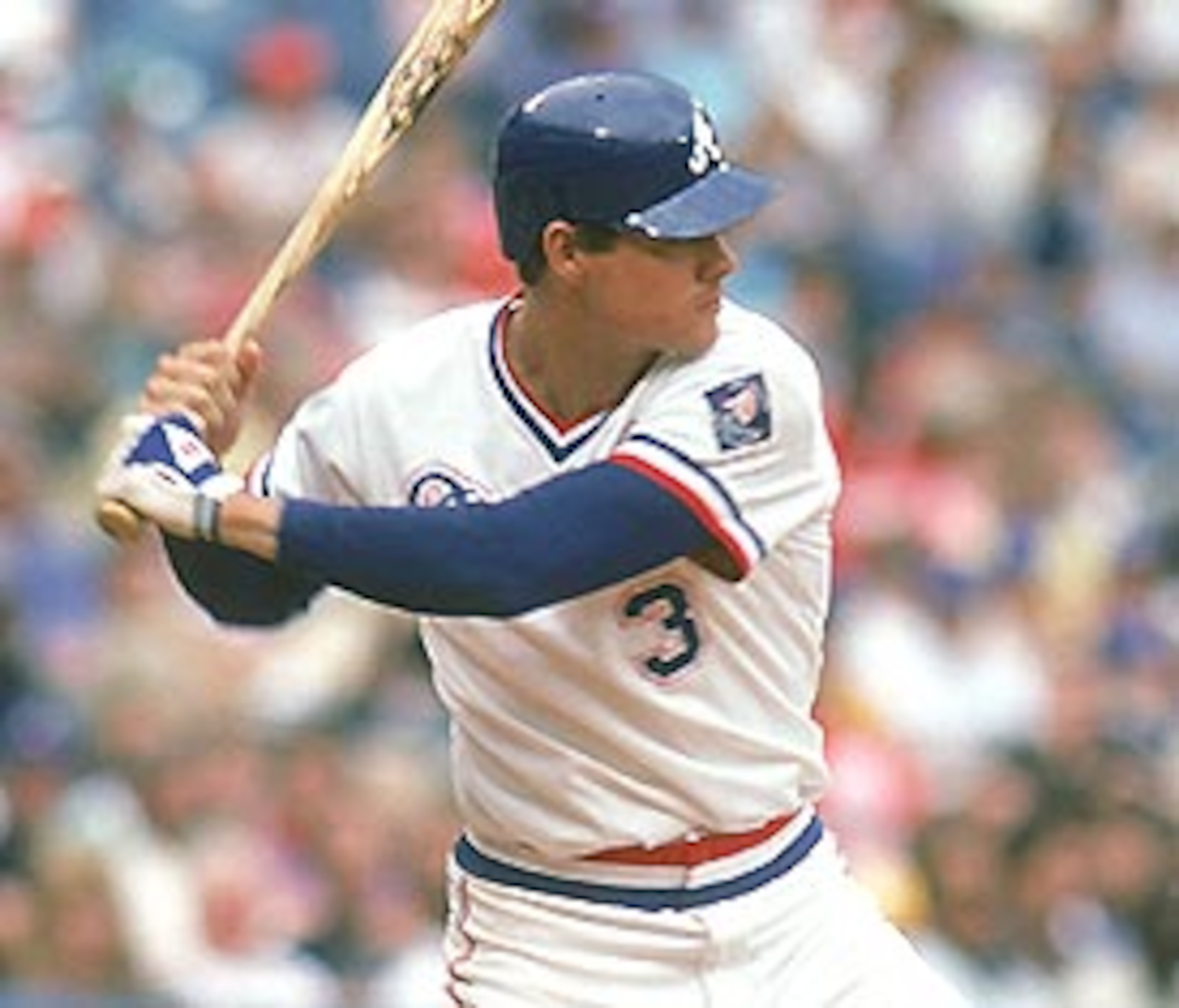
Years: 1976-93
Teams: Braves, Phillies, Rockies
Best Season: (1983) 36 HR, 121 RBI, .302 average
Career Stats: 398 HR, 1,266 RBI
Besides not missing a game for more than five seasons, Murphy was the model of consistency in the early-to-mid 1980s.
He won five straight Gold Gloves, consecutive MVPs and averaged 36 homers a season from 1982-87.
And, since the 6’4”, 210 pound Murphy was the National League’s third 30-30 player in 1983 (after Bobby Bonds and Willie Mays), he was one of the most complete players during the decade.
No. 21: Dan Quisenberry, CL
5 of 25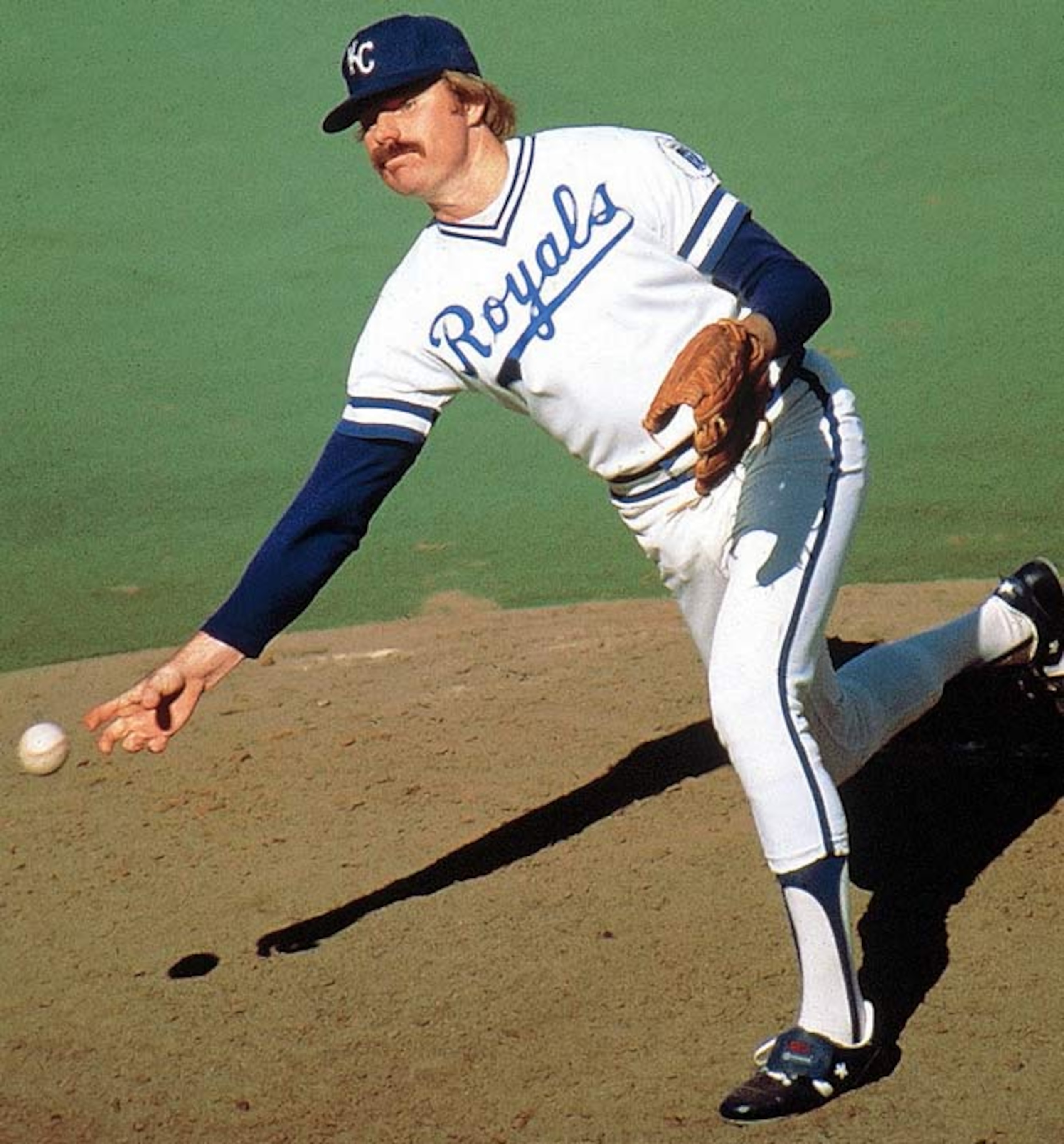
Years: 1979-90
Teams: Royals, Cardinals, Giants
Best Season: (1983) 45 saves, 1.94 ERA
Career Stats: 2.76 ERA, 244 saves
Quisenberry wasn’t overpowering like most of today’s modern closers. And he didn’t posses the great stuff of contemporaries (Hall of Famers) Bruce Sutter and Rollie Fingers.
But with his unique delivery and great command, he became the best closer in the American League. Not even Goose Gossage, Dennis Eckersley, Mariano Rivera or Francisco Rodriguez ever lead the AL in saves four straight seasons: The Quiz did.
And after allowing six earned runs in 10 1/3 innings during the 1980 World Series loss to Philadelphia, Quisenberry more than made up for that horrible showing five years later.
As the Royals won their first and only World title, Quisenberry allowed just one run in four appearances and earned the win in the infamous Game 6 victory over St. Louis.
No. 20: Vada Pinson, CF
6 of 25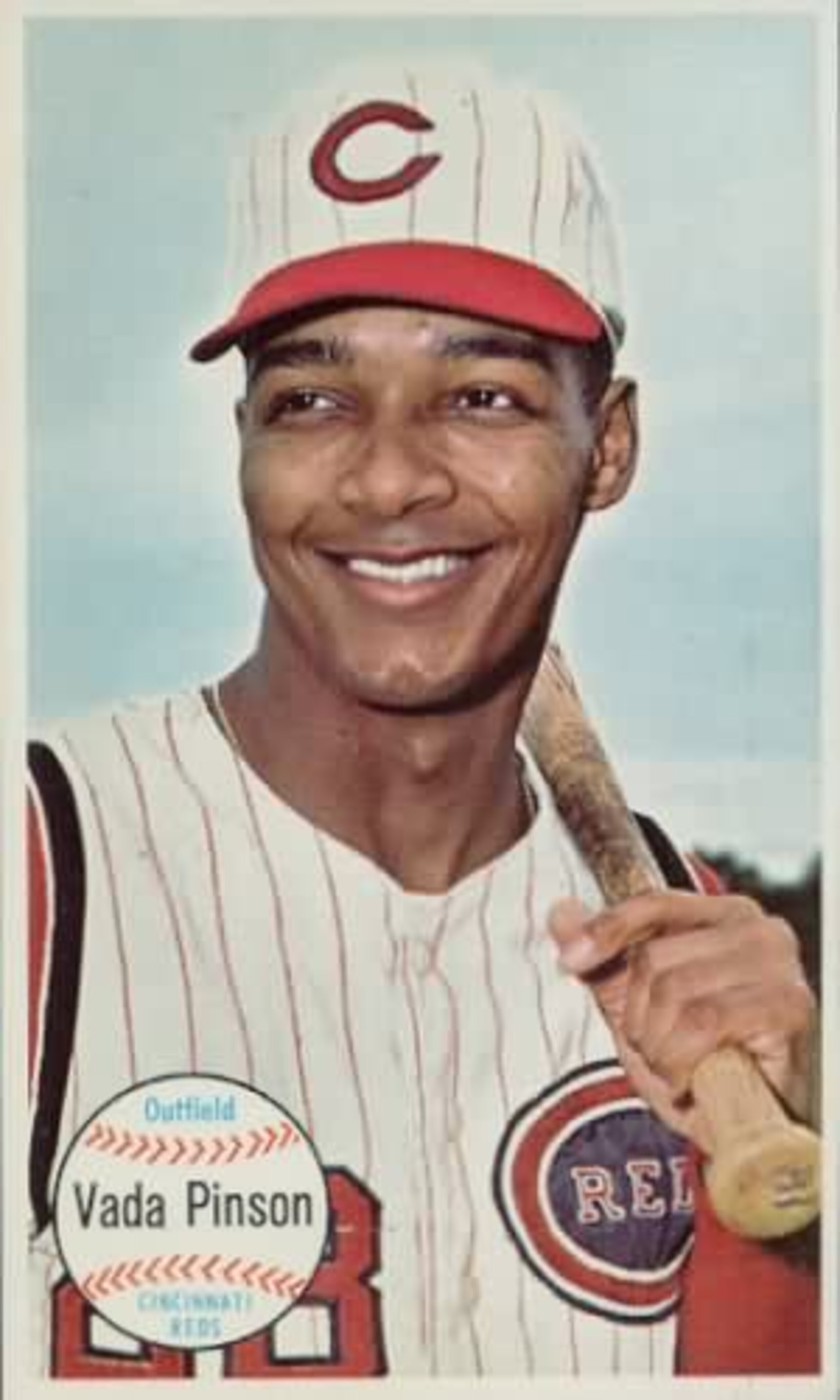
Years: 1958-75
Teams: Reds, Cardinals, Indians, Angels, Royals
Best Season: (1963) 22 HR, 106 RBI, .313
Career Stats: 2,757 hits, 256 HR, 1,170 RBI, .286 average
Pinson was only selected to the All-Star Game twice: he was largely overshadowed by teammate, NL MVP and future Hall of Famer Frank Robinson. But without Pinson hitting ahead of him and routinely smacking base hits, Robinson would have seen far fewer good pitches to hit and his RBI totals probably would have been far lower.
He was good for 70 extra-base hits a season from 1959-66, nearly won a batting title in 1961 and collected 200 or more hits four times in a span of seven seasons.
It’s no wonder that he finished a few seasons shy of cracking the 3,000 mark: which would have probably put him right in Cooperstown. He finished his career with more hits than Robbie Alomar, Ernie Banks and Ted Williams.
No. 19: Early Wynn, SP
7 of 25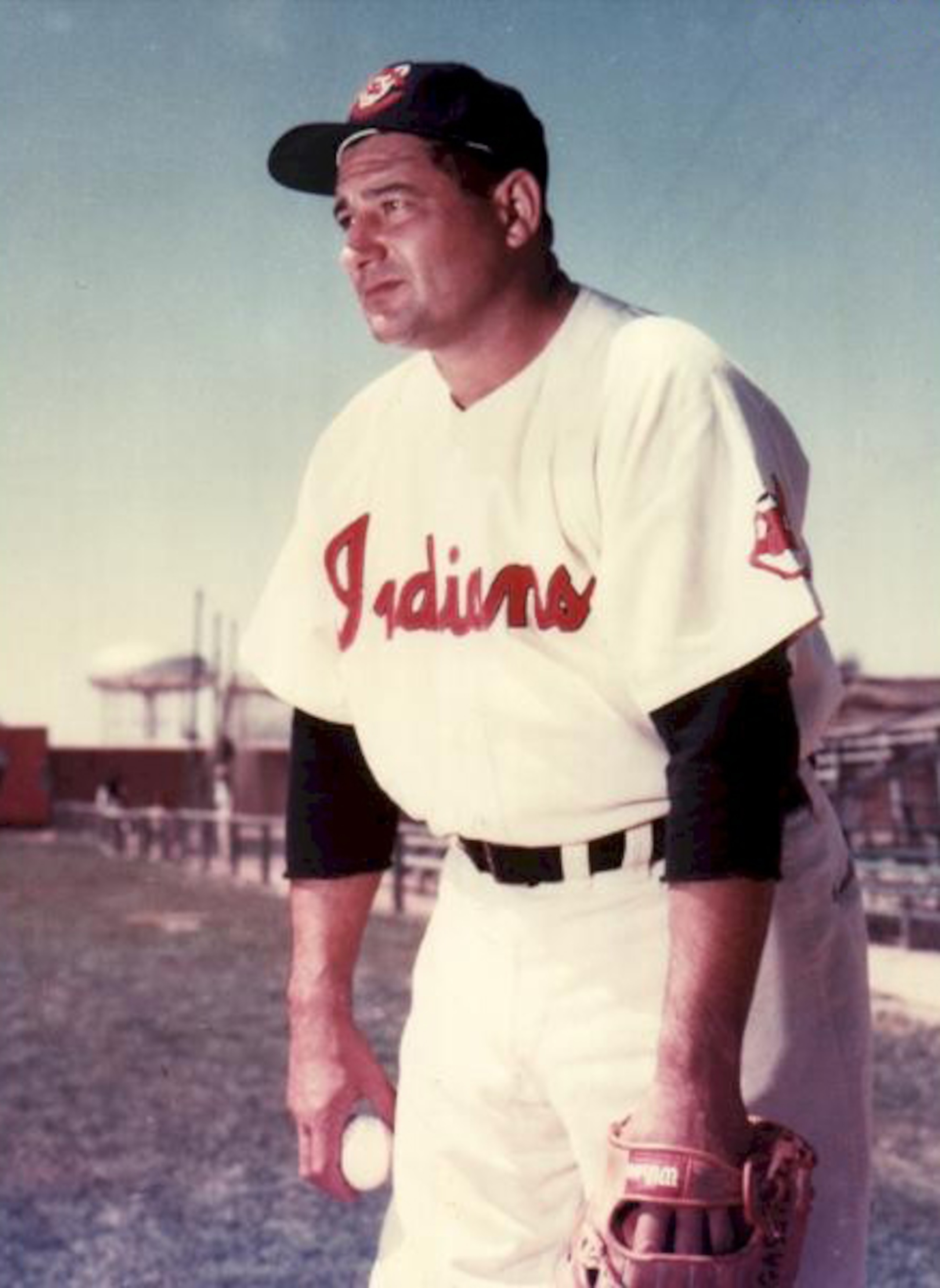
Years: 1939-63
Teams: Senators, Indians, White Sox
Best Season: (1954) 23-11, 2.73 ERA, 155 K
Career Stats: 300-244, 3.54 ERA, 2,334 K
Because he loved to hit batters that crowded the plate, Burly Early was feared across the American League. But he was also feared for his overpowering fastball.
With the Senators, he was very good, winning 18 games in 1943 and 17 games in 1947. But his career really took off when he was dealt to the Indians in 1949.
During the 1950s, he won 189 games, a Cy Young and twice was the workhorse on a staff that bested the mighty Yankees for an AL pennant.
He deservedly made the Hall of Fame in 1972, but most people still remember his teammates Bob Feller, Bob Lemon, Nellie Fox and Luis Aparicio before they remember Wynn.
No. 18: Larry Walker, RF
8 of 25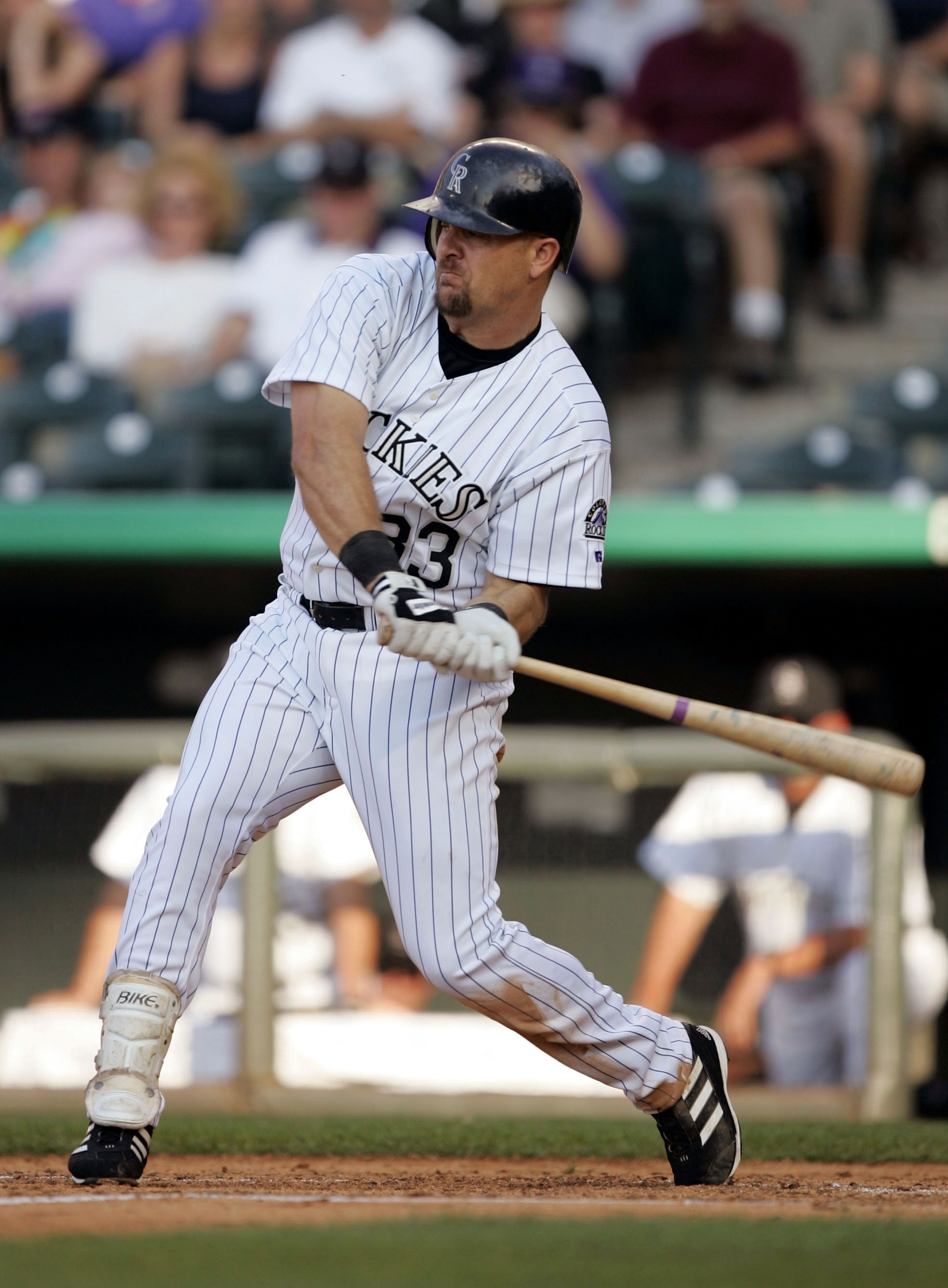
Years: 1989-2005
Teams: Expos, Rockies, Cardinals
Best Season: (1997) 49 HR, 130 RBI, .366 average
Career Stats: 383 HR, 1,311, .313 average
Maybe his home run numbers were inflated by playing in Coors Field: it’s true his career high with the Expos and Cardinals was 23.
Still, even without the home run numbers, Walker was an incredible batter.
In 1997, the league MVP came within 10 RBI and six batting average points of winning the first National League Triple Crown since 1930.
Walker then won three batting crowns in a six-year stretch, where he averaged .353.
But the part of his game most overlooked: his defense. From 1992 to 2002, he won seven Gold Gloves.
No. 17: Eddie Plank, SP
9 of 25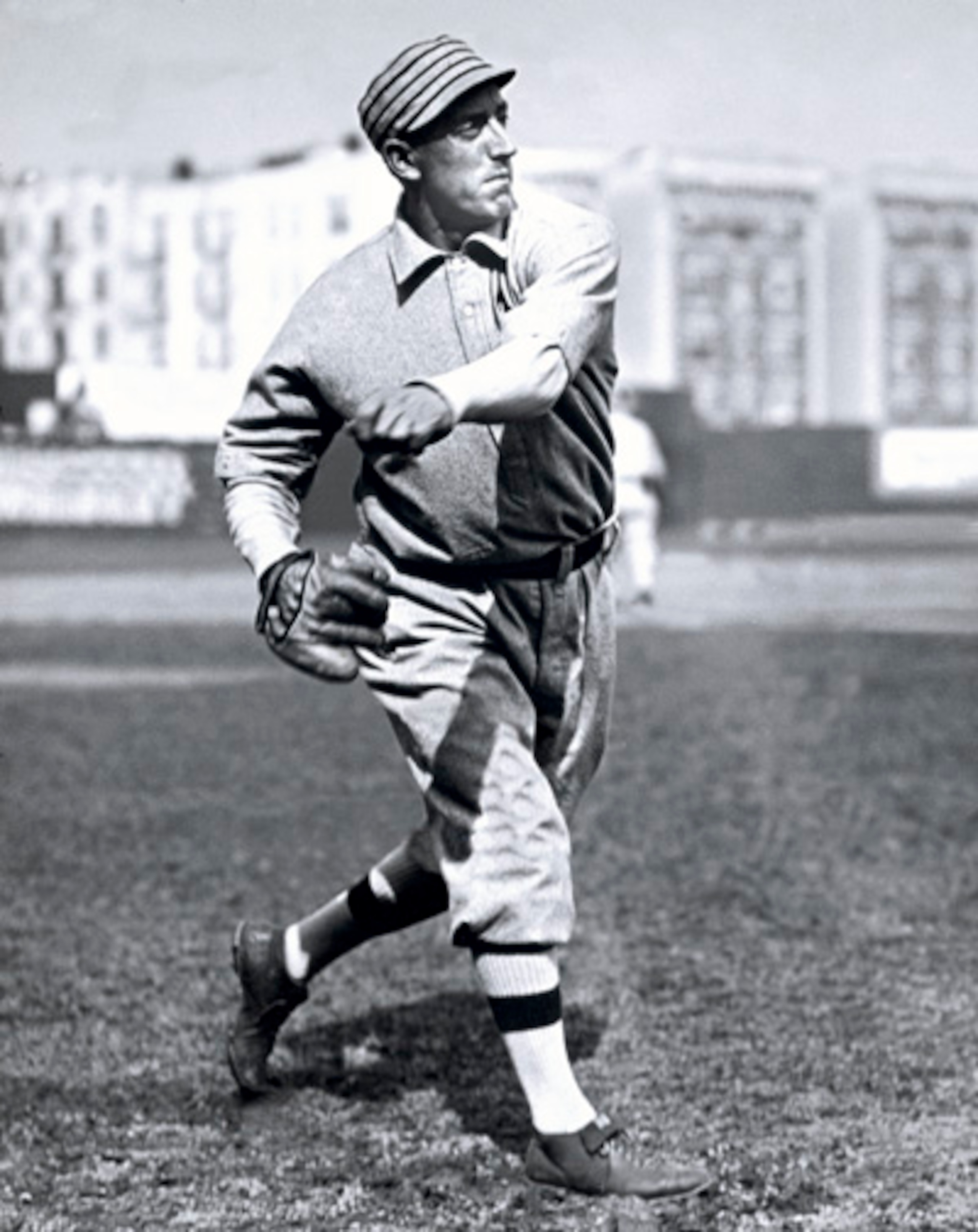
Years: 1901-17
Teams: A’s, Browns
Best Season: (1904) 26-17, 2.17 ERA, 201 K
Career Stats: 326-194, 2.35 ERA, 2,246 K
Of course, most 21st century baseball fans don’t know the name Eddie Plank. Not only did he pitch for his college team in the 1800s, but he played for the A’s a half-century years before they left Philadelphia.
But Plank posted similar career and World Series figures as his contemporary, Christy Mathewson, who is always mentioned in the argument as “greatest pitcher ever.”
Plank won just 47 games fewer than Matty, whom he out-pitched in the decisive Game 5 of the 1913 World Series. While Mathewson allowed six hits and two earned runs, Plank allowed just two hits and no earned runs as the A’s won their third championship in four years.
No. 16: Barry Larkin, SS
10 of 25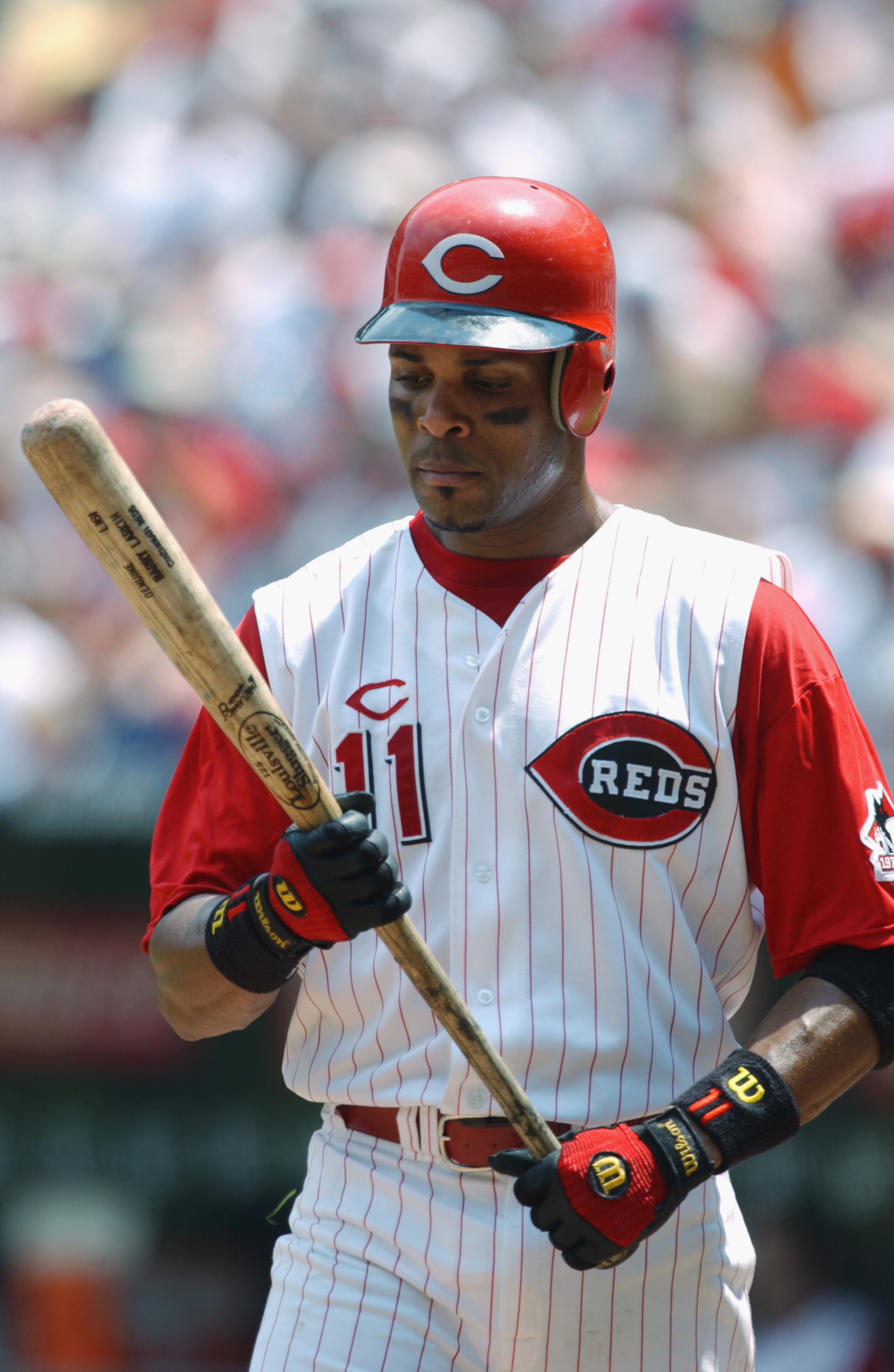
Years: 1986-2004
Teams: Reds
Best Season: (1995) 15 HR, 66 RBI, .319 average
Career Stats: 2,340 hits, 198 HR, 960 RBI, .295
In his day, Larkin was greatly appreciated, winning the MVP in 1995 and 12 All-Star selections.
But since his peak came right before the shortstop boom of the late 1990s (Alex Rodriguez, Derek Jeter, Nomar Garciaparra, Omar Vizquel, Edgar Renteria), he became a bit lost in the shuffle.
He hit .338 in four playoff series—including .353 in the Reds' 1990 World Series victory—and won a trio of Gold Gloves in addition to being a serious threat on the basepaths.
No. 15: Dave Stewart, SP
11 of 25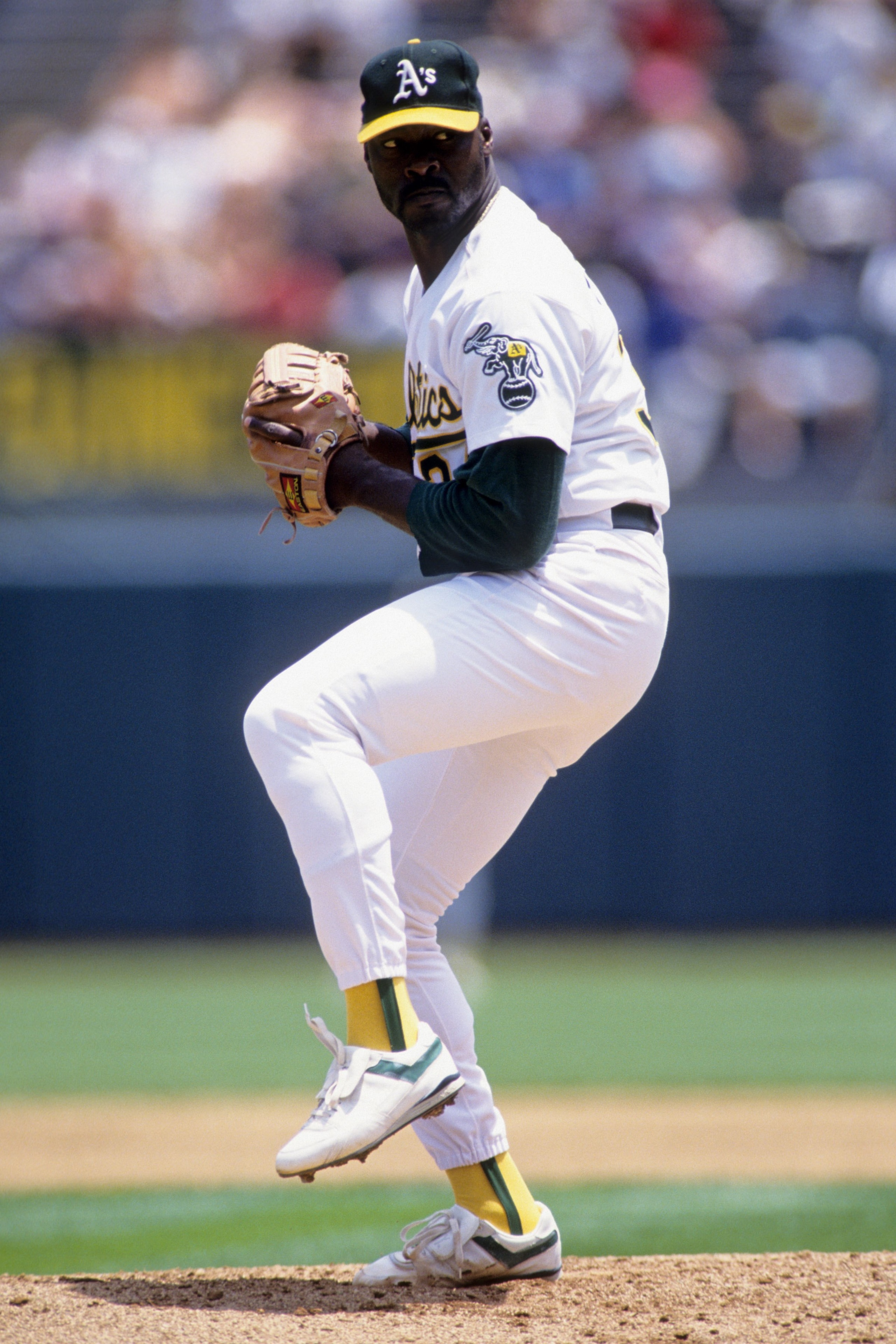
Years: 1978-95
Teams: Dodgers, Rangers, Phillies, A’s, Blue Jays
Best Season: (1990) 22-11, 2.56 ERA, four shutouts, 166 K
Career Stats: 168-129, 3.95 ERA, 1,741 K
In terms of the all-time stats, Stewart can’t compare to a Hall of Famers like Don Sutton, Phil Nikero and Bert Blyleven.
But for a stretch in the late 1980s and early 1990s, Stewart may have been the best pitcher in the American League.
He won 20 games four straight seasons—something his AL counterparts Nolan Ryan, Bret Saberhagen and Roger Clemens never did—and was the game’s most durable pitcher, leading the league in starts four straight seasons, innings pitched twice and complete games twice.
And in the postseason, Stewart was utterly dominant. He won eight of 10 ALCS starts with the A’s and Jays, as well as both his starts (three combined earned runs) in the 1989 World Series.
No. 14: Tony Oliva, RF
12 of 25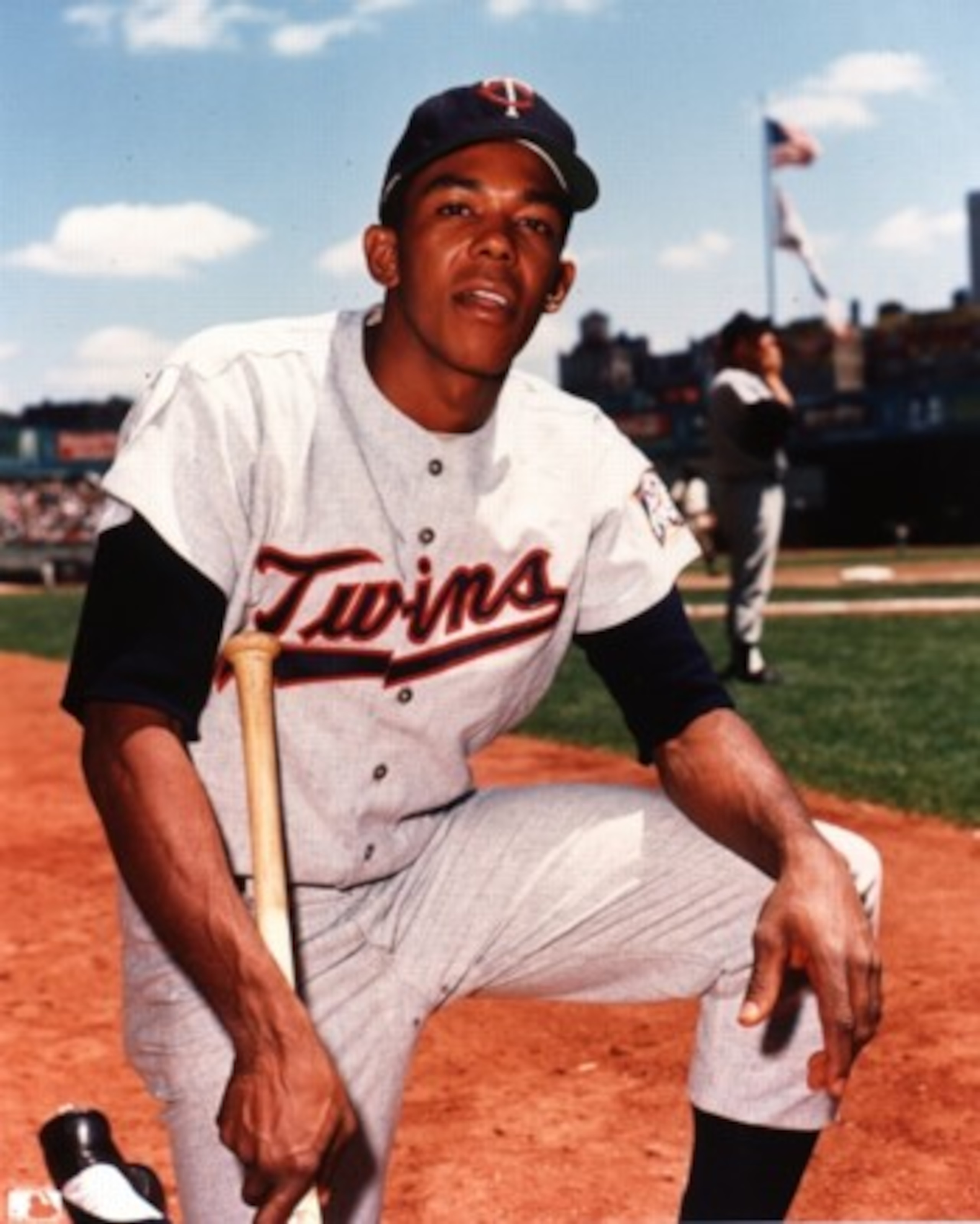
Years: 1962-76
Teams: Twins
Best Season: (1964) 109 runs, 217 hits, 32 HR, 94 RBI, .323 average
Career Stats: 1,971 hits, 220 HR, 947 RBI, .304 average
Teammate Zolio Versalles may have won the AL MVP in 1965, but the key to the Twins offense while Harmon Killebrew missed time with an elbow injury was their Cuban right fielder.
Oliva won a second straight batting crown that season and drove in a team-high 98 runs. It was a pretty nice encore for the 1964 Rookie of the Year, who led the AL in runs, hits, doubles and average while smashing 32 homers.
Over the next five seasons, Oliva would continue to be one of the game’s best gap hitters, leading the AL in hits and doubles three more times, in addition to a third batting crown in 1971.
Much like Kirby Puckett would later become for the Twins, there was a seven-year stretch where Oliva was one of the AL’s best pure hitters…until Rod Carew came around.
No. 13: Frank Howard, LF
13 of 25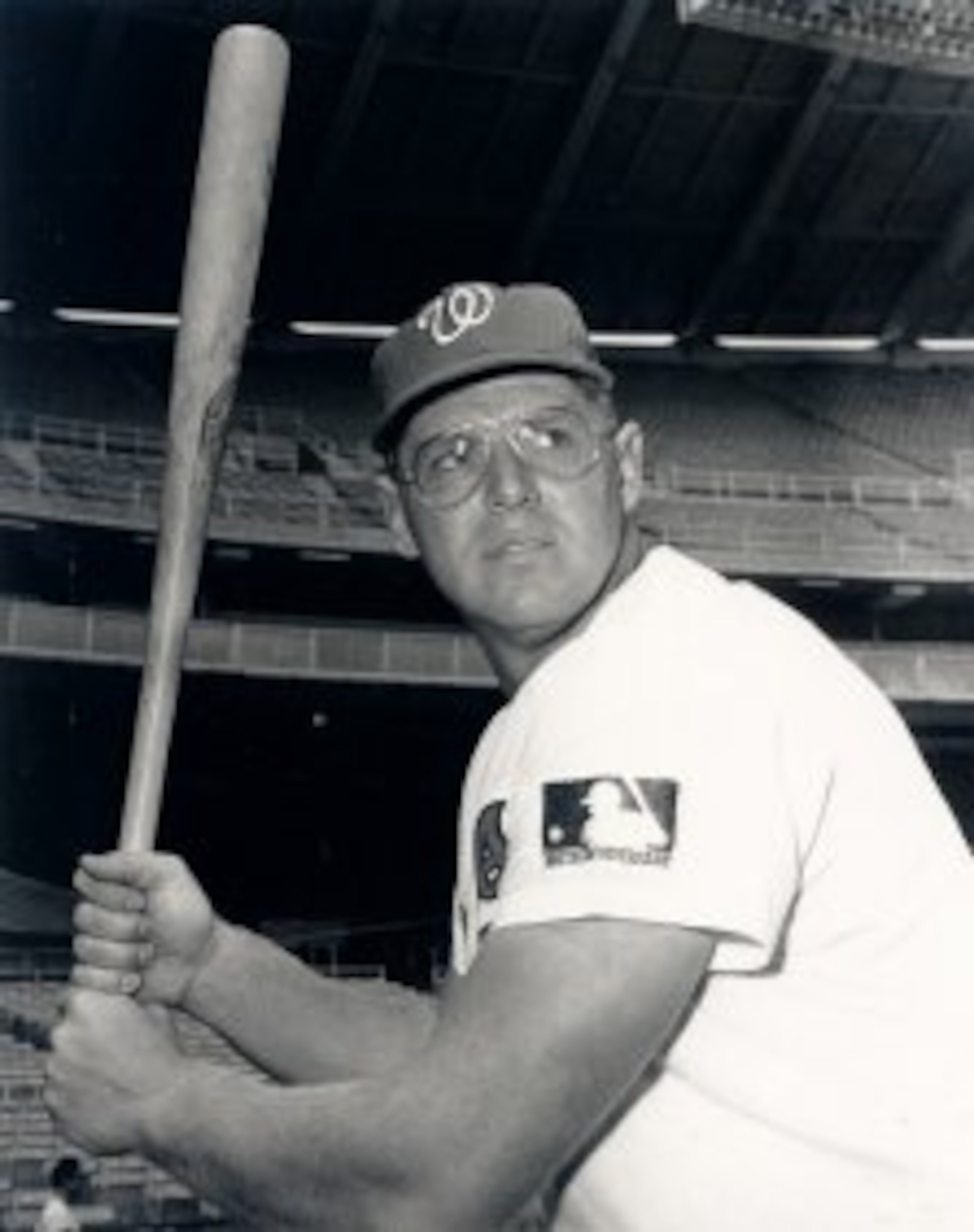
Years: 1958-73
Teams: Dodgers, Senators/Rangers, Tigers
Best Season: (1968) 44 HR, 106 RBI, .274 average
Career Stats: 382 HR, 1,119 RBI, .273 average
In the National League, Howard was an excellent power hitter, averaging better than 20 homers a season from 1960-64. But he was dealt to the Senators in 1965, in exchange, for among others, Claude Osteen. Who knows why the Dodgers felt they needed to sacrifice a big bat for yet another starter?
In the AL, Howard soon became one of the league’s most dangerous hitters.
He averaged 43 homers a season from 1967-70 and went to four consecutive All-Star Games.
His most incredible season came in 1968. With pitchers dominating like never before—Denny McLain won 31 games and Carl Yastrzemski was the only AL regular to hit .300 or better—Howard led the majors with 44 homers while hitting .274, good enough for 10th best in the AL!
Prior to the days of Alex Rodriguez, Juan Gonzalez and Rafael Palmeiro, Howard owned the club record for single-season and career home runs.
No. 12: Chuck Klein, RF
14 of 25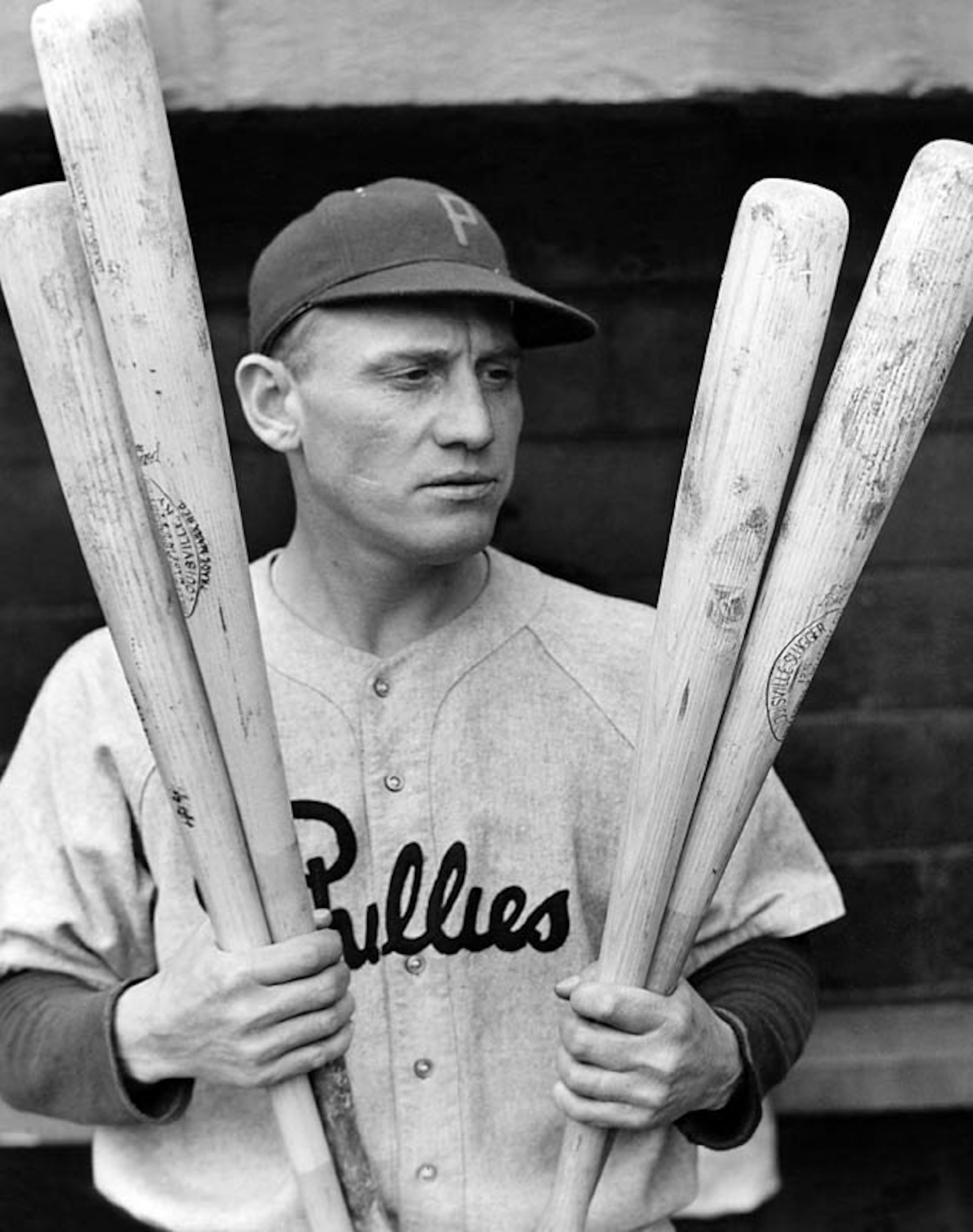
Years: 1928-44
Teams: Phillies, Pirates, Cubs
Best Season: (1933) 28 HR, 120 RBI, .368 average
Career Stats: 300 HR, 1,201 RBI, .320 average
Although fellow Philadelphia slugger Jimmie Foxx largely upstaged him—three straight pennants followed by an incredible 58 homer season in 1932 will do that—Chuck Klein was nearly as dominant during the same stretch.
In the somewhat tamer National League (i.e. sans Foxx, Al Simmons, Babe Ruth and Lou Gehrig), Klein led the league in homers four of five straight seasons.
And just like Foxx, Klein won the Triple Crown in 1933: no surprise that the Baker Bowl produced two triple crown winners in the same season.
Klein’s production slowly declined after that. He never again hit more than 25 homers and only hit higher than .306 once, but for that five-year stretch, Klein was as good as any hitter in the game.
From 1929-33, his AVERAGE stat line read like this: .359 batting average, 224 hits, 132 runs, 36 homers, 139 RBI.
No. 11: George Foster, LF
15 of 25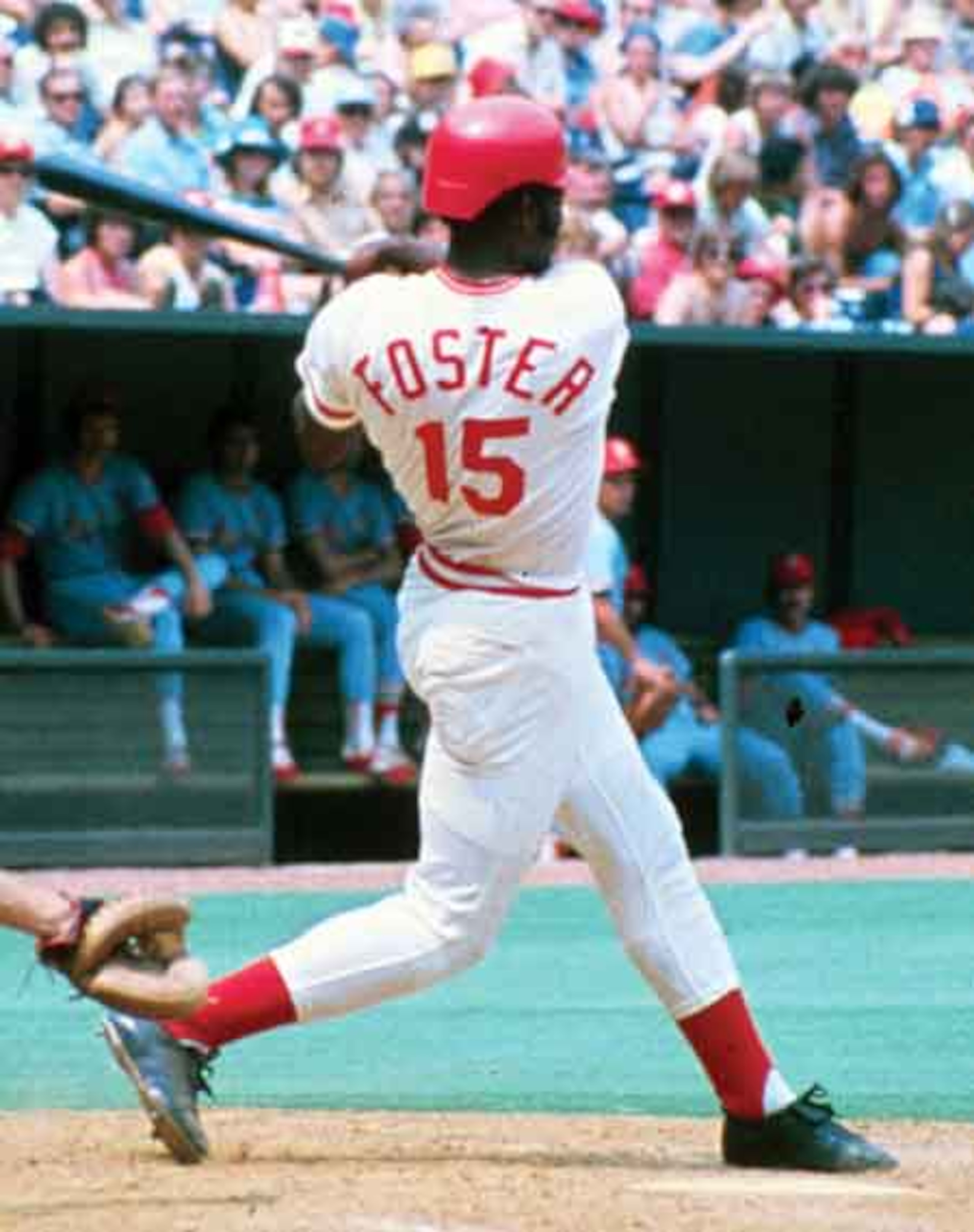
Years: 1969-86
Teams: Giants, Reds, Mets, White Sox
Best Season: (1977) 52 HR, 149 RBI, .320 average
Career Stats: 348 HR, 1,239 RBI, .274 average
The Big Red Machine was already on it’s way before they acquired Foster from the Giants in 1971.
Still, it’s no coincidence that they only won the World Series with Foster in the lineup, who hit .429 in the 1976 World Series.
But Foster became a superstar after the Reds dealt Tony Perez to the Expos.
Immediately after that transaction, Foster led the majors in homers—becoming the last man to top 50 home runs in a season for over a decade—and came within 18 points of winning the triple crown.
With both the Reds and the Mets, Foster would average over 30 home runs and 100 RBIs from 1975-84 and go to five All-Star Games.
No. 10: Harry Heilmann, RF
16 of 25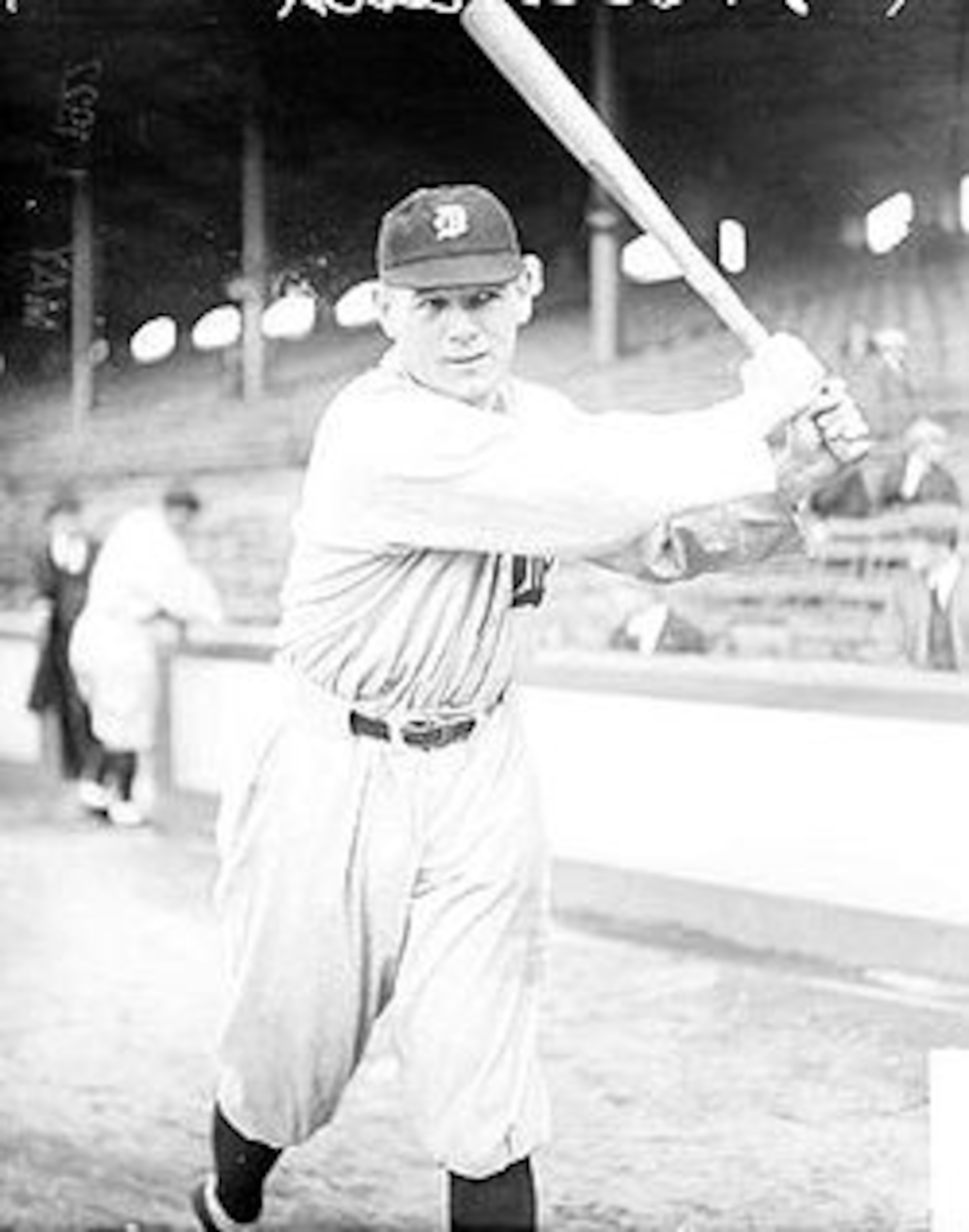
Years: 1914-32
Teams: Tigers, Reds
Best Season: (1921) 237 hits, 139 RBI, .394 average
Career Stats: 2,660 hits, 1,539 RBI, .342 average
As a teammate of Ty Cobb, Heilmann definitely benefited in his early days. But it was after Cobb won his last batting title in 1919 that Heilmann became as the AL’s most dangerous right handed hitter.
Two years after winning his first batting title in 1921, Heilmann topped .400, a feat he nearly repeated again in 1925 (.393) and again in 1927 (.398).
And despite not being a power hitter—only 183 in 17 seasons—he averaged 110 RBIs a season from 1919-1930.
If that’s not enough to make people remember his name, perhaps this is: Of all the right handed batters in the 20th century, only Rogers Hornsby had an average higher than Heilmann’s .342.
No. 9: Dave Parker, RF
17 of 25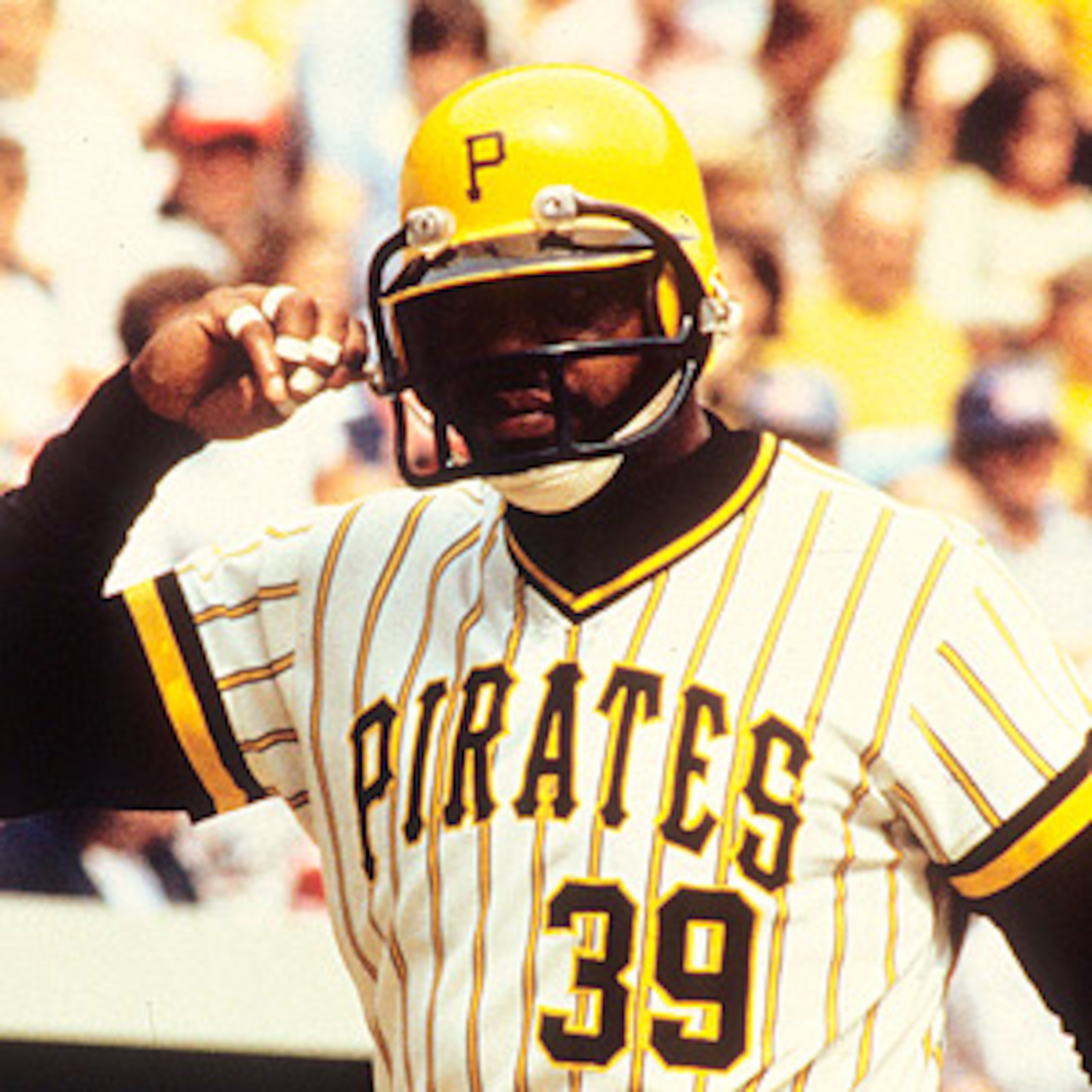
Years: 1973-91
Teams: Pirates, Reds, A’s, Brewers, Angels, Blue Jays
Best Season: (1978) 30 HR, 117 RBI, .334
Career Stats: 2,712 hits, 339 HR, 1,493 RBI, .290 average
Parker’s Hall of Fame hopes continue to drift away each year: maybe someday he’ll be a Veterans Committee selection. He deserves it.
Despite his size—at 6’5”, 230 pounds, he looked more like a Pittsburgh Steeler or Cincinnati Bengal than a Pittsburgh Pirate or Cincinnati Red—Parker was a five-tool player throughout the 1970s and 1980s.
He won three consecutive Gold Gloves, could steal bases when he needed to, hit 25 or more homers six times and won a pair of batting crowns.
The right-handed Cobra was the perfect complement to Willie Stargell on the mid-to-late 1970s Pirates and later, the premier player on the post-Big Red Machine Reds.
And since he still has more hits, doubles and RBI than Eddie Matthews, Jim Rice and Billy Williams, he should eventually hear from Cooperstown.
No. 8: Johnny Mize, 1B
18 of 25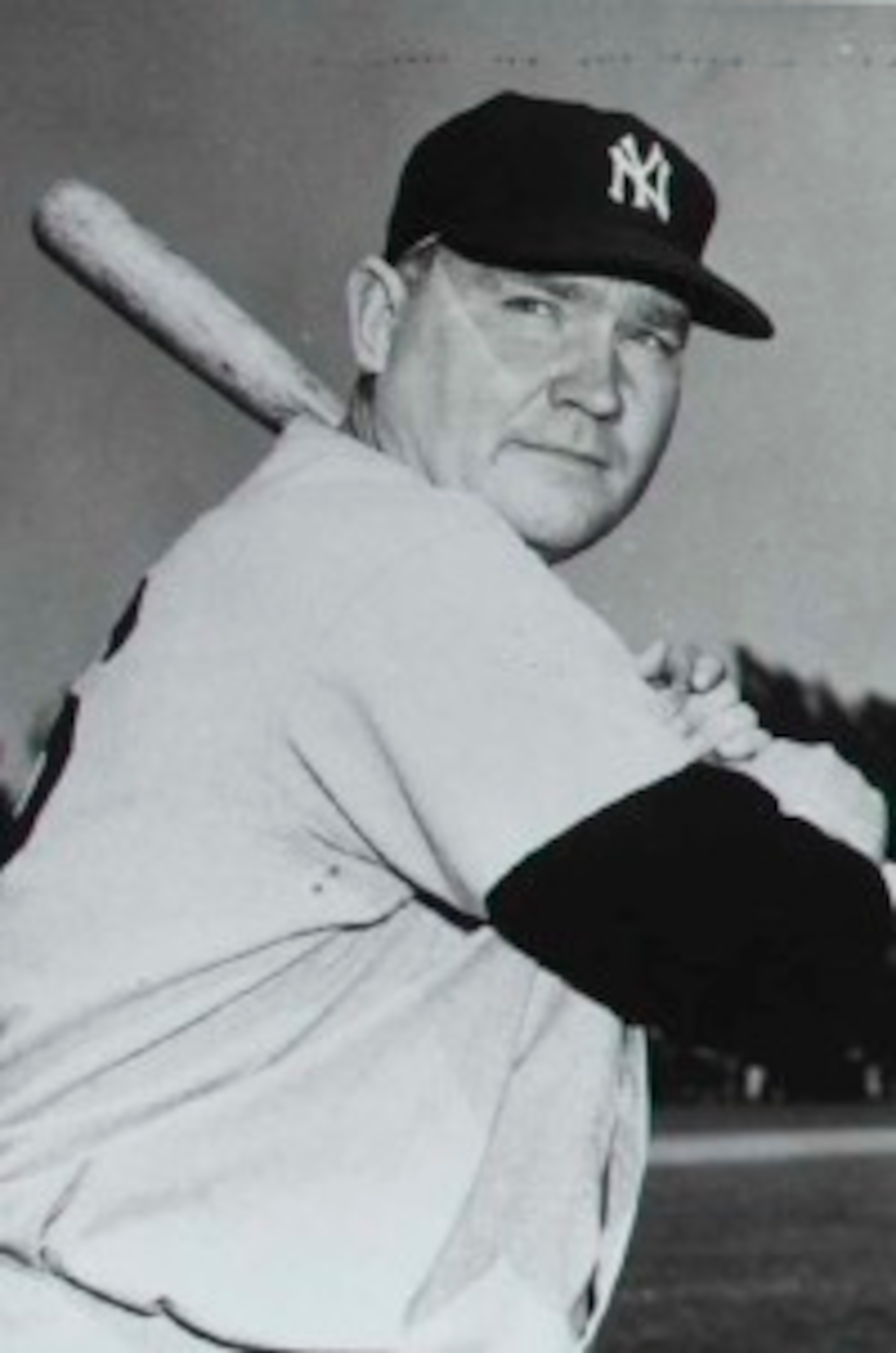
Years: 1936-42, 1946-53
Teams: Cardinals, Giants, Yankees
Best Season: (1939) 28 HR, 108 RBI, .349 average
Career Stats: 359 HR, 1,337 RBI, .312
Not long after he came within 20 RBI of winning the Triple Crown in 1939, Mize—like Hank Greenberg, Joe DiMaggio, Bob Feller, Ted Williams and dozens of budding stars—lost three years of his prime to World War II service.
And just like those future Hall of Famers, by 1947, he returned to top form. Mize won consecutive home run titles and, along with Ralph Kiner, was the only man to hit 50 or more home runs during the 1940s.
Still, his more remarkable achievement came years later as a role player for Casey Stengel’s Yankees.
In limited duty during the epic 1952 World Series, Mize recorded three home runs, six RBI and six hits, including two in the decisive 4-2 Game 7 win over Brooklyn.
No. 7: Mickey Lolich, SP
19 of 25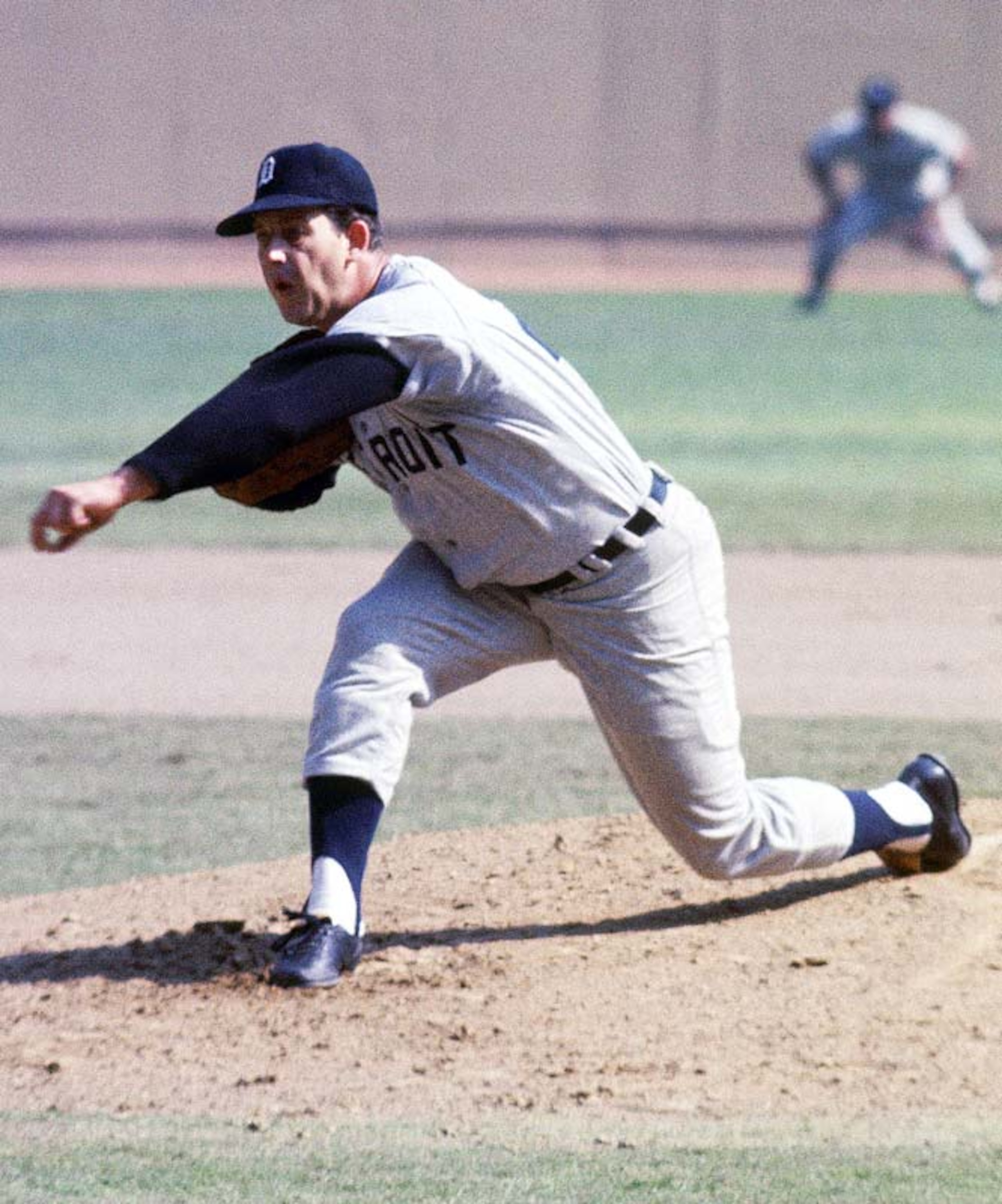
Years: 1963-79
Teams: Tigers, Mets, Padres
Best Season: (1971) 25-14, 2.92 ERA, 308 K
Career Stats: 217-191, 3.44 ERA, 41 shutouts, 2,832 K
Lolich is best remembered for his performance in the 1968 World Series. After his Cy Young, record-setting teammate Denny McLain lost twice to the great Bob Gibson, Lolich—who won his first two starts—bested Gibson in Game 7 to produce one of the greatest upsets/comebacks in World Series history.
But Lolich had a remarkably full career: He had a great pick off move (he even picked off two runners in that Game 7 victory over the Cardinals), ate up innings and from 1964-74, averaged better than 17 wins a season.
Lolich is still the Tigers' career leader in strikeouts and shutouts.
No. 6: Al Simmons, LF
20 of 25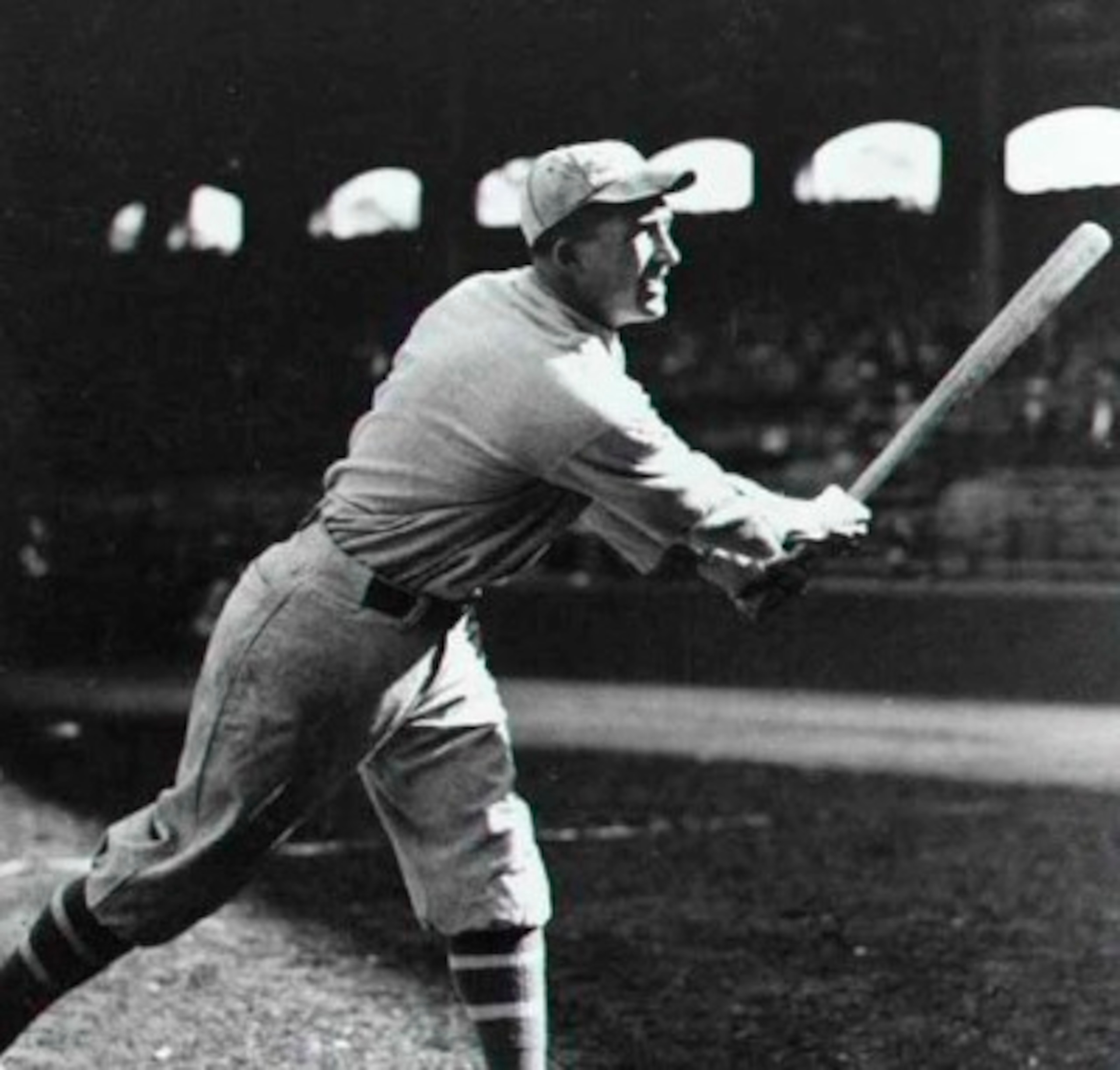
Years: 1924-41, 1943-44
Teams: A’s, White Sox, Tigers, Senators, Braves, Reds, Red Sox
Best Season: (1930) 36 HR, 165 RBI, .381
Career Stats: 2,927 hits, 307 HR, 1,827 RBI, .334 average
Simmons teammate Jimmie Foxx is always mentioned as one of the greatest power hitters ever. Simmons’ teammate Mickey Cochrane is always mentioned as one of the greatest catchers ever. And Simmons teammate Lefty Grove is always mentioned as one of the greatest pitchers ever.
But those discussions of “greatest” rarely include Simmons, even though he was one of the most efficient and consistent run producers in the game’s history.
Simmons knocked in 100 runs the first 11 years of his career: only Foxx and Lou Gehrig posted streaks as long. And since Simmons finished his career with more hits than both Foxx and Gerhig and boasted a .334 average, Simmons should always be mentioned in the “Greatest Hitter Ever” debate.
No. 5: Paul Waner, RF
21 of 25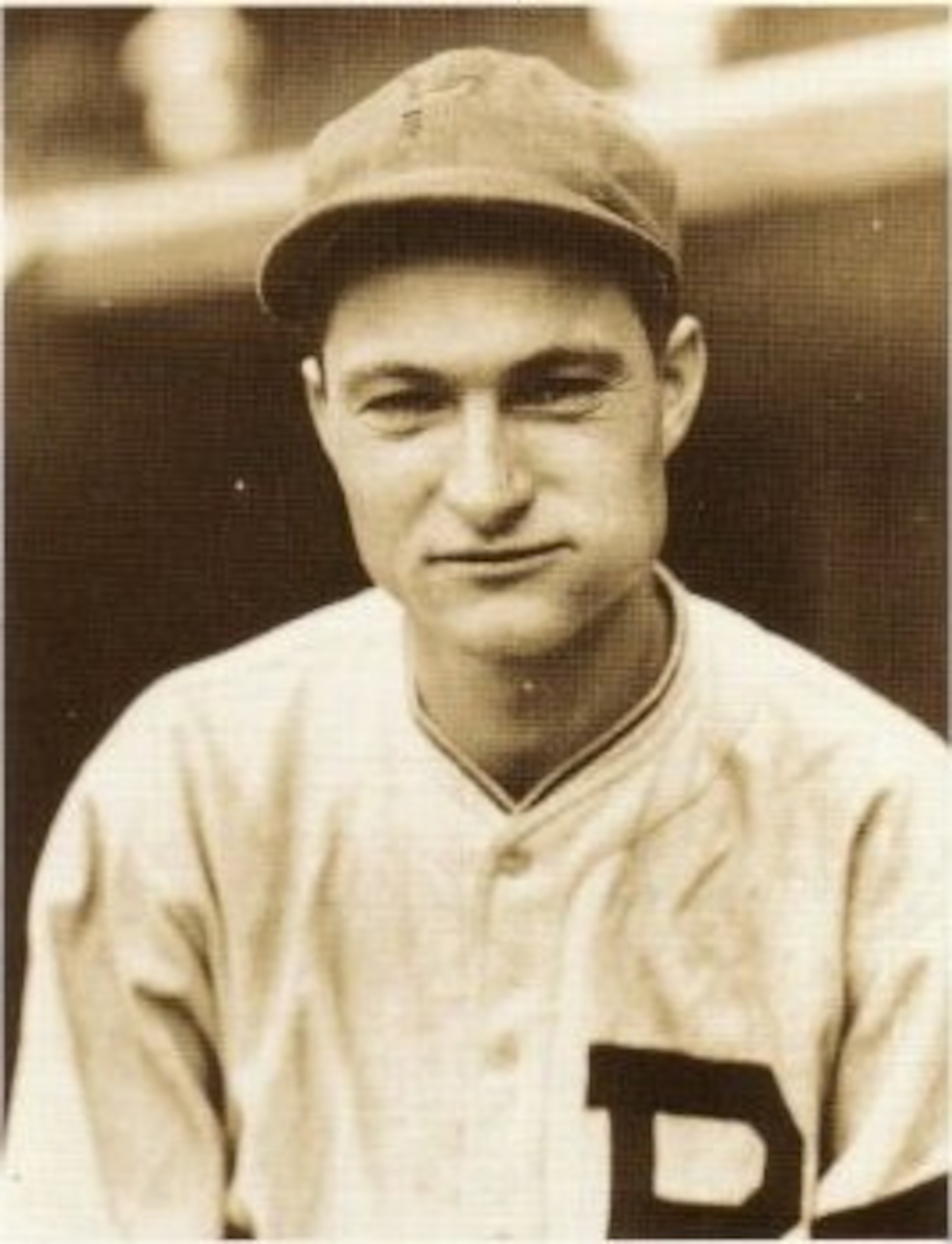
Years: 1926-45
Teams: Pirates, Dodgers, Braves, Yankees
Best Season: (1927) 237 hits, 131 RBI, .380 average
Career Stats: 3,152 hits, 1,309 RBI, .333
Of all the names on the fabled 3,000-hit club, Waner has to be the most underrated.
That’s a shame, considering the ridiculous stats "Big Poison" put up.
Waner won the RBI title in 1927 and averaged 85 a year from 1926-38.
How did he manage that by hitting only 113 career homers and never once hitting more than 15? He retired with the fifth most triples and the fifth most doubles in the 20th century.
And since he had eight seasons of 200 or more hits, he was one of the most productive hitters ever.
No. 4: Albert Belle, LF
22 of 25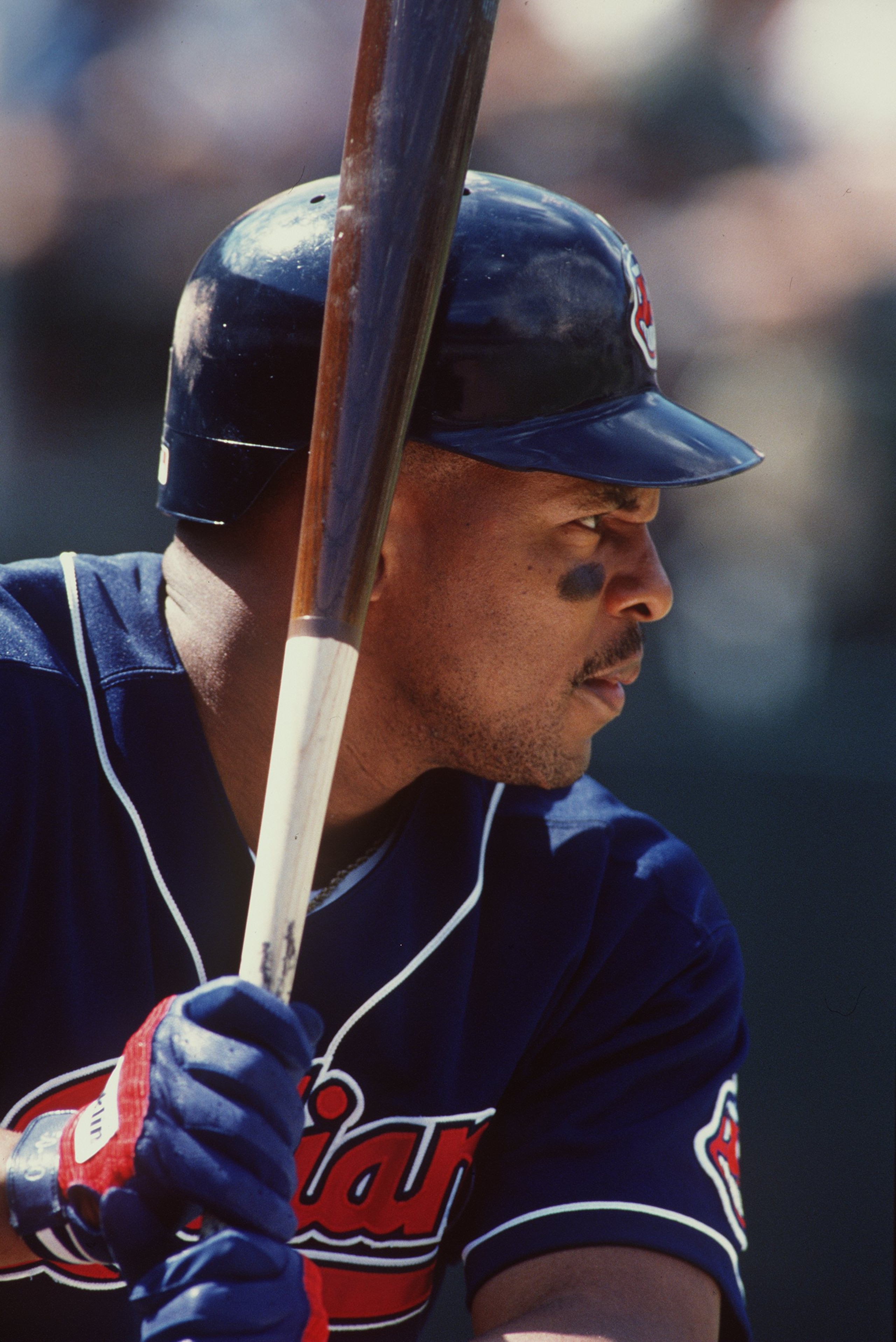
Years: 1989-2000
Teams: Indians, White Sox, Orioles
Best Season: (1995) 50 HR, 126 RBI, .317
Career Stats: 381 HR, 1,239 RBI, .295
Of course, his bristly relationship with the media and even some fans cost him a great deal of popularity (outside of Cleveland), but baseball isn’t a popularity contest…unless you count the MVP and Hall of Fame voting.
Just before the home run boom of the late 1990s, the most feared hitter in baseball was Belle.
Prior to the 1994 strike, he had an outside shot at the American League Triple Crown, then belted a team-record 50 home runs for the resurgent Indians: one homer every 11 at-bats.
For a period from 1991-2000, Belle averaged 37 home runs and 120 RBI. In 1999, he joined Babe Ruth, Lou Gerhig and Jimmie Foxx as the only players in history to hit 30 or more homers in a season for eight straight years.
Had it not been for an arthritic hip, Belle would have easily topped the 500 home run mark and perhaps become one of the select few to join the 2,000 RBI club.
No. 3: Duke Snider, CF
23 of 25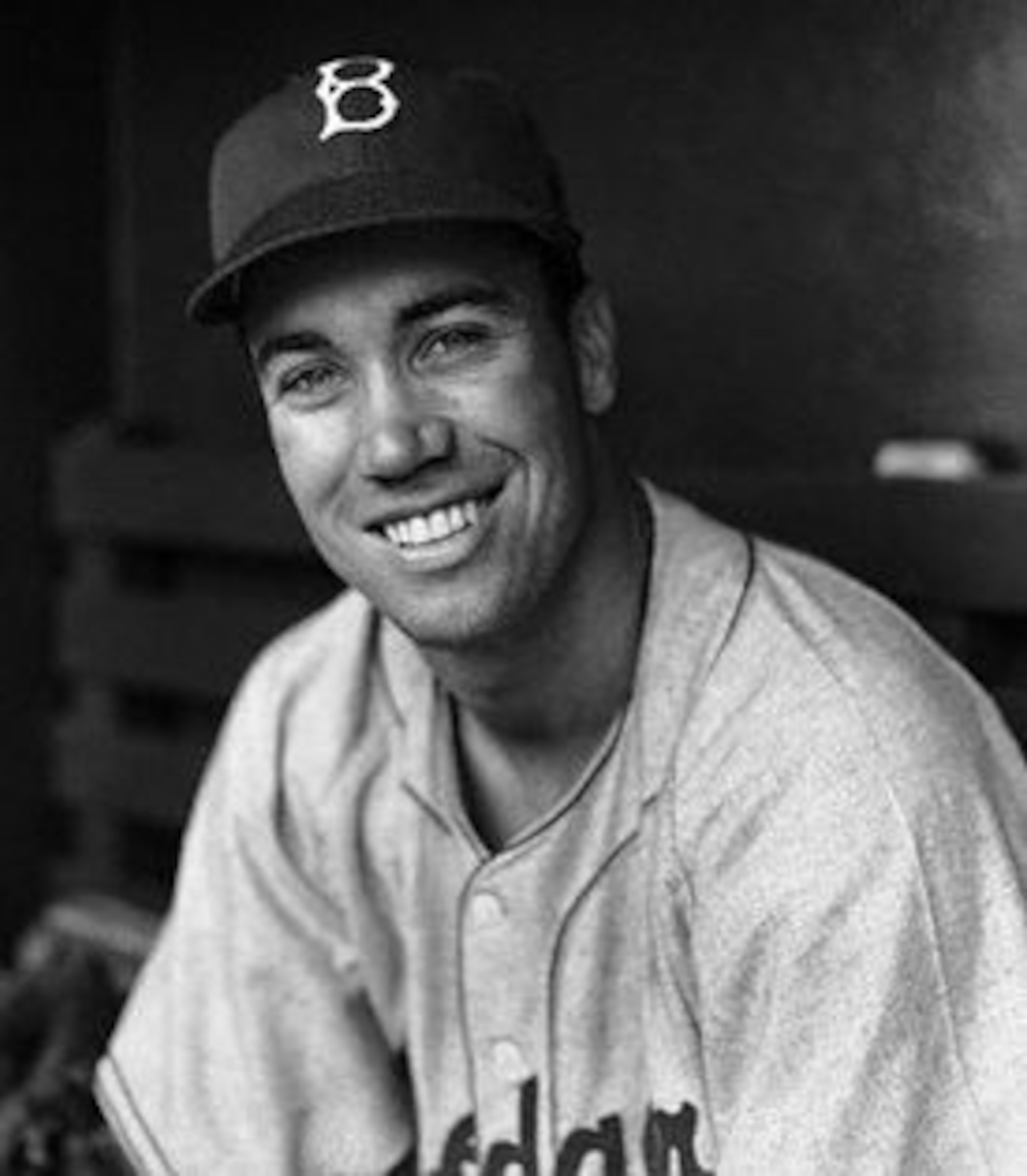
Years: 1947-64
Teams: Dodgers, Mets, Giants
Best Season: (1954) 40 HR, 130 RBI, .341 average
Career Stats: 407 HR, 1,333 RBI, .295
It’s easy to understand how "The Duke of Flatbush" got lost in the mix. For an entire decade, he was actually the third best center fielder in the city he played in. No matter what Brooklyn fans said, Willie Mays and Mickey Mantle had the Duke beat in just about every category.
But Snider, who still holds the Dodger career record for home runs and RBI, achieved something that neither Mays, Mantle, Babe Ruth, Jimmie Foxx or any other slugger in the game’s history ever did. Twice, Snider hit four home runs in a single World Series.
And on top, until Sammy Sosa came along, Snider was the only NL player to ever hit 40 or more home runs in a season for five straight years.
No. 2: Carl Hubbell, SP
24 of 25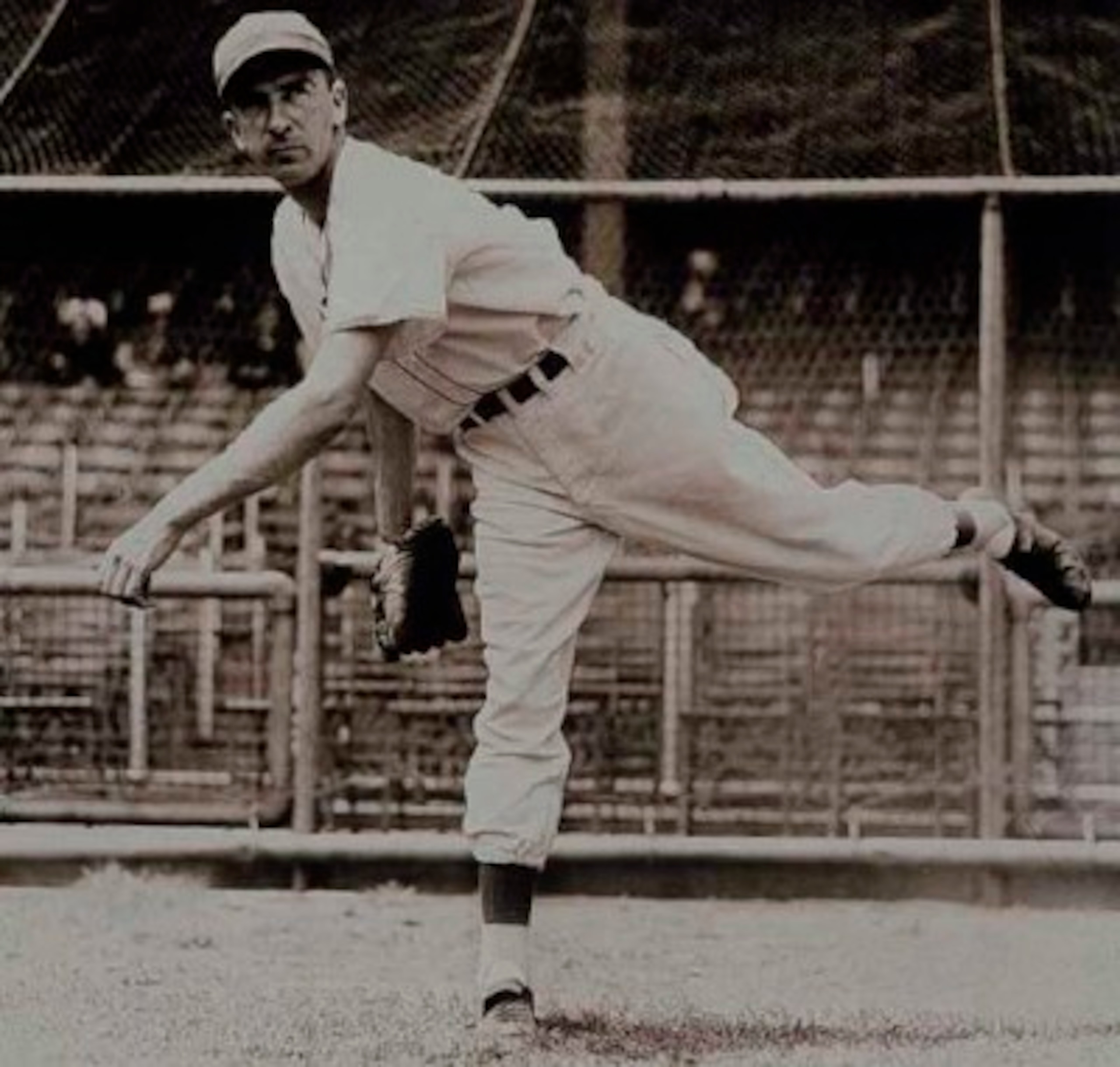
Years: 1928-43
Teams: New York Giants
Best Season: (1933) 23-12, 1.66 ERA, 10 shutouts, 156 K
Career Stats: 253-154, 2.98, 1,677 K
The master of the screwball, Hubbell was the most dominant pitcher of the 1930s, a period where big bats ruled the game.
He won 20 games five straight years, tossed a shutout every third start in 1933 and famously struck out future Hall of Famers Babe Ruth, Lou Gerhig, Jimmie Foxx, Al Simmons and Joe Cronin in succession during the 1934 All-Star Game.
No. 1: Robin Roberts, SP
25 of 25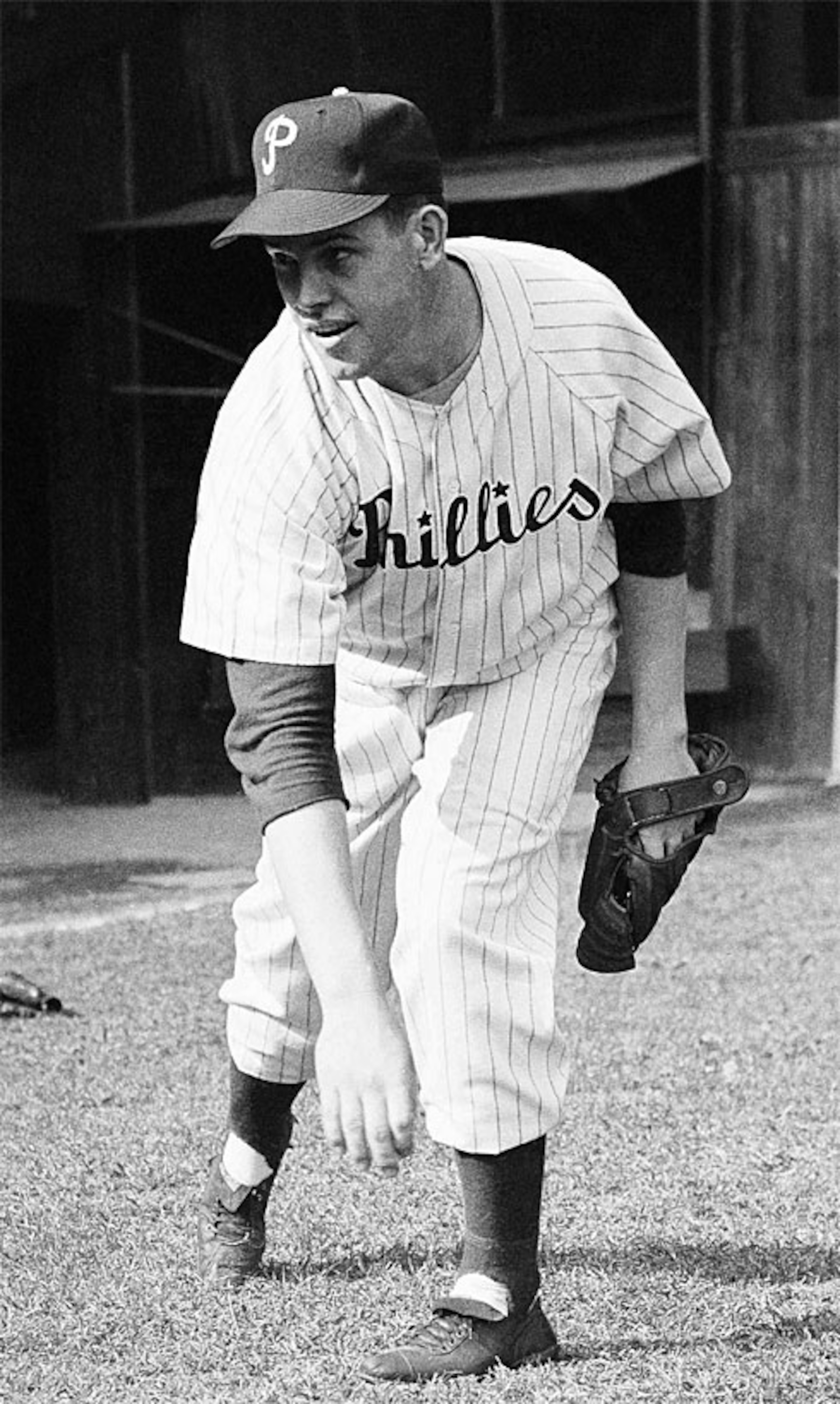
Years: 1948-66
Teams: Phillies, Orioles, Astros, Cubs
Best Season: (1952) 28-7, 2.59 ERA, 148 K
Career Stats: 286-245, 3.41 ERA, 2,357
Certainly Hubbell pitched in an age where the batters ruled. But two of the NL’s best hitters (Mel Ott and Bill Terry) were actually on his team, so he never faced them during his great run.
And since Babe Ruth, Lou Gerhig, Al Simmons, Jimmie Foxx and Hank Greenberg were over in the AL (no interleague play) Hubbell didn’t face the game’s elite very often.
That can’t be said about Robin Roberts. During his prime (the early-to-mid 1950s), he faced the same seven teams over and over again. That list included Willie Mays, Duke Snider, Roy Campanella, Jackie Robinson, Gil Hodges, Ernie Banks, Frank Robinson, Stan Musial, Ralph Kiner and Eddie Mathews.
Rarely did a National League pitcher in the 1950s go even a few innings without facing a Hall of Famer.
That never seemed to affect Robin Roberts. From 1950-56, he won 157 games, tossed 25 shutouts, averaged over 319 innings per season and completed 183 of his 269 starts, a whopping 68 percent.
Given his era and how he dominated it, Roberts' name belongs in the same conversation as Sandy Koufax, Bob Gibson, Walter Johnson, Randy Johnson and all the other greats.





.jpg?w=2560 "Latest Peyton-Colts Rumors")