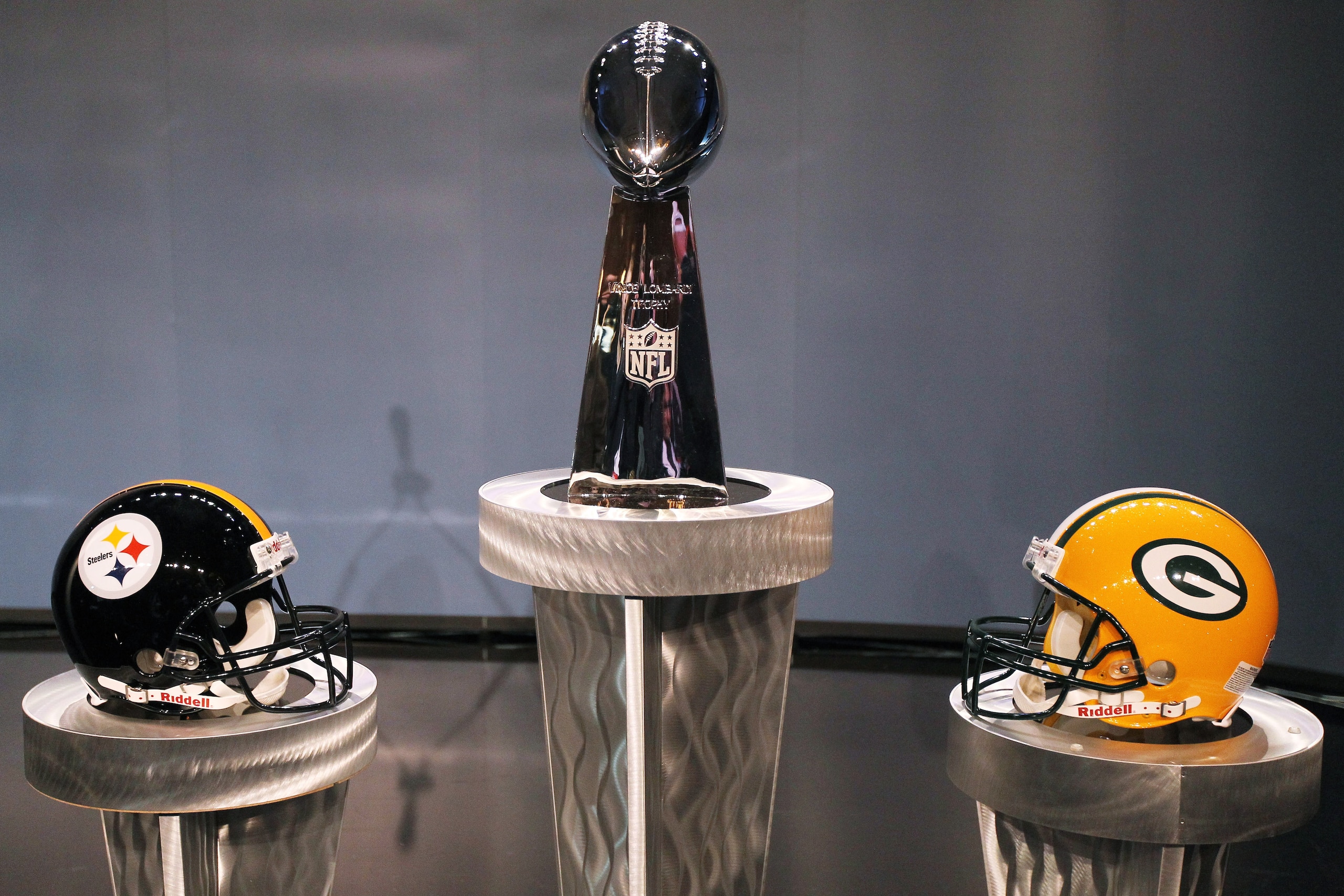

Pittsburgh Steelers vs. Green Bay Packers: A Look Back at Super Bowl History
At Cowboys Stadium in Arlington, Texas, the Pittsburgh Steelers and Green Bay Packers will participate in Super Bowl XLV already trenched in winning traditions.
Between them, they have won nine Super Bowls and 18 NFL titles.
The following slides take a look back at the Super Bowls where the Steelers and Packers have found success, reflecting on the glory days of the likes of Vince Lombardi and Terry Bradshaw, to name a few.
Enjoy.
Super Bowl I: Green Bay Packers Show NFL Superiority over AFL, Chiefs
1 of 10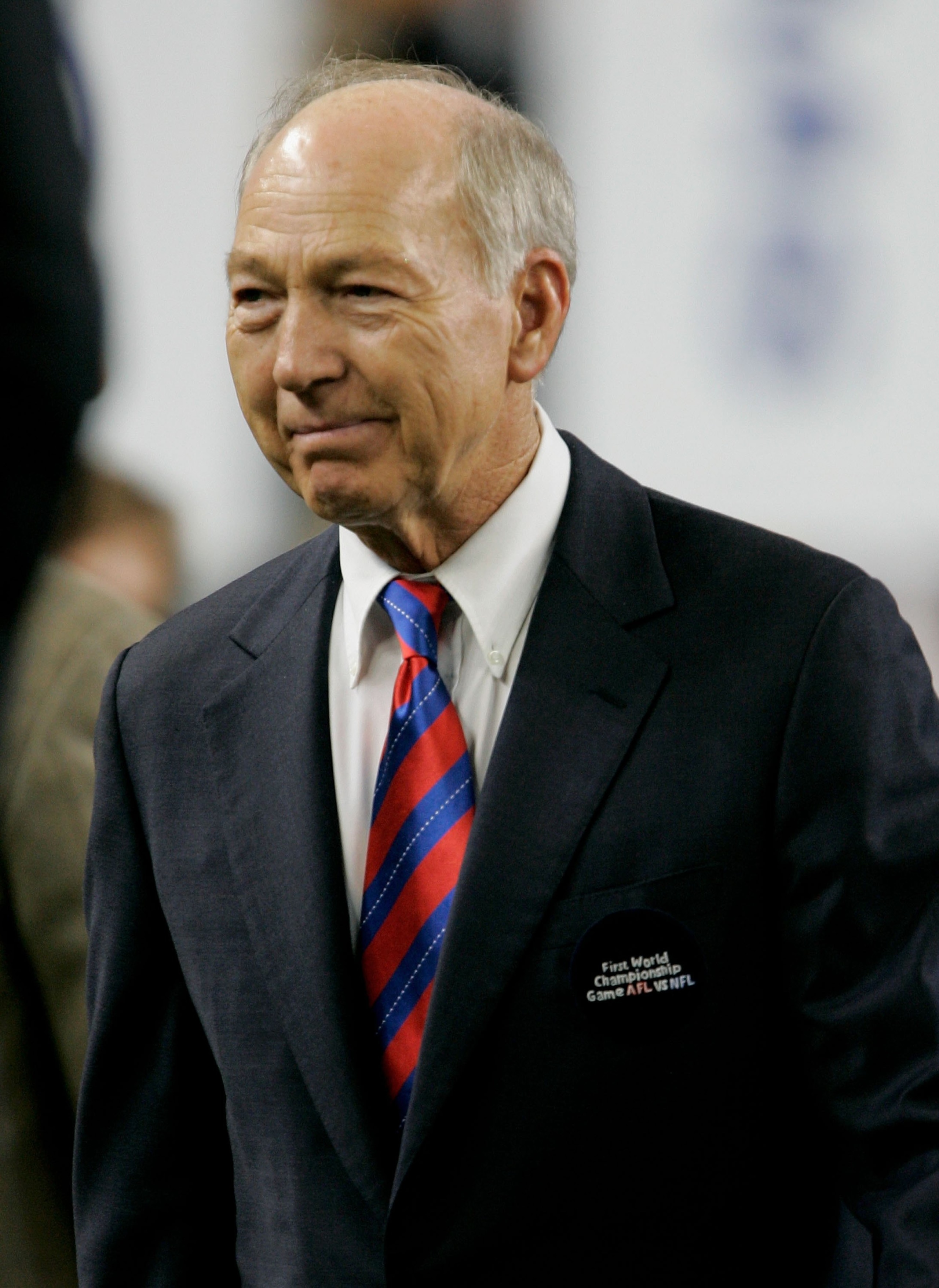
Recent Visa commercials have showcased a group of men who have been to every single Super Bowl.
Every year, these four men get to experience the greatest sporting event in the world live. I, personally, cannot watch those commercials without getting a little jealous.
I know a lot of die-hard football fans who have never been to a Super Bowl. For them, getting the chance to see the big game live is almost equivalent in terms of unfulfillable dreams to winning the lottery.
And yet these men have found a way to get an annual ticket.
Believe it or not, however, there was a time when getting a ticket to the Super Bowl was not so difficult.
The year was 1967. Back then, the big game (well, as I will explain later, it was not seen as that big a game) was not officially called the Super Bowl.
Back then, the inaugural Super Bowl was known as the NFL-AFL World Championship Game, pitting the champion of the National Football League against the title holder of the American Football League. For the former league, the game was merely a chance to show the world that teams from the latter league don't belong on the same field as the more established NFL.
In the 90,000-plus seat Los Angeles Memorial Coliseum, a crowd of 61,946 (including, of course the "Never Missed a Super Bowl Club") showed up at 1:15 p.m. PST to watch the grudge match between the NFL's Green Bay Packers and the AFL's Kansas City Chiefs.
The Packers just beat the Dallas Cowboys in a hard-fought NFL title game, winning the franchise's 10th NFL title and second in a row. For them, winning the NFL-AFL World Championship trophy would just put another notch on their belt.
According to Bob McGinn's The Ultimate Super Bowl Book, Green Bay wide receiver Max McGee was spotted by Bart Starr at about 7:30 a.m. stumbling into the team hotel following a late night out on the town. Of course, the 34-year-old wideout was not planning on playing.
But Boyd Dowler injured his right shoulder on the second play from scrimmage, thrusting McGee into action. McGee's late-night action didn't affect his performance too much, it turns out, as he caught a 37-yard touchdown pass to give the Packers the early 7-0 lead.
McGee caught both of Starr's touchdown passes that day, hauling in 13-yard score to put the Packers ahead 28-10 in the third quarter. He finished the game catching seven passes for 138 yards; not bad for a guy who got less than six hours of sleep, if any.
Starr was named the game's Most Valuable Player, completing 16-of-23 passes for 250 yards and finished the game with a quarterback rating of 116.2 as Green Bay blew out the Chiefs as expected 35-10.
The championship victory was put into perspective by Vince Lombardi shortly after the Packers returned home.
"I don't think [the Chiefs] are as good as the top teams in the National Football League," he said to a group of writers in his office. "They're a good team with fine speed, but I'd have to say NFL football is tougher. Dallas is a better team, and so are several others."
This quote is a symbol of how the NFL felt about the upstart AFL. But as it turns out, the Lombardi-led Packers were better at that time than any team in the AFL (or the NFL, for that matter) could offer.
As Broadway Joe's New York Jets and the Chiefs later proved the AFL's legitimacy, the Super Bowl grew from its roots as an annual grudge match between two football leagues and blossom into the most-watched event in America.
Super Bowl II: Vince Lombardi, Green Bay Packers Win One for the Road
2 of 10
January 14, 1968, marked the end of an era for the sport of football.
On that fateful day, the Green Bay Packers showed up at Miami's Orange Bowl for Super Bowl II still thawing from their Ice Bowl victory over the Dallas Cowboys. By winning in the frigid conditions, they earned their third consecutive NFL title and fifth in seven seasons.
According to Bob McGinn's The Ultimate Super Bowl Book, Vince Lombardi, Green Bay's legendary head coach, had thought throughout the 1967 season about retiring to get away from the responsibilities of his role as the Packers' coach and general manager.
The Packers' offense already said goodbye to future Hall of Famers Jim Taylor and Paul Hornung. And Bart Starr, at age 34, could sense the end of his playing career in Green Bay coming as well, finishing the 1967 regular season with a 64.4 passer rating, his worst since 1958.
Before Lombardi and the Packers dynasty could ride off into the sunset, they had a score to settle with the AFL's Oakland Raiders. Just like the year before, Green Bay was the heavy favorite, counted on to represent the NFL by beating the best team from a league portrayed as inferior.
But just like the Chiefs did the previous year, the Raiders hang with the Packers in the first half. Green Bay scored the game's first 13 points with two field goals by Don Chandler and a 62-yard touchdown pass from Starr to Boyd Dowler.
Starr was named the game's Most Valuable Player for the second consecutive year, finishing the game completing 13-of-24 for 202 yards.
However, Oakland fought back to cut the Packers' lead to 13-7 with a touchdown pass of its own. Daryle Lamonica completed the 23-yard score to Bill Miller.
But with 23 seconds left in the first half, Raider punt returner Rodger Byrd fumbled a Donny Anderson punt. Green Bay linebacker Dick Capp recovered the loose ball, setting up a 31-yard field goal by Chandler that sent the Packers to halftime with a 16-7 lead.
From there, the Packers scored 17 unanswered points to put the game out of reach. The last of those points came in the form of a 60-yard interception return by Herb Adderley.
In the end, Green Bay won 33-14, sending Lombardi into retirement a champion. As the sun set on the Orange Bowl, two Packers players carried their iconic coach on their shoulders one last time.
The Packers' Super Bowl II victory marked the end of not only their dynasty, but of the NFL's superiority over the AFL as well. The AFL's New York Jets and Kansas City Chiefs won the next two Super Bowls before the two leagues merged into one.
Super Bowl IX: Pittsburgh Steelers Begin '70s Dynasty over Minnesota Vikings
3 of 10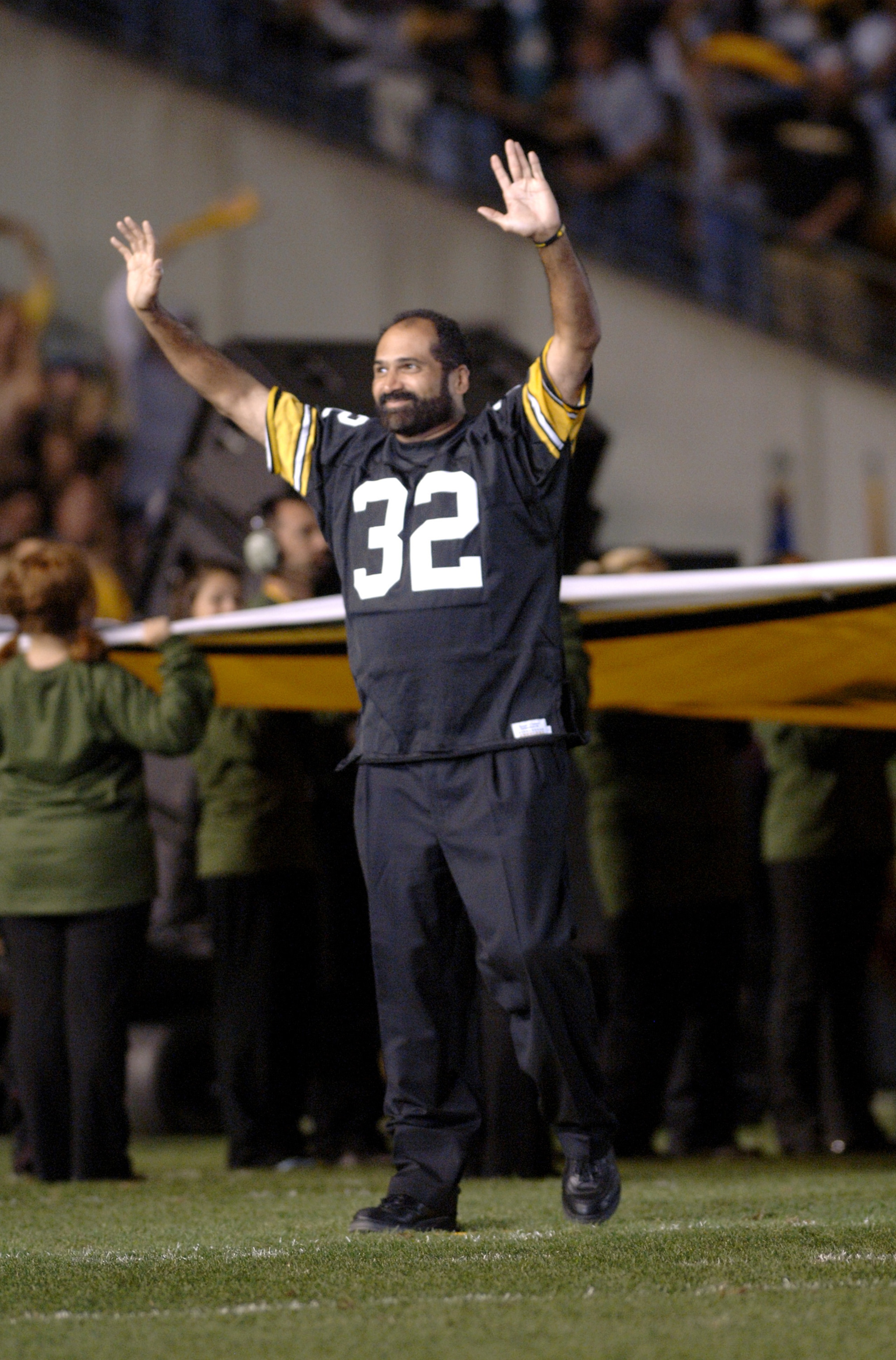
On February 6, 2011, the Pittsburgh Steelers will make their eighth Super Bowl appearance in franchise history.
That will put them in a tie with the Dallas Cowboys for most Super Bowl berths. Of those appearances, the Steelers have won six of them, the most in NFL history.
With all that in mind, it may be hard to believe that Pittsburgh was once seen as the NFL's laughingstock.
Prior to 1972, the year that would mostly be recognized by Steelers fans for the "Immaculate Reception," Pittsburgh was the losingest franchise in the league's history, appearing in only one postseason game (a 21-0 loss to the Philadelphia Eagles in 1947) in their first 39 years of existence.
January 12, 1975, would turn out to be the coming-out party for the Steelers' new reputation as an NFL powerhouse as they beat the Minnesota Vikings 16-6.
The weather conditions for Super Bowl IX were not typical of what can be expected of a Super Bowl. At 2 p.m. CST in New Orleans' Tulane Stadium, it was 46 degrees and cloudy.
The Vikings' offense didn't look any prettier that day. The Steel Curtain held Minnesota's running game to 21 yards on 17 carries, limited Fran Tarkenton to 11-for-26 passing for 102 yards and did not allow the Vikings' offense to score any points.
The Steelers' defense also scored the game's first points, and the only points of the entire first half. Defensive end Dwight White tackled Tarkenton in the end zone for a safety.
In the third quarter, Franco Harris put Pittsburgh ahead 9-0 with a nine-yard rushing touchdown. Harris finished the game with 158 yards on 34 carries, earning Super Bowl IX Most Valuable Player honors.
Making its third Super Bowl appearance in six years, Minnesota scored its only points on a blocked punt. Matt Blair deflected the Bobby Walden boot, and Terry Brown recovered the ball in the end zone for the touchdown (the extra-point attempt was unsuccessful).
Terry Bradshaw was still coming into his own as a superstar quarterback at the time. He completed nine out of only 14 passing attempts for 96 yards.
But when it counted, Bradshaw showed what he could do. With the Steelers leading 9-6 late in the fourth quarter and facing third-and-goal from the four-yard line, Bradshaw threw a touchdown pass to Larry Brown to give the Steelers a comfortable 16-6 lead.
Tarkenton threw an interception on the next play from scrimmage, his third of the game. With that pick, the Steelers sealed their first-ever Super Bowl title.
It would be the first of four Super Bowls that they won in the 1970s.

.jpg?w=2560 "Rams Eagles Football")
.jpg?w=2560 "Texans-Mixon Released Football")
Super Bowl X: Lynn Swann, Pittsburgh Steelers Win Round 1 over Dallas Cowboys
4 of 10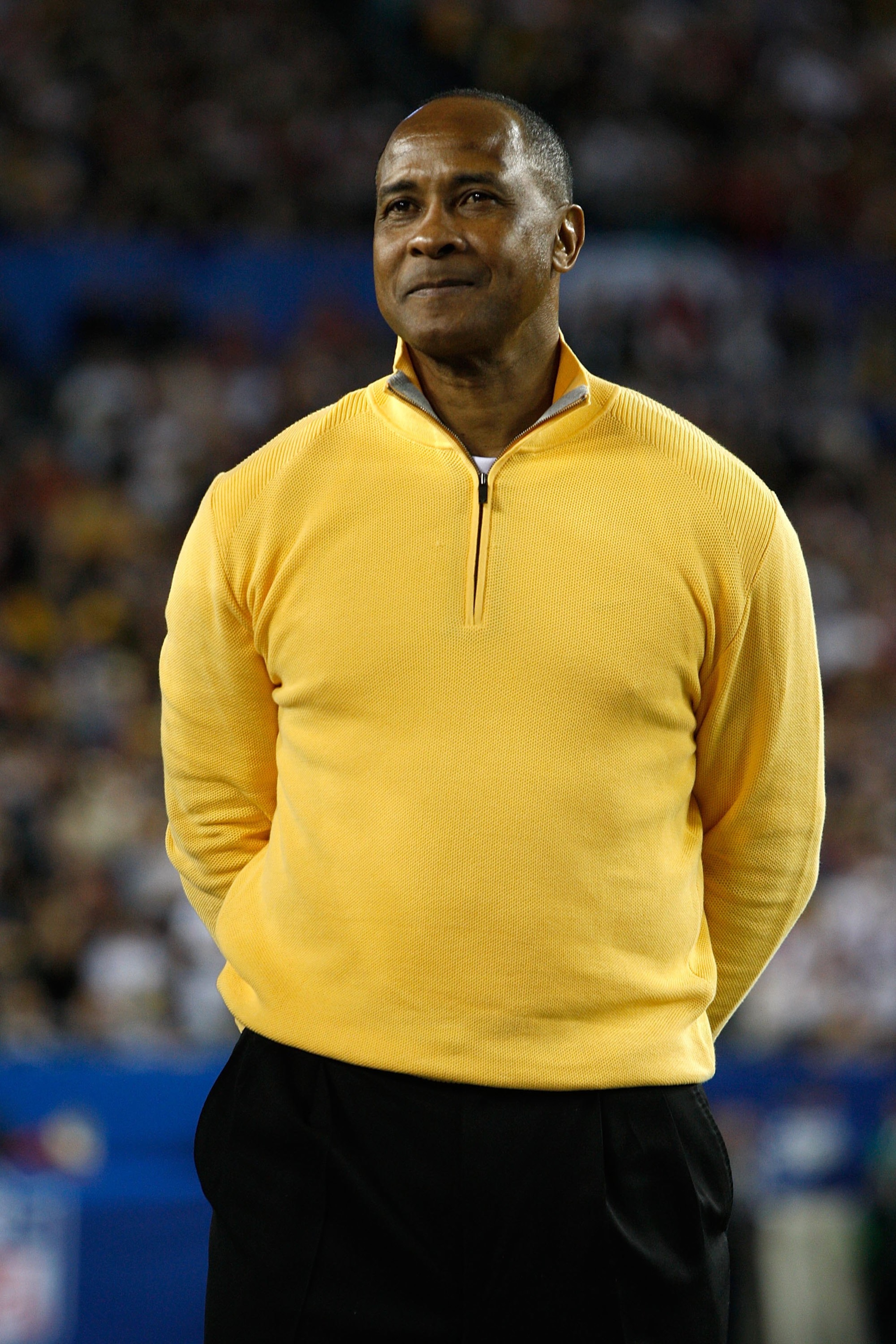
In sports, a dynasty often comes with an archrival whom it must beat multiple times en route to their multiple titles.
When the New England Patriots won three Super Bowls in four years, their last two titles came after beating Peyton Manning and the Indianapolis Colts in the playoffs. The Dallas Cowboys' first two 1990s titles required them to beat Steve Young's San Francisco 49ers in the NFC Championship Game.
En route to winning the first two Super Bowls, the Vince Lombardi-led Green Bay Packers had to beat the Cowboys in the NFL title game. The second one came in the Ice Bowl, when Bart Starr scored the game-winning touchdown with less than 15 seconds remaining on a quarterback sneak.
In Super Bowl X, the Tom Landry-led Cowboys now found themselves in a battle with the Pittsburgh Steelers for the title of "Team of the '70s."
After the losses to the Packers and failing to beat the Baltimore Colts in Super Bowl V, the Cowboys got the Super Bowl monkey off their backs by beating the Miami Dolphins 24-3 in Super Bowl VI. The Steelers won Super Bowl IX by beating the Minnesota Vikings 16-6.
The battle for Super Bowl title No. 2 started off in the Cowboys' favor, as Roger Staubach threw a 29-yard touchdown pass to Drew Pearson to give Dallas the 7-0 first-quarter lead. From there, the Lynn Swann show turned the tide in favor of the Steelers.
It is not a usual occasion for a Super Bowl MVP award to go to a wide receiver who only caught four passes. But the passes that Swann did catch would be some of the most memorable in the big game's history (and accounted for 161 of Terry Bradshaw's 209 passing yards).
Under today's NFL rules regarding concussions, Swann may not have played in this game after suffering a concussion in the AFC Championship Game against the Oakland Raiders. He could not practice in the first week after that game and had a hard time concentrating in the second week of practice.
But with two spectacular catches in the first half, Swann erased any doubt about his ability to play. The first catch was a 32-yard reception in which he leaped acrobatically over Mark Washington and tip-toed inbounds along the sidelines.
That first-quarter catch set up a seven-yard touchdown pass from Bradshaw to tight end Randy Grossman that tied the score at 7-7.
In the second quarter, Swann caught his second pass of the game, a 53-yard reception in which he leaped over Washington and cradled the football in his chest in mid-air after the pass was tipped.
The catch did not lead to any points, as Roy Garela missed a 36-yard field goal in the final seconds of the first half. However, it would become a standard by which great Super Bowl catches are measured, shown on highlight reels for decades to come.
Swann's final catch came with 3:02 remaining in the game. With Pittsburgh leading 15-10, Bradshaw threw a 64-yard pass to Swann, who ran a post pattern past Washington and caught the pigskin to score what would be the game-winning touchdown.
After throwing the pass, Bradshaw was hit by Cliff Harris and Larry Cole, with Cole delivering a blow to Bradshaw's jaw with his helmet. An illegal hit by today's NFL standards.
As a result of the hit, Bradshaw didn't see Swann run down the field for the touchdown. Regardless, the Steelers had a seemingly-comfortable 21-10 lead.
I say seemingly only because Roger Staubach, a.k.a. Captain Comeback, was on Dallas' sideline.
Captain Comeback threw a 34-yard touchdown pass to Percy Howard, who beat a stumbling Mel Blount. Then the Cowboys got the ball back after their defense forced the Steelers to turn the ball over on downs.
With 1:28 remaining and no timeouts, Dallas had the ball trailing 21-17. Staubach managed to get the Cowboys to the Steelers' 38-yard line with three seconds remaining.
Three weeks earlier, Staubach led the Cowboys to a 17-14 victory over the Vikings in the NFC Divisional Playoffs by throwing a 50-yard touchdown heave to Drew Pearson with 24 seconds remaining. The play would coin the term "Hail Mary" as the standard definition of a miracle touchdown pass.
With a Super Bowl victory on the line, Captain Comeback went for Pearson once again hoping for another "Hail Mary" touchdown. Instead, Glen Edwards clinched the Steelers' second consecutive title by intercepting Staubach's heave.
For those keeping track of Super Bowl victories in the 1970s at the time, the scoreboard read Steelers 2, Cowboys 1.
Super Bowl XIII: Bradshaw, Steelers Clinch
5 of 10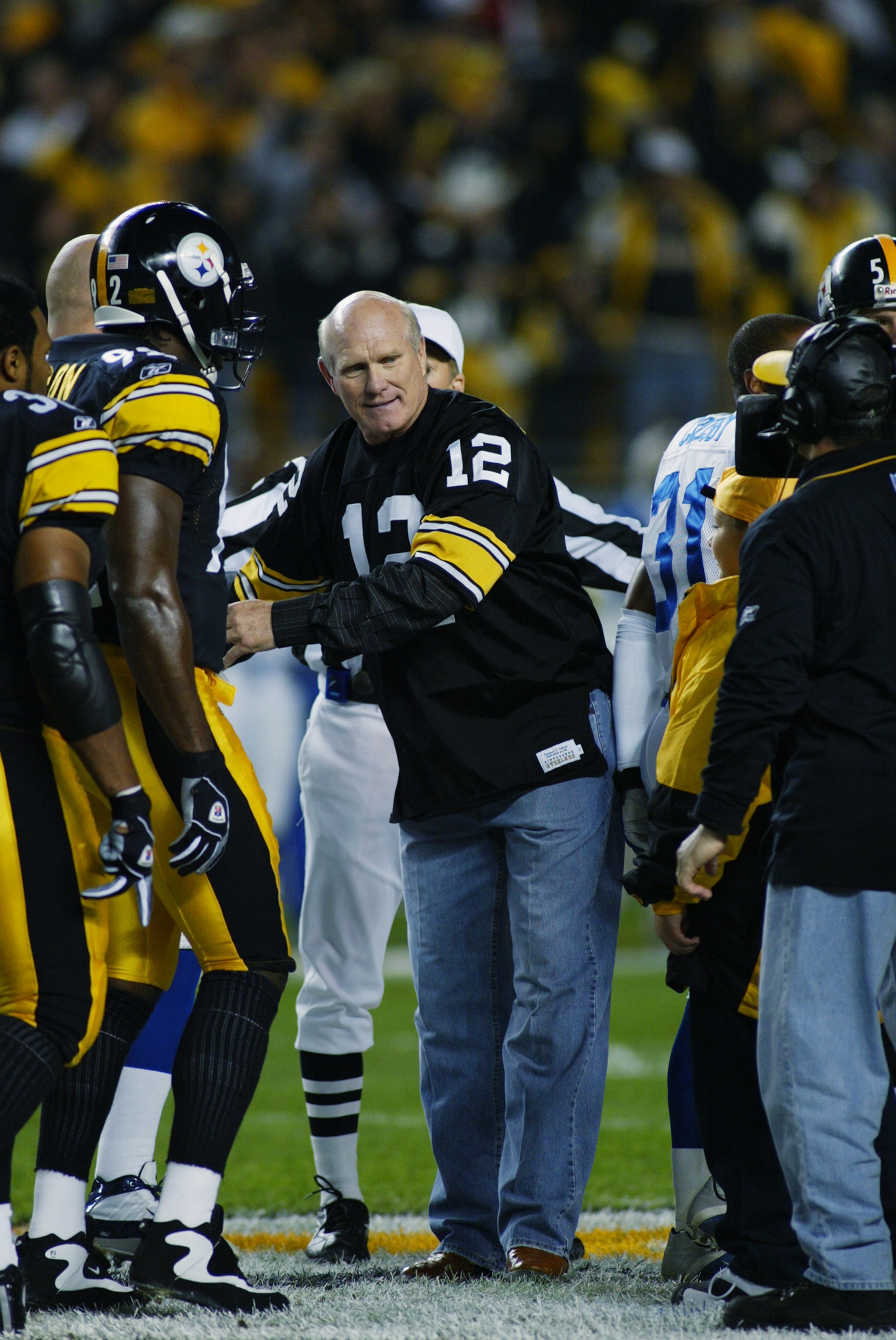
The Pittsburgh Steelers and Dallas Cowboys of the 1970s were the Pepsi and Coca-Cola of the NFL.
You can't go wrong with either one of them. But in a head-to-head battle, (circle Pepsi or Coke, depending on your preference) is the better product.
Pittsburgh and Dallas had teams in the '70s that featured multiple Hall of Famers on both offense and defense. By winning multiple Super Bowls, those players already proved themselves as champions.
The question going into their head-to-head matchup in Super Bowl XIII was which champion was greater.
Going into Super Bowl XIII, the Steelers had the upper hand in head-to-head Super Bowl matchups, beating the Cowboys 21-17 in Super Bowl X to win their second consecutive NFL title. With the victory, Pittsburgh gained a 2-1 lead in '70s Super Bowl victories over the Cowboys.
This time, however, Dallas entered the big game as the defending champs, beating the Denver Broncos 27-10 in Super Bowl XII.
This evened the score at 2-2. Super Bowl XIII would determine who would be known in NFL lore as the "Team of the '70s."
Just like in Super Bowl X, Lynn Swann was the Steelers' leading pass receiver, catching seven passes for 124 yards and a touchdown. This time, however, Terry Bradshaw also managed to complete some passes to other receivers.
One of those receivers was, like Swann, a future Hall of Famer: John Stallworth. Stallworth caught three balls for 115 yards and two touchdowns.
Overall, Bradshaw completed 17-of-30 passes for 318 yards and four touchdowns and a quarterback rating of 119.2. His performance, a far cry from his role as a supporting player in his two previous Super Bowl appearances, earned him Super Bowl XIII Most Valuable Player honors.
His first two touchdown passes were completed to Stallworth for 28 and 75 yards. With the score tied at 14-14 in the second quarter, Bradshaw threw a seven-yard TD score to Rocky Bleier to put the Steelers ahead 21-14 at halftime.
In the third quarter, the Cowboys had a chance to tie the game, having possession of the ball at the Pittsburgh 10-yard line. On third-and-3, Roger Staubach threw a pass to Jackie Smith in the end zone.
In what (fairly or unfairly) is known in Super Bowl history as one of the biggest moments of choke artistry, the pass went off the hip of a wide-open Smith and fell to the Orange Bowl grass.
Rafael Septien kicked a 27-yard field goal to decrease the Steelers' lead to 21-17. Now, Smith is not the only player to drop a pass in the Super Bowl, or even the only one to drop a potential touchdown catch.
However, it is a well-known drop for two reasons: Ultimate impact and the player to which it happened.
If Smith caught the ball in the end zone, the score would have been tied at 21-21. Plus, the Cowboys ended up losing this game by four points, so you have to wonder if you're a Dallas fan if the game would have turned out differently had Smith caught the ball.
Secondly, Smith was getting a chance of a lifetime. After 15 seasons with the St. Louis (football) Cardinals, Smith retired due to a neck injury.
At age 38, he returned to the NFL with a chance to finally play in the Super Bowl. His career should not be known for this drop, but it will, unfortunately, because it is the only part of his career in which he was nationally recognized.
In the fourth quarter, the Cowboys' misfortunes continued. Benny Barnes was called for a pass interference penalty when the referees ruled that he tripped Swann.
It is argued by at least some who saw the game that Swann ran up the back of Barnes' legs and, therefore, a penalty shouldn't have been called on Barnes. Regardless, the Steelers went on to score the touchdown on a 22-yard run by Franco Harris (arguably caused by a referee getting in the way of Dallas safety Charlie Waters).
On the ensuing kickoff, Cowboys linebacker Randy White (who was playing with a broken left thumb) bobbled the ball. Dennis "Dirt" Winston recovered the pigskin for Pittsburgh at the Dallas 18-yard line.
The turnover set up another Steeler touchdown, as Bradshaw completed an 18-yard pass to a leaping Swann. The score, which would turn out to be the game winner, increased Pittsburgh's lead to 35-17.
Just like in Super Bowl X, Staubach tried to rally the Cowboys from behind and nearly succeeded. He threw touchdown passes of seven and four yards to Bille Joe DuPree and Butch Johnson, respectively, to decrease the Steelers' lead to 35-31.
With 22 seconds left in the game, Dallas tried an onside kick to get the ball back in Captain Comeback's hands. But the ball landed in Bleier's hands, clinching the Steelers' victory and place in history as the "Team of the '70s."
Super Bowl XIV: Pittsburgh Steelers Win One for the Pinky over Los Angeles Rams
6 of 10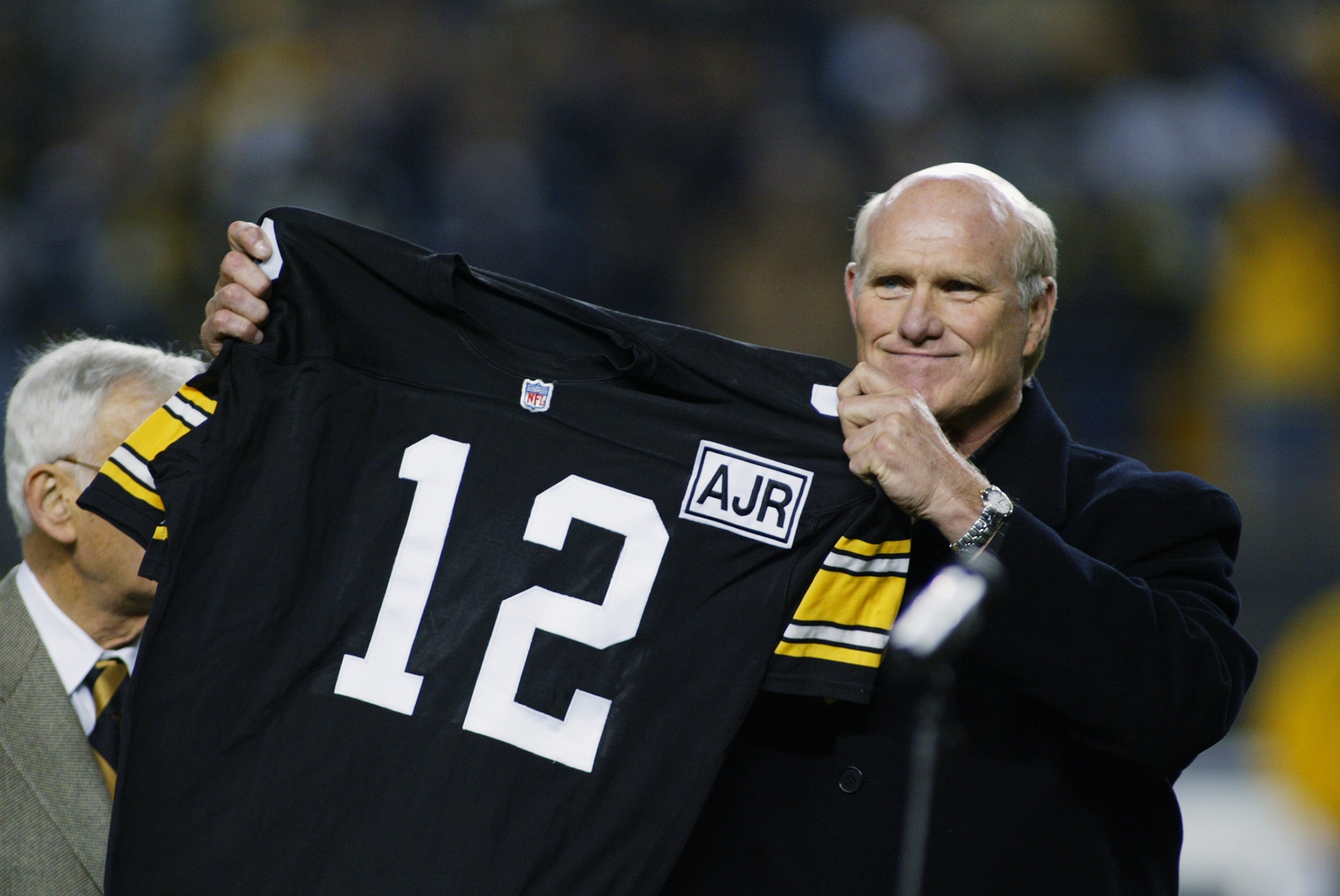
For sports fans in the city of Pittsburgh, 1979 was a very good year.
Not only did the Steelers win their third Super Bowl in January of 1979 and were headed toward a fourth, but the Pittsburgh Pirates of Major League Baseball won the World Series. But as the 70s ceased, the party was at the point of last call.
The Steelers' 22 starters averaged 29 years of age per player, a sign that the dynasty was quickly coming to an end. In Super Bowl XIV, this old dynasty was starting to show its age.
The rushing duo of Franco Harris and Rocky Bleier was held to a combined 71 yards on 30 carries. The "Steel Curtain" defense allowed the 10-point underdog Rams to gain 301 yards offensively, including 212 yards on 15-of-25 passing from quarterback Vince Ferragamo.
Ferragamo was starting the eighth game of his NFL career. Despite his paltry 48.8 passer rating in his five regular season starts, L.A. went 4-1 after a 5-6 start with the likes of Pat Haden, Bob Lee and Jeff Rutledge.
That's right: the Rams went to the Super Bowl with a 9-7 record. At the time, it was the worst regular season by a team appearing in the Super Bowl.
To tell you the truth, the only thing I knew about this Rams team was that Jack Youngblood played in the postseason on a broken leg. Other than that, I could not have recognized anyone on the roster without doing some research.
Regardless, these Los Angeles Rams went into the fourth quarter leading the mighty Steelers 19-17. Their last score came courtesy of a trick play.
Running back Lawrence McCutcheon looked as if he would run a sweep to the right. Then he stopped and threw the ball to Ron Smith for a 24-yard touchdown.
Then, with less than 13 minutes remaining, Terry Bradshaw and the Steelers mounted one last run of greatness. Bradshaw had rough game for somebody who was named Super Bowl Most Valuable Player, throwing three interceptions.
But he also completed 14-of-21 passes for 309 yards and two touchdowns. One of those touchdowns was a 47-yard pass to Lynn Swann in the third quarter.
The other would turn out to be the game winner. Facing a third-and-8, Bradshaw threw a long bomb over the outstretched arms of Rams cornerback Rod Perry and into the hands of John Stallworth, who went 73 yards for the score.
The Rams tried to answer with a go-ahead touchdown drive of their own, as they drove to the Pittsburgh 32-yard line. Then Ferragamo faked a run play and threw a pass toward Ron Smith 20 yards down the middle of the field instead of throwing to a wide-open Billy Waddy, as the L.A. coaches yelled at him to do from the press box.
The pass was intercepted by Jack Lambert at the 14-yard line and returned to the 30.
On the ensuing drive, the Steelers faced third-and-7. Bradshaw found Stallworth again, this time for a 45-yard gain.
A few plays later, Harris capped the drive for Pittsburgh with a one-yard touchdown. And with that, the Steelers had a Super Bowl ring to put on their pinky fingers.
Super Bowl XIV Extra Points
* No NFL team has ever played a Super Bowl in its home stadium. However, with Super Bowl XIV being played in the Rose Bowl in Pasadena, Calif., and the Rams playing their home games at Los Angeles Memorial Coliseum (less than 20 miles away from the Rose Bowl) at the time, the L.A. Rams set a Super Bowl record for closest proximity to a Super Bowl appearance.
* It was the Rams' last year at the L.A. Coliseum. They moved to Anaheim the following year (and no, they did not change their name to the Los Angeles Rams of Anaheim).
* As I previously stated, the Los Angeles Rams entered the Super Bowl with a regular season record of 9-7, the worst record of any Super Bowl entrant. In 2008, the Arizona Cardinals matched that record en route to Super Bowl XLIII, only to lose 27-23 to (what a coincidence) the Pittsburgh Steelers.
Super Bowl XXXI: Green Bay Packers Bring Lombardi Back to Titletown
7 of 10
After the retirement of legendary Green Bay Packers coach Vince Lombardi, the NFL made his name synonymous with championship teams by naming the Super Bowl trophy after him.
But in their first 24 post-Lombardi years, the Packers played like anything but a championship team, recording only five winning seasons.
In 1992, however, Green Bay started the path toward living up to its name of Titletown. General manager Ron Wolf, in his first season at that position, hired Mike Holmgren as the team's head coach and made a trade with the Atlanta Falcons for quarterback Brett Favre.
The following year, the Packers picked up Reggie White in free agency from the Philadelphia Eagles, turning them into a Super Bowl contender in the not-too-distant future.
After losing to the Dallas Cowboys in the 1993, 1994 and 1995 playoffs, the Packers had a team in 1996 that couldn't have looked any more like a sure-thing Super Bowl champion. They were the first team since the 1972 Dolphins to rank first in the NFL in points scored and points allowed and had a punt/kickoff returner in Desmond Howard who proved capable of sparking a big play at any point.
There was no way any team could stop them from winning the Super Bowl that year. And sure enough, Green Bay looked dominant from the get-go in Super Bowl XXXI against the 14-point underdog New England Patriots.
On their second play from scrimmage, the Packers' offense struck it rich on an audible from Favre. Originally planning to run a play called "322 Y Stick," the future Hall of Fame quarterback changed it to "Black 78 Razor," with wide receiver Andre Rison running a post route.
Rison took the post route to the house, catching Favre's pass for a 54-yard touchdown. On the ensuing New England possession, Drew Bledsoe threw an interception to Doug Evans.
It was the first of four interceptions thrown by Bledsoe in this game, and it set up a 37-yard field goal by Chris Jacke that put the Packers up 10-0.
At this point, it would have been easy for the Patriots to pack it in and quit the game. They were losing badly as expected, and I think it's safe to say that their head coach, Bill Parcells, didn't have his mind completely focused on the game.
The Boston Globe reported six days before the Super Bowl that Parcells was going to leave due to a dysfunctional relationship with owner Robert Kraft. According to phone records from the New Orleans Marriott hotel, he made some phone calls to Hempstead, N.Y., home of the New York Jets' headquarters.
After the game, Parcells did not fly home with the team. Five days later, he was the Jets' head coach.
This kind of distraction, and getting off to a bad start against a heavily-favored opponent, can be enough motivation to go into the tank, even in the Super Bowl. However, New England chose not to give up.
The Patriots got on the board with a six-play, 76-yard drive capped by a one-yard touchdown by Keith Byars. Then, set up in part by a 44-yard diving reception by Terry Glenn, they tood the lead with a four-yard TD pass from Bledsoe to tight end Ben Coates.
After a couple of three-and-outs, the Packers got the lead back with another big passing play in the second quarter. With New England safety Willie Clay blitzing and Green Bay in a three-wideout set, strong safety Lawyer Milloy was left to cover Antonio Freeman man-to-man.
The Packers took advantage of the mismatch with an 81-yard connection from Favre to Freeman to take a 17-14 lead. It was the longest pass completion in Super Bowl history (the record now belongs to the Carolina Panthers' Jake Delhomme to Muhsin Muhammad for 85 yards in Super Bowl XXXVIII).
Leroy Butler sacked Bledsoe on third down on the Patriots' next possession. Punter Tom Tupa booted the ball 51 yards to the left sideline, and Howard returned it to the New England 47-yard line.
The return set up a 31-yard field goal by Jacke that increased the Green Bay lead to 20-14.
Earlier in the game, Howard, who was signed by the Packers on July 11, 1996, to a one-year, $300.000 contract, gained 32 yards on a return of another 51-yard punt. The Patriots would regret the decision to kick to him later.
Set up by interception No. 2 from a pressured Bledsoe to cornerback Mike Prior, the Packers scored again on a two-yard touchdown run by Favre to go into halftime with a 27-14 lead.
In the second half, the Patriots again made a push in its upset attempt. They stuffed Green Bay running back Dorsey Levens on fourth-and-1 at the New England 38-yard line.
Then they scored a touchdown on a 28-yard run by Curtis Martin.
It seemed like, if the Patriots could keep the momentum going, they would send Parcells to New York a winner. Then they decided to kick to Desmond Howard.
Howard, in a play that will go down in Super Bowl history as the one in which special teams proved valuable enough for a kick returner to be named Most Valuable Player, returned the ensuing kickoff 99 yards for the touchdown.
The Packers completed the two-point conversion with a Favre pass to tight end Mark Chmura for a 35-21 third-quarter lead. With 3:10 left in the quarter, it shouldn't have been an insurmountable lead.
But the Packers' defense made it look like a blowout, as the Patriots suffered four sacks, three punts and two interceptions and managed only one first down in its last five possessions.
Three of the Packers' four sacks came courtesy of the late Reggie White. Thanks in part to the Minister of Defense and company, Howard's touchdown return served as the last points scored in this Super Bowl.
White finished the game with three sacks. Favre left the Louisiana Superdome, not too far away from his hometown of Kiln, Miss., with 246 yards and two touchdowns on 14-of-27 passing and a rushing TD.
But Howard took home MVP honors with 154 yards off kickoff returns and 90 punt-return yards.
Most importantly, however, (the) Vince Lombardi (Trophy) returned home to Green Bay.
Super Bowl XL: Steelers (and Referees?) Send Bettis Home a Winner over Seahawks
8 of 10
The Pittsburgh Steelers and Seattle Seahawks put on a show in Detroit's Ford Field that can be classified as a classic glass half-empty, half-full situation.
Those who view the 40th edition of the Super Bowl as half-full (including the great majority of the Ford Field crowd, who proudly waved their Terrible Towels in support of the Steelers) see it as one that gave two proud members of Steeler Nation the chance to finally be known as champions.
Bill Cowher was hired as Pittsburgh's head coach in 1992, replacing the only coach to win four Super Bowls: Chuck Noll. Unlike Noll, it took Cowher awhile to get his first, and only, victory in the big game.
He had come close, losing 27-17 in Super Bowl XXX to the clearly-superior Dallas Cowboys and losing four AFC Championship Games. With the 21-10 victory in Super Bowl XL, Cowher retired after the 2006 season with the monkey off his back.
For 33-year-old Jerome "the Bus" Bettis, the Super Bowl was a fairy-tale sendoff to his power-running career. Winning his first-ever Super Bowl ring in his hometown, Bettis led the Steelers out of the tunnel in the pregame and, on Pittsburgh's final drive, ran the ball twice for four yards to get a game-clinching first down.
For those who see Super Bowl XL as half-empty, it was seen as a game in which neither team played well enough to win the big game. And, especially if you're asking Seahawks coach Mike Holmgren, the referees didn't put on a Super Bowl-worthy performance, either.
"We knew it was going to be tough going against the Pittsburgh Steelers," Holmgren said the day after the Super Bowl in front of about 15,000 fans at Qwest Field. "I didn't know we were going to have to play the guys in the striped shirts as well."
The first questionable call of the game cost the Seahawks a go-ahead touchdown in the first quarter. Seattle wide receiver Darrell Jackson caught a pass in the end zone, but the TD was called back.
The officials said Jackson interfered with Steelers free safety Chris Hope by putting his right hand into his chest before getting wide open for the catch. A call deemed ticky-tack by some people watching the game.
Josh Brown kicked a 47-yard field goal to put the Seahawks up 3-0.
Then, with less than two minutes remaining in the first half, the Steelers faced a third-and-goal. Ben Roethlisberger dived for the goal line, but was arguably just short. However, the referees signaled touchdown, and the call was upheld after a booth review.
With the Steelers up 7-3 on their opening drive of the second half, running back Willie Parker scored on a 75-yard touchdown dash for what would turn out to be the game-winning score (and a Super Bowl record for longest run from scrimmage).
The ensuing Seahawks drive was stalled when tight end Jerramy Stevens dropped a pass at the Pittsburgh eight-yard line. It was the second of three passes that Stevens dropped that evening.
And it ended up costing Seattle points, as Brown missed a 50-yard field goal. Brown ended the game successful on only one of three field-goal attempts, as he missed a 54-yarder to end the first half.
The Steelers followed his second-half miss by driving to the Seahawks' seven-yard line. However, the drive was ruined when Seattle dime back Kelly Herndon intercepted an underthrown pass by Roethlisberger.
The Seahawks got a touchdown off the turnover, as Stevens caught a 16-yard pass from Matt Hasselbeck in the end zone to cut Pittsburgh's lead to 14-10.
The interception was one of two thrown by Big Ben in Super Bowl XL. He finished the game with 22.6 quarterback rating -- the worst by a winning QB in Super Bowl history -- completing only 9-of-21 passes for 123 yards.
The Steelers did produce a touchdown pass by game's end. In the fourth quarter, wide receiver -- and former Indiana University quarterback -- Antwaan Randle El faked running a reverse and threw a 43-yard pass to Hines Ward for the touchdown and a 21-10 Pittsburgh lead.
Ward finished the game with five catches for 123 yards, winning Most Valuable Player honors despite dropping two passes.
The touchdown drive started with an Ike Taylor interception that killed a Seahawks drive that started in the waning moments of the third quarter at their own two-yard line. Stevens caught an 18-yard pass that put Seattle one yard away from taking the lead early in the fourth quarter.
Only to have the catch called back by another arguable call. Right tackle Sean Locklear was penalized for (allegedly) holding linebacker Clark Haggans, sending the Seahawks back to the 29-yard line.
Two plays later, Taylor returned Hasselbeck's interception to that location, where the quarterback cut him down with what looked like a cross-body block to his knees. Thinking that Hasselbeck was attempting to hit Steeler cornerback Deshea Townsend, the referees called a 15-yard illegal block penalty on the Seattle QB.
Hasselbeck, as it turns out, never touched Townsend.
Overall, those who see Super Bowl XL as a glass half-empty view it as one in which the Steelers won despite a performance that was, at best, mediocre. And one in which it got a lot of help from the zebras.
For those who see it as half-full, well, winning ugly is still winning. And you would have a hard time thinking of anybody more deserving of championship status than Jerome Bettis and Bill Cowher.
Six-burgh: Roethlisberger, Holmes and Steelers Offense Soar over Cardinals
9 of 10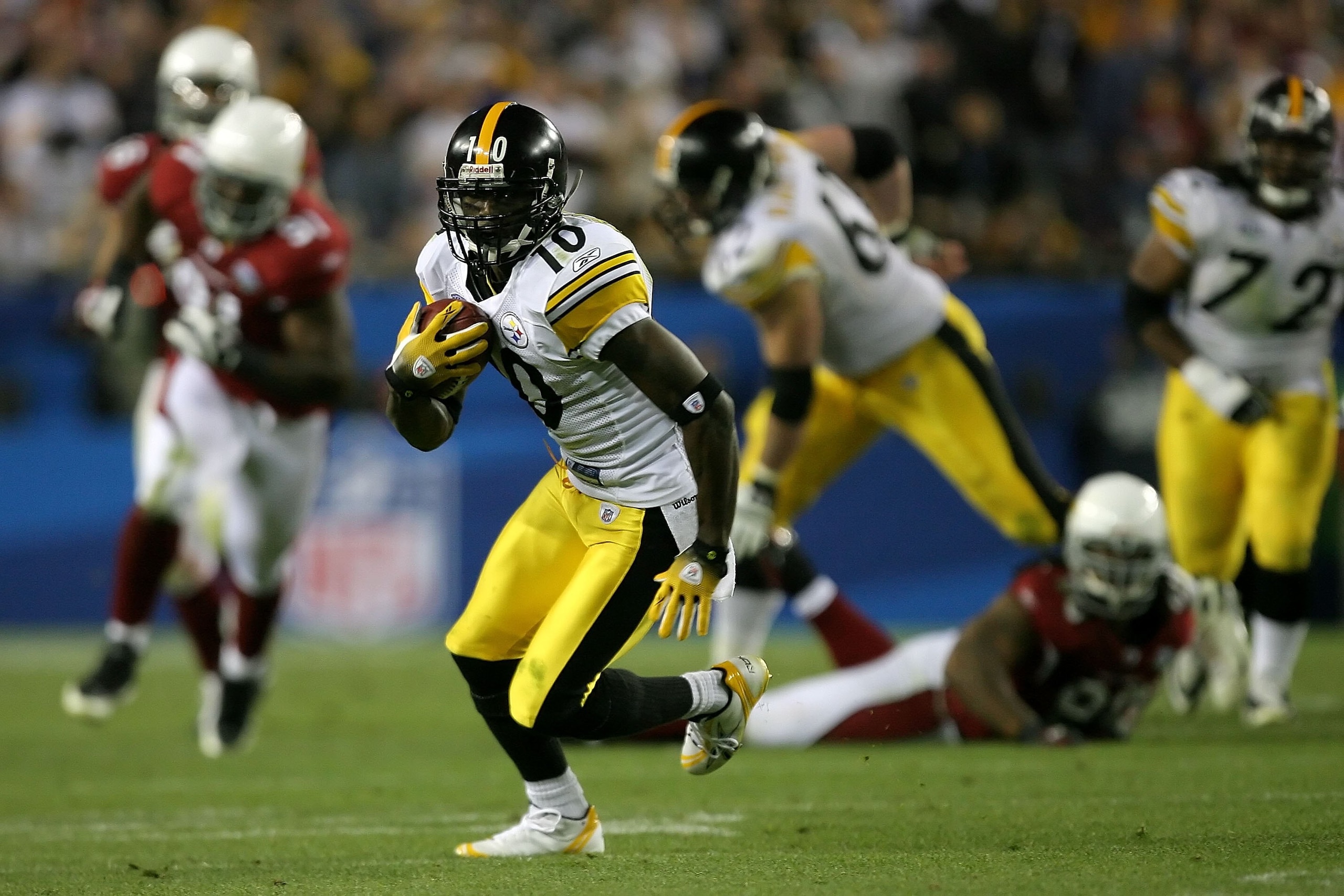
On a 68-degree day (weather I, as a Midwesterner trapped in snow and six-degree temperatures, would kill for right now) at Raymond James Stadium in Tampa Bay, two teams entered Super Bowl XLIII via contrasting journeys.
The Pittsburgh Steelers entered the game as the AFC's No. 2 seed. Until that time, they were known as a team that played smash-mouth football with a strong defense and bruising running game.
Although their defense was still a force to be reckoned with (not so much this day), the offense was put on the shoulders of quarterback Ben Roethlisberger. Like Terry Bradshaw before him, Big Ben matured over the years since his first Super Bowl performance, and it showed this evening.
He ended the game throwing for 256 yards and a touchdown on 21-of-30 passing attempts. His 93.2 QB rating was a far cry from his 22.6 rating in Super Bowl XL.
The Arizona Cardinals were merely a team trying to establish a winning identity in 2008, having won only one playoff game in their last 51 years and entered the postseason with a 9-7 record.
With victories over the Atlanta Falcons, Carolina Panthers and Philadelphia Eagles in the playoffs, the Cardinals entered Super Bowl XLIII hoping to include a historic final chapter to their first taste of success in the desert.
It would not get off to a good start for Arizona, as Pittsburgh took a 10-0 lead in the first quarter via an 18-yard field goal by Jeff Reed in the first quarter and a one-yard touchdown run in the second by Gary Russell.
The Cardinals answered back, however, with a one-yard TD pass from Kurt Warner to tight end Ben Patrick. Then, after Roethlisberger had a pass batted by Bryan Robinson and intercepted by Karlos Dansby, Arizona had the ball at the Steelers' 34-yard line with two minutes left in the first half.
In the half's closing seconds, the Cardinals had a first-and-goal at the Pittsburgh one-yard line. Warner planned on throwing a pass to Anquan Boldin to put his team up 14-10 at the half.
Instead, the pass fell into the hands of James Harrison, who was actually instructed by defensive coordinator Dick LeBeau to rush the quarterback. Harrison returned the interception 100 yards for the longest pick-six in Super Bowl history (in terms of yardage and, perhaps, time taken by Harrison to run to the end zone).
Harrison may now be known as a guy who complains about the NFL fining him for hitting defenders too hard. But in that situation, I'm sure he was grateful that the Cardinals mistakenly thought they were playing touch football.
Thanks to the TD return, the Steelers went into halftime leading 17-7. After a 21-yard field goal by Reed, they had a 20-7 lead heading into the fourth quarter.
Then, once again, Arizona proved its worthiness to play in the Super Bowl. Warner threw a one-yard touchdown pass to Larry Fitzgerald to cut the deficit to 20-14.
Facing a third down at their own one-yard line, the Steelers gave two more points to the Cardinals when center Justin Hartwig, who was playing with a sprained MCL, was called for a holding penalty in the end zone. The play resulted in a safety, and gave Arizona the ball back.
Warner then found Fitzgerald, who sprinted down the middle of the field 64 yards for the go-ahead touchdown. Fitzgerald finished the game with seven catches for 127 yards and Warner with 377 yards and three touchdowns on 31-of-43 passing.
The good news for the Cardinals is that their air-attack duo gave them an unexpected 23-20 lead. The bad news is that 2:34 remained, enough time for another passing duo to, as Santonio Holmes said on the sidelines, "be great."
Holmes finished Super Bowl XLIII with nine receptions for 131 yards, but it was his four catches for 73 yards on the Steelers' final drive that earned him the Most Valuable Player award.
The third of those catches set up a first-and-goal for Pittsburgh at the six-yard line. He caught the pass from Roethlisberger on a curl route, then sprinted along the sideline past a slipping Aaron Francisco.
Two plays later, Roethlisberger threw the game-winning touchdown pass to Holmes, who tip-toed inbounds by the right sideline. After a booth review, the referees confirmed the touchdown.
As Holmes screamed, "That's how you be great!"
And that's how a proud franchise became the first in NFL history to win six Super Bowls.
You're All Invited to Drew Rosten's Super Bowl XLV Party
10 of 10Check out the Sports Thread at http://drewrosten.blogspot.com for the latest on the status of Steelers Pro Bowl center Maurkice Pouncey and my two cents on Media Day.
On Super Bowl Sunday, visit the Sports Thread for in-depth coverage of Super Bowl XLV.
.jpg?w=2560 "Commanders Eagles Football")
.jpg?w=2560 "Chiefs Dolphins Football")


.jpg?w=2560 "Grading WWE Raw 🔠")

