
MLB Power Rankings: The Greatest Second Baseman in Every Team's History
A position not generally known for gaudy numbers or broken records, second base continually represents finesse and footwork that only a few skilled athletes can master.
When going through the history of the MLB, we see many second basemen who have made their careers being the solid defender the position needs, but we also see cases where a team's best player mans the 2B position.
We're here to take a look at my opinion of who is the best second basemen to ever man the spot for each MLB team.
Of course, there are going to be some difference of opinion, and I welcome all comments.
So sit back, relax, and take a look at who was the best of the best for your respective team.
Pittsburgh Pirates: Bill Mazeroski
1 of 30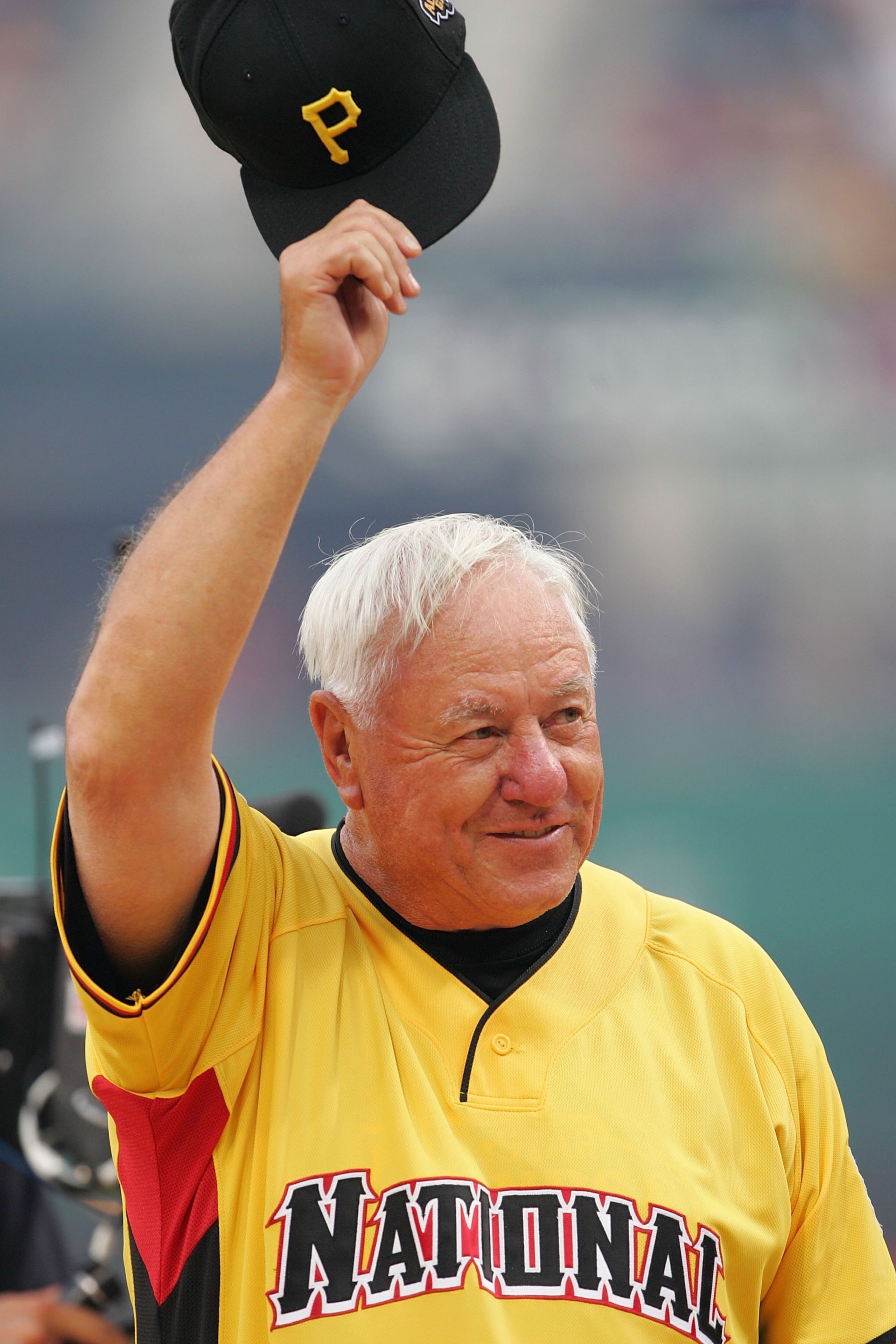
Bill Mazeroski commanded stardom breaking into the league as a tender teenager. He made his first All-Star game at the mature age of 21, and he never looked back.
Posting career highs in BA (.275) and HR (19) in 1958, his offense wasn’t even the best aspect of his game.
He was one of the better defensive second basemen to play the game, and his .983 fielding percentage shows this.
Most known for his walk-off shot in Game 7 of the 1960 World Series, Maz’s Hall of Fame career ranks as the best in Pirates history.
Seattle Mariners: Brett Boone
2 of 30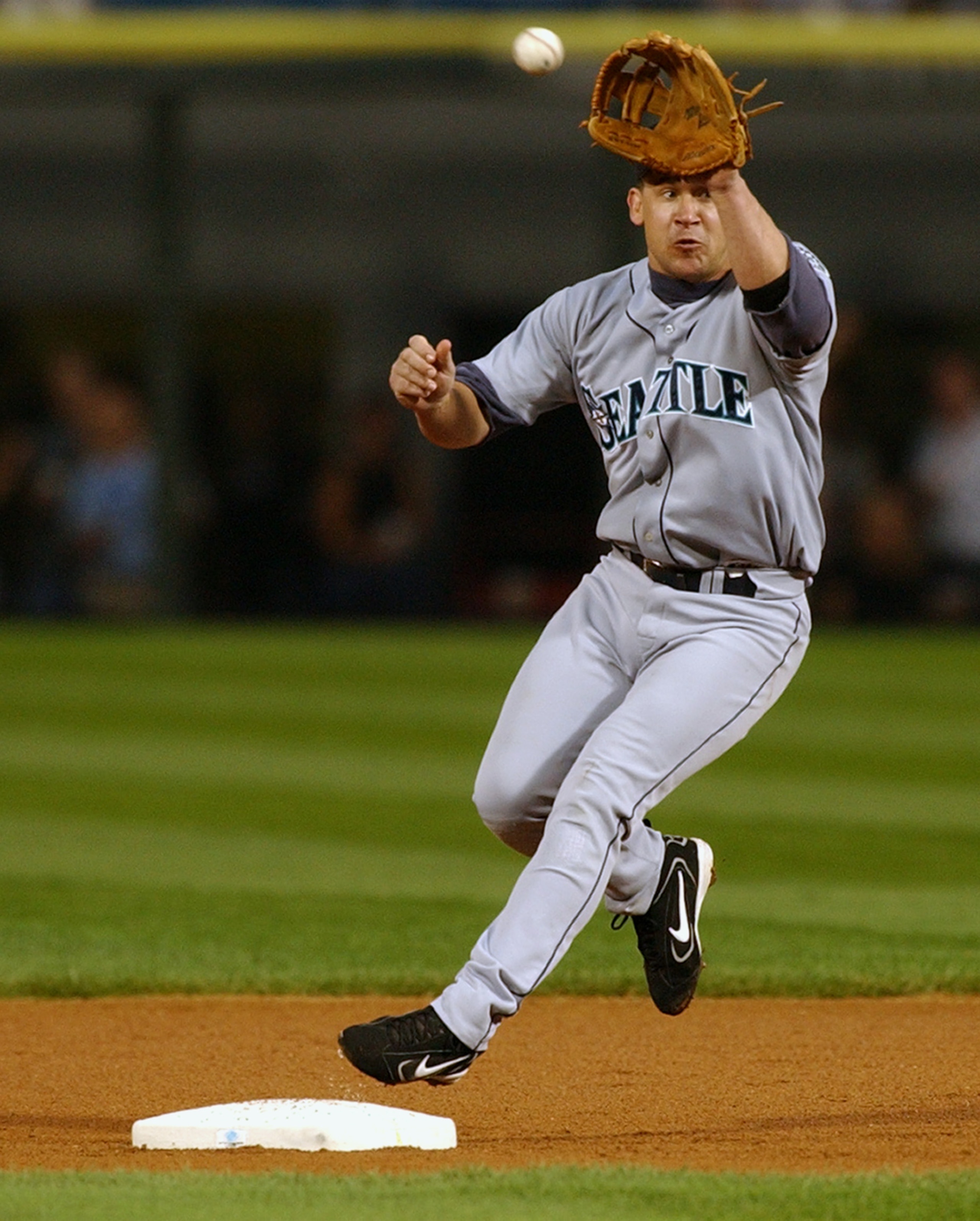
What little kid growing up in the ‘90s didn’t love the Seattle Mariners?
We had Ken Griffey, Jr., Randy Johnson, Alex Rodriguez, Jay Buhner, John Olerud and Brett Boone to root for, making these Mariners my favorite team as a kid.
Boone was always a great fielder who could also get the job done at the plate.
His 143 home runs out of the 2B position is a nice stat, not to mention all 535 of his runs batted in.
The two-time All-Star, three-time Gold Glove winner and two-time Silver Slugger did have a little battle with Harold Reynolds' 228 stolen bases while with the Mariners, but ultimately, it was Boone's all-around talent that got him the edge.
Arizona Diamondbacks: Jay Bell
3 of 30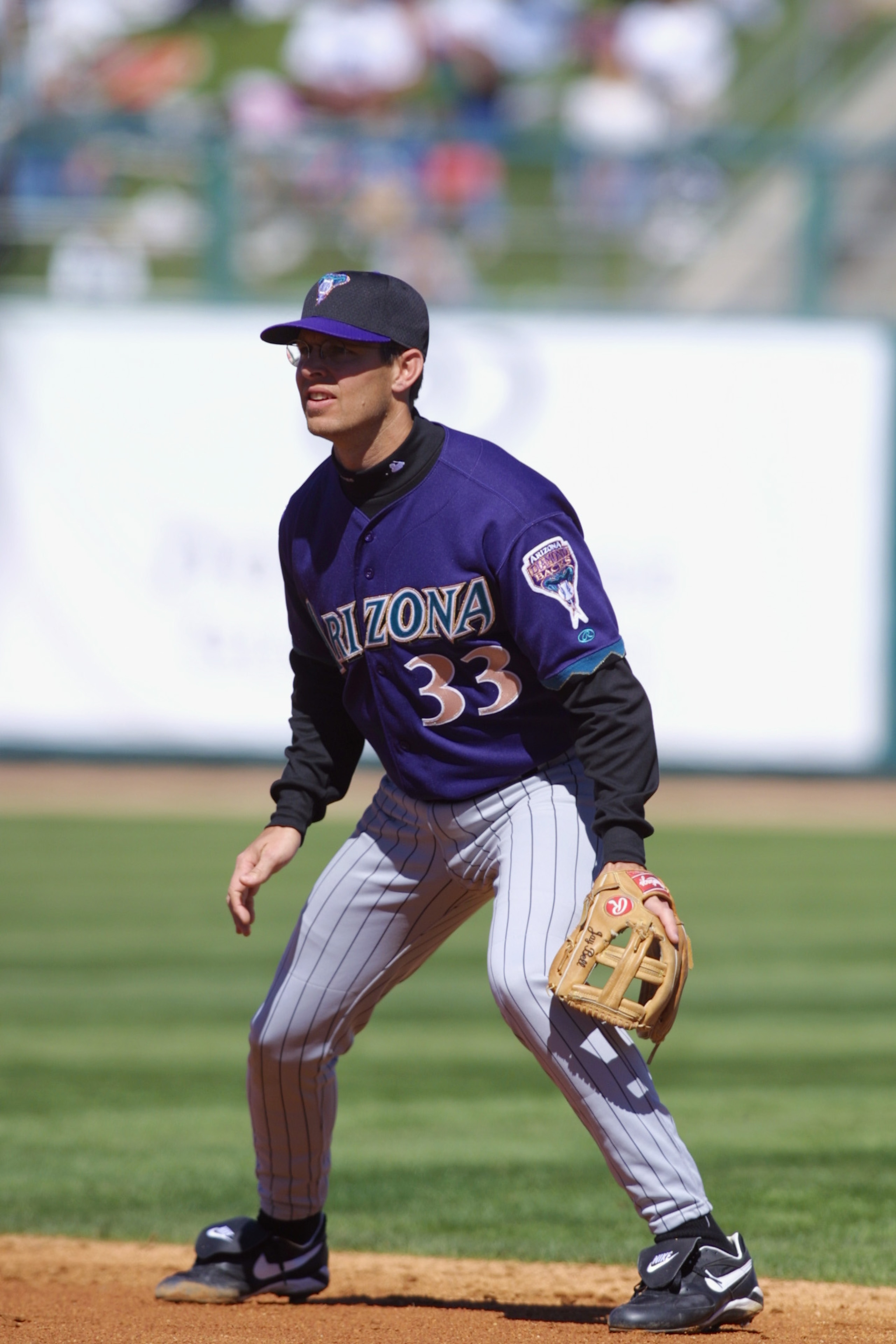
With such a short history of baseball in Arizona, it’s always tough to name a player best in team history, but with out a doubt, Jay Bell has to be the D-Backs greatest second baseman.
Part of the inaugural team in ’98, Bell’s career was coming to an end when he joined the team, but nonetheless put up stellar numbers.
.262 Batting Average, 24 HRs, 80 RBI in a 162-game average for the D-Backs, Bell’s best season came in 1999 when he hit for a solid .289 average with 38 homers and 112 runs batted in.
He appeared in one All-Star game while playing in Arizona and his .975 fielding percentage is one of the best in team history.

Baltimore Orioles: Brian Roberts
4 of 30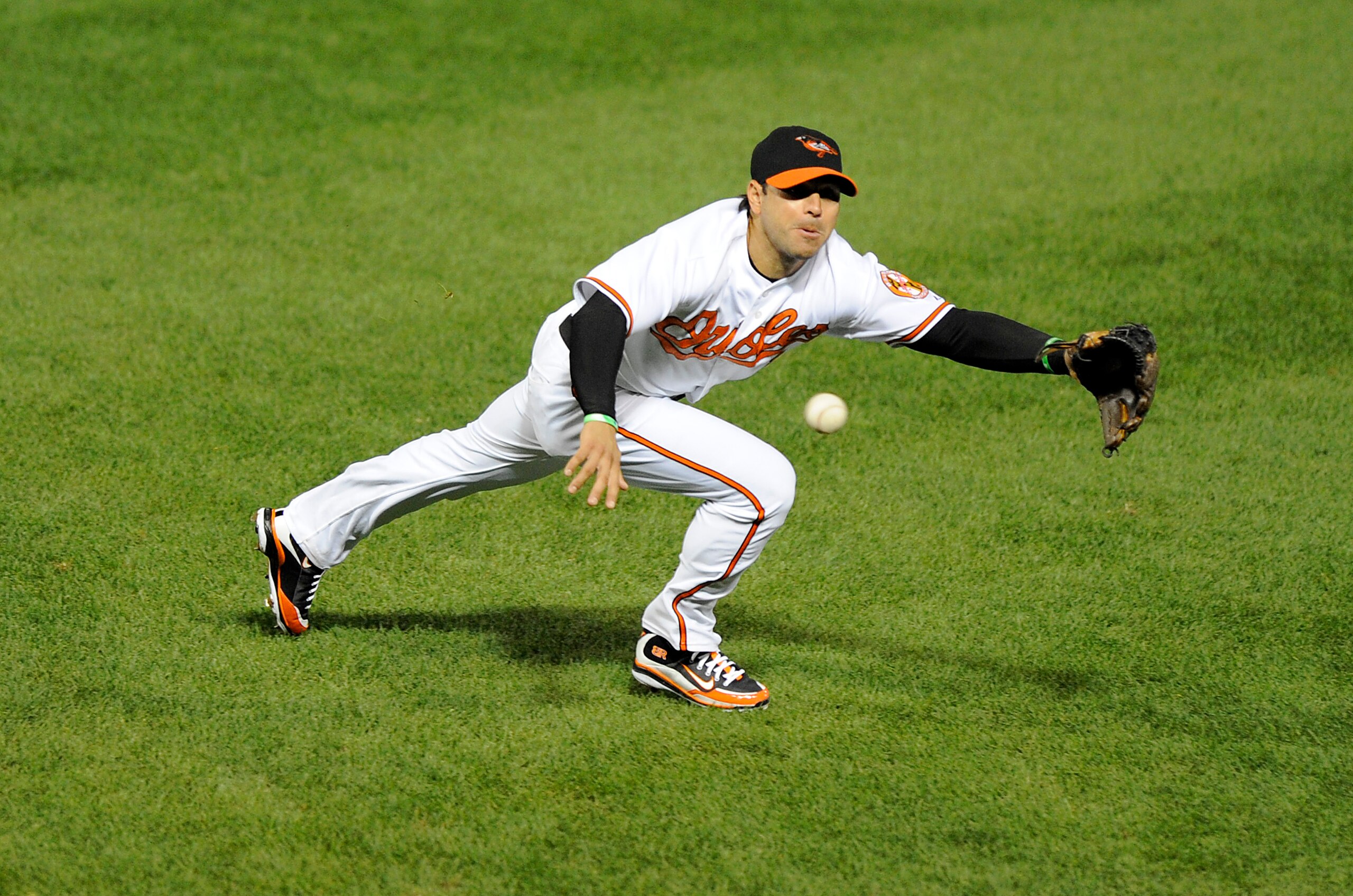
Brian Roberts is any team’s ideal leadoff and second baseman, and Baltimore is lucky to have attained his services since 2001.
He can do it all—set the table for teammates behind him, steal bases, bunt for hits and the occasional power—all while playing a solid, consistent second base.
He had a career year in 2005, hitting 18 homers and driving in 73 runners, but it's his .987 fielding percentage that got heads turning to watch 2B Brian Roberts.
Kansas City Royals: Frank White
5 of 30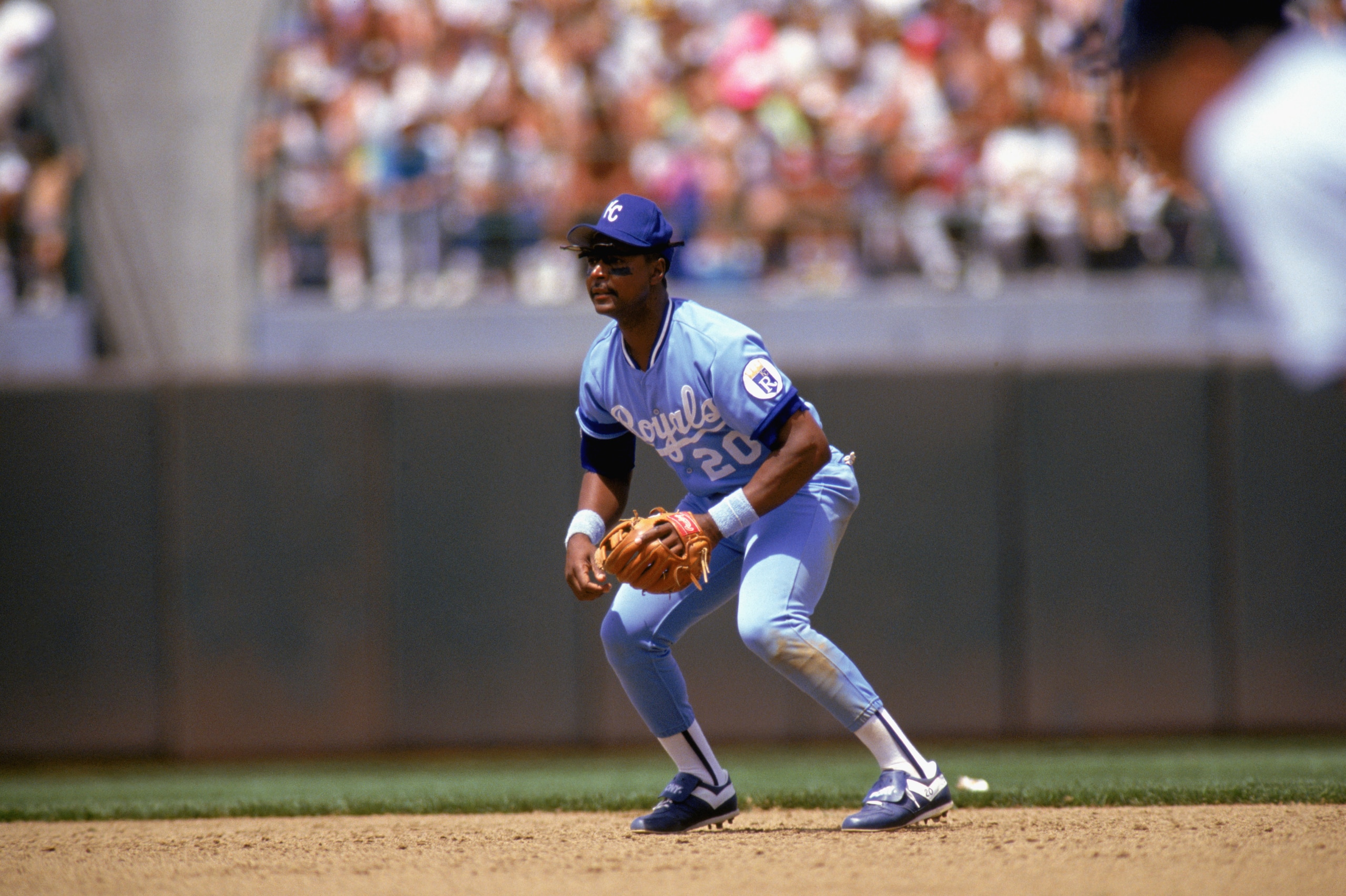
Playing his entire 17-year career in Kansas City, Frank White is arguably the best player the Royals have brought up through their system.
Playing excellent defense garnered White eight Gold Glove awards and five All-Star Games, starting in the 1979 contest.
He also had a bat to back his fielding up, winning the Silver Slugger Award in 1986 at age 35 when he logged a .272 BA, 22 HRs and 84 RBI.
A .984 fielding percentage has White at the top of the list for Royals second baseman with 1970s second baseman and four-time All-Star Cookie Rojas a close second.
Washington National/ Montreal Expos: Jose Vidro
6 of 30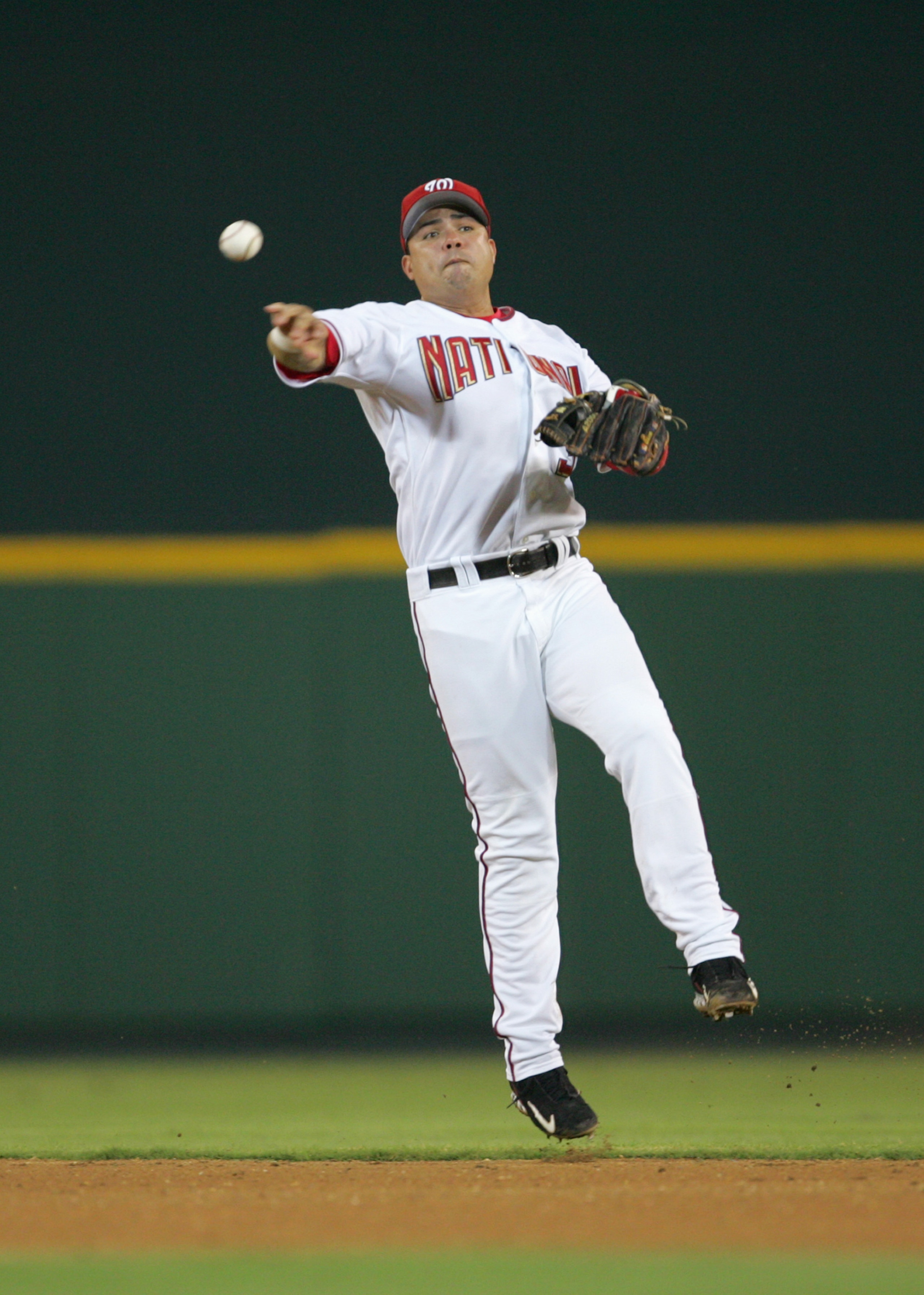
A tough toss-up between Jose Vidro and Delino DeShields, Vidro had to take home the prize based on his three-time All-Star selection and single Silver Slugger award, while DeShields had nothing to show.
Never having hit less than 12 home runs and 55 RBI in a season with the Expos, Vidro’s solid D helped him earn respect as one of the better second basemen in the league.
His five straight seasons of a batting average of .300 or more gives Vidro the edge over many players during his era.
Cleveland Indians: Nap Lajoie
7 of 30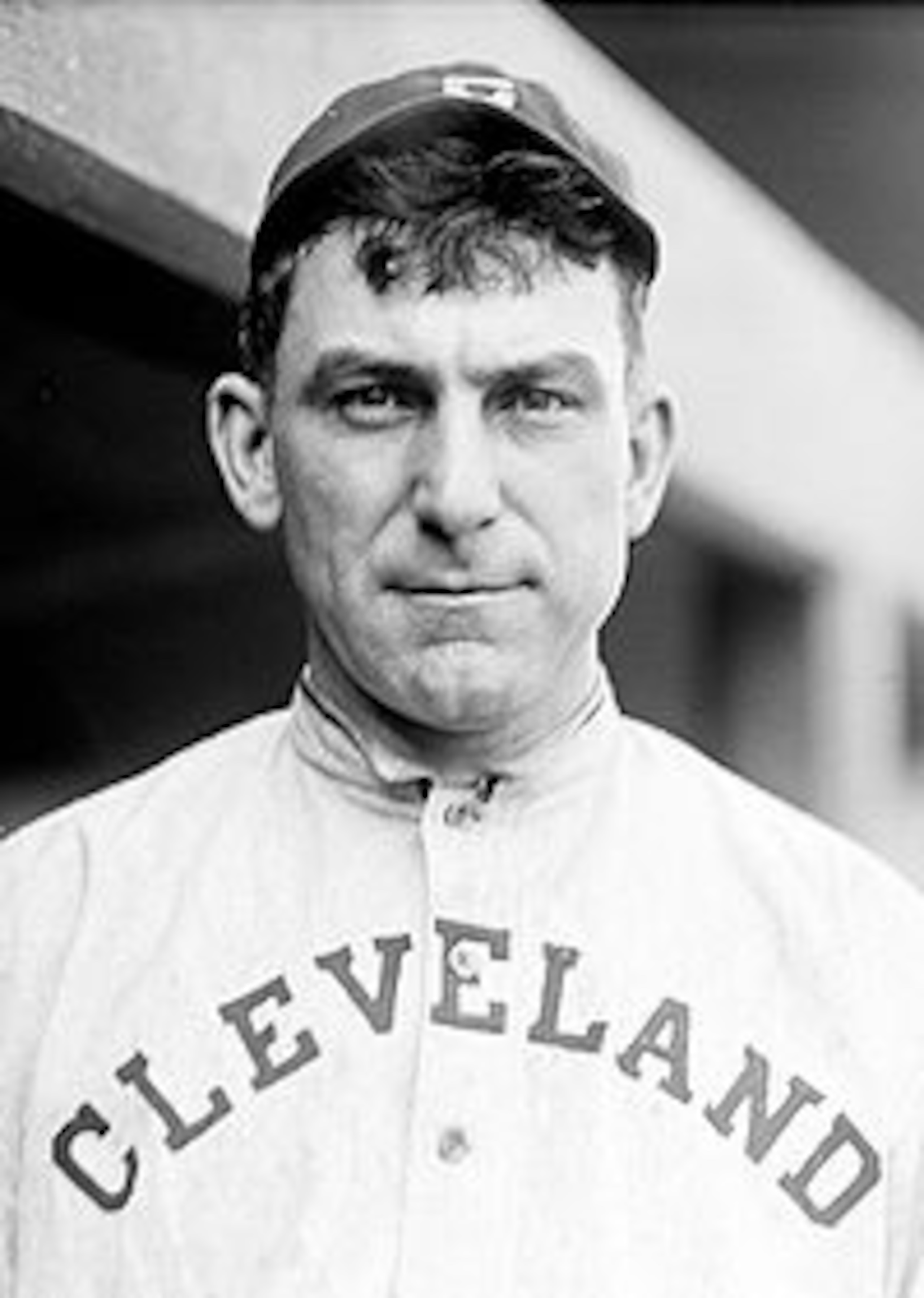
Arguably the best AL player before Ty Cobb came into the league, Nap Lajoie can be considered one the greatest second baseman to ever play the game.
Considered the best offensive second baseman in his 13 seasons with the Tribe, Lajoie belted 424 doubles, leading the league in that category three times and also holds a career .339 average.
His great play on both sides of the ball earned him initiation into the National Baseball Hall of Fame in 1937 and a spot on this list.
Chicago Cubs: Ryne Sandberg
8 of 30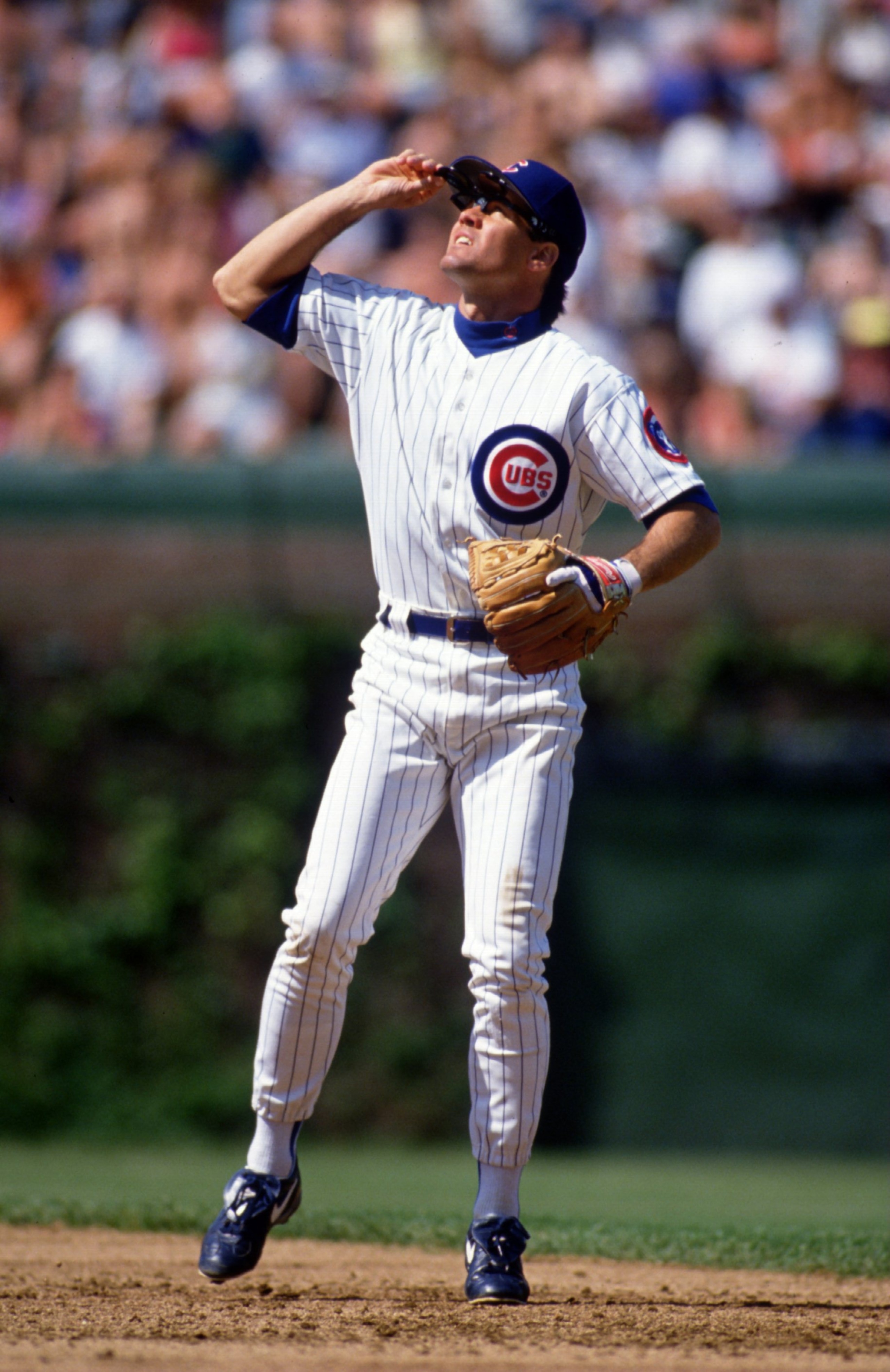
There’s no other second baseman in Cubs history that could match what Ryne Sandberg has done with the club.
He was stellar on the offensive side, hitting 282 career homers and driving in 1,061 runners with the club. He could do it on the base paths, stealing 344 bags in a Cubs uniform. But nothing can beat his .989 fielding percentage, making his arguably the best defensive second baseman of his era.
The current Hall of Famer also was a 10-time All-star and the NL MVP in 1984, and while the Cubs also feature a few more Hall of Famers in their history at 2B, Sandberg without a doubt has the accolades to garner him the best.
Houston Astros: Craig Biggio
9 of 30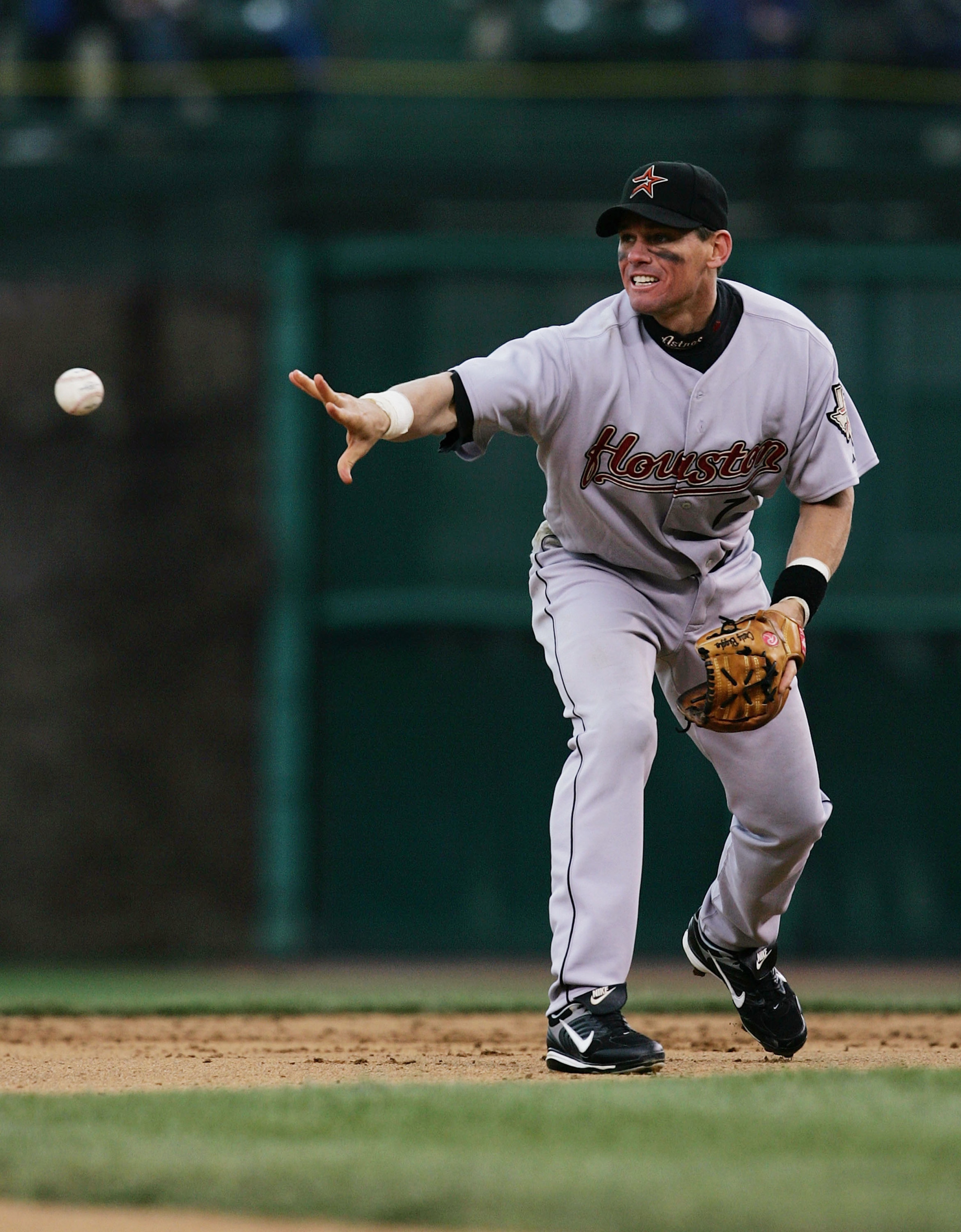
Craig Biggio is a player I remember being one of the best as I grew up watching baseball.
His 3,060 hits makes him a first-ballet Hall of Famer and no question the best second baseman the Houston Astros have ever seen.
Making the switch to second after coming up in the Astros system as a catcher, Biggio didn’t seem to mind as he won four Gold Gloves and posted a career .984 fielding percentage in Houston.
He also showcased his speed and power, hitting 20 or more homers eight times in his career and stealing 414 bases while with the Astros.
A great career for an even better player who will one day be inducted into Cooperstown.
Milwaukee Brewers: Jim Gantner
10 of 30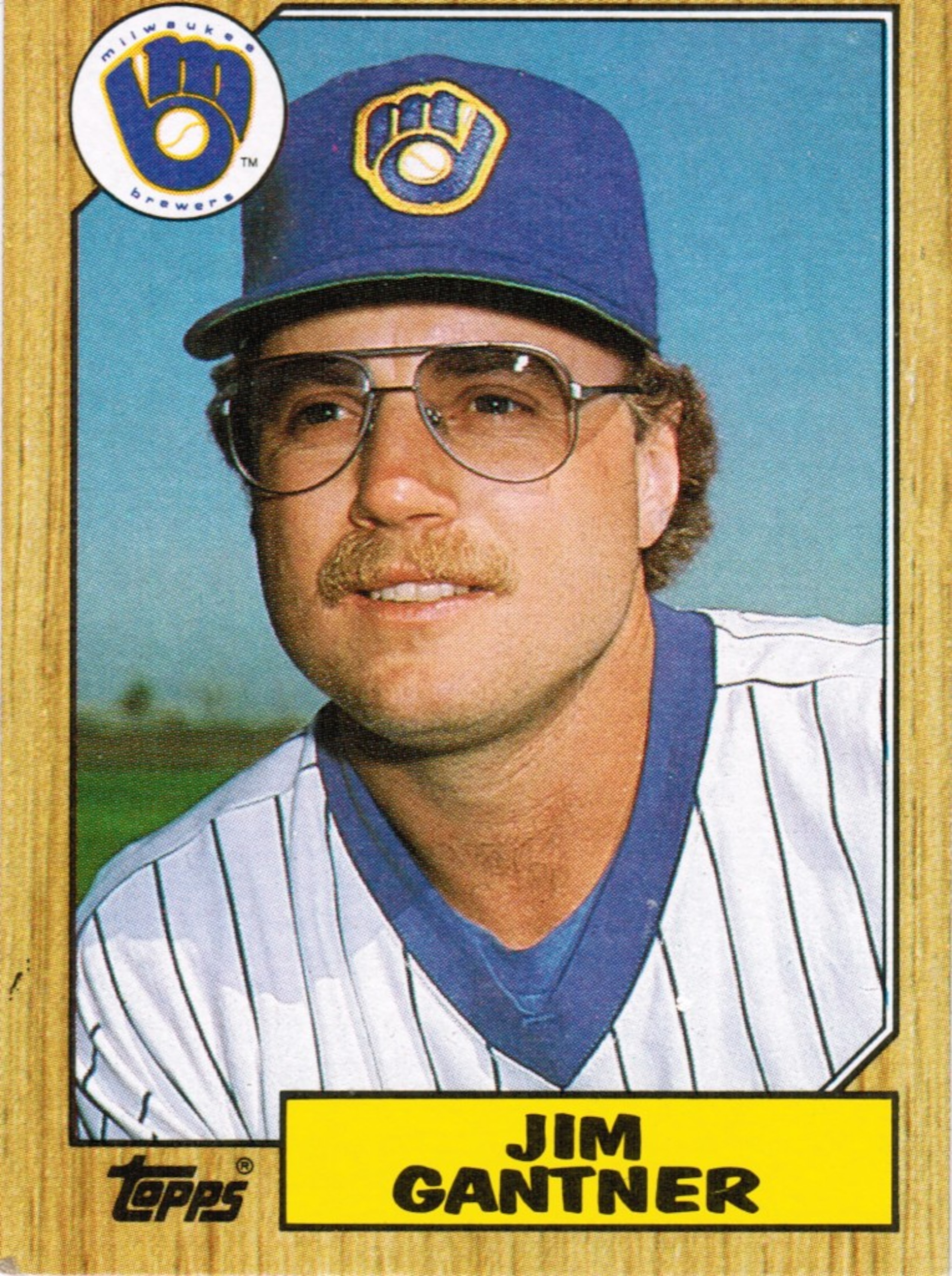
Not known for his power but rather his pure hitting capabilities, Jim Gantner played a variety of positions for the Brewers, but a bulk of his action came at second base.
He gave the Brew Crew 17 solid seasons, posting a career .274 average, 47 HRs, 568 RBI and 137 SB and never struck out more than 50 times in any one season.
A team not very strong in the second base department, Gantner gave the Brewers some stability for over a decade, earning him the right to be the best Brewer 2B in team history.
New York Mets: Edgardo Alfonzo
11 of 30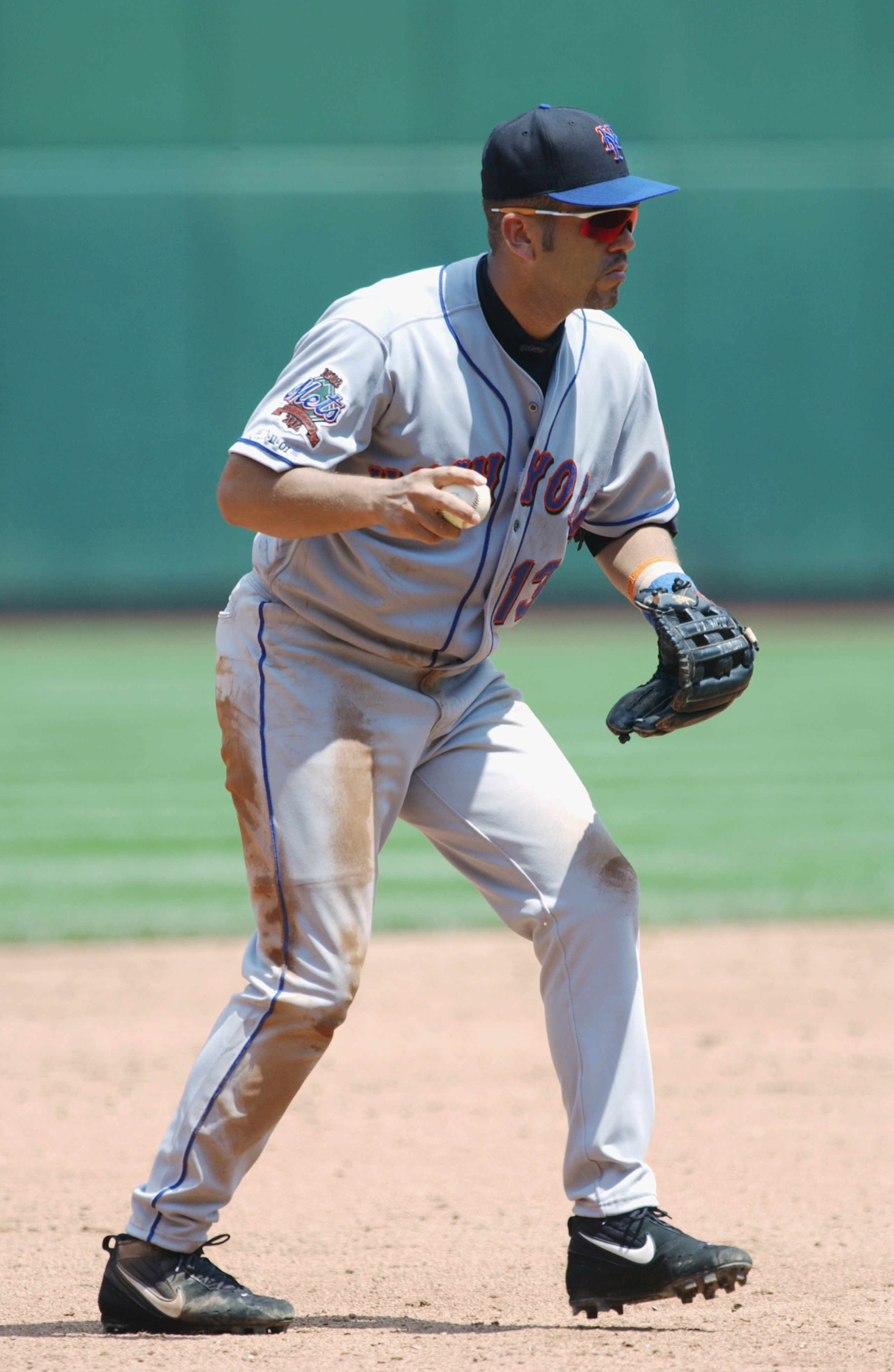
Growing up watching New York Mets baseball, it was always a thrill to watch a ball hit up the middle, Edagrdo Alfonzo dive, make the play and flip it to SS Rey Ordonez to turn the double play.
Alfonzo enjoyed much success with the Mets, going to one All-Star Game and winning one Silver Slugger Award in 1999, but he had the most impact on the 2000 Mets World Series-bound team.
Batting .324 with 40 doubles, 25 homers and 94 RBI, Alfonzo and the Mets took their season all the way to the World Series where they ultimately lost to the cross-town Yankees.
A close second on the list is fan-favorite Wally Backman, but in my opinion, Alfonzo has the clear edge.
Los Angeles/ Anaheim Angels: Bobby Grich
12 of 30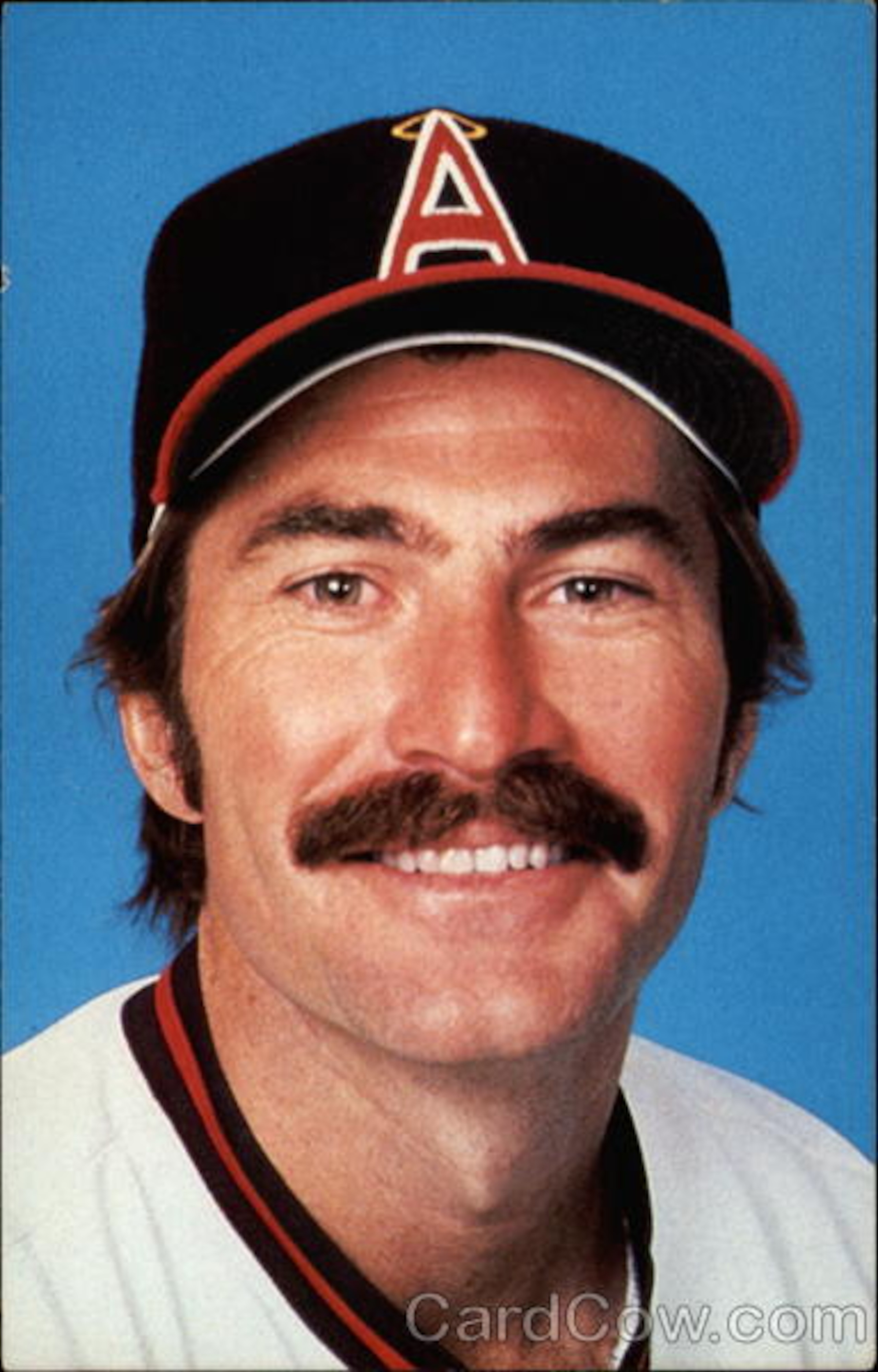
Tall for a middle infielder, Bobby Grich had above average power by leading the league in home runs in 1981 and clubbing 154 homers during his nine years for the Angels.
He also had excellent range and was known around the league for his great pivot on double plays, earning four Gold Gloves.
His best season was strike-shortened 1981 when his 22 homers led the league along with a .543 slugging percentage. His .304 average that year was coupled with his phenomenal defense and is still being talked about as one of the best in the game.
Florida Marlins: Luis Castillo
13 of 30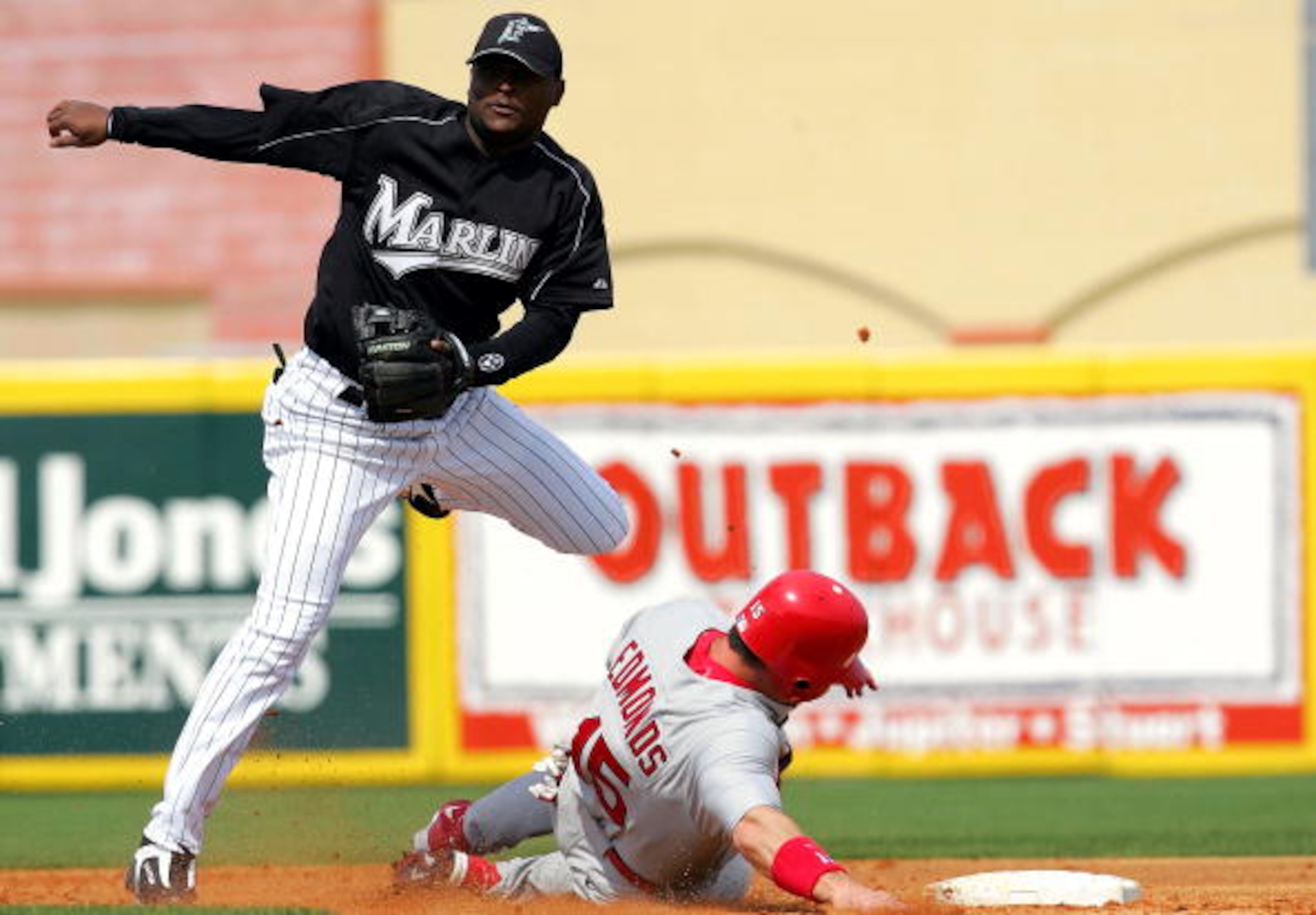
As a Mets fan, it pains me to put Louie on a list of great players, but this is more about what he has done and not what he is currently doing.
As one of the top leadoff hitters in the game during his prime, Castillo, teamed with Juan Pierre, was a one-two punch of speed that couldn’t be countered.
His 35-game hitting streak in 2002 caught the attention of sports fans around the country but his best year was in 2000 when he led the NL with 62 steals and then helped the Marlins win it all in 1997 and 2003.
Louie’s slap-hit style of ball and range at second base helped him surpass Dan Uggla as the Marlins best second baseman.
Los Angeles Dodgers: Jackie Robinson
14 of 30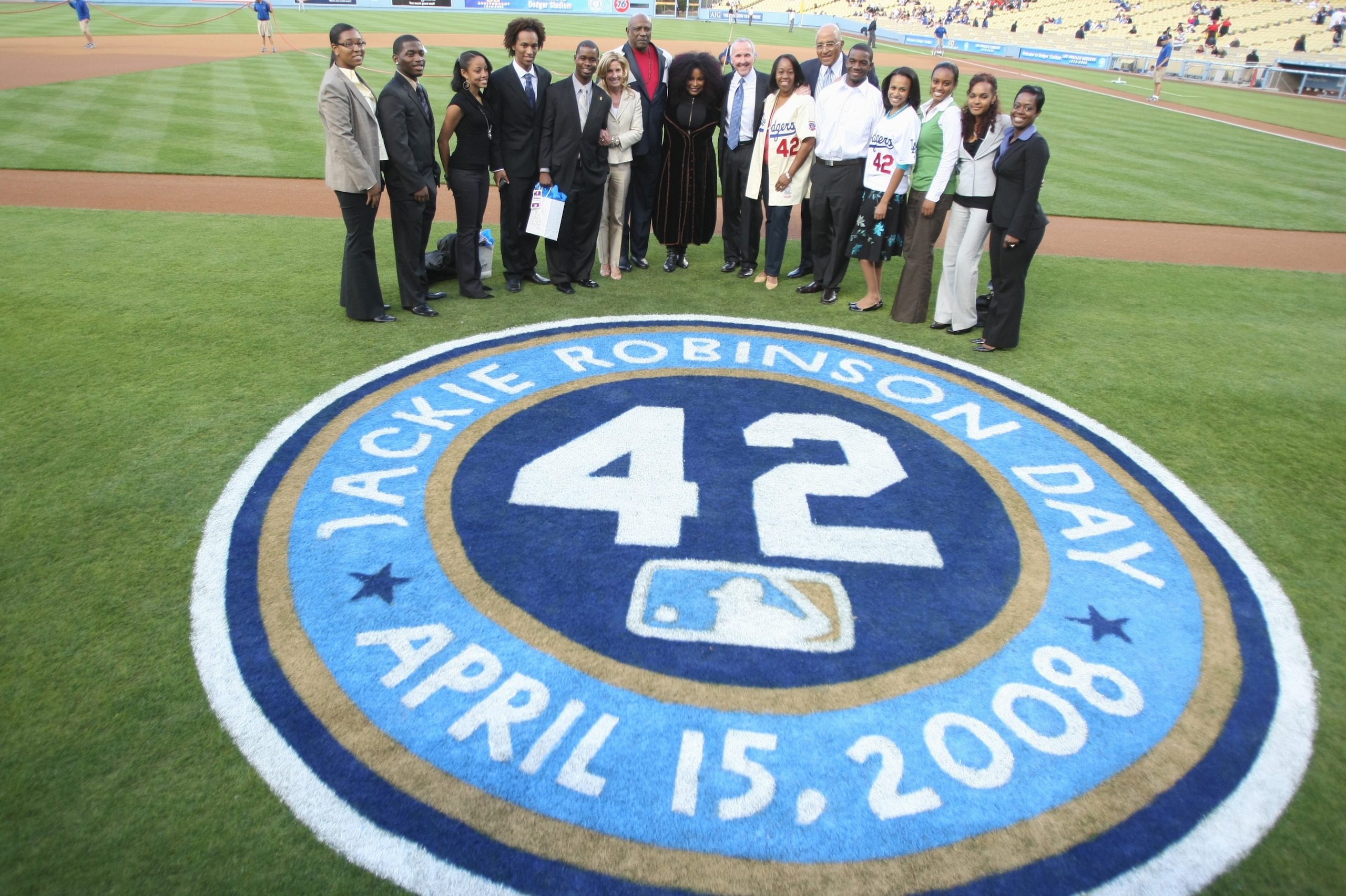
His obvious single-handed change of the game aside, Jackie Robinson was an all-around incredible second baseman.
Having to break into the majors at age 28, there is no question Robinson is the best offensive second baseman of all time.
He had a career year in 1949, batting an astounding .342 with 16 home runs, 124 RBI and 37 stolen bases, creating an MVP season.
No list could be complete without the six-time All-star, 1949 MVP, 1947 ROY and Hall of Famer Jackie Robinson.
Detroit Tigers: Lou Whitaker
15 of 30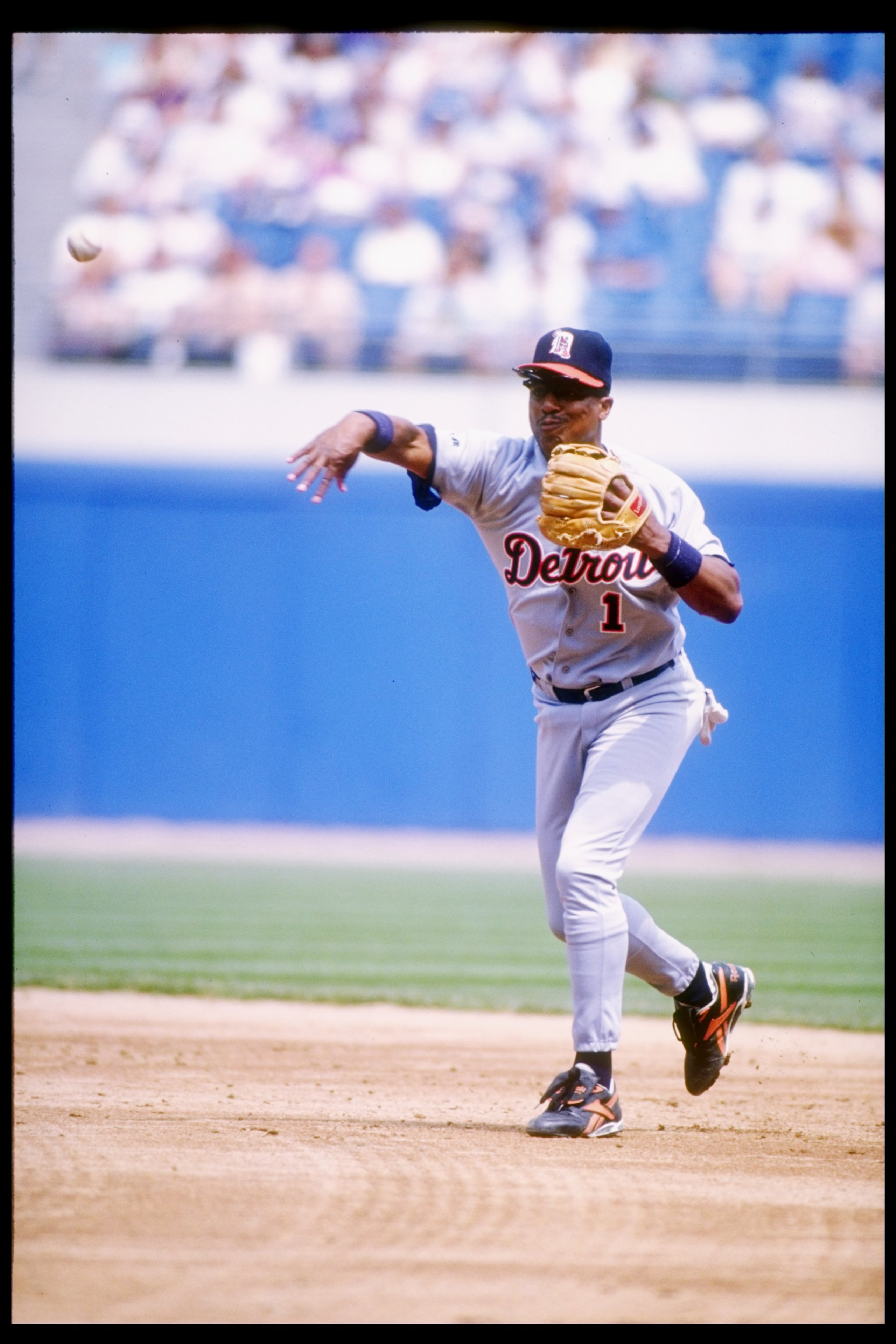
Whitaker was a special player during the prime of his career.
It’s tough to pick out his best season with the Tigers, because all of them were so good.
Coming up in 1978, Sweet Lou won AL Rookie of the Year honors, hitting .285 with 71 runs and a .361 OBP.
In 1983, he began his streak of five consecutive All-Star Game appearances hitting .320 with 12 homers and 72 RBIs.
Whitaker also was one of the first to set the standard for defensive plays at second base, turning a double player sweeter than anyone else at the time, earning the name "Sweet Lou."
Winning three Gold Gloves and a 1984 World Series Champ, it’s a shame Lou isn’t in the Hall yet, but he should be a sure thing when he’s eligible again in 2015.
Oakland A’s: Eddie Collins
16 of 30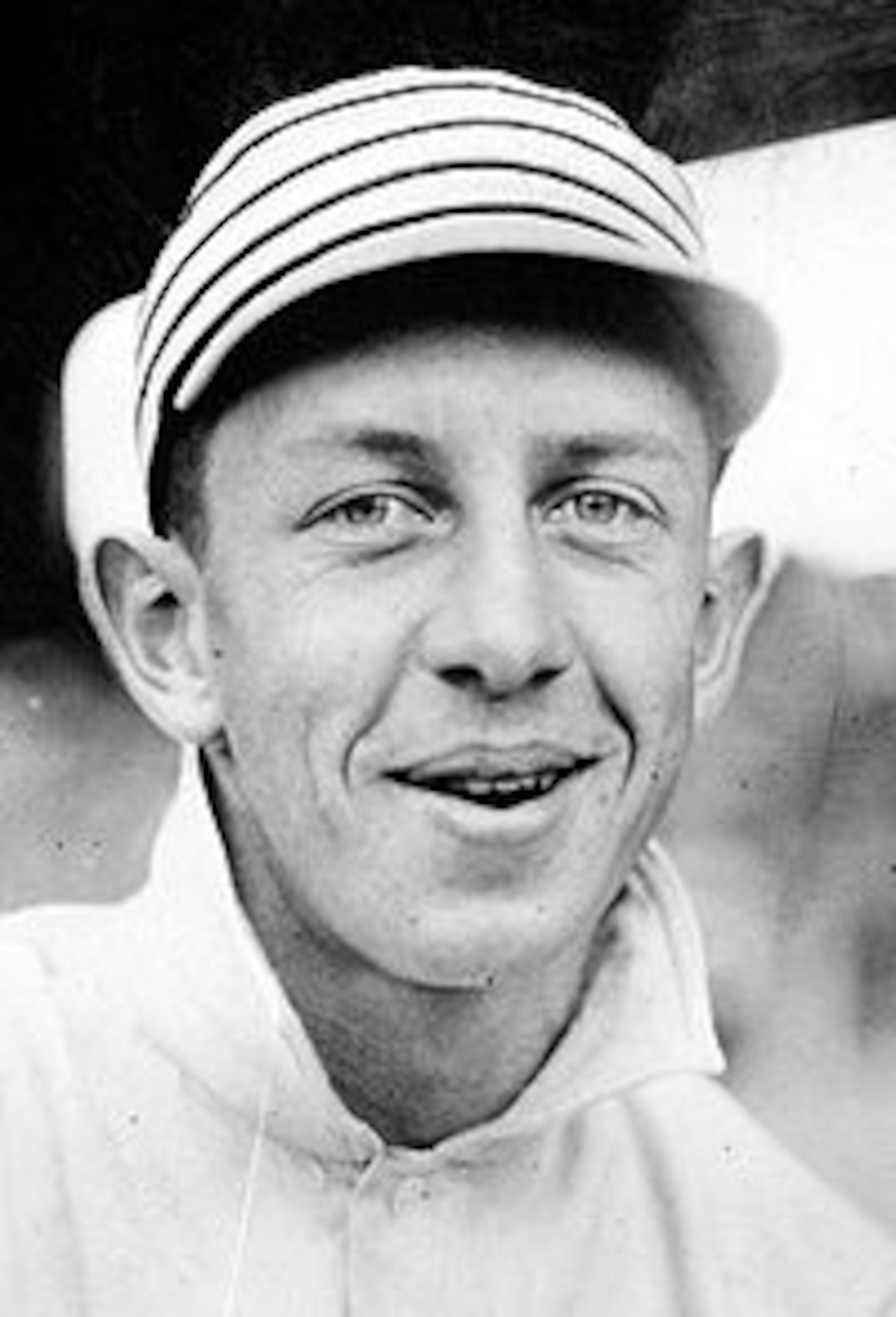
The A’s don’t have much depth at this position, but one name from long ago that makes the list is Eddie Collins.
Collins was in an A’s uniform from 1906-1914 and then again from 1927-1930 and is a member of the 3,000-hit club and 1914 MVP.
He was inducted into the Hall of Fame in 1939 and gets the edge over fan favorite Mark Ellis.
Colorado Rockies: Eric Young
17 of 30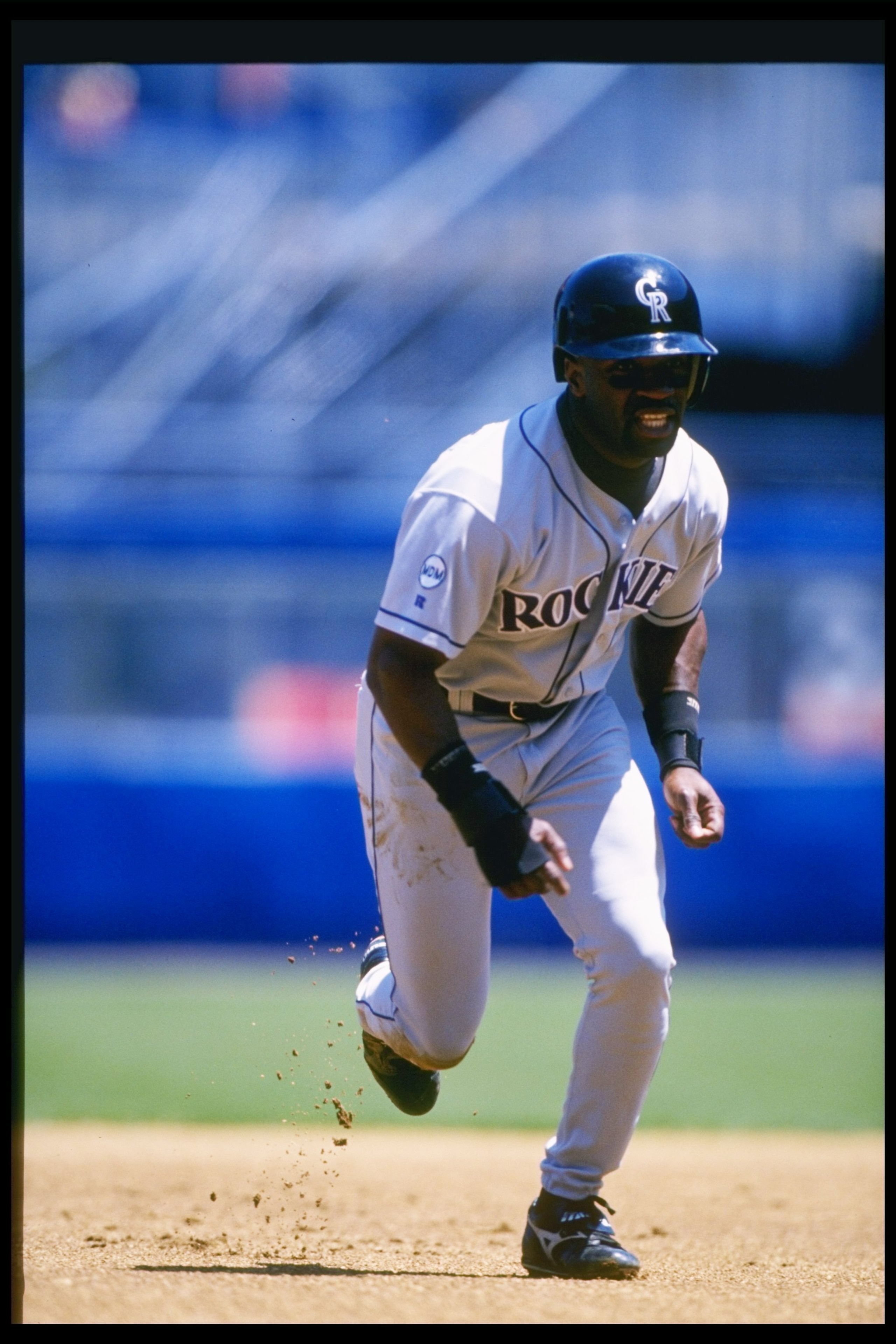
Forty-third all time on the stolen base list with 465 in his career, Rockies second baseman Eric Young no doubt was the best at his craft while playing for the Colorado Rockies.
Young's best season was in 1996 when received an All-Star bid and won the Silver Slugger award with eight HRs, 74 RBI and 53 stolen bases.
But it’s his glove Young can be most remembered for in Colorado. Posting a .976 fielding percentage, he was a legitimate threat both in the field and on the base paths his entire career.
Toronto Blue Jays: Roberto Alomar
18 of 30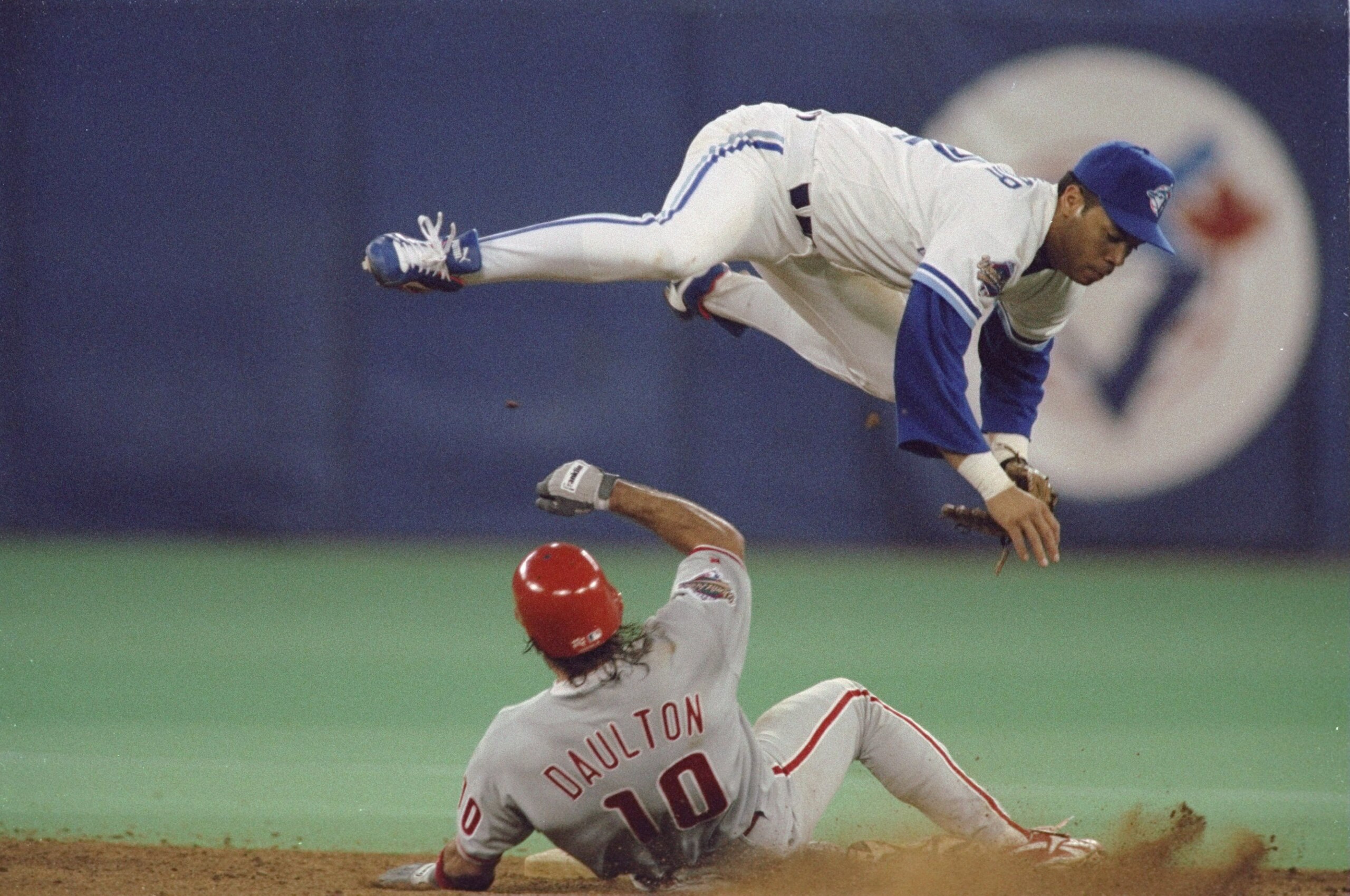
Newly honored Hall of Famer Roberto Alomar helped the Blue Jays become a legitimate American League powerhouse after his trade to the team from San Diego.
The five-time All-Star and Gold Glover left his mark on the team by consistently hitting over .300 and stealing over 30 bases four times.
He stepped his game up to a new level of play while on the Jays, and Cooperstown realized it when they rightfully inducted him into baseball’s greatest cathedral this past summer.
St. Louis Cardinals: Rogers Hornsby
19 of 30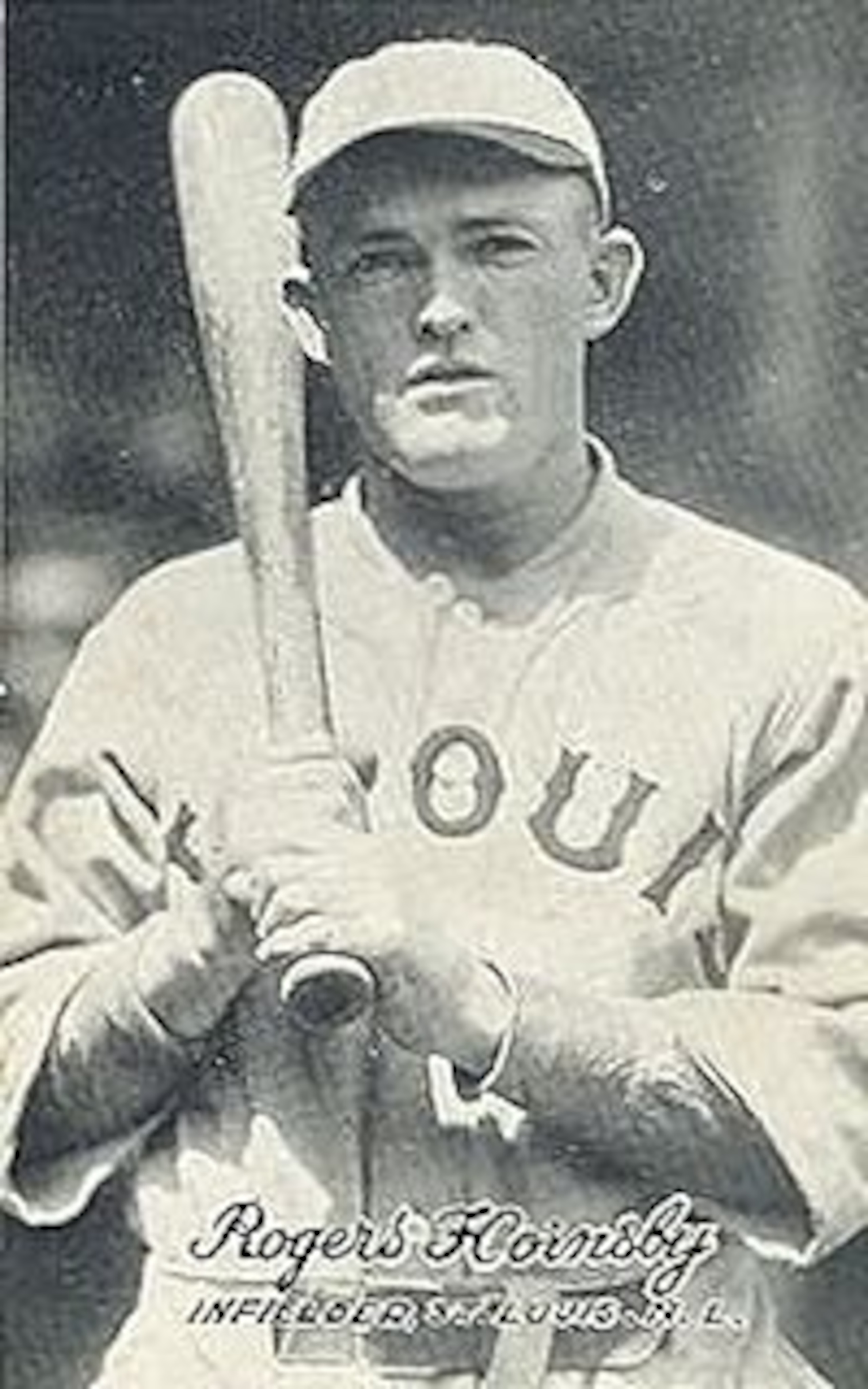
With a name like "Rogers" you couldn’t be anything but a nice guy.
Hornsby is recorded to never have argued a call with an umpire and never had been thrown out of a game, making him an ideal image to portray the game in the roughneck 1920s.
The Hall of Famer had arguably the best six-year stretch any player has had, averaging a .397 BA, 25 HRs and 115 RBI on his way to winning the Triple Crown not once—but twice.
What more can be said about a two-time Triple Crown winner that makes his spot on this list legitimate? Yeah…Nothing.
Chicago White Sox: Nellie Fox
20 of 30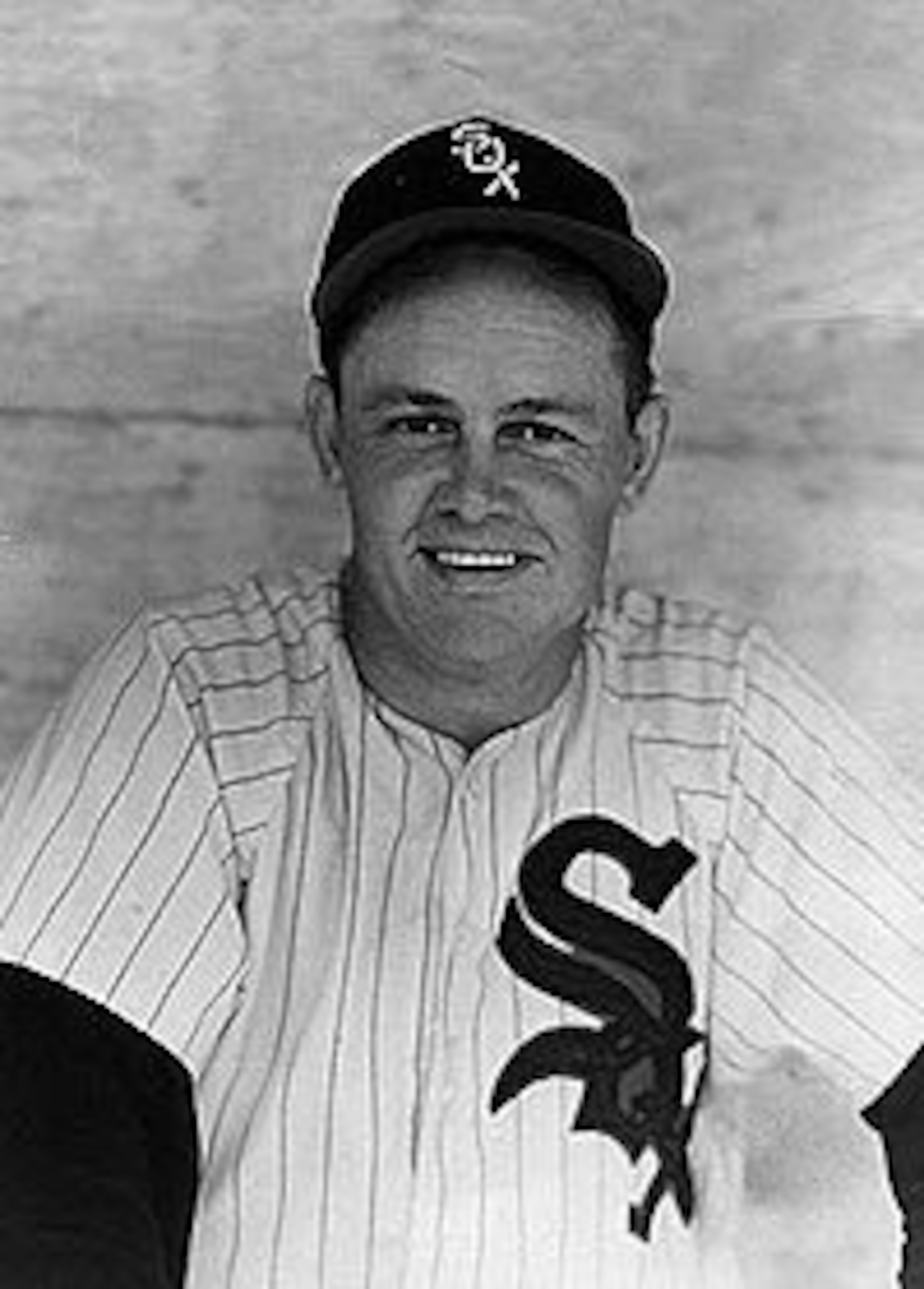
After Nellie Fox was traded from the Philadelphia Athletics to the Chicago White Sox in 1949, his career took off into the Hall of Fame career we know of today.
Not known for his offense, Fox stood an undersized 5’9”, but his good hand-eye coordination, excellent footwork in the field and superior base running speed helped Fox make a name for him.
Fox won the MVP award in 1959, which was his best season in the ChiSox uniform. He batted .306 and won his second Gold Glove, all while helping the White Sox reach the World Series.
Boston Red Sox: Bobby Doerr
21 of 30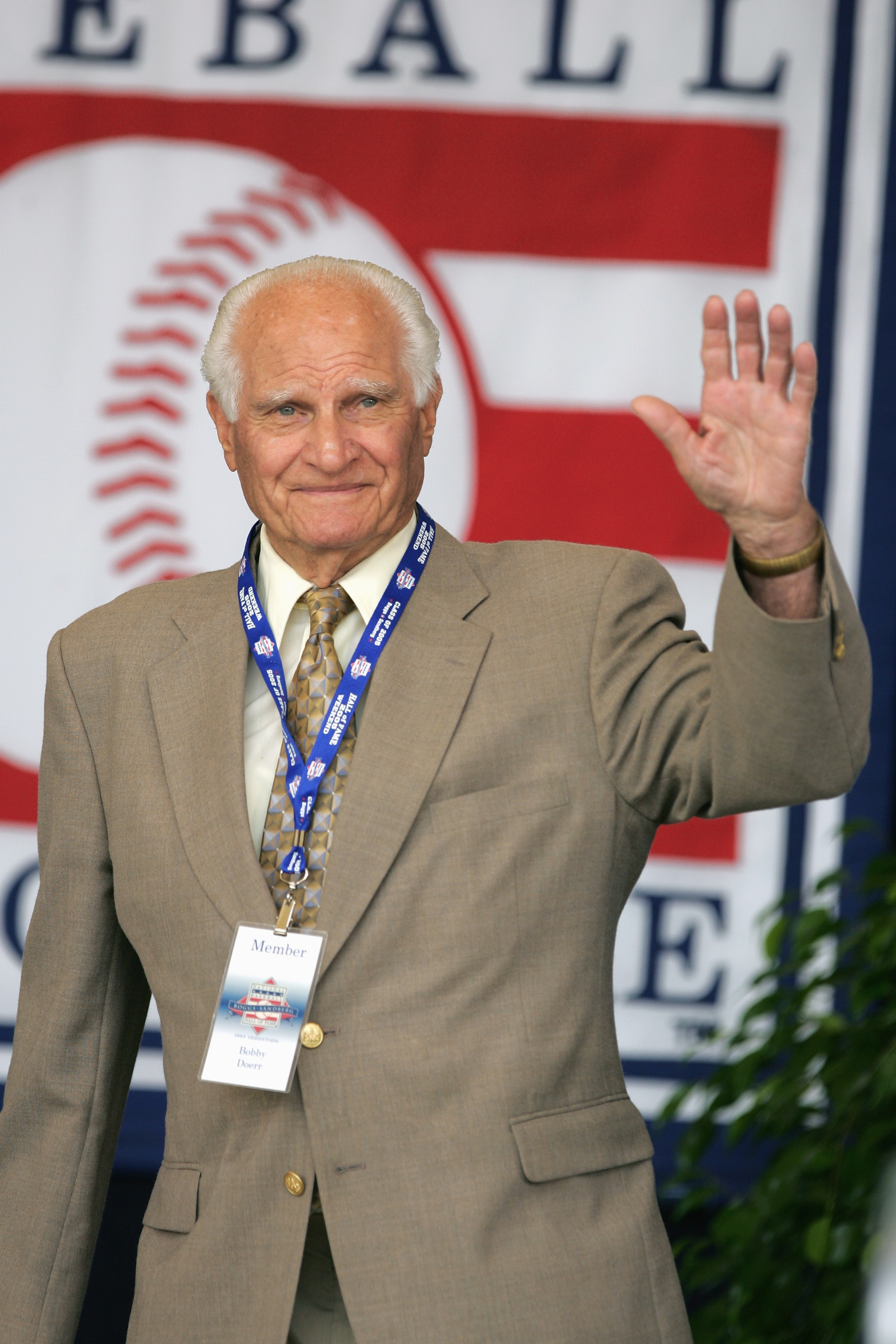
Nine All-Star games and a Hall of Fame induction is sure to get your name on this list, not to mention the "cool-ness" of being a player-manager.
Bobby Doerr was the Red Sox second baseman for 14 years in an era when defensive-oriented players dominated the 2B position.
Doerr posted 12 straight seasons of double-digit homer totals and even had a great series in his only World Series appearance with the club.
His .980 fielding percentage and 223 career home runs with the Red Sox are numbers only the greats of the game can attain.
San Diego Padres: Mark Loretta
22 of 30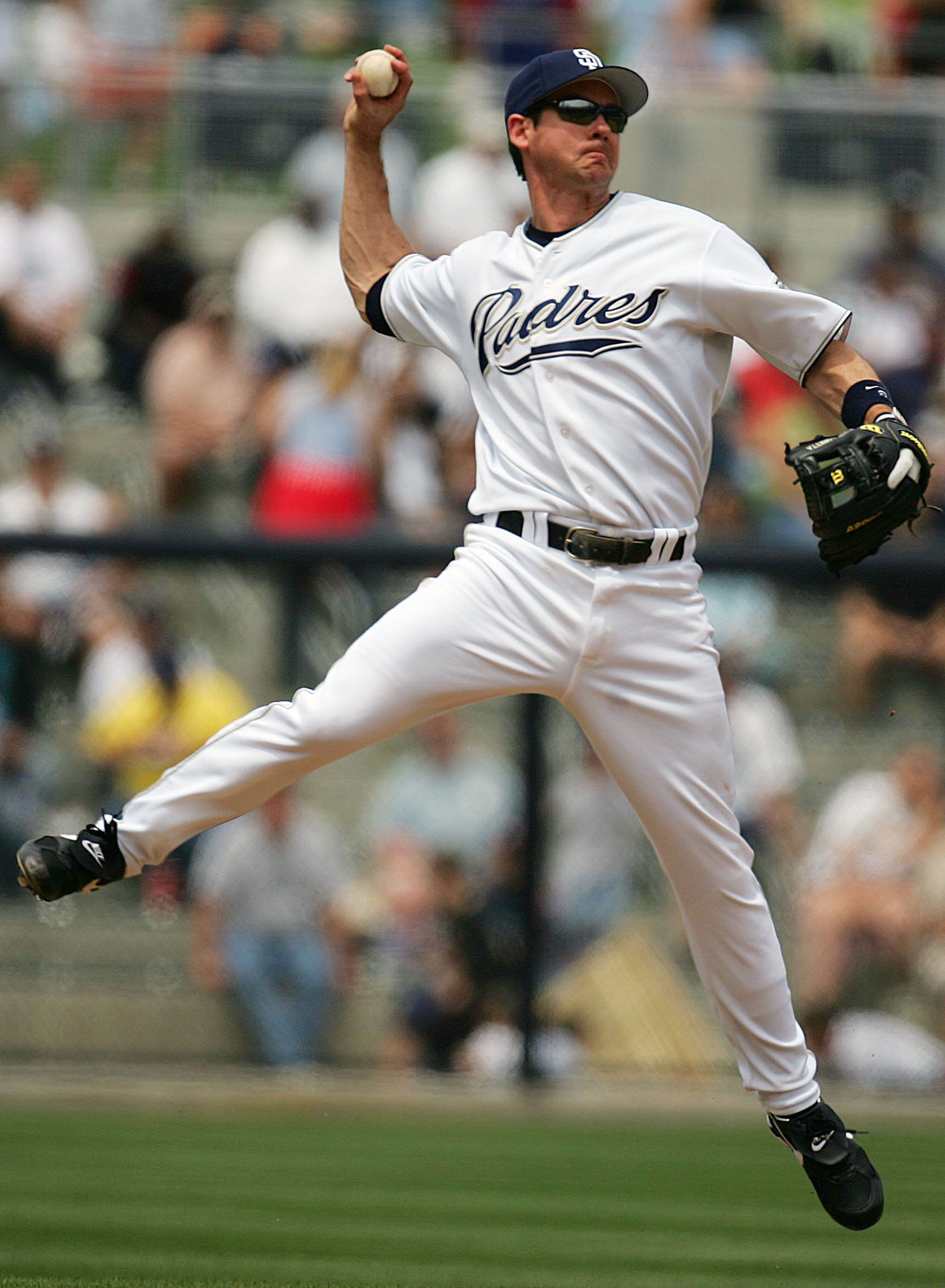
Playing a mere three seasons in San Diego, Mark Loretta still had a major impact on the team, most notably his 2004 season.
Posting a .355 batting average, 16 homers, 76 RBI and 47 doubles, Loretta’s on-field stats saw him take home the Silver Slugger award and finish eighth in MVP voting.
His 208 hits in ’04 put him on a list accompanied by only Tony Gwynn as the only two Padres to accumulate over 200 hits in a season. A pretty outstanding accomplishment if I do say so myself.
Texas Rangers: Julio Franco
23 of 30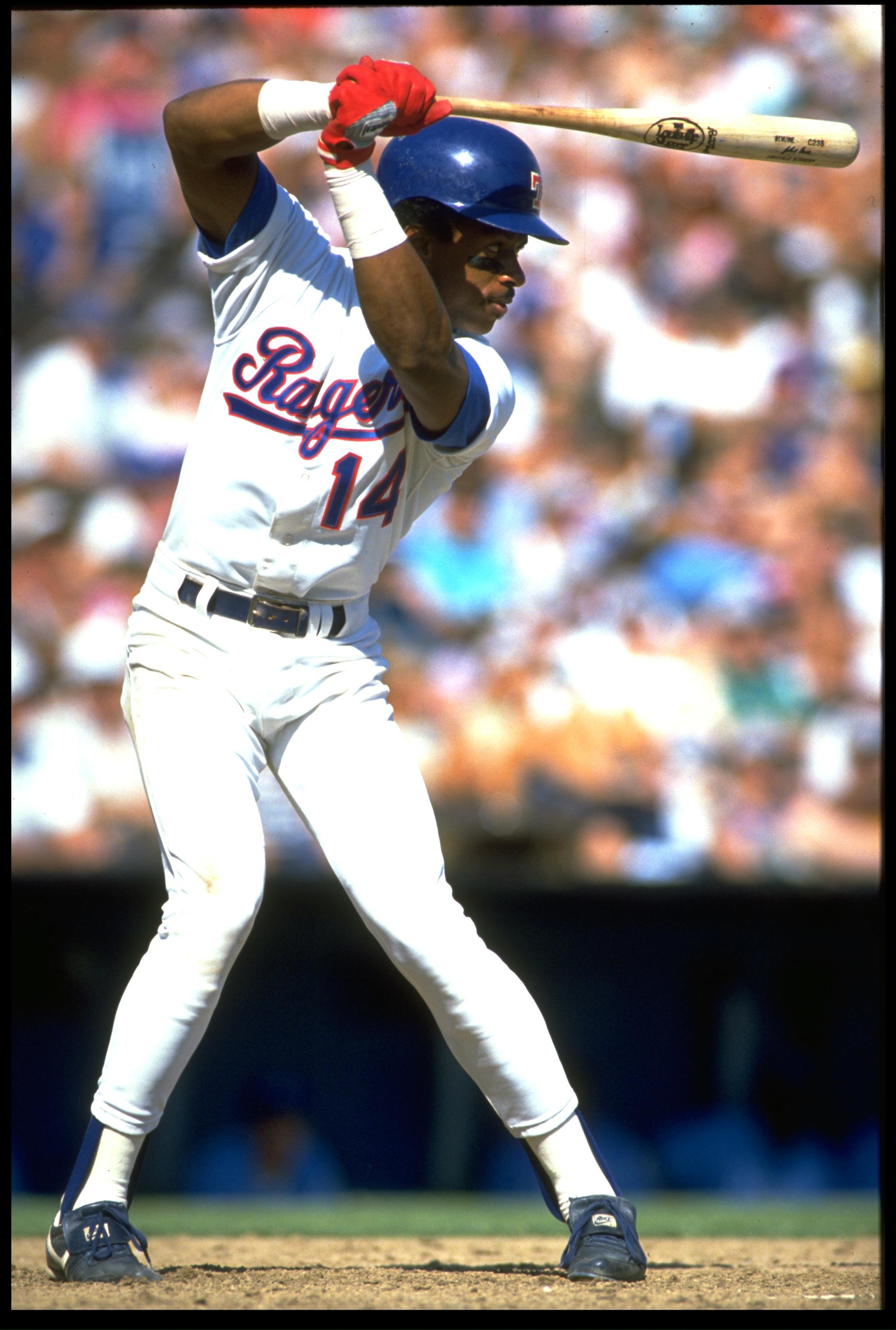
In his long career, Julio Franco will be most known for his time spent in a Rangers uniform.
He owns a .307 career batting average with the Rangers, good for third on the all-time list and is also fifth in stolen bases.
He represented Texas in three All-Star games and even won the All-Star Game MVP in 1990 by doubling off a Ron Dibble 101 mph fastball to drive in the only runs of the game.
Franco’s career is one that should go down in Cooperstown history, and it was an honor watching him close out his career with the Mets and Braves.
Cincinnati Reds: Joe Morgan
24 of 30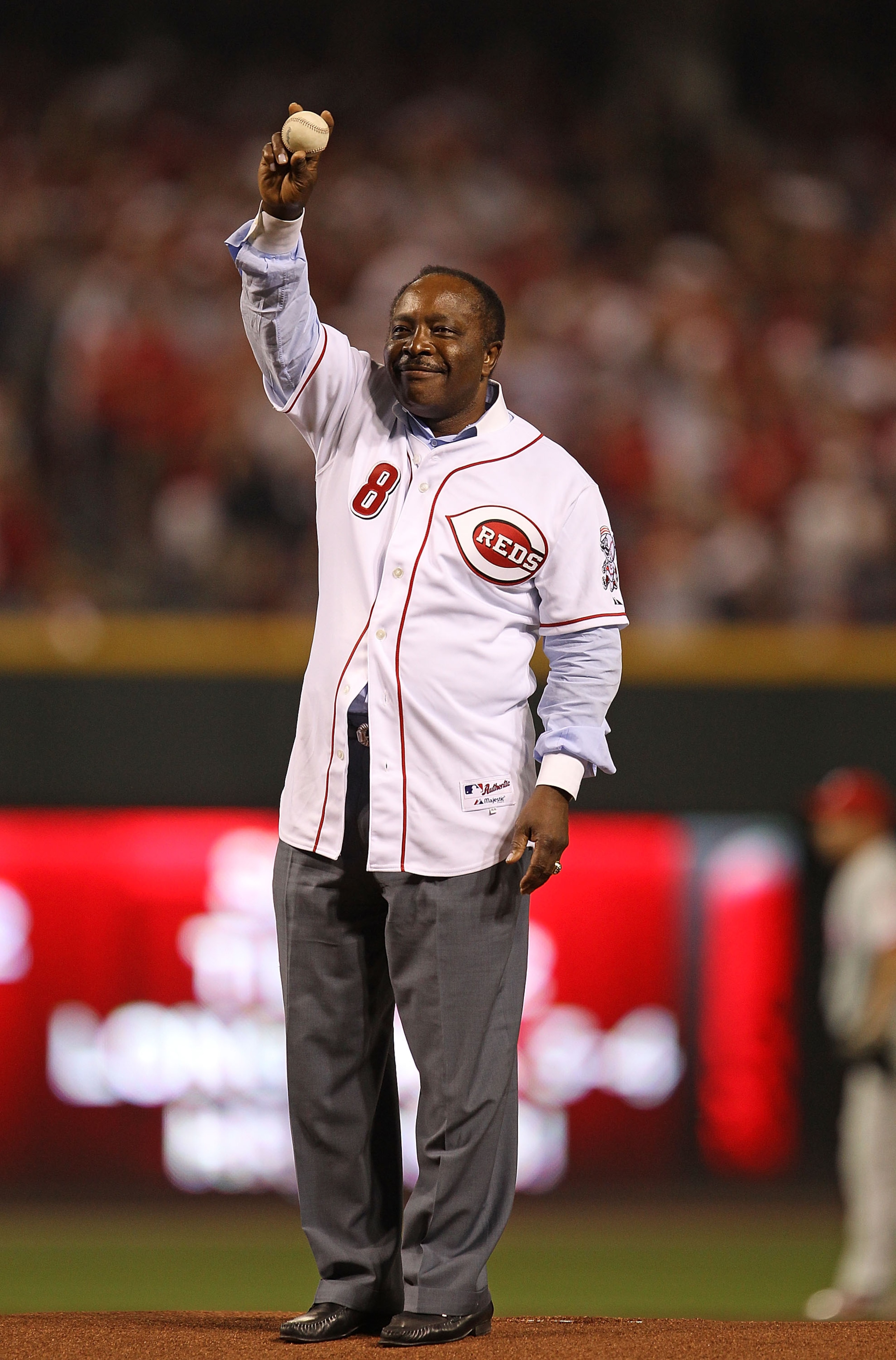
Arguably the best second baseman in MLB history, Little Joe Morgan only stood 5’7”, 150 pounds, but boy was he a sight to see on the diamond.
Morgan was named to eight All-Star games in his career with the Reds and earned five Gold Gloves for superior defense, which ultimately earned his inductment into baseball’s Hall of Fame in 1990.
He won two back-to-back MVP awards in 1975 and ’76, and was more than just a phenomenal player for the game of baseball; he was an all-around good guy and the embodiment of character baseball wanted to represent.
Atlanta Braves: Felix Millan
25 of 30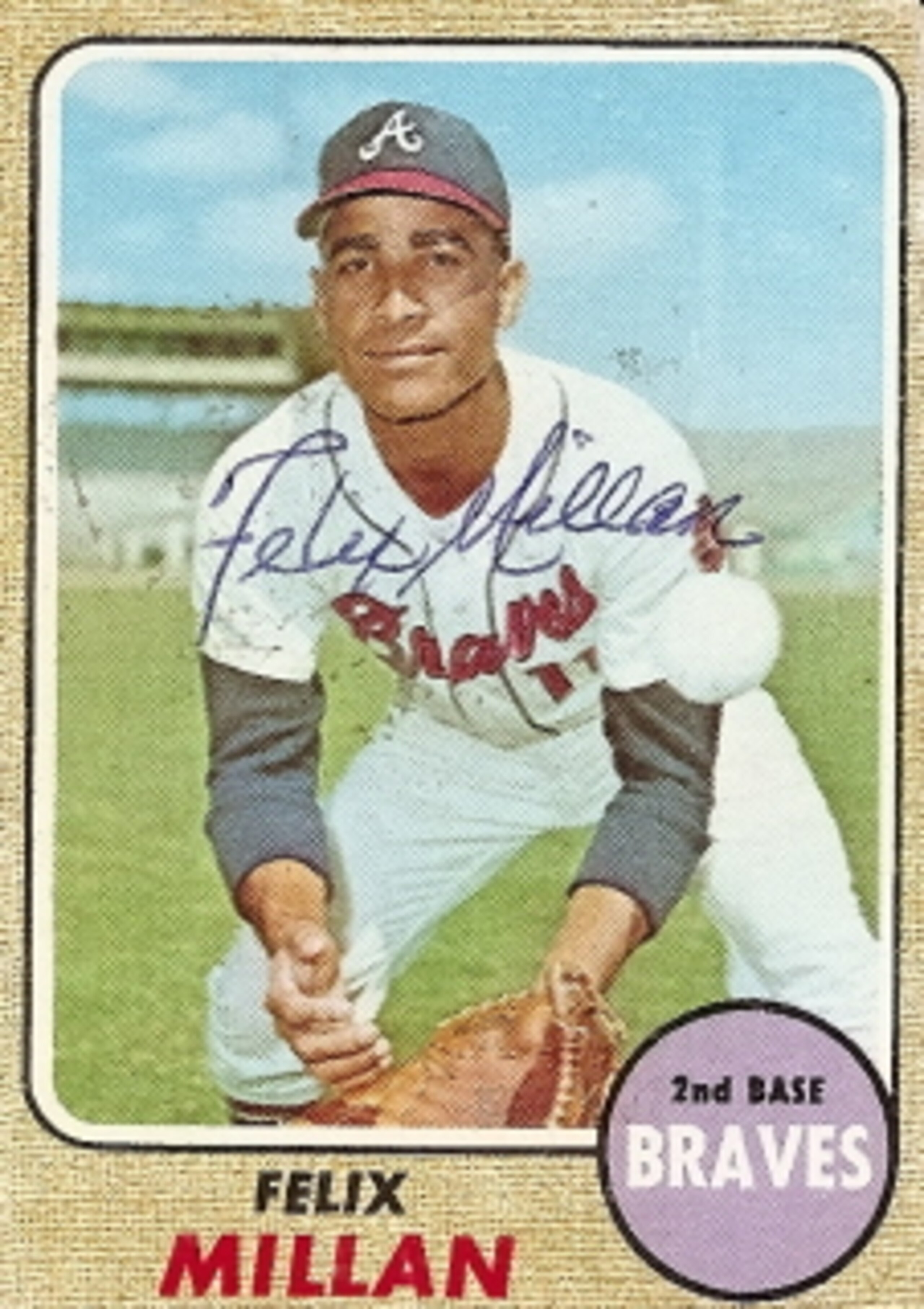
From 1966-1972, Felix Millan showed why he was the best second baseman in Atlanta Braves history.
He played in a total of three All-Star games and won two Gold Gloves in his tenure with the Braves that ultimately ended with a trade to division rival New York Mets.
Posting a career .972 fielding percentage while playing in Atlanta, Millan may not get the publicity as other former Braves may get—Marke Lemke, Davey Johnson and Marcus Giles to name a few—but Millan was a stabilizing force on the defensive side of the ball that gets him the nod as the greatest second baseman in Braves team history.
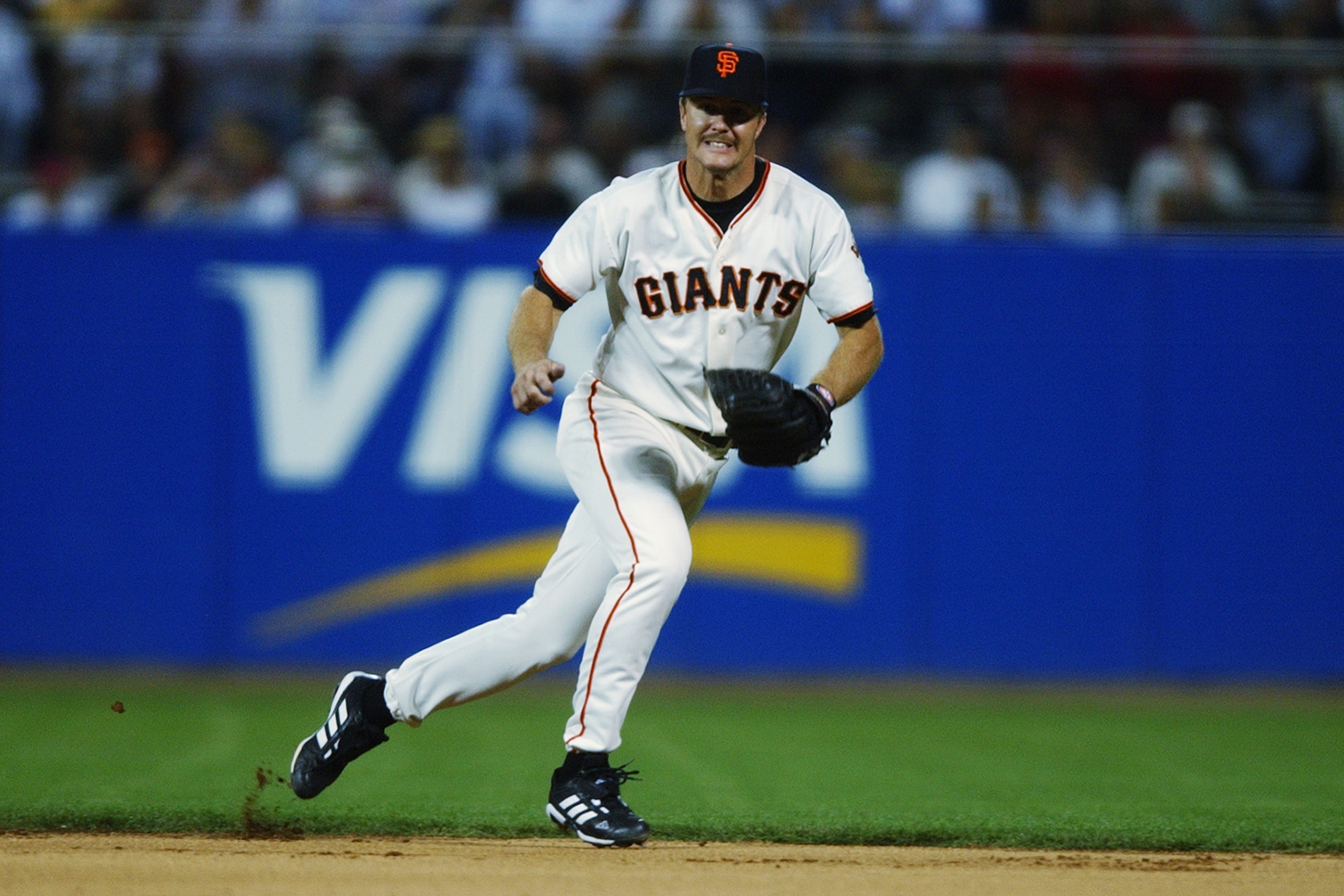
San Francisco Giants: Jeff Kent
26 of 30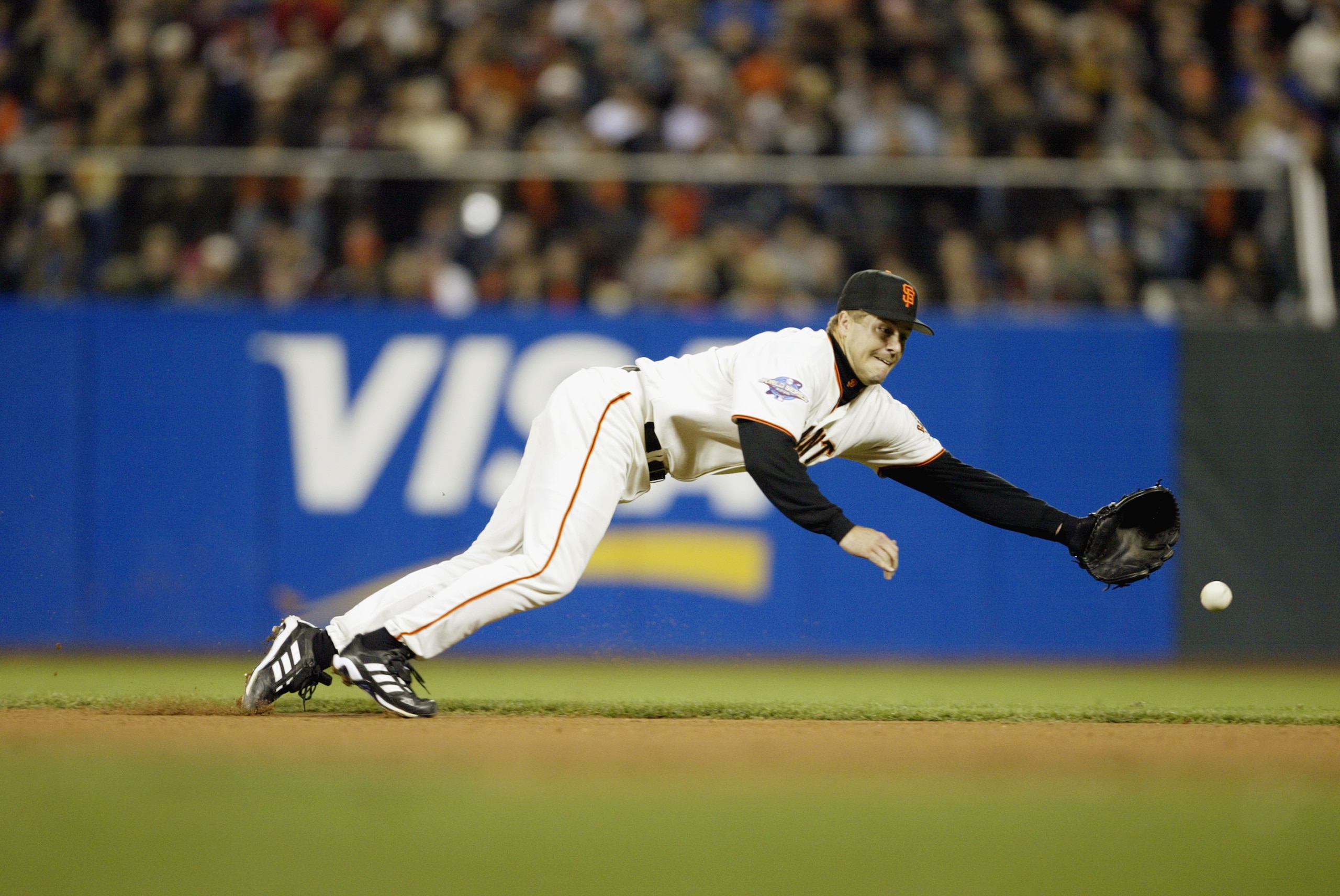
It was only a matter of time before we saw the all-time leader in home runs for a second baseman make this list.
Though it was Barry Bonds who got most of the attention on the late-90s, early-2000 Giants team, Jeff Kent cannot be overlooked.
Even with Bonds in the same lineup, Kent had a career year in 2000 when he beat out Bonds for the MVP award posting a solid .334 BA, 33 HRs and 125 RBI.
It was a toss-up between Kent and Frankie Frisch for the best Giants second baseman, but ultimately, it came to who I’ve actually witnessed play, and Kent’s my guy. Sorry Frankie.
Minnesota Twins: Rod Carew
27 of 30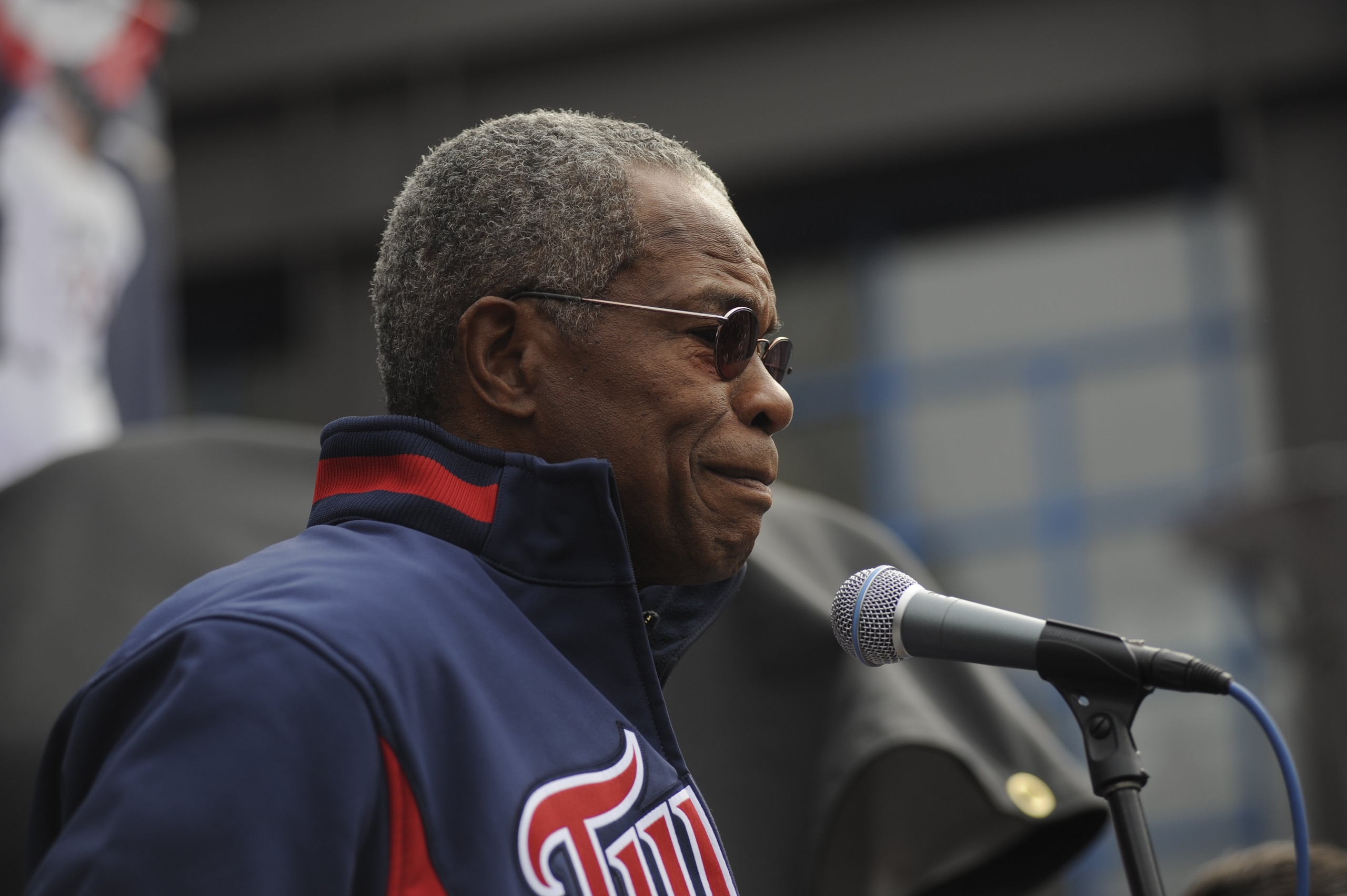
In a 12-year career with the Minnesota Twins, Rod Carew managed to make it to not one, not two, but ALL 12 All-Star games wearing a Twins uni.
His best season came in 1977 when he won the AL MVP award, lead the league in batting, hits (239), runs (128), triples (16) and on-base Percentage (.449). Wow.
Inducted to baseball’s Hall of Fame in 1991, Carew will forever be remember as one of the best second baseman to ever grace the game of baseball.
New York Yankees: Tony Lazzeri
28 of 30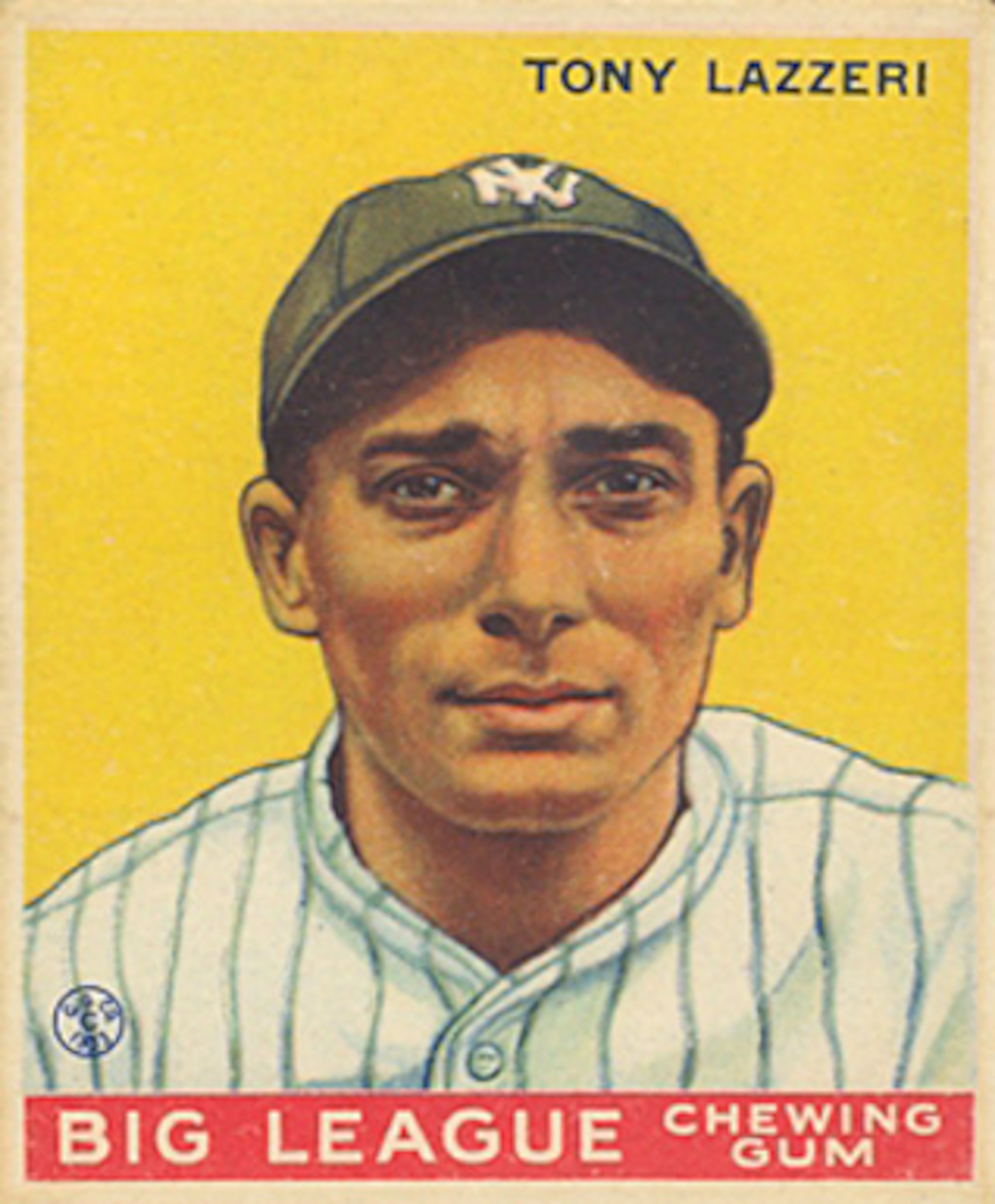
In the Yankees long, illustrious history, there are many names that could top this list—Joe Gordon, Willie Randolph, Alfonzo Soriano and Robinson Cano to name a few—but Tony Lazzeri has to get the nod over all these guys.
He played in the shadow of his teammates in the 1920s but was an integral part of the Yankees “Murderers’ Row” batting lineup consisting of Babe Ruth, Lou Gehrig and Bob Meusel.
He was an original member of the AL All-Star team in 1933 and was also a five-time World Series Champ during his Yankee years.
As a member of the Yankees, he averaged seven season with 100 RBI or more and five-season batting .300 or higher, all making him the No. 1 second baseman in Yankees history.
Tampa Bay Rays: Ben Zobrist
29 of 30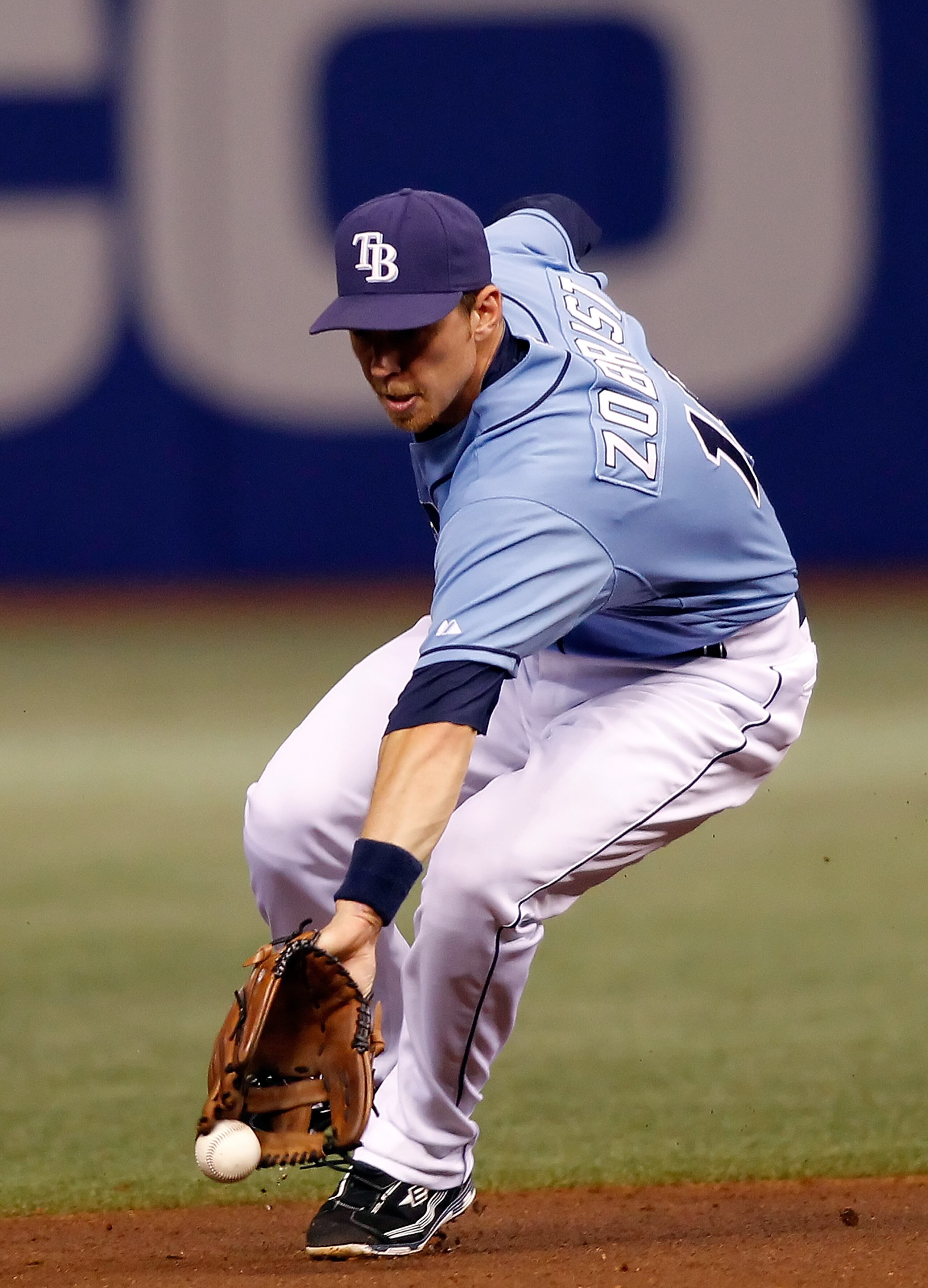
With such a short history, this one was tough, so I decided to go with the controversial call and name Ben Zobrist the best second baseman in team history.
The toss-up was between him and Jorge Cantu, and I believe Zobrist possesses the most intangibles between the two and also has the brighter upside.
To me, Cantu could have been a star but missed his opportunity. Zobrist on the other hand still has the opportunity to make a name for himself, especially playing for the Rays and being so young.
Named to his first All-Star game in 2009, Zobrist plays high-quality defense at many positions and also has the bat to back it up.
Leading the Rays in slugging percentage in 2009 (.543), I feel fairly comfortable with this decision.
Philadelphia Phillies: Chase Utley
30 of 30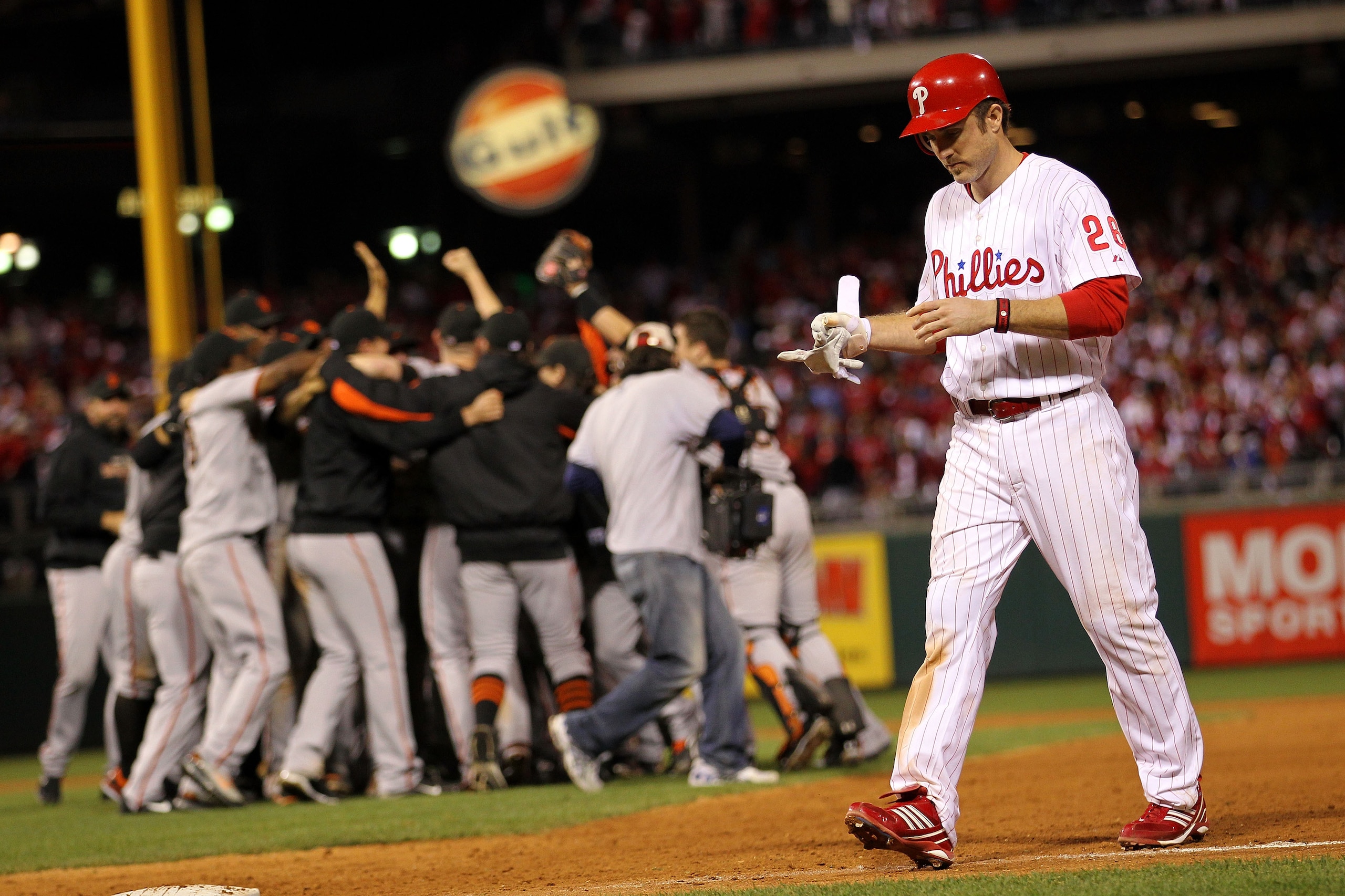
I did my research, I swear. I tried my hardest to find a better second baseman in Phillie history not named Chase Utley. Dave Cash, Juan Samuels...but he’s just too good.
The notorious Met-killer has made the list, and his career isn’t even over yet. Driving in over 100 runs in four straight seasons, over 30 homers three different times and a decent player with Cooperstown capabilities, it could only be better if he was a great fielder. Oh wait…
Posting a career .982 fielding percentage, Utley was sure to make this list, and I guess I’ll be forced to watch as he only bolsters his stats and gives Jeff Kent some competition for most home runs for a second baseman.



_0.png?w=2560 "Unranked Teams Cause Chaos in Rankings 📊")
.png?w=2560 "Week 8 Winners & Losers 📊")




.jpg?w=2560 "Jonathan Taylor Landing Spots 📍")
