
Australian Open: The 12 Most Surprising Second-Week Runs by Women Since 1990
Surprises reign supreme in tennis, maybe more than anywhere else in sports.
Sure, upsets happen in Major League Baseball, England's FA Cup, international cricket and college basketball, but how often do you see an unknown athlete toppling the very best in the world in an individual sport every single month of the season?
Maybe it highlights the depth of tennis or just the nature of one-on-one competition at the very highest level of the game. Whatever the reason, the Australian Open is no stranger to upset performances and surprise runs.
Just look at this first week of action. Who picked Latvian Anastasija Sevastova to reach the last 16, or world No. 49 Ekatarina Makarova to beat seeds Ana Ivanovic and Nadia Petrova? How about Iveta Benesova toppling 18th seed Maria Kirilenko and No. 16 Anastasia Pavlyuchenkova en route to the quarterfinals? Me neither.
There are dozens of women who could have made this list, from Kirilenko's own run to the quarters in 2010 and Maureen Drake defying the odds in 1999, to players outside the top 100 like Barbara Paulus getting through to the second week in 1995.
Here are 12 women who upset the apple cart and shocked the best in the world on their way to the second week of the Australian Open in the last two decades.
Adriana Serra Zanetti, 2002
1 of 12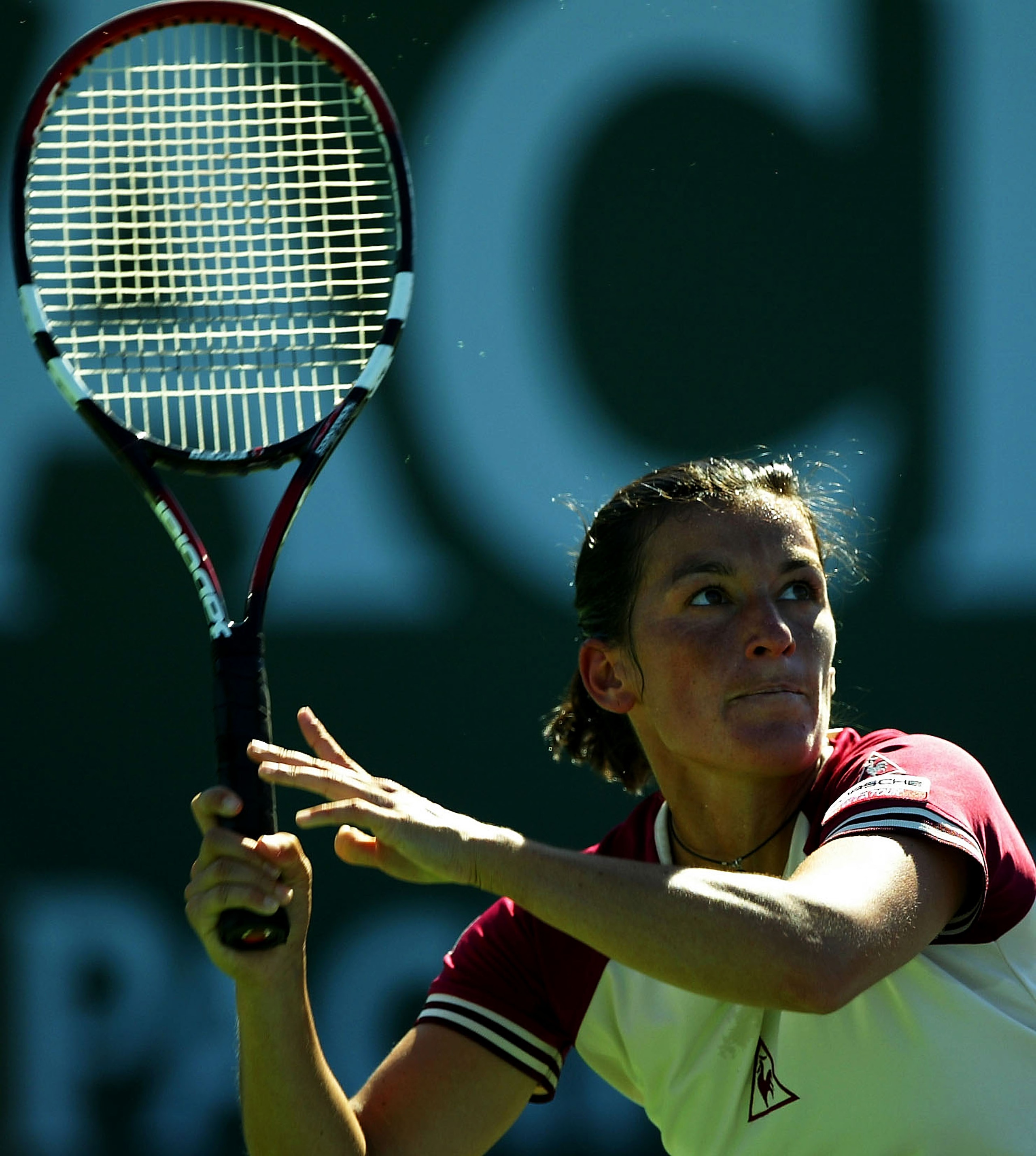
Adriana Serra Zanetti entered the 2002 AO ranked No.83 in the world and ended up just outside the world’s Top 32 with an unexpected run to the quarterfinals. The Italian reached the fourth round of the French Open seven years earlier but had failed to make it past the second round in any other Slam before her miraculous performance in Melbourne.
Serra Zanetti beat Virginie Ruano Pascual in three sets in the first round before taking out American Amy Frazier (who dumped out No. 22 Henrieta Nagyova) in the second. Zanetti then surprised 11th-seeded fellow Italian Silvia Farina Elia, the second highest seed in the quarters, and advanced to the last eight with a one-and-five victory over Martina Sucha.
Eventual runner-up Martina Hingis ended the dream, but there’s no real shame in that.
Mara Santangelo, 2004
2 of 12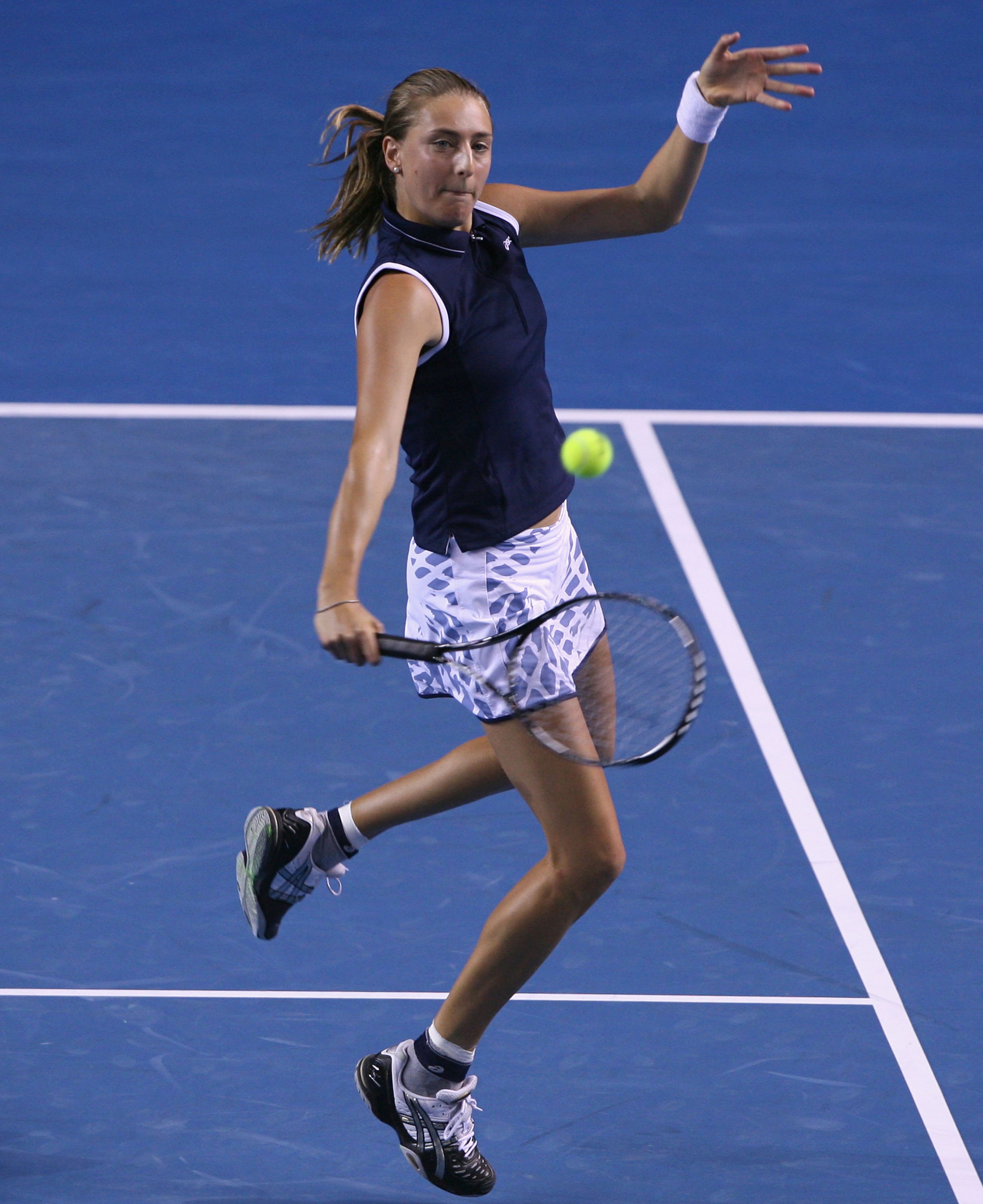
2004 was a great year for surprises, and Mara Santangelo is responsible for a little bit of that history after fighting through the qualifiers before ducking out in the fourth round.
With her six-foot frame and piercing blue eyes, Santangelo entered 2004 ranked No. 146 in the world with just one Grand Slam match under her belt.
The Italian, ranked as the 18th best qualifier in the field of 128, dropped just nine games in winning her three qualifying matches in straight sets, but still, she was expected to go out in the early rounds of the main tournament.
She rallied from a set down to beat 16th seeded Magui Serna in Round One and then held off a late charge from No. 19 Eleni Danilidou in the third. The qualifier’s run through the second week was halted by Justine Henin 6-1, 7-6(5), but Santangelo can be proud of proving everyone wrong.
Marianne Werdel, 1995
3 of 12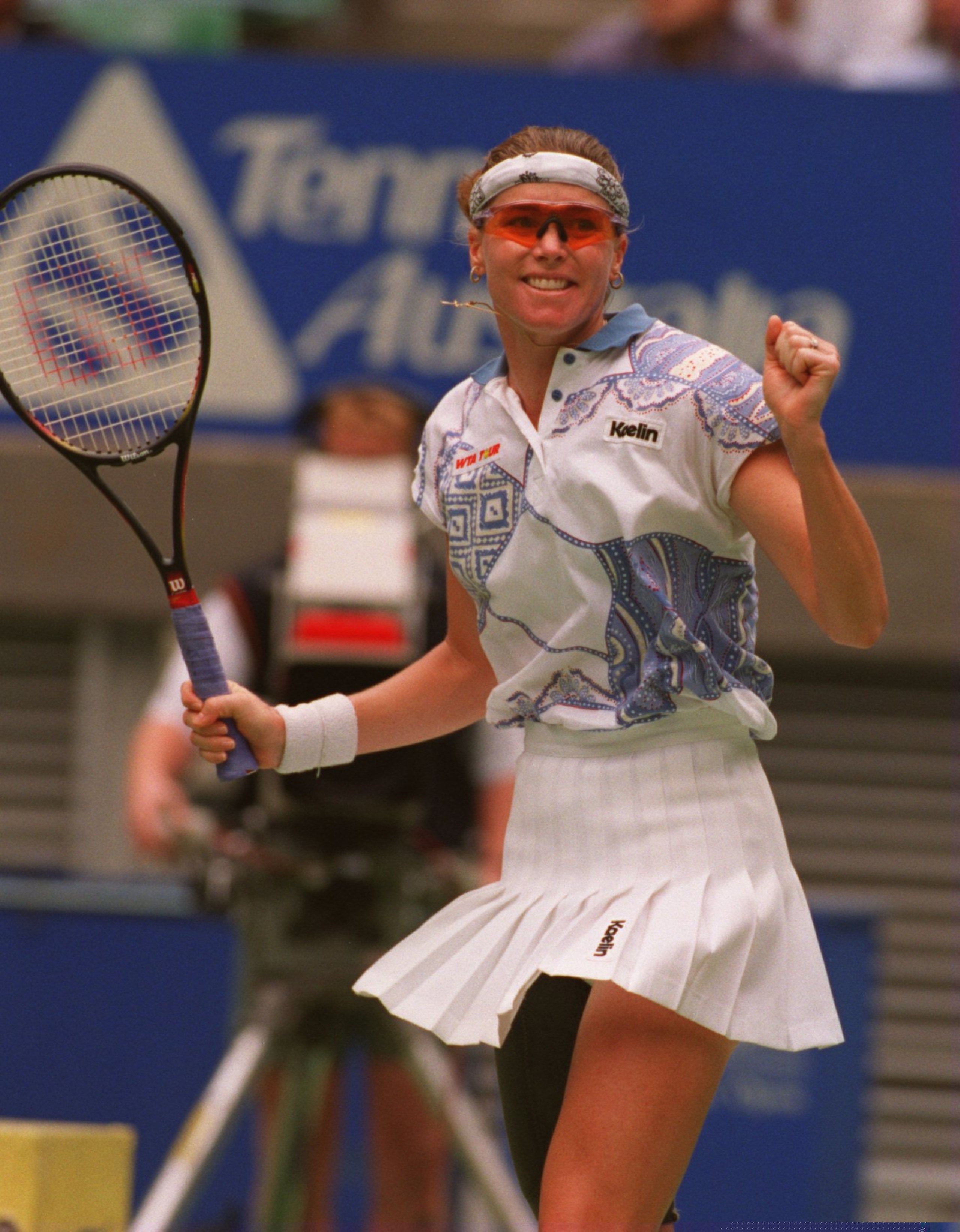
There’s a good chance you don’t remember Marianne Werdel, and if you do remember her, it’s because of her run at the 1995 AO.
Wedel had not made it past the third round in any of her previous 29 Grand Slam appearances, and she entered the Australian Open in ’95 for the first time in three years after not getting past the opening round since 1989.
Werdel was placed in the bottom section of the top half of the draw, and nobody gave her a chance against Gabriela Sabatini, who many people considered a very real threat to Arantxa Sanchez Vicario, Conchita Martinez and Mary Pierce.
The American proved her doubters wrong, dumping out the No. 5 seed in straight sets. Coupled with American qualifier Audra Keller taking out 13th seed Sabine Hack, this really opened up the draw.
Werdel went on to beat Sung-Hee Park in Round Two before causing another upset with a 6-0, 6-2 demolishing of Elena Makarova. Wins over Austrian Barbara Paulus and Angelica Gavaldon in the Round of 16 and quarterfinals respectively sent Wedel to her first and only Grand Slam semifinal.
The 28 year old, now in the twilight of her career, was outclassed by top seed Sanchez Vicario, but she definitely caused ripples along the way.
I'll give her a pass on her fashion sense.
.jpg?w=2560 "Cardinals Giants Football")

.jpg?w=2560 "Hill Injury Update Football")
Su-Wei Hsieh, 2008
4 of 12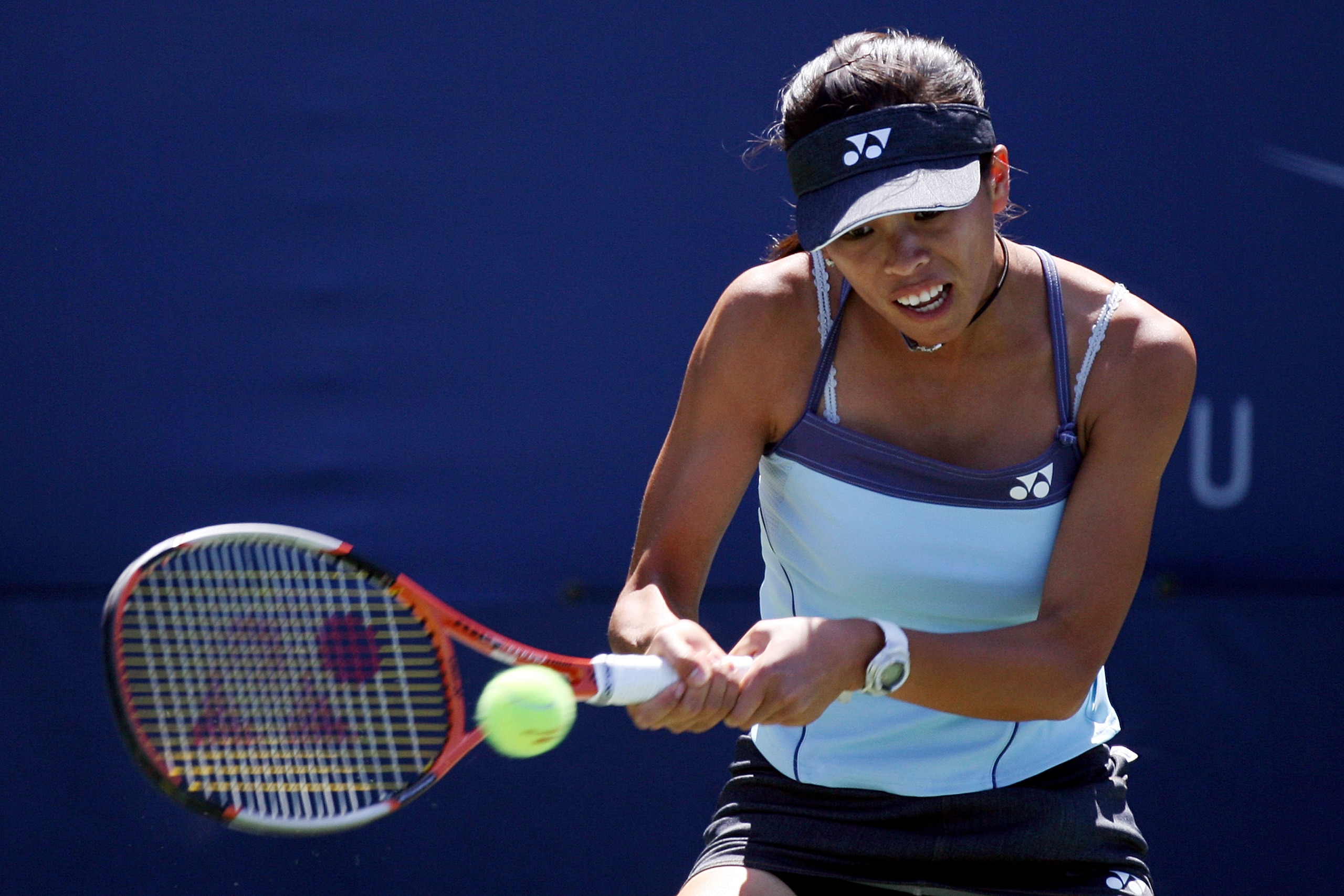
Su-Wei Hsieh had failed to make it past the first round in all five of her previous Grand Slam appearances when she arrived in Australia at the start of 2008.
The teenager from Chinese Taipei, ranked No. 158 in the world, was not given direct entry to the main draw, so she had to do it the hard way by going through qualifying.
She rallied from a 1-6 first set loss to seventh qualifying seed Greta Arn to advance in three, and she beat Barbora Sahlavova Strycova in the preliminary round of 64. Hsieh punched her ticket to the main draw with a 6-4, 6-0 win over Masa Peskiric, but she didn’t stop there.
She rallied to beat Klara Zakopalova, ranked almost 100 places higher in the ranking, in the opening round and then followed that by destroying No. 19 seed Sybillie Bammer 6-2, 6-0 in by far the biggest shock of the second round.
Hsieh sealed her place in the second week with another hard-fought win over Aravane Rezai, 6-4 in the third, but she lost to top seed Justine Henin in the following round. This performance was her best ever at a Slam, and she still hasn’t bettered it. She is one of only 10players outside the top 100 to make it to the fourth round in the last 20 years.
Sandrine Testud, 1994
5 of 12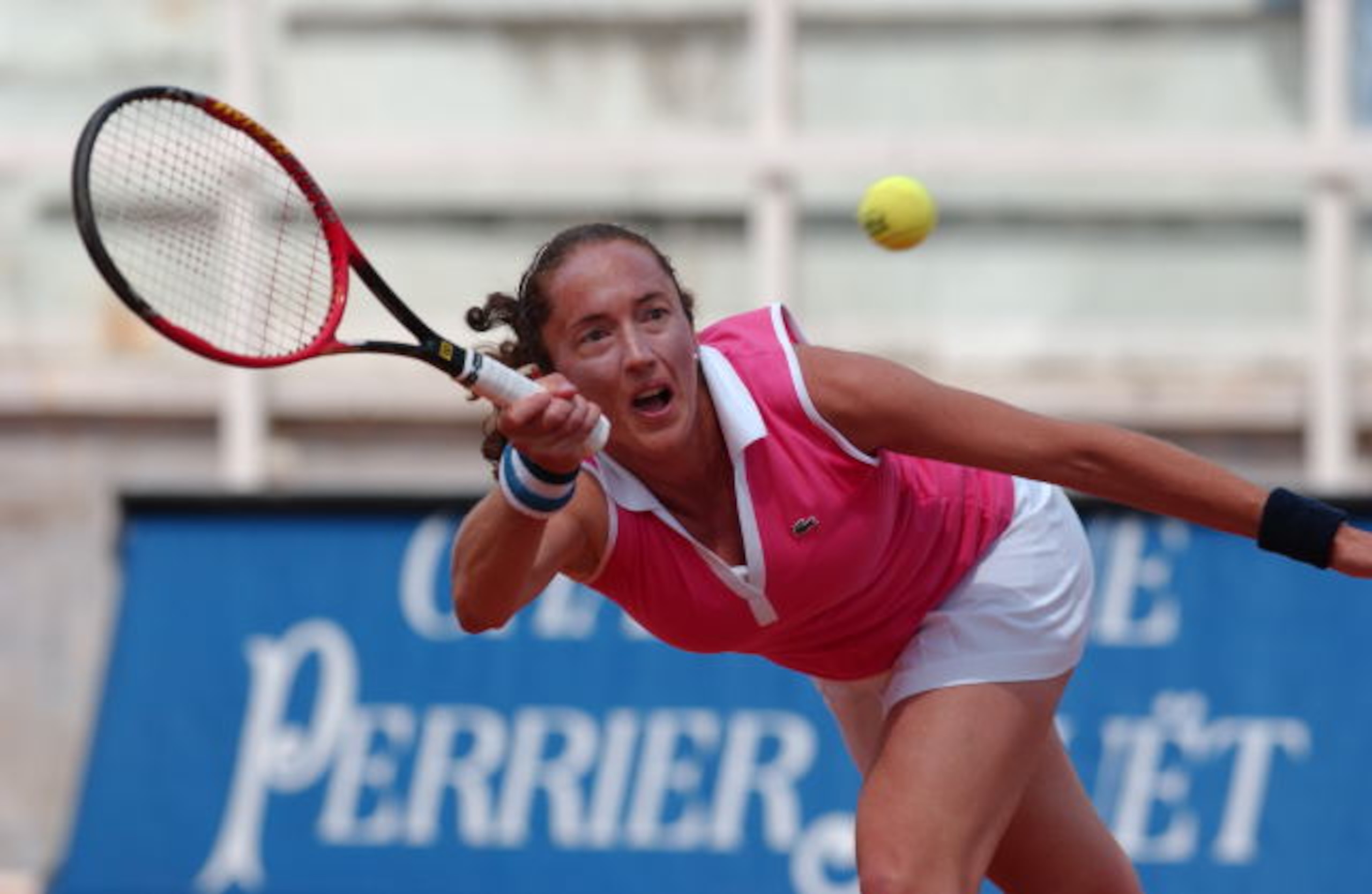
Had Sandrine Testud been in another quarter of the draw, there’s every chance she would have made it to her first ever quarterfinal.
As it was, Testud had to be content with a fourth round loss. Ranked 115th coming into the tournament, Testud beat three higher ranked opponents (Marzia Grossi, Lisa Raymond and No. 13 seed Helena Sukova) before going out in straight sets to world No. 1 and eventual winner Steffi Graf.
Her victory over Sukova was just her second win against a top 20 player and her first win against a seed in a Grand Slam. Sukova was one of just five seeds not to make it into the fourth round.
Barbara Rittner, 2001
6 of 12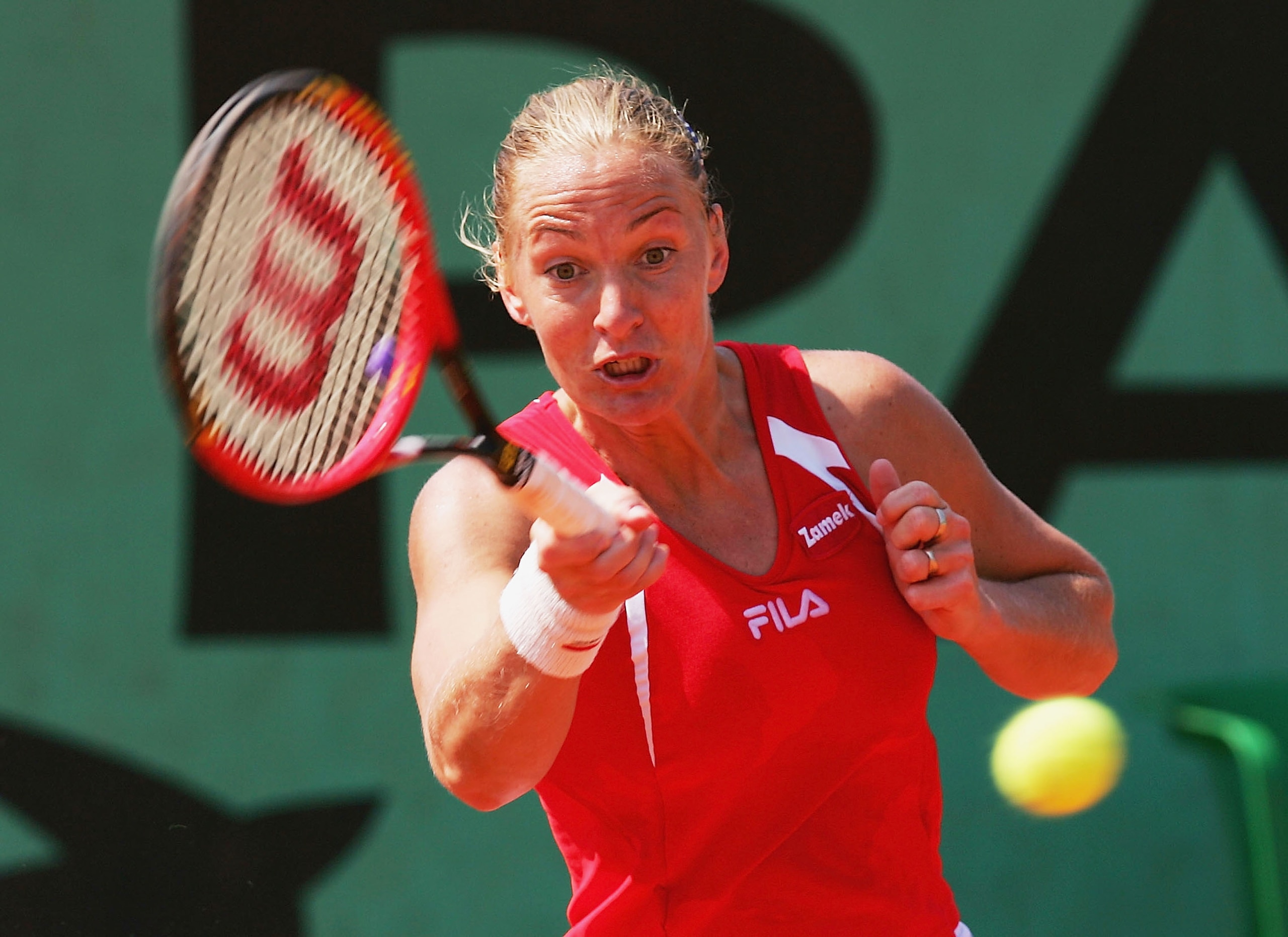
When Barbara Rittner won her career-first Tour singles title at Schenectady and made it to the third round of Wimbledon in her first year inside the world’s Top 50 in 1992, people expected big things of the German.
It was eight years and nine months before she won another tournament—the longest gap between titles in the Open Era.
Could the surge have been foreseen? Probably not, but who would have put any money at all on Rittner making it to the Round of 16 at the Australian Open? Rittner had never been past the third round in any Slam before, and at 98th in the world, had few prospects of making it past the opening round.
Rittner came from a set down to beat Erika De Lone on Day One before beating Meilen Tu in the second round and world No. 39 Ruxandra Dragomir Ilie in the third. Her dream run was stopped short by eighth seed Anna Kournikova 6-3, 6-1, and nobody really heard of Rittner again.
Dominique Monami/Van Roost, 1991, 1997
7 of 12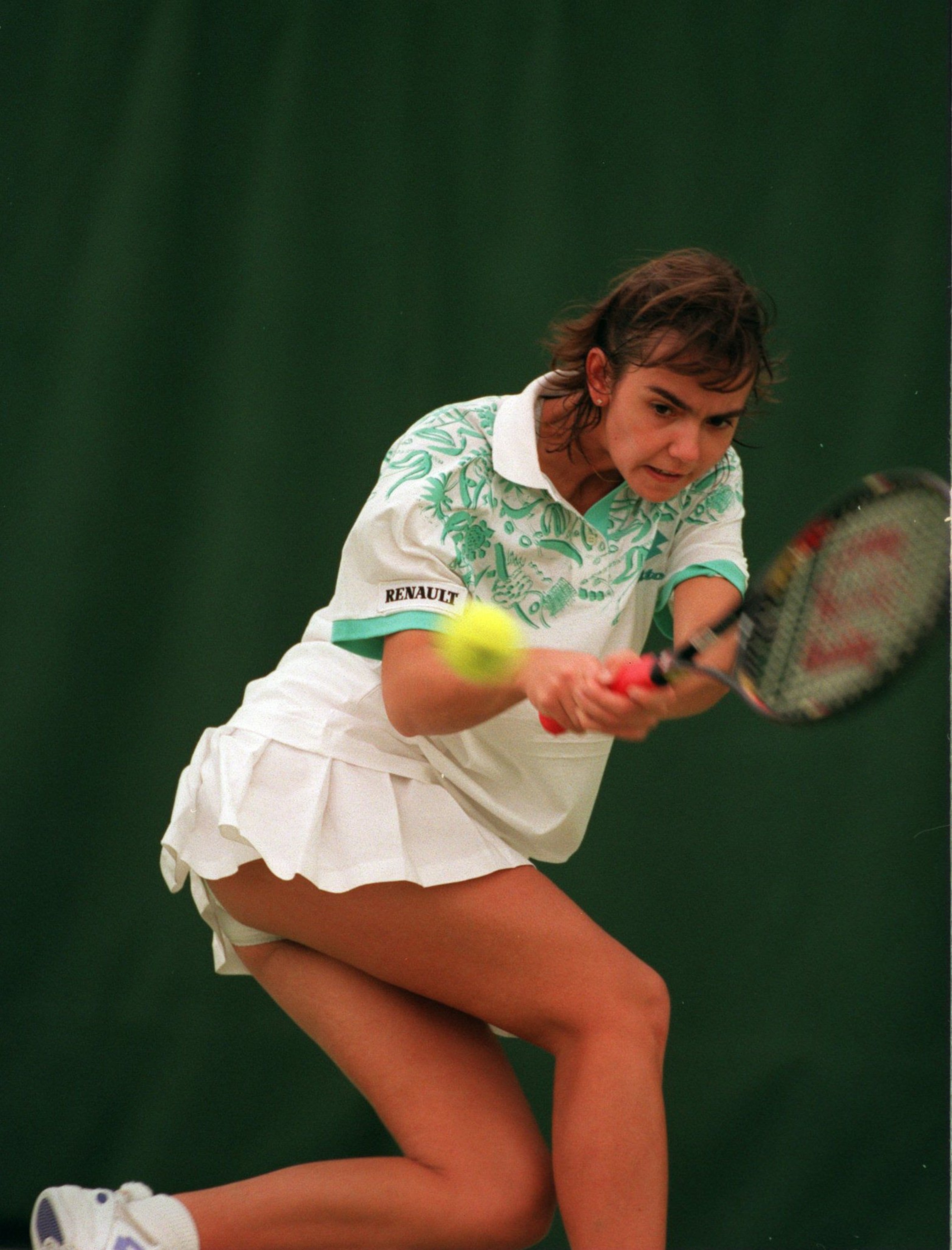
Dominique Monami turned pro in June of 1991, finishing the year at 129th in the world after a run to the third round in Flushing Meadows. That lifted her ranking by some 40 or 50 points, and had she not won her opening two matches there, it’s quite possible she would have been in the neighborhood of 160 or 170 in the world by the time she got to Melbourne in early 1992.
With that in mind, Monami can be pleased with a run to the fourth round. She took out Aussie wild card Nicole Pratt in the second round and No. 15 seed Helena Sukova in the third before a loss to American Amy Frazier one step away from the last eight.
What makes the win over Sukova memorable was that prior to the tournament, Monami had only ever played one person inside the Top 50 in the world. Her biggest previous scalp was Laura Golarsa, then the world No. 53, in a tour event in Austria.
Monami became a household name in the late ‘90s, and she was a top 10 player towards the end of her career.
After marrying her coach, the now Dominique Van Roost later used the 1997 AO as her springboard to a top 10 ranking. Had an abdominal strain not forced her to withdraw from the tournament in Week Two, she could have been looking at a potential top five spot.
The unseeded Van Roost upset second seeded Arantxa Sanchez Vicario and followed up her surprise win with a straight sets win over No. 15 seed Chanda Rubin. Unfortunately for her, she had to call it quits down a set and 0-4 to No. 14 seed Mary Joe Fernandez in the quarters.
Anke Huber, 1991
8 of 12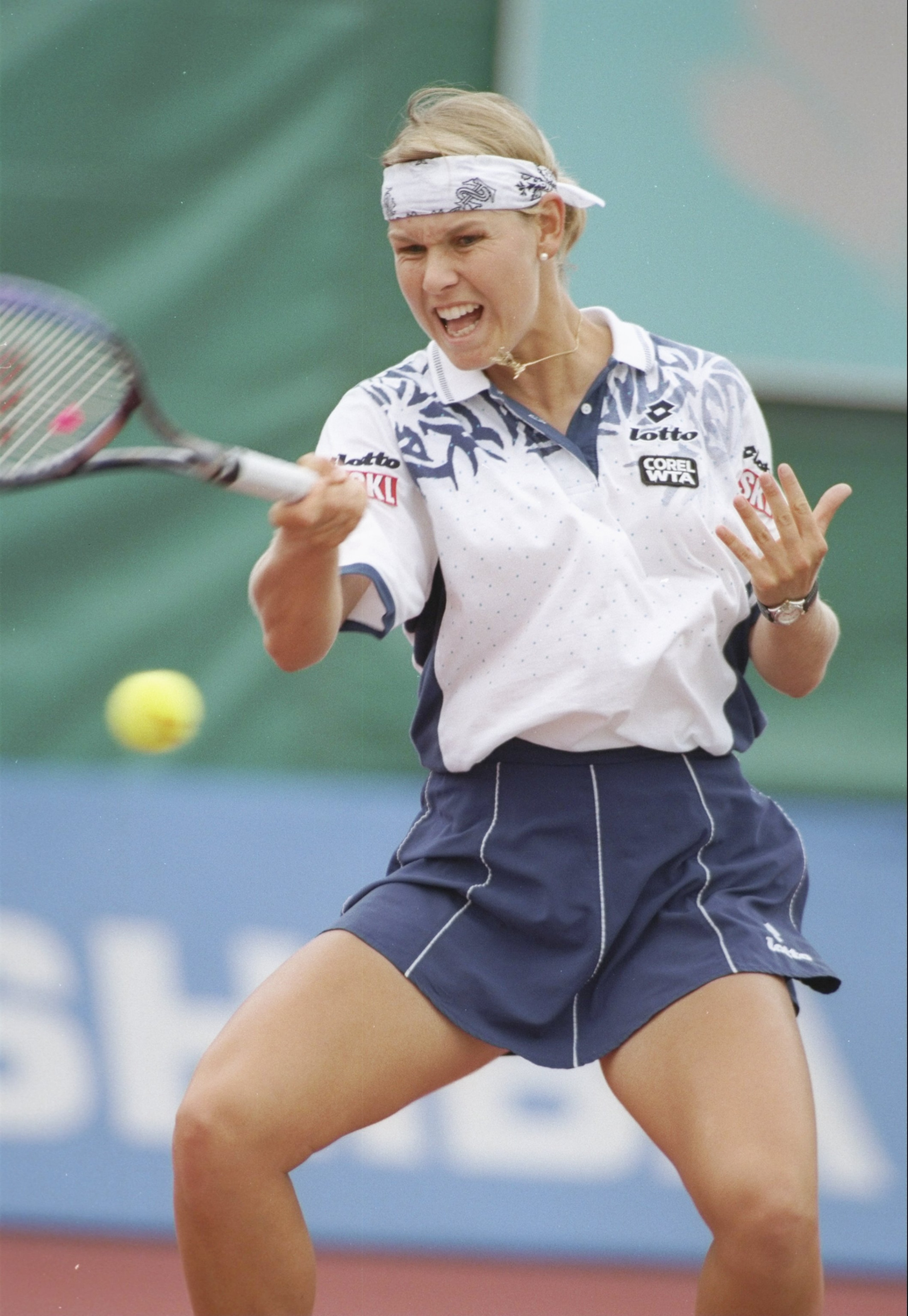
Eighteen months after turning pro, German Anke Huber became the youngest quarterfinalist at the Australian Open in the open era when she made it into the second week of the slam at 16 years and seven-weeks old.
Huber had made it to the third round in 1990, but despite climbing more than 130 places that year, she came into the first slam of the new decade as an unseeded participant not really expected to challenge the likes of Bulgarian Manuela Maleeva-Fragniere or Russian Natasha Zvereva, the two seeds in her section of the draw.
Huber surprised them both, dispatching seventh seed Maleeva-Fragniere 6-4, 6-4 in the second round and the No. 11 Zvereva 6-3, 6-4 in the fourth round.
Huber went out to eventual champion Monica Seles, but not before announcing to the world that she was a serious hard court threat. She was runner-up to world No. 1 Seles in 1996 and then made it to the semifinals in 1998, both times as a seed, but it was that tournament back in ’91 that really put her on the map.
As a side note, Huber was unseated as the youngest quarterfinalist in 1996, when 15 year old Martina Hingis made it to the second week.
Angelica Gavaldon, 1999
9 of 12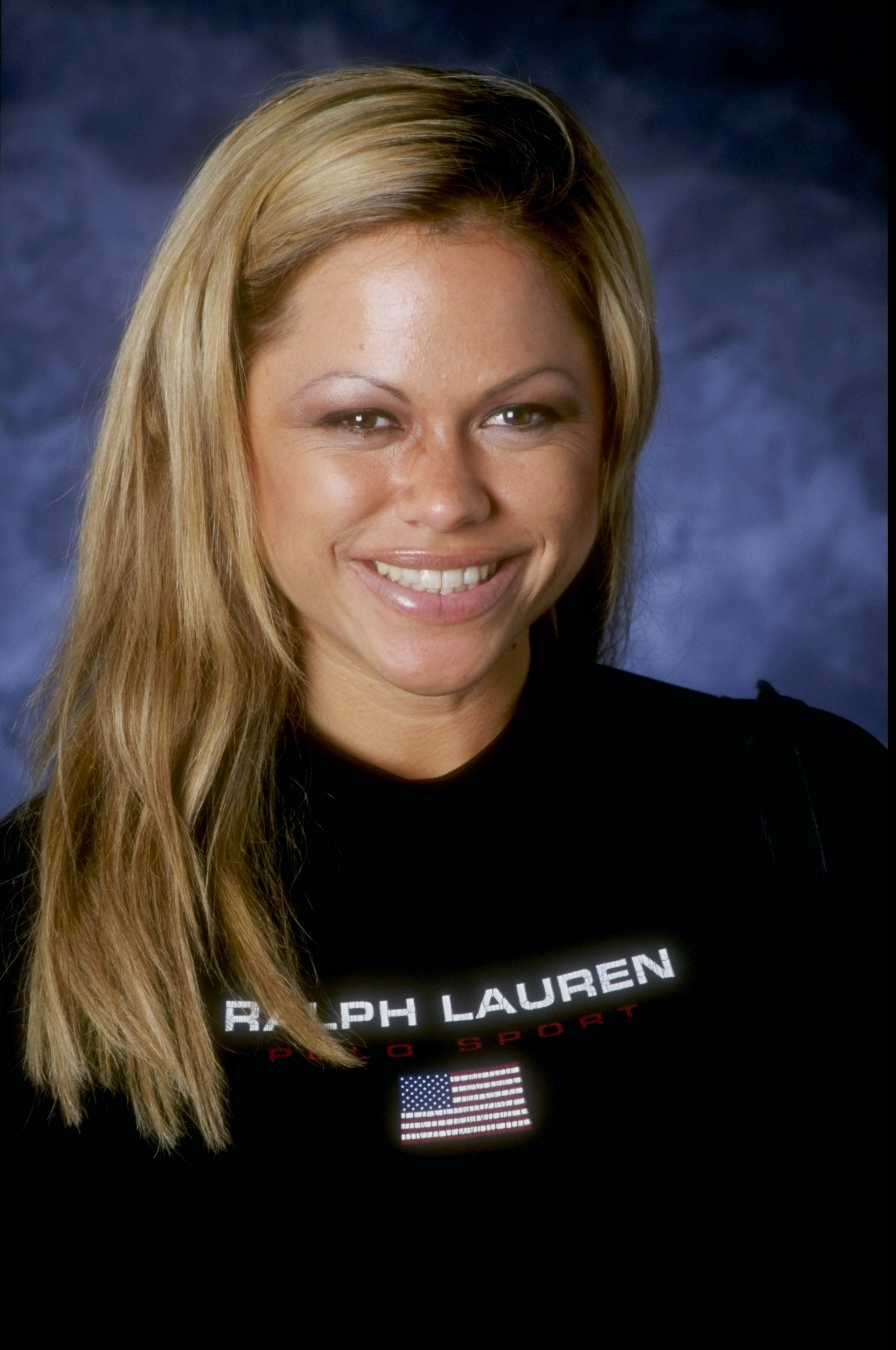
Heading into the 1990 Australian Open, the talk of the tournament was on the prospects of Steffi Graf, Gabriela Sabatini, Jana Novotna et al.
While seeds such as Larisa Savchenko-Neilanjd and Natalia Zvereva fell in the opening rounds, the public quickly began to latch onto 16-year old Angelica Gavaldon. Ranked just inside the world’s Top 200 when she turned pro prior to the tournament, Gavaldon came through qualifying to earn her place in the main draw.
She beat American Laxmi Poruri in straight sets in the first round before edging lucky loser Alexia Dechaume 7-5 in the third set of the second round. Gavaldon then dispatched of two seeded players back-to-back, knocking seventh seed Hana Mandlikova and 15th seed Gigi Fernandez out in the third and fourth rounds respectively.
In a quarter now lacking a seed following Claudia Porwik’s surprise win over Sabatini, a relatively unknown player was guaranteed a place in the semifinals. Gavaldon was unable to beat Porwik, but it was a great start to her career. Gavaldon played in nine more Australian Open events, but she never improved on this quarterfinal run.
Amelie Mauresmo, 1999
10 of 12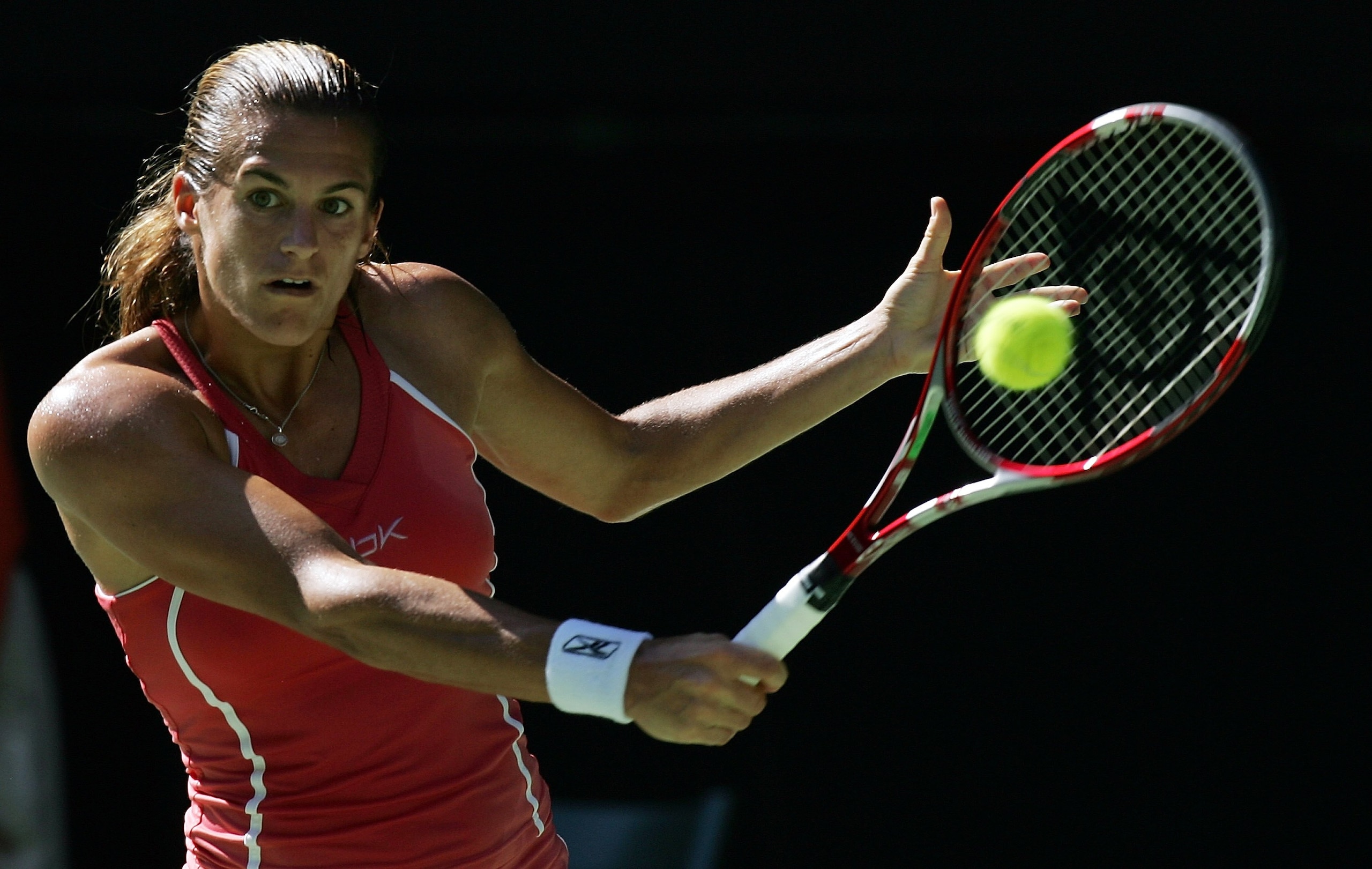
Long before Amelie Mauresmo was the world’s No.1 she was a consistent top 32 player and threat, not just on grass but also on hard surfaces. Still, if you would have told anybody that the 29th-ranked teenager would defeat three top 12 players, including the best woman on the planet at that point, people would have laughed at you.
Yet, that is exactly what Mauresmo did.
Still in the era when only the Top 16 players were seeded, Mauresmo got a torrid draw. She needed to rally from a set down to see off world No. 33 Corina Morariu in the first round before doing the exact same thing to edge eighth seed Patty Schnyder two days later.
Mauresmo coasted past Aussie Nicole Pratt and Emilie Loit, who had just put out No. 9 Conchita Martinez, in the third and fourth rounds and she followed that up with a victory over Dominique Van Roost 6-3, 7-6(3).
Her reward for beating the No. 11 seed was a semifinal match-up with world No. 1 Lindsey Davenport, who had dropped just 19 games in five matches and was coming off a thumping of Venus Williams.
Mauresmo was not overawed, and despite dropping the opener, she won the next two sets 7-5 to advance to her first final. In doing so, she became just the second unseeded woman in 21 years (and the third ever in the Open era) to play for the championship. Martina Hingis took the trophy, but Mauresmo entered the record books for her stunning run.
Tatiana Golovin, 2004
11 of 12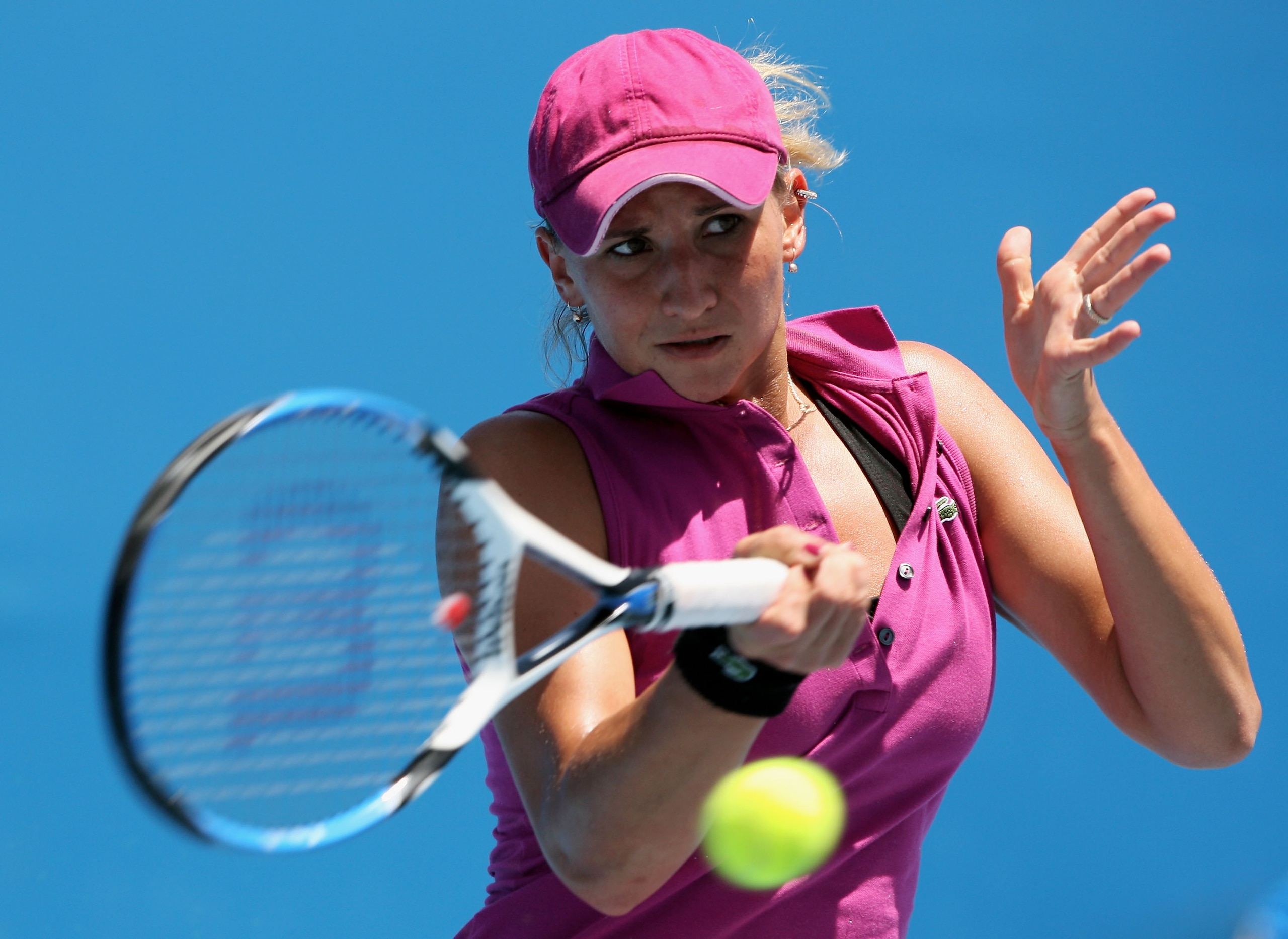
Tatiana Golovin entered 2004 at No. 345 in the world, and she was ranked nine spots lower at 354 when she rolled into Melbourne as a 15-year old, having won just 21 total matches as a professional.
In the main draw as a wild card, Golovin beat Marie-Gayanay Mikaelian in straight sets before winning back-to-back matches against a pair of seeds ranked 14th and 23th respectively.
Golovin ripped through No. 14 seed Anna Smashnova 6-2, 6-3 before shocking world No. 25 Lina Kransnoroutskaya 6-2, 7-6 (4). Considering Golovin had never beaten anyone in the Top 100 before, these three victories, and specifically the latter two, were massive upsets.
The draw seemed to open up when Lisa Raymond beat third seed Venus Williams 6-4, 7-6 (5) in the third round, but Golovin ran out of gas against the American, who ran out an easy winner, two-and-nil.
Golovin proved she was worthy of the wild card selection, and this was the real start of a solid career that saw her rise to the brink of the Top 10. Golovin finished the ‘04 year at No. 24 in the world, and her performance at the AO alone helped her jump an incredible 219 spots in the rankings.
Justine Henin, 2010
12 of 12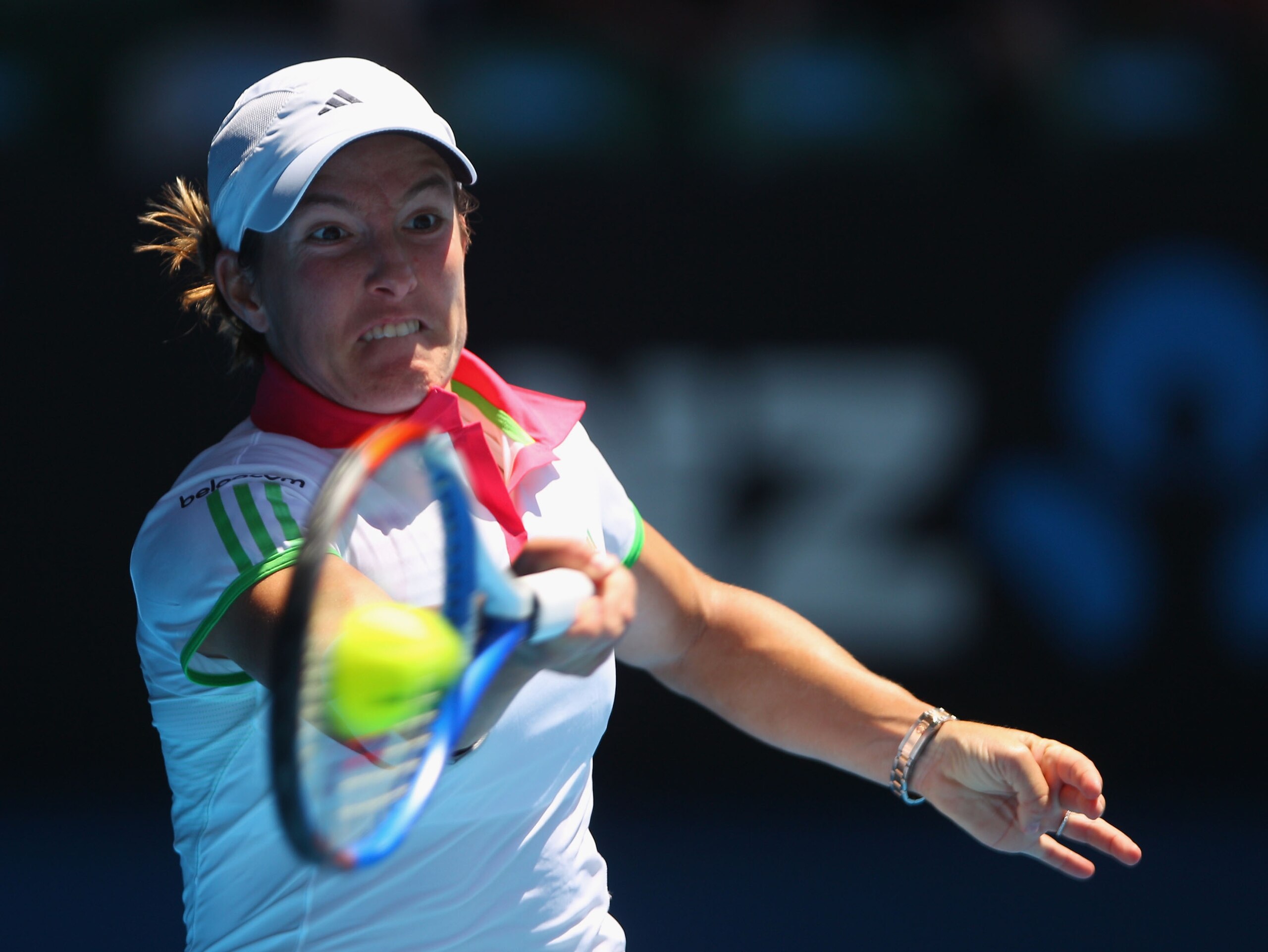
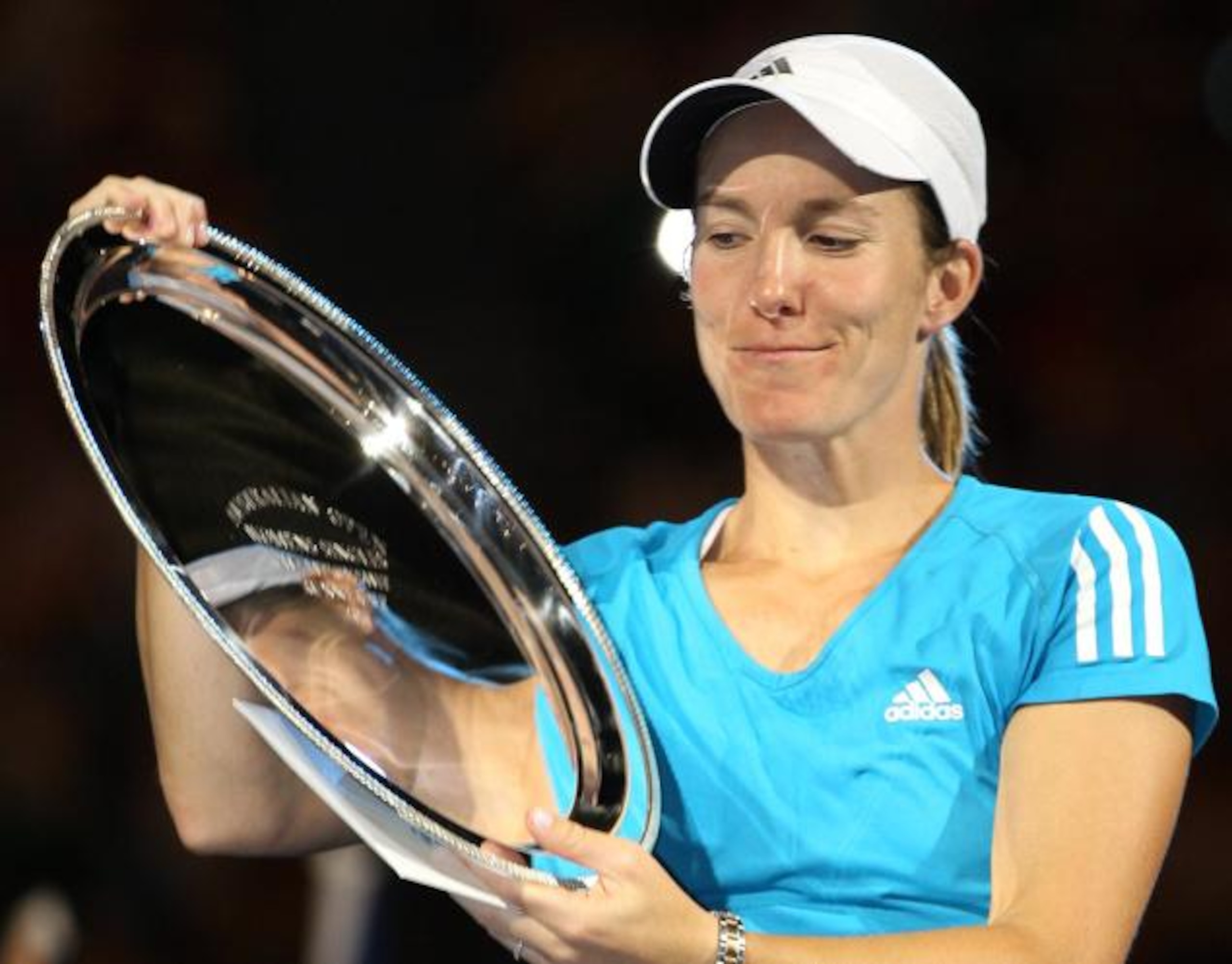
Justine Henin became the first ever wild card, and just the fifth non-seeded woman, to make it to the final of the Australian Open.
Most people know the story of Henin, but that doesn’t make her story any less significant. After going 16-4 to start 2008, Henin became the first player to ever retire at No. 1 in the world when she called it a day in May of that year. After sitting in the shadows for 16 months, Henin announced she would return to the Tour at the start of 2010.
Apparently she never missed a beat.
She defeated three top 40 players in her first tournament in 20 months and was handed a wild card for the Australian Open where she arrived without a WTA ranking.
Henin had such a tough draw that it is truly amazing she made it to the final. Other than fellow Belgian Kirsten Flipkens who she beat in the first round, Henin defeated world No. 5 Elena Dementieva, 27th seed Alisa Kleybanova, world No. 16 Yanina Wickmayer (who was actually unseeded because of an appeal technicality pre-tournament), No. 19 Nadia Petrova and future world No. 15 Jie Zheng.
That is ridiculous.
The only person that stopped Henin was the best player in the world, Serena Williams, and even then, she was pushed to a third set.
All of this adds up to the most surprising run at the Australian Open.
.jpg?w=2560 "Titans Giants Football")

.jpg?w=2560 "Tyreek makes another cryptic post amid Chiefs rumors")


.jpg?w=2560 "Greenlaw Talks Payton Exchange")
