
MLB: Ground Ball Up The Middle—The Top 50 SS-2B Combos Since 1960
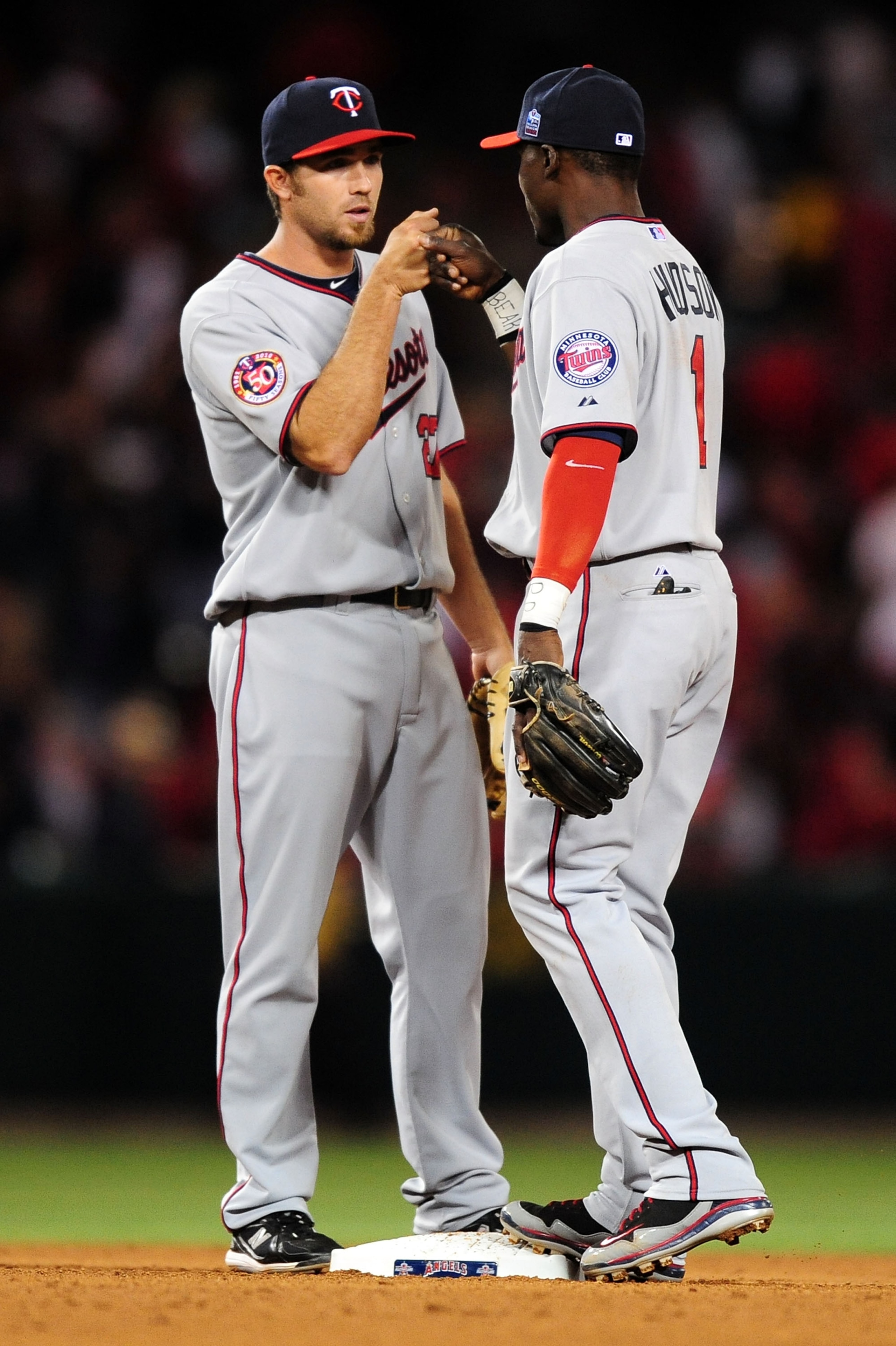
Looking ahead to 2011, the Minnesota Twins will be without either their second baseman or shortstop from 2010.
First, Gold-Glove second baseman Orlando Hudson signed as a free agent contract with San Diego, and then the Twins trade away shortstop J.J. Hardy to Baltimore in a deal that gave them a couple of relievers in return.
I took a look back over the combination of middle infielders the team has had, as well as some of the best there have been over the past 50 plus years.
I started with the list of Gold Gloves winners for both leagues at shortstop and second base.
In order to qualify for the ranking, the duo had to play together for at least two years, with both players playing at least half the season at their respective position in the year a Gold Glove was awarded.
The list was then ranked based on the total number of Gold Gloves earned, the combined fielding percentage, and the total number of years they played next to each other.
Enjoy this look back at some of the greatest middle infield combinations from the last 50 years.
Here's my list of the top 50 shortstop-second basemen duos since 1960.
Honorable Mention: Doug Griffin and Luis Aparicio—Boston Red Sox, 1971-1973
1 of 52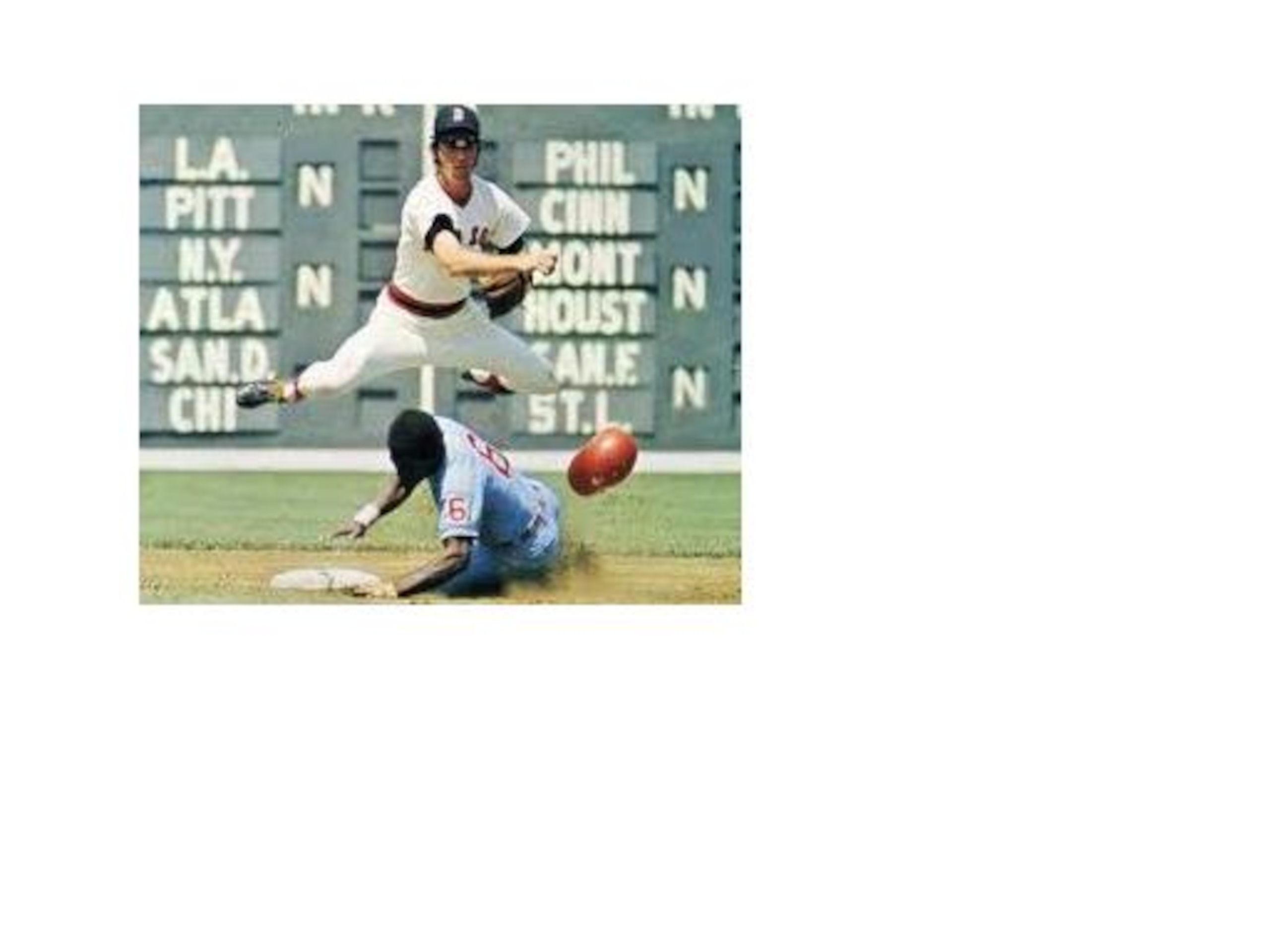
In 1971 Doug Griffin was traded from the California Angels to the Boston Red Sox. For the starting second baseman it was only his second year in the majors.
For the next three years he played next to seven-time Gold Glove shortstop Luis Aparicio—the last three of Aparicio's career.
In 1972 Griffin was awarded his only Gold Glove.
Over those three years they combined for a 0.977 fielding percentage.
Aparicio, an 18 year veteran, will make three more appearances in this ranking.
Honarable Mention: Mike Young and Ian Kinsler—Texas Rangers, 2006-2008
2 of 52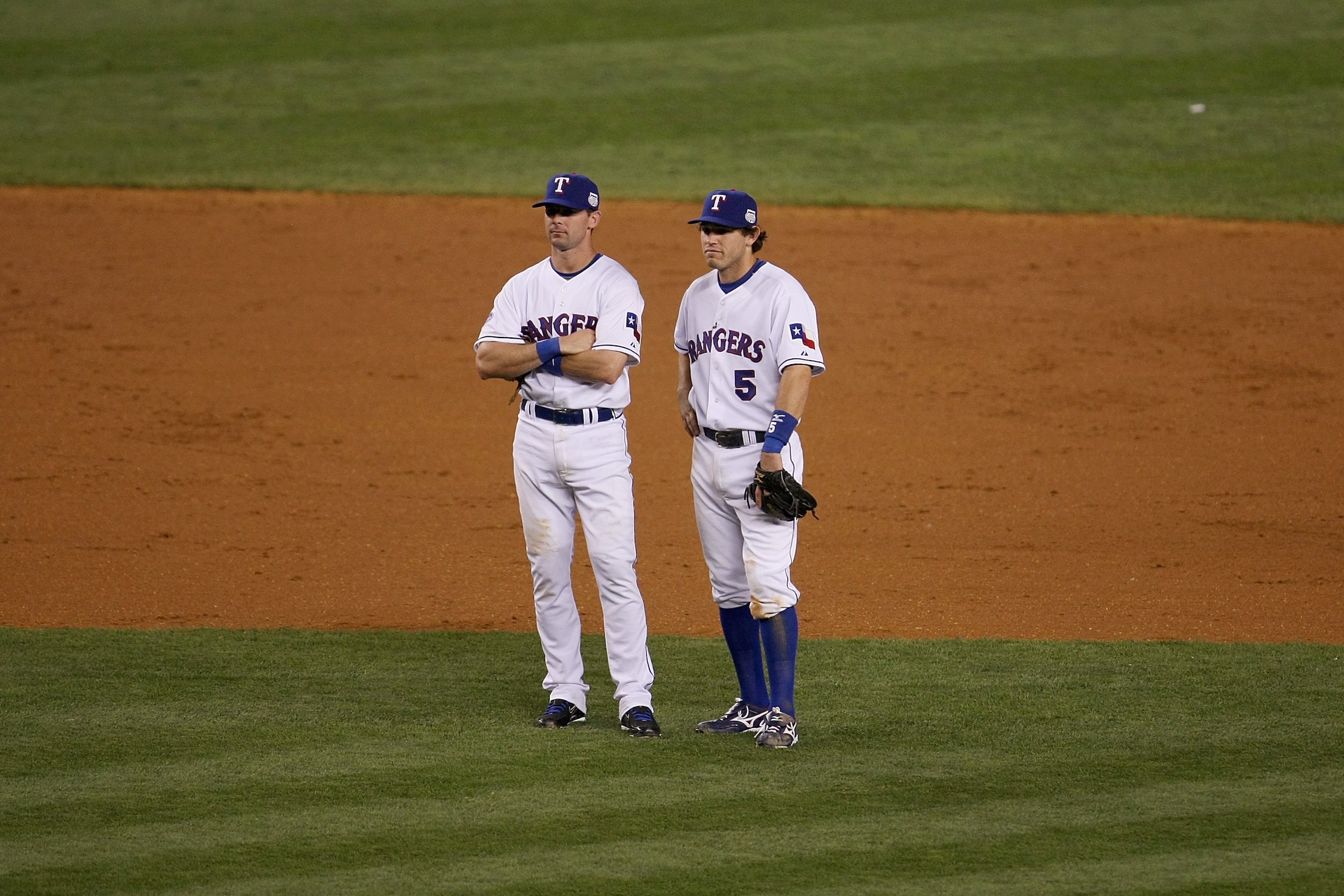
From 2006-2008, Mike Young and Ian Kinsler played up the middle for the Texas Rangers.
Young has slowly made his way around the infield, starting at second, moving to shortstop and eventually to third base in 2009.
Kinsler, who debuted 2006, he has been the Rangers second base his whole career.
In 2008 Young won a Gold Glove for his play at shortstop.
Their combined fielding percentage over those three years was .9774, a mere 0.0001 better than Doug Griffin and Luis Aparicio.
No. 50: Placido Polanco and Carlos Guillen—Detroit Tigers, 2005-2007
3 of 52
In June of 2005 second baseman Placido Polanco was traded from Philadelphia to Detroit.
For three seasons he was teamed with Carlos Guillen, turning double plays for the Tigers.
In 2008 Guillen would move to third base being replaced by Edgar Renteria.
Polanco would earn two Gold Gloves at second base in 2007 and 2009 before returning to the Phillies as a free agent.
Polanco and Guillen would combine for a .979 fielding percentage.

No. 49: Craig Biggio and Orlando Miller—Houston Astros, 1995-1996
4 of 52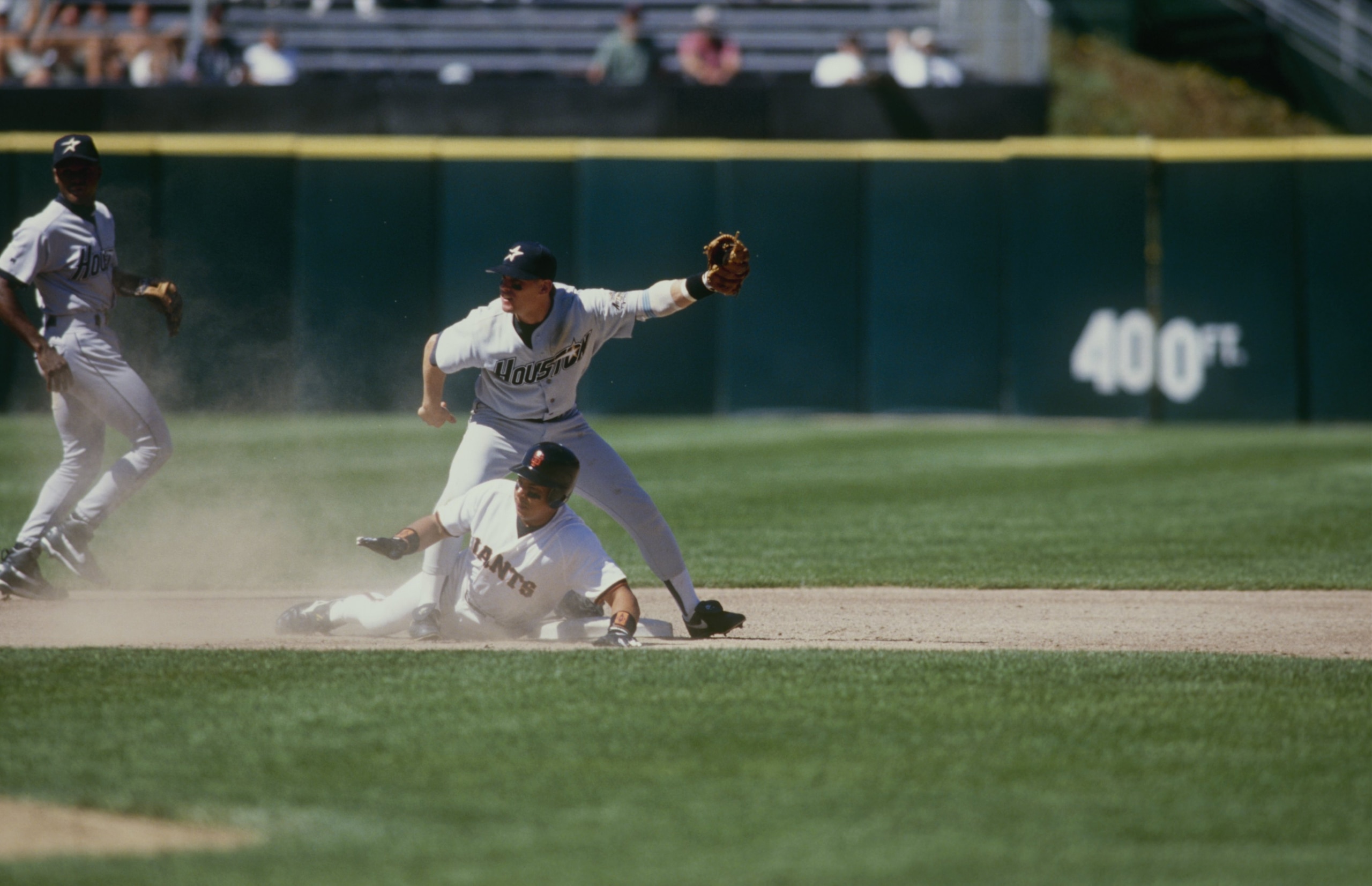
Craig Biggio played his entire 20 tear career with the Houston Astros.
He is best known as a member of the "Killer B's", a reference associated with the teammate to his left, Jeff Bagwell.
Biggio broke into the big leagues as a catcher, and started for the Astros from 1989 to 1991.
In 1992 Biggio would move to second base.
Over the next 16 seasons he would be the starter.
Houston would have six different shortstops during that span.
Biggio would win four consecutive Gold Gloves for his play at second from 1995 to 1997.
In 1996 and 1996 Orlando Miller played along side Biggio.
The combined fielding percentage of Biggio and Miller for those two seasons was .978.
If the Astros could have found a consistent performer at shortstop to complement Biggio, he would have been ranked a lot higher.
No. 48: Tommy Helms and Dave Concepcion—Cincinnati Reds, 1970-1971
5 of 52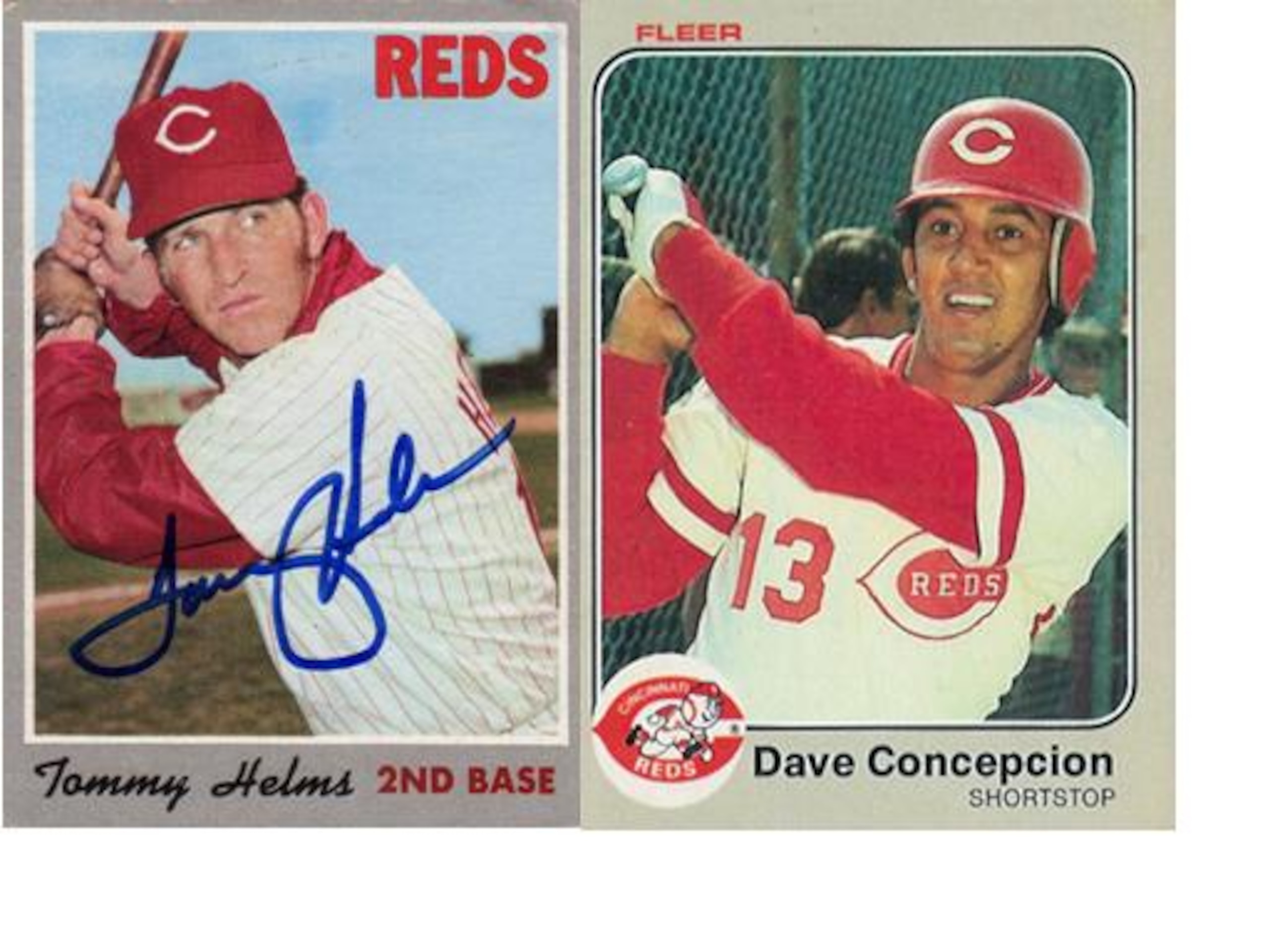
Before being traded to the Houston Astros in 1972, Tommy Helms would play eight seasons in Cincinnati.
He would earn the starting third base position in 1966 before taking over second base for the next five years.
In 1970 rookie Dave Concepcion would take over as the Reds' shortstop.
Over the next two seasons Helms and Concepcion would combine for a .978 fielding percentage, as Helms would earn consecutive Gold Gloves for his play at second.
As part of the deal that would send Helms to Houston, the Reds would receive second baseman Joe Morgan. More on him and Concepcion later.
No. 47: Robin Yount and Jim Gantner—Milwaukee Brewers, 1981-1984
6 of 52
Robin Yount and Jim Gantner would play parts of 17 seasons together with the Milwaukee Brewers.
Yount would start his career with the Brewers in 1974 and play shortstop for 11 years before moving to the outfield for the next nine.
Gantner made is debut with the Brewers in 1976 and was a utility infielder until taking over the starting second baseman's job in 1981.
From 1981 to 1984 Young and Gantner were the Brewers double-play combination.
Yount won a Gold Glove in 1982 when he played 154 games at shortstop.
That season the Brewers would make it to the World Series and lose to the St. Louis Cardinals four games to three.
Over the four years the two had a combined fielding percentage of .979.
No. 46: Jose Lind and Jay Bell—Pittsburgh Pirates, 1989-1992
7 of 52
Jose Lind debuted with Pittsburgh Pirates in 1987. The following year he took over as the starting second baseman.
Before the start of the 1989 season, Jay Bell was sent to the Pirates from Cleveland to complete an earlier trade.
Bell and Lind would play together the next four years.
In 1990-1991 the Pirates would win the NL East.
In 1992 Lind would be awarded the Gold Glove. He played 134 games at second and committed only six errors.
Over the four years Lind and Bell would combine for a 0.980 fielding percentage.
Following the 1992 season the Pirates traded Lind to Kansas City.
No. 45: Luis Aparicio and Bobby Knoop—Chicago White Sox, 1969-1970
8 of 52
Second baseman Bobby Knoop only played two seasons with the Chicago White Sox, both of them were with the eight-time Gold Glove shortstop Luis Aparicio.
Early in the 1969 season Knoop was traded from California to Chicago. Knoop had won three straight Gold Gloves at second base with the Angels.
At the time, between Aparicio and Knoop, the two owned 11 Gold Gloves.
In 1970 Aparicio would win his ninth and final Gold Glove at shortstop.
After the 1967 season Aparicio would be traded from Baltimore to the Chicago White Sox, the team he debuted with in 1956 and started at shortstop until 1962.
Over the two years they played together they would commit a total of 58 errors in a combined 530 games and a 0.980 fielding percentage.
This will not be the last time either of these two gentlemen make the list.
No. 44: Cesar Izturis and Alex Cora—Los Angeles Dodgers, 2003-2004
9 of 52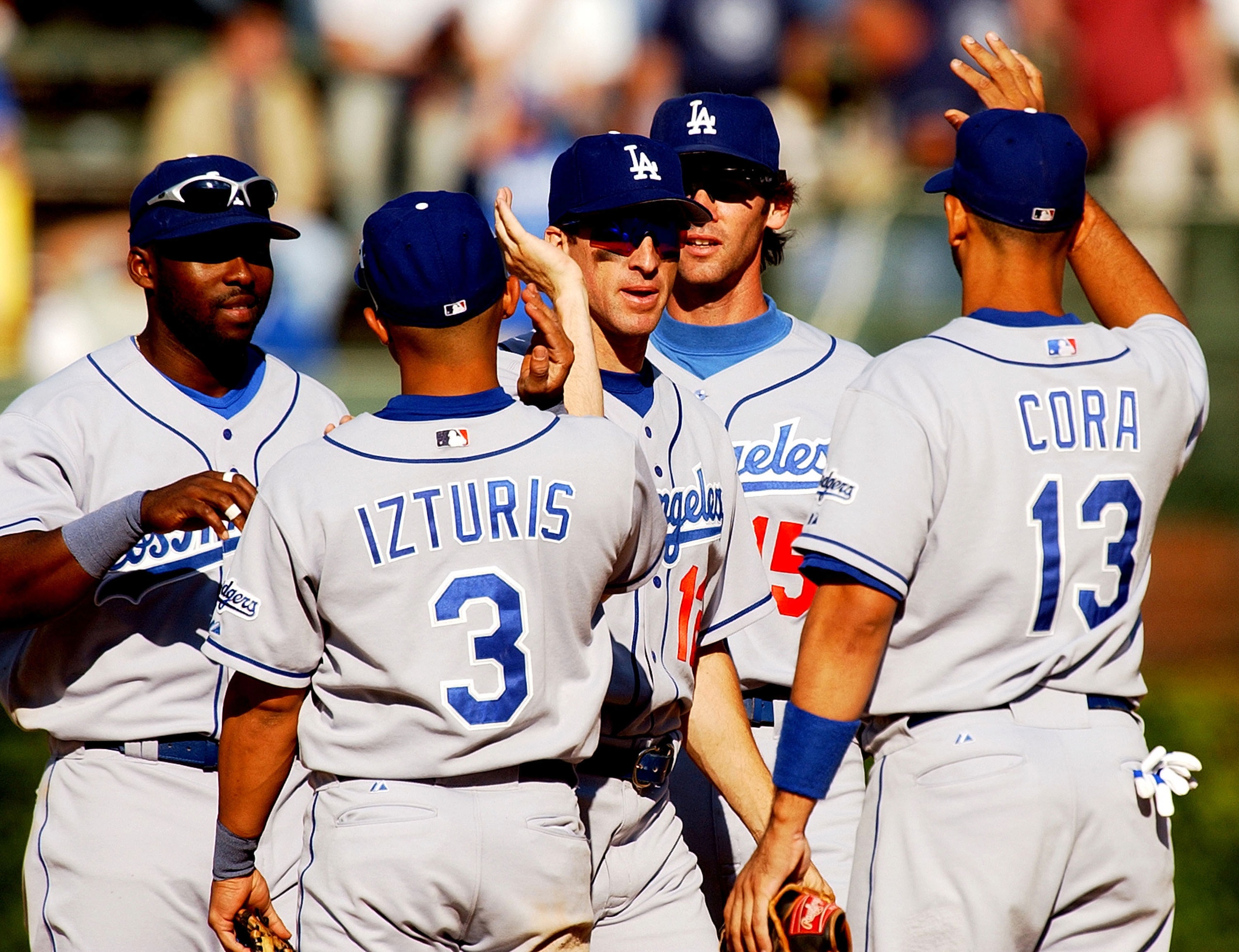
Alex Cora made his major league debut with the Dodgers in 1998. He split his time between second base and shortstop until 2003 when he became the regular second baseman.
Cesar Izturis joined the Dodgers in 2002 after a trade with the Blue Jays.
Izturis and Cora in a combined 596 games had a 0.982 fielding percent.
In 2004 Izturis won the Gold Glove at shortstop when he had only 10 errors in 159 games.
No. 43: Larry Bowa and Ted Sizemore—Philadelphia Phillies, 1977-1978
10 of 52
Ted Sizemore played 12 seasons with five different teams.
Prior to the 1977 season he was traded to Philadelphia from the Dodgers, and spent two years as the Phillies second baseman in 1977 and 1978.
Larry Bowa joined the Phillies as a rookie in 1970, and for the next 11 years was their starting shortstop.
The 1977 and 1978 seasons both ended with the Phillies losing to the Dodgers in the National League Championship Series.
This duo would only commit 46 errors over the two years and had a combined 0.984 fielding percent.
No. 42: Roberto Alomar and Mike Bordick—Baltimore Orioles, 1997-1998
11 of 52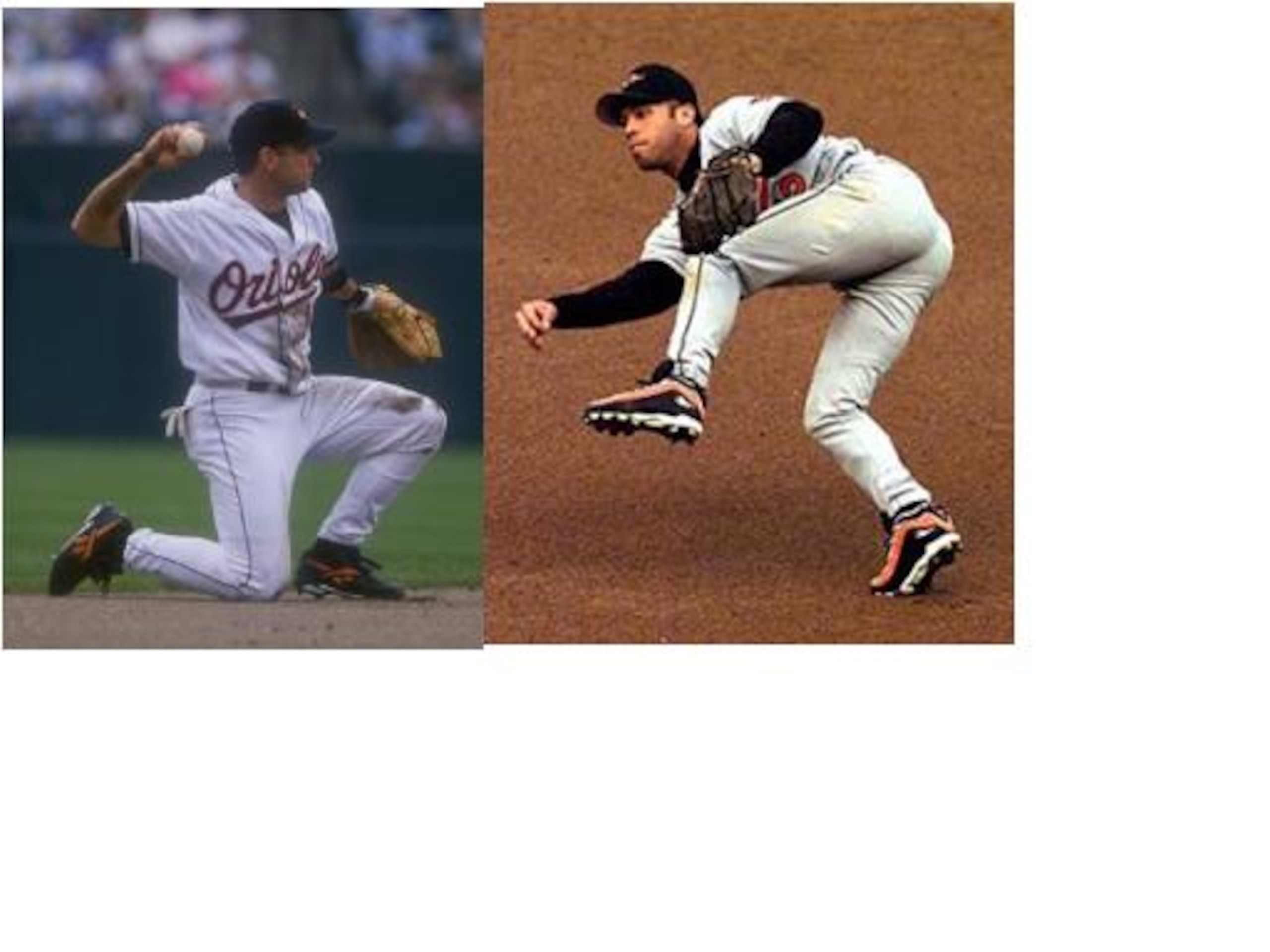
Roberto Alomar won 10 Gold Gloves in his career with three different teams and seven different shortstops.
From 1996-1998 Alomar found himself in Baltimore where he would win two Gold Gloves in his three years playing second for the Orioles. The first year he was turning two with baseball's iron man. Cal Ripken Jr.
In 1997 Ripken would move to third and Mike Bordick would take over shortstop—only the second shortstop to start for Baltimore in 14 seasons.
Incredibly these two would commit only 37 errors in two seasons with a combined fielding percentage of 0.984—the fourth highest in this ranking.
In 1997 Alomar's consecutive streak winning the AL Gold Glove at second was snapped by Minnesota's Chuck Knoblauch.
In 1998 Alomar would begin another by being awarded his seventh Gold Glove.
No. 41: Bud Harrelson and Ken Boswell—New York Mets, 1968-1972
12 of 52
Bud Harrelson and Ken Boswell were a part of the Miracle Mets in 1969.
Harrleson debuted with New York in 1965 and was the regular starting shortstop in 1967.
In the same year Boswell made his major-league debut.
In 1968 became the regular second baseman.
Harrelson and Boswell would play next to each other the better part of five seasons which helped to increase their ranking in this list.
In 1971 Harrelson would be awarded the Gold Glove.
Combined they only had a 0.976 fielding percentage.
No. 40: Chuck Knoblauch and Pat Meares—Minnesota Twins, 1993-1997
13 of 52
Second baseman Chuck Knoblauch's rookie season was 1991, the year the Minnesota Twins won their second World Series and Knoblauch was named the AL Rookie of the Year.
Two years later, rookie Pat Meares would take over the starting shortstop position.
This duo would play together for the next five years until Knoblauch would be traded following the 1997 season to the New York Yankees.
In 1997 Knoblauch would win the Gold Glove, displacing Roberto Alomar, who had won the award the previous six seasons at second base in the American League.
Their combined fielding percentage over the five seasons was 0.979.
No. 39: Frank White and Freddie Patek—Kansas City Royals, 1976-1979
14 of 52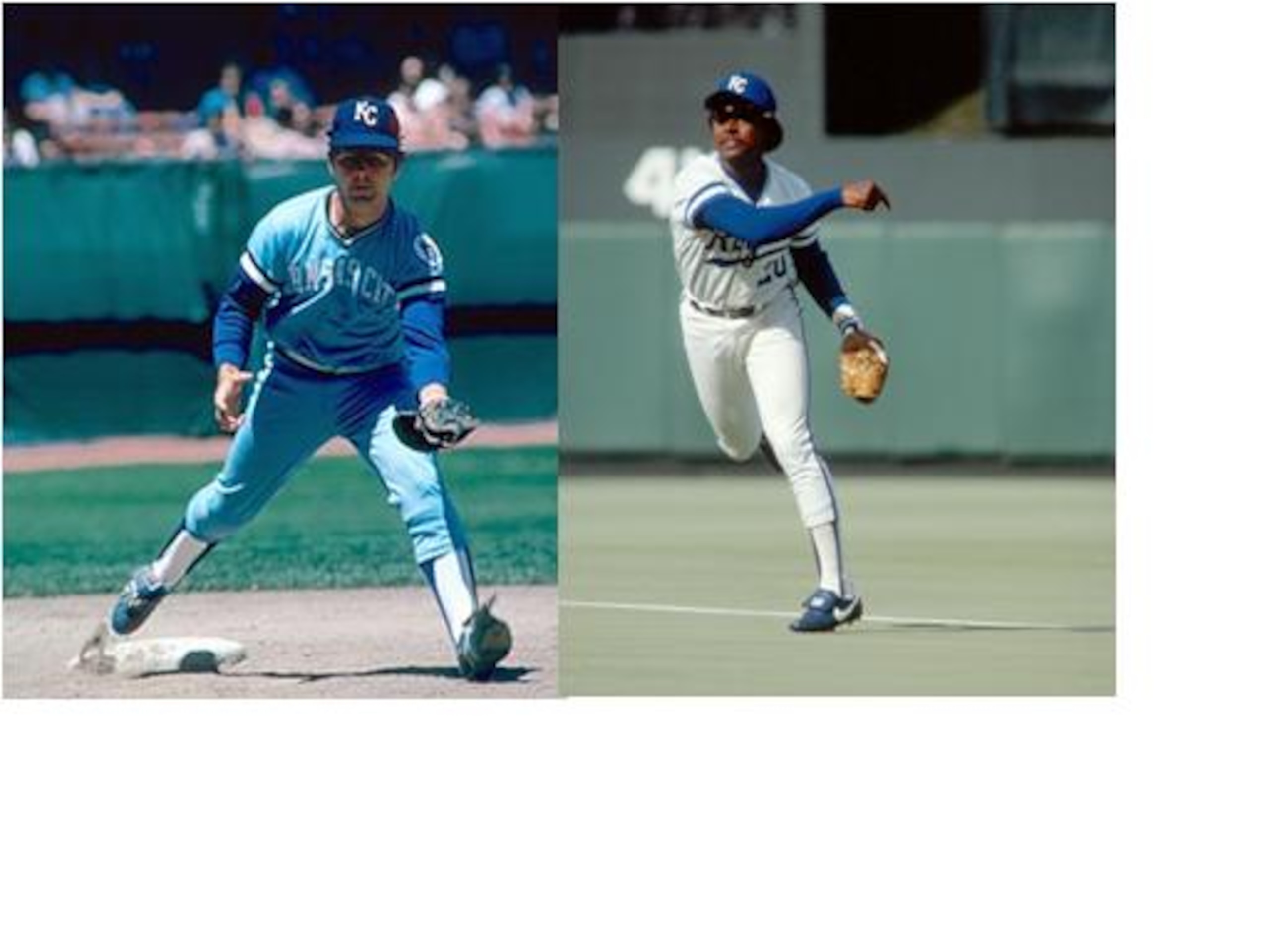
Frank White would win eight Gold Gloves at second base in 18 seasons with the Kansas City Royals.
Over that span he would play along side five different starting shortstops.
Freddie Patek would be the first.
White debuted with the Royals in 1973. After three years as a utility infielder he got the starting second base job in 1976.
For Patek, this would be his ninth year in the majors, and his sixth as the Royals' starting shortstop.
For three of the four years they played next to each other the Royals would make it to the American League Championship Series, only to fall to the New York Yankees.
From 1977-1982 White would become the perennial winner of the Gold Glove at second base.
After the 1979 season Patek would become a free agent and sign with the California Angels.
In their four seasons together White would win three Gold Gloves. They had a combined fielding percentage of 0.970—the second lowest among the duos in this ranking.
No. 37: Roger Metzger and Tommy Helms—Houston Astros, 1972-1974
15 of 52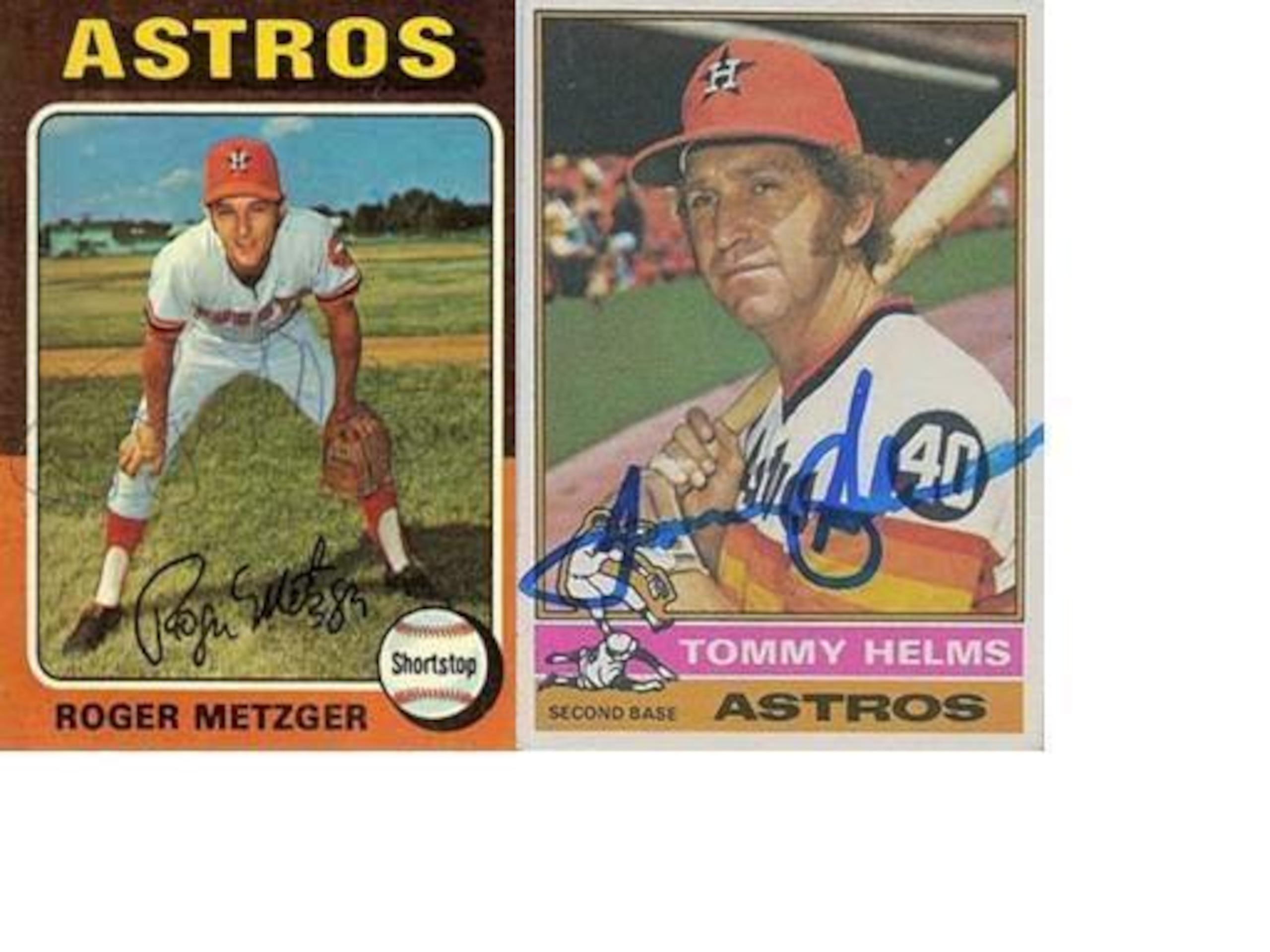
From 1971 to 1976 Roger Metzger was the Astros' starting shortstop.
In 1972 the Astros would make a trade with the Cincinnati Reds. As a part of the deal they would swap second baseman.
Houston would receive Gold Glove second baseman Tommy Helms.
For the next three seasons Helms and Metzger would play up the middle next to each other.
Metzger would win the 1973 Gold Glove for his play at shortstop committing only 12 errors in 672 chances.
Combined, Metzger and Helms' fielding percentage would be 0.981.
No. 38: Frank White and U.L. Washington—Kansas City Royals, 1980-1983
16 of 52
With the departure of Freddie Patek after the 1979 season, U.L. Washington would take over at shortstop for the Royals.
Like Patek, Washington would play next to second baseman Frank White for four seasons, and just like the Patek-White combination, White would win three Gold Gloves.
After failing to make the playoffs in 1979, the Royals were back in the ALCS in 1980.
Like their three previous trips they faced the Yankees. This time they prevailed, defeating New York three games to none, and faced the Phillies in the World Series.
Over the four seasons together White and Washington combined for a .974 fielding percentage.
Their combined fielding percentage was only .004 better than that of Patek and White to place the 1980-1983 duo at No. 38.
No. 36: Ed Brinkman and Dick McAuliffe—Detroit Tigers, 1971-1973
17 of 52
Ed Brinkman would only play four of his 15 big league seasons in Detroit and three of them would be teamed up with Dick McAuliffe, who played 14 of 16 seasons in a Tigers' uniform.
In 1972 Brinkman was awarded a Gold Glove for his play at shortstop.
Playing in all 156 games he would commit only seven errors as the Tigers would win the American League East and face the Oakland A's in the American League Championship series.
After leading the league in games played, Brinkman would play in only the first game of the American League Championship Series. McAuliffe would move to shortstop to finish the series.
From 1971 to 1973 Brinkman and McAuliffe's combined fielding percentage was 0.981.
No. 35: Jay Bell and Carlos Garcia—Pittsburgh Pirates, 1993-1996
18 of 52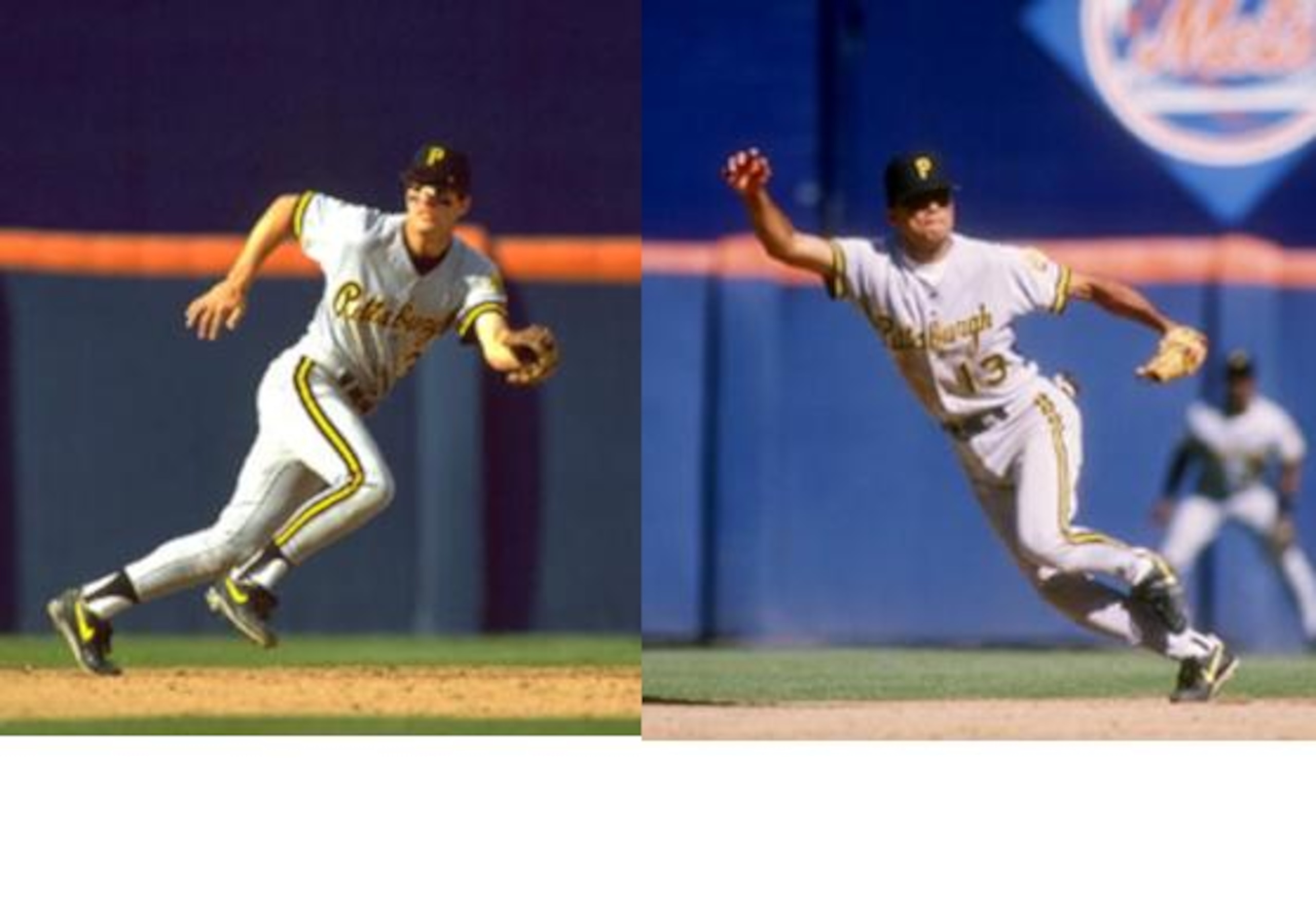
Jay Bell spent parts of 18 seasons with five different teams. From 1989 to 1996 he was the Pittsburgh Pirates' shortstop.
The last four of these were paired with second baseman Carlos Garcia.
In 1996 Bell was awarded the Gold Glove.
Bell and Garcia combined for a 0.982 fielding percentage.
In 1997 both players would be traded from the Pirates. Bell to Kansas City and Garcia to Toronto.
No. 34: Luis Aparicio and Jerry Adair—Baltimore Orioloes, 1963-1965
19 of 52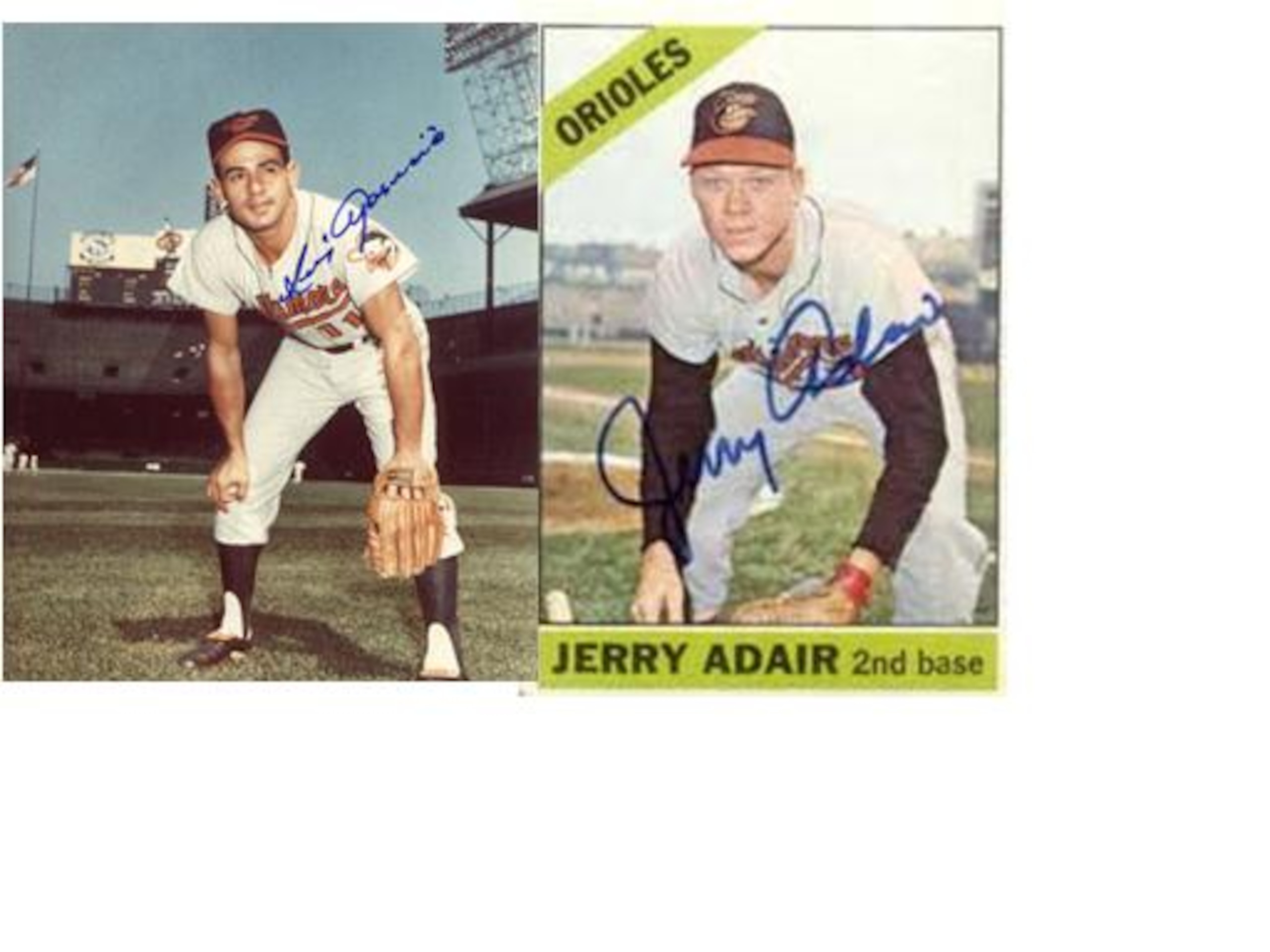
Luis Aparicio played 18 seasons with four different teams. Incredibly, in his 18 seasons, Aparicio only played one position: Shortstop.
After seven seasons, and five Gold Gloves playing for the White Sox, he was traded to the Orioles where he would play for the next five years.
From 1963 to 1965 Aparicio would play along side Jerry Adair in Baltimore.
Aparicio would earn his sixth Gold Glove in 1964.
In their three seasons together they perform at a 0.984 combined fielding percentage.
No. 33: Troy Tulowitzki and Clint Barmes—Colorado Rockies, 2008-2010
20 of 52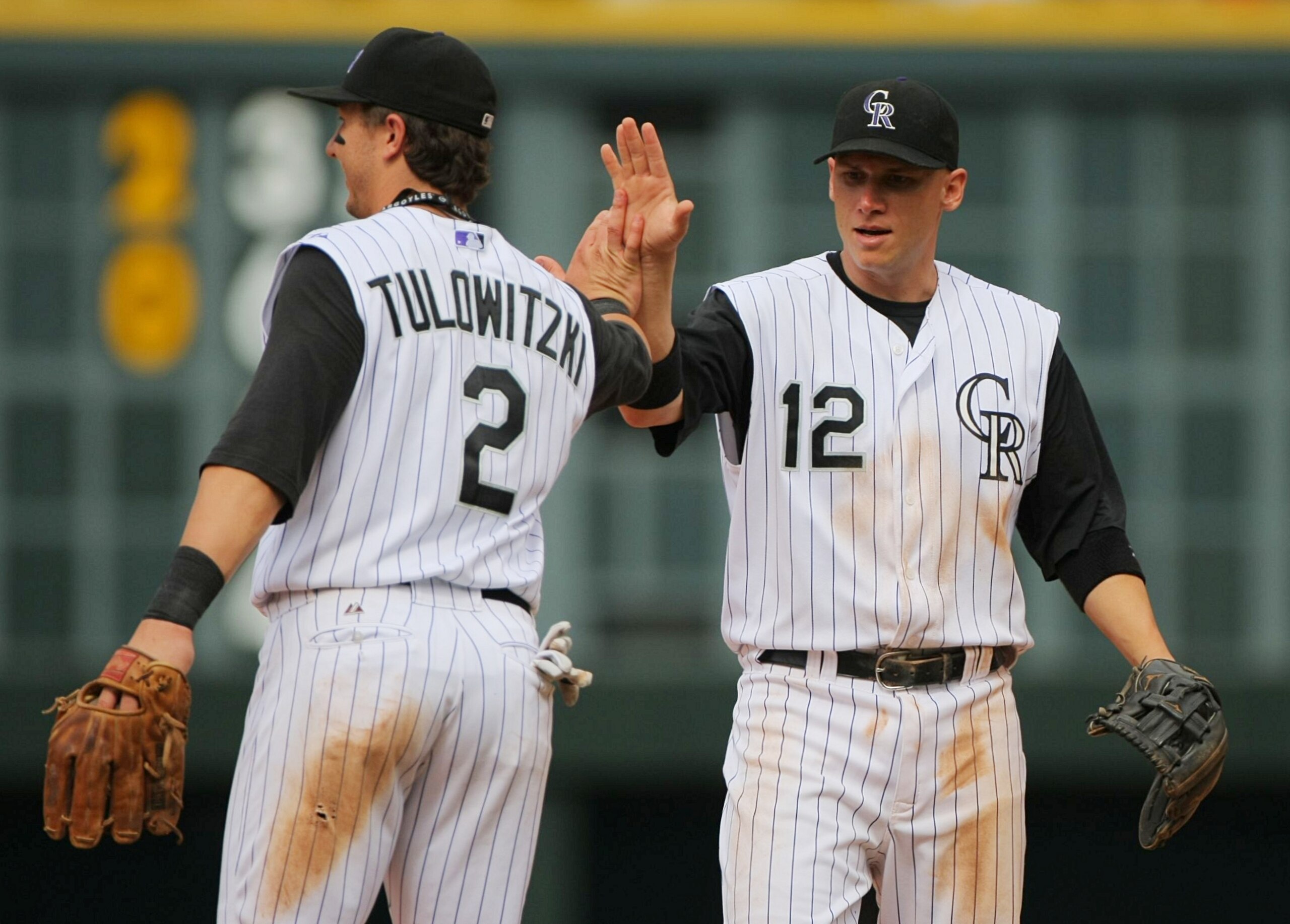
In 2010 Troy Tulowitzki won the NL Gold Glove for his play at shortstop for the Colorado Rockies.
For the better part of the three seasons his double play counterpart has been Clint Barmes at second base.
They have combined for a 0.984 fielding percentage.
No. 32: Bill Mazeroski and Dick Groat—Pittsburgh Pirates, 1956-1962
21 of 52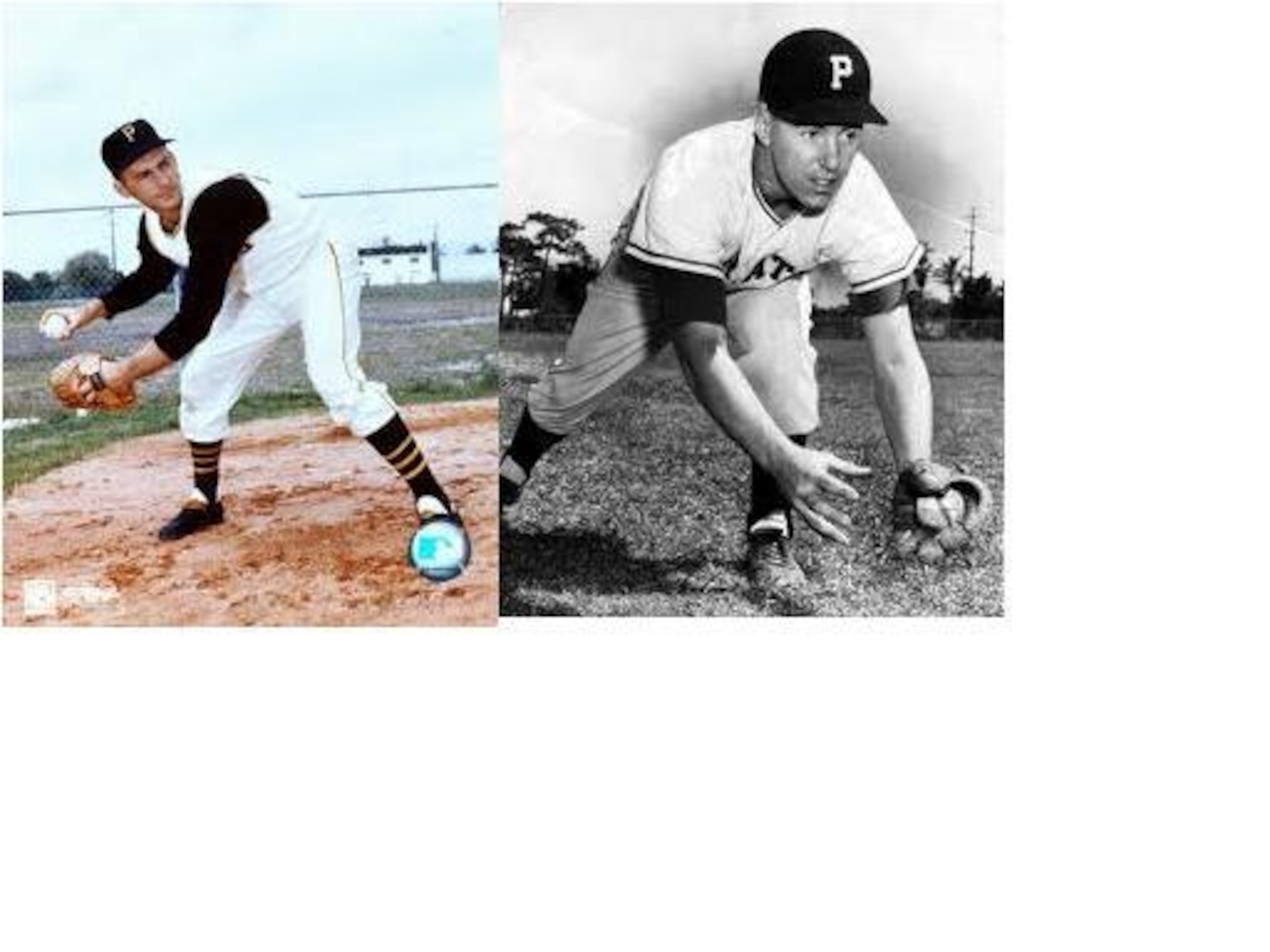
Bill Mazeroski and Dick Groat covered the middle infield for the Pittsburgh Pirates from 1956 to 1962.
Following the 1962 season the Pirates traded Groat to St. Louis.
Mazeroski would play all 17 of his major league seasons in Pittsburgh.
He was awarded the Gold Glove for his play at second base eight times, including 1958, 1960 and 1961 while turning double plays with Groat.
It was Mazeroski's dramatic home run in Game 7 of the World Series that won the title for the Pirates.
This duo would have had a higher ranking if not for the number of errors Groat committed—he had at least 20 errors each season.
Their combined fielding percentage was 0.973.
Their average of 42.7 errors per season is second highest within this ranking.
No. 31: Larry Bowa and Denny Doyle—Philadelphia Phillies, 1970-1973
22 of 52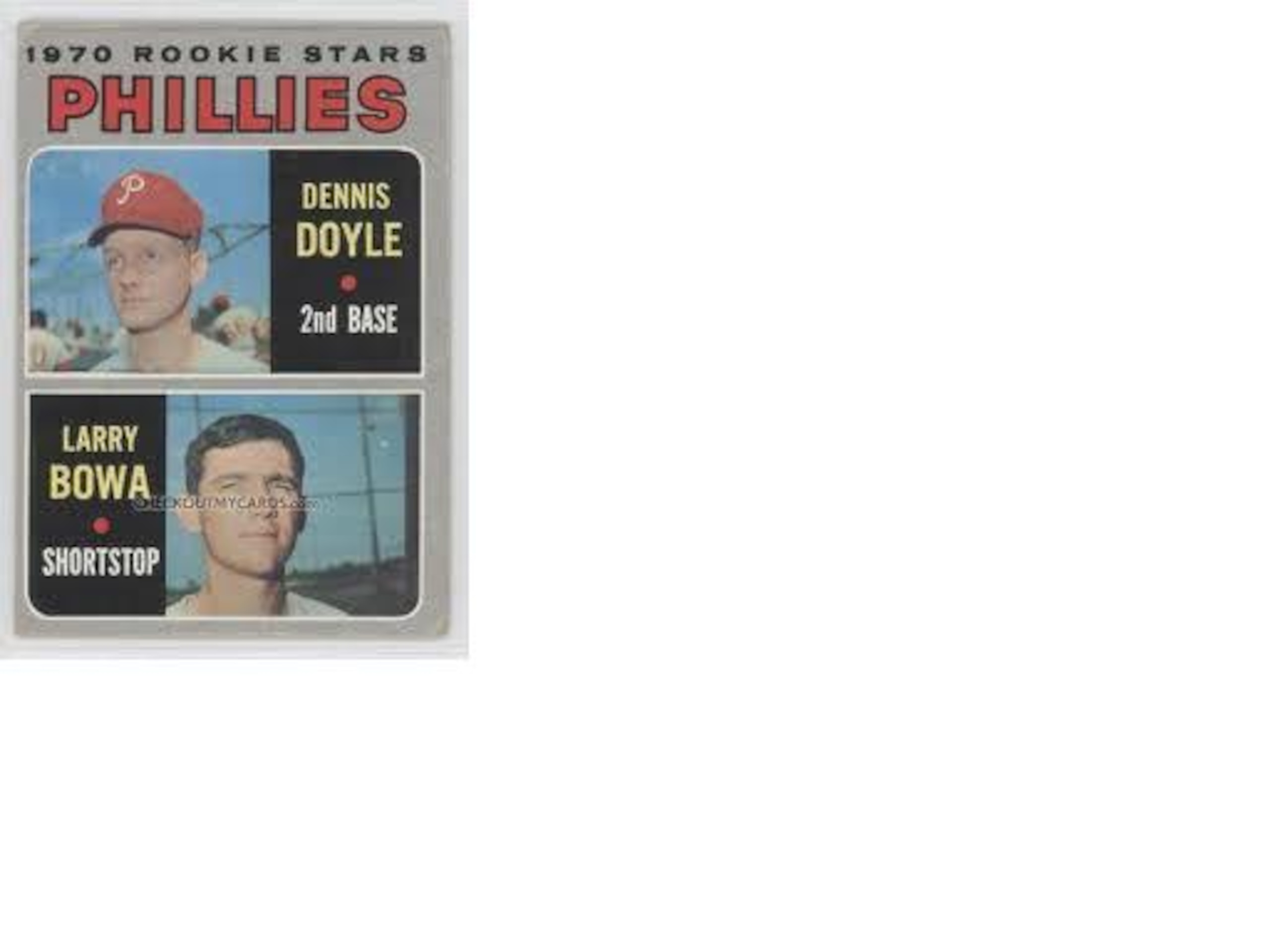
The Philadelphia Phillies started a couple of rookies at second base and shortstop for the 1970 season.
Shortstop Larry Bowa, and second baseman Denny Doyle would play next to each other for four seasons.
After the 1973 season the Phillies sent Doyle to the California Angels to complete an earlier trade.
In 1972 Bowa was awarded this first Gold Glove.
Bowa and Doyle would combine for a 0.981 fielding percentage.
No. 30: Harold Reynolds and Omar Vizquel—Seattle Mariners, 1989-1992
23 of 52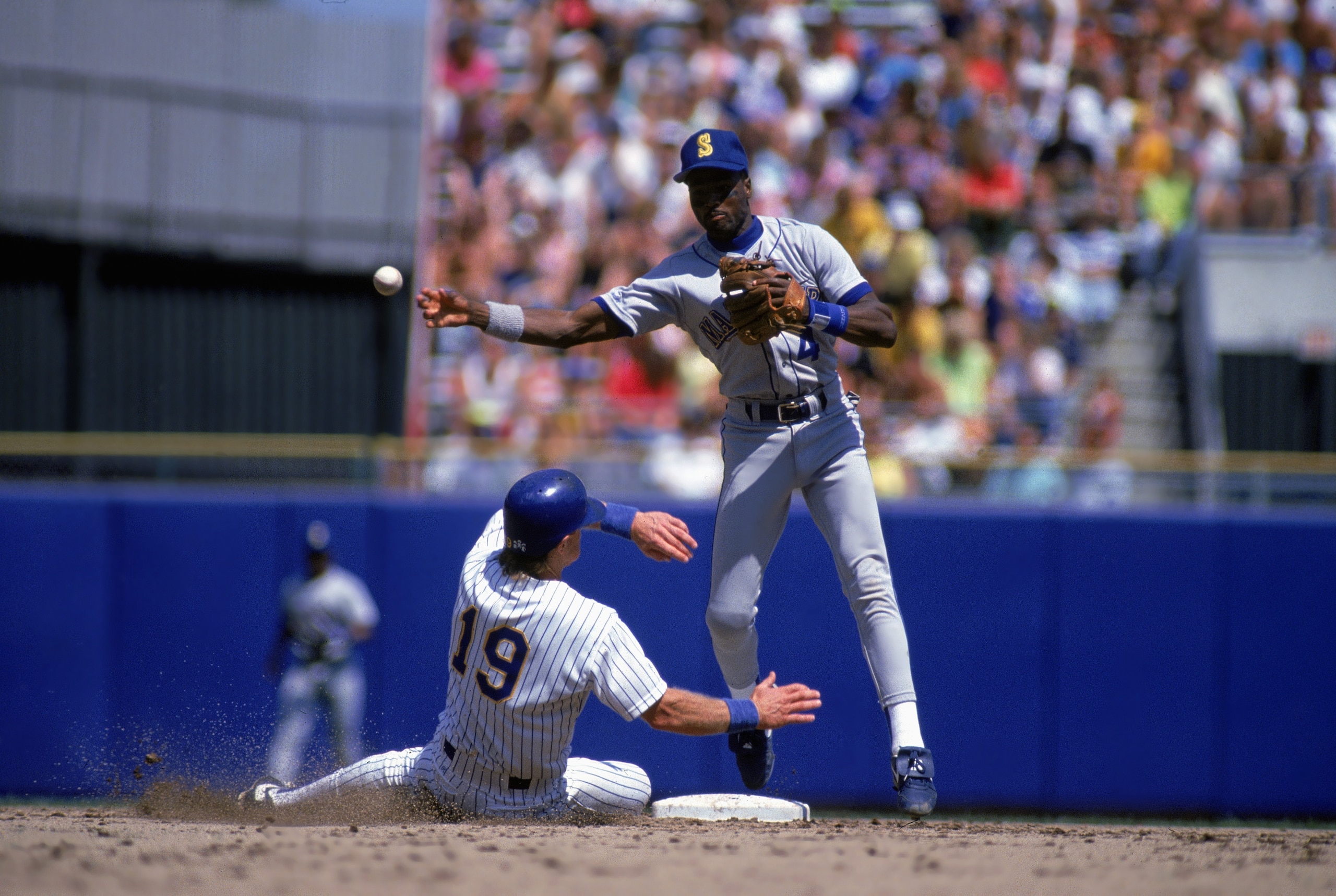
In 1989 the Seattle Mariners would start a 22-year-old rookie at shortstop—Omar Vizquel.
Vizquel would team up with Gold Glove second baseman Harold Reynolds for the next four seasons.
From 1988-1990 Reynolds would win three consecutive Gold Gloves.
After the 1992 season the Mariners would trade Vizquel to the Cleveland Indians.
Combined they had a 0.980 fielding percentage.
No. 29: Rey Ordonez and Carlos Baerga—New York Mets, 1997-1998
24 of 52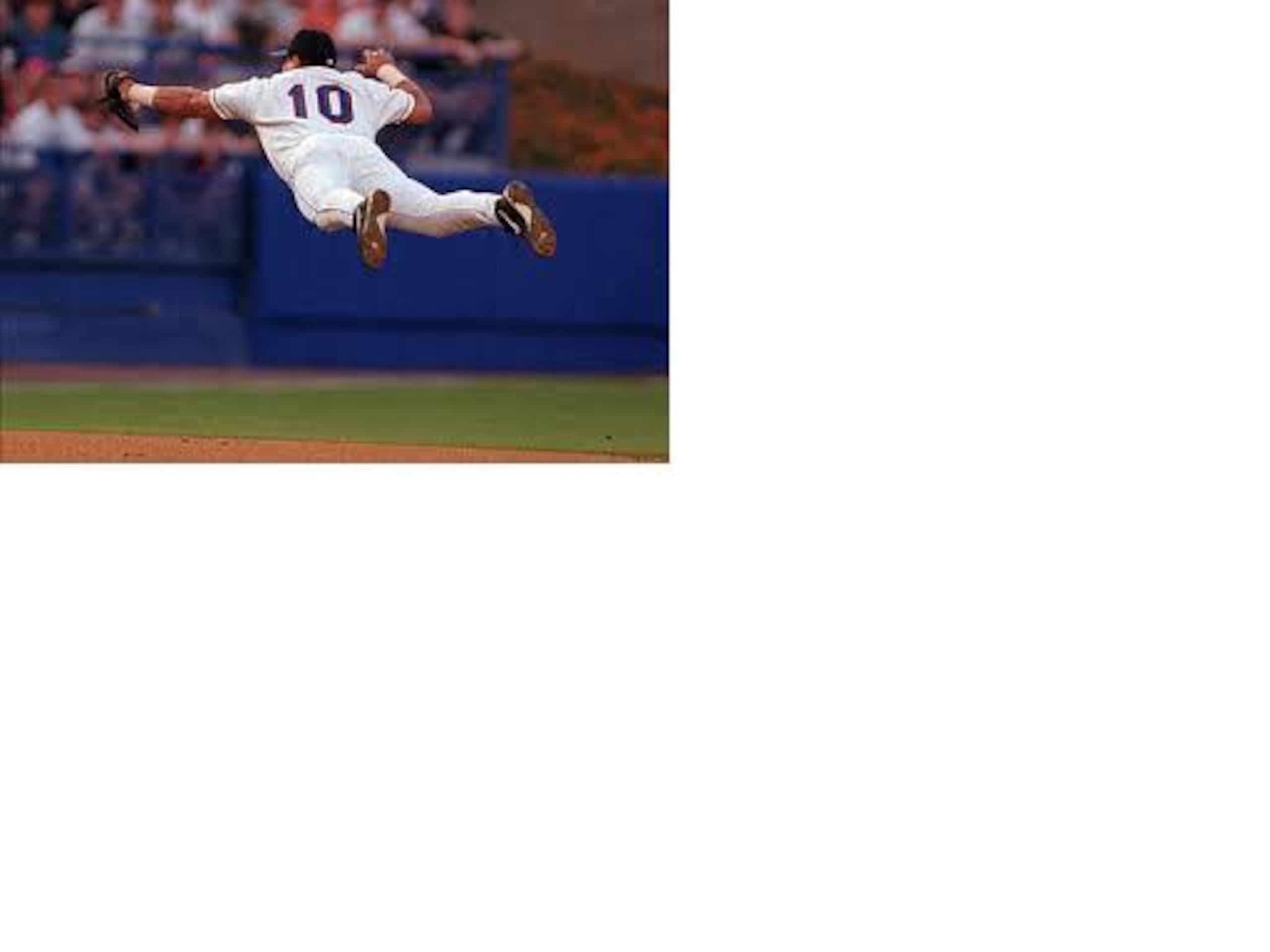
Rey Ordonez defected from the Cuban National team in 1994 and was signed as an amateur free agent by the Mets.
In only took two years for Ordonez to make it to the big leagues.
From 1996 to 2002 he was the Mets' starting shortstop, winning three consecutive Gold Gloves from 1997-1999.
For the first two of those seasons he was turning double plays with second baseman Carlos Baerga.
They combined for a 0.981 fielding percentage, averaging 24.5 errors per season.
After the 1998 season Baerga would leave the Mets, signing with the St. Louis Cardinals as a free agent.
During the 1999 and 2000 seasons, Ordonez set the Major League record for shortstops by playing 101 consecutive games without committing an error.
In the 2000 season Ordonez would play only 44 games before breaking his left arm attempting to make a tag.
No. 28: Pokey Reese And Barry Larkin—Cincinnati Reds, 1999-2000
25 of 52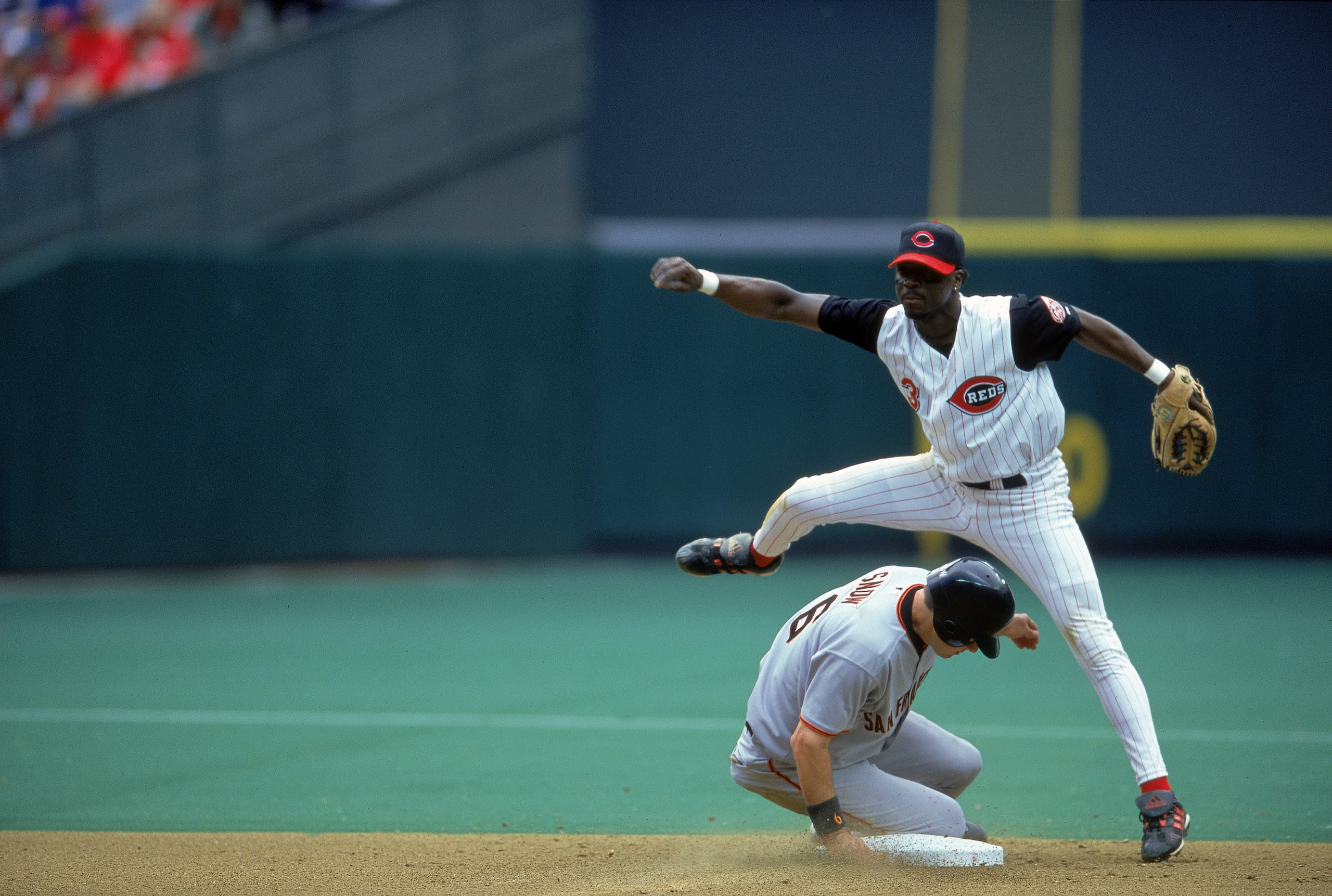
Pokey Reese debuted with the Cincinnati Reds in 1997.
He would earn two Gold Gloves in 1999 and 2000 for his play at second base.
Along side Gold Glove shortstop Barry Larkin, these two would combine for a 0.982 fielding percentage, committing only 46 errors.
In 2001 Larkin would only play in 45 games, the last season for Reese with the Reds.
In 2002 Reese would sign with the Pirates as a free agent.
No. 27: Roberto Alomar and Manuel Lee—Toronto Blue Jays, 1991-1992
26 of 52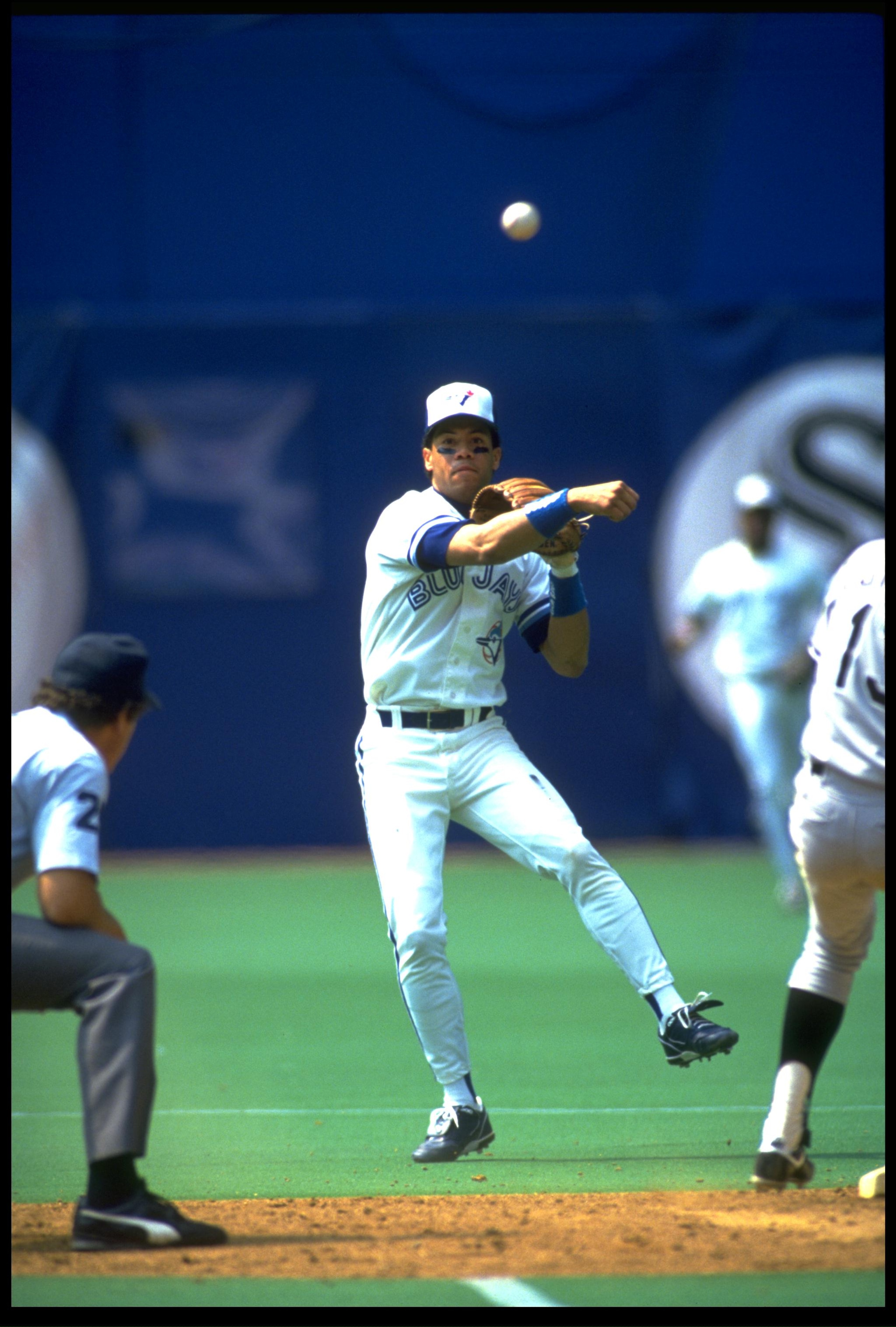
Roberto Alomar would play 19 seasons with six different teams.
Along the way he would regularly play next to 13 different shortstops.
From 1991 to 2001 he would be awarded 10 of 11 Gold Gloves for his play at second base. Only Minnesota's Chick Knoblauch would interrupt this streak by winning the Gold Glove in 1997.
After the 1990 season Alomar would be traded from the Sand Diego Padres to the Toronto Blue Jays.
For the next five seasons he would earn the Gold Glove playing with four different shortstops.
In 1991 and 1992 Manuel Lee would play Robin to Alomar's Batman.
In 1992 Alomar would commit only five errors, playing in 150 games at second base, an incredible 0.993 fielding percentage.
Combined Lee and Alomar had a 0.982 fielding percentage the two seasons they played together.
In 1985 Alomar would leave the Blue Jays, signing as a free agent with the Baltimore Orioles, but that detail will have to wait.
No. 26: Orlando Cabrera and Jose Vidro—Montreal Expos, 1999-2003
27 of 52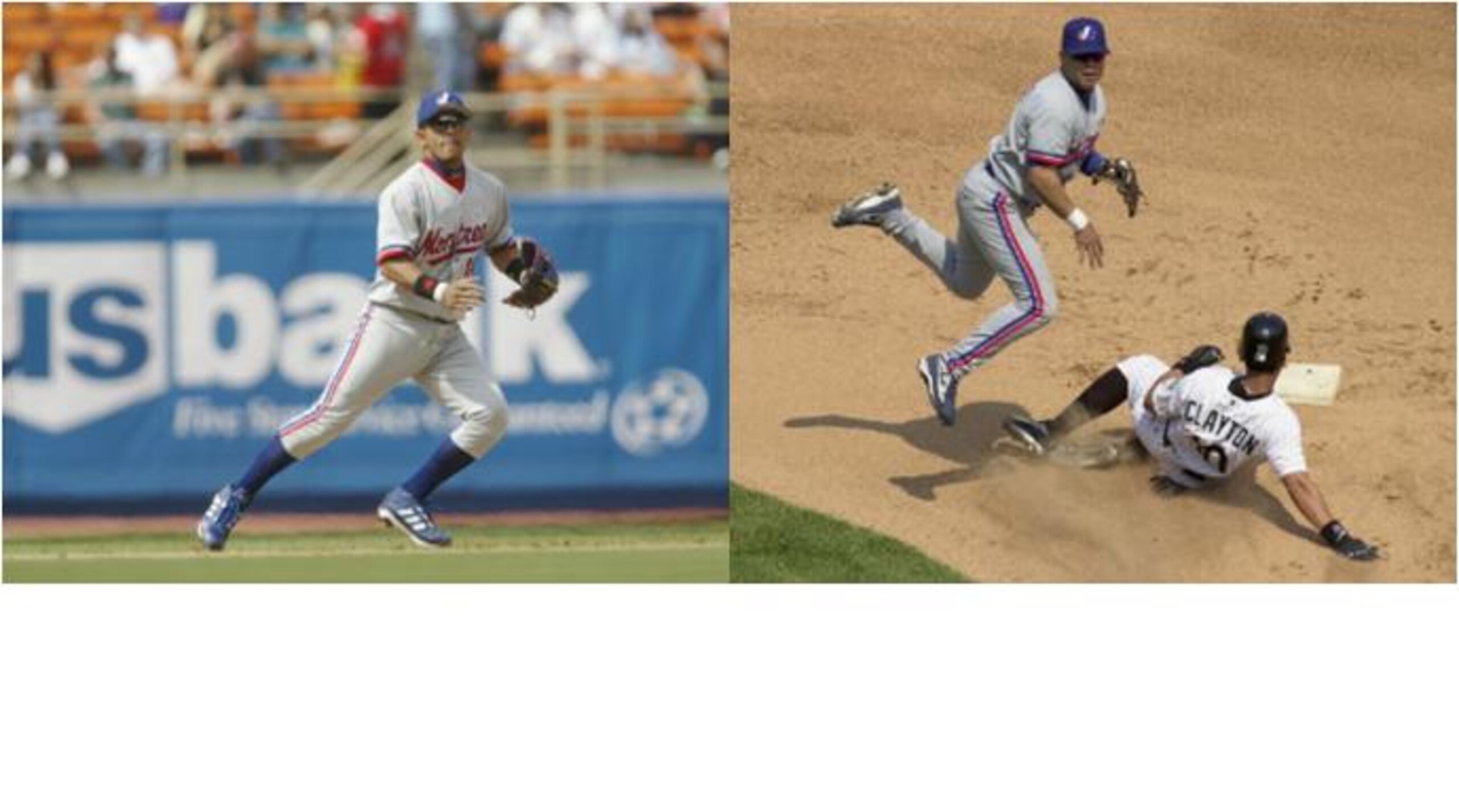
In 1998 both Orlando Cabrera and Jose Vidro were part time players.
Vidro split time between second and third base, and Cabrera between shortstop and second.
In 1999 both players would become the regular starters with Cabrera at short and Vidro at second.
They would play together for the next five years.
In 2001 Cabrera was awarded the Gold Glove when he played in all 162 games and committed only 11 errors.
Combined they had a 0.9805 fielding percentage.
We're halfway through the ranking—on to the top 25!
No. 25: Manny Trillo and Larry Bowa—Philidelphia Phillies, 1979-1981
28 of 52
This is Larry Bowa's third, and final appearance in the ranking.
In 1979, Manny Trillo joined the Phillies when he was traded from the Cubs.
The next three years the Phillies infield would be Pete Rose at first, Trillo at second, Bowa and shortstop and Mike Schmidt at third.
Trillo would win two Gold Gloves in 1979 and 1981.
The combined fielding percentage for Trillo and Bowa would be 0.984.
No. 24: Frank White and Angel Salazar—Kansas City Royals, 1986-1987
29 of 52
This Frank White's third appearance in the ranking.
Before the 1986 season Angel Salazar was traded by the Mets to the Royals.
In the two years White and Salazar played together they averaged only 19 errors a season.
White won the AL Gold Glove at second both years finishing second among second baseman with a 0.987 fielding percentage.
Salazar finished third and second in fielding percentage among shortstops those years.
Although Salazar only played along side White half as long as shortstops Freddie Patek or U.L. Washington, his fielding percentage was the best of any shortstop White played with.
Salazar had a career 0.974 fielding percentage, while Patek was 0.962, and Washington only 0.956.
White and Salazar combined for a 0.985 fielding percentage.
No. 23: Bret Boone and Carlos Guillen—Seattle Mariners, 2001-2003
30 of 52
Bret Boone made his major league debut with the Mariners in 1992. After two seasons he he was traded to the Cincinnati Reds where he earned his first Gold Glove in 2008.
Seven seasons, and three teams later he returned to the Mariners as a free agent.
From 2001 to 2003 he would be teamed with shortstop Carlos Guillen and win two AL Gold Gloves.
They would average only 21 errors per season as they combined for a 0.982 fielding percentage.
After the 2003 season the tandem would be split up when Seattle traded Guillen to Detroit.
No. 22: Alex Rodriguez and Mike Young—Texas Rangers, 2001-2003
31 of 52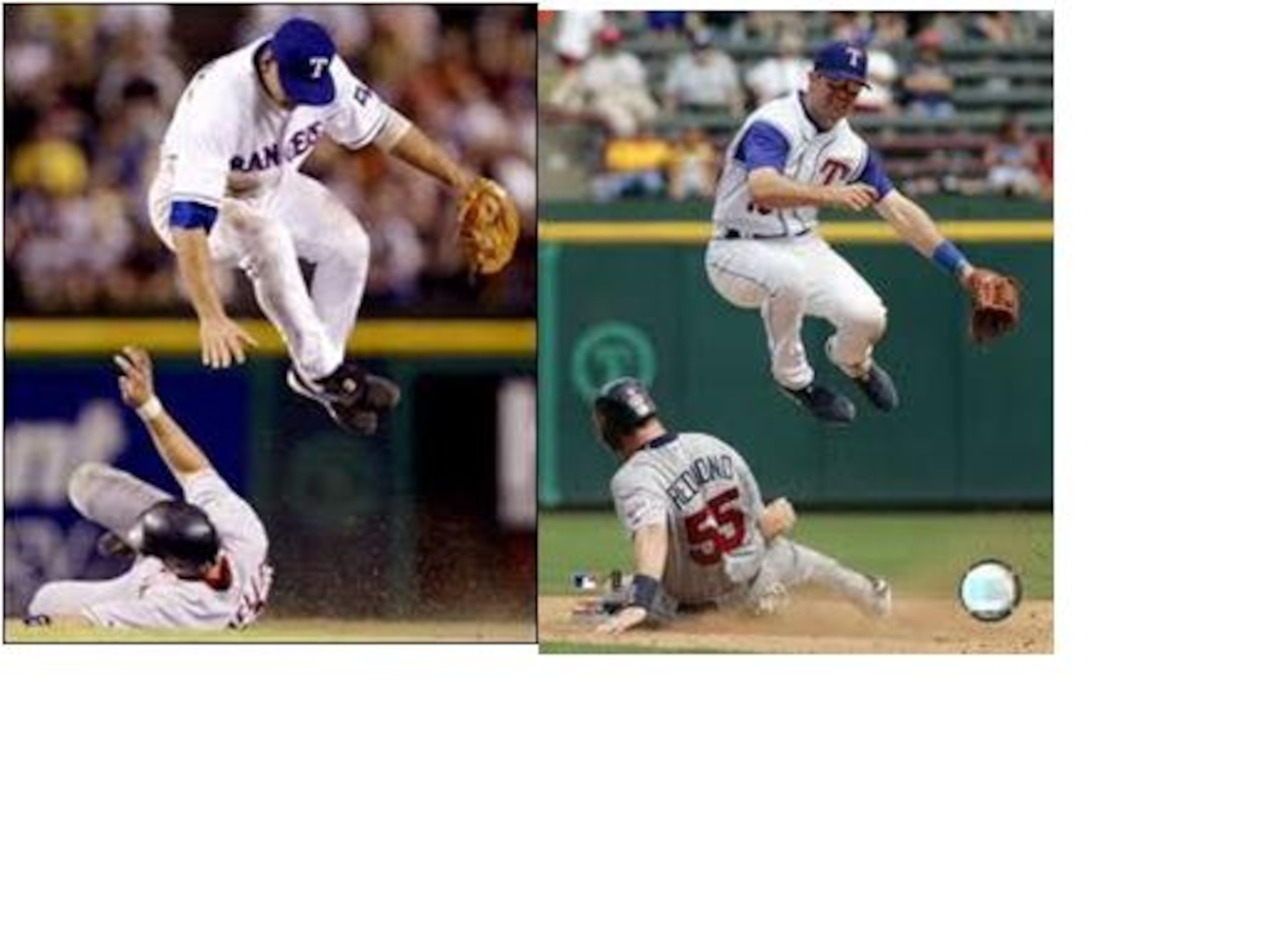
Alex Rodriguez would spend only three years in a Rangers' uniform, and he would win two Gold Gloves for his play at shortstop.
All three of those years would be spent playing with Mike Young at second base.
After Rodriguez' departure Young would move over to shortstop and win his own Gold Glove in 1998.
Over the three seasons they would average 21 errors with a combined 0.985 fielding percentage.
No. 21: Omar Vizquel and Ray Durham—San Francisco Giants, 2005-2007
32 of 52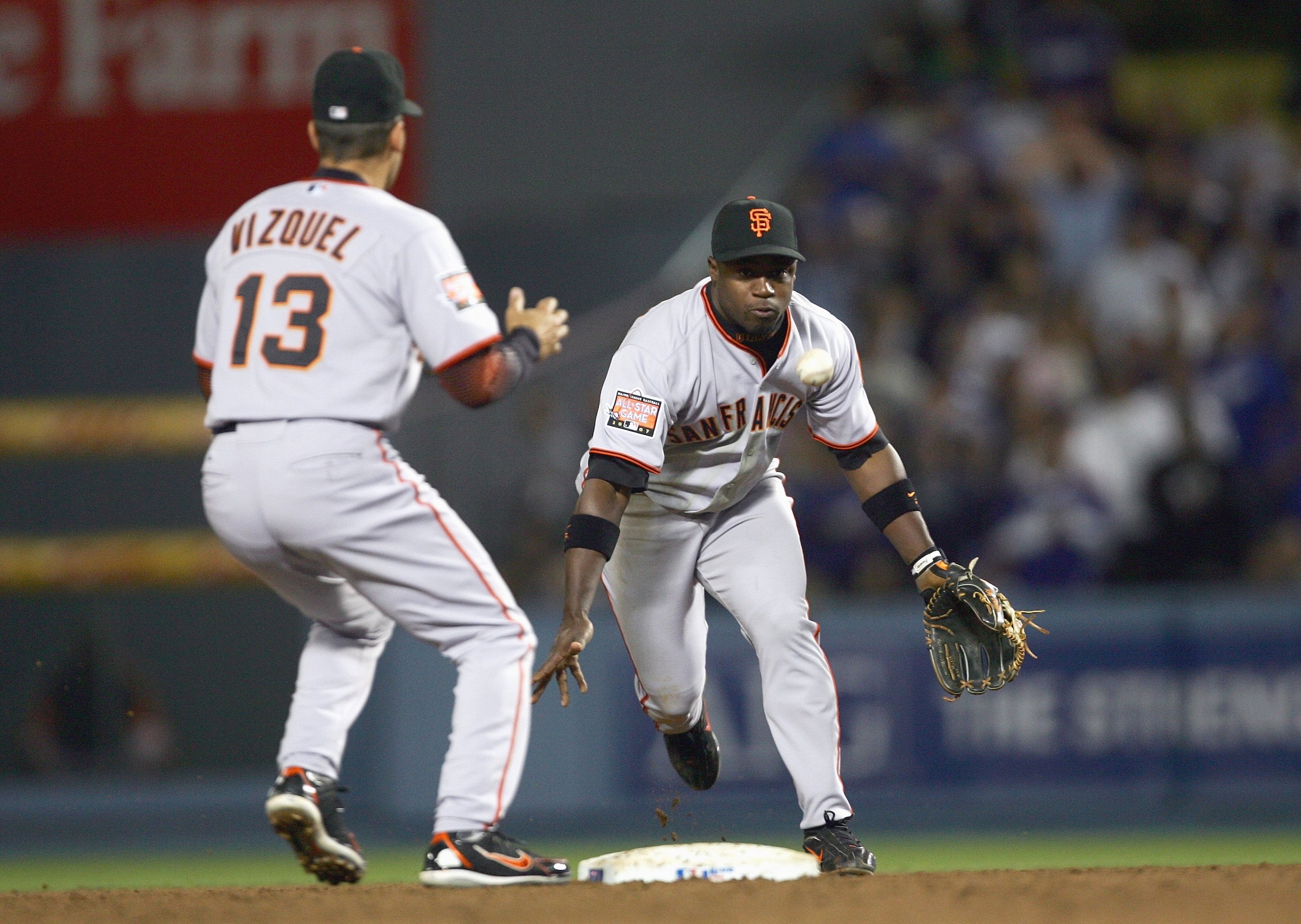
Omar Vizquel has won 11 Gold Gloves at shortstop.
He played four years with the San Francisco Giants, and was awarded two Gold Gloves.
From 2005, when he signed as a free agent with the Giants, until July of 2008 he played along side second baseman Ray Durham.
For the three full seasons they played together they had a 0.985 fielding percentage—the sixth best of all duos in this ranking.
Vizquel and Durham would average only 18.3 errors per season.
No. 20: Mark Belanger and Rich Dauer—Baltimore Orioles, 1977-1981
33 of 52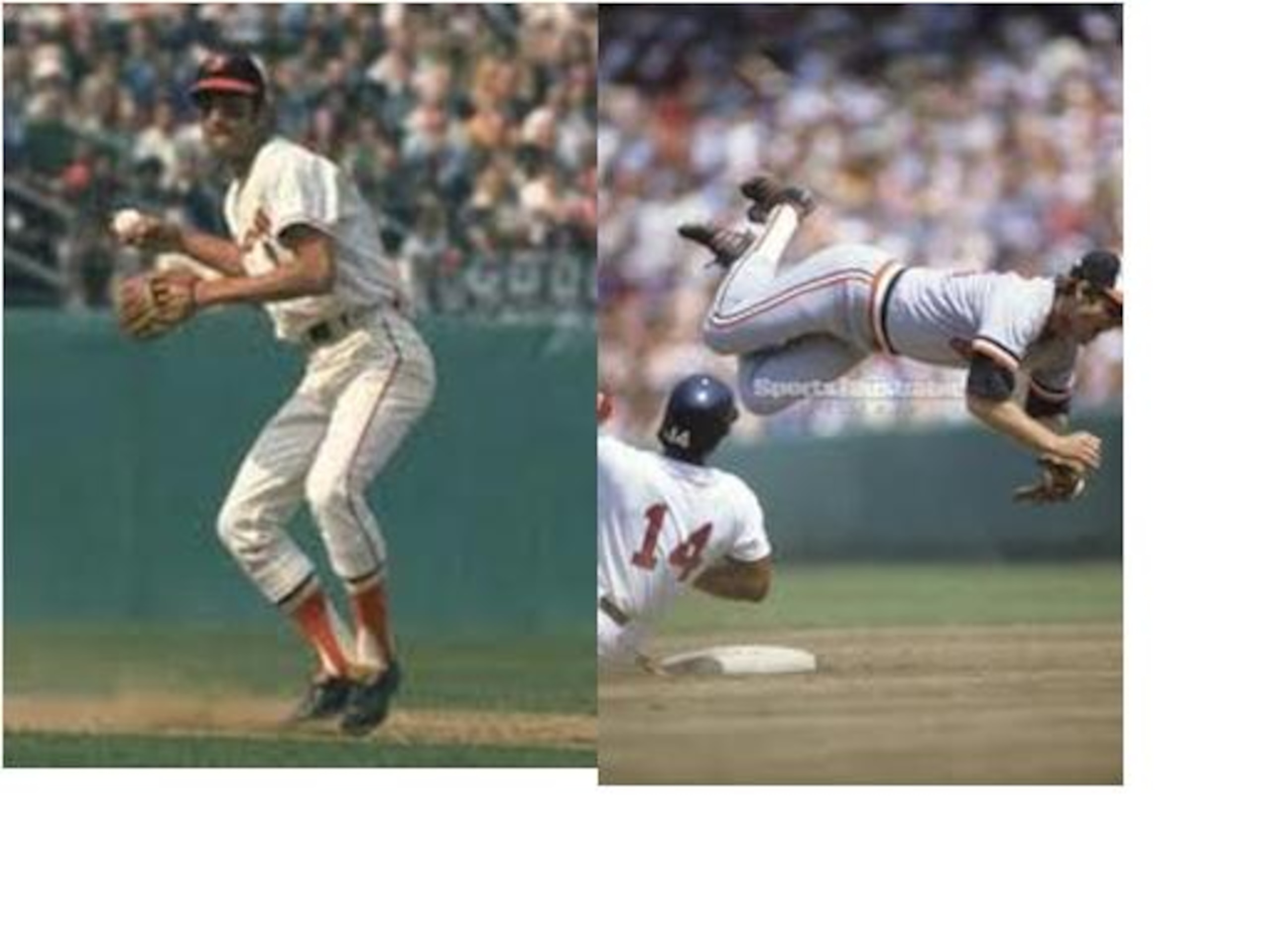
This is the first of three appearances for shortstop Mark Belanger.
In 17 seasons playing for the Baltimore Orioles, Belanger played with four different second basemen and won eight Gold Gloves.
In his last five seasons in Baltimore he played with second baseman Rich Dauer.
Belanger would be awarded his last two Gold Gloves in 1977 and 1978.
He and Dauer would combine for a 0.986 fielding percentage—the fifth highest within the ranking.
No. 19: Bobby Knoop and Jim Fregosi—California Angels, 1964-1968
34 of 52
Second baseman Bobby Knoop made his major league debut with the California Angels in 1964.
For five seasons he played along side shortstop Jim Fregosi.
From 1966 to 1968 Knoop would win three consecutive Gold Gloves.
In 1967 Fregosi would also be awarded a Gold Glove.
Over the five seasons they would win four Gold Gloves with a combined fielding percentage of 0.973—the third lowest of any duo within this ranking.
No. 18: Don Kessinger and Glenn Beckert—Chicago Cubs, 1965-1973
35 of 52
In 1965 Don Kessinger and Glenn Beckert made their major league debuts with the Chicago Cubs—Kessinger at shortstop and Beckert at second base.
This duo would play next to each other over the next nine seasons.
Beckert was the first to win a Gold Glove when he was awarded his only Gold Glove in 1968.
Kessinger would follow winning a Gold Glove in 1969 and 1970.
Their combined 0.970 fielding percentage is the lowest in the ranking.
Their three Gold Gloves and nine seasons playing together is what buoys their rank.
After the 1973 season the Cub would trade Beckert to the Sand Diego Padres.
No. 17: Fernando Vina and Edgar Renteria—St. Louis Cardinals, 2000-2003
36 of 52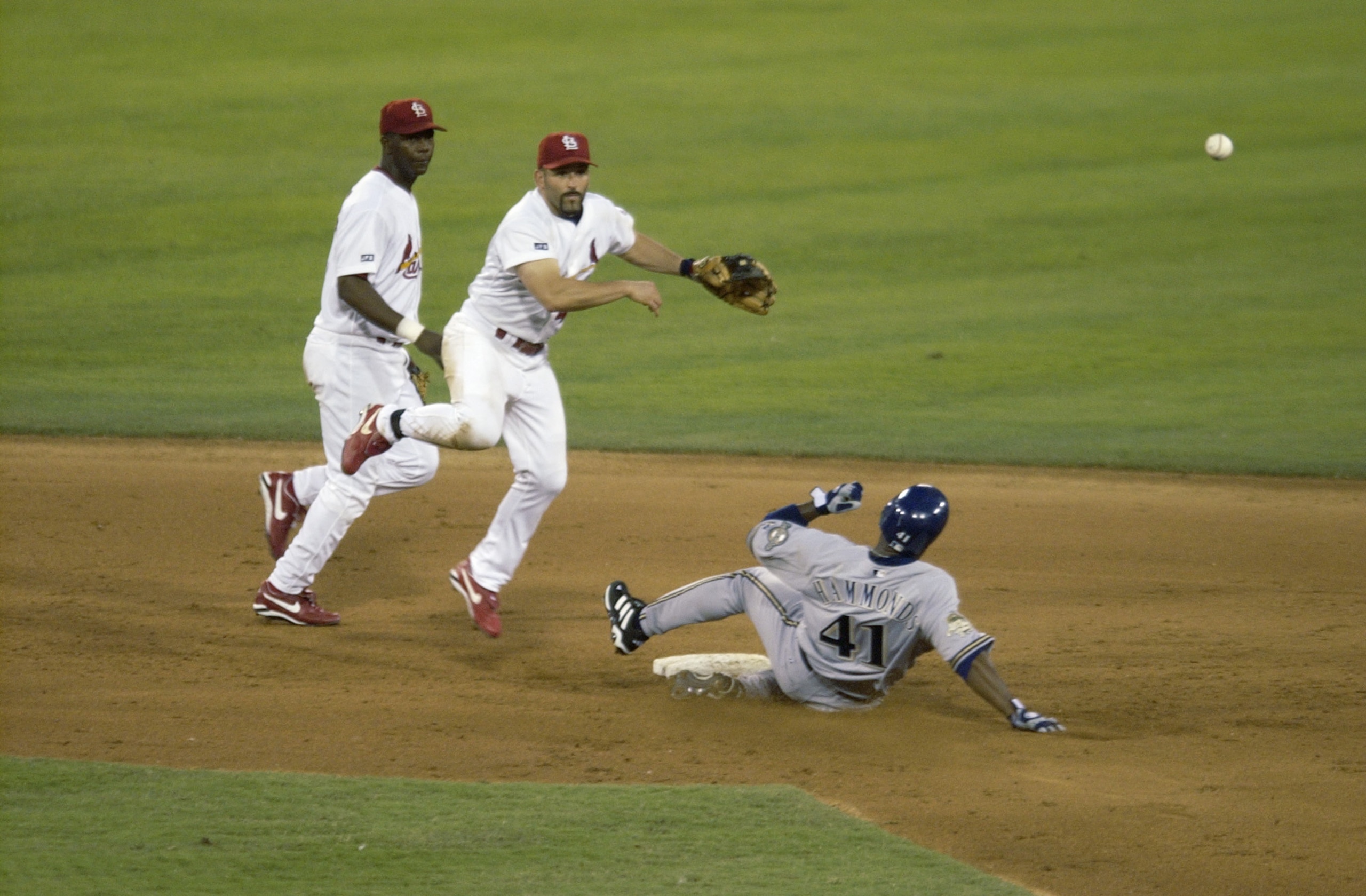
Fernando Vina and Edgar Renteria played together for three and half seasons in St. Louis.
In 2001 and 2002 Vina would win the NL Gold Glove for his play at second base.
Renteria would match Vina's Gold Glove in 2002, and repeat as the shortstop Gold Glove winner in 2003.
After the 2003 season Vina would leave the Cardinals and sign as a free agent with Detroit.
Due to injuries, 2004 would be Vina's last season in baseball.
Their combined fielding percentage was 0.975.
No. 16: Cal Jr. and Billy Ripken—Baltimore Orioles, 1988-1992
37 of 52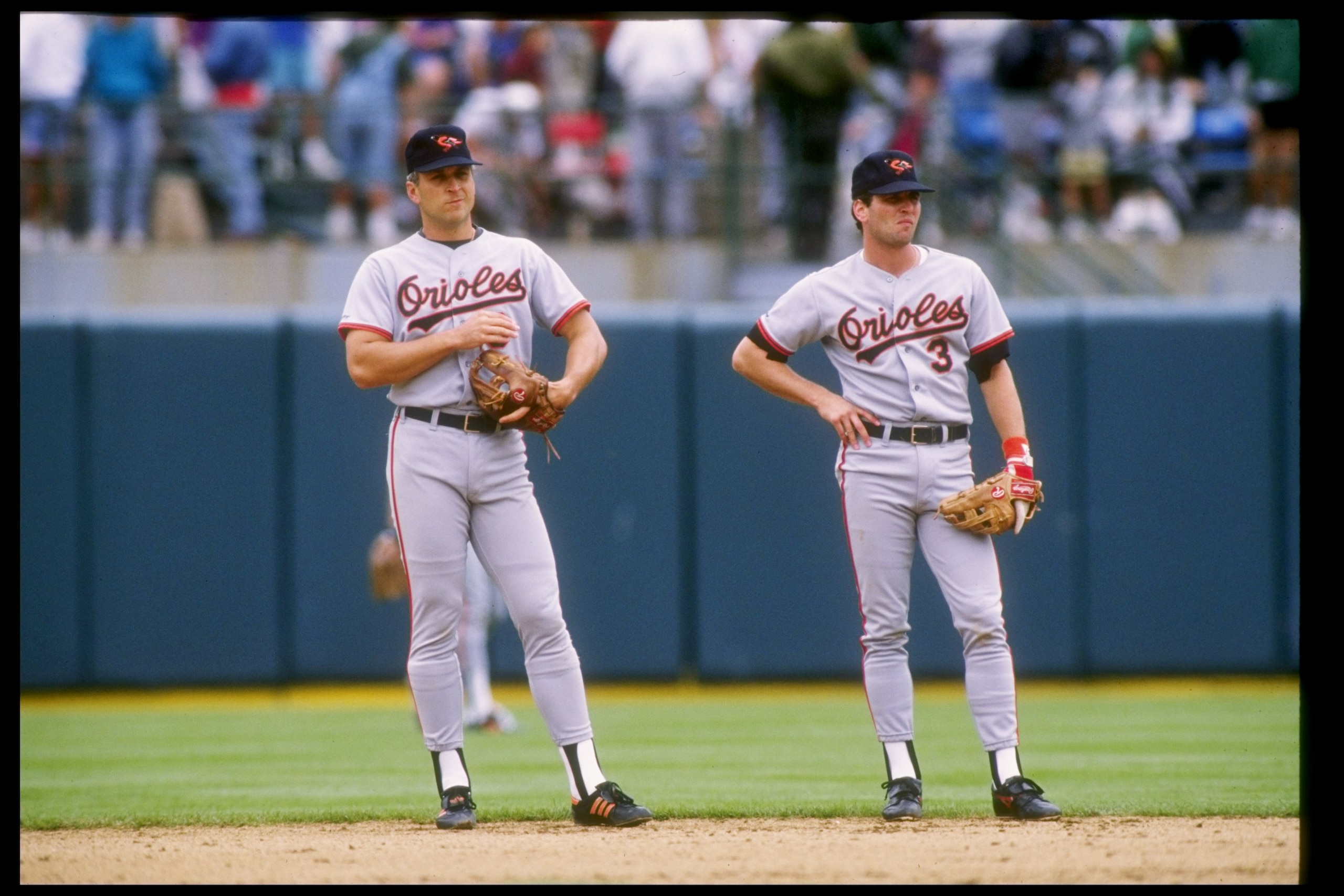
From 1988 to 1992 the Ripken brothers, Cal Jr. and Billy, would cover the middle infield for the Baltimore Orioles.
Cal Ripken would win the Gold Glove at shortstop in 1991 and 1992, the only two of his 21 year career.
Although Billy Ripken never won a Gold Glove, in 1992 he led all American League second basemen with a 0.993 fielding percentage.
They combined for a 0.986 fielding percentage over the five years they played together—the third best percentage in the ranking.
After the 1992 season Billy Ripken was released by Baltimore. He would sign as free agent with Texas.
No. 15: Luis Castillo and Alex Gonzalez—Florida Marlins, 2003-2005
38 of 52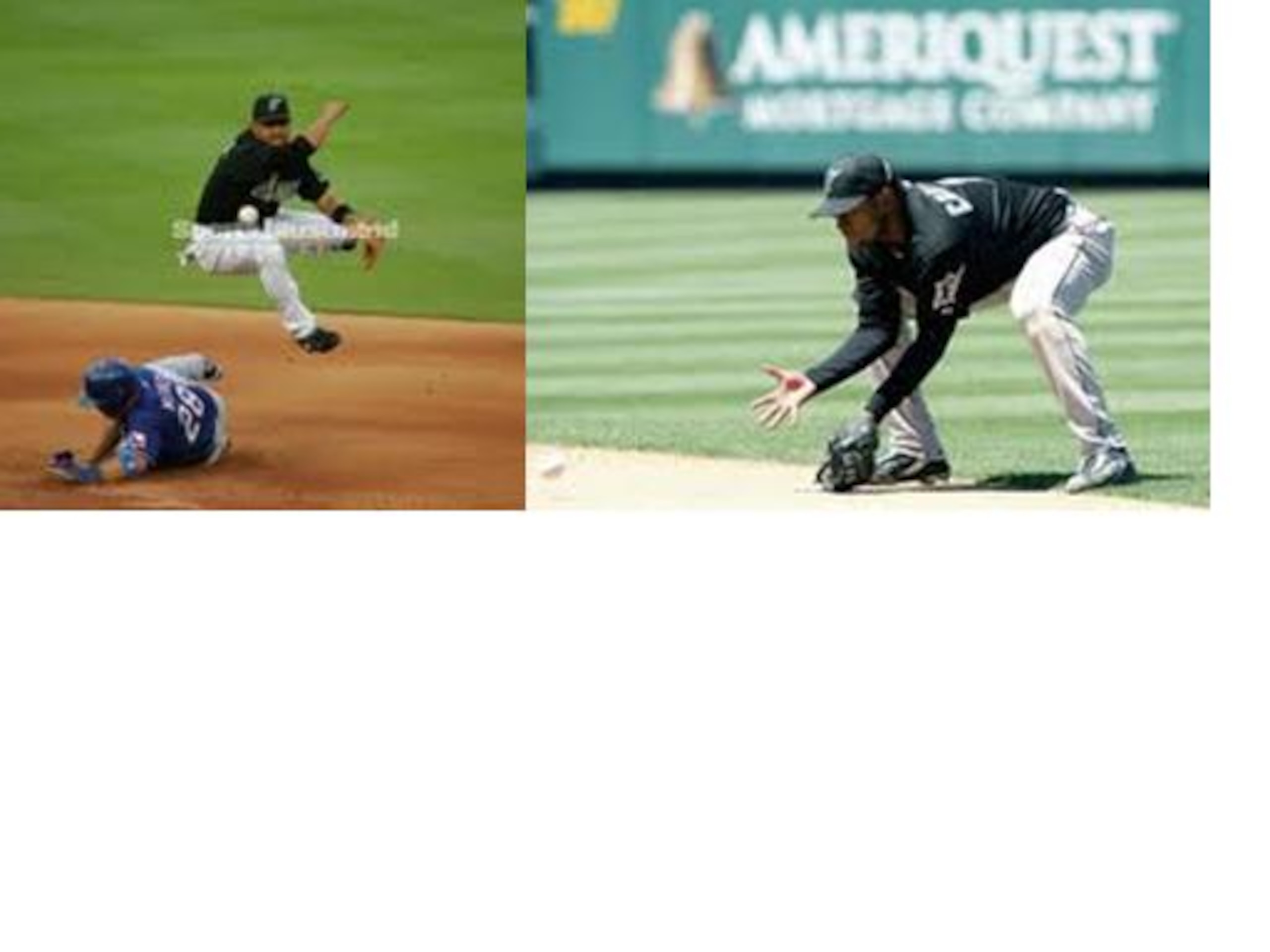
Second baseman Luis Castillo won three consecutive Gold Gloves from 2003 to 2005 while with the Florida Marlins.
If not for a separated shoulder to shortstop Alex Gonzalez that limited him to 42 games in 2002, this duo would have been together for seven seasons instead of the three that were used for this ranking.
When the Marlins won the World Series in 2003 Castillo and Gonzalez combined to commit only 26 errors.
Their combined fielding percentage was 0.982 for the three years they played together.
After the 2005 season the Marlins traded Castillo to the Minnesota Twins.
No. 14: Ozzie Smith and Jose Oquendo—St. Louis Cardinals, 1989-1991
39 of 52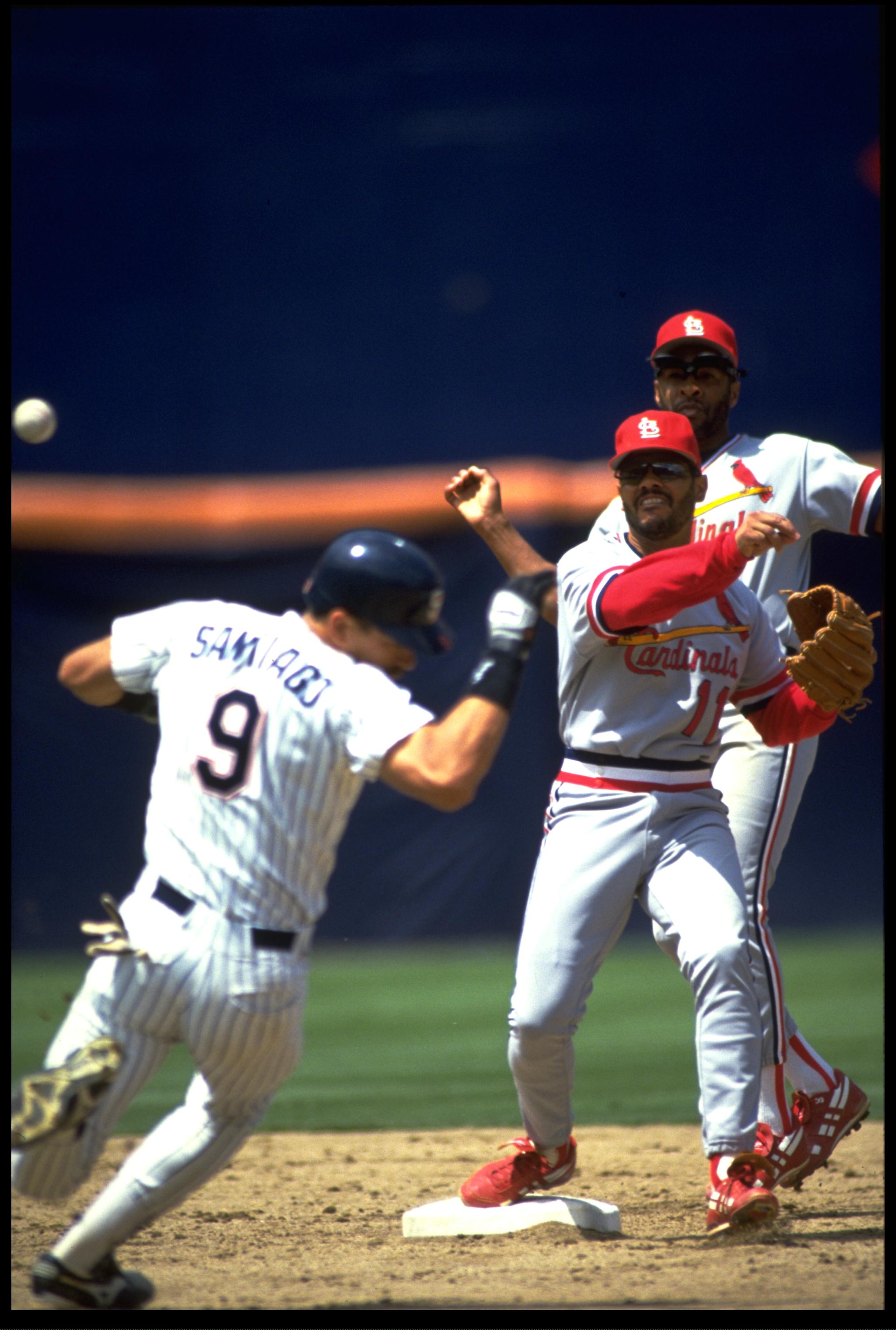
Ozzie Smith played 19 seasons in the Major Leagues, 15 of them with the St. Louis Cardinals.
From 1980-1992 Smith would win 13 consecutive Gold Gloves for his play at shortstop—two with the Padres and 11 with the Cardinals.
In his career he would play with six different starting second basemen.
From 1989 to 1991 Jose Oquendo would play along side Smith.
Smith won the Gold Glove each of these years.
Although Oquendo led all National League second basemen in fielding percentage in 1989 and 1990, he was never awarded a Gold Glove.
In 1990 he only had three errors at second base with a 0.996 fielding percentage.
Combined Smith and Oquendo had a 0.987 fielding percentage—the second highest in this ranking.
No. 13: Bobby Richardson and Tony Kubek—New York Yankees, 1960-1965
40 of 52
Bobby Richardson won five straight Gold Gloves for the New York Yankees as their shortstop from 1962-1965.
From 1960 to 1965 Richardson would play five of six years with Tony Kubek at second base.
In 1962 Kubek would only play in 45 games with the Yankees after being called into active military duty.
During those five seasons Kubek and Richardson would play in four World Series together.
Their combined fielding percentage was 0.976.
No. 12: Bill Mazeroski and Gene Alley—Pittsburgh Pirates, 1965-1968
41 of 52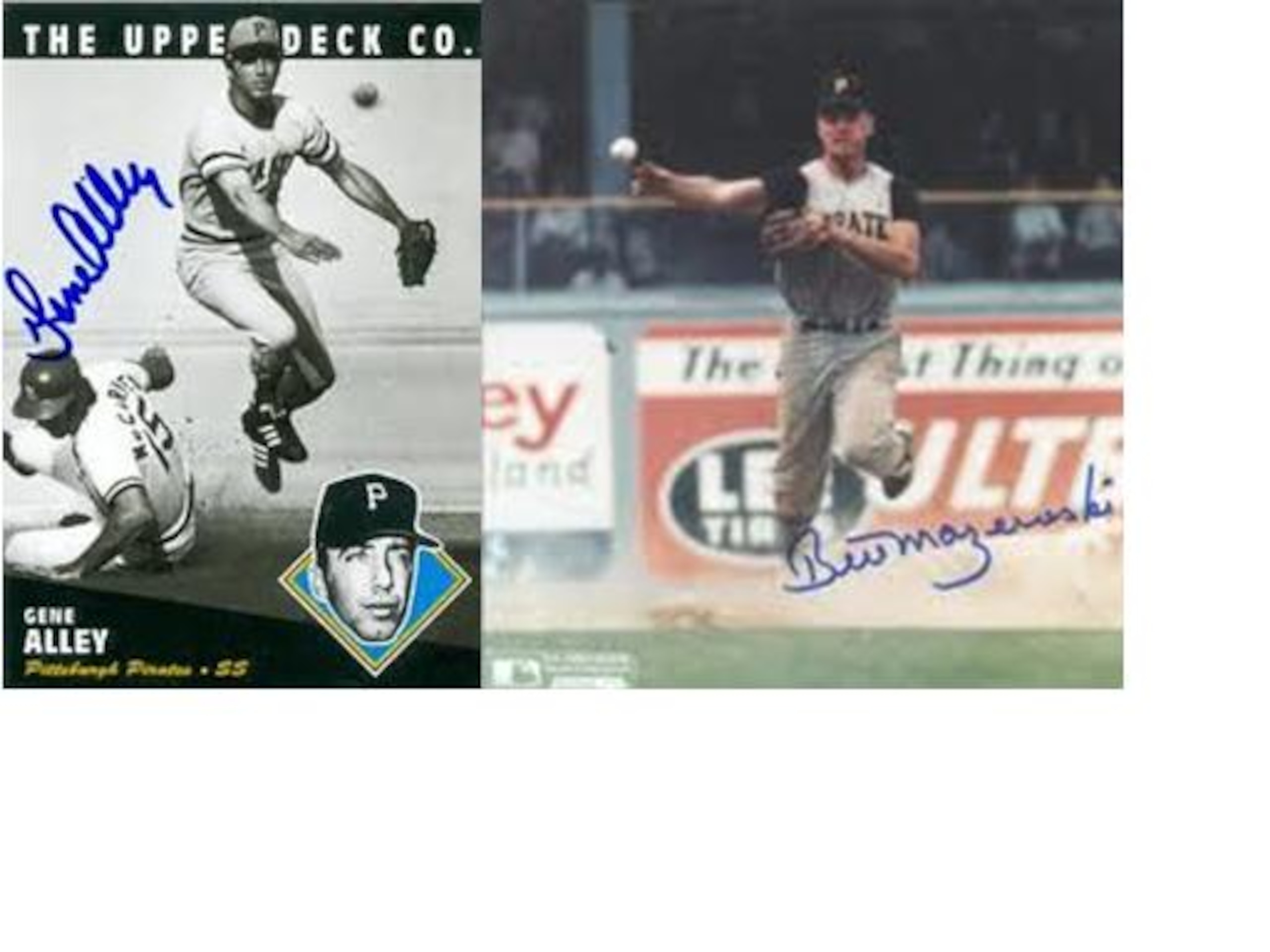
Bill Mazeroski won eight Gold Gloves at second base in 17 seasons, all with the Pittsburgh Pirates.
From 1965 to 1968 he would combine with shortstop Gene Alley to win five Gold Gloves—Alley winning consecutive Gold Gloves in 1966 and 1967.
They combined for a 0.980 fielding percentage.
For the 1964 season Alley only started 58 games at shortstop. If Alley would have started another 23 games this season would have been included and another of Mazeroski's Gold Gloves would have pushed this duo into the top 10.
No. 11: Davey Johnson and Mark Belanger—Baltimore Orioles, 1968-1972
42 of 52
Davey Johnson was the starting second baseman for the Baltimore Orioles from 1966-1972. After the 1972 season he was traded to the Atlanta Braves.
In 1968 he was teamed up with Mark Belanger at shortstop.
Johnson would win three consecutive Gold Gloves from 1969-1971, and Belanger would win two in 1969 and 1971.
During these three seasons the Orioles would play in World Series, taking the crown in 1970.
This was a tough call. The argument can be made that with five Gold Gloves Johnson and Belanger should be included in the top 10.
However, their combined fielding percentage of 0.979 ranks 36th in this ranking.
No. 10: Jimmy Rollins and Chas Utley—Philadelphia Phillies, 2005-2010
43 of 52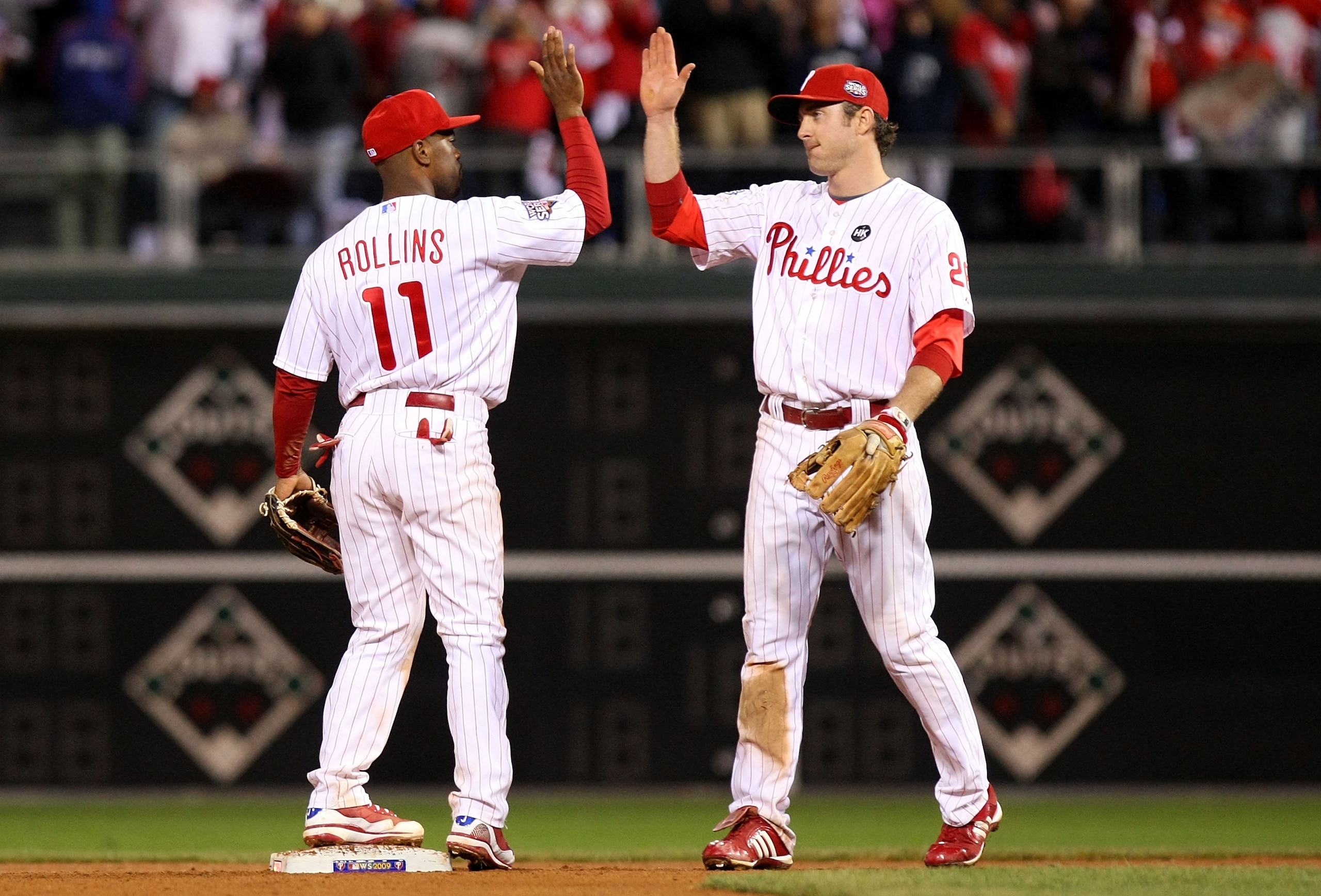
Jimmy Rollins and Chase Utley have been playing along side each other for the last six seasons in Philadelphia.
Rollins was awarded three consecutive Gold Gloves from 2007-2009.
As stated on the previous slide, this was a tough decision to rank Rollins and Utley above Davey Johnson and Mark Belanger.
They have one more season together than Johnson and Belanger, but two less total Gold Gloves.
The combined fielding percentage for Rollins and Utley is 0.983—14th in the ranking, while Johnson and Belanger's fielding percentage of 0.979 is at 36th.
Over the time they played together Johnson and Belanger averaged 28.6 errors per season—Rollins and Utley have averaged 22.
No. 9: Barry Larkin and Bret Boone—Cincinnati Reds, 1994-1998
44 of 52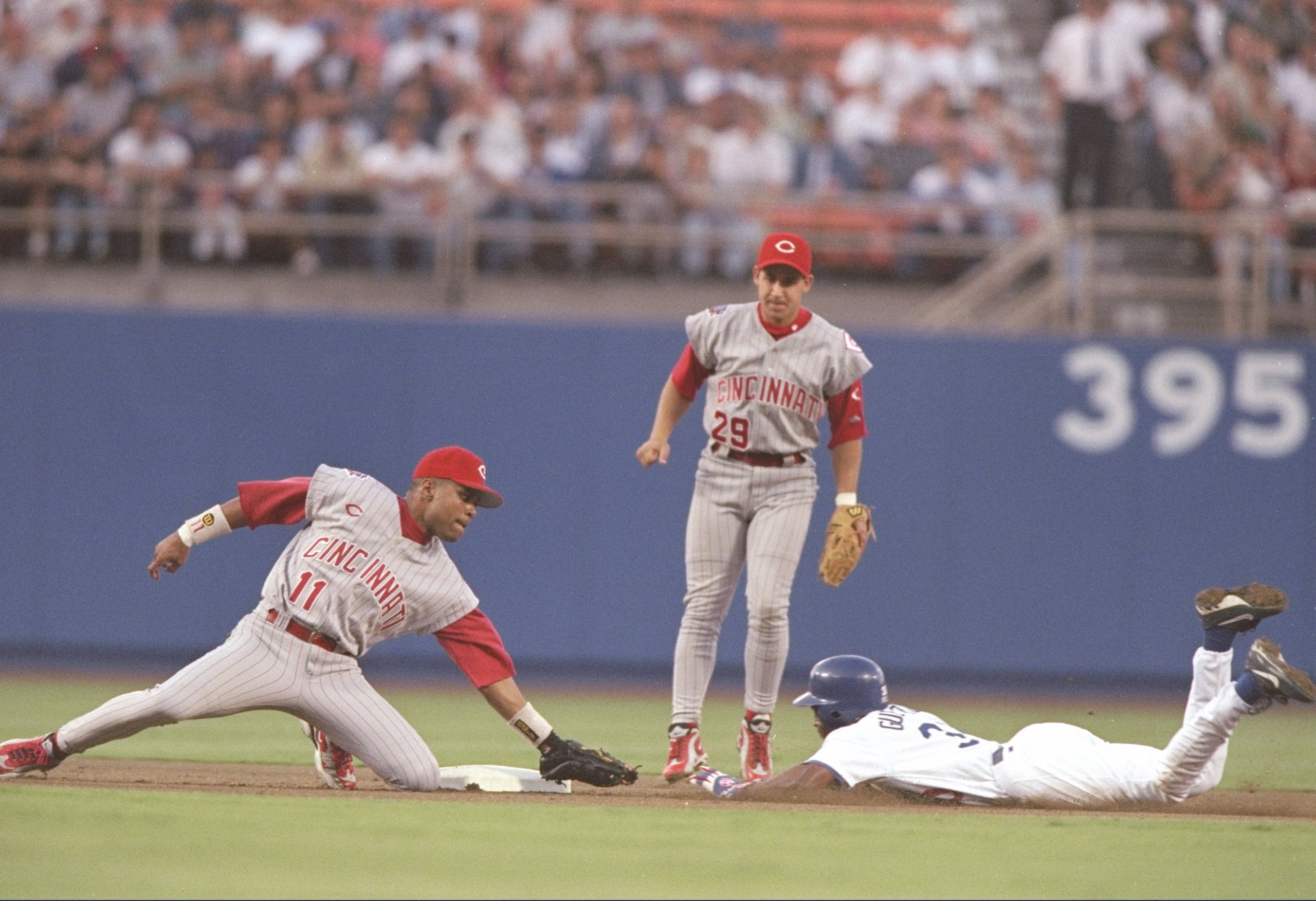
Bret Boone played 14 seasons with five different teams, and earned four Gold Gloves, three in the American League and one in the National.
Barry Larkin played all 19 of his big league seasons with the Cincinnati Reds and earned three Gold Gloves.
From 1994 to 1998 Larkin would win three consecutive Gold Gloves at shortstop and Boone would win his first at second base.
Over this span neither fielder would drop any lower than fifth in fielding percentage at their position.
From 1995 to 1997 Boone would lead all National League second basemen in fielding, and commit only two errors in 1997 for an incredible 0.997 fielding percentage.
Combined they would they had a 0.985 fielding percentage—ninth best in this ranking.
No 8: Omar Vizquel and Roberto Alomar—Cleveland Indians, 1999-2001
45 of 52
This is the third time that Omar Vizquel and Roberto Alomar have made the ranking—but the first time together.
No doubt that if these two would have played together longer than three years they would have been the best double play combination of all time.
Alomar played 17 seasons with seven different teams.
Over the 11 seasons from 1991 to 2001 only two second basemen would win a Gold Glove in the American League, and Alomar has 10 of them.
In 2010 Vizquel completed his 22nd season with five different teams.
From 1993 to 2001 he would win nine straight Gold Gloves at shortstop—the first while with the Mariners, and the other eight with Cleveland. This is second only to Ozzie Smith's 13 Gold Gloves.
In 2005 Vizquel would make the move to the National League, signing as a free agent with the San Francisco Giants and promptly pick up another two Gold Gloves, giving him 11 for his career.
From 1999 to 2001 Alomar and Vizquel would cover the middle infield for the Indians and each season win the Gold Glove.
Their combined fielding percentage of 0.988 is the highest in this ranking.
They averaged only 17 combined errors a season—also tops in this ranking.
No. 7: Derek Jeter and Robinson Cano—New York Yankees, 2005-2010
46 of 52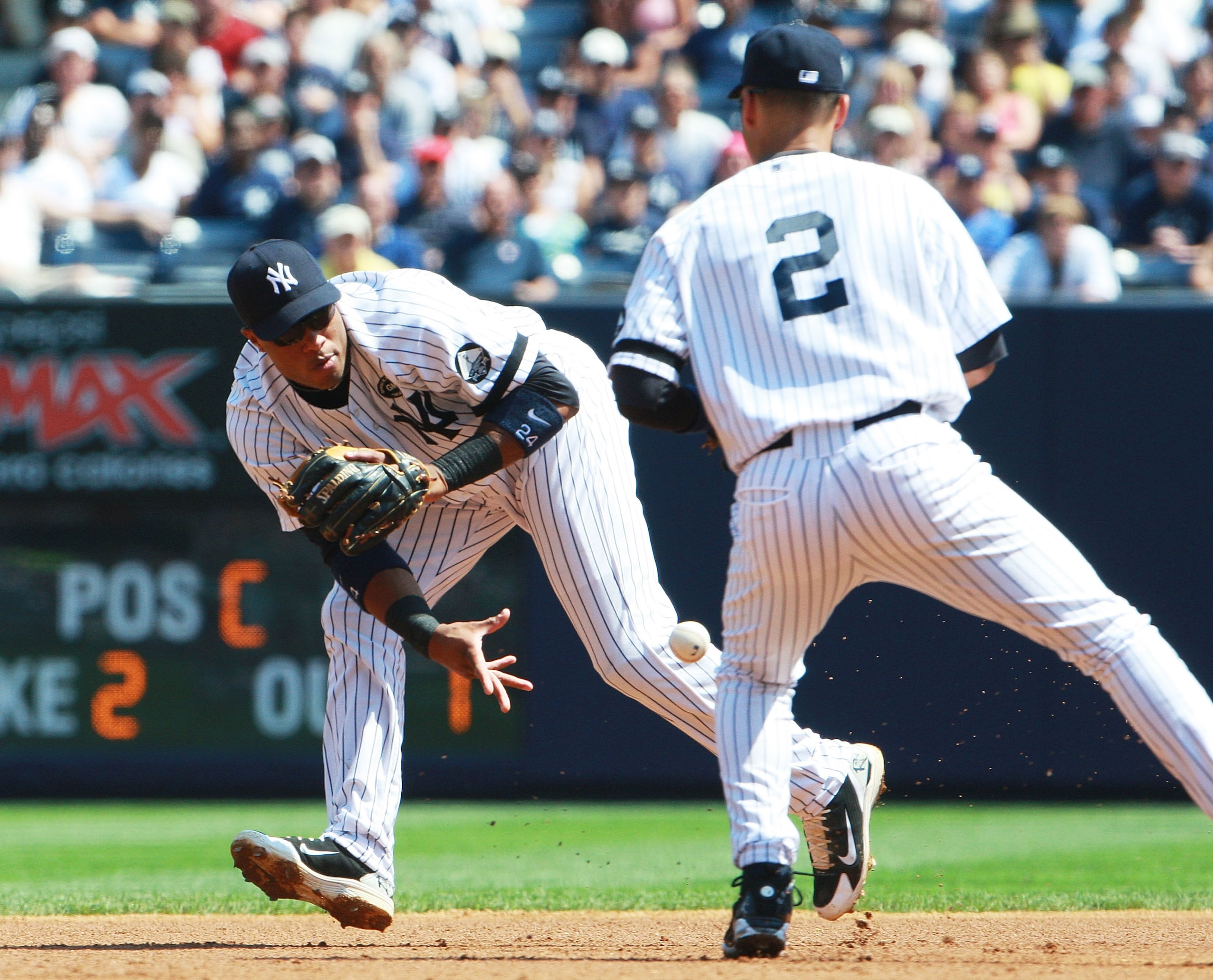
Over the last 15 seasons the New York Yankees have had only one shortstop and six second basemen.
In 2005, the Yankees started rookie Robinson Cano at second base along side shortstop Derek Jeter.
Cano has the longest tenure of any second baseman to play with Jeter.
In 2010 both Jeter and Cano were awarded Gold Gloves when both led the league at their position in fielding percentage.
For Jeter, it was his fifth Gold Glove; four of them coming while playing with Cano.
Their combined fielding percentage is 0.938, 15th highest in the ranking.
No. 6: Luis Aparicio and Nellie Fox—Chicago White Sox, 1956-1962
47 of 52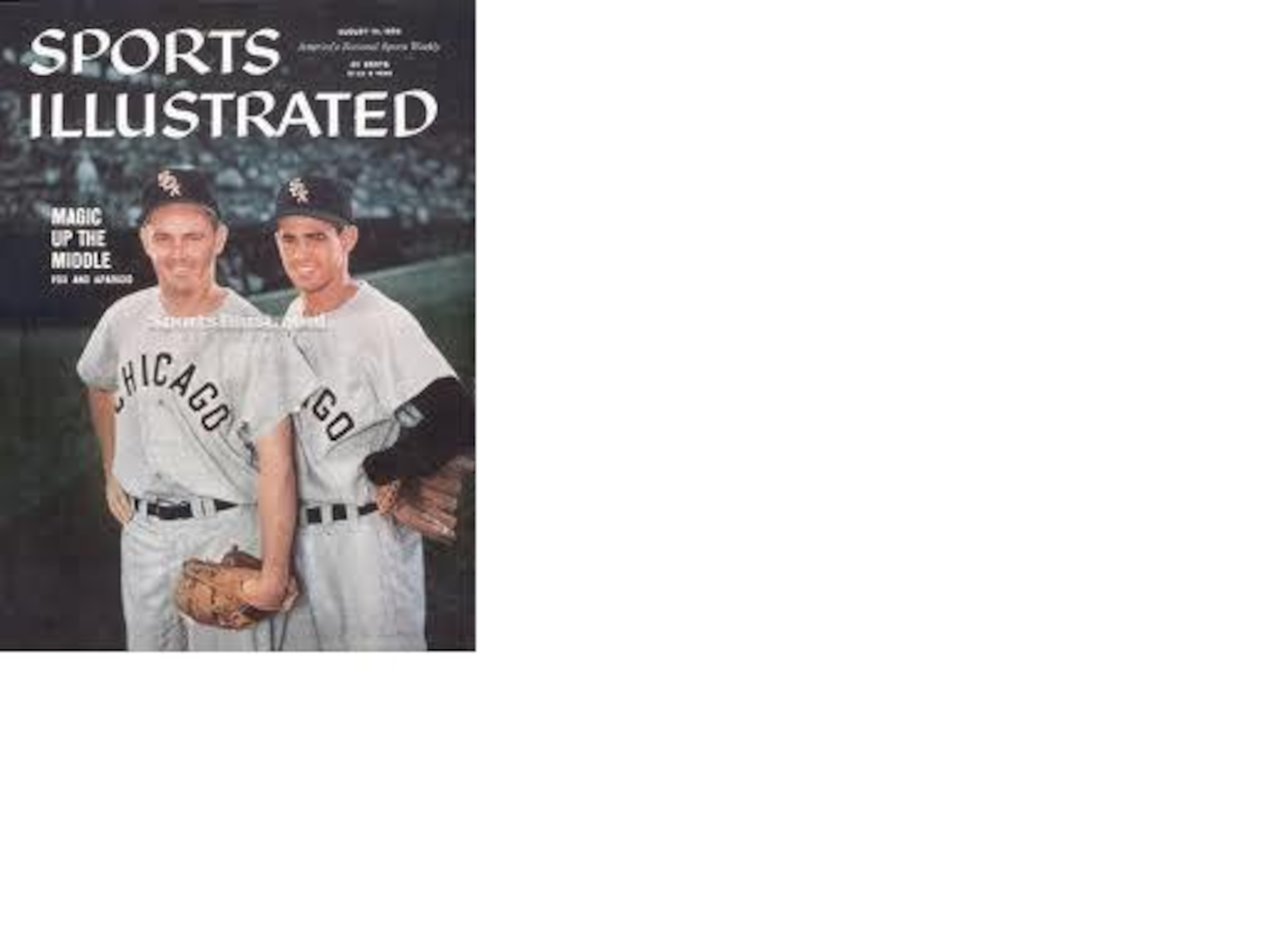
I know, the ranking is of the best duos since 1960.
This incredible duo's career extends back into the 1950's. Because they played consecutively through the 1962 season their stats are included.
Nellie Fox joined the White Sox' starting lineup in 1950 as their second baseman.
Over 19 seasons he would play 2295 games at second with three different teams.
This is Luis Aparicio's fourth appearance in the ranking.
In 1956 he made his major league debut with the Chicago White Sox at shortstop.
Like Ozzie Smith, in his 18 seasons he would never play any other position but shortstop.
The seven seasons Fox played next to Aparicio were the most for any second baseman.
Combined they would win eight Gold Gloves, five consecutive for Aparicio from 1958-1962, and three for Fox in 1957, 1959, and 1960.
Their combined fielding percentage of 0.9785 was surprisingly 40th among the ranking.
However, from 1957 to 1962 their individual fielding percentages were no lower than fifth in the league at their position.
No. 5: Ozzie Smith and Tommy Herr—St. Louis Cardinals, 1982-1987
48 of 52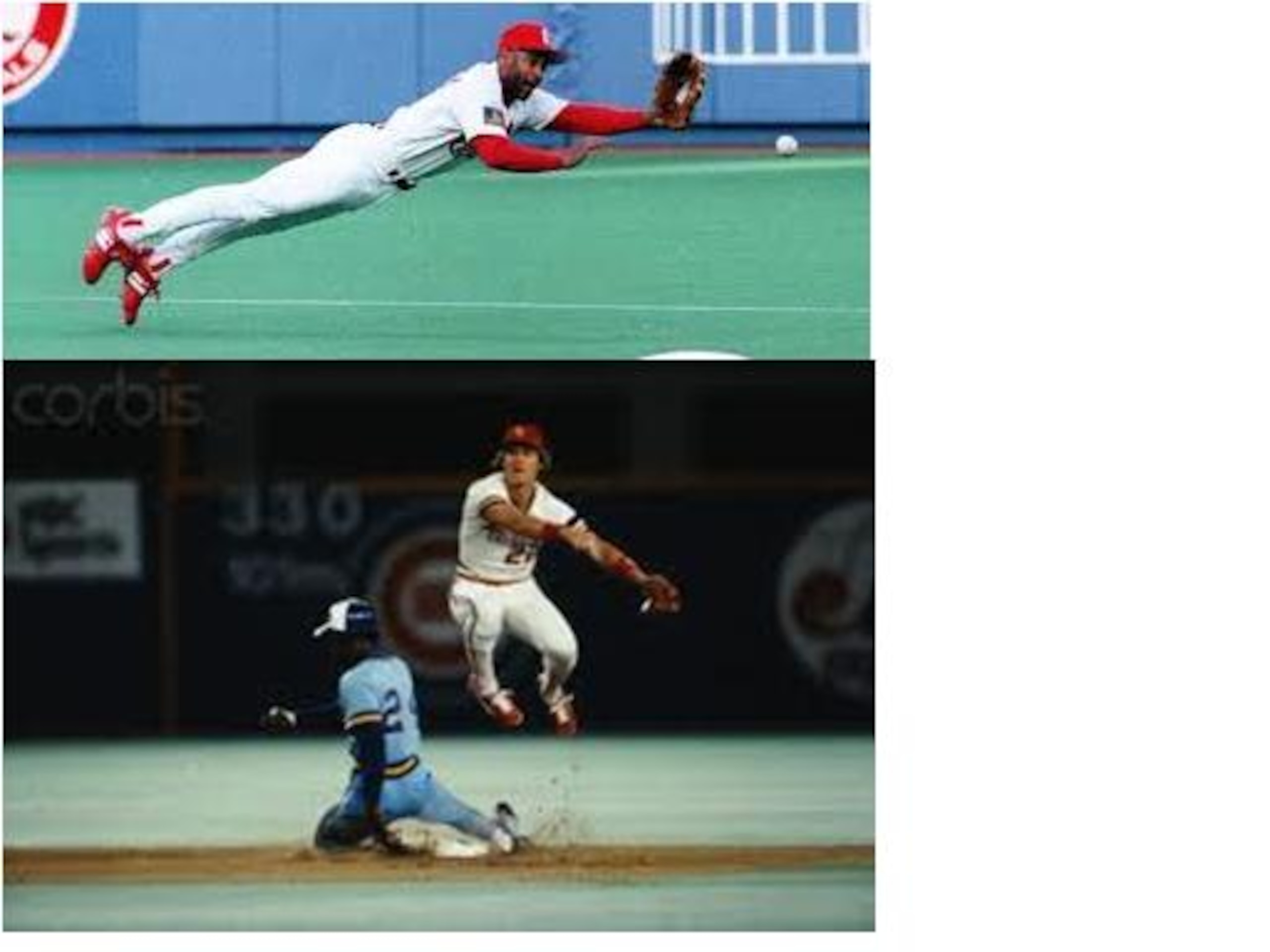
Tommy Herr played six seasons along side shortstop Ozzie Smith—more than any other second baseman in Smith's 19 seasons.
From 1982, Smith's first season in St. Louis, until 1987 Smith and Herr would cover the Cardinals' middle infield.
At the start of the 1988 season Herr was traded to the Minnesota Twins, breaking up the double play combination in St. Louis.
Although Herr would never win a Gold Glove, his fielding percentage would remain in the top five among National League second basemen while playing next to Smith.
Their combined fielding percentage of 0.985 is eighth highest in the ranking.
No. 4: Ryne Sandberg and Shawon Dunston—Chicago Cubs, 1985-1991
49 of 52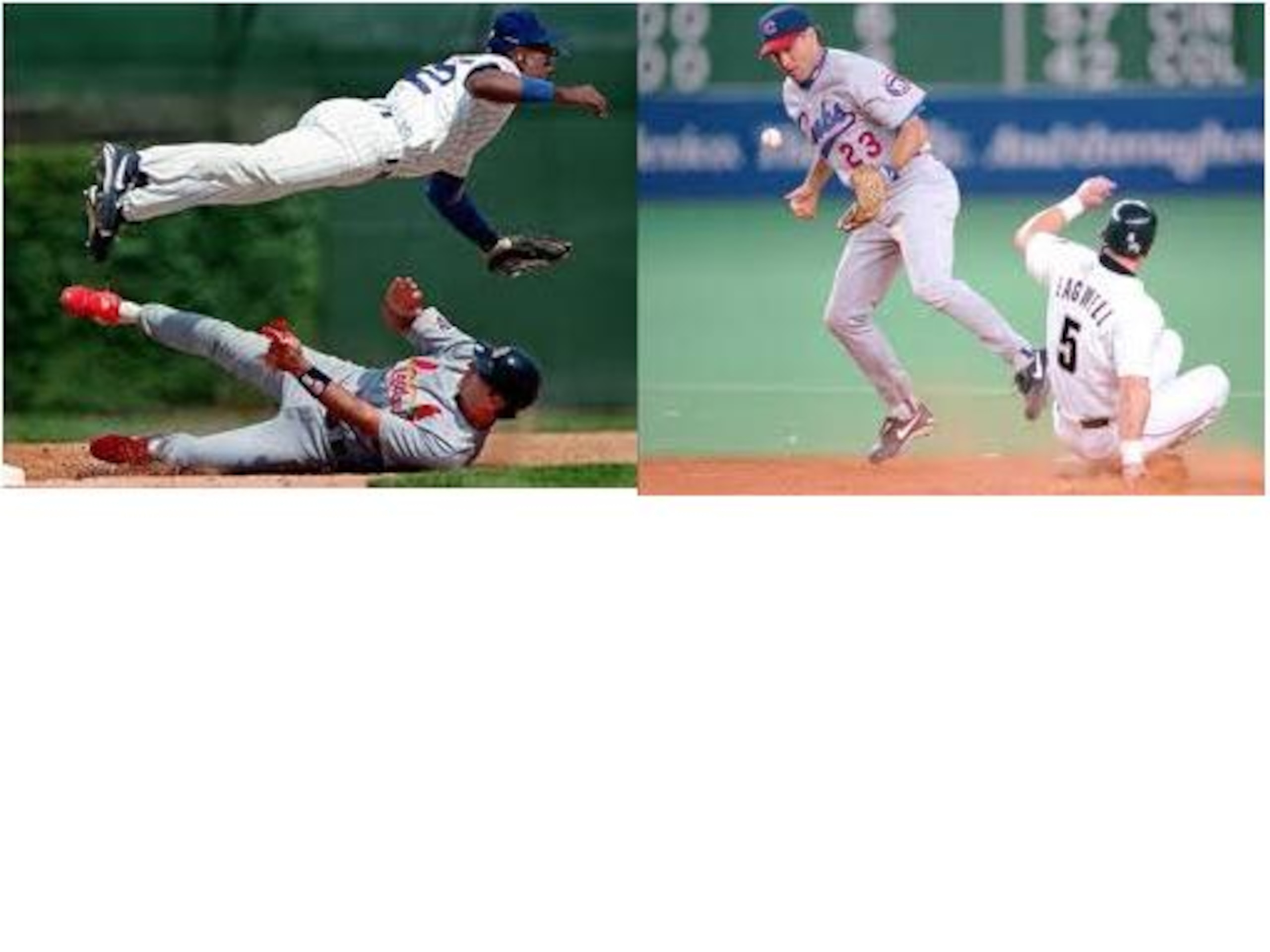
Ryne Sandberg made his major league debut in 1981 when he played in 18 games for the Phillies.
He was traded to Chicago in 1981 and spent the rest of his career playing in 1,994 games at second base for the Cubs.
He would win seven consecutive Gold Gloves from 1985 to 1991.
Shawon Dunston would make his Major League Debut in 1995 and become the regular shortstop until 1992.
Over these seven seasons together, Sandberg's fielding percentage would remain in the top five among National League second basemen.
Their combined fielding percentage of 0.980 is only good enough for 30th—but the seven total Gold Gloves is third best in this ranking.
No. 3: Mark Belanger and Bobby Grich—Baltimore Orioles, 1973-1976
50 of 52
This Mark Belanger's third appearance in the ranking.
In 1973 Bobby Grich would take over the second baseman's job and start all 162 games that season.
Over the next four seasons both Belanger and Grich would be awarded the Gold Glove at their position.
Their eight total Gold Gloves are second most in the ranking.
Their combined fielding percentage is 0.982 is only good enough for 19th on the list.
No. 2: Dave Concepcion and Joe Morgan—Cincinnati Reds, 1972-1979
51 of 52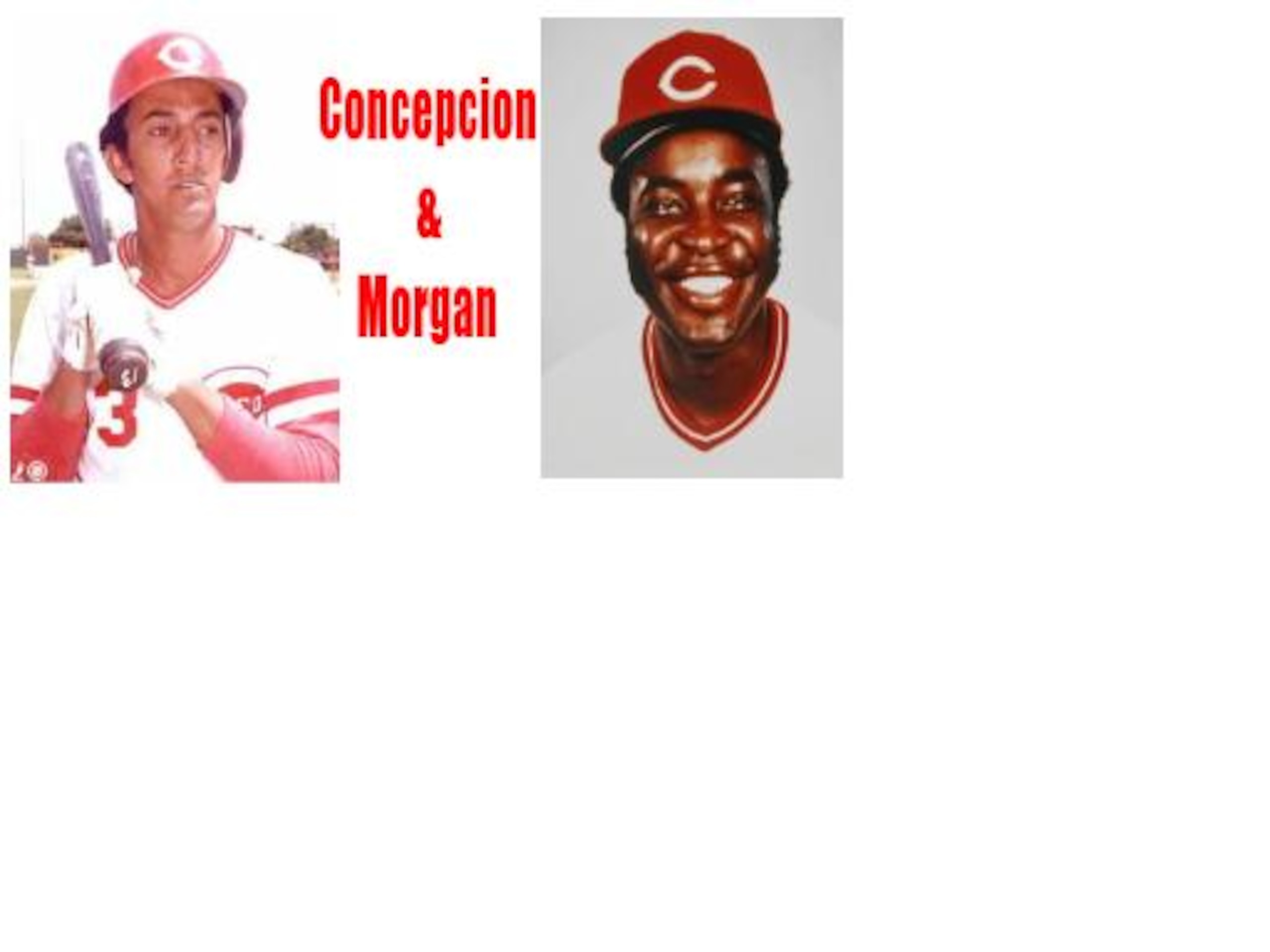
In 1972 the Cincinnati Reds acquired second baseman Joe Morgan in a trade with the Houston Astros.
For the next eight seasons he would play along side short stop Dave Concepcion.
Each player would win five Gold Gloves—Morgan, consecutively from 1973 to 1977, and Concepcion 1974 to 1977 and 1979.
Their 10 Gold Gloves is the most of any duo in this ranking, and their eight seasons together is second best.
What keeps this dynamic duo from taking the top spot is their combined fielding percentage of 0.979—only good enough for 38th on the list.
No. 1: Alan Trammel and Lou Whitaker—Detroit Tigers, 1977-1995
52 of 52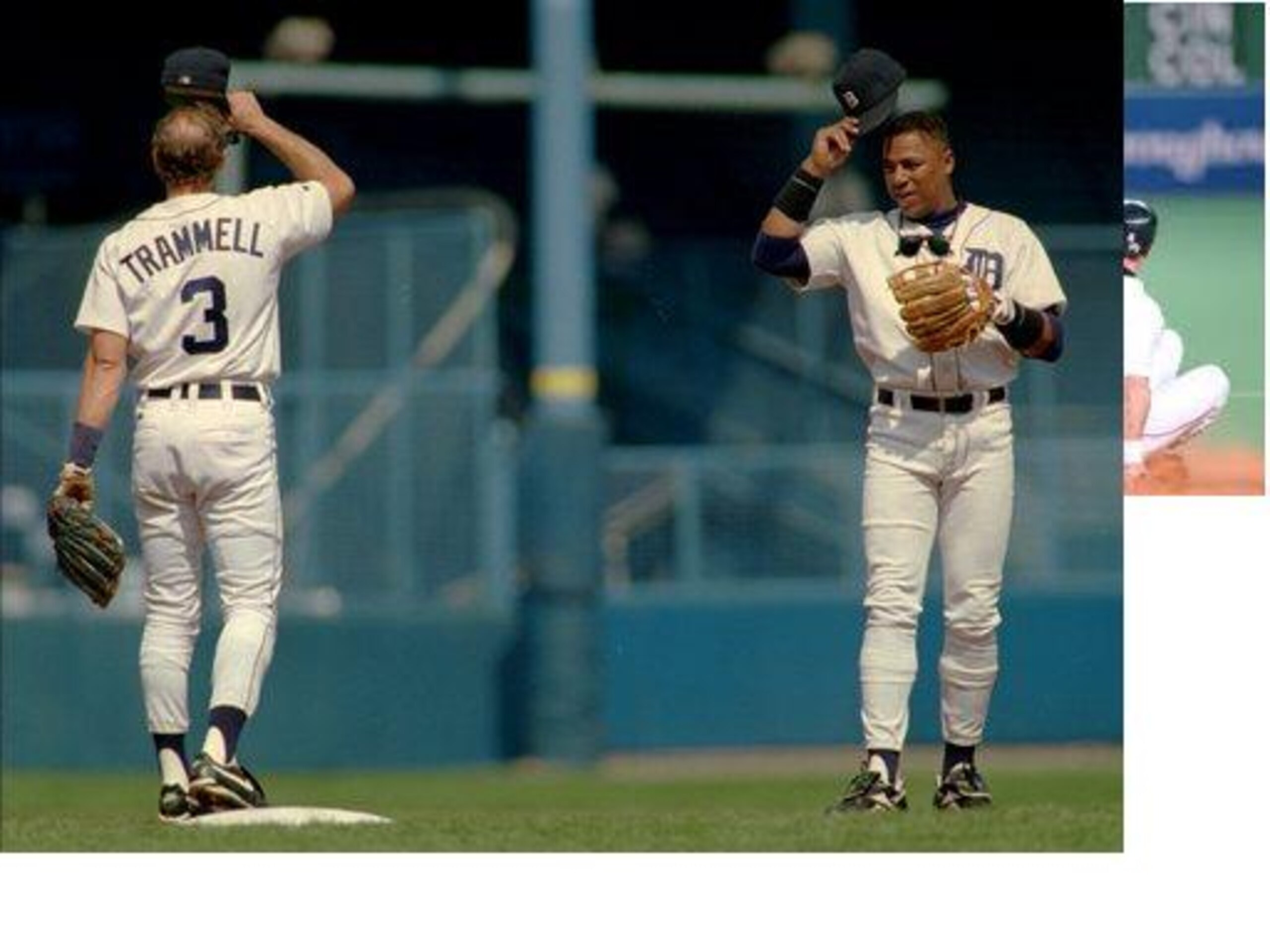
Shortstop Alan Trammell and second baseman Lou Whitaker have the longest tenure of any double play combination.
They blow away the list with an incredible 18 years as the Tigers shortstop and second baseman.
Both players would make their Major League debut in 1977, and in the following year take over in the starting lineup.
Their longevity has a lot to do with gaining the top spot, but they also combined to win seven Gold Gloves—the third most among the ranking.
Whitaker won four Gold Gloves in 1980, 1981, 1983 and 1984.
Trammell won three consecutive Gold Gloves from 1983 to 1985.
Their combined fielding percentage is 0.981—25th on the list.
So that ends this ranking—let the debates rage!


.jpg?w=2560 "🚨 Giants to Start McCarthy")