
Power Ranking Every MLB Franchise over the Last 5 Seasons
The last five seasons of Major League Baseball saw 24 of the league's 30 teams make the playoffs at least once. Yet only one team played in October annually, and none won the World Series more than once.
All this parity didn't make it easy on us when we set out to rank how each team has fared over the last half-decade. All the same, we went ahead and did it anyway.
Ahead are our MLB power rankings for the last five seasons, meaning 2016 to 2020. We considered how clubs have performed both in the regular season and the postseason—both playoff berths and playoff wins elevated certain teams—as well as any innovations or scandals they may have experienced along the way.
Let's count 'em down.
30. Detroit Tigers
1 of 30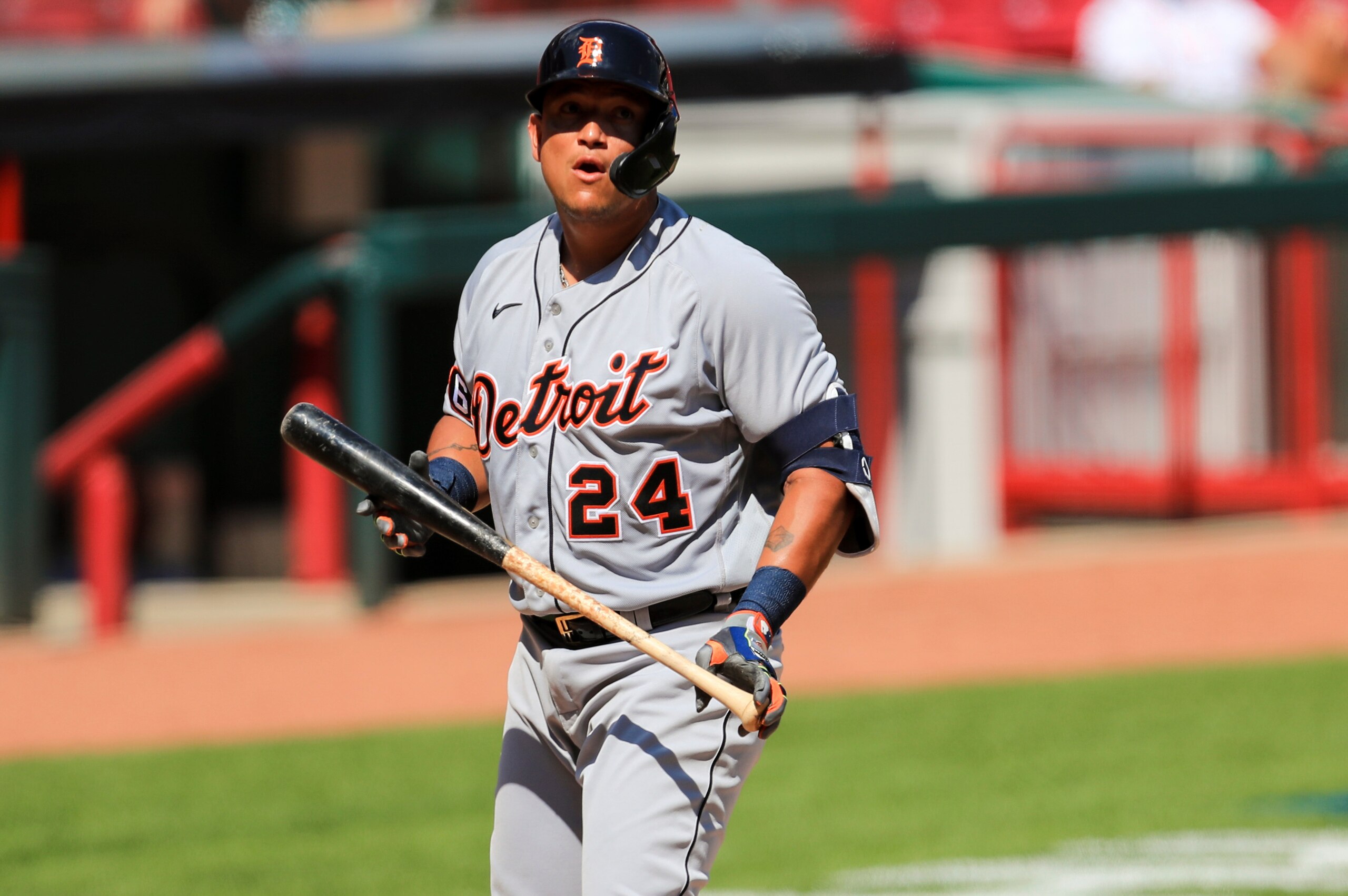
Regular Season W-L%: .403 (30th)
Postseasons: 0
The Detroit Tigers won the American League Central title annually between 2011 and 2014, yet it was apparent amid the club's 87-loss season in 2015 that a rebuild was nigh.
Yet the Tigers stayed the course, spending $242.8 million on Jordan Zimmermann and Justin Upton ahead of the 2016 season. That year resulted in just 86 wins, and the team's nigh-seeming rebuild finally began in earnest the following season.
Three years later, the Tigers have frustratingly little to show for it. They've finished in last place in three of the past four seasons, in part because their trades of Justin Verlander, J.D. Martinez and Upton in 2017 have yet to yield any long-term building blocks.
Thanks to No. 1 picks Casey Mize (2018) and Spencer Torkelson (2020), it's only now that Detroit's farm system is among the five best in baseball. Even still, a return to contention might be a couple of years away.
29. Kansas City Royals
2 of 30
Regular Season W-L%: .429 (28th)
Postseasons: 0
After going to the World Series in 2014 and winning it in 2015, the Kansas City Royals lurched back toward mediocrity in 2016 and stayed there in 2017.
That arguably should have been the club's cue to cash in its trade chips, particularly Eric Hosmer and Lorenzo Cain during their final year under team control in 2017. Yet the Royals didn't do that, and they likewise held on to Mike Moustakas until midway through his walk year in 2018.
It's little wonder that the last three seasons have seen the Royals struggle to win games while also making slow progress with their farm system. To wit, it's only recently that it's become a top-five system.
But in their defense, the Royals have finished in last place only once since 2016. And thanks to stars such as Whit Merrifield and Jorge Soler, they've sustained a higher degree of watchability than the average rebuilder over the last few seasons.
28. Baltimore Orioles
3 of 30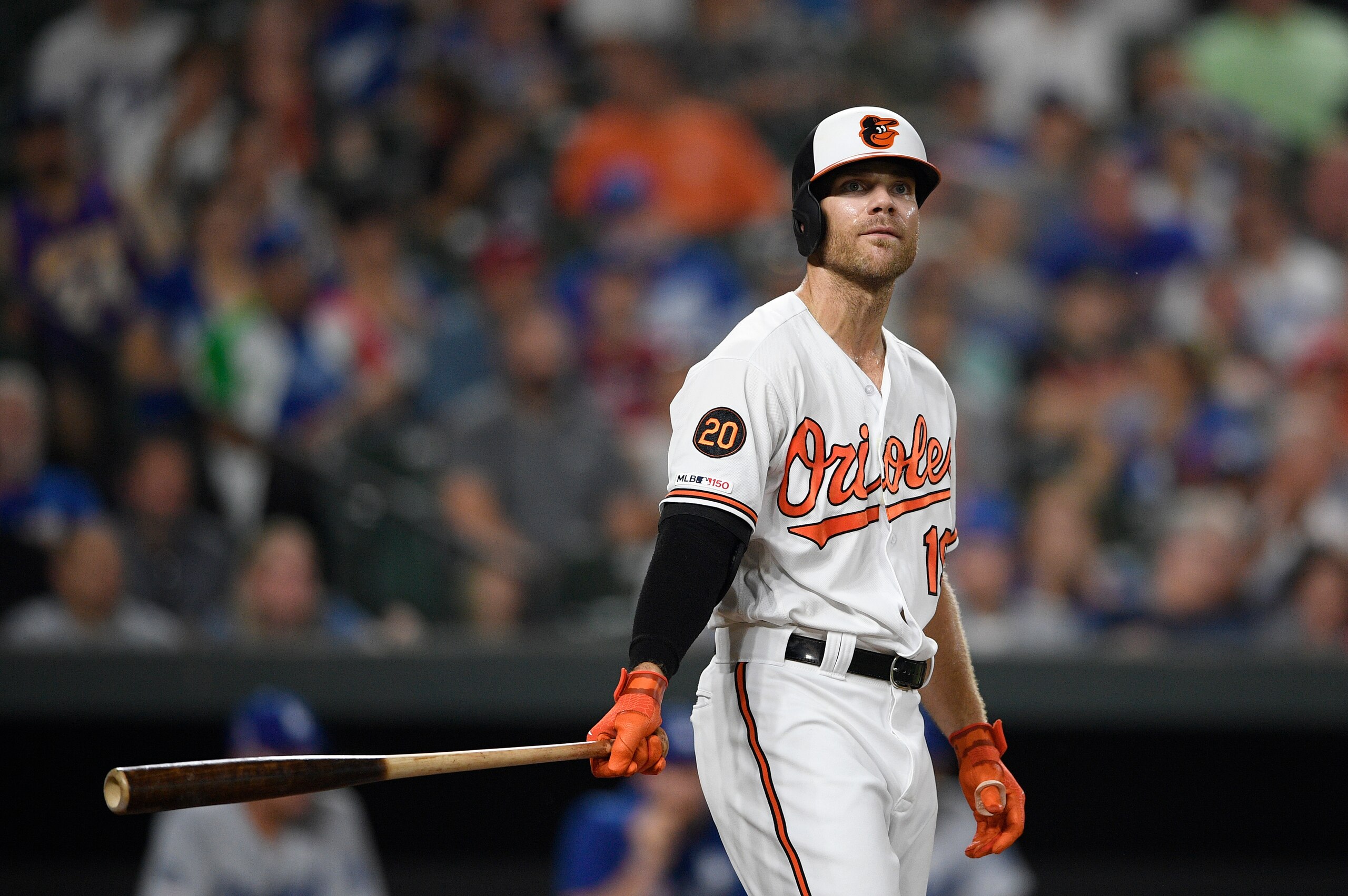
Regular Season W-L%: .410 (29th)
Postseasons: 1
Postseason Wins: 0
The Baltimore Orioles were a powerhouse in the American League East between 2012 and 2016, averaging 89 wins per season and making the playoffs three times.
The third of those didn't last very long as Baltimore lost the AL Wild Card Game to the Toronto Blue Jays on Edwin Encarnacion's walk-off home run. The O's have since endured four straight losing seasons, during which they've traded Manny Machado and seemingly countless other veterans.
Like the Tigers, the Orioles don't have a lot to show for their rebuild. The Machado trade, specifically, has yet to bear any especially sweet fruit in the majors. And unlike Detroit's, Baltimore's farm system isn't even in the top five.
The Orioles did, however, at least manage to avoid a last-place finish in 2020. That's a credit to general manager Mike Elias, who's done much to change the team's culture since he took charge in 2018.
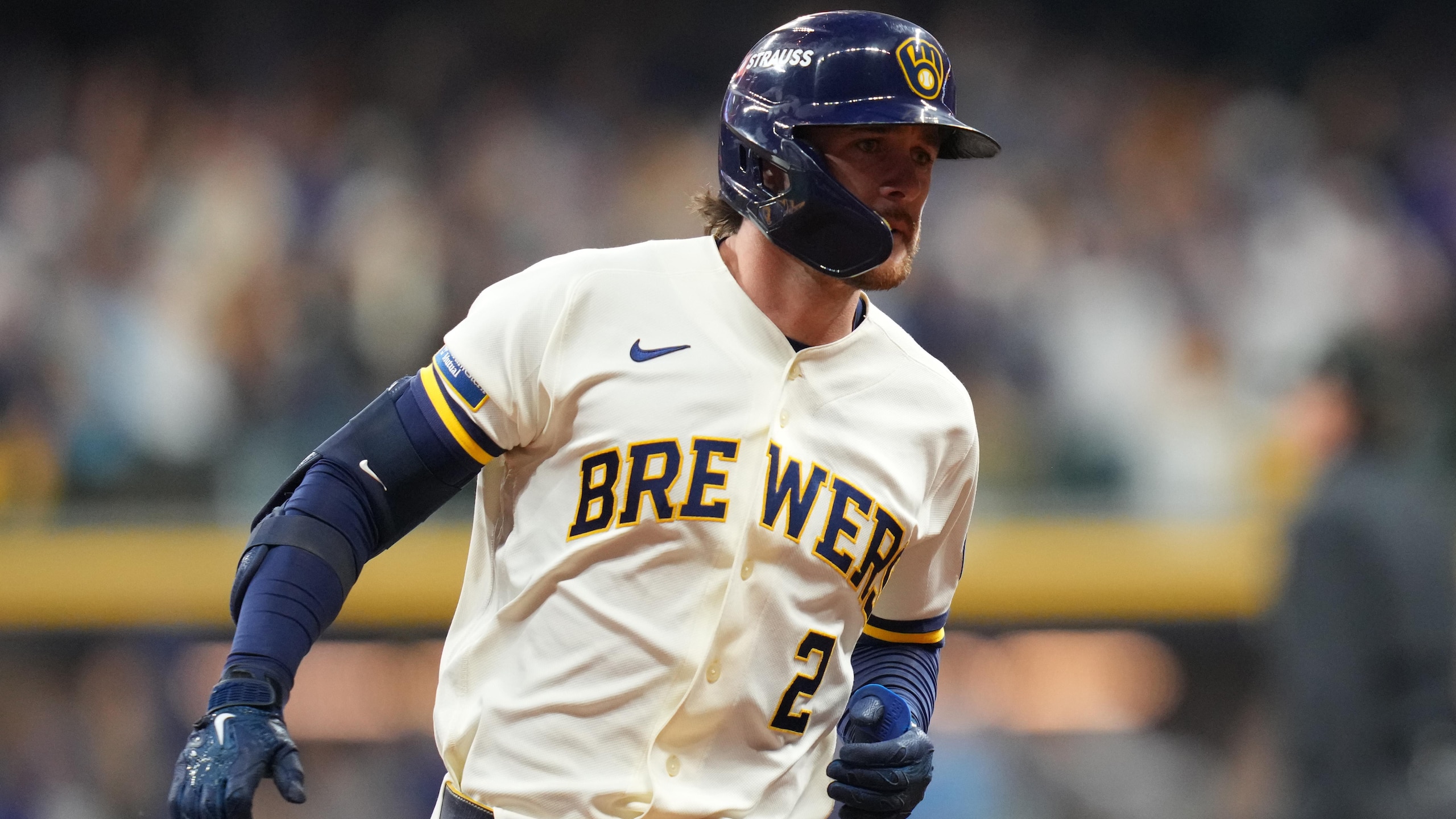


27. Pittsburgh Pirates
4 of 30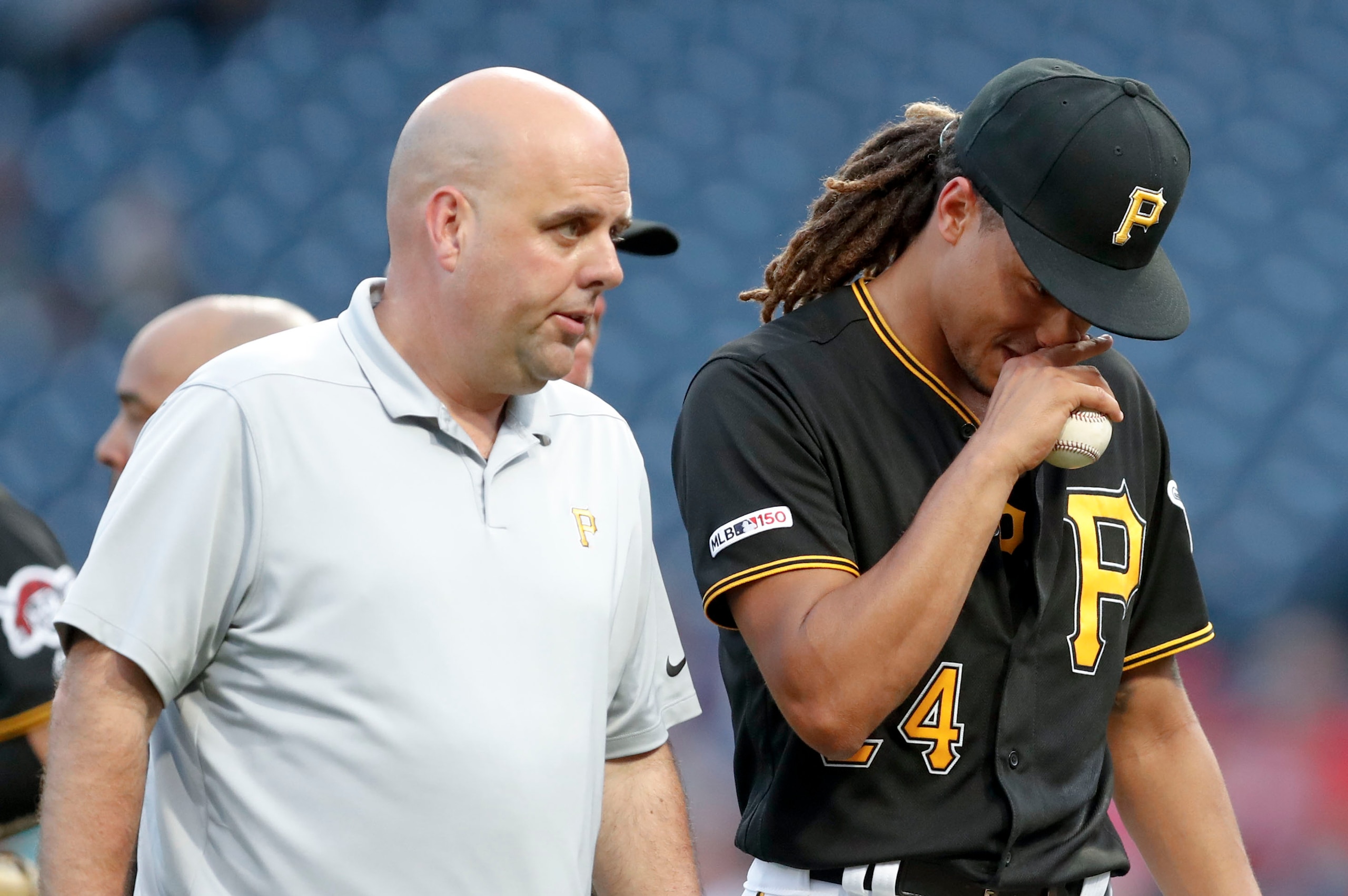
Regular Season W-L%: .458 (23rd)
Postseasons: 0
The Pittsburgh Pirates had a nice run between 2013 and 2015, averaging 93 wins and going to the playoffs each year.
But just three years after he had captured the National League MVP, Andrew McCutchen ceased to be a superstar in 2016. The Pirates mirrored his fate as they slipped before .500 and eventually sent Cutch packing after slipping yet again in 2017.
Yet it wasn't until 2018 that the Pirates truly shot themselves in the foot. Though they were barely in the playoff race that summer, they went all-in on a trade for Chris Archer in which they sent former top prospects Austin Meadows and Tyler Glasnow to the Tampa Bay Rays.
Meadows and Glasnow are stars for the Rays now, while Pittsburgh's last two seasons have yielded 93 losses in 2019 and an MLB-high 41 losses in 2020. With only a middling farm system underneath them, the Pirates now face a long road back to contention.
26. Philadelphia Phillies
5 of 30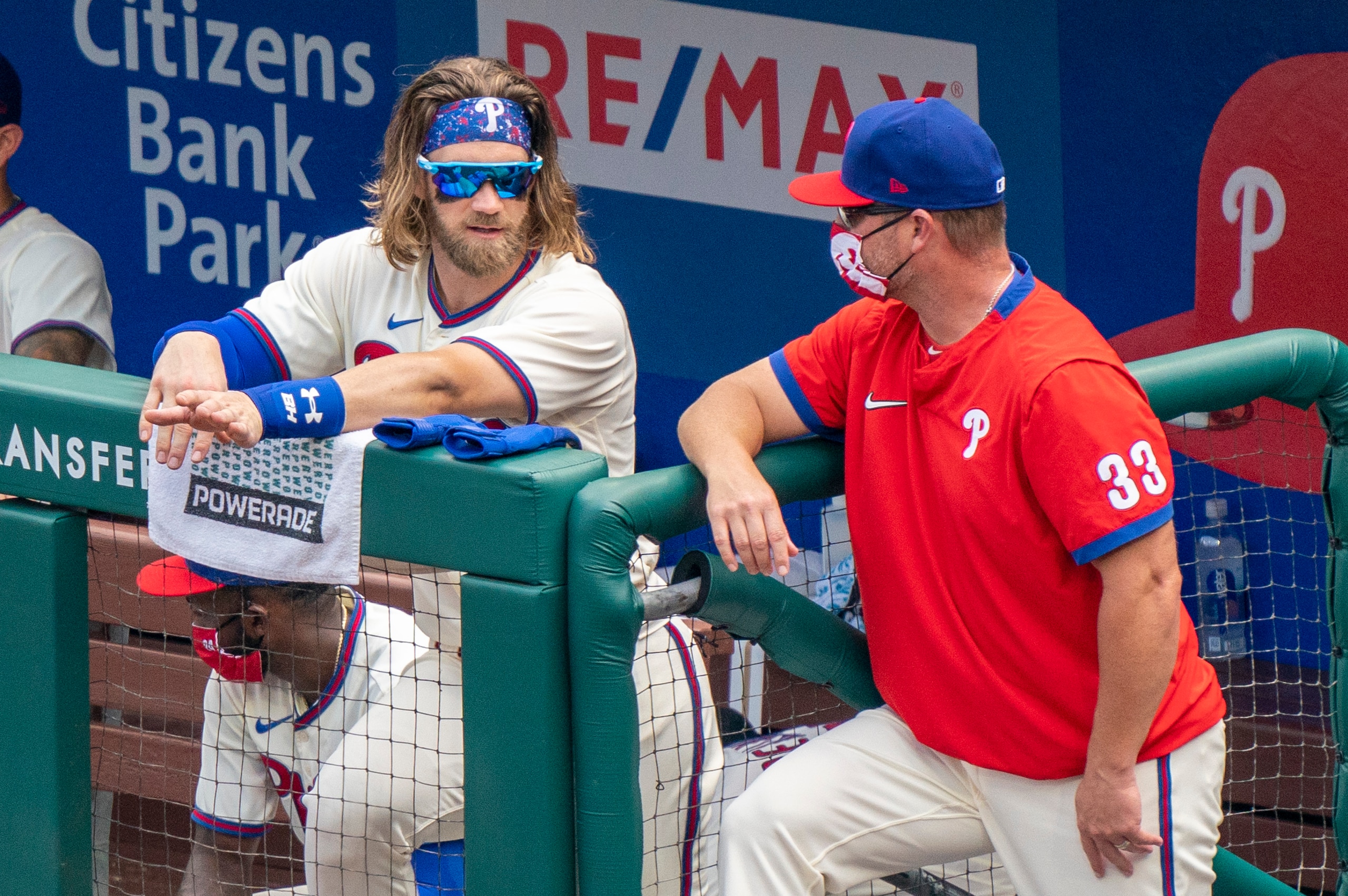
Regular Season W-L%: .460 (22nd)
Postseasons: 0
By all rights, the Philadelphia Phillies should rank closer to the top half of this list.
Following their run as an elite power between 2007 and 2011, the Phillies frankly took too long to shift into a rebuild. But they eventually got on the right track, constructing a farm system that ranked No. 5 in MLB by spring 2018.
The Phillies also started reaching into their deep pockets in the late 2010s, spending over $650 million to sign Bryce Harper, Zack Wheeler, Jake Arrieta, Carlos Santana, Andrew McCutchen and David Robertson. They also traded for J.T. Realmuto and Jean Segura.
Trouble is, the Phillies never really used their farm system to establish a homegrown core before they started signing checks. That was evident between 2018 and 2020, wherein rosters made up of disparate parts never quite clicked in the process of racking up a 189-195 record.
25. Los Angeles Angels
6 of 30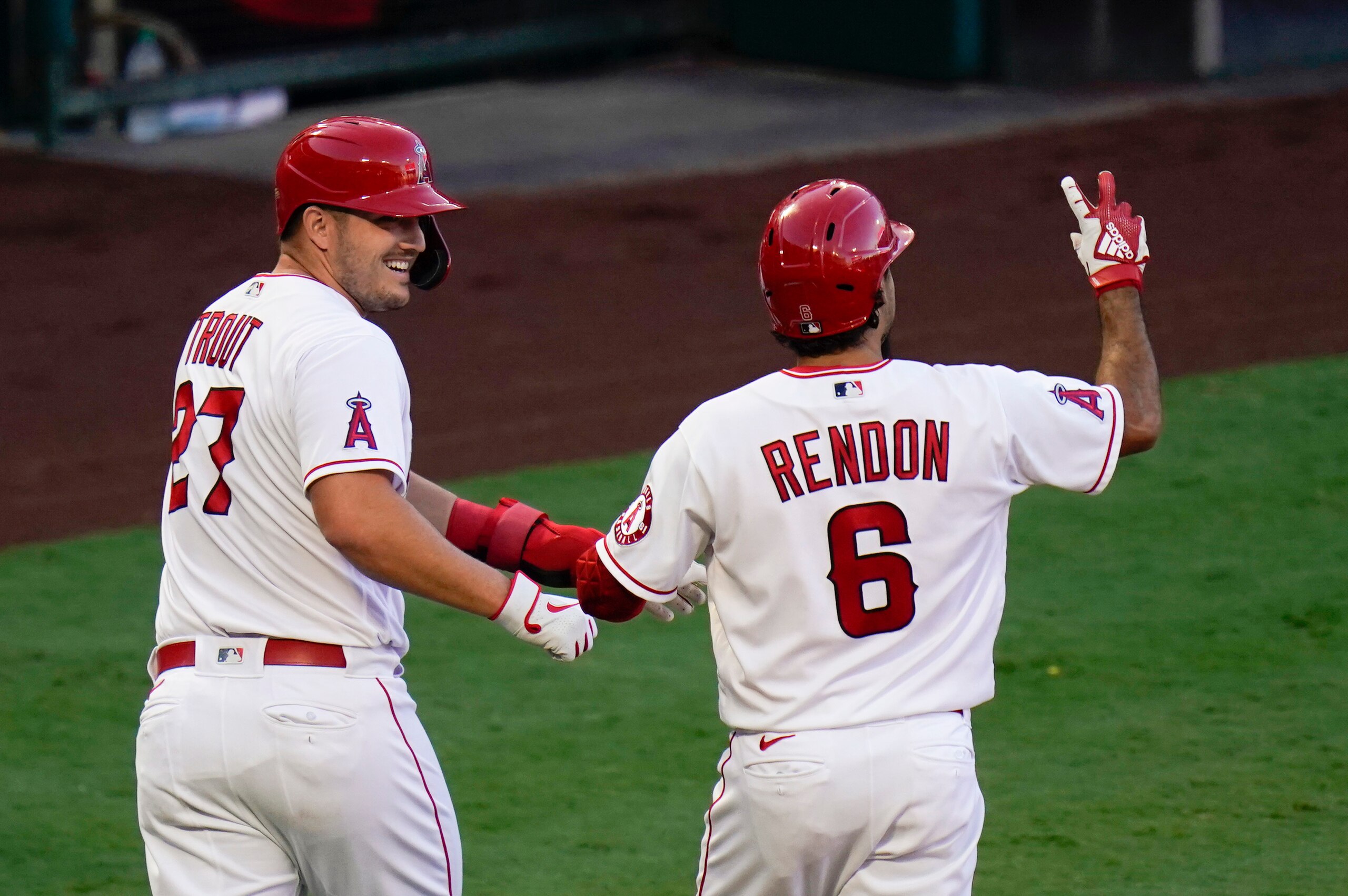
Regular Season W-L%: .469 (20th)
Postseasons: 0
The Los Angeles Angels were never truly terrible in the last five years, yet neither were they good enough to make the playoffs or have even one winning season.
Mike Trout gets none of the blame for this. All he did between 2016 and 2020 was hit .304/.440/.609 with 163 home runs and an MLB-high 37.4 rWAR. He was the AL MVP in 2016 and again in 2019.
Up until Anthony Rendon came along, though, the Angels lineup lacked a proper partner in crime for Trout. An even bigger problem resided on the mound, specifically to the extent that Angels starters managed just a 4.76 ERA between '16 and '20.
Not surprisingly, all this cost Billy Eppler his job as the Angels general manager. Because Trout, 29, isn't exactly "young" anymore, the pressure is now on Perry Minasian to finally construct a consistent winner around him before his prime comes to an end.
24. Seattle Mariners
7 of 30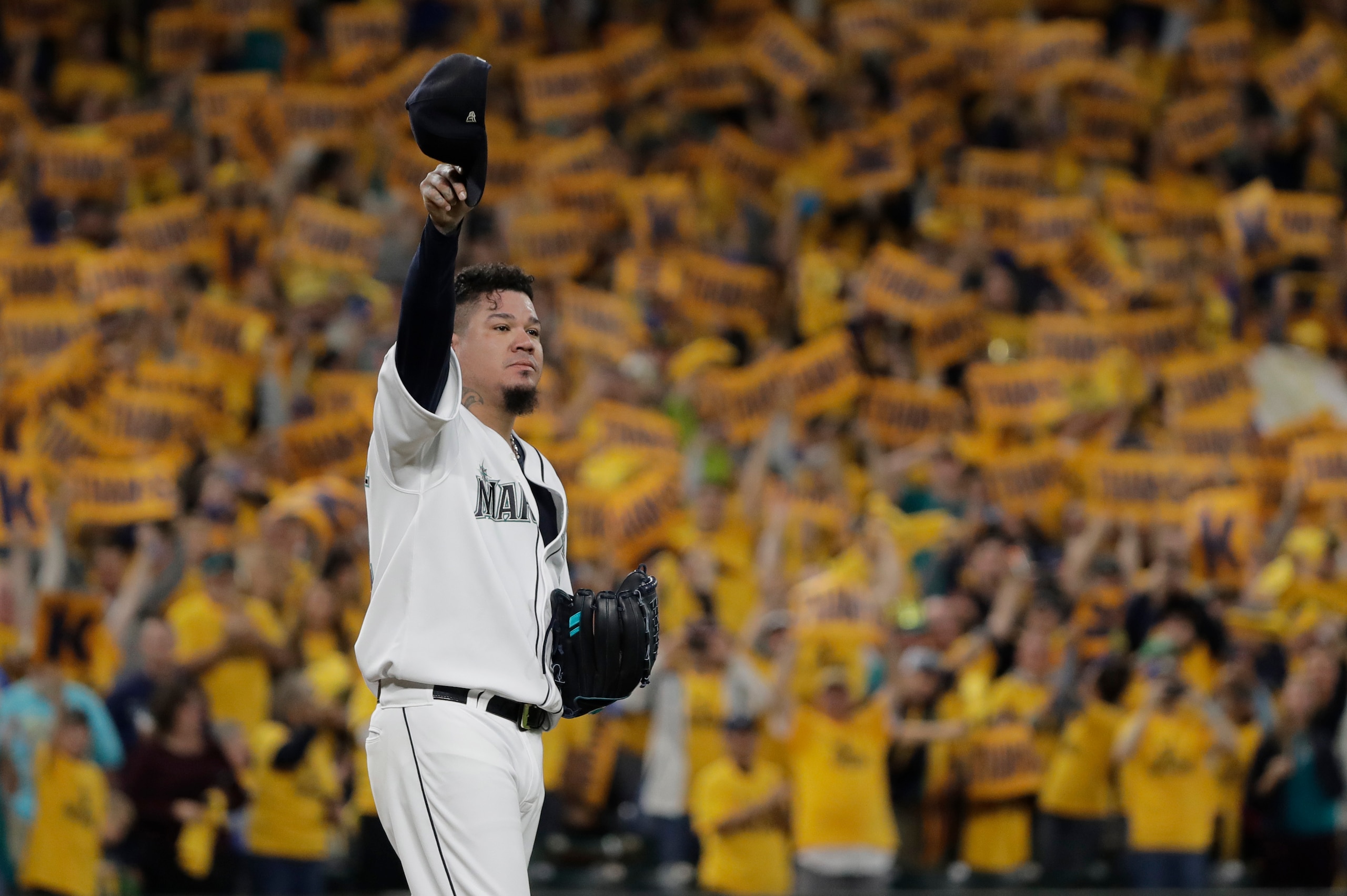
Regular Season W-L%: .492 (16th)
Postseasons: 0
Though the Seattle Mariners came reasonably close to the .500 mark over the last five seasons, they never really rose above mediocrity.
They peaked with 86- and 89-win seasons in 2016 and 2018, and the latter notably required a substantial amount of luck. Relative to how many runs they scored and allowed, the '18 Mariners won 12 more games than they should have.
For much of the last five seasons, Mariners fans had to find delight in watching individual stars such as Nelson Cruz and Mitch Haniger. It was also the last hurrah for franchise legend Felix Hernandez, who capped 15 years with Seattle in 2019.
On the bright side, the rebuild the Mariners began in '19 is already close to being over. AL Rookie of the Year Kyle Lewis spearheaded a respectable 27-33 effort in 2020, and still another wave of young stars is standing by in the club's loaded farm system.
23. Cincinnati Reds
8 of 30
Regular Season W-L%: .436 (26th)
Postseasons: 1
Postseason Wins: 0
After making the playoffs three times in four years between 2010 and 2013, the Cincinnati Reds fell from grace in 2014 and gradually entered into a rebuild.
It...didn't work.
In theory, the Reds' farm system should have flourished as the big league club was finishing in last place annually between 2015 and 2018. In reality, it never did.
Accordingly, the Reds basically gave up on rebuilding and loaded up on veteran talent ahead of both the 2019 and 2020 seasons. Notably, the latter involved spending nearly $150 million in free agency in an effort to deepen a roster headlined by co-aces Sonny Gray, Trevor Bauer and Luis Castillo.
All this only kinda-sorta worked. For while the Reds did return to the playoffs in 2020, it was for naught as they endured a scoreless flop in the Wild Card Round. Now the club's immediate future is clouded by Bauer's free agency and a sudden lack of depth in its farm system.
22. Miami Marlins
9 of 30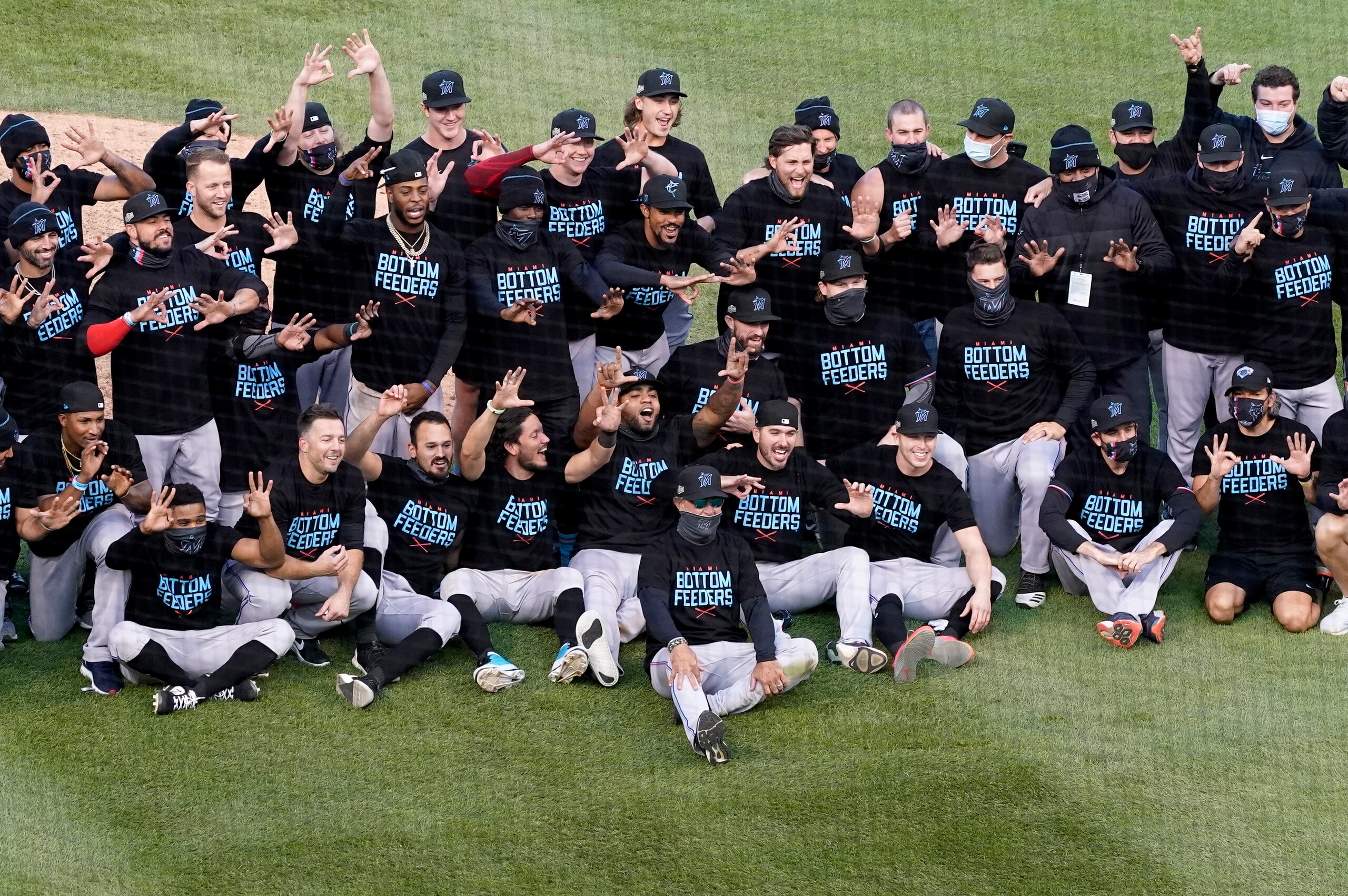
Regular Season W-L%: .435 (27th)
Postseasons: 1
Postseason Wins: 2
By the mid-2010s, the Miami Marlins had established an exciting young core that included Giancarlo Stanton, Christian Yelich, Marcell Ozuna, J.T. Realmuto and Jose Fernandez.
But then Fernandez died in a boating crash in September 2016. And despite the team's respectable 156-167 record across the 2016 and 2017 seasons, new owners Derek Jeter and Bruce Sherman quickly dismantled the club's roster after taking the reigns toward the end of '17.
That included trading away Stanton, Yelich and Ozuna that winter and, eventually, Realmuto ahead of the 2019 campaign. That year, the Marlins also made the puzzling decision to trade away two up-and-coming pitchers: Zac Gallen and Nick Anderson.
Yet all this became water under the bridge in 2020 as the Marlins beat expectations and made the playoffs, in which they swept the Chicago Cubs in the Wild Card Round. And with more talent still to harvest from their top-five farm system, their rise within the National League East surely isn't finished.
21. Chicago White Sox
10 of 30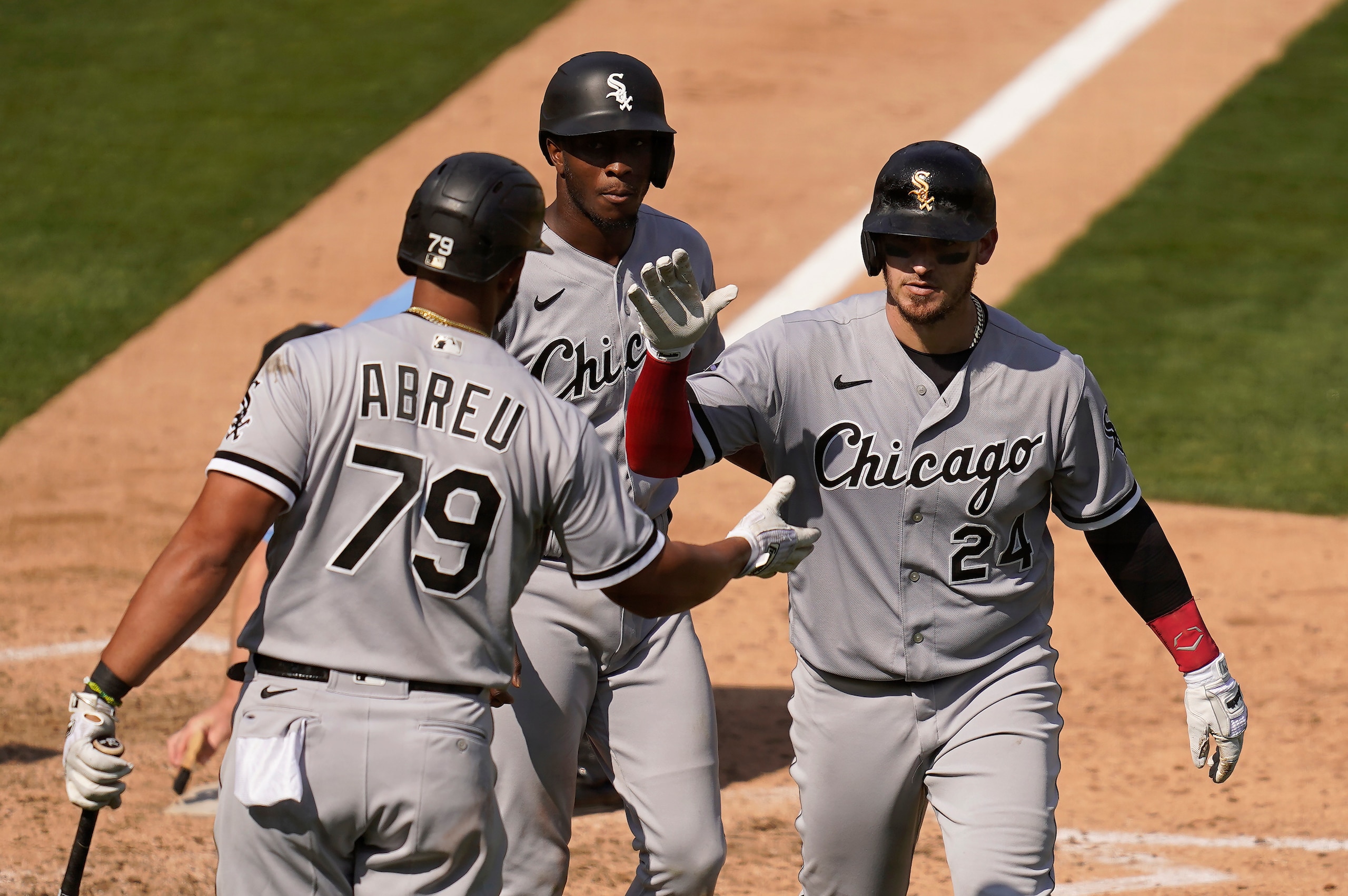
Regular Season W-L%: .444 (24th)
Postseasons: 1
Postseason Wins: 1
The 2016 season was a sort of comedy of errors for the Chicago White Sox as it began with the Drake LaRoche saga and eventually featured Chris Sale's sharp critique of the club's throwback jerseys.
The end result was an 84-loss season that extended the team's playoff drought to eight years. With no other choice, the White Sox dealt Sale and Adam Eaton that winter and Jose Quintana the following summer.
Those trades netted them Lucas Giolito, Yoan Moncada, Eloy Jimenez and Dylan Cease, each of whom established himself as an up-and-coming star alongside fellow youngster Tim Anderson in 2019. The White Sox then did what they had to do, spending $150 million on free agents that winter.
This is how the White Sox finally broke their postseason spell in 2020. And while their hiring of Tony La Russa defies explanation, the club's future is nonetheless as bright as any team's in the American League.
20. San Diego Padres
11 of 30
Regular Season W-L%: .441 (25th)
Postseasons: 1
Postseason Wins: 2
Remember when the San Diego Padres made an all-out blitz during the 2014-15 offseason, only to lose even more games in 2015 than they had the prior season?
It's a wonder general manager A.J. Preller kept his job after that, and things didn't exactly get better for the Padres between 2016 and 2019. They peaked with a 71-win season in that span, extending the organization's postseason drought to 13 years in the process.
That Padres finally ended that drought in 2020, however, because of Preller's ingenuity and ownership's willingness to spend money. The latter is how Eric Hosmer ($144 million) and Manny Machado ($300 million) became Padres. The former is responsible for the trade that brought Fernando Tatis Jr. to San Diego in 2016, plus other maneuvers that still have the team sitting on an elite farm system.
Such things do an ascendant contender make.
19. Texas Rangers
12 of 30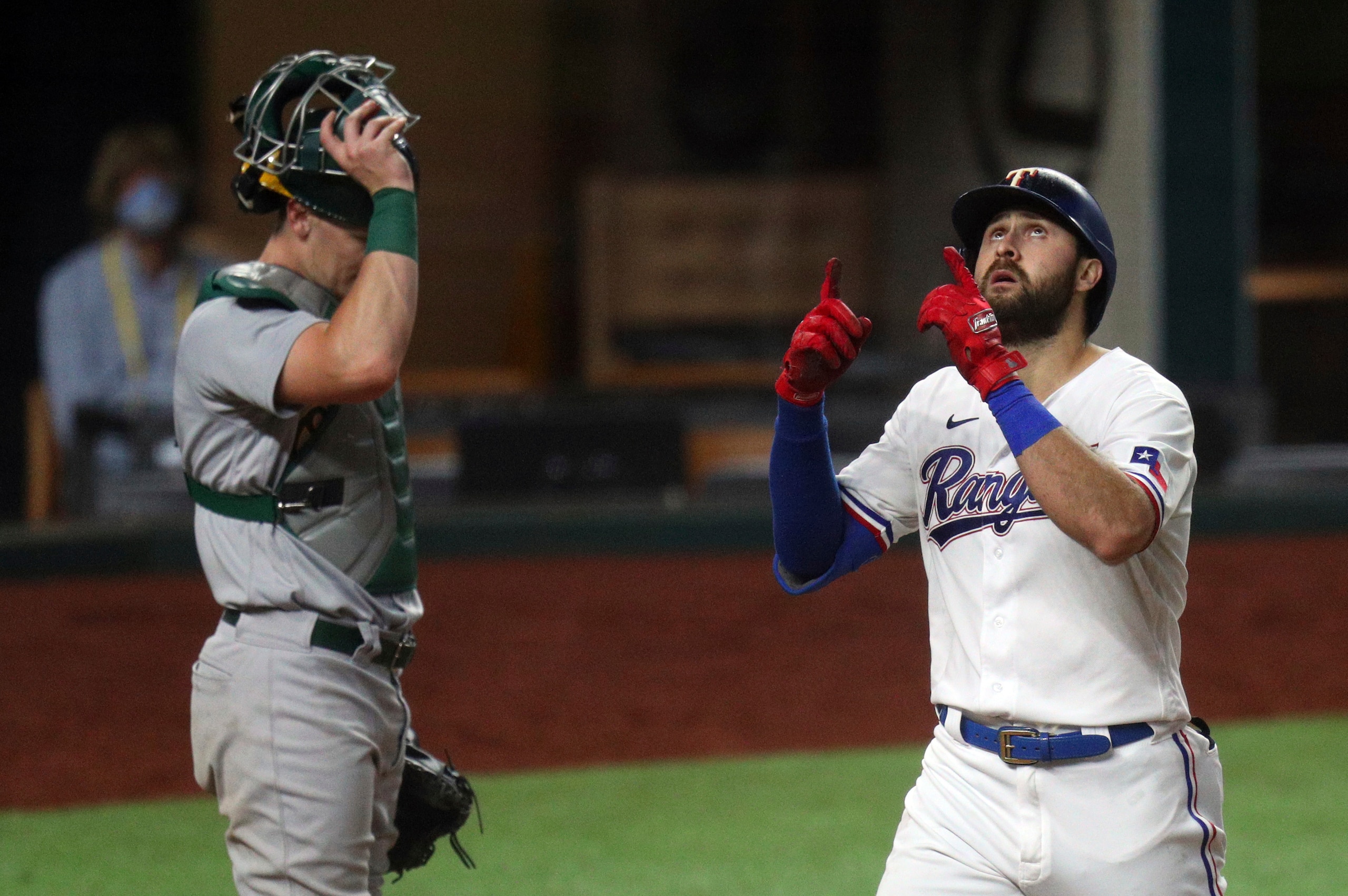
Regular Season W-L%: .480 (18th)
Postseasons: 1
Postseason Wins: 0
After the drama of October 2015 and Rougned Odor's picture-perfect punch of Jose Bautista in May 2016, it was all too perfect when the Texas Rangers and Toronto Blue Jays met again in the '16 playoffs.
Buoyed by veterans such as Adrian Beltre and Cole Hamels, the Rangers won 95 games that year. The catch, though, is that the '16 club also outplayed its expected record by a whopping 13 wins.
It was little wonder, then, when Toronto swept the two teams' grudge match in the American League Division Series. Four years later, it's fair to say that's the last time the Rangers were truly relevant.
Their last four seasons haven't been completely without bright spots—e.g., Joey Gallo, Mike Minor and Lance Lynn—but their rosters generally had too many scrubs and too few stars. Thus did the Rangers pave their way to a rebuild by losing more games than they won each year.
18. New York Mets
13 of 30
Regular Season W-L%: .489 (17th)
Postseasons: 1
Postseason Wins: 0
Now that ownership of the New York Mets has passed from the Wilpons to billionaire hedge-fund manager Steve Cohen, their fans can look forward to a bright future marked by payrolls worthy of New York.
This is not to say the club's recent past was a total waste of time. Ace right-hander Jacob deGrom won back-to-back Cy Young Awards in 2018 and 2019. Led by homegrown slugger Pete Alonso, the Mets have also had one of MLB's top offenses over the last two seasons.
However, the Mets' playoff appearance in 2016 resulted in a quick exit from the NL Wild Card Game. The Brodie Van Wagenen era began two years later, and there are good reasons why it's already over.
The former agent never escaped questions about conflict of interest, and he also made a handful of questionable moves—including one trade that could haunt the team even if Cohen does usher in a bright future.
17. San Francisco Giants
14 of 30
Regular-Season W-L%: .466 (21st)
Postseasons: 1
Postseason Wins: 2
The San Francisco Giants were, of course, the team of the first half of the 2010s on account of their World Series victories in 2010, 2012 and 2014.
After spending $220 million on aces Johnny Cueto and Jeff Samardzija, the Giants went into 2016 hoping for more even-year magic. They ultimately came away disappointed after losing in the National League Division Series.
The Giants haven't had a winning season since then, and neither the club's former Bobby Evans-led front office nor its current Farhan Zaidi-led front office has had much interest in rebuilding. Hence why the organization's farm system isn't even in the top 10.
The Giants did, however, play above expectations in 2019 and 2020. The latter team quietly had one of the best offenses in the franchise's history, in part because Mike Yastrzemski continued to make Zaidi look like a genius for adding him on a no-risk trade in March 2019.
16. Colorado Rockies
15 of 30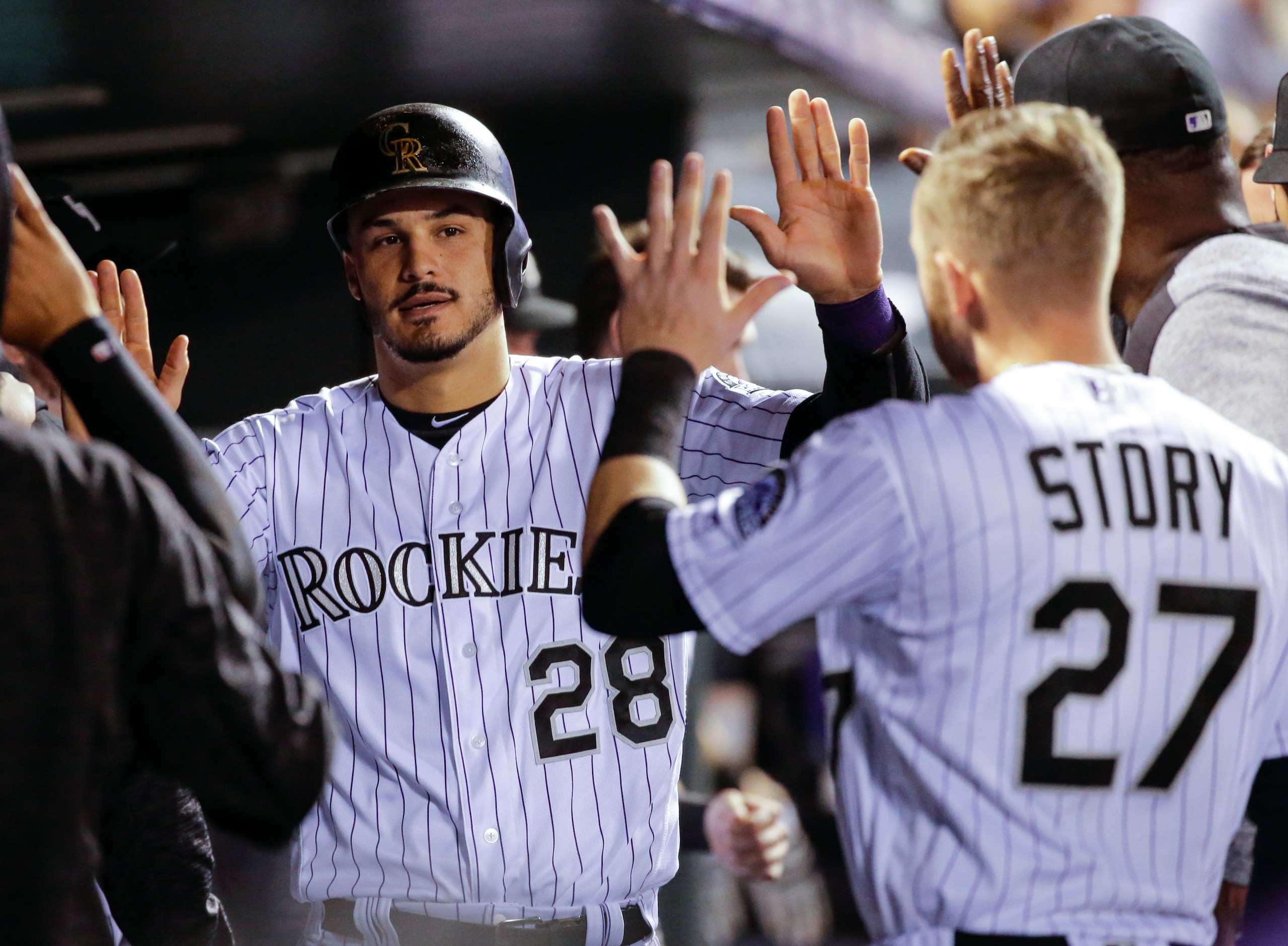
Regular Season W-L%: .494 (15th)
Postseasons: 2
Postseason Wins: 1
From one perspective, the last five seasons were the best of times for the Colorado Rockies.
Their offense was carried by Nolan Arenado, Trevor Story and Charlie Blackmon, who clubbed 432 home runs between 2016 and 2020. With aces like German Marquez and Kyle Freeland also pitching in, the Rockies secured back-to-back playoff berths for the first time in their history in 2017 and 2018.
But apart from a win over the Chicago Cubs in the NL Wild Card Game in '18, the Rockies have little to show for either of those two playoff trips. Of course, the club also lost more than it won in 2016, 2019 and 2020.
Despite the best efforts of Arenado, Story and Blackmon, the Rockies offense has a well-below-average 90 OPS+ since 2016. The organization has also been set back by bad free-agent deals (namely with Ian Desmond, Wade Davis, Bryan Shaw and Jake McGee) and its general indifference toward analytics.
15. Arizona Diamondbacks
16 of 30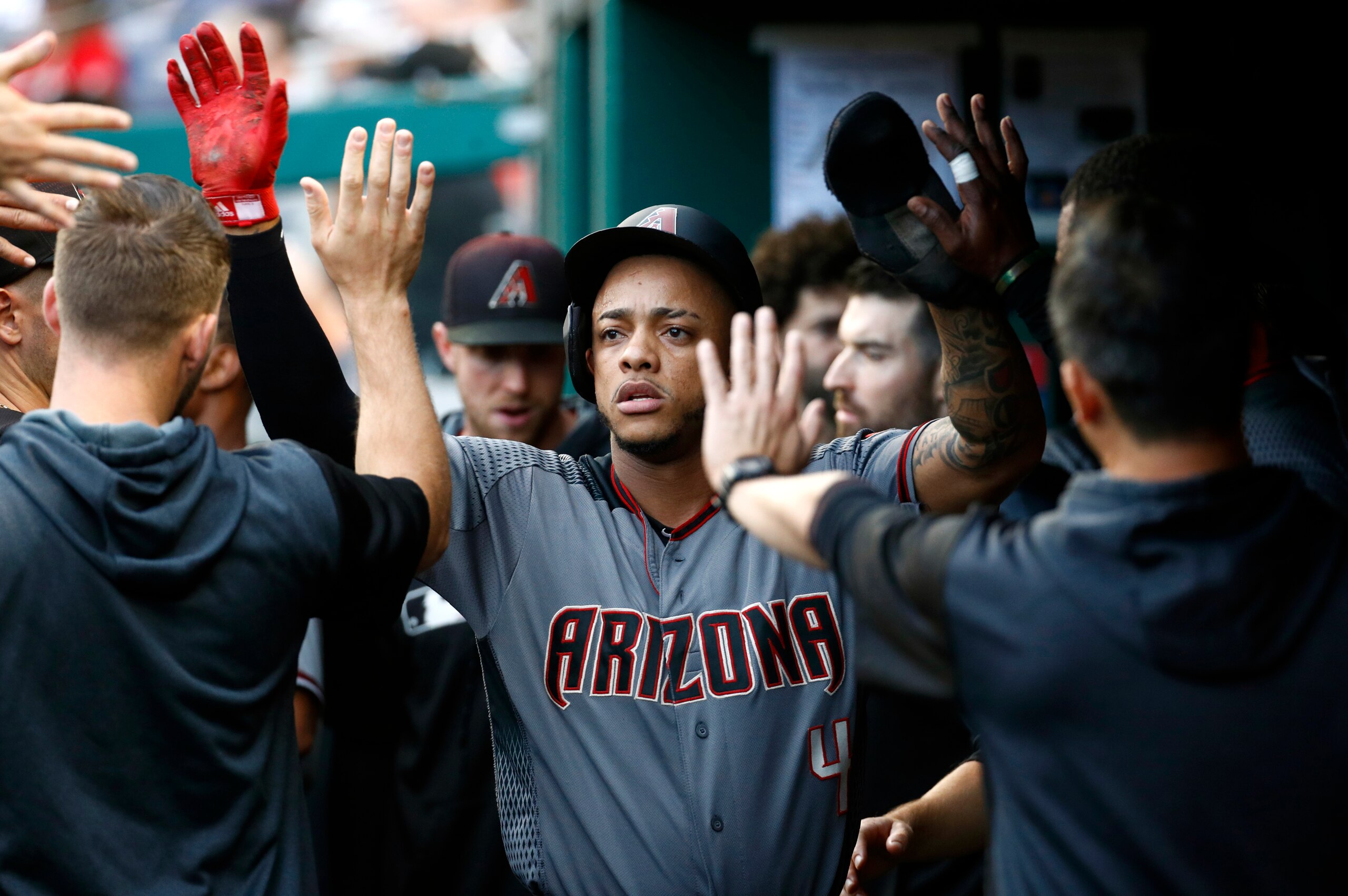
Regular Season W-L%: .500 (14th)
Postseasons: 1
Postseason Wins: 1
The Arizona Diamondbacks' 93-loss season in 2016 was the last straw for general manager Dave Stewart, whose disastrous maneuvers for Shelby Miller and Yasmany Tomas helped lead to his ouster.
Still, it was largely thanks to Stewart-era holdovers—i.e., Zack Greinke and Robbie Ray—that the Diamondbacks won 93 games and made the playoffs in 2017 after hiring general manager Mike Hazen. Indeed, he didn't really put his stamp on the team until subsequent seasons.
It was mostly for the better. Hazen dug up a star in Ketel Marte and further added to a strong core with trades for Eduardo Escobar, Zac Gallen, Luke Weaver and Carson Kelly. As a result, the D-backs enjoyed winning seasons in 2018 and 2019.
The 2020 campaign, however, killed the buzz. Basically nothing (including an $85 million deal with Madison Bumgarner) went right, forcing the Snakes toward a summer sell-off and a future that's currently looking deeply uncertain.
14. Toronto Blue Jays
17 of 30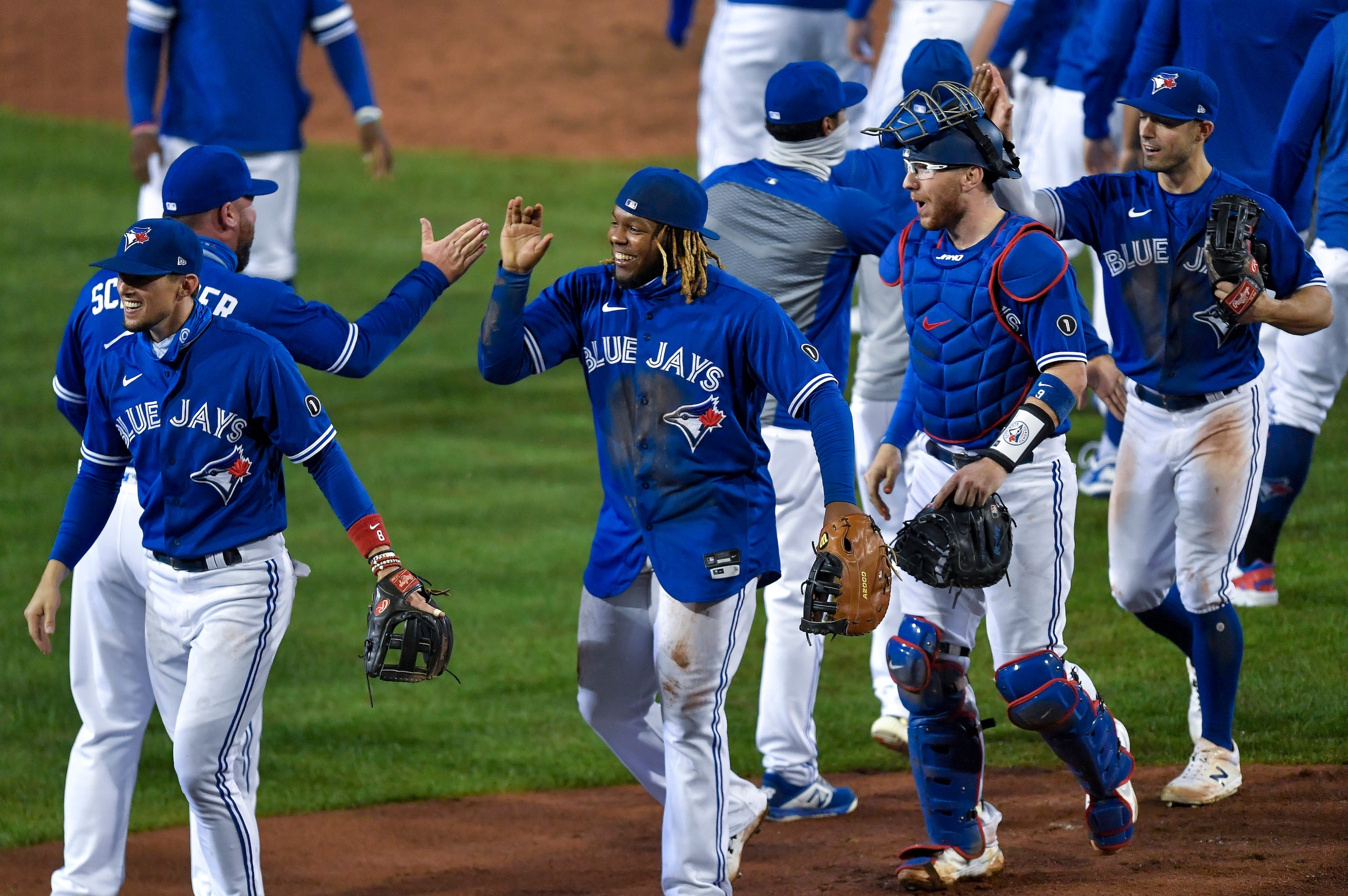
Regular-Season W-L%: .476 (19th)
Postseasons: 2
Postseason Wins: 5
The Toronto Blue Jays made the playoffs with one team in 2016 and then did so again with a completely different team in 2020.
The '16 Jays thrived on the slugging might of Josh Donaldson, Jose Bautista and Edwin Encarnacion, who combined for 221 home runs across the 2015 and 2016 campaigns. They also had an impressive pitching staff headlined by three homegrown stars: Marcus Stroman, Aaron Sanchez and Roberto Osuna.
The Jays made it to the American League Championship Series in 2016, but they lost and promptly experienced the collapse of their foundation. Yet the key pillars of their next foundation—Vladimir Guerrero Jr., Bo Bichette, Cavan Biggio, Teoscar Hernandez and Lourdes Gurriel Jr.—were already in the organization.
Toronto thus had to endure only three losing seasons before returning to power in 2020, wherein the club's young offense began to realize its potential while newcomer ace Hyun-Jin Ryu pitched at a Cy Young level.
13. St. Louis Cardinals
18 of 30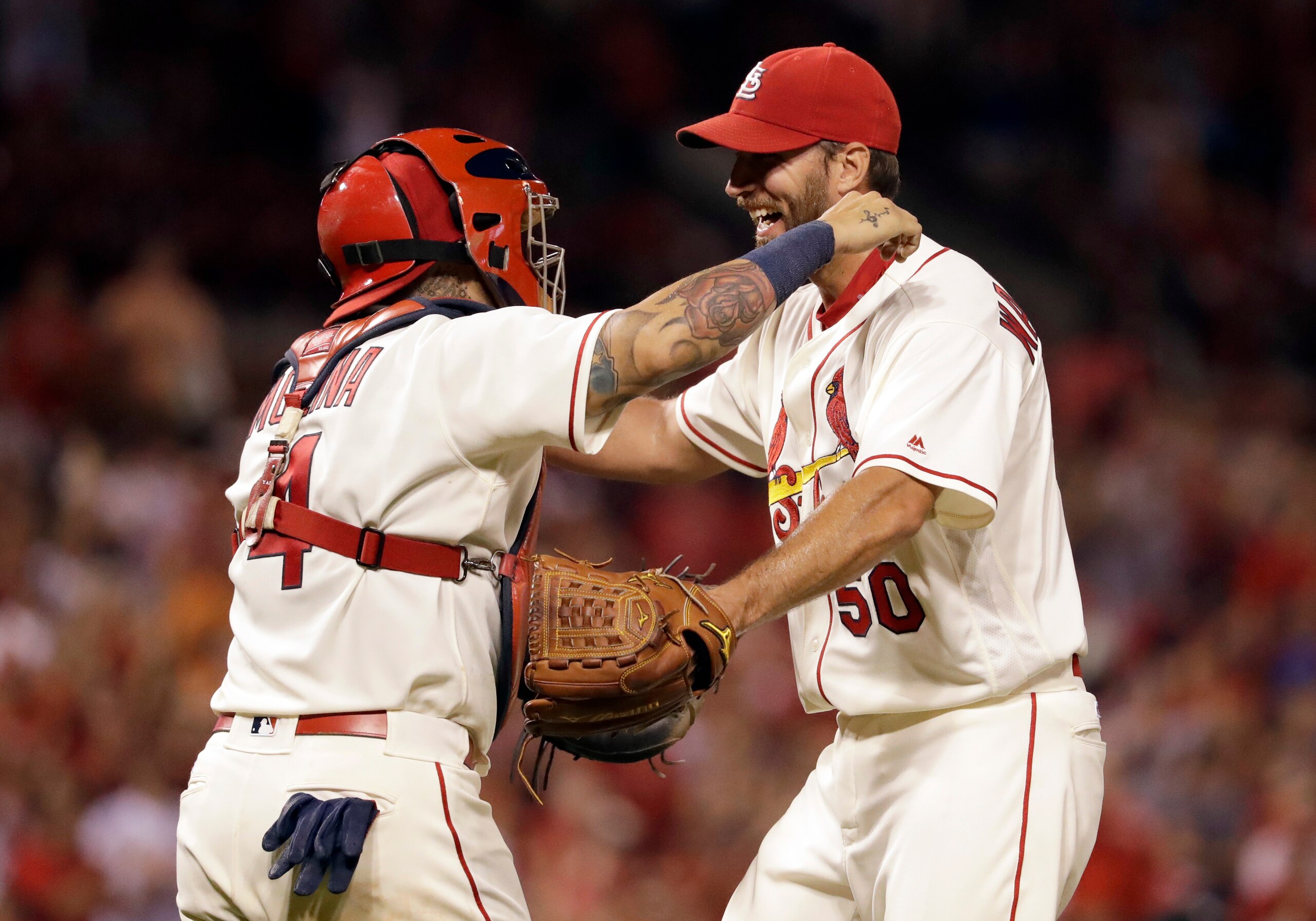
Regular Season W-L%: .535 (8th)
Postseasons: 2
Postseason Wins: 4
The St. Louis Cardinals were the dominant power in the NL Central between 2011 and 2015, going to the playoffs each year and playing in the World Series in both 2011 (a win) and 2013 (a loss).
Concerning the five years since then, the good news is that the Cardinals are one of only five teams that have finished with a winning record annually. That's mostly to the credit of a pitching staff that's put up a 3.94 ERA.
But if it feels like the Cardinals have been an unusually bland contender, it's perhaps because their offense has posted a below-average OPS+ in each of the last four seasons. It never looked worse than during the 2019 National League Championship Series, in which it scored only six runs in a four-game sweep.
After experiencing more of the same amid a 30-28 effort in 2020, the Cardinals' top priority now is forging a new and hopefully more exciting identity.
12. Minnesota Twins
19 of 30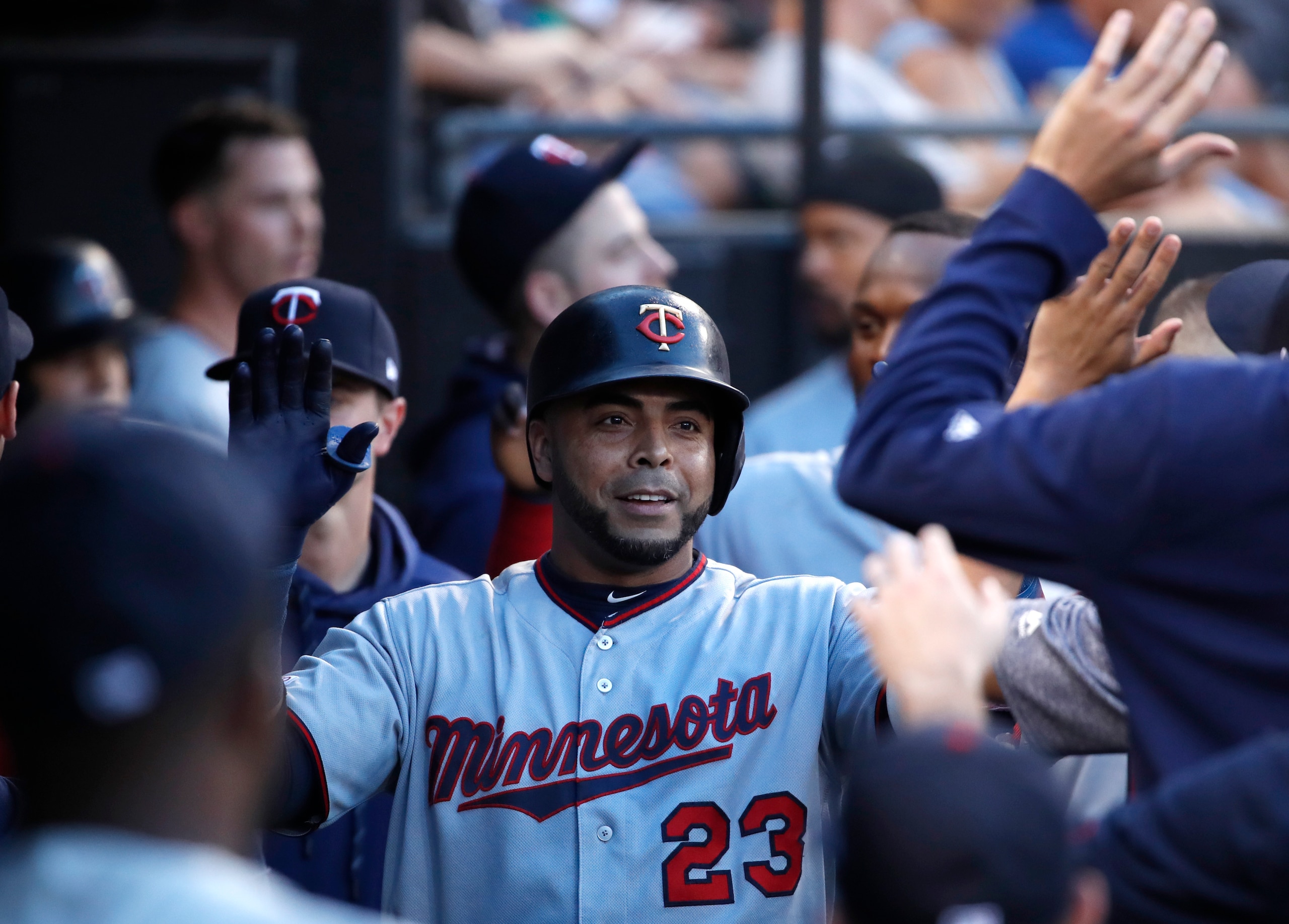
Regular Season W-L%: .507 (13th)
Postseasons: 3
Postseason Wins: 0
After losing 103 games in 2016, the Minnesota Twins hired Thad Levine and Derek Falvey in hopes that the two would find ways to right the ship from the top down.
Fortunately for them, an exciting homegrown core featuring Byron Buxton, Miguel Sano, Max Kepler and Jose Berrios was already in place. This core is the reason the Twins enjoyed a comeback in 2017, winning 85 games and sneaking into the playoffs.
It's really within the last two seasons that Levine and Falvey have remade the Twins in their own image—notably by hiring manager Rocco Baldelli and pitching coach Wes Johnson and also boosting the team's offense via free-agent deals with sluggers Nelson Cruz and Josh Donaldson.
On the bright side, Minnesota's results over the last two seasons include back-to-back AL Central titles and the second-best record in the majors. On the not-so-bright side, the club's last postseason win was still all the way back in 2004.
11. Milwaukee Brewers
20 of 30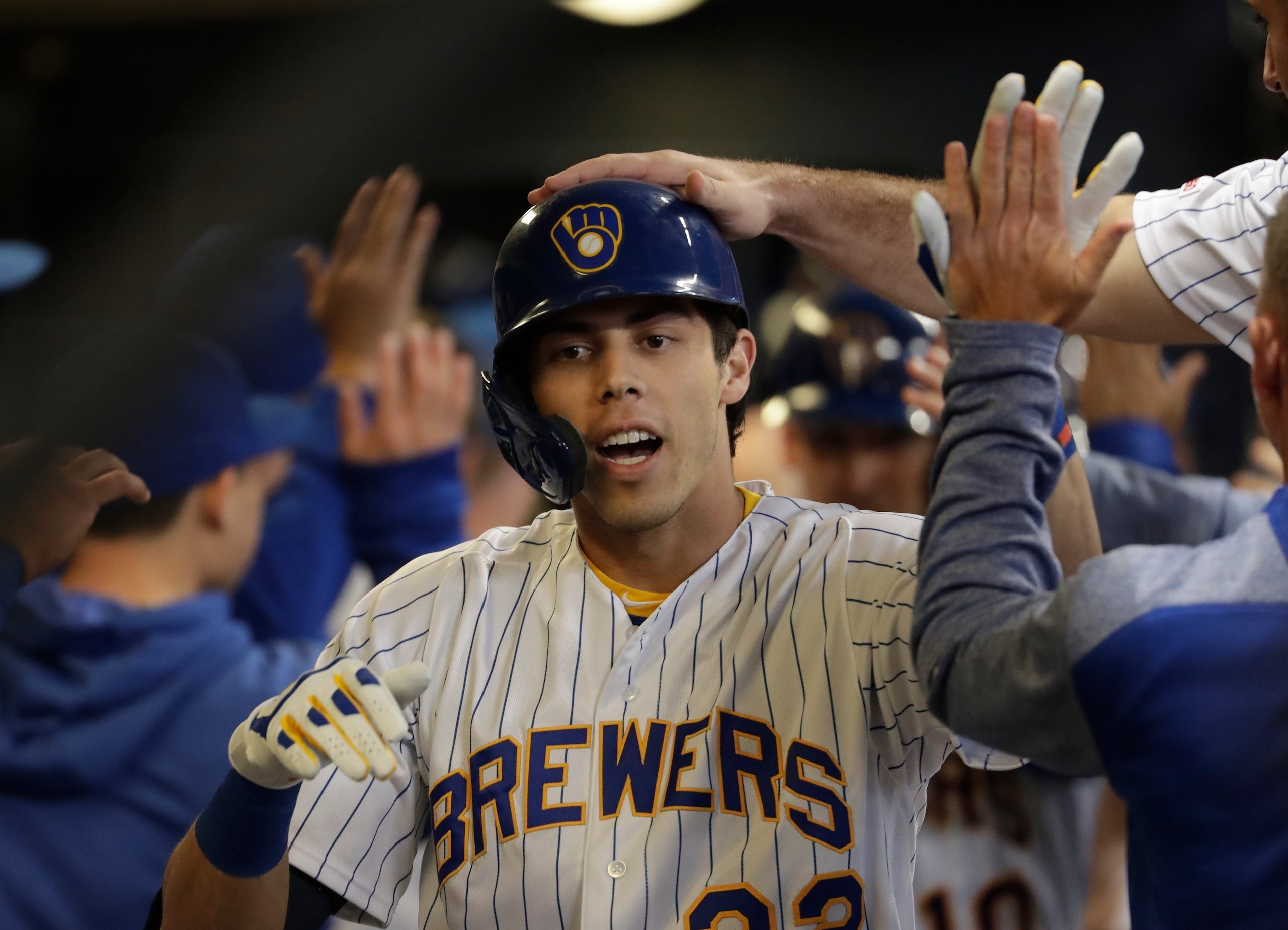
Regular Season W-L%: .526 (11th)
Postseasons: 3
Postseason Wins: 6
Though the Milwaukee Brewers endured a losing season in 2016, it became clear as they won 86 games in 2017 that crafty manager Craig Counsell deserved more talent to work with.
The Brewers got it for him, trading for Christian Yelich and signing Lorenzo Cain. Both played superbly in 2018, with Yelich, in particular, pacing a 96-win season and a trip to the National League Championship Series with an MVP-winning performance.
Though Yelich kept it up in 2019, he hasn't been the same since breaking his kneecap in September of that year. The Brewers thus needed others—including young stars like Brandon Woodruff, Josh Hader, Devin Williams, Corbin Burnes and Keston Hiura—to secure playoff berths in 2019 and 2020.
Of course, the Brewers achieved the latter despite going 29-31. They could have used Trent Grisham and Zach Davies, but both were in San Diego by way of a trade that now looks very bad for Milwaukee.
10. Oakland Athletics
21 of 30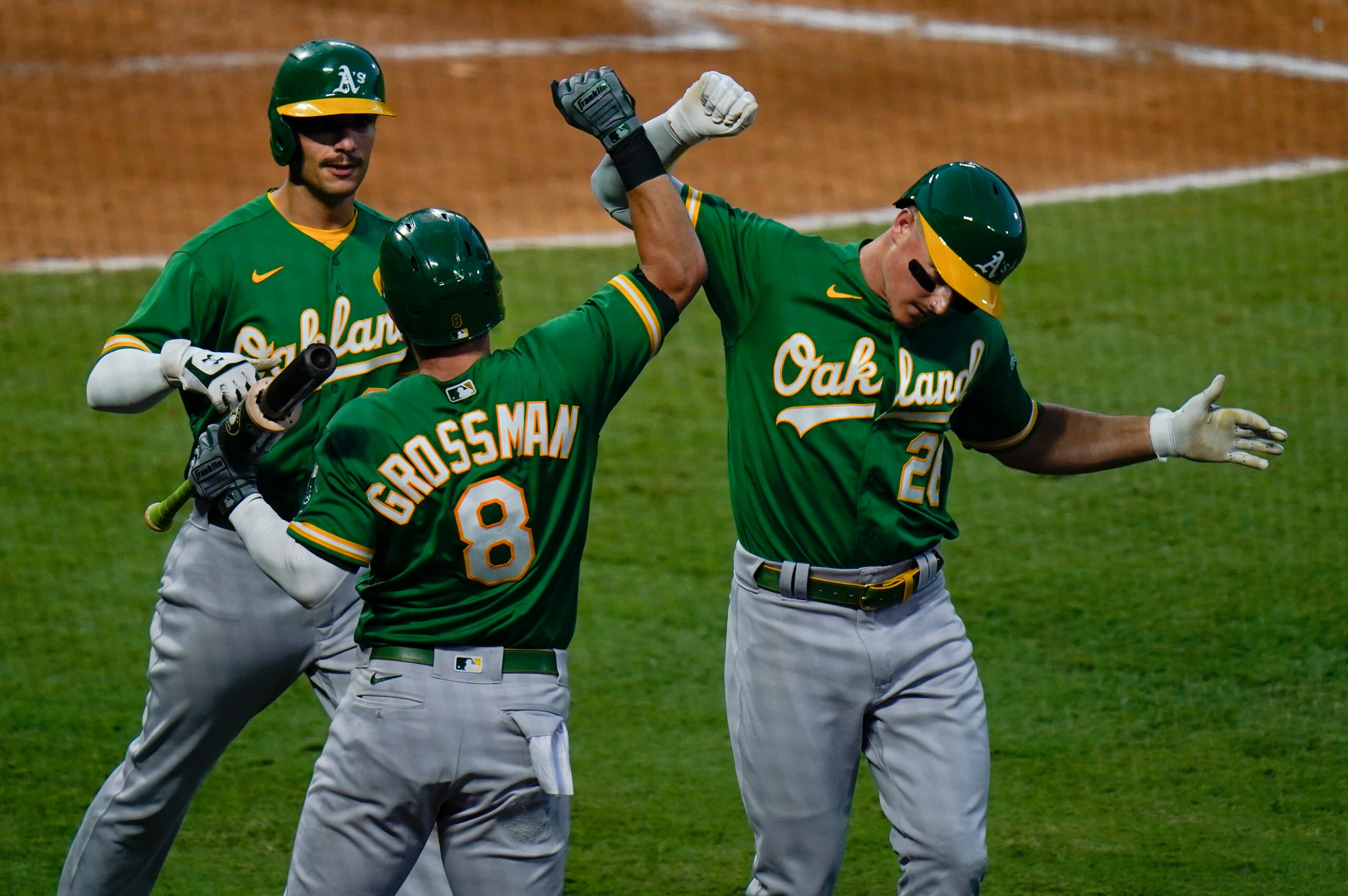
Regular Season W-L%: .528 (T-9th)
Postseasons: 3
Postseason Wins: 3
After suffering a heartbreaking defeat in the 2014 AL Wild Card Game, the Oakland Athletics quickly fell out of contention and finished in last place in 2015, 2016 and 2017.
The last three seasons, however, have seen the A's nab three playoff berths while winning more regular-season games than all but three other teams. And it's not all because Bob Melvin is arguably the best manager in baseball.
Though Matt Chapman ranks third in rWAR since 2018, he's shared the spotlight with Matt Olson, Marcus Semien, Ramon Laureano and Khris Davis. The A's have also been perhaps baseball's best defensive team of the last three years, much to the pleasure of a pitching staff that's never had a true No. 1 starter.
True to form, though, October has been a whole different challenge for the A's in the last three seasons. They've won only a single postseason series, bringing their total in that category to just two since 2000.
9. Atlanta
22 of 30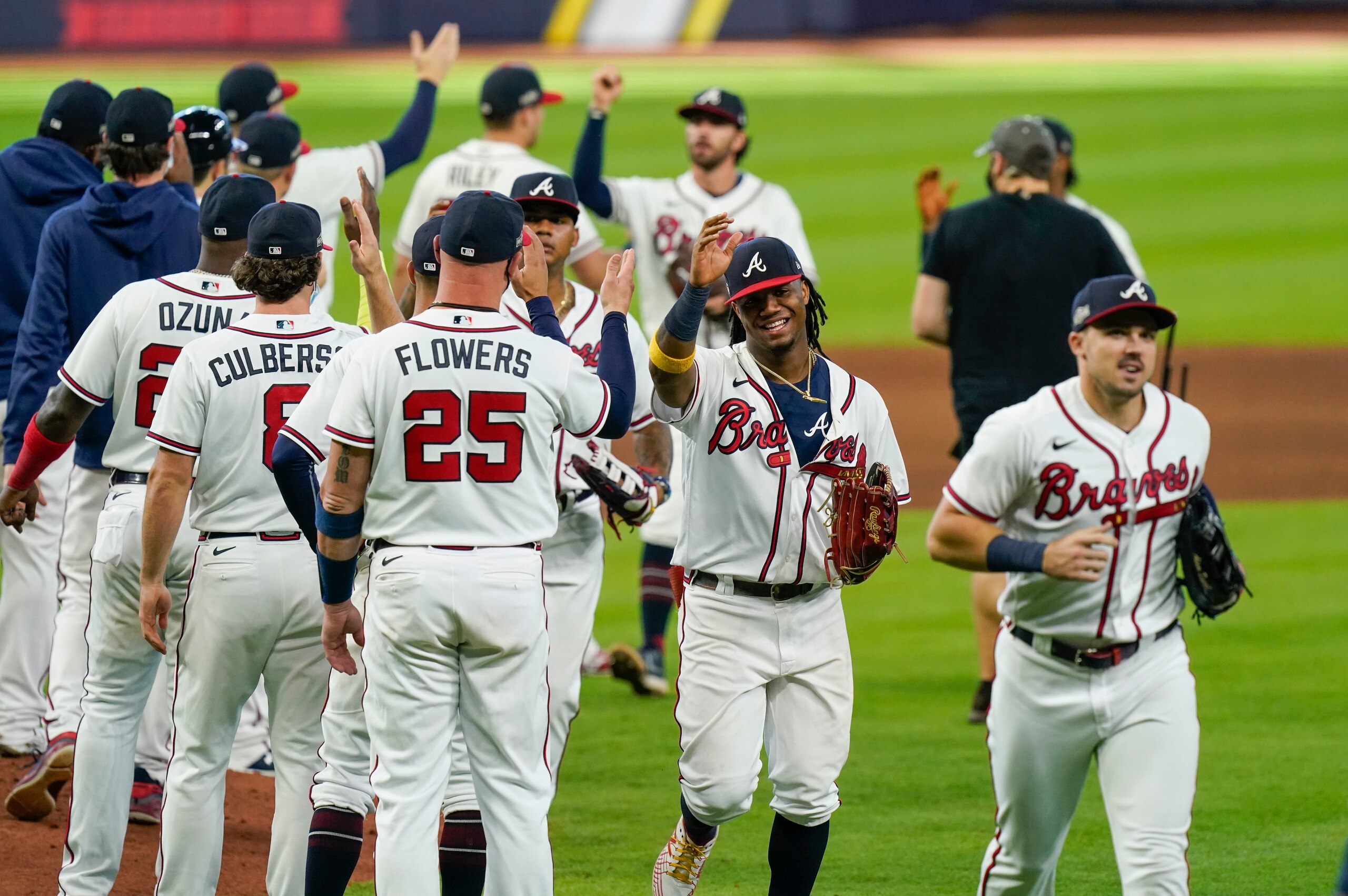
Regular Season W-L%: .512 (12th)
Postseasons: 3
Postseason Wins: 11
Even as the losses piled up in 2016 and 2017, Atlanta was arranging a bright future for itself as it steadily built one of baseball's best farm systems.
The big breakthrough finally happened in 2018. With help from NL Rookie of the Year Ronald Acuna Jr., Atlanta won 90 games and the NL East title.
Its NL East reign continued through 2019 and 2020 in part because still more prospects—e.g., Mike Soroka, Max Fried and Ian Anderson—became stars. General manager Alex Anthopoulos also scored on one-year deals with Josh Donaldson and Marcell Ozuna, and built an excellent bullpen for 2020.
After stalling out in the National League Division Series in 2018 and 2019, Atlanta came within a win over the World Series this year before losing a 3-1 lead in the National League Championship Series. There isn't much question, though, that this team is capable of finishing its unfinished business.
8. Tampa Bay Rays
23 of 30
Regular Season W-L%: .528 (T-9th)
Postseasons: 2
Postseason Wins: 14
The Tampa Bay Rays ranked no higher than 28th in Opening Day payroll in any of the last five seasons, yet here we are serenading them for all their success.
This is largely owed to the team's ingenuity, as realized through manager Kevin Cash. The Rays have shifted defensively more than any other team since 2016, racking up over 100 defensive runs saved in the process. They also boast an AL-low 3.59 ERA ever since pioneering the "opener" trend in May 2018.
The Rays' stars likewise deserve their share of the credit. The team cultivated Blake Snell into a Cy Young Award-winning ace, and also scored Tyler Glasnow, Austin Meadows and Randy Arozarena in trades and Charlie Morton in free agency.
Alas, the Rays they fell short in the 2020 World Series. But lest anyone doubt their chances of returning to the Fall Classic in the near future, it's noteworthy that they're currently sitting on MLB's No. 1 farm system.
7. New York Yankees
24 of 30
Regular Season W-L%: .581 (4th)
Postseasons: 4
Postseason Wins: 18
The New York Yankees missed the playoffs for the third time in four seasons in 2016, with the only exception having resulted in a loss in the AL Wild Card Game in 2015.
The '16 season nonetheless heralded a new era for the Yankees, in which they would thrive not on hired guns but on homegrown stars like Aaron Judge, Gary Sanchez and Luis Severino. This era indeed arrived in 2017, wherein an MVP-caliber effort from Judge propelled the Yankees to 91 wins and a spot in the ALCS.
The Yankees now boast baseball's third-best record since 2018. That's a testament to Aaron Boone's managing, as well as to additional young stars (i.e., Gleyber Torres, Miguel Andujar and Clint Frazier) and some high-profile outside additions (i.e., Giancarlo Stanton, Gerrit Cole and DJ LeMahieu).
But for all their wins—not to mention their MLB-best marks for home runs and bullpen fWAR—the Yankees still haven't played in a World Series since 2009.
6. Cleveland
25 of 30
Regular Season W-L%: .587 (3rd)
Postseasons: 4
Postseason Wins: 12
How did Cleveland maintain as one of baseball's elite teams between 2016 and 2020? Mainly by way of its starting pitching and MLB's best infield duo.
Cleveland's starters racked up a 3.65 ERA and a league-best 83.4 fWAR between '16 and '20, in which Corey Kluber and Shane Bieber won Cy Young Awards and Carlos Carrasco, Trevor Bauer and Mike Clevinger also pitched at an All-Star level.
For his part, shortstop Francisco Lindor ranked fifth with 23.6 rWAR between 2016 and 2019. Yet he often took a backseat to third baseman Jose Ramirez, who placed in the top three of the AL MVP voting in 2017, 2018 and 2020.
We'd also be remiss if we didn't acknowledge Terry Francona's managing, specifically with regard to how he bucked conventional wisdom with his usage of Andrew Miller in 2016. If Cleveland hadn't blown a 3-1 lead in that year's World Series, it would rank higher on this list.
5. Boston Red Sox
26 of 30
Regular Season W-L%: .568 (6th)
Postseasons: 3
Postseason Wins: 12
When Dave Dombrowski took over the Boston Red Sox's front office in August 2015, the club was headed toward its second straight last-place finish. Its foundation, though, was strong.
Over the next three years, Dombrowski built on it by signing David Price and J.D. Martinez and trading for Chris Sale and Craig Kimbrel. Meanwhile, Mookie Betts blossomed into an MVP winner in 2018.
The Red Sox won the AL East in 2016 and 2017, yet it was all just practice for what came in 2018. That year's club was one of the great juggernauts in MLB history, winning 108 games and going 11-3 in the postseason en route to a World Series championship.
Then again, this is ancient history by now. Even if the 2018 Red Sox's legacy hadn't been tarnished by a sign-stealing scandal, there's still the matter of Dombrowski's firing, the Betts trade and the club's fall from contention in 2019 and 2020.
4. Washington Nationals
27 of 30
Regular Season W-L%: .555 (7th)
Postseasons: 3
Postseason Wins: 16
The Washington Nationals had two constants between 2016 and 2019: elite starting pitching and star-studded offenses.
With aces Max Scherzer, Stephen Strasburg and Patrick Corbin at the forefront, Nats starters led the NL in fWAR between '16 and '19. Bryce Harper was liable to be their best hitter at any given moment between '16 and '18. After he left, Juan Soto and Anthony Rendon took turns in that capacity in 2019.
The times haven't always been fun. The Nationals barely finished above .500 in 2018, and they were so bad early in 2019 that some were speculating about possible trades of Scherzer and Rendon. In 2020, they finally had their first losing season since 2011.
But if the Nats could go back and do it all over again, there likely isn't much they would do differently. Because when your last five years include three playoff berths and your one and only World Series championship, you've done just fine.
3. Chicago Cubs
28 of 30
Regular Season W-L%: .576 (5th)
Postseasons: 4
Postseason Wins: 15
Right now, it's easy to perceive the Chicago Cubs as a dynasty that never was. That's also fair, given just how much their returns have diminished since their triumphant 2016 season.
But in the context of this little project, that '16 season counts for a lot. Led by NL MVP Kris Bryant and fellow slugger Anthony Rizzo, the Cubs had arguably the best offense in the National League. Jake Arrieta and Jon Lester likewise paced the pitching to MLB's best ERA, albeit with a boost from a historically great defense.
That proved to be a recipe for a 103-win season and, ultimately, the franchise's first World Series championship since 1908.
Even though the qualities that defined the '16 Cubs gradually lost their edge, the club's subsequent seasons weren't exactly a disaster. Indeed, that term simply can't be applied to any team that makes the playoffs three times in four seasons.
2. Houston Astros
29 of 30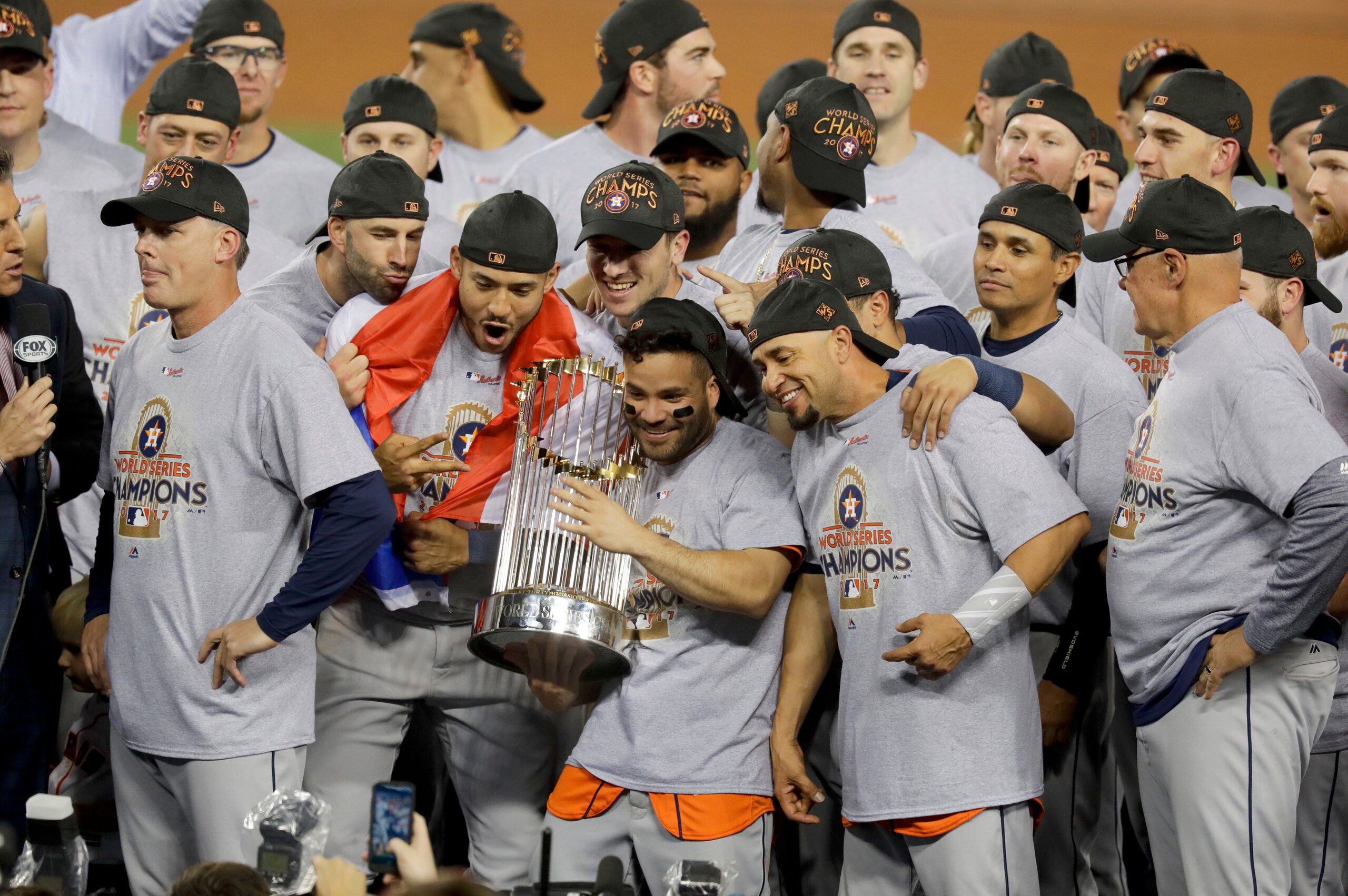
Regular Season W-L%: .599 (2nd)
Postseasons: 4
Postseason Wins: 33
If we can ignore the elephant in the room for a few moments, there's plenty from the Houston Astros' last five seasons that deserves applause.
Especially between 2017 and 2019, the Astros were basically a perfect baseball team. Their Jose Altuve-led offense paced the majors in OPS+, while their Justin Verlander-led pitching ranked third with a 3.63 ERA. The latter pointed more specifically to Houston's mastery of spin rate and infield shifts.
Officially, the record shows that the Astros won over 100 games each year between '17 and '19. And also that they won the World Series in 2017 and went back in 2019.
Regarding the aforementioned elephant, all of this obviously came under suspicion when Houston's sign-stealing scheme from 2017 came to light last winter. It's only fair, however, to also note that the Astros ultimately came within a win of going back to the World Series on an ostensibly level playing field in 2020.
1. Los Angeles Dodgers
30 of 30
Regular Season W-L%: .615 (1st)
Postseasons: 5
Postseason Wins: 38
The Los Angeles Dodgers have been baseball's best team in both the regular season and the postseason over the last five years, so we really don't have to justify their No. 1 ranking any further.
Yet we'll note that the Dodgers haven't lucked their way into all their success since 2016. Their offense has put up the best OPS+ of any National League team, while their pitching has posted the lowest ERA in all of MLB. They've also excelled in the field, racking up an MLB-high 256 defensive runs saved.
Apart from one very bad trade, Dodgers president of baseball operations Andrew Friedman has carried out a master class in roster construction. The club has thrived on both homegrown stars like Cody Bellinger, Corey Seager and Walker Buehler and big-ticket additions like Manny Machado and Mookie Betts.
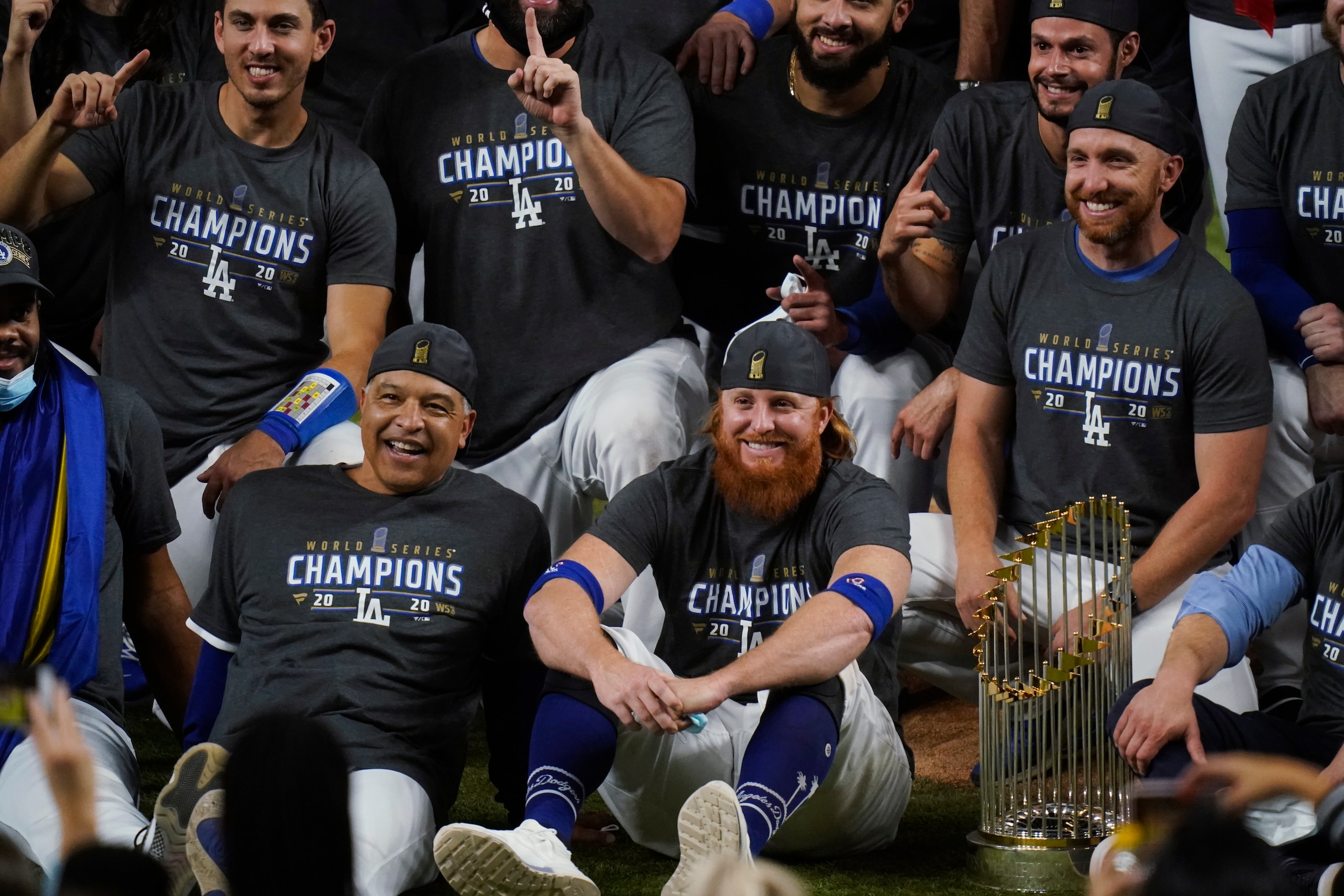
After learning of the Astros' and Red Sox's sign-stealing schemes, the Dodgers were understandably miffed about losing to them in the 2017 and 2018 World Series. But they finally got theirs in 2020, beating the Rays in the Fall Classic to win the franchise's first title since 1988.
Stats courtesy of Baseball Reference, FanGraphs and Baseball Savant.

.jpg?w=2560 "Buzz: MHJ Hired Agents for Trade")
.jpg?w=2560 "AD Trolls Bears WR on IG 😂")
.jpg?w=2560 "Report: Steelers WR to Miss 'Weeks'")
.jpg?w=2560 "49ers LB Suspended for Headbutt")
.jpg?w=2560 "Viral Dan Campbell Presser 💙")