

The Biggest Flaw Every Team Still Must Address After the 2020 NFL Draft
The 2020 NFL draft is over, and while each team appears better on paper than it did a handful of days ago, there isn't a perfect roster among the league's 32.
Even after free agency and the draft, flaws remain. There are holes that were created in free agency as well as areas of weakness from 2019 that remain and spots in which injuries or inconsistent play create question marks.
While some of these issues have been addressed by teams, those fixes weren't sufficient—adding an undrafted receiver isn't going to fix a passing attack, for example.
Here, we'll examine the biggest flaw for each team—as it relates to both the short and long term—that remains after the draft.
Arizona Cardinals: No. 2 Edge-Rusher
1 of 32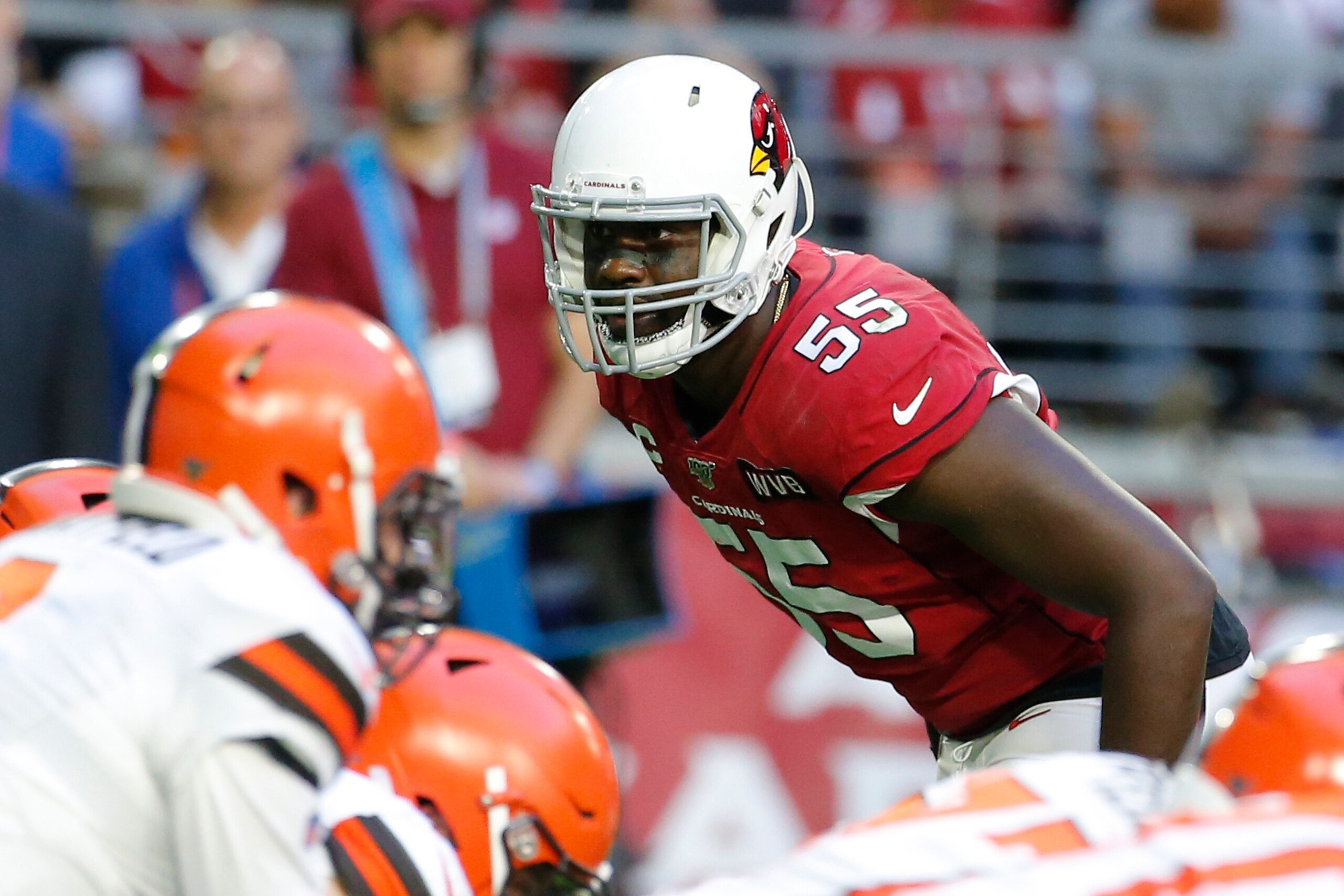
The Arizona Cardinals pass defense ranked just 31st in the NFL last season, and part of the issue was the lack of a consistent second pass-rusher.
Chandler Jones ranked second in the NFL with 19 sacks last season, accounting for nearly half of Arizona's 40 quarterback takedowns. The problem is that when opposing offenses found an answer for Jones, the Cardinals struggled to generate pressure.
Arizona didn't add an edge-defender in the draft. While first-round pick and linebacker-safety Isaiah Simmons can pressure the quarterback, that won't be his primary responsibility.
It wouldn't be a surprise if the Cardinals take a flier on a free-agent edge-defender such as Ezekiel Ansah before the start of training camp. They need to find a complement to Jones.
Atlanta Falcons: Cornerback Depth
2 of 32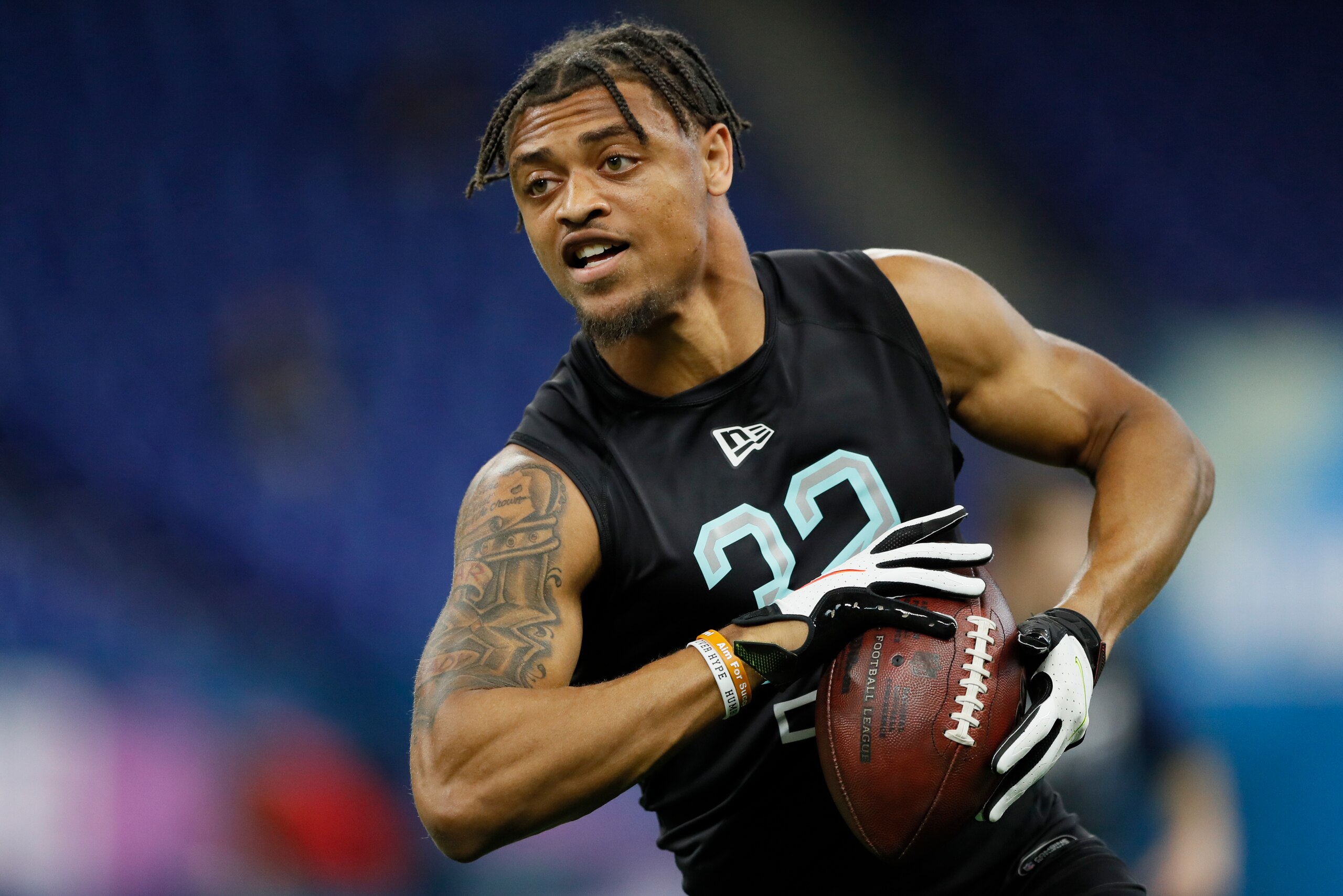
The Atlanta Falcons parted with No. 1 cornerback Desmond Trufant in the offseason. While they did use a first-round pick on Clemson cornerback A.J. Terrell, he was essentially a replacement for Trufant.
The problem is that even with Trufant on the roster, the Falcons finished an underwhelming 22nd against the pass in 2019.
The additions of free-agent pass-rusher Dante Fowler Jr. and second-round sack artist Marlon Davidson should help bolster the Atlanta pass defense from the front end. Atlanta, however, still could use depth on the back end.
Baltimore Ravens: Pass-Rusher
3 of 32
The Baltimore Ravens did a great job of addressing needs in the draft. They added linebacker Patrick Queen to bolster their run defense, grabbed J.K. Dobbins to be their running back of the future and snagged guard Tyre Phillips to be a potential successor to the retired Marshal Yanda.
What the Ravens didn't do was add a pass-rusher.
Now, Baltimore did trade for Calais Campbell earlier in the offseason, so this isn't as big a need as it was. The fact that the Ravens produced only 37 sacks despite regularly playing with a lead in 2019 is telling, however.
The Ravens should again be title contenders in 2019. But they may also field an average pass rush for the second season in a row.
.jpg?w=2560 "Packers 49ers Football")
.jpg?w=2560 "Lions Cardinals Football")
.jpg?w=2560 "Steelers Browns Football")
Buffalo Bills: Cornerback Depth
4 of 32
The Buffalo Bills had an elite cornerback in Tre'Davious White last season, but they lacked a high-end starter opposite him. The added 2015 All-Pro Josh Norman in free agency, but given his recent level of play, Norman might not be a valid answer.
Norman fell out of favor with the Washington Redskins last season and was pulled from the starting lineup. Betting on Norman is risky, and the Bills don't have a ton of depth behind him and White.
Yet Buffalo didn't address the position in the draft until it added Pittsburgh's Dane Jackson in the seventh round.
Carolina Panthers: Tight End
5 of 32
The Carolina Panthers lost longtime tight end Greg Olsen in free agency and have not taken adequate steps to replace him. That's a problem, as Olsen was responsible for 597 yards and two touchdowns in 14 games last season.
Carolina does have Ian Thomas and blocking tight end Chris Manhertz on the roster. Thomas showed some promise near the end of the 2018 season, but he fell out of favor in 2019, catching just 16 passes.
The Panthers did not add a tight end in the draft, though they did sign Fresno State's Cam Sutton as an undrafted free agent. While Carolina's free-agent options are limited, it should take a flier on a proven veteran such as Delanie Walker.
Chicago Bears: Interior Offensive Line
6 of 32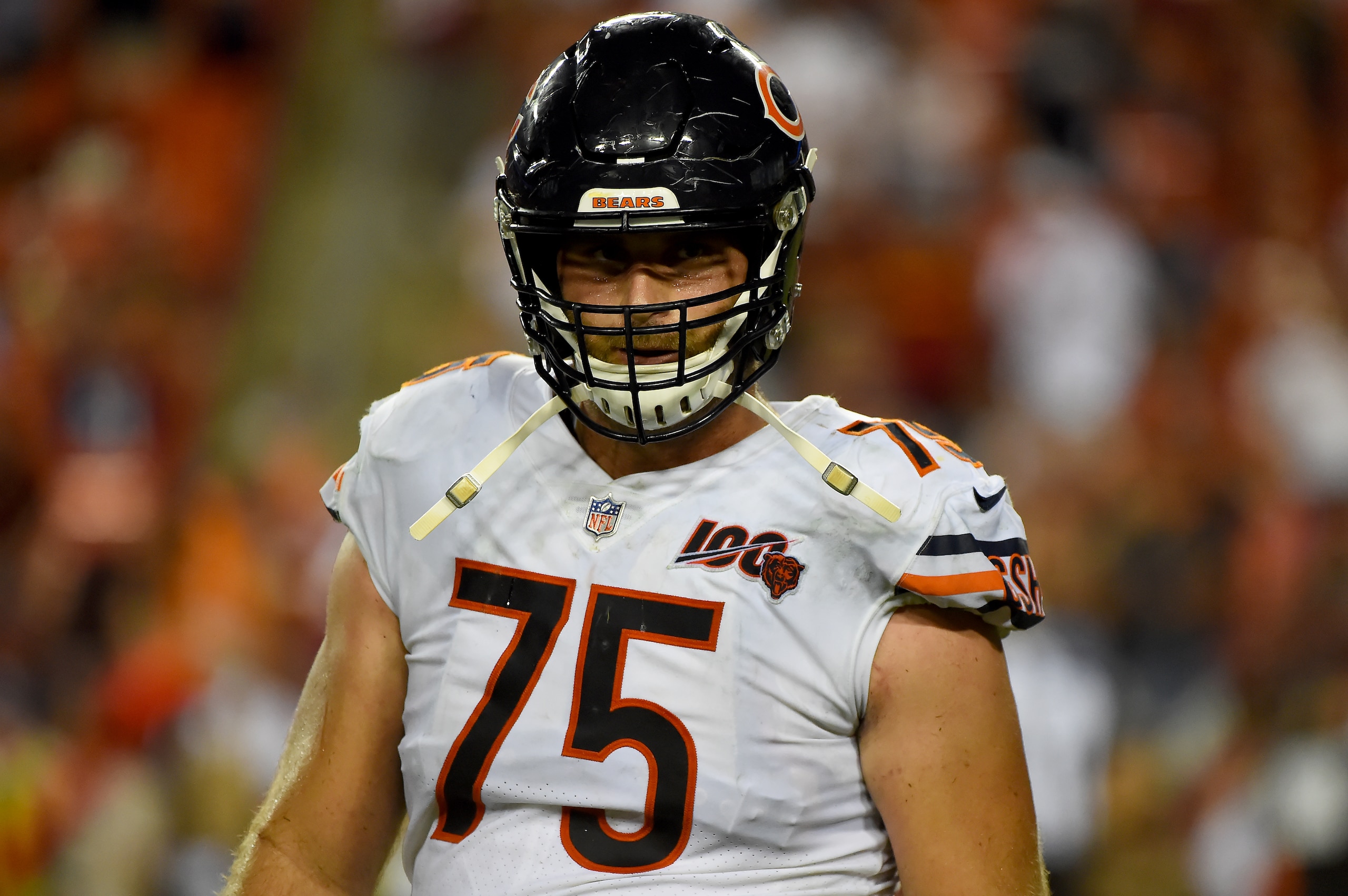
The Chicago Bears needed to address the interior of their offensive line. Standout guard Kyle Long retired in the offseason, but he also appeared in just 12 games over the past two seasons—which led to plenty of shuffling along the interior.
Chicago experimented with moving Cody Whitehair from center to guard last season but moved him back. The Bears added Germain Ifedi in free agency, but he is not a long-term answer. Curiously, they didn't add an interior lineman in the draft until they took Colorado's Arlington Hambright in Round 7.
Chicago also added Tennessee State guard Lachavious Simmons in the seventh round, so it did create some competition along the interior. The Bears, however, would be wise to bring in a proven lineman before the start of training camp.
Cincinnati Bengals: Linebacker
7 of 32
The Cincinnati Bengals made some moves to bolster their offense in the draft, adding LSU quarterback Joe Burrow and Clemson wide receiver Tee Higgins in the first and second rounds. That should have Cincinnati fans excited about the future, but it did nothing to address the team's 32nd-ranked run defense.
The Bengals did address the ground defense in free agency by adding defensive tackle D.J. Reader. However, their need for a sideline-to-sideline linebacker remained heading into the draft, and Cincinnati didn't pick one until Round 3 when it selected Wyoming's Logan Wilson. Two more linebackers came off the team's board on Day 3—Appalachian State's Akeem Davis-Gaither and Purdue's Markus Bailey.
While the addition of these rookies should help improve the second-level defense, there is still work to be done. If the Bengals hope to dramatically improve against the run, they must continue to remake their linebacker corps.
Cleveland Browns: Receiver Depth
8 of 32
The Cleveland Browns have two premier wide receivers in Jarvis Landry and Odell Beckham Jr., but they have little at the position otherwise. Damion Ratley finished third on the team among wideouts with a mere 12 receptions in 2019.
Cleveland didn't add a receiver until it seleced Michigan's Donovan Peoples-Jones in the sixth round. Former Ohio State head coach Urban Meyer said Peoples-Jones has the talent of a top-10 draft pick, but Peoples-Jones slid in the draft for a reason.
As talented as he might be, his production never lived up to the potential. Peoples-Jones caught just 34 passes for 438 yards and six touchdowns last season.
While the Browns are likely to rely heavily on two-tight end sets, they need to add more depth at the receiver spot before camp.
Dallas Cowboys: Edge-Rusher
9 of 32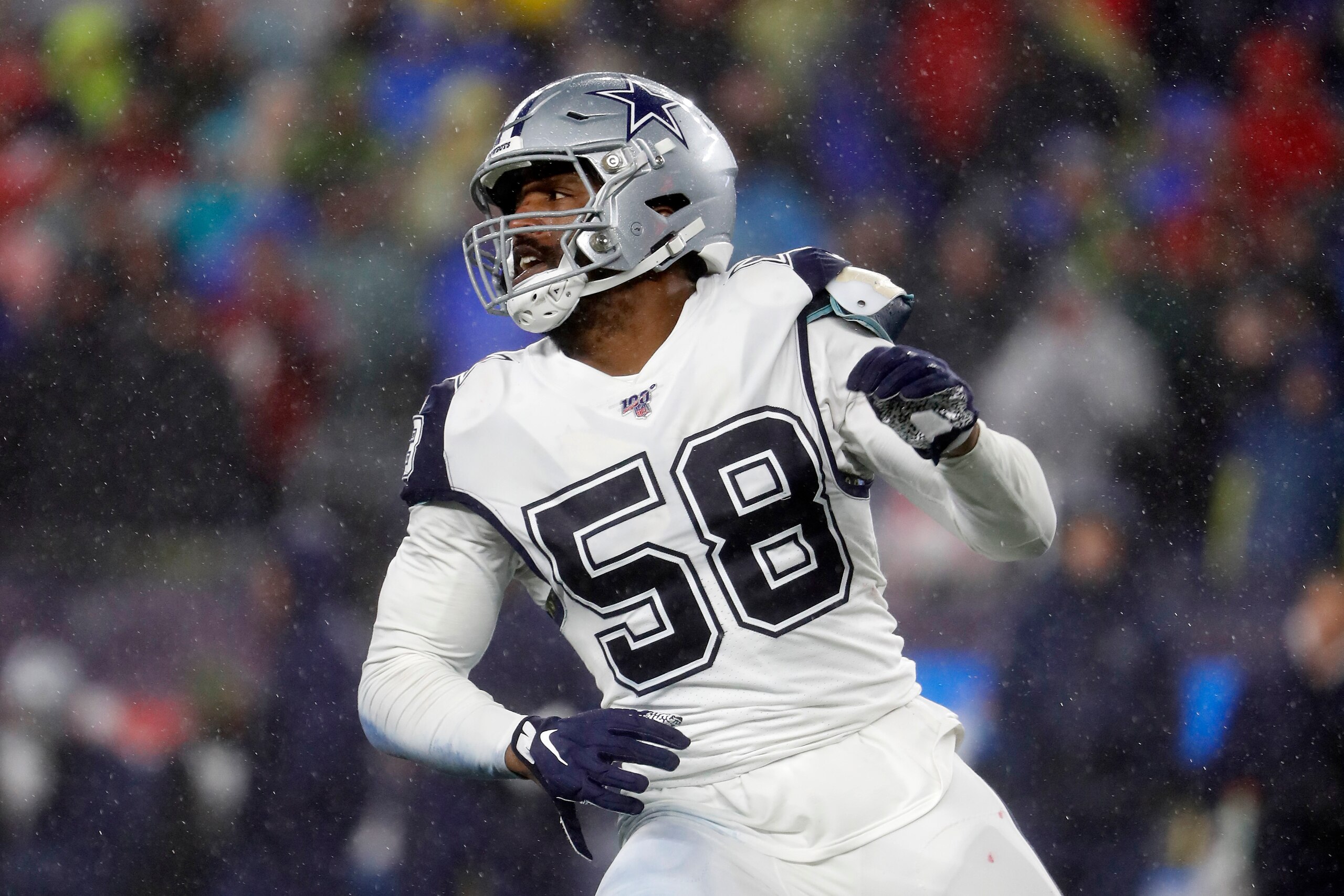
The Dallas Cowboys have a quality edge-rusher in DeMarcus Lawrence, but after losing Robert Quinn in free agency, they have a need for a sack artist. Quinn was responsible for 11.5 sacks in 2019.
In the draft, Dallas did not add an edge-defender until it selected Utah's Bradlee Anae in the fifth round. The Cowboys did bring in Aldon Smith in free agency, but Smith is suspended and hasn't played a game since the 2015 season.
With some seasoning, Anae could develop into a steady complement to Lawrence.
"He's fairly skilled and instinctive as an upfield rusher with a threatening upfield burst and a relatively diverse approach to climbing past tackles," NFL.com's Lance Zierlein wrote of Anae.
Banking on a suspended player and a rookie is risky.
Denver Broncos: Left Tackle
10 of 32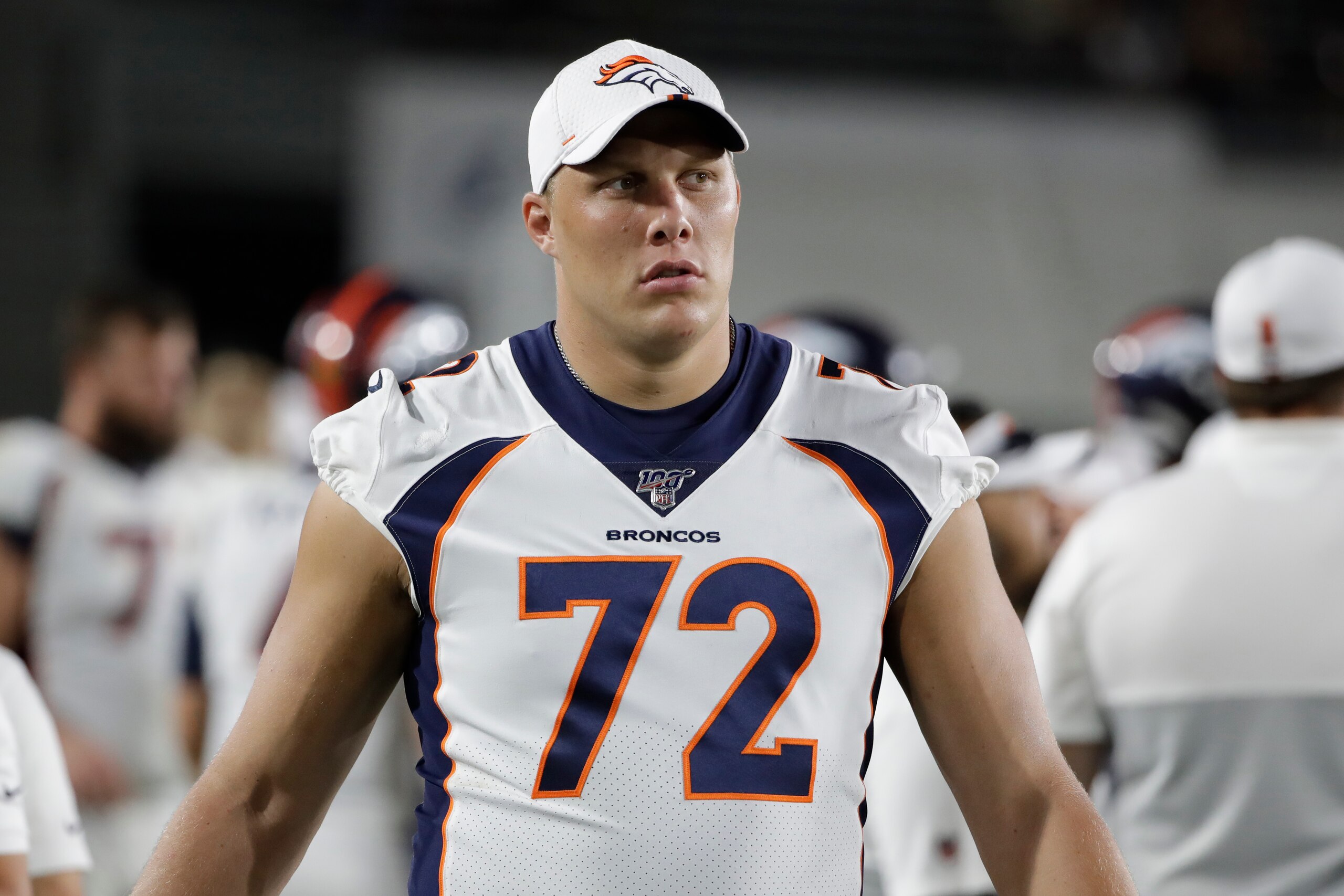
The Denver Broncos used the draft to help support second-year quarterback Drew Lock. They spent first- and second-round picks on wideouts Jerry Jeudy and KJ Hamler and added center Lloyd Cushenberry III in Round 3. The Broncos, however, failed to add a replacement for Garett Bolles at left tackle.
Bolles, a 2017 first-round pick, has been inconsistent. In 2019 alone, he was responsible for 17 penalties and four sacks, according to Pro Football Focus. If Denver hopes to find cohesion on offense, it has to replace Bolles.
Penalties kill drives, and Bolles is flagged more than once per game.
Detroit Lions: Receiver
11 of 32
The Detroit Lions will likely lean on quarterback Matthew Stafford for the foreseeable future—though certainly not forever. His receiving corps, however, could be in a state of transition soon.
Kenny Golladay is a budding No. 1 wideout, and he's just 26 years old. But Golladay is also entering the final year of his contract and is not likely to re-sign on a budget deal. Danny Amendola is on a one-year pact, while Marvin Jones Jr. is also scheduled to become a free agent in 2021.
Additionally, Amendola and Jones are 34 and 30 years old.
The long-term picture at receiver is cloudy, and yet the Lions didn't address the position until the fifth round. They picked Wisconsin's Quintez Cephus, who could be part of the future but isn't going to carry the receiving corps in 2021 and beyond.
Green Bay Packers: No. 2 Receiver
12 of 32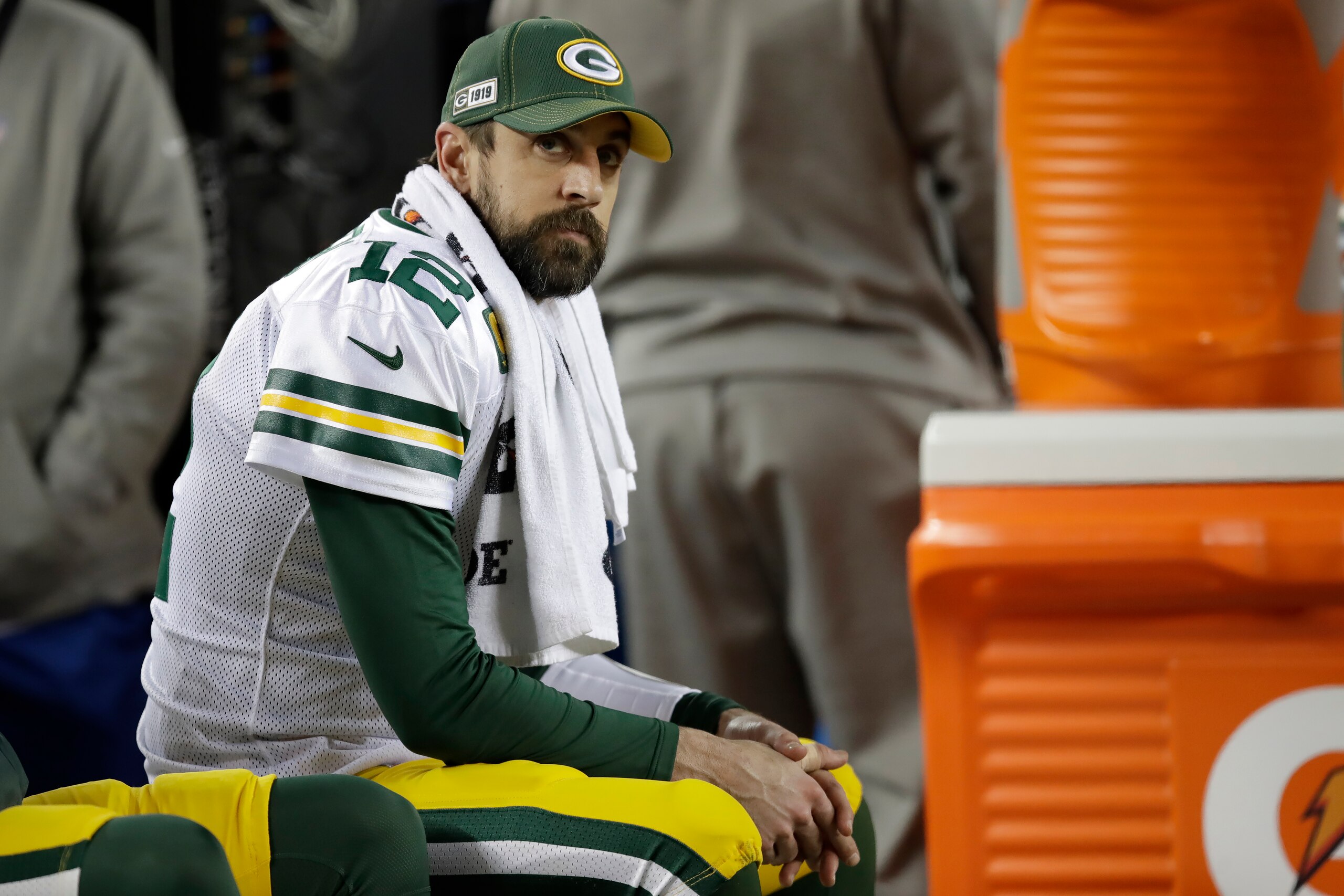
The Green Bay Packers used a first-round pick on Utah State quarterback Jordan Love. Love isn't likely to replace Aaron Rodgers in the near future. Green Bay has problems at receiver, however, regardless of who is behind center.
The Packers ranked just 17th in passing yards last season, largely because they lacked a reliable No. 2 receiver. Green Bay did add Devin Funchess in free agency, but he won't fill that role. The 6'4", 225-pound pass-catcher is better suited as a move tight end than a downfield perimeter threat.
Curiously, the Packers didn't draft a wide receiver. Since this was believed to be one of the deepest and most talented receiver classes in recent history, it was a strange decision.
Green Bay signed former Michigan State wideout Darrell Stewart Jr. as an undrafted free agent, but the lack of a reliable second option remains.
Houston Texans: Cornerback
13 of 32
Given the quarterback talent that exists in the AFC—Patrick Mahomes and Lamar Jackson top the list—the Houston Texans pass defense is problematic.
The Texans ranked 29th in yards allowed through the air last season. While they did bring back Phillip Gaines, Vernon Hargreaves III and Bradley Roby, they entered the draft needing additional talent at the cornerback position. Yet Houston didn't draft a cornerback until it picked Penn State's John Reid in the fourth round.
That might have even been a reach. Zierlein pegged him as a sixth-round talent.
The Texans must bolster the talent in their secondary if they hope to be more than an also-ran in the postseason.
Indianapolis Colts: No. 2 Tight End
14 of 32
The Indianapolis Colts may have drafted a much-needed No. 2 receiver in USC's Michael Pittman Jr., a second-round pick. To round out their offense, however, they need to add a second tight end, one capable of attacking downfield.
Jack Doyle is a terrific all-around tight end and a great red-zone threat. But he cannot stretch the field the way the departed Eric Ebron could. Indianapolis added Trey Burton in free agency, but Burton was a flop in Chicago, and there's no guarantee he'll be any better in Indianapolis.
The Colts also refrained from selecting a tight end in the draft.
Adding a second receiving tight end could be beneficial for quarterback Philip Rivers—who is used to having a vertical threat at the position after having played three of the last four seasons with Hunter Henry.
Jacksonville Jaguars: Running Back
15 of 32
The Jacksonville Jaguars don't need a new running back right away. They have Leonard Fournette, who recorded 1,152 rushing yards, 522 receiving yards and three touchdowns in 2019. The Jaguars, however, are looking to move on from the 2017 No. 4 pick.
According to John Reid of the Florida Times-Union, the Jaguars were "actively listening" to trade offers a week before the draft. If they can't trade him, they'll almost certainly dismiss the idea of renewing his contract, which expires after 2020.
The Jaguars didn't pick a running back in the draft, and their options behind Fournette are underwhelming. That could be a huge problem next year—or sooner if a trade does get done.
According to ESPN's Jeremy Fowler (h/t Kevin Nogle of The Phinsider), the Miami Dolphins could be interested in acquiring the former LSU standout.
Kansas City Chiefs: Run Defense
16 of 32
The Kansas City Chiefs don't have many needs—which shouldn't come as a surprise since they are the defending Super Bowl champions. The Chiefs do need to continue improving a run defense that ranked just 26th in the NFL last season, however.
If teams are going to corral the Chiefs offense, they will likely do so by utilizing a ball-control approach. This strategy worked for the Colts and Texans in 2019, and other teams will try to run on the Chiefs until they prove they can stop the ground game.
Kansas City added a potential difference-maker at linebacker when it drafted Mississippi State's Willie Gay Jr. late in the second round. But it needs to continue to improve against the run—even if that requires getting creative with the salary cap.
The Chiefs have just over $250,000 in cap space, per Spotrac.
Las Vegas Raiders: Pass Defense
17 of 32
Even if they're able to play keep-away, the Las Vegas Raiders could struggle to slow the Chiefs in 2020. The Raiders ranked 25th in passing yards allowed last season, and they did little in free agency to strengthen the cornerback position.
Las Vegas added safeties Jeff Heath and Damarious Randall, but its deal with cornerback Eli Apple fell apart.
Over the weekend, the Raiders used a first-round selection on Ohio State cornerback Damon Arnette. They also used a fourth-round pick on Louisiana Tech corner Amik Robertson. But these moves alone won't suddenly make the secondary elite.
The Raiders should continue adding depth on the back end and in the pass rush—they finished with just 32 sacks in 2019.
Los Angeles Chargers: Offensive Tackle
18 of 32
The Los Angeles Chargers got themselves a new quarterback of the future when they drafted Oregon's Justin Herbert. What they didn't get in the draft was a new offensive tackle, and that could be a major problem.
Los Angeles traded away left tackle Russell Okung in the deal that landed them guard Trai Turner. Offseason acquisition Bryan Bulaga could move from right to left tackle—he spent some time there in college—but that could lead to issues on the right side of the line.
The combination of Trey Pipkins and Sam Tevi is underwhelming, to say the least. Tevi, who played the majority of snaps in 2019, was responsible for five penalties and for allowing eight sacks, according to Pro Football Focus.
Los Angeles Rams: Offensive Line
19 of 32
The Los Angeles Rams largely ignored their offensive line in the draft, waiting until the seventh round to grab Clemson guard Treymane Anchrum. That's not good, because the line was L.A.'s biggest problem heading into the offseason.
Los Angeles never adequately replaced center John Sullivan and guard Rodger Saffold last season, which had a significant impact. As a team, Los Angeles averaged just 3.7 yards per carry and 5.7 yards per offensive play. In 2018, the Rams averaged 4.9 yards per rush and 6.4 yards per offensive play.
The Rams also need to find a long-term successor to left tackle Andrew Whitworth. He signed a new three-year deal this offseason. However, Whitworth is 38 years old and may not play out that contract.
As the San Francisco 49ers just found out with Joe Staley, retirement can come suddenly.
Miami Dolphins: Wide Receiver
20 of 32
The Miami Dolphins got a potential franchise quarterback by drafting Alabama's Tua Tagovailoa. They did not, however, dip heavily into this year's deep crop of rookie receivers—failing to take a wideout until they grabbed Navy's Malcolm Perry in the seventh round.
This leaves the Dolphins in need of a high-end No. 2 target. DeVante Parker finally emerged as a legit No. 1 option in 2019, but guys like Allen Hurns and Albert Wilson are tertiary options at best. They combined for just 767 yards last season.
Preston Williams flashed potential as a rookie—he caught 32 passes for 428 yards and three touchdowns—but Miami needs to find another quality wideout to play long-term alongside Parker and Williams. Giving Tagovailoa the weapons he needs to succeed has to be priority No. 1.
Minnesota Vikings: No. 3 Receiver
21 of 32
The Minnesota Vikings traded away wide receiver Stefon Diggs and then drafted LSU wideout Justin Jefferson. This was a solid series of moves that allowed the Vikings to get younger and cheaper at the position.
However, Minnesota is still left with a problem that it had in 2019: The lack of a reliable No. 3 wideout. Bisi Johnson was third among wide receivers with just 294 receiving yards last season.
The Vikings didn't draft another receiver until taking Miami's K.J. Osborn in the fifth round. They did sign Tajae Sharpe, but his numbers have dipped since a strong rookie year in 2016. If Minnesota hopes to contend with the top teams in the NFC this season, adding a reliable third receiver would be a great idea.
New England Patriots: Quarterback
22 of 32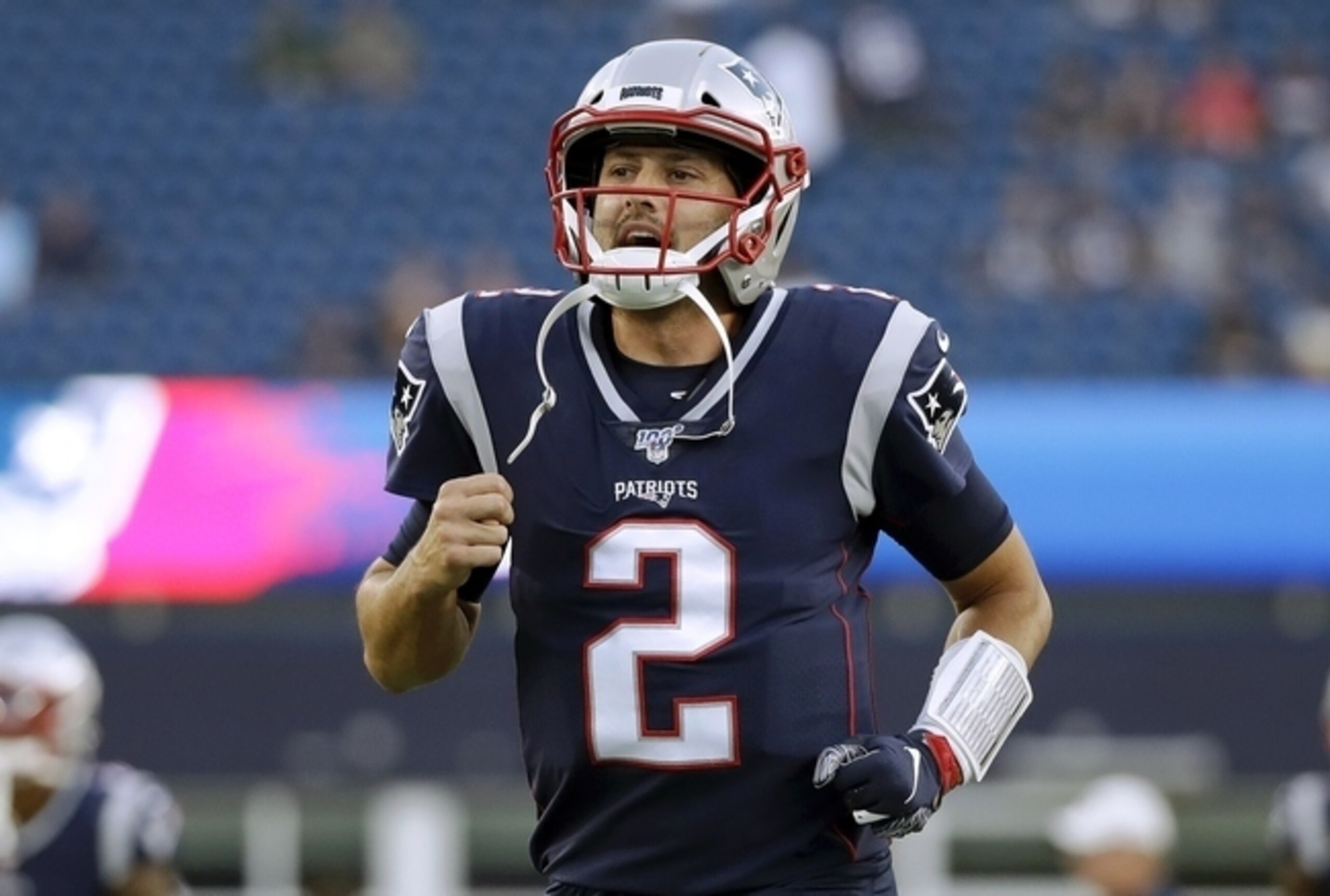
The New England Patriots need a new franchise quarterback after losing Tom Brady in free agency. They have journeyman Brian Hoyer and second-year man Jarrett Stidham, but neither is a proven long-term option.
The Patriots did not come away with a new starting quarterback in the draft either, though it wasn't intentional.
"Didn't work out the last three days. That wasn't by design," head coach Bill Belichick said, per ESPN's Mike Reiss. "We just tried to do the best we could with what we had this weekend."
Heading into 2020, quarterback is the biggest question mark on New England's roster.
New Orleans Saints: Cornerback Depth
23 of 32
The New Orleans Saints might be the most complete team in the NFL heading into 2020, and there isn't a glaring need on the roster. This is probably why the Saints packaged several draft picks together, coming away with four selections and then calling it a draft.
The Saints could use some depth at cornerback, however. They ranked 20th in passing yardage allowed last season and have not re-signed Eli Apple.
New Orleans did not draft a cornerback either. The Saints instead used their picks on interior lineman Cesar Ruiz, edge-rusher Zack Baun, tight end Adam Trautman and quarterback Tommy Stevens.
New York Giants: Edge-Rusher
24 of 32
The New York Giants addressed one of their biggest needs early, drafting Georgia offensive tackle Andrew Thomas fourth overall. Another big need, however, wasn't addressed until the seventh round.
There, the Giants took Minnesota edge-rusher Carter Coughlin.
New York needed to upgrade its pass rush this offseason after a woeful 2019 in which the defense produced just 36 sacks. Markus Golden was responsible for 10 of those sacks, and while the Giants did place a rare May 5 unrestricted free-agent tender on him, Golden can negotiate with other teams until July 22.
Even if New York brings back Golden, it would only represent a good first step. While the Giants were wise to focus on their offensive line and secondary in the draft, upgrading the pass rush must be a priority moving forward.
New York Jets: Edge-Rusher
25 of 32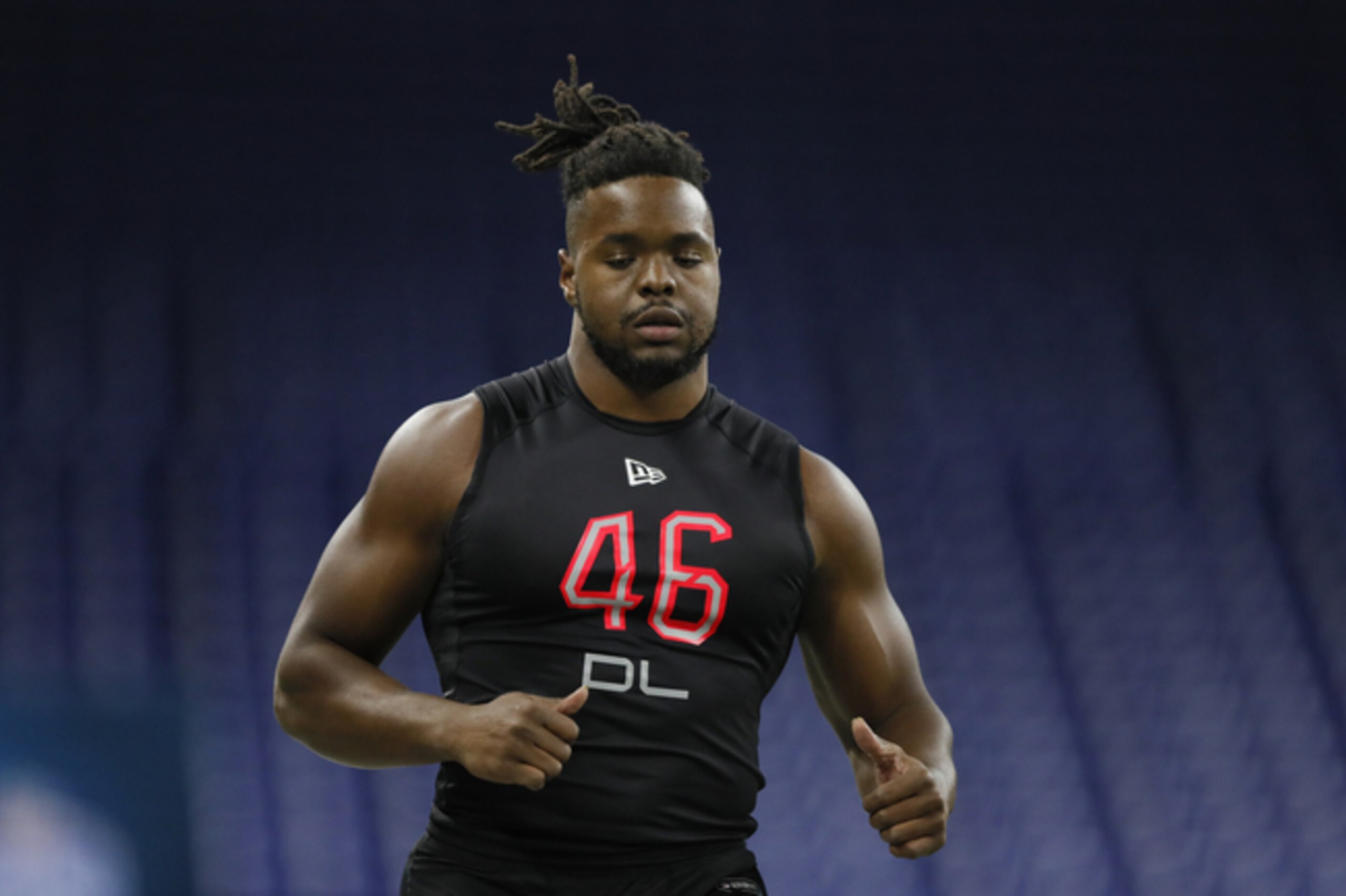
Like the Giants, the New York Jets needed to bolster their pass rush this offseason. They had just 35 sacks in 2019, and 6.5 of those came from safety Jamal Adams.
The only move New York made in free agency to address the pass rush was re-signing linebacker Jordan Jenkins. That's a good first step, as Jenkins had 15.0 sacks over the past two seasons. But he needs more help.
The Jets didn't add an edge defender until the middle of Round 3, where they grabbed Florida product Jabari Zuniga. He is the only edge-rusher the Jets added in the draft. Continuing to build the position has to be a focus moving forward.
Philadelphia Eagles: Secondary Depth
26 of 32
The Philadelphia Eagles pulled off one of the best moves of the offseason by trading for Pro Bowl cornerback Darius Slay. However, continuing to improve the team's 19th-ranked pass defense should be a priority, especially after safety Malcolm Jenkins left in free agency.
Philadelphia re-signed Rodney McLeod and added Nickell Robey-Coleman and Will Parks. However, replacing Jenkins won't be easy, and cornerback depth remains an issue.
Yet, the Eagles didn't draft a defensive back until they took Clemson safety K'Von Wallace in the fourth round. They didn't add a cornerback at any point in the draft, and that could be a problem with receivers like CeeDee Lamb and Antonio Gibson entering the division.
Pittsburgh Steelers: Quarterback Depth
27 of 32
The Pittsburgh Steelers made some moves in the draft that should help them in 2020—like adding wideout Chase Claypool and edge-rusher Alex Highsmith. However, Pittsburgh ignored the quarterback position, which could be problematic long-term.
Starter Ben Roethlisberger is signed through 2021, but he's also 38 years old and coming off a significant elbow injury. Assuming he's back to pre-injury form this season, quarterback depth shouldn't be an issue for a couple of years, but what if he isn't back to 100 percent?
The tandem of Mason Rudolph and Devlin Hodges was not enough to get the Steelers into the playoffs last season. Paxton Lynch is also on the roster, but he has done next to nothing with his NFL opportunities and hasn't appeared in a game since 2017.
San Francisco 49ers: Long-Term Cornerback Picture
28 of 32
Like the Chiefs, the San Francisco 49ers have a Super Bowl-caliber roster—and they did a good job of keeping one through the draft. Adding wideout Brandon Aiyuk and defensive tackle Javon Kinlaw helps replace Emmanuel Sanders and DeForest Buckner, respectively.
There aren't many obvious needs on San Francisco's roster heading into 2020. Next offseason, however, could be a different story.
Cornerbacks Richard Sherman, K'Waun Williams and Ahkello Witherspoon are all scheduled to be free agents in 2021. Sherman is 32 years old and potentially nearing the end of his career.
San Francisco doesn't have much of a succession plan in place at cornerback and did not address the position in the draft. That may not matter this season, but looking long-term, it could be a big deal.
Seattle Seahawks: Edge-Rusher
29 of 32
The Seattle Seahawks tied for the second-fewest sacks in the league with just 28 last year. They also have yet to re-sign edge-rushers Ezekiel Ansah and Jadeveon Clowney, two 2019 additions that combined for 5.5 of those 28 sacks.
Ansah and Clowney remain unsigned, and while Seattle added Tennessee edge defender Darrell Taylor in Round 2, he isn't going to transform a woeful pass rush by himself. Head coach Pete Carroll acknowledged that bringing back Clowney could be an option.
"If there's an opportunity that makes sense," he said, per Liz Mathews of Seahawks Wire.
For now, the pass rush remains Seattle's biggest question mark.
Tampa Bay Buccaneers: No Successor to Tom Brady
30 of 32
The Tampa Bay Buccaneers did a good job of addressing immediate needs in the draft. They traded up to secure offensive tackle Tristan Wirfs, added a running back in Ke'Shawn Vaughn and grabbed a starting-caliber safety in Antoine Winfield Jr.
What the Buccaneers didn't do was secure a successor for quarterback Tom Brady, who is in Tampa on a two-year contract.
Tampa Bay has Blaine Gabbert and Ryan Griffin backing up Brady, but neither has quarterback-of-the-future potential. It could be tough for the Buccaneers to count on Gabbert or Griffin if Brady suffers an injury or a sudden decline in performance.
The Buccaneers did sign undrafted free agent Reid Sinnett, but chances are slim that the San Diego product is Tampa's quarterback of the future.
Tennessee Titans: Backup Quarterback
31 of 32
The Tennessee Titans, who reached the AFC title game last season, don't have many glaring holes. They locked up quarterback Ryan Tannehill with a four-year deal, franchise-tagged running back Derrick Henry, drafted a starting-caliber tackle in Isaiah Wilson and added LSU cornerback Kristian Fulton in the second round.
However, Tennessee's plans to again go deep in the playoffs could get derailed if Tannehill suffers an injury.
Like the Bucs, the Titans lack proven quarterback depth. They did draft Hawaii's Cole McDonald in the seventh round, but if he or Logan Woodside are pressed into extended duty, the Titans could be in serious trouble.
Washington Redskins: Tight End
32 of 32
The Redskins parted with tight end Jordan Reed this offseason while also losing Vernon Davis to retirement. Given the fact that the offense will likely be led by a young signal-caller—either second-year man Dwayne Haskins or offseason addition Kyle Allen—having a safety valve at tight end would be ideal.
A reliable tight end, after all, can work wonders for a budding signal-caller.
Washington, however, did not land one of the top free-agent tight ends or draft one. It did sign LSU's Thaddeus Moss, but he's coming off a foot fracture that required surgery, according to NFL Network's Tom Pelissero.
As things stand, Moss will likely enter camp behind the likes of Jeremy Sprinkle and Richard Rodgers. That's not a depth chart that should instill a lot of confidence in Washington's 2020 starting QB.
*All contract information via Spotrac.
.jpg?w=2560 "Seahawks Cardinals Football")
.jpg?w=2560 "Cam Ward Says He's Not A Loser")


.jpg?w=2560 "Chargers Fall to 0-5 🤢")