
Re-Drafting the 2017 NFL Draft
Days ahead of the 2020 NFL draft, what if every organization was told the 2017 draft was suddenly invalidated and rendered null and void? All of that year's class is back in the pool, and the first round of said draft will commence as it was laid out on the night of April 27, 2017.
In our opinion, you'd end up with quarterbacks in the top two spots but in none of the next 30. You'd wind up with an original fifth-round pick drafted fourth overall, five third-round picks in the revised first round and four New Orleans Saints selections in the top 20, while a player who wasn't even drafted would go off the board ahead of the player selected second overall the first time around.
Here are the specifics in a re-draft that includes only two signal-callers along with six running backs, five wide receivers, one tight end, two offensive linemen, three edge defenders, one defensive tackle, one off-ball linebacker, six cornerbacks and five safeties.
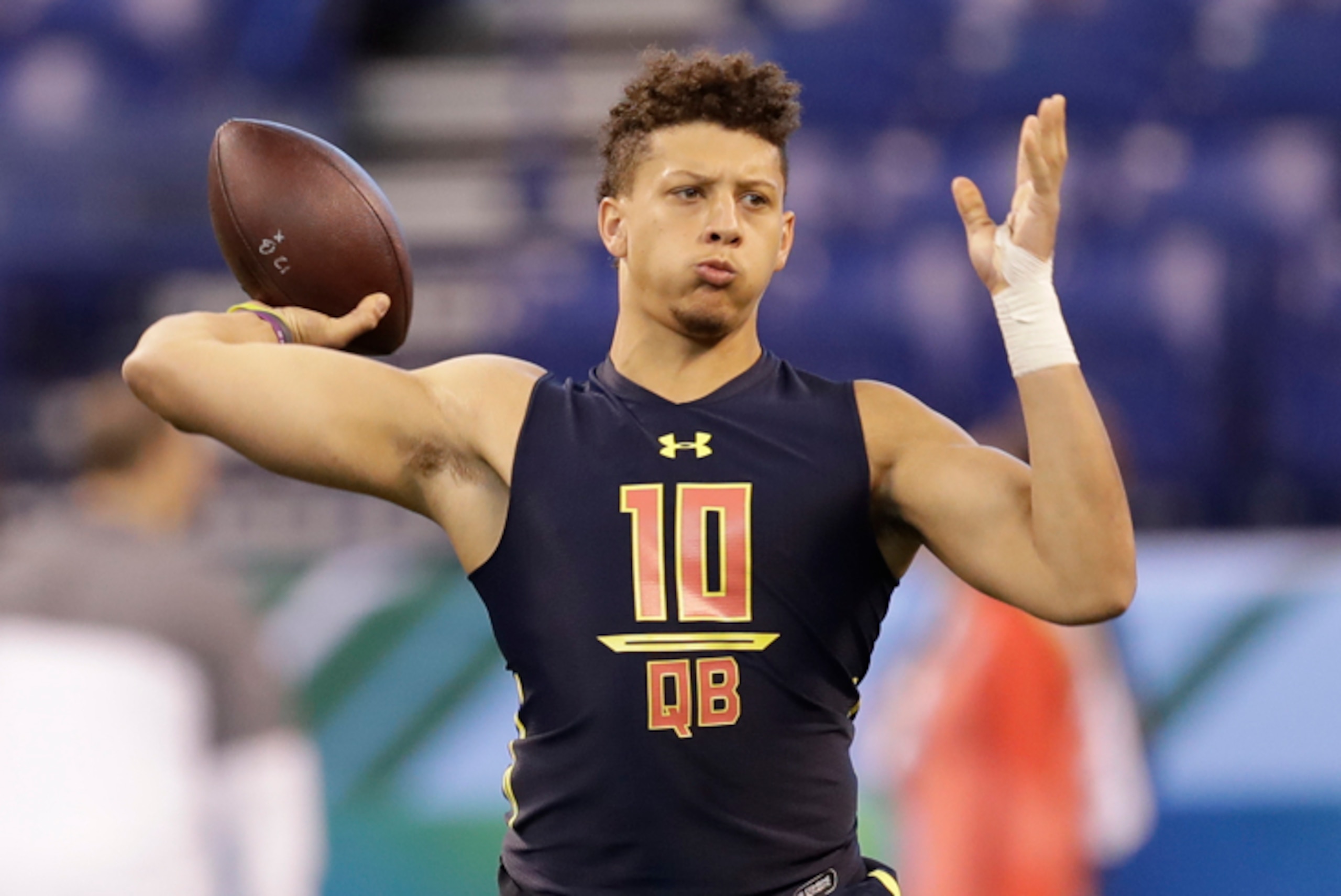
1. Cleveland Browns: QB Patrick Mahomes, Texas Tech
1 of 32
What actually happened: Drafted edge Myles Garrett
Where he was actually picked: 10th overall by the Chiefs (via trade)
Even if Cleveland Browns fans still believe top 2018 pick Baker Mayfield can become a star, not many would dispute the notion that, with a time machine, the team would have to take quarterback Patrick Mahomes instead of Garrett with the first selection in the 2017 draft.
Garrett was off to a strong start to his career before being served with a long suspension for swinging a helmet at Mason Rudolph last year. But even before that incident, his impact was minuscule in comparison to Mahomes. The Texas Tech product is already a Super Bowl champion, a Super Bowl MVP and a regular-season MVP.
By waiting instead to take DeShone Kizer in Round 2, Cleveland made a huge mistake.
2. San Francisco 49ers: QB Deshaun Watson, Clemson
2 of 32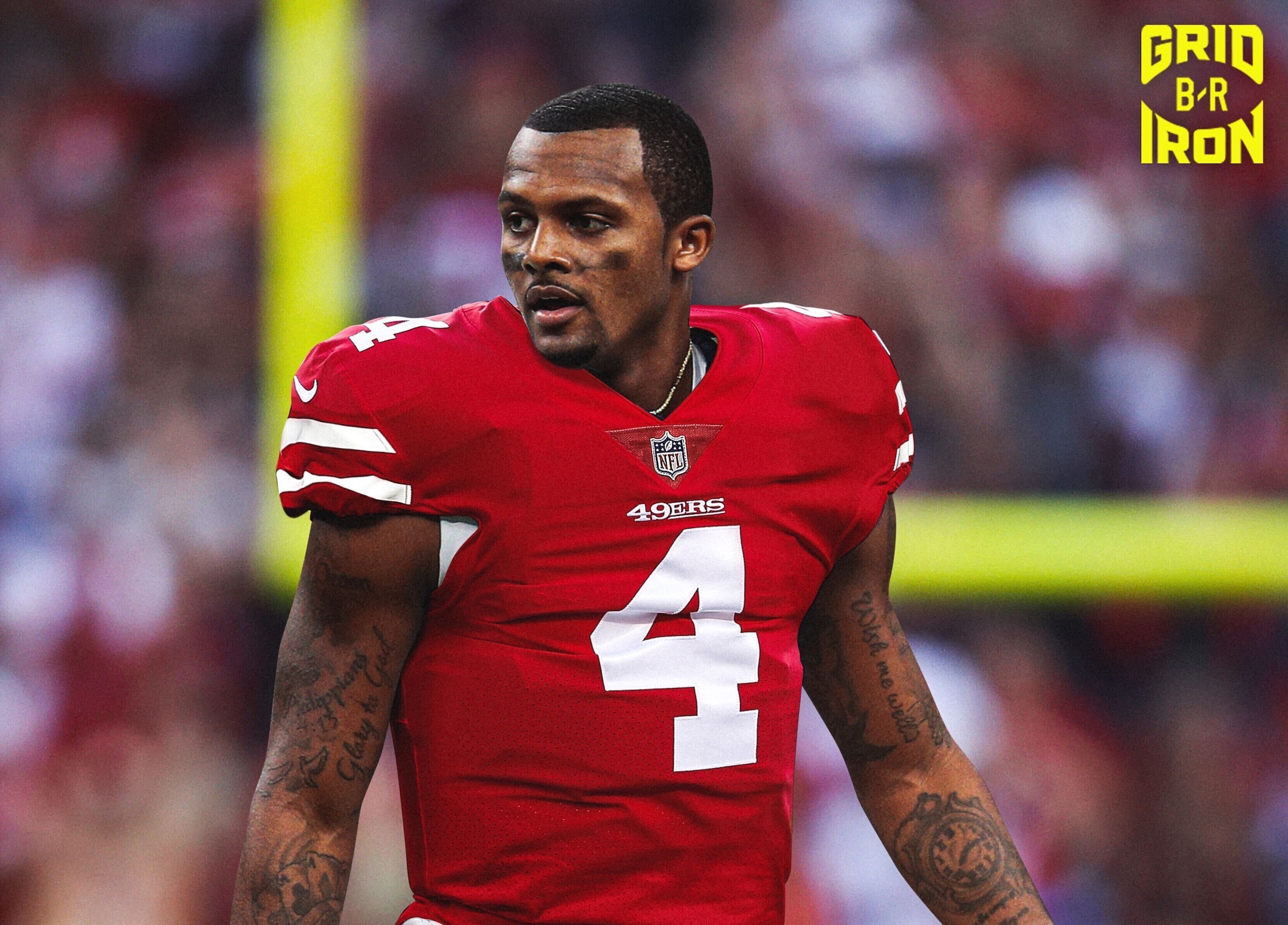
What actually happened: Traded back, drafted edge Solomon Thomas third overall
Where he was actually picked: 12th overall by the Texans (via trade)
The San Francisco 49ers are probably thankful they didn't take Mitchell Trubisky in this spot, and they did eventually land their franchise quarterback in Jimmy Garoppolo via a midseason trade. But Garoppolo doesn't have the same potential or playmaking ability as Deshaun Watson, who has already generated 85 passing/rushing touchdowns in 38 career games.
Watson and Garoppolo have similar career passing numbers, but Watson does a lot more with his legs and has been one of the most clutch quarterbacks in football the last three years. He's also a two-time Pro Bowler, whereas Jimmy G has yet to earn a Pro Bowl nod.
In a perfect world, the 49ers would still have traded this pick to the Bears and then taken Watson or a more accomplished defender than Thomas (namely T.J. Watt), but without considering draft-night trades, this is the only logical approach for general manager John Lynch.
3. Chicago Bears: Edge T.J. Watt, Wisconsin
3 of 32
What actually happened: Traded up, drafted QB Mitchell Trubisky second overall
Where he was actually picked: 30th overall by the Steelers
In the real world, the Chicago Bears foolishly dealt away two third-round picks and a fourth-round selection in order to land Trubisky, who is already on the verge of bust status after a terrible third season in Chicago.
That trade would still be fine if instead they took Watson. Imagine this Chicago team with a star quarterback right now. But with both Mahomes and Watson off the board in this hypothetical, the Bears will instead draft the best player available.
Knowing now that it was a mistake to use a 2016 first-round pick on Leonard Floyd, and knowing how injurious Khalil Mack's contract is, T.J. Watt would be perfect in this spot. He'd still be extremely cheap in comparison to Mack (whom they acquired a year later), and he's coming off an All-Pro season in which he earned 10 Defensive Player of the Year votes at the age of 25.
Mack, who is four years old than Watt, wasn't in the DPOY mix.
.jpg?w=2560 "Packers 49ers Football")
.jpg?w=2560 "Lions Cardinals Football")
4. Jacksonville Jaguars: TE George Kittle, Iowa
4 of 32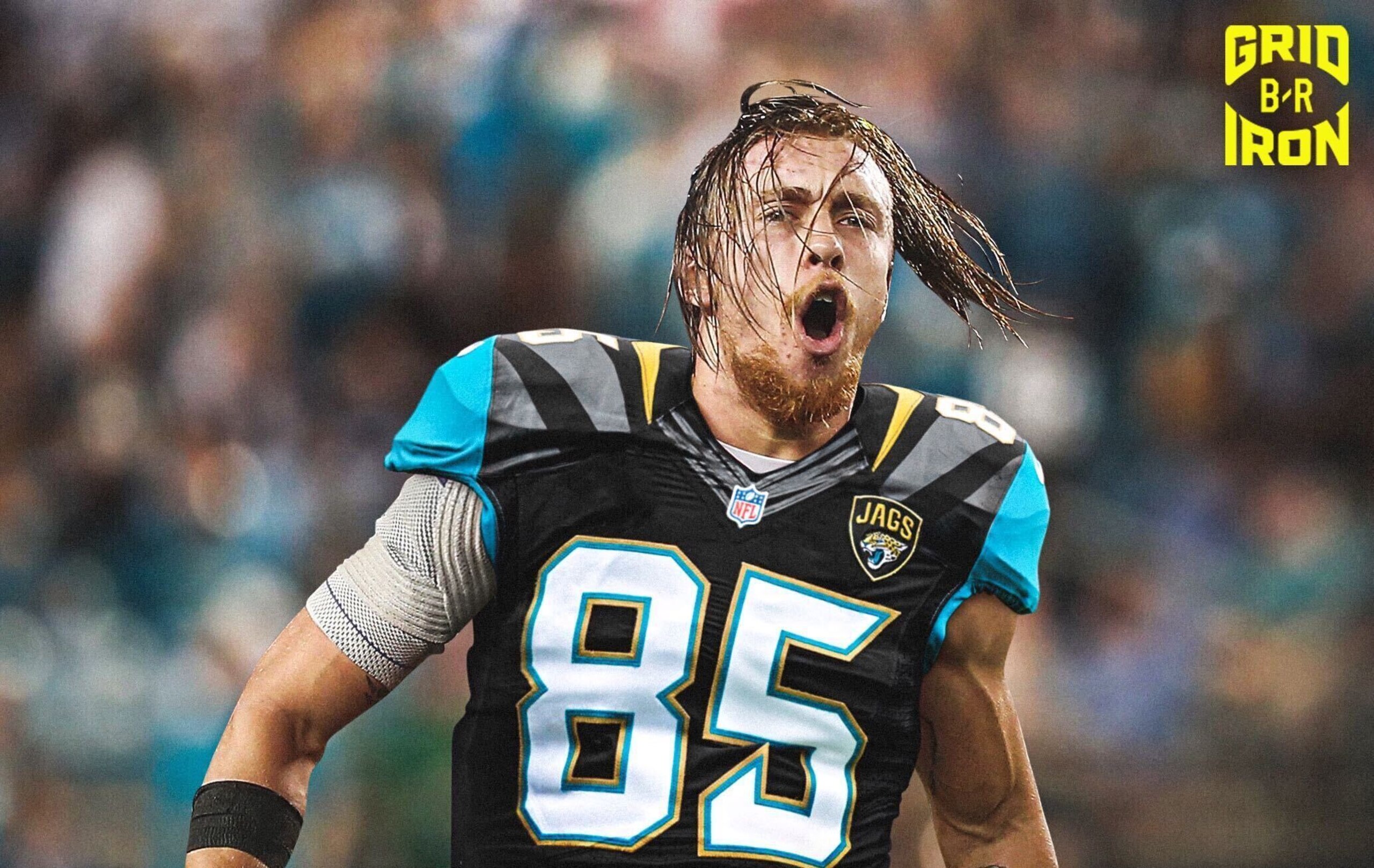
What actually happened: Drafted RB Leonard Fournette
Where he was actually picked: Fifth round by the 49ers
Fournette has fallen far short of expectations with a 4.0 yards-per-attempt average, 19 total touchdowns and zero Pro Bowl or All-Pro nods in three seasons. Meanwhile, tight end George Kittle has emerged as one of the top offensive weapons in the NFL.
In the last two years, the Iowa product has averaged 1,215 yards per season and 14.0 yards per reception while catching 71.2 percent of the passes thrown his way. He was a Pro Bowler in 2018 and a first-team All-Pro in 2019, and his yards-per-game average of 81.0 leads all tight ends in that span.
The Jacksonville Jaguars fell just short of the Super Bowl in 2017. Might Kittle's presence have put them over the top? Even if not, they'd at least have an elite pass-catcher right now.
5. Tennessee Titans: Edge Myles Garrett, Texas A&M
5 of 32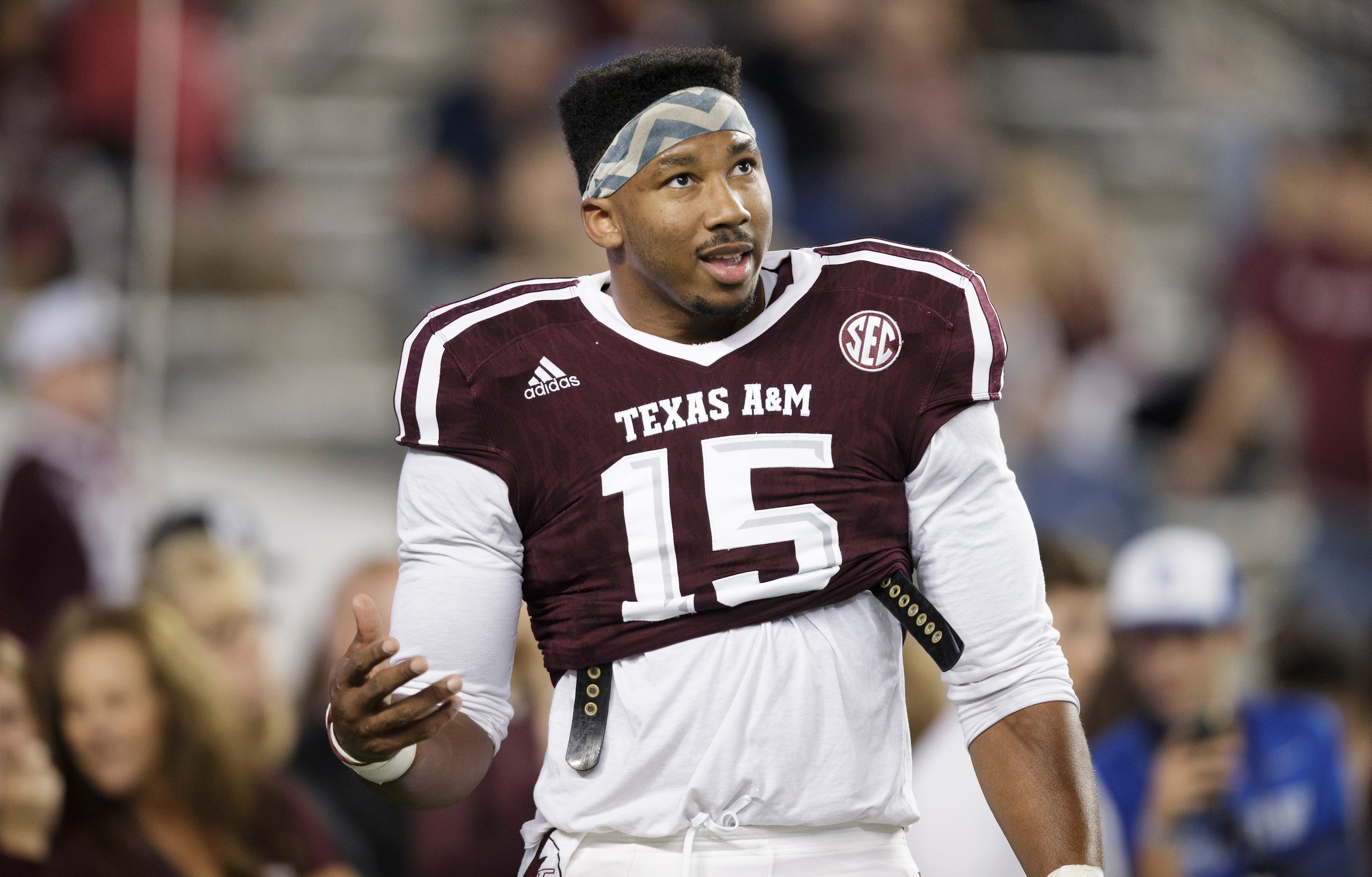
What actually happened: Drafted WR Corey Davis
Where he was actually picked: First overall by the Browns
Before Garrett's 2019 season in Cleveland went up in flames, this draft's true No. 1 overall selection was one of just five players with double-digit sacks on the year. He was on pace for 16, which would have given him 29.5 over a two-year span. And to that point, he had an NFL-high 25 percent pass-rush win percentage, according to Pro Football Focus.
The 24-year-old surely would have been a Pro Bowler for the second year in a row.
That would come in handy for a Tennessee Titans team that hasn't had a player put together double-digit sacks since 2016. The Tennessee defense isn't bad, but it has lacked teeth and playmaking ability in recent years.
Garrett could singlehandedly change that, while the disappointing Davis has zero 1,000-yard campaigns and just six total touchdowns in three years.
6. New York Jets: S Jamal Adams, LSU
6 of 32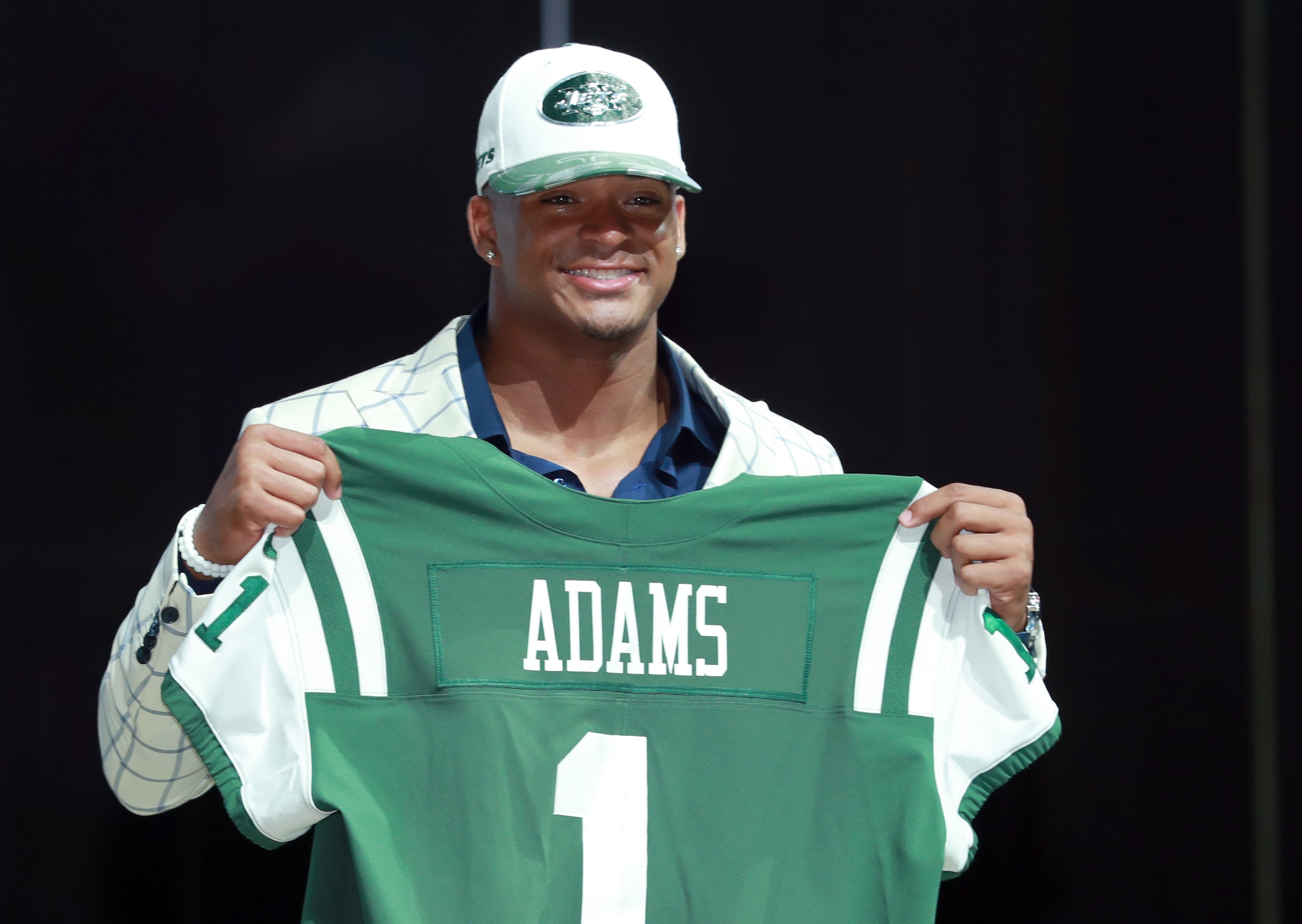
What actually happened: Drafted S Jamal Adams
Where he was actually picked: Sixth overall by the Jets
Yup, nothing changes for the New York Jets. This wasn't the right pick at the time, but with the draft's only two star quarterbacks and its top two defensive studs off the board, Adams still makes perfect sense in this spot.
The 24-year-old recorded 6.5 sacks and 13 quarterback hits in a first-team All-Pro 2019 campaign, and he's put up 19 passes defensed, two interceptions and five forced fumbles the last two seasons (earning Pro Bowl nods in both).
He leads all safeties in sacks, hits and hurries since coming into the league, according to PFF, and he's become one of the NFL's most versatile players. He's arguably become a steal outside the top five.
7. Los Angeles Chargers: WR Chris Godwin, Penn State
7 of 32
What actually happened: Drafted WR Mike Williams
Where he was actually picked: Third round by the Buccaneers
Williams still has plenty of potential after scoring double-digit touchdowns in 2018 and then going over 1,000 yards in 2019, but he's yet to become a superstar like Chris Godwin.
Last season, the Penn State product became just the second player in at least 25 years to catch more than 70 percent of the passes thrown his way and average more than 15.0 yards per reception on 100 or more targets. Only megastar Michael Thomas averaged more receiving yards per game than Godwin, who exploded with 1,333 yards and nine touchdowns in an age-23 Pro Bowl campaign in which he dropped just one pass on 121 targets.
Godwin also scored seven touchdowns as a sophomore in Tampa, and his career rate-based numbers also indicate his breakout 2019 season wasn't a fluke.
The Chargers would have their pick of several elite offensive weapons in this spot, but Godwin has a clear edge on the rest of this draft's receivers. And they've learned with Austin Ekeler's emergence that elite running backs are easier to find than elite receivers.
8. Carolina Panthers: RB Christian McCaffrey, Stanford
8 of 32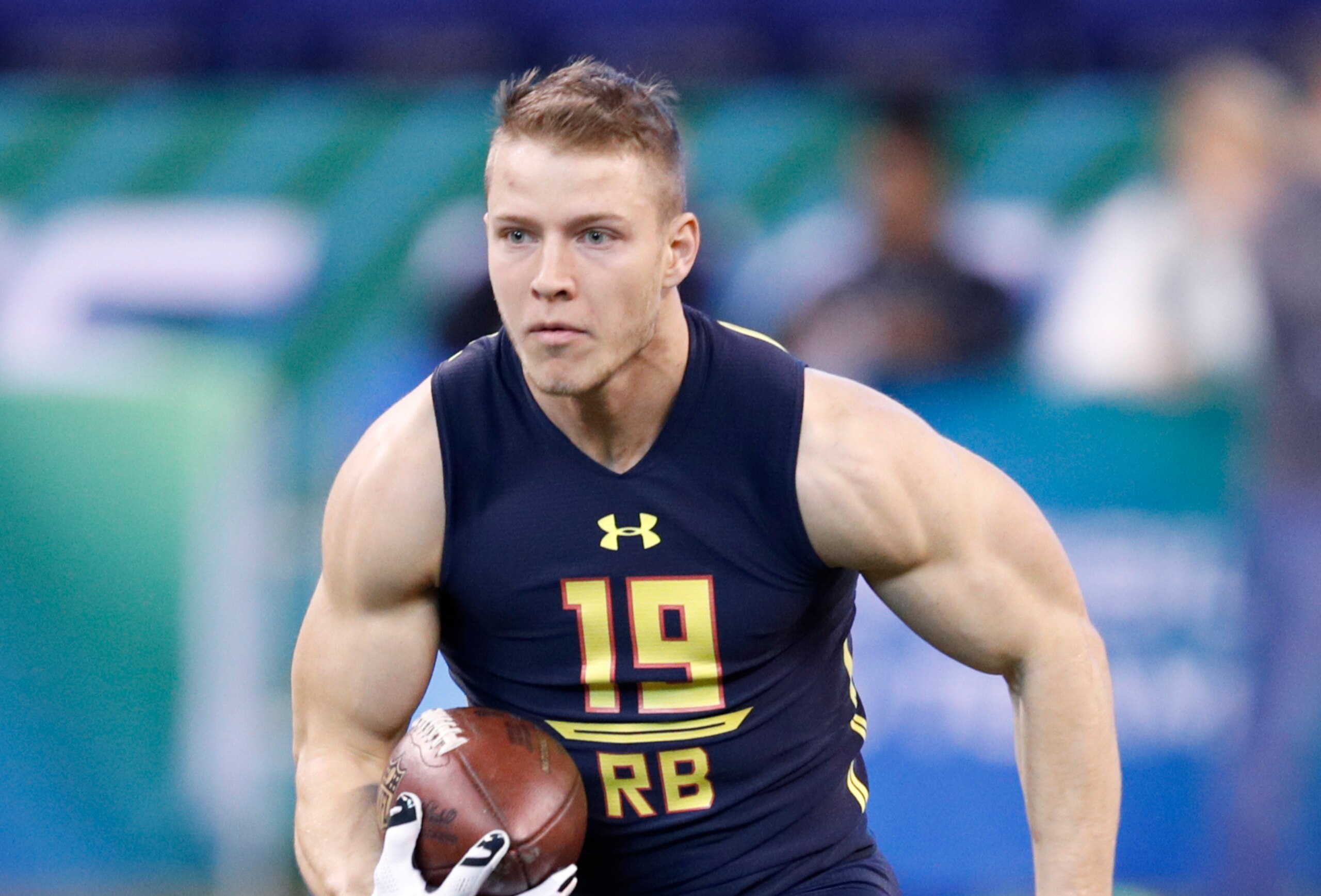
What actually happened: Drafted RB Christian McCaffrey
Where he was actually picked: Eighth overall by the Panthers
If we were conducting this exercise seven months ago, the Carolina Panthers would have a tough decision between McCaffrey and Alvin Kamara. The 2017 Offensive Rookie of the Year accumulated 3,146 scrimmage yards and 31 touchdowns in his first two seasons with the Saints, compared to 3,051 scrimmage yards and 20 touchdowns for McCaffrey.
But while Kamara was less productive as injuries caught up with him in his third year, McCaffrey exploded with a league-high 2,392 yards from scrimmage and 19 touchdowns.
The 23-year-old became just the third player in NFL history to amass 1,000 yards as both a rusher and a receiver in a first-team All-Pro campaign in which he fumbled just once despite a league-high 403 touches.
Running backs have very limited value unless they can make a huge difference in the passing game. McCaffrey can do exactly that.
9. Cincinnati Bengals: WR Kenny Golladay, Northern Illinois
9 of 32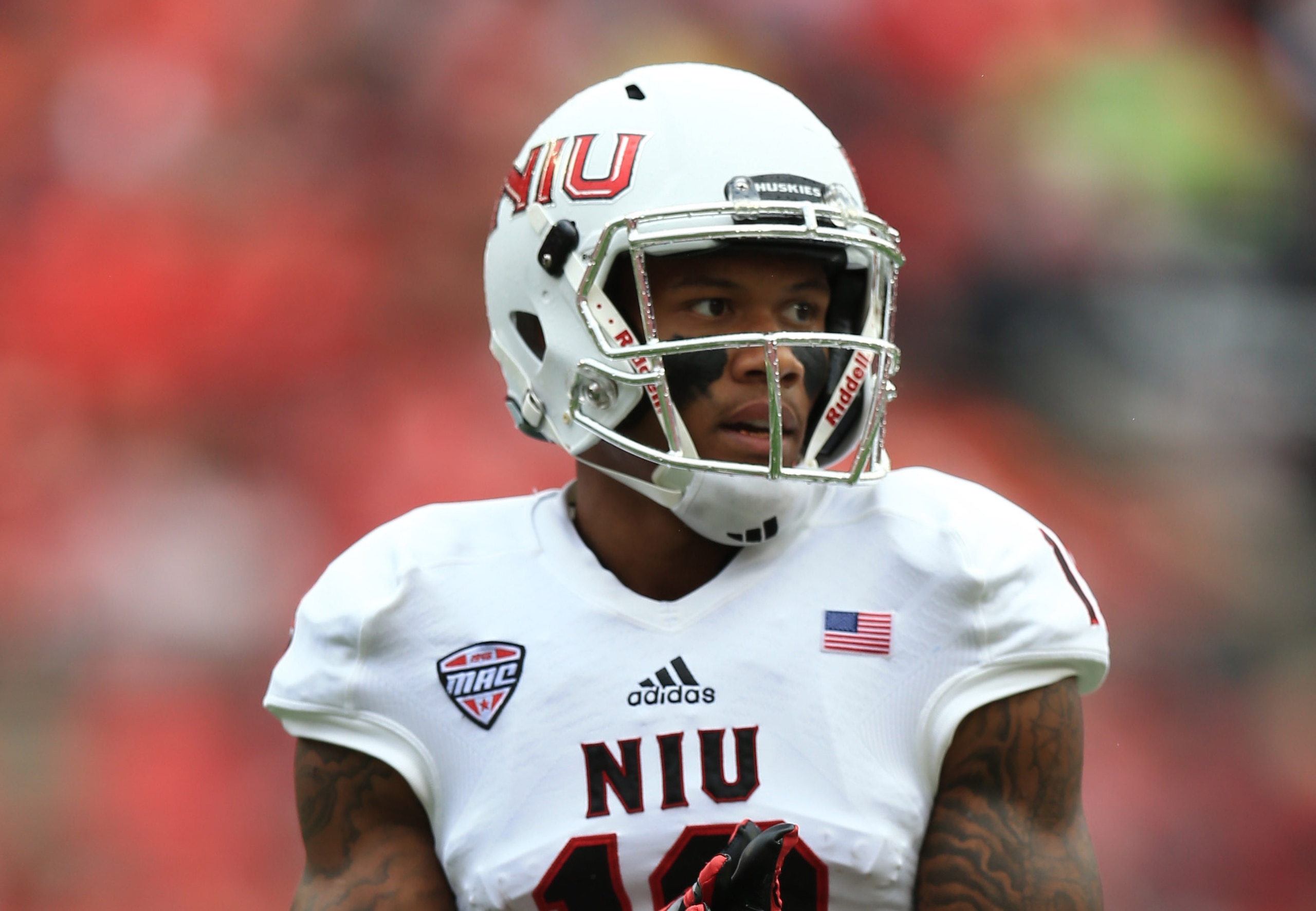
What actually happened: Drafted WR John Ross
Where he was actually picked: Third round by the Lions
Remember, teams time-traveling for this fictional draft have the benefit of hindsight. The Cincinnati Bengals know top receiver A.J. Green played just nine games in 2018 and 2019 combined and that Ross has caught just 49 passes in three pro seasons.
So they'll swap out Ross for Kenny Golladay, who is coming off back-to-back 1,000-yard seasons and made the Pro Bowl with a league-high 11 touchdown catches in 2019. The 26-year-old also had the highest yards-per-reception average among wideouts targeted at least 100 times.
He's already a true No. 1 receiver, and it looks like he's becoming a superstar. That'd be something special to offer presumed new quarterback Joe Burrow.
10. Buffalo Bills: CB Tre'Davious White, LSU
10 of 32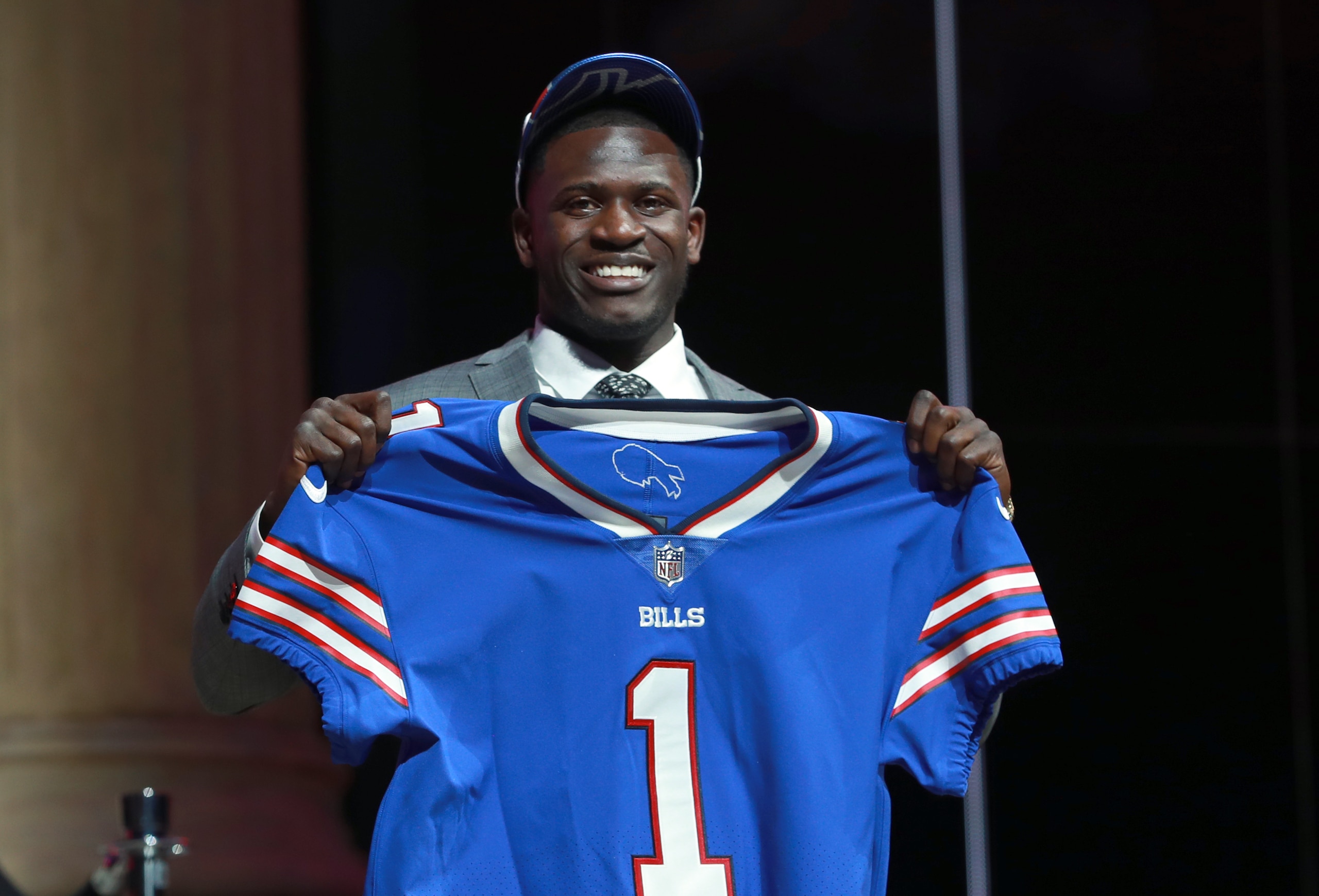
What actually happened: Traded back, drafted CB Tre'Davious White 27th overall
Where he was actually picked: 27th overall by the Bills
Kudos to the Buffalo Bills for getting White at the bottom of Round 1 after landing an extra first-round pick and a third-rounder in a trade with the Chiefs. Obviously, they would have been better off standing pat and selecting Mahomes, but White is also a top-10 talent. And in the event of a do-over like this, they'd probably be lucky to land the LSU product in the No. 10 spot.
Since he came into the league in 2017, White is one of just three NFL players with more than 10 interceptions and more than 40 passes defended. He was the Defensive Rookie of the Year runner-up in 2017, and he became a first-team All-Pro with a tied-for-league-high six picks, 17 passes defended, four tackles for loss and two forced fumbles in a tremendous 2019 campaign.
With Buffalo already in good shape on offense, this is a no-brainer.
11. New Orleans Saints: RB Alvin Kamara, Tennessee
11 of 32
What actually happened: Drafted CB Marshon Lattimore
Where he was actually picked: Third round by the Saints
Again, a team is forced to pick a player it drafted later in the top half of the first round. This time, the New Orleans Saints would have to choose between Alvin Kamara, Ryan Ramczyk and Marshon Lattimore, all of whom were members of their wildly talented 2017 draft class. They took Lattimore in this spot, but Kamara has thus far been a bigger difference-maker than Lattimore, Ramczyk or safety Marcus Williams.
The Tennessee product was the league's Offensive Rookie of the year in 2017, and he's been a Pro Bowler in all three of his seasons in New Orleans.
PFF's Ben Linsey detailed his accomplishments:
"Kamara joins McCaffrey and Todd Gurley as the only three running backs with 1,500 receiving yards and 1,000 rushing yards between the tackles over the last three years. The kind of routes that he can run out of the backfield, his versatility to line up in the slot or out wide and his elusiveness with the ball in his hands all make him one of the most valuable running backs in the NFL."
I wouldn't fault the Saints for rolling with Ramczyk here, but Kamara can impact games to a larger degree, and Lattimore, Williams and other candidates like JuJu Smith-Schuster and Eddie Jackson haven't been as consistently effective.
12. Cleveland Browns: OT Ryan Ramczyk, Wisconsin
12 of 32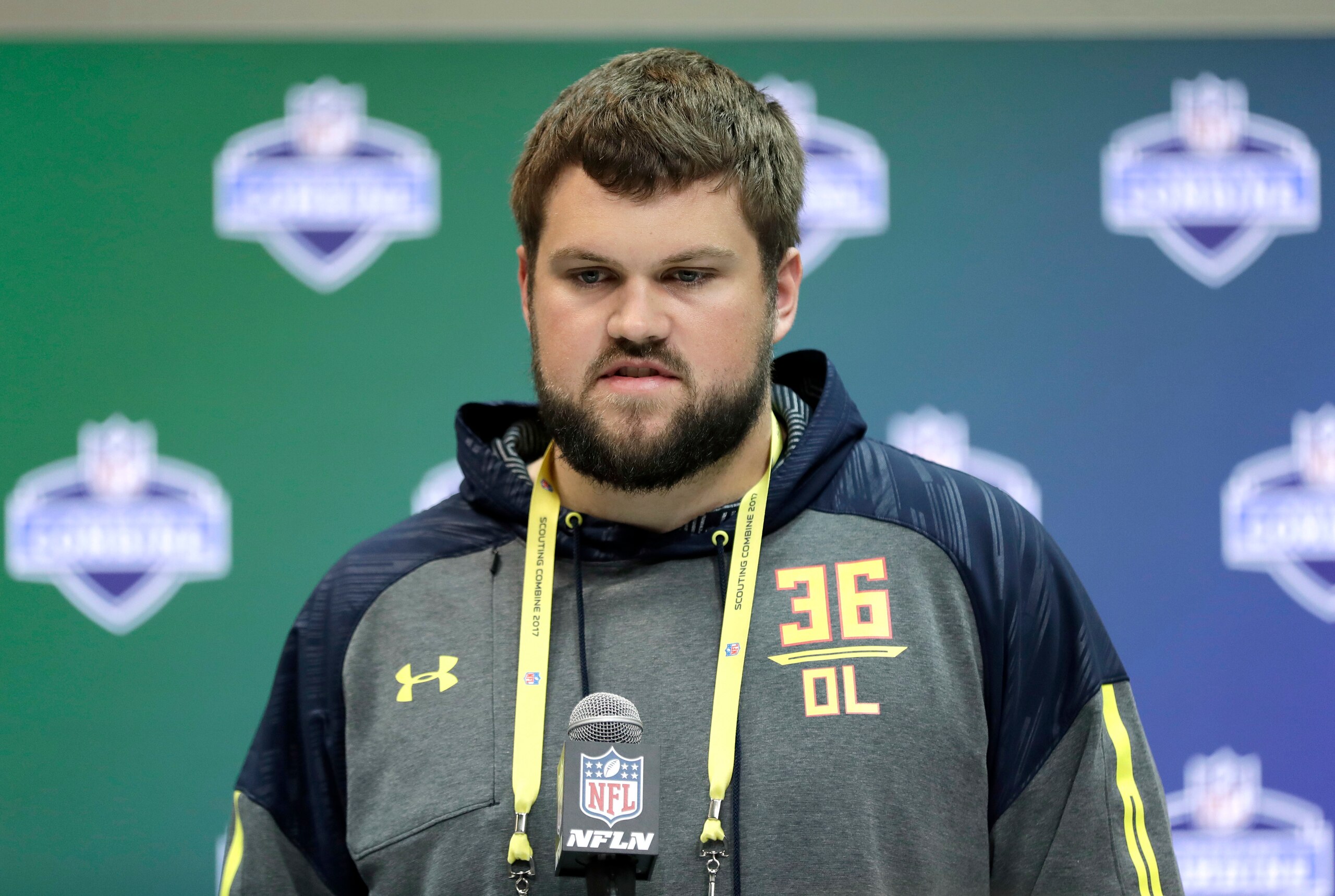
What actually happened: Traded back, drafted S Jabrill Peppers 25th overall
Where he was actually picked: 32nd overall by the Saints
Yes, the Browns had two chances to draft Watson.
But in this hypothetical, the Browns have Mahomes. Now, they have to address an offensive line that has been problematic throughout Baker Mayfield's tenure in Cleveland.
Enter Ryan Ramczyk, who was a first-team All-Pro right tackle in 2019 and has been graded as PFF's best run-blocking lineman in each of the last two seasons. Per the same outlet, the Wisconsin product also didn't allow a sack in 2019.
He's become a dominant right tackle, and that should be the case for another decade. The Browns can't pass up on that.
13. Arizona Cardinals: S Eddie Jackson, Alabama
13 of 32
What actually happened: Drafted LB Haason Reddick
Where he was actually picked: Fourth round by the Bears
Eddie Jackson doesn't get Jamal Adams-level attention at the safety position, but his numbers speak for themselves. They suggest the two-time Pro Bowl safety should have been a top-15 draft pick: 10 interceptions, 26 passes defended, four forced fumbles, five fumble recoveries, 184 tackles and five defensive touchdowns.
Oh, and his 93.7 coverage grade since coming into the NFL is the sixth-best among all safeties at Pro Football Focus.
That playmaking ability has to make him at least a mild upgrade over Arizona Cardinals 2017 second-round pick Budda Baker and a significant one over Reddick. The latter has earned only 20 starts and has just 7.5 sacks in three years. Unless things change dramatically, he'll soon be considered a bust.
He edges out JuJu Smith-Schuster because the Cards are now pretty stacked at wide receiver.
14. Philadelphia Eagles: WR JuJu Smith-Schuster, USC
14 of 32
What actually happened: Drafted edge Derek Barnett
Where he was actually picked: Second round by the Steelers
Any of the next four players to go off the board would be great additions to the Philadelphia Eagles, who could do a lot better than the thus-far-underwhelming Barnett and need help at wide receiver, cornerback and running back. But they have plenty of options at corner and in the backfield, whereas the receiving corps was an utter mess in 2019.
Plus, JuJu Smith-Schuster can't drop any further than this. He's just too good, and he's got the perfect mix of accomplishments and potential.
The 23-year-old USC product scored seven touchdowns in each of his first two NFL seasons, and in 2018 he made the Pro Bowl as one of just four receivers to catch more than 100 passes for more than 1,400 yards. He wasn't as productive in 2019, but he was working without Antonio Brown and Ben Roethlisberger for all or most of the year, and he suffered a season-derailing knee injury in November.
He's got everything you want in a No. 1 receiver and is likely to become a perennial Pro Bowler, which is perfect for the Eagles in this spot.
15. Indianapolis Colts: CB Marshon Lattimore, Ohio State
15 of 32
What actually happened: Drafted S Malik Hooker
Where he was actually picked: 11th overall by the Saints
There's still hope for Hooker, but Marshon Lattimore is a much more accomplished defensive back and the best player available in this spot for the Indianapolis Colts.
The two-time Pro Bowler intercepted five passes and defended 18 passes as the Defensive Rookie of the Year in 2017. While he hasn't been as effective the last couple of seasons, he forced four fumbles as a sophomore and made the Pro Bowl again in 2019 (he surrendered completions on only half of the passes thrown his way and gave up a sub-80 opposing passer rating in the process).
The 23-year-old looks as though he'll have a long, successful career as a shutdown outside corner. Colts general manager Chris Ballard would probably try to trade down here because he also got Quincy Wilson in this draft, while current Colts slot starter Kenny Moore II went undrafted the very same year. Still, it'd be tough to pass up on Lattimore.
16. Baltimore Ravens: CB Marlon Humphrey, Alabama
16 of 32
What actually happened: Drafted CB Marlon Humphrey
Where he was actually picked: 16th overall by the Ravens
That leaves the Baltimore Ravens with the same pick that they hit on in the middle of the first round, and there's little reason they wouldn't grab Humphrey again.
The 23-year-old Alabama product has recorded multiple interceptions and double-digit sacks in all three of his seasons in Baltimore, and he was a Pro Bowler and an All-Pro with two forced fumbles, two defensive touchdowns and four tackles for loss in 2019.
Humphrey allowed a sub-70 passer rating in each of the last two years and finished the 2019 campaign as PFF's 12th-ranked corner.
It's really a toss-up between him and Lattimore, but we'll give the Ravens their guy.
17. Washington Redskins: RB Dalvin Cook, Florida State
17 of 32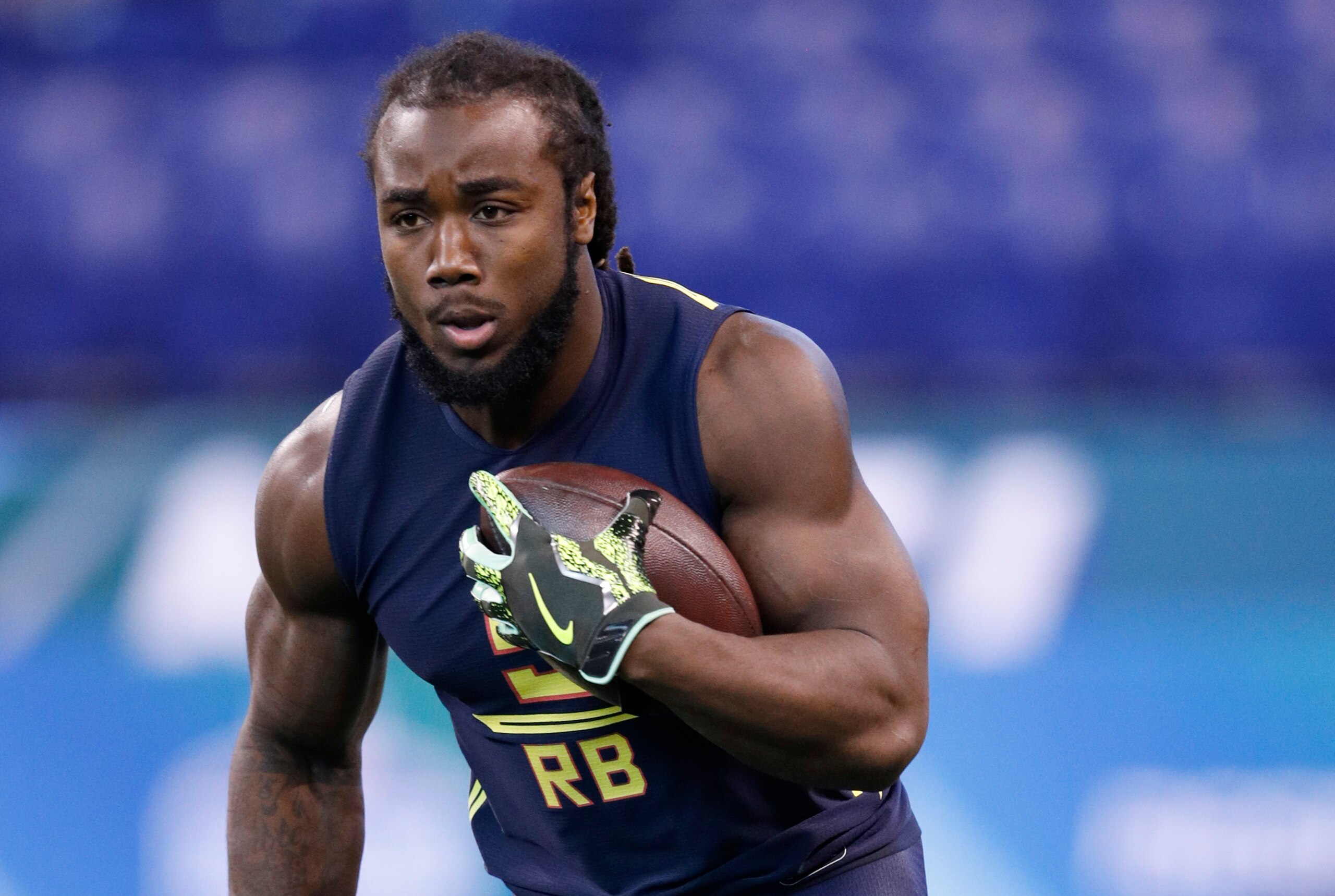
What actually happened: Drafted DL Jonathan Allen
Where he was actually picked: Second round by the Vikings
Adrian Peterson has done a fine job for the Washington Redskins the last two years, and there's still hope 2018 second-rounder Derrius Guice will turn into something special at running back. But Washington can't afford to let a difference-maker like Dalvin Cook drop any further than this spot.
Cook's durability issues kept him out of the top 15, but we're talking about a guy who compiled 1,654 scrimmage yards and 13 touchdowns despite missing two games in 2019. He's got a strong 4.6 yards-per-attempt average in three years, and he's become a stellar receiver out of the backfield.
The 24-year-old Florida State product averaged a league-best 11.3 yards after the catch per reception in his breakout campaign, according to PFF. He's a star now, while Allen still hasn't emerged after back-to-back ho-hum campaigns.
18. Tennessee Titans: WR Mike Williams, Clemson
18 of 32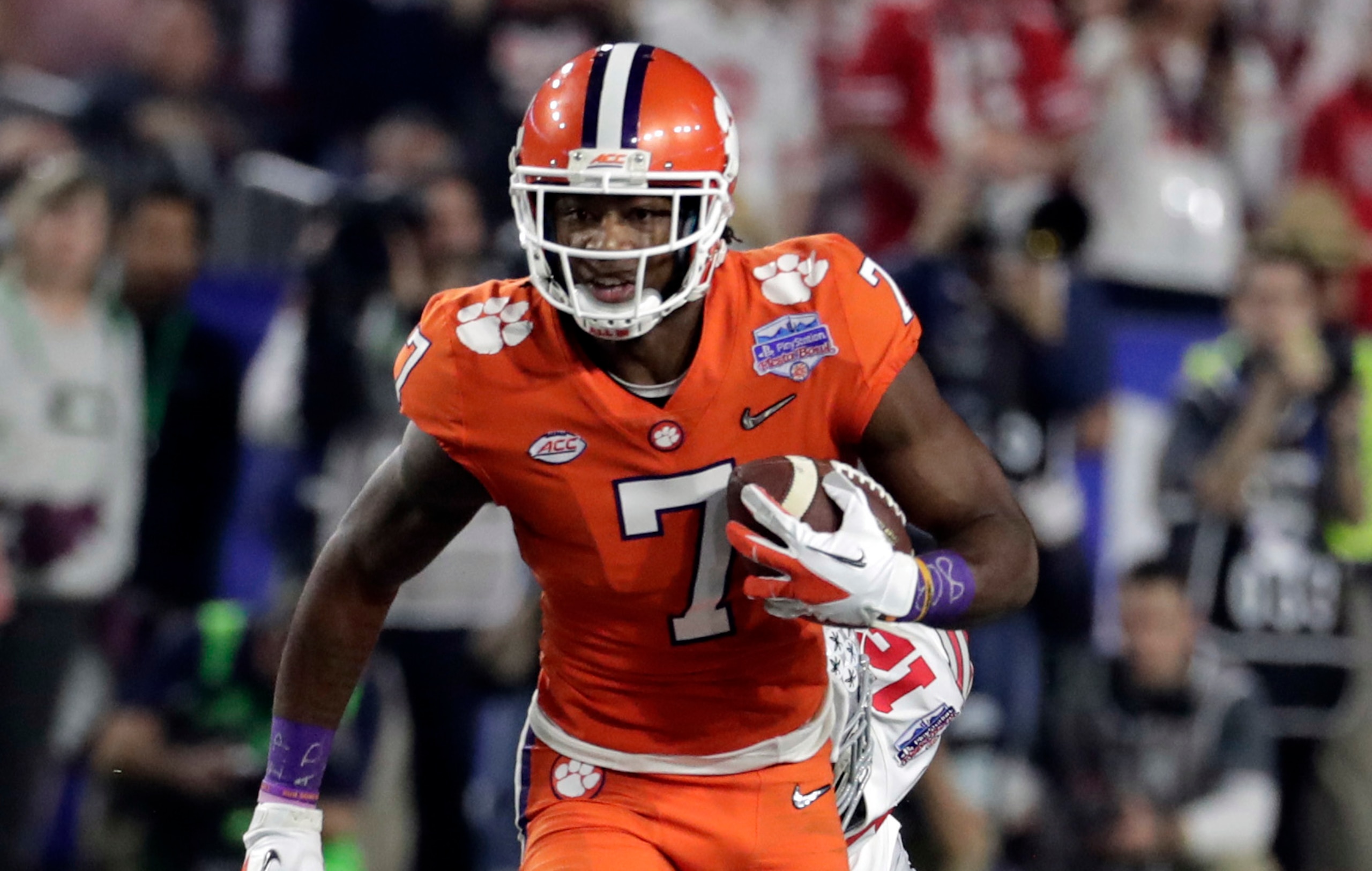
What actually happened: Drafted CB Adoree' Jackson
Where he was actually picked: Seventh overall by the Chargers
The Titans swapped out Corey Davis for Myles Garrett earlier, but now they get their receiver anyway. While Mike Williams hasn't performed well enough yet to justify being chosen in the No. 7 spot again, he's still coming off a 1,000-yard third season and has a Pro Bowl-level ceiling. On offense, it's either him or Cooper Kupp here. We'll give the edge to the more physically tantalizing Williams.
Jackson is also a strong player, but imagine Williams and A.J. Brown together. And Tennessee has had Malcolm Butler and Logan Ryan at corner the last couple of years, so it can afford to go with the best player available.
Williams has improved steadily in his three seasons, and in 2019 he led all qualified players with a yards-per-reception average of 20.4. In fact, he and Brown were the only qualified NFL receivers to eclipse the 20.0 mark in that category.
19. Tampa Bay Buccaneers: S Marcus Williams, Utah
19 of 32
What actually happened: Drafted TE O.J. Howard
Where he was actually picked: Second round by the Saints
They lost Godwin and could go with Kupp here too, but the Tampa Bay Buccaneers still had Adam Humphries and DeSean Jackson to support Mike Evans at the time. Instead, they can forget about taking injury-prone safety Justin Evans in Round 2 and truly improve a position that has been a weak spot since—at best—the Tanard Jackson days.
Bring on Marcus Williams, the fourth Saints-drafted player to make the top 20 in this experiment. The Utah product is, unfortunately, best known for his world-famous gaffe in the 2017 playoffs, but he's been a superb starter for three seasons, intercepting 10 passes in that span.
"He has been one of the best safeties in the NFL since coming into the league in 2017," wrote PFF's Ben Linsey this month. "Over that three-year stretch, he ranks sixth among qualifying safeties in overall grade at 90.8 overall, and Williams nearly had as many combined pass breakups and interceptions (10) as he did receptions allowed as the primary coverage defender from his free safety role (11) last season for the Saints."
20. Denver Broncos: WR Cooper Kupp, Eastern Washington
20 of 32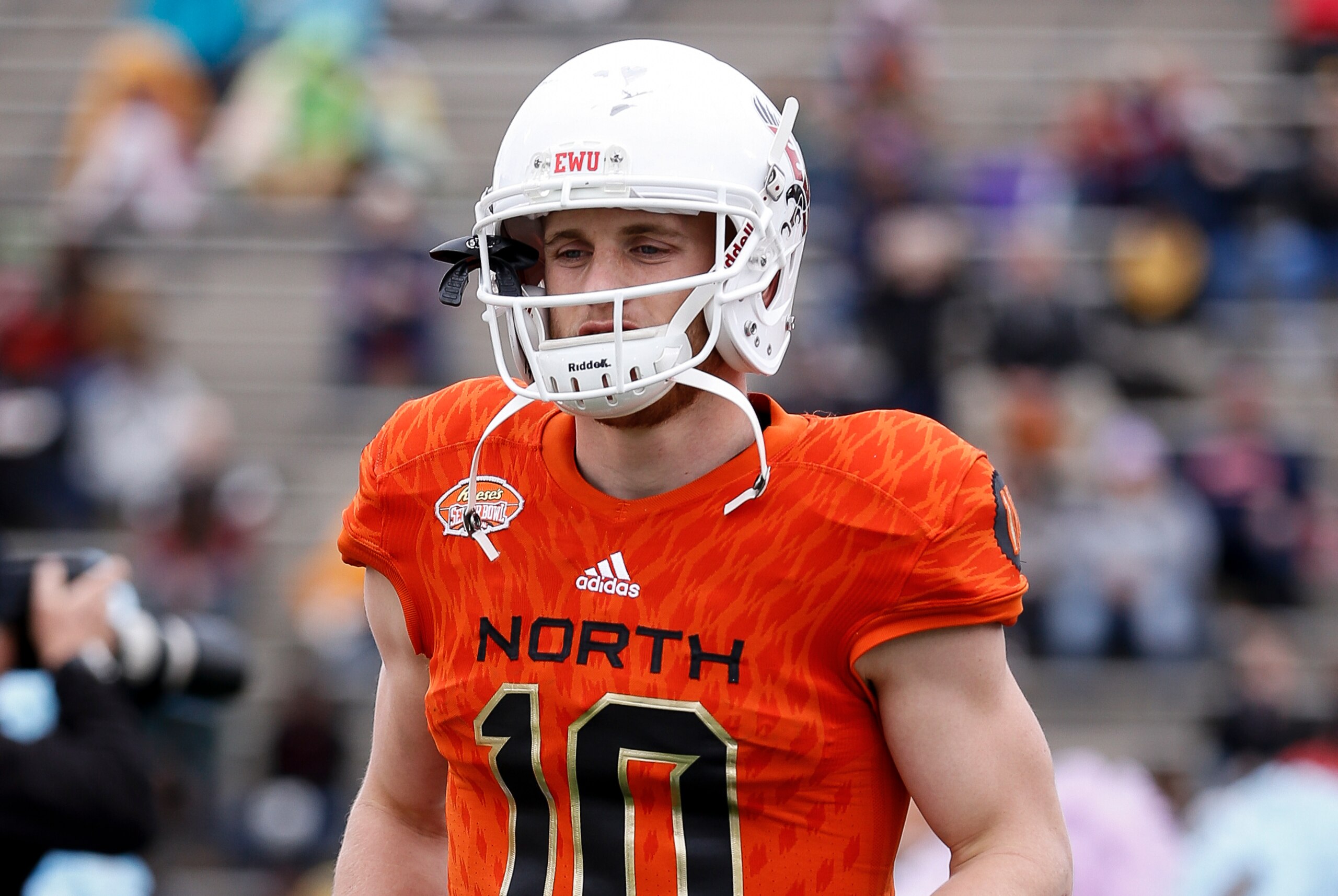
What actually happened: Drafted OT Garett Bolles
Where he was actually picked: Third round by the Rams
The Denver Broncos need a strong young possession receiver who can work the slot in support of emerging young outside threat Courtland Sutton. With this chance to time-travel, they can secure one of the league's most reliable slot receivers in Cooper Kupp.
The 26-year-old is coming off a 1,000-yard, double-digit-touchdown third campaign despite the fact that he was recovering from a torn ACL. Since his sophomore season, he's dropped just four of the 189 passes thrown his way. And in 2019, Sutton was the only wideout in the NFL to break more tackles than the Eastern Washington product.
Kupp is not just extremely reliable, but he's also got top-notch playmaking ability. No way Broncos general manager John Elway lets him slide any further.
21. Detroit Lions: CB Shaquill Griffin, Central Florida
21 of 32
What actually happened: Drafted LB Jarrad Davis
Where he was actually picked: Third round by the Seahawks
Especially now that the Darius Slay era is over, the Detroit Lions are in dire need of more talent in the secondary. Frankly, that was also the case with Slay on the roster in 2017.
Instead of drafting the disappointing Davis here or the even more disappointing Teez Tabor in Round 2, the Lions can add a Pro Bowl cover man in Shaquill Griffin.
The 24-year-old will have to become more consistent in coverage and increase his splash-play count in order to become a star, but Pro Football Focus graded him as the 13th-best corner in the NFL in 2019. Just look at the job he did against route-runner extraordinaire Stefon Diggs in Week 13. If he can do that more routinely, he'll be a perennial Pro Bowler.
22. Miami Dolphins: DT Dalvin Tomlinson, Alabama
22 of 32
What actually happened: Drafted edge Charles Harris
Where he was actually picked: Second round by the Giants
Considering what's happened to the now-rebuilding Miami Dolphins since this draft (which followed their last playoff appearance), it's safe to say they've got to go with the best player available in their do-over. That certainly isn't Harris, who has just 3.5 sacks and eight starts in three seasons.
Instead, they'll look to the interior with Dalvin Tomlinson, who hasn't missed a start in three promising seasons with the Giants and exploded with 3.5 sacks, nine quarterback hits, seven tackles for loss and a forced fumble in a breakout 2019 campaign.
The 26-year-old hasn't been a Pro Bowler yet, but he's a highly disciplined, top-notch run-stuffer who found his pass-rushing chops in 2019. Miami could use a guy like that.
23. New York Giants: S Malik Hooker, Ohio State
23 of 32
What actually happened: Drafted TE Evan Engram
Where he was actually picked: 15th overall by the Colts
The oft-injured Engram hasn't been durable or reliable enough for the New York Giants, who in hindsight would be better off addressing a defense that has been gutted in recent years. Titans Adoree' Jackson and Jayon Brown would also be strong candidates here, but instead, they'll roll with the extremely talented Malik Hooker.
The opportunistic free safety would pair well with current Giants strong safety Jabrill Peppers, who coincidentally went off the board with the 25th overall selection in this draft.
Hooker just turned 24, and he's got seven career interceptions despite the fact that he started just six games as a rookie and was coming back from a torn ACL and MCL as a sophomore. Injuries were also a problem for him in 2019, which is somewhat troubling, but he's been effective when in action.
Considering his upside as a playmaker, that still makes him worthy of a late first-round selection.
24. Oakland Raiders: LB Jayon Brown, UCLA
24 of 32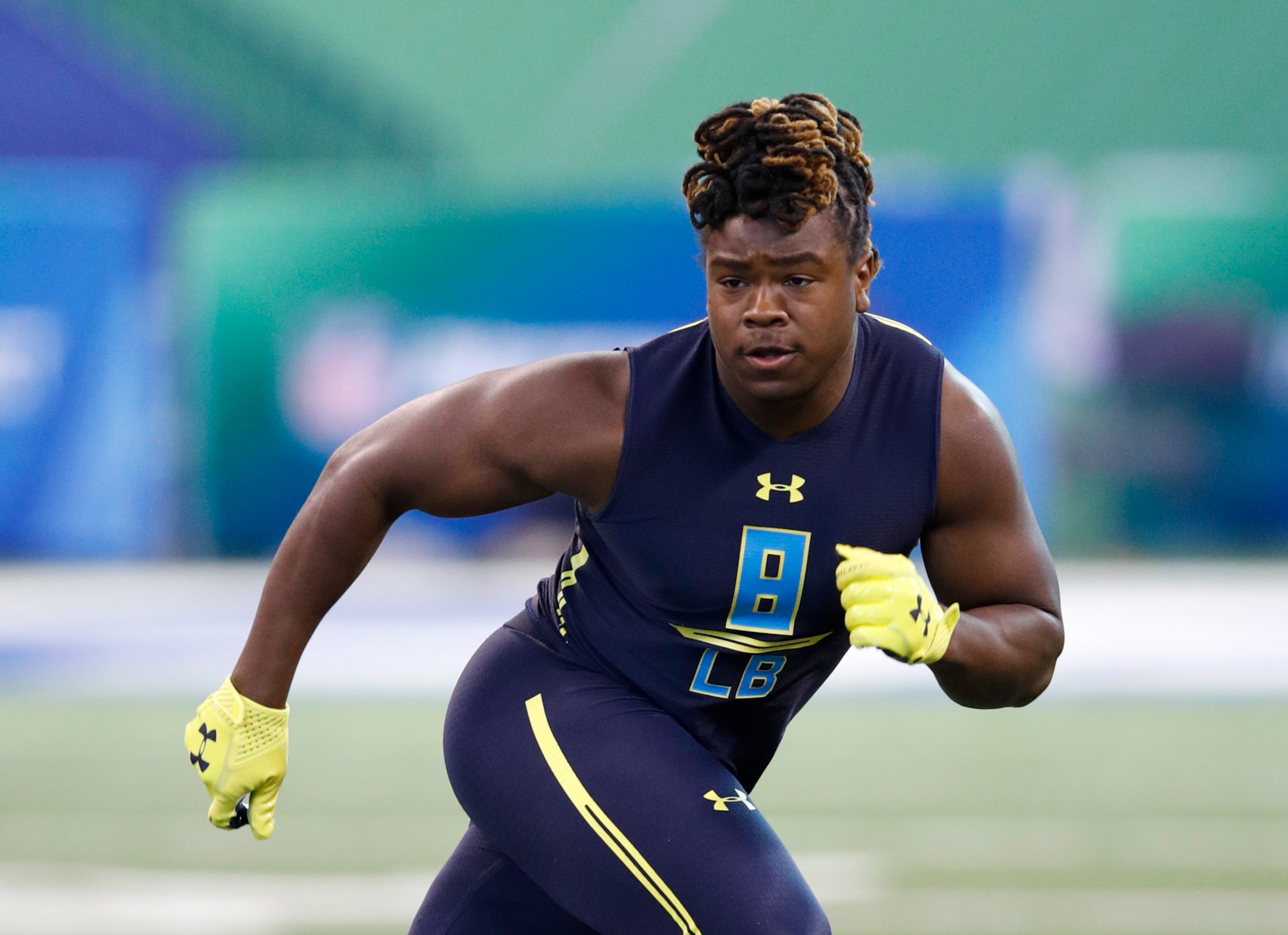
What actually happened: Drafted CB Gareon Conley
Where he was actually picked: Fifth round by the Titans
Conley didn't pan out, and no enticing receivers remain available, so the Raiders need to be thinking about talented, reliable defensive players in this spot. That could mean any number of solid defensive backs like Adoree' Jackson, John Johnson III, Kenny Moore II, Desmond King II, Budda Baker, Marcus Maye or Jabrill Peppers, but they still have more young talent in the secondary than in the linebacker corps.
Let's go with Jayon Brown, who was barely a part-timer as a fifth-round rookie with the Titans before blowing up with 202 tackles, seven sacks, two picks, two forced fumbles, two fumble recoveries, 11 tackles for loss and 13 quarterback hits the last two years.
He's a disciplined, versatile player who has excelled in every phase at various points and should only get better. You could imagine he becomes the heart and soul of the Raiders defense.
25. Houston Texans: CB Adoree' Jackson, USC
25 of 32
What actually happened: Traded up, drafted QB Deshaun Watson 10th overall
Where he was actually picked: 18th overall by the Titans
Unfortunately, this leaves the Houston Texans without their franchise quarterback. But the Texans can at least greatly improve a defensive backfield that has been in flux for some time.
The current Texans have plenty of depth at cornerback with Bradley Roby's return and Gareon Conley, Lonnie Johnson Jr. and Vernon Hargreaves III on the roster, but the jury is still out on those three young guys. Johnson and Hargreaves struggled in 2019, and Conley and Hargreaves have already been traded and cut, respectively, by the teams that drafted them in the first round. Plus, Houston has moved on from veteran Johnathan Joseph.
Jackson, who has been a steady starter throughout his career and still has a Pro Bowl ceiling at the age of 24, was PFF's 15th-ranked corner in 2019. He'd immediately become the most talented Texan at that position.
26. Seattle Seahawks: OT Taylor Moton, Western Michigan
26 of 32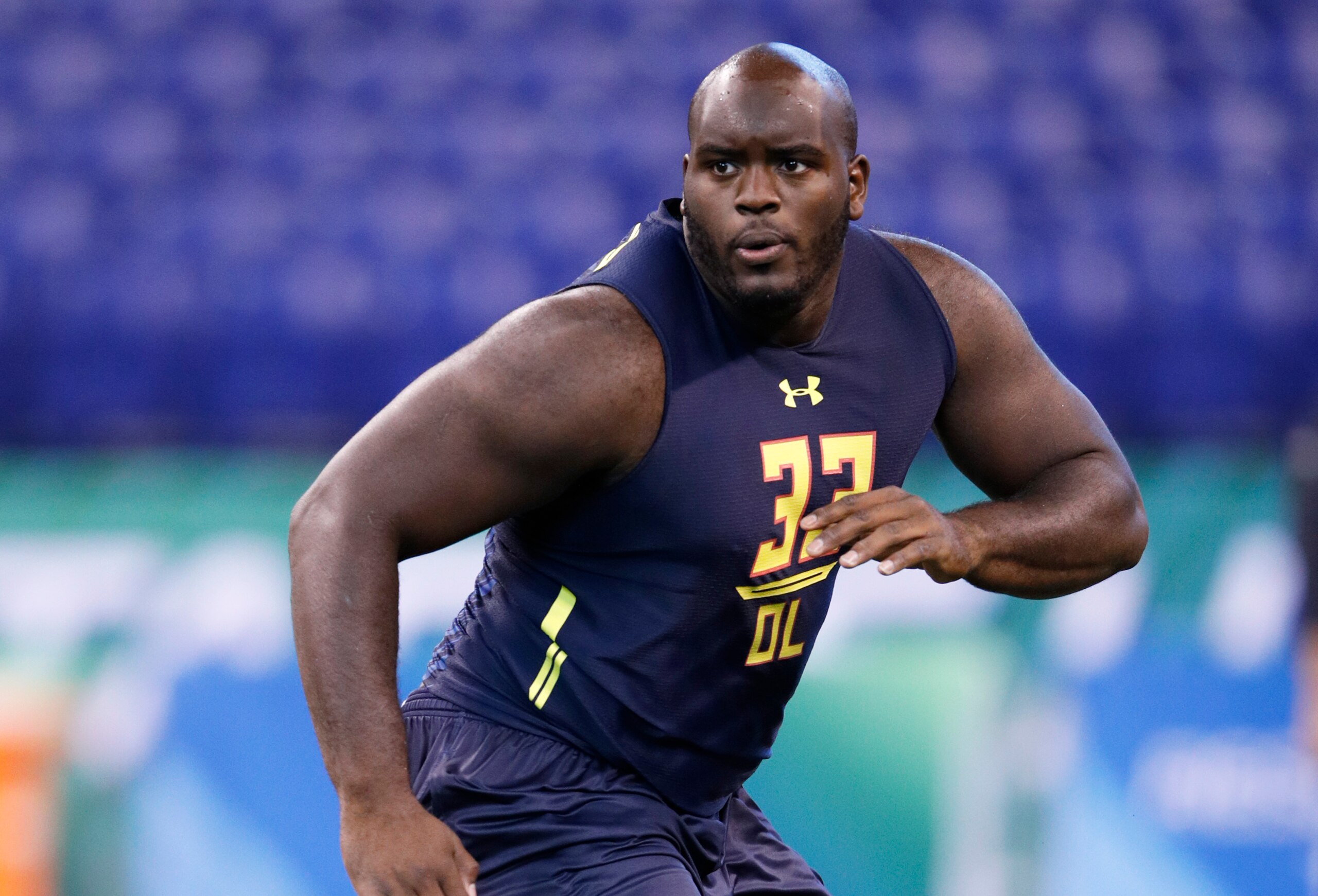
What actually happened: Traded back twice, drafted DT Malik McDowell in second round
Where he was actually picked: Second round by the Panthers
Considering McDowell never played a game in the NFL and the Seattle Seahawks offensive line continues to be a problem, this shouldn't be much of a debate.
The Seahawks have finally given up on 2016 first-round pick Germain Ifedi, who served as the team's primary right tackle the last three years but was never reliable. They're hoping a cheap veteran like Brandon Shell or Cedric Ogbuehi can get the job done, but they probably wish they could jump back and grab a player like Taylor Moton instead.
The last two years in Carolina, Moton has rarely been penalized, has rarely missed any snaps and has given up very few sacks. The 25-year-old isn't a star yet, but he's on the right path, and he's got a lot more upside and a better track record than Shell, Ogbuehi or Ifedi.
27. Kansas City Chiefs: RB Austin Ekeler, Western State Colorado
27 of 32
What actually happened: Traded up, drafted QB Patrick Mahomes 10th overall
Where he was actually picked: He wasn't
The Kansas City Chiefs landed 2017 NFL rushing leader Kareem Hunt in the third round of this draft, but Hunt lasted less than two years in KC after video emerged of him shoving and kicking a woman in a hotel in 2018. While we can't do anything about the fact that Mahomes is a member of the Browns in this scenario, the Chiefs can add another top-notch weapon in support of whoever starts in place of Mahomes under center.
Austin Ekeler has emerged as one of the most potent undrafted free agents in years. The 24-year-old averaged 5.3 yards per carry and scored 11 touchdowns despite a part-time role in his first two seasons and then exploded for 1,550 scrimmage yards and 11 more touchdowns in a breakout third campaign. He fell just seven yards short of 1,000 as a receiver, leveraging that into a four-year, $24.5 million contract from the Chargers.
Imagine what Andy Reid could do with this dude.
28. Dallas Cowboys: Edge Takkarist McKinley, UCLA
28 of 32
What actually happened: Drafted edge Taco Charlton
Where he was actually picked: 26th overall by the Falcons
The Dallas Cowboys continue to search for a quality edge defender to complement top dog DeMarcus Lawrence. Veteran Robert Quinn had 11.5 sacks last year, but he's off to Chicago. Charlton didn't pan out and is already in Miami, and nobody should get their hopes up on Randy Gregory or Aldon Smith.
But Takkarist McKinley has some lingering upside at the age of 24. In Atlanta, he's recorded 16.5 sacks, 38 quarterback hits and 21 tackles for loss in three years as a part-timer.
The UCLA product hasn't lived up to expectations, but it could be a different story with more support in Dallas. Instead of Charlton, it's gotta be either him or Carl Lawson, who registered 8.5 sacks as a rookie in Cincinnati but hasn't taken off since.
29. Green Bay Packers: RB Aaron Jones, UTEP
29 of 32
What actually happened: Traded back, drafted CB Kevin King in second round
Where he was actually picked: Fifth round by the Packers
Jones was underutilized in his first two seasons with the Green Bay Packers, but head coach Matt LaFleur didn't overlook him in his first season in charge. That indicates the current regime would still be happy to land Jones in the event of a re-draft, even if it has to pick him four rounds earlier this time.
In his first two NFL seasons, the UTEP product led all qualified players by a massive margin with a 5.5 yards-per-attempt average. In an expanded role in 2019, he scored a tied-for-league-high 19 touchdowns while compiling 1,558 yards from scrimmage.
The 25-year-old has become a stud back, while King hasn't been consistent enough to merit a first-round selection.
30. Pittsburgh Steelers: RB Leonard Fournette, LSU
30 of 32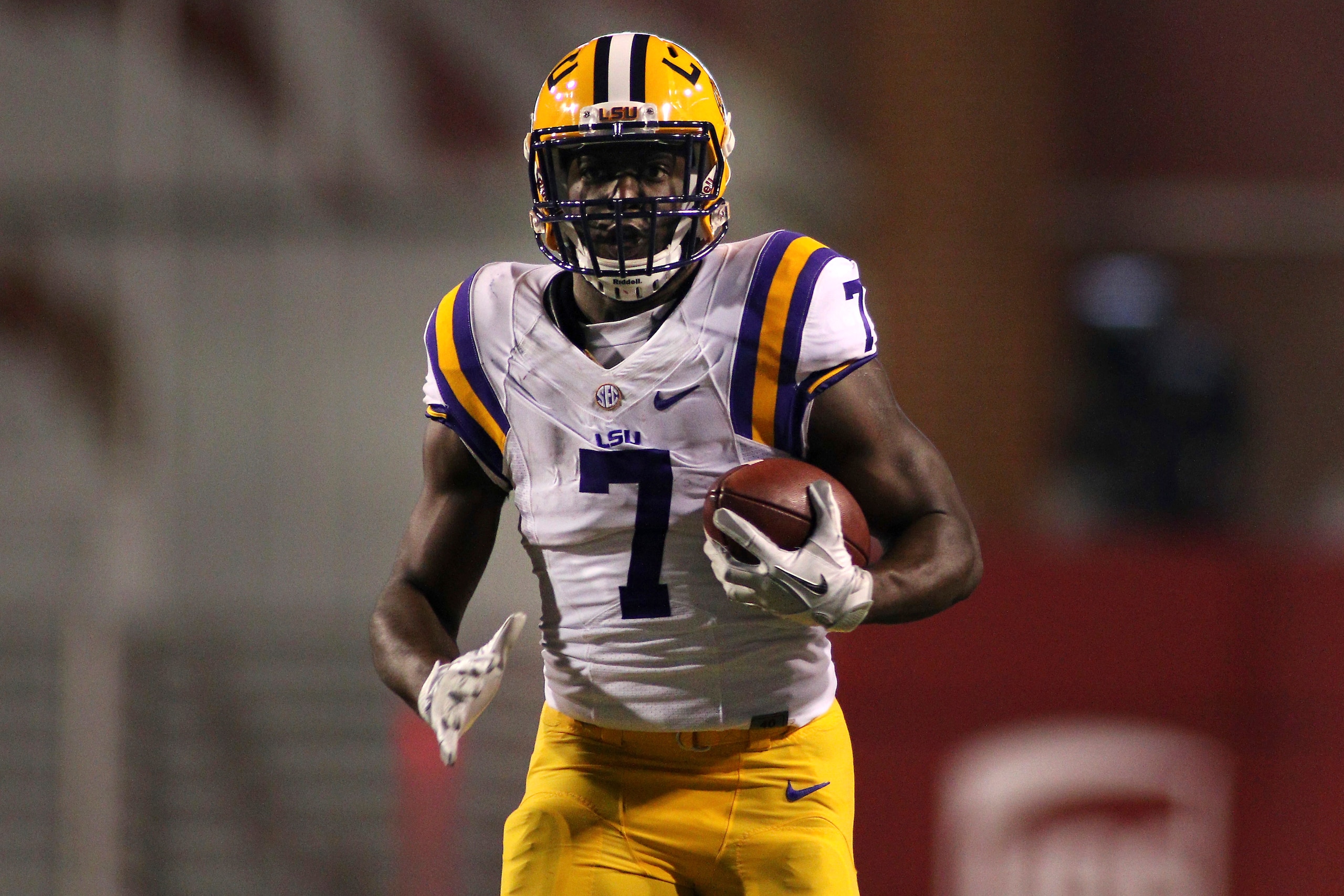
What actually happened: Drafted edge T.J. Watt
Where he was actually picked: Fourth overall by the Jaguars
This was a toss-up between Leonard Fournette and Joe Mixon, both of whom have fallen short of expectations but by no means have become busts. Both have put together a couple of 1,000-yard seasons, and both have 17 career rushing touchdowns, but Fournette came into the league with more upside and is coming off a stronger 2019 season.
The 25-year-old has everything you want in a top back, but he's been imprisoned to an extent by a bad Jacksonville offense. That might be different with Ben Roethlisberger in Pittsburgh, and the Steelers aren't left with many options here with both Watt and JuJu Smith-Schuster off the board.
James Conner, who was a third-round pick in this draft, shined in place of Le'Veon Bell in 2018 but struggled with injuries and wasn't effective when healthy in 2019.
31. Atlanta Falcons: S Marcus Maye, Florida
31 of 32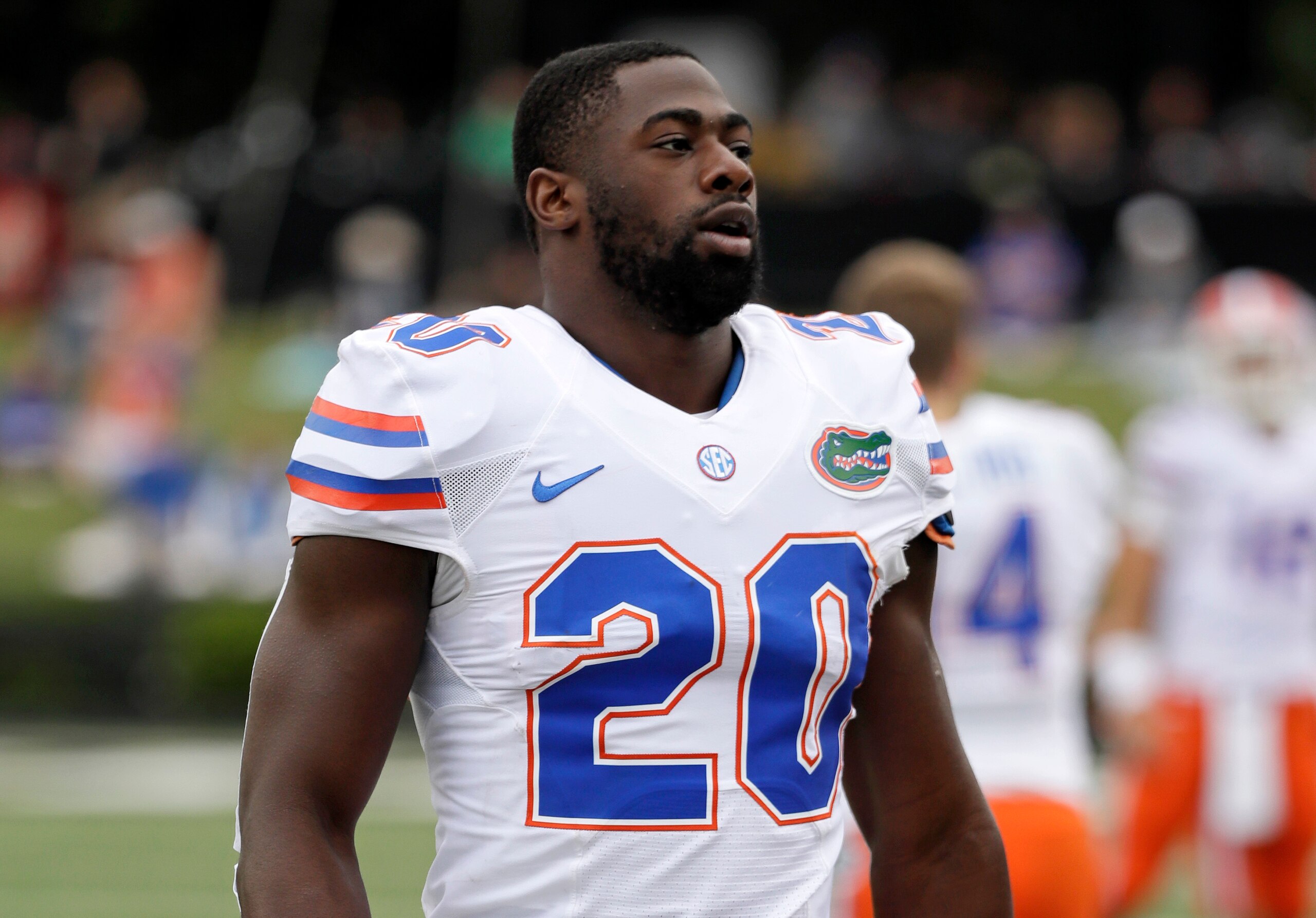
What actually happened: Traded up, drafted edge Takkarist McKinley 26th overall
Where he was actually picked: Second round by the Jets
Standout Atlanta Falcons strong safety Keanu Neal has missed all but four games because of injury the last two seasons, and Atlanta doesn't have a lot else to work with at that position. Marcus Maye would provide an upgrade over free safety Ricardo Allen while softening the blows associated with losing Neal.
A 16-game starter in two of his first three seasons, the Florida product is coming off his strongest year yet in coverage. He's allowed just 23 completions in 22 games since the start of 2018, and he had a career-high seven passes defended in 2019.
In a perfect world, he could continue to do for Neal what he's done for Jamal Adams over the last three years.
32. New Orleans Saints: CB Chidobe Awuzie, Colorado
32 of 32
What actually happened: Drafted OT Ryan Ramczyk
Where he was actually picked: Second round by the Cowboys
The Saints could select Dion Dawkins or Garett Bolles instead of Ryan Ramczyk, but neither feels like a first-round pick based on his production thus far. And they need to replace Marcus Williams, but top safety candidates Jabrill Peppers and John Johnson III are very different players, and they have several high-quality safeties on the roster.
Instead, they'll replace Marshon Lattimore at cornerback with Chidobe Awuzie, who has become a very active, steady outside cover man for the Cowboys.
The 24-year-old Colorado product isn't a star yet, but he's reliable, and there's room for growth. That's about the best you're going to get when you have the last selection of the first round and everybody in front of you has the benefit of three years' worth of hindsight.
.jpg?w=2560 "Steelers Browns Football")
.jpg?w=2560 "Texans Titans Football")
.jpg?w=2560 "Buzz: MHJ Hired Agents for Trade")
.jpg?w=2560 "Chargers Fall to 0-5 🤢")