How to Play Fantasy Baseball: Tips and Advice for Your MLB League
Opening Day is just over two weeks away, which means one thing for fantasy sports players: time to start planning draft dates.
Whereas previous years have allowed for staggered starts, the 2020 season will feature all 30 teams playing on March 26. While the uniform start date to the regular season certainly makes things more convenient for lineup management in the first week, there are still plenty of tips and tricks to keep in mind when drafting.
For starters, anyone participating in a fantasy baseball league should acknowledge the obvious: The season is a long haul. While fantasy football is played on mostly a week-to-week basis, 162 games means fantasy baseball managers need to stay vigilant with respect to injuries or roster moves on a daily basis.
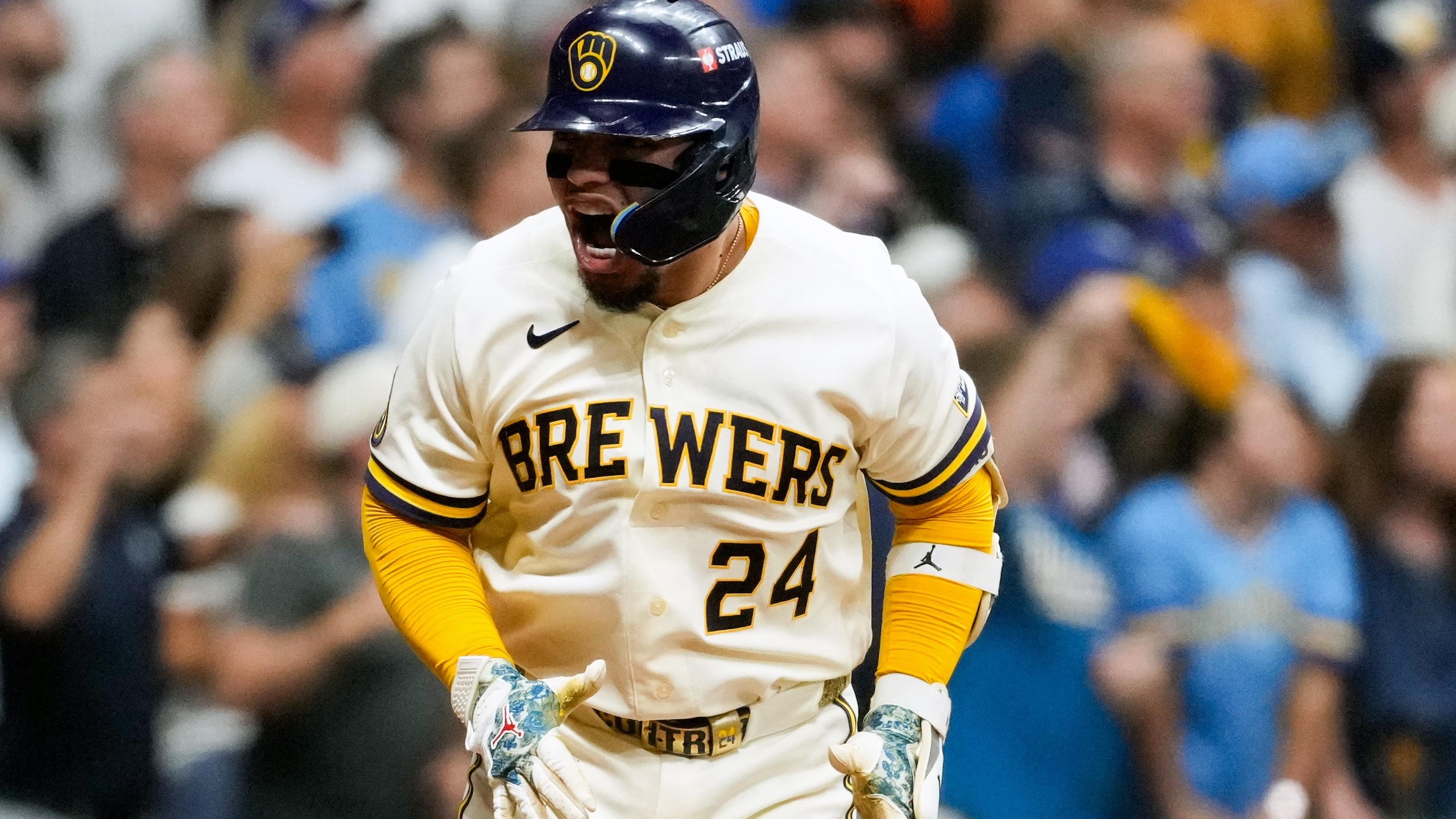
If you are a newcomer merely looking to test the waters, understand the kind of league you are joining and your fellow owners. Not everyone is comfortable with their players when they start slacking off come the dog days of summer.
Before diving in, here are a few things to keep in mind as drafters prepare to assemble their own boys of summer.
What Is the Format?
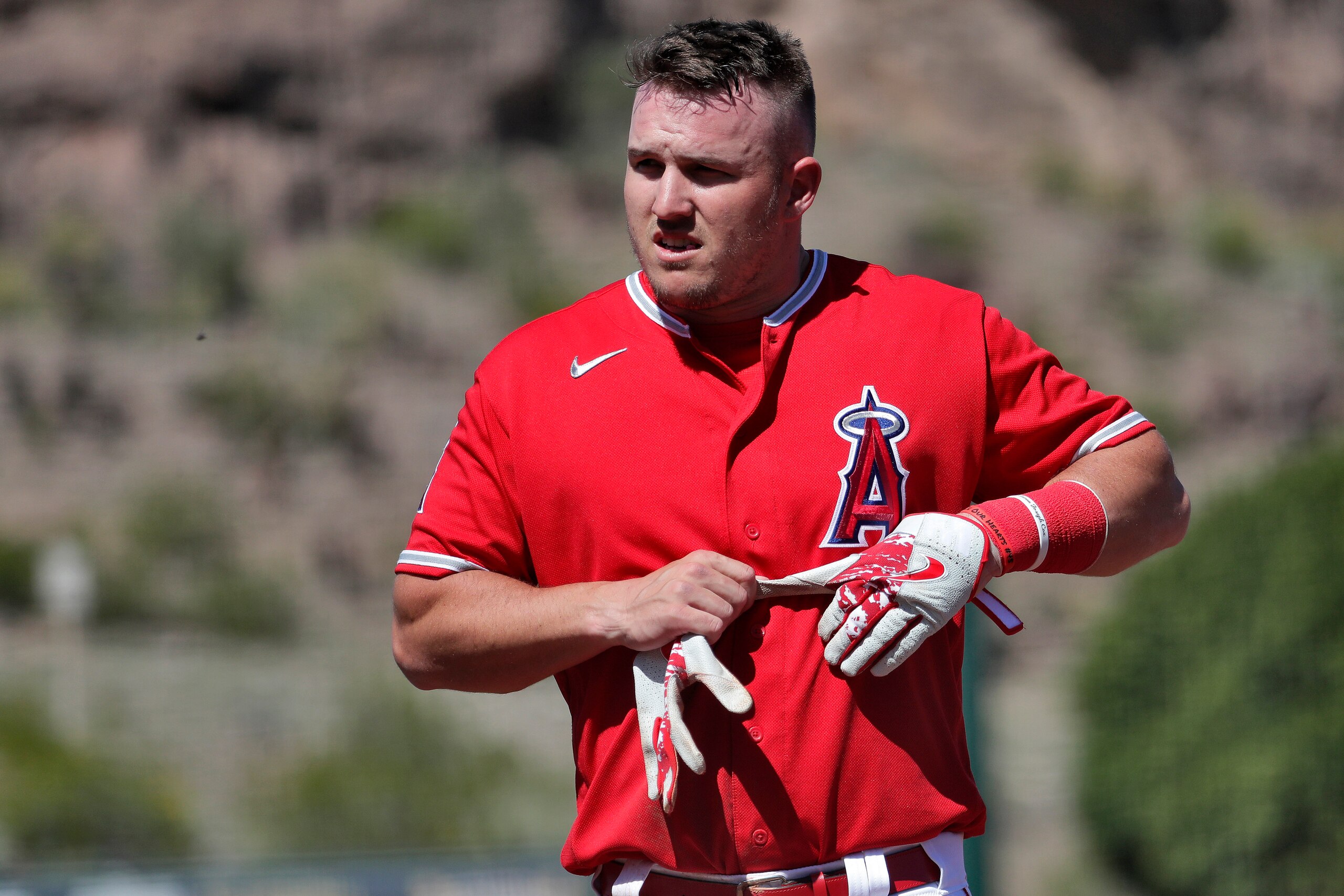
For starters, understand the very basics of the league.
Is your league based on rotisserie scoring or head-to-head matchups? How many waiver moves are you allowed per matchup or throughout the season? What about the draft format: Is it a snake draft or an auction draft? Has the draft order been randomized ahead of time?
Answering these questions can go a long way in formulating a concise draft strategy. For example, in the event of a league based on a certain set of categories, some players are going to be more valuable than others depending on the categories used by the league.
Chicago White Sox shortstop Tim Anderson looks appealing because of his American League-leading batting average, but there are other players who might better suit the demands of your league.
If your league uses on-base percentage as one of your categories, for example, someone like Josh Donaldson should be a high draft selection. Donaldson hit just .259 last season, but he walked 100 times for a .379 on-base percentage while also hitting 37 homers and driving in 94 runs.
Moreover, drafters should consider how many roster spots are allowed and how they are allocated. Are there enough spots on the injured list to stash away a marquee player who might miss some time early in the season?
A better understanding of the format will help drafters inform their decisions.
Be Wary of Injuries
This might sound like an obvious directive, but keep in mind injuries can also present opportunity. Perhaps we should take a closer look at the New York Yankees to better understand this notion.
No, there is no reason to draft Yankees starter Luis Severino, who will miss the entire 2020 season after undergoing Tommy John surgery on his throwing elbow.
But what about James Paxton? The left-hander, who dominated down the stretch in 2019, had back surgery in February and was initially expected to miss the first two months of the year. However, Kristie Ackert of the New York Daily News reported Paxton could begin throwing this week.
Paxton might be a guy drafters should keep an eye on in the later rounds. There is a tendency to immediately pass on injured players, at least until the middle rounds. For a second-tier starter like Paxton, he could suddenly become a diamond in the rough toward the back end of drafts.
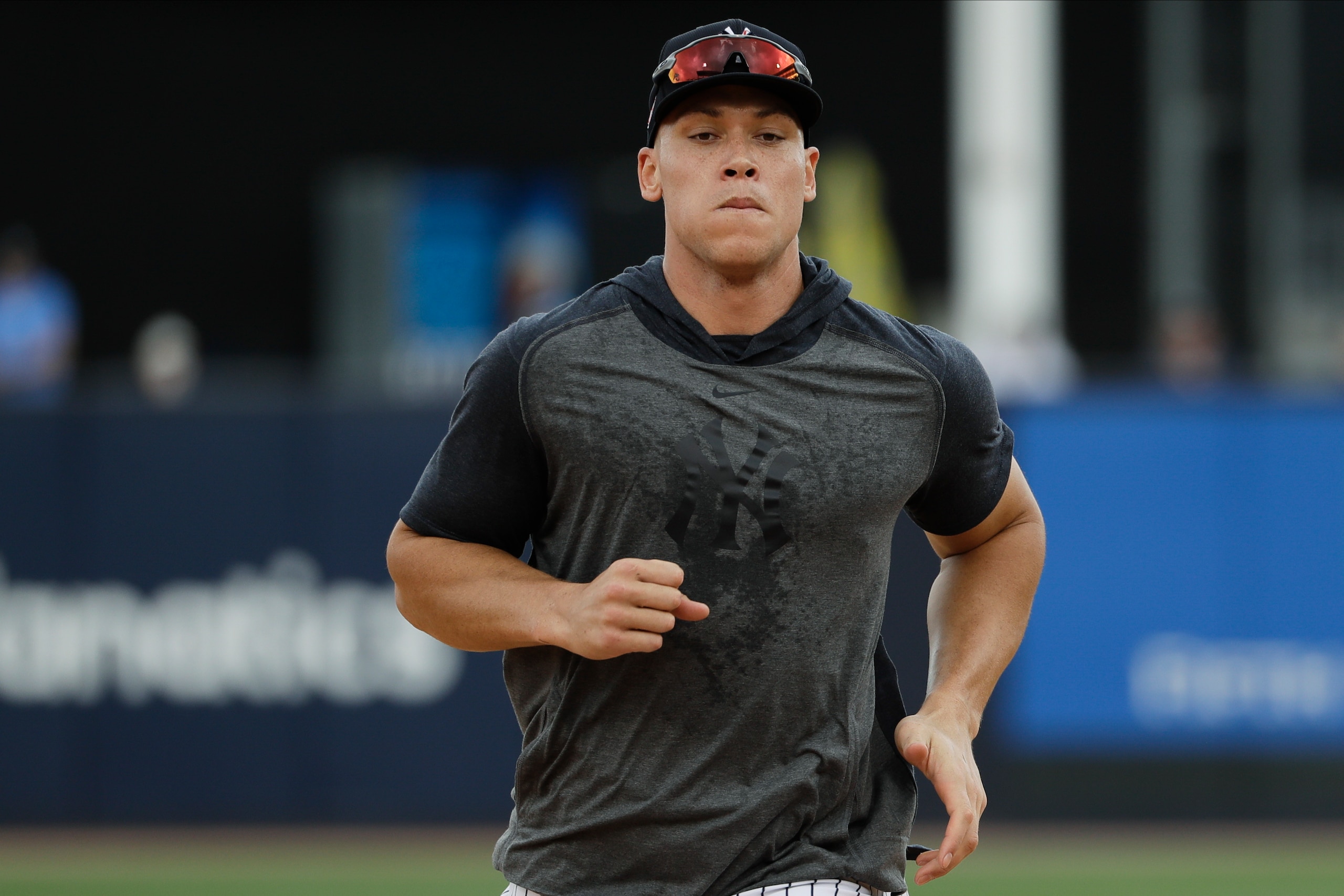
Perhaps we should analyze the curious case of Aaron Judge. The 2017 American League Rookie of the Year has a fractured rib, and the team will reevaluate whether he needs surgery in a few weeks.
There is a lot of risk and reward with respect to Judge. He is undoubtedly one of the best players in baseball, but health has been a consistent issue throughout his young career. The outfielder has missed at least 50 games in each of the last two seasons, and this latest setback might have an impact on his draft stock.
But Judge's sheer talent might be enough to make him an option in the high rounds because of the upside he presents.
There are plenty of other names to consider, from teammate Giancarlo Stanton to Cleveland Indians starter Mike Clevinger. Injuries can be a detriment, but there is still plenty of strategy when it comes to drafting injured players.
Do Not Reach on Prospects
Remember when Vladimir Guerrero Jr. was dubbed the overwhelming favorite to win the American League Rookie of the Year Award last season?
The third baseman had a solid rookie season with the Toronto Blue Jays, slashing .272./339/.433 with 15 homers in 123 games. But he was hardly the world-beater many believed he would be during spring training.
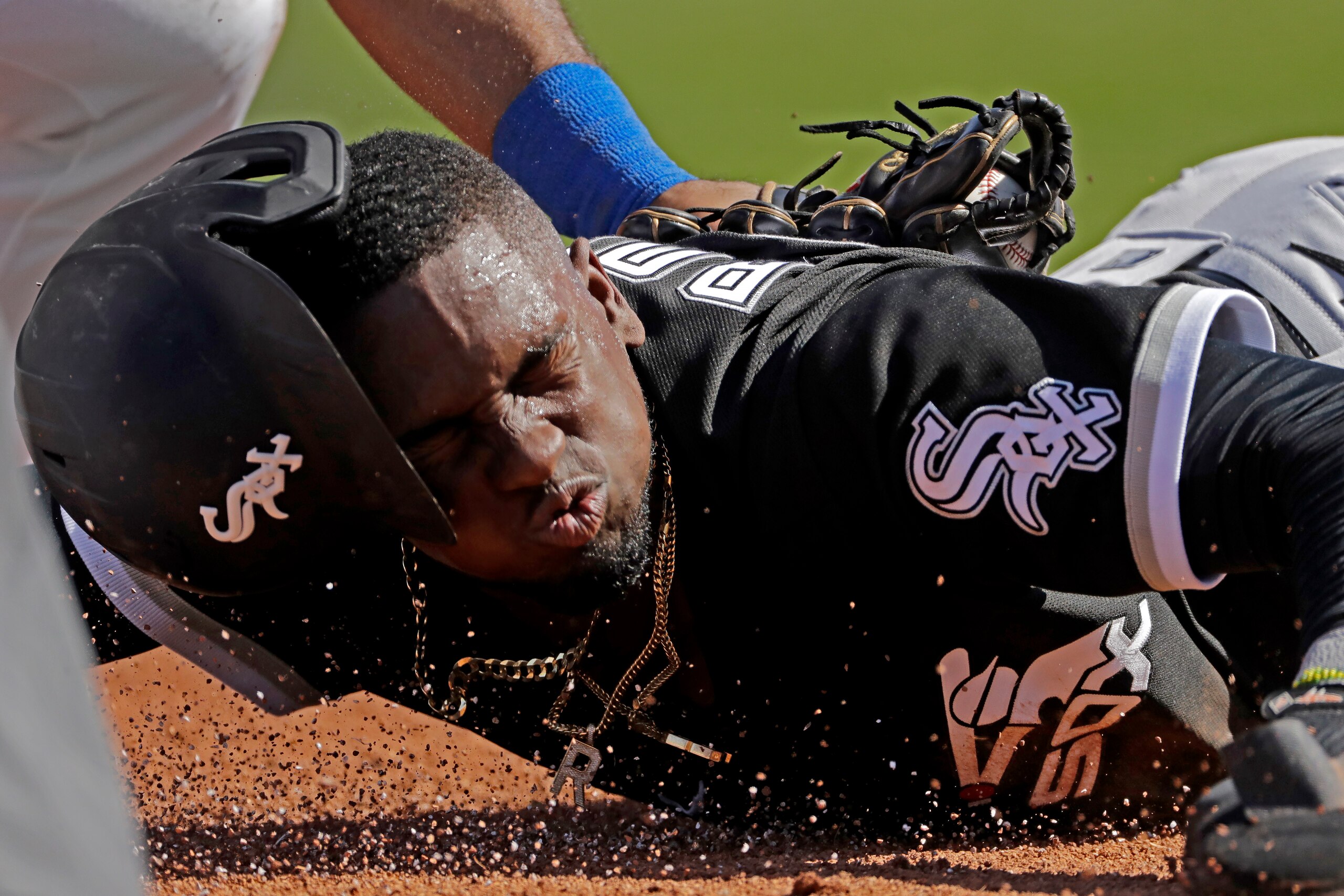
The point is, do not buy into hype trains when it comes to prospects. Luis Robert might be a tempting prospect because of his tools and the fact he will start the season with the White Sox, but the outfielder has yet to play an official MLB game. That still means something.
Some of the best young players in the game still need a bit of seasoning prior to making their splash in the bigs; such was certainly the case with Houston Astros slugger Yordan Alvarez. Often, the waiver wire can be the best place to pick up the next young star.
Is it worth it for drafters to keep an eye out for rookies that make big league clubs out of camp? Of course. But be wary of selecting the likes of Detroit Tigers star pitching prospect Casey Mize when there are more reputable and dependable options available.
Check Out Average Draft Position

Average draft position is a good tool for drafters who want to get a feel when some players are typically being selected. ADP is also indicative of players who might become sleeper candidates in a league.
Take Kansas City Royals utility man Whit Merrifield, for example. Merrifield is incredibly valuable in almost any fantasy league, as he has posted an OPS over .800 in each of the last two seasons while also racking up tons of hits (206 last season) and stealing a bunch of bases (at least 20 in each of the last three years).
But according to Fantasy Pros, Merrifield's current ADP in ESPN leagues is 60th, placing him behind Yankees second baseman DJ LeMahieu despite the fact Merrifield can impact matchups in multiple categories.
San Diego Padres shortstop Fernando Tatis Jr. is going in the second round in some leagues while nearly falling to the fourth in others. In essence, gauging ADP can help fantasy baseball players understand how their own drafts might play out.
All stats obtained via Baseball Reference unless otherwise noted.

.jpg?w=2560 "Grading WWE Raw 🔠")
.png?w=2560 "Allen's BRUTAL 1H Stats 🫤")

.jpg?w=2560 "Aaron Donald Fights Bills OL😳")