An NFL player's biggest growth spurt often occurs between his first and second seasons, because it's the first time he's fully dedicated to being a professional.
Prior to being drafted, prospects undertake the banquet circuit, combine-specific training, the actual NFL Scouting Combine, pro days, private workouts and team visits before being chosen by a team. Shortly thereafter, they're into rookie minicamps, organized team activities and veteran minicamps before a slight respite provides some time to recharge before training camp. It's a nearly nonstop process from their final days on campus until their first professional campaign.
As such, rookies never receive an opportunity to train for their first season. Their second year is completely different. Everything slows down.
After being thrown into the fire, the young veterans finally have an opportunity to take a step back, not be overwhelmed and assess the previous year. Furthermore, their training regimens change to better achieve their goals.
The fortunate few who excelled in their first season are looking to build upon their early success. Others are looking to bounce back after poor play or get healthy after suffering an injury. A select number will see a dramatic rise in performance after a disappointing rookie season.
QB Josh Rosen, Miami Dolphins
1 of 9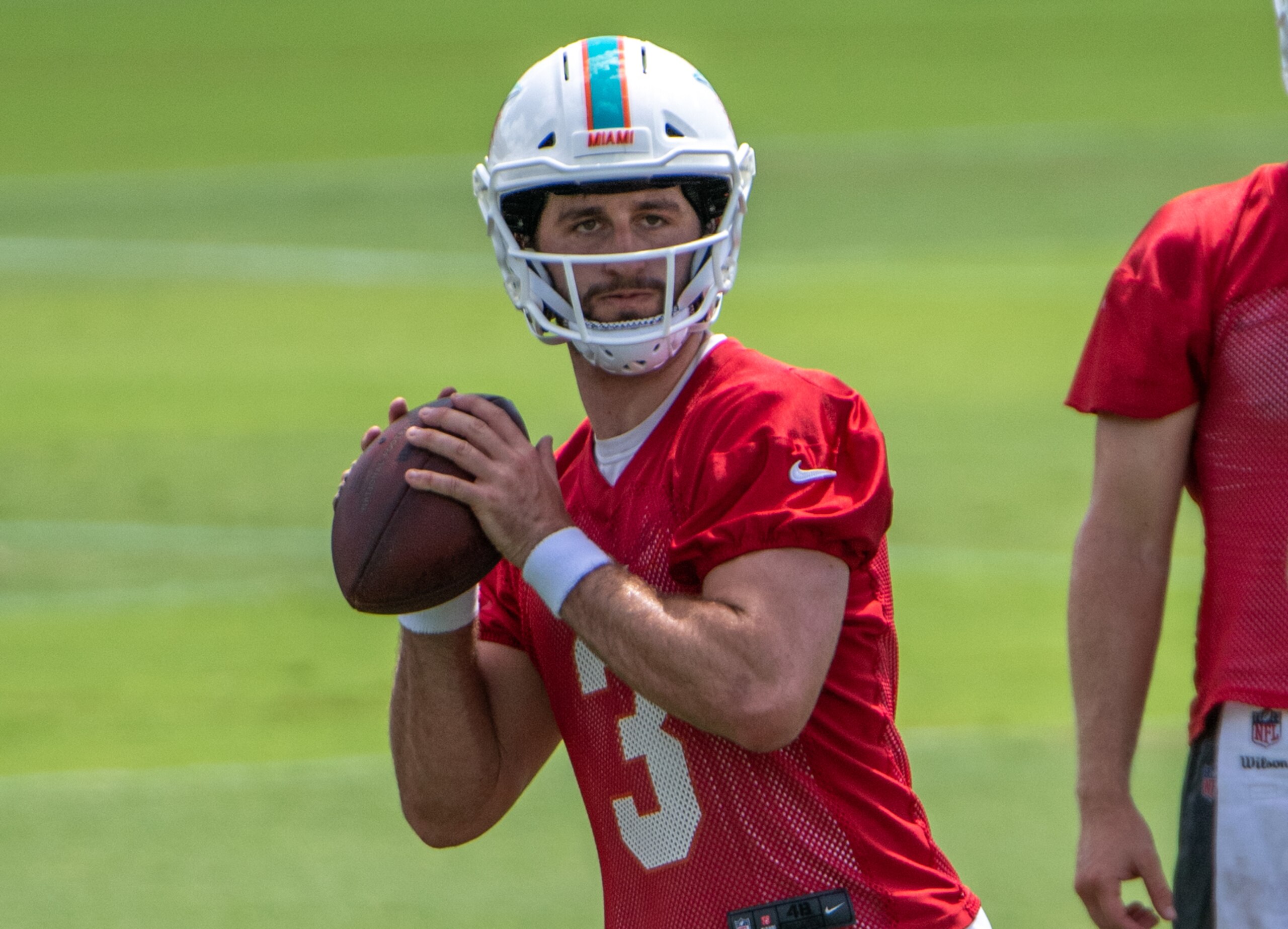
Josh Rosen never received a fair shot with the Arizona Cardinals.
Last year's 10th overall pick was surrounded by the league's least talented roster, endured a midseason offensive coordinator change and found himself on another team a day after his one-year anniversary of being drafted.
Rosen wasn't placed in a position to succeed. So his 11-to-14 touchdown-to-interception ratio and underwhelming play weren't surprising.
Rosen received a new lease on life with the Miami Dolphins, who traded the 62nd overall pick to Arizona for him. In doing so, the Dolphins may have landed the long-term answer at the game's most important position.
With Brian Flores as its first-year head coach, the organization must commit to building around the 22-year-old signal-caller and avoid the same disruptions the Cardinals endured. Organizational stability, a steady offensive line and better skill-position weapons make Miami a preferable option.
Ryan Fitzpatrick serves as a roadblock, though. Rosen must win a training camp battle to claim the starting job. If he does, he'll have the opportunity to display his full potential.
RB Rashaad Penny, Seattle Seahawks
2 of 9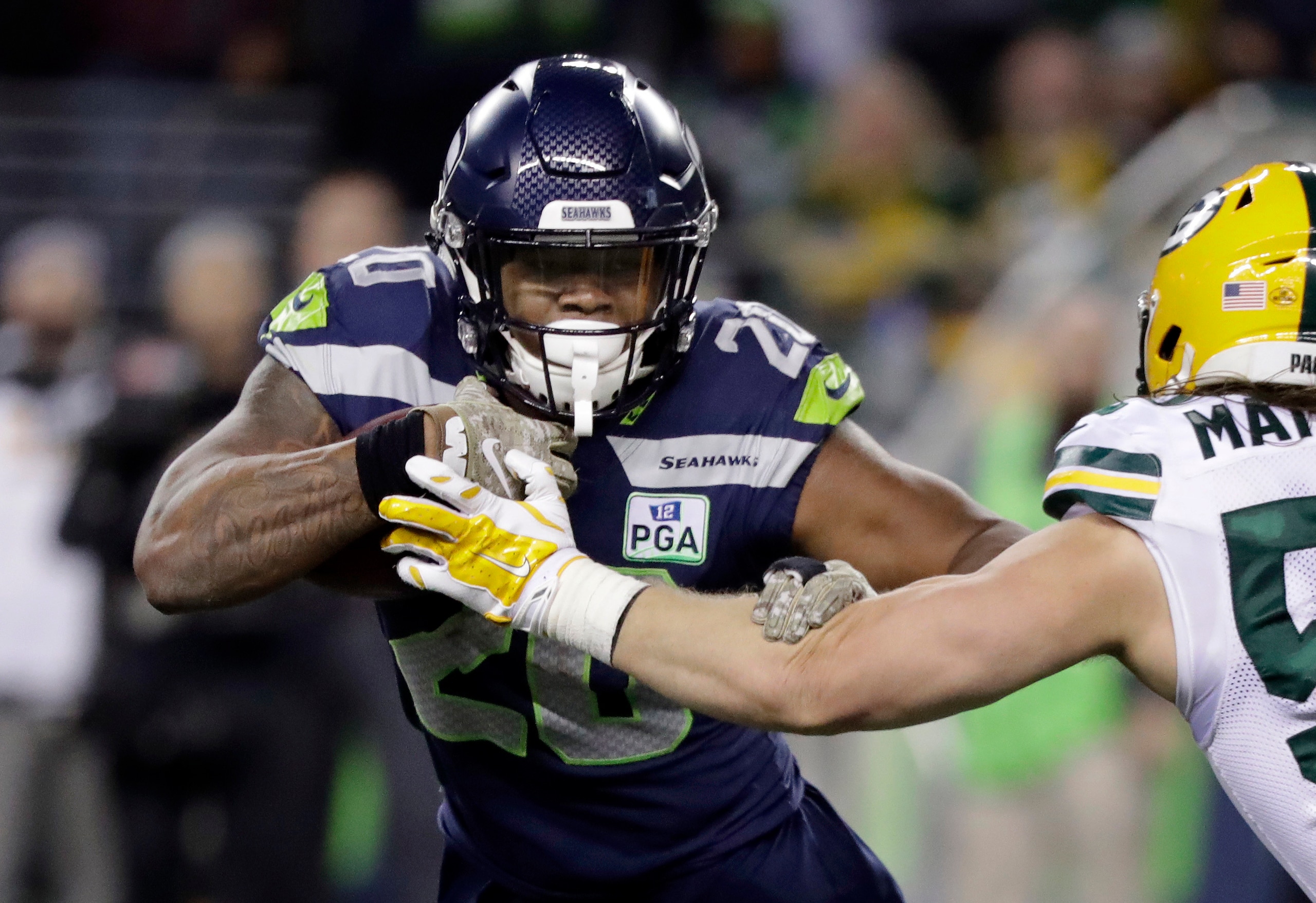
Seattle Seahawks running back Rashaad Penny struggled out of the gates after he suffered a preseason hand injury.
"He showed us a bunch of juice and spark before he got hurt and then the month that he missed in there seemed to set us back a little bit and we were so close to the season that it really wasn't the time to go back to camp and develop him," head coach Pete Carroll said of Penny in early November, per Pro Football Talk's Curtis Crabtree.
Days after this quote, he had a breakout game with 108 rushing yards against the Los Angeles Rams.
The flashes remained few and far between because Seattle featured the league's fifth-leading rusher, Chris Carson.
Even so, the organization should still have high hopes for last year's 27th overall draft pick. Carson may be the offense's lead back, but the Seahawks led the league in rushing last season. He'll have lots of opportunities within the backfield rotation.
Penny's readiness and production should reach another level as long as he remains healthy.
WR James Washington, Pittsburgh Steelers
3 of 9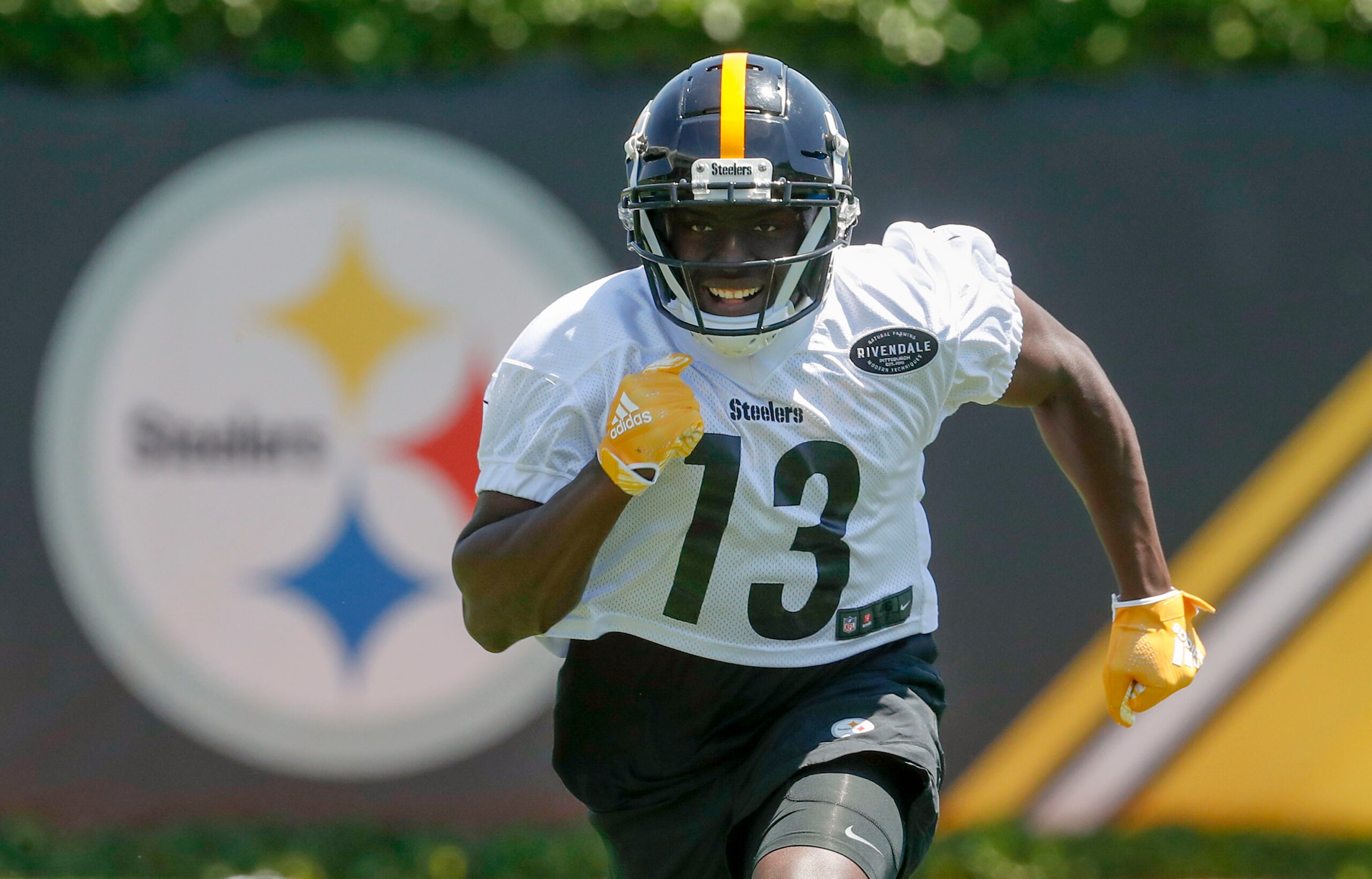
James Washington wasn't physically or mentally ready for the professional game. The Steelers' 2018 second-round pick finished his rookie campaign with 16 receptions for 218 yards.
His lack of preparedness wasn't detrimental to the team last year because the Steelers had both Antonio Brown and JuJu Smith-Schuster on the roster. Brown is now a member of the Oakland Raiders, and Pittsburgh needs a second option in the passing attack. Washington is the most likely to fill the void after an outstanding offseason.
According to ESPN.com's Jeremy Fowler, the second-year wide receiver lost 15 pounds through dietary changes and hard training and now weighs about 209 pounds. As a result, Steelers head coach Mike Tomlin expects "a big leap in Year 2 from him," per the Pittsburgh Tribune-Review's Chris Adamski.
Washington can't replace all that Brown did. No one expects him to do so. However, he must show he can be the same vertical presence he was at the collegiate level. If Washington consistently takes the top off defenses, he'll create space for Smith-Schuster, Eli Rogers and Ryan Switzer to work intermediate and underneath routes.
.jpg?w=2560 "Colts Football")
.jpg?w=2560 "Commanders 49ers Football")
.jpg?w=2560)
TE Will Dissly, Seattle Seahawks
4 of 9
Supposedly, Will Dissly was the best blocking tight end in the 2018 NFL draft. While that may have been true, he turned into far more as part of the Seattle Seahawks offense.
Dissly caught six passes for 147 yards and a pair of touchdowns in his first two professional games. His production tailed off in the third game—one reception for four yards against the Dallas Cowboys—before the rookie suffered a season-ending patellar tendon injury during Seattle's Week 4 contest against the Arizona Cardinals.
The second-year tight end's recovery remains at the forefront, of course, but the Seahawks organization expects him back at some point during training camp.
"He's running, catching balls and doing workouts and all that, so he's making good progress," head coach Pete Carroll said, per 710 AM ESPN Seattle's Stacy Rost. "We think there's no reason for him not to be on schedule when we get back to camp, which would mean ... we'll take just a few weeks into camp before we even think of cutting him loose."
Dissly should become an integral component within the Seahawks offense as a blocker and receiver upon his return.
DT Vita Vea, Tampa Bay Buccaneers
5 of 9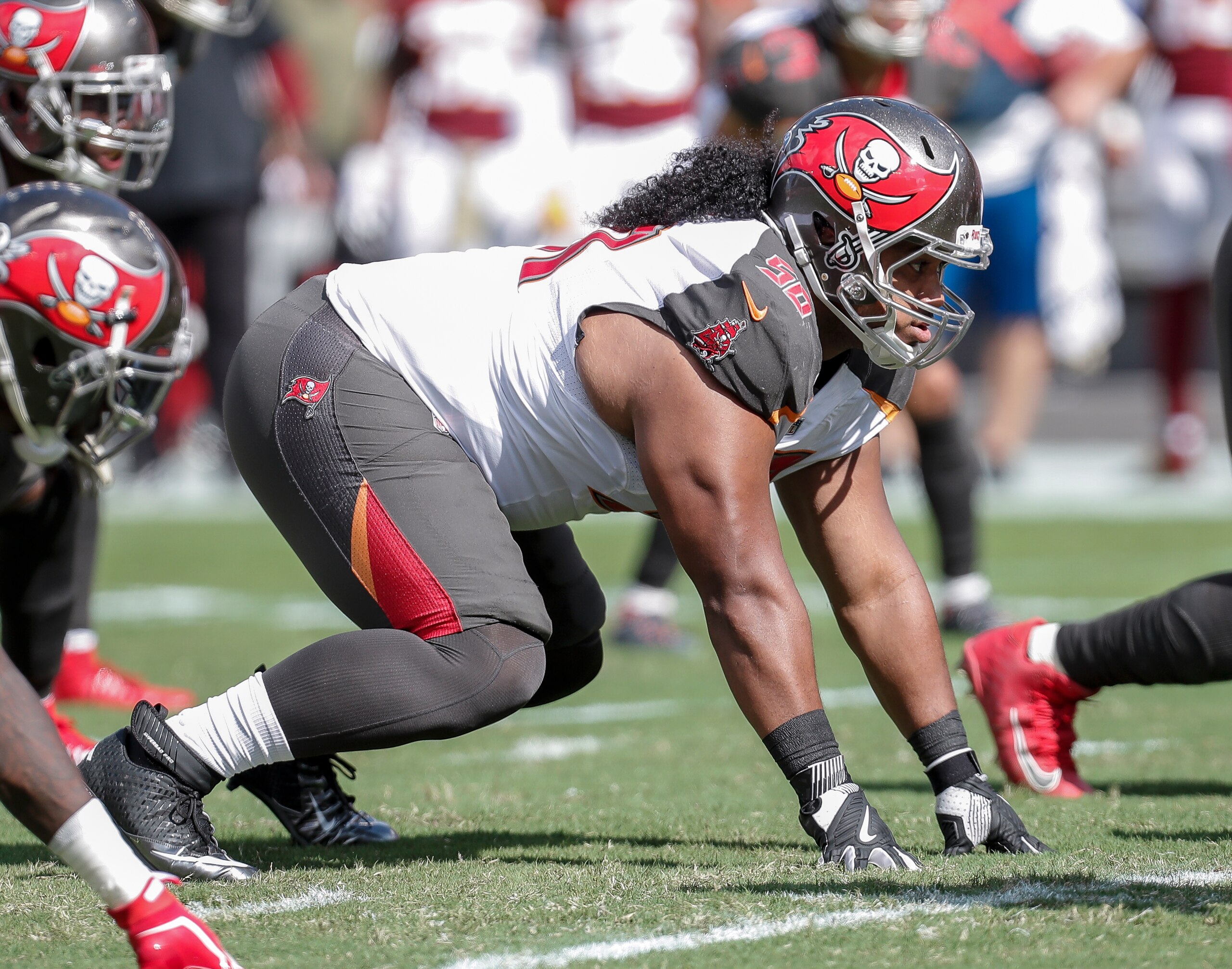
Tampa Bay Buccaneers nose tackle Vita Vea is on the verge of becoming an elite interior defender, which he showed glimpses of late in the season.
Last year's 12th overall pick started slowly due to a calf injury. Eventually, Vea entered the lineup and improved as the season continued. By the end of the season, his explosion and power at the point of attack were present.
According to Pro Football Focus' Cameron Pezet, the rookie registered 19 quarterback hurries and 16 defensive stops in his final six games.
An organization expects a dominant force when it selects a defensive tackle, especially a 1-technique, in the first round. The prospect should destroy opposing run games while collapsing the pocket on a consistent basis. Vea can do both but has yet to do so over an extended stretch.
Vea's potential should be on display this fall with Ndamukong Suh next to him in the Buccaneers' new three-man front.
DE Marcus Davenport, New Orleans Saints
6 of 9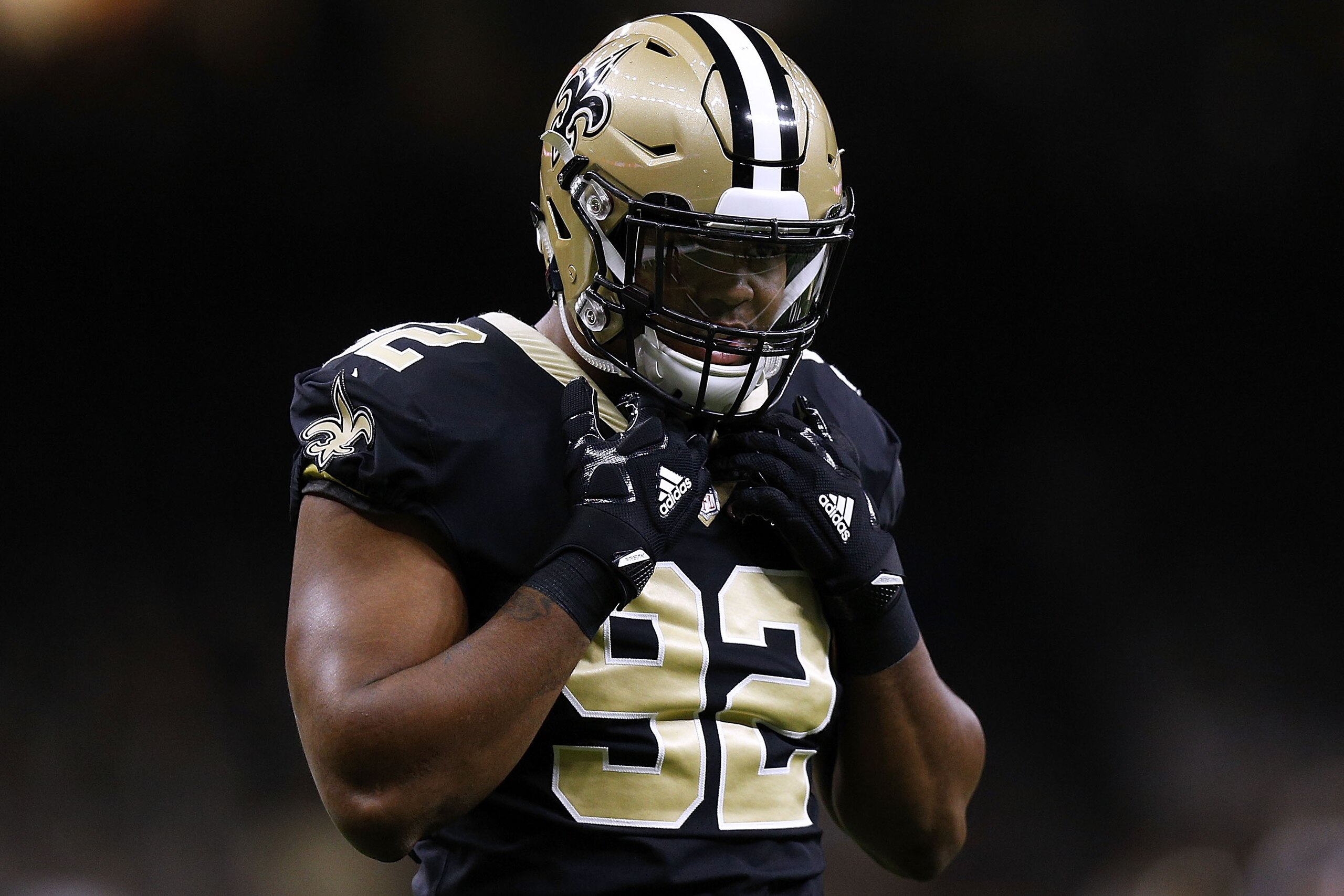
The New Orleans Saints traded their 2018 and '19 first-round draft picks to the Green Bay Packers so they could select defensive end Marcus Davenport. The deal seemed costly, but the franchise saw elite physical traits to provide the defense with a consistent edge rush opposite Cam Jordan.
The organization's vision for Davenport didn't fully materialize, because the rookie dealt with a toe injury that required offseason surgery.
"So when a guy is dinged and injured, and he's playing through it, he's tough as heck, that slows development," assistant general manager Jeff Ireland said, per ESPN.com's Mike Triplett. "But certainly we've got a plan for him. He's gonna get healthy, that's No. 1. Then there's gonna be a little bit of starting back from scratch."
Davenport still managed 28 total pressures and a 7.8 run-stop percentage, according to Pro Football Focus. His raw ability and potential are obvious. But the Saints expect him to become an annual double-digit sack artist. As long as Davenport's feet don't bother him in his second season, he could develop into a premier pass-rusher.
LB Oren Burks, Green Bay Packers
7 of 9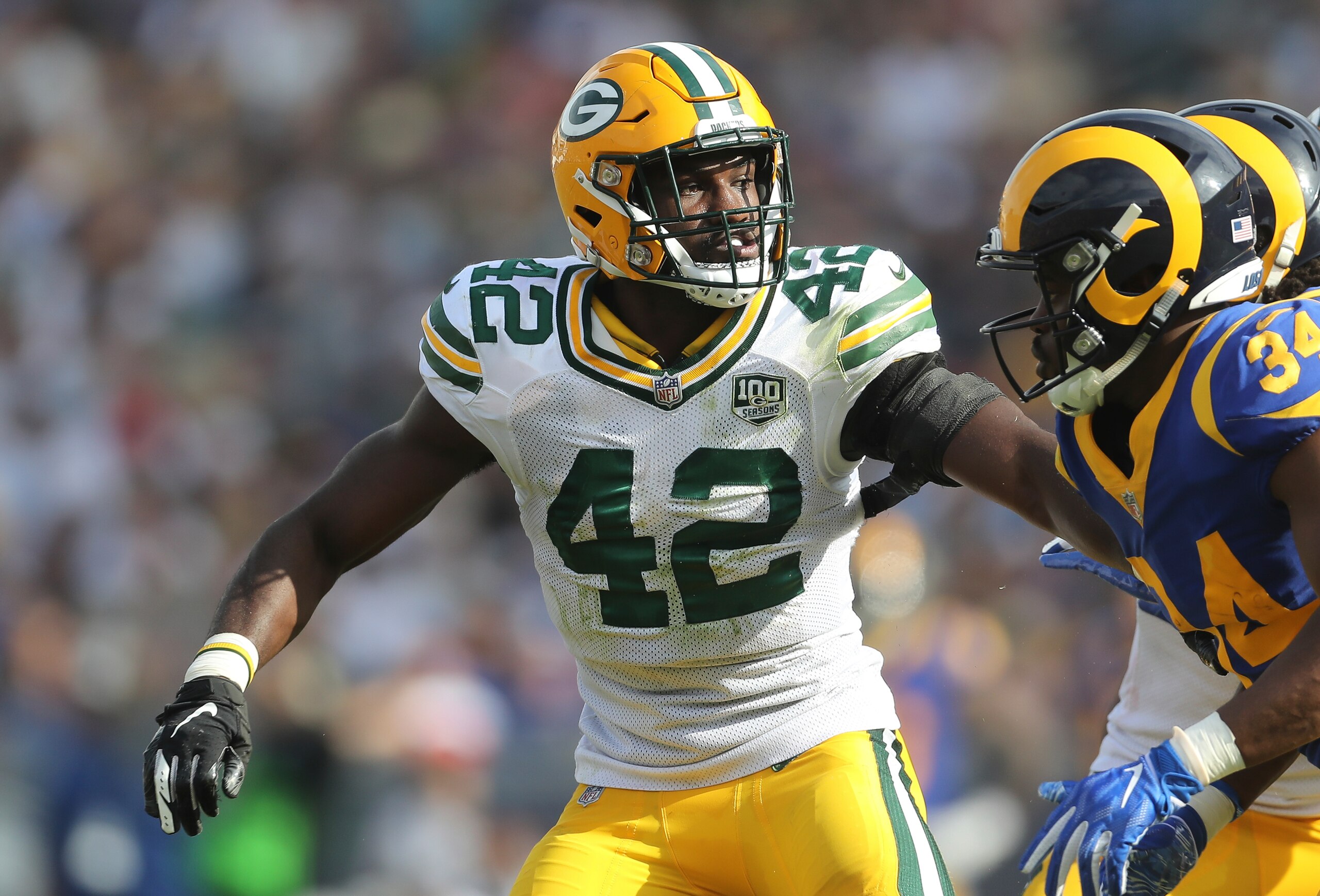
The Green Bay Packers decided not to make a significant investment in the inside linebacker position this offseason. Instead, the unit will be led by Blake Martinez, with Oren Burks expected to make significant strides in his second season.
Burks suffered a shoulder injury last preseason that knocked him out of the lineup for two weeks before he became a starter in Week 5. The rookie linebacker started three games, but his playing time faded as the season progressed.
The second-year player is an ideal complement to Martinez, who presents some athletic limitations. Burks started his collegiate career at safety before moving to "Star" linebacker and eventually starting at middle linebacker as a senior. His versatility is beneficial for sub-packages, but he's still learning to play in the middle.
"He's done a very good job with trying to be efficient with his feet, efficient with his angles, and putting his eyes in the right spot," inside linebackers coach Kirk Olivadotti said, per Mike Spofford of the team's official site. "Because when he does that, he can move around and be a pretty good player."
CB Mike Hughes, Minnesota Vikings
8 of 9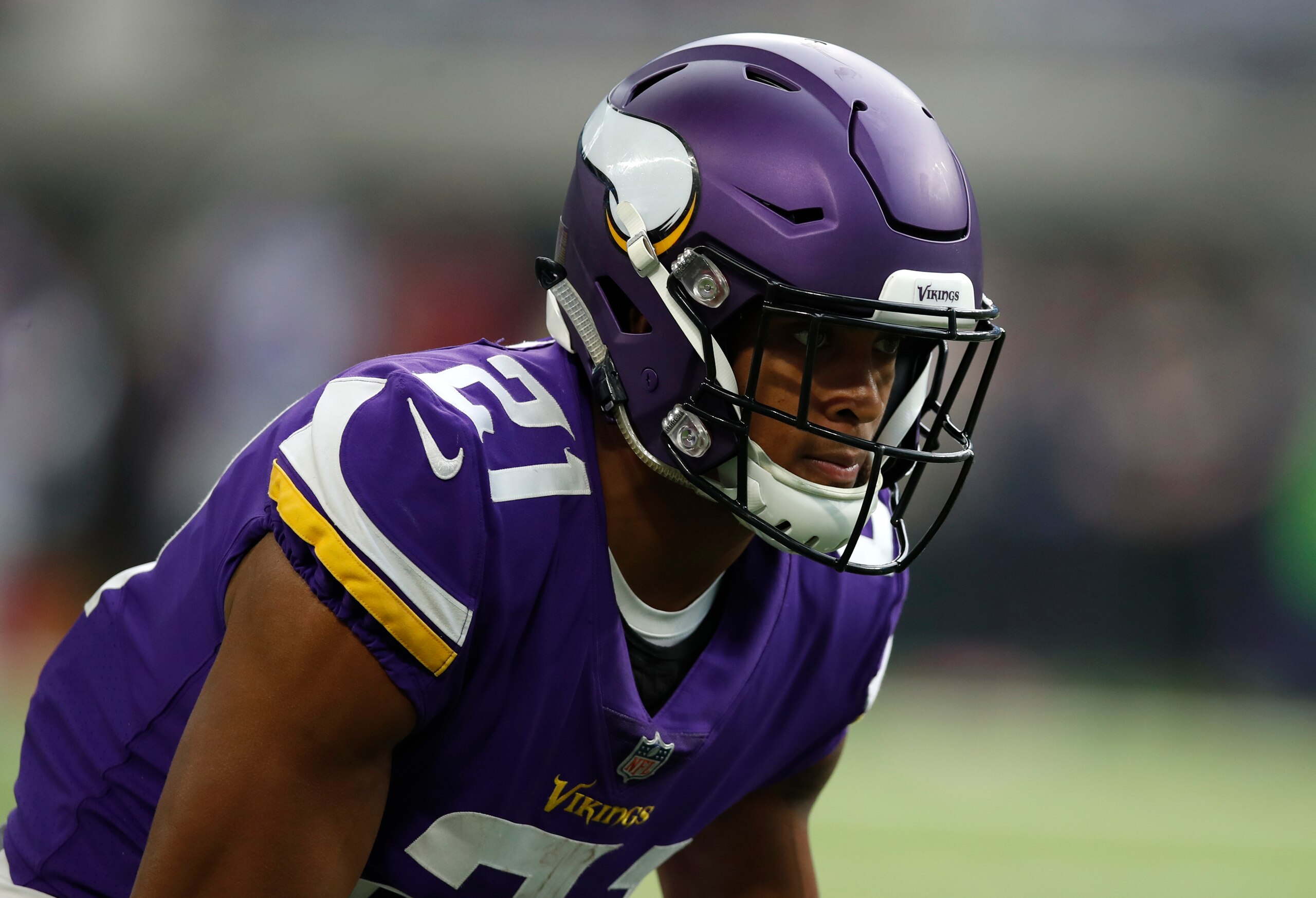
The Minnesota Vikings epitomize the "You can never have too many good cornerbacks" approach. This became obvious last year when general manager Rick Spielman chose Mike Hughes with the 30th overall draft pick.
Hughes played in six games and started two before suffering a torn ACL in a Week 6 contest against the Arizona Cardinals.
"Mike Hughes is working extremely hard on his rehab to get him back," Spielman said last month, per the Minneapolis Star-Tribune's Andrew Krammer. "We have a lot of good depth there at the corner position."
The Vikings don't expect Hughes' return until after the start of training camp.
Xavier Rhodes, Trae Waynes, Mackensie Alexander and Holton Hill form a solid quartet. But Hughes provides excellent ball skills, as evidenced by a pick-six in his first professional game.
A healthy Hughes brings versatility as an inside-outside option. Last year, Alexander won the competition to start at nickel corner, while the rookie struggled to find a home. Now, the second-year defender could be used all over the field, which would provide the Vikings with more flexibility.
S Tarvarius Moore, San Francisco 49ers
9 of 9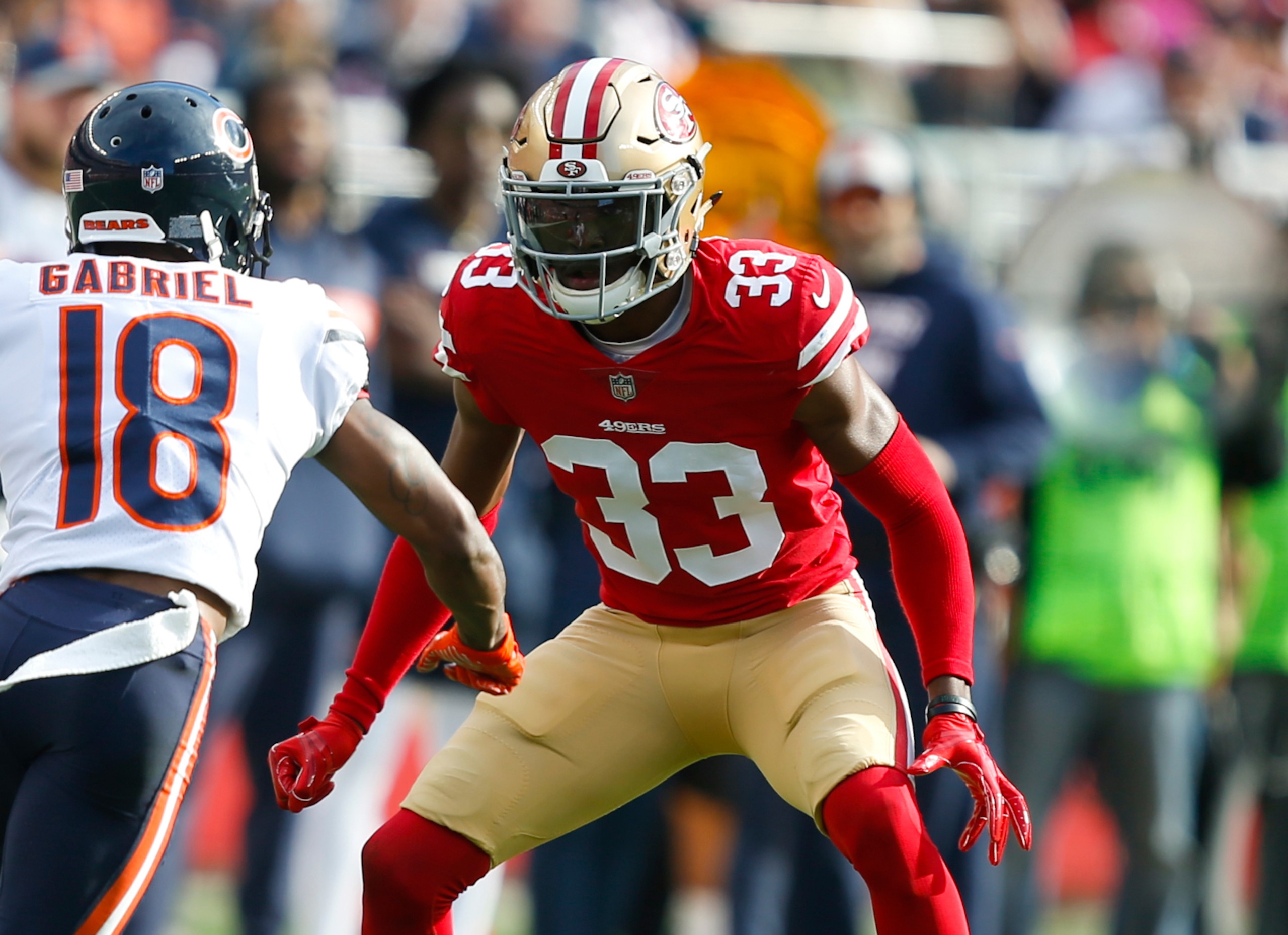
The San Francisco 49ers decided to switch last year's 95th overall pick, Tarvarius Moore, from safety to cornerback because the defensive back could run well. Moore ran a 4.32-second 40-yard dash at his pro day.
Moore isn't a natural corner, and he struggled. As a result, the 49ers are expected to move the second-year defender back to safety.
"His best fit, I think, is free safety," safeties coach Daniel Bullocks said, per NBC Sports Bay Area's Matt Maiocco. "We all evaluated him in college, and we liked him because he was playing free safety."
Moore's speed is just as crucial at safety because it gives the 49ers a side-to-sideline backline defender in Cover 3 looks. Plus, the defensive back should be more comfortable, though a transition period is needed.
"There are going to be some hurdles for him learning free safety," Bullocks added. "... When you're at corner, you see the game outside-in. When you're playing safety, you see it in front of you. It'll take him some time to get back in the groove because he hasn't played the position in a year."
.jpg?w=2560 "DOLPHINS-AIKMAN")




.png?w=2560 "Week 8 Winners & Losers 📊")