

How to Play Fantasy Baseball: Tips and Advice for Your MLB League
For once, spring's arrival will actually signify the official start of baseball.
As everyone welcomes the spring solstice on March 20, the Seattle Mariners and Oakland Athletics will open the 2019 MLB season with the first of two games in Tokyo.
It's still winter, but spring training is well underway. With the season starting sooner than usual, fantasy baseball drafters can't procrastinate any longer. It's time to dig deep into strategies, sleepers and any slither of data one can find.
TOP NEWS

Brewers Stun Padres in Game 2 😧
Realistic MLB Trades That Could Happen In 2026-27 Offseason
Braves' Opener Shines vs. LA 💪
Others, however, may simply want to know what this whole fantasy baseball hoopla is about. First off, welcome aboard. Grab a seat and stay a while. The various formats and categories can be daunting at first, especially since this game demands a six-month commitment, but it's a captivating challenge for those who stick around for the whole ride.
Before getting into specific player targets and optimal draft tactics, here's a rundown of some general guidelines for beginners and casual gamers. There's more to it, but this is a good start to acing your draft.
Know Your League
The obvious one included in just about every advice article of this nature, it still bears repeating. As fantasy sites become more customizable, it becomes increasingly difficult for any analyst to know your specific settings.
Drafters thus need to do their own homework.
Before firing up those rankings—making your own is highly recommended—get comfortable with the basics. Is the league scored by rotisserie, head-to-head or points? What are the categories? Is it a snake or auction draft? Are players added via an open waiver wire or a free-agency acquisition bidding (FAAB) system?
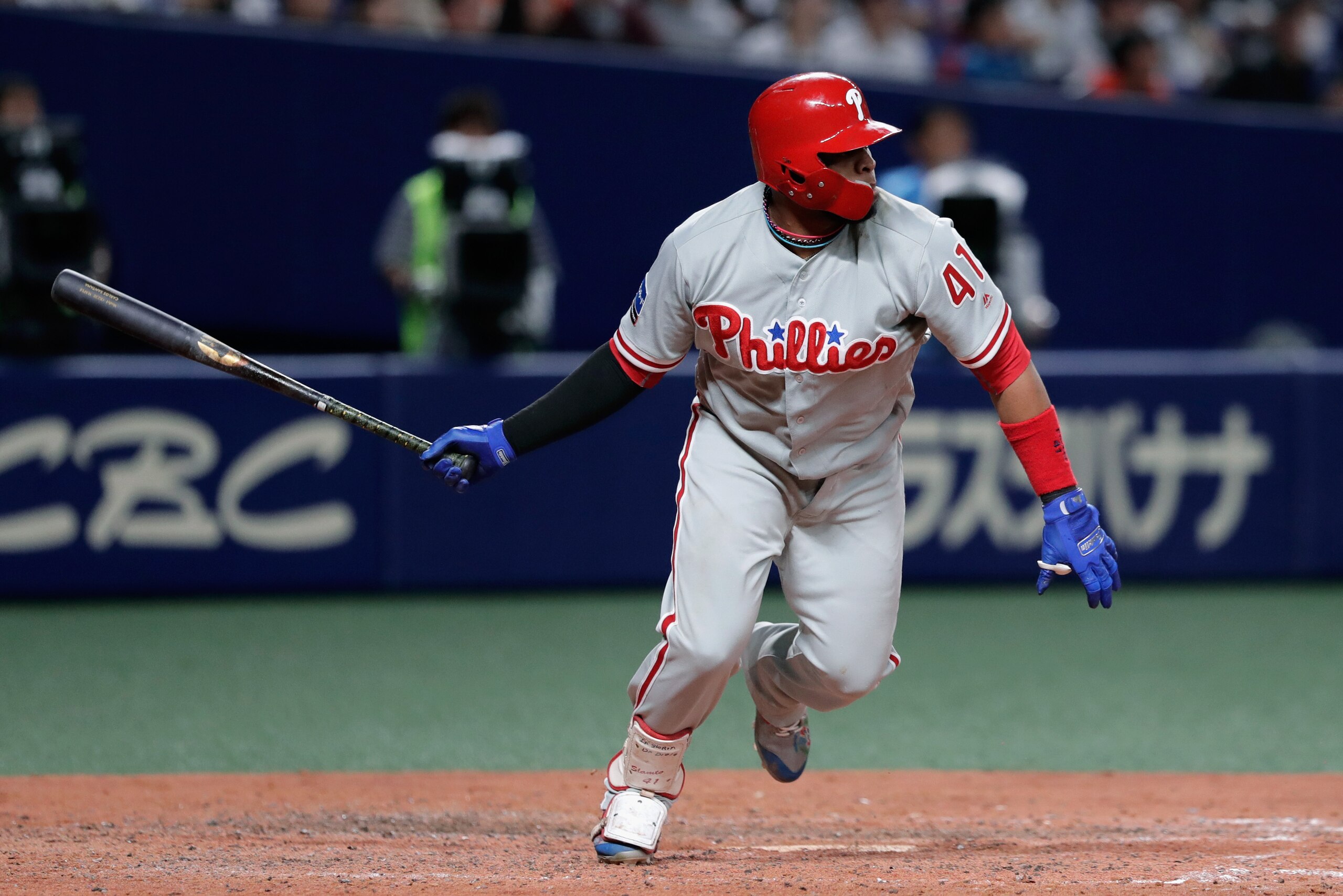
You may like Billy Hamilton's chances to steal 50 bags for the Kansas City Royals, but his value plummets in a points league that devalues steals in favor of more offensive outcomes such as OPS. Carlos Santana, on the other hand, becomes way more valuable in a points format with walks or any league that uses on-base percentage.
Roster sizes are also essential to know prior to a draft. A durable starter like Eric Hosmer is far more valuable in a 15-team league with a corner infield slot than a 10-team league without one. If only playing with a four-player bench and one or two IL spots, stashing Yoenis Cespedes isn't worth the hassle.
Those new to fantasy baseball may want to keep it simple by using the standard five-by-five hitting (AVG, R, HR, RBI, SB) and pitching (W, ERA, WHIP, SV, K) categories in a roto or head-to-head mixed league with 10 or 12 teams. After getting more comfortable, branch out to different scoring systems, try out an auction or even a keeper/dynasty league.
Don't Follow a Frigid Plan

This is where novices may want access to a foolproof plan guaranteed to win your league. Plenty of other analysts have touted distinct strategies, and plenty of them can work under the right circumstances.
Yet as simplistic as this will sound, no predetermined plan will succeed unless you draft the right players.
You'll miss out on value by attaching yourself to a concrete strategy. Perhaps you want to avoid the extra volatility associated with picking starting pitchers in the early rounds. That's fine, but be ready to toss that ideology out the window if Gerrit Cole falls to the fourth.
Adjust to your draft, even if it means ditching your early blueprint. Take the value offered, but also alter your valuations when necessary. That could mean drafting some upside pitchers earlier than expected if they're all flying off the board.
No gimmick can beat drafting the best players, so don't leave too much value on the table.
Mix Stability and Upside
Constructing a balanced team is vital, especially in a league where trading is rare or the free-agent market is barren. Balance doesn't only apply to filling every category. Drafters should also assemble the right blend of stability and upside.
Some drafters will take the Talladega Nights approach and chase upside with every selection. While there's no reward for fifth place, such a reckless scheme leaves little margin for error.
Besides, everyone seems to forget about the scene where Ricky Bobby's father explains that "If you ain't first, you're last" makes no sense. Pay leagues typically offer rewards for second and third, and at least there's more pride attached to placing fourth than ninth.
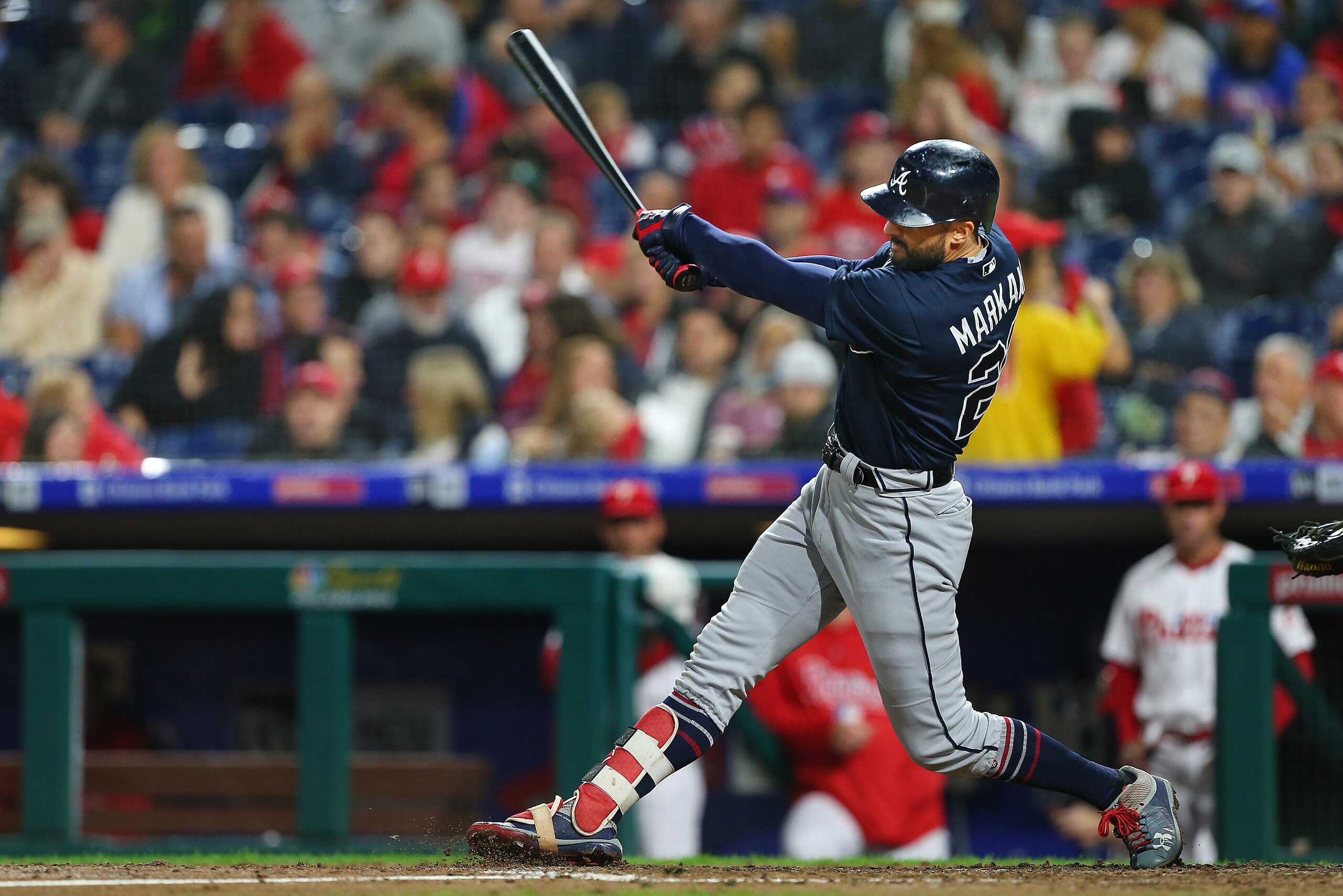
On the flip side, it's also a poor strategy to load up on players like Nick Markakis and Jon Lester who offer a steady floor, but lower ceiling. Taking Markakis as a fifth or sixth outfielder, however, isn't a bad idea for someone who already rolled the dice on Wil Myers and Byron Buxton.
Seek stability early, and shoot for the stars late. Adalberto Mondesi could ruin your season if he busts as a fifth-round choice, but you could drop Garrett Hampson with little remorse if he doesn't win a starting job out of spring.
Pay Attention To Spring (But Don't Go Overboard)
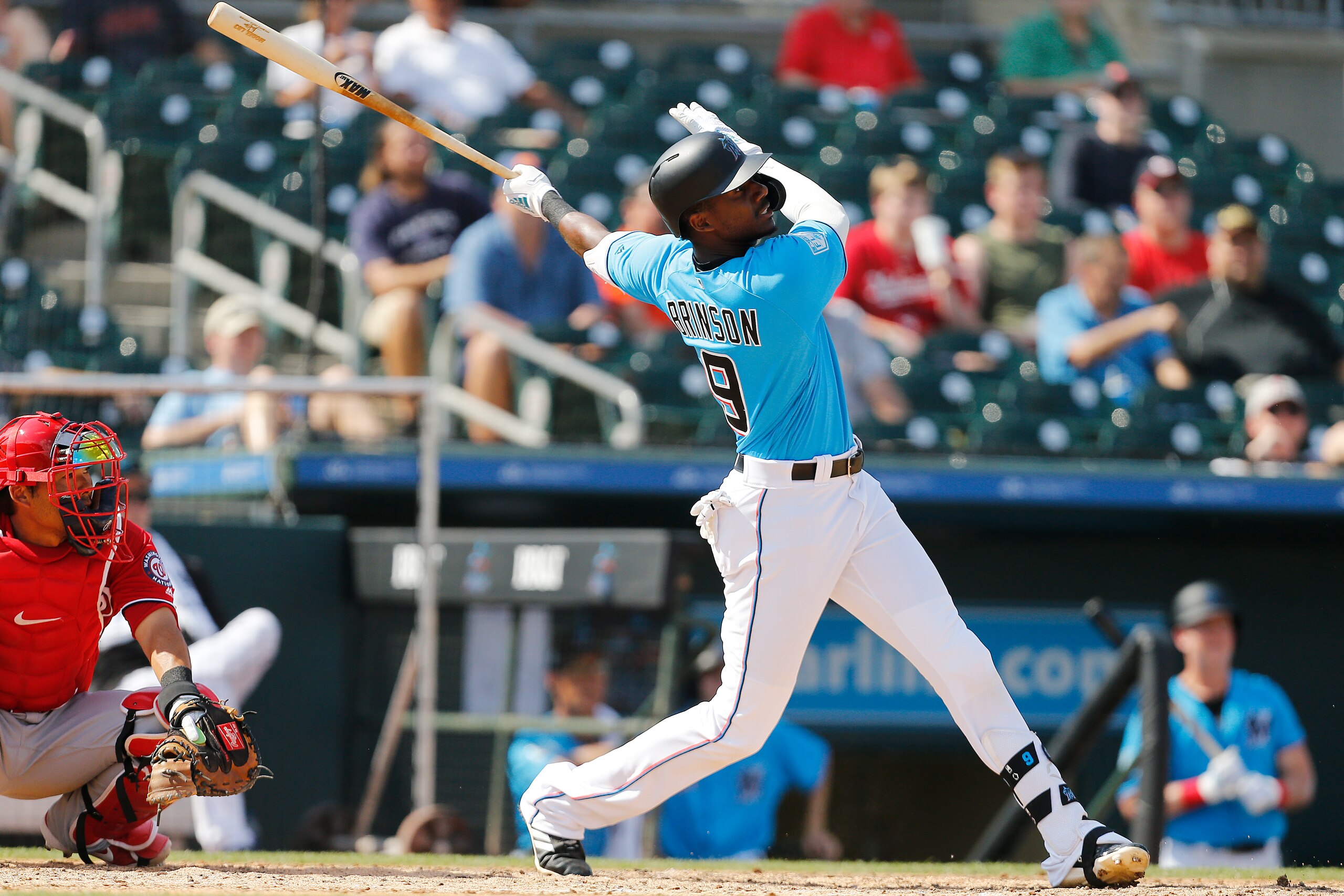
Does spring training matter? Yes and no. As long as he's not throwing 88 mph, a healthy Max Scherzer allowing a few runs isn't a big deal. Lewis Brinson's stellar March at most warrants an end-of-draft flier, but it hardly forebodes a second-year breakout.
Pay no mind to a hitter's batting average or spring ERA. However, an aggressive young hitter drawing more walks or a pitcher upping his velocity and/or developing a new pitch merit attention.
Although the hype machine can often go overboard, it's occasionally wise to pay attention.
In two spring innings, Jordan Hicks has recorded seven strikeouts. (One batter reached on a wild pitch.) The St. Louis Cardinals reliever, who routinely fired triple-digit gas last season, reached 103 mph in Tuesday's outing:
Despite his dominant stuff, Hicks settled for a 3.59 ERA and 70 strikeouts in 77.2 innings last year. He has the skills, however, to take the same leap to stardom as Josh Hader last season. The Athletic's Jayson Stark made that comparison in a piece where Cardinals pitching coach Mike Maddux credited Hicks with wielding "the best fastball I've ever seen."
"There have been a lot of good ones through the years, you know, just based on velocity," Maddux said. "But the combination of the movement with the velocity? That really caught [my] eyes."
This is the time of year where every player is in the best shape of his life and ready to turn a new leaf. It won't always happen, so drafters must take those narratives with a grain of salt.
But when a guy is mowing down batters with a 103 mph heater deemed an all-time great weapon by a pitching coach entering his 38th season, it might be time to move him up draft boards.


.jpg?w=2560 "NFL investigating 2 referees for separate viral exchanges")

.jpg?w=2560 "Report: Chiefs Contact Hill's Agent")
.jpg?w=2560 "OBJ Calls Out Giants 😳")
.jpg?w=2560 "Tyreek makes another cryptic post amid Chiefs rumors")


