

Complete NBA Draft Expert Guide to 2015-16 College Basketball Season
The 2016 NBA draft conversation will be made up of layers, from the No. 1 overall candidates to the sleepers and breakout prospects. There will be freshmen hidden below the radar and seniors with final auditions to ace.
A number of players were able to make noise over the summer during events like the FIBA World Championships, LeBron James Nike Skills Academy, Adidas Nations or the Pan American Games. This season, they'll look to build on the buzz and ultimately convert it into NBA contracts.
Our 2015-16 NBA draft guide breaks down all the relevant prospects in the discussion, along with those who've yet to make their national introductions.
TOP NEWS

LeBron's Special Helicopter Deal

MJ Makes Record-Setting Donation 🙌
Shams: KAT, Hart Could Be Trade Names
I separated each player into a separate category and ranked them among their groupings, with No. 1 being the best.
No. 1 Overall Candidates
1. Ben Simmons, LSU, 6'9", SF/PF, Freshman

Simmons carries a ton of hype with him to LSU, where his versatility should translate to immediate production and No. 1 overall buzz.
At 6'9", 239 pounds, he's developed the body of a power forward, which is scary, considering he's a ball-handler. Too big for wings and quick for bigs, he's a mismatch from multiple positions.
The appeal to Simmons ultimately stems from his ability to create quality scoring opportunities, whether he's facilitating in the half court or pushing the break before the defense can set.
| Rank | Prospect | School/Country | Position | Year |
| 1 | Ben Simmons | LSU | SF/PF | Freshman |
| 2 | Skal Labissiere | Kentucky | PF/C | Freshman |
| 3 | Brandon Ingram | Duke | SF | Freshman |
| 4 | Jaylen Brown | California | SG/SF | Freshman |
| 5 | Jamal Murray | Kentucky | PG/SG | Freshman |
| 6 | Dragan Bender | Croatia | PF | 1997 |
| 7 | Henry Ellenson | Marquette | PF | Freshman |
| 8 | Kris Dunn | Providence | PG | Junior |
| 9 | Cheick Diallo | Kansas | PF/C | Freshman |
| 10 | Caris LeVert | Michigan | SG | Senior |
| 11 | Malik Newman | Mississippi State | PG/SG | Freshman |
| 12 | Jakob Poeltl | Utah | C | Sophomore |
| 13 | Demetrius Jackson | Notre Dame | PG | Junior |
| 14 | Damian Jones | Vanderbilt | C | Junior |
| 15 | Furkan Korkmaz | Turkey | SG | 1997 |
| 16 | Taurean Prince | Baylor | SF | Senior |
| 17 | Diamond Stone | Maryland | C | Freshman |
| 18 | Justin Jackson | North Carolina | SF | Sophomore |
| 19 | Isaiah Briscoe | Kentucky | PG | Freshman |
| 20 | Malik Pope | San Diego State | SF | Sophomore |
| 21 | Nigel Hayes | Wisconsin | SF/PF | Junior |
| 22 | Carlton Bragg Jr. | Kansas | PF | Freshman |
| 23 | Thomas Bryant | Indiana | PF | Freshman |
| 24 | Stephen Zimmerman | UNLV | PF/C | Freshman |
| 25 | Sviatoslav Mykhailiuk | Kansas | SG | Sophomore |
| 26 | Ivan Rabb | California | PF/C | Freshman |
| 27 | Zhou Qi | China | C | 1996 |
| 28 | Timothe Luwawu | France | SG/SF | 1995 |
| 29 | Tyrone Wallace | California | PG | Senior |
| 30 | Domantas Sabonis | Gonzaga | PF/C | Sophomore |
| 31 | Troy Williams | Indiana | SF | Junior |
| 32 | Tyler Dorsey | Oregon | SG | Freshman |
| 32 | Jalen Brunson | Villanova | PG | Freshman |
| 33 | Grayson Allen | Duke | SG | Sophomore |
| 34 | Tim Quarterman | LSU | PG | Junior |
| 35 | Derryck Thornton | Duke | PG | Freshman |
| 36 | Daniel Hamilton | Connecticut | SF | Junior |
| 37 | Jonathan Jeanne | France | C | 1997 |
| 38 | Buddy Hield | Oklahoma | SG | Senior |
| 39 | JaQuan Lyle | Ohio State | PG/SG | Freshman |
| 40 | Dwayne Bacon | Florida State | SG | Freshman |
| 41 | Allonzo Trier | Arizona | SG | Freshman |
| 42 | Ron Baker | Wichita State | SG | Senior |
| 43 | Jake Layman | Maryland | SF/PF | Senior |
| 44 | James Webb III | Boise State | SF/PF | Sophomore |
| 45 | Guerschon Yabusele | France | PF | 1995 |
| 46 | Robert Carter Jr. | Maryland | PF | Junior |
| 47 | Melo Trimble | Maryland | PG | Sophomore |
| 48 | Antonio Blakeney | LSU | SG | Freshman |
| 49 | Brice Johnson | North Carolina | PF | Senior |
| 50 | DeAndre Bembry | Saint Joseph's | SG/SF | Junior |
| 51 | Kennedy Meeks | North Carolina | PF/C | Junior |
| 52 | Amida Brimah | Connecticut | C | Junior |
| 53 | Marcus Lee | Kentucky | PF | Junior |
| 54 | Chinanu Onuaku | Louisville | C | Sophomore |
| 55 | Denzel Valentine | Michigan State | PG/SG | Senior |
| 56 | Danuel House | Texas A&M | SF | Junior |
| 57 | Aleksandar Vezenkov | Bulgaria | SF/PF | 1995 |
| 58 | Joel Bolomboy | Weber State | PF | Senior |
| 59 | Wade Baldwin IV | Vanderbilt | PG | Sophomore |
| 60 | Marquese Chriss | Washington | OF | Freshman |
| 61 | Damion Lee | Louisville | SG | Senior |
| 62 | Gary Payton II | Oregon State | PG/SG | Senior |
| 63 | A.J. Hammons | Purdue | C | Senior |
| 64 | Theo Pinson | North Carolina | SG/SF | Sophomore |
| 65 | Marcus Paige | North Carolina | PG | Senior |
| 66 | Tyler Ulis | Kentucky | PG | Sophomore |
| 67 | Ivica Zubac | Croatia | C | 1997 |
| 68 | P.J. Dozier | South Carolina | SG | Freshman |
| 69 | Yogi Ferrell | Indiana | PG | Senior |
| 70 | Egemen Guven | Turkey | PF/C | 1996 |
| 71 | Isaiah Taylor | Texas | PG | Junior |
| 72 | Petr Cornelie | France | PF | 1995 |
| 73 | Paul Zipser | Germany | SF/PF | 1994 |
| 74 | Xavier Rathan-Mayes | Florida State | SG | Sophomore |
| 75 | James Blackmon Jr. | Indiana | SG | Sophomore |
| 76 | E.C Matthews | Rhode Island | SG | Junior |
| 77 | Alpha Kaba | France | PF/C | 1996 |
| 78 | Vasilis Charalampopoulos | Greece | SF/PF | 1996 |
| 79 | Michael Gbinije | Syracuse | PG/SG | Senior |
| 80 | Monte Morris | Iowa State | PG | Junior |
| 81 | Shawn Long | Louisiana-Lafayette | PF | Senior |
| 82 | Wayne Seldon | Kansas | SG | Junior |
| 83 | Caleb Swanigan | Purdue | C | Freshman |
| 84 | Dillon Brooks | Oregon | SF | Sophomore |
| 85 | Malcolm Hill | Illinois | SF | Junior |
| 86 | Nedim Buza | Bosnia | SG | 1997 |
| 87 | Chase Jeter | Duke | PF | Freshman |
| 88 | Fred VanVleet | Wichita State | PG | Senior |
| 89 | Charles Matthews | Kentucky | SG | Freshman |
| 90 | George de Paula | Brazil | PG | 1996 |
| 91 | Kyle Wiltjer | Gonzaga | PF | Senior |
| 92 | Zach Auguste | Notre Dame | PF/C | Senior |
| 93 | Zak Irvin | Michigan | SG/SF | Junior |
| 94 | Prince Ibeh | Texas | C | Senior |
| 95 | Deyonta Davis | Michigan State | PF | Freshman |
| 96 | Alex Poythress | Kentucky | PF | Senior |
| 97 | Ricardo Gathers | Baylor | PF | Senior |
| 98 | Josh Hart | Villanova | SG | Junior |
| 99 | Moussa Diagne | Senegal | C | 1994 |
| 100 | Dorian Finney-Smith | Florida | SF/PF | Senior |
He projects as an asset on defense as well, where he creates turnovers and guards three positions, only strengthening his image as a unique two-way forward.
Simmons will likely start the year atop dozens of draft boards across the league. He'll be difficult to pass on if he makes enough jump shots his freshman season.
2. Skal Labissiere, Kentucky, 7'0", PF/C, Freshman
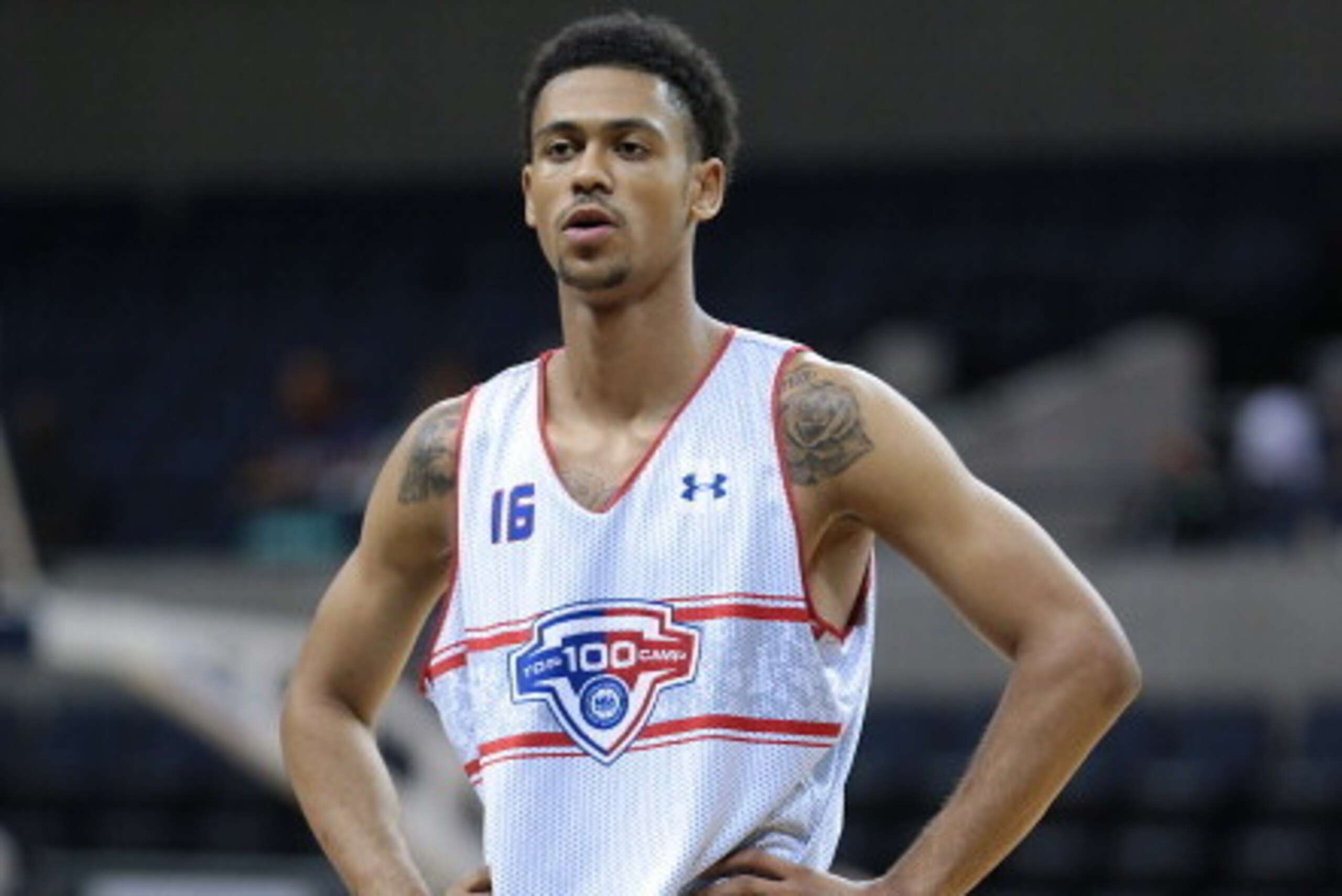
Labissiere (Lay-biss-e-air) will replace Karl-Anthony Towns in both Kentucky's lineup and the No. 1 overall conversation. They each share similar strengths as well. Labissiere, an athletic 7-footer, has developed a terrific offensive skill level, from his low-post moves to his perimeter shot-making ability.
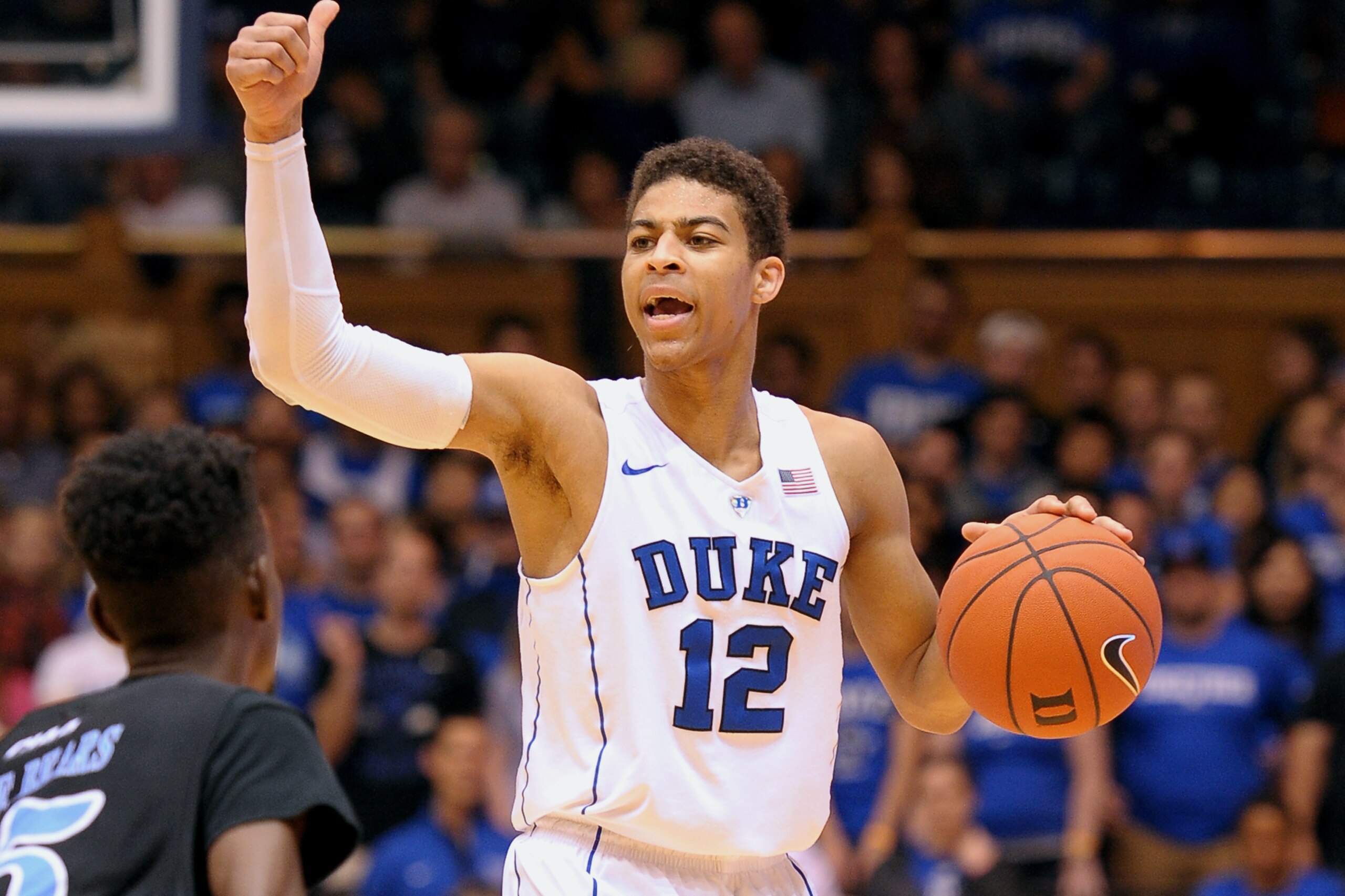
He's flashed touch with both hands around the basket to go with a highly convincing jumper. Labissiere ultimately projects as an option coaches can feature, whether it's in isolation or the pick-and-pop-or-roll games.
On top of his offensive upside, Labissiere's quick feet, size, length and motor drive defensive versatility and potential in rim protection. As long as a lack of strength isn't badly exposed (he's 225 pounds), Labissiere should be right there with Ben Simmons as a favorite to go No. 1.
3. Brandon Ingram, Duke, 6'9", SF, Freshman
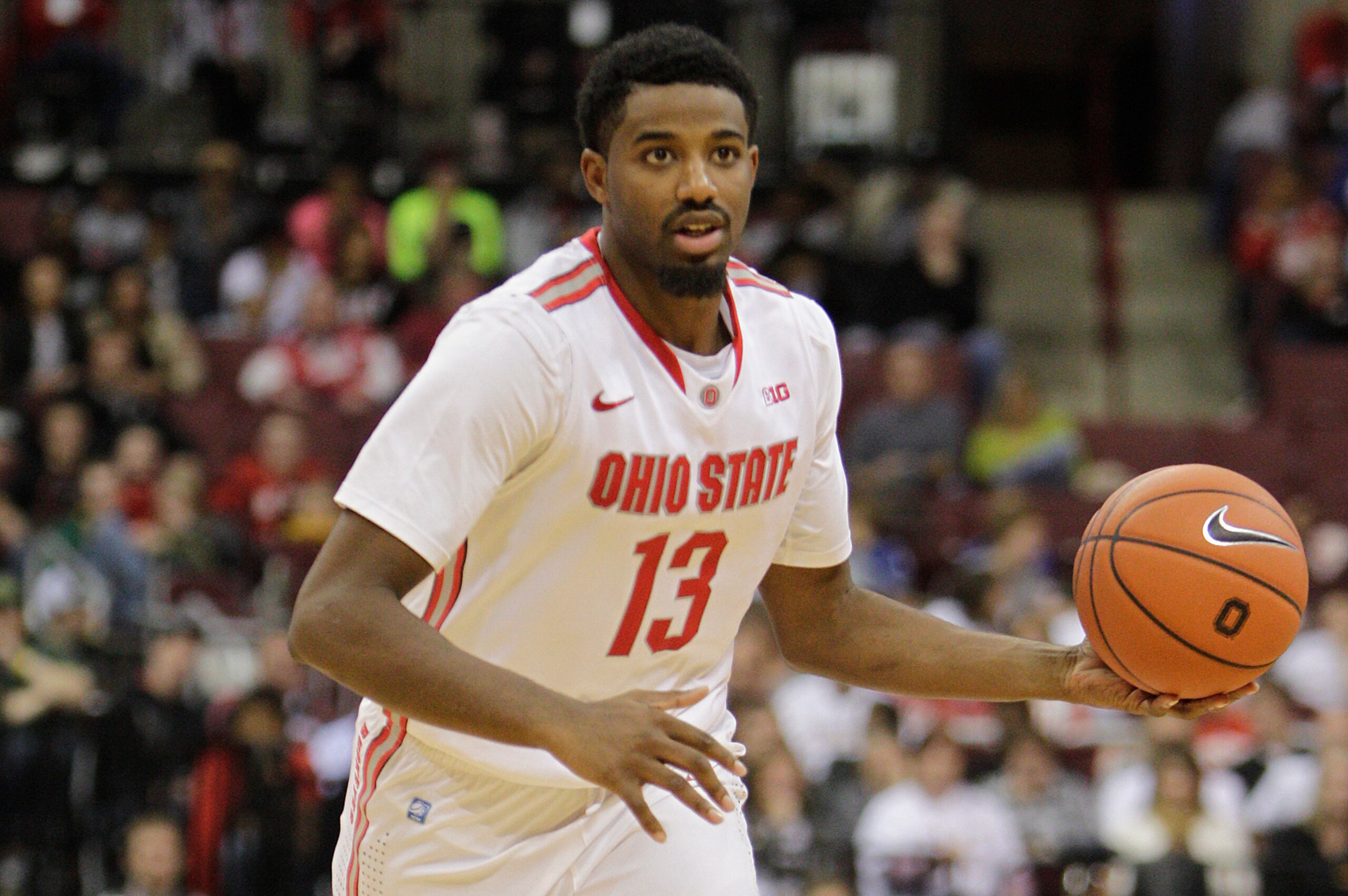
Ingram brings a game to Duke that screams out NBA potential. A 6'9" face-up scorer with a 7'3" wingspan, he projects as a mismatch around the perimeter, where Ingram can separate into pull-ups and step-backs or shake and bake off the dribble.

He already comes with a built-in jumper capable of connecting in the mid-range and out to the three-point arc.
However, listed at 190 pounds, expect strength—or lack thereof—to become a theme throughout the year when discussing his outlook as a pro. Emerging as a reliable go-to option while keeping his motor charged would be the formula for maximizing his stock and challenging for the top spot on boards.
4. Jaylen Brown, California, 6'7", SG/SF, Freshman
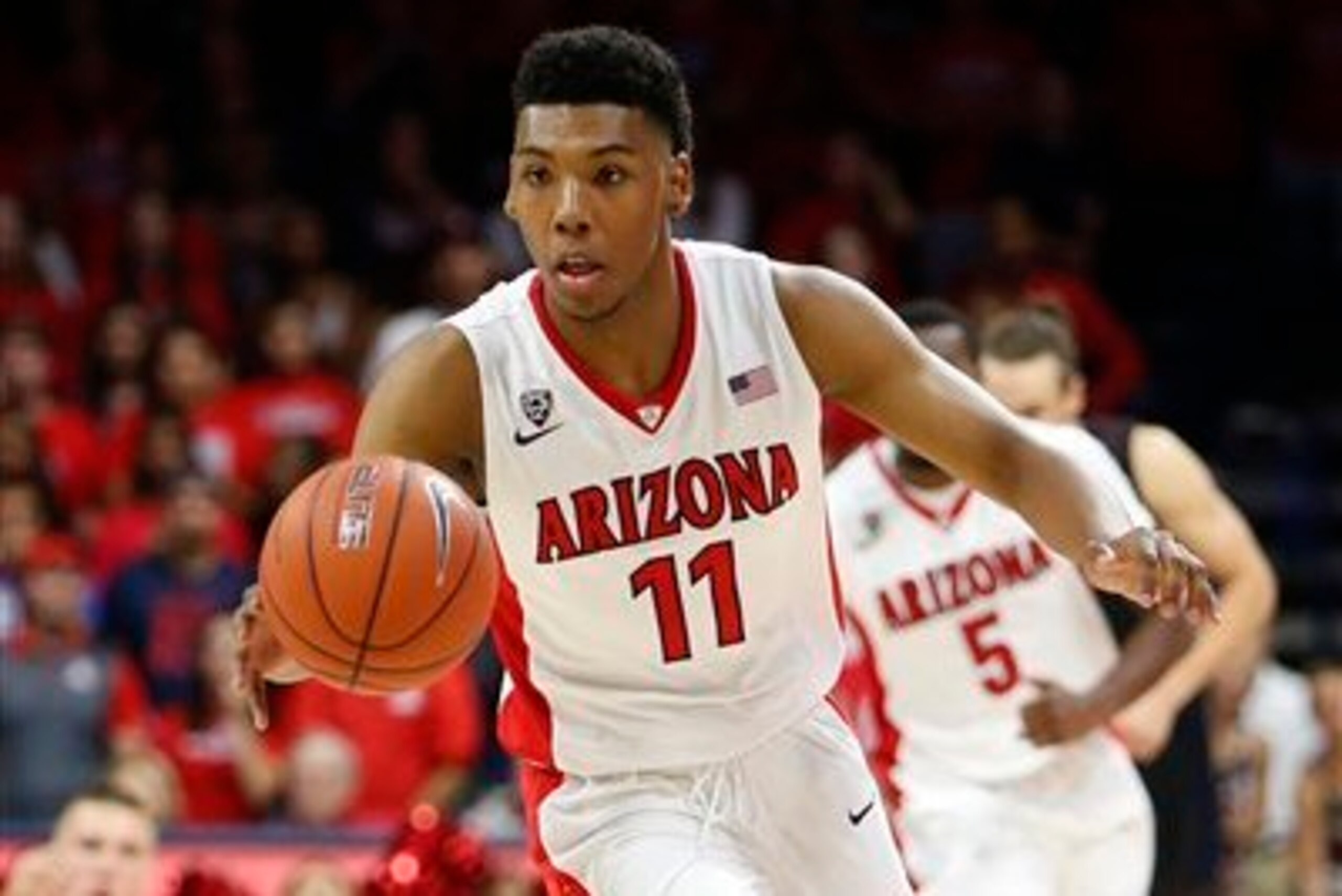
Brown projects as an immediate scorer for a California squad loaded with talent. And at 6'7", 220 pounds, with a 7'0½" wingspan and showtime athleticism, he has the NBA body and burst to match the skill set.
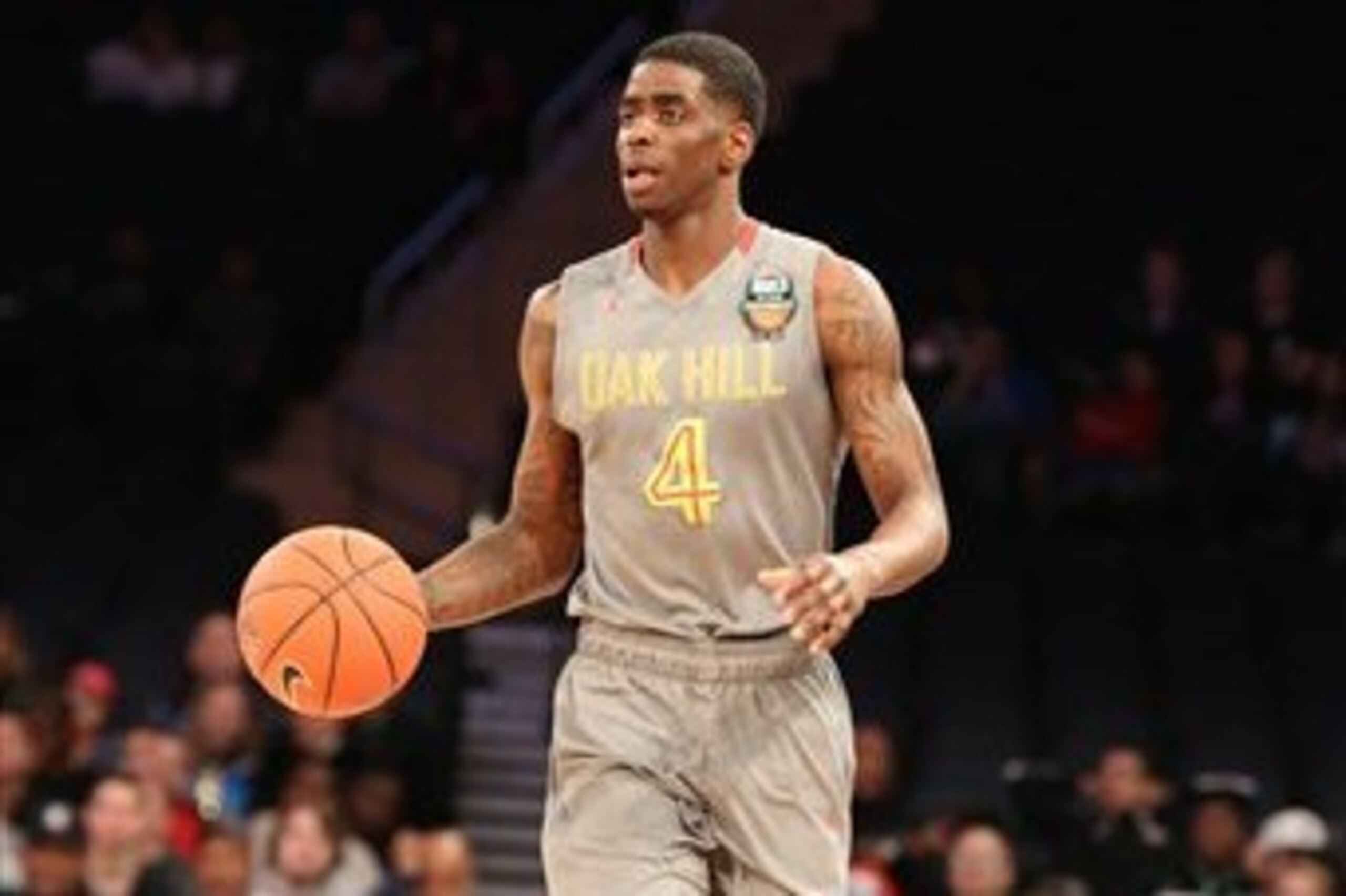
A physical, attacking-style wing, Brown is a terror in transition and a bully driving to the rack. He plays through contact and should excel around the rim. And he's shown the potential to generate offense from all three levels, including the mid-range, where Brown can separate into jumpers and behind the arc as a spot-up shooter.
His size, length and quickness also translate to defensive pressure and versatility, which plays to his outlook as a Jimmy Butler-like two-way off-guard or small forward.
A seemingly safe all-around bet, look for Brown to hang in the top-10 discussion all year. To go No. 1, he'll need a little help—in the form of struggling—from Simmons and Labissiere, whose ceilings appear slightly higher.
5. Dragan Bender, Croatia, 7'1", PF, 1997

Though always highly touted, a recent stock boost—the result of winning MVP of February's Basketball Without Borders and standing out at June's Eurocamp—has seemingly launched Bender into the premier tier of the NBA prospect pyramid.
A 7'1" Swiss army knife, he's showcased almost unheard of versatility for a player his size. Bender's skill set takes him out behind the arc, where he can spread the floor as a shooter, thread the needle as a passer or put the ball on the floor and drive through open lanes. He'll have to get stronger, but he's also flashed back-to-the-basket footwork and touch.
An active rim protector with the lateral foot speed to switch in pick-and-roll coverage, Bender's versatility shows up on defense as well.
Still just 17 years old, he's only averaging 11.3 minutes through Maccabi Tel Aviv's first eight games. A limited role may make it difficult for Bender to actually go No. 1.
But don't expect his name to fade from the top-10 conversation—even if the production never shows up. Early NBA success from Kristaps Porzingis—a similar international face-up forward over 7'0" tall—could only help Bender's case.
Other One-and-dones
1. Jamal Murray, Kentucky, 6'5", PG/SG

The 2015 Nike Hoop Summit MVP and star for Canada during this summer's Pan American Games, Murray enters Kentucky riding a wave. And the bar continues to rise, after his 22-point, 12-rebound, nine-assist line during his preseason debut for the Wildcats.
Murray, a 6'5", 207-pound combo guard, combines playmaking ability, advanced scoring and long-range shooting, allowing him to run the point or slide to the wing. With the skills to create shots one-on-one or knock down jumpers off screens and spot-ups, he's a serious threat to take over and generate points in bunches.
That versatility should come in handy his freshman year, when he'll be sharing the rock with sophomore Tyler Ulis and fellow freshman Isaiah Briscoe.
He isn't super explosive, but neither was last year's No. 2 pick D'Angelo Russell, who he'll likely get compared to throughout the season. Look for big numbers from Murray, along with top-five-pick buzz.
2. Henry Ellenson, Marquette, 6'10", PF
After breaking his hand last March and missing most of the summer, Ellenson sure looked good to go during Marquette's August trip to Italy, where he averaged 21.3 points and 7.5 rebounds over four exhibition games.
Ellenson is extremely polished offensively, from his handle, which he uses to take defensive rebounds coast to coast or to face up and create in the half court, to his jumper, which has three-point range. With good hands around the rim and terrific ball skills on the perimeter, he's a threat from every spot and situation (transition, post, perimeter, interior).
Limited defensive potential might cloud Ellenson's perceived upside, as he isn't the quickest laterally or most instinctive protecting the basket. But it's easy to envision him thriving as an inside-out stretch 4 who scores and rebounds. Expect the Kevin Love comparison to start flowing early.
3. Cheick Diallo, Kansas, 6'9", PF/C
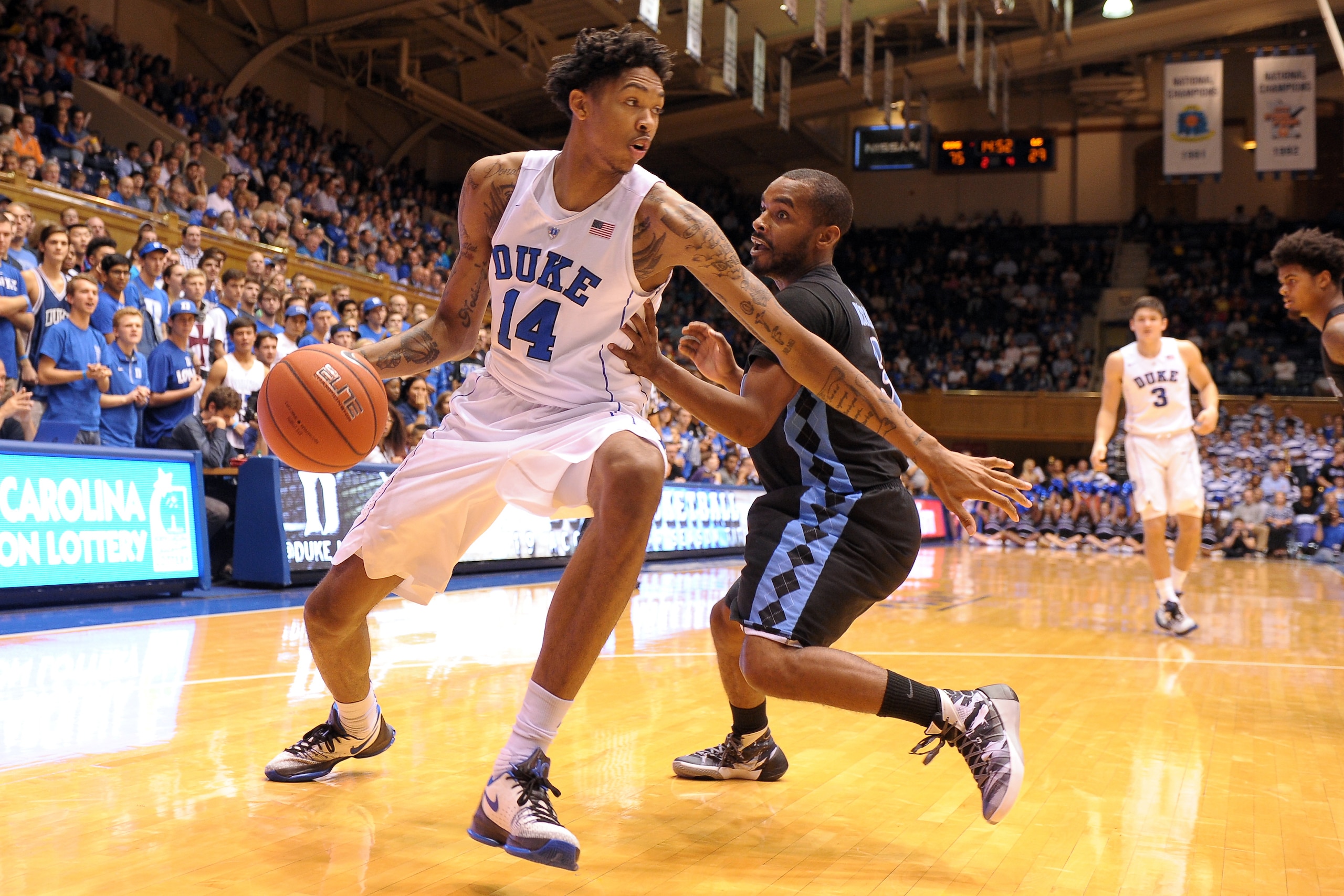
The NCAA has yet to clear Diallo (academics), who just hired an attorney to fight for his eligibility. Regardless of how this plays out, he should still have plenty of NBA suitors waiting come June.
Diallo's physical tools—6'9" size and a massive 7'4" wingspan—are powered by athleticism, coordination and a nonstop motor. Even if his offensive skills fail to come around, he still projects as a plus rebounder and defender capable of protecting the rim or switching off screens. His size, length and energy also naturally lead to easy buckets off cuts, putbacks and transition opportunities.
Assuming he's eventually allowed to suit up for Kansas, showing off some mid-range touch—which we've seen in doses—would really strengthen his NBA case. Either way, expect Diallo to remain a fixture in the lottery conversation, whether he plays or sits.
4. Diamond Stone, Maryland, 6'11", C
Stone will be the anchor for a Maryland team viewed as a national contender. With 6'11", 255-pound size, he takes up a ton of space around the basket, where he can score over the shoulder, spin baseline, rebound and block shots (7'3½" wingspan). He's even flashed promise as a face-up elbow-shooter.
The Terps have a ton of weapons, from Melo Trimble to Jake Layman and Robert Carter, which could make it tough for Stone to put up consistent offensive production. Still, his physical tools, hands, touch and post moves won't go unnoticed. NBA teams may be willing to reach on his potential after one college season, even if his numbers don't overwhelm.
5. Malik Newman, Mississippi State, 6'4", PG/SG

Newman brings heavy offensive firepower to Mississippi State, where he'll look to sell scouts on his dangerous scoring ability and playmaking potential.
Quick and super athletic, Newman is a bucket-getter—a gunner that can create shots at will, whether it's off transition opportunities, pull-ups and step-backs or explosive drives.
But scouts will ultimately be focused on how effectively Newman runs the point, given his shot selection and shoot-first mentality. He'll have the ball in his hands a lot during his freshman season. Showing a willingness to pass and set the table should help diminish concerns over his NBA fit, considering he lacks traditional size (6'4") to play 2-guard exclusively.
6. Stephen Zimmerman, UNLV, 7'0", C
Skilled, athletic and 7'0" tall, Zimmerman is bound to stand out at UNLV. He isn't the toughest around the basket, but Zimmerman shows nifty footwork and touch in the post, as well as a promising jumper out to the arc.
Though he doesn't quite project as an overwhelming rim protector, his offensive versatility and stretch-big potential are both NBA-friendly.
Zimmerman won't see too many NBA-caliber bigs in the Mountain West and might ultimately need two years of college to develop. But if he showcases a sweet inside-out game and puts up production right away, it wouldn't be shocking to see him strike while the iron is hot. His draft ceiling is late lottery.
7. Isaiah Briscoe, Kentucky, 6'3", PG
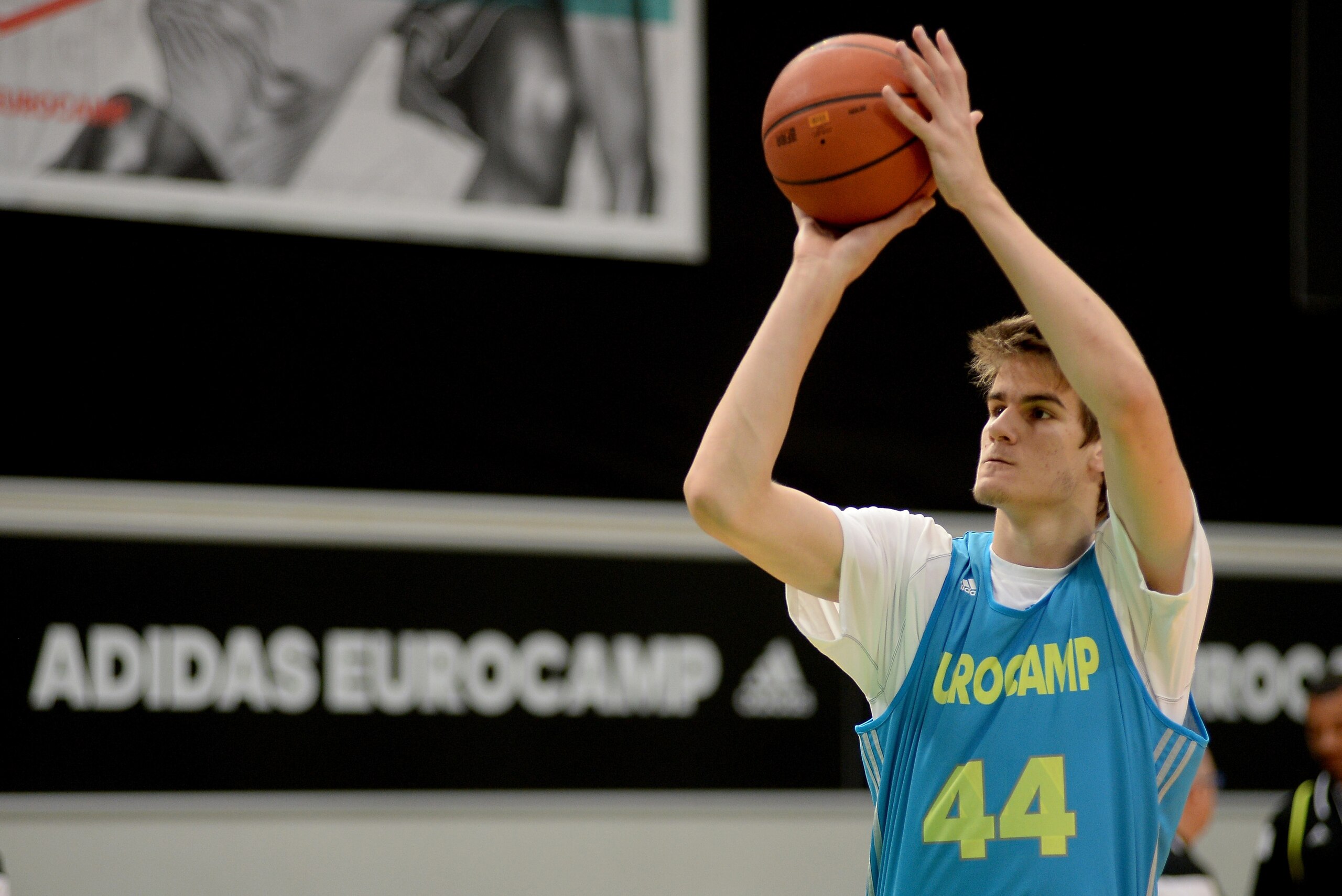
Briscoe will share the rock this year with Murray and Ulis, but a crowded backcourt shouldn't mask his NBA potential.
At 6'3", 202 pounds, Briscoe blends power with shiftiness. He's a bully attacking the rim, yet in space, he's just as capable of shaking defenders with nasty crossovers, spins and hesitation.
Briscoe also has the strength and quickness to lock down on defense, something that could go a long way toward his stock.
If he can control his shot selection and urges while shooting a respectable percentage from deep, look for Briscoe to end the year viewed as a consensus first-round option.
8. Ivan Rabb, California, 6'11", PF
A bouncy weapon around the rim, Rabb's physical tools, athleticism and sticky hands translate to easy finishes and volume rebounding. He operates mostly from foul line to baseline, where he picks up buckets off cuts, putbacks and guard penetration. And with quick feet and an impressive first step, he's a threat to face up from the elbows, rip through and attack with a dribble.
To find the lottery conversation, he'll need to convince teams he's capable of converting in the mid-range, improving in the post and scoring after contact. But at 18 years old, these are areas of the game that can improve with reps and physical development.
If he declares after one season, he'll likely be viewed as a project worth developing and waiting on.
Likeliest Breakout Stars
1. Demetrius Jackson, Notre Dame, 6'1", PG, Junior
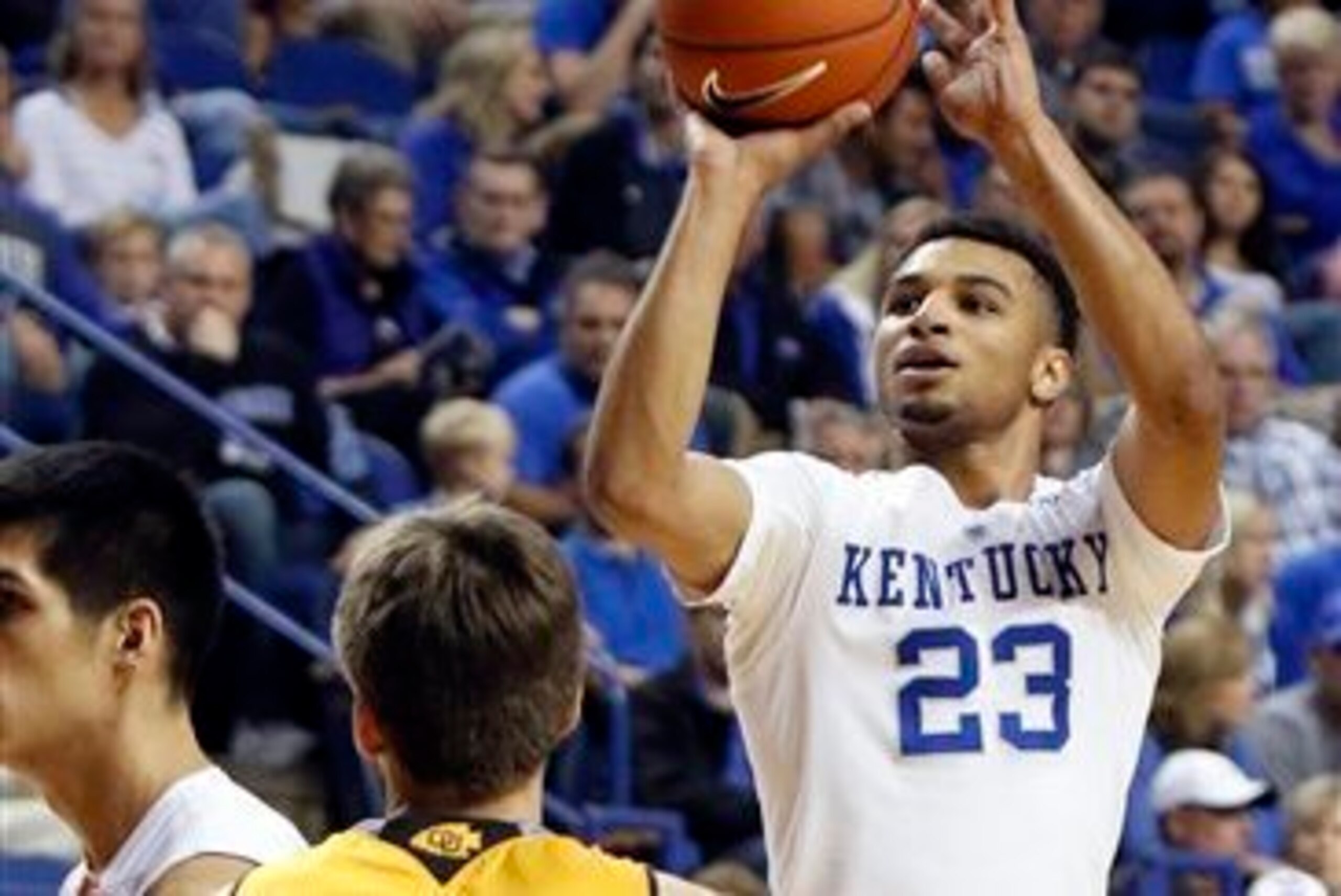
Exceptionally sharp as a sophomore sidekick alongside Jerian Grant, Jackson should now have the chance to shoot up draft boards as Notre Dame's lead guard.
He averaged 12.4 points and 3.1 assists despite being used in just 18.5 percent of his team's possessions. Jackson was also super efficient, having shot 50.8 percent from the floor, turning it over only 1.7 times per 40 minutes and making at least 40 percent of his threes for the second straight year.
Explosive athleticism and a strong 198-pound frame fuel both Eric Bledsoe comparisons and potentially deceptive upside. Effectively running the Irish offense will be the key toward getting scouts to buy him as a starting NBA point guard.
2. Taurean Prince, Baylor, 6'8", SF, Senior
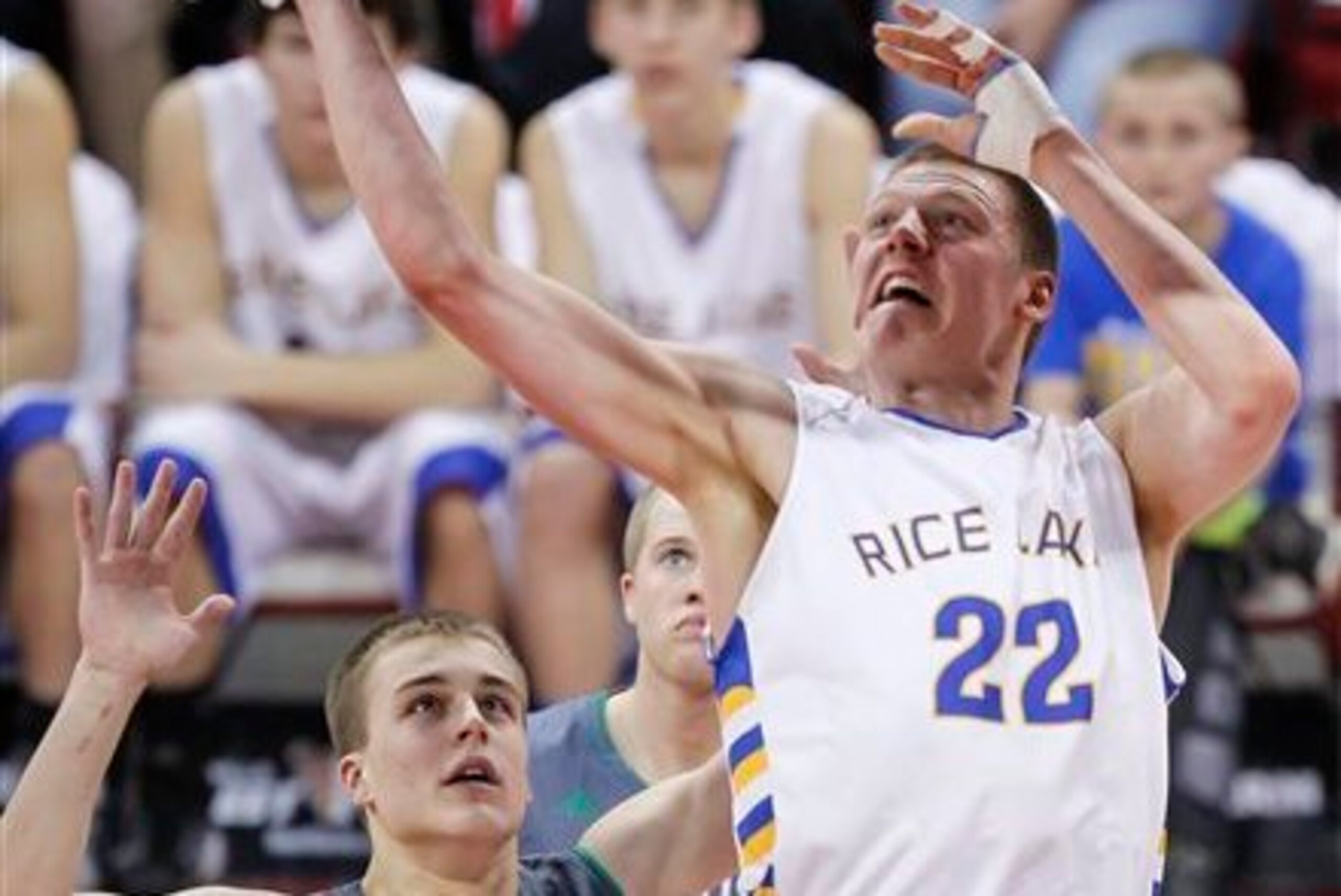
Prince flew under the radar last year and now enters the season as a breakout candidate. He's flashed three-and-D potential stemming from a 39.5 percent long-range stroke and promising defensive tools (strength, length, foot speed).
Though not the most dangerous shot-creator, he was still efficient inside the arc, having made 53 percent of his twos, which came off drives, floaters, post-ups and jumpers.
At 6'8", 220 pounds, he may even offer the versatility to play some small-ball 4 in the pros.
Prince only strengthened his NBA case with an impressive showing during this summer's Pan American Games. I've got him as a good first-round bet with a possible path toward the lottery.
3. Justin Jackson, North Carolina, 6'8", SF, Sophomore
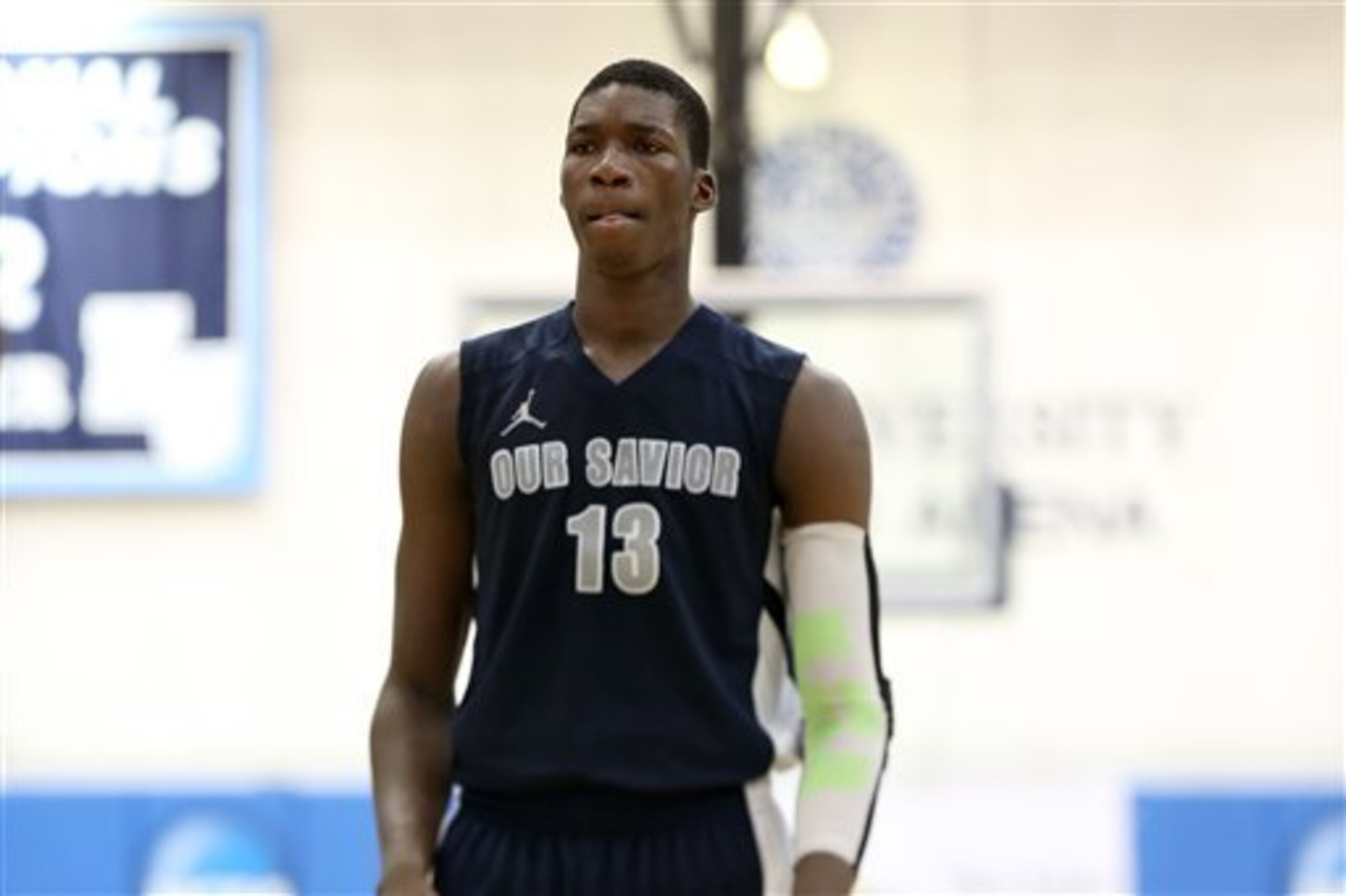
Jackson got off to a slow start as a freshman before figuring things out in February. He shot 52.1 percent over his last 12 games after hitting 45.2 percent of his attempts over his first 26. Picking up where he left off could ultimately lead to early NBA buzz for Jackson, whose 6'8" size, shooting stroke and passing highlight pro potential.
He'll obviously have to improve on his 30.4 percent mark from three, but clean mechanics and proven shot-making skills leave room for optimism. Meanwhile, he's established himself as a weapon in transition and a threat with the line-drive dribble and floater.
Though a limited one-on-one attack and 190-pound frame limit Jackson's upside, his ability to score off the ball—whether it's running off screens, fast breaks, spot-ups, cuts or slashes—is both appealing and convincing. You get the impression he's a player that will fit into any lineup or system.
4. Nigel Hayes, Wisconsin, 6'8", SF/PF
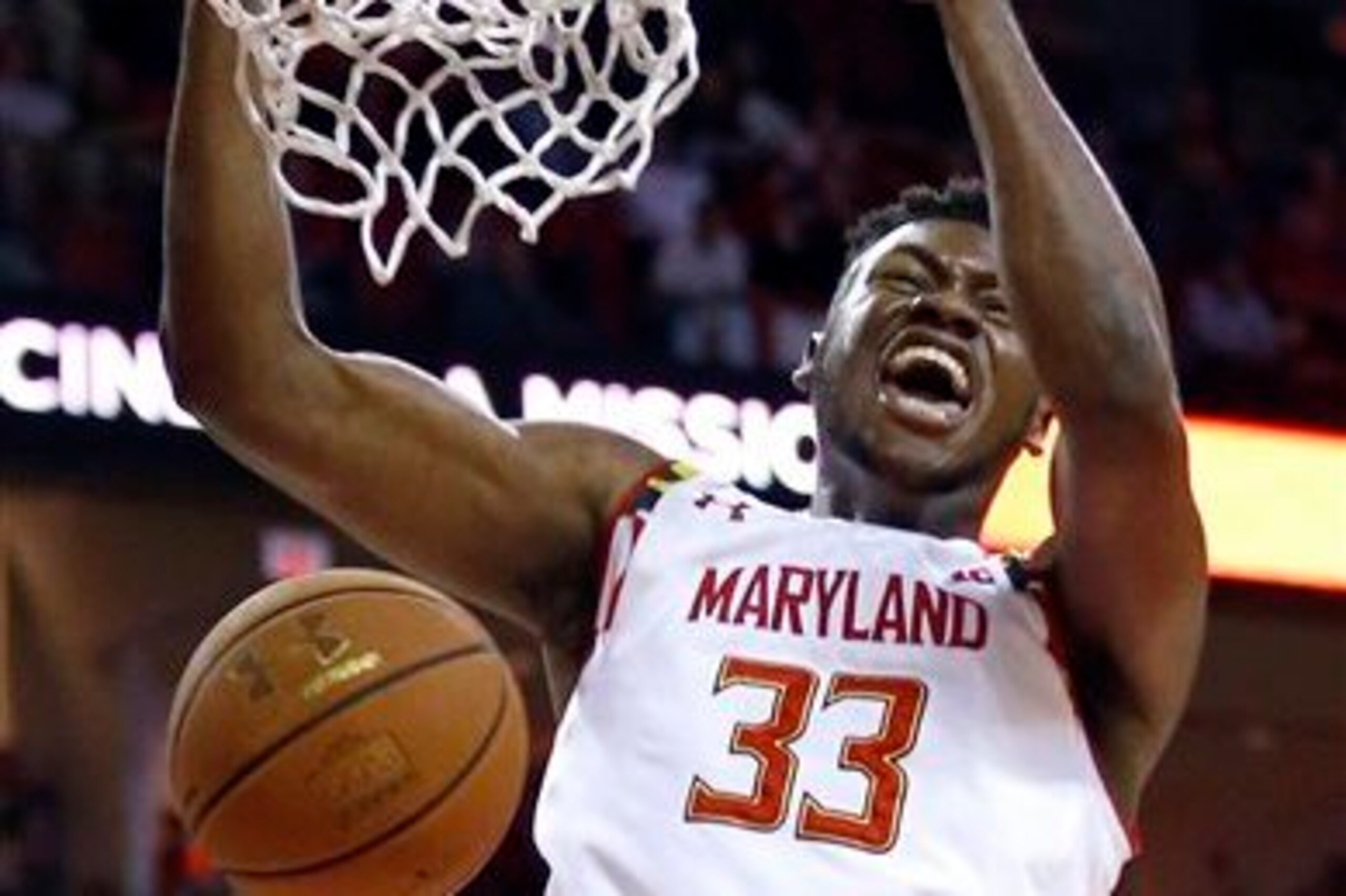
Playing alongside first-rounders Frank Kaminsky and Sam Dekker, Hayes was highly efficient in 2014-15, having shot 49.7 percent from the floor, 39.6 percent from three and averaged just 1.3 turnovers in 33 minutes. He wasn't the focal point of Wisconsin's offense a year ago, but Hayes still managed to stand out.
This summer, he measured 6'8" with an enormous 7'3½" wingspan and a solid 237-pound frame. Hayes now has the size to compete with NBA 4s and a developing skill set for the wing.
With a new-and-improved jumper, nifty counter moves in the post and a deceptively-quick first step, Hayes' versatility and mistake-free style of play could attract first-round attention.
5. Malik Pope, San Diego State, 6'10", SF, Sophomore

It only took 14.8 minutes a game to recognize Pope's pro potential. In a bigger sophomore role, he'll look to back it up with production.
Pope's bounce, 6'10" size and 7'2" wingspan ace the eye test. Meanwhile, he shot 20 of 49 from three, igniting hope regarding his jumper.
A best-case scenario outlook projects Pope as a face-up mismatch with shooting range and the ability to pick up easy above-the-rim buckets.
Establishing himself as a bigger threat with the ball could really move the draft-stock needle.
6. Tim Quarterman, LSU, PG/SG, 6'6", Junior
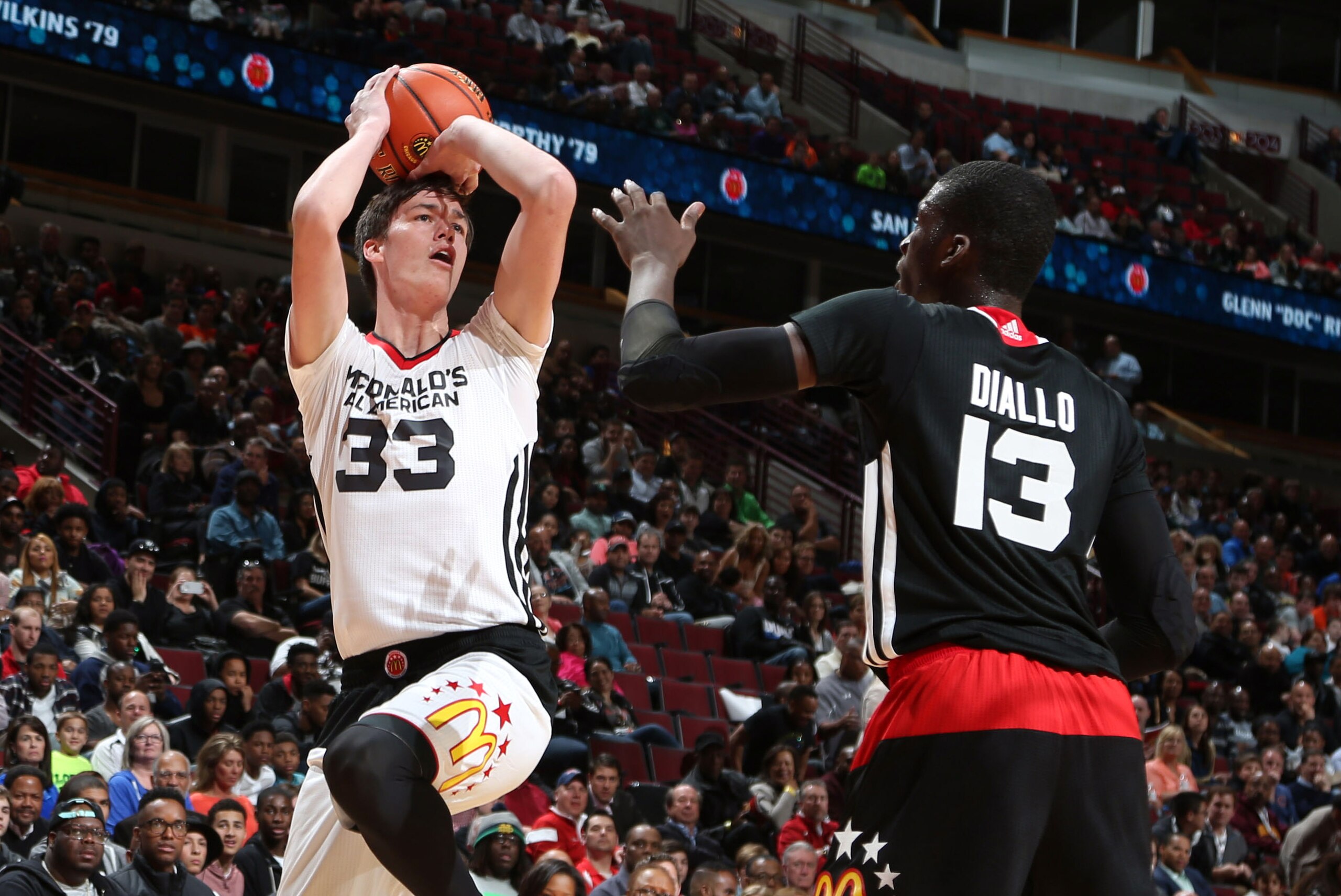
Quarterman suddenly stood out under the NBA lens last year after taking over at point guard down the stretch. He averaged 5.7 assists over his last 11 games, highlighting impressive facilitating and passing skills.
For a ball-handler, his 6'6" size and athleticism create the same mismatch as Michael Carter-Williams'.
This year, Quarterman will look to build on the rest of his offensive game, particularly his perimeter scoring, having shot 31.3 percent from three.
Playing alongside No. 1 overall candidate Ben Simmons, he'll be under the watch of NBA scouts on a routine basis. This could ultimately be a great opportunity for Quarterman to capitalize and make an impression.
7. Grayson Allen, Duke, 6'5", SG, Sophomore
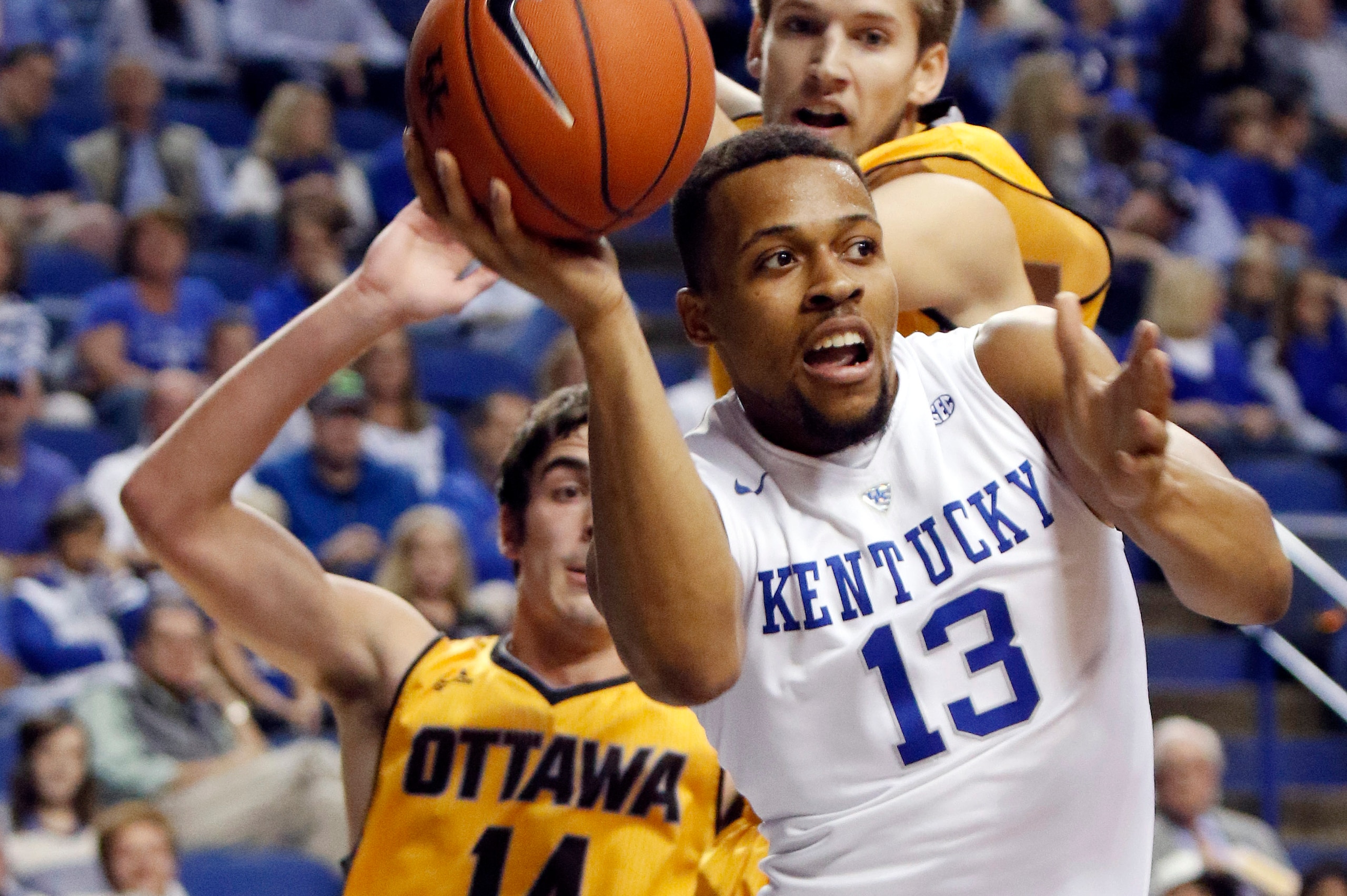
After a 27-point explosion against Wake Forest (March 4) and a 16-point outburst in the national championships, the bar has suddenly risen for Allen, whose role is expected to increase dramatically.
He'll have to shoot better than last year's 34.6 percent from three, but with a natural stroke and minutes to build rhythm, all signs point to improvement. Otherwise, expect to continue seeing Allen attack, draw fouls and pick up buckets on the break.
NBA coaches are also bound to value his intensity and motor, which play to his potential as an energizer or sparkplug in the pros.
Under-the-Radar Prospects
1. James Webb III, Boise State, SF/PF, Junior
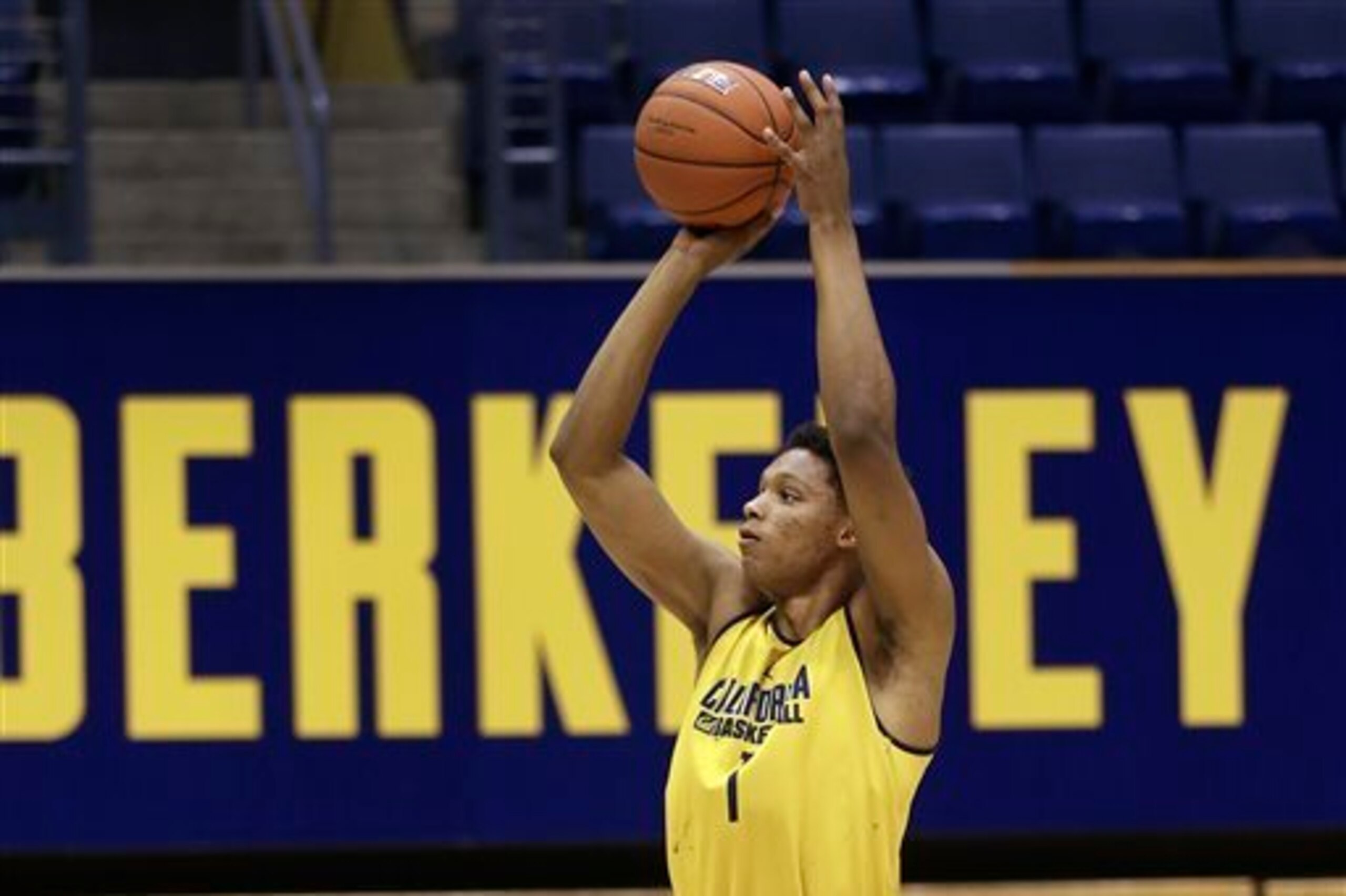
An injury to Anthony Drmic opened the door last year for Webb, who capitalized and ultimately turned heads with an attractive blend of strengths. Of his 137 made field goals, 77 came at the rim, per Hoop-Math.com, and 47 came from behind the arc. Though not an overly threatening shot-creator, there is certainly a chance an NBA team values Webb's athleticism around the basket and ability to stretch the floor as a shooter.
If he can hit the 40 percent mark from three—again—and clean up and expand his scoring skills in the post, we could be talking about a 2016 riser up first-round boards.
2. Robert Carter, Maryland, PF/C

Carter couldn't find the radar through two years at Georgia Tech—so he transferred to Maryland, where he'll play in the spotlight for a Final Four contender.
At 6'9", 235 pounds, Carter is a strong rebounder and post player capable of banging back-to-the-basket or facing up for a first step, dribble and finish.
Proving his jumper, which connected on 32 total threes over his first two years in school, can be a legitimate every-game weapon would really reflect favorably on his stock.
3. DeAndre Bembry, Saint Joseph's, SG/SF, Junior

Considering his athleticism, versatility and numbers, Bembry flew too far under the radar in 2014-15. A 6'6" wing with above-the-rim bounce, he averaged 17.7 points, 7.7 boards, 3.6 assists and 1.9 steals.
He's still working on developing a consistent jumper, but he did nail 50 threes and look comfortable pulling up.
The ability to create, both for himself and teammates, is ultimately what differentiates Bembry and drives the appeal tied to his potential. He's flashed one-on-one scoring, as well as some facilitating in the half court.
Look for another strong season to result in a lot more 2016 buzz.
4. Joel Bolomboy, Weber State, PF

Bolomboy will be the name to watch in the Big Sky after a breakout junior season. A monster athlete and leaper, he expanded his offensive game and raised his shooting potential, having hit 15 threes in 2014-15.
Always known as a rebounder—he pulled in 11 boards per game as a sophomore before averaging 10.2 in last year—Bolomboy will look to sell himself as an interior energizer that can stretch the floor.
5. Wade Baldwin IV, Vanderbilt, 6'3", PG, Sophomore
Baldwin, whose 6'3", 194-pound frame passes the test, was efficient in 28.8 minutes per game as Vanderbilt's freshman playmaker.
He demonstrated strong passing confidence and instincts that led to a 4.4-1.9 assist-to-turnover ratio. And though his 12.9 points per 40 minutes don't highlight scoring prowess, he knocked down 43 of 98 threes and finished with a 58.8 percent true shooting percentage.
Unfortunately, Baldwin doesn't quite ooze athleticism or blow-by explosiveness. He only made 16 of 34 shots (47.1 percent) at the rim in the half court and wasn't an overly threatening one-on-one player.
Playing alongside potential lottery pick Damian Jones, Baldwin should still have a good chance to find the radar.
Top Returning Prospects Looking to Take Next Step
1. Kris Dunn, Providence, 6'4", PG, Junior
Despite an explosive sophomore year that followed back-to-back season-ending shoulder surgeries, Dunn chose to return as a junior, when he'll be looking to iron out a few wrinkles in his game.
An electric playmaker and defensive pest, Dunn lead the country in assist percentage and finished fifth in steals. But he also led the nation in turnovers.
He's a top-10 caliber talent, likely capable of holding his own at the point in a pro game tomorrow. But to maximize his stock in 2016, he'll have to tighten up his decision-making and show improvement around the perimeter, where he shot 35.1 percent and made fewer than one three per game.
Either way, it's tough to imagine him falling out of the lottery conversation.
2. Damian Jones, Vanderbilt, 7'0", C, Junior
Successfully taking the next step could result in all sorts of buzz for Jones, whose 14.5 points per game on 56.2 percent shooting flew slightly under the radar.
Now listed at 7'0", 245 pounds (was 6'10" a year ago), Jones already sports NBA-caliber physical tools and powerful athleticism. And he's developed some back-to-the-basket post moves, both at the low block and elbows.
Adding a jumper and polish while strengthening his presence under the boards (8.9 rebounds per 40 minutes) will be priorities during his third year at Vanderbilt.
3. Jakob Poeltl, Utah, 7'0", C, Sophomore
Poeltl will look to build on an eye-opening freshman year that led to 2015 lottery buzz. At 7'0", he did a fantastic job protecting the rim for the No. 6 defense in the country, according to Kenpom.com.
Though not overly skilled, size, athleticism and mobility translated to 11.6 rebounds and 3.2 blocks per 40 minutes, as well as a 68.1 percent field-goal clip.
Becoming a bigger threat with the ball, both as a shooter (44.4 percent from the line) and post option, could launch him into June's top 10. Otherwise, the mid-to-late first round seems like a safe draft-range projection.
4. Sviatoslav Mykhailiuk, Kansas, 6'8", SG, Sophomore
Having turned 18 years old in June, Mykhailiuk, now a sophomore, will be younger than many freshmen. It may still be asking too much of him to emerge as an everyday impact player.
But the long-term potential, which he established over the years during FIBA play, is easy to detect. At 6'8", Mykhailiuk has excellent size and adequate athleticism for an off-guard. And he's skilled—Mykhailiuk can separate into jumpers and shoot with three-point range.
At 195 pounds, he only made 11 of 33 shots inside the arc as a freshman. He'll have to execute better when closely guarded, after contact and in traffic. But assuming he takes the next step, it wouldn't be crazy to think a general manager could reach and bet on Mykhailiuk's development to continue.
5. Troy Williams, Indiana, 6'7", SF, Junior
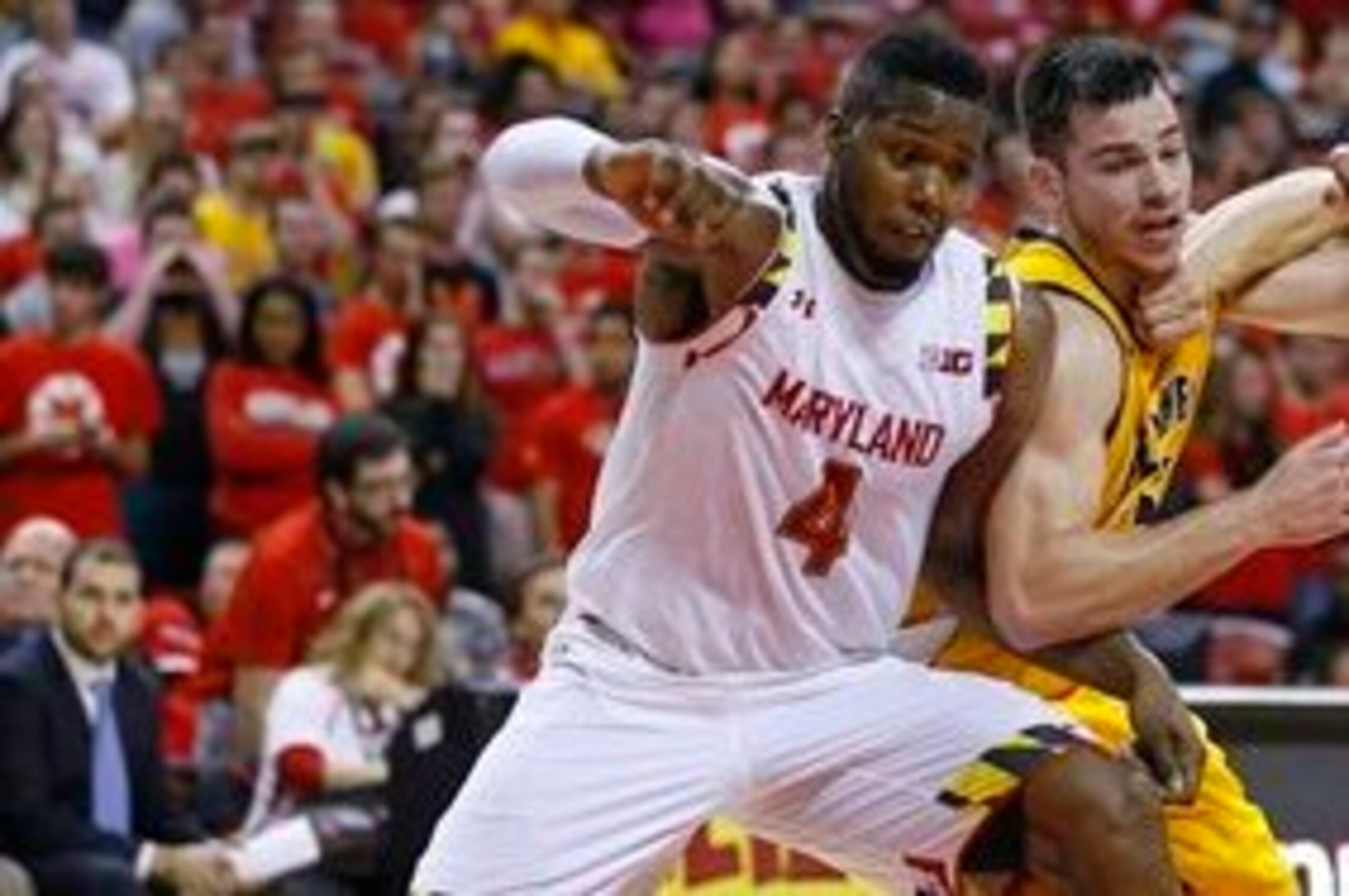
We're still waiting on Williams' skills to catch up to his superhero athleticism. Still, he did make some strides in 2014-15, having raised his scoring average, field-goal percentage and true shooting percentage.
Williams is at his best attacking the rim off line drives, cuts or transition. And he's actually a decent passer for a wing (two assists per game), though a lack of polish leads to high turnover rates (career 18.5 percent).
But the obvious question mark attached to Williams is his jumper, which has connected on just 12 threes in 1,570 career minutes. The promising news: he raised his free-throw mark to 74.2 percent. Williams' draft stock will ultimately be tied to how much he improves that long-range shooting stroke over the next year (or two).
6. Domantas Sabonis, Gonzaga, 6'10", PF/C, Sophomore

Sabonis didn't stray far from his comfort zone his freshman year. He played to his strengths as a finisher around the basket, having shot 66.8 percent from the floor and taken 70.3 percent of his attempts right at the rim, per Hoop-Math.com. With 6'10" size and a live motor, he was also a major force on the glass, where he pulled in 13 rebounds per 40 minutes.
This year, he'll want to show scouts a little more in the post and perhaps some touch in the mid-range (66.4 percent from the line). Sabonis also blocked just 12 shots in 38 games.
If nothing changes, we'll likely be talking about a fringe first-round option for a team looking to inject its frontcourt with some life and activity. Improving as a scorer and rim protector could lead to a lot more NBA interest.
7. Daniel Hamilton, Connecticut, 6'7", SF, Sophomore

Hamilton was up and down as a freshman, but the bright spots ultimately outweighed the darker ones. A 6'7" wing with three-level scoring ability, Hamilton looked comfortable generating offense at the rim, in the mid-range (58 made two-point jumpers) and behind the arc (46 made threes). This year, he'll have to improve his percentages, which should also mean adjusting his shot selection.
The other appealing aspect of Hamilton's game is his playmaking instincts. He averaged 3.7 assists, often facilitating for Connecticut in the pick-and-roll or drive-and-dish game.
He's on the skinny side at 190 pounds, but if Hamilton can add some muscle and tighten up his jumper and decision-making, we could be talking about a first-round riser.
8. Devin Robinson, Florida, 6'9", SF/PF, Sophomore
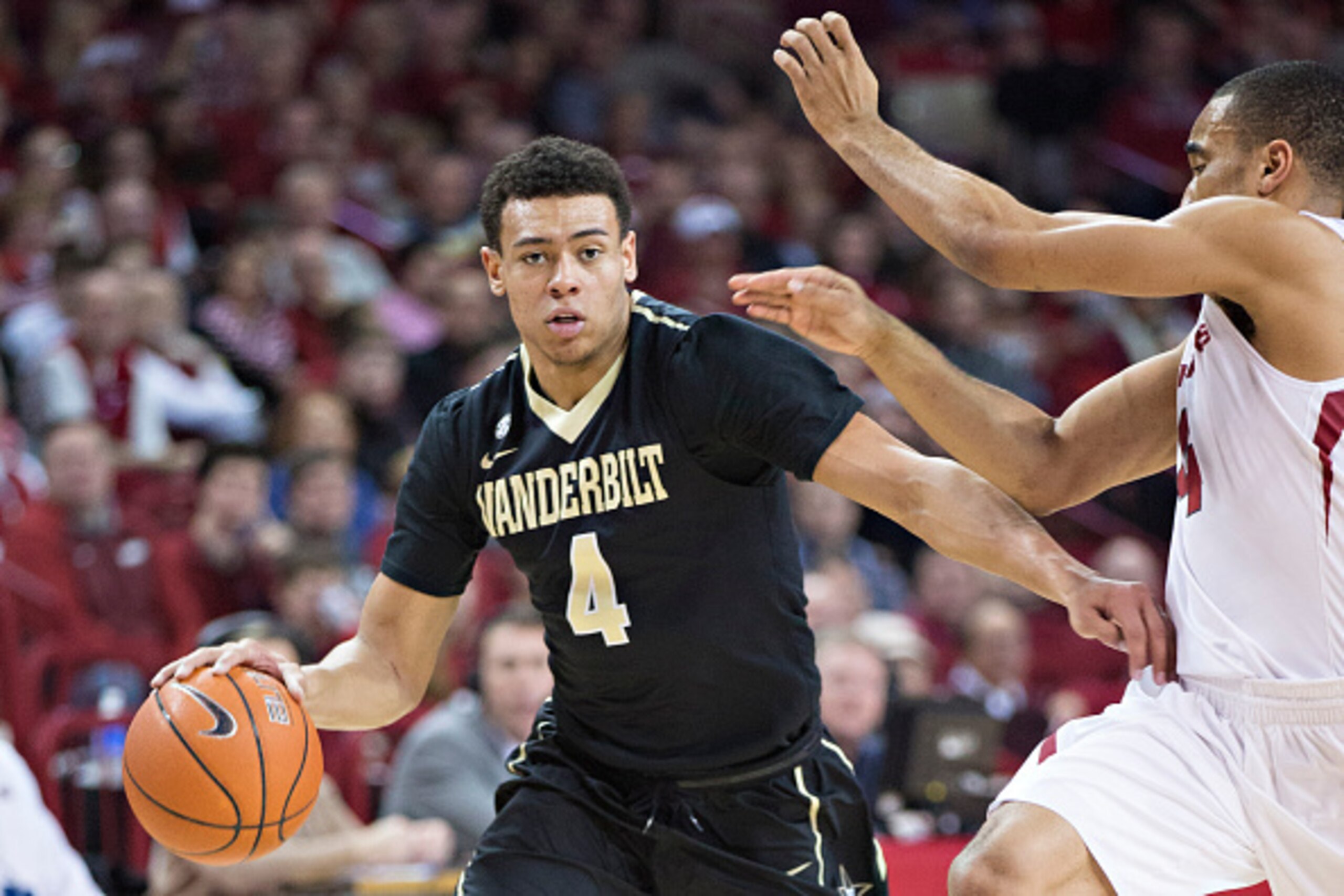
After a slow start at Florida, Robinson found some rhythm last February and March, when he scored double-digits six times over his final 10 games. We saw glimpses of pro potential stemming from 6'9" size (for a face-up forward) and exciting athleticism.
He'll have to shoot better than 25.6 percent from three, considering he doesn't project as a one-on-one scorer and must rely on spot-up shooting opportunities. But he did hit 21 triples, highlighting shot-making ability. And he was effective in both the drive-and-slash game and transition.
With the size to cover 4s and quickness to guard wings, Robinson's defensive versatility is another big plus. But after averaging just 6.4 points on 40.2 percent, he'll need to take the next step offensively in 2015-16.
9. Melo Trimble, Maryland, 6'3", PG, Sophomore
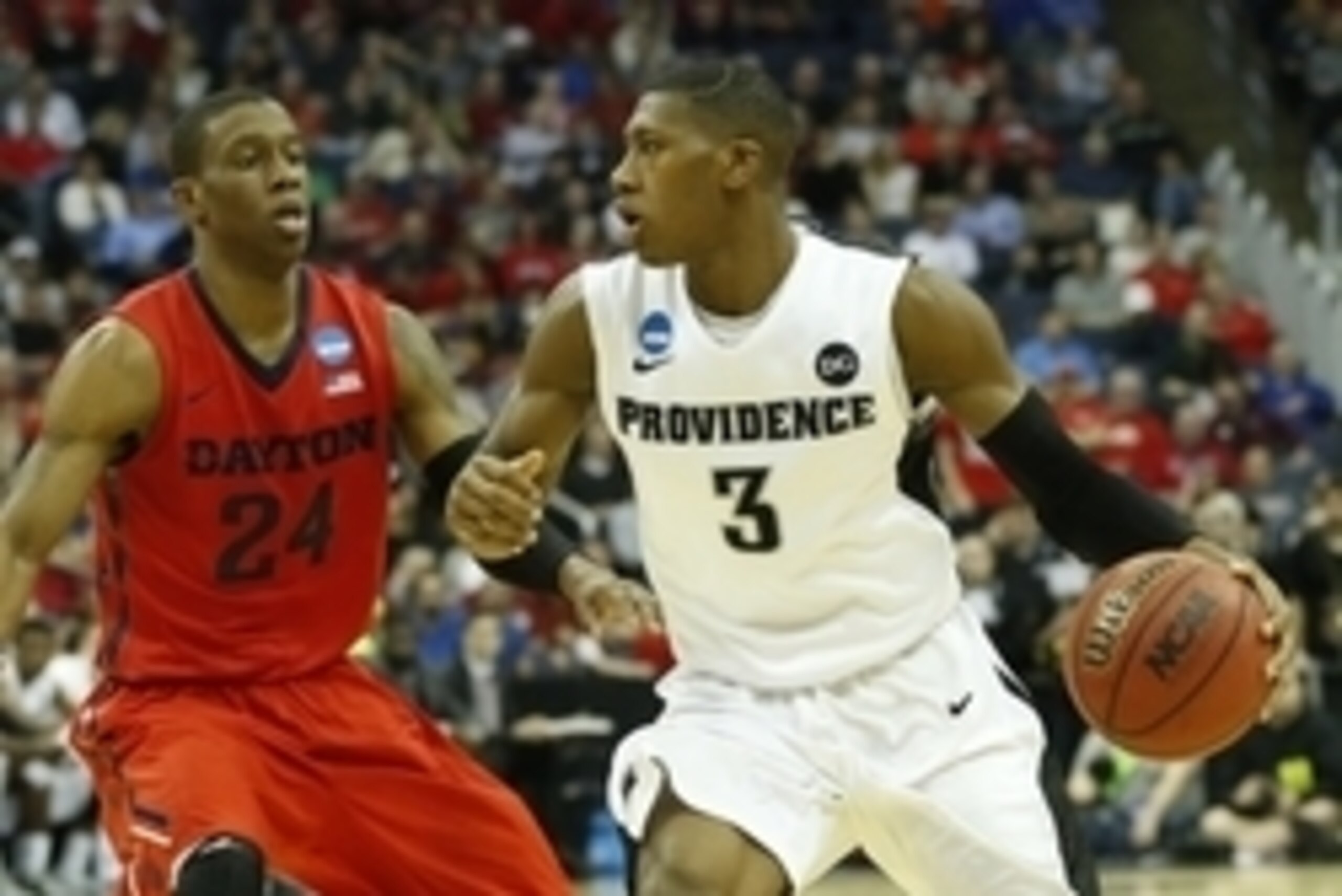
It could be tough for Melo Trimble to top the 16.2 points per game he averaged as a freshman—the Terps added a 5-star recruit in Diamond Stone and two impact transfers in Robert Carter and Rasheed Suliamon.
With scouts having already seen what he can do as a scorer, Trimble's floor game will now be under the microscope, given his poor 3-2.5 assist-to-turnover ratio, and the fact he now has additional weapons.
Trimble is fearless attacking the basket—he's one of five freshmen since 1997 to make at least 205 free throws in a season. And he knocked down 1.7 threes per game at an excellent 41.2 percent clip. But without explosive athleticism or 2-guard size, he'll have to show scouts he can run an offense and set the table from the point.
10. Kennedy Meeks, North Carolina, 6'9", C, Junior

Meeks broke down late last season, having struggled with knee problems and overall execution. He'll now look to prove the first 10 weeks of his sophomore year weren't flukey.
Having dropped between 30-40 pounds since 2012, he's become a lot easier to buy as a prospect. Meeks still weighs in at a monster 265 pounds, which he uses to plow through contact and carve out space. Meeks grabbed 12.6 rebounds per 40 minutes and shot 73.3 percent at the rim. In college, his strength, terrific hands and instincts have allowed him to compensate for limited athleticism.
The question is whether they'll work in the pros. At 6'9", he's undersized for a big man who lacks shooting range and an advanced post game.
He'll never go in the lottery, but with a full season of good health and consistent production, it's possible a playoff team in the 20-30 range targets him for his physical presence inside.
11. Amida Brimah, Connecticut, 7'0", C, Junior
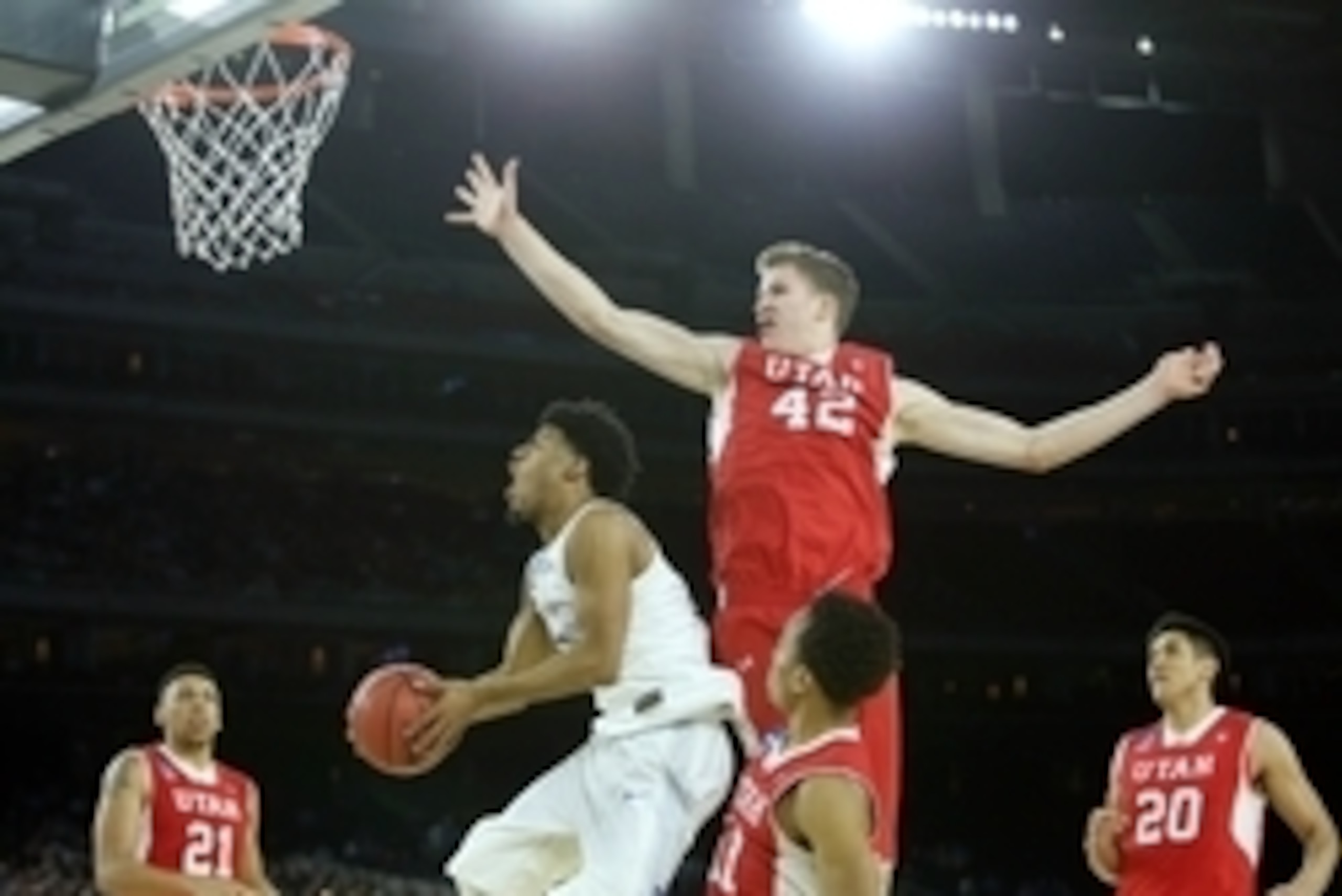
He didn't quite break out as a must-have prospect as a sophomore, but Brimah still flashed enough potential to make him worth monitoring.
His sales pitch revolves around rim protection, considering the lengthy 7-footer blocked 5.3 shots per 40 minutes and registered a staggering 15 percent block percentage.
However, at 230 pounds, Brimah has awfully skinny legs. His 10.2 percent rebounding percentage is almost red-flag low. And though capable of creating shots in the post, he's struggled to convert (42.4 percent, per DraftExpress' Jacob Eisenberg).
Brimah ultimately had a chance to make a statement against 2015 No. 3 pick Jahlil Okafor last season, but he fouled out in 13 scoreless minutes. He'll need to show improved offensive execution and toughness to draw first-round interest in 2016.
12. Marcus Lee, Kentucky, 6'9", PF, Junior
After two years of playing limited minutes behind lottery bigs like Karl-Anthony Towns, Julius Randle, Willie Cauley-Stein and Trey Lyles, Lee should finally get his chance.
A bouncy athlete at 6'9", Lee's game is powered by quickness, athleticism and energy. He does almost all of his damage around the basket, where he's a consistent threat to put back misses into second-chance points. Lee has also become a glowing target for dump passes and lobs off guard penetration.
But to earn legitimate first-round consideration, he'll have to emerge as a more threatening offensive weapon for Kentucky. Except for the occasional face-up one-dribble drive, we haven't seen many back-to-the-basket moves, post work or made jumpers.
13. Chinanu Onuaku, Louisville, 6'10", C, Sophomore
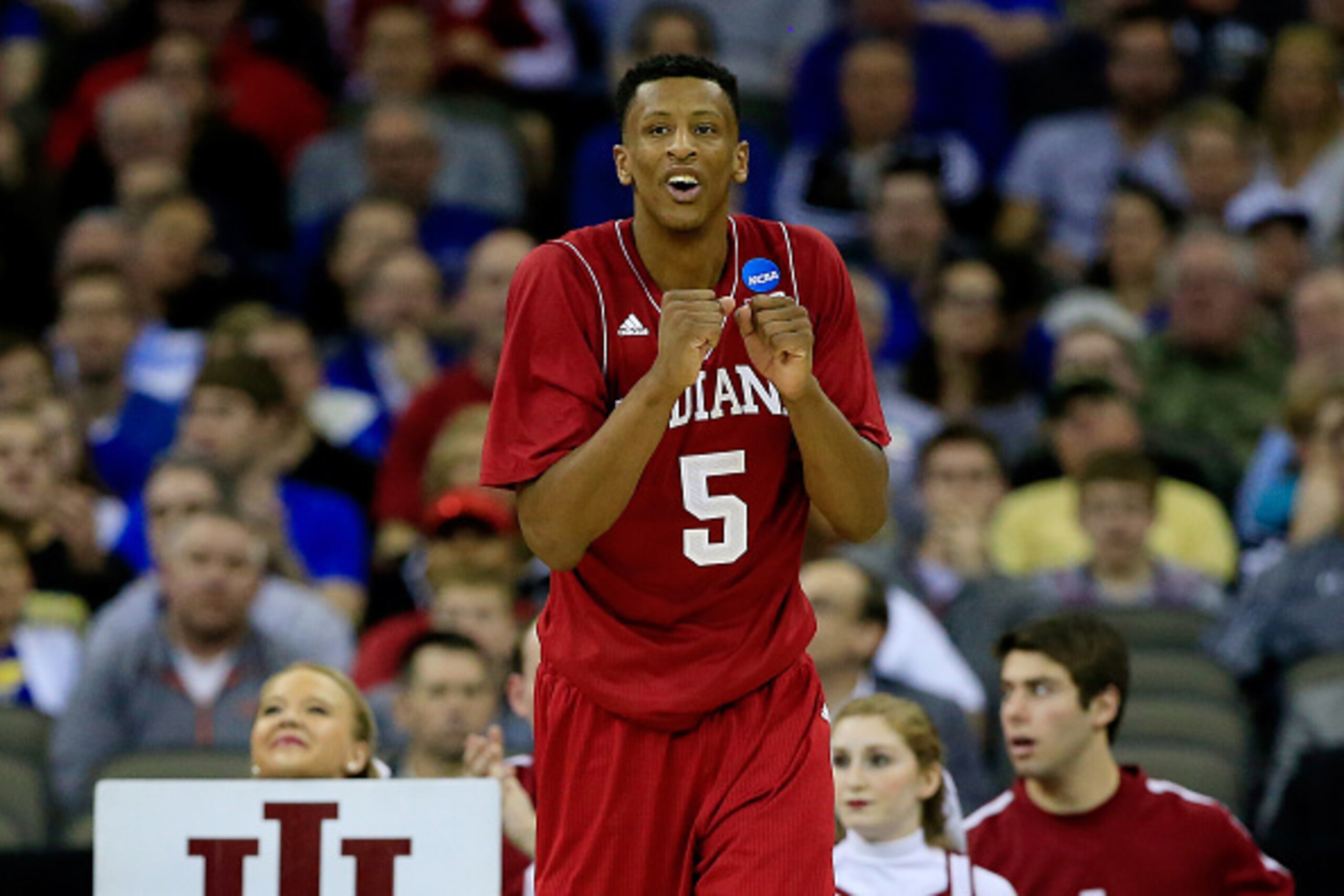
Onuaku only averaged three points a game as a freshman, but he's not on the radar for his offense. At 6'10", he's a disruption at the defensive end, where he can protect the rim, switch off screens and force turnovers.
This past summer at the under-19 FIBA World Championships, Onuaku blocked 1.7 shots and averaged 1.4 steals in just 16 minutes a game. He's long and mobile, and when engaged, Onuaku can cover a lot of defensive ground.
Still, some of his offensive numbers are alarming, including a ridiculous 33.5 percent turnover rate (2.8 turnovers per 40 minutes with just a 10.8 percent usage rate), a 46.7 percent free-throw stroke and 6.7 points per 40 minutes.
14. Theo Pinson, North Carolina, 6'6", SG/SF, Sophomore
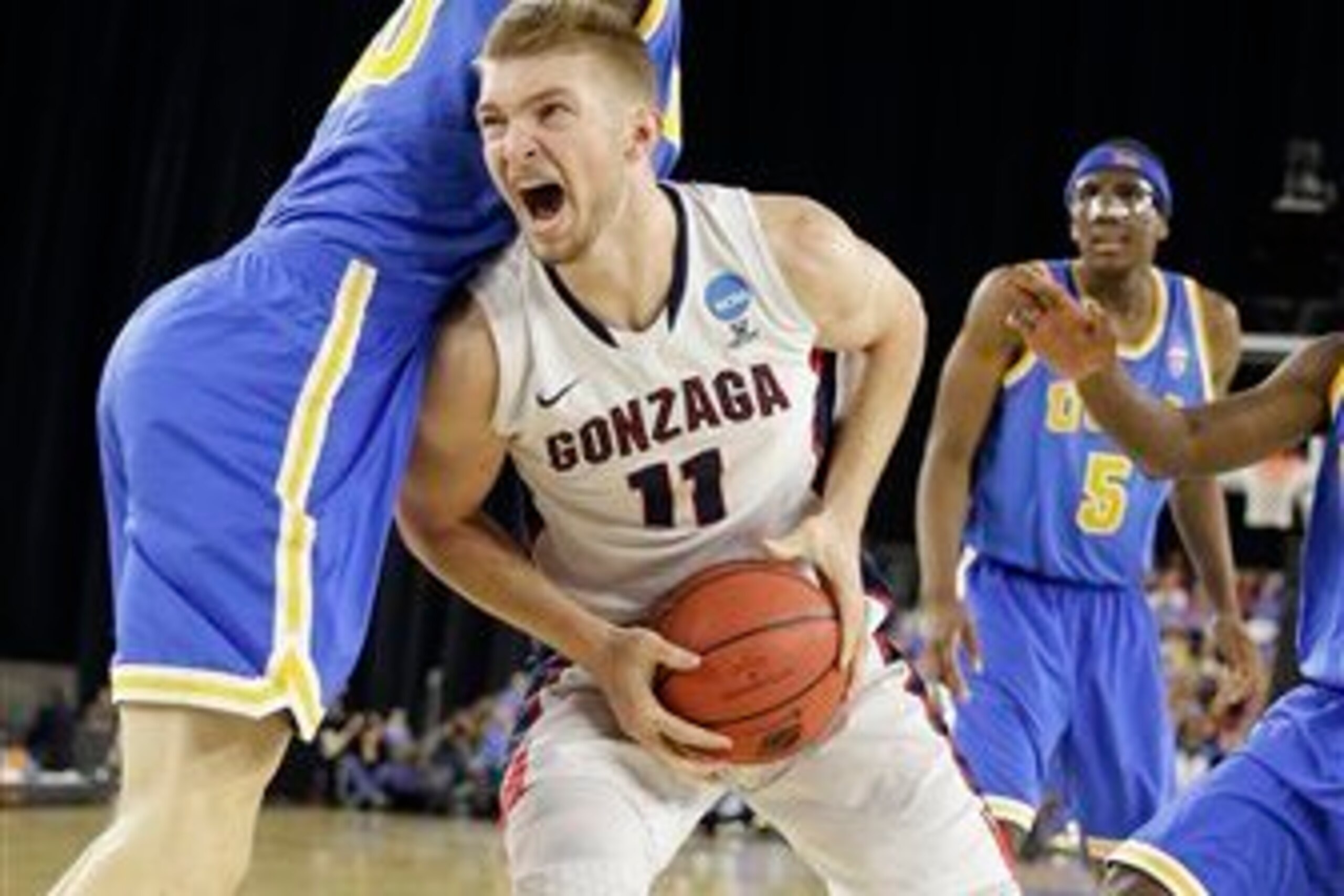
A midseason broken foot limited Pinson to just 24 games as a freshman. And he only averaged 12.5 minutes, which made it difficult for him to gain any rhythm.
Pinson struggled as a scorer, having shot 36.8 percent and averaged 9.1 points per 40 minutes. But what differentiates Pinson is his versatility—the ability to handle the ball, pass (4.9 assists per 40 minutes), and rebound (9.6 rebounds per 40 minutes) for an athletic 6'6" 2-guard or wing.
Plus, he's shown he can really pester opponents on defense, thanks to a disruptive quickness and length.
To find the radar, he'll have to raise that 44.4 percent true shooting percentage (26.9 percent from three, 61.1 percent from the line) dramatically. But he should have a better chance with more minutes and confidence as a sophomore.
15. Tyler Ulis, Kentucky, 5'9", PG, Sophomore
At 5'9", we're likely talking about only second-round consideration for Ulis. But someone is bound to gamble on the undersized Kentucky point guard. He does a terrific job of using his quickness and basketball IQ to set teammates up and make winning decisions.
Last season, he totaled 135 assists to just 38 turnovers.
A sharp 42.9 percent three-point stroke makes him easier to buy as a backup change-of-pace ball-handler in the pros.
16. Isaiah Taylor, Texas, 6'1", PG, Junior
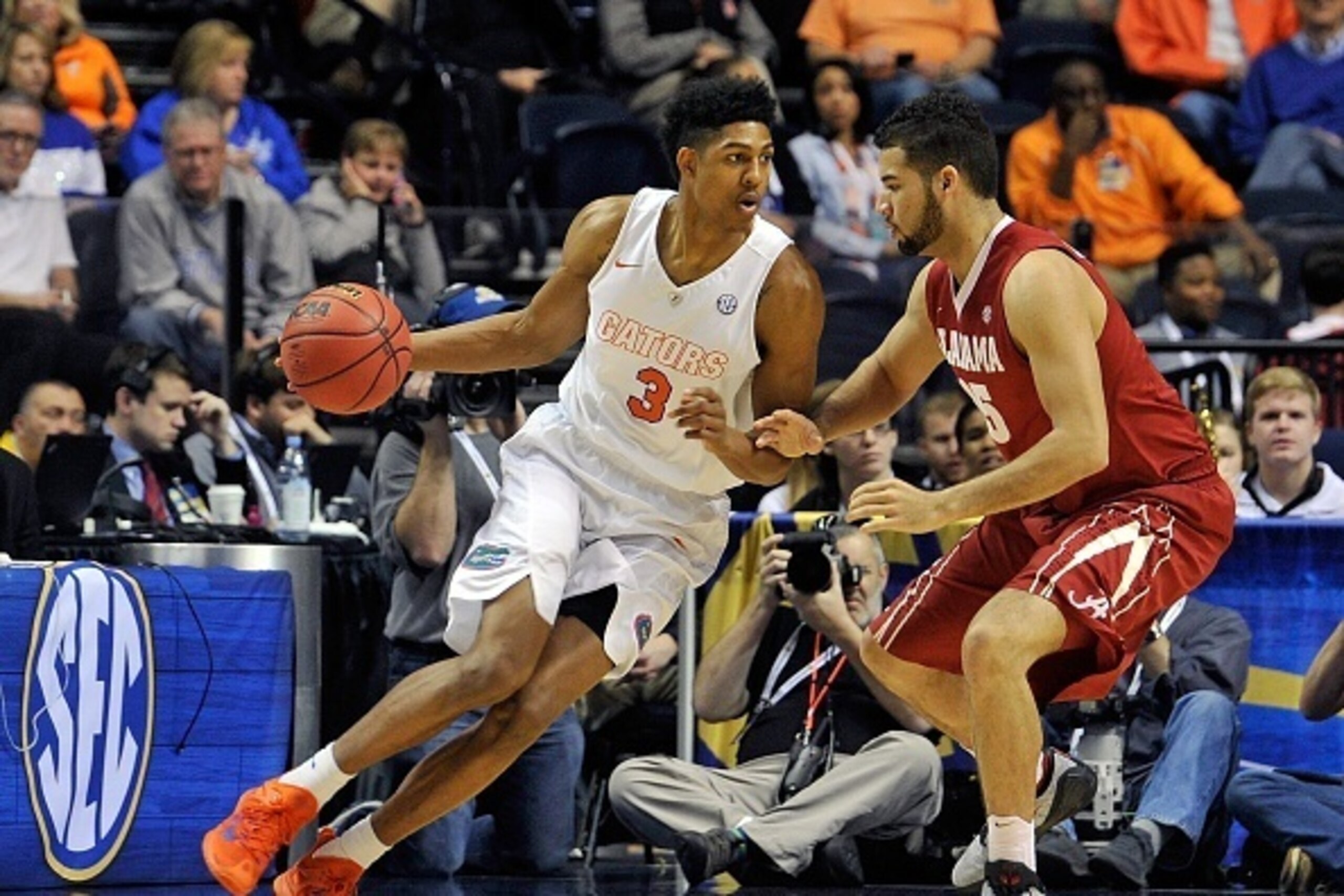
A broken wrist cost Taylor 10 games early last season, and though he found a rhythm once conference play picked up, inconsistency clouded his sophomore campaign. Taylor shot just 40.1 percent during the year, having failed to show much progress as a shooter (28.2 percent from three from 26.3 percent), decision-maker or scorer.
Regardless, with so much speed, quickness and breakdown ability, he remains tough to write off. Taylor can collapse defenses with penetration off ball screens and hesitation dribbles. He's a threat to create open shots for teammates, sink in a floater or get right to the bucket.
But without a jumper, defenses will continue to sag, making it difficult for Taylor to consistently make plays. Improving as a shooter is the obvious next step toward becoming more relevant in the draft discussion.
Seniors Making Final Auditions
1. Caris LeVert, Michigan, 6'7", SG
A season-ending injury ruined what was supposed to be a breakout junior year for LeVert. He'll now have one final chance at Michigan to build his NBA case.
At 6'7", LeVert has terrific size and athleticism for a 2-guard, while his playmaking ability and shooting accuracy reflect sharp skills and valuable versatility. He's proven capable of running the point, facilitating off ball screens and penetration and shooting with accuracy from deep (at least 40 percent from three in back-to-back seasons).
Drawing lottery consideration would likely require LeVert to carry Michigan as its No. 1 option. But as long as he can stay on the floor, he'll remain a good bet to go somewhere in the top 25.
2. Tyrone Wallace, California, 6'6", PG
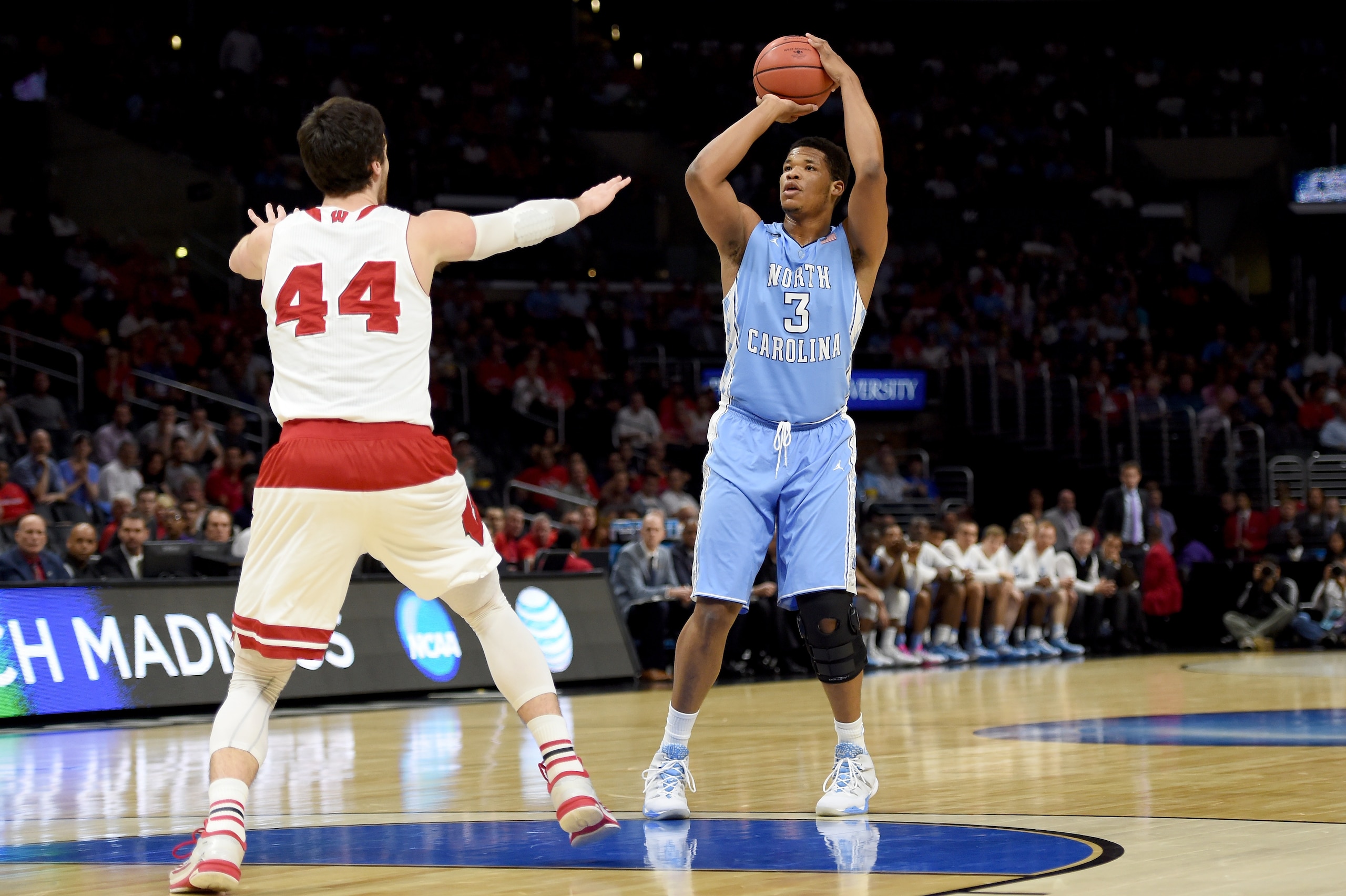
Wallace's final chance to sell the NBA scouts may be his best. California added a few weapons in Jaylen Brown and Ivan Rabb, both of whom should help take some of the pressure off Wallace.
From an NBA perspective, he stands out due to his 6'6" size, 6'9½" wingspan and playmaking ability. Wallace averaged 17.1 points and four assists, as well as 7.1 boards his junior season. He's a difficult cover off the dribble, where he can set the table off screens and penetration or score with crafty layups and floaters.
However, a 48.4 percent true shooting percentage and minus-0.57 pure point rating are numbers that have made it hard to completely fall in love with him. A more efficient senior year will be the key to Wallace's draft stock.
3. Buddy Hield, Oklahoma, 6'4", SG

Hield passed on the 2015 draft for one more year at Oklahoma, where he'll look to tighten up a few areas of his game before making the NBA jump.
On the bright side, he knocked down at least 90 threes for the second straight season. He also improved his one-on-one game to a degree—Hield was able to create more with pull-ups, step-backs and drives as a junior (17.4 points per game). And he continued to pick up points before defenses could set by making 46 twos and 38 threes in transition.
Improving his shot selection should help strengthen his inefficiency in 2015-16. Hield took 259 threes to 239 two-pointers while shooting 41.2 percent from the floor. He just relies too much on low-percentage jumpers.
4. Ron Baker, Wichita State, 6'4", SG

Baker's junior season looked similar to his sophomore one, which kept the buzz from ever getting too hot. Still, he possesses a few qualities and strengths the NBA could value, from his three-point stroke (at least 68 made triples and 38 percent in back-to-back years) to his incredibly low turnover rate (1.1 turnovers in 32.7 minutes).
Baker just has a good feel for making plays within his team's offense. And though not a blow-by athlete or above-the-rim leaper, he competes on defense with a strong 220-pound frame.
For what it's worth, he looked great this summer at the Pan American Games, where he averaged 8.2 points (50 percent shooting) in 23.6 minutes as arguably the most effective NCAA player on the team.
Limited upside may hold him in the second-round conversation, but he won't fade from the radar.
5. Jake Layman, Maryland, 6'9", SF/PF
He didn't move the needle enough, but Layman's pro potential looked a lot more convincing last season.
He did a better job converting inside the arc, where he shot 53 percent, up from the 44.1 percent he shot as a sophomore. And he continued to flash stretch-big ability by knocking down 45 threes at a 37.8 percent clip.
On the downside, Layman doesn't quite project as a defensive stopper or impact rebounder (7.7 per 40 minutes). And he's not known for creating shots.
Showing a more threatening one-on-one game while hovering around the 40 percent mark from three should help Layman land on the right side of the first-round fence.
6. Brice Johnson, North Carolina, 6'9", PF/C
At 6'9" with bounce and quickness, Johnson's identity is fairly defined. He's an interior pogo stick who finishes at high rates at the rim off dump passes and offensive rebounds.
Unfortunately, we haven't seen Johnson expand his game very far, with his freshman to junior per-40 minutes averages all relatively the same. The good news: His offensive numbers and efficiency have been solid. He's averaged at least 20 points and 12 boards per 40 minutes in each year at North Carolina.
However, he hasn't showcased much of a jumper or advanced post moves, and he lacks the traditional size and strength (228 pounds) to make a full-time living in the paint. Johnson also doesn't bring much defensively, given his low 4.8 percent block percentage and 1.1 steals per 40 minutes.
His scoring ability and presence around the hoop are still worth coveting, but Johnson will have something to prove in 2015-16 if he wants to become first-round relevant.
7. Danuel House, Texas A&M, 6'7", SG/SF
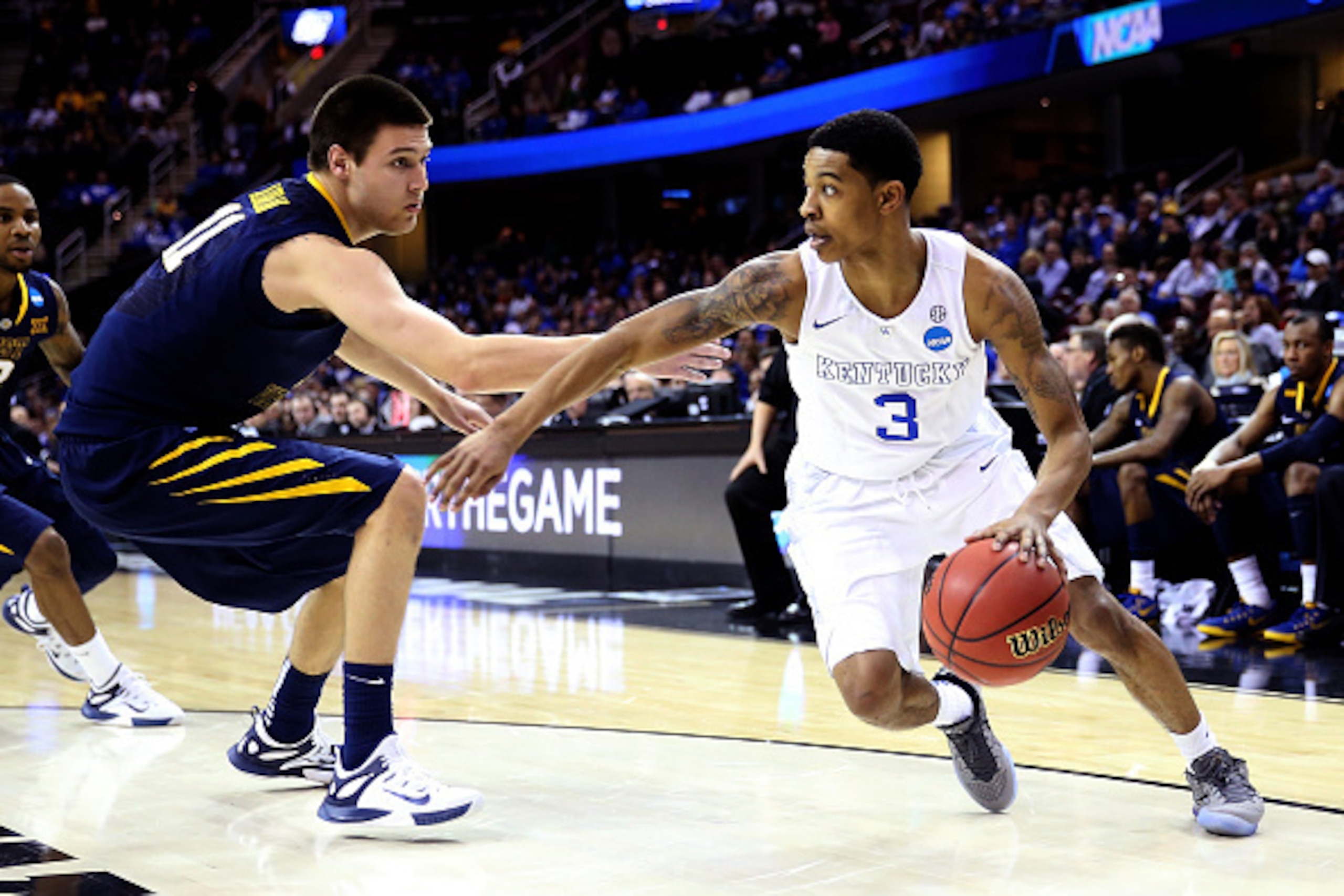
House averaged 14.8 points in his first season with Texas A&M after transferring from Houston. He bounced back from an underwhelming sophomore year with one that helped restore some belief in his pro potential.
At 6'7", 212 pounds, House possesses traditional size and athleticism for an NBA small forward. And he made a promising jump as a shooter in 2014-15, having hit 2.4 threes per game at a 40 percent clip.
Limited versatility ultimately weighs on House's outlook, as he struggled to score at the rim, having shot just 45.5 percent there in the half court. And he isn't much of a playmaker, given his 2.4 assists to 2.4 turnovers per 40 minutes. The fact that he doesn't shine defensively works heavily against him as well.
To solidify a spot on the radar by March, he'll have to look like a more complete player at both ends of the floor while maintaining his shooting accuracy.
8. Denzel Valentine, Michigan State, 6'5", SG
In three years at Michigan State, we've seen Valentine's scoring average, assist rate and and three-point percentage each gradually increase. We've also seen him play a part in dozens of big Spartan wins.
Without impressive quickness or athleticism, he doesn't stand out under the NBA lens, but at 6'5", 220 pounds, Valentine has 2-guard size, along with a versatile, mature offensive repertoire.
He blends lethal long-range shooting (102 made threes, 41.6 percent clip) with savvy passing and playmaking (5.2 assists per 40 minutes). Valentine won't offer much defense or upside, but another efficient season could enhance his image as a potential NBA role player.
9. Damion Lee, Louisville, 6'6", SG, Senior

Lee transferred to Louisville after averaging 21.4 points for Drexel in a bounce-back year from ACL surgery. He isn't likely to stop scoring at Louisville, where he'll have a better chance to make a name for himself, both in conference play and nonconference play (Kentucky, Michigan State).
Though not bouncy or lightning quick, he sports a solid 6'6" body and a sweet outside stroke. Lee has a quick, confident release he can let go off screens or spot up. Last season, he made 65 threes at a 38.5 percent clip and 88.7 percent of his free throws, good for a 60.1 percent true shooting percentage.
He just turned 23 years old in October, making the first round an unrealistic goal. But with another year of volume scoring and accurate shooting as Louisville's go-to option, he could find himself competing for an NBA roster spot.
10. Gary Payton II, Oregon State, 6'3", PG/SG

One of the more unconventional prospects in the country, Payton's sales pitch begins on defense, which is fairly unique for a guard. He collected 3.1 steals (third in the country) and an unusual (for a player at his position) 1.2 blocks per game as the Pac-12 Defensive Player of the Year.
He's a hound, with the size, length, quickness, instincts and motor to pressure and cover ground. Those attributes translated to a tremendous 7.5 rebounds per game as well.
Payton isn't as effective on offense, which really hurts his first-round chances. He'll have to improve on his 29.3 percent three-point stroke and 3.5 assists per 40 minutes, but he did shoot 55.8 percent inside the arc, showing strong finishing ability off drives and cuts.
11. A.J. Hammons, Purdue, 7'0", C

At 7'0", 261 pounds, Hammons has always had the looks of a pro prospect. We just haven't seen the consistency that would suggest he's prepared to make an NBA impact.
Hammons' offense is ultimately predicated on back-to-the-basket scoring. This year, it would be nice to see him make a few more face-up jumpers outside the paint, considering he converted just four of 25 of them as a junior, per DraftExpress' Jacob Eisenberg.
Otherwise, he's a force around the basket at both ends, particularly on defense, where he blocked 4.6 shots per 40 minutes.
To max out his stock, he'll need to stop turning the ball over (3.5 times per 40 minutes over a three-year career) and ultimately eliminate the disappearing acts (10 games below 10 points). Successfully making these adjustments could lead teams to viewing him as a backup center.
12. Marcus Paige, North Carolina, 6'1", PG
Paige will start the year on the shelf after breaking his hand early in November—an injury that could cost him up to four weeks. He'll return as the lead guard for a lineup with national title aspirations, making this an excellent final opportunity to capitalize in the spotlight.
He's coming off somewhat of an off year relative to what was expected, with his field-goal percentage (41.3) and scoring average (14.1 points) both down from the season before. However, he did improve on two key areas, having raised his assist rate to 5.7 per 40 minutes (from 4.7) and his three-point mark to 39.5 percent. Paige can create and pass, as well as pull up into jumpers or spot up off the ball as a shooter.
He doesn't pack much size, strength or athleticism, which all but kills his first-round chances. Teams will question his defensive outlook for sure. But if he can continue growing as a facilitator, knocking down outside shots and winning big games, Paige should have a legitimate shot to hear his name called next June.
Sleeper Freshmen Prospects to Watch
1. Carlton Bragg Jr., Kansas, 6'9", PF

Bragg doesn't come with the same credentials as fellow freshman Cheick Diallo, but it shouldn't take long for his potential to attract attention. At 6'9", his blend of strong physical tools and athleticism plus shooting and passing touch is bound to create buzz.
With good hands and bounce, he's a target around the rim for guards. And though Bragg might not have a green light around the perimeter, his jumper should be threatening enough to keep defenders honest.
The longer Diallo sits out with eligibility issues, the better chance Bragg will have to showcase his inside-out game.
2. Thomas Bryant, Indiana, 6'10", PF/C
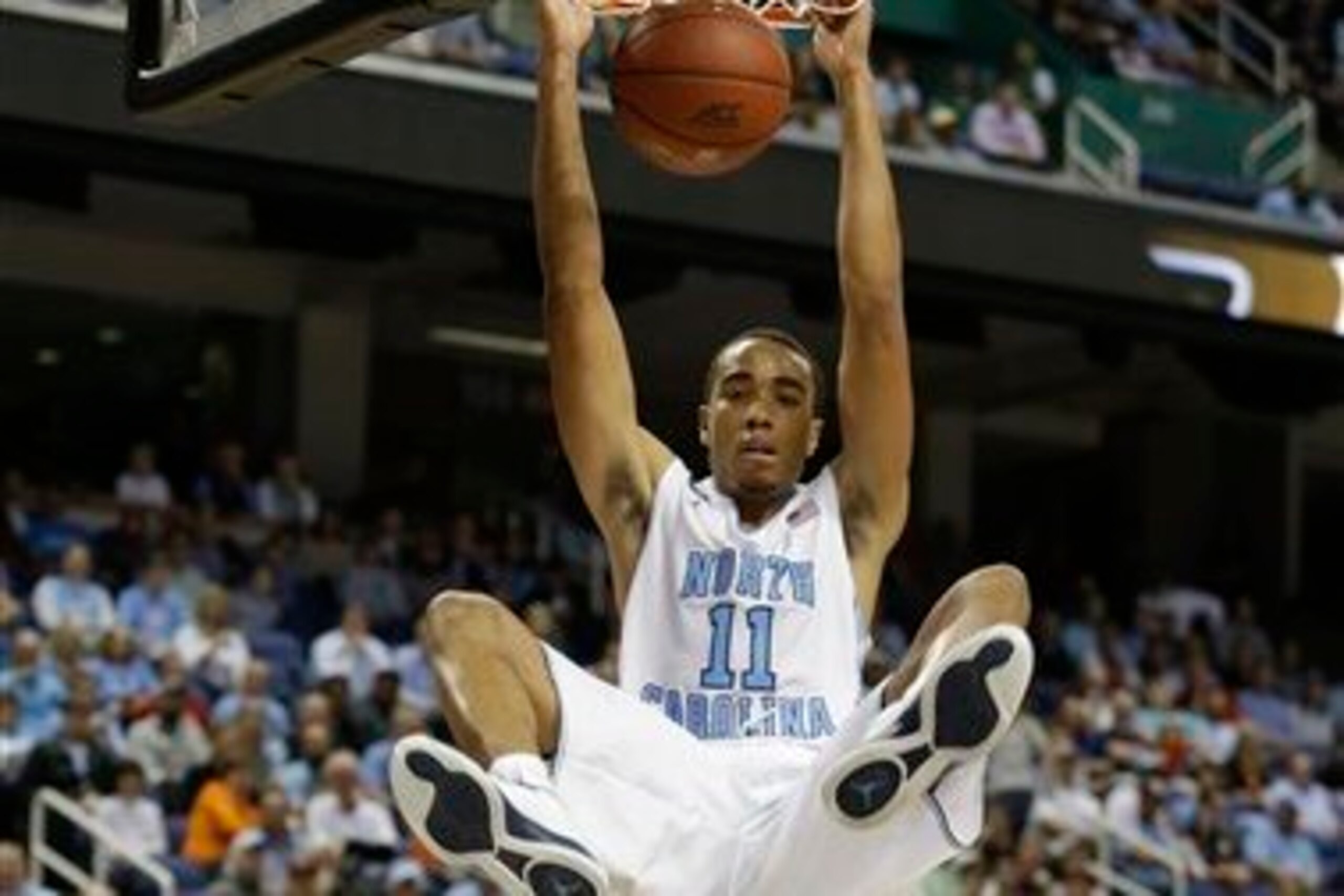
Bryant sports an NBA body at 6'10", 245 pounds, with a massive 7'5½" wingspan. He's tough to miss, both due to his size and inside-out skill set, which includes a developing back-to-the-basket game and promising jumper.
He's flashed nice touch and footwork on his hooks, as well as the ability to step out as a shooter in pick-and-pop or drive-and-kick situations.
With the potential to own the glass, protect the rim
3. Jalen Brunson, Villanova, 6'3", PG
Brunson, who was named MVP of this summer's FIBA World Championships, led the United States to gold while averaging 14 points and 5.6 assists on 44 percent shooting from three.
He isn't overly explosive, but at 6'3", 199 pounds, he has good size for an NBA point guard, as well as a balanced floor game as a scorer and passer.
Brunson will share the ball with senior Ryan Archidiacono, and might have a better chance to max out his stock as the lone floor general in 2016-17.
4. Tyler Dorsey, Oregon, 6'4", PG/SG
Dorsey broke out over the summer during the FIBA World Championships, where he put up 15.9 points on 55.6 percent shooting and 11 of 21 from three. It happened to be a fairly convincing performance.
Though a bit undersized for an NBA 2-guard, Dorsey compensates with a handle, athleticism and live motor. He's crafty in transition, fearless attacking the rim and active at the defensive end. Confirming the jumper as legitimate would ultimately be a major image-booster.
5. Derryck Thornton, Duke, 6'1", PG
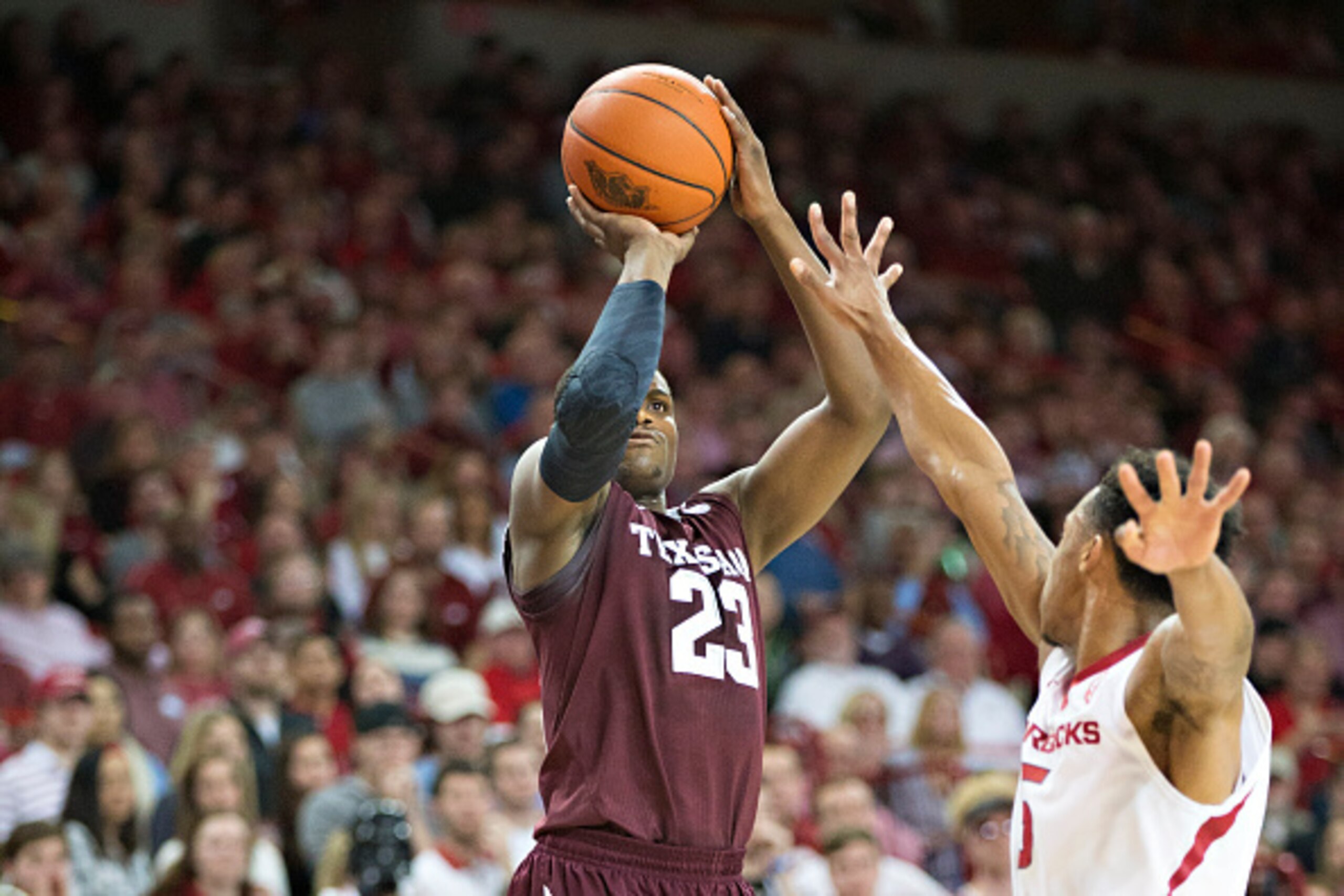
Thornton has one of higher-profile jobs in American, and with that, he'll already have a built-in audience of scouts watching over.
Much like Tyus Jones, Duke's first-round point guard from last year, Thornton's ball skills and poise both stand out. He has a nasty handle, which allows him to get to spots and create shots. And he's a polished mid-range scorer with the pull-up and floater.
Average athleticism limits his perceived upside, but Thornton's floor game and sound fundamentals will be worth tracking.
6. JaQuan Lyle, Ohio State, 6'5", PG/SG
He's one of the older freshmen turning 20 in February (played last year at IMG Academy), and he'll likely be one of the most productive as D'Angelo Russell's replacement in a lead guard role.
Lyle went for 19 points, nine rebounds and seven assists in Ohio State's preseason opener, looking the part of a prospect whose versatility will frequently show up on stat sheets and scouts' radars. If he can make enough jump shots and plays at the point, it wouldn't be shocking to see him emerge as a potential one-and-done candidate.
7. Dwayne Bacon, Florida State, 6'6", SG
A scorer out of Oak Hill Academy, Bacon looks the part of an NBA 2-guard, thanks to a smooth perimeter game, 6'6" size and plenty of athleticism. Shot selection will be a challenge, but the tools and skill set—a handle, mid-range game and jumper—suggest pro potential is there, whether it means declaring next June or two years from now.
With Xavier Rathan-Mayes and Devon Bookert, there may not be enough minutes or touches for Bacon as a freshman. But he'll eventually find the radar once his comfort, confidence and role each begin to grow.
8. Allonzo Trier, Arizona, 6'5", SG
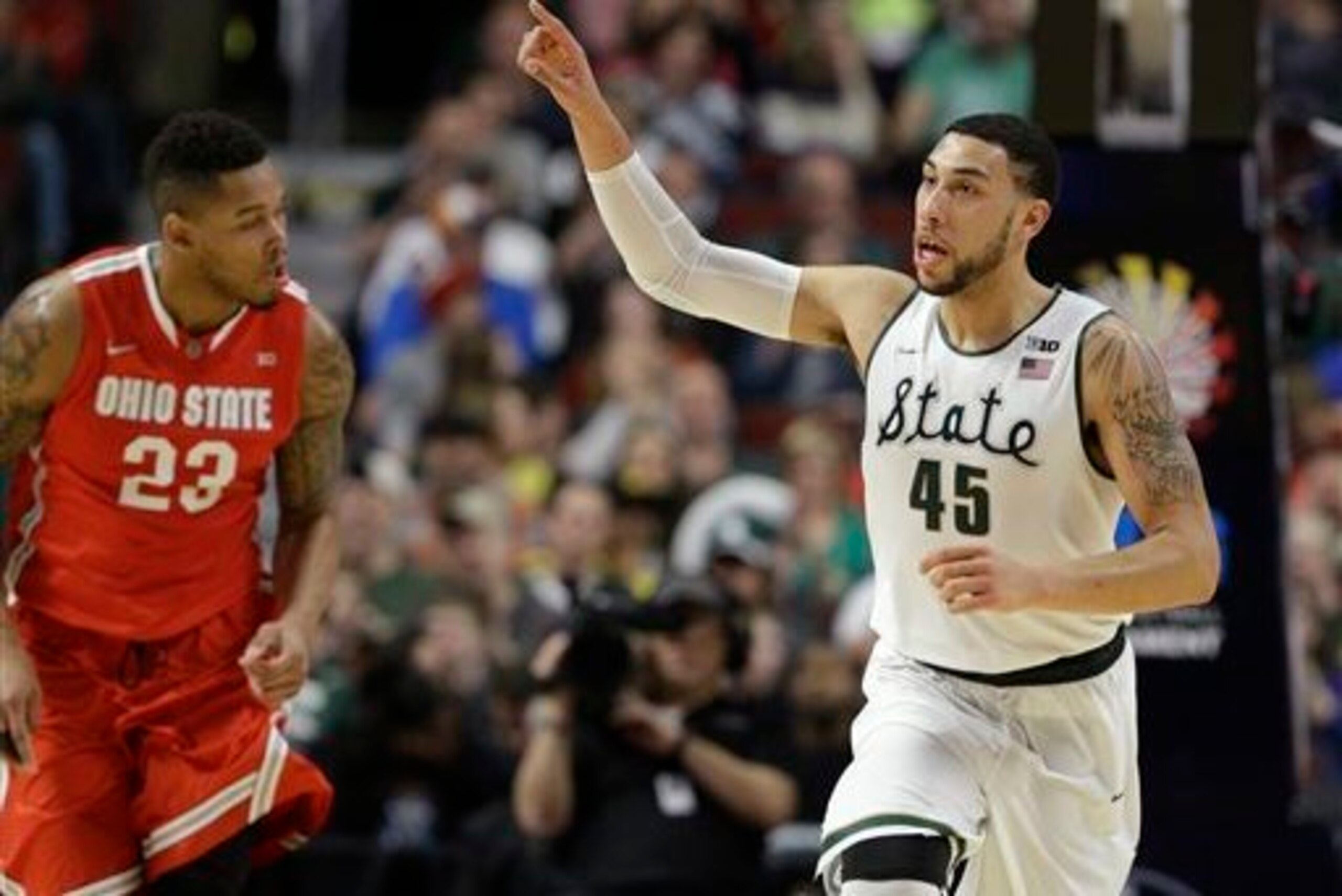
Trier projects as a scorer right away for Arizona. Co-MVP of the Jordan Brand Classic, Trier can put up points in a variety of ways, with the ability to pick up easy buckets in transition, slice to the rack in the half court or knock down shots in the mid-range.
He might need two years to sharpen up his perimeter game, but with active athleticism, 6'5" size and a potent offensive attack, there is enough here to earn scouts' attention.
9. Antonio Blakeney, LSU, 6'4", SG
A 6'4" combo guard wired with athleticism and confidence, Blakeney is exciting in transition and streaky, yet dangerous around the arc, where he can separate into jumpers or spread the floor as a three-point shooter.
Shot selection will be Blakeney's biggest challenge in a lineup alongside other ball-dominators like Ben Simmons and Tim Quarterman. He also tends to settle for difficult looks, which won't fly as much in college.
Blakeney may be more of a two-to-three year guard at LSU, but he should eventually find his way onto first-round boards.
10. Marquese Chriss, Washington, 6'8", PF
Chriss could turn heads this year in Washington with eye-opening size and bounce. He's already earned some attention after coach Lorenzo Romar said he dropped 40 points during an inter-squad scrimmage (via Christian Caple, The Tacoma News Tribune).
A terrific athlete, Chriss can run the floor and finish, as well as face up against slower bigs and protect the rim on defense.
At 225 pounds, he might need a few years in school, but chances are, we'll eventually hear his name discussed in the NBA draft conversation.
All advanced stats courtesy of Sports-Reference.com, Hoop-Math.com



.jpg?w=2560 "Grading WWE Raw 🔠")
.jpg?w=2560 "Viral Rams Coach Vid 🖕")
.jpg?w=2560 "Injury-stricken Seahawks signing veteran RB")
.jpg?w=2560 "Bijan's INSANE 1st Half 🤩")
.jpg?w=2560 "2 NFL Officials Suspended")
