
The 2026 Dodgers and Top 10 Most Expensive MLB Payrolls That Didn't Win the World Series

After winning the World Series in both 2024 and 2025 and winning 100 games this season, it'd be a bit harsh to label the 2026 Los Angeles Dodgers as a failure of epic proportions—even though they did get swept by a Brewers team spending, roughly, one quarter of what the Dodgers spent.
It is, however, the ultimate failure of epic payroll.
Their estimated competitive balance tax payroll of $433.1M is the highest in MLB history, and therefore also the most money ever spent by a team that didn't win a World Series.
But how does the rest of the top 10 stack up?
What we did account for: Inflation. According to the inflation calculator on the U.S. Bureau of Labor Statistics website, $1 in July 2000 equates to $1.95 today, $1 in July 2005 equates to $1.72 today and so on and so forth. Got to adjust for inflation in a discussion like this.
What we didn't account for: Deferred salaries or competitive balance tax payments. The 2026 Los Angeles Dodgers are going to pay an estimated luxury tax of more than $180M, but they've also deferred something like $150M of their 2026 payroll, so it kind of comes out in the wash? We're ignoring all that, though, and focusing strictly on the year-end competitive balance tax payrolls.*
*Back to 2012, at least. From 2000-11, Cot's Contracts only provides a year-end 40-man payroll captured by the Associated Press. But the year-end 40-man payroll and CB payroll totals are generally in the same ballpark.
Without further ado, avert your eyes, Dodgers and Mets fans.
It's about to get painful.
Recent High Spenders Spared by the Inflation Factor
1 of 11
If we hadn't bothered to account for inflation, we could've just stopped the research at 2023. Prior to that, no team had ever had a $300M payroll, but there have been 13 north of that threshold since.
As such, there are quite a few recent big spenders who didn't crack our top 10. But let's at least mention them here.
2026 Toronto Blue Jays ($315.8M, no inflation adjustment)
The Blue Jays got close to $300M during their run to the World Series in 2025. But between Vladimir Guerrero Jr.'s extension and signing Dylan Cease, Kazuma Okamoto and more this past winter, they blew right by that mark for the first time. Some lot of good it did them, though, going 79-83 with the lowest-scoring offense in the majors.
2025 Philadelphia Phillies ($314.3M, $330M with inflation)
2026 Philadelphia Phillies ($322.2M, no inflation adjustment)
The Phillies have ranked fourth in payroll in each of the past six seasons. But the concern at this point is how much money they already have tied up in aging veterans for the next six or so years. They have at least made the postseason in each of the last five seasons, but with no World Series rings to show for it.
2024 New York Yankees ($316.2M, $338M with inflation)
2025 New York Yankees ($319.5M, $335M with inflation)
2026 New York Yankees ($341.9M, no inflation adjustment)
Fear not. The Yankees will make a couple of appearances in the top 10. But as fans of this team know all too well, it's been a while since the days when they were aggressively outspending everyone on an annual basis.
The Yankees did make it to the World Series in 2024, but got knocked out in the ALDS by the AL East champion in each of the past two years.
Who would've guessed when Luis Gonzalez walked it off against Mariano Rivera in 2001 that the Yankees would win just one of the next 25 World Series?
10. 2021 Los Angeles Dodgers
2 of 11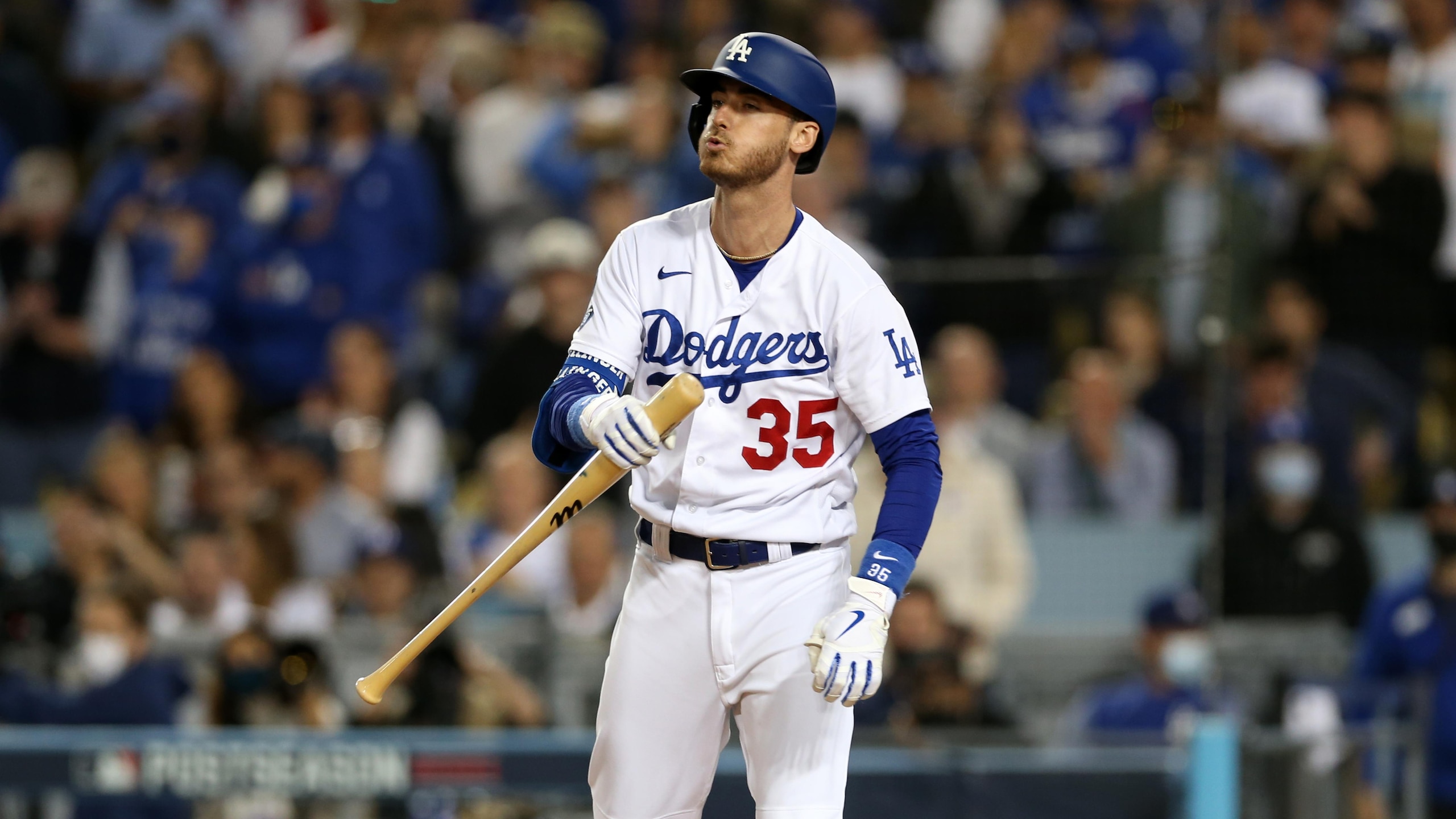
Competitive Balance Tax Payroll: $285.6M
Adjusted for Inflation: $354.1M
Record: 106-56
When They Got Bounced?
The 2021 NLDS between the 106-win Dodgers and 107-win Giants was an all-timer of a clash of the two best teams during the regular season. But after surviving that five-game battle, the Dodgers fell to the 88-win Atlanta Braves in the NLCS, when what had been a fantastic starting rotation during the regular season simply could not cut the mustard against...*checks notes*...Eddie Rosario.
Top Earner: Trevor Bauer ($34M)
Bauer only pitched for the first three months of his three-year, $102 million Dodgers contract before being placed on administrative leave. He was later suspended and never pitched for the team again. On the mound, however, he delivered strong results: 14 quality starts in 17 appearances, a 2.59 ERA and 11.5 K/9.
Biggest Waste of Funds: Cody Bellinger ($16.1M)
This is where the 2017 NL Rookie of the Year and 2019 NL MVP really bottomed out. Bellinger underwent shoulder surgery in November 2020 and then suffered a broken leg less than a week into the 2021 regular season. He hit a brutal .165 during the regular season, but did at least show up with a .906 OPS in the postseason.
9. 2007 New York Yankees
3 of 11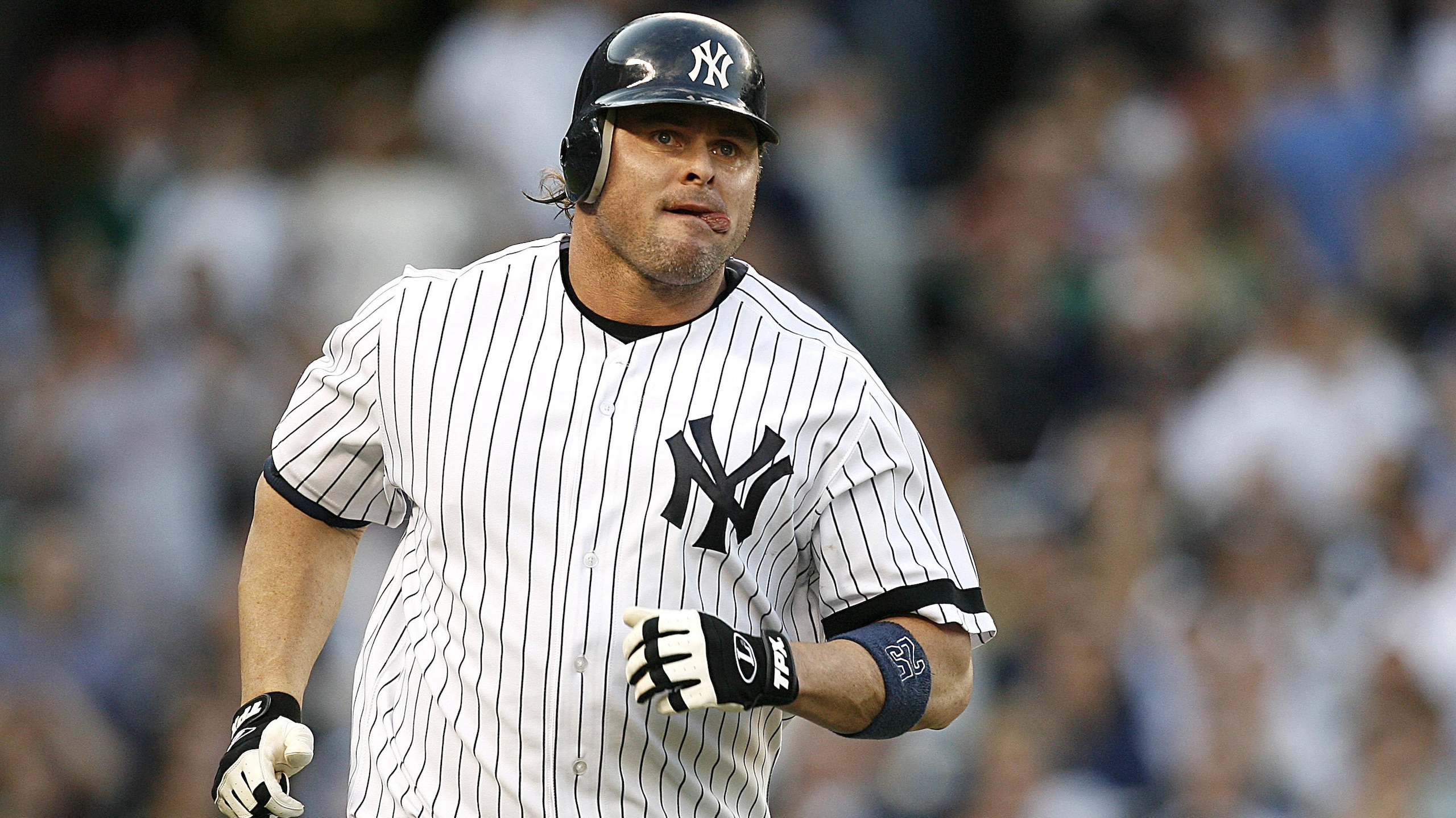
Competitive Balance Tax Payroll: $218.3M
Adjusted for Inflation: $355.8M
Record: 94-68
When They Got Bounced?
Remember Joba Chamberlain's infamous midges game in Cleveland? That was Game 2 of this ALDS, when the flamethrowing rookie was eaten alive by bugs in the eighth inning, leading to two walks, two wild pitches and a hit batter while blowing the lead. As a result, the Yankees returned home in a 2-0 hole and were unable to climb out of it.
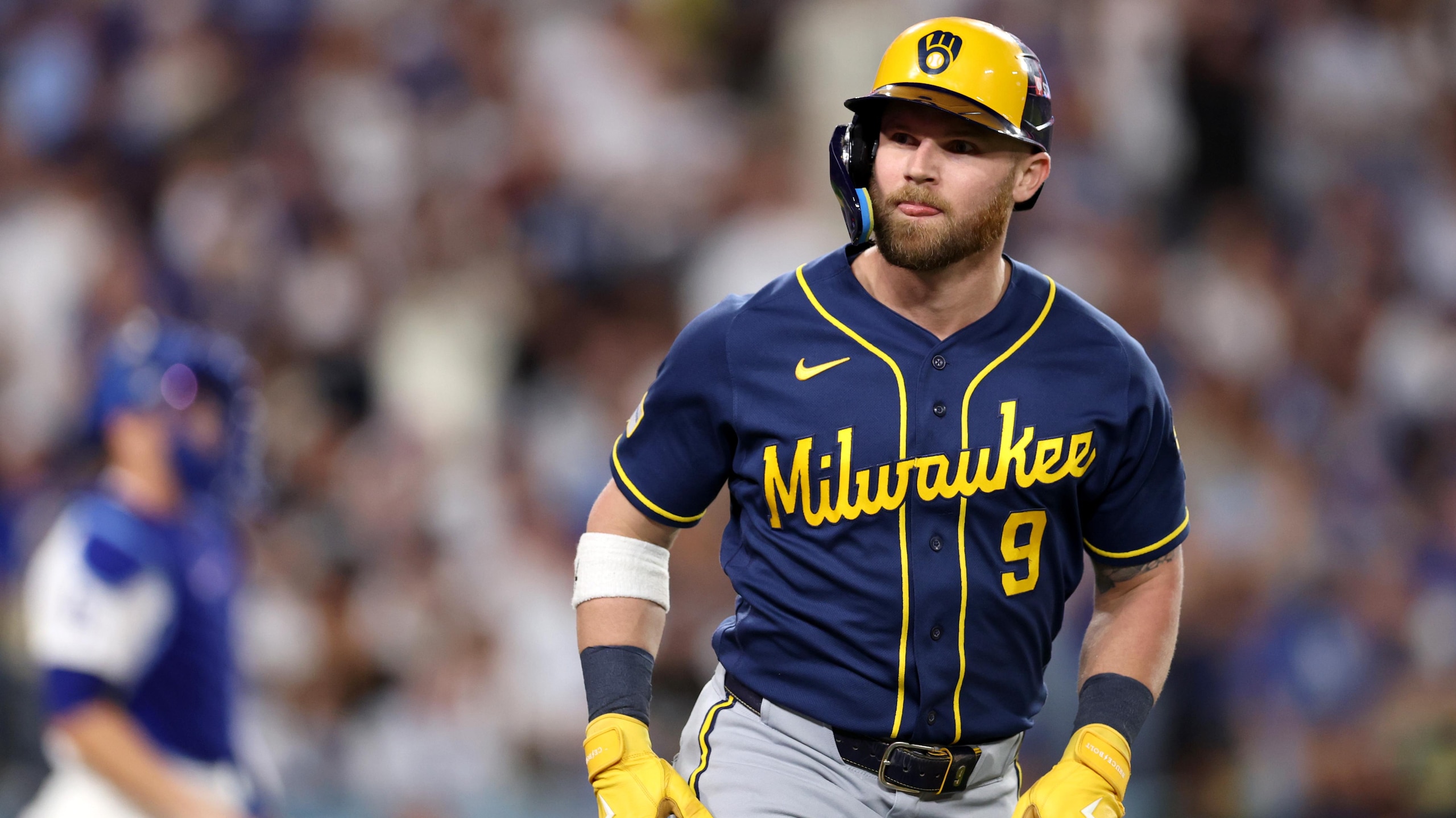
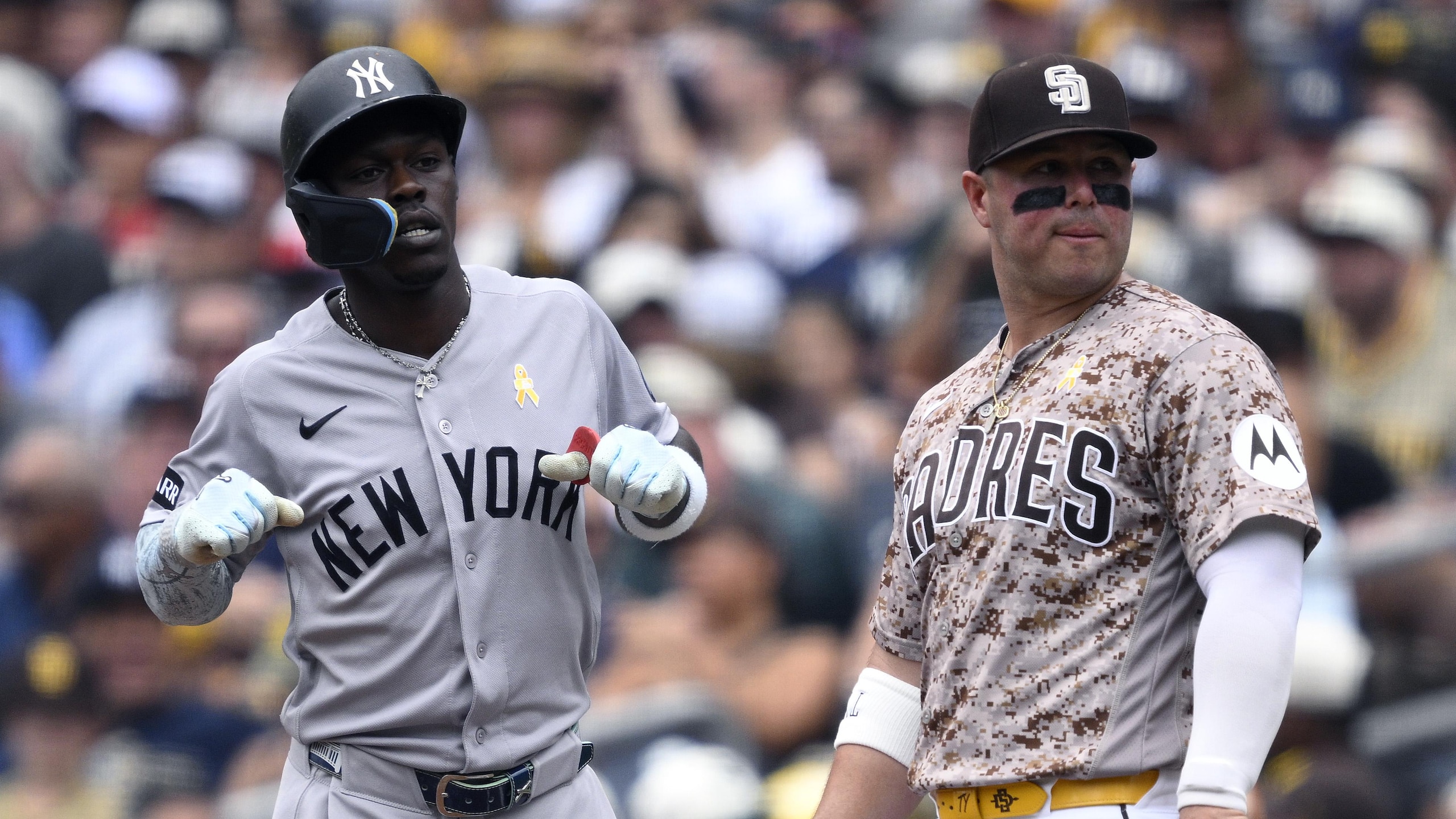
Top Earner: Alex Rodriguez ($25.2M)
From an OPS perspective (1.067), 2007 was the greatest season of A-Rod's career. He led the majors with 54 home runs and 156 RBI and also stole 24 bases en route to winning his third AL MVP almost unanimously. His subsequent 10-year, $275M contract did not age well for New York, but he was incredible the year before temporarily hitting free agency.
Biggest Waste of Funds: Jason Giambi ($23.4M)
During Giambi's 7-year, $120M contract with the Yankees, he had at least 32 home runs and an OPS north of .875 five times. This was...not one of those years. Plantar fasciitis sidelined him for a good chunk of the 2007 season, and he was nowhere near his usual self when he did play. He ended up making just four plate appearances during the '07 ALDS against Cleveland.

8. 2005 New York Yankees
4 of 11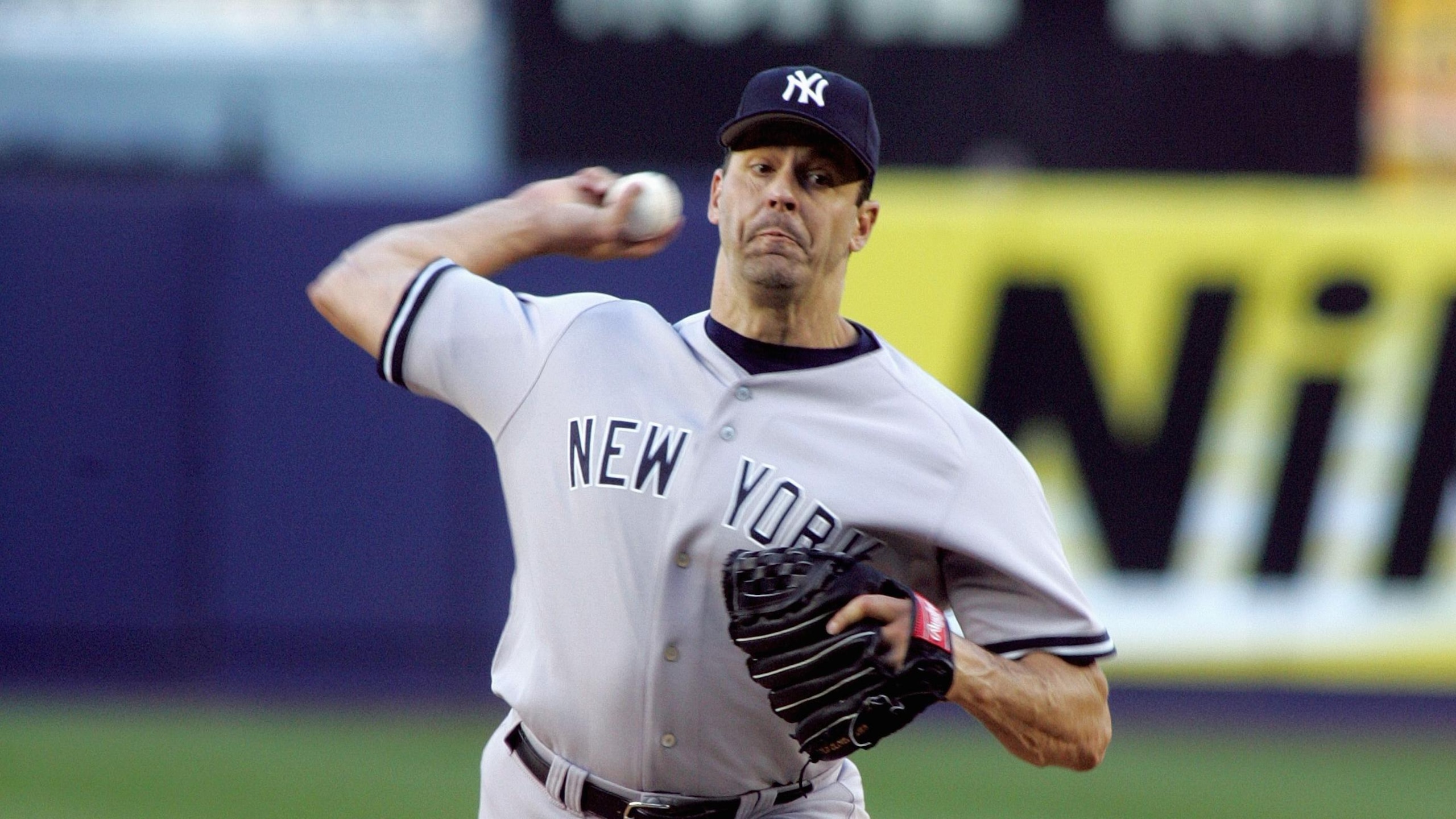
Competitive Balance Tax Payroll: $207.2M
Adjusted for Inflation: $358.4M
Record: 95-67
When They Got Bounced?
Once upon a time, the Angels were a regular in the postseason. And in the 2005 ALDS, Bengie Molina brought the lumber for home runs in each of Game 1, 2 and 3. In the do-or-die Game 5, however, it was Adam Kennedy playing hero with a two-run triple off Mike Mussina before Francisco 'K-Rod' Rodríguez closed out the series.
Top Earner: Alex Rodriguez ($25.2M)
As was the case with the 2007 iteration we just encountered, giving A-Rod a ton of money in 2005 was a pretty good idea for the Yankees—at least during the regular season. This, too, was one of his MVP campaigns, batting .321/.421/.610 with 48 home runs, 130 RBI and 21 stolen bases. (He was a ghost in the ALDS, though, going 2-for-15 with no RBI.)
Biggest Waste of Funds: Kevin Brown ($15.7M)
At 40 years old, Brown was in the final season of a 7-year, $105M deal, as well as the final season of his career. And in 13 appearances, he gave the Yankees a 6.50 ERA, last appearing in a game that July.
7. 2026 New York Mets
5 of 11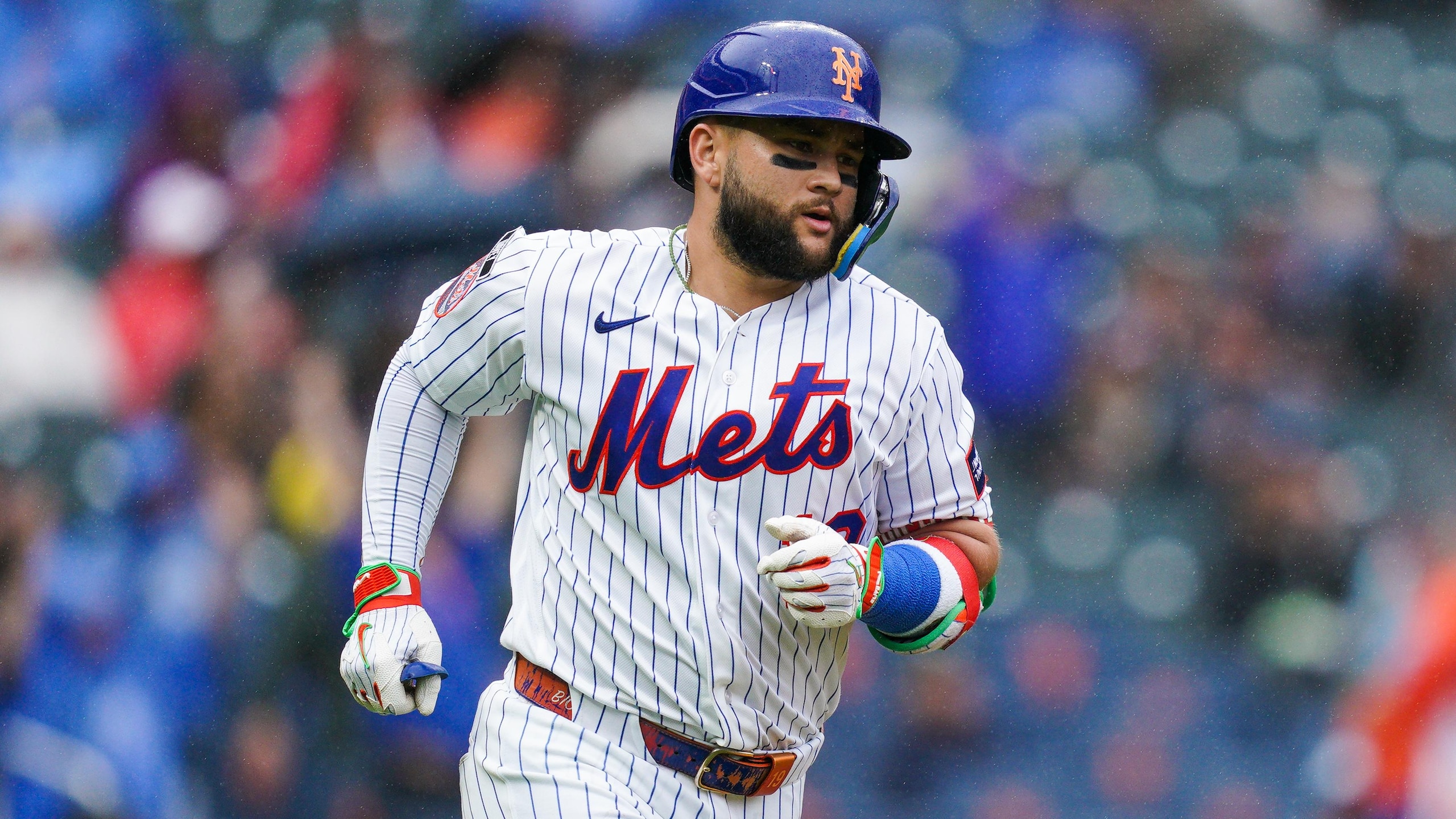
Competitive Balance Tax Payroll: $359.5M
Adjusted for Inflation: $359.5M
Record: 74-88
When They Got Bounced?
New York's season was over seemingly before it started. The Mets went 7-19 in April and never even remotely flirted with getting back to .500—a path made more maddening by the fact that Boston, Houston and Philadelphia were just as terrible early on before all rallying to make the playoffs.
Top Earner: Juan Soto ($51M)
Soto missed 51 games between his two stints on the IL, but he was one of New York's only particularly productive hitters while healthy. Soto hit 27 home runs en route to his 154 OPS+. And had he logged enough plate appearances to qualify, his .393 on-base percentage would have led the National League.
Biggest Waste of Funds: Bo Bichette ($42M)
For better or worse, Bichette did play in almost every game for the Mets. But in the first season of that gargantuan three-year, $126M contract, he barely managed a .700 OPS and wasn't exactly a great glove at the hot corner. It's hard to believe he's considering opting out of the other two years after that dud of a season.
6. 2025 New York Mets
6 of 11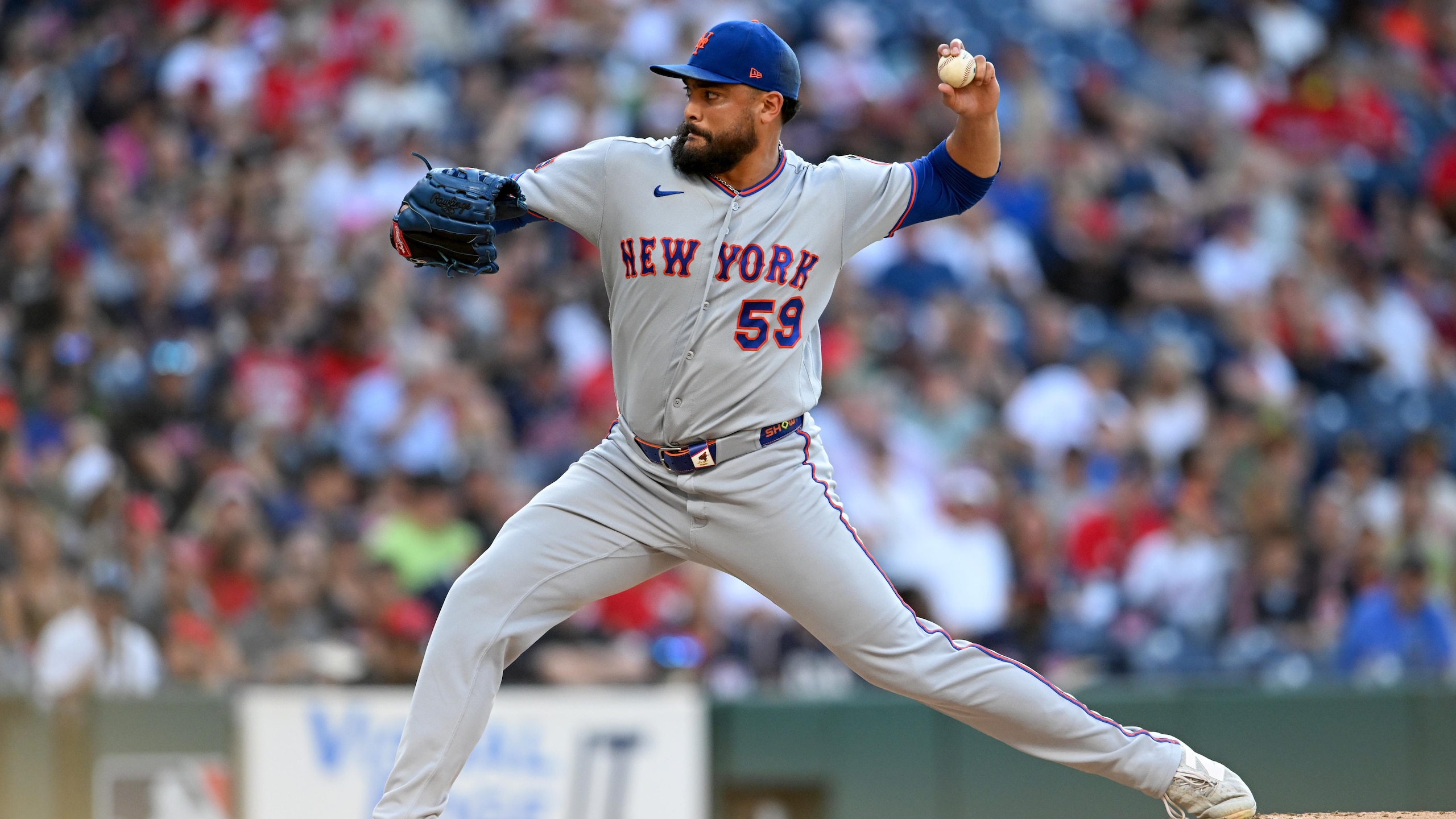
Competitive Balance Tax Payroll: $346.7M
Adjusted for Inflation: $364.0M
Record: 83-79
When They Got Bounced?
On the final day of the regular season, the New York Mets were shutout 4-0 by a sub-.500 Miami Marlins team playing for nothing but pride. As a result, the Mets missed out on the postseason on a tiebreaker with the Cincinnati Reds, getting an early start on an offseason that was allegedly designed to improve their run prevention in 2026.
Top Earner: Juan Soto ($51M)
Soto started slow in the first season of his 15-year, $765M contract, batting .224 into late May. But over his final 105 games, he sure looked like an MVP, racking up 35 home runs and 31 stolen bases with a 1.014 OPS. He ended up two swipes shy of the 40/40 club.
Biggest Waste of Funds: Sean Manaea ($22M)
The ace of New York's staff in 2024, Manaea was a mess in the first year of his newly minted contract. He didn't make his season debut until the final game before the All-Star Break, and he never managed to tally a single quality start amid his 5.64 ERA. And in starting the aforementioned must-win Game 162, he didn't even make it out of the second inning.
5. 2024 New York Mets
7 of 11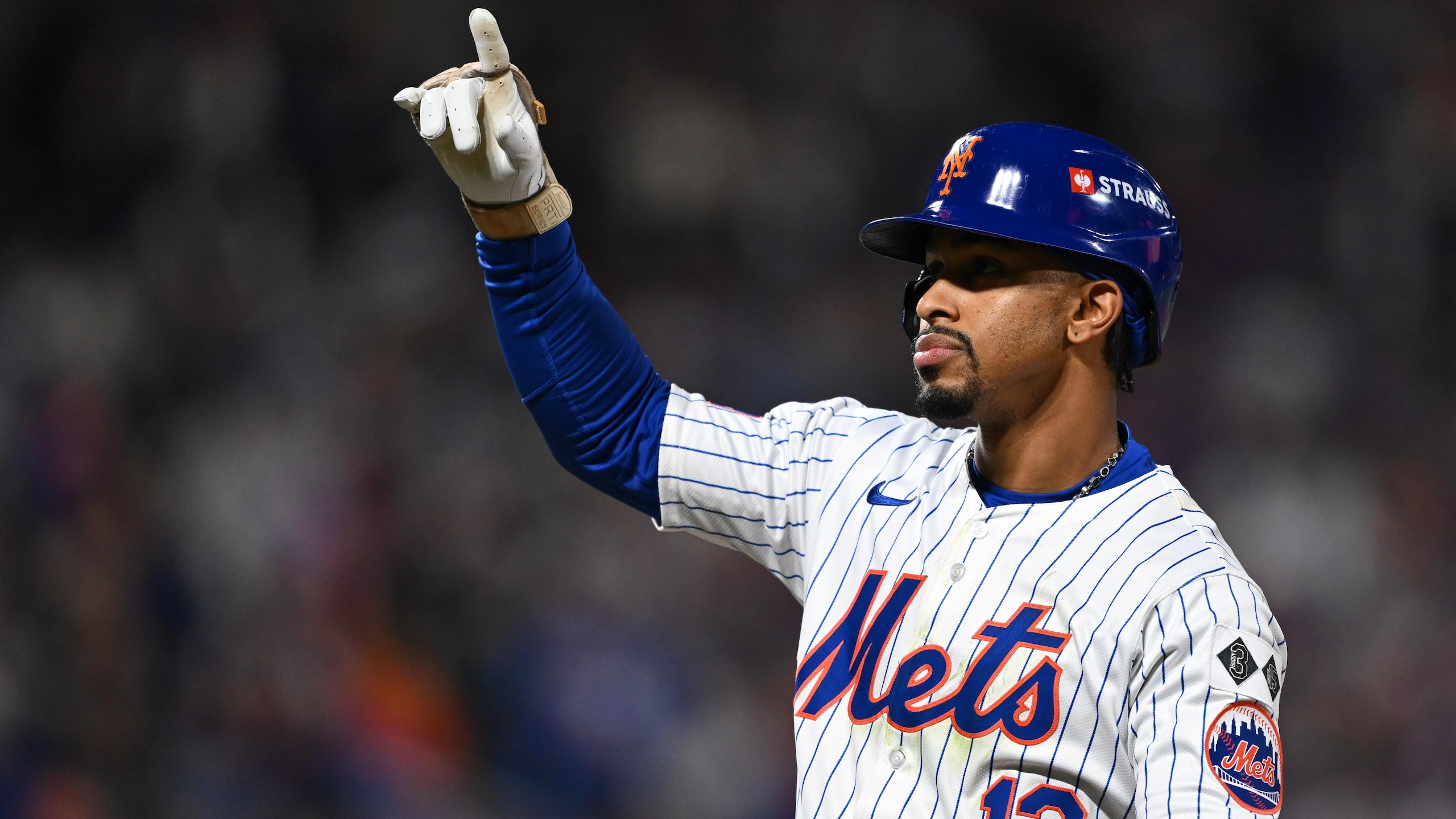
Competitive Balance Tax Payroll: $347.7M
Adjusted for Inflation: $372.0M
Record: 89-73
When They Got Bounced?
After making the postseason as part of a three-way tie for the last two spots, the Mets caught fire, eliminating both the Brewers and Phillies on their way to a star-studded NLCS against the Dodgers. But this Mets pitching staff had no answer for a Los Angeles offense that averaged 7.7 runs in the series, culminating in a 10-5 elimination game.
Top Earner: Francisco Lindor ($34.1M)
Lindor has had a lot of high-quality seasons throughout his career, but this was the closest he has come to winning an MVP. In the end, there was no debate, with Shohei Ohtani winning unanimously. But with 33 home runs, 29 stolen bases and excellent defense at shortstop, Lindor was the first runner-up.
Biggest Waste of Funds: Max Scherzer ($30.8M)
This was the money the Mets retained when they traded away Mad Max the previous summer. (They also retained $25M of Justin Verlander's 2024 salary.) For Scherzer, they got Luisangel Acuña. He gave them very little for 1.5 seasons before they traded him for Luis Robert Jr., which also did not age well.
4. 2014 Los Angeles Dodgers
8 of 11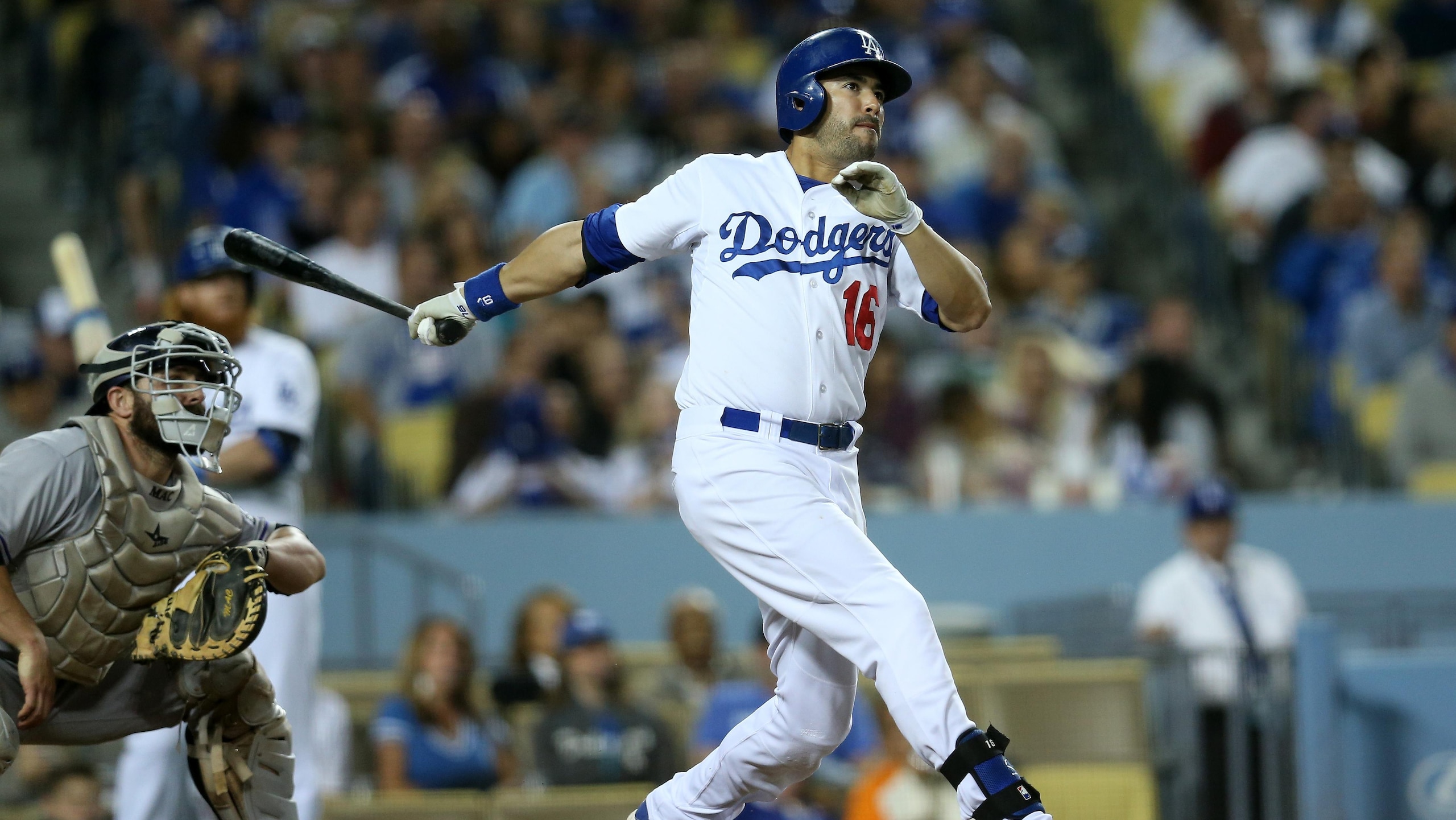
Competitive Balance Tax Payroll: $277.7M
Adjusted for Inflation: $394.4M
Record: 94-68
When They Got Bounced?
The 2014 NLDS is when Clayton Kershaw's postseason struggles first became a full-blown narrative. After putting together one of the best regular seasons ever, winning both the NL Cy Young and the NL MVP, the St. Louis Cardinals tattooed him for eight earned runs in Game 1. He was better in Game 4, but also took the L in that series finale.
Top Earner: Zack Greinke ($26M)
Greinke had quite the run through the mid-2010s, winning 51 games in the span of three seasons with a 2.30 ERA. This year was the midpoint of that stretch, giving the Dodgers more than 200 innings pitched and more than 200 strikeouts. He also gave them something that Kershaw couldn't: a postseason gem. In LA's only win of the 2014 postseason, Greinke went seven scoreless innings.
Biggest Waste of Funds: Andre Ethier ($17M)
Through the first eight seasons of his career, Ethier triple-slashed .288/.362/.470, averaging 18 home runs per season. But he spontaneously combusted in 2014, posting a .691 OPS while homering just four times. Over the final two months of the season, he was little more than an expensive pinch hitter.
3. 2023 New York Mets
9 of 11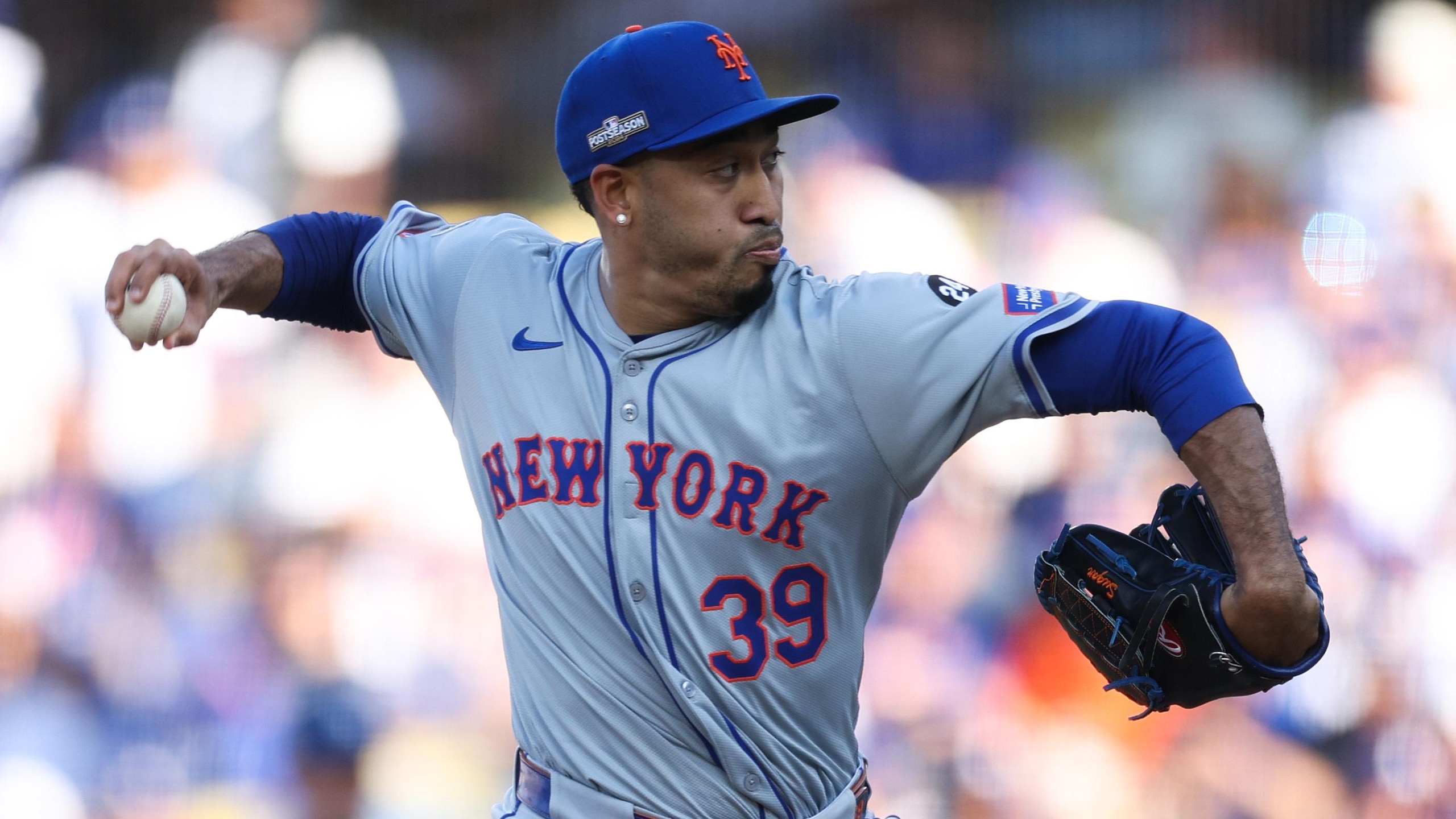
Competitive Balance Tax Payroll: $374.7M
Adjusted for Inflation: $415.9M
Record: 75-87
When They Got Bounced?
The 2026 Dodgers are No. 1 on the list with a payroll about $17M higher, but this was the most emphatic expensive failure of all-time. The Mets sputtered through the first two months before absolutely imploding in June to the tune of a 7-19 record. They then spent the week leading up to the trade deadline trying to salvage anything they could from this sinking ship.
Top Earner: Justin Verlander and Max Scherzer ($43.3M apiece)
Year No. 1 with Scherzer making $43.3M went so well in 2022 that the Mets doubled down on reuniting him with Verlander in 2023. That pair of old timers wasn't quite what New York was hoping for, but they also weren't terrible by any means. Each had a winning record and a bWAR north of 2.0 before the Mets traded both of them away.
Biggest Waste of Funds: Edwin Díaz ($20.4M)
The Mets signed Díaz to a record-setting 5-year, $102M contract in November 2022, but that freak injury in the World Baseball Classic kept him from throwing a single pitch for them in 2023. As it turned out, though, there weren't too many late leads to protect anyway.
2. 2015 Los Angeles Dodgers
10 of 11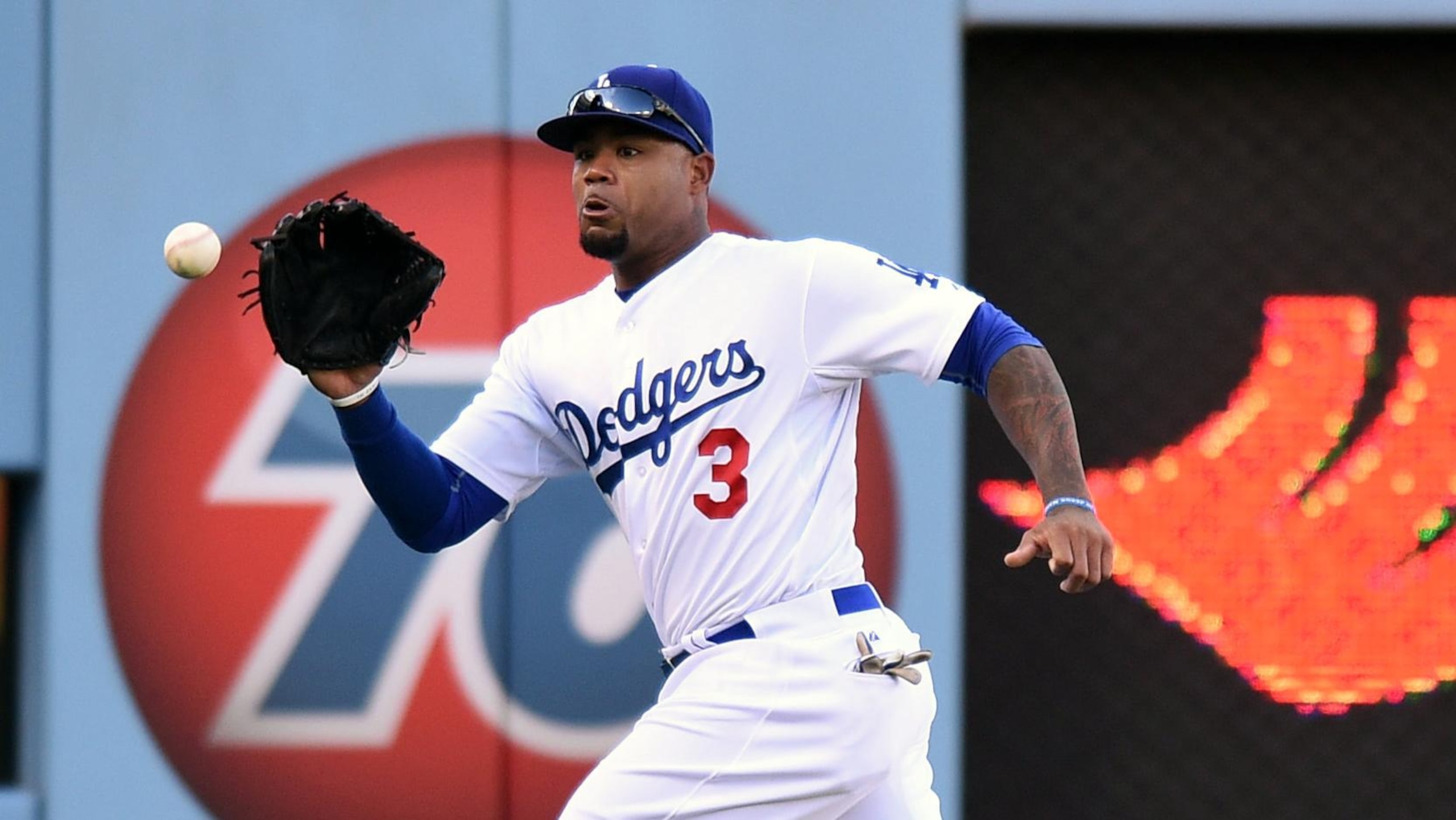
Competitive Balance Tax Payroll: $297.9M
Adjusted for Inflation: $423.0M
Record: 92-70
When They Got Bounced?
The 2015 Dodgers spent nearly 25 percent more than the second-priciest roster that season, but even that couldn't buy them a postseason series victory. They ran into Jacob deGrom and the New York Mets in the NLDS. He mowed them down with a combined 20 strikeouts in winning Games 1 and 5. And in the one game New York won that deGrom didn't start, the Mets went off for 13 runs in Game 3.
Top Earner: Clayton Kershaw ($30.7M)
Though not quite as dominant as he was in 2014, Kershaw also had a phenomenal run through 2015. He led the majors in innings pitched (232.2), total strikeouts (301) and FIP (1.99). And that was after a rocky start to the year. He had a ludicrous 1.39 ERA over his final 24 starts.
Biggest Waste of Funds: Carl Crawford ($20.3M)
No season of Crawford's 7-year, $142M contract was particularly good, but this was the year that things really went off the rails. He missed nearly three months of action with a torn oblique muscle and had to battle for playing time upon his return in late July. He went 1-for-12 in the NLDS.
1. 2026 Los Angeles Dodgers
11 of 11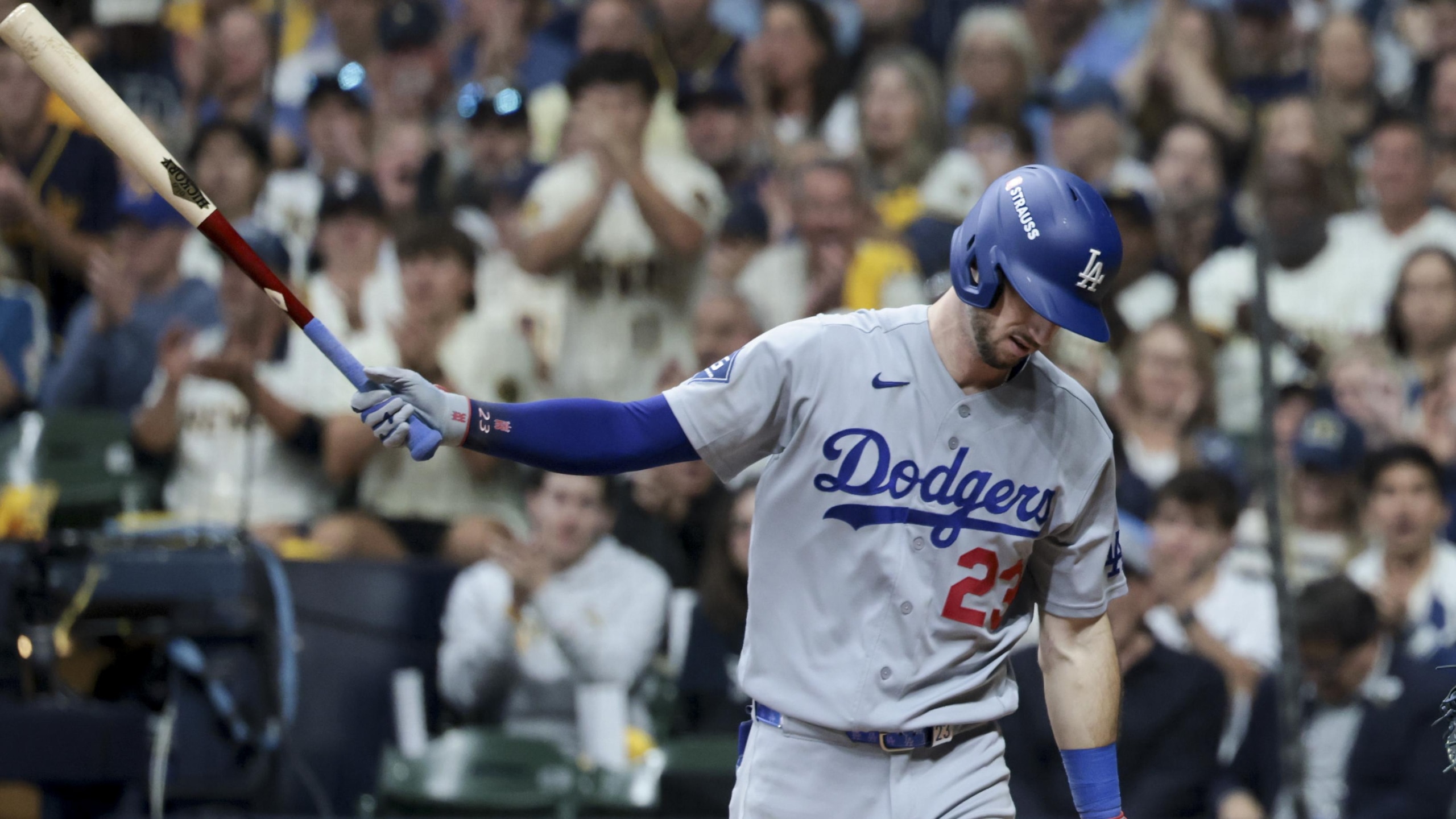
Competitive Balance Tax Payroll: $433.1M
Adjusted for Inflation: $433.1M
Record: 100-62
When They Got Bounced?
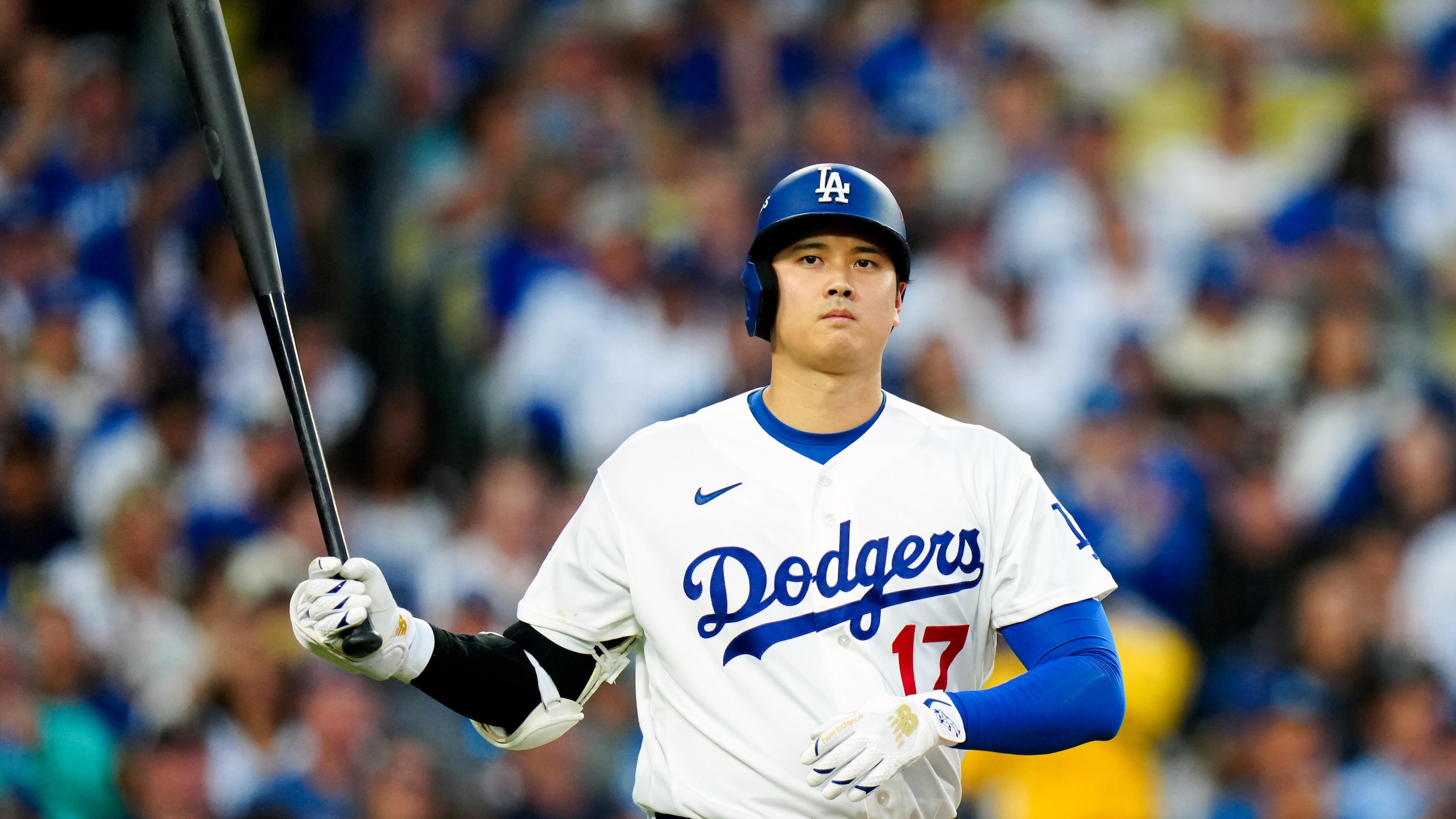
In sweeping the Milwaukee Brewers out of the 2025 NLCS, the Dodgers held that foe to just one home run. That shoe was on the other foot in this NLCS, though, with Shohei Ohtani providing Los Angeles' only four-bagger of the series while Milwaukee clubbed seven of them. The 103-win Brewers were the better team pretty much all season long, but nobody saw this thumping coming.
Top Earner: Shohei Ohtani ($70M)
Technically, Ohtani has a $46.1M luxury tax salary. But it's a 10-year, $700M contract that the Dodgers are mostly paying later, and it's the contract that first made the Dodgers public enemy No. 1 for 29 of the 30 fanbases. Ohtani's season was going remarkably well (even by his standards) until the knee and biceps injuries that derailed his pitching in early July and his hitting about a month later. He still ended up leading the team in bWAR, though.
Biggest Waste of Funds: Kyle Tucker ($60M)
To his credit, Tucker did eventually show up in a big way. He had a 1.072 OPS over his final 17 regular season games before batting .333 with three extra-base hits in the postseason. But until he flipped that switch in early September, this 4-year, $240M contract was rapidly trending in the direction of Anthony Rendon and Stephen Strasburg's 7-year, $245M nightmares, posting a .671 OPS through his first 137 games with the Dodgers.

.png?w=2560 "Is Darnold Part of the Problem? 🤔")

.jpg?w=2560 "Bleacher Report's Expert NFL Picks 🔮")