
The Blood of Dawnwalker Review, Gameplay Impressions, Videos and Top Features
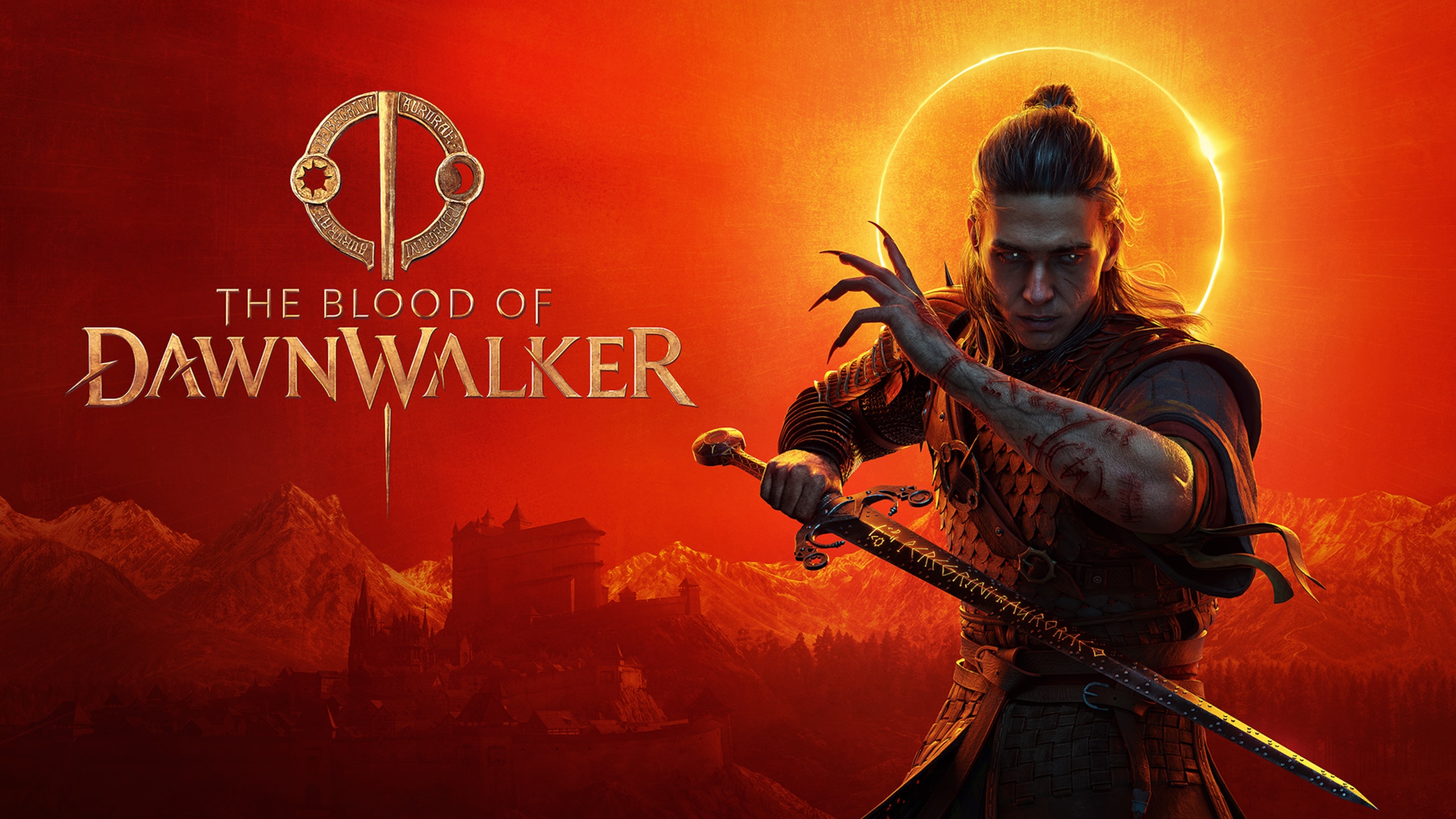
The Blood of Dawnwalker from developer Rebel Wolves is one of those games with the blueprint to be a breakout hit.
A third-person action RPG, the vampiric romp certainly passes the early eye test and has some eyebrow-raising pedigree. With involvement from some behind an all-time classic like The Witcher 3: Wild Hunt, it's flying more under the proverbial radar than it probably should.
Tack on an extremely interesting mechanic governing the game's story and giving players tense choices to make, and Dawnwalker might just carve out its own bloody niche while demanding attention during a crowded release calendar.
.jpg?w=2560)


Graphics and Gameplay
A dark fantasy, medieval Southeast Europe is as moody, shadowy and immersive as one might expect, both in visuals and sound design.
Not that there aren't impressive lighting displays within forests and villages dense with realistic swaying fauna during the daytime. But players know what they're getting themselves into: This is a grisly game bathed in reds and grays and some, at times, uncomfortable detail in terms of wounds and realistic exchanges between combatants…or assailants and victims.
On first pass, combat looks Witcher-esque, no doubt. There's the usual weapon-based array of things going on and the accompanying meters and ability usage to match.
The game's day-night cycle dramatically changes the gameplay. When the sun is up, the swords come out to play. A four-direction melee system is one way players can go about things, which loops in things like blocks and parries. Think, Kingdom Come: Deliverance.
But players can also choose a "traditional" combat mode, which consumes more stamina. Things are faster here and directions don't matter, so it's more arcade-like or what one might expect from a standard third-person game.
Switching between the two styles is mostly preference, it seems. But both do their job well and are fun enough. That doesn't sound glowing, but things can get repetitive, especially if enemy variety doesn't jump often. But at the same time, basic weapon combat was a weakness for Witcher 3, too…and we all know how that turned out.
When the sun is down and night reigns, players have vampire combat abilities, like biting and regeneration, plus vampire-like traversal, like walking on walls.
Naturally, nighttime tends to be more about stealth while en route to a target. Or can be. It's fun to get excited when the sun starts to set, knowing things are about to get a shakeup.
And yes, this is a vampire game. If the player doesn't satisfy bloodlust at night, meaning feed on animals (or humans for better healing…but corruption that eventually has negative effects), the protagonist will take over the game and go do it himself to the nearest human or enemy. These victims could be as important as quest-givers or merchants, forever altering the game, too.
The stakes (vampire pun, sorry) are high, then, to say the least.
There's an underlying tension to the game, too, from a pacing standpoint. Every decision matters, in terms of how to complete goals and in what order
Every day and night gets cut into eight time segments. Exploring the open world doesn't count, but every quest has a time cost attached to it.
Call it a nice capper on a fitting gameplay loop that is, ultimately, fun to experiment with and enjoyable.
Story and More
Players assume the role of Coen, a Dawnwalker and they enter a tale that includes blood tithes, nasty dictators and a hunt for survival.
Without going into spoiler territory, it's a great time. On its own, the story might be about what onlookers expect. But the narrative devices around it, including choosing which quests to tackle and which to skip, how and when, really adds an exclamation point. There's always something to do, find or interesting characters to meet, too.
Quest variety is peak here. There's no distinction between main and side quests. Players can choose to be a detective, dive into more narrative-based stuff through dialogue trees or even run off into the open world to help strangers, slay mini-bosses or figure out traversal puzzles, to name a few items out there.
And yes, it certainly seems like there are quests that add up to more time than players actually have to complete the game. So, player choice is critical, and indeed, one run through the game could feel quite a bit different from the next.
Some might yearn for the overarching, expansive and kingdom-and-region-spanning romp of a game like Witcher 3. But the scope here is still impressive, the open world grand and more agency to how a tale unfolds is immersive in its own role-playing right.
That open world is huge, with organic-feeling events, helpful viewpoints to unlock more things on the map and plenty of little side activities.
The day-night cycle impacts the deep progression systems, too. There are human, vampire and shared perk trees to course through and make choices.
Dawnwalker runs well with the expected stuff going on in its options menus, both in terms of accessibility and must-haves like different camera perspective options.
Conclusion
Dawnwalker is one of the unexpected breakout hits of the year.
Again, it's a little surprising that there wasn't more hype here. Yes, the combat can be a little repetitive at times, but it's very much a Witcher 3 situation: The rest is just that good.
A better-than-expected open world in an age of open world fatigue, with tension-riddled decisions underlying something as simple as deciding to do a quest (or not) and an immersive overall package make Dawnwalker a treat.
Given the stacked release calendar for this end-of-year stretch, Dawnwalker might not be an immediate hit, but it's got a Witcher 3-like staying power that will only get better with time.