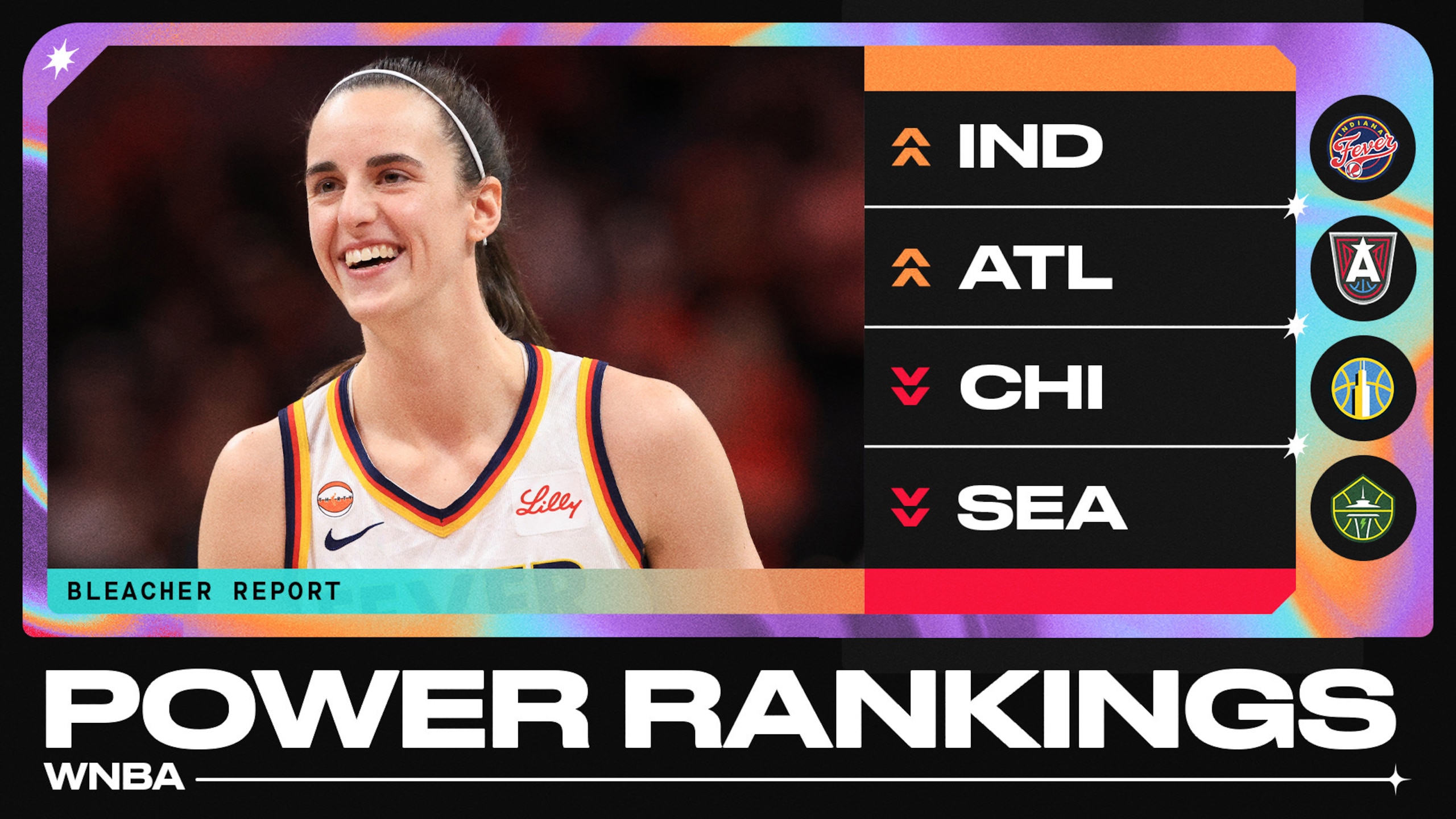

WNBA Power Rankings Ahead of 2026 Season Tipoff
The 2026 WNBA season is shaping up to be one of the most competitive in league history, with four teams in championship contention and as many as 10 teams making serious financial investments to reach the playoffs this year.
For this exercise, the approach is a little different than traditional power rankings, factoring in both the floor and ceiling for each team to determine the order. In the best-case scenario, if everything comes together as planned, what does this team look like in 2026? And if it doesn't, what factors could prevent them from meeting expectations?
With that in mind, let's get into the rankings, starting at the bottom.
15. Portland Fire
1 of 15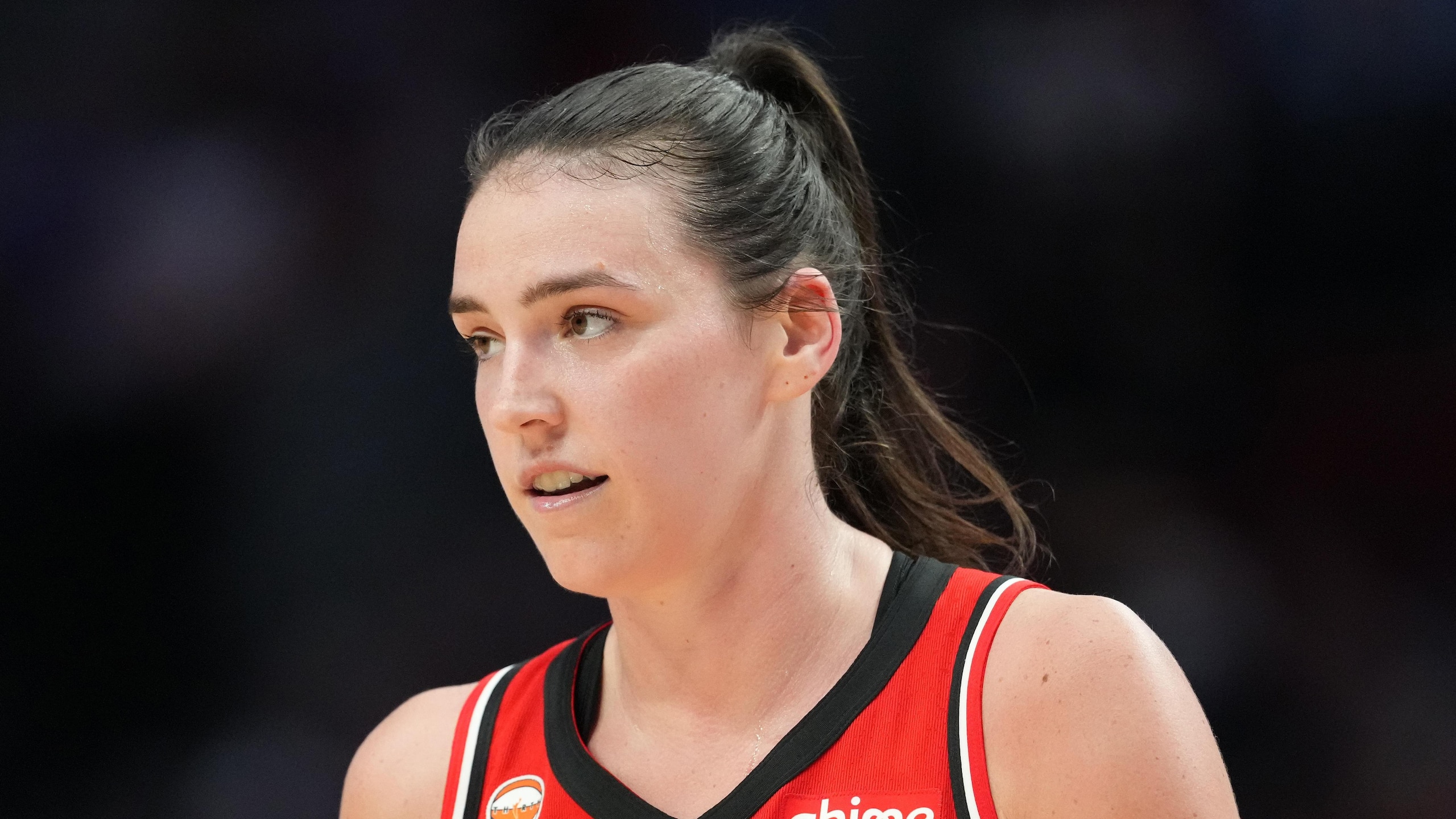
Ceiling: No. 15
Floor: No. 15
It would be a major surprise if the Portland Fire, one of the league's newest expansion franchises, aren't the worst team in 2026. Their first offseason points to a long-term build focused on the draft and player development, with an eye on the JuJu Watkins sweepstakes in 2027.
Nobody on the Fire's roster has ever averaged 10 points per game in a season, but the closest is Bridget Carleton, who signed a three-year max contract with the team after being selected in the expansion draft.
Carleton is a quality three-and-D wing; however, even in her breakout season in 2024, her usage rate (13.3%) only ranked in the 14th percentile. Portland believes she has All-Star upside, but her limitations as a ball-handler make that seem very unlikely.
One young player to look out for is Carla Leite, an explosive 22-year-old French guard, who averaged 7.2 points as a rookie with Golden State in 2025. She gets to the rim whenever she wants and is already one of the best foul-drawers in the league. If Leite figures out her jumper, she could be a key piece for the Fire long-term.
14. Connecticut Sun
2 of 15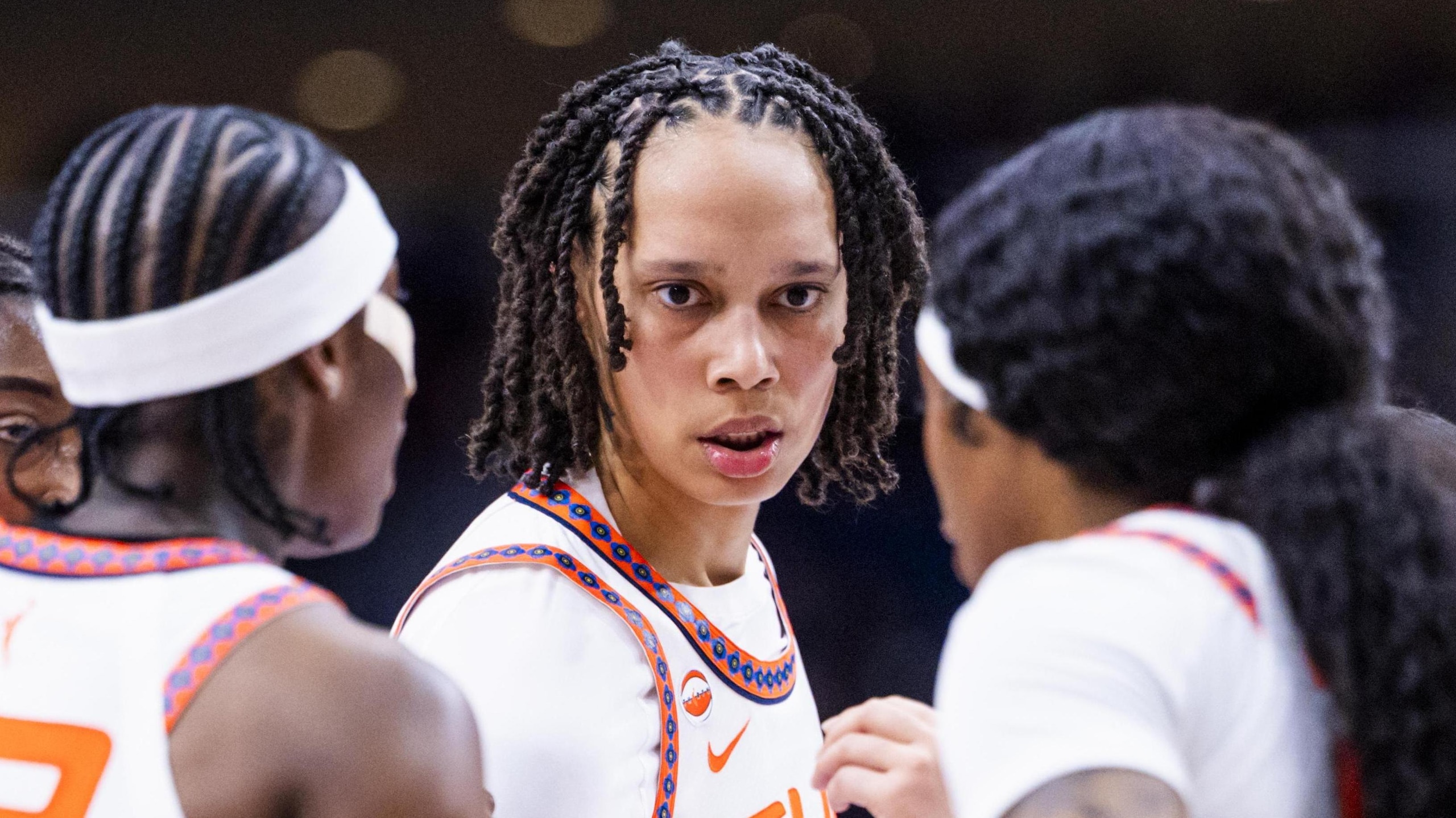
Ceiling: No. 11
Floor: No. 14
Connecticut may not win a lot of games, but if you love athleticism and defense, this is your team.
It starts with another young French guard, Leïla Lacan. She's already an All-Defensive-caliber player, with the size and speed to lock down both backcourt spots, plus an exceptional feel for out-of-ball-screen situations and efficient scoring from the midrange and at the rim.
There have only been three players in WNBA history to average two steals per game and shoot 55 percent from two in a season: Teresa Weatherspoon (1997), Lindsay Whalen (2007) and Leïla Lacan (2025), who just did it at 20 years old.
Saniya Rivers is Connecticut's next best young player. At 6'1", she's an exceptional athlete in every direction, and already nearing All-Defensive caliber herself. There's also a lot to like with Aaliyah Edwards, Aneesah Morrow and Nell Angloma as long-term prospects, too.
Connecticut's biggest offseason addition is 10-time All-Star Brittney Griner, who should provide solid starting minutes and veteran leadership for a young roster. The team's lack of shooting and shot creation keeps it well outside the playoff picture this season.
13. Seattle Storm
3 of 15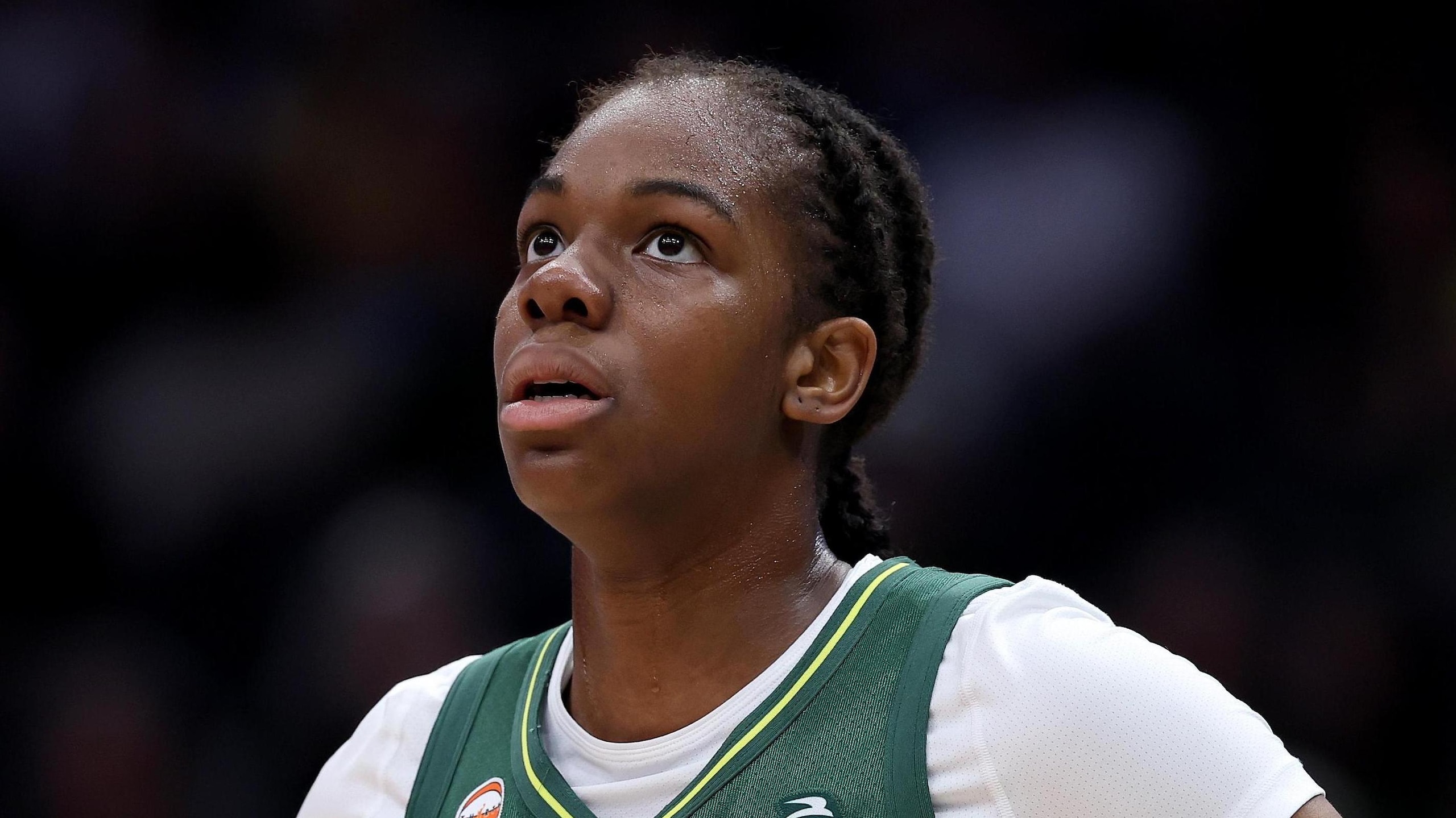
Ceiling: No. 11
Floor: No. 14
The Seattle Storm are fully embracing a rebuild, moving on from all of their veteran stars this offseason. So far, they're off to a strong start.
Landing Dominique Malonga, Awa Fam and Flau'jae Johnson over a two-year span is about as good as it gets. It's the youngest frontcourt pairing in WNBA history, with two players who have top-10 upside if they hit their ceiling. Add in Johnson, who Seattle essentially got for free, and that's an amazing start to a rebuild.
Seattle also brings in Natisha Hiedeman in free agency and re-signs Ezi Magbegor. Those moves should keep them from finishing with the league's worst record. Magbegor is expected to miss the start of the season with a foot injury but should return at some point in 2026.
.jpg?w=2560 "Seahawks Cardinals Football")
12. Toronto Tempo
4 of 15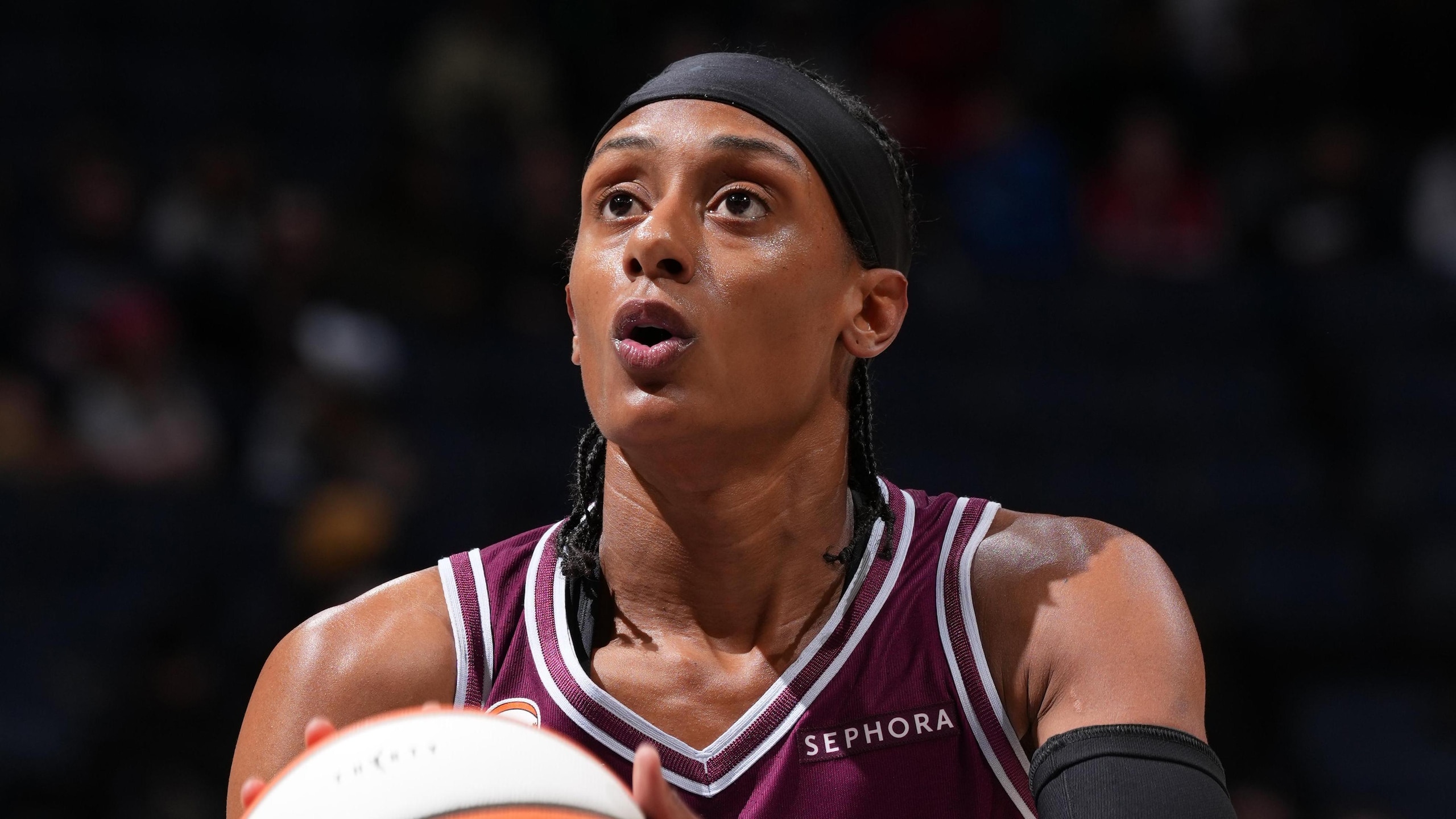
Ceiling: No. 10
Floor: No. 14
Toronto is taking a much different approach than Portland, looking to compete for a playoff spot right away, similar to what Golden State did last season.
That philosophy tracks with the hiring of longtime head coach Sandy Brondello, who has never posted a winning percentage below .400 in 13 seasons.
The Tempo will be led by Marina Mabrey and Brittney Sykes, who both signed to multi-year max deals this offseason. Mabrey is a high-volume, tough shot-maker, while Sykes is an elite defensive guard who pressures the rim as well as anyone in the league.
Their skill sets complement each other in theory, but their efficiency issues could make it difficult to win consistently. In 2025, Mabrey was the league's most inefficient pull-up three-point shooter, while Sykes ranked as the most inefficient midrange scorer.
Beyond them, Temi Fágbénlé and Nyara Sabally form an intriguing frontcourt pairing, while rookie guard Kiki Rice and Lexie Held should be an exciting watch in the second unit.
Toronto has plenty of lineup versatility and two-way flexibility, but it's probably not enough to seriously contend for a playoff spot just yet.
11. Washington Mystics
5 of 15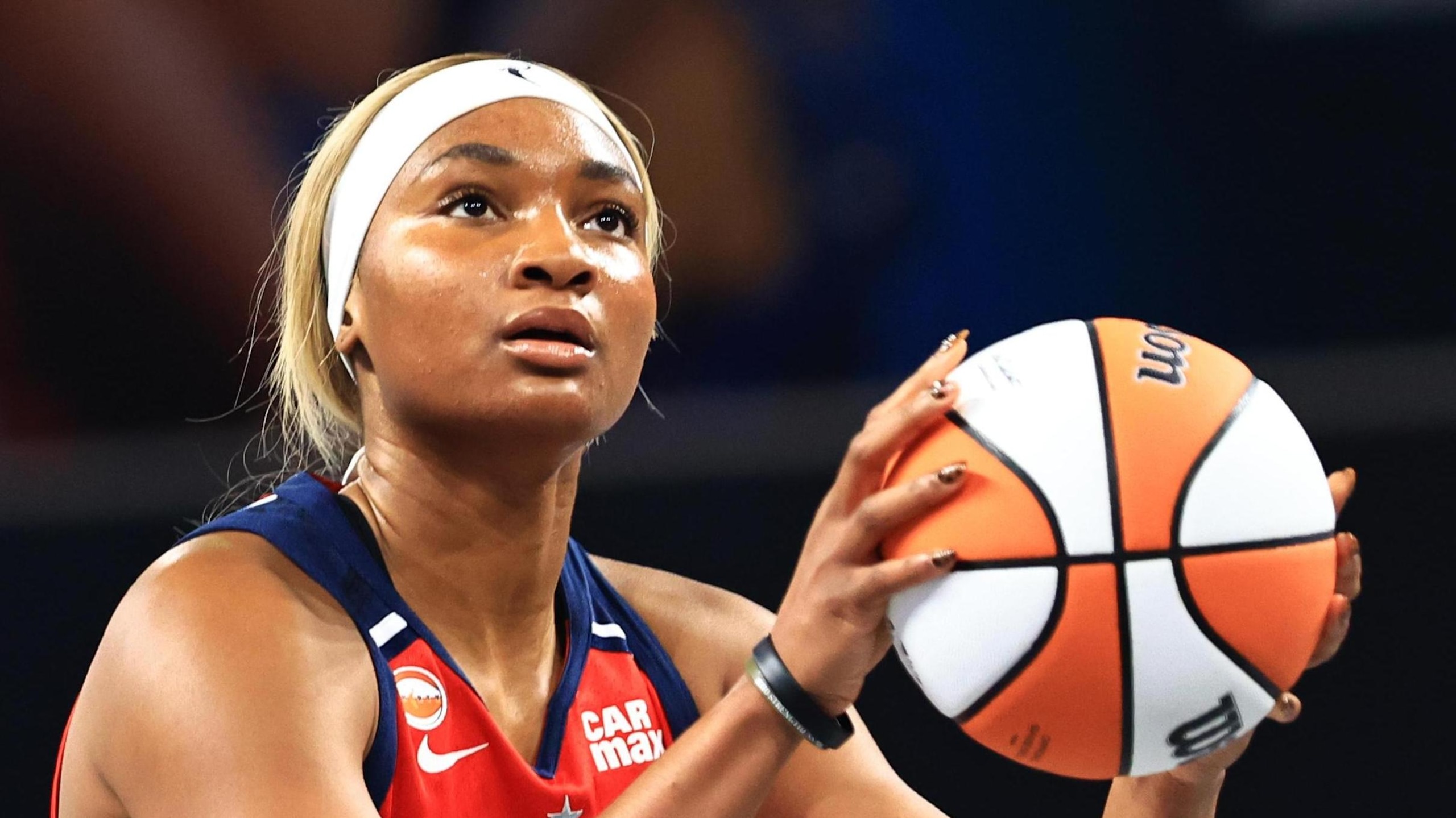
Ceiling: No. 11
Floor: No. 13
The Washington Mystics are the second-youngest team in WNBA history, with an average age of 24.1, trailing only the 2020 New York Liberty.
But unlike that Liberty team, which was arguably one of the worst ever, this group should be far more competitive. Washington's core of Sonia Citron, Kiki Iriafen, Shakira Austin, Lauren Betts and Georgia Amoore brings real talent on both ends.
The biggest concern is shooting. After finishing last in three-point attempt rate in 2025, the Mystics didn't address it in free agency or the draft. There's a lot to like across the roster, but with many players who like to operate in similar areas and limit spacing to create driving lanes, how do they get the most out of their young talent this season?
10. Chicago Sky
6 of 15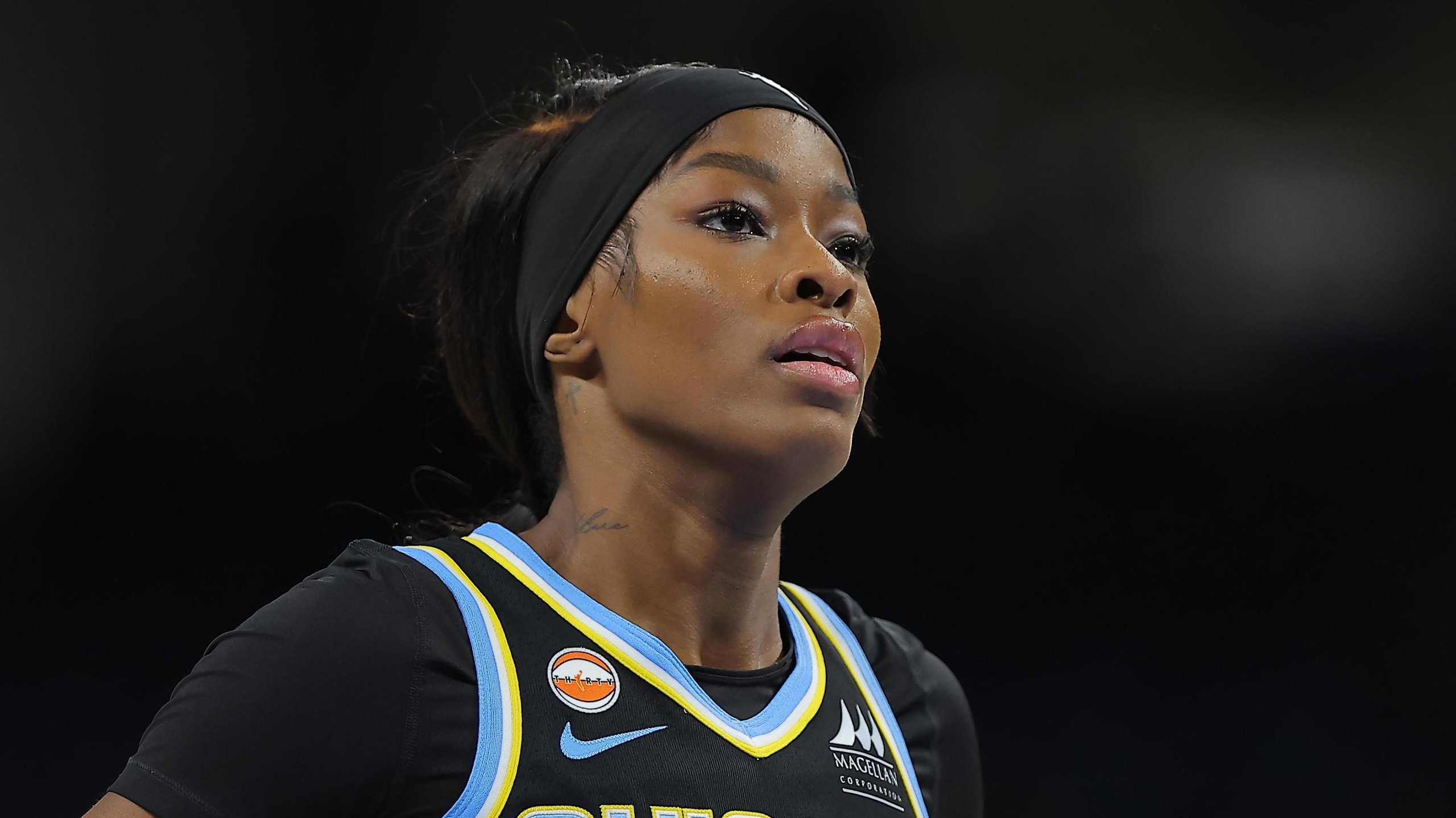
Ceiling: No. 7
Floor: No. 11
Nobody was more active this offseason than the Chicago Sky, trading Angel Reese, Ariel Atkins and future draft assets for Rickea Jackson and Jacy Sheldon, while also adding veterans Skylar Diggins, Azurá Stevens and Natasha Cloud in free agency.
There's no question that Chicago will be better across the board this season. Stevens is an ideal offensive fit next to Kamilla Cardoso in the frontcourt. Jackson adds real scoring juice on the wing. A perimeter group of DiJonai Carrington, Diggins and Cloud should be a nightmare for opposing offenses.
But for all the upgrades, there are even bigger questions about the team-building approach. General manager Jeff Pagliocca has made it clear the franchise will operate in "win-now" mode as long as he's in charge. The main question is whether it's worth sacrificing draft assets to build an older roster that doesn't have a realistic path to a deep playoff run, let alone a championship.
9. Dallas Wings
7 of 15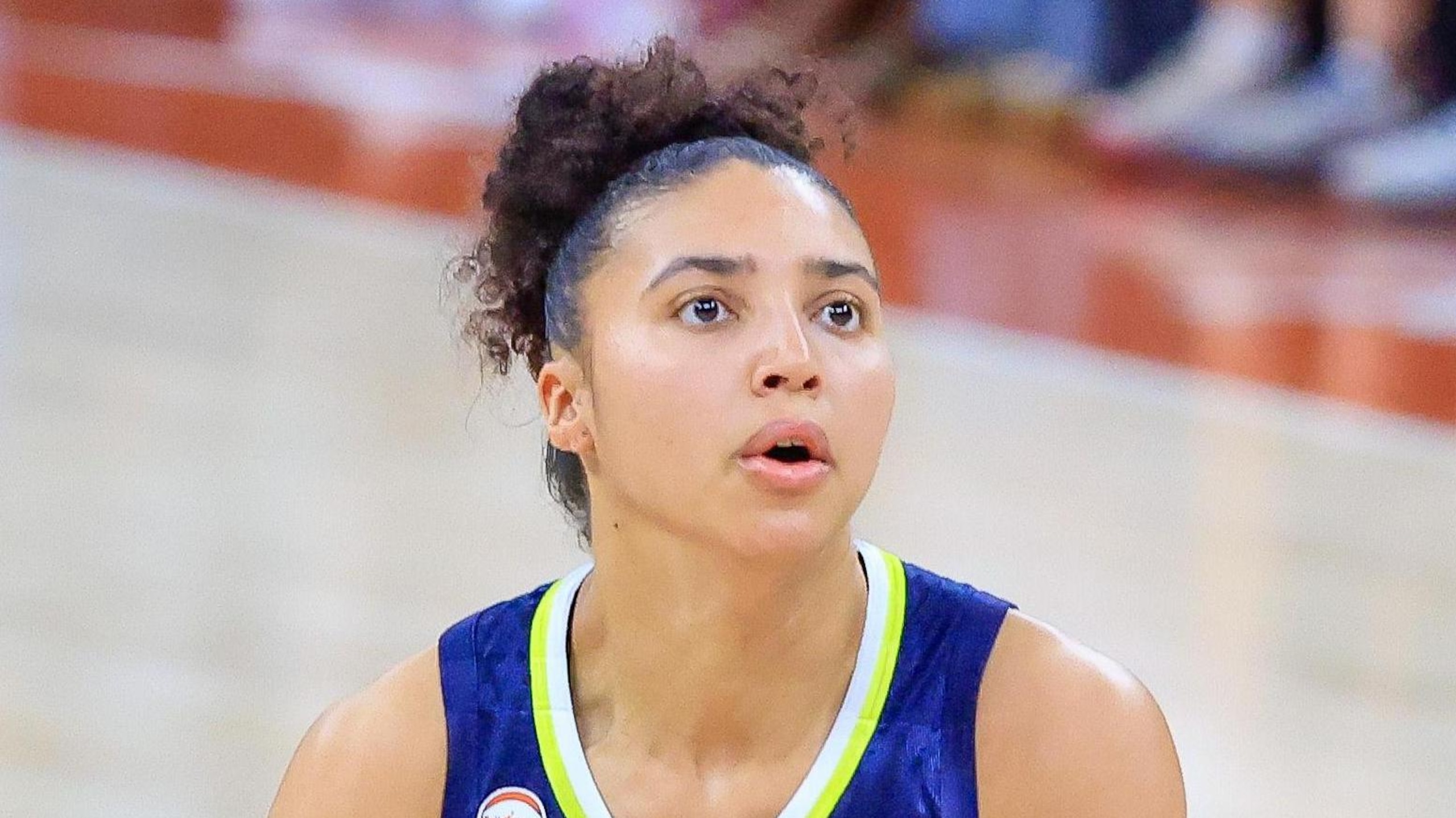
Ceiling: No. 6
Floor: No. 10
Paige Bueckers, Arike Ogunbowale, Azzi Fudd and Jessica Shepard form an electric offensive core. With reigning Defensive Player of the Year Alanna Smith anchoring things on the other end, Dallas is now in the mix for a playoff spot in 2026.
These are the main questions that will decide just how good they are:
If a few of these things come to fruition, they could push for the No. 8 seed. If everything comes together, they could finish as high as No. 6. At the very least, Dallas' floor is much higher this season.
8. Golden State Valkyries
8 of 15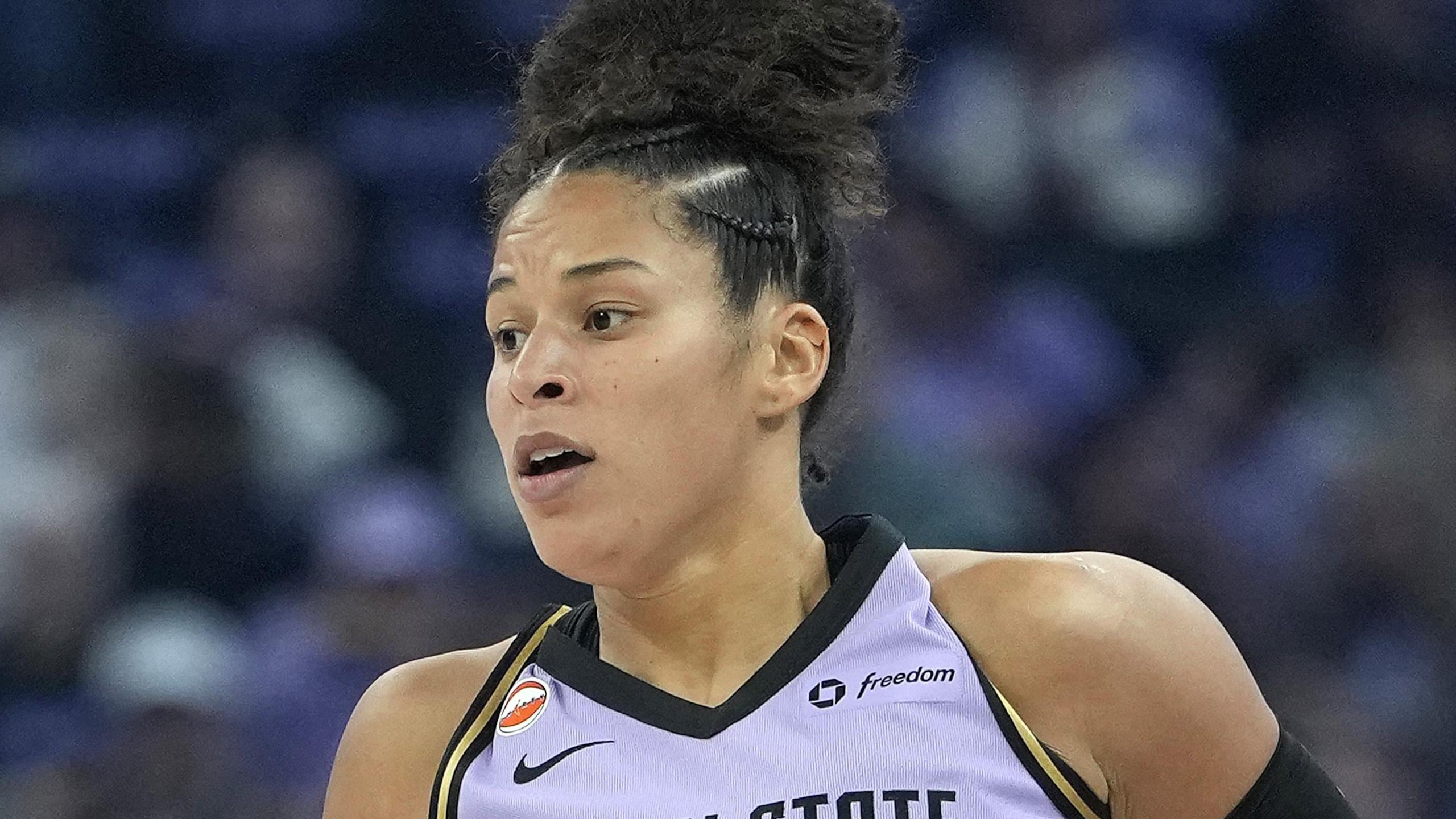
Ceiling: No. 5
Floor: No. 9
The Golden State Valkyries were an elite defensive team last season, and they've since added Gabby Williams in free agency. Yeah, good luck trying to score on this team.
Veronica Burton sets the tone at the point of attack. Williams can guard just about anyone on the floor. Kayla Thornton toggles between the three and four, with Kiah Stokes at the five. Cecilia Zandalasini and Kaila Charles also bring value on that end. The Valkyries can switch everything and pressure teams from every angle.
The concern is what happens if Stokes' offensive limitations make her unplayable, like she was in Las Vegas last season. On top of that, losing Monique Billings and Fágbénlé in free agency thins out the frontcourt depth.
Golden State still looks like a pretty safe playoff team, but with other teams improving and questions around their offense and frontcourt depth, it's possible their first season set a bar that's too tough to repeat.
7. Minnesota Lynx
9 of 15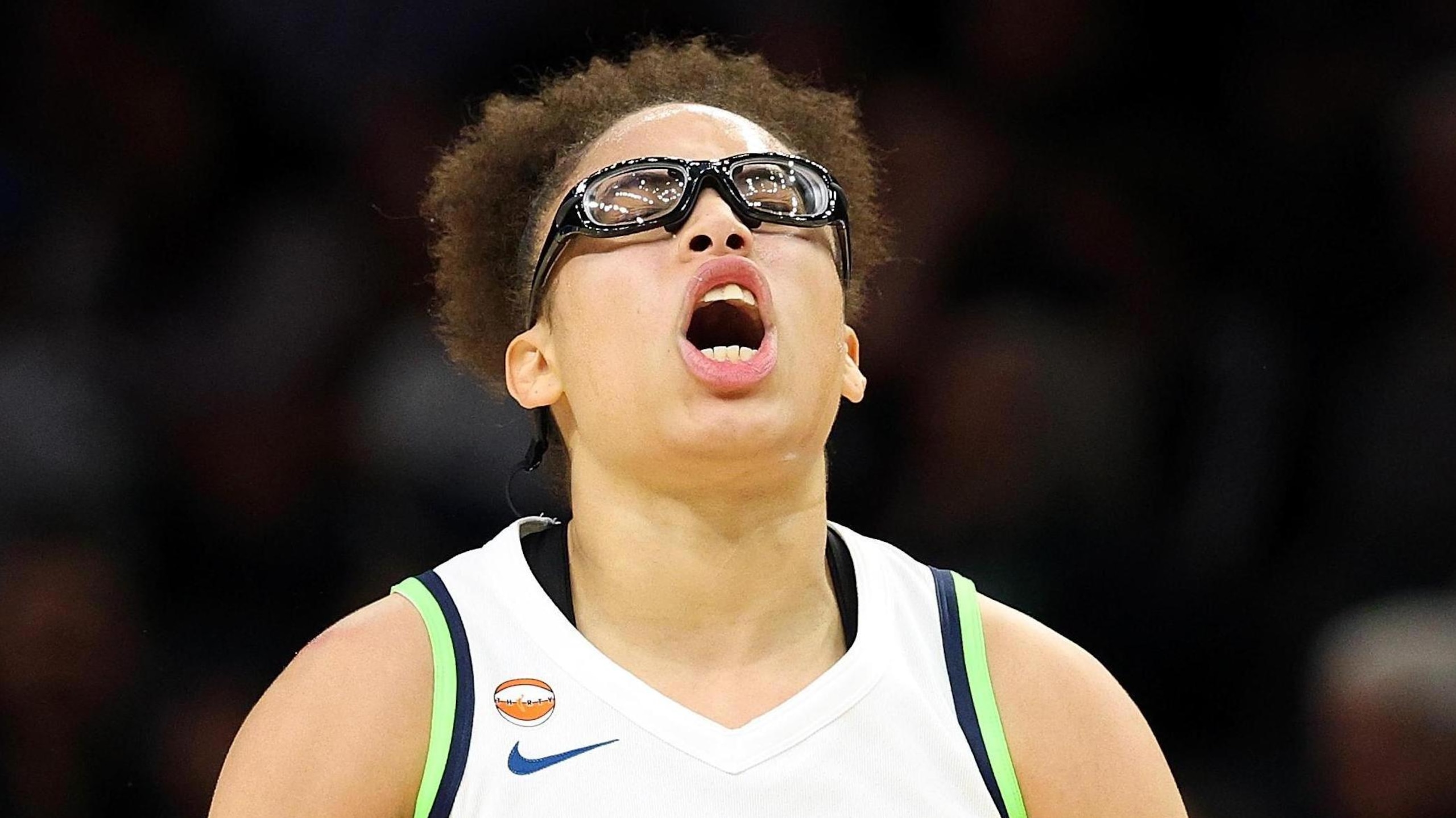
Ceiling: No. 4
Floor: No. 9
The Minnesota Lynx could be without Napheesa Collier for the first couple of months after offseason ankle surgeries, but if there's a coach equipped to manage that stretch, it's Cheryl Reeve.
There's still plenty to like, especially in the backcourt with Kayla McBride, Courtney Williams and Rookie of the Year favorite Olivia Miles. Emma Cechova is an intriguing 21-year-old rookie in the frontcourt, and the addition of Maya Caldwell from Portland gives them a bit more depth on the wing.
That said, going from a frontcourt of Alanna Smith and Jessica Shepard to Natasha Howard alongside a group of young, unproven players likely knocks Minnesota out of its usual title contention in 2026. Still, this feels like a solid team that can stay competitive throughout the regular season regardless of Collier's status.
6. Los Angeles Sparks
10 of 15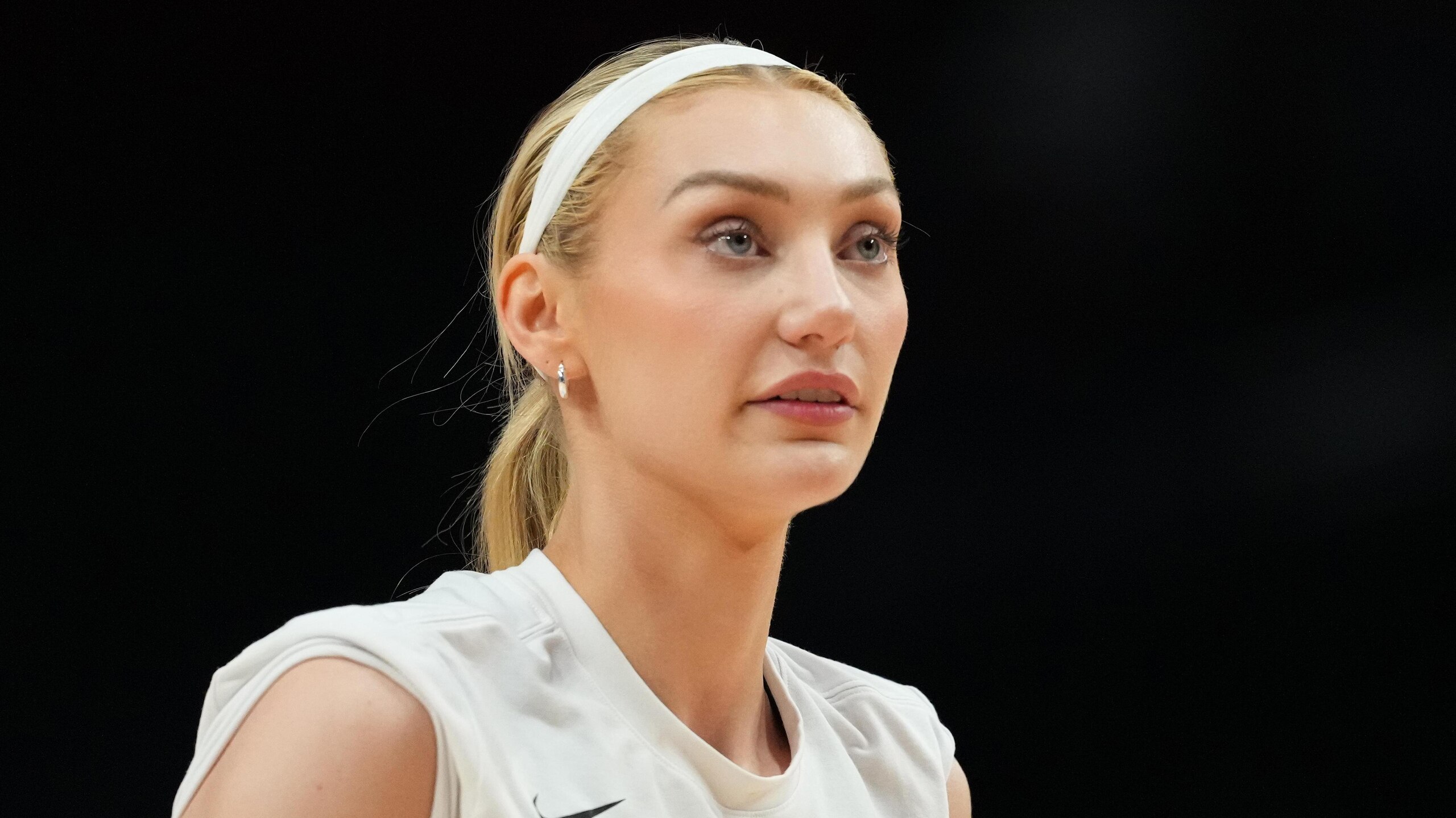
Ceiling: No. 4
Floor: No. 9
Los Angeles is clearly pushing its chips in to win now, bringing back franchise legend Nneka Ogwumike and moving Rickea Jackson for Ariel Atkins this offseason.
In 2025, the Sparks were as good on offense as any of the contenders, but their defense was so shaky they still finished with a minus-3.3 net rating. There's no question that adding Atkins and swapping Stevens for Ogwumike should raise their defensive floor.
What's holding them back from that top tier is the frontcourt fit. Dearica Hamby has struggled defensively. Ogwumike is nearing 36 and isn't a true rim protector. While Cameron Brink is an elite defender, her foul trouble and turnovers have been real issues early in her career. It's fair to wonder how often all three can share the floor, and if they do, who's guarding opposing wings?
If Los Angeles is going to push for a top-four seed, Kelsey Plum will need to return to her 2022 form, when she finished third in MVP voting while shooting 42 percent from three.
5. Phoenix Mercury
11 of 15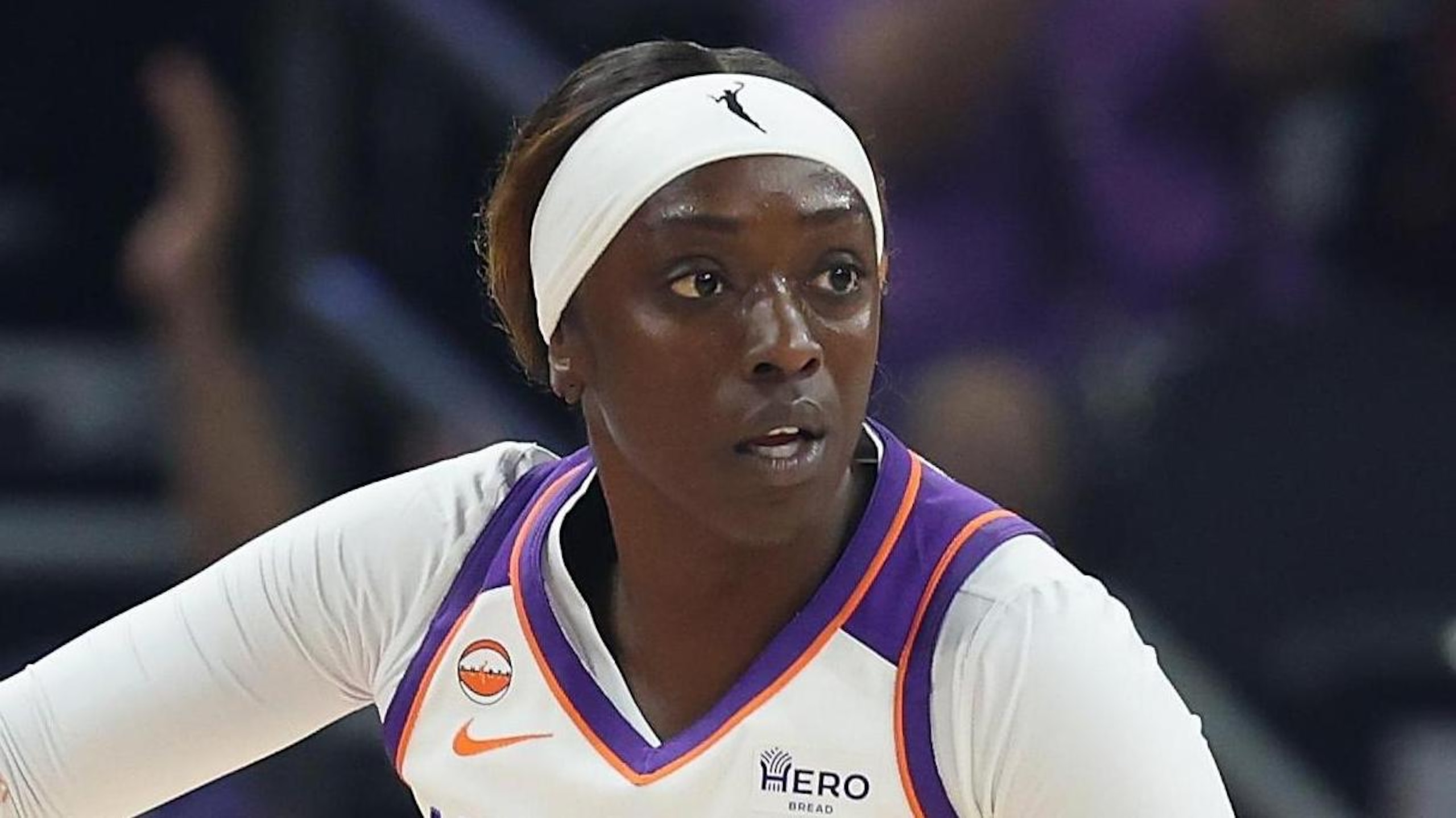
Ceiling: No. 3
Floor: No. 7
Phoenix may have lost Satou Sabally in free agency, but Alyssa Thomas is still there, and everyone around her is going to fire up a ton of threes.
Thomas is one of the best floor-raisers in WNBA history. She can run ball screens, screen, roll and pass at a level no frontcourt player really matches, while also defending every position. Even in lineups without Kahleah Copper and Sabally last season, Phoenix had a +3.8 net rating with Thomas on the floor in over 300 minutes, per PBP Stats.
Losing Sabally likely knocks the Mercury out of true title contention, but this team shouldn't be overlooked. They are well-built with Thomas, Copper, a group of complementary role players and one of the better coaching staffs in the league.
4. Atlanta Dream
12 of 15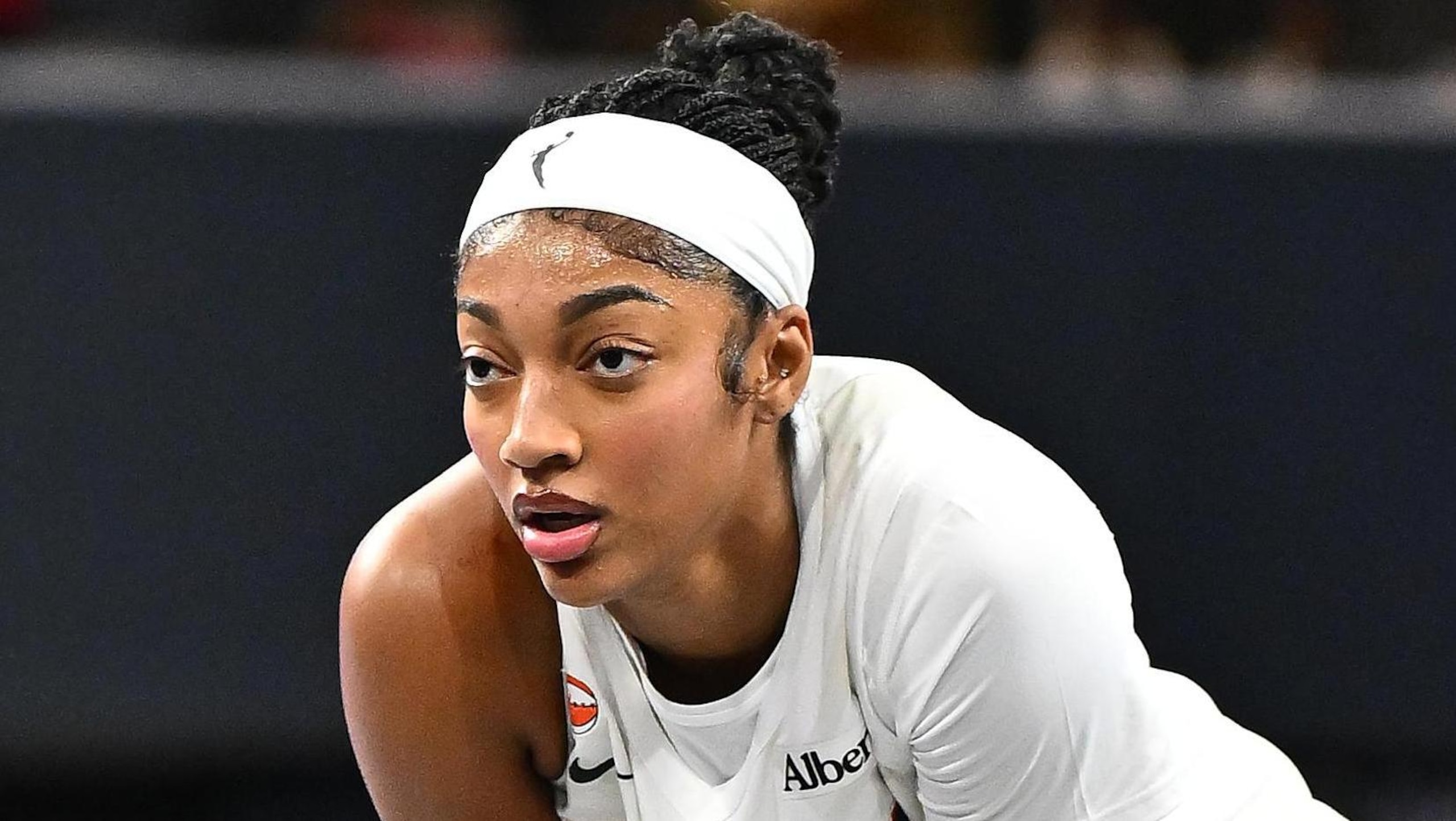
Ceiling: No. 1
Floor: No. 5
Nobody had a better offseason than the Atlanta Dream. They signed all of their core pieces to long-term deals while adding the youngest star ever traded in Angel Reese, at a cost of only two projected late first-round picks.
Reese will start the season at the center position, with Bri Jones expected to miss time after suffering a meniscus tear in late January. She was initially expected to return by the start of the 2026 season, though her current timeline is now uncertain.
In the meantime, it should be a ton of fun watching Atlanta use Reese as an offensive hub. Let her push in transition, run inverted ball screens, facilitate from the elbow and still set screens and crash the glass every possession.
A few questions will ultimately determine just how good this team can be:
There's a real pathway for Atlanta to reach the WNBA Finals in 2026, or even win it, if they fully lean into their identity as one of the league's best offensive rebounding teams ever while maximizing their shooting and versatility across every position.
3. Indiana Fever
13 of 15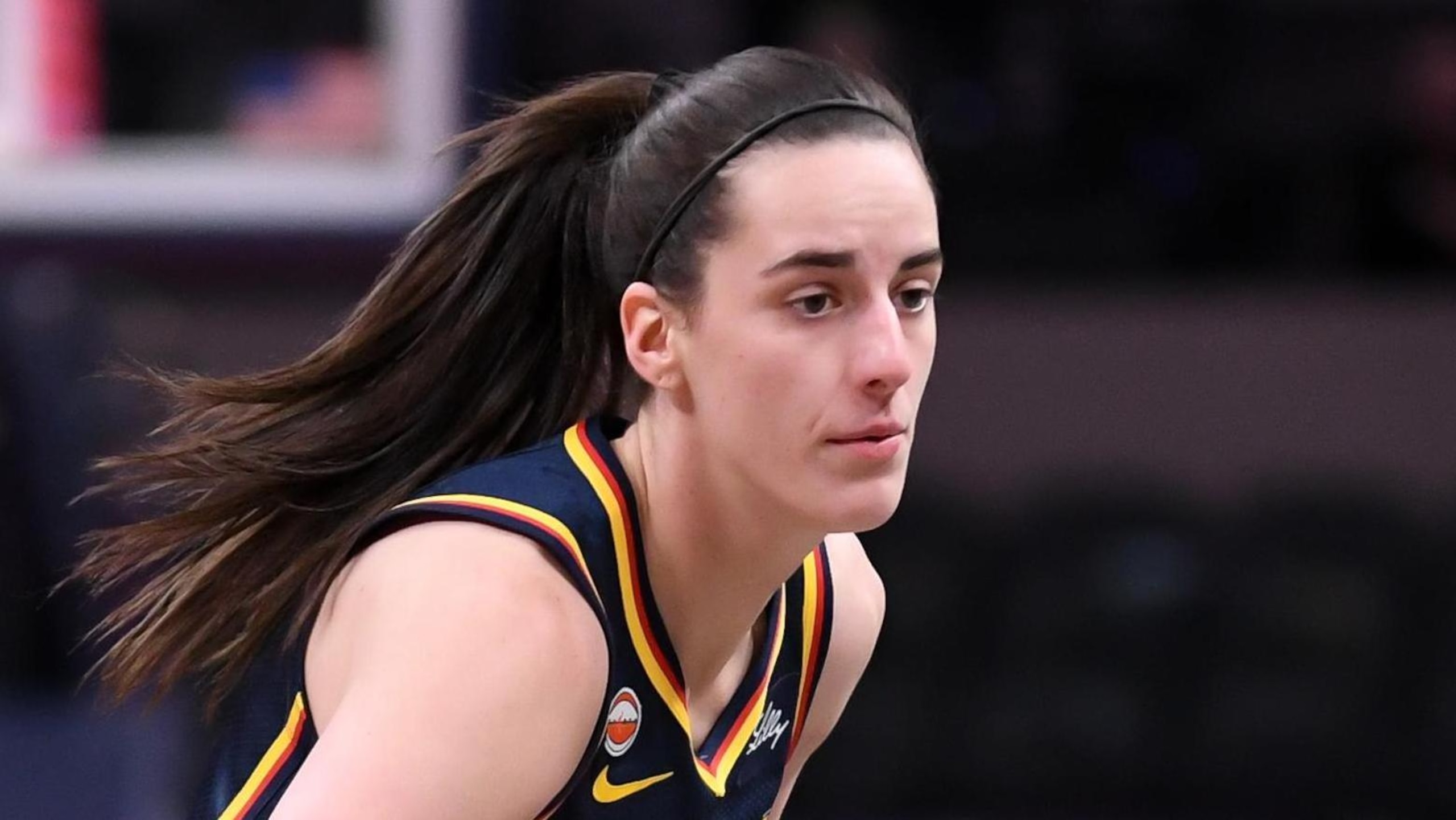
Ceiling: No. 1
Floor: No. 5
What gives Indiana the slight edge over Atlanta is that they beat them in the playoffs last season and now bring back Caitlin Clark, who could push into the MVP conversation in year three.
The Fever also have more ball-handlers in the backcourt with Ty Harris and Raven Johnson, which should take some pressure off Clark and keep her from facing full-court pressure on every inbound. It also opens up more opportunities to use her off the ball, where she was so effective at Iowa.
With Kelsey Mitchell coming off a career year and Aliyah Boston still on the rise, Indiana has three All-WNBA caliber players. Their ceiling will largely come down to Clark's play and availability. Lexie Hull's consistency and whether Monique Billings can match—or even exceed—what Natasha Howard gave them last season will be pivotal as well.
2. Las Vegas Aces
14 of 15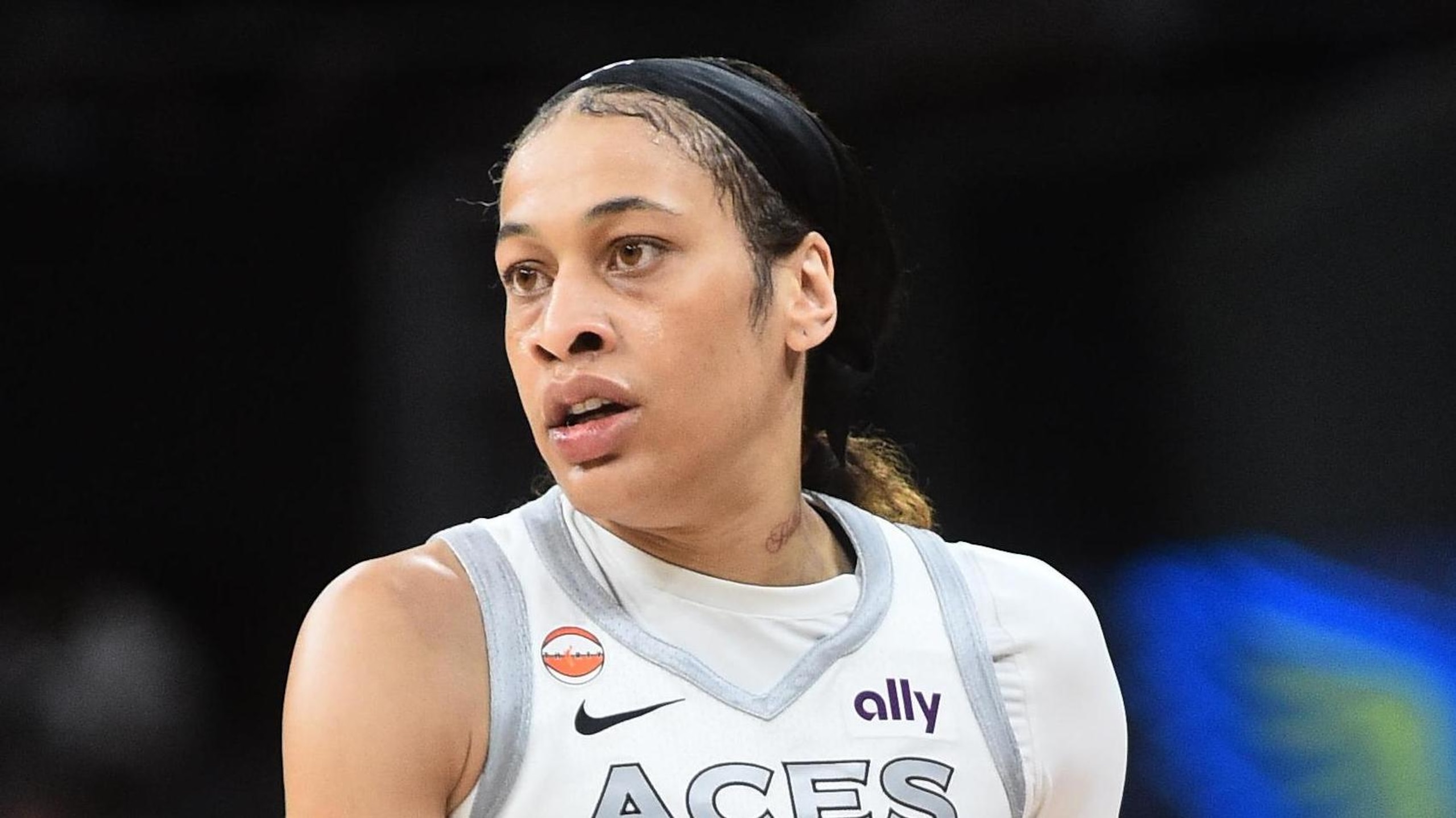
Ceiling: No. 1
Floor: No. 3
Las Vegas' case as a title contender is pretty simple: they have A'ja Wilson on their roster, they brought back the core of last year's championship team and they added Chennedy Carter this offseason.
Carter is a strong Sixth Player of the Year candidate. The last time we saw her in Chicago in 2024, she was playing at an All-Star level. She's a dynamic transition scorer, puts constant pressure on the rim in the half-court and can create her own shot from the midrange.
Las Vegas not being No. 1 entering the season says more about New York's improvements than any expected drop-off in Las Vegas.
1. New York Liberty
15 of 15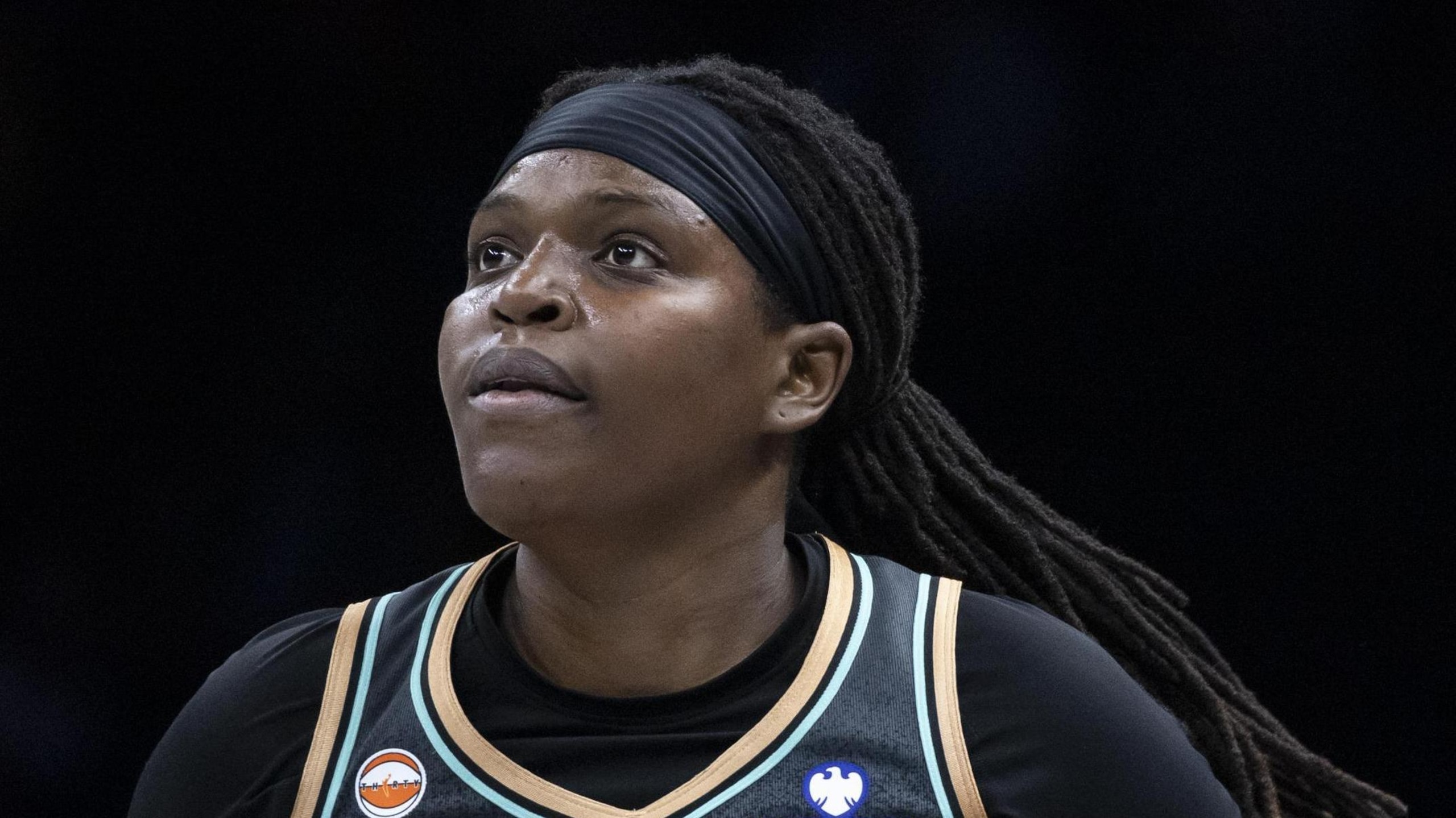
Ceiling: No. 1
Floor: No. 3
In basketball conversations, you often hear phrases like "positionless basketball" or "switch one through five." These are cool buzzwords to say, but in practice, it's almost never a reality. However, that's not the case for the New York Liberty.
This is one of the tallest teams we've ever seen, yet they don't give up any real positional flexibility or shooting. Sabrina Ionescu is a 5'11" point guard. Leonie Fiebich and Satou Sabally are jumbo wings at 6'4". Breanna Stewart is also 6'4" and can play any position. Jonquel Jones is one of the most skilled bigs of all time at 6'6".
They also brought back Betnijah Laney-Hamilton on what might be the best value contract in the league at around $400K. Players far less impactful are making more than double that, as she's coming off the bench for the Liberty.
That said, this isn't a perfect roster. There are still questions that could determine whether they actually finish the job and win a championship: Ionescu's consistency, Stewart's shooting, the health and availability of Sabally and Laney-Hamilton and whether Jones can stay engaged for a full season instead of drifting at times.

.jpg?w=2560 "49ers Seahawks Football")
.jpg?w=2560 "AD Trolls Bears WR on IG 😂")
.jpg?w=2560 "Report: Steelers WR to Miss 'Weeks'")
.jpg?w=2560 "Viral Dan Campbell Presser 💙")