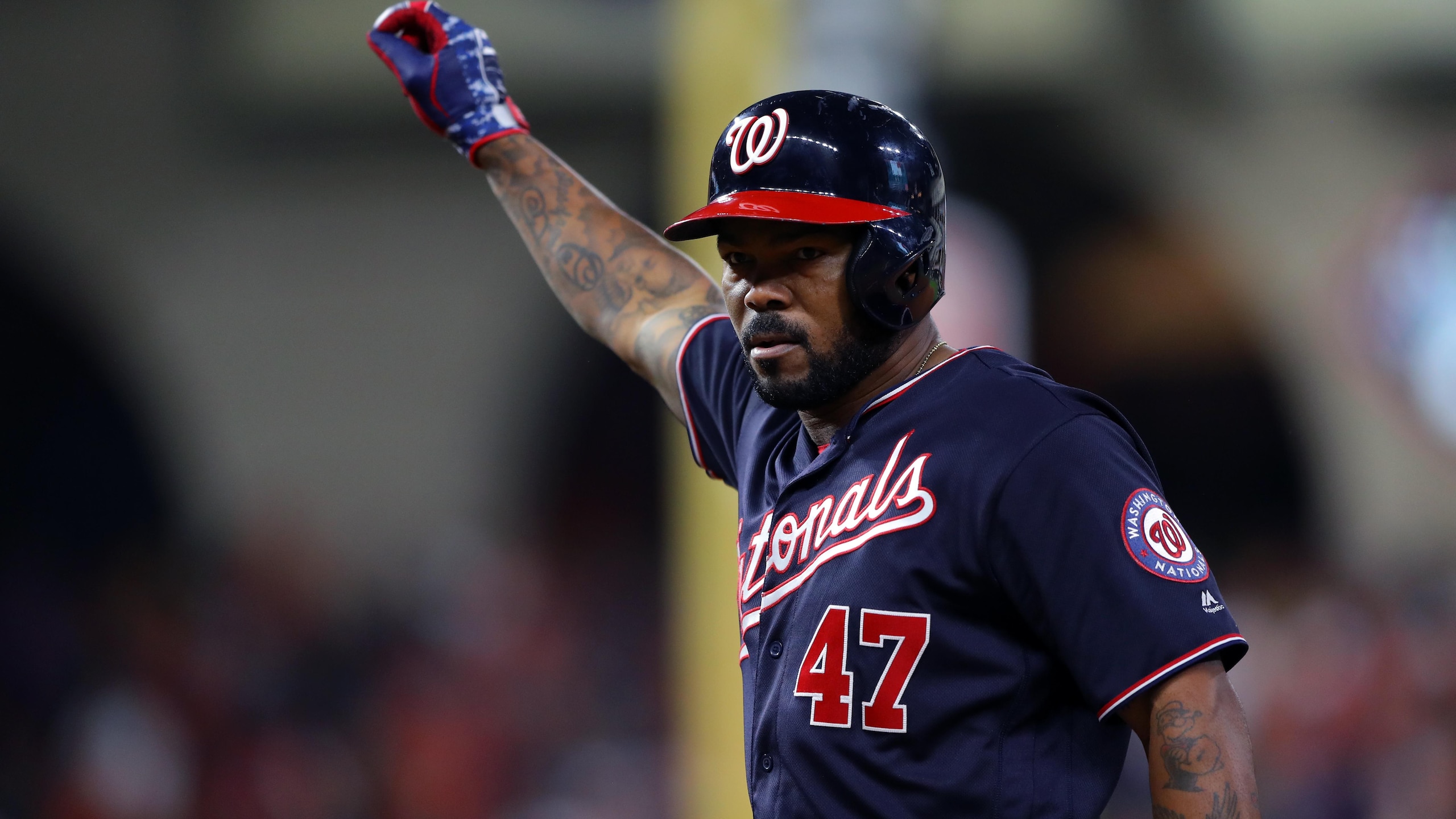


Heading into the 2026 Major League Baseball season, the New York Mets, Seattle Mariners, Toronto Blue Jays, Philadelphia Phillies and Boston Red Sox were among the seven favorites to win the World Series.
However, at the start of play on Tuesday, each of those five supposed-to-be contenders is at least four games below .500, searching for answers amid a woeful start.
Are they already toast, or is there still time to turn things around?
Certainly not promising, but good news: There's history to suggest it's possible.
Roughly 10 percent (12 out of 122) of World Series champions were at least four games below .500 at least 20 games into that season, including a few who were at least 10 games below .500 after almost two months.
Three of those teams were from over 100 years ago: the Washington Nationals of 1924, the Pittsburgh Pirates of 1925 and the St. Louis Cardinals of 1926.
Let's take a look back at the remaining nine disappointments and how they eventually turned things around.
Teams are presented in ascending order of how dire things looked at their lowest point.
9th Worst Start: 1991 Minnesota Twins
1 of 9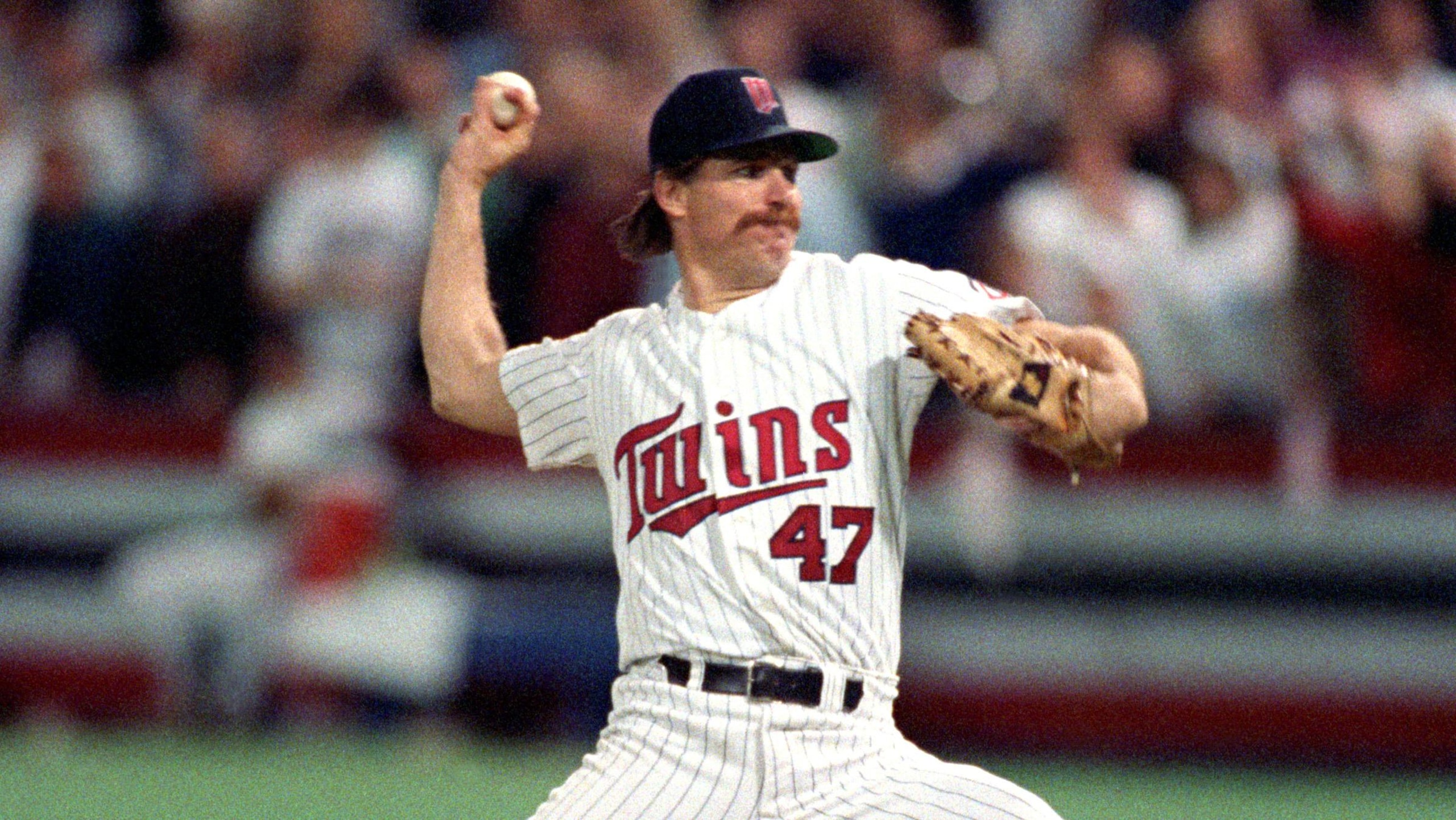
Lowest Point: 2-9 (-21 run differential) on April 20; 20-24 (-16 run differential) on May 27
After Lowest Point: 75-43 (+140 run differential)
What Changed?
Two weeks into the 1991 campaign, the Minnesota Twins weren't just struggling.
They had the worst record in all of baseball.
Five weeks later, they were still tied for last place in the AL West.
Then, from May 28 through June 22, the Twins went on a legendary tear, winning 22 of 24 games while the first-place Rangers imploded, posting a 9-15 record. Minnesota leapfrogged six teams, going from 7.5 games back to 4.0 games up in the division, and never relinquished that lead.
During the 24-game surge, Chili Davis clubbed eight home runs and Kent Hrbek hit .354. But that run was primarily powered by a teamwide ERA of 2.37, led by Scott Erickson and Jack Morris.
Morris had a 5.34 ERA through his first nine starts, but had a 2.85 the rest of the way, en route to what may have been the best single-game performance in World Series history, tossing a 10-inning shutout in a Game 7 victory over the Atlanta Braves.
8th Worst Start: 1906 Chicago White Sox
2 of 9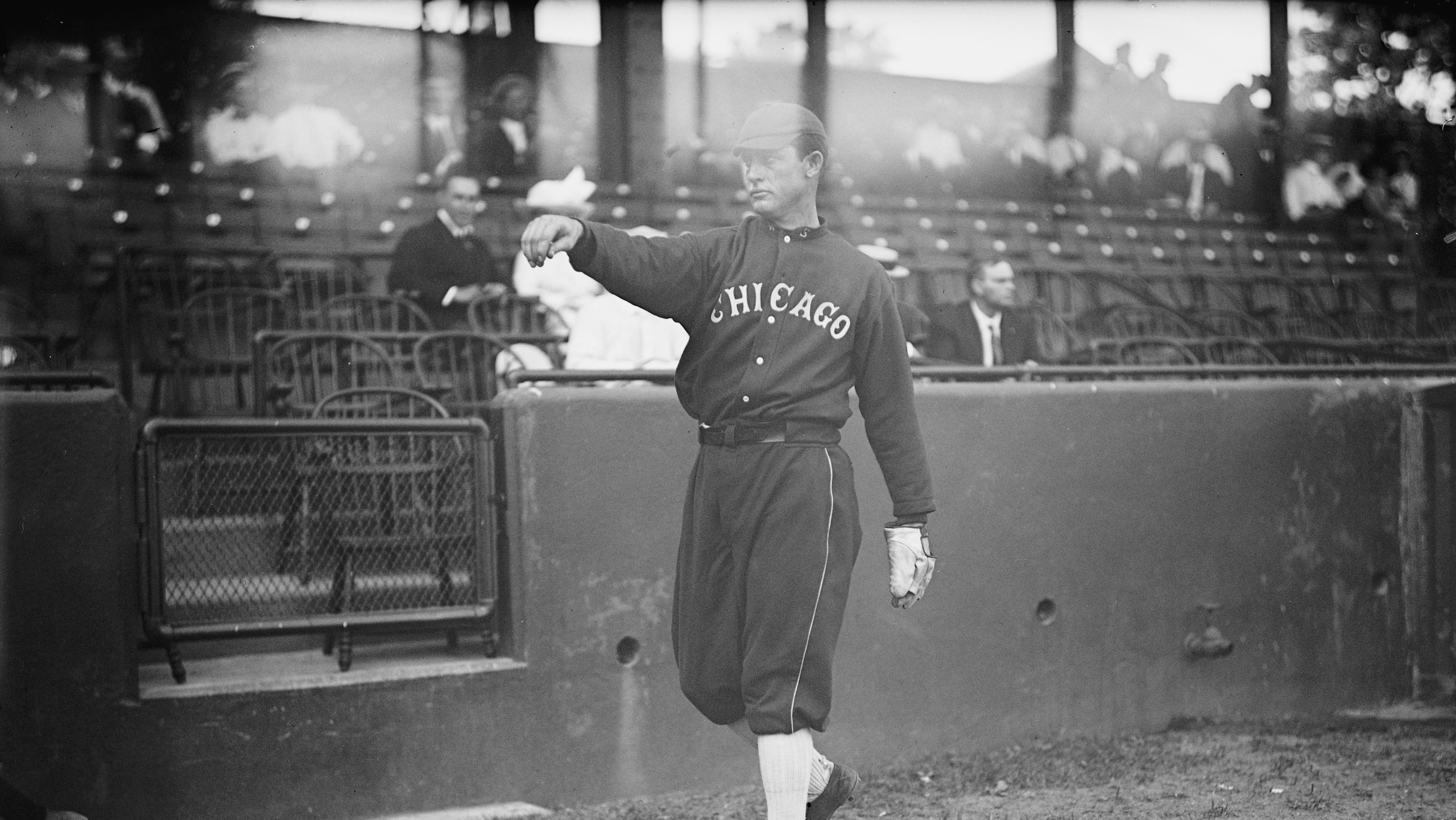
Lowest Point: 16-21-1 (-28 run differential) on June 3
After Lowest Point: 77-37-2 (+135 run differential)
What Changed?
Though they started to right the ship in early June, it was in August that these Hitless Wonders really caught fire, going 19-0-1 during a 20-game stretch in which they allowed just 24 runs.
With a team-wide triple-slash of .230/.301/.286 shutouts were pretty darn important to the White Sox's cause. They ended up with 32 of them, including an MLB-best 10 by Ed Walsh, who also tossed another one in the World Series.
Walsh was one of four White Sox pitchers with at least 20 complete games and an ERA of 2.33 or lower. Another was Doc White, who had an American League-leading 1.52 ERA.
Needless to say, it was a bygone era when the White Sox hit just seven home runs all season. Going from allowing 4.0 runs per game in those first 38 games to just 2.66 the rest of the way was a real season-changer.
7th Worst Start: 1969 New York Mets
3 of 9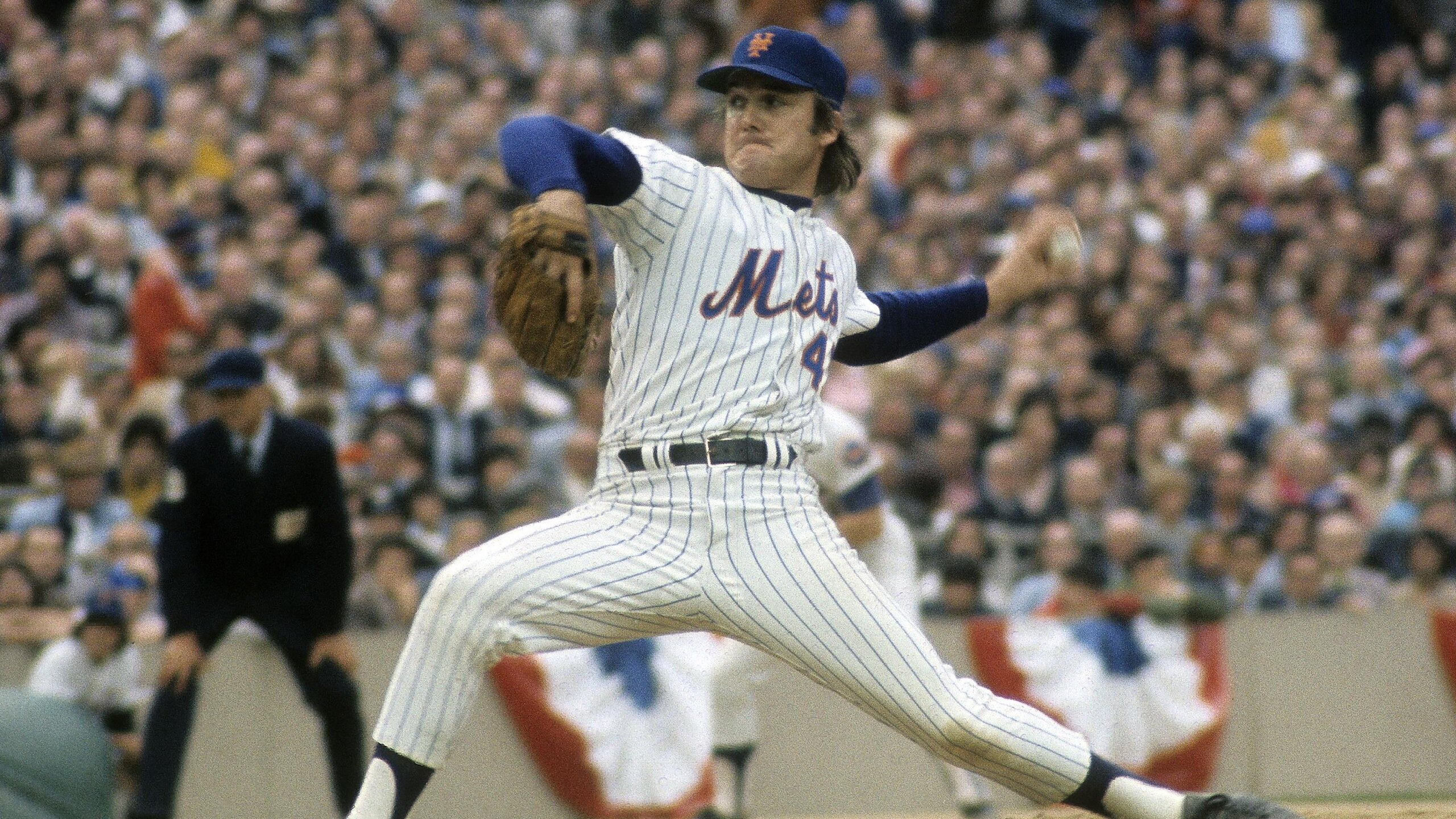
Lowest Point: 18-23 (-10 run differential) on May 27
After Lowest Point: 82-39 (+101 run differential)
What Changed?
Through their first seven years of existence, the New York Mets went 394-737, averaging more than 105 losses per season. And 1969 started out about the same as any other year at that time.
In fact, they were 18-23 through 41 games the previous season and ended up going 73-89, missing the playoffs by 24 games.
This time around, though, the pitching staff locked in, specifically Jerry Koosman and Tug McGraw. Tom Seaver was also great en route to the first of his three Cy Young awards.
Koosman jump-started the breakthrough in game No. 42 with a 10-inning, 15-strikeout, zero-run shutout. That was the beginning of a season-ending, 27-start stretch with 15 complete games, five shutouts and a 2.13 ERA. He proceeded to win both of his World Series starts and might have been the MVP were it not for Donn Clendenon's 1.509 OPS with three home runs.
The Mets allowed 4.17 runs and went 5-9 in one-run games during those first 41 games. Those marks improved drastically to 3.06 and 36-14, respectively, the rest of the way. And in the five-game World Series against the Orioles, they allowed nine total runs.

6th Worst Start: 2021 Atlanta Braves
4 of 9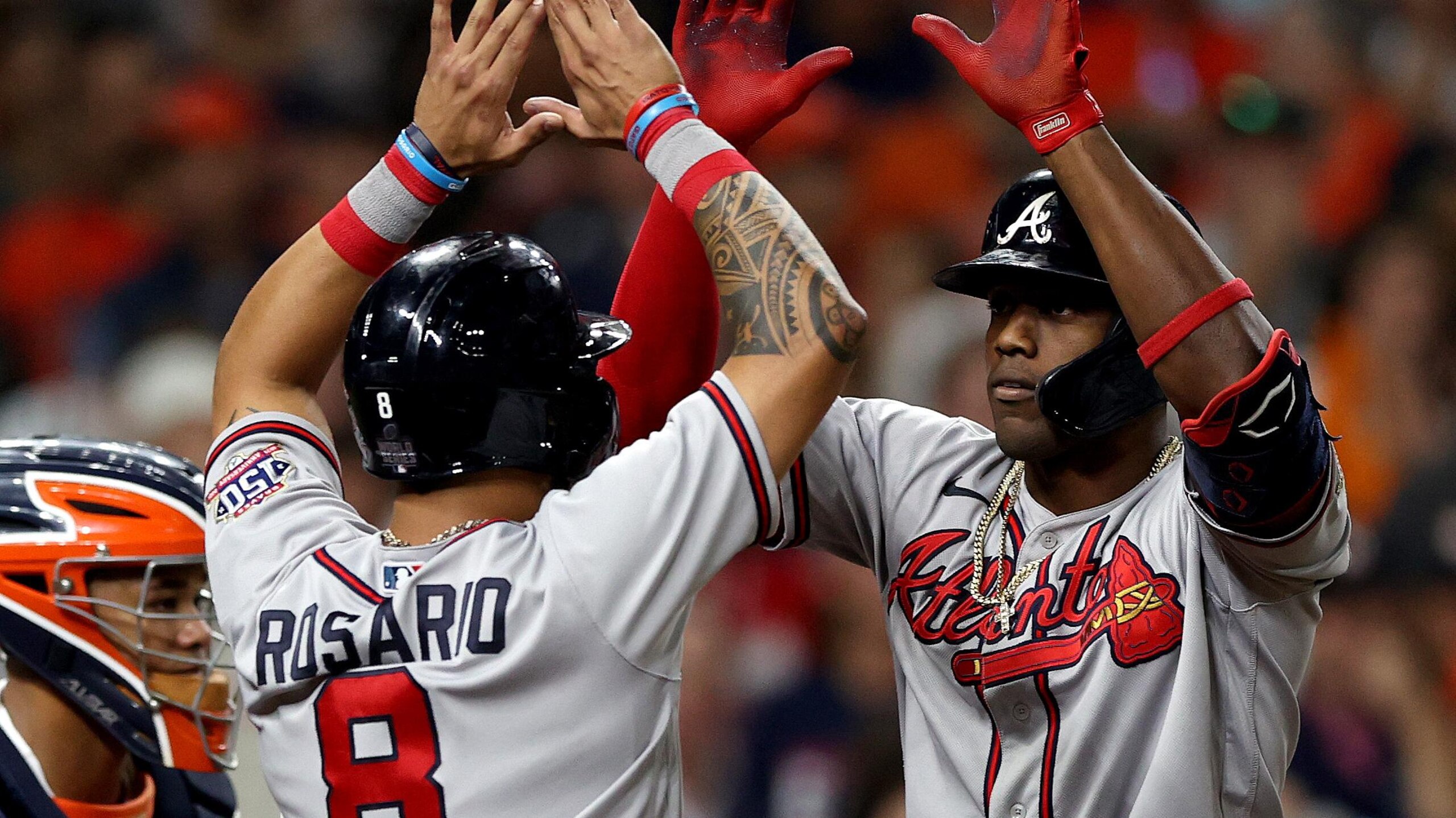
Lowest Point: 30-35 (-6 run differential) on June 16
After Lowest Point: 58-38 (+140 run differential)
What Changed?
Atlanta languished in mediocrity for months before eventually winning a weak NL East.
The Braves never fell further than five games below .500, but it also wasn't until the 111th game of the season that they had a winning record for the first time.
One big thing that should have ruined their season was losing Ronald Acuña Jr. to a torn ACL just before the All-Star Break. However, it was that injury which forced them to go out and trade for Joc Pederson, Jorge Soler, Eddie Rosario and Adam Duvall, each of whom ended up playing a significant role over the final two-plus months of the regular season—and especially the postseason.
They also got much better pitching out of both Max Fried and Charlie Morton. That duo had a combined ERA of 4.55 during the 30-35 start, compared to a 2.53 mark with 29 quality starts the rest of the way.
5th Worst Start: 1979 Pittsburgh Pirates
5 of 9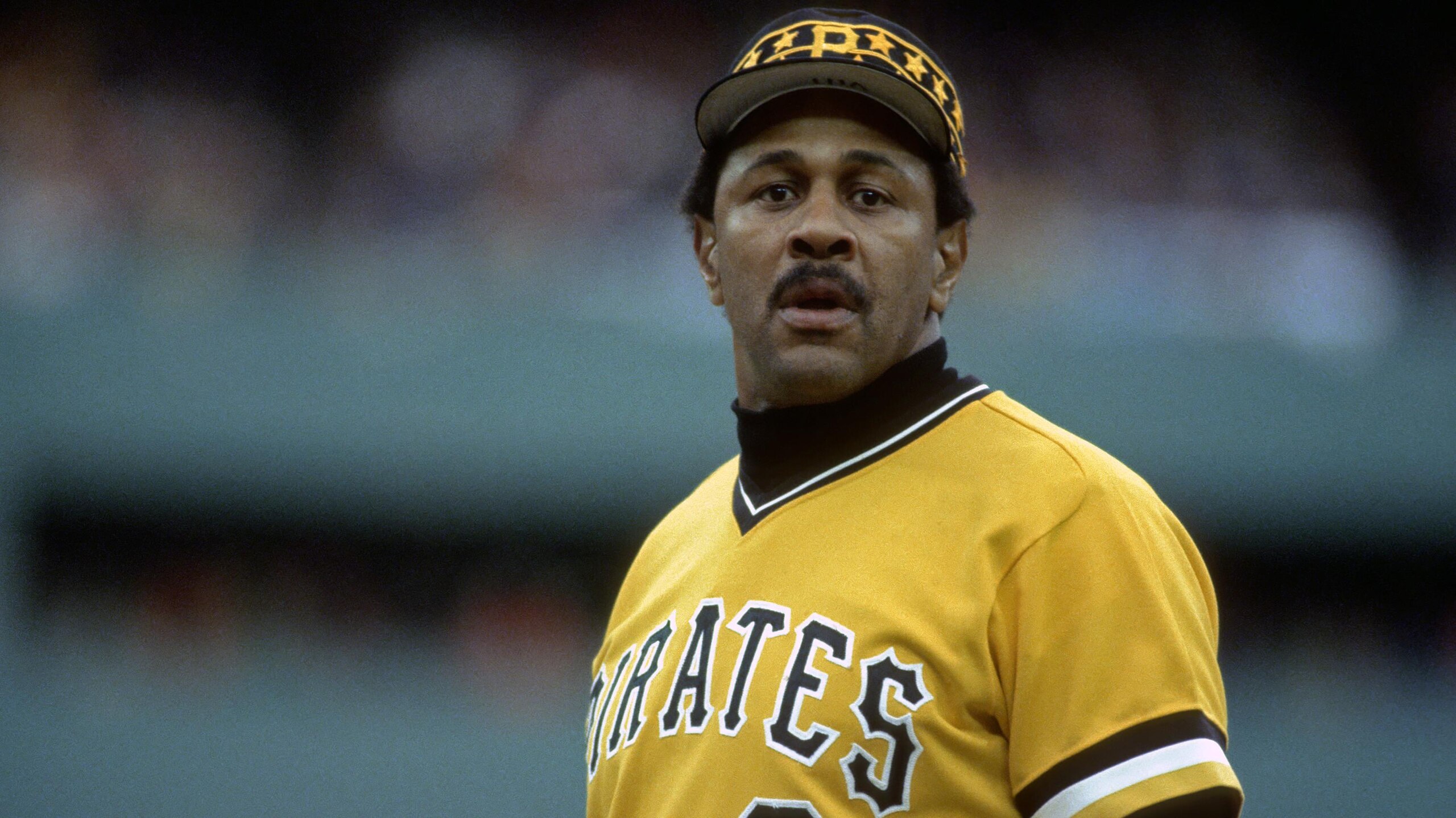
Lowest Point: 12-18 (-8 run differential) on May 15
After Lowest Point: 86-46 (+140 run differential)
What Changed?
For starters, Willie Stargell was 39 years old and scarcely available early in the season, starting in only 14 of those first 30 games. But he was more consistently available after that, though, ending up with 32 home runs and winning co-MVP of the National League along with Keith Hernandez of the Cardinals. (Stargell also won NLCS MVP and World Series MVP.)
Primary reliever Kent Tekulve also flipped a switch in mid-May, going from a 5.40 ERA through his first 19 appearances to a 2.19 ERA in 111.0 innings of work the rest of the way. He racked up 31 saves, 10 wins and eight holds, even receiving a first-place vote for the NL Cy Young award.
But the biggest change arguably came from utilityman Phil Garner, who had his best offensive season. After a mediocre start, he hit .305 through his last 120 games of the regular season before going buck wild in the playoffs. Garner tallied at least one hit in each of Pittsburgh's 10 games that October, triple-slashing .472/.537/.722.
4th Worst Start: 2002 Anaheim Angels
6 of 9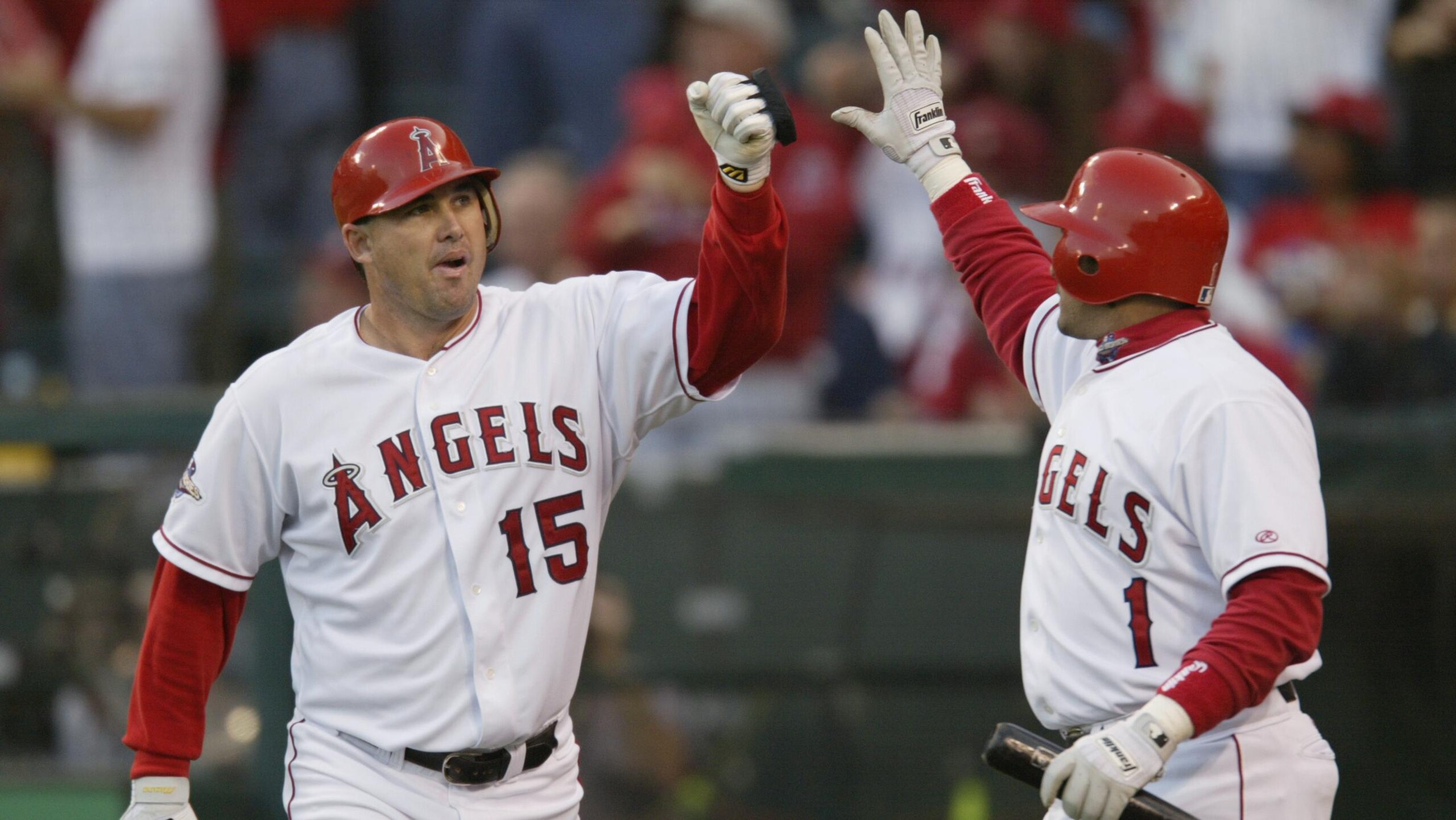
Lowest Point: 6-14 (-38 run differential) on April 23
After Lowest Point: 93-49 (+245 run differential)
What Changed?
We've officially reached the "So...you're telling me there's a chance?" portion of this exercise, where fans of even 2026's most disappointing teams can try to find some hope.
It barely took three weeks for the 2002 Angels to dig themselves into a 10.5-game hole in the AL West, losing each of their first six games against the 17-4 Seattle Mariners, who had also won 116 games the previous year. Through 20 games, the Halos ranked 27th in runs allowed and 28th in runs scored.
Anaheim looked like a classic case of the old axiom: You can't win a pennant in April, but you sure can lose one.
Simply put, though, key players snapped out of their early funks.
Tim Salmon hit .167 with no home runs during that 6-14 start, but the career .282 hitter had a .305 average with 22 home runs the rest of the way.
Brad Fullmer had a nearly identical transformation, going from .183 and zero home runs to .306 and 19, respectively, in maybe the best season of his career.
Biggest of all, though, was the return of Troy Percival. The four-time All-Star closer landed on the IL after his first appearance of the season and had a 21.60 ERA during Anaheim's 6-14 start. From games 21 through 150, on the other hand, he went 4-0 with 38 saves and a 1.03 ERA, before tallying seven saves in the postseason.
3rd Worst Start: 2003 Florida Marlins
7 of 9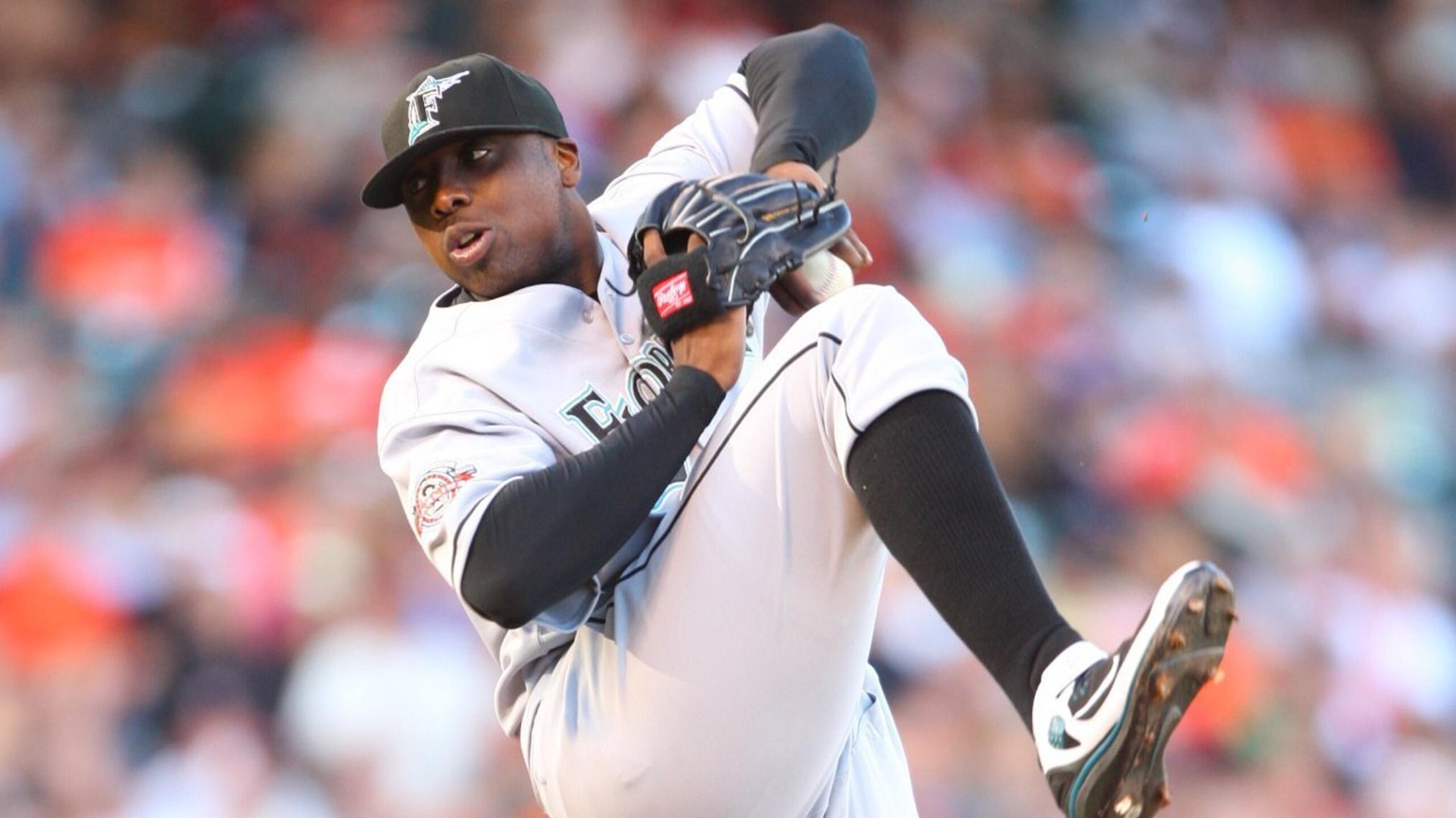
Lowest Point: 19-29 (-25 run differential) on May 22
After Lowest Point: 72-42 (+84 run differential)
What Changed?
Between these Marlins, the just-discussed 2002 Angels, 2001 Diamondbacks walking off Mariano Rivera and the 2004 Red Sox erasing that 3-0 ALCS deficit, the early 2000s were quite the "It ain't over 'til it's over" run of MLB madness. All of which included a postseason series win over the Yankees at some point.
What turned things around for these Marlins was a one-two punch of rookies by the names of Miguel Cabrera and Dontrelle Willis.
No, they didn't both get called up to make their MLB debuts on May 23. Willis got his first taste of the big leagues on May 9, while Cabrera got the call on June 20.
But D-Train quickly became the ace of this staff with a 2.95 ERA in 24 starts made from May 25 onward, while Miggy ended the year in the heart of this Marlins batting order with an OPS just a shade under .800.
Willis won the NL Rookie of the Year. Cabrera placed fifth, despite appearing in just 87 games. Both received down-ballot votes for NL MVP, and they anchored an incredible comeback from what was almost the worst record in the National League after nearly two months.
2nd Worst Start: 2019 Washington Nationals
8 of 9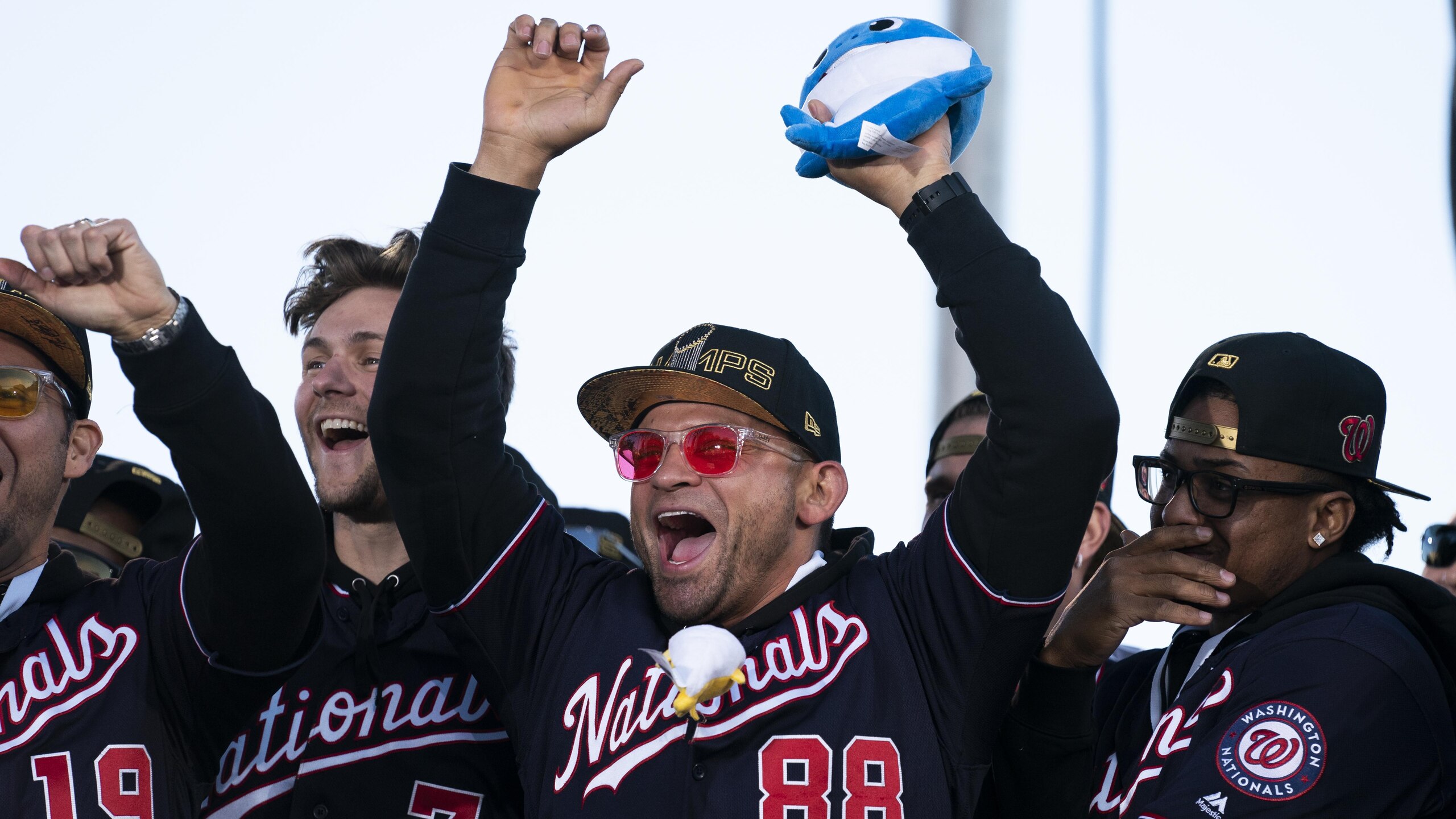
Lowest Point: 19-31 (-40 run differential) on May 23
After Lowest Point: 74-38 (+189 run differential)
What Changed?
Never underestimate the power of the Baby Shark.
Of all the possible rallying cries this team could have had, it was Gerardo Parra's infantile, mind-numbing walk-up song that just made baseball fun again in the nation's capital.
Between signing Parra in early May and getting Trea Turner back a week later from a 40-game absence for a broken index finger, the Cardiac Nats found their mojo.
Anthony Rendon and Juan Soto were the stars of the lineup, each with a nearly .900 OPS after that 19-31 start. Meanwhile, Aníbal Sánchez became quite the fourth wheel of the starting rotation alongside Stephen Strasburg, Max Scherzer and Patrick Corbin, going 11-2 with a 3.42 ERA in his final 21 appearances.
But the "doo doo doos" were the glue that held this team together for what was both the biggest comeback from a 50-game start ever and a whirlwind ride through the postseason.
Worst Start: 1914 Boston Braves
9 of 9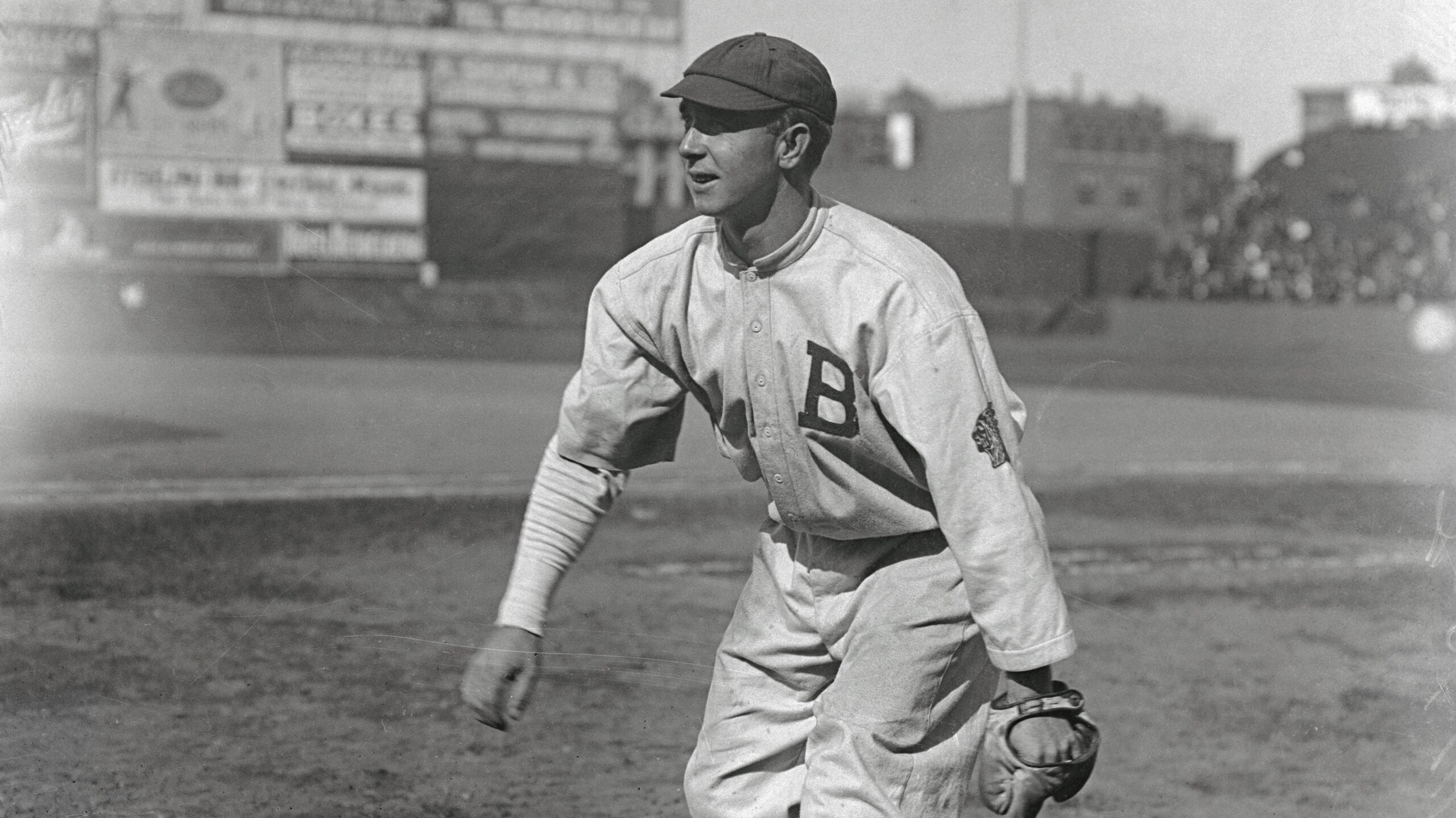
Lowest Point: 12-28-1 (-49 run differential) on June 8
After Lowest Point: 82-31-4 (+158 run differential)
What Changed?
While the 2019 Nationals hold the crown for worst 50-game start by a World Series champion, pick just about any other number between 10 and 75 and these 1914 Braves were the worst.
Through 20 games, they were 3-16-1, allowing nearly twice as many runs as they scored. Aside from the fact that there was a tie in the mix, that's pretty much exactly where the 2025 Colorado Rockies were at 20 games into their 119-loss nightmare.
Boston was 16 games below .500 through 41 games. We're calling that their lowest point because it was the furthest they fell below .500. But you could also make a strong argument for four weeks later on July 4, which is when the Braves were 26-40-1 and a season-worst 15 games back in the National League standings.
From that point on, though, they went 72-19-4 (including postseason), leading the majors in runs scored and ranking second in runs allowed.
Bill James (no, not that one, sabermetrics folks) and Dick Rudolph combined for 39 of those 68 wins with a 1.71 ERA, compared to 13 wins and a 2.96 ERA through Independence Day. They proceeded to allow one earned run in 29 innings of work while tallying all four wins in the World Series sweep of the Philadelphia Athletics.
From a .300 winning percentage through 41 games to a .791 winning percentage through their final 95 games, what a night-and-day transformation for this year's Mets to try to emulate.
.jpg?w=2560 "Purdy Becomes Highest-Rated QB EVER 🤩")
.jpg?w=2560 "Grading WWE Raw 🔠")