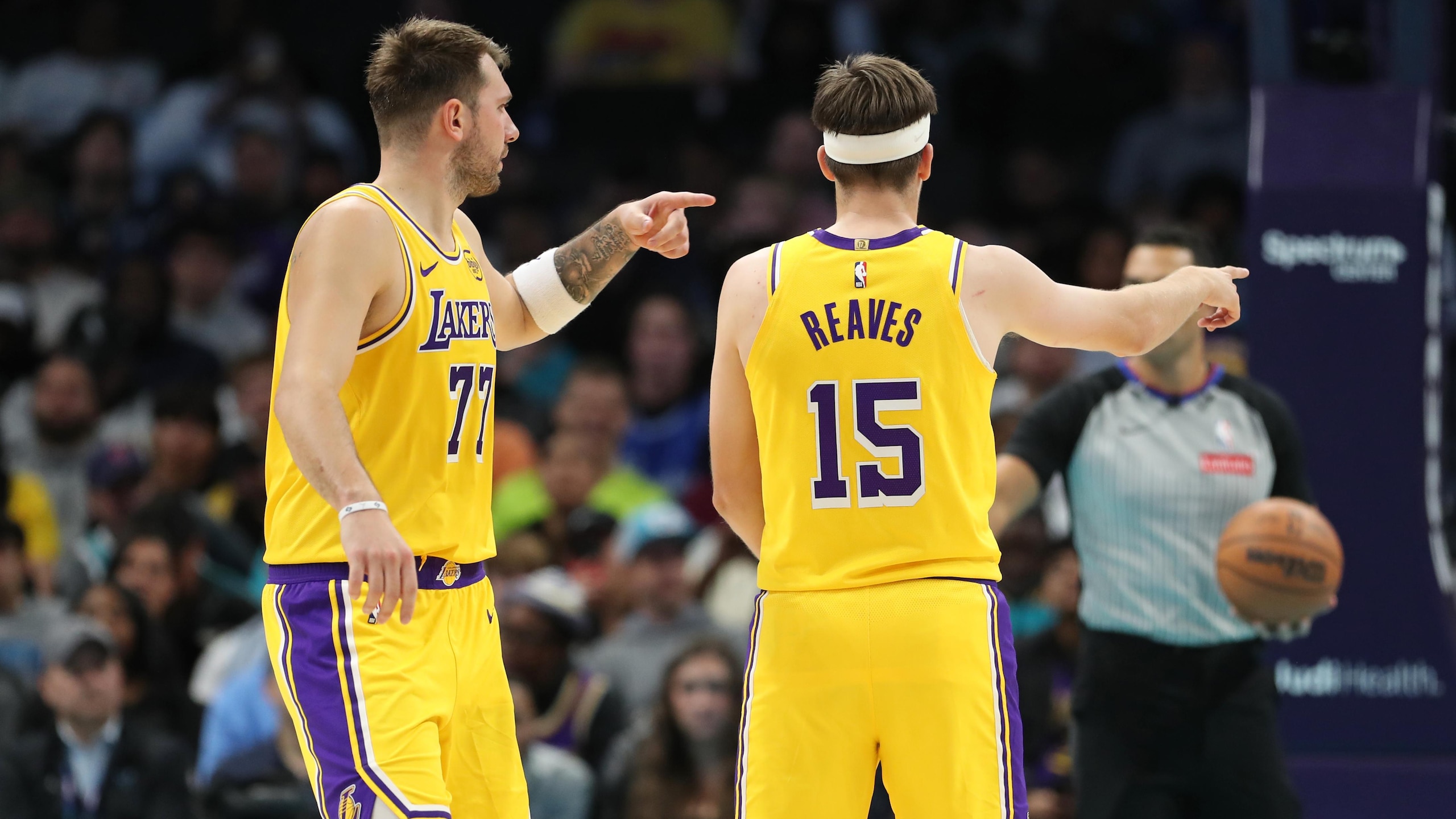

Much of the NBA's trade deadline was less about today (this season) and more about tomorrow (June's draft and the upcoming free agent period in July).
Some teams are fully focused on what they hope will be long playoff runs; others are focusing on draft position in the lottery and potential moves over the summer (tanking).
For the menu of choices in free agency, check out B/R's Ranking the Top 30 Potential 2026 NBA Free Agents. But how much money will teams have? Only a few will get under the league's salary cap in July with substantial projected spending power.
The following outlines what all 30 teams should have to work with, recognizing that the draft lottery, draft, and trades leading into July could reshape the landscape.
What's the Financial Situation for 2026-27?
1 of 9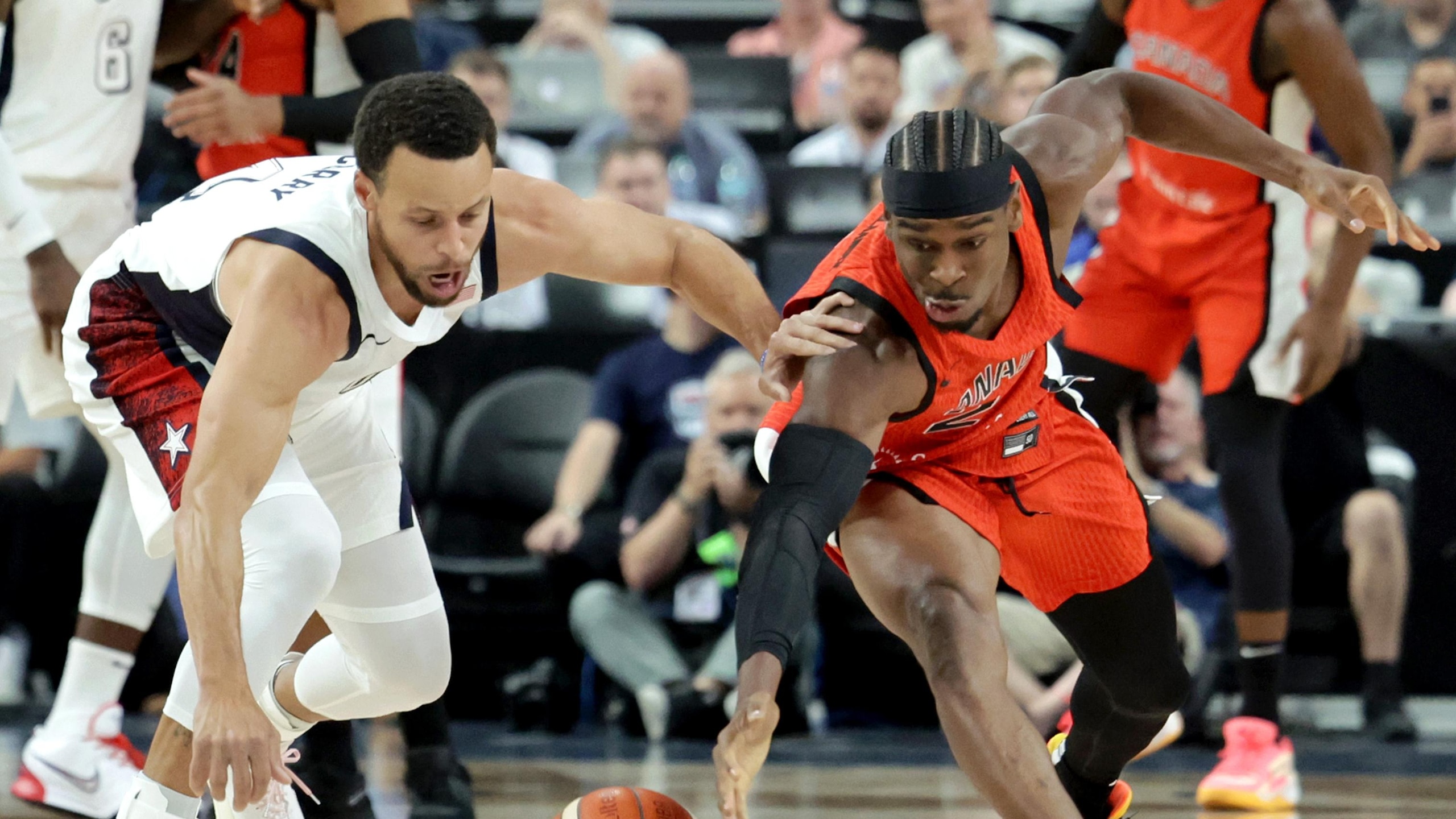
The NBA's current projection for the 2026-27 salary cap is $166 million. That would result in the following:
Franchises with cap room can spend it on free agents. Teams have access to exactly one of the mid-level exceptions, which comes in three flavors (once a flavor is chosen, they cannot use a different one):
For instance, a team with $40 million in cap room can sign a player at $40 million, and then go over the cap by spending the $8.8 million RMLE. Those above the second apron cannot use any of the listed mid-level exceptions.
Additionally, teams that have the NTMLE also gain the bi-annual exception (BAE) at $5.5 million. The BAE cannot be used in subsequent seasons, so any teams that spent theirs in 2025-26 won't have that spending tool in 2026-27.
Maximum salaries would range from $41.5 million to $58.1 million, depending on the free agent's years of NBA experience.
Finally, keep in mind that most NBA teams choose to stop spending below the luxury tax threshold, even making trades by the deadline to get under that line.
(Practically) Nothing to Spend
2 of 9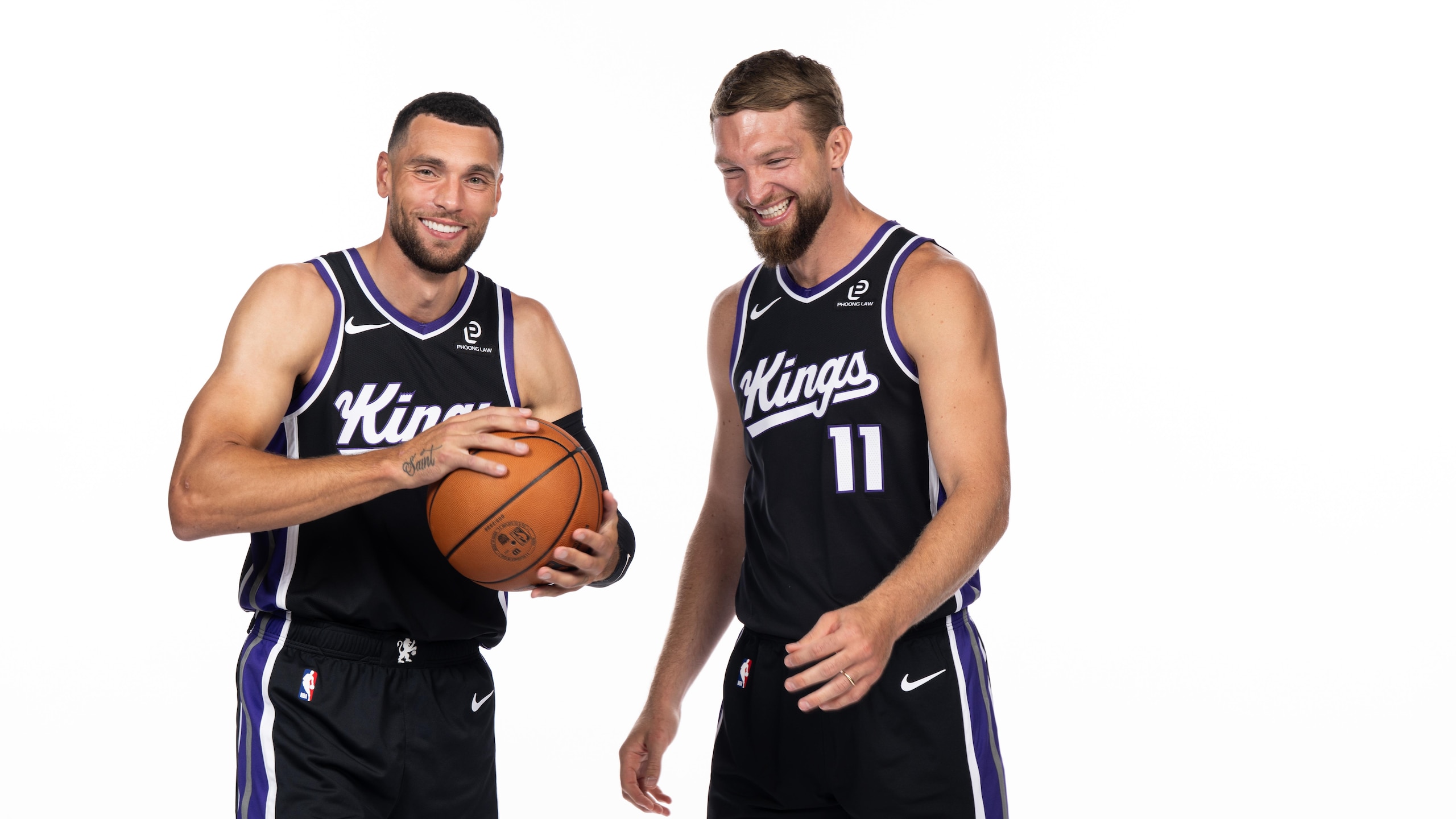
Franchises above the second apron can sign their draft picks, keep their own free agents, make trades (without aggregation) that don't fundamentally increase team salary, and add players on minimum contracts.
Additional punishments include a frozen first-round pick several years out, which can be thawed by dropping quickly below the second apron in subsequent seasons.
Generally speaking, this area is for those who believe they have a chance to win a championship, which makes it perplexing that the Sacramento Kings (with the worst record in the NBA) are projected to be at this level.
The following teams project to be on the second apron, along with some contract decisions that could change their fate with player options (PO), team options (TO), or non-guaranteed salary (NG):
Valančiūnas has $2 million of his $10 million guaranteed and could be an economic casualty in Denver. The team also must decide on pending restricted free agent Peyton Watson, who is among the top available players this summer.
Isaac's $14.5 million is guaranteed if he plays in seven more regular-season games (reaching 52); otherwise, only $8 million is guaranteed. Orlando may be able to drop under the second apron, but not enough to spend the TMLE without more significant player movement.
DeRozan's $25.7 million is only $10 million guaranteed with the Kings. If the team doesn't find a suitable trade to reduce salary, the Kings may waive and stretch his salary over three years at $3.3 million per season. If so, that would drop the team just below the first apron, making the TMLE its largest spending tool.
About $6.1M to Spend (Taxpayer Mid-Level)
3 of 9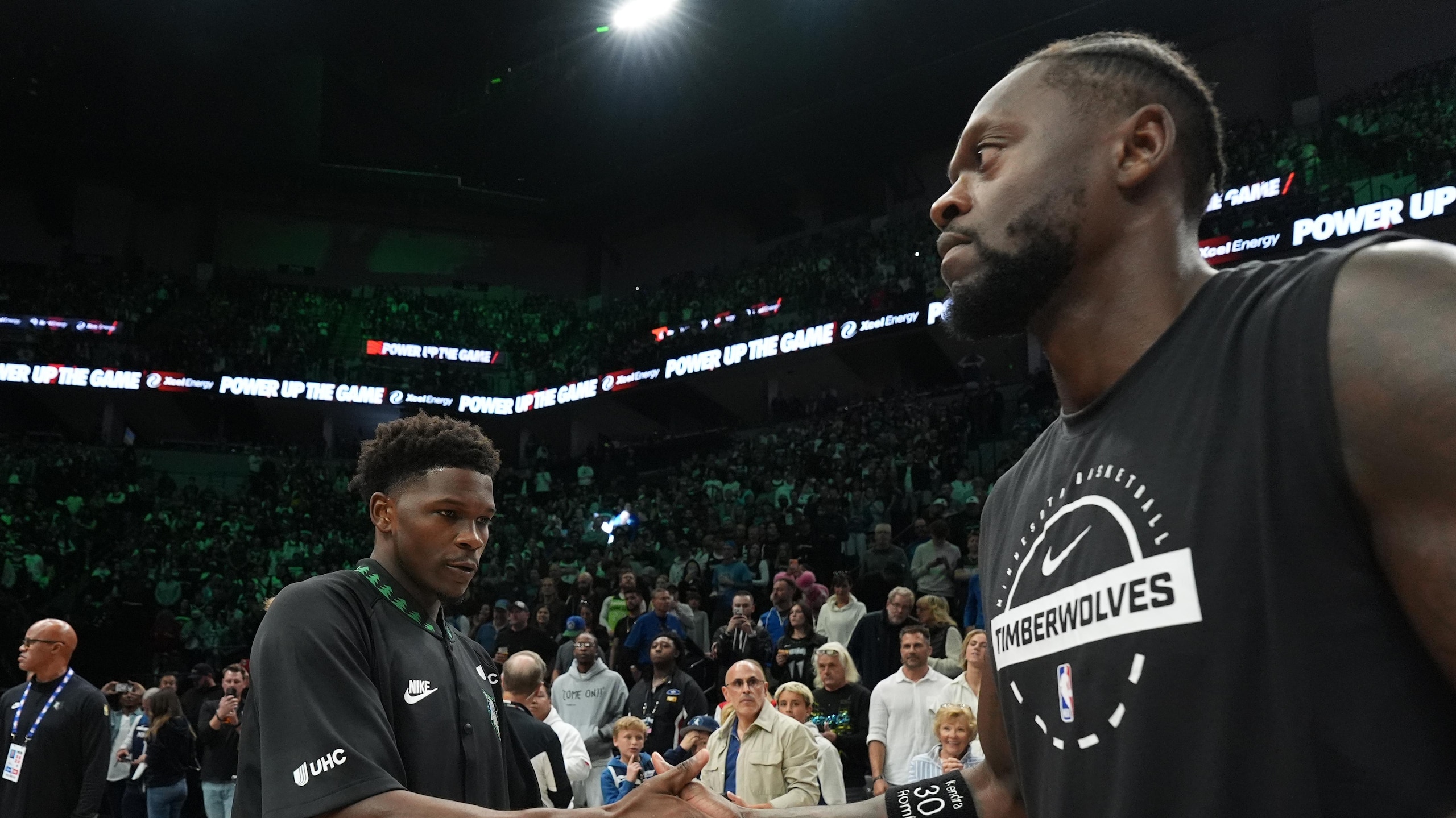
Teams above the first apron have lighter restrictions than second-apron teams, including no long-term punishment (such as frozen draft picks). Their primary spending tool is the $6.1 million TMLE. Typically, teams above the tax believe they are viable playoff contenders:
The Timberwolves could stay below the first apron, but not by enough to spend more than the TMLE—though re-signing recent trade acquisition Ayo Dosunmu could make that problematic with the team likely too close to the second apron.
New York may need to choose between re-signing Mitchell Robinson in free agency or spending the TMLE on a replacement. Complicating matters is Alvarado's $4.5 million PO and the price he'd demand should he choose to opt out.
The Raptors don't have full rights to pay Mamukelashvili, who seems certain to opt out for a larger payday. The hope to retain him would be the TMLE, barring trade to reduce Toronto's overall salary to gain the NTMLE.
Between $15.1M-$21.2M to spend
4 of 9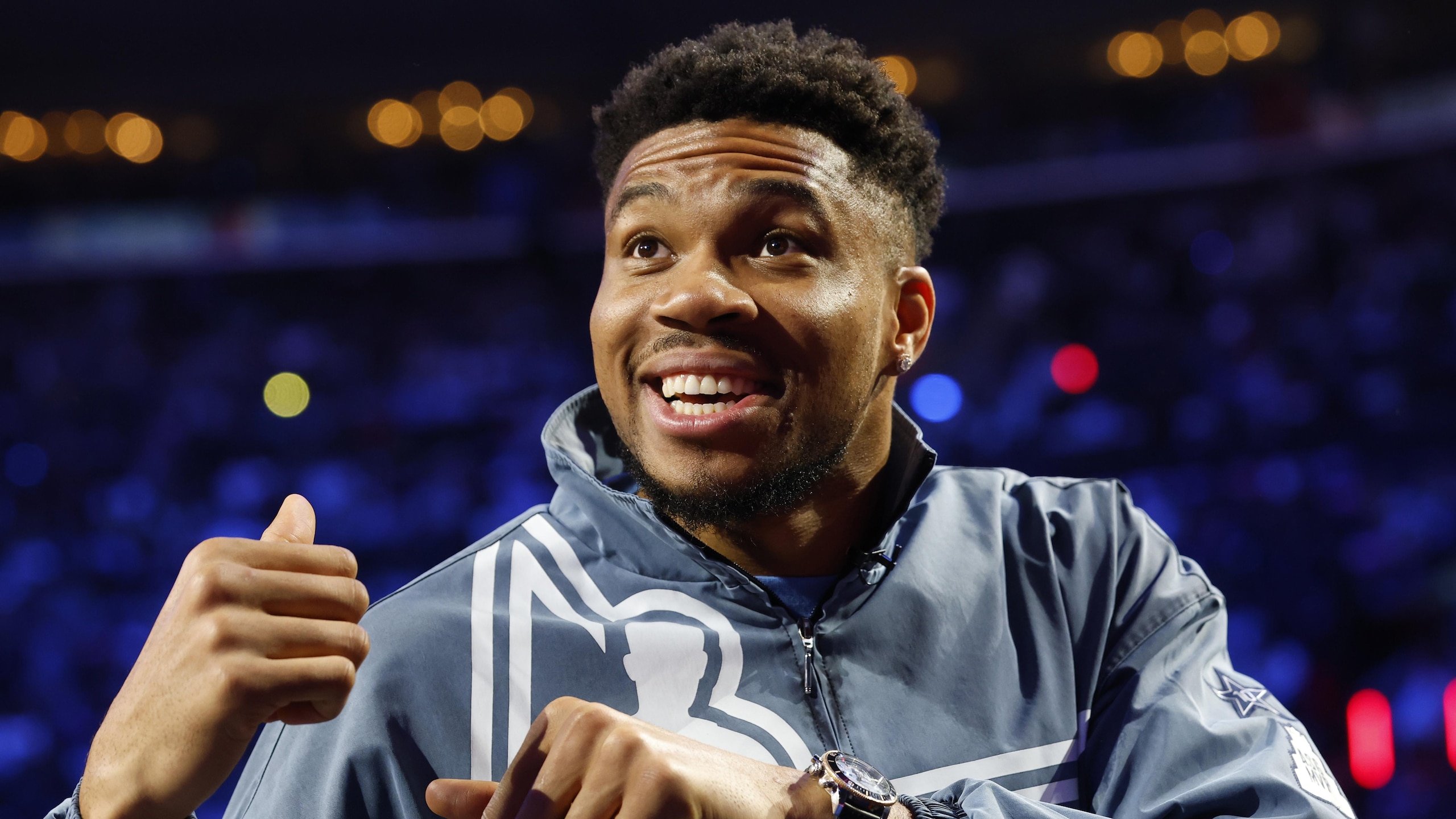
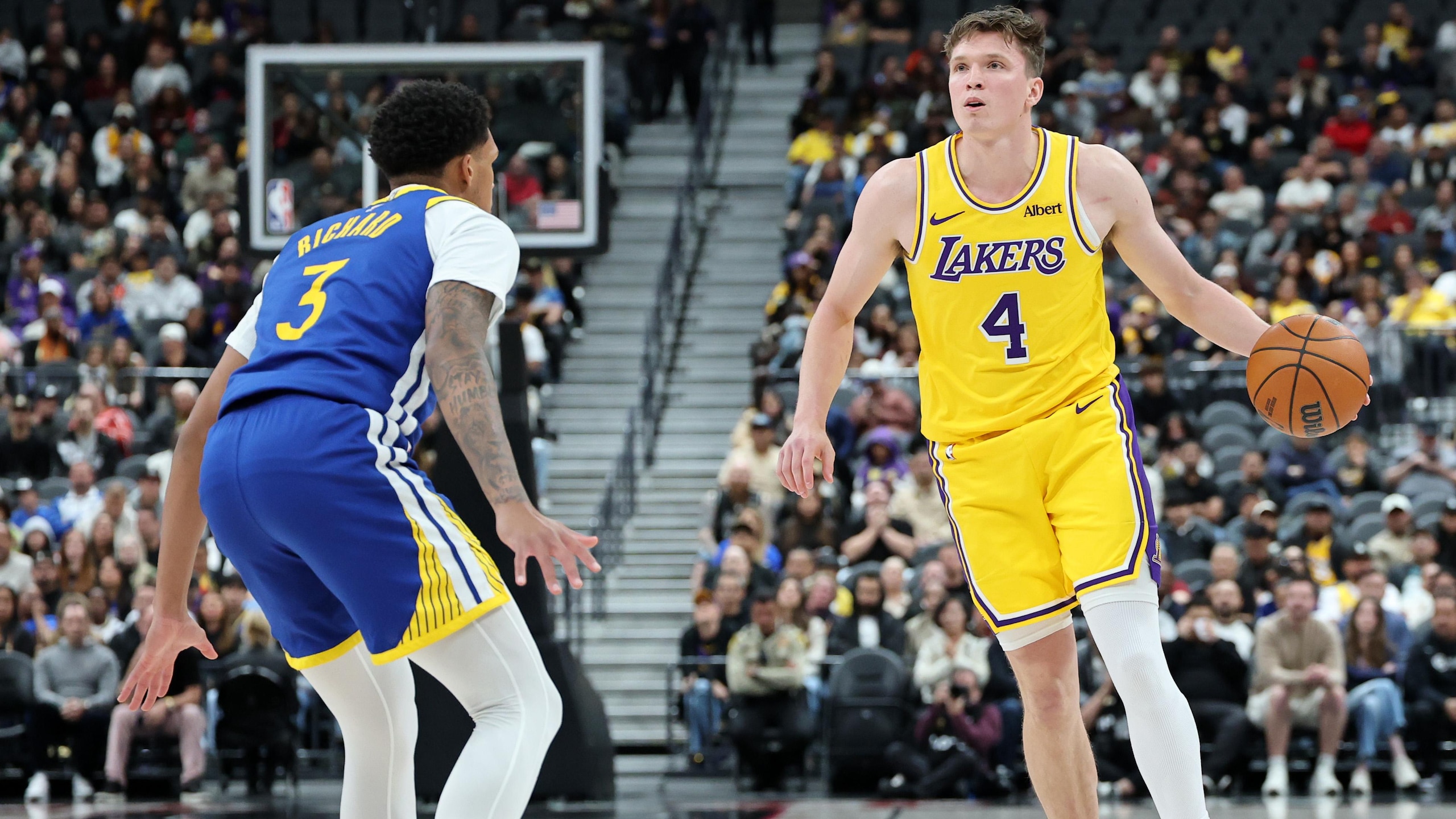
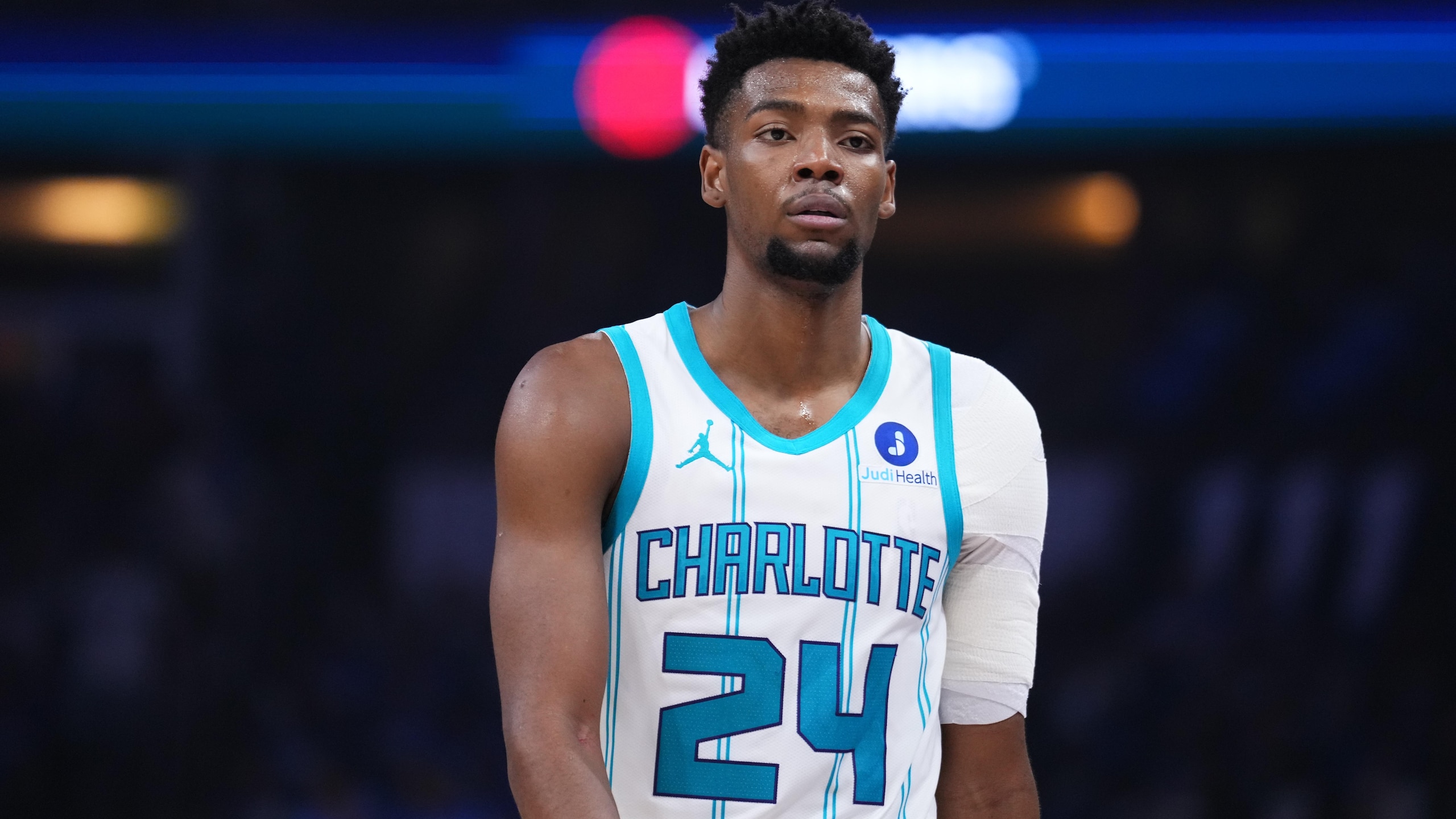
Much of the NBA will fall into this group, operating over the cap with access to the non-taxpayer mid-level exception and the bi-annual exception—unless they already used the latter this season (Charlotte Hornets, Detroit Pistons, Los Angeles Lakers, Utah Jazz, Washington Wizards).
Remember that teams projected to be below the cap, such as the Lakers, don't have any access to the NTMLE and BAE:
Several of the above may need to choose between one of their own free agents and a spending tool, like the Celtics with Nikola Vučević, the Warriors with Kristaps Porziņģis, and the Suns with Mark Williams. The 76ers' flexibility depends on free agents like Kelly Oubre Jr. and Quentin Grimes. In contrast, the Hornets should be able to afford Coby White while maintaining access to their NTMLE.
Only $2 million of Robinson's $16 million is guaranteed next season in Detroit (Reed is non-guaranteed), though both have been important contributors on a very good Eastern Conference team. Jenkins is one of the surprise players, recently converted from a two-way contract.
The Rockets could climb to apron territory by paying restricted free agent Tari Eason, though VanVleet's $25 million PO could impact the overall picture. Coming off an injured year, he could opt out and re-sign on a longer deal at a lower annual value.
The Pacers will give their first-round pick to the LA Clippers as part of the Ivica Zubac trade if it's in the 5-9 range. Without it, the team would have access to the NTMLE; with a 1-4 pick, Indiana would climb into the TMLE range. Given the team historically hasn't paid luxury taxes, whatever exception they have may go unused.
Should Wiggins opt out in Miami, and if the team lets All-Star Norman Powell walk in free agency, the Heat could get to about $29.7 million in cap room (depending on where their first-round pick lands in June). The Grizzlies would only get to cap room if Caldwell-Pope opts out, which appears unlikely.
The Jazz can let go of Walker Kessler (restricted free agent) and other smaller contracts to reach about $22 million in cap space. However, many competing executives initially project Utah will stay over the cap this summer.
LA Clippers (The NBA's Mystery Box)
5 of 9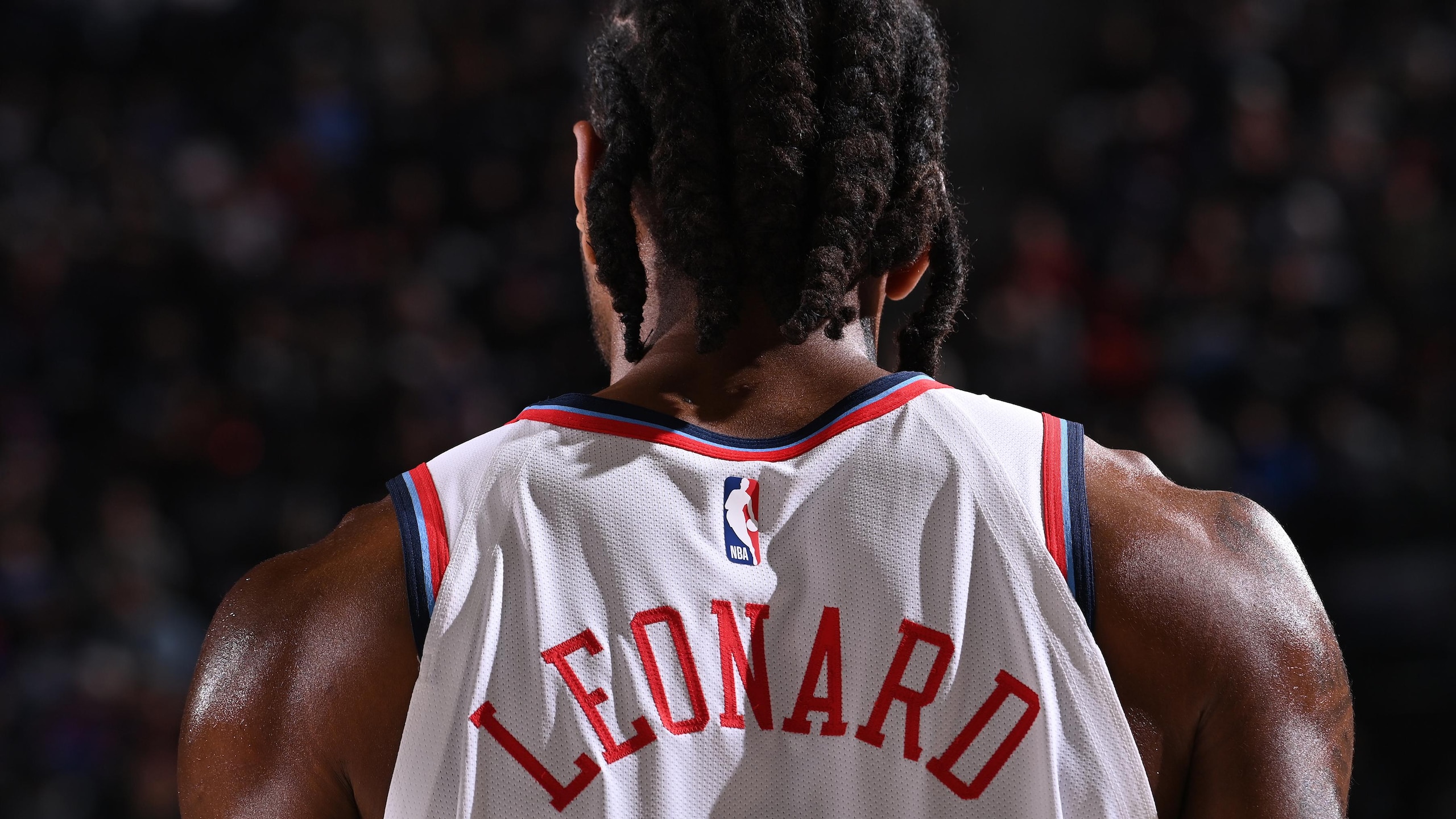
The NBA has said it is reviewing whether any salary-cap rules were violated in connection with Kawhi Leonard and one of his endorsements (Aspiration).
While the potential outcome of that review is uncertain, league rules allow for significant penalties in proven cap-circumvention cases, including fines, loss of draft picks and possible changes to contracts.
If Leonard's salary were removed from the Clippers' books and the team also chose not to retain recently acquired guard Bennedict Mathurin (restricted this summer), Los Angeles could open roughly $92.5 million in cap room.
Conservatively, pencil in Leonard and Mathurin returning to Los Angeles, with the Clippers operating as an over-the-cap team armed with the non-taxpayer mid-level exception and bi-annual exception rather than cap space.
The front office also must decide on team options for Bogdan Bogdanović and Brook Lopez. In addition, Nicolas Batum and Bradley Beal hold player options totaling $11.5 million, and John Collins will enter the market as a valuable unrestricted free agent.
Atlanta Hawks (~$36M)
6 of 9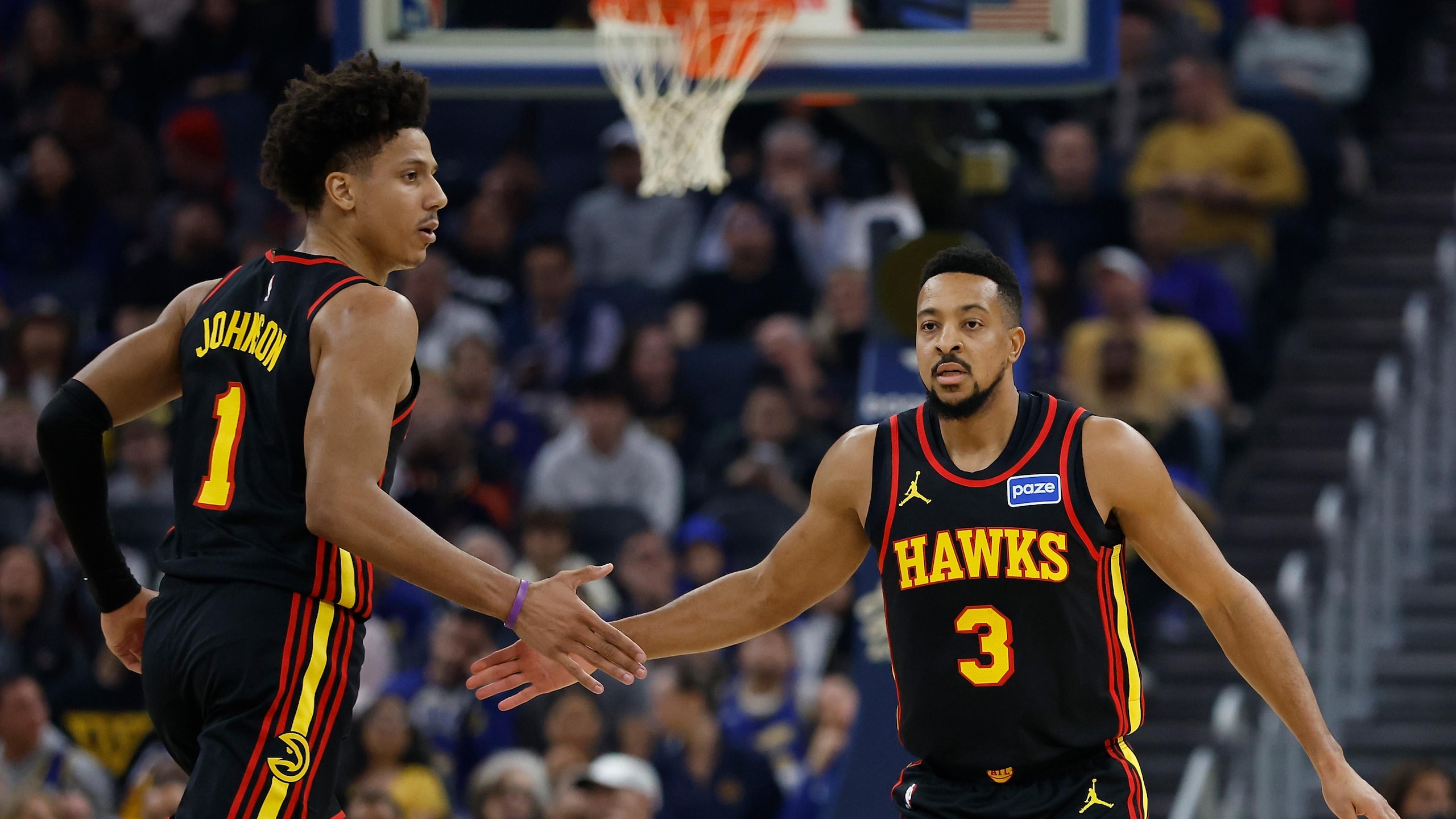
The Hawks have a key decision to make on Jonathan Kuminga, who has a $24.3 million team option. The team acquired Buddy Hield and Kuminga ahead of the deadline from the Golden State Warriors for Kristaps Porziņģis. Hield's $9.7 million is only $3 million guaranteed, which can be spread over three seasons at $1 million per season if waived.
Without both, the Hawks can have nearly $27 million in cap room. However, the exact number won't be set until the lottery determines where the New Orleans Pelicans and Milwaukee Bucks draft—Atlanta has the higher of the two selections from last June's Derik Queen trade. Atlanta would also have the $9.4 million RMLE to spend.
With Kuminga and Hield, the Hawks would remain over the cap and have access to the NTMLE and BAE.
Brooklyn Nets (~$56M)
7 of 9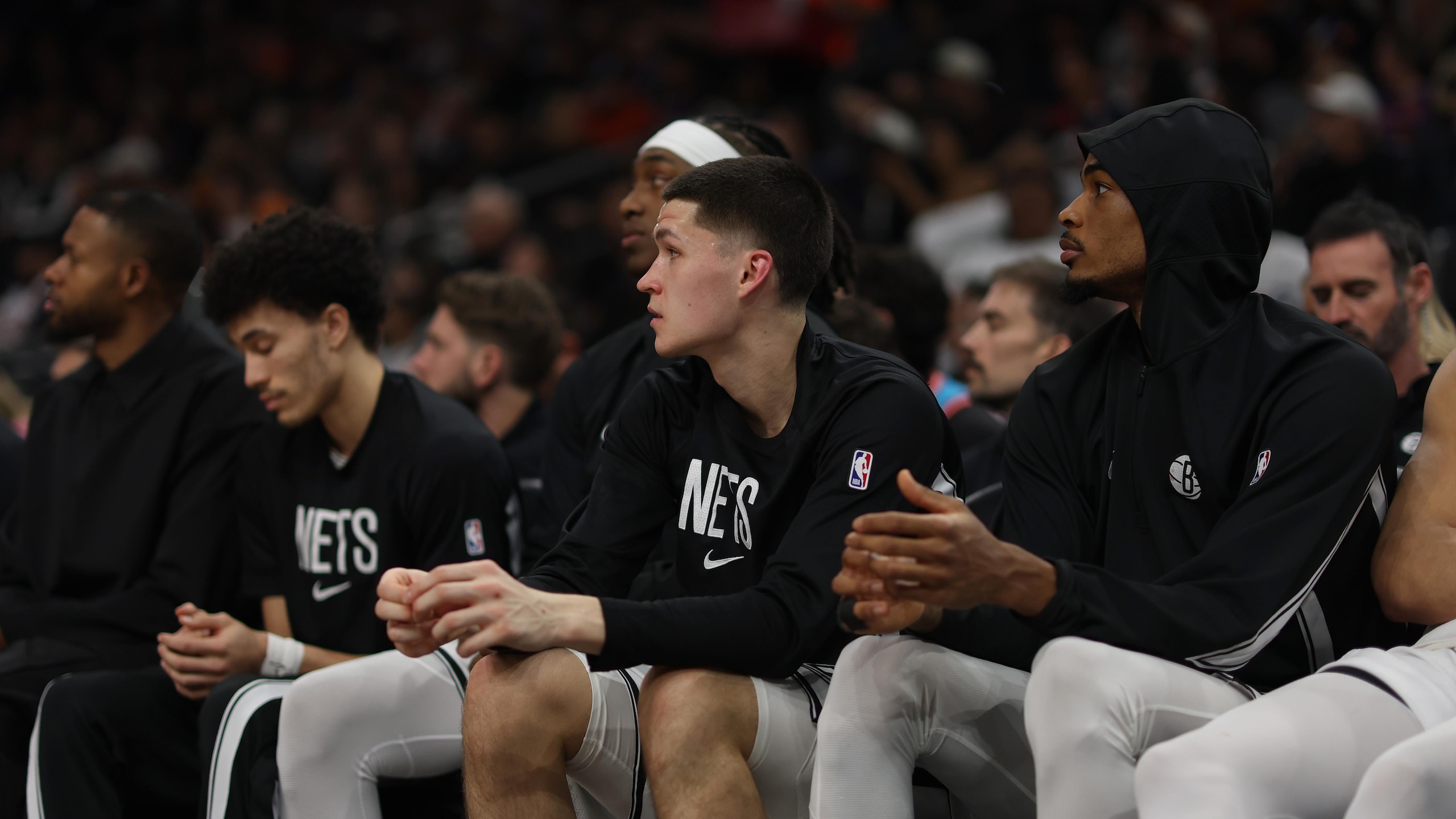
The Nets are rebuilding and may need more time before pursuing high-level free agents. That said, the Houston Rockets have first-round swap rights in 2027 from the 2021 James Harden trade. Regardless of the changes the NBA makes to the lottery, draft, and tanking rules, Brooklyn may not have the incentive to be as bad as it is this year.
Brooklyn has several contract decisions to make, including team options on Day'Ron Sharpe, Ziaire Williams, and Josh Minott. Ochai Agbaji, recently acquired from the Toronto Raptors, projects to be a restricted free agent.
As currently situated (lottery status TBD), without the players above, the Nets project to have about $46.9 million in cap room plus the RMLE.
Chicago Bulls (~$75M)
8 of 9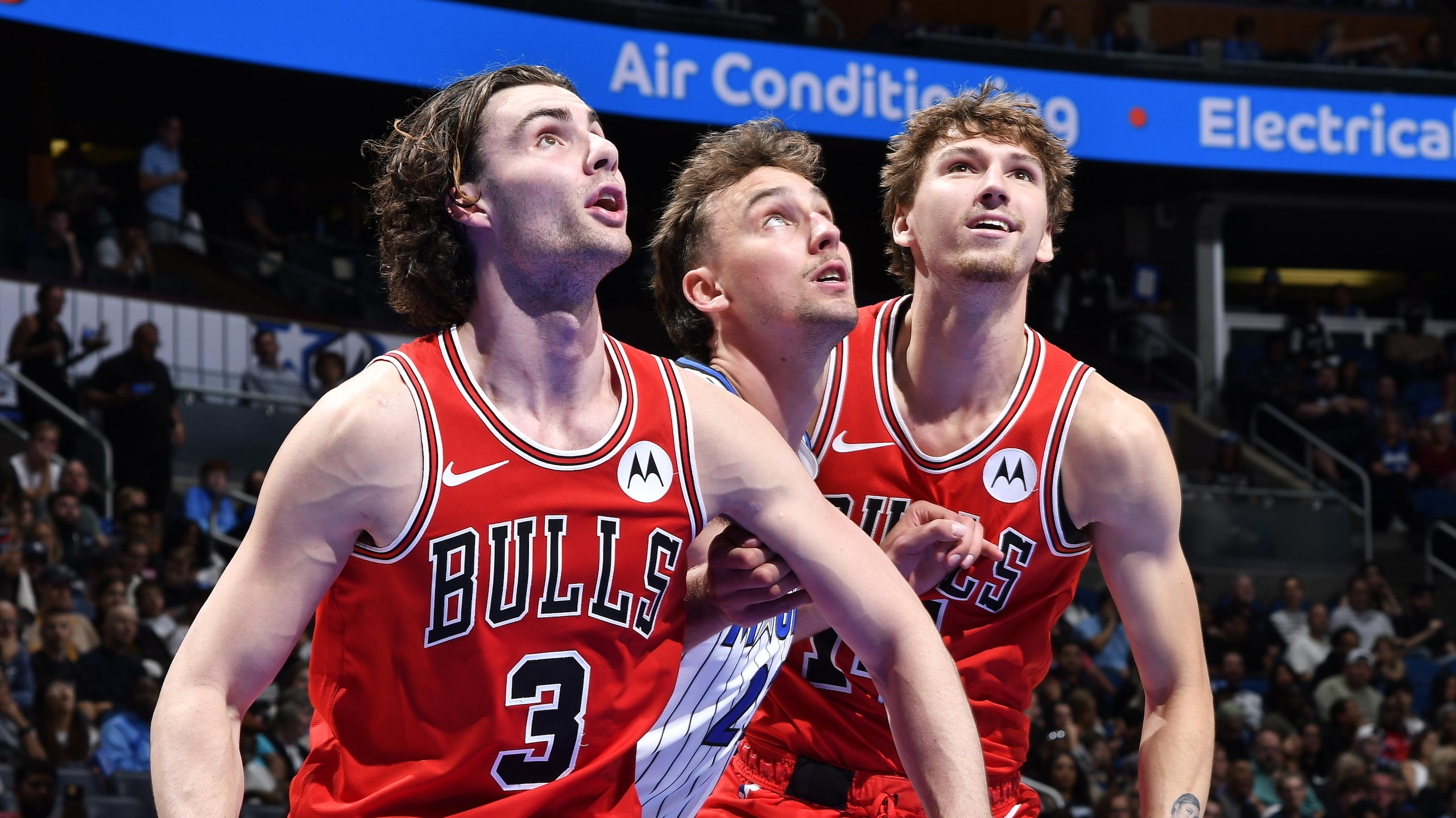
The Bulls were one of the most active teams at the trade deadline, looking to build their future around the Josh Giddey/Matas Buzelis pairing. The team has a lengthy list of free agents to decide on, including Anfernee Simons, Collin Sexton, Zach Collins, Jaden Ivey (restricted), Guerschon Yabusele, and Nick Richards.
Without any of them, and depending on where their first-round pick falls, the Bulls could reach almost $66 million in cap room (plus the RMLE). Look for the team to be an eager spender, seeking some of the top available free agents who are looking to relocate (though many may re-sign with their existing teams).
Chicago could choose to pursue other teams' restricted free agents with offer sheets, given that so few teams have real spending power this summer. The interesting question will be how the names above fit with Giddey and Buzelis—all but Collins were acquired by the Bulls at the trade deadline.
Los Angeles Lakers (~$89M)
9 of 9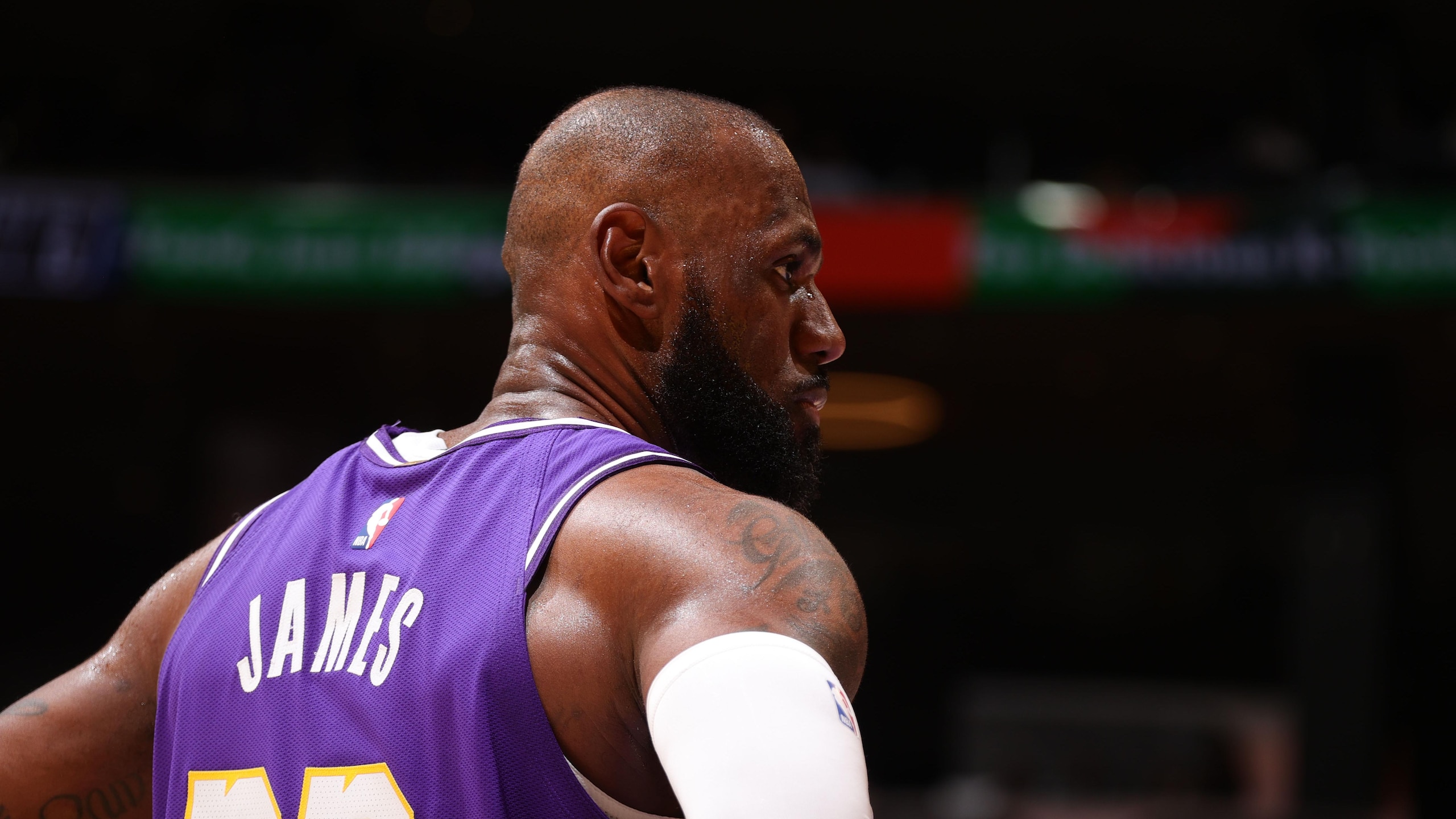
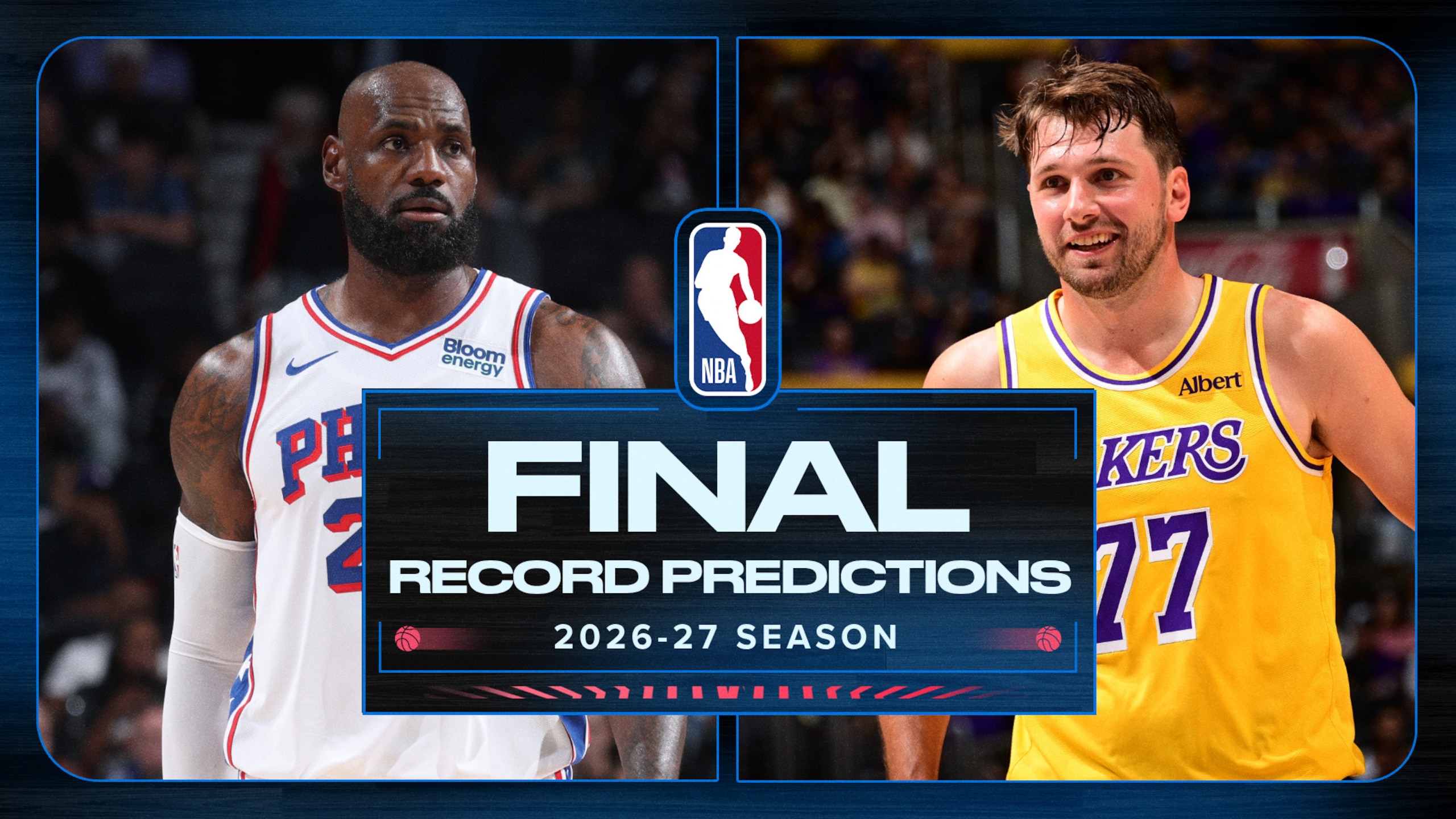
The Lakers have a monster decision ahead with LeBron James finishing his contract in June.
Given James' age (41), the team probably cannot afford to continue building around Luka Dončić while paying the four-time NBA champion over $50 million.
The franchise could decide it's time to move on, leaving James to finish his career elsewhere (perhaps the Cleveland Cavaliers) on a much lower salary than he's used to.
If the Lakers let everyone go, including Austin Reaves, Bronny James, all free agents, and both Deandre Ayton and Marcus Smart opt out of their final years, L.A. could reach $80 million in cap room. Along with the RMLE, the franchise would have the most spending power in the league.
The actual number may come in lower, with Reaves' free-agent cap hold eating up $26.5 million of the team's space. Once the Lakers use their remaining spending power, Reaves can re-sign for up to a maximum salary ($41.5 million).
A more reasonable projection may be $54 million in cap room. However, the Lakers may look to deal their first-round pick, Dalton Knecht, Bronny James (to whatever team his father joins), and possibly Jarred Vanderbilt to maximize flexibility—or even land a player like Giannis Antetokounmpo of the Milwaukee Bucks via trade.
Ayton's decision will depend on whether he can find another team willing to pay him more than his $8.1 million option (which could be the Lakers). L.A. could entice Smart to opt out of his $5.4 million, with the promise of using some of the RMLE to re-sign him. That would increase the Lakers' cap room, if a large number is needed for free agency or trade (which could play a part in chasing Antetokounmpo).
Obviously, if the Lakers choose to keep James at his $58.1 million maximum salary, that would take the team out of the cap room game this July.
Email Eric Pincus at eric.pincus@gmail.com and follow him on X/Twitter @EricPincus.
.jpg?w=2560 "🚨 Davante Out 6-10 Weeks")
.jpg?w=2560 "Tank Dell Playing Sunday 💯")
.jpg?w=2560 "Live: Monday Night Raw 🔴")