

The United States gets its Olympic run started on Thursday afternoon against Latvia, and while the current Team USA takes aim at winning its first gold medal since 1980, we're busy thinking about who would make up our lineup for the greatest American players who ever played the game.
The U.S. has had a wealth of talent over the years, and the pool has only grown deeper in recent years, which makes putting this team together now a curious exercise.
Yes, many of the all-time greats' careers have come and gone, but some of the names who will be part of this team in the future might just belong on the team right now, too.
We love a barroom discussion, and picking out the best four forward lines, three defense pairs, and three goalies of all time is the kind that can go on for days.
We're selecting a team to represent American greatness on the ice, and we're going to show you it's as much about the name on the back of the jersey as it is on the front.
First-Forward Line
1 of 8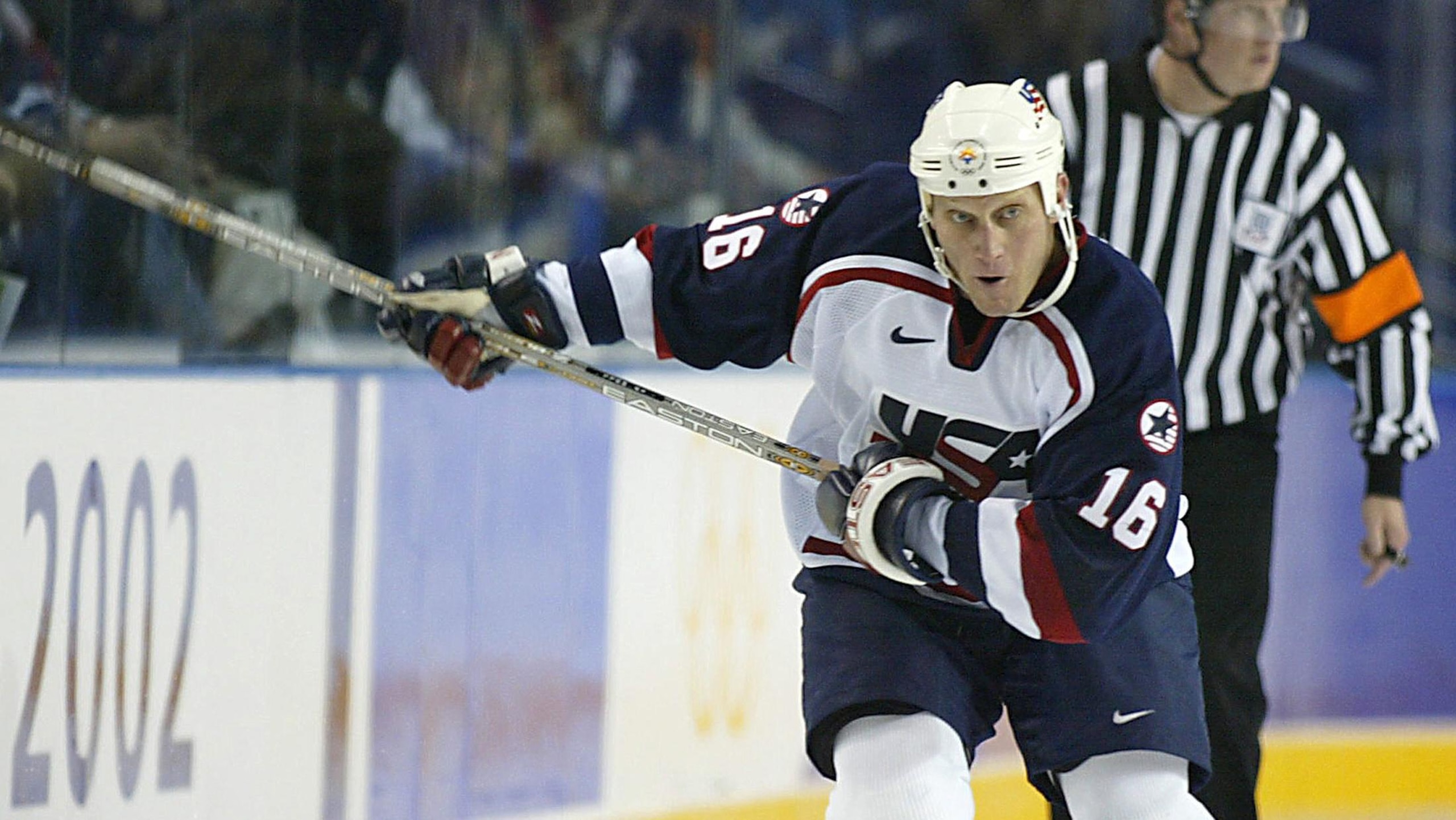
Patrick Kane -- Mike Modano -- Brett Hull
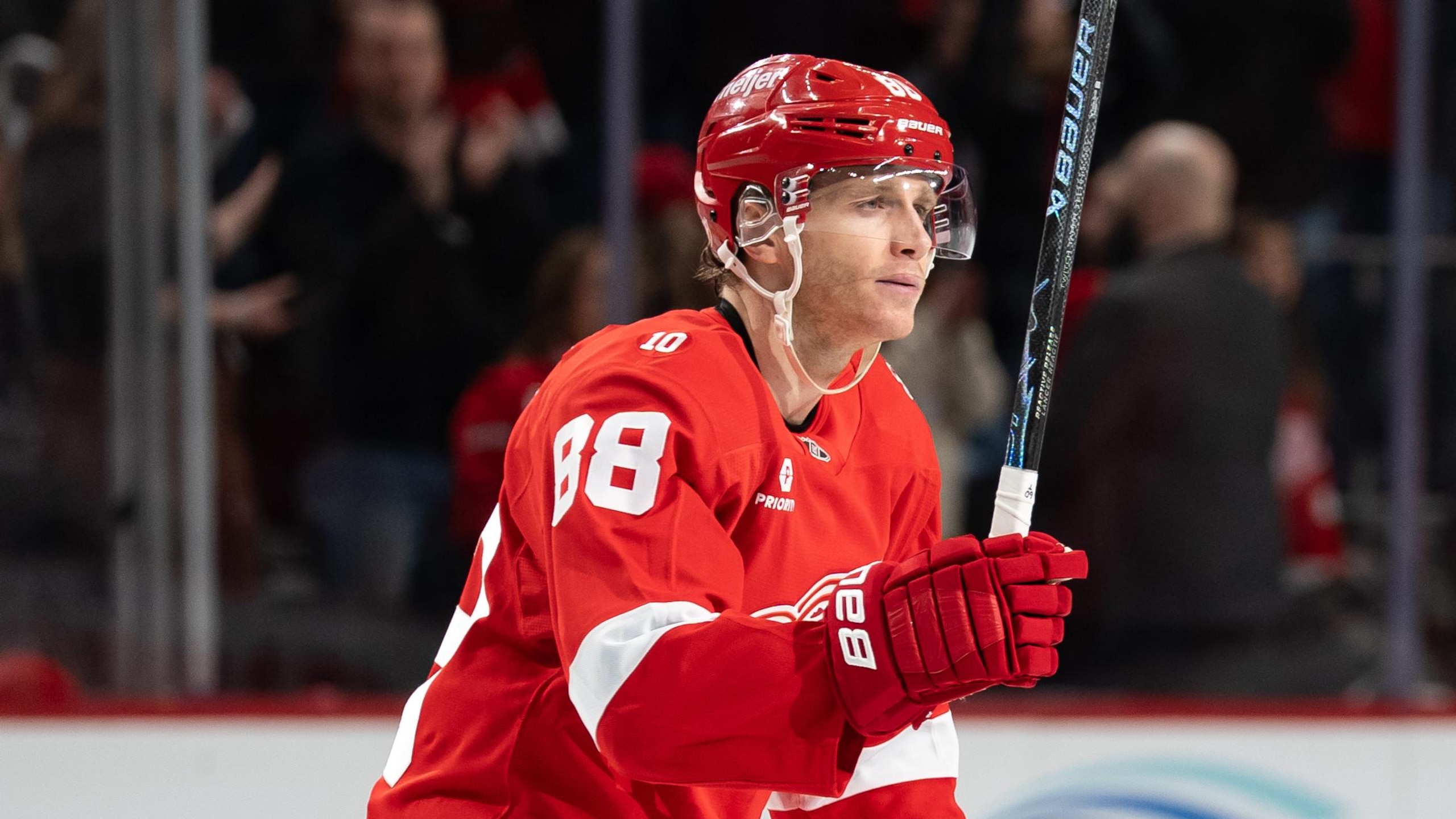
Sometimes you want to have some positional integrity, but sometimes you just want to have a lot of fun, and putting a line with Patrick Kane, Mike Modano, and Brett Hull counts as a lot of fun.
It also counts as a line of guys who spent the later years in their career in Detroit.
Kane overtook Modano as the all-time leader among U.S.-born players when he got his 1,375th point on January 29, and you can't help but think of how electric a line with the two of them in their primes would have been.
Kane's superstar bravado, clutch playmaking, and goal scoring made him one of the NHL's greatest players.
Unlike Kane, Modano did a lot of his big scoring with the Minnesota North Stars, who weren't as successful as Kane's Blackhawks teams. Modano's late-career arc as a solid two-way center with enough offense to be dangerous helped make Dallas a Stanley Cup winner.
As good as those two were, having a goal-scoring machine like Brett Hull teeing up one-timers on the wing and breaking goalies' souls with his slap shot would make this line a destructive force.
Even though Hull was born in Canada, he played for the USA and college hockey at Minnesota Duluth before terrorizing goalies in the NHL. He is Kane's next target on the all-time U.S.-born scoring list and is just 16 points ahead of him.
Second-Forward Line
2 of 8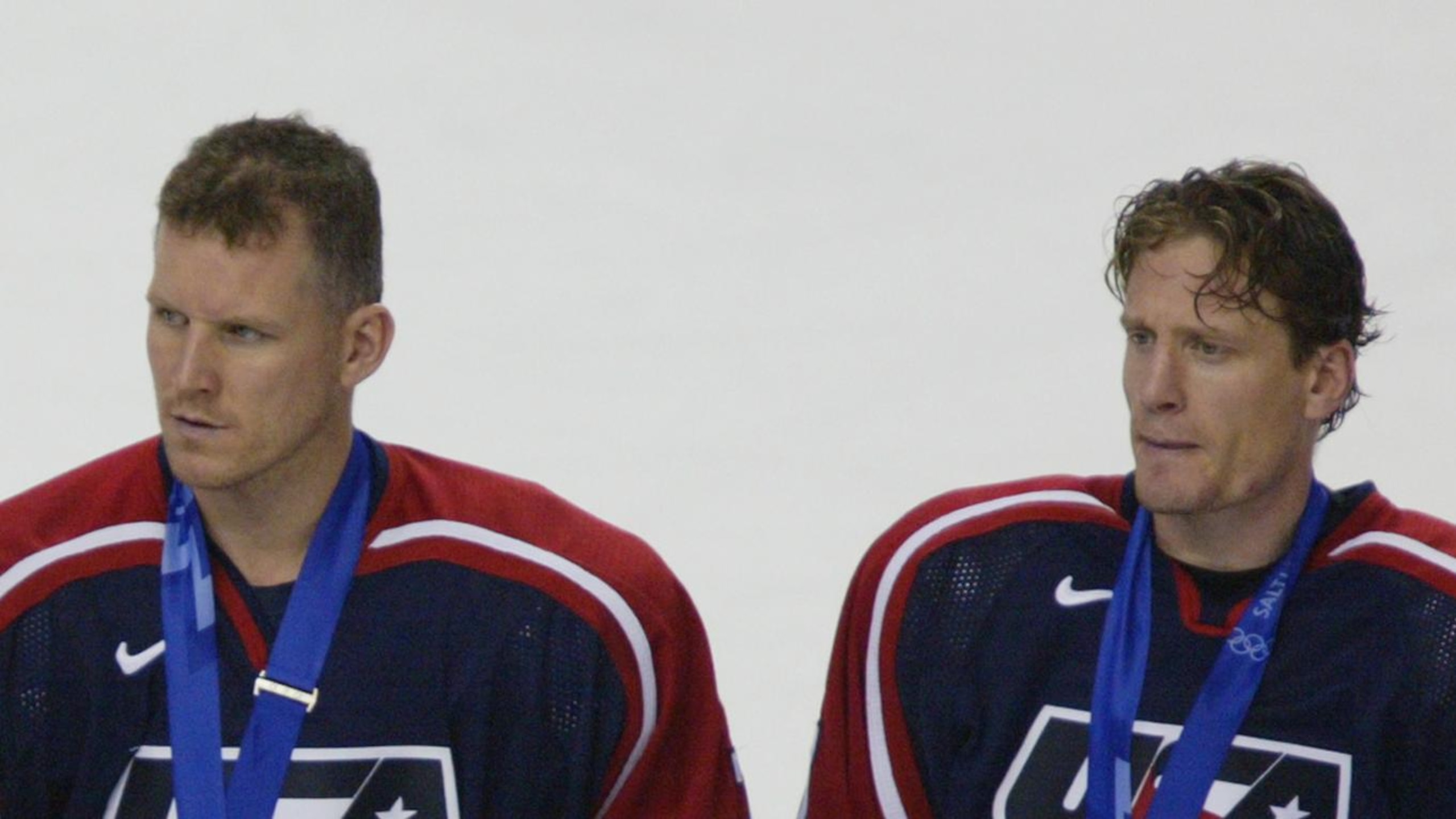
Keith Tkachuk -- Jeremy Roenick -- Joe Mullen
Before Brady and Matthew Tkachuk, there was their father, Keith, who epitomized what it meant to be a power forward in the NHL. With his big body and strength to match, he was a premier scorer with Winnipeg and Arizona and eventually teamed up with Jeremy Roenick on the Coyotes.
Tkachuk piled up goals with both his heavy shot and his presence around the net. Defensemen had their hands full trying to move him and often lost that battle. He also played with a bit of an edge, something that his now-famous sons have adopted as well.
Roenick, meanwhile, became an icon in Chicago and earned cultural icon status as an unstoppable force on EA's NHL video games in the mid-1990s. Think Bo Jackson in Tecmo Bowl, but hockey. From Chicago to Phoenix to Philadelphia to San Jose, Roenick piled up goals, fourth most among Americans all-time.
For all the rambunctiousness that Tkachuk and Roenick provide, Joe Mullen makes the perfect counterpart as the quiet playmaker who just gets stuff done. Mullen's 1,063 career points are eighth among Americans, and his 502 goals helped set him apart. That he was part of the Calgary Flames Stanley Cup team in 1989 and the first two Penguins Stanley Cup teams in 1991 and 1992 showed what a valuable contributor he was on those teams. Often overlooked, Mullen was a great player.
Third-Forward Line
3 of 8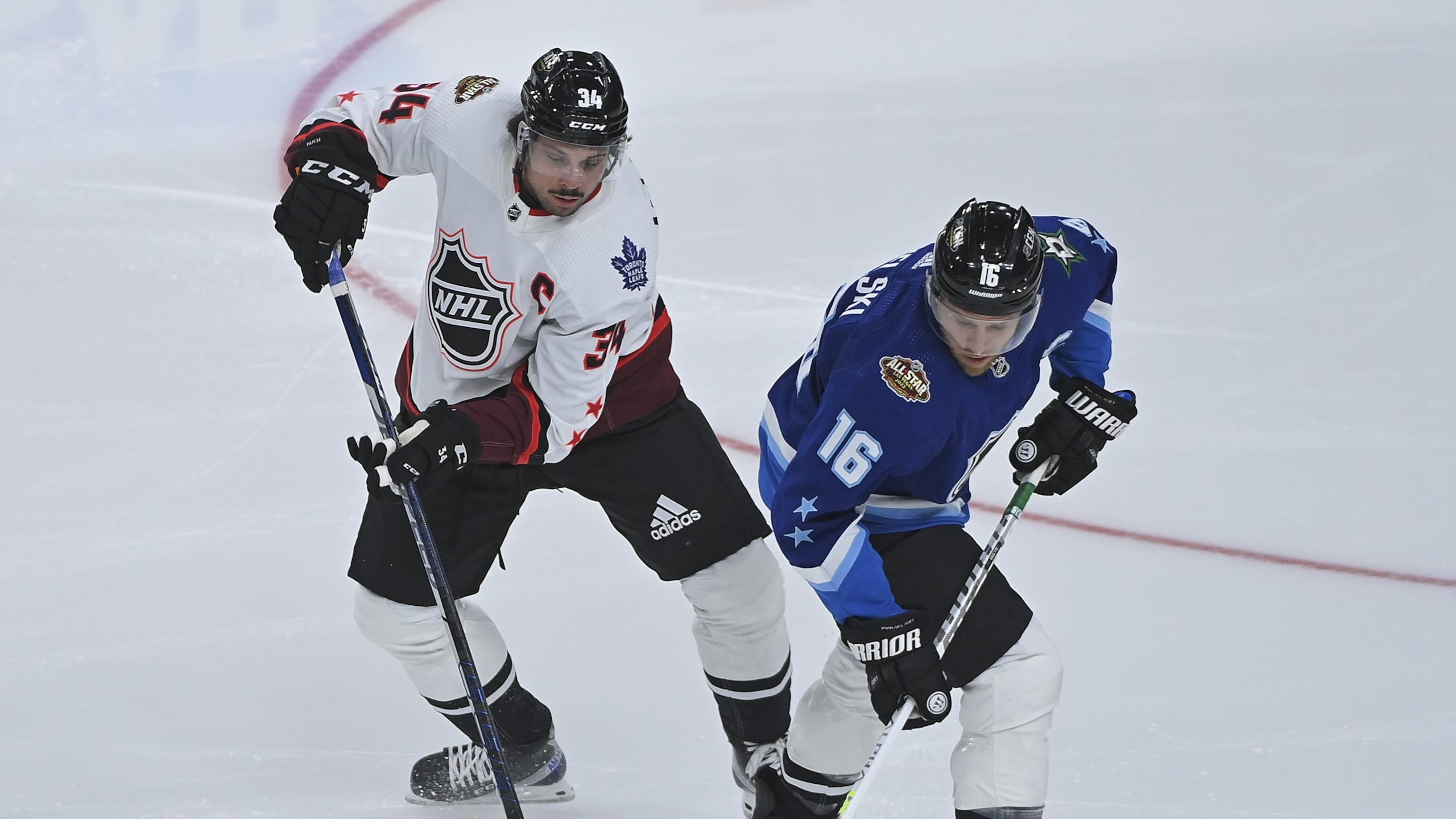
Joe Pavelski -- Pat LaFontaine -- Auston Matthews
Imagine how fun it would be to roll out a line like this.
You get the clutch play and consistent scoring of Pavelski, paired with LaFontaine's incredible drive and playmaking, along with Matthews' freak of nature ability to pile up goals and play deceptively great at both ends of the ice.
Pavelski proved to be one of the most clutch goal scorers in his career with both the Sharks and Stars, and after finding a way to carve his own niche in San Jose despite having superstar teammates like Joe Thornton and Patrick Marleau, it shows how great a player he was that he could even do that. Coming up with big playoff goals certainly helps.
LaFontaine's career was shortened by concussions, but during his years with the Islanders, Sabres, and Rangers, his brilliance and ability to come through in key moments made him beloved on Long Island and in Buffalo. He averaged 1.17 points per game in his career, and his 1,013 points in 865 career games are eye-popping and a reminder of how sad it was to see his career cut short.
Matthews is still writing his career story, but what a story he's got down on paper already. He's already north of 400 goals (427) and his 775 points in 680 games gives him a 1.14 points per game average for his career and he's still just 28 years old. There's so much more to come in his career and it'll be exciting to see how high up the all-time list he'll go.

.jpg?w=2560)
Fourth-Forward Line
4 of 8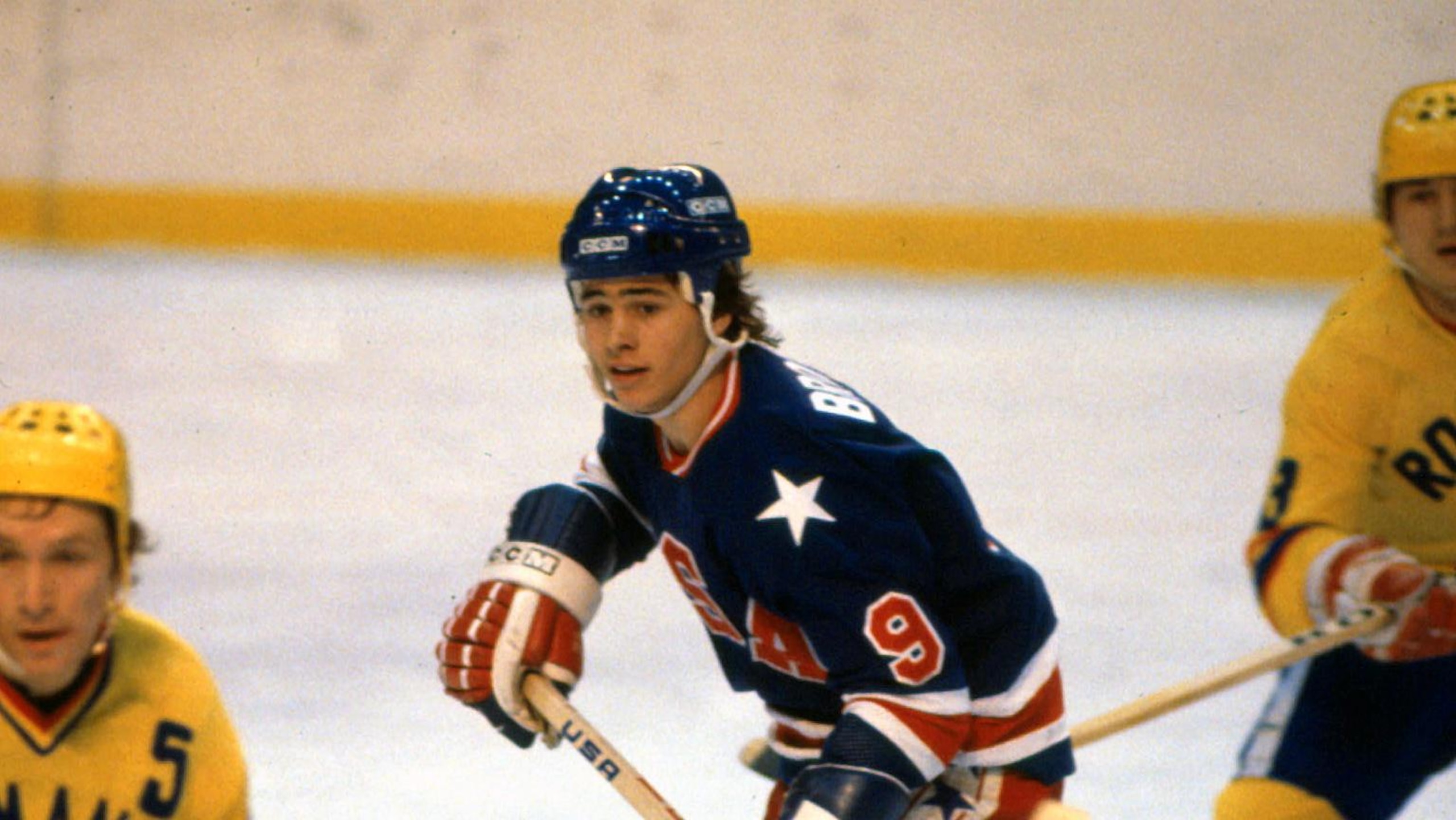
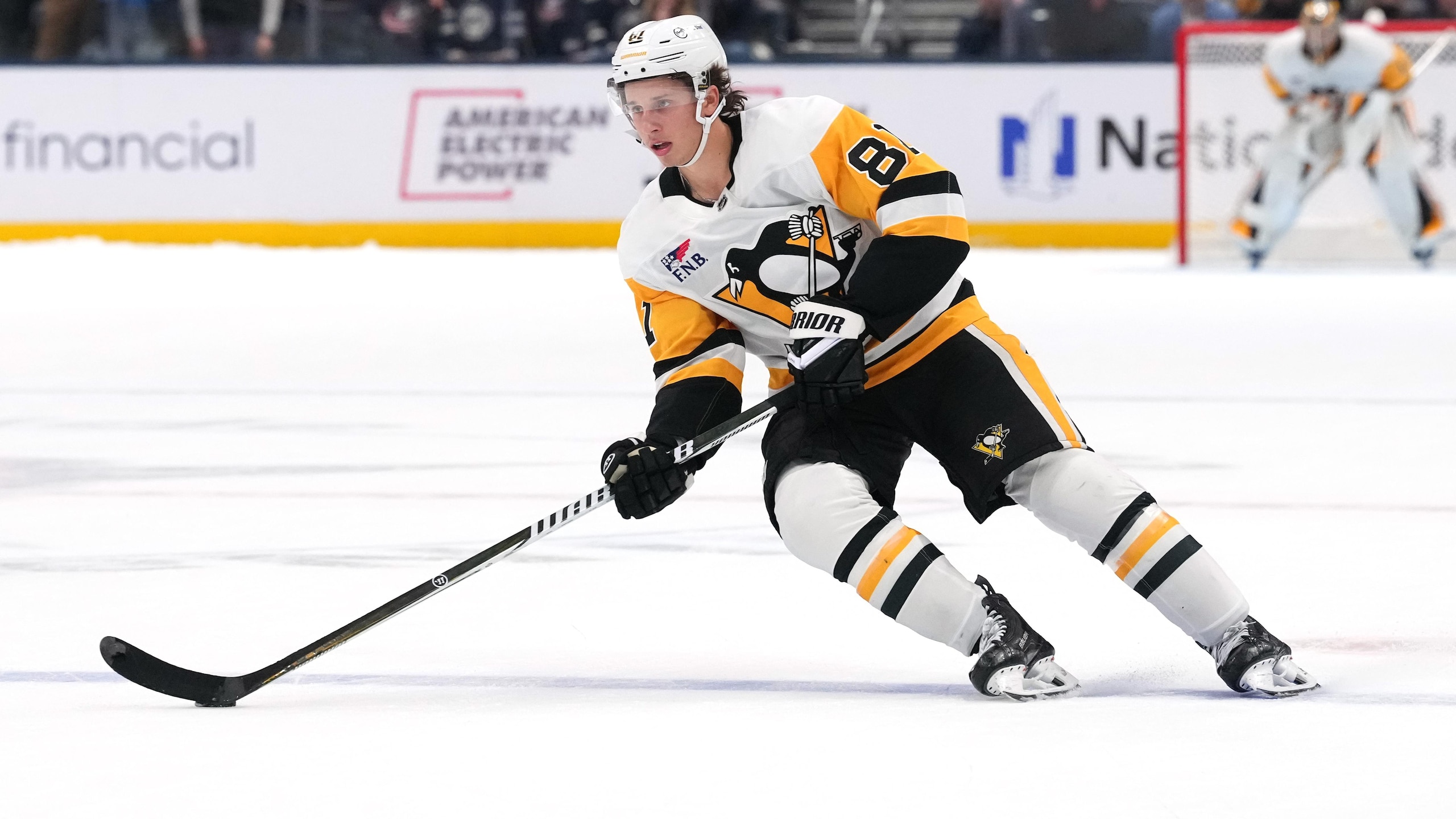
Zach Parise -- Neal Broten -- Jack Eichel
Getting into the fourth line of the all-time Americans allows us to get a little bit free with how we pick who gets the nod. The point totals are a lot closer further down the list and the individual accomplishments are all similar to a degree. Our trio of Zach Parise, Neal Broten and Jack Eichel gives us a lot of everything to pick from.
Parise was an incredible pro with the New Jersey Devils and Minnesota Wild. He was an elite scorer and playmaker, and his college days at North Dakota highlighted how good he was. His career was balanced with 434 goals and 455 assists, and the way he led the way from the wing was impressive everywhere he was.
In Broten, we get a player who was part of the "Miracle on Ice," and while that could've been it for his legacy, he was one of the handful of players from that team to go on to have a great NHL career. Broten stayed home in Minnesota with the North Stars for most of his career, then moved to New Jersey, where he was part of the Devils' first Stanley Cup team in 1995. Deep down, however, he was always a Minnesota guy and the way he became a great scorer with the North Stars for years showed what a player he was meant to be.
Eichel, like Matthews, is still putting his career story together, but he's already accomplished a lot. While he sorted through tougher, leaner years with Buffalo, landing in Vegas is where we've seen a different kind of player. While his offensive game is still incredible, his dedication to playing well all over the ice is showing through, and it's made him a far more dangerous player. Helping Vegas win its first Stanley Cup helped further his growth as a player, and when it's all over, he'll go down as one of the best players in U.S. history.
First-Pairing Defense
5 of 8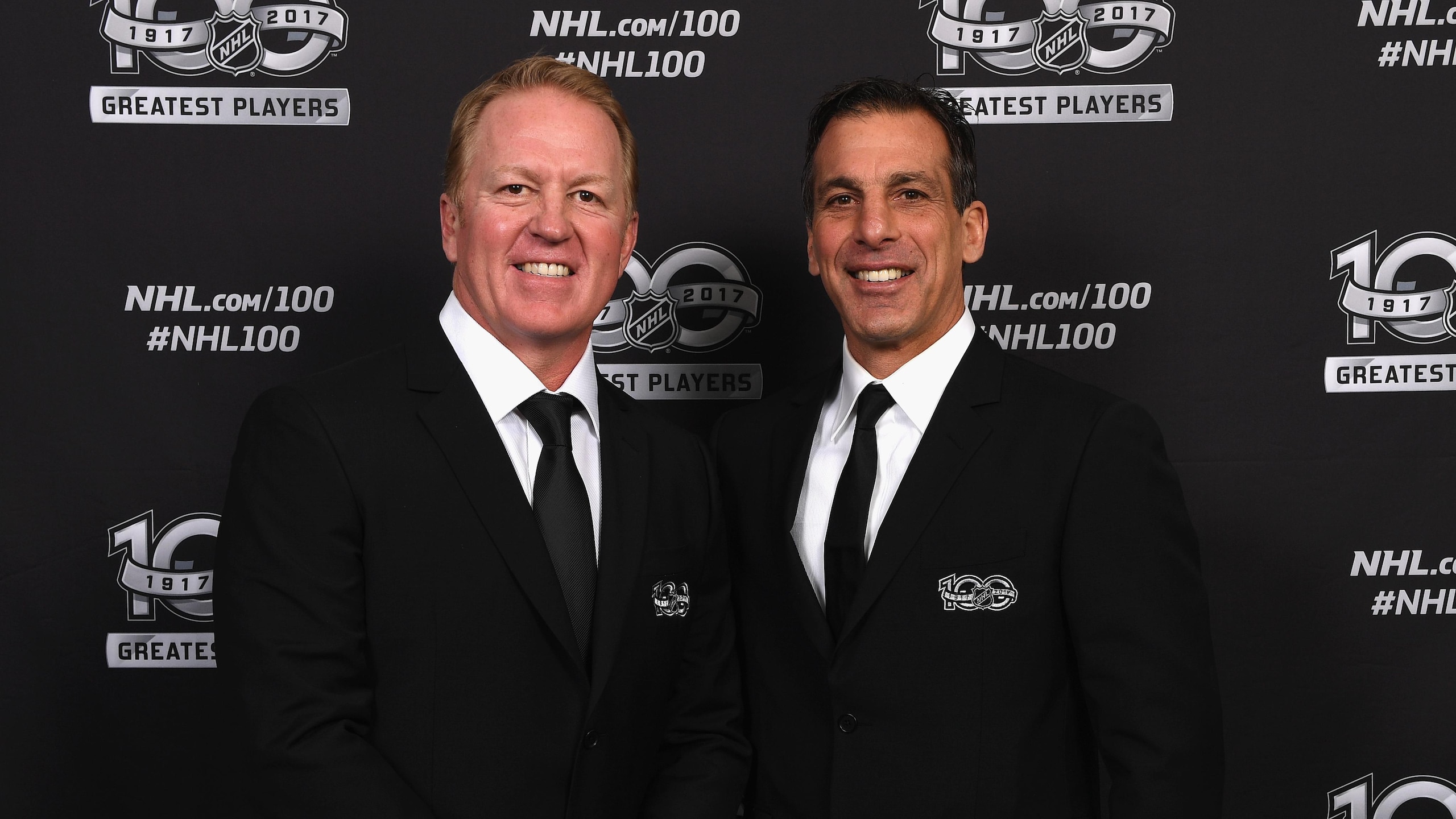
Brian Leetch -- Chris Chelios
It's so unfortunate it took until 1998 for NHL players to go to the Olympics; if it had happened sooner, we could've seen Brian Leetch and Chris Chelios as a pairing in so many more tournaments.
Leetch was the smooth-skating, elite puck mover who could score and generate offense. Chelios was also capable of that, but he'd also drop an opponent like a bad habit for looking at him funny as well.
Leetch made having an offensive defenseman a necessity with the way he played for the New York Rangers, and when he won the Conn Smythe Trophy in 1994 after helping end the Rangers' 54-year Stanley Cup drought, it became clear to everyone just how elite he was.
Chelios, meanwhile, initially made his hay with the Canadiens. Being an American in Montréal in the 1980s sometimes drew a raised eyebrow about how he wound up there, but with the ferocious way he played defense and the physicality he brought, he quickly won the hearts of Habs fans. When he showed he could score 20 goals from the blue line, it only entrenched him as a favorite even more, especially after winning a Stanley Cup in 1986.
But as great as Chelios was with the Canadiens, he became a god in Chicago with the Blackhawks. His fierce play rose to a new level, and the nasty edge that he played with inspired his teammates to follow suit and made the Blackhawks a feared team for years. For a guy whose career lasted 26 seasons, he proved to be one of the few who could go from Chicago to Detroit and be beloved rather than vilified in both cities.
Second-Pairing Defense
6 of 8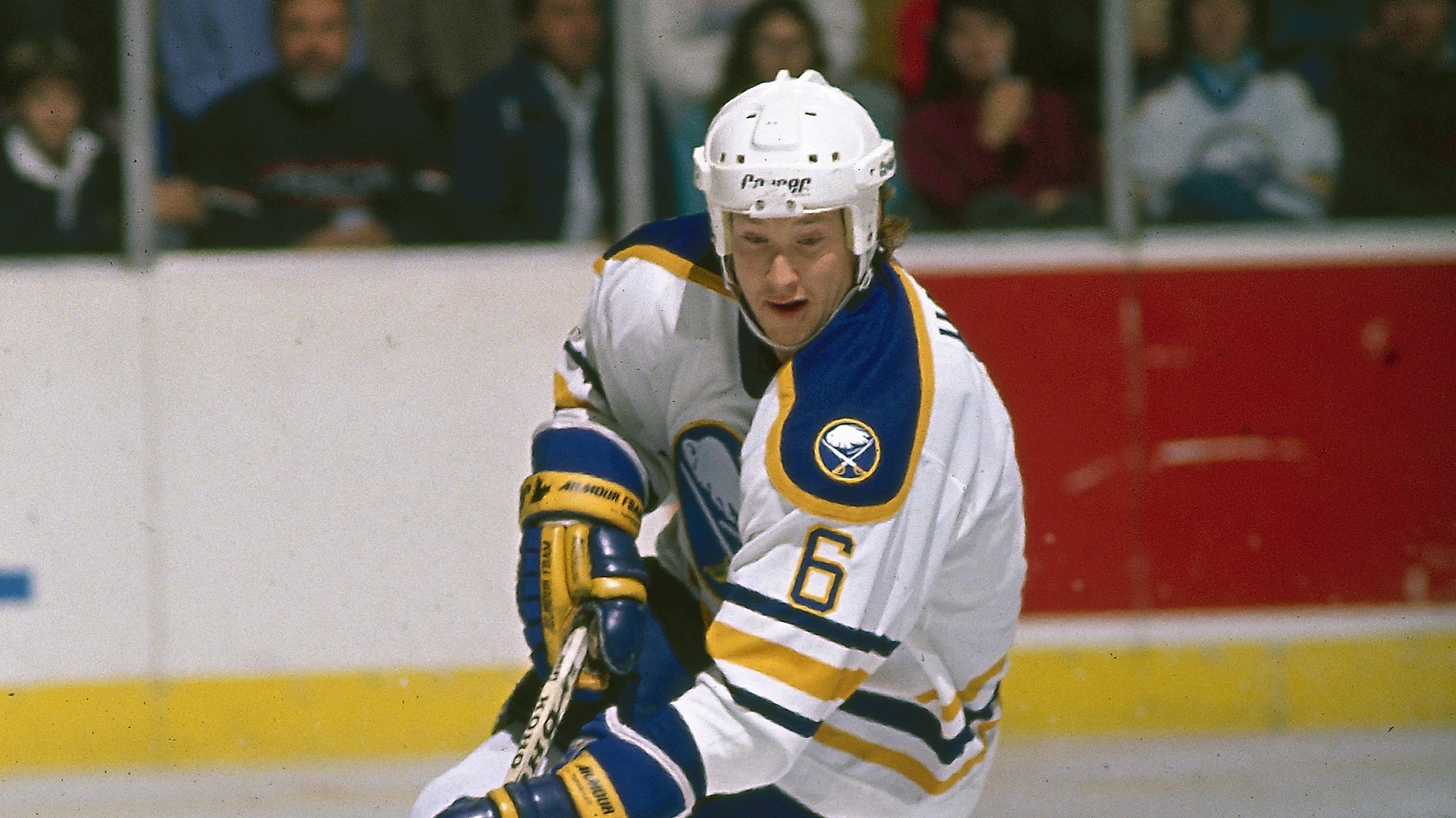
Phil Housley -- Mark Howe
When Phil Housley arrived in the NHL, he was truly a man out of time. His high-skill offensive style of play from the blue line in the 80s was something that just didn't exist. Defensemen were supposed to hold the line, play physically, and make sure they got the puck to the forwards to handle the offense. Instead, Housley moved the puck himself with speed and skill and turned the position on its head, often to his own detriment.
After all, Housley didn't lay big hits or fight anyone while playing defense (and very occasionally forward), he drove the offense and produced goals and assists in bunches. He's the all-time leading goal (338) and point scorer (1,232) on defense among Americans, and his 612 power play points are also the most. If he played in the modern age the way he did, he'd be a phenomenon.
As tough as Housley had it not getting enough respect for his offensive capabilities, imagine growing up being Gordie Howe's son and playing defense. Howe made it his own way, however, driving offense with his outstanding puck-moving abilities and superb hockey IQ. He's seventh all-time among American defensemen with 742 points, and his plus-400 plus-minus rating for his career is best among American blue liners all-time.
Howe didn't play like his old man, but he didn't have to because he was already an elite player in his own right, just at a totally different position.
Third-Pairing Defense
7 of 8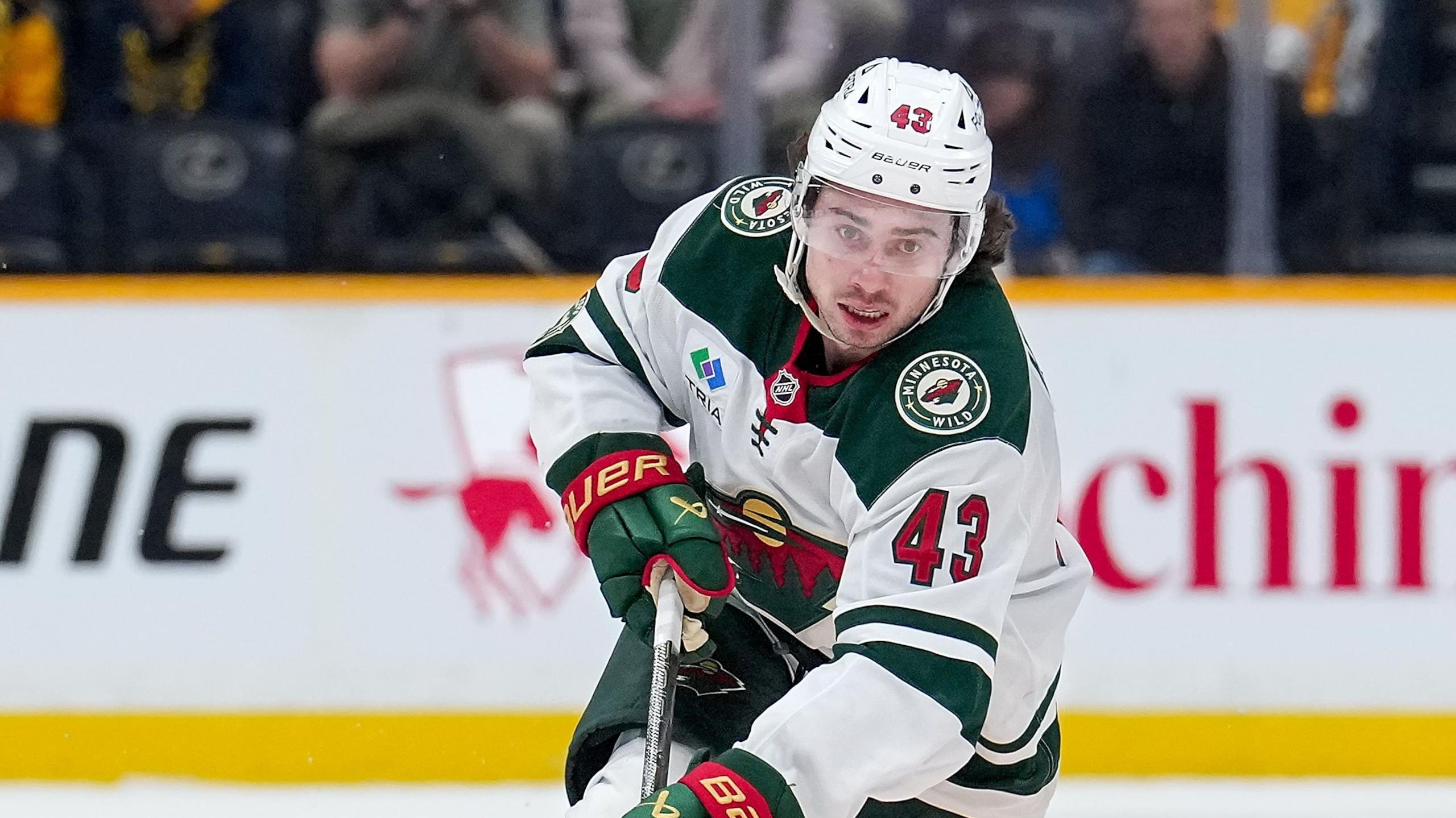
Quinn Hughes -- Gary Suter
It's kind of incredible that we feel pretty good about slotting Quinn Hughes into our top six defensemen of all time already, but what he's done previously in Vancouver and the way he's playing in Minnesota now helped reinforce our argument.
The way he moves and how he sees the game offensively is reminiscent of Phil Housley, but his two-way game is so far advanced at this point in his career that it's impossible to ignore. Thinking about where his game will go in the years to come makes your head spin.
American defensemen all-time are teeming with players who logged heavy minutes over long careers, and Gary Suter exemplifies that.
His career with Calgary, Chicago, and San Jose showed he was a guy who played physical and nasty in his own end of the ice and could still make great passes and bring a booming shot from the point.
That Suter is fourth all-time among American defensemen in points and ninth in penalty minutes shows how he was the prototypical two-way defenseman of the 1980s and 1990s.
Goaltenders
8 of 8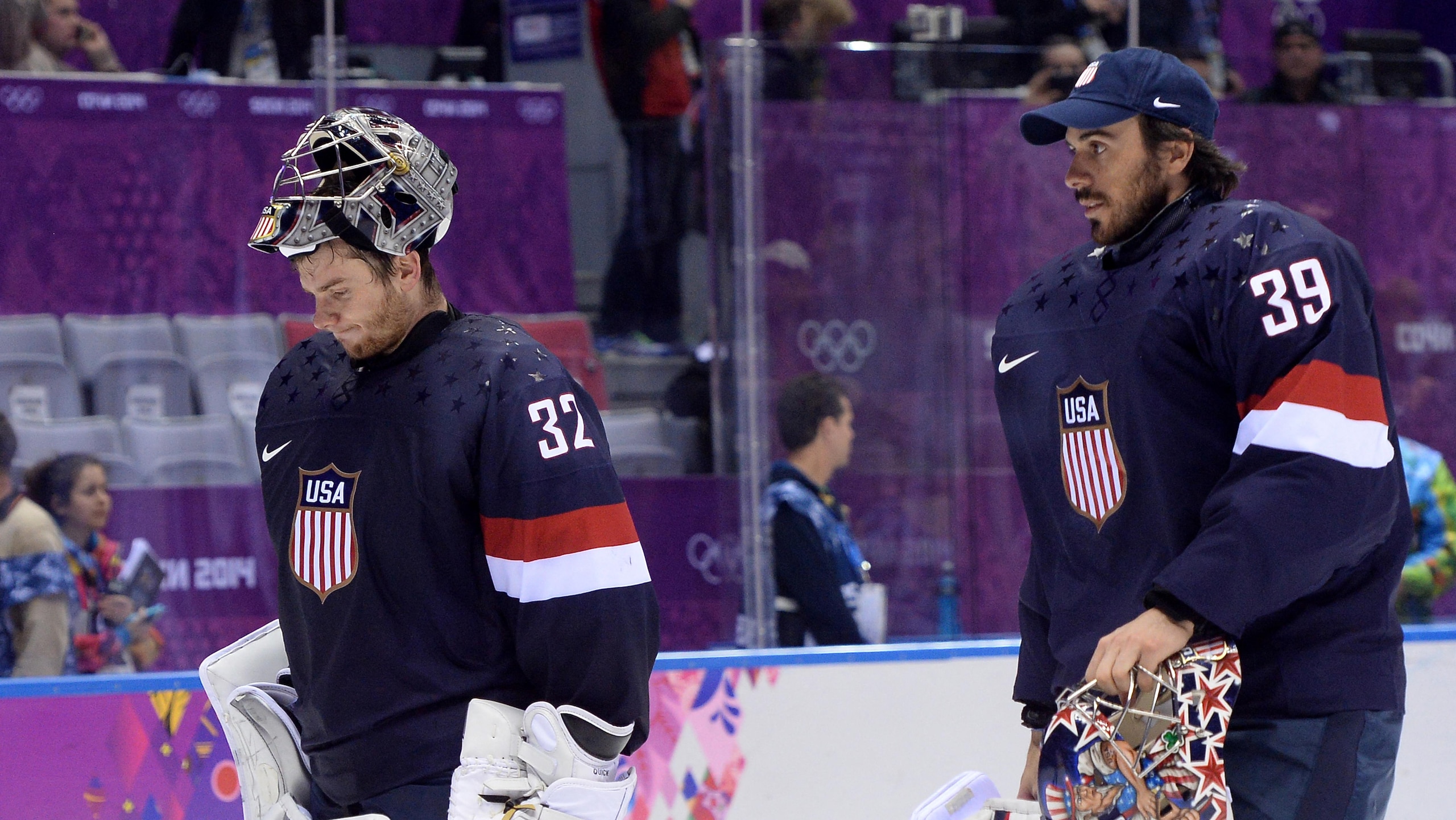
Jonathan Quick, Ryan Miller, Connor Hellebuyck
The sheer wealth of great goaltenders in American hockey history is astounding and only getting to choose three was brutally difficult, but in the end, the body of work was so good from each of Jonathan Quick (three Stanley Cups, two as a starter; most wins and shutouts among American goalies all-time), Ryan Miller (second in wins, third in shutouts, one Vezina) and Connor Hellebuyck (three Vezinas, fifth in wins, second in shutouts) that it couldn't be ignored.
Having guys like Mike Richter, Frank Brimsek, Tom Barrasso, John Vanbiesbrouck, and Craig Anderson in the running made this such a competitive position. But three modern era goalies like Quick, Miller, and Hellebuyck have established themselves as the elite goalies all-time, and even still, those spots may not be settled, considering there are guys like Jake Oettinger, Jeremy Swayman, John Gibson, and Thatcher Demko still going strong now.
Now, if the argument here was based around which goalie you want in the net in a must-win game, you probably still feel good about picking any of these three guys, but the discussion gets a lot more nuanced, doesn't it?

.jpg?w=2560 "NFLPA Makes Hurts Statement")
.jpg?w=2560 "Rams to Sign New Kicker")