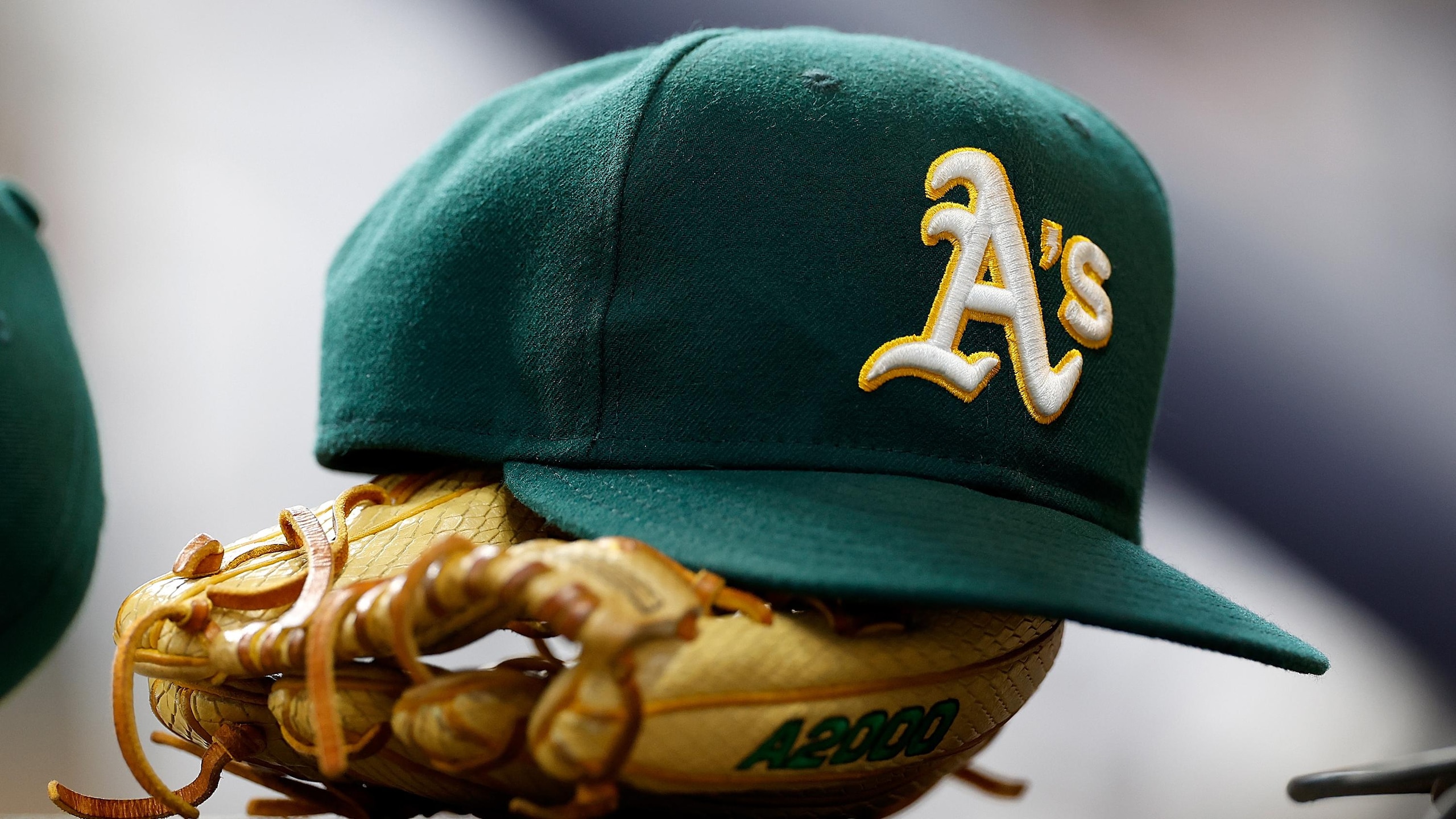

8 MLB Owners Who Should Be Forced to Sell the Team
Throughout 2024, chants of "Sell the Team!" were commonplace during Athletics games—both in the Oakland Coliseum and, almost more so, on the road.
Even though the team was actively tanking and attendance had been embarrassingly sparse over the previous two seasons, A's fans were revolting against the proposed move to Las Vegas, loathing the possibility of joining Montreal as the only city to lose an MLB team in the past half-century.
The A's are still on their way to Las Vegas—with a several-year layover in West Sacramento—but at least the fans let John Fisher know how they felt?
Between what happened in Oakland and the periodic rumors/threats in recent years of a franchise relocating to Nashville, those "Sell the Team!" chants and internal frustrations have been popping up all over the country.
Who's next for a (reverse) boycott?
Here are eight "Sell the Team" requests put into three categories:
Actively/Recently Exploring a Sale: San Diego Padres
1 of 9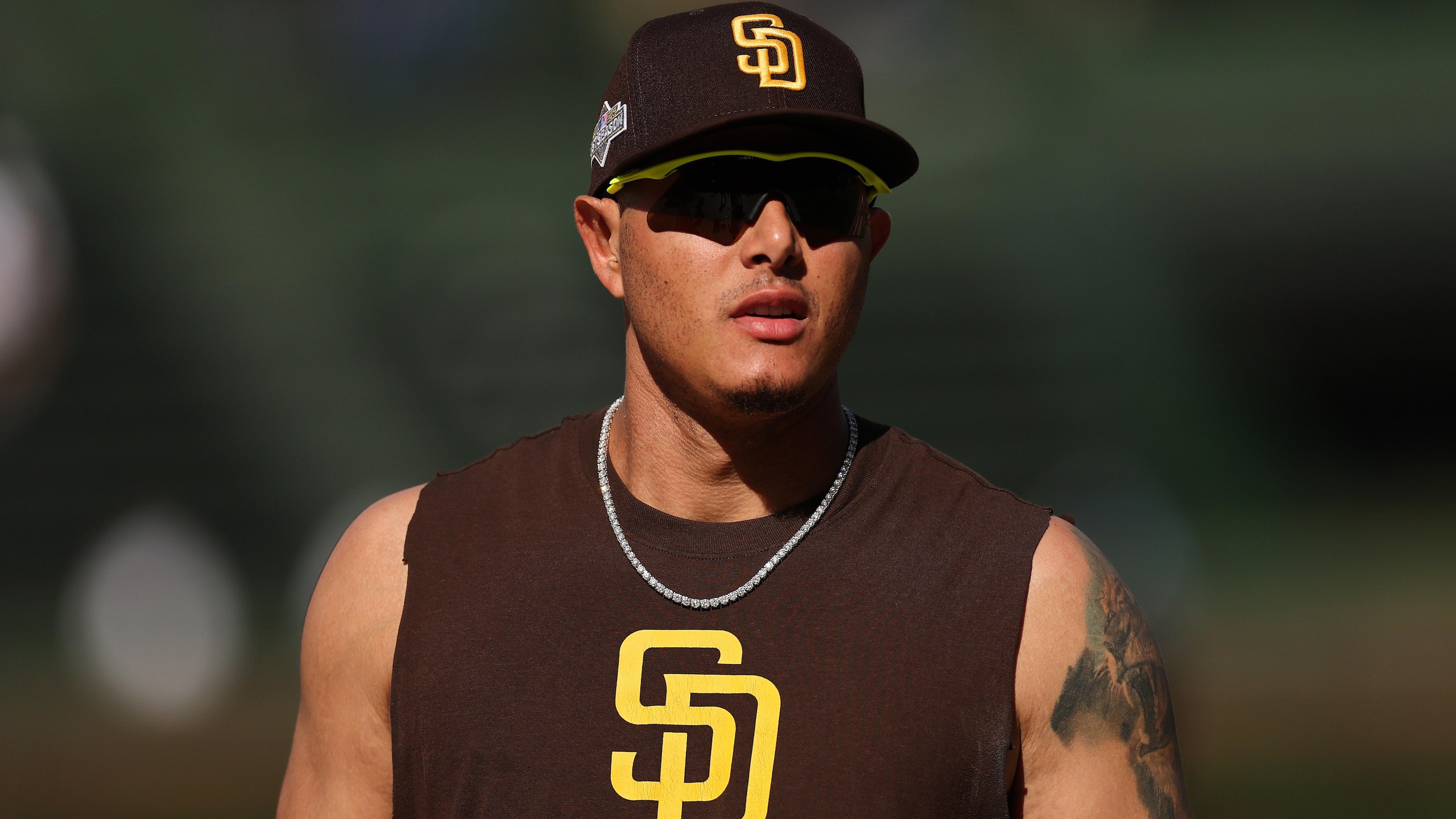
Peter Seidler was part of the O'Malley Group that purchased the Padres for $800M in 2012. He became the team's largest single equity holder in 2020 and spent aggressively on stars in a clear bid to deliver San Diego its long‑awaited World Series parade.
Unfortunately, it didn't happen before he died in November 2023. And now that we are several years into those nine-figure commitments to Manny Machado and Xander Bogaerts, the Seidler family is evidently no longer having fun running/funding a franchise and will be entertaining bids to sell the team later this month.
Forbes estimated the Padres' value at $1.95 billion last March. Let's see what they get for it—and whether new ownership can make the most of a team already committed to $133M worth of payroll in 2030.
Fans Would Love to See It: Cincinnati Reds
2 of 9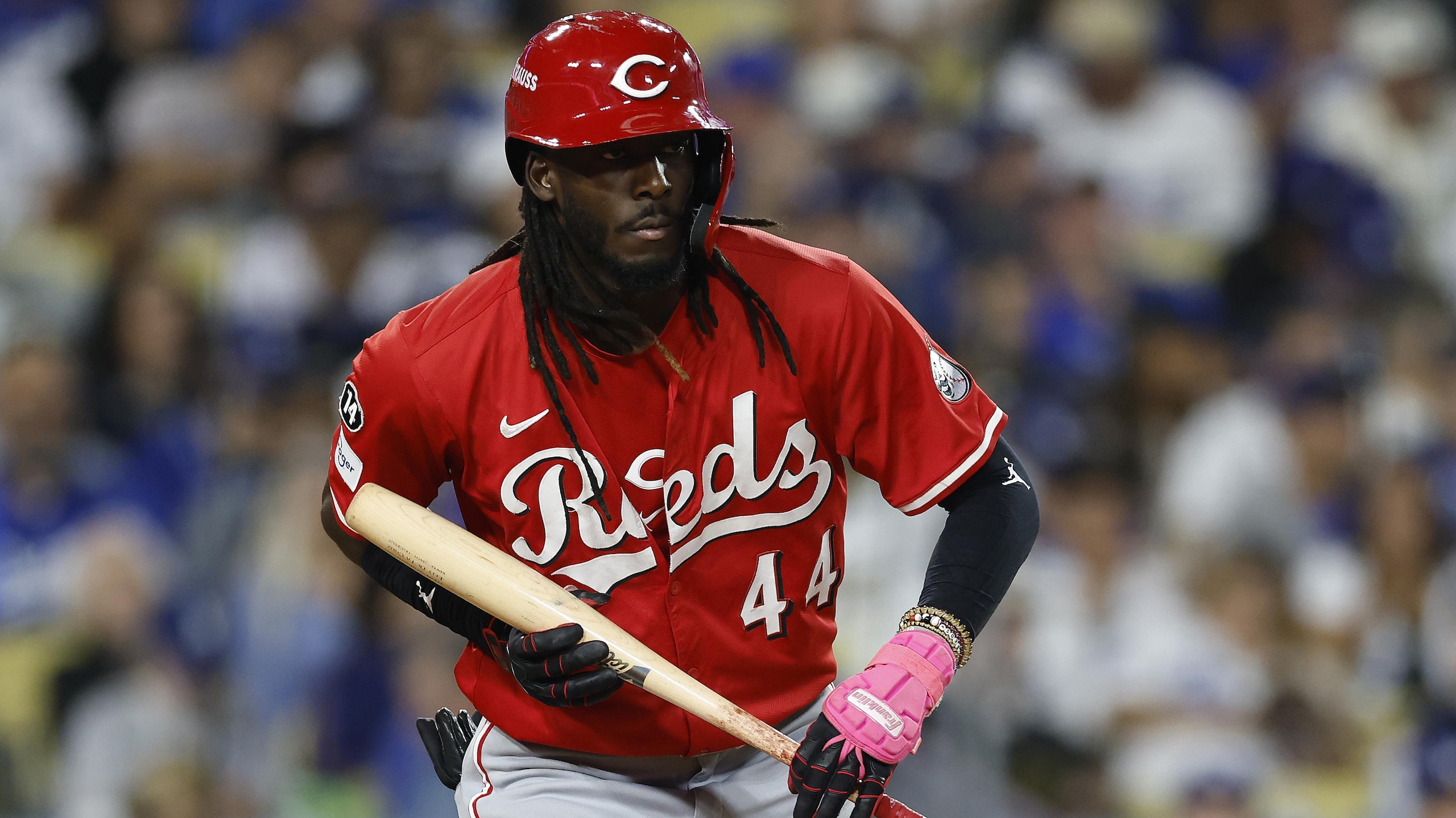
New York Mets owner Steve Cohen has a reported net worth of $23 billion and has spent accordingly over the past five seasons.
While most of the league's owners/ownership groups fall into the $1B-$5B range, Cincinnati's Bob Castellini is bringing up the rear at a net worth of $400M.
To his credit, the Reds have never spent like they have the poorest owner. Since becoming the franchise's primary shareholder in 2005, Castellini has consistently ranked in the 12th to 26th place in year-end 40-man payroll.
Moreover, though they are still searching for their first postseason series win since 1995, they have made the playoffs five times in the past 20 years.
Even the good seasons have never been great, though, and the Reds have an overall record 144 games below .500 dating back to 2006, languishing in two decades of sub-mediocrity.
And with virtually no hope of ever winning a bidding war for a legitimate star in free agency, it's hard to see that changing any time soon.
Reds fans had mostly embraced a "grin and bear it" mentality until that fateful day in April 2022, when Reds president Phil Castellini went on a tone-deaf rant in which he asked the fans where they were going to go and to be careful about what they asked for.
He apologized for those comments shortly thereafter, but irreparable damage had been done.
And now that we've gotten reports this winter that Elly De La Cruz last season turned down an offer of an extension that would have been a club-record contract, the proverbial clock is already loudly ticking for the team to become a serious contender within the next couple of years, lest they be forced to consider trading him away with several years of team control remaining like the Nationals did with Juan Soto.
Spends Money, But Poorly: Colorado Rockies
3 of 9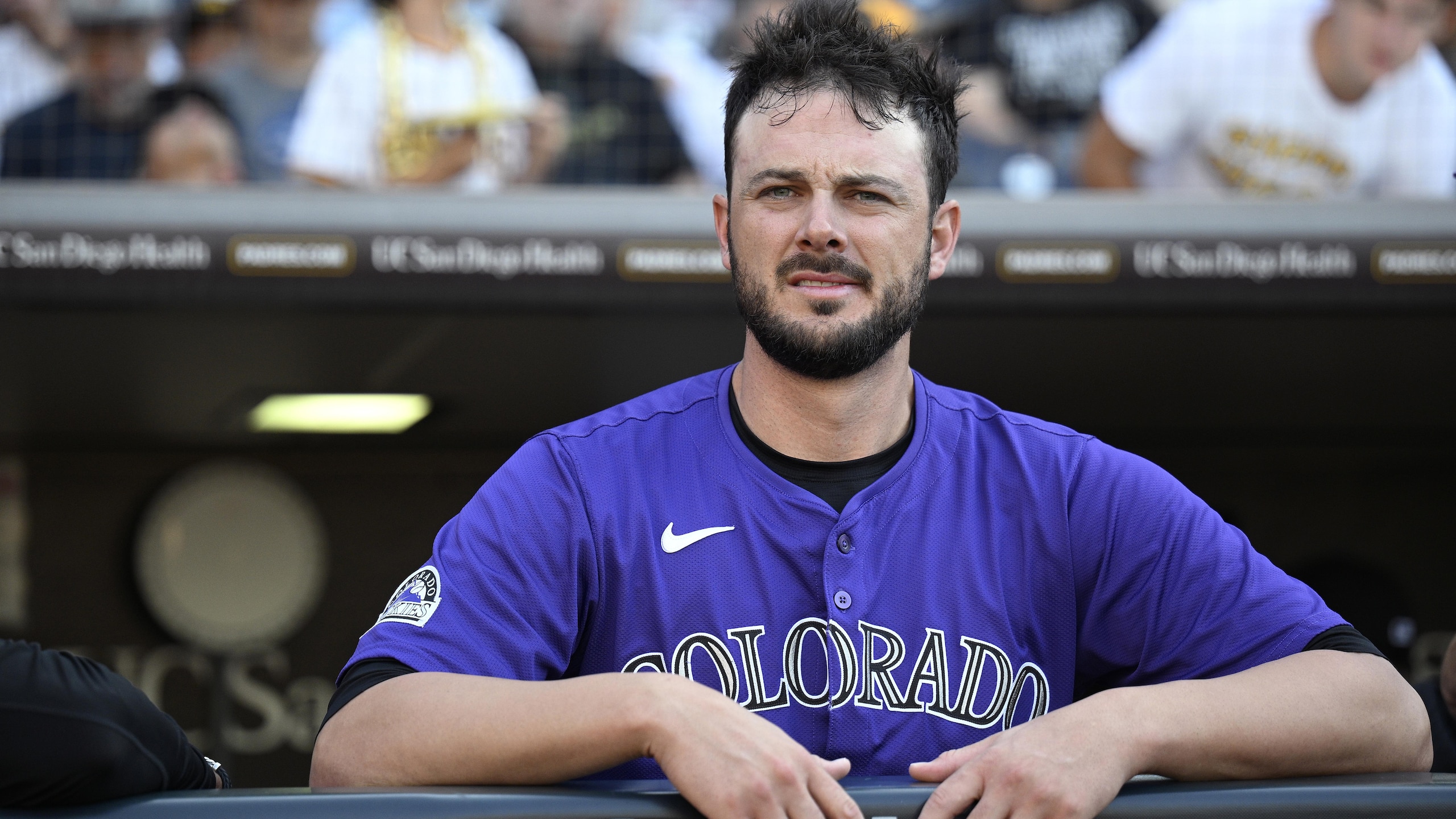
Say this much for Charles and Richard Monfort, who gained control of the Colorado Rockies in December 2005: Fans keep coming out to Coors Field, no matter how miserable the on-field product gets.
There has certainly been a decline in attendance over the past two years, from 2.6 million in 2023 to 2.4 million last year. That's still just under 30,000 tickets sold per home game for a poor team that annihilated the previous Live Ball Era record for worst run differential in a season.
Conversely, the Cleveland Guardians won the AL Central and their average attendance was only 25,325.
Let's be real, though.
A lot of people go to Rockies games solely because of the vibes of a nice outdoor bar with some baseball in the background. League-average attendance figures shouldn't be misinterpreted as ownership that has shown any signs in recent years of putting a half-decent product on the field.
The Monforts have at least shown a willingness to invest in their product, routinely ranking in the middle of the pack in payroll. But between the Nolan Arenado trade, the Trevor Story exit, the Kris Bryant contract—you'll never guess who's already on the 60-day IL—and the permanent inability to identify and sign pitchers who are competent in that thin mountain air, getting some new ownership for that outdoor bar would be swell.


Actively/Recently Exploring a Sale: Minnesota Twins
4 of 9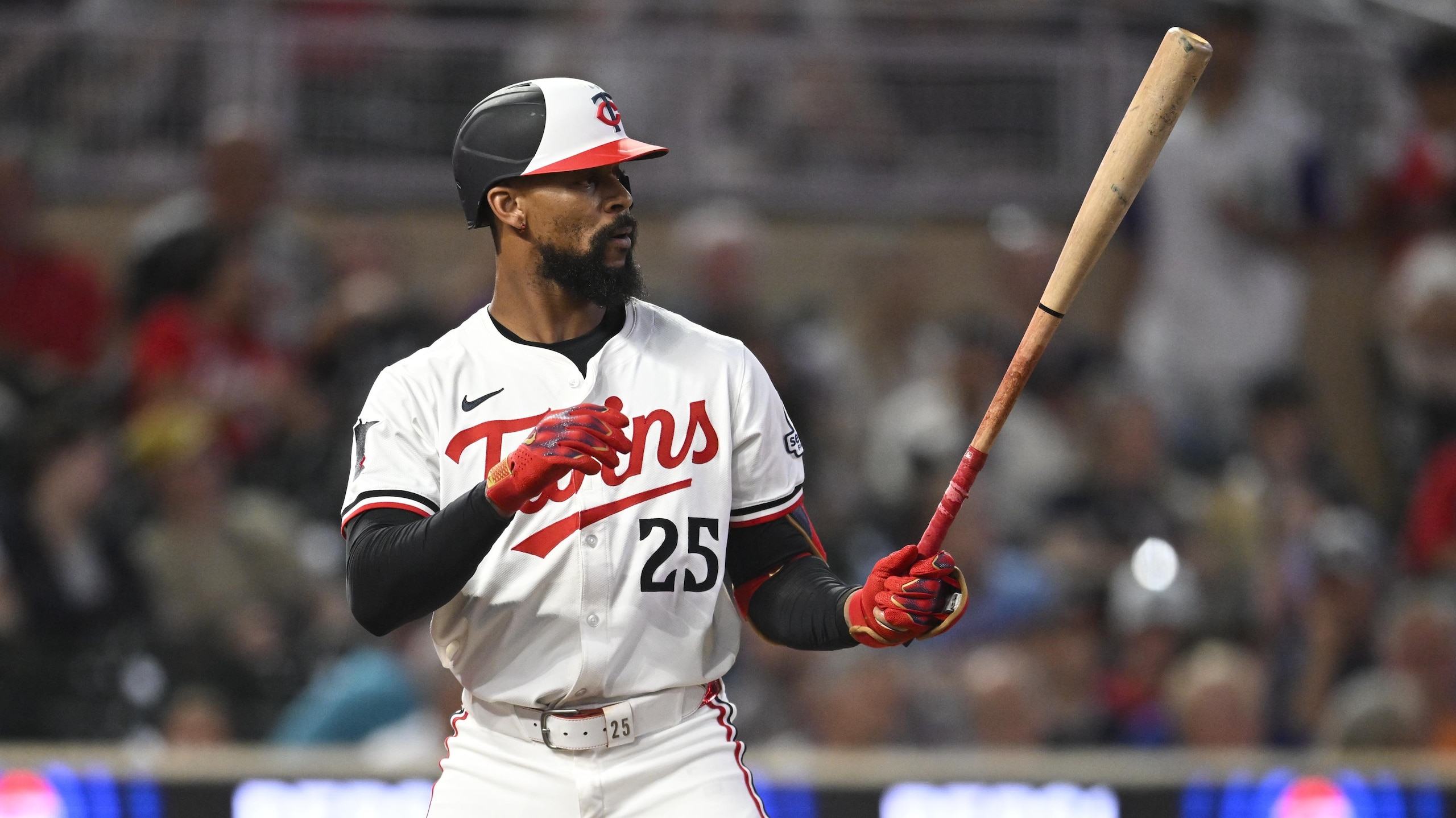
Carl Pohlad bought the Twins for $44M in 1984 and bequeathed the franchise to his sons upon his death in 2009.
The franchise was valued at $1.5 billion by Forbes last March, and the team was discussed for sale during the last offseason before a deal with Mat and Justin Ishbia fell through.
After a summer fire sale, they announced in August that they are no longer trying to sell the team and are instead seeking new investors. They reportedly sold more than a 20 percent stake in the team in December, before their "mutual separation" with president of baseball operations Derek Falvey in late January.
All the while, the roster has drifted into an aimless middle ground, as the front office behaves as if it will never financially rebound from its recent big investment in Carlos Correa.
A 35th consecutive season of not reaching the World Series is a near-certainty, and the Land of 10,000 Lakes deserves decision-makers who actually want to change that.
Fans Would Love to See It: Pittsburgh Pirates
5 of 9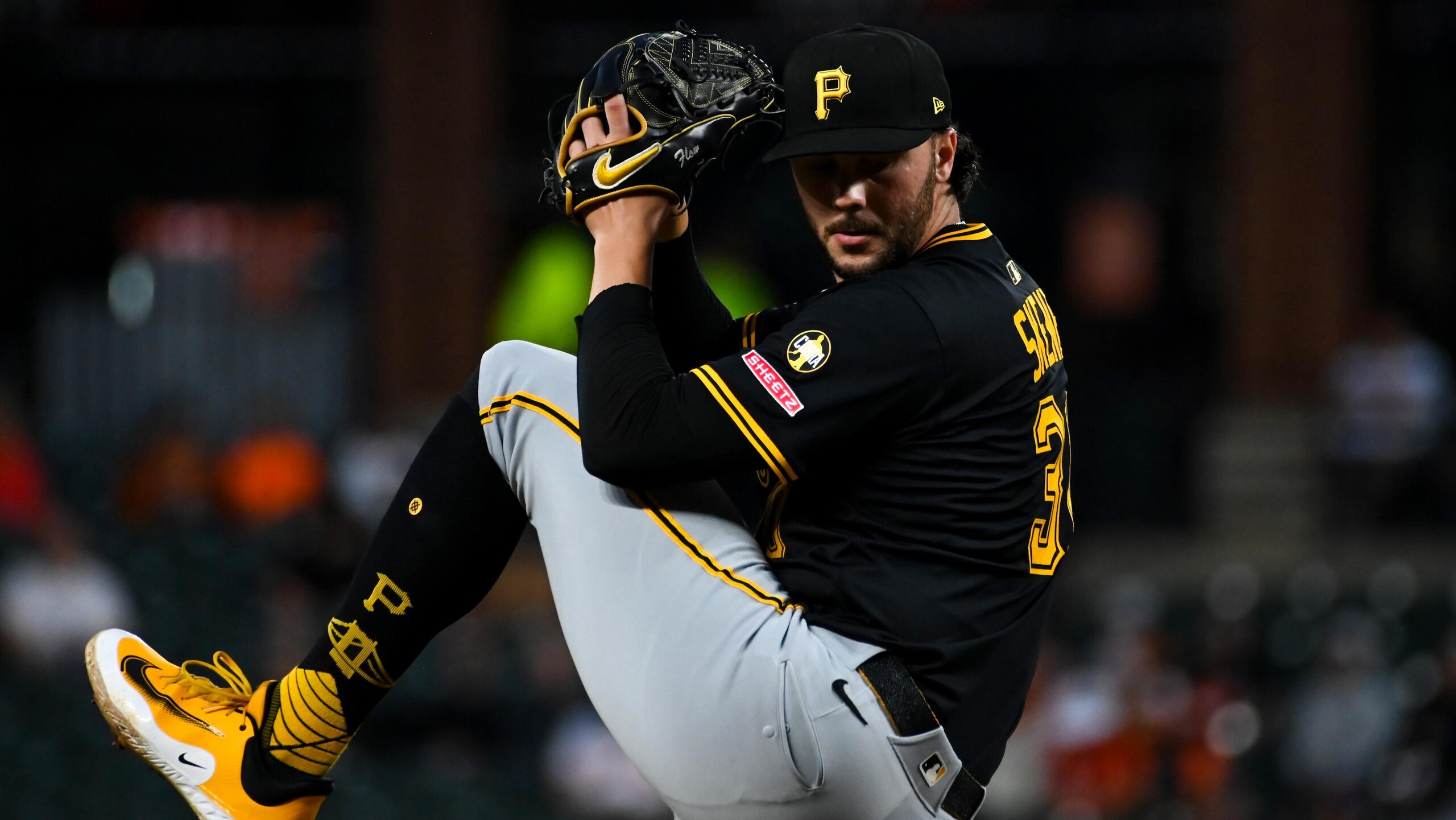
Without a close runner-up, Athletics owner John Fisher is the one with the lowest approval rating among his team's fans.
However, many Pittsburgh Pirates fans frequently single out owner Bob Nutting as one of the least popular owners in the league.
Fans and observers often point to the Pirates' consistently low payroll as evidence that the team spends conservatively compared to much of the league.
Granted, this was true long before Nutting became the team's principal owner in January 2007. He bought a team that already had a reputation for trading star players for prospects seemingly as often as possible. (It's why everyone has been speculating about Paul Skenes trade packages for a while now, even as the Pirates repeatedly insisted they won't trade him.)
But outside of briefly prying open his wallet just the tiniest bit when the team blossomed into a contender in the mid-2010s, he hasn't changed the team's spending habits. Pittsburgh's year-end 40-man payroll has ranked 23rd or worse in each of its 19 years at the helm, including seven years in either last or dead-last.
The Pirates did do more spending this past offseason than they have in a long time, but they still rank bottom 10 in payroll and many fans were skeptical that the reported interest in Josh Naylor and Kyle Schwarber would translate into serious bids for either free agent.
One flashpoint in the fan‑owner relationship was the Bucco Bricks situation.
If you missed or forgot that one, the Bucco Bricks were paving stones with personalized messages that fans had purchased since 1999. Proceeds benefited the Roberto Clemente Foundation, and it was a cool way for fans to feel like they were a part of one of the best stadiums in the league.
However, the bricks were removed before the 2024 season and were later reported to have been taken to a recycling center, despite prior communication that they would eventually be returned to fans.
That mess came days after a controversy over the removal of a Clemente memorial patch from the stadium.
Pirates fans have long braced for a tight budget, but many felt the Bucco Bricks episode crossed a line in how loyal supporters were treated, fueling a wave of visible frustration at ownership.
Spends Money, But Poorly: Los Angeles Angels
6 of 9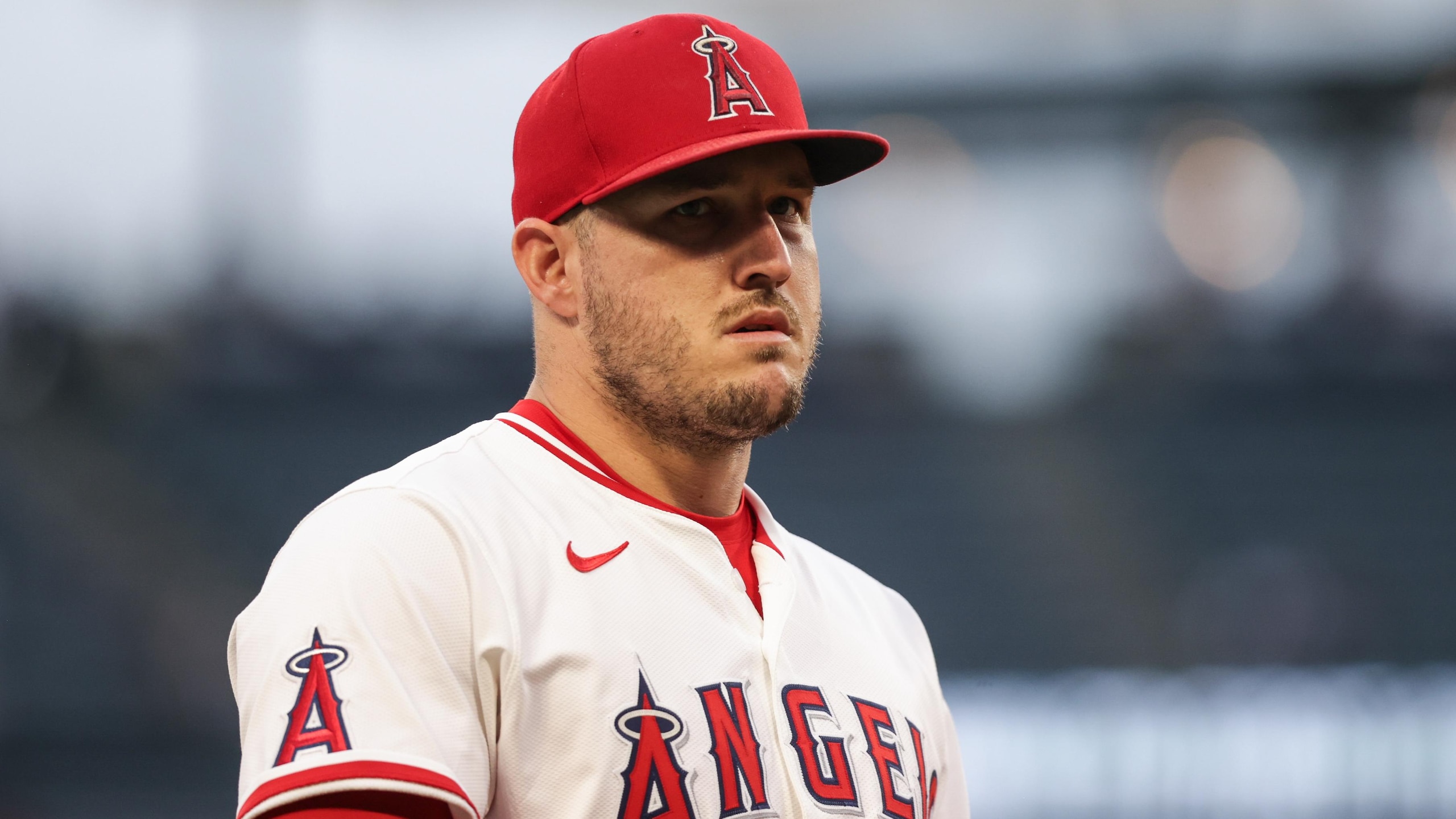
The Angels won a World Series in 2002. Arte Moreno bought the team from Disney for $184M the following spring. And he has been trying to recapture that Rally Monkey magic ever since.
To be sure, the willingness and ability to spend money have never been the issue here. In each of Moreno's first 20 years as owner of the franchise, the Angels ranked top nine in Opening Day payroll. The only other team that can say that about the 2004-2023 window is the New York Yankees.
The problem, in the eyes of many fans, is that Moreno's biggest financial bets have rarely translated into sustained on‑field success.
For 10 years and $240M of Albert Pujols, he produced 12.5 bWAR. For seven years and $245M of Anthony Rendon? Even worse. 3.9 bWAR. Josh Hamilton's five‑year, $125M deal is widely remembered as a major disappointment from a performance standpoint. And though Mike Trout won the AL MVP in the first season of his 12-year, $426.5M extension, even his salary has become quite the albatross with five years to go.
Just for that quartet of bats, Moreno spent $1.0365 billion. And not a single one of them played in a postseason win for the Angels.
The real frustration for Angels fans is that having Trout and Shohei Ohtani together for six years still never produced even a .500 season.
In 2022, Trout hit 40 home runs with a .999 OPS and finished eighth in the AL MVP vote, while Ohtani hit 34 home runs with an .875 OPS and logged 166.0 innings pitched with a 2.33 ERA, finishing fourth for MVP and second for Cy Young.
The Angels went 73-89.
And then a year later, despite years of aggressive spending on free agents, Moreno was ultimately unable to put together a situation that persuaded Ohtani to stay with a franchise that has struggled to build a clear path back to contention.
Actively/Recently Exploring a Sale: Washington Nationals
7 of 9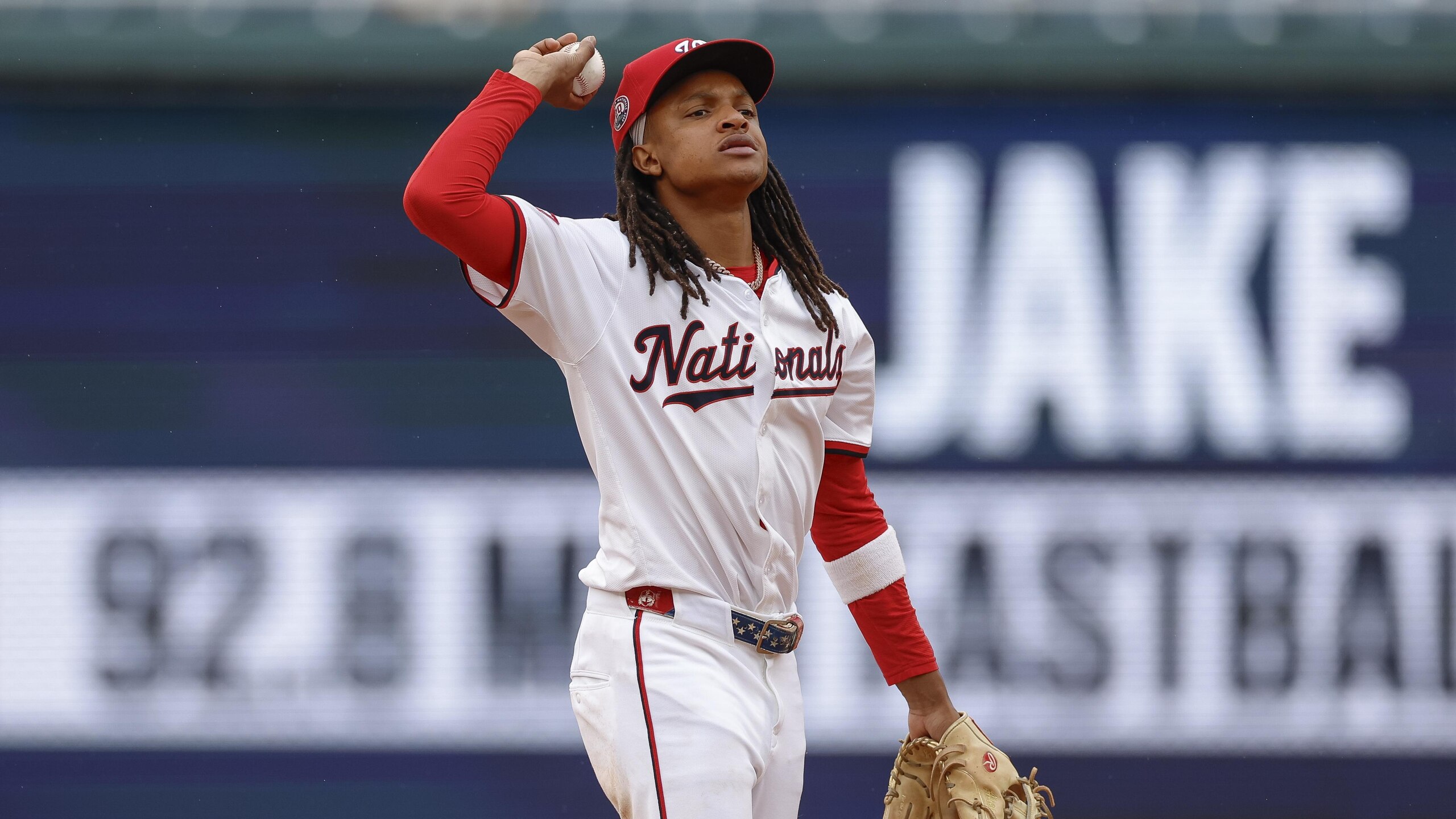
The Lerner family purchased the Nationals from Major League Baseball for $450M in 2006, with the 2025 Forbes estimate putting the present value at $2.1 billion.
Unlike the Twins and Padres, they did at least reach the top of the mountain, winning a World Series in 2019.
However, it has been all downhill since then, posting the second-worst record in baseball over the past six seasons—besting only the Colorado Rockies—while trading away the likes of Juan Soto, Trea Turner, Max Scherzer and now MacKenzie Gore before they walked away in free agency.
Between deferring half of Scherzer's $210M contract, getting nothing out of Stephen Strasburg's $245M contract and having Patrick Corbin post a 5.62 ERA over the latter five-sixths of his $140M deal. The organization's substantial sunk costs in those deals likely contributed to the financial backdrop for the April 2022 reports that the Lerners were exploring a potential sale.
Two winters later, in February 2024, though, they said they are no longer pursuing a sale of the team.
No word yet on when they plan to actually matter in the standings again.
Save for giving Keibert Ruiz an eight-year, $50M extension that already looks regrettable, the Nationals haven't invested more than $15M in a signing since the Strasburg disaster.
And though they are down to only owing him another $107.6M over the next four years and would maybe be willing to think about reinvesting in a star or two if they were close to contention, they are instead entering what feels to many fans like year No. 7 of a prolonged rebuild, with meaningful progress toward contention still hard to identify.
Fans Would Love to See It: Athletics
8 of 9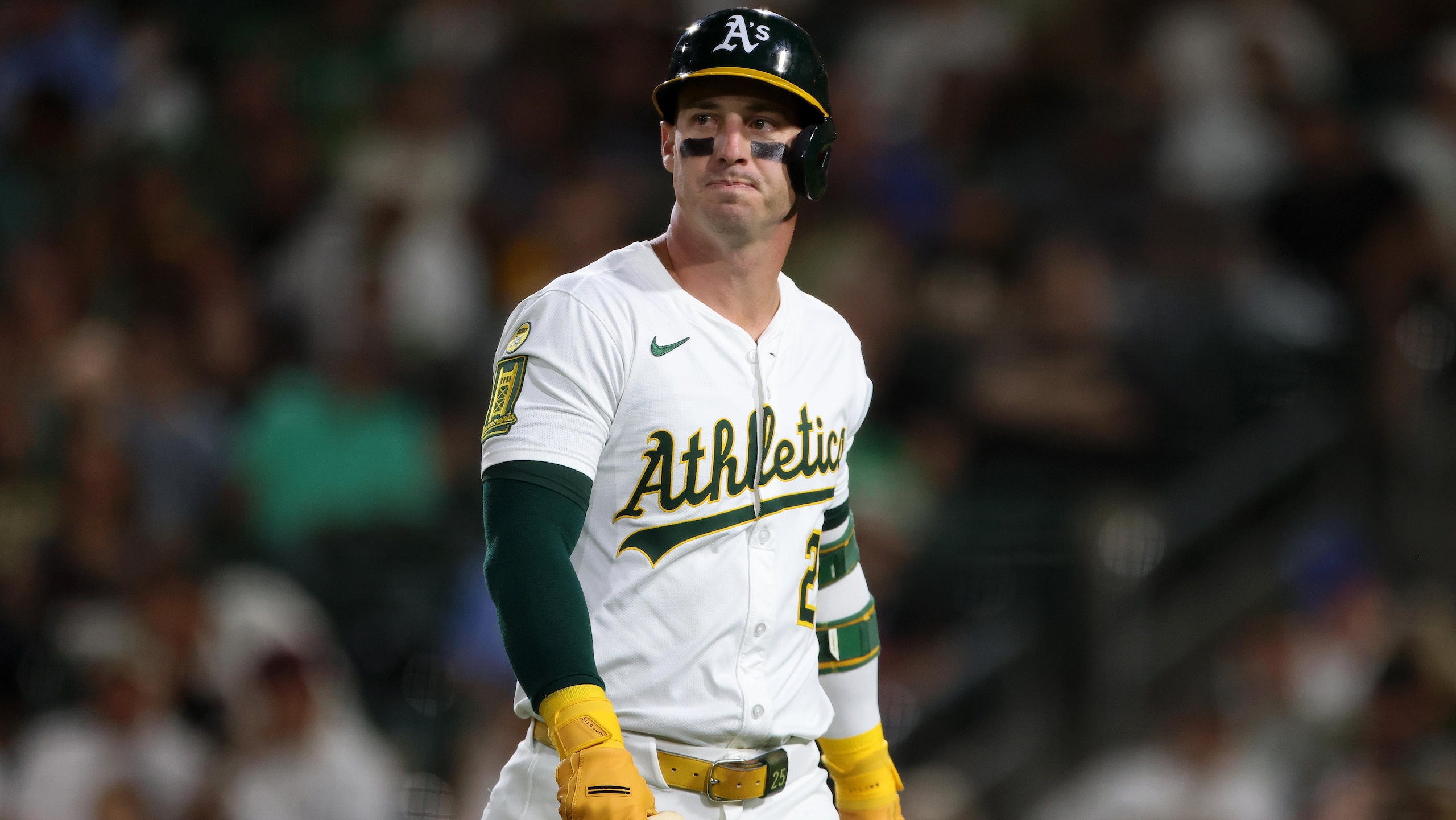
The cruel irony of John Fisher moving the A's from Oakland to Las Vegas is that back in the 1990s, he and his father, Donald Fisher—who founded The Gap and became a billionaire before propping up his son for life—were part of an investment group that purchased a stake in the San Francisco Giants in order to keep them from relocating to Tampa Bay.
And now, two decades after his dad became the majority stakeholder in the A's in 2005, the planned relocation to Las Vegas will sever the franchise's Bay Area ties that date back to the late 1960s, a development many longtime fans view as a painful loss.
Make no mistake about it: The Oakland Coliseum was a dump by current MLB standards. And attendance had been rough long before the double whammy of embracing a rebuild amid a global pandemic. In the year when John Fisher became the managing partner (2016), the A's ranked second-last in attendance, ahead of only the Tampa Bay Rays.
Even as they won 97 games in each of 2018 and 2019, it never got much better.
But when you allow your stadium to become a dilapidated, possum-infested venue and resist investment in star players, cries about Oakland not being fit for baseball sure did ring hollow.
The real kick in the teeth for the fans in Oakland is that Fisher finally is now investing in the roster, inking long-term extensions with Brent Rooker, Lawrence Butler, Tyler Soderstrom and Jacob Wilson over the past 14 months as the nucleus of what could be a legitimate contender immediately upon arrival in Las Vegas in 2028 begins to take shape.
Others Who Narrowly Avoided the List
9 of 9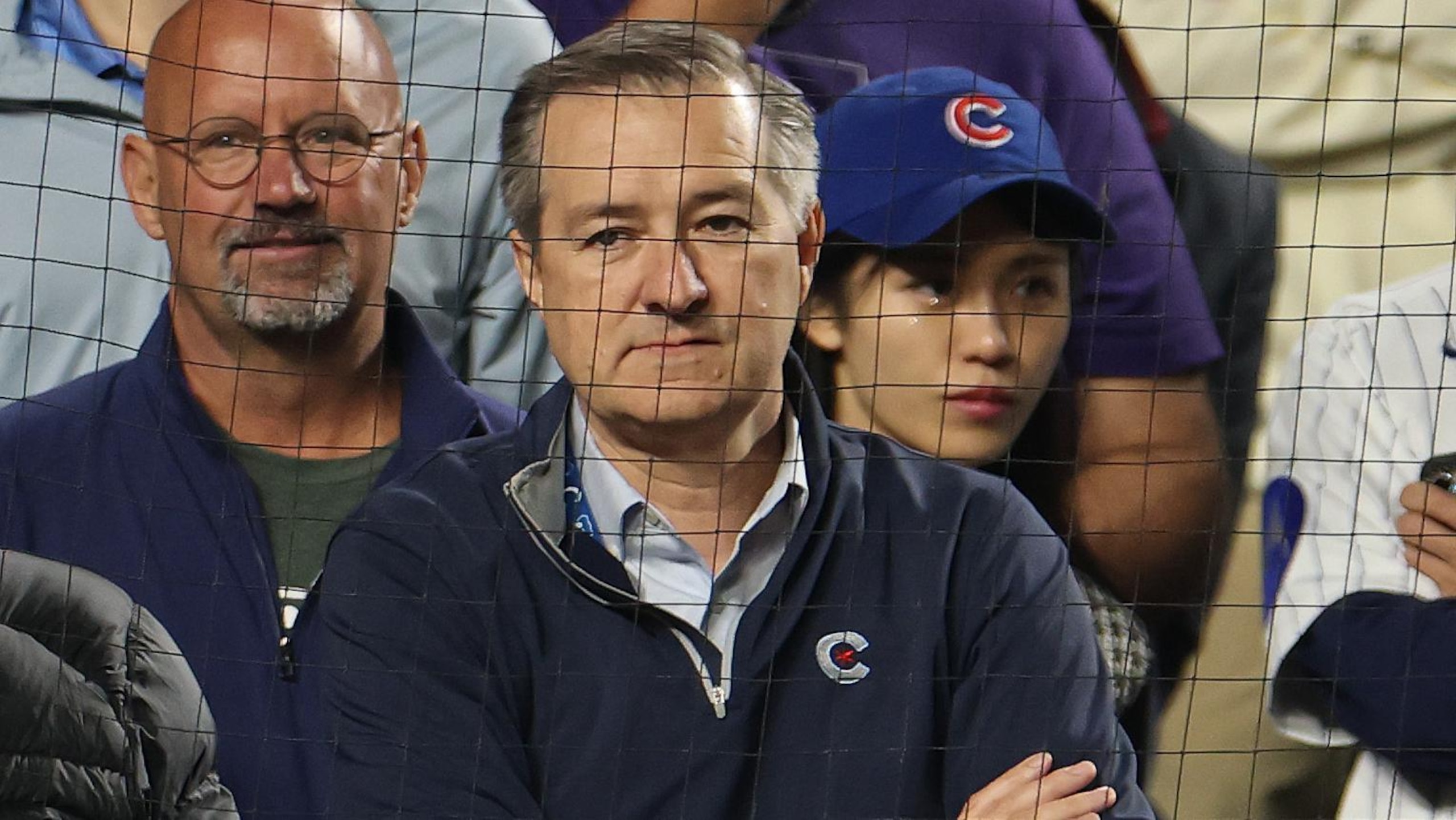
Boston Red Sox (John Henry) and Chicago Cubs (Tom Ricketts)
Every now and then a list will make the rounds online, comparing a team's revenue in one season to its payroll in the subsequent season, with the intent being to see which owners are actually investing in winning as opposed to just trying to turn a profit.
And both of these teams always seem to rank in the bottom quarter of the league in terms of percentage of revenue reinvested into payroll.
Yes, both the Red Sox and the Cubs generally have much higher payrolls than the Rays and the Marlins of the world.
But there are some franchises that print money to such a degree that really ought to prevent them from ever going through any sort of rebuild, and these are two of those franchises, usually top five in revenue.
Yet, they've both embraced fire sales and have paid a combined total of $3.3M in luxury-tax bills over the past half-decade, forever toeing the line while trying not to go over it.
Given their market size and revenue potential, many around the game believe they could, if they chose, spend at levels comparable to the Yankees, Dodgers or Mets.
Chicago White Sox (Jerry Reinsdorf)
Reinsdorf is frequently cited by critics and frustrated fans as one of the most disappointing owners in American sports, and he would have been an easy candidate for the top eight, were there not already something of a succession plan in place for Justin Ishbia to take the reins as owner at some point in the next 3-8 years. That spared the White Sox from our wrath here.
All the same, it's too little, too late. The White Sox have made the postseason just seven times in his 45 years of owning the franchise, and they have been an unredeemable, triple-digit-losses mess over the past three years.
Miami Marlins (Bruce Sherman)
When Derek Jeter teamed up with Sherman to buy the Marlins in 2017, we thought they might actually start spending money for a change. They didn't.
And after less than five years as CEO, Jeter didn't like the direction things were going, leaving his post and selling his four percent share in the franchise.
But they have made the playoffs twice under Sherman, and they were surprisingly competent last year. Given their spending limitations, that's not too shabby.
But if you want to argue the team should be sold to someone who can actually convince Miami's population to care about baseball so they're not dead-last in the NL in attendance for what would be the first time since 2012, point taken.


.jpg?w=2560 "AD Trolls Bears WR on IG 😂")
.jpg?w=2560 "Viral Dan Campbell Presser 💙")
.jpg?w=2560 "Buzz: MHJ Hired Agents for Trade")
.jpg?w=2560 "Report: Steelers WR to Miss 'Weeks'")
.jpg?w=2560 "Cam Ward Says He's Not A Loser")
.jpg?w=2560 "Chargers Fall to 0-5 🤢")