

The men's hockey tournament at the 2026 Winter Olympics in Milano Cortina begins on Wednesday, ending with the gold-medal game on Feb. 22.
For the first time since 2014, active NHL players are participating, making these Games a showcase for most of the world's best hockey talent.
NHL players first participated in the Winter Olympics in Nagano, Japan, in 1998, and took part in every Winter Games until 2014 in Sochi, Russia. Those five Olympics brought hockey fans some unforgettable moments.
From gold-medal contests to individual performances, we've selected seven of the most memorable moments from the Winter Games featuring NHL players.
We've also included three honorable mentions that involve players who went on to have NHL careers following their Olympic performances.
Honorable Mentions
1 of 8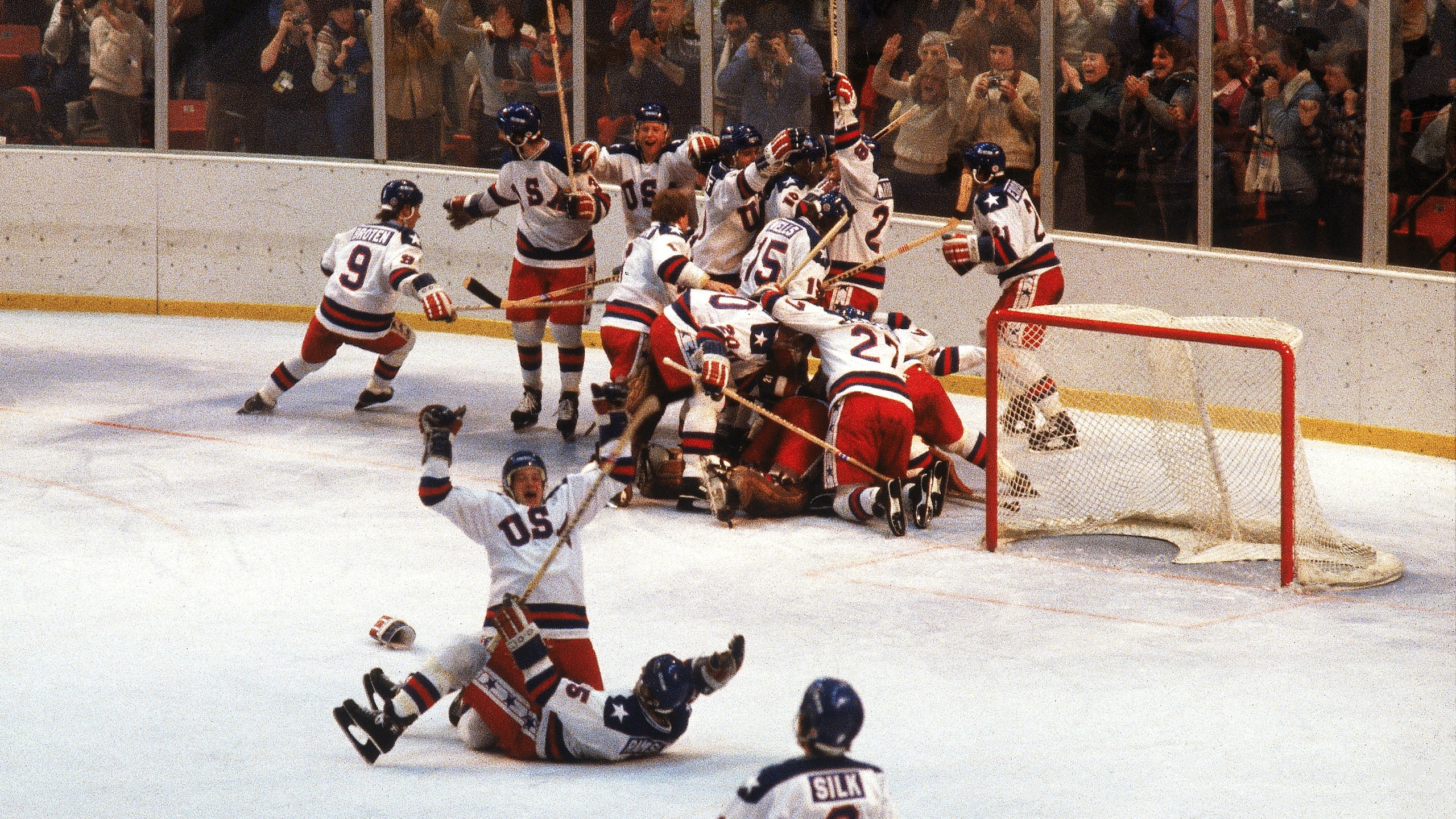
The following recounts three notable moments at the Winter Olympics involving amateur players who went on to star in the NHL.
The Miracle On Ice – Lake Placid, 1980
This remains the greatest moment in men's hockey at the Winter Olympics in the modern era. An underdog team of college players from the United States staged the upset for the ages by defeating the powerful Soviet Union squad 4-3, going on to win gold two days later by defeating Finland 4-2.
Of the 20 players on Team USA, 13 went on to NHL careers. Five of them (Neal Broten, Ken Morrow, Dave Christian, Mark Johnson, and Mike Ramsay) played over 500 games in the big league. Morrow won four Stanley Cups with the New York Islanders, while Broten won the Cup in 1995 with the New Jersey Devils.
Six members of the Soviet team (Vyacheslav Fetisov, Sergei Makarov, Vladimir Krutov, Alexei Kasatonov, Helmut Balderis, and Sergei Starikov) joined the NHL at the end of the 1980s. Fetisov played 546 regular-season and 116 playoff games in the NHL, winning two Stanley Cups with the Detroit Red Wings.
Peter Forsberg's Shootout Winner - Lillehammer, 1994
Sweden won gold for the first time in men's Olympic hockey by defeating Canada 4-3 in the 1994 Games. Peter Forsberg scored the winning goal in the shootout round with a memorable deke that would be immortalized on a Swedish postage stamp. Forsberg went on to a 13-season Hall of Fame career in the NHL.
Juraj Slafkovský Leads Slovakia To Bronze - Beijing, 2022
Slovakia won its first-ever Olympic men's hockey medal in 2022, taking bronze thanks to Juraj Slafkovský. The 17-year-old winger led all scorers with seven goals and was named tournament MVP. That performance contributed to Slafkovský being chosen first overall by the Montreal Canadiens in the 2022 NHL Draft.
T.J. Oshie's Shootout Magic - Sochi, 2014
2 of 8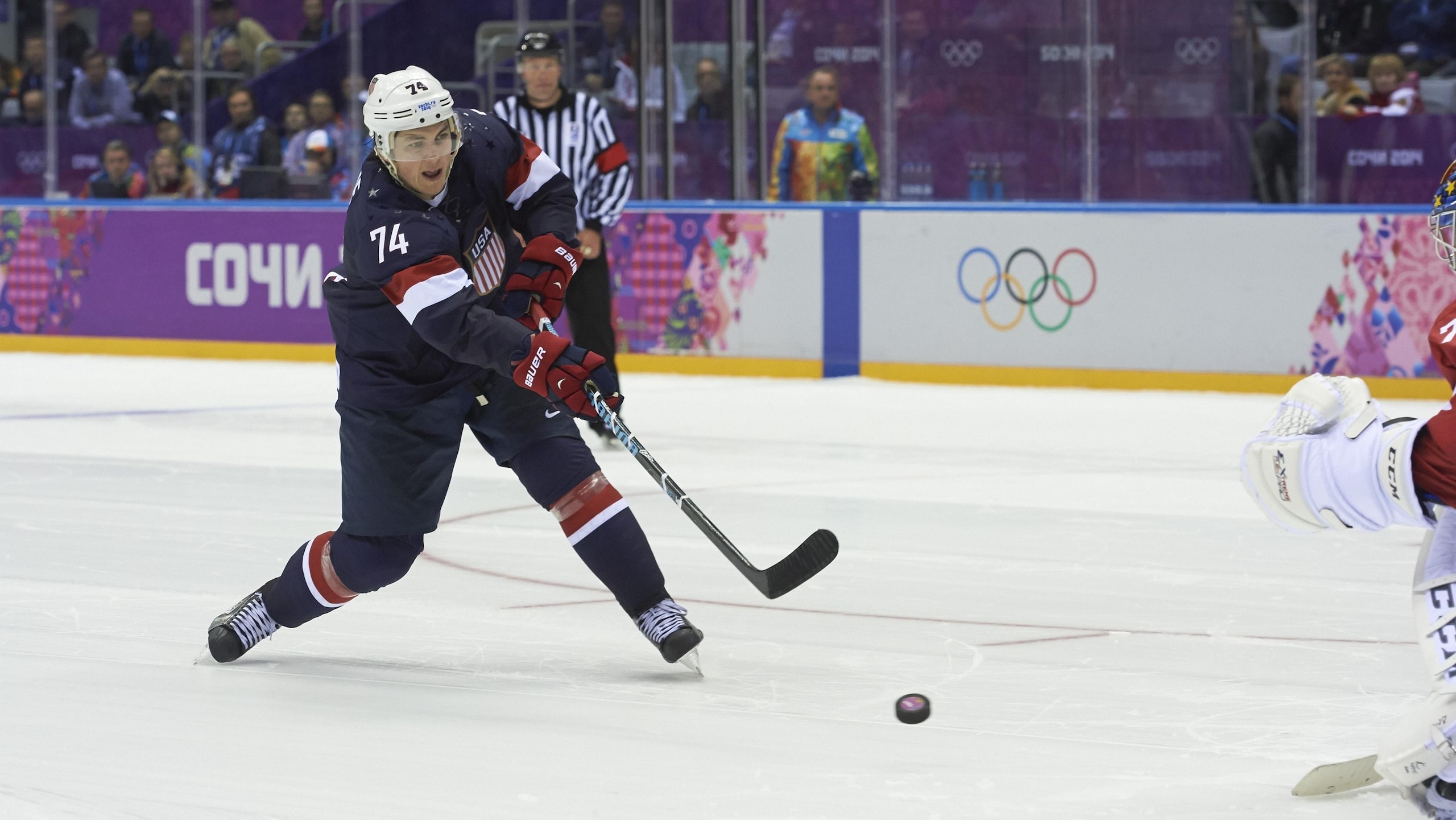
Hockey fans in North America tend to be divided on the merits of winning games via shootout. It's long been used to settle games in international competition instead of multiple overtimes, but it's only used to decide regular-season games in North America.
Critics tend to deride the shootout as a glorified skills competition. However, even those detractors had to be awed by the dazzling display put on by T.J. Oshie as the United States defeated Russia 3-2 in the preliminary round of the 2014 Sochi Games.
Unlike NHL shootouts, where each player takes a turn until the winning goal is scored, international rules allow a team to use the same players as many times as they choose if the game remains tied after three shootout rounds.
Then a winger with the St. Louis Blues, Oshie was a skilled scorer in NHL shootouts, so it made sense that he would be among the United States' three shooters against the Russians. Oshie scored in the first three rounds, but with the two clubs still tied 2-2, Team USA coach Dan Bylsma sent him out five straight times.
What followed was one of the most entertaining moments in men's Olympic history. Oshie would score on Russian goaltender Sergei Bobrovsky three times in five attempts, including the game-winning goal, propelling the Americans into the quarterfinal round.
Sweden Falls to Belarus - Salt Lake City, 2002
3 of 8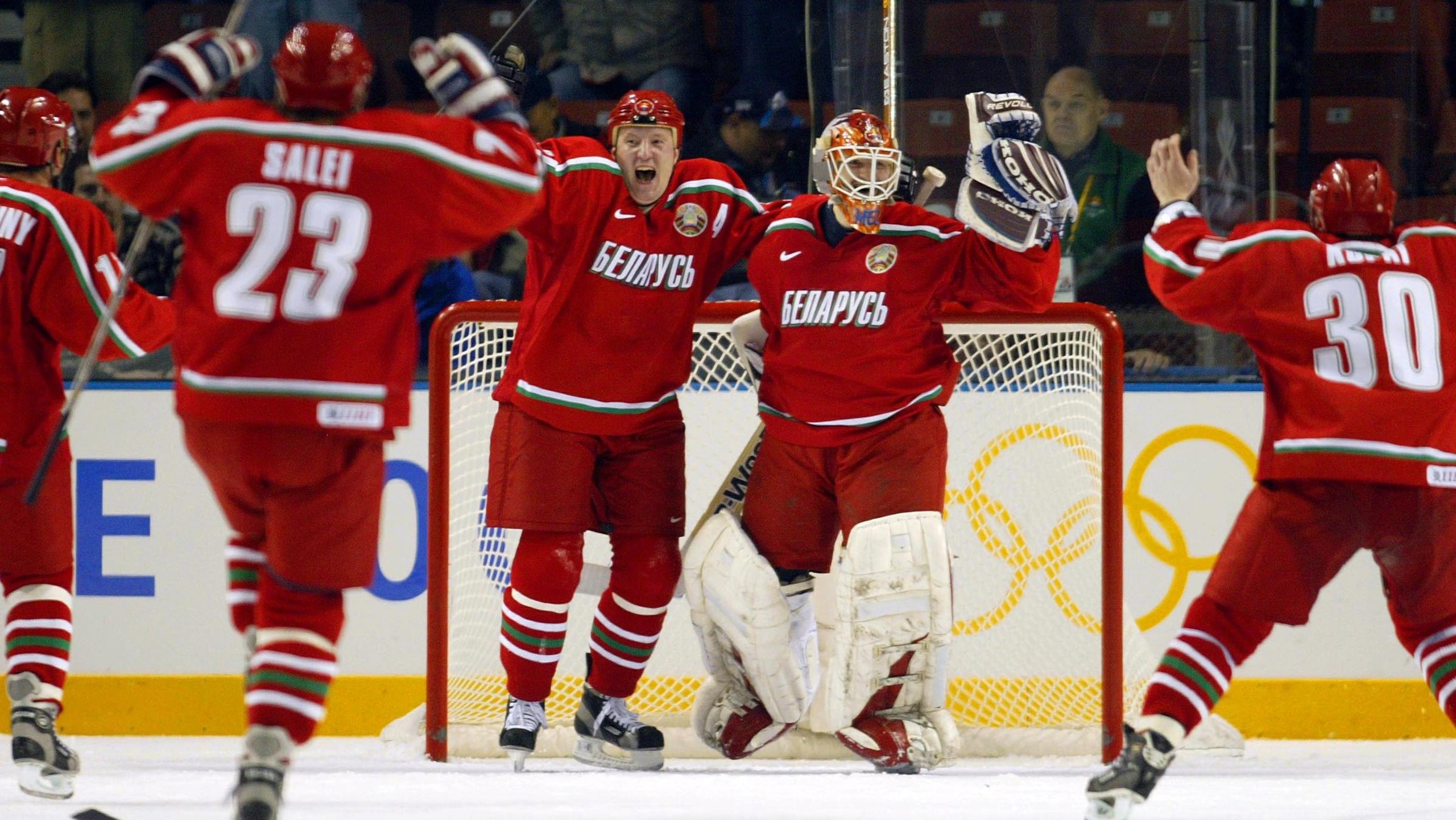
The United States' defeat of the Soviet Union in 1980 remains the biggest upset in men's Olympic hockey in the modern era.
However, Belarus' surprising victory over Sweden in the quarterfinal of the 2002 Salt Lake City Games is the most notable involving NHL players.
This contest was an obvious mismatch. Sweden's roster was loaded with NHL players, including stars such as Mats Sundin, Nicklas Lidstrom, Daniel Alfredsson, Markus Naslund, and Henrik Zetterberg. Meanwhile, Ruslan Salei was the sole NHL member on the Belarusian team.
Sweden dominated much of the play, outshooting its opponent 47-19. However, Belarus put up a spirited effort, especially on the penalty kill, and the game was tied 3-3 late in the third period.
With 2:24 remaining in the third, Belarus defenseman Vladimir Kopat fired a shot from centre that surprised Swedish goaltender Tommy Salo, bouncing off his mask and plunking behind him into the net. The goal stunned the Swedes, and despite a furious last-minute effort, they ultimately fell 4-3.
Belarus lost to Canada in the semifinal round and finished fourth in the tournament. Nevertheless, their stunning defeat of the heavily-favored Swedes remains that nation's version of the Miracle on Ice.

.jpg?w=2560)
Teemu Selanne's Last Hurrah - Sochi, 2014
4 of 8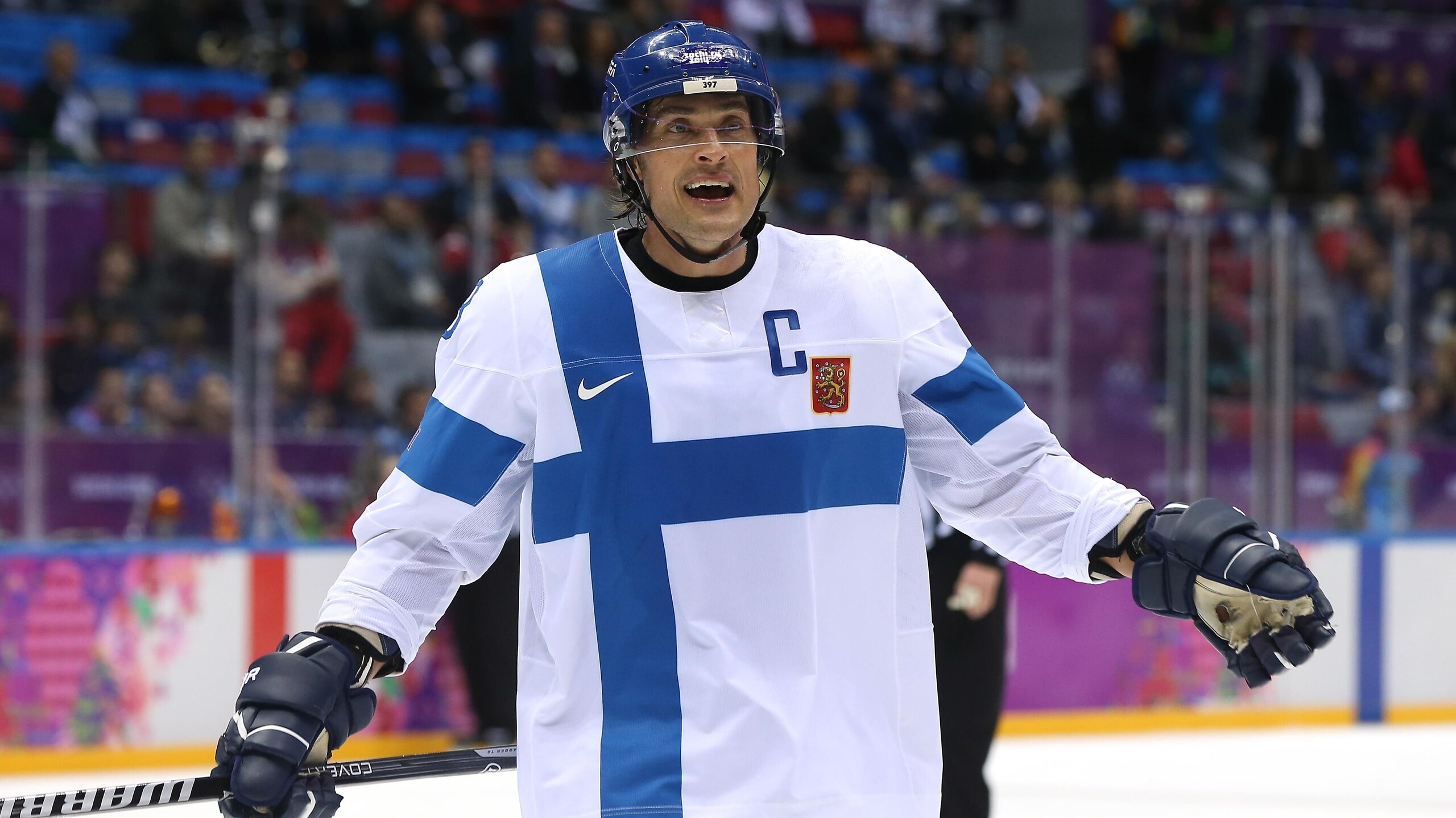
Teemu Selanne was one of the greatest scorers in NHL history. In his 21 seasons from 1992-93 to 2013-14, he won the Stanley Cup with the Anaheim Ducks in 2007, the Calder Memorial Trophy (1993) and the Maurice Richard Trophy (1999), finishing with 684 goals, 773 assists, and 1,457 points in 1,451 games.
The Finnish Flash's greatness extended to international competition, including the Winter Games. A six-time Olympian, he represented Finland at Albertville 1992, Nagano 1998, Salt Lake City 2002, Turin 2006, Vancouver 2010, and Sochi 2014.
Thanks to Selanne's offensive skills, Finland won the silver medal in 2006. It also took home bronze in 1998, 2010, and 2014.
By 2014, Selanne was 43 years old and nearing the end of his stellar career. Nevertheless, he was part of Finland's Olympic team and was named team captain when Mikko Koivu was forced to withdraw due to injury.
In a fitting farewell performance, Selanne was second among Finland's scorers with four goals and six points in six games, leading Finland to the bronze medal. He was named tournament MVP and remains the all-time scoring leader in Olympic men's hockey with 43 points.
Sweden Wins Gold in Italy - Turin, 2006
5 of 8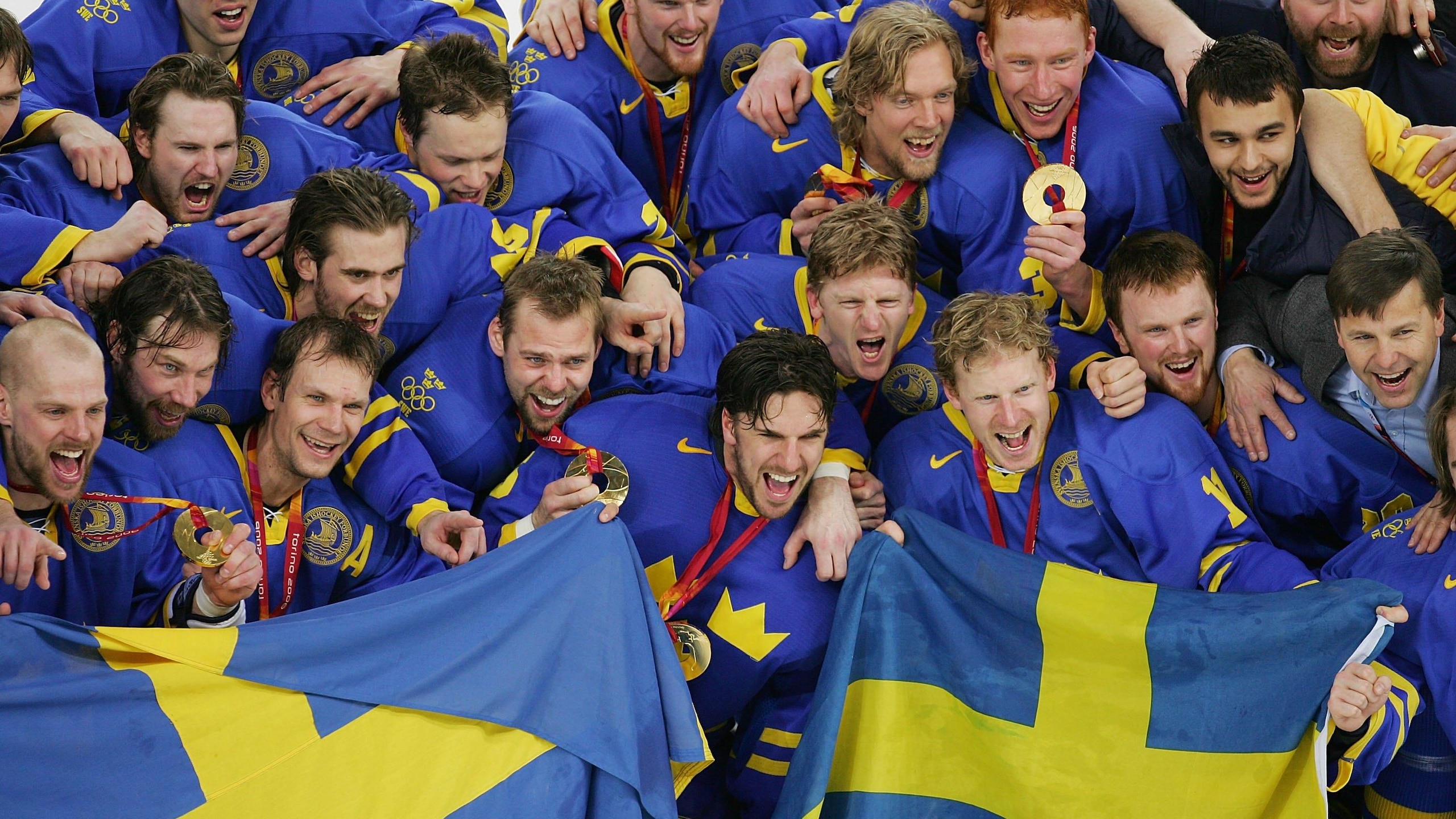
Sweden won Olympic gold in men's hockey for the first time at the 1994 Games in Lillehammer, Norway. However, heading into the 2006 Winter Olympics in Turin, Italy, they had failed to make the podium in the 1998 and 2002 Games.
This was the third Olympics with NHL players, and it was expected that the gold-medal game would be a rematch of the 2002 Salt Lake City Olympics between Canada and the United States. Sweden, meanwhile, was trying to put their stunning upset loss to Belarus in the 2002 quarterfinal behind them.
Sweden entered this tournament with a roster filled with future Hall of Famers. They included goaltender Henrik Lundqvist, defenseman Nicklas Lidström, and forwards Peter Forsberg, Mats Sundin, Daniel Alfredsson, and twin forwards Daniel and Henrik Sedin.
However, Sweden still seemed spooked by their 2002 loss to Belarus, suffering shutout losses to Slovakia and Russia in the preliminary round. However, they rallied by thumping Switzerland in the quarterfinal 6-2, followed by a lopsided 7-3 victory over Czechia in the semifinal.
That set the stage for a showdown with Finland in the gold medal game. Early in the third period, Lidström snapped a 2-2 tie to give Sweden a 3-2 lead. With Lundqvist shutting the door, the Swedes took home the gold for the first time with NHL players in the lineup.
Canada Ends Its 50-Year Gold Medal Drought - Salt Lake City, 2002
6 of 8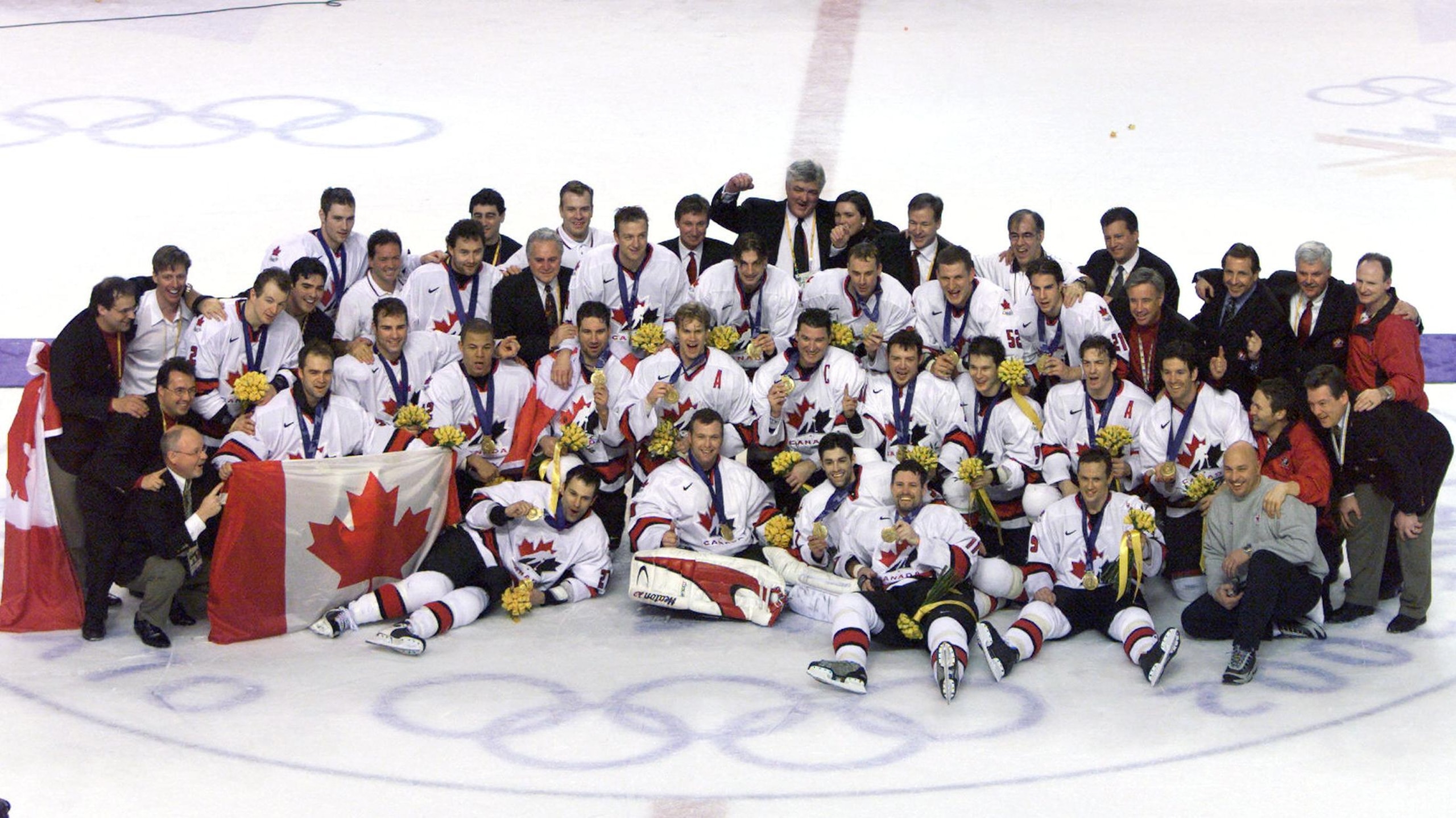
Canada won seven of the first eight Olympic gold medals in men's hockey, but by 2002, it had been 50 years since its last trip atop the podium. In the 1998 Olympics, the first with NHL players, they fell in the semifinal to Czechia and the dominating goaltending of Dominik Hasek.
In Salt Lake City, Canada had a stacked roster. The forwards included Mario Lemieux, Steve Yzerman, Joe Sakic, Jarome Iginla, Paul Kariya, Eric Lindros, Brendan Shanahan, and Joe Nieuwendyk. Chris Pronger, Al MacInnis, Rob Blake, and Scott Niedermayer anchored the defense, with Martin Brodeur as the starting goalie.
The Canadians got off to a rocky start with a 1-1-1 record in the preliminary round. However, they rallied by defeating Finland and Belarus to face the United States in the gold-medal game. In the immediate aftermath of Sept. 11, 2001, Team USA was the favorite playing on home ice.
The United States had a deep roster in its own right. Their forwards included Brett Hull, Mike Modano, Jeremy Roenick, John LeClair, and Keith Tkachuk, defensemen Brian Leetch, Chris Chelios, and Phil Housley, and goaltenders Mike Richter and Tom Barrasso.
Canada held a slim 3-2 lead after two periods in this closely-contested game. However, two late goals in the third period by Iginla and Sakic sealed the deal, ending Canada's long gold-medal Olympic hockey drought.
Dominik Hasek Backstops Czechia to Gold - Nagano, 1998
7 of 8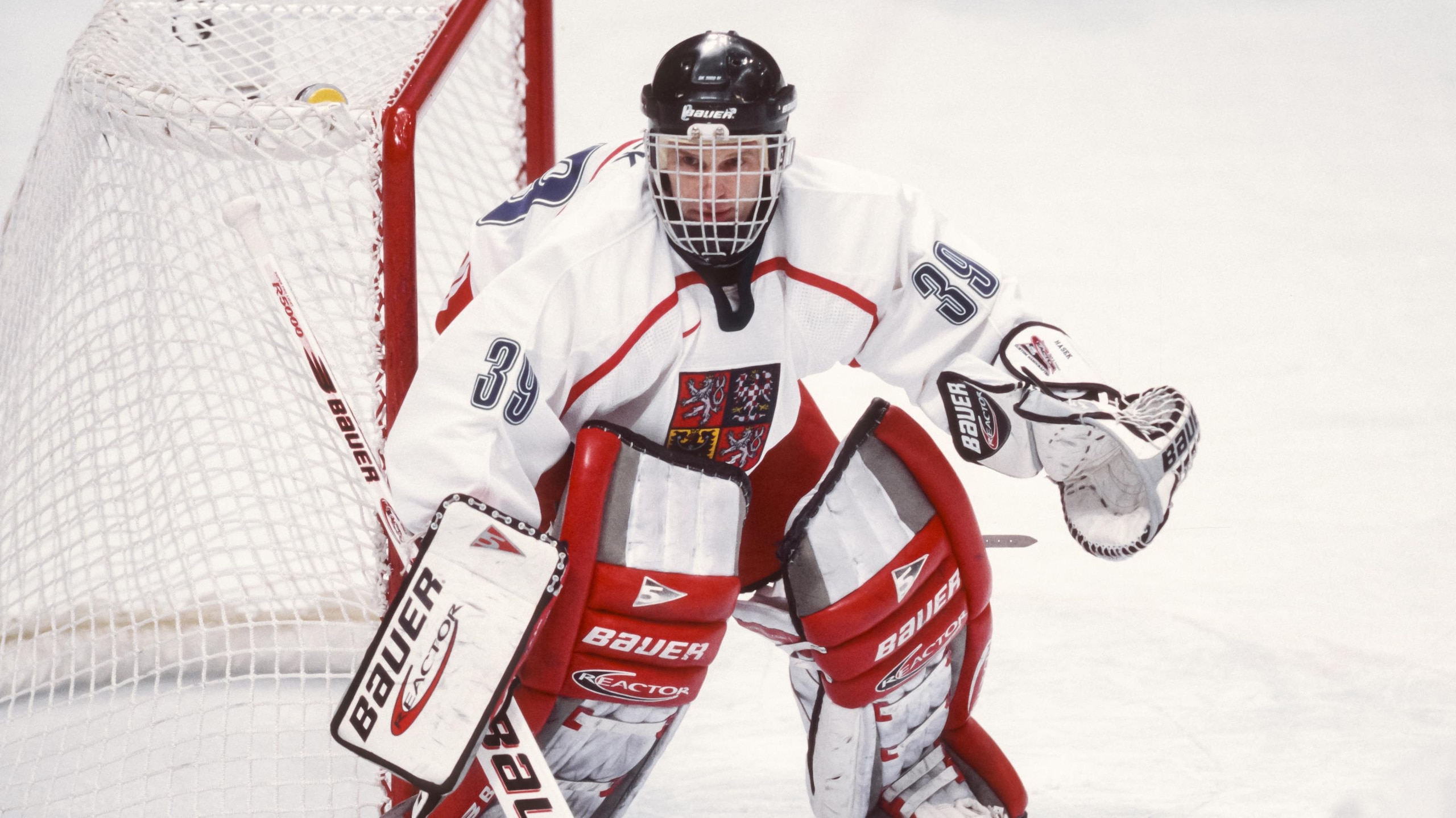
The 1998 Games in Nagano, Japan, were the first to involve active NHL players. It was also just the second Olympics involving Czechia (then the Czech Republic) since its union with Slovakia was peacefully dissolved on Jan. 1, 1993.
Czechoslovakia had previously won four silver and four bronze in Men's Olympic hockey, but never took home gold. Czechia was considered an underdog for a medal in 1998, with Canada, Russia, Sweden, and the United States considered the favorites.
The Czechia team featured notable NHL players such as Martin Rucinsky, Robert Reichel, Roman Hamrlik, Robert Lang, Martin Straka, and Petr Svoboda. They also had two superstars in goaltender Dominik Hasek and center Jaromir Jágr and a future one in winger Milan Hejduk.
Jágr would tie for the team lead in scoring with five points in this tournament, but it was Hasek who was the difference maker. At 33, he was in the prime of his career, on his way to winning the fourth of his six Vezina Trophies and the second of his Hart Memorial Trophies with the Buffalo Sabres.
Hasek was magnificent in this tournament, stoning Canada 2-1 in a shootout in the semifinal round and shutting out Russia 1-0 in the gold-medal game. "The Dominator" finished with a record of 5-1, with a 0.97 goals-against average and a .963 save percentage.
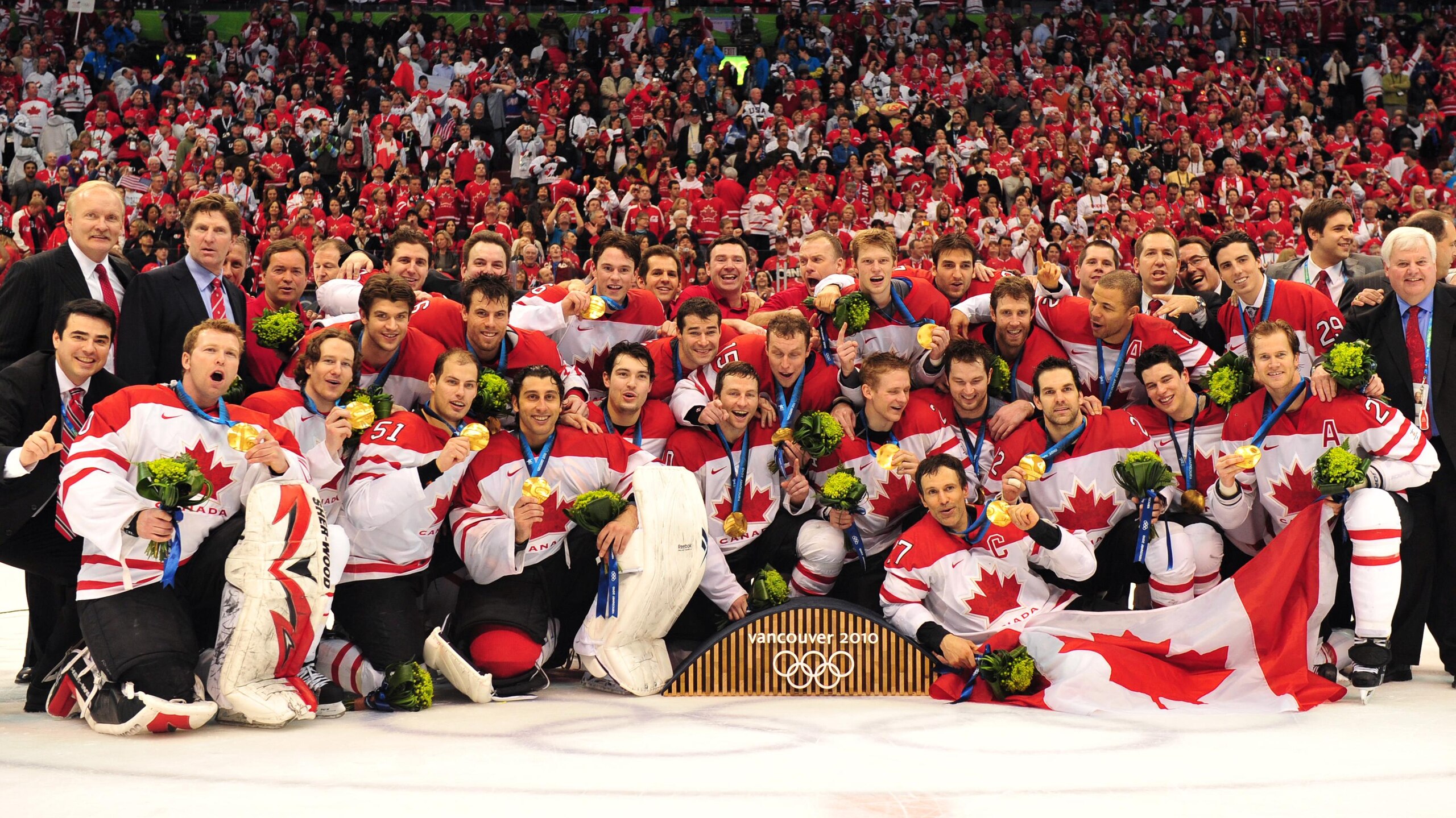
Sidney Crosby's Golden Goal - Vancouver, 2010
8 of 8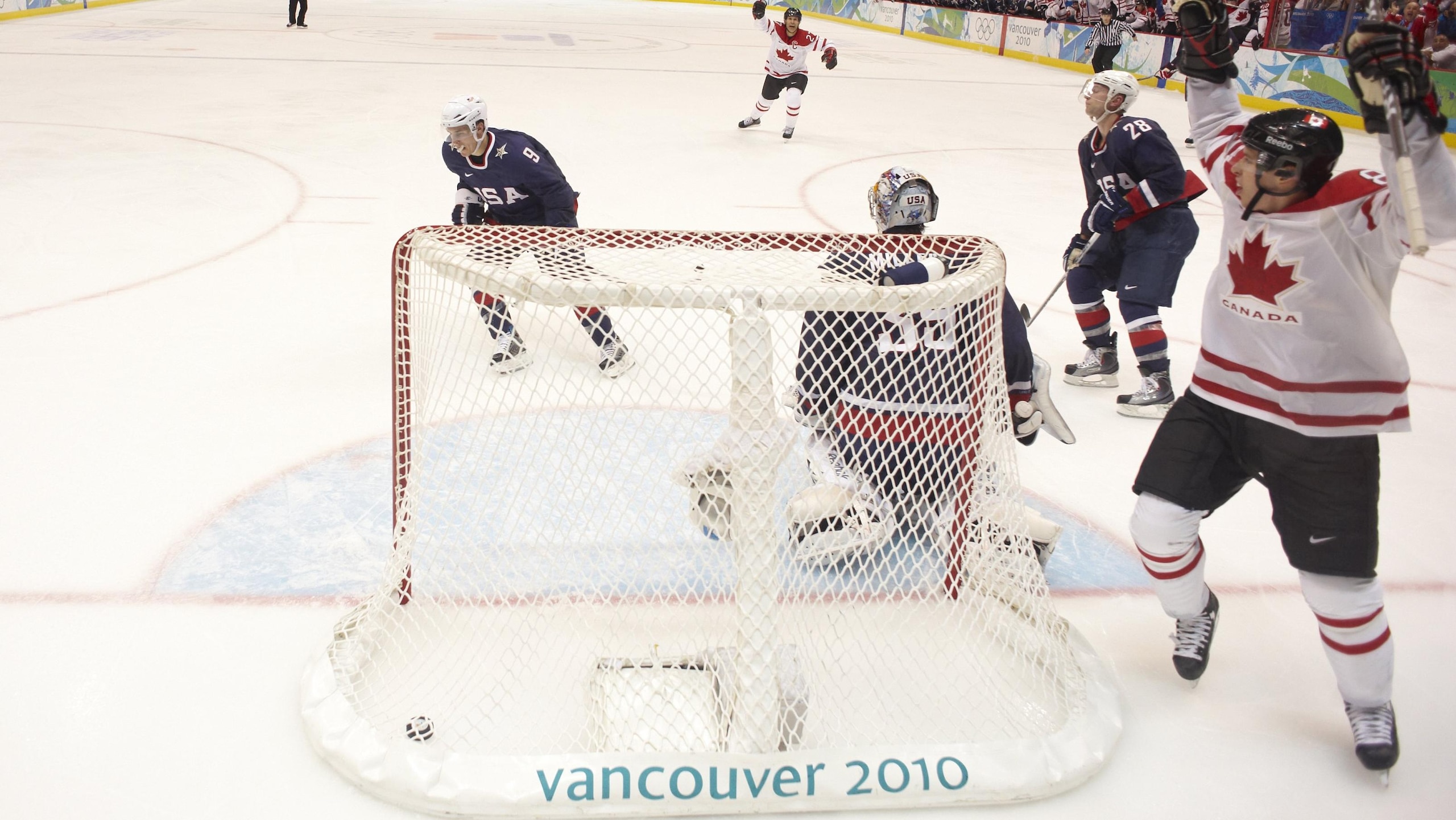
The Gold Medal Game at the 2010 Winter Olympics featured Canada and the United States, with the latter hoping to avenge their loss to Canada eight years earlier in Salt Lake City.
Canada had a 2-0 lead by the midpoint of the second period on goals by Jonathan Toews and Corey Perry. However, Ryan Kesler got one back later for the United States later in the period, and Zach Parise tied it with 25 seconds remaining in the third period, sending the game to overtime.
During the extra period, Crosby dashed into the American zone, but was stymied by the defense. As Canadian winger Jarome Iginla battled for the puck in the corner, Crosby called out, "Iggy!" as he broke free and headed to the American net.
Iginla heard Crosby, sending a quick pass to the young Canadian center, who sniped it between the legs of Team USA goaltender Ryan Miller. The arena erupted, as play-by-play man Chris Cuthbert gave the overtime tally its now-iconic nickname.
That goal was part of an incredible run of success for Crosby in international play. Having previously won gold for Canada in the 2005 World Junior Championship, he would lead Canada to gold at the 2014 Sochi Olympics, the 2015 World Championship, the 2016 World Cup of Hockey, and the 2025 4 Nations Face-Off.
Stats via Quant Hockey, NHL.com, and IIHF.com.

.jpg?w=2560 "NFLPA Makes Hurts Statement")
.jpg?w=2560 "Rams to Sign New Kicker")