

Most of Major League Baseball's 30 franchises are already entrenched in an offseason frame of mind, but the 2025-26 offseason does not truly begin until early November.
While we wait to find out whether the Los Angeles Dodgers will be the first repeat World Series champion since the 1998-2000 New York Yankees, though, we can already make some educated guesses at how some of the biggest offseason storylines will play out.
From decisions on the litany of $20 million-plus one-year options to the top trade targets, possible $400 million free agents and plenty in between, we've got early predictions on what we'll be talking about for several months until spring training begins.
Predictions are presented in no particular order, but we'll begin with the offseason's first big step before building to what everyone seems to agree will be the biggest contract signed this winter.
Rapid-Fire Predictions on Big Contract Options
1 of 9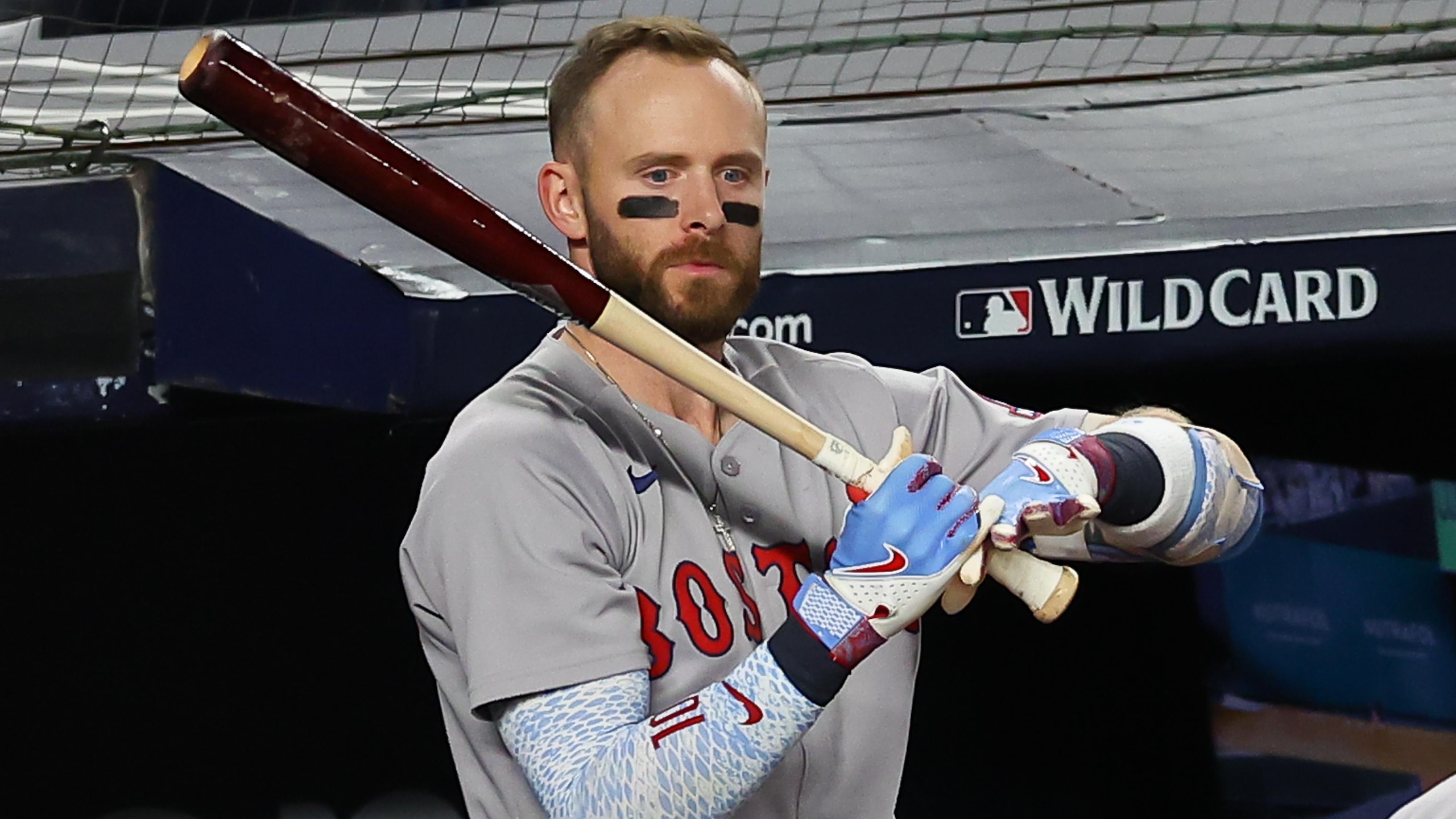
The first big milestone to circle on the MLB offseason calendar is five days after the World Series ends. That's the deadline for decisions to be made on player/club/mutual options, of which there are close to 70 this year.
(Five days after the World Series ends is also when teams are first eligible to sign free agents, though we rarely see a top 25-caliber FA ink a deal before late November.)
We won't bore you with thoughts on all of the options, but here's our guess at what happens with the nine options valued at $20 million or more, in descending order of confidence in said guess.
Pete Alonso, 1B, New York Mets ($24M player option)—Alonso has already said he will be declining the option and reentering free agency.
Brandon Woodruff, RHP, Milwaukee Brewers ($20M mutual option with a $10M buyout)—Mutual options almost never get exercised, and this one is no exception. Woodruff will take his $10 million buyout and hope for a multi-year contract.
Cody Bellinger, OF, New York Yankees ($25M player option with a $5M buyout)—Bellinger will surely decline the option in pursuit of a nine-figure deal.
Alex Bregman, 3B, Boston Red Sox (two-year, $80M player option)—Though re-signing with Boston is arguably the most likely outcome, Bregman figures to decline the two-year option to go get a five- or six-year contract.
Edwin Díaz, RHP, New York Mets (two-year, $38M player option)—Fresh off a 2025 campaign almost as dominant as the run through 2022 that netted him the first nine-figure contract in reliever history, Díaz is likely going to opt out of the final two years and reenter free agency.
Luis Robert Jr., CF, Chicago White Sox ($20M club option with a $2M buyout)—He hasn't been worth $20 million over the past two seasons, but the White Sox indicated back at the trade deadline that they intend to bring Robert back. Even if they do exercise the option, though, expect another winter of trade speculation.
Jack Flaherty, RHP, Detroit Tigers ($20M player option)—After going 8-15 with a 4.64 ERA, Flaherty will probably return to Detroit in hopes of a bounce-back year. But it's plausible he'll decline if he'd rather have the security of a multi-year deal.
Shota Imanaga, LHP, Chicago Cubs (three-year, $57M club option that becomes a one-year, $15M player option if Cubs decline)—This felt like an easy "Cubs exercise the option" situation until Imanaga allowed 20 home runs over his final 12 regular-season starts, followed by three more in his 6.2 innings of work in the postseason. They probably still do exercise it, but this could go either way now.
Trevor Story, SS, Boston Red Sox (two-year, $55M player option that becomes a three-year, $75M club option if Story opts out)—Similar but opposite of Imanaga, this was an easy "Story opts in" situation heading into 2025. However, his incredible bounce-back campaign has muddied the waters here. He might still opt in, though, as there aren't many teams this winter (aside from Boston) with money they're willing to spend and a real need at shortstop.
Bonus Domino: Ha-Seong Kim, SS, Atlanta Braves ($16M player option)—If Kim declines this option, Atlanta needs a shortstop and may cut a big check to Bo Bichette. Or if both Kim and Story reach free agency, maybe this is where Story lands. But what Kim will decide is maybe the biggest unknown of them all.
Salary Cap Debate and Impending Work Stoppage Take Center Stage
2 of 9
The current collective bargaining agreement does not expire until Dec. 1 of next year, so the full 2026 MLB season should go off without a hitch.
Things are already getting pretty contemptuous, though, with owners wanting to impose a salary cap next winter while the players are adamantly letting the owners and MLB commissioner Rob Manfred know where they can put that imminent proposal.
The impact of the Regional Sports Network model/fiasco was quite prevalent during the 2023-24 offseason, and it was still a real problem for one-third of the league's franchises this past winter. However, the overall level of spending in free agency didn't drastically change, with Shohei Ohtani and Juan Soto headlining the more than $6.4 billion worth of contracts handed out over the past two offseasons combined.
Will spending be different this winter with salary-cap animosity rumbling beneath the surface for what could be a volcanic explosion a year from now?
Or will it merely be a thing we talk about keeping an eye on for the next 13 months while Kyle Tucker, Bo Bichette, Framber Valdez and maybe half-a-dozen other free agents sign nine-figure contracts?
Either way, it's bound to be a major talking point during the winter meetings (Dec. 7-8) and could become an inescapable narrative.
Minnesota Twins and St. Louis Cardinals Are the Biggest Offseason Dominoes
3 of 9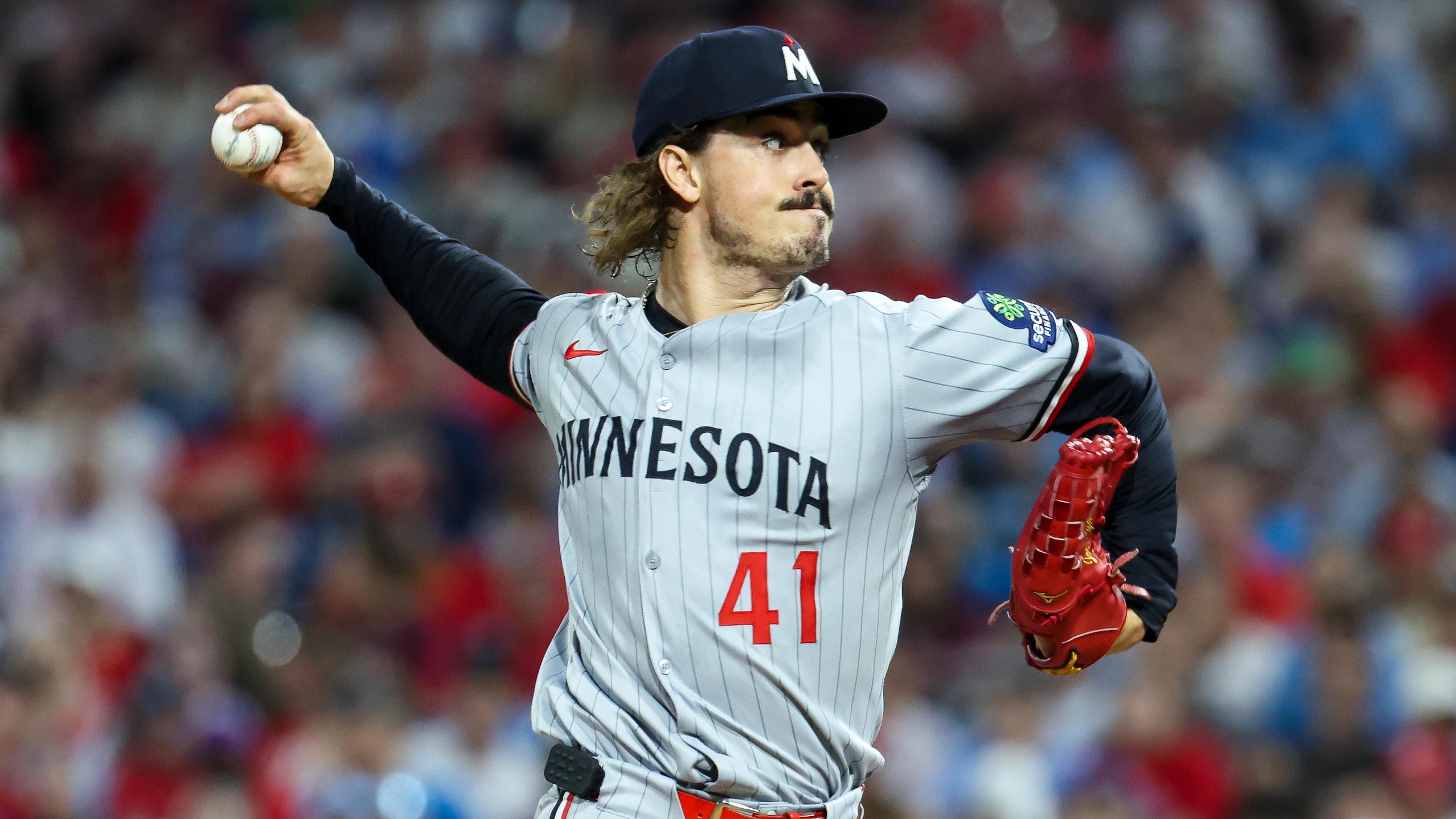
Where do these two Central Division teams see themselves for the next few years?
Let's start with Minnesota, which put together an aggressive fire sale ahead of this summer's trade deadline, unloading 11 players from its big league roster in the span of about 72 hours.
Should they choose to do so, the Twins could pull even harder at that thread by trading away their 2-3 remaining years of team control on each of Joe Ryan, Byron Buxton, Royce Lewis and Pablo López. That would turn this into a full-blown rebuilding situation, in which the 13 games in 2026 between Minnesota and the also-rebuilding Chicago White Sox would be pretty painful to watch.
Alternatively, with the Carlos Correa contract no longer weighing them down, they could try to be more aggressive than usual in free agency, building around that nucleus of stars and the budding young crop of Luke Keaschall, Mick Abel, Emmanuel Rodriguez and top prospect Walker Jenkins. Maybe instead of trading away Ryan, they sign someone like Ranger Suárez?
Likewise, the Cardinals find themselves in no man's land after back-to-back years of doing next to nothing to pick a lane.
They could put Sonny Gray, Willson Contreras, Nolan Arenado, Lars Nootbaar and others on the trade block in the name of starting over under new president of baseball operations Chaim Bloom. Or they could keep that core in place while making a run at, say, Cody Bellinger and Michael King to help get them out of this .500-ish rut and back to the top of the NL Central.
Since the name of the game here is making predictions, my guess is that both teams do more selling than buying, but neither quite approaches completely throwing in the towel like the A's did in March 2022. But if either team decides to go for it—particularly Minnesota, as the AL Central looks wide open again for 2026—we wouldn't be terribly surprised.


Red Sox Trade a Key Bat for a Key Arm
4 of 9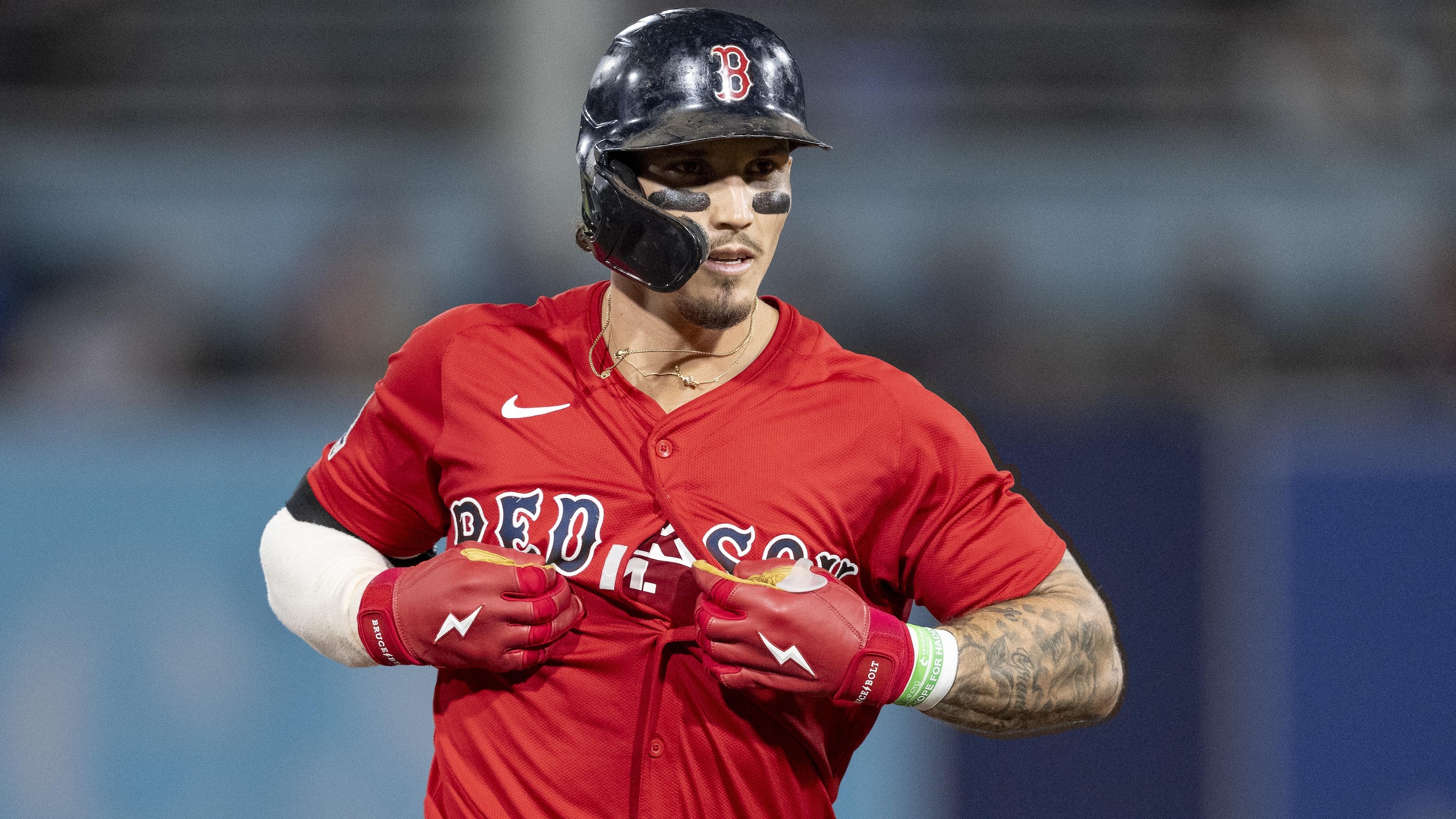
Which key bat, you ask?
Well, we shall see, but it would almost certainly be one of these five:
- LF Jarren Duran ($8M club option for 2026; arbitration-eligible through 2028)
- RF Wilyer Abreu (pre-arb in 2026; arbitration-eligible through 2029)
- CF Ceddanne Rafaela (signed through at least 2031)
- OF Roman Anthony (signed through at least 2033)
- DH/OF Masataka Yoshida ($18.6M in each of 2026 and 2027)
To be clear, there's not a soul who expects Anthony to be the one they trade away. We're just putting him on that list to show how much of a logjam there is between the outfield and the DH spot, which is why they were willing to unload Rafael Devers months ago. (They also have Jhostynxon "The Password" Garcia as a top 100 prospect who got a brief taste of the big leagues in late August and who can play any of the three outfield spots.)
Trading away Yoshida would figure to be their preference, as he is both the most expensive (for now) of the five and the least versatile/valuable defender, by far. However, that also makes him the least coveted trade chip, so it could be Duran or even Abreu on the move if the Red Sox have their sights set on a big whale on the trade block.
The ideal trade partner for Boston might be Miami, which inexplicably always seems to have a surplus of quality starting pitchers, yet hasn't had a positive run differential since a +2 mark in 2010. (FWIW: the Marlins have the longest active streak of negative run differentials, five years longer than first runner-up Pittsburgh.)
The Marlins could desperately use both a corner outfielder and a designated hitter, and they may be willing to part with just about any pitcher aside from Eury Pérez to make it happen. Whether it's Sandy Alcantara, Edward Cabrera or Ryan Weathers who the Red Sox choose to target, it could be a perfect match.
Despite New Ownership, Tampa Bay Continues Making Classic (Brilliant) Rays Moves
5 of 9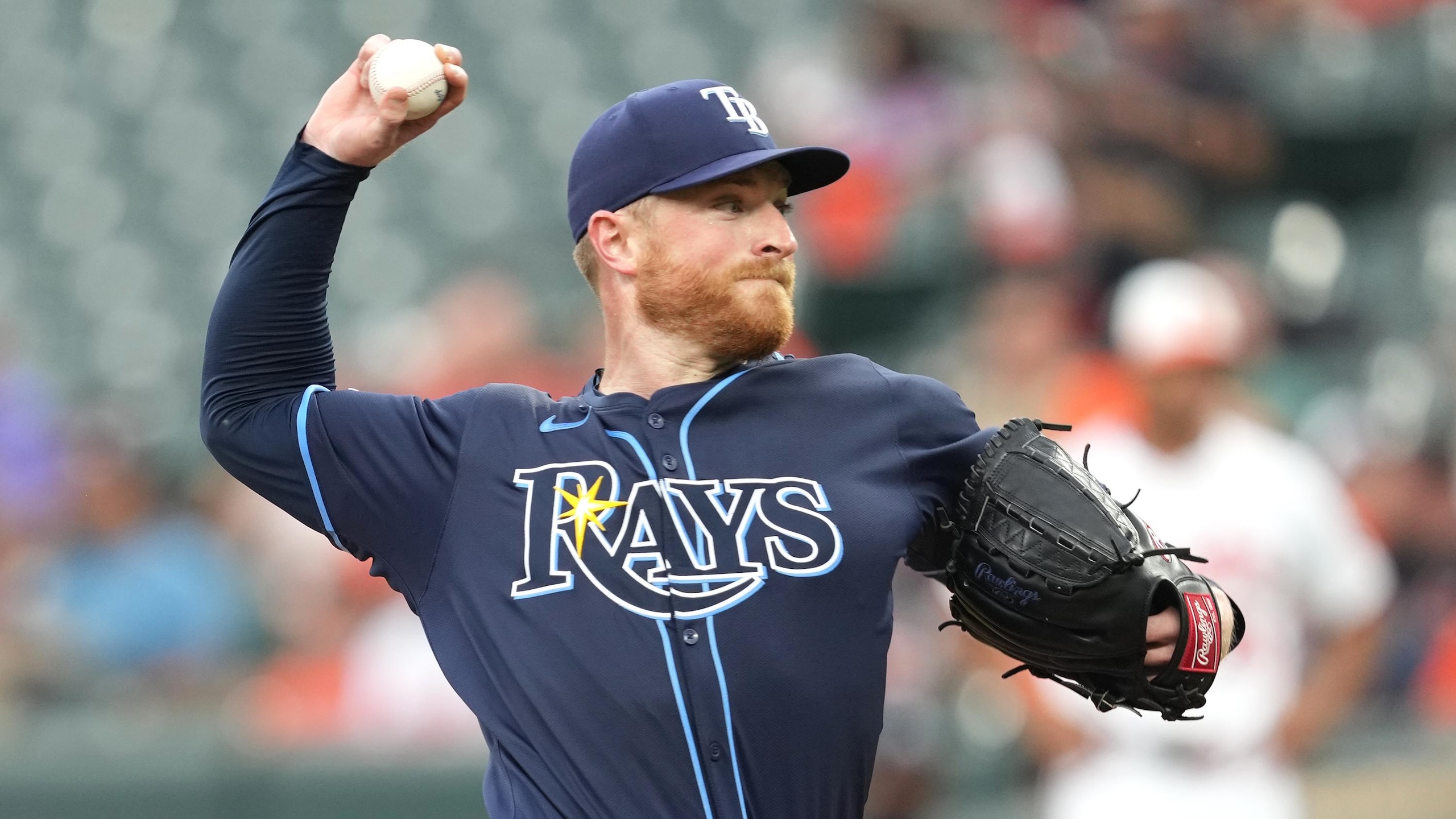
Identify young talent. Sign said talent to a ballooning, long-term contract. Reap the benefits of the cheap years before passing the buck of those latter, expensive years to someone else.
They did it with Scott Kazmir, James Shields, Chris Archer, Evan Longoria, David Price, Blake Snell, Wade Davis, Tyler Glasnow, Zach Eflin and surely a few others we're overlooking. (Goodness knows they probably would have done it with Wander Franco's $182 million contract, too.)
It's a life cycle that the Tampa Bay Rays may as well have patent rights on at this point.
It's how this low-budget franchise has managed to contend on a regular basis over the past 18 years.
And it's at their doorstep in spades yet again.
They have Yandy Díaz signed for $12 million in 2026 with a conditional clause for 2027 that is either a $10 million club option or a $13 million salary that vests if he makes at least 500 plate appearances next year.
They have an $11.5 million club option for Brandon Lowe and a $12.5 million club option for Pete Fairbanks, both of whom will be free agents after next season.
Lastly, they have Drew Rasmussen for $5.75 million in 2026 with a club option for 2027 that could escalate to well north of $10 million if he's healthy enough to make 28 starts.
All four of those players would be highly coveted on the trade block, most of all Rasmussen, who has quietly put together five consecutive seasons with a sub-2.90 ERA. If he were hitting the open market right now, he would figure to be as desirable as Michael King, if not more so, and Spotrac projects King's market value at four years, $91.9 million.
By no means is Tampa Bay going to just give away that quartet for the sake of saving money, but it could be willing to part with some combination of those soon-expiring contracts in order to restart that patented life cycle with other prospects or young MLB players it's identified as potential building blocks. Because that's just what this franchise does.
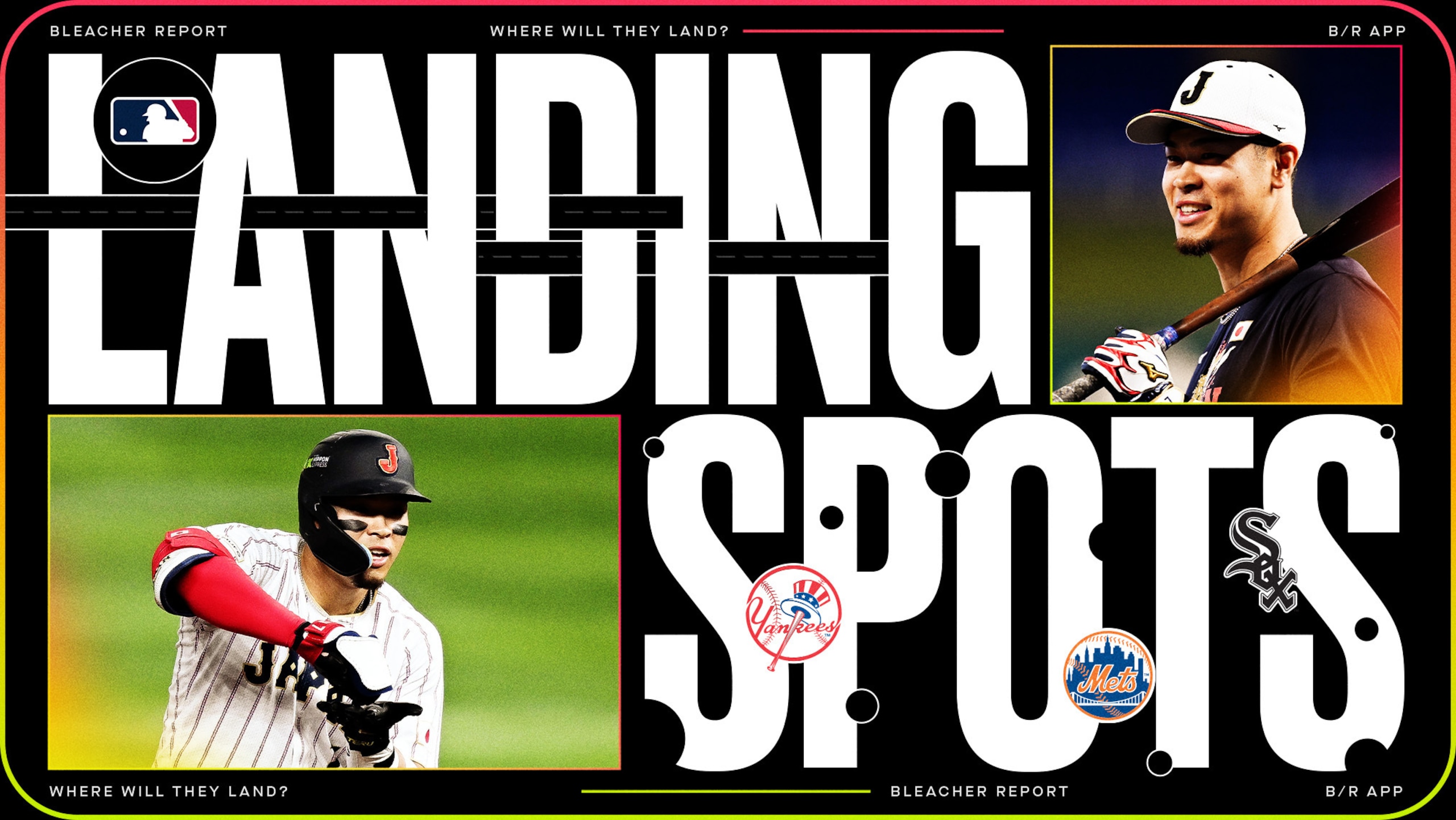
Munetaka Murakami Signs for More Than Every FA Not Named Kyle Tucker
6 of 9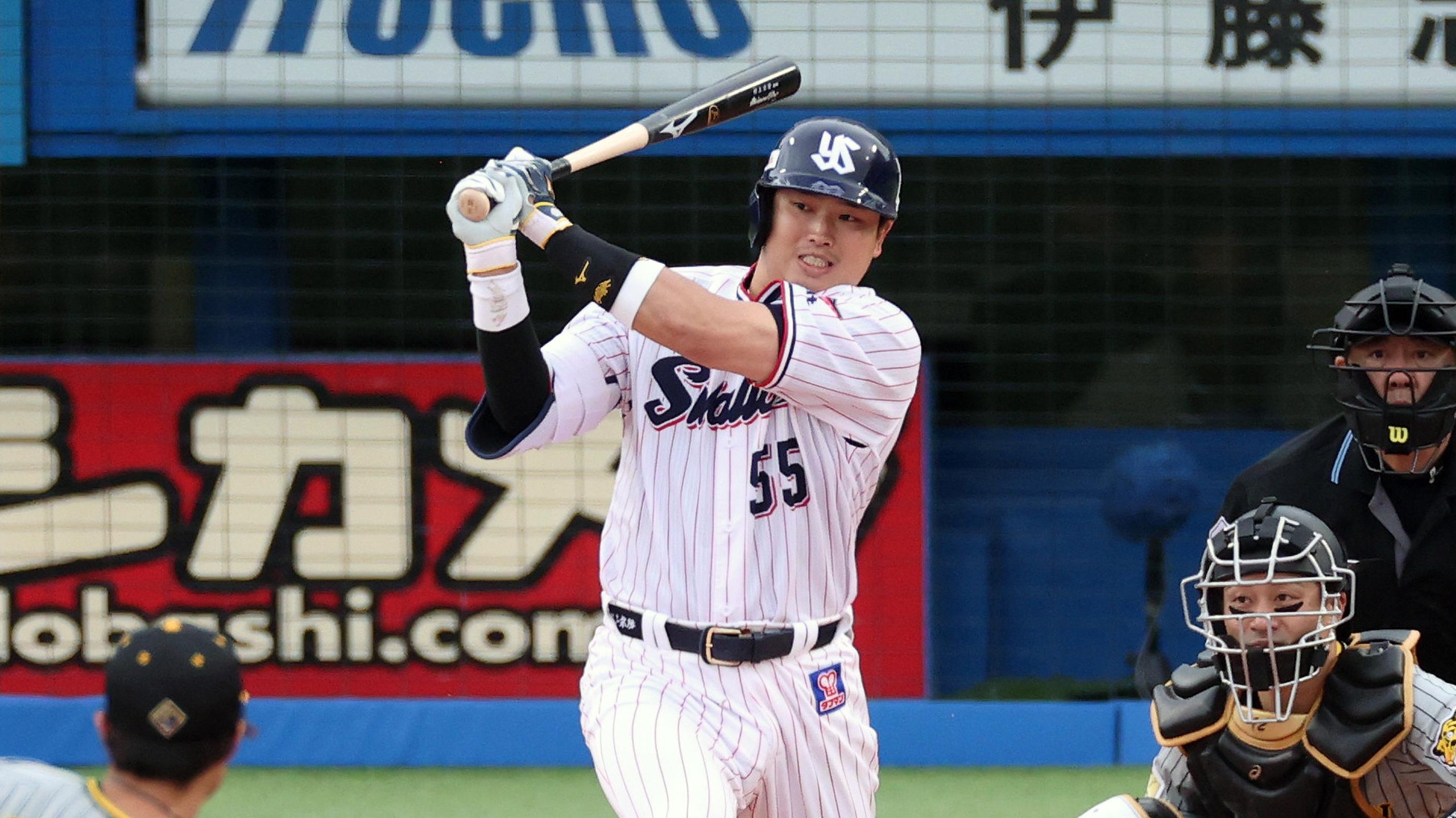
It's becoming an annual rite of passage that some superstar from Japan becomes one of the biggest prizes available during the offseason.
Unlike Roki Sasaki last year or Shohei Ohtani in 2017, though, corner infielder and baseball destroyer Munetaka Murakami is expected to be a conventional free agent, not beholden to the international bonus pool rules in which players essentially become prospects who have to go through a combined six years of pre-arbitration and arbitration eligibility before finally getting paid.
Rather, Murakami's situation will be like Yoshinobu Yamamoto's, who signed for more money ($325M) than everyone other than Ohtani ($700M) two winters ago.
Since the beginning of 2019, Murakami—who turns 26 in February—has clubbed 247 home runs in 3,805 trips to the plate. That's one dinger for every 15.4 plate appearances, which is a rate identical to what both Ohtani (258 HR in 3,962 PA) and Mike Trout (164 HR in 2,530 PA) have averaged during that same window.
Though we've all come to know Ohtani as one of the greatest sluggers in the world, he was nothing like this in Japan, hitting a grand total of 48 home runs in 414 games played.
What we have here is more of a "younger Hideki Matsui" situation, as Godzilla hit 241 home runs over his final seven seasons in Japan before signing with the Yankees as a 29-year-old.
Get familiar with the name. You're going to hear about Munetaka Murakami a lot this winter, and probably for the next decade. There's a good chance he'll immediately sign for north of $200 million. And probably with the Dodgers, much to the chagrin of most.
New York Mets Sign At Least 1 Ace-Caliber Free Agent Pitcher
7 of 9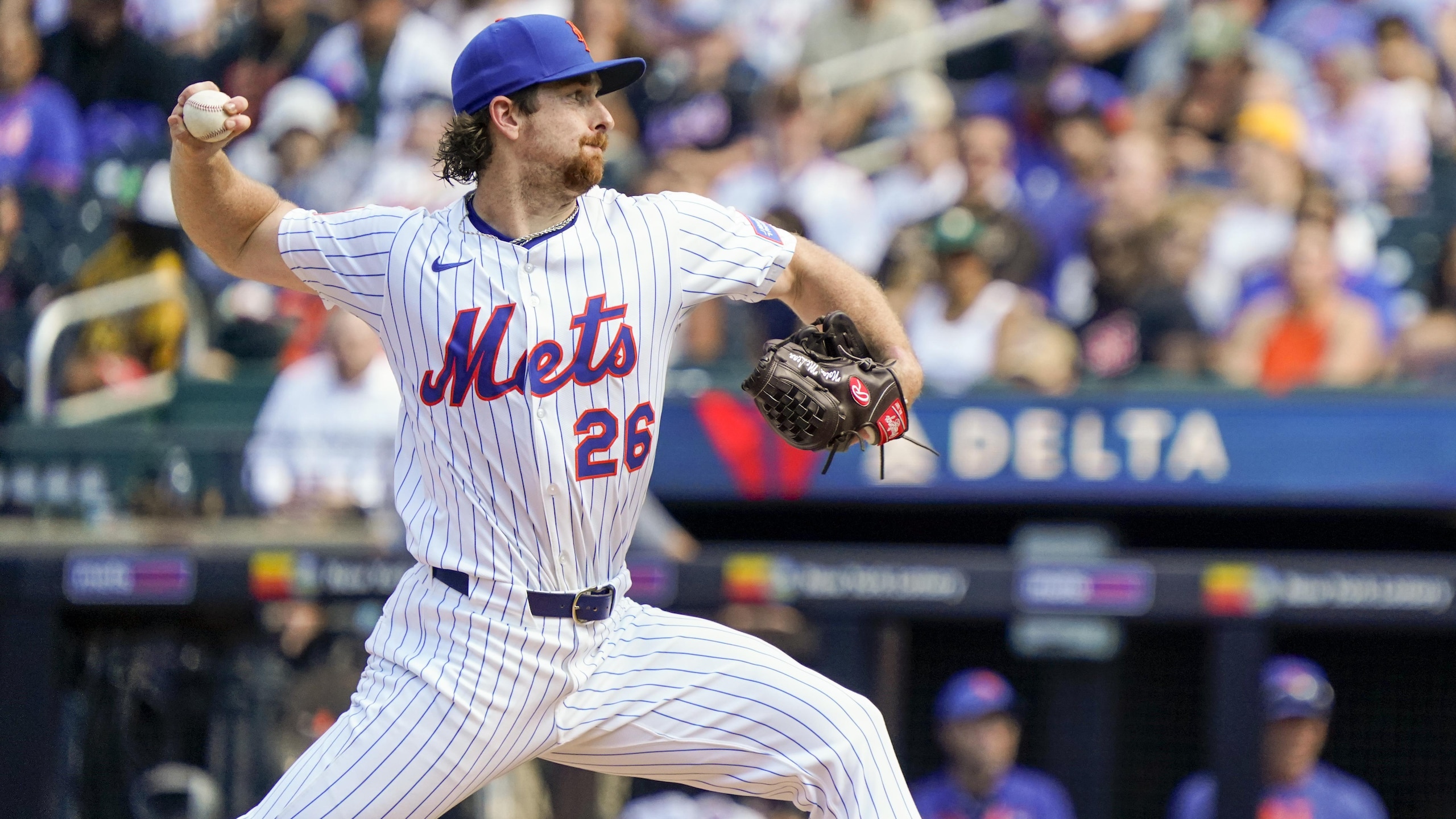
After sparing no expense to sign Juan Soto, the New York Mets took a budgetary offseason approach to their gaping hole of a starting rotation.
They re-upped with Sean Manaea after his career year, and otherwise took flyers on Frankie Montas, Griffin Canning and Clay Holmes. And though Canning was a surprise success story through the first two months while Holmes made a mostly successful initial transition from closer to starter, that quartet made a combined total of 46 appearances (39 starts) from June 14 onward with a combined 5.16 ERA and 1.40 WHIP with just two quality starts.
Needless to say, it wasn't what they were hoping for, and the rotation was just about indisputably the biggest reason the Mets—who are going to pay an estimated tax bill ($86.3M) greater than the Marlins' entire 2025 payroll ($85.4M)—completely imploded.
The one bit of good news on the rotation front is that Nolan McLean looks like the real deal. But if they want to rise above the mediocrity and actually win 90 games in a season for a change, they need to add at least one, possibly multiple of the six big-name arms up for grabs this winter. (Those being Framber Valdez, Ranger Suárez, Dylan Cease, Zac Gallen, Michael King and Shane Bieber.)
Trading for multiple years of Sandy Alcantara, MacKenzie Gore, Mitch Keller or Joe Ryan is also on the table, but something drastic needs to be done.
Bo Bichette Becomes This Year's 'Is He Ever Going to Sign?' Free Agent
8 of 9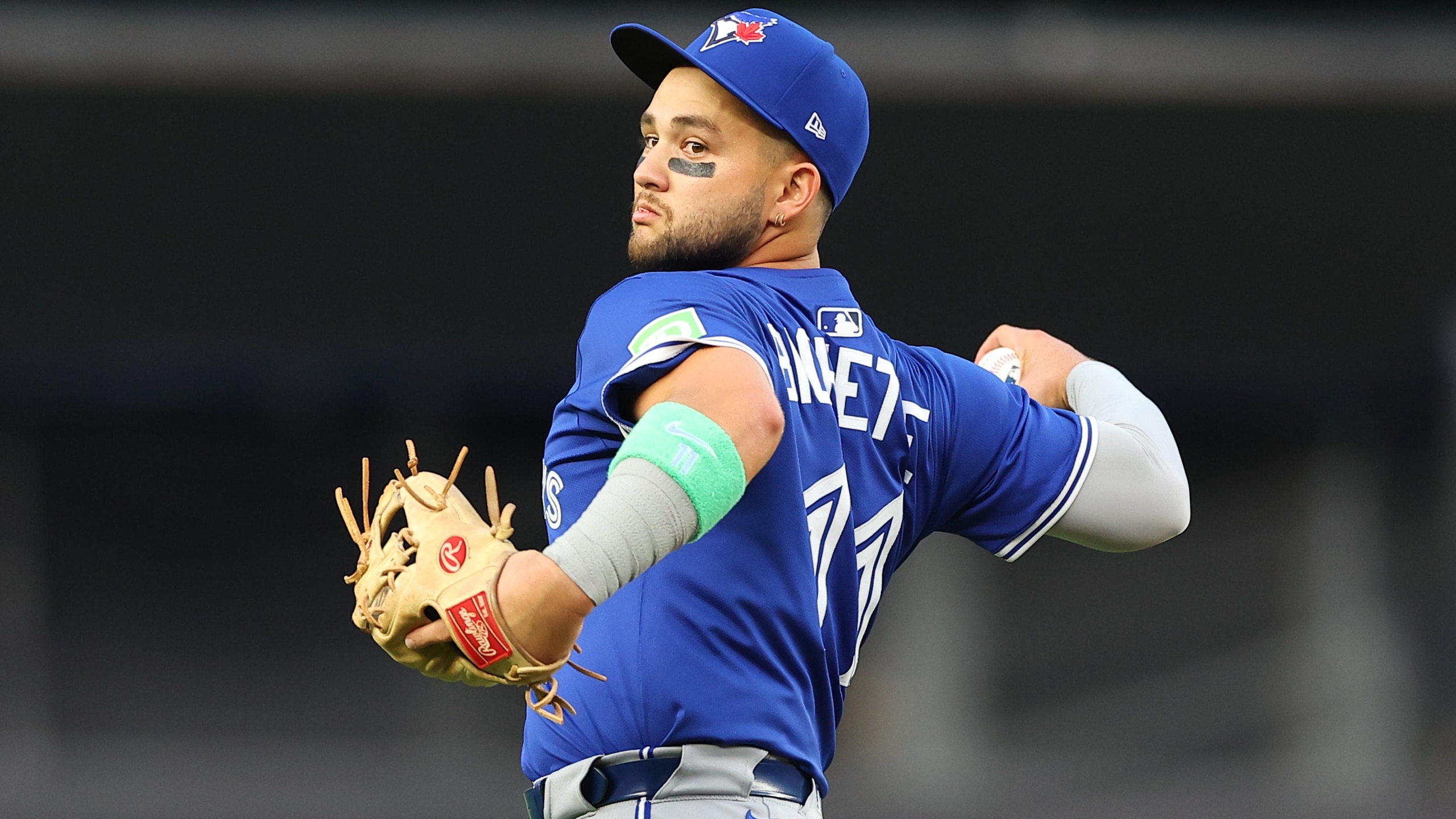
Over the past two offseasons, the big-name free agents who have been most willing to play a months-long waiting game—Blake Snell, Matt Chapman, Jordan Montgomery and Cody Bellinger in 2023-24; Pete Alonso and Alex Bregman last winter—have all been represented by Scott Boras.
In Alonso, Bellinger, Bregman, Dylan Cease and Zac Gallen, Boras has quite a few more clients who could be gearing up for a lengthy trip to free-agency land.
Bo Bichette, on the other hand, is not represented by Boras, but he could be a tough nut to crack in negotiations.
Elite shortstops make bank in free agency. Willy Adames got $182 million over seven years last winter. That $26 million AAV came two years after Trea Turner, Xander Bogaerts, Dansby Swanson and Carlos Correa all signed contracts at least six years long and with an AAV north of $25 million. Corey Seager and Francisco Lindor are both four years into decade-long deals worth $325 million and $341 million, respectively.
With all those comps to consider, Bichette's market value on Spotrac is eight years, $186.4 million.
Is he going to remain a shortstop, though?
Since the beginning of 2021, Bichette has a Fielding Run Value of minus-23. Among the 46 players who have logged at least 1,000 innings at shortstop during that time, only Washington's C.J. Abrams has been a bigger defensive liability.
And if Bichette is likely going to need to transition to some combination of 2B/1B/DH, is he really worth that much more than Luis Arráez, who is projected by Spotrac for a drastically lesser contract of five years, $70.6 million?
Bichette certainly provides more slugging than Arráez and is a year younger, but strip them down to "27-year-old defensive liability with a career OPS+ of 121" and "28-year-old defensive liability with a career OPS+ of 115" and it's hard to see why Bichette should fetch 65 percent more per year for 60 percent more years.
It only takes one team to believe, of course, and only two teams to spark a bidding war. Perhaps Toronto, Boston and/or Atlanta goes all-in on Bichette as its plan at shortstop through 2030 and beyond.
But after months of a growing consensus online that Bichette could get as much as $200 million in free agency, what teams are actually willing to offer might be insultingly low, leading to a drawn-out saga on par with what Alonso and Bregman dealt with before signing short-term deals in February.
Kyle Tucker Lands in San Francisco
9 of 9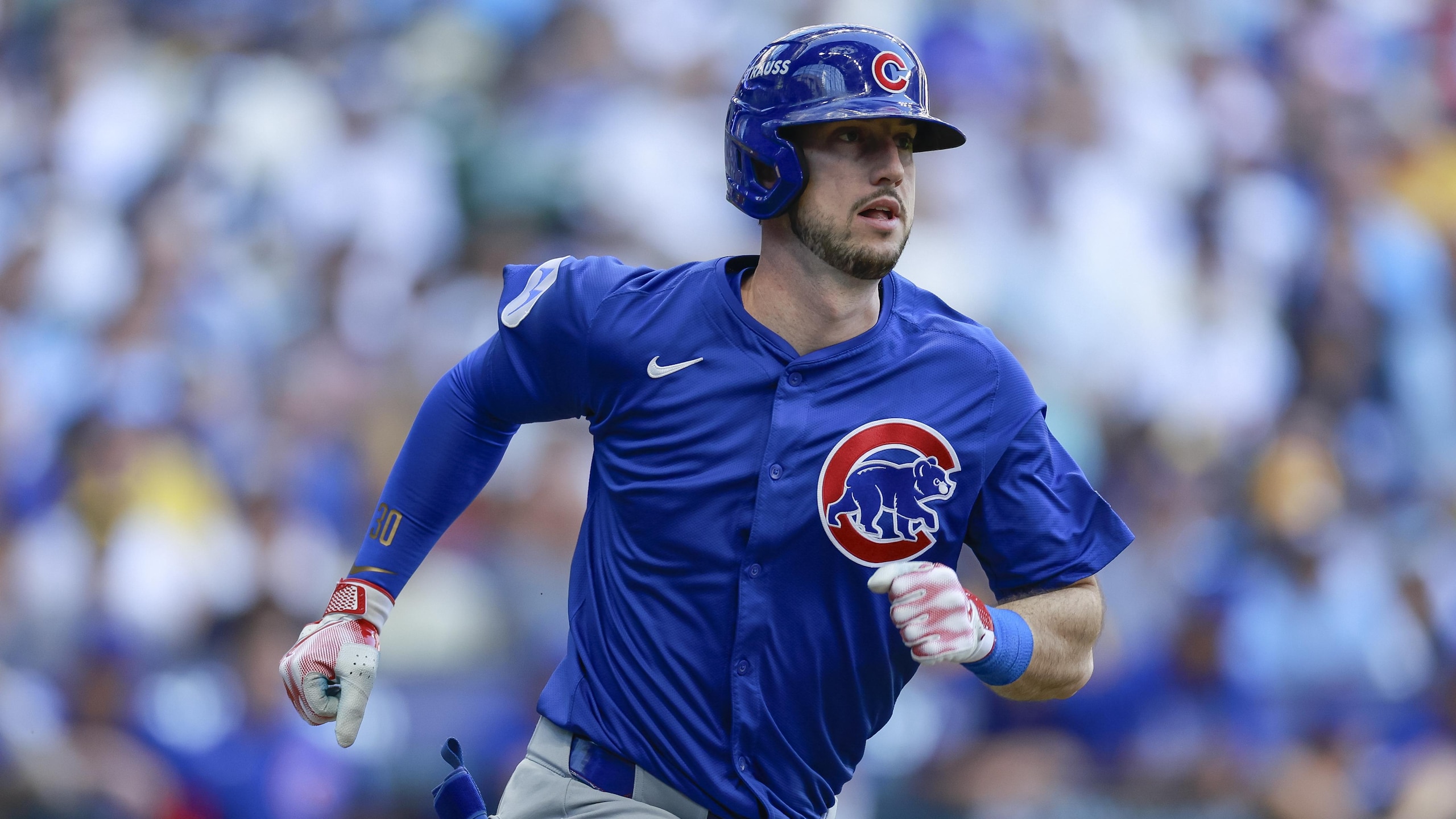
Playing home games at Oracle Park for the next decade-plus could be a real buzzkill for Kyle Tucker's career statistics. Per Baseball Savant, if all of his swings had happened there, he would be at 114 career home runs instead of his actual total of 147.
In fact, in each of the past three seasons, his expected home run count at Oracle Park was the lowest of any venue. And he has never homered in 15 career games against the Giants (six at Oracle).
But you know what? It's a similar story for fellow left-handed slugger Rafael Devers, and that didn't stop the Giants from acquiring him (and his massive contract) in June.
Between that trade and their nine-figure investments in each of Jung Hoo Lee, Matt Chapman and Willy Adames over the past few years, San Francisco has made it clear that playing 81 games per season in a pitcher's park isn't going to prevent it from investing heavily in hitting.
And despite those four big contracts and the combined $48 million due to Logan Webb and Robbie Ray in 2026, the Giants surprisingly have quite a bit of room to make some noise this winter.
With those six players each hitting next year's luxury-tax payroll for $18 million-$30 million, they're at $140.15 million. However, that's all they're particularly worried about heading into the offseason, as no other returning player made even $1 million in 2025, while the only arbitration-eligible players are reserve catcher Andrew Knizner in his final year before free agency and the trio of Heliot Ramos, Patrick Bailey and Ryan Walker reaching arbitration for the first time.
We'll see what the final figures end up being, but it's presently looking like the other 20 Opening Day roster spots will have a combined salary of less than $20 million, leaving the Giants plenty of room to make a big splash.
Heck, they could sign Tucker at $40 million per year and still check in below the $208.15 million Opening Day payroll they had in 2024. (Granted, they do also need to add pitching, so we don't expect their payroll to actually stay that low if they do get Tucker.)
They missed on Aaron Judge, Shohei Ohtani, Yoshinobu Yamamoto, Juan Soto and other $200 million-plus free agents in recent years, but this is where they finally reel in a big fish, desperate to put together a winning record after failing to do so in eight of the past nine years.

.jpg?w=2560 "Report reveals list of next NFL international locations")