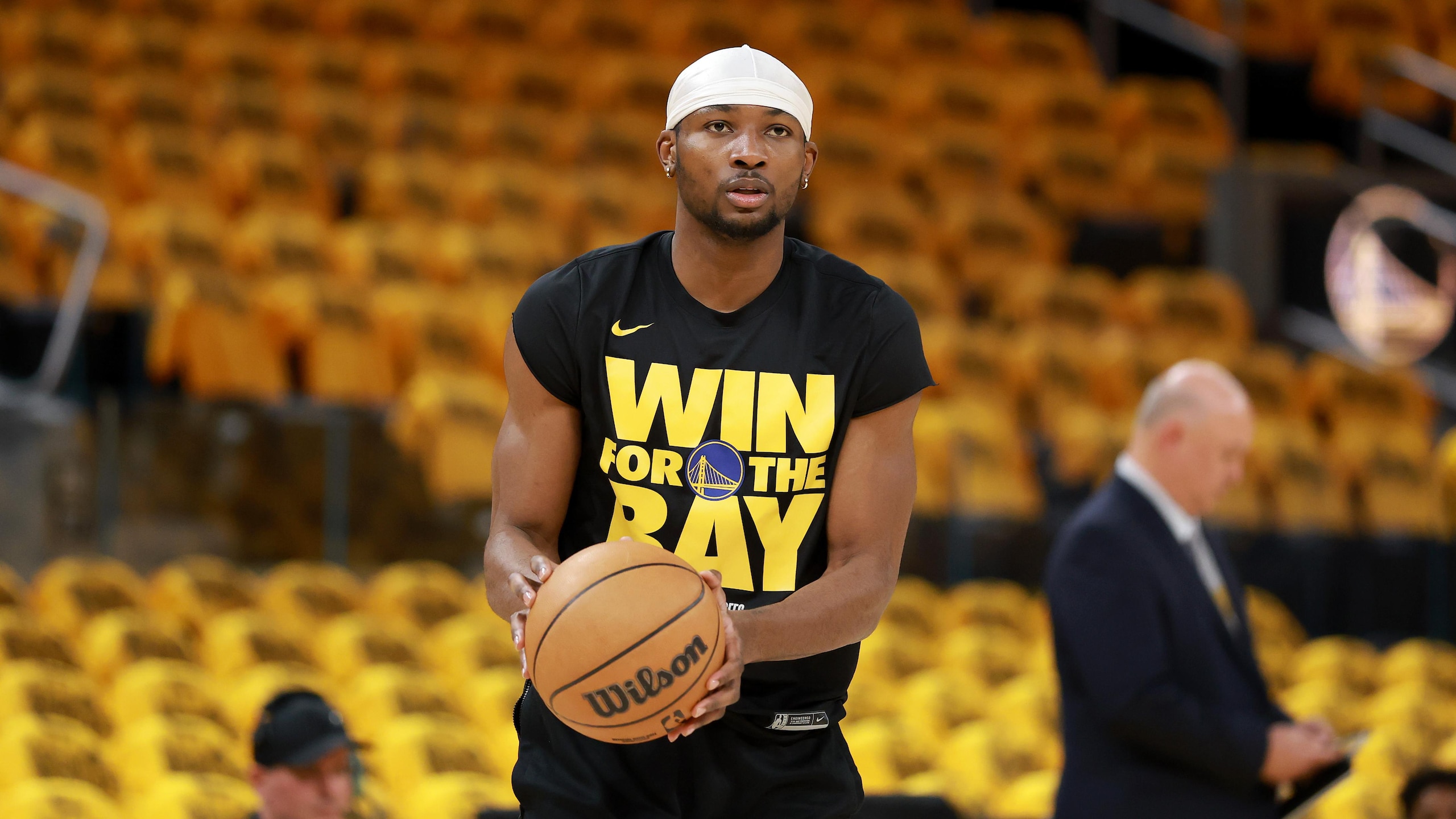

Training camp is looming, but Jonathan Kuminga's stalemate with the Golden State Warriors continues to linger. The almost-23-year-old forward is entering his fifth season yet remains a restricted free agent with no clear pathway to a contract that doesn't involve cooperation from the Warriors.
ESPN's Anthony Slater and Shams Charania recently gave an update on negotiations, noting the franchise increased its offer from a two-year, $45 million deal to $75.2 million over three. Both scenarios include a team option, with the Warriors requiring Kuminga to give prior trade consent on a shorter deal—though that's not a factor for the three-year offer.
Slater and Charania also mention the Sacramento Kings and Phoenix Suns as potential sign-and-trade destinations for Kuminga.
Taking all factors into consideration, how would those trades work? What would be a viable compromise for Kuminga to stay with the Warriors? What's his short-term leverage?
Kuminga to the Sacramento Kings
1 of 4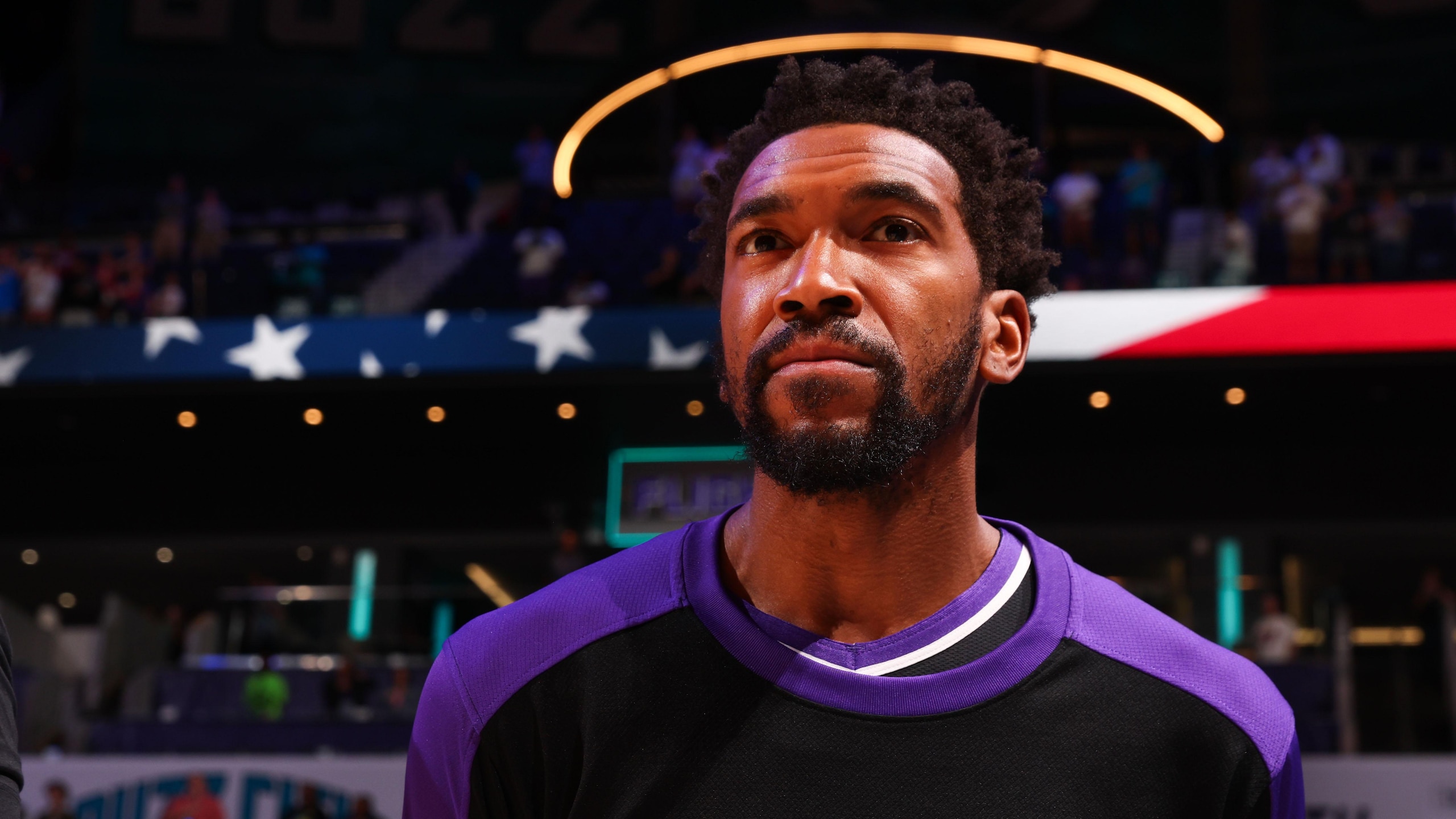
The Warriors and Kings enlist the Brooklyn Nets for a three-team swap:
The Sacramento Kings receive: Jonathan Kuminga (from Warriors), Buddy Hield (from Warriors)
The Golden State Warriors receive: Malik Monk (from Kings), Drew Timme (from Nets), protected 2026 first-rounder (from Kings)
The Brooklyn Nets receive: Dario Šarić (from Kings), 2029 second-rounder (from Kings), $1 million (from Kings)
Notes: Kuminga inks a four-year, $82.8 million sign-and-trade deal with the Kings, with a player option on the final season (starting at $19.3 million for 2025-26). Sacramento remains just below the luxury-tax threshold with 14 players.
The Warriors trigger a second-apron hard cap, with enough flexibility to use the taxpayer mid-level exception ($5.7 million) on Al Horford. Others like De'Anthony Melton, Gary Payton II and Seth Curry may sign at the minimum. Timme's salary remains non-guaranteed for Golden State.
The Nets are still a few million below the NBA's minimum team salary this year ($139.2 million) but get there comfortably with Šarić. Brooklyn will need to cut a couple of players to get to 15 standard contracts (possibly Šarić, whose salary is fully guaranteed).
The 2026 first-round pick to the Warriors would have top-eight protection. If triggered, Golden State would receive the Charlotte Hornets' 2026 second-rounder (31-55 range) and the lower first in 2027 from Sacramento between their own and the San Antonio Spurs (2-16 range). The 2029 second-rounder via the Kings to Brooklyn is the lowest from the Detroit Pistons, Milwaukee Bucks and New York Knicks.
Issues: The Warriors reportedly want an unprotected first. The team can send out Moses Moody instead, but one of the two is likely required, with Golden State only credited for sending out half of Kuminga's new salary. Monk's contract is a year longer than Golden State might prefer.
Kuminga to the Phoenix Suns
2 of 4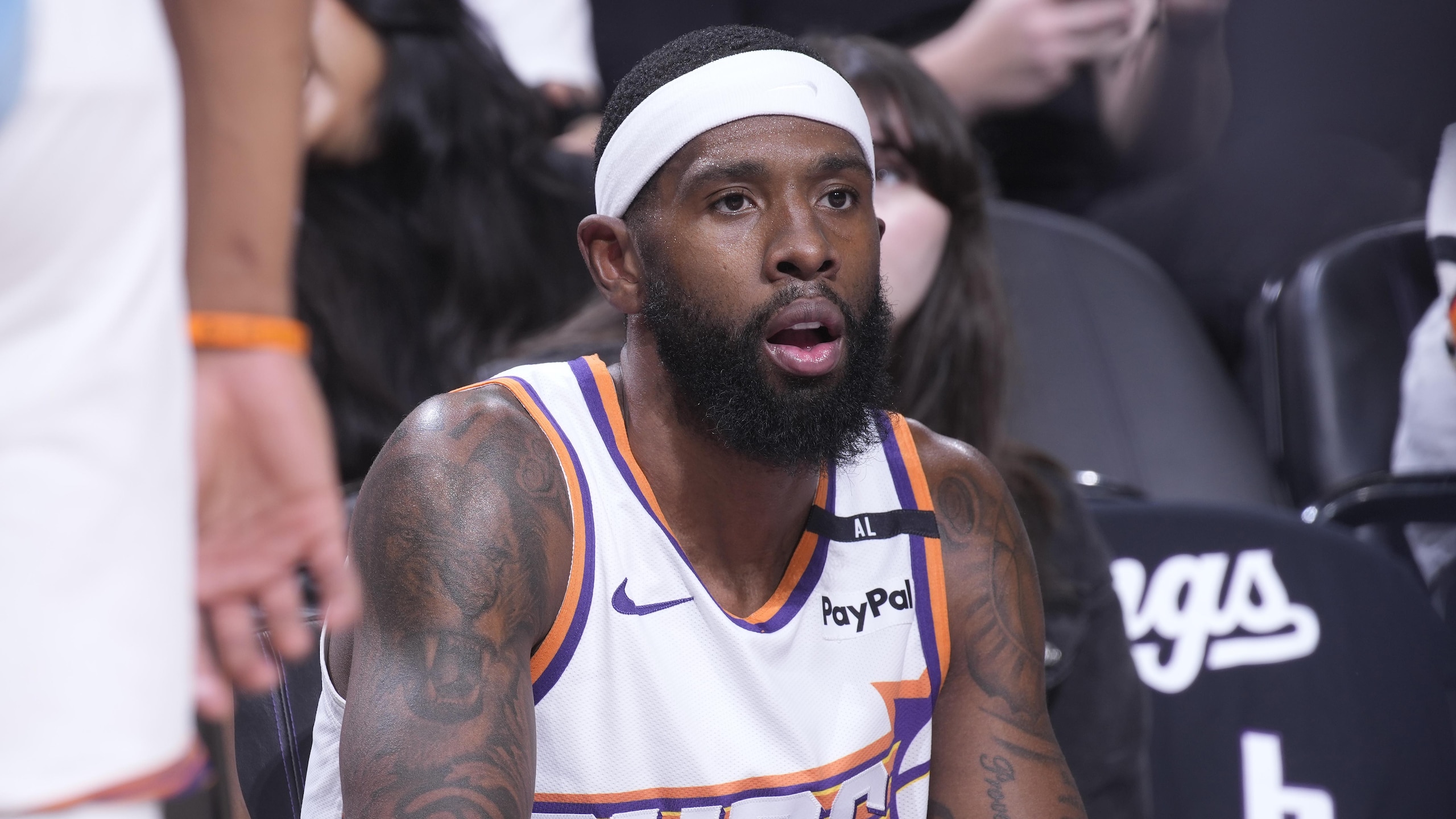
The Warriors and Suns can get a deal done without the help of a third team:
The Phoenix Suns receive: Jonathan Kuminga, Trayce Jackson-Davis
The Golden State Warriors receive: Royce O'Neale, Nick Richards, three second-rounders (2026, 2029, 2032), $5 million
Notes: Kuminga goes from the Warriors to the Suns via a sign-and-trade deal for almost as much as the Kings' concept, at a four-year, $81.7 million contract with a player option on the final season (starting at $19 million for the 2025-26 season).
Phoenix finishes with 14 players, within $680,000 of the first-apron hard cap—triggered by taking in the allowable salary beyond the combined total of O'Neale and Richards' salaries.
The Warriors also have a first-apron hard cap by taking in more (O'Neale and Richards) than Kuminga's outgoing salary of $9.5 million (half of his new figure). The team can allocate approximately $4.5 million of its taxpayer mid-level exception to Horford, along with players such as Seth Curry, Melton and Payton.
The 2026 second-rounder is the second-highest selection from the Dallas Mavericks, Oklahoma City Thunder, and Philadelphia 76ers. The Suns send their 2029 second-round pick outright, plus the lower of their own and the Houston Rockets in 2032. The extra cash from Phoenix is included to get the Warriors across the finish line in the deal, given the Suns aren't sending a first-rounder.
Issues: The Warriors may not view Richards for Jackson-Davis as an upgrade. The lack of first-round compensation puts this concept on the back burner behind what the Kings can do. Conversely, O'Neale and Richards have shorter contracts than Monk, and Golden State may be more inclined to give up Jackson-Davis than Hield (with Richards incoming).
Then there's the fundamental issue that the Warriors may want more time to evaluate Kuminga before sending him out in trade.
Kuminga, Warriors Find a Compromise
3 of 4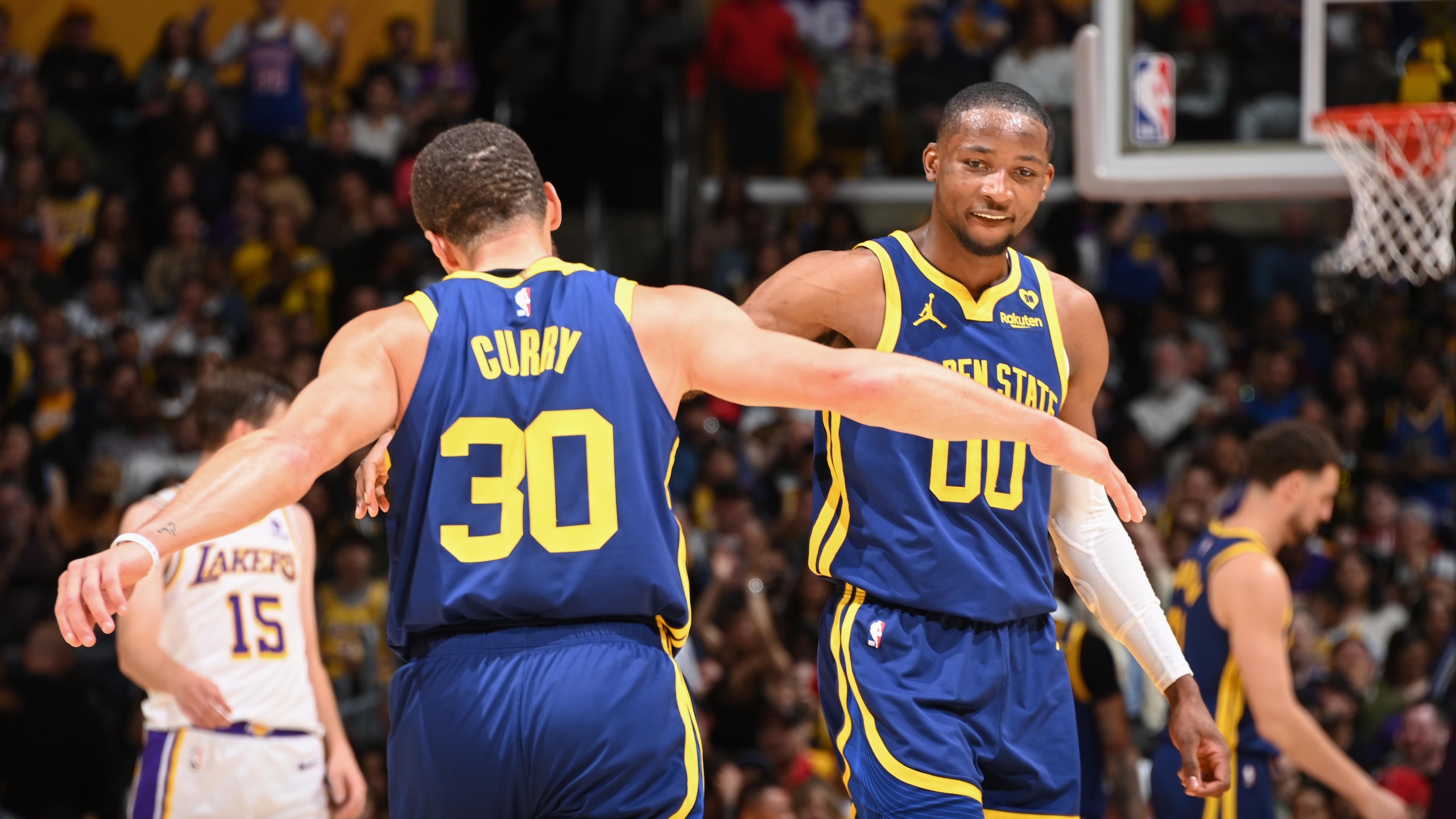
The Warriors are reluctant to sign players to deals that go beyond Steph Curry, Jimmy Butler and Draymond Green's contracts, which all expire after the 2026-27 season (Green can opt out after this year).
Kuminga is required to take a three-year deal if sent out via sign-and-trade. If he stays with the Warriors, the team can get out after two years. Still, why wouldn't Kuminga just take Golden State's offer, especially if he has the potential to earn about $15 million more over three seasons by staying put (even if he may not earn that final year)?
If the Kings or Suns were to do a four-year deal with a player option, Kuminga knows he's getting close to $82 million. If he outperforms his contract through three years, he'll opt out to earn again in free agency. With Golden State, if he raises his value after two years, the team probably uses the option to keep him at a below-market price for an extra season. If he doesn't perform as well as he'd like, then the Warriors opt him out, and that third year is lost entirely.
The two-year version, which includes a team option and the Warriors demanding prior trade consent, only guarantees him about $21.7 million. A large one-year deal with the Warriors is too high-risk for the team, since he can choose to depart in 2026 unrestricted.
One compromise may be the $45.1 million over two years without any options. That allows both sides to determine if the fit works, and for the Warriors to trade him unencumbered over the next two seasons. The downside is that a two-year contract cannot be extended. A solution could be an extendable three-year deal, no options, but the Warriors have resisted.
Put simply, the sides aren't that far apart; a deal can be reached. If not, on paper, the Sacramento idea looks better than the Phoenix one, especially if Golden State is willing to accept that Monk's contract is one year longer than Curry's contract.
But if that's the case, why not just give that extra year to Kuminga?
.jpg?w=2560 "NBA Gambling Charges")

Kuminga Uses His Only True Leverage
4 of 4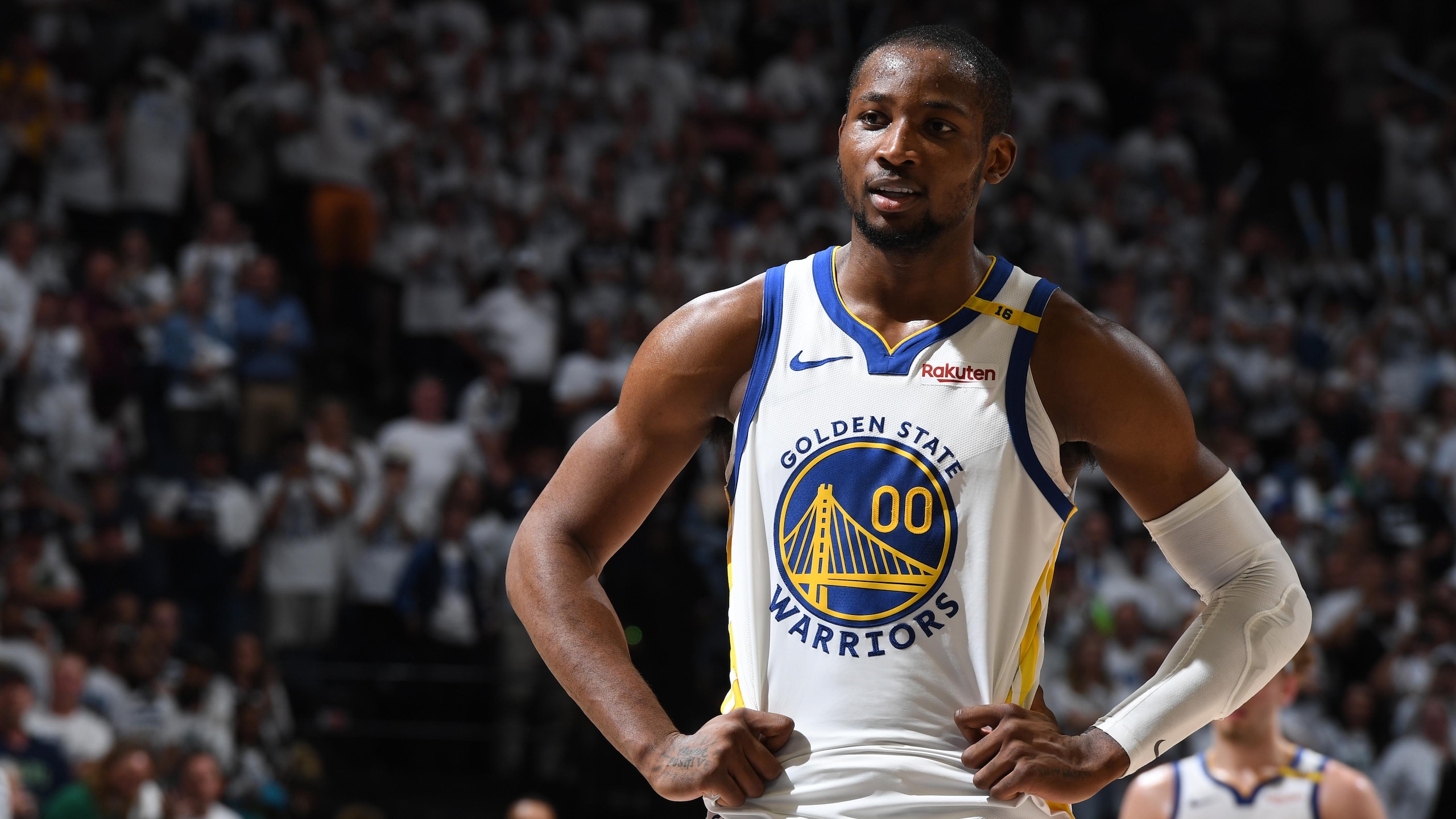
Through October 1, Kuminga can accept the Warriors' one-year $8 million qualifying offer. It's the last resort and probably the worst-case scenario for both sides. It's the only unilateral choice that Kuminga can make; thus, it's his only proper leverage.
If so, the Warriors likely move on entirely from Kuminga as a priority, expecting him to leave as an unrestricted free agent in 2026. Making matters worse, he can block any trade after re-signing on a one-year deal. He can resist any overtures the team makes to relocate him before the deadline.
The negative for Kuminga is that an acquiring team wouldn't have advanced Bird rights, limiting his salary to $9.9 million in 2026. Since he's looking for a salary well over the projected non-taxpayer mid-level exception next year ($15.1 million), he would need a team with enough cap room to give him a payday—and there's no guarantee that the six to seven teams that project to have space will use it on Kuminga.
It's a lose-lose situation for both sides, but Kuminga has to try to use the qualifying offer as leverage for a better deal in the coming weeks, whether it's with the Warriors, Kings or Suns.
Email Eric Pincus at eric.pincus@gmail.com and follow him on X @EricPincus and Blues


.jpg?w=2560 "Jonathan Taylor Landing Spots")
.jpg?w=2560 "Aikman Blasts Cowboys WR 🫣")
