

Try as we might to forecast who will play key roles during the Major League Baseball season, there is almost always at least one player on each team who slips through the cracks before emerging as a hidden gem.
Before the 2025 season began, FanGraphs published projections of who would play how much and how well for every team. And among the 623 batters and 830 pitchers, there were 448 players projected for at least 1.0 fWAR.
That averages out to just a shade under 15 per team, and none of those players was eligible for this list.
Nor were the prospects who ranked in Baseball America's Top 100 heading into the season, as it would be a little ridiculous to call any of Roman Anthony, Nick Kurtz, Cade Horton or Jacob Misiorowski a "hidden gem" just because FanGraphs wasn't sure if or when they would make their MLB debuts this year.
Even after removing all of those players from consideration, though, each of the 30 teams has had at least one surprising breakout/bounce-back player.
Arizona Diamondbacks: UTIL Blaze Alexander
1 of 30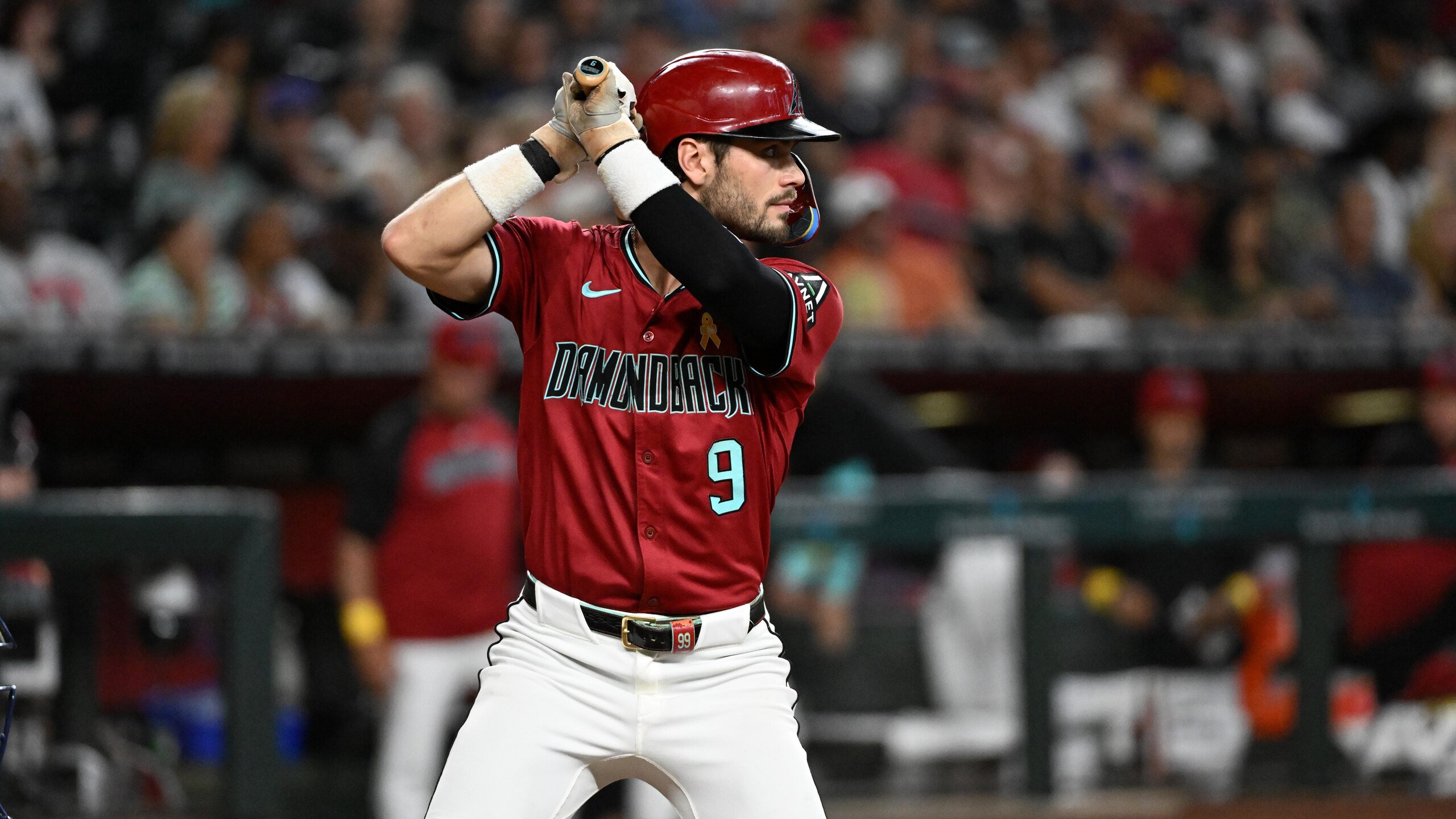
Projected fWAR: 0.0
Actual fWAR / bWAR: 1.4 / 2.2
Right off the bat, we've got a tough call to make between two great candidates in the desert.
Ryne Nelson becoming the de facto ace of Arizona's staff was wholly unexpected. He was supposed to be the Diamondbacks' "break in case of emergency" arm; a long reliever who would make some spot starts, as necessary. But in his 137 innings pitched, he has given them a 3.48 ERA and 1.05 WHIP, which is laughably better than what Zac Gallen, Brandon Pfaadt and Eduardo Rodriguez have managed.
But at least Nelson was expected to be a somewhat significant piece of the puzzle, projected for 126 innings and an fWAR of 0.8.
Blaze Alexander was only projected to appear in 29 big-league games with a .643 OPS, but he had a nearly .900 OPS for a couple of months at Triple-A Reno before becoming one of Arizona's regulars in early July. And when the Snakes traded away Eugenio Suárez, Alexander stepped right into that void with seven home runs and an .881 OPS in August.
It looks like they've found what could be their primary third baseman for the next half-decade.
Athletics: CF Denzel Clarke
2 of 30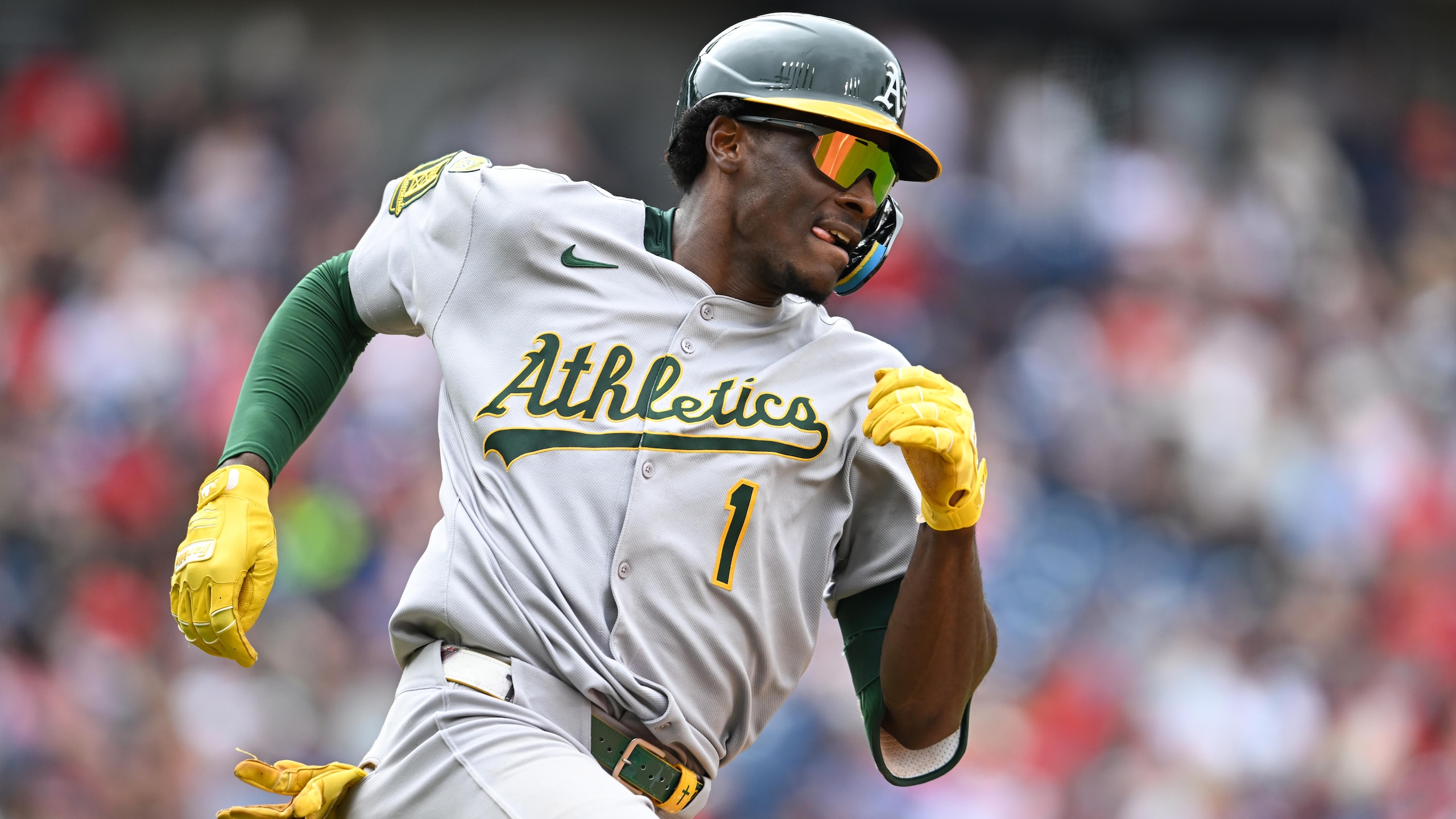
Projected fWAR: N/A
Actual fWAR / bWAR: 1.4 / 1.0
Back before Fernando Tatis Jr. started robbing home runs on a seemingly daily basis, it was Denzel Clarke flashing web gems left and right in center for the A's.
Clarke wasn't projected for any playing time in the big leagues this season, as he had not even played at the Triple-A level prior to this spring. But when the A's decided to shake things up in late May in hopes of snapping out of a lengthy losing skid, it was Clarke who benefited from JJ Bleday's demotion.
Clarke has been on the IL since late July, so he didn't play in anywhere near enough games to be a serious candidate for a Gold Glove. But the 25-year-old sure looked the part of someone who will secure a couple of those trophies over the course of the next decade.
However, that's going to hinge upon whether he hits well enough to remain a regular in the lineup.
After striking out in 399 (30 percent) of 1,332 plate appearances in the minors over the past five years, he whiffed in 61 (38.4 percent) of his 159 trips to the MLB plate. With his elite range in the outfield and speed on the basepaths, though, maybe a Joey Gallo rate of strikeouts is acceptable.
Atlanta Braves: RHP Hurston Waldrep
3 of 30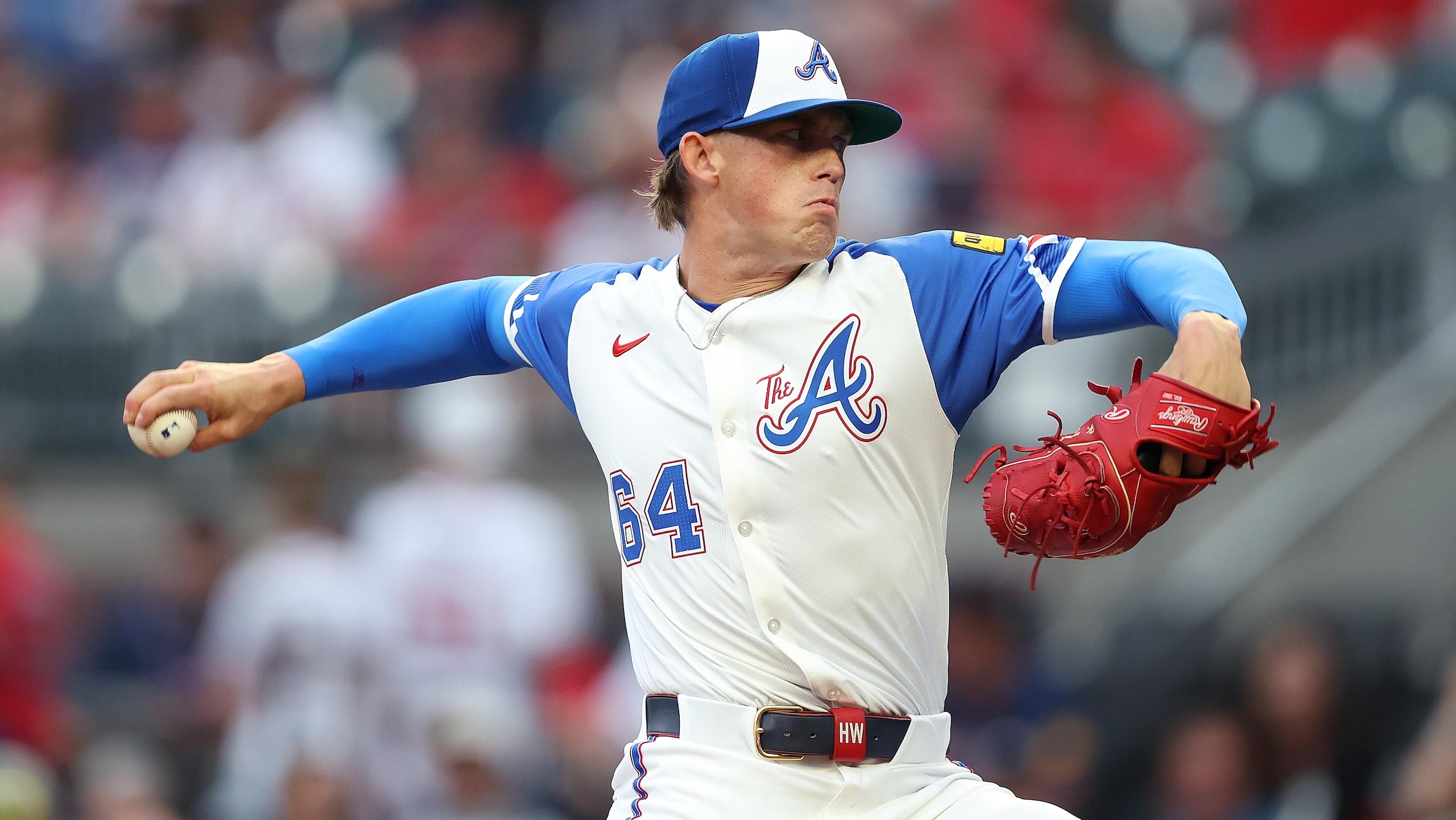
Projected fWAR: 0.1
Actual fWAR / bWAR: 0.8 / 1.9
Considering Atlanta had a preseason win total of 93.5 and is on pace for just 72, it's little surprise that this was one of the few teams for which we almost couldn't find a hidden gem.
Fortunately, Hurston Waldrep has been one heck of a late arrival for us to roll with here, even if he is a bit of an asterisk for the "no top 100 prospects" criterion.
Waldrep was Atlanta's first-round pick in the 2023 draft, subsequently entering 2024 as Baseball America's 49th-ranked prospect. But because he got absolutely tattooed for 13 earned runs in his two big league appearances last June, he was no longer in this past winter's top 100. (He did open the year at No. 93 in Baseball Prospectus' rankings, though.)
After Atlanta suffered about a decade's worth of pitching injuries in the first four months of this campaign, however, they gave Waldrep—who had a 1.99 ERA over his final seven appearances at Triple-A Gwinnett—another shot right after the trade deadline, and he has not disappointed in the slightest.
From 13 earned runs in seven innings pitched (16.71 ERA) last year to six earned runs across his first 40.2 innings pitched (1.33 ERA) this year, he has been a revelation who could feature prominently in next year's rotation.

Baltimore Orioles: LHP Trevor Rogers
4 of 30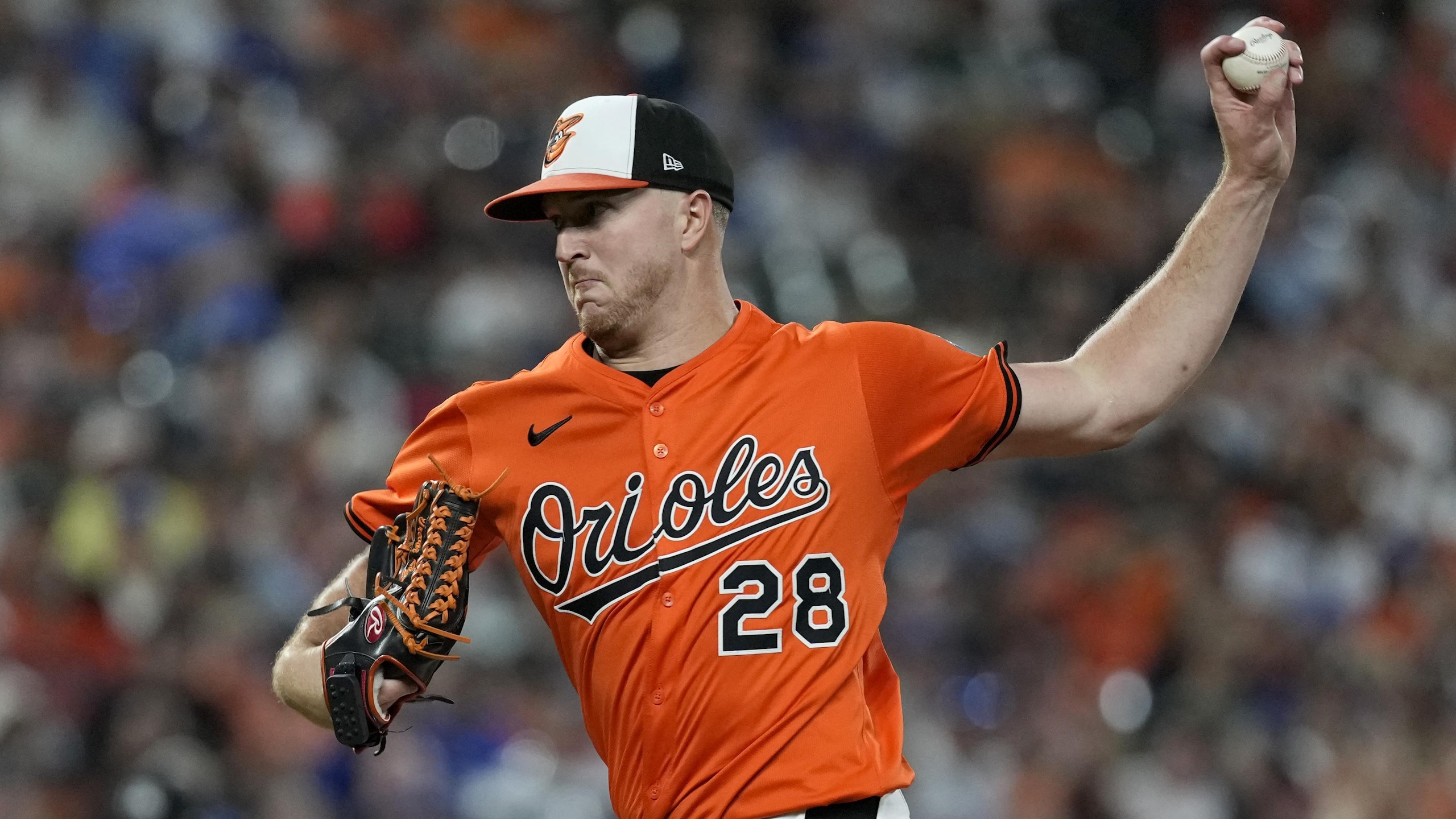
Projected fWAR: 0.1
Actual fWAR / bWAR: 3.5 / 5.2
On just about any other team, Ramón Laureano would have been the obvious choice, having the best season of his career en route to becoming a key trade chip.
But Trevor Rogers has been the unexpected comeback story of the year.
After a great rookie season in 2021, Rogers was nothing special and frequently injured over the next three seasons. And he went from bad to worse after getting traded from Miami to Baltimore last summer. Between his four MLB starts with the O's and his subsequent 13 minor-league outings last fall and this spring, he logged 80.1 IP with a 5.94 ERA.
FanGraphs projected him for just 23 big-league innings this season. By mid-May, that looked generous.
Out of nowhere, though, Rogers has been arguably the best pitcher in baseball since late June.
At the end of August, he had a 1.21 ERA over his previous 12 appearances, going at least six innings with either zero or one runs allowed in 10 of them. In August alone, he went at least seven innings and gave up one run in starts against the Cubs, Mariners, Red Sox, Astros and Giants.
Boston Red Sox: C Carlos Narvaez
5 of 30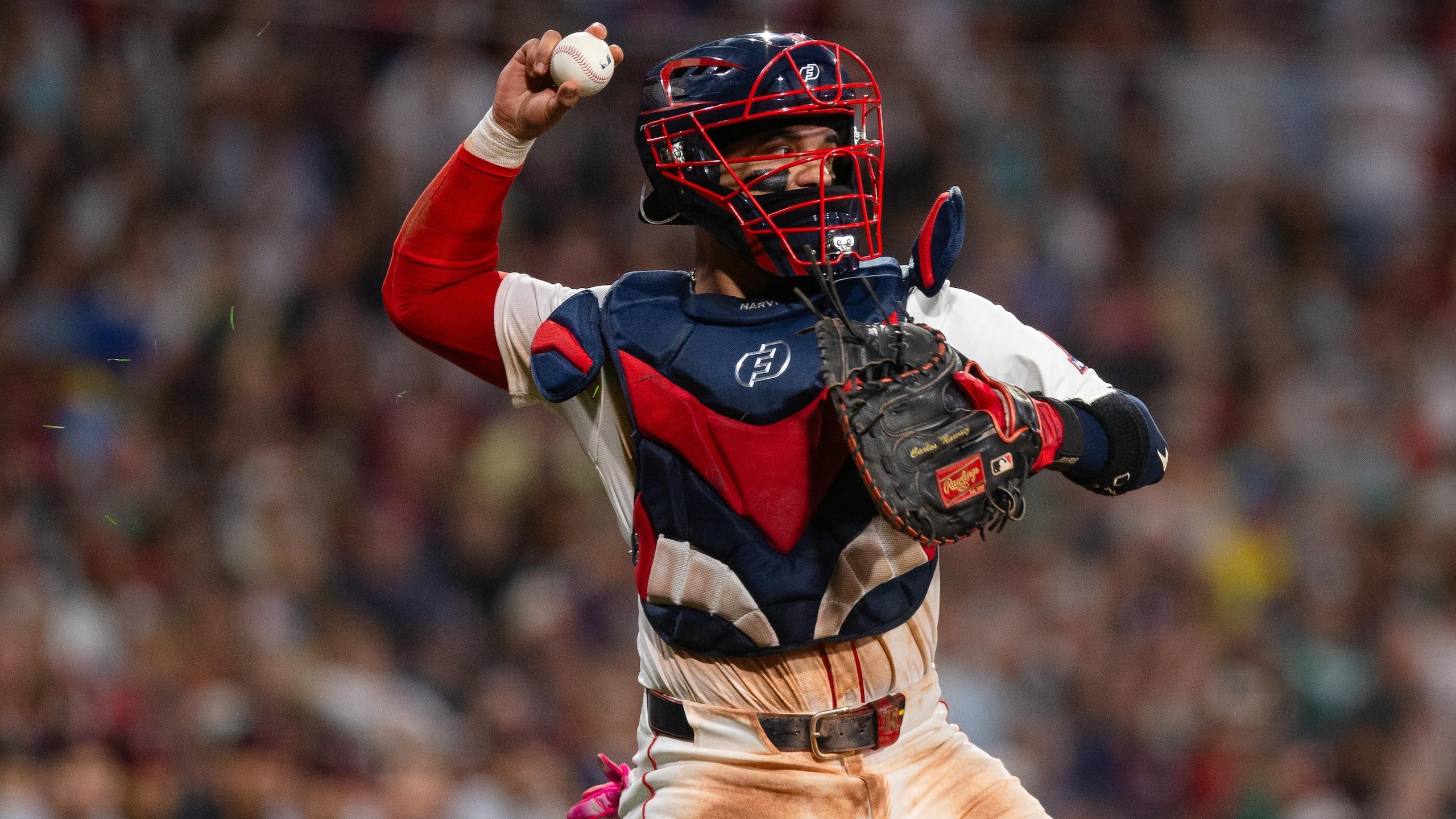
Projected fWAR: 0.6
Actual fWAR / bWAR: 2.8 / 2.9
When the Red Sox traded for Garrett Crochet, the biggest chip they sent to Chicago was catching prospect Kyle Teel. To justify parting with him, they acquired (on the same day) Carlos Narváez from the Yankees, with all of six games of big league experience to his name at that point.
He was never supposed to be Plan A at catcher for Boston. That was Connor Wong's job. Even Plan B was up in the air heading into spring training, with Narváez battling Blake Sabol and Seby Zavala to become the primary backup.
He won that competition, though, and unexpectedly became Plan A when Wong landed on the IL less than two weeks into the campaign. But it was when Wong returned in early May that Narváez really began to shine, triple-slashing .346/.443/.538 over his next 32 games played, becoming Boston's primary clean-up hitter.
He has since come back to earth and slipped to the bottom of the order, but he's still getting about two-thirds of the starts at catcher while Wong sputters his way through a season with a barely .500 OPS.
Chicago Cubs: RHP Daniel Palencia
6 of 30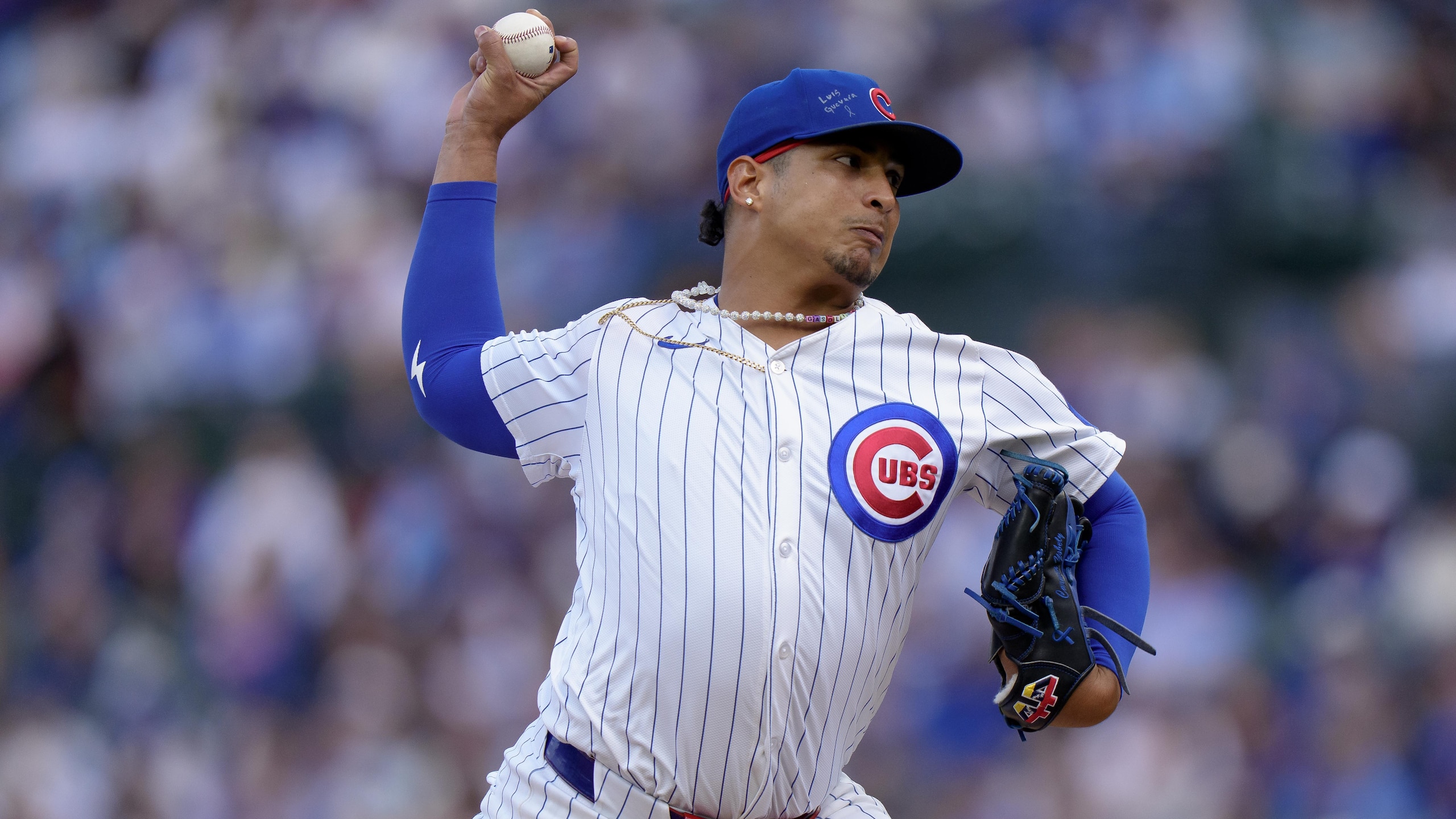
Projected fWAR: 0.0
Actual fWAR / bWAR: 0.8 / 0.5
Look no further than the roster Chicago took to the Tokyo Series against the Dodgers for proof that Daniel Palencia was never part of the plan at closer.
Because the Cubs only needed two starters, they brought Shota Imanaga, Justin Steele and 11 relievers. Palencia wasn't one of them. He also was not one of the 16 pitchers who recorded either a hold or a save for the Cubs in spring training, this after he made a combined total of 37 appearances between 2023 and 2024 with one save, one blown save, two holds and a 5.02 ERA.
By mid-April, though, both Eli Morgan and Nate Pearson had pitched their way out of a job and Ryan Brasier was on the IL, so Palencia got another chance.
By early-May, he had a 1.69 ERA and was starting to get used in high-leverage, middle-relief roles.
By mid-May, he was the primary closer, converting 22 of his next 23 save chances with a 2.04 ERA.
Unfortunately for Chicago, Palencia recently landed on the IL with a shoulder strain, turning his availability for the postseason into a gigantic question mark. But he had been the savior of this bullpen up until that point.
Chicago White Sox: RHP Adrian Houser
7 of 30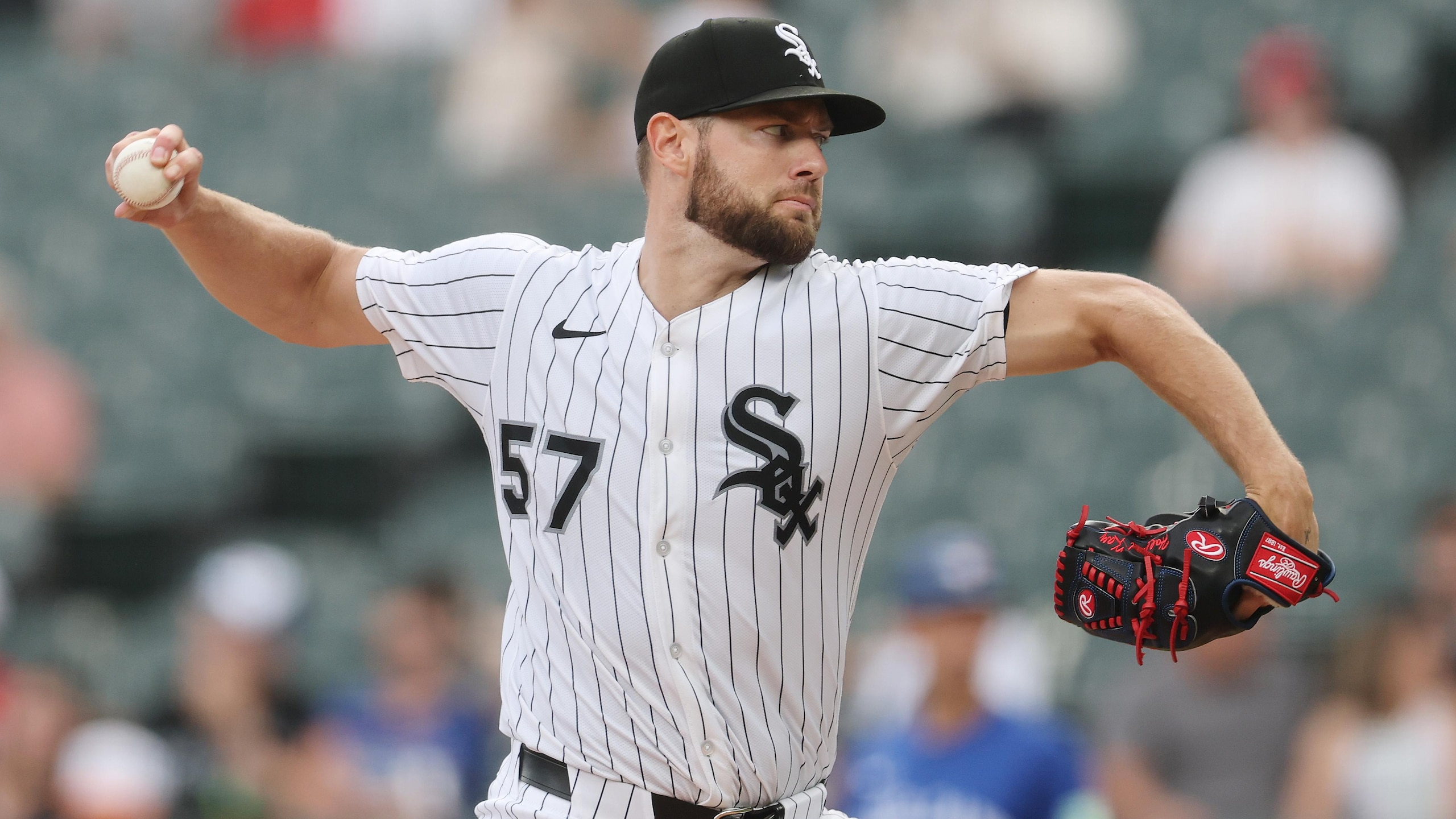
Projected fWAR: 0.1
Actual fWAR / bWAR: 1.7 / 2.9
Adrian Houser was traded from the White Sox to the Rays at the deadline, but he was the ultimate unearthed gem prior to that.
From April 2024 through May 2025, Houser pitched for four different franchises, none of them the Chicago White Sox. He had a 5.84 ERA when the Mets released him last July. He subsequently signed minor league deals with the Cubs, Orioles and Rangers, never making it back to the big leagues with a cumulative ERA of 5.67 in 16 appearances.
Already at 20 games below .500 with nothing to lose in late May, the White Sox took a $1.375M flyer on Houser and immediately put him in the starting rotation.
He went six scoreless innings against the Mariners.
He did it again six days later against the Mets.
By the All-Star Break, he had made nine starts with a 1.56 ERA, blossoming almost overnight from a pitcher that anyone could have had into one of the most coveted assets on the trade block.
His unexpected success did nothing to help the White Sox in the 2025 standings, but they were able to trade him for three players, most notably former highly-touted prospect Curtis Mead. If he pans out over the next few years, the ROI from that Houser flyer could be incredible.
Cincinnati Reds: UTIL Noelvi Marte
8 of 30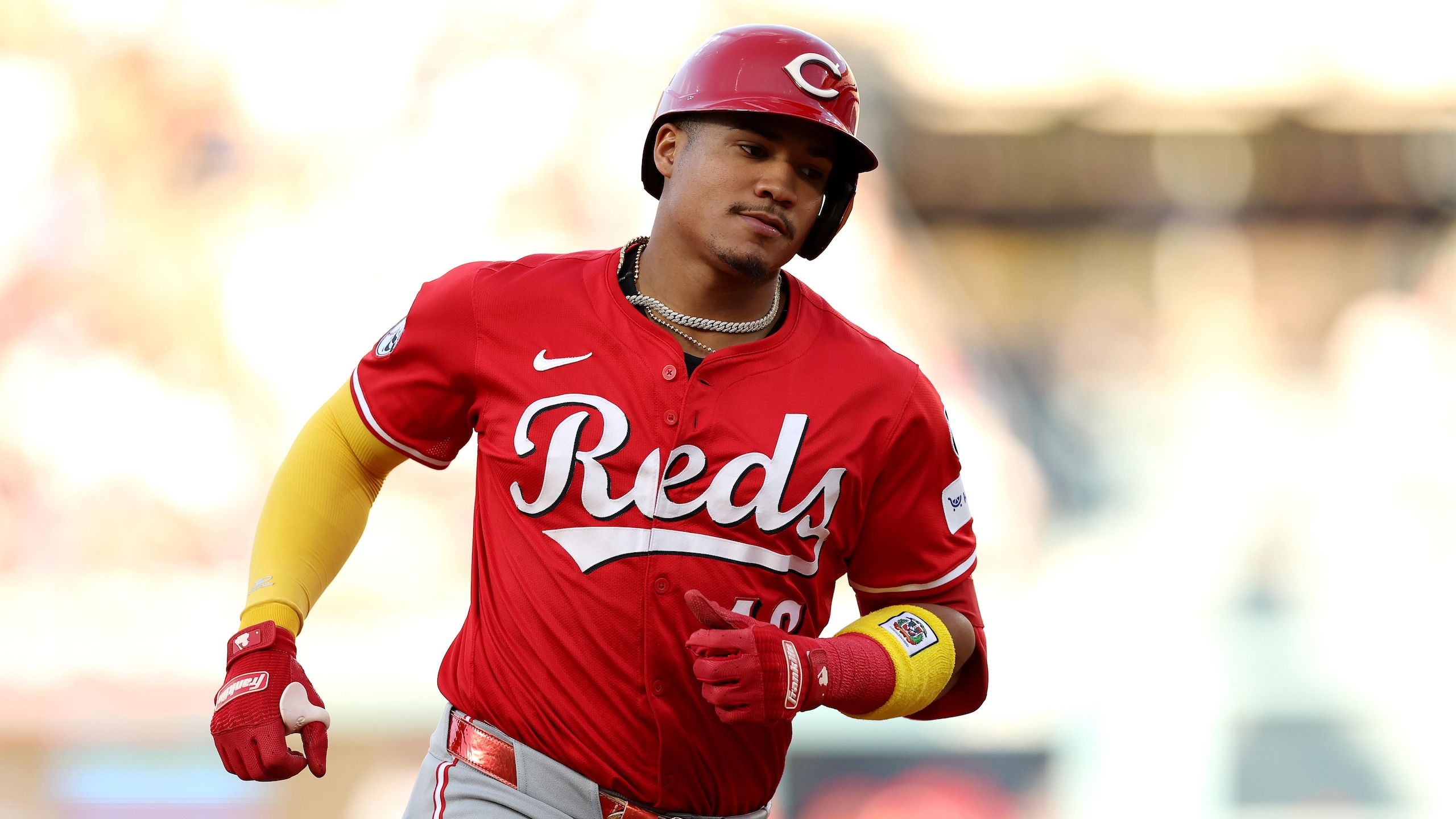
Projected fWAR: 0.1
Actual fWAR / bWAR: 1.2 / 1.2
Though Noelvi Marté was no longer a top prospect heading into this season, big things previously were expected from him. He was the crown jewel of the prospect platter Cincinnati got for sending Luis Castillo to Seattle in 2022, ranked in the preseason top 100 by Baseball America in every year from 2020-24.
But he got hit with an 80-game suspension for a failed drug test last season, and subsequently posted just a .549 OPS in 66 games played. As a result, those high hopes went right out the window, FanGraphs only projecting Marté to appear in 24 MLB games this season as part of a crowded infield.
With Jeimer Candelario and Christian Encarnacion-Strand wildly underachieving from the outset of 2025, though, it was Marté's time to shine.
A strained oblique suffered in early May cost him two months of action, but he entered play on Friday with the highest OPS (.792) among Reds with at least 100 plate appearances this season. And despite never once playing a professional inning in the outfield until less than two months ago, he has adapted well to right field since Cincinnati traded for Ke'Bryan Hayes.
Cleveland Guardians: UTIL Daniel Schneemann
9 of 30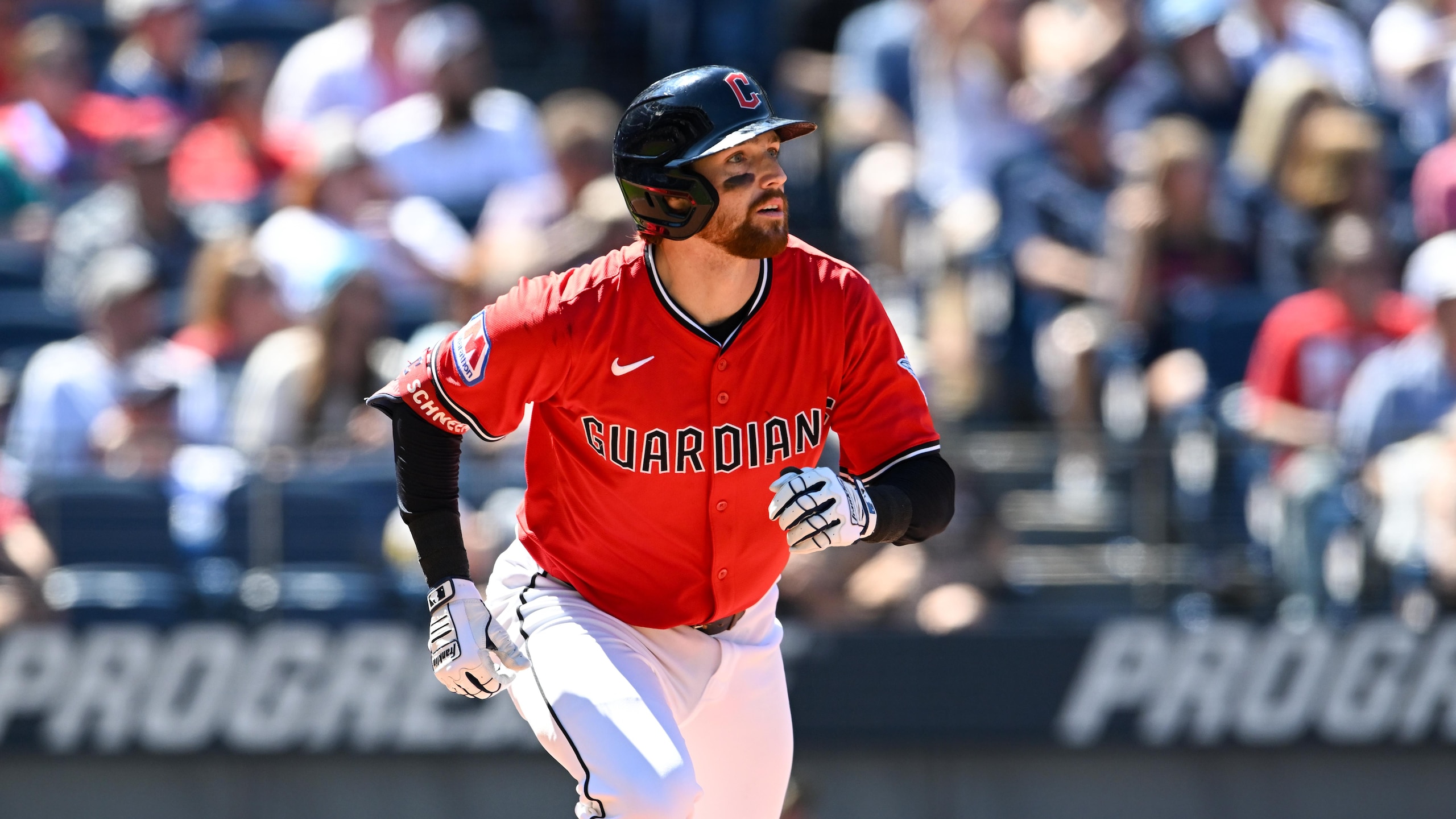
Projected fWAR: 0.5
Actual fWAR / bWAR: 1.5 / 1.7
At this point, Daniel Schneemann is more of a forgotten, re-earthed gem than an unearthed hidden one. In 69 games played dating back to early June, he's batting .193 with a .583 OPS, averaging nearly 60 plate appearances per home run.
Early on, though, he was almost a carbon copy of the "plug him in anywhere" indispensable breakout star that David Fry was for Cleveland last season.
Through 60 team games, Schneemann had an .800 OPS, homering once for every 22 trips to the plate. He was probably the most valuable Guardian not named José Ramírez or Steven Kwan.
He has now made at least three starts at each of second, third, short, left, center and right, worth both a 6 Fielding Run Value and 6 Outs Above Average, per Baseball Savant. A viable candidate for the AL's Utility Gold Glove, Schneemann has continued to provide value as a one-man depth chart, even though his bat has cooled off considerably.
Colorado Rockies: C Hunter Goodman
10 of 30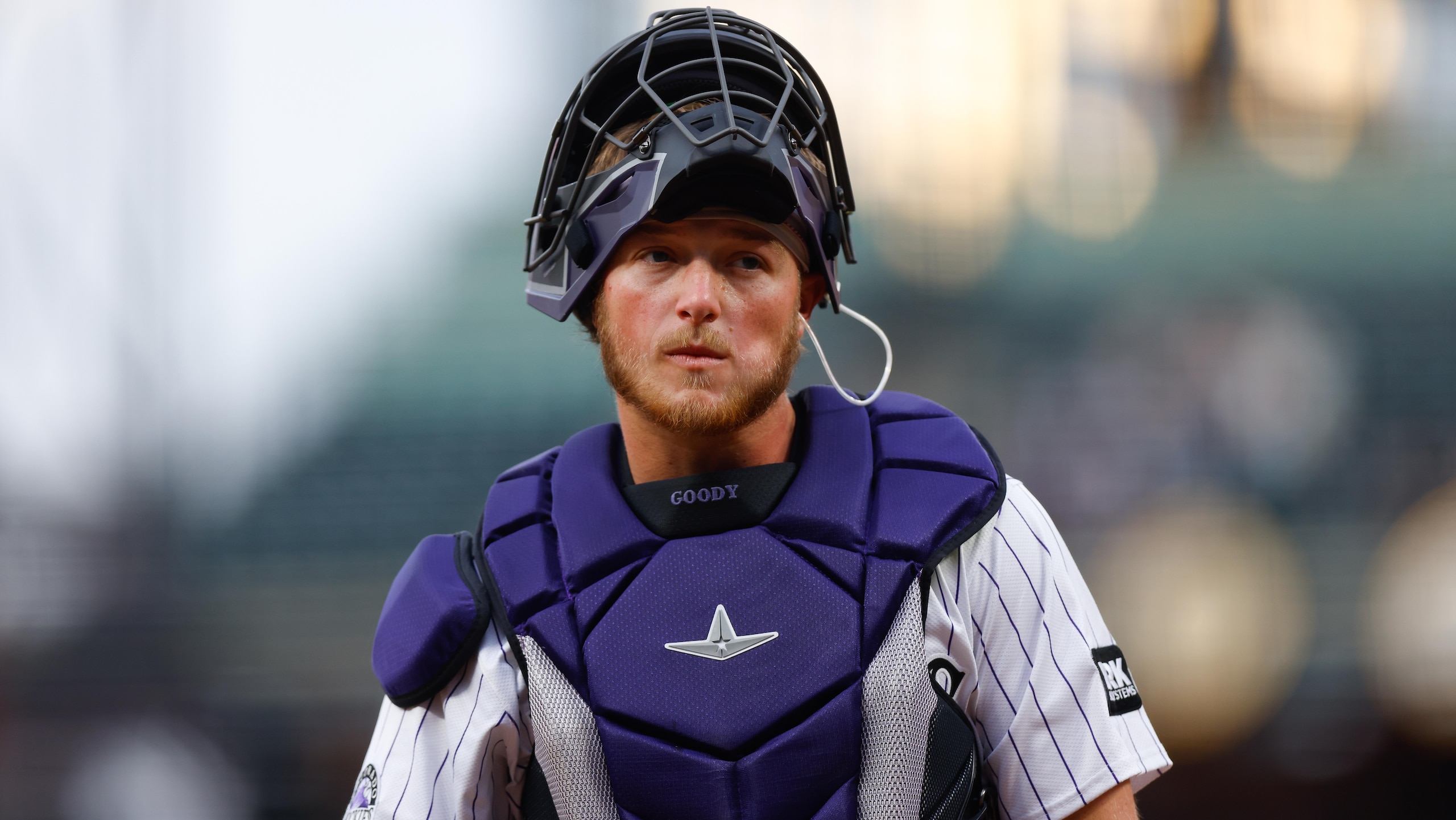
Projected fWAR: 0.4
Actual fWAR / bWAR: 3.2 / 3.2
Through his first two seasons in the majors, Hunter Goodman was worth a negative-1.5 fWAR. He did hit 13 home runs in 224 plate appearances in 2024, but an overall triple-slash of .192/.233/.409 for a right fielder who occasionally filled in at catcher wasn't anything worth getting excited about.
Goodman did mash in the minors, though, posting a .929 OPS with 80 home runs in 294 games played, this after clubbing 42 home runs in 128 games played in college.
And after back-to-back years with a sub-.650 OPS in Colorado, that slugger showed up in a big way this season.
Currently boasting an .860 OPS, Goodman was Colorado's mandatory representative at the All-Star Game, and he might have been the first choice for backup catcher even if that requirement didn't exist.
While it pales in comparison to what Cal Raleigh is doing in Seattle, 30 home runs by a primary catcher is no joke. In the past two decades, only Raleigh (53 and counting) this year and Sal Perez (48) in 2021 have gotten to 35.
Detroit Tigers: UTIL Zach McKinstry
11 of 30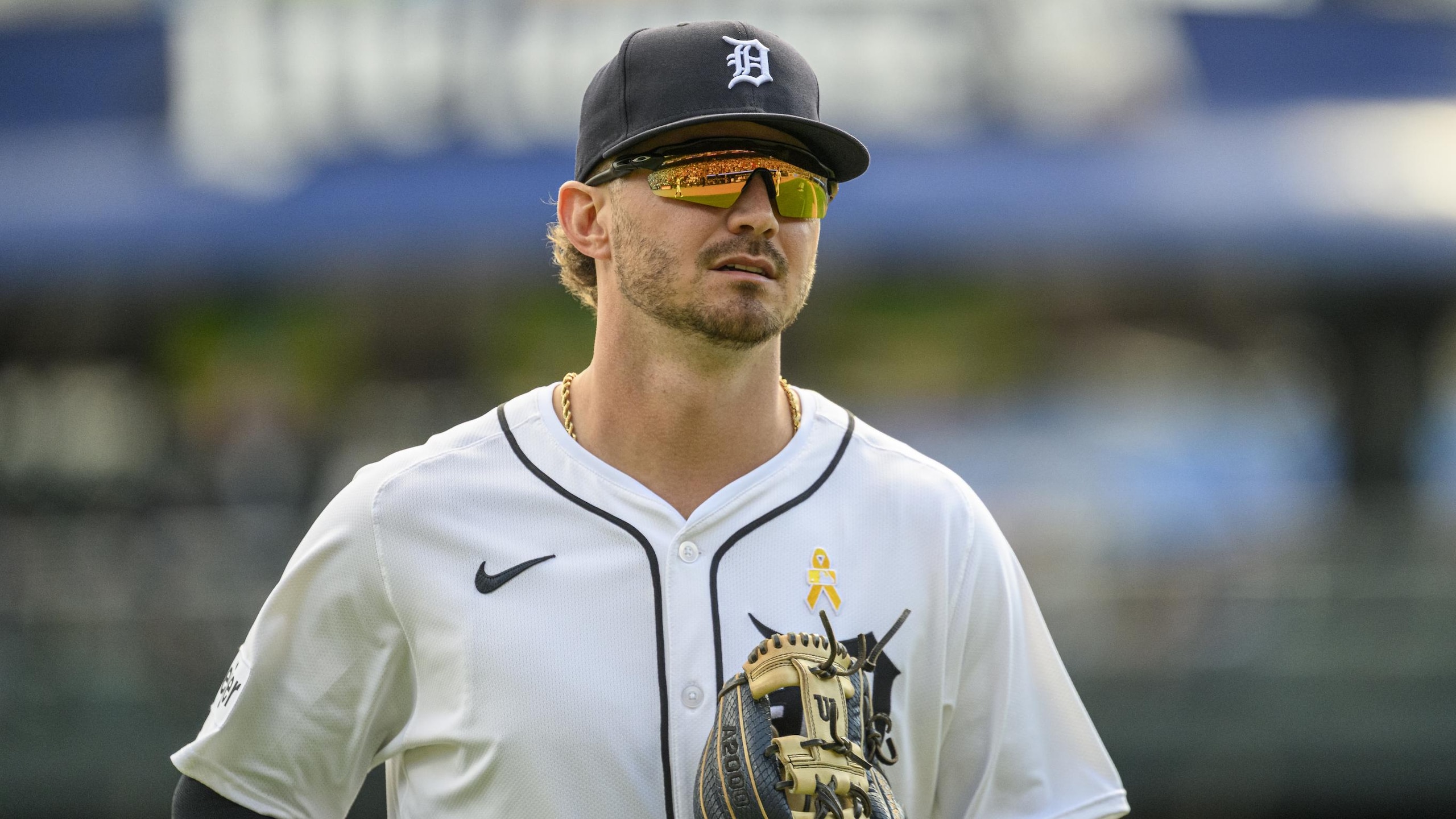
Projected fWAR: 0.7
Actual fWAR / bWAR: 3.2 / 2.9
Hunter Goodman was an unexpected All-Star for Colorado, but even more so was Zach McKinstry for Detroit.
A 33rd round pick in 2016, McKinstry bounced from the Dodgers to the Cubs to the Tigers with a .643 OPS in his first five seasons in the majors.
His versatility on defense was his primary asset, logging between 55-124 games played at each of second, third, short, left and right across those first five seasons. He never had a home to call his own in the field, though, and hiding his bat in the lineup was a must.
This year, however, he added some real value at the plate to the equation.
After 96 team games, McKinstry's .842 OPS was ever so close to 200 points greater than what had been his career mark heading into the year. FanGraphs rated him as Detroit's most valuable position player in the first half of the season.
After years of being a guy who could play anywhere, McKinstry blossomed into someone who the Tigers wanted playing somewhere on a regular basis.
Houston Astros: RHP Jason Alexander
12 of 30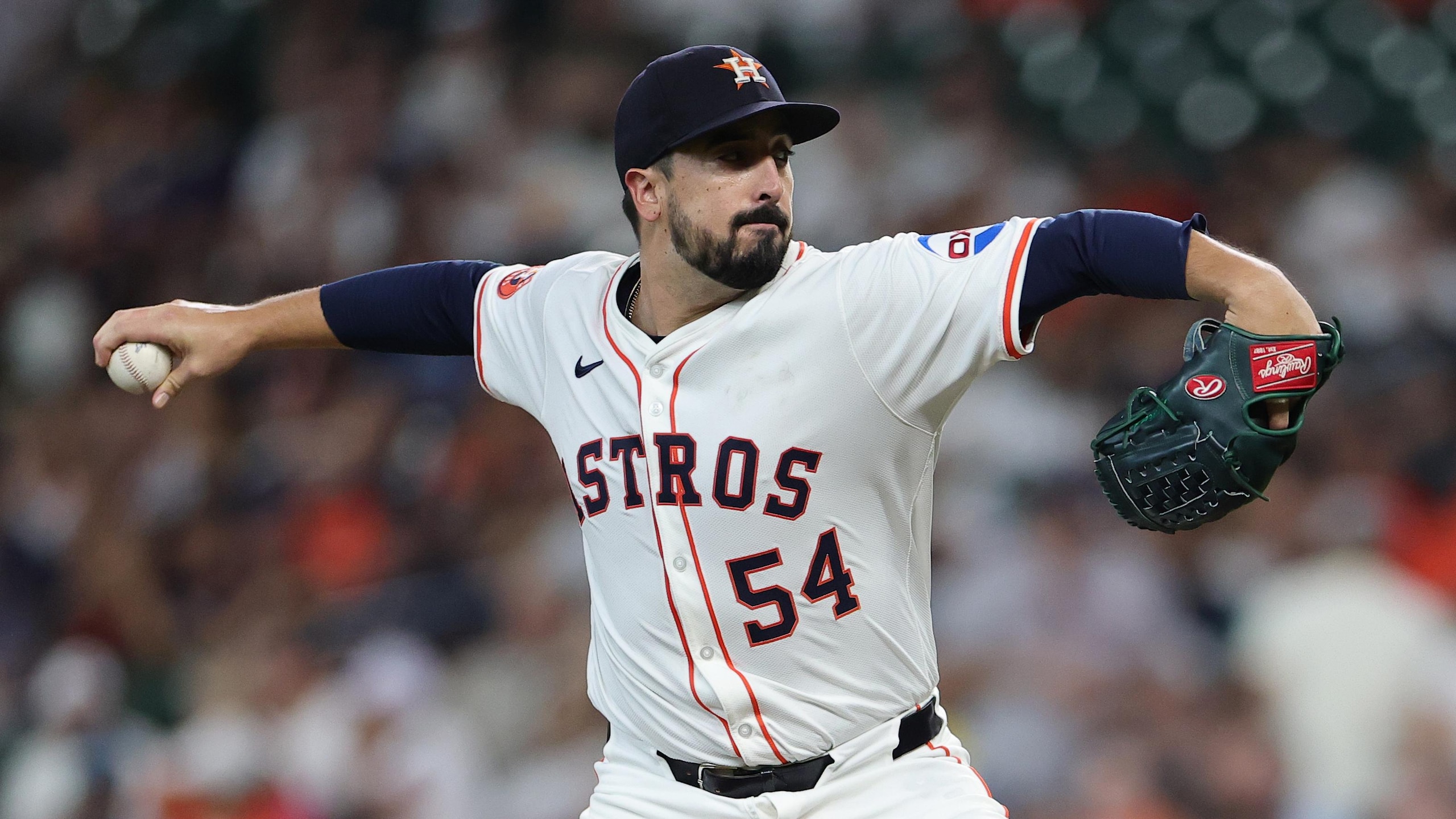
Projected fWAR: N/A
Actual fWAR / bWAR: 0.7 / 1.8
With Spencer Arrighetti, Hayden Wesneski and Ronel Blanco all getting injured early in the year while Lance McCullers Jr., Cristian Javier, Luis Garcia and JP France were all working their way back from major injuries of their own, Houston's starting rotation quickly became an "all hands on deck" predicament.
Neither Ryan Gusto nor Colton Gordon was expected to be anything more than a low-leverage, minimally-used reliever, but they both made 14 starts for the Astros. After missing all of 2024 and previously logging just 23 innings in the majors, Brandon Walter also came out of nowhere to make nine starts (six of them quality starts) before suffering a season-ending elbow injury.
But the biggest surprise of them all has been Jason Alexander.
He had a cup of coffee in the majors with Milwaukee in 2022, but had not pitched at this level in 2023 or 2024. He made four appearances with an 18.00 ERA early in the year with the A's before Houston scooped him off waivers just to add a healthy arm to its depleted ranks.
Since the beginning of August, Alexander has made seven starts with a 2.20 ERA, including going six scoreless innings at Yankee Stadium and seven scoreless innings in Toronto. And while Houston is 19-24 overall since late July, it has won in each of Alexander's last eight turns through the rotation.
Kansas City Royals: RHP Noah Cameron
13 of 30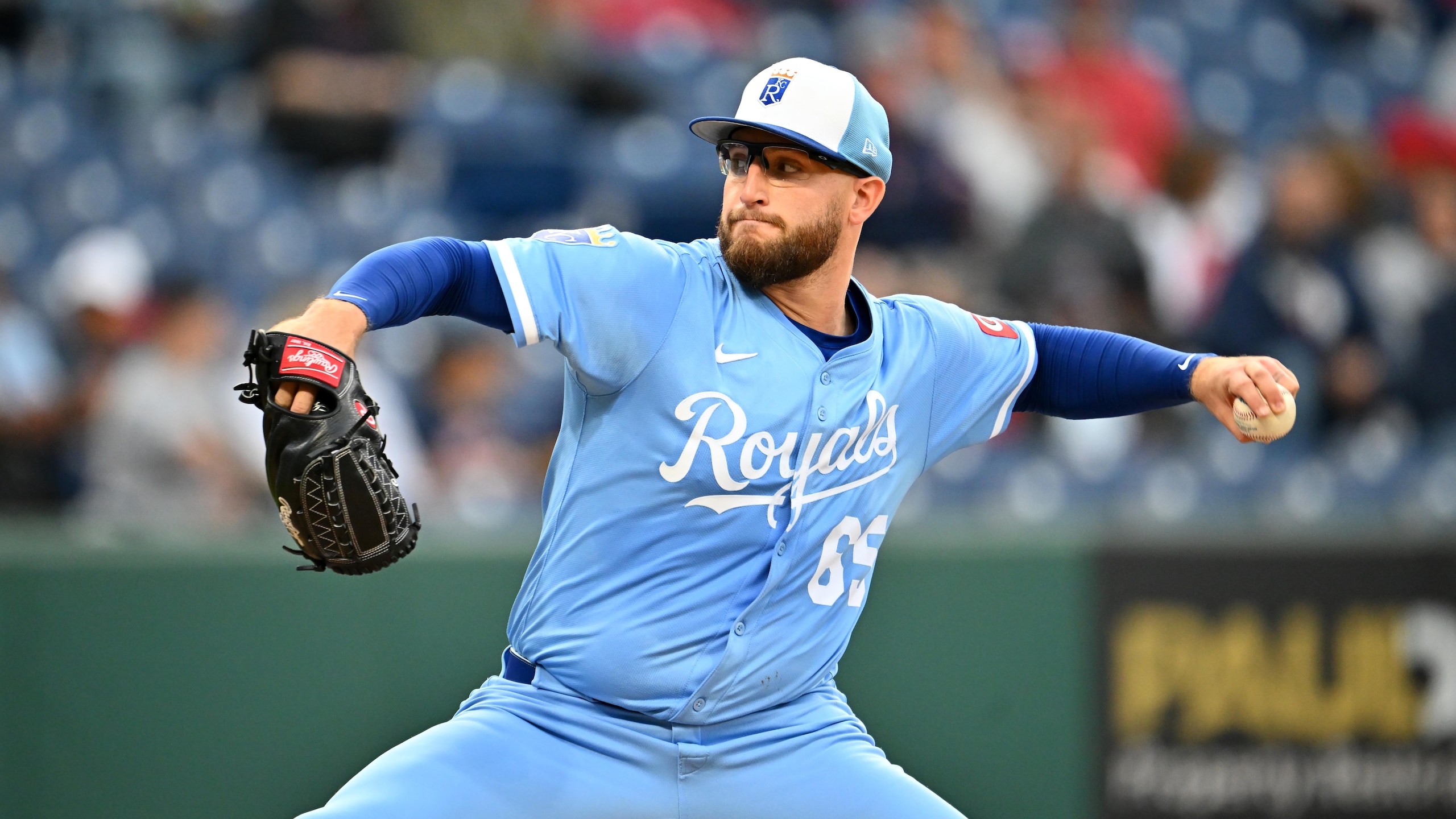
Projected fWAR: 0.2
Actual fWAR / bWAR: 1.7 / 3.3
Though he wasn't quite a top 100 prospect in the preseason, Noah Cameron didn't exactly come out of nowhere.
In 75 starts in the minors from 2022 into this past spring, Cameron had a 3.90 ERA and an 11.3 K/9. He was dominant at Triple-A Omaha toward the end of last season, and it seemed likely heading into the year that he would be the next man up if anyone in the Opening Day rotation ended up on the IL.
And once Cole Ragans did, Cameron was ready.
The southpaw went at least six innings in each of the first five starts of his MLB career, allowing a combined total of three runs. Maintaining that sub-1.00 ERA was never going to be plausible, but he's impressively sitting on a 3.00 mark after 21 starts and 120 innings pitched.
A's slugger Nick Kurtz is going to win AL Rookie of the Year by a landslide, with Roman Anthony and Jacob Wilson destined for most of the second-place and third-place votes. But if there was just a "Rookie Pitcher of the Year" award, it'd be a compelling race between Cameron and Chicago's Cade Horton.
Los Angeles Angels: RHP Kyle Hendricks
14 of 30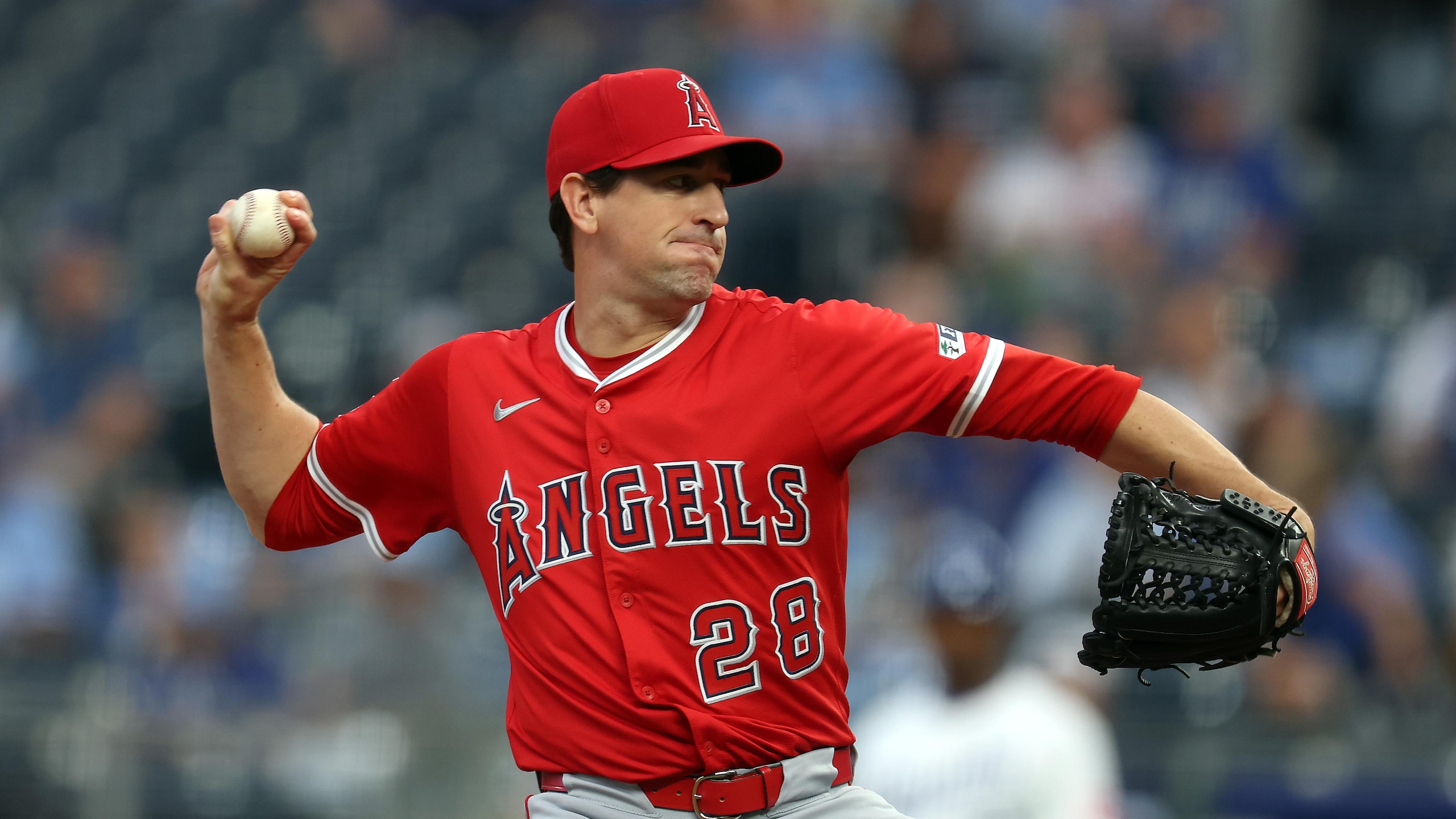
Projected fWAR: 0.7
Actual fWAR / bWAR: 1.3 / 2.1
The Halos came the closest to not having anyone to mention here. Of their six position players who have been worth at least 0.7 fWAR, not one has been better than projected. And three of their four pitchers worth at least 0.5 fWAR have produced almost exactly what was expected of them.
The lone exception is Kyle Hendricks, who has bounced back at least a little bit from what was a disastrous 5.92 ERA last season for a 4.58 mark this year.
Even that only recently became the case, too. Three consecutive quality starts—including a season-best performance of seven scoreless innings against the Twins on Tuesday—have brought Hendricks' ERA down to its lowest point since late April. And a FIP of 4.80 suggests he has pitched only marginally better than he did in 2021 (4.89 FIP), 2022 (4.82 FIP) and 2024 (4.98 FIP).
But good for Hendo. It sure looked like last season might be his last season in the big leagues, but he took a massive pay cut ($2.5M after making $16.5M in 2024) to give the Angels 10 quality starts (and counting).
Los Angeles Dodgers: RHP Emmet Sheehan
15 of 30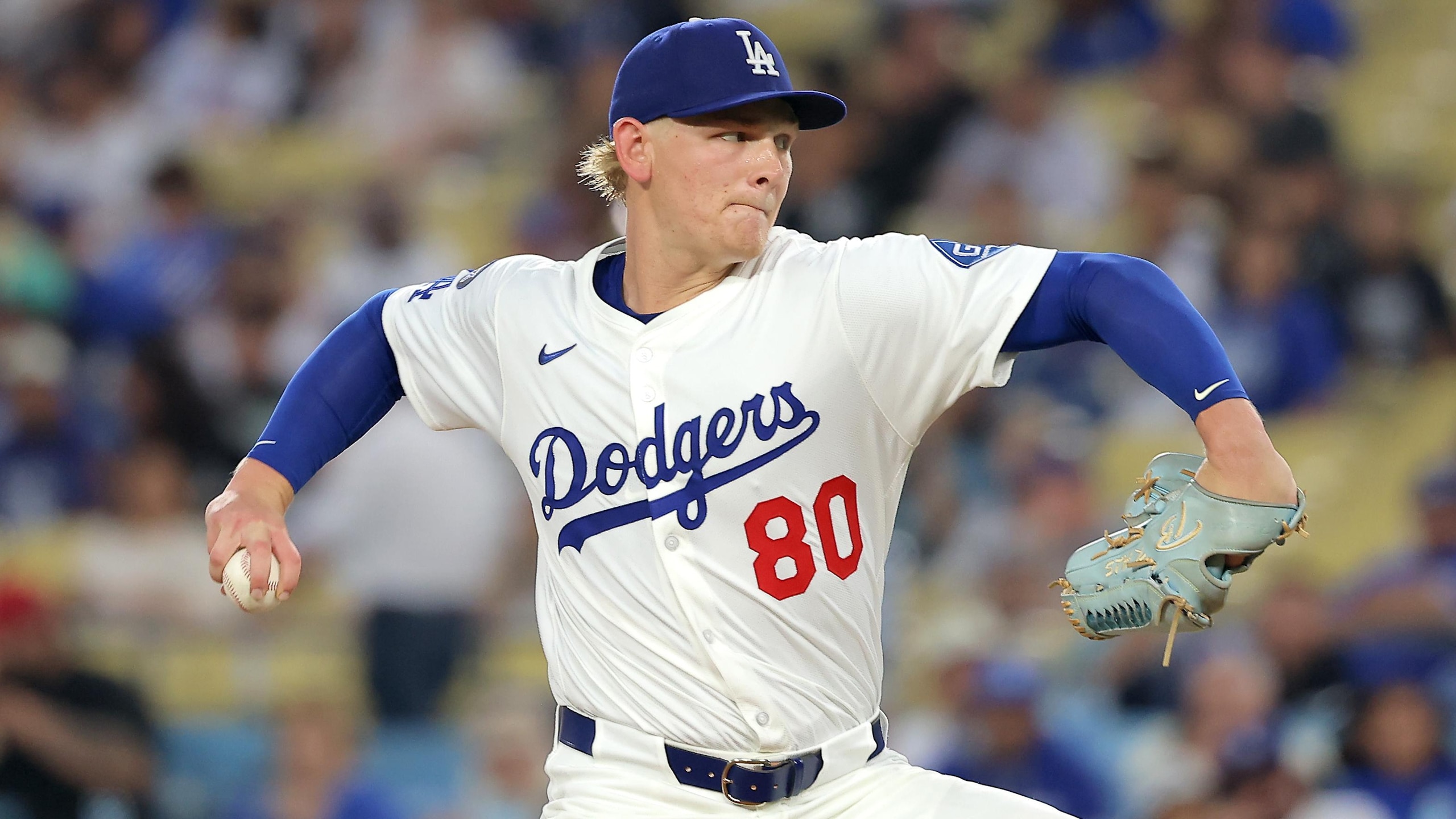
Projected fWAR: N/A
Actual fWAR / bWAR: 1.5 / 0.4
Let's first throw Andy Pages an honorable mention here. Whether he would even make the Dodgers' Opening Day roster was an unknown right up until said roster was announced. Yet, he has played in all but five games this season, bouncing around the outfield with 24 home runs, 80 RBI and 13 stolen bases. Save for Trevor Rogers in Baltimore and Kyle Stowers in Miami, Pages has produced the most fWAR (3.5) among players who weren't supposed to be worth 1.0.
But while Pages was at least in a coin-flip situation with James Outman, Emmet Sheehan was a complete afterthought, recovering from a May 2024 Tommy John surgery and lost in the shuffle of a preposterously loaded Dodgers pitching staff.
While the typical recovery window from TJ is almost always at least 14 months and usually closer to 16, Sheehan was back on the mound for a spot start against the Padres just 13 months and three days after his operation. And when he tossed six perfect innings with 13 strikeouts in his return to Oklahoma City, it was clear he wasn't going to stay in Triple-A for long.
Sheehan has now made 12 MLB appearances in 2025 with a 3.32 ERA, a pivotal piece of this six-man rotation who will likely play at least some role in the postseason, should the Dodgers make it to the NLDS.
Not too shabby for a guy who wasn't projected to pitch at all in the majors this year.
Miami Marlins: LF Kyle Stowers
16 of 30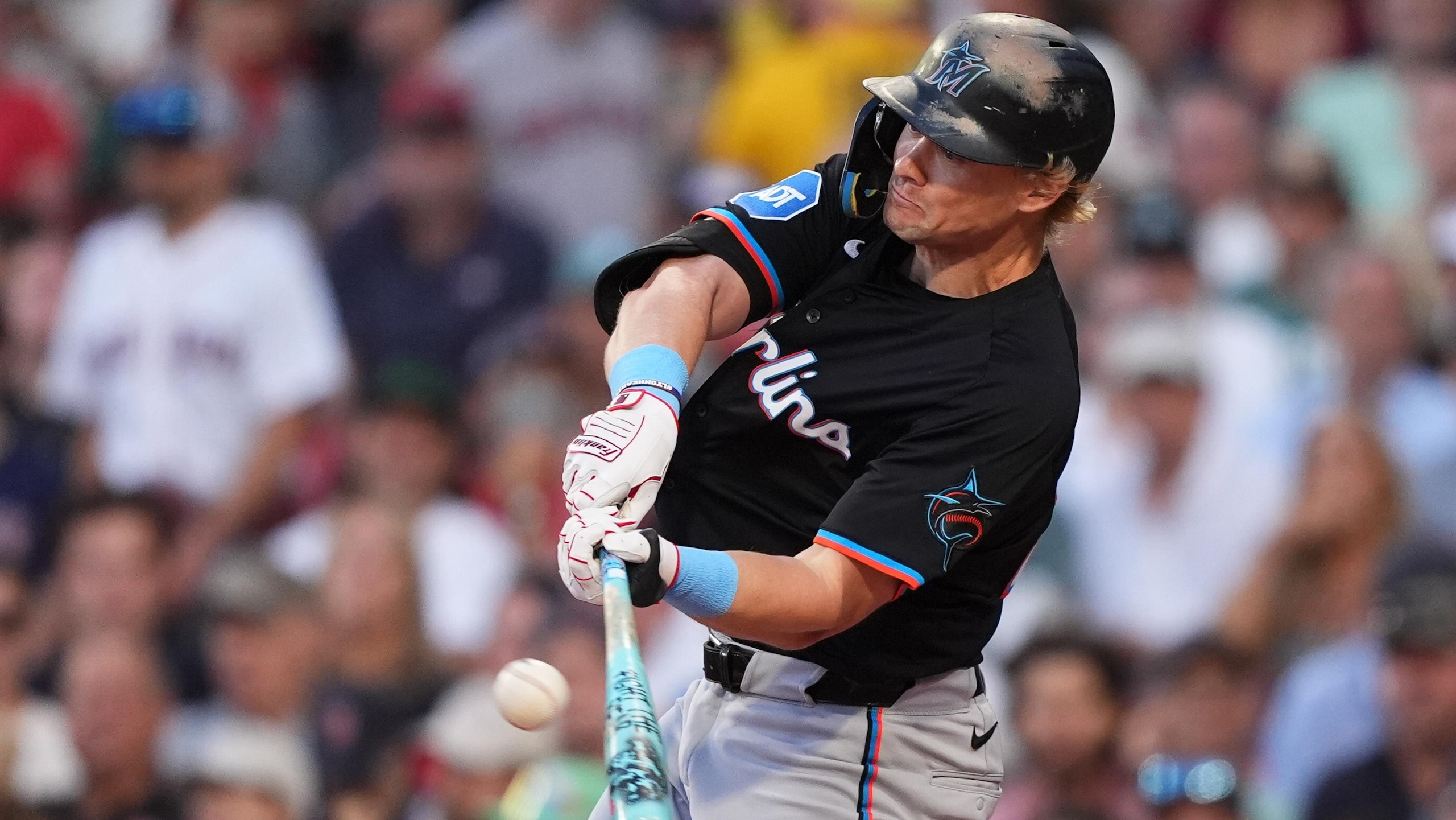
Projected fWAR: 0.9
Actual fWAR / bWAR: 4.0 / 3.6
Though the Marlins are destined for close to 90 losses, they've had several players unexpectedly break out for them.
Neither Janson Junk nor rookie Jakob Marsee was projected for any fWAR, but they've been worth at least two apiece. The biggest one by far, though, has been Kyle Stowers.
He had a negative WAR in limited playing time in each of the past three seasons, posting a .600 OPS with six home runs in 340 plate appearances. Quite the night and day, All-Star worthy transformation to a .912 OPS with 25 home runs this season.
When the Marlins caught fire in late June to win 25 out of 35 games, you better believe Stowers was at the heart of it. Of his 25 home runs, 15 came during that stretch, good for a 162-game pace of 71.5. And the pinnacle of that apex came right at the All-Star Break, going for three home runs in the final game of the first half, followed by two more in the first game of the second half.
With four years of team control yet to come before he reaches free agency, could he (and Marsee) eventually propel an otherwise lackluster Marlins offense back to October?
Milwaukee Brewers: LF Isaac Collins
17 of 30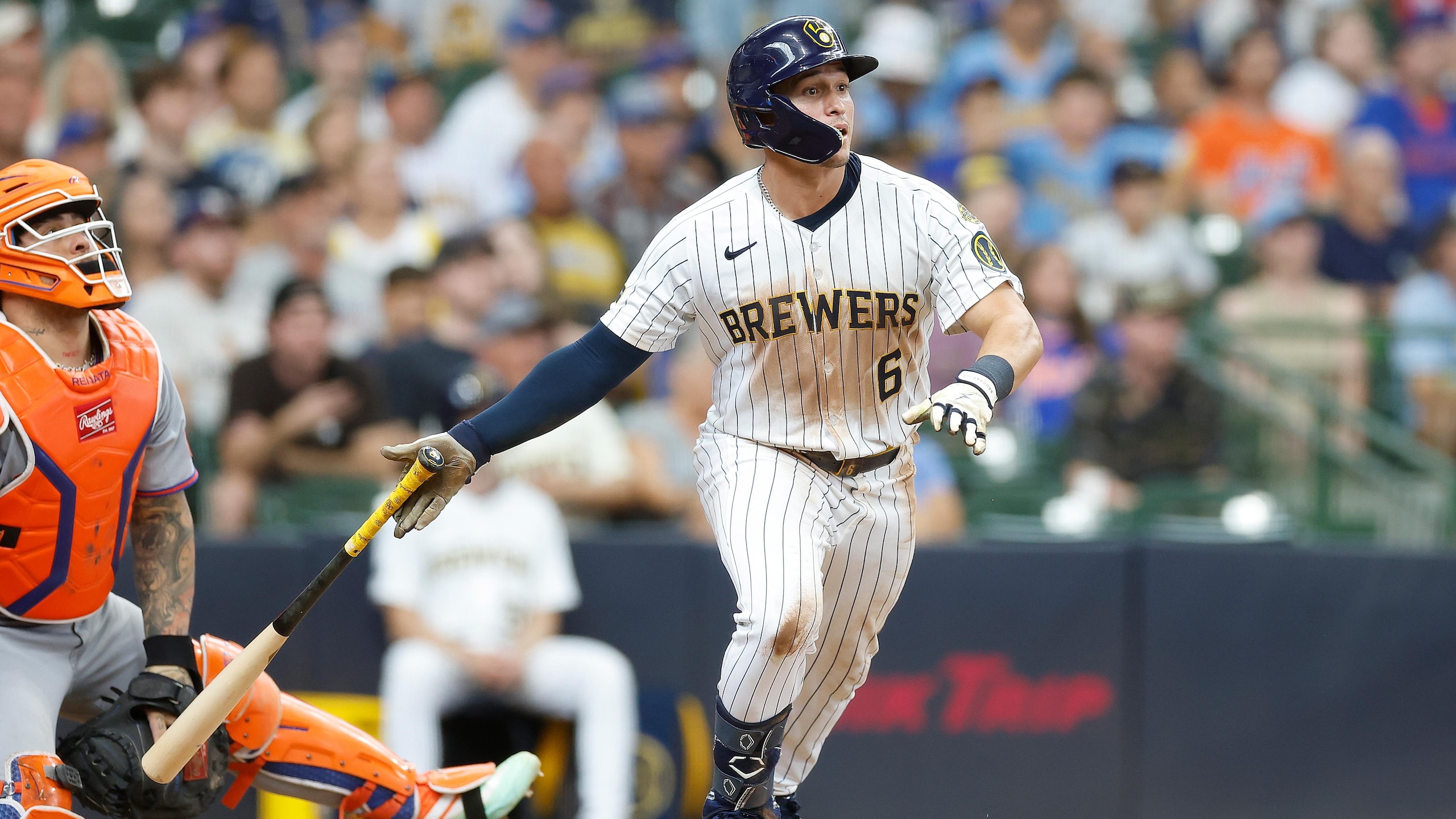
Projected fWAR: 0.3
Actual fWAR / bWAR: 2.8 / 2.4
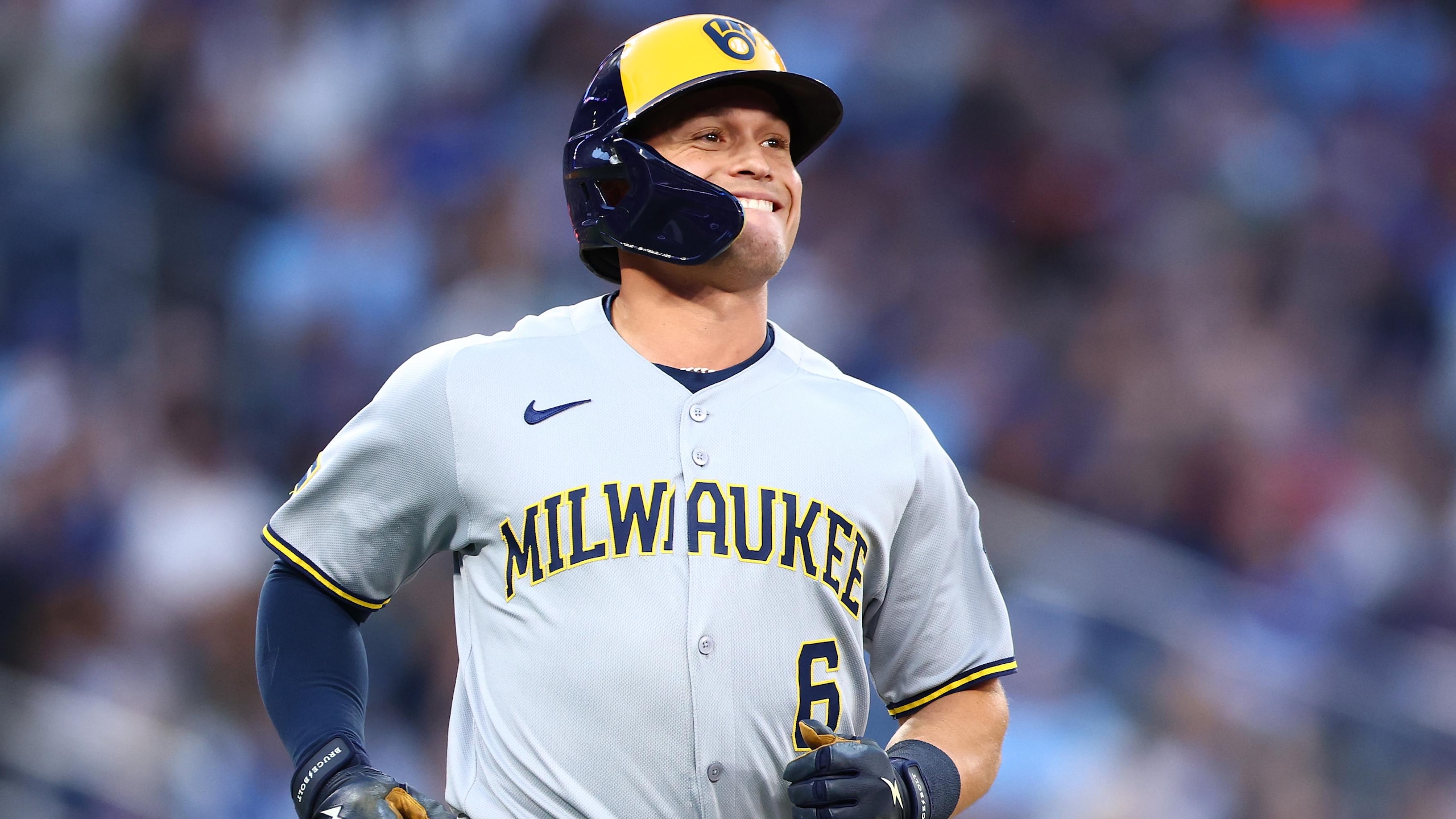
As you might expect, no shortage of strong candidates for Milwaukee's top unexpected gem. In Isaac Collins, Chad Patrick, Caleb Durbin, Quinn Priester (who they acquired from Boston in early April), Abner Uribe, Logan Henderson and Aaron Ashby, the Brewers were 'supposed' to get a combined total of 1.3 fWAR. Instead, they've amounted to 11.6, several of them key cogs in a machine seeking its first ever World Series title.
Collins has been the biggest surprise of the bunch, though, if only because there was never supposed to be any room for him in an outfield featuring Jackson Chourio, Sal Frelick, Garrett Mitchell and Blake Perkins.
However, Perkins suffered a broken leg in February and didn't return until after the All-Star Break. So when Mitchell joined him on the IL with a season-ending shoulder injury suffered in April, it pretty much became Collins or bust in left, with the occasional "Christian Yelich starts in left so William Contreras can DH" game sprinkled in there.
Considering Collins entered this age-27 season with just 19 plate appearances in his MLB career, the Brewers have to be over the moon with his near .800 OPS, nine home runs and 16 stolen bases in a little more than 400 plate appearances.
Minnesota Twins: UTIL Kody Clemens
18 of 30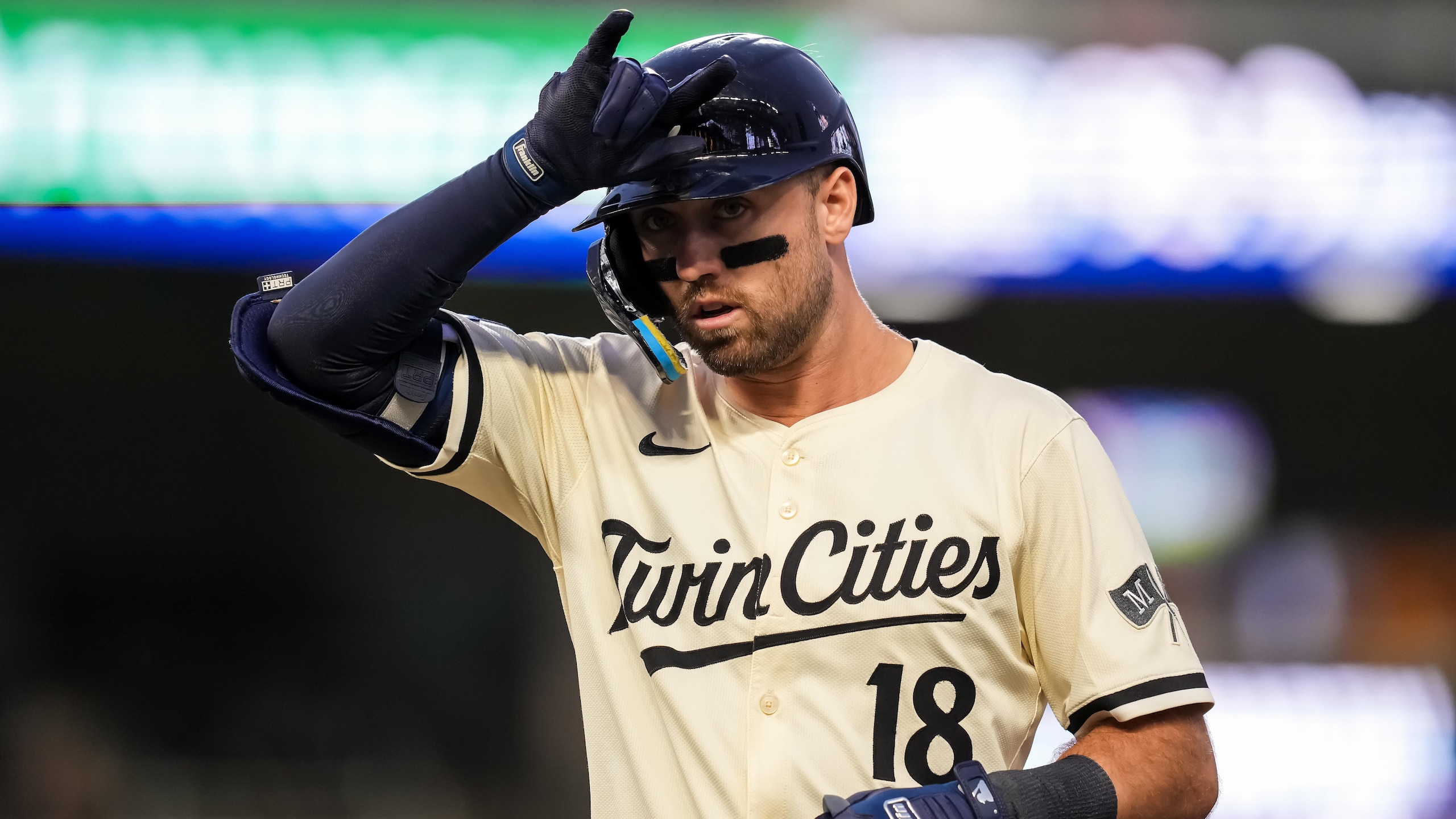
Projected fWAR: 0.1
Actual fWAR / bWAR: 0.9 / 0.6
Considering Kody Clemens opened the season with the Phillies before getting purchased by Minnesota in late April, seems safe to assume the Twins didn't hop on that plane home from spring training expecting him to rank third on the team in home runs.
May was the only month in which the Twins have posted a winning record, and May was also Clemens' most productive month by far, batting .279/.362/.623—pretty close to Shohei Ohtani's full-season triple-slash of .280/.391/.609—with five home runs.
All told, Roger Clemens' son has managed 16 home runs in 291 at bats—while also making at least one pitching appearance for a fourth consecutive season.
If only the apple had fallen a little closer to the tree on that front, as dreadful pitching at a teamwide level in June is what set the Twins on their course to burning it all down at the trade deadline. They held onto Clemens, though.
New York Mets: 3B/2B Brett Baty
19 of 30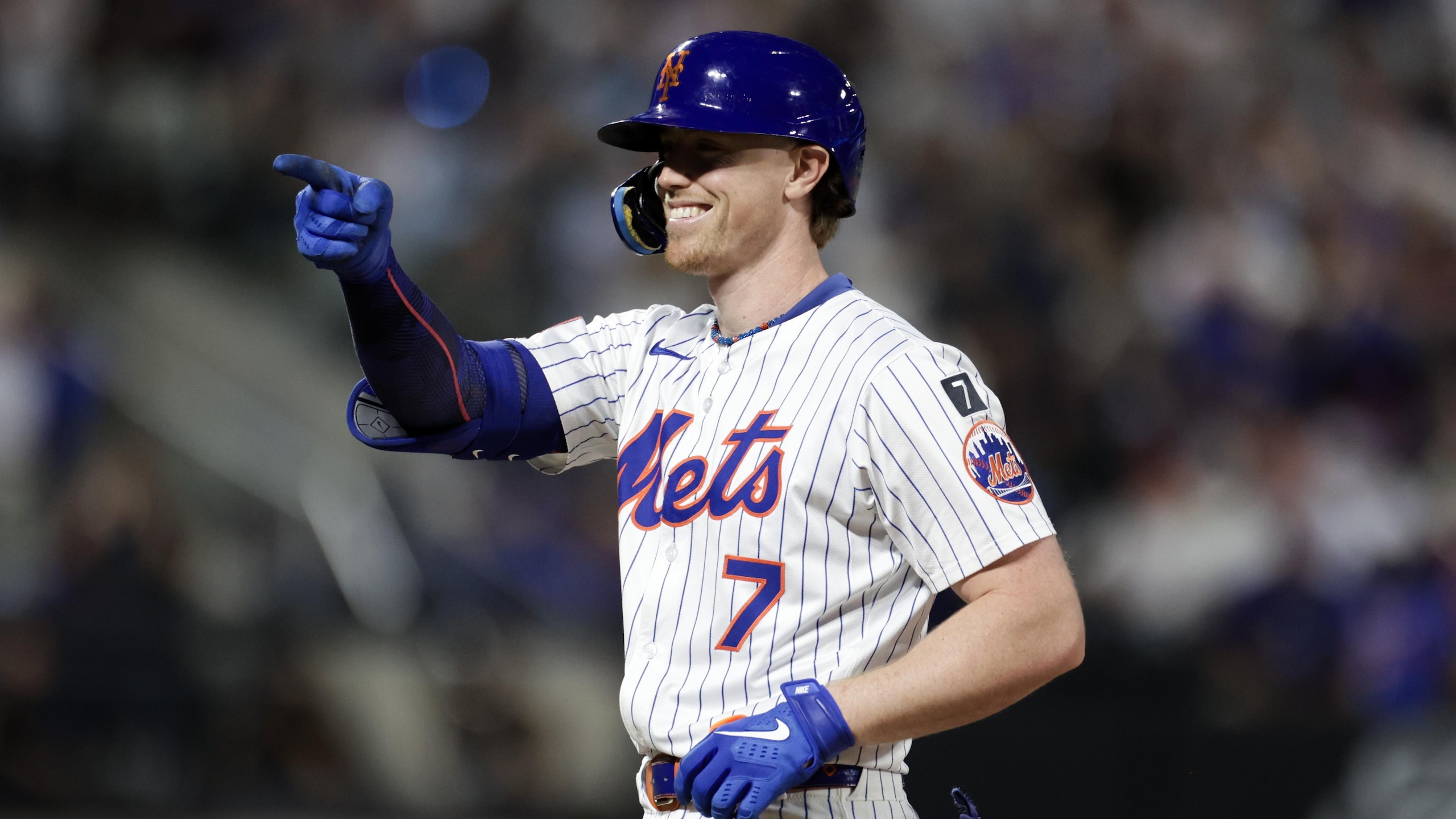
Projected fWAR: 0.7
Actual fWAR / bWAR: 2.0 / 2.8
On the one hand, Brett Baty was a first-round pick in 2019 and a highly-touted prospect heading into both the 2022 and 2023 campaigns. His success this season has been less of a 'hidden gem' situation and more of an 'it's about time' situation.
All the same, he meets the criteria, neither a top prospect this past winter nor a player from whom much was expected after a .607 OPS in 169 games played over the past three years—not to mention the lack of a clear path to regular playing time in 2025.
Lo and behold, Baty was New York's most valuable position player in May, batting .290/.333/.581 with five home runs.
He was even a little better than that in August, too, with a .333/.410/.527 triple-slash. (However, that hot streak went a bit unnoticed as the Mets inexplicably went 11-17 while averaging 6.3 runs per contest.)
For the year, Baty has 16 home runs, a .750 OPS and quality glovework at multiple infield positions, finally becoming at least a fraction of what the Mets dreamed he would be.
New York Yankees: C/1B/DH Ben Rice
20 of 30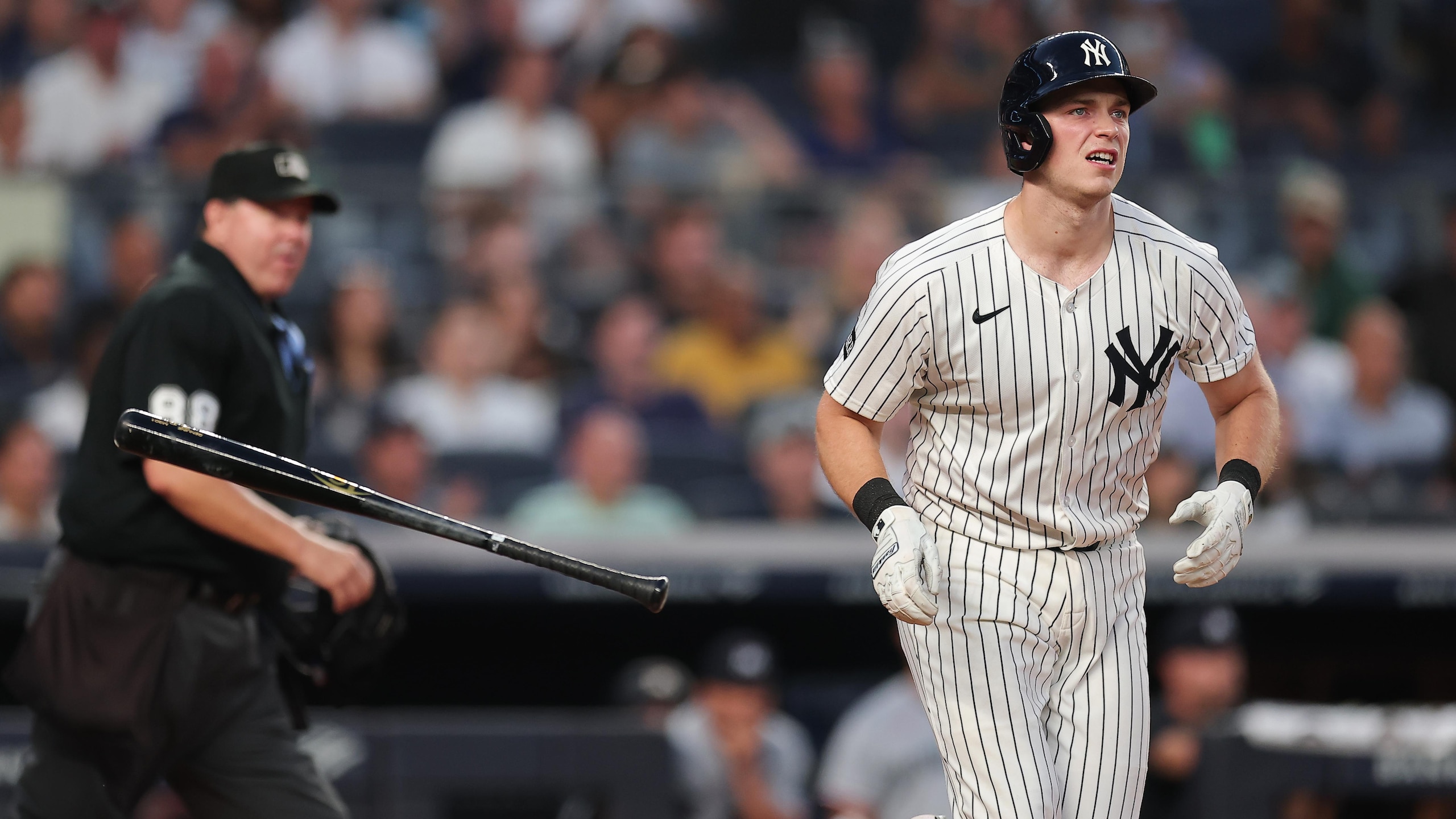
Projected fWAR: 0.5
Actual fWAR / bWAR: 2.2 / 1.4
Before digging into the data, I fully expected Will Warren to be the choice here, making 30 mostly respectable starts for the Yankees after entering spring training as, at best, their seventh choice for the starting rotation. However, the FanGraphs projections clearly accounted for the Luis Gil and Gerrit Cole injuries and had Warren penciled in for 109 innings and a 1.2 WAR.
What those projections didn't expect, though, was Ben Rice becoming as much of a factor as he has been.
Hard to blame them for that one, though. His 50-game foray into the majors last season resulted in a .171 batting average, and the Yankees brought in both Paul Goldschmidt and Cody Bellinger this offseason as options to play first base—which is where Rice played in 49 of his 50 games in 2024.
However, Rice was New York's primary DH through the first 70 games of the season with Giancarlo Stanton unavailable. And with a dozen home runs and an .875 OPS by early June, he proved himself worthy of regular playing time, continuing to bounce between catcher and first base in what is basically a "three men equally sharing two jobs" arrangement with Austin Wells and Goldschmidt.
Philadelphia Phillies: IF Edmundo Sosa
21 of 30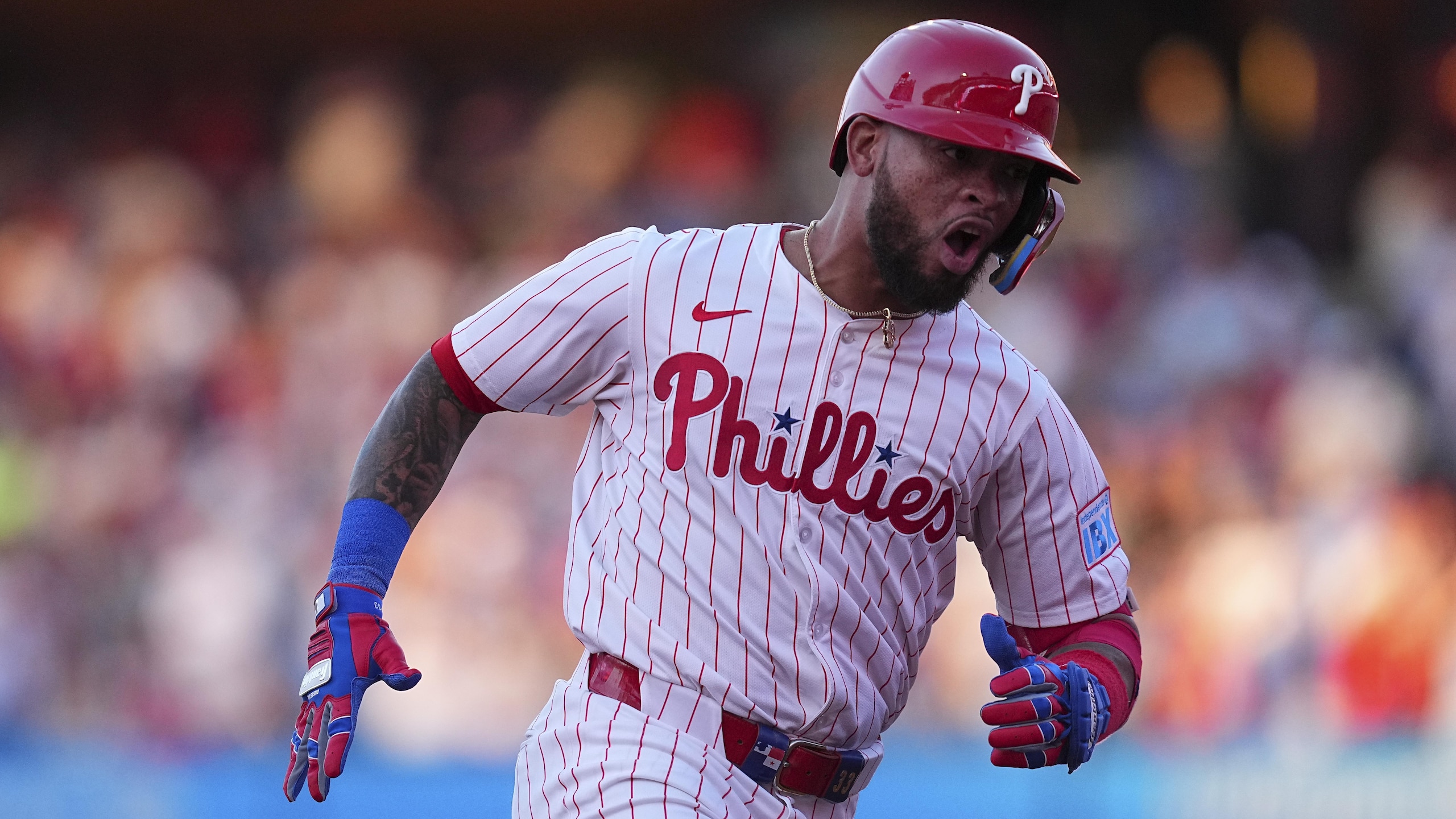
Projected fWAR: 0.6
Actual fWAR / bWAR: 1.1 / 1.7
For as good as the Phillies have been, surprisingly successful individuals have been nonexistent.
Cristopher Sánchez and Ranger Suárez have certainly been a bit more dominant than expected, but they were always going to be important pieces of the rotation. And of the nine position players with at least 100 games played, the only one who wasn't supposed to be worth at least 1.0 fWAR is Nick Castellanos, who has a minus-0.5 fWAR.
So, three cheers to Edmundo Sosa, who isn't actually a surprise, either?
Sosa had been worth 4.1 fWAR over the previous three seasons with Philadelphia, playing in more games than not in each of 2023 and 2024. However, for some reason, he was only projected for 41 games with a .247 batting average this year.
Already, he has more than doubled that playing time forecast with 84 games, batting a career-best .273 in the process. And with Trea Turner out for what could be the rest of the regular season, Sosa figures to get the lion's share of starts at shortstop until further notice.
Whether he's still the starting shortstop in October remains to be seen, but take it to the bank that he'll make at least one postseason appearance for a fifth consecutive year.
Pittsburgh Pirates: RHP Mike Burrows
22 of 30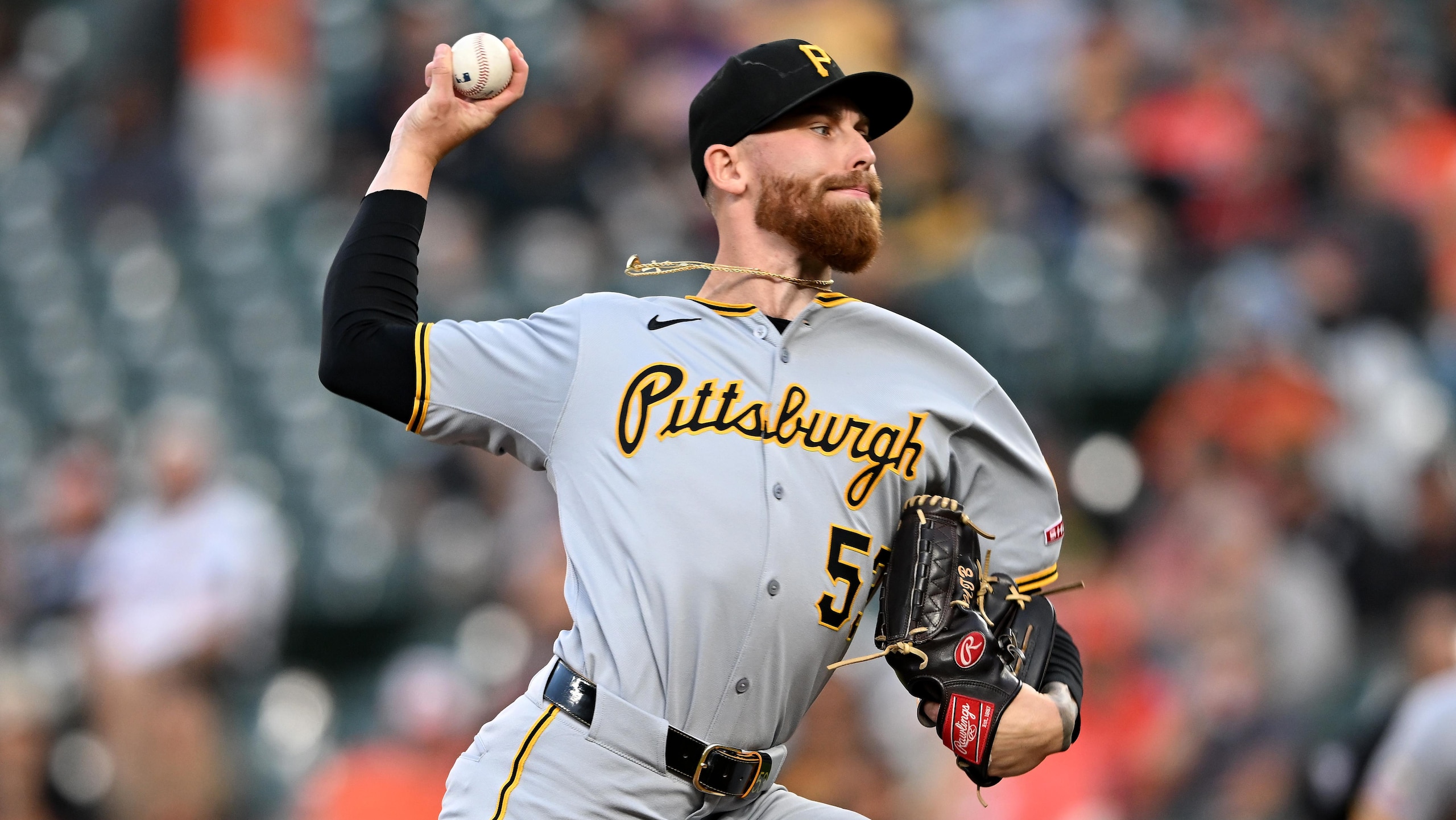
Projected fWAR: 0.0
Actual fWAR / bWAR: 1.0 / 1.3
We had high hopes this season for Pirates rookies in the rotation, with Bubba Chandler, Tom Harrington and Braxton Ashcraft all likely to join Paul Skenes on the mound.
But while at least Ashcraft has fared pretty well and could be a major variable for them in 2026, the unexpected top contributing newbie has been Mike Burrows.
Burrows had a 5.31 ERA in Triple-A in 2022, missed almost all of 2023 and a good chunk of 2024 due to Tommy John surgery and had a 5.26 ERA in the 51.1 innings he was able to log in the minors last year.
Not exactly your typical path to MLB success, but he has been a more than serviceable No. 5 starter for Pittsburgh, making 20 appearances with a 3.99 ERA and a 9.2 K/9. He doesn't go deep into games, only once tallying 90 or more pitches, but he has given them at least four solid innings more often than not.
San Diego Padres: LF/DH Gavin Sheets
23 of 30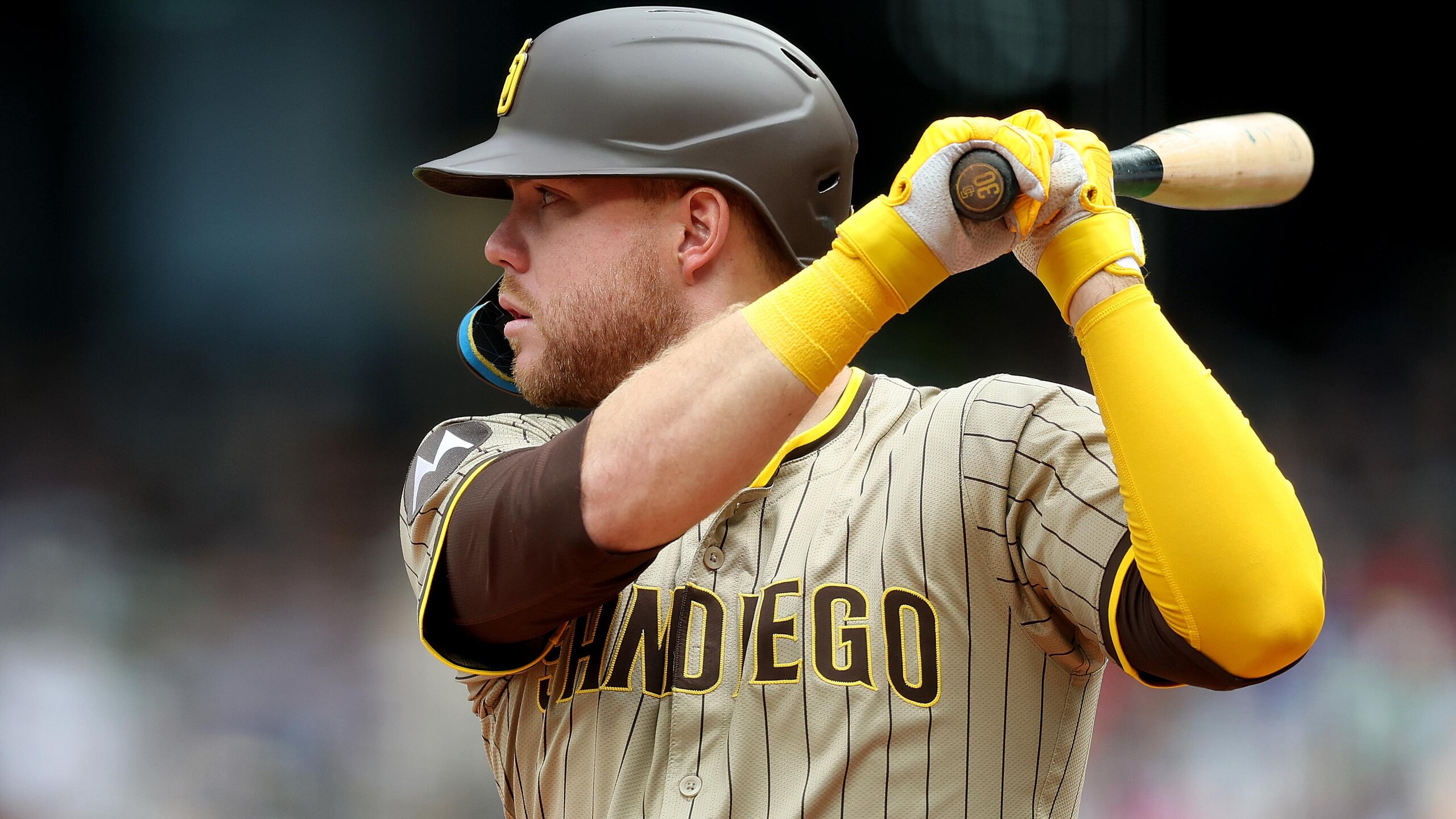
Projected fWAR: 0.1
Actual fWAR / bWAR: 1.8 / 1.0
Among the 283 players with at least 800 plate appearances from 2022-24, Gavin Sheets was the least valuable of them all with an fWAR of minus-2.1. He had three years of arbitration eligibility remaining, but the White Sox—fresh off a 121-loss season and already knowing darn well they wouldn't be contending this year—non-tendered him.
It wasn't until early February that anyone scooped him up. And even the Padres only took the flyer because Jurickson Profar had recently signed with Atlanta and they were taking a "let's throw some stuff at the wall and see what sticks" approach to their left field void, also signing both Jason Heyward and Connor Joe in that same week.
What a pickup it turned out to be, though.
Among Padres with at least 50 games played, only Fernando Tatis Jr. has a higher OPS (.795) than Sheets' .786 mark. And with 19 home runs, he's only marginally behind Tatis (21) and Manny Machado (23) for the team lead in that department.
When San Diego traded for Ryan O'Hearn and Ramón Laureano, it seemed like Sheets was about to be out of a job. But he hit .438/.481/.792 for a three-week stretch in August, all but forcing the Padres to keep him in the regular rotation through the home stretch.
Seattle Mariners: LHP Gabe Speier
24 of 30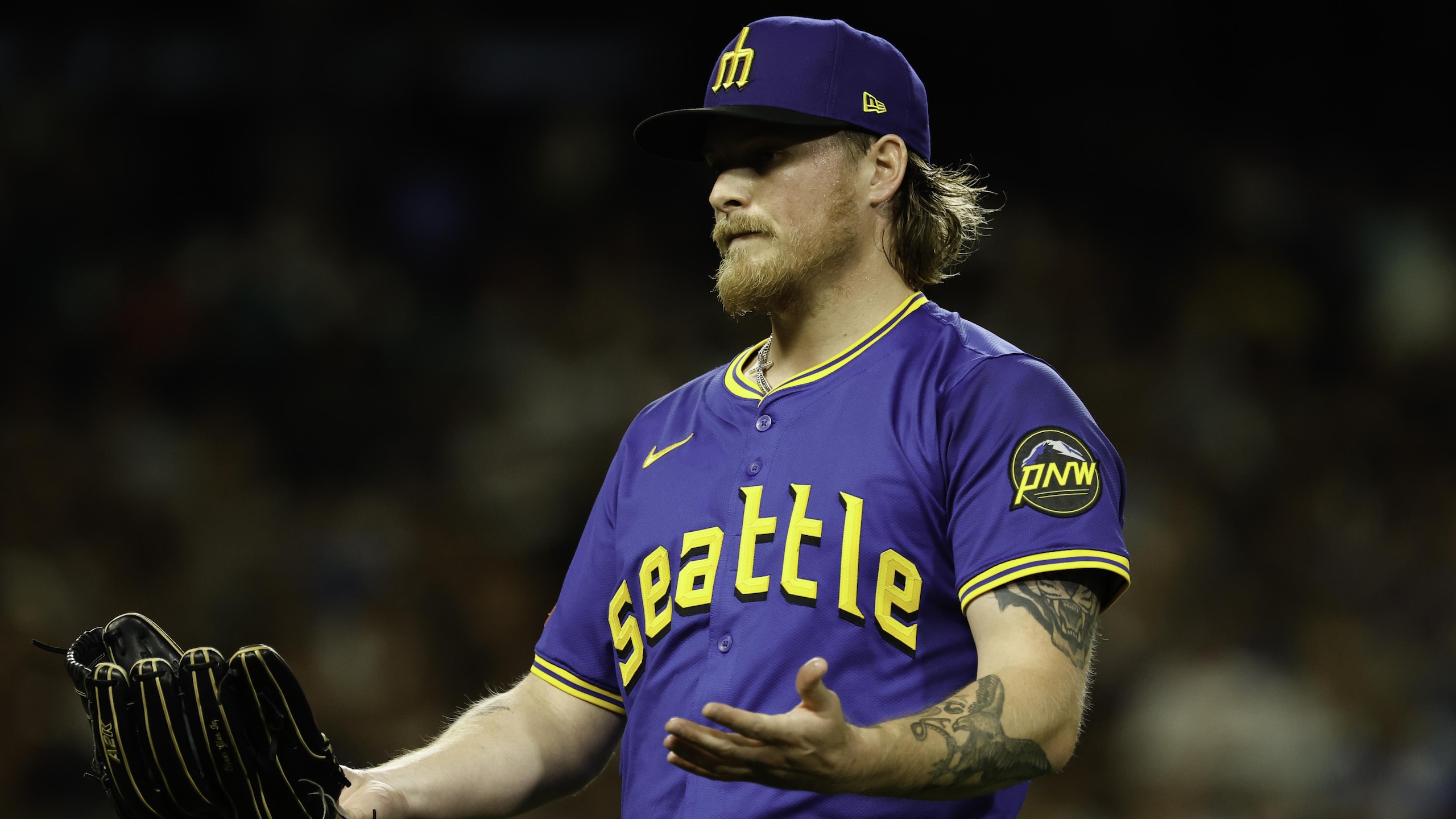
Projected fWAR: 0.2
Actual fWAR / bWAR: 1.6 / 1.2
Prior to acquiring Caleb Ferguson at the trade deadline, Gabe Speier had been the only southpaw on Seattle's pitching staff.
But in stark contrast to the 5.70 ERA he posted last year, Speier has been—aside from closers Aroldis Chapman and Josh Hader—maybe the most valuable left-handed reliever in baseball.
He opened September with a pair of ERA-ballooning duds, allowing five earned runs in 0.2 IP. But he entered this final month of the season with a 2.08 ERA, 2.30 FIP, 11.9 K/9 and 6.9 K/BB.
Speier does have six blown saves, though four of those came when he inherited runners and couldn't quite wriggle out of the jam that someone else left him in. His team-leading 21 holds are more indicative of his value added in the seventh and eighth innings, bridging the gap from the starting rotation to Andrés Muñoz.
And best of luck stepping into the left-handed batter's box against this guy. Lefties are batting .163/.202/.265 against Speier, with 39 strikeouts against two walks. Got to think Yordan Alvarez will be seeing quite a bit of Speier in next weekend's colossal AL West clash.
San Francisco Giants: RHP Randy Rodriguez
25 of 30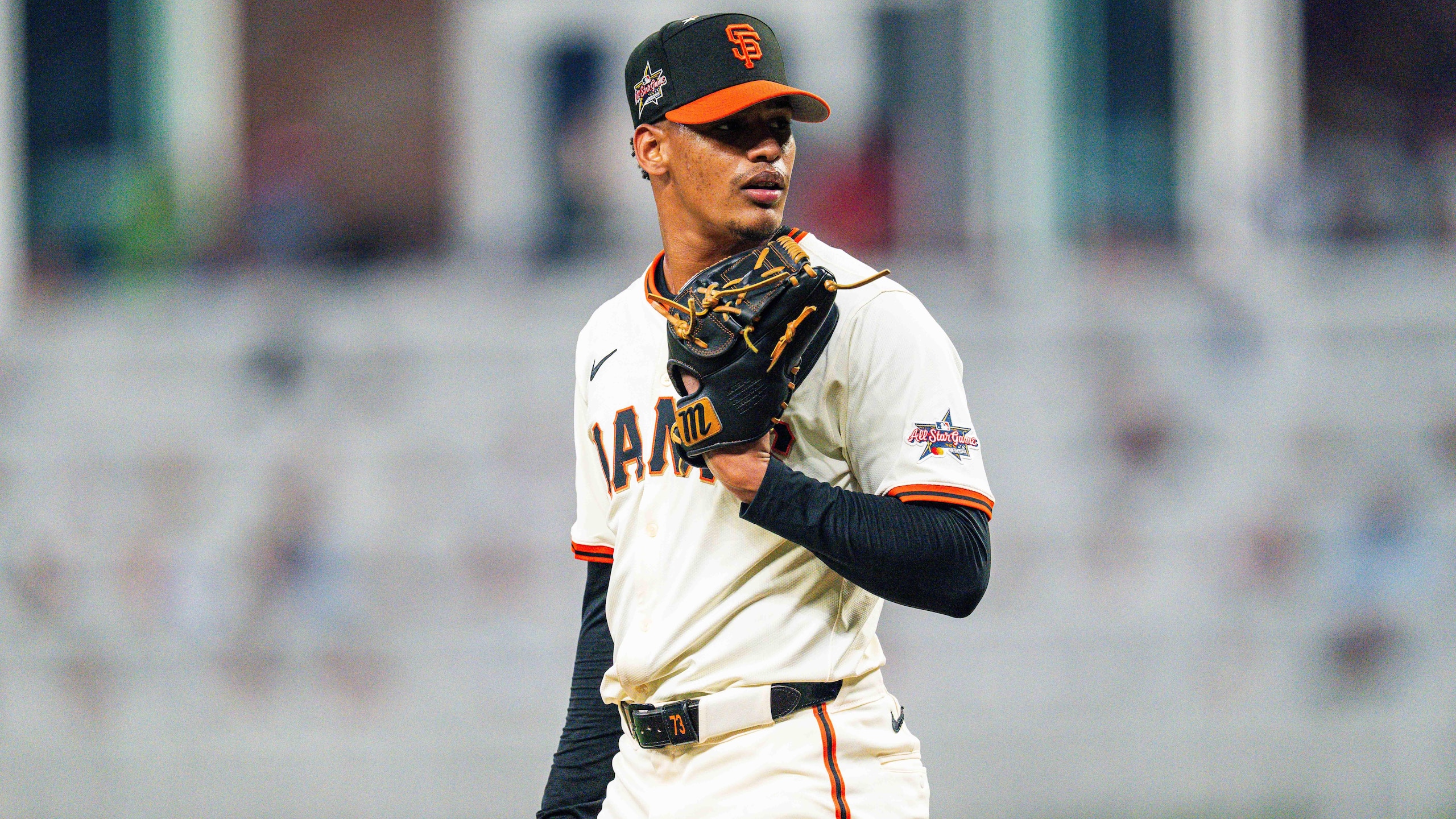
Projected fWAR: 0.0
Actual fWAR / bWAR: 1.4 / 1.8
Unfortunately, Randy Rodríguez's breakout season had a mighty painful finish. He blew two saves and suffered four losses in his final seven appearances before getting shut down for the year for an impending Tommy John surgery that will presumably keep him on the shelf for the entirety of 2026.
Prior to that, though, he had been lights out.
Through his first 43 appearances, Rodríguez had a 0.82 ERA, a 0.80 WHIP and a 12.2 K/9, mowing down the competition on his way to the All-Star Game. In fact, he had been so dominant that the Giants traded away closer Camilo Doval (with two years of team control remaining) before even finding out if Rodríguez could handle the job.
This all kind of came out of nowhere, too. Rodríguez had an ERA north of 4.00 in the minors in both 2022 and 2023, and his 2024 campaign with a 4.30 ERA in the majors was nothing worth writing home about. He also racked up 57 walks in 70 innings pitched in 2023, so slashing that to 11 free passes in 50.2 innings this year was a colossal factor in his transformation.
St. Louis Cardinals: RHP Kyle Leahy
26 of 30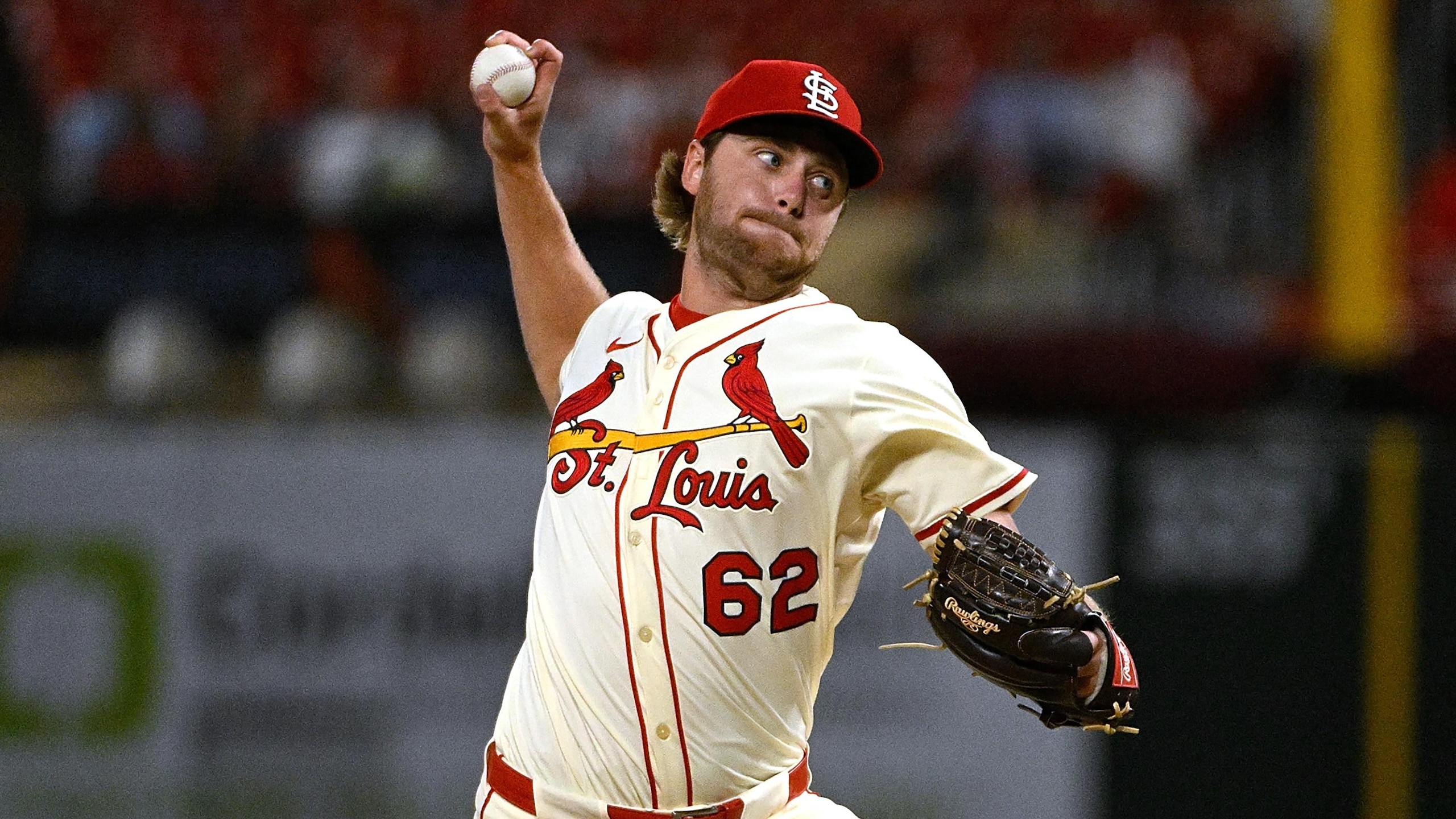
Projected fWAR: -0.1
Actual fWAR / bWAR: 1.0 / 1.4
Not a whole lot has gone well for St. Louis' pitching staff. Seven pitchers have logged at least 60 innings for the Cardinals this season. Six of them (all starting pitchers) have an ERA of 4.35 or worse.
But then there's middle reliever Kyle Leahy with a 2.86 ERA and a 3.17 FIP.
In 30 of his 56 appearances, he has pitched more than one inning. Of those outings, 20 were scoreless, and only one resulted in multiple runs.
Unlike last year when he almost exclusively pitched in mop-up situations—only seven of his 33 appearances came in either a tie game or with St. Louis protecting a lead of four runs or fewer—Leahy has tallied four wins, 17 holds and even a save. And with both Ryan Helsley and Phil Maton getting traded away ahead of the deadline, Leahy has suddenly become the primary right-handed reliever for this club.
With five years of team control remaining, could this former starter be in the mix for the closer job in 2026?
Tampa Bay Rays: OF Jake Mangum
27 of 30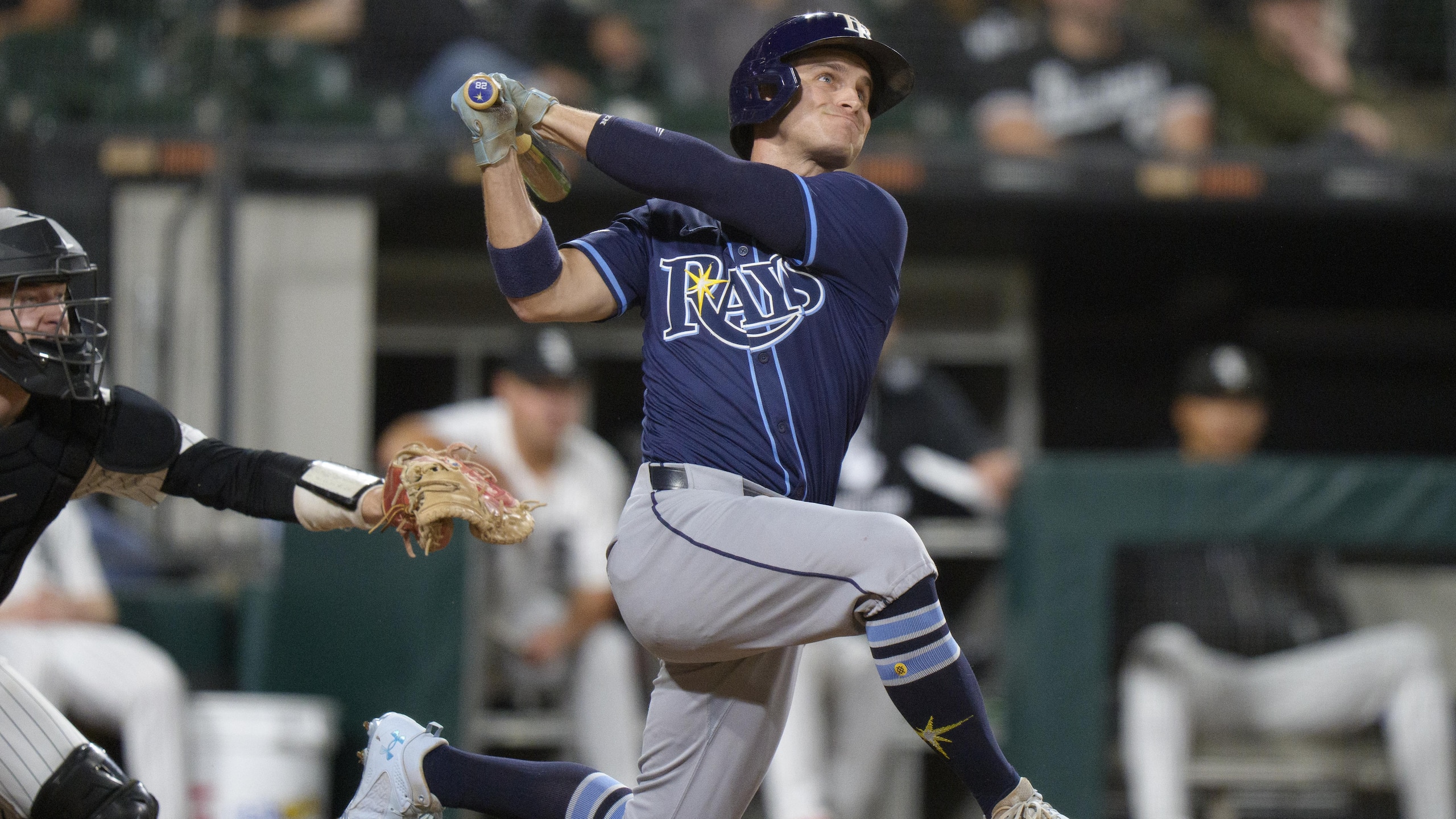
Projected fWAR: 0.4
Actual fWAR / bWAR: 1.4 / 1.2
Tampa Bay's Opening Day right fielder Josh Lowe lasted all of five innings before landing on the IL with an oblique strain. He missed their next 41 games. Center fielder Jonny DeLuca joined Lowe on the shelf with a shoulder injury about a week later, and would not return until after the All-Star Break.
Out of those ashes rose 29-year-old Jake Mangum, finally getting his first chance in the big leagues. And with seven hits and three stolen bases within his first three games in the lineup, he sure did carpe diem.
Despite later missing more than a month of action with a groin strain, Mangum has been the completely unexpected team leader in games played in the outfield this season.
Though he entered 2025 with a career .310 batting average at the Triple-A level, no one seemed to actually want to give him a shot. He hit well in the Mets farm, but was sent to Miami as a "player to be named later" in December 2022. Almost exactly a year later, that's how he went from Miami to Tampa Bay, too. And now he's playing nearly every day in the bigs, hitting .295 with 24 stolen bases.
Texas Rangers: RHP Jack Leiter
28 of 30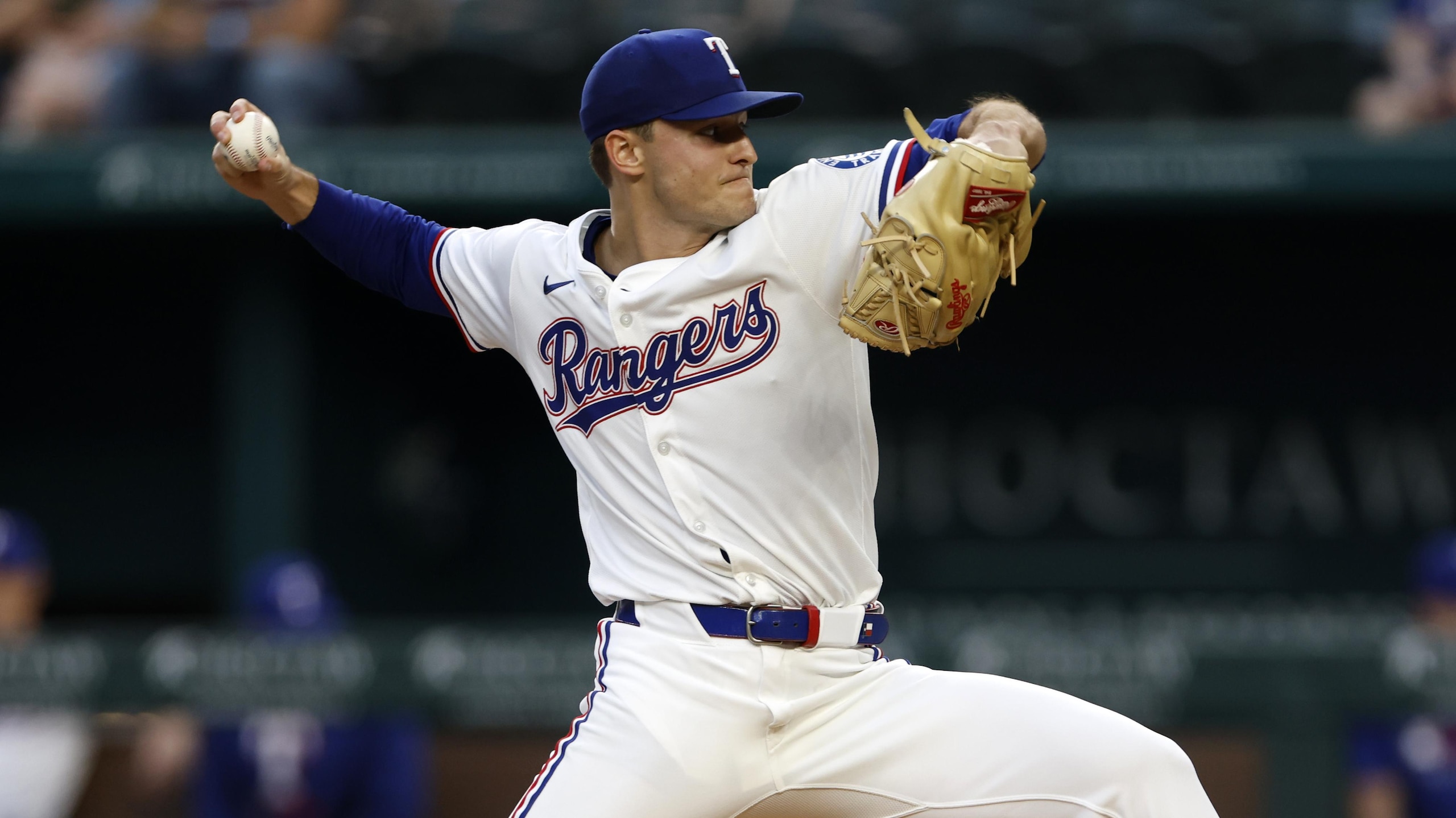
Projected fWAR: 0.7
Actual fWAR / bWAR: 2.1 / 0.6
Texas took Jack Leiter at No. 2 overall in the 2021 draft. However, after an ERA north of 5.00 in the minors in both 2022 and 2023 and an ERA of 8.83 in nine appearances with the Rangers last year, the fact that he opened this season in Texas' rotation wasn't a vote of confidence so much as it was a byproduct of injuries suffered by Jon Gray and Cody Bradford late in spring training.
Nevertheless, Leiter has taken a gigantic step forward this year, making 26 starts with a 3.81 ERA and ranking second on the team in strikeouts, behind only Jacob deGrom.
Getting the walks under control will be the next big step on his path to potential top-of-the-rotation status. Leiter has issued multiple free passes in 21 of his 26 starts and has the second-highest walk rate (4.4 BB/9) among pitchers with at least 120 innings pitched this season. But even with that self-inflicted damage, he has a 3.09 ERA over his last 13 starts, last allowing more than three runs in an outing nearly three months ago.
If Texas can finish the fight, crash the postseason party and win at least one of its first two games, Leiter figures to be their Game 3 starter.
Toronto Blue Jays: 3B/RF Addison Barger
29 of 30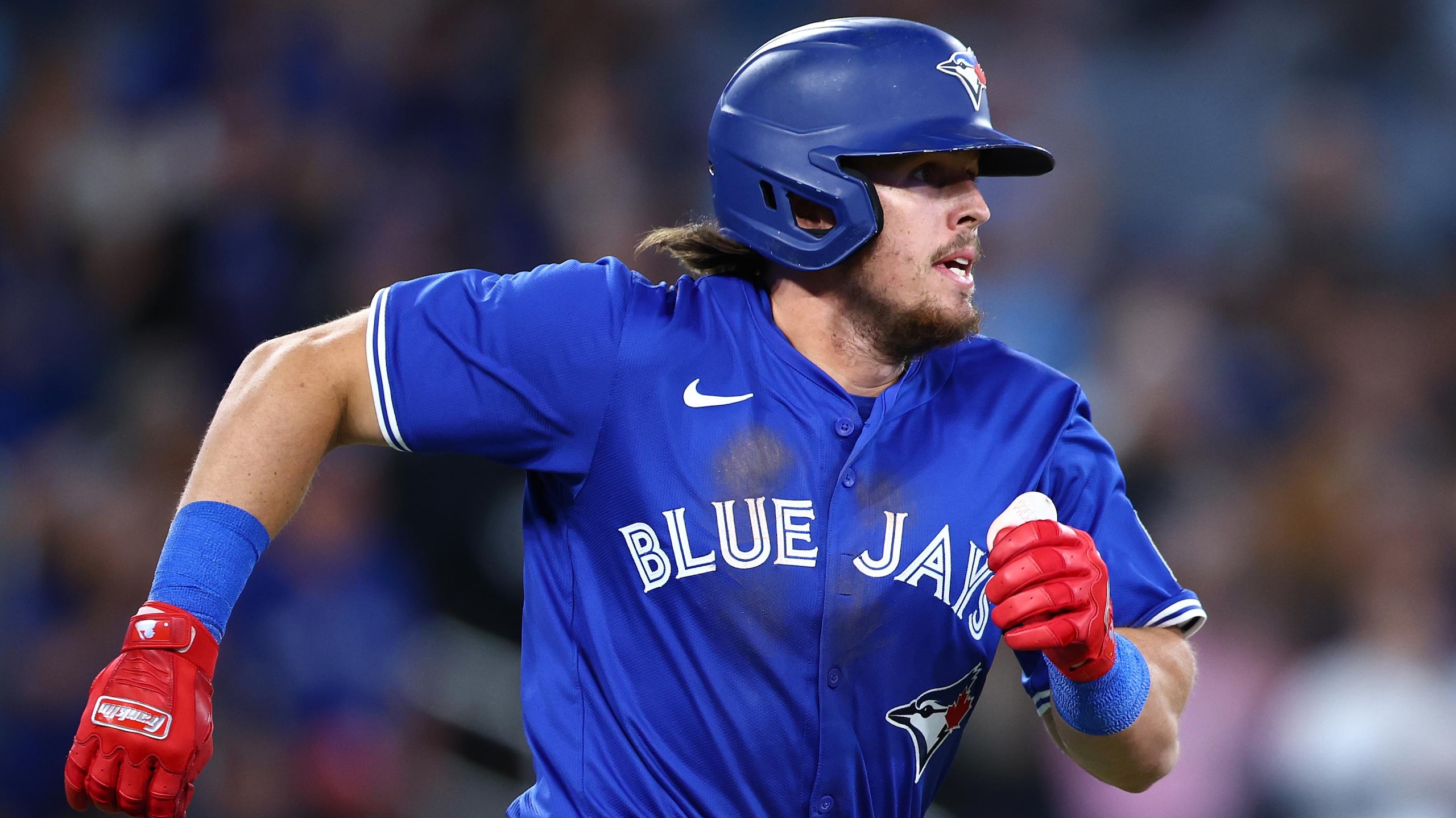
Projected fWAR: 0.2
Actual fWAR / bWAR: 2.1 / 1.4
Throw a dart at Toronto's roster and there's a good chance you're going to hit a key role player who wasn't supposed to be anywhere near this big of a factor.
Eric Lauer showed up out of nowhere after spending part of last season in Korea and became the Blue Jays starting pitcher with the lowest ERA. Myles Straw and Nathan Lukes were projected to appear in a combined total of 35 games, but they've each played in at least 120, the former providing Gold Glove-caliber defense in the outfield. And who knew Brendon Little would blossom into a strikeout machine while leading the American League in appearances among pitchers?
Addison Barger takes the cake, though, with a 100-hit season no one could have predicted.
Barger got called up in mid-April, not because he was crushing at Triple-A but because Davis Schneider was batting .067 through 16 team games and had to go retool his swing for a bit. Barger played sparingly and underwhelmingly for the next few weeks, but became the everyday third baseman when Andrés Giménez hit the IL in early May.
With a .322/.385/.621 triple slash over the course of those next 24 games, he earned his keep as a regular for the rest of the season, boasting as many home runs (19) and four more RBI (65) than Vladimir Guerrero Jr. has amassed dating back to May 8.
Washington Nationals: RHP Brad Lord
30 of 30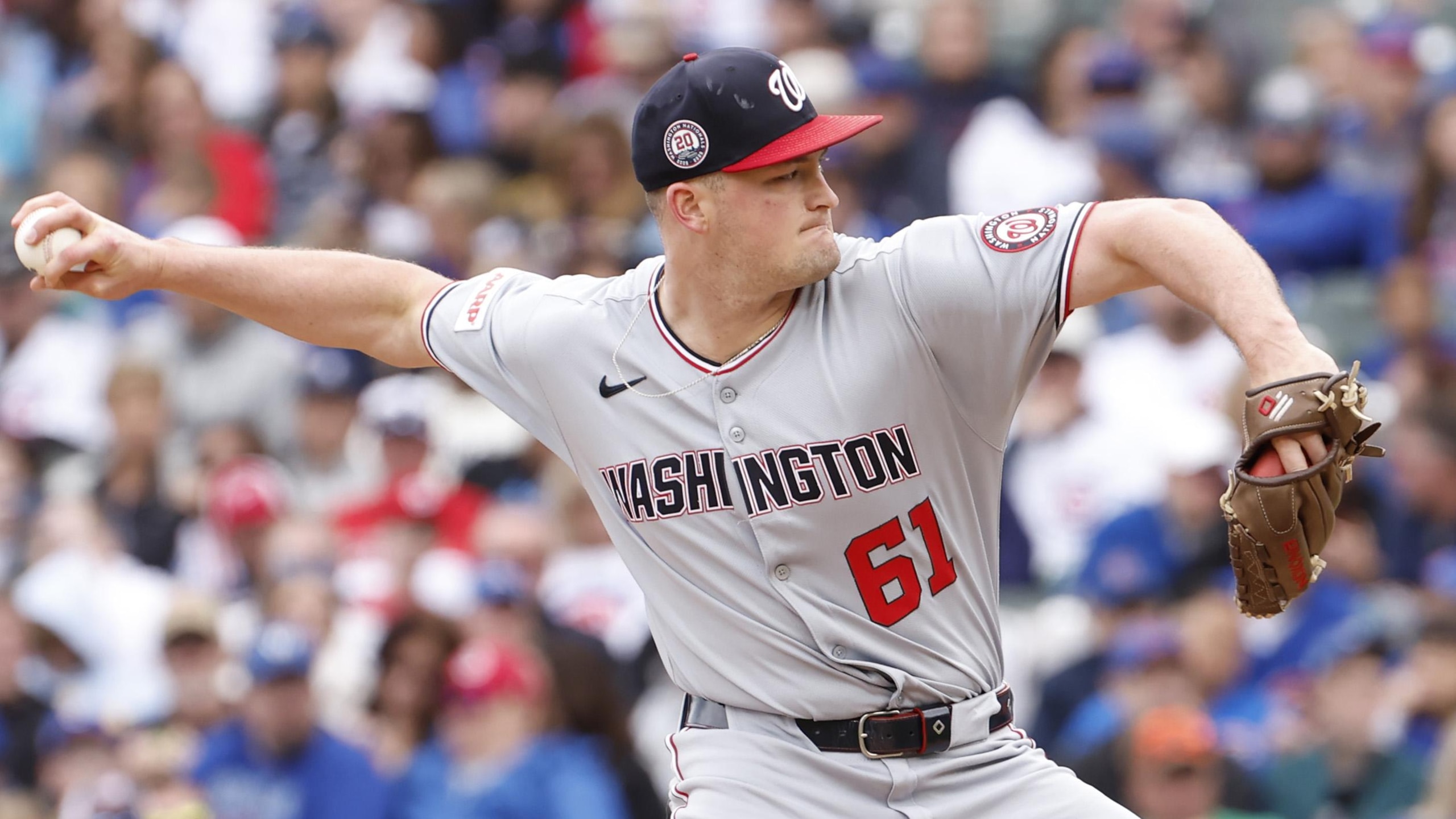
Projected fWAR: 0.0
Actual fWAR / bWAR: 1.4 / 1.5
It's slim pickings in the nation's capital, where the only three players who have been worth at least 1.5 fWAR—James Wood, C.J. Abrams and MacKenzie Gore—are precisely the three players who were expected to shine the brightest.
How about Brad Lord, though?
An 18th-round pick in 2022 who ended the 2023 season still pitching at the High-A level and spent this past winter working at Home Depot, Lord was a surprising choice for the Opening Day roster who has become a key swingman for this pitching staff with 15 starts and 29 relief appearances.
Prior to getting knocked around a bit in late August, Lord had a 3.26 ERA through his first 91 innings pitched. He has seven holds and three quality starts, joining Cincinnati's Nick Martinez as the only other pitcher this season with at least three of each.
Lord did have a 2.43 ERA in 25 minor league starts in 2024, so he might have some staying power. At any rate, what this rotation looks like beyond Gore, Cade Cavalli and the return of Josiah Gray in 2026 is anyone's guess. If the Nats don't go out and acquire a veteran arm or two this winter, Lord may well be their No. 4 starter.



.jpg?w=2560 "Raiders Could Start Mendoza")



.jpg?w=2560 "Rodgers Iced Out on Plane 💎")
.jpg?w=2560 "🚨 Week 8 AP Top 25 Poll")
