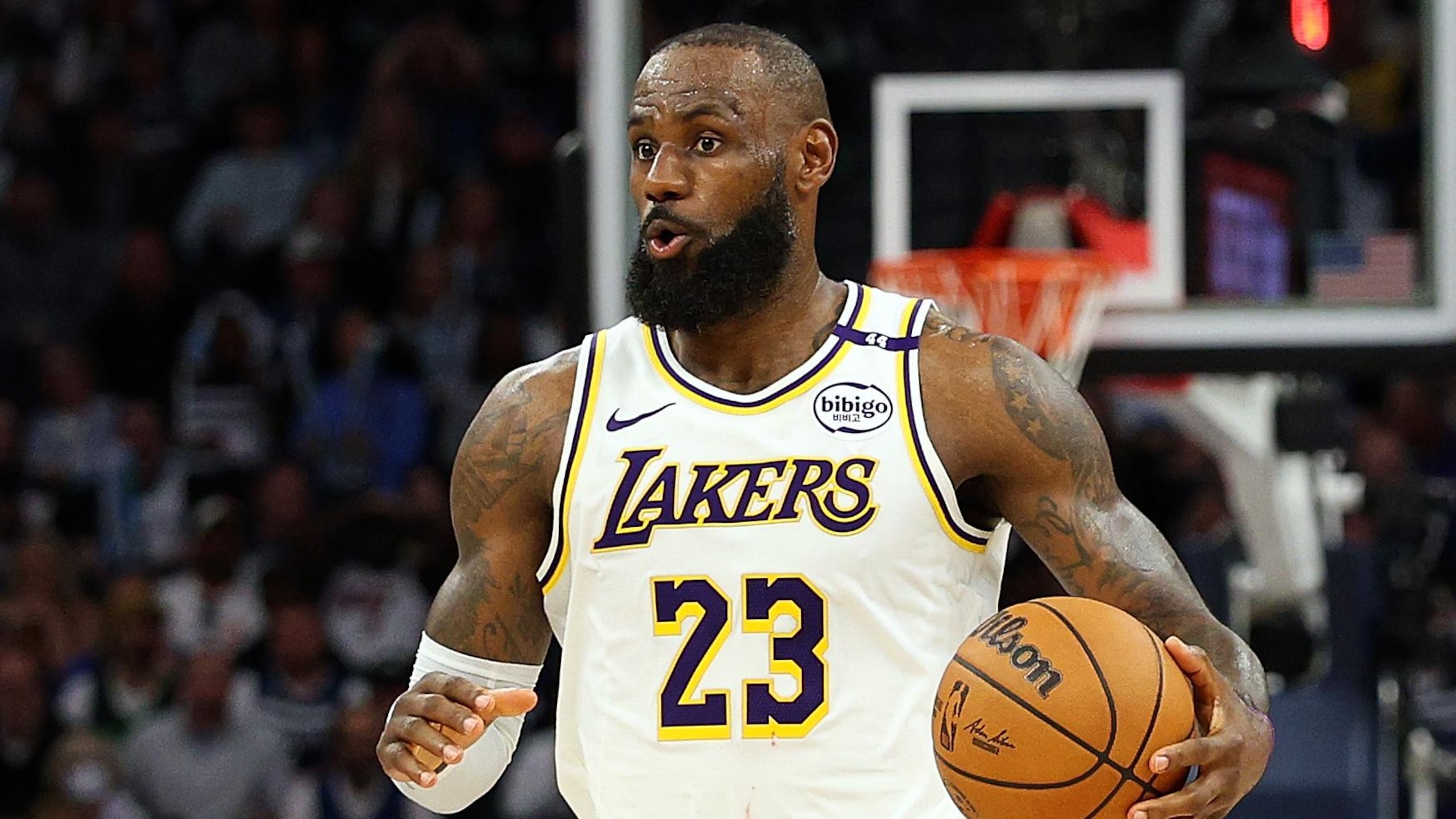


The rise of parity in the NBA isn't all about the financial restrictions imposed by the new CBA. It also has a more obvious source: The ever-changing talent landscape, altered each year by the improvement and decline of players throughout the league.
The best don't stay the best forever, and the up-and-comers eventually come up. That dynamic shifts the balance of power throughout the league, reorganizes hierarchies for specific teams and produces the unpredictability that makes the NBA so exciting.
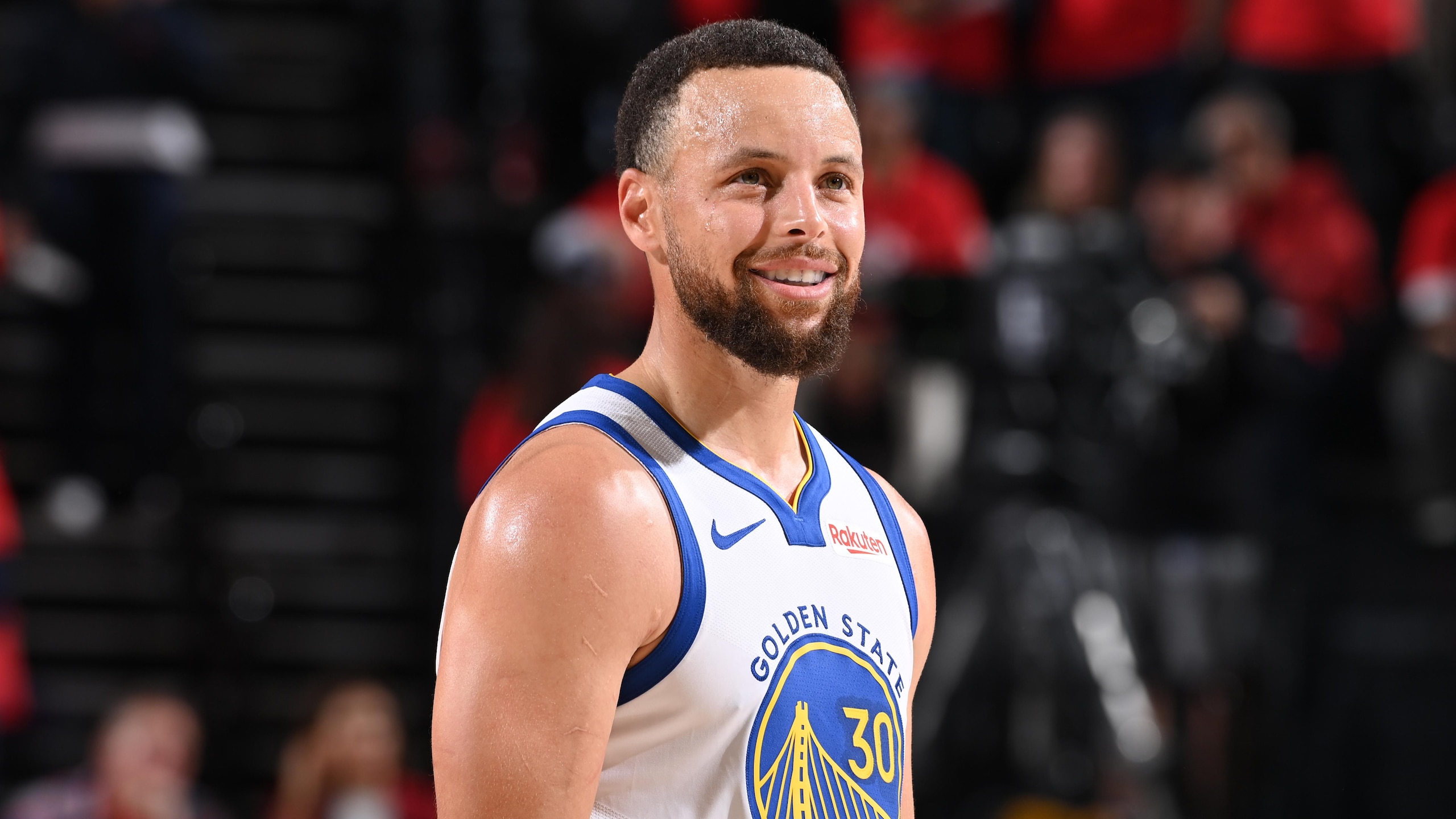
Let's take a look at a potential riser and faller for every NBA team. Chances are, many of these players will be defining figures in the upcoming season.
Atlanta Hawks
1 of 30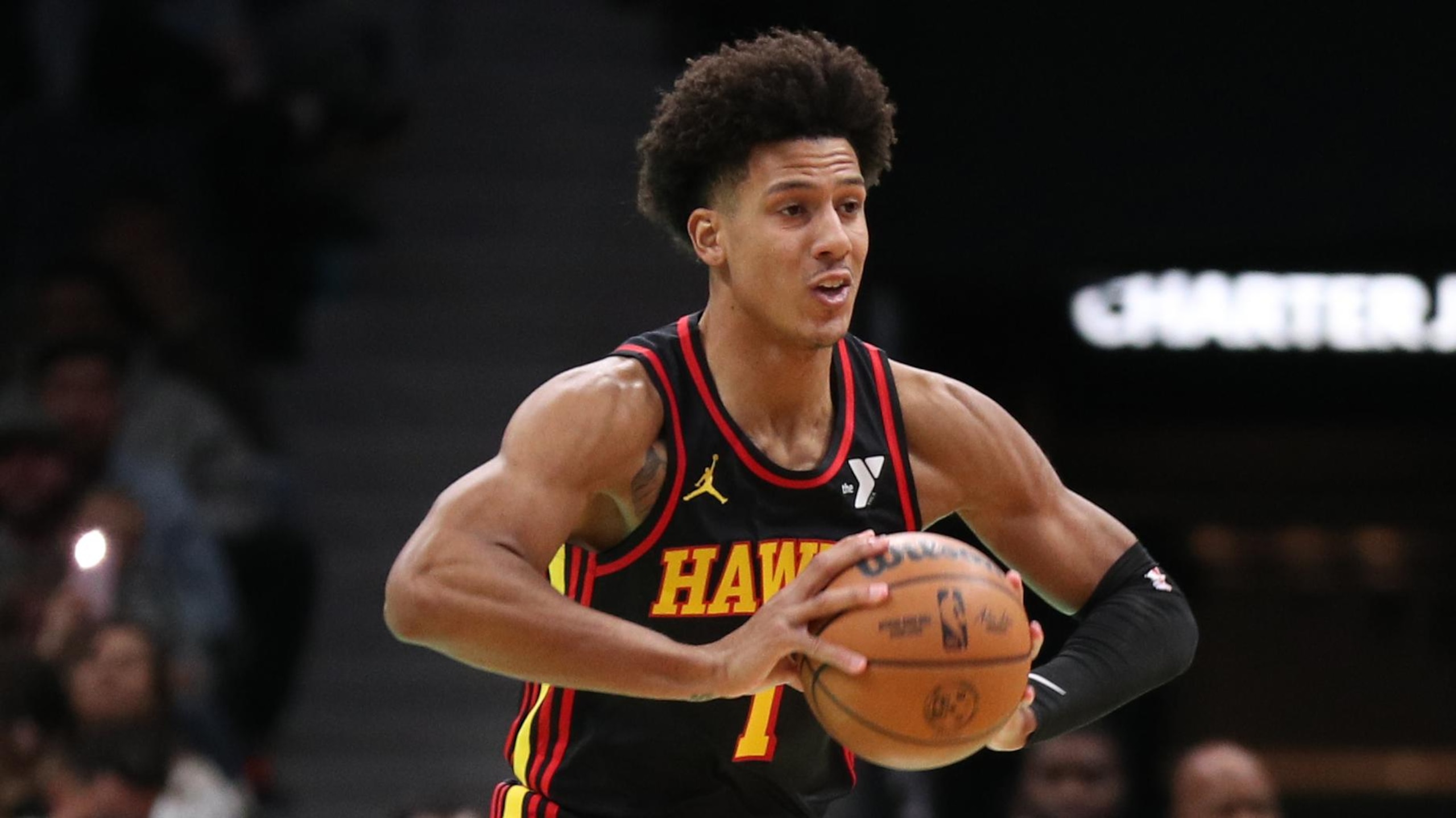
Riser: Jalen Johnson
Johnson offered a taste of what he might become in 36 games last year, but a shoulder injury ruined a breakthrough campaign marked by 18.9 points, 10.0 rebounds and 5.0 assists—all career highs.
He'll pick up where he left off in his age-24 season, leveraging his overwhelming athleticism, underrated facilitation and rugged interior finishing on a deeper, more dangerous Atlanta Hawks squad.
Faller: Dyson Daniels
One of the reasons Atlanta looks so formidable after an offseason of retooling is that it doesn't really have anyone you'd expect to dramatically decline. Kristaps Porziņģis is entering his age-30 season and comes with durability issues, but he slipped pretty far last year. A rebound actually feels more likely for him.
A victim of his own success, Daniels is the pick. He's probably not going to beat his No. 2 finish in Defensive Player of the Year from last season, and the odds are he'll also struggle to replicate his average of 3.0 steals per game, the highest figure anyone's posted in 35 years.
Daniels will still be great, and he might even improve offensively. But he can't sustain the upward momentum he established in a breakout 2024-25.
Boston Celtics
2 of 30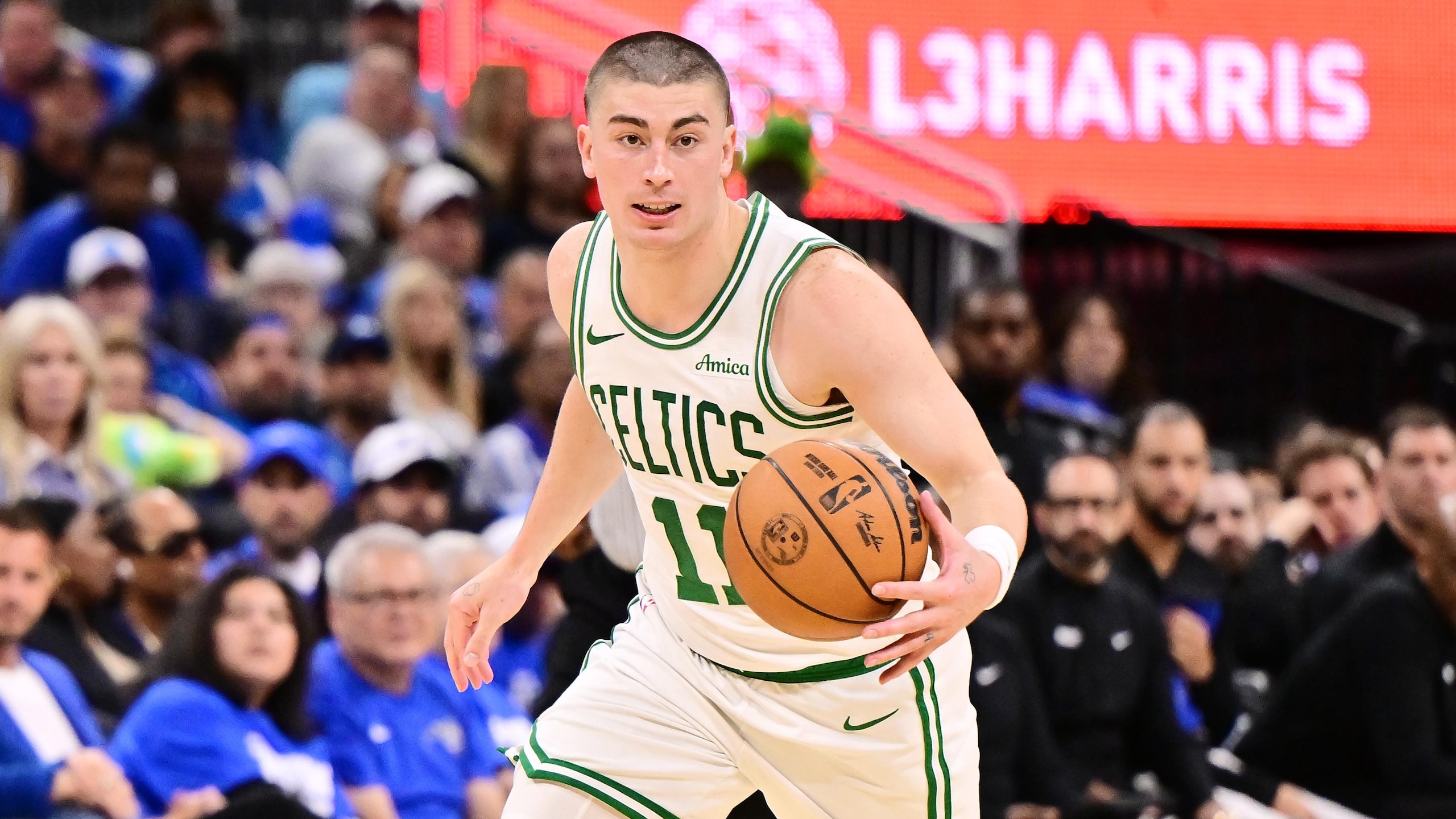
Riser: Payton Pritchard
Opportunities for big numbers will be there for Pritchard, who should slot into a larger playmaking and scoring role with Jrue Holiday gone and Jayson Tatum injured.
Last season's Sixth Man of the Year should be capable of turning his per-36 numbers (18.1 points, 4.9 rebounds and 4.4 assists) into his per-game averages while also deserving some dark-horse consideration for the league lead in made triples. He canned 255 as a reserve last year.
Faller: Jaylen Brown
Brown's scoring average dipped to a five-year-low of 22.2 points per game last season. Maybe he'll beat that number as Boston's alpha stand-in for Tatum, but Brown is bound to have major efficiency struggles.
A shaky handle, inconsistent three-point shooting and durability issues that make big minutes dangerous (Brown hasn't played more than 70 games since he was a sixth man in 2018-19) will all be more clearly exposed with less talent surrounding him.
Couple that with opposing defenses treating him like a first option, and Brown might miss his first All-Star game since 2022.
Brooklyn Nets
3 of 30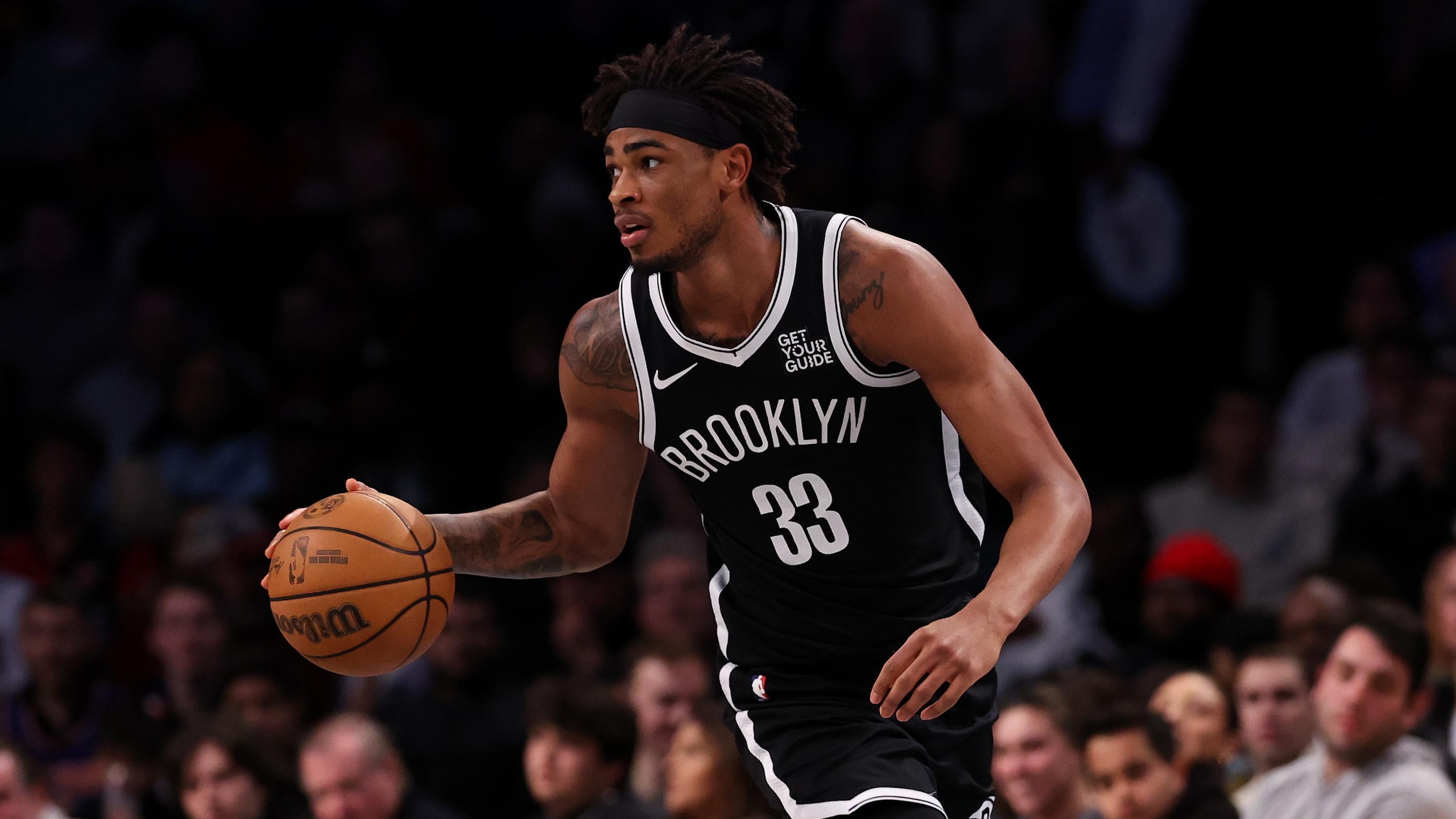
Riser: Nic Claxton
Claxton's finishing and interior defense have trended down since peaking in 2022-23 when he led the league with a 70.5 field-goal percentage and blocked 3.0 shots per 36 minutes.
Much of that owes to Brooklyn bleeding talent in that span, which robbed Claxton of facilitators and resulted in opponents moving him up the scouting report.
This is a bet that Claxton can adjust to that attention and get closer to his 2022-23 levels. It's easy to forget now, but he finished ninth in Defensive Player of the Year voting while looking like a dangerous offensive threat that season.
Faller: Michael Porter Jr.
Nobody ever looks better after leaving Nikola Jokić, and Michael Porter Jr. will become the latest former Nugget to find life much harder when somebody other than the best passer alive is setting him up.
Gary Harris, Bruce Brown Jr., Kentavious Caldwell-Pope—everyone seems to fall off after leaving Jokić. MPJ, a mostly setup-dependent sniper, figures to have at least as much trouble as those three.
In fact, given the Nets' apparent plan to have a rookie running the offense almost all the time, Porter could be in for an even steeper slide than any of those other former Nuggets.
Charlotte Hornets
4 of 30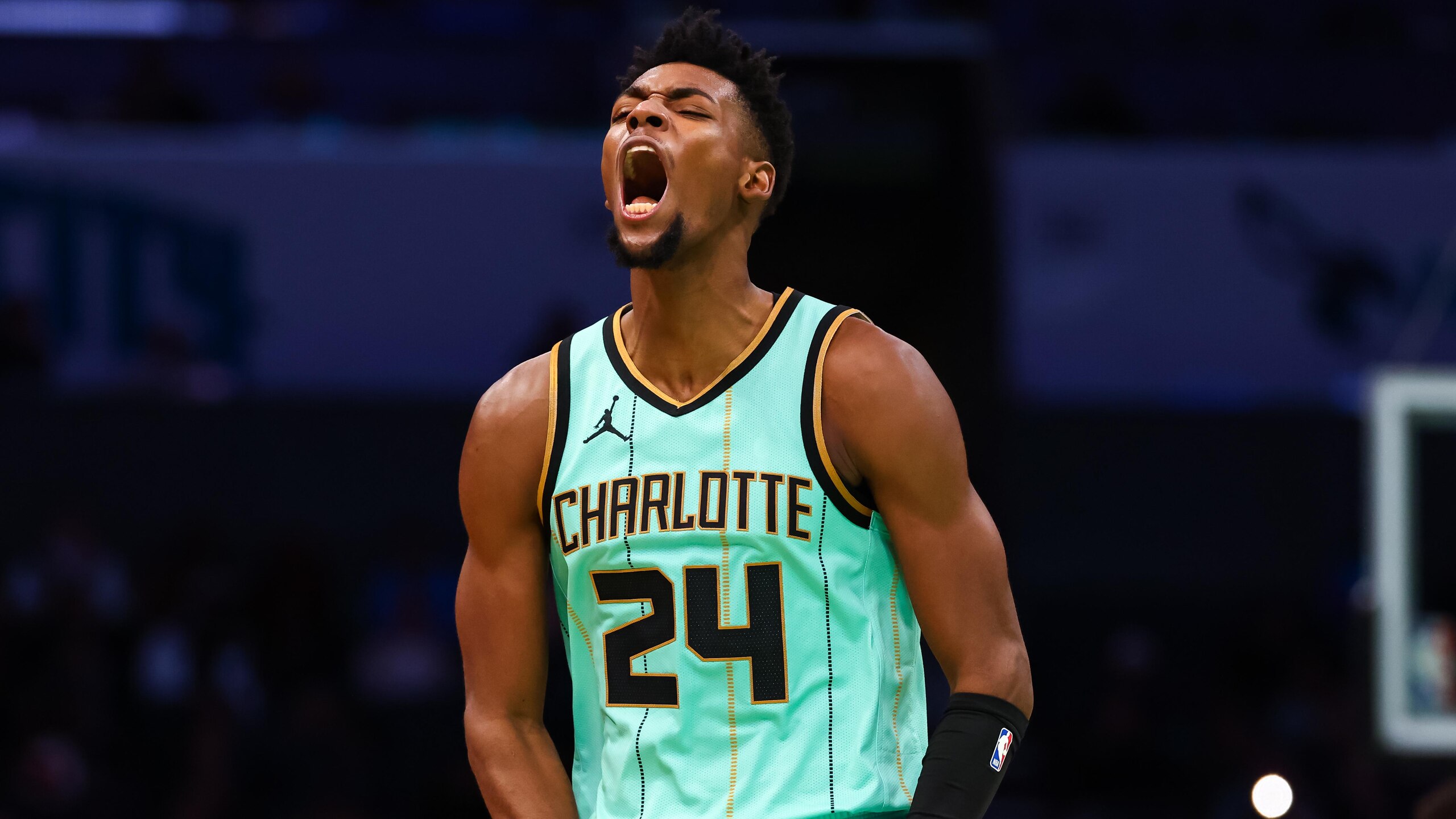
Riser: Brandon Miller
Don't overthink this one. Miller has the high-lottery pedigree, favorable situation and still-developing game necessary to land the "riser" nod for the Charlotte Hornets. And much like Jalen Johnson in Atlanta, he bowed out after giving just a brief glimpse of his upgrades last year.
A wrist injury shelved the former No. 2 pick after just 27 games of his sophomore season. Small-sample caveats apply, but prior to injury, Miller dramatically upped his three-point volume to 10.9 attempts per contest, spiked his assists by 33 percent and was well on his way to a breakout.
He'll pick up where he left off in his upcoming age-23 season.
Faller: Miles Bridges
It's never a bad idea to forecast slippage for athleticism-based players as they move into their late 20s.
Bridges tantalized with 40.0 percent three-point shooting back in 2020-21 but hasn't topped 34.9 percent since.
Paired with poor defense and declining overall efficiency, the lefty forward's diminishing bounce (only 55 dunks last year, a four-year low) means he's going to lose minutes and score less frequently for a Charlotte squad that seems to want spacing around LaMelo Ball.
Chicago Bulls
5 of 30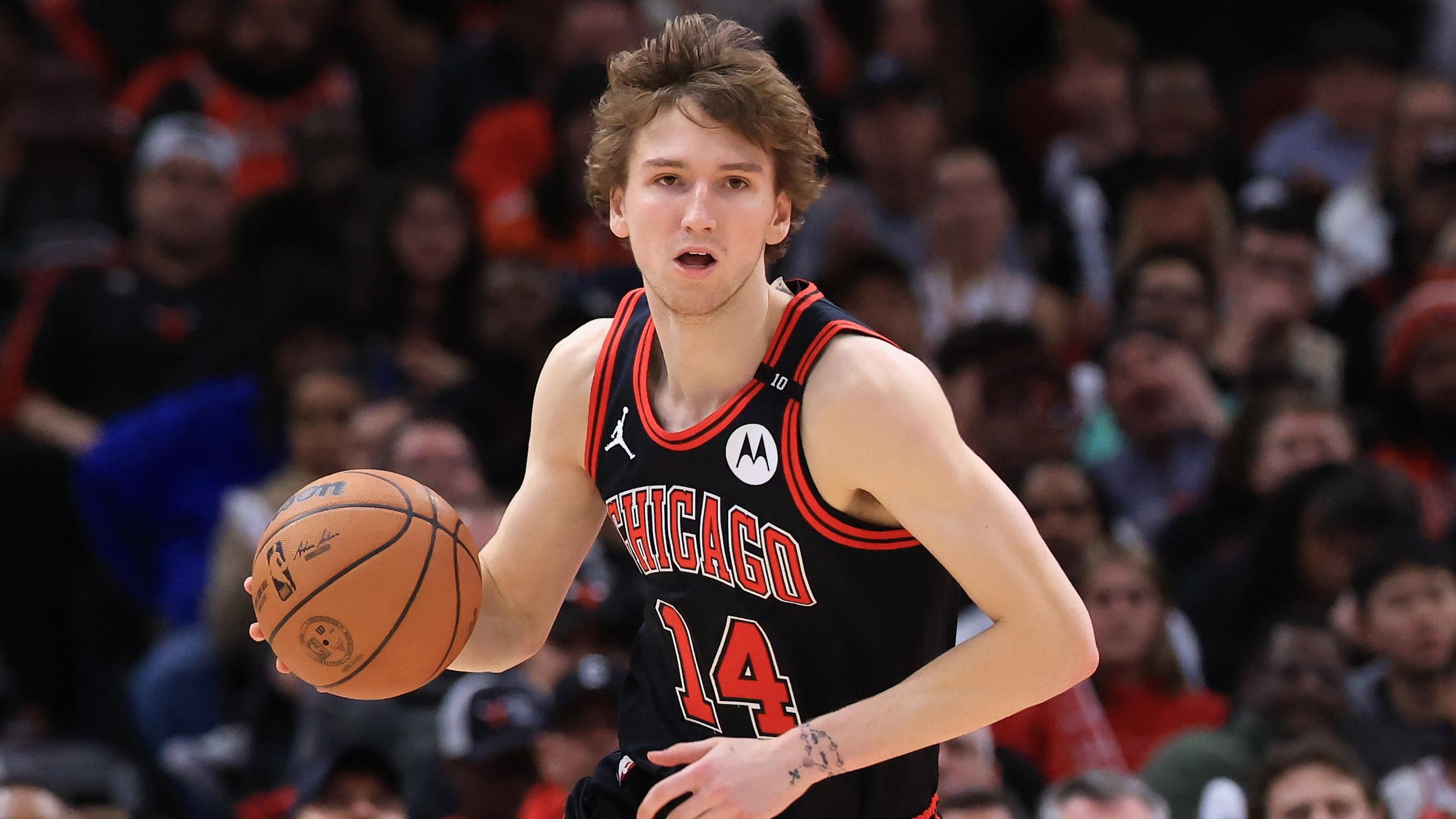
Riser: Matas Buzelis
This isn't just a blind-faith bet on an obviously talented forward getting better in his second season. It's also an acknowledgement that Matas Buzelis improved significantly during his rookie year.
Athleticism and aggression were constants, but his true shooting percentage jumped from 55.7 to 58.5 percent after the All-Star break. His assist rate also spiked, hinting at gains in the facilitation realm, and half of the 96 threes he canned on the year came in just 27 post-break contests.
If he maintains the starting role he seized in February, Buzelis is going to blow away last season's performance.
Faller: Nikola Vučević
With his 35th birthday coming a few days into the 2025-26 season and an anomalously strong 40.2 three-point percentage due to come down, Nikola Vučević is primed for regression.
To his credit, the veteran center has been a pillar of statistical consistency for over a decade. He's averaged at least 14.0 points and 8.9 rebounds in every season since 2013-14.
Last year's 18.5 points and 10.1 rebounds don't feel replicable given his age, and he's going to stop logging 70-plus games every year at some point.
Cleveland Cavaliers
6 of 30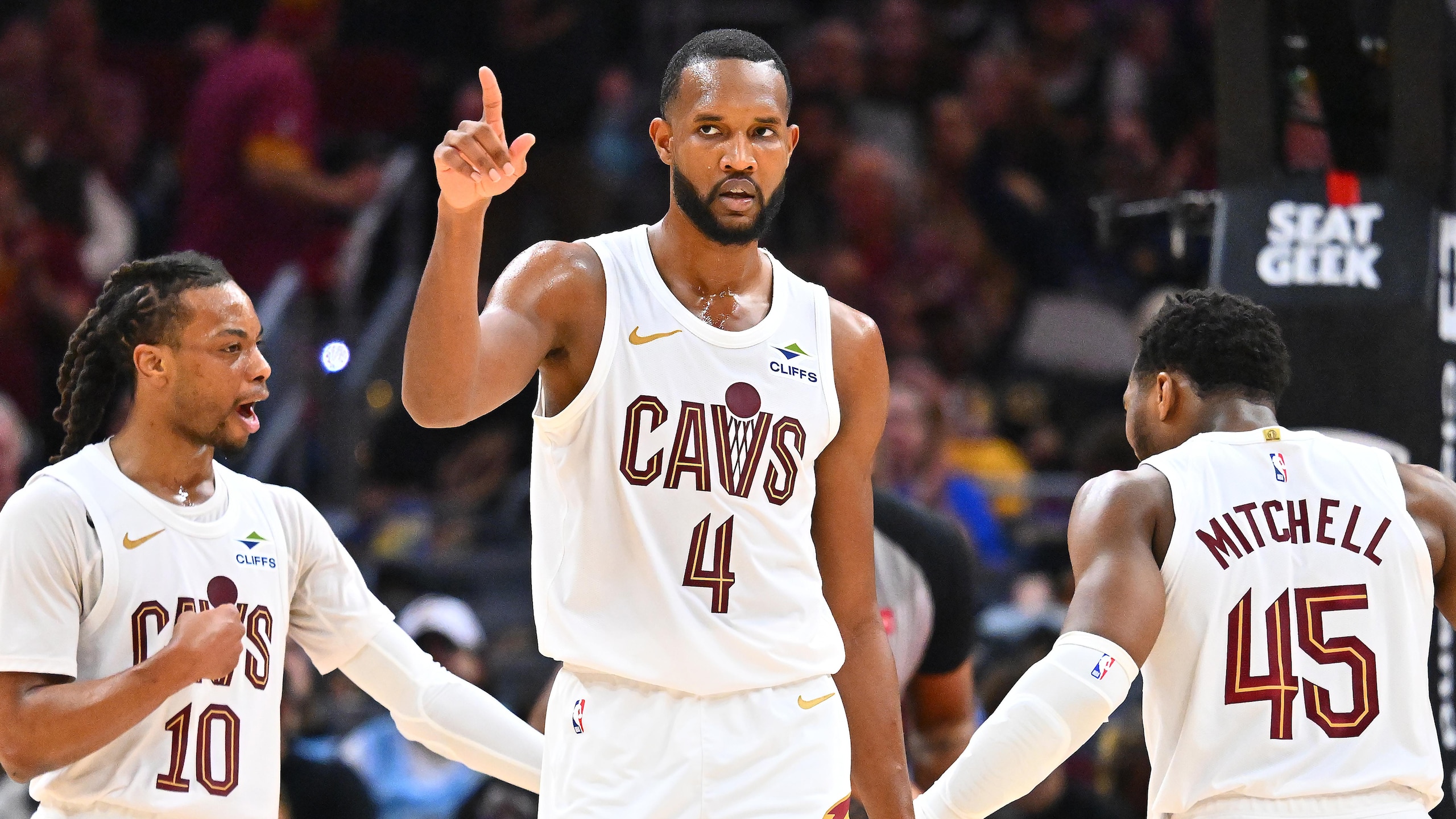
Riser: Evan Mobley
Last season, Evan Mobley didn't finish with the most leaguewide MVP votes on his team. It's going to be a while before that happens again.
Even if the four-year vet clearly hit a new level last year, registering career highs in points, assists and made triples per game while winning Defensive Player of the Year, it just feels wrong to view that as his ceiling.
After all, if Mobley could add a dominant downhill driving attack while nearly tripling his three-point attempt volume in a single season, doesn't that make him a great candidate to add other layers through even more hard work?
At 24, Mobley doesn't appear remotely close to his peak.
Faller: Donovan Mitchell
Fifth in MVP voting last season and an All-NBA first-teamer for the first time, Mitchell technically got most of the credit for the Cleveland Cavaliers' romp to the East's No. 1 seed.
He deserved it.
That said, Mitchell was limited by a postseason injury yet again (it's an annual tradition at this point) and should not be expected to log 71 appearances like he did in 2024-25. That'll curb his counting stats and prevent him from clearing the high bar he set a season ago. If it keeps him fresh for the playoffs, nobody will mind.
Dallas Mavericks
7 of 30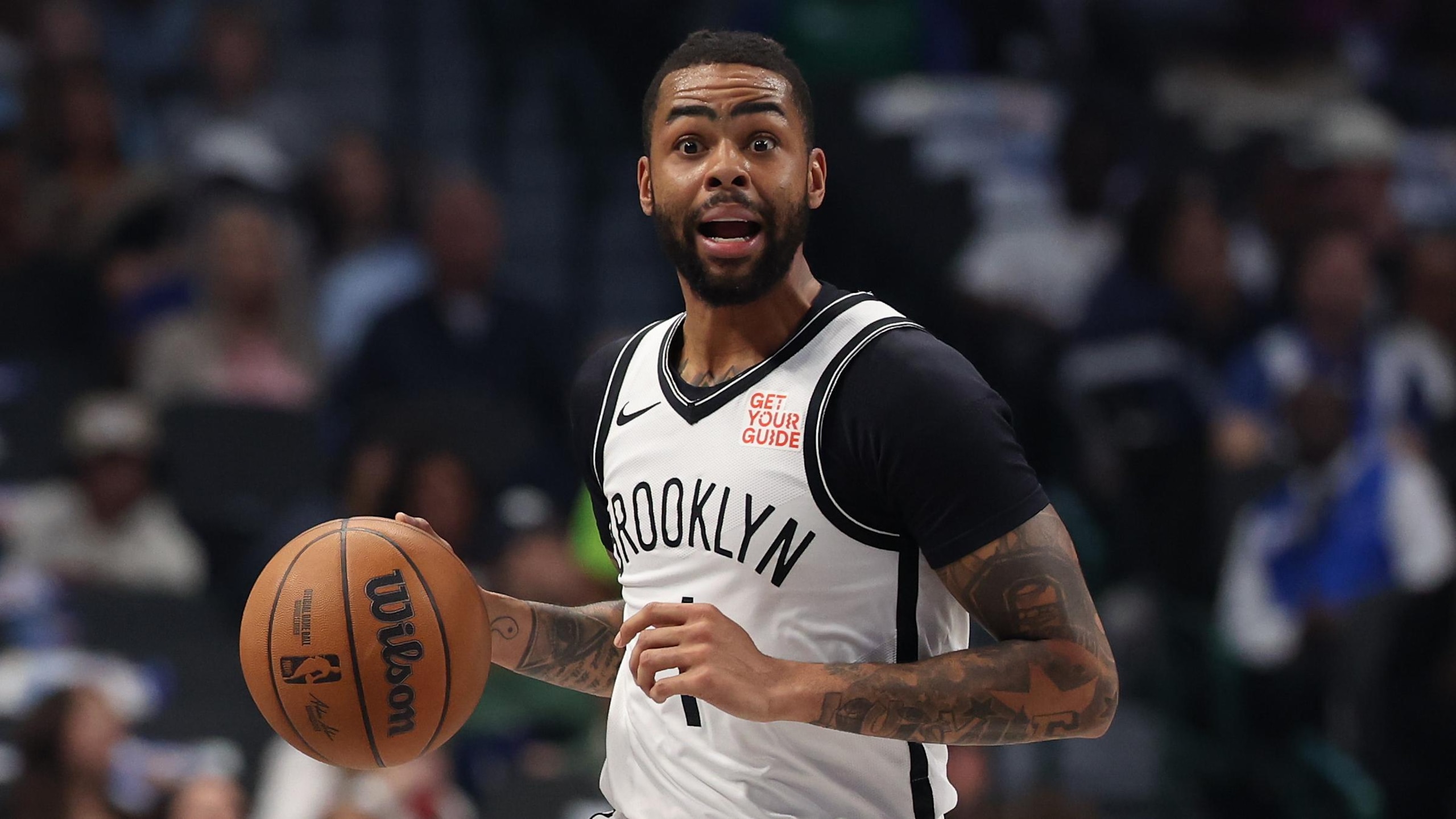
Riser: D'Angelo Russell
Russell managed just 12.6 points per game and shot 31.4 percent from deep last year, splitting time between the Lakers and Nets. Both of those numbers were the lowest of his career.
In addition to having nowhere to go but up, the 29-year-old now finds himself in a very favorable situation. At least until Kyrie Irving gets healthy, Russell should be in command of a Mavs offense that has a litany of dangerous lob threats, good spacing and a defensive infrastructure potent enough to cover for him.
Faller: Klay Thompson
The reduced mobility and struggles to create space that plagued the final year of Thompson's tenure with the Golden State Warriors intensified during his first season with the Mavs. Though he still shot 39.1 percent from deep, his 18.4 points per 36 minutes was his lowest mark since 2012-13.
Combined with further defensive slippage, Thompson looked very much like a 34-year-old with a devastating injury history.
Aging trajectories like that don't tend to reverse course.
Denver Nuggets
8 of 30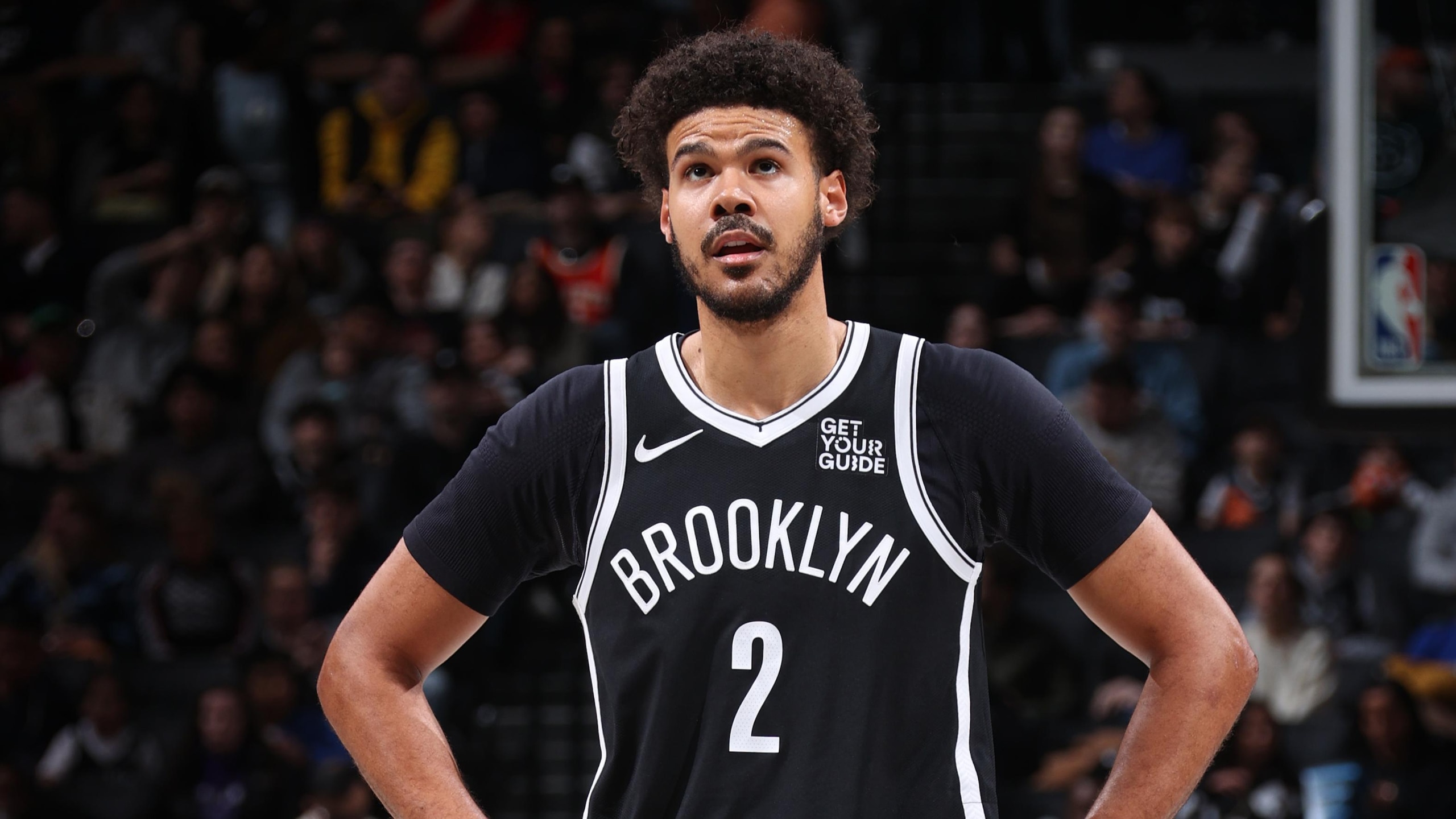
Riser: Cam Johnson
We don't fully grasp the degree to which Nikola Jokić brings out the best in his teammates. If we're going to tag MPJ as a faller for the Nets because he's no longer getting spoon-fed setups from the three-time MVP, we also have to acknowledge the flip side: Cam Johnson is going to get the cleanest looks of his life.
Given the comparative depth advantage Denver has over Brooklyn, Johnson might not be able to top last year's 18.8 points per game. But he's a great bet to up his efficiency en route to the most complete season of his career.
Faller: Zeke Nnaji
He's not toppling from some great height in the wake of 57 appearances and 10.7 minutes per game in 2024-25, but Nnaji belongs here in the sense that, well, it just seems like it's not going to happen for him in Denver.
Though his first two seasons included promising three-point shooting from a frontcourt spot, Nnaji hasn't been good enough from deep over the last three years. Now, he's likely to lose the few minutes he once got to Jonas Valančiūnas.
Aaron Gordon was already absorbing many of the backup 5 stints Nnaji couldn't handle, and now there's another capable body ahead of him on the depth chart.
Detroit Pistons
9 of 30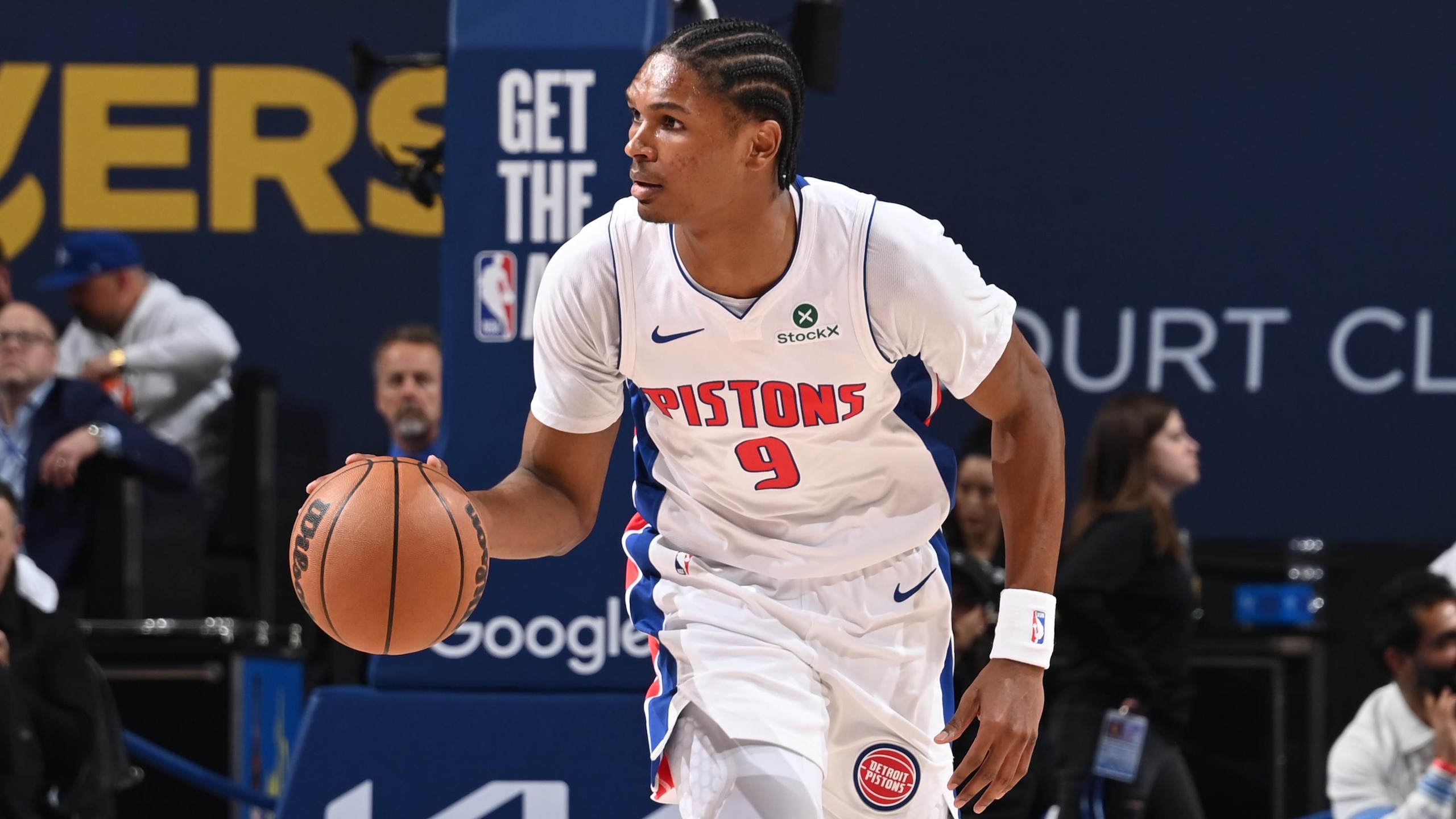
Riser: Ausar Thompson
Amen Thompson got all the breakout love last year, and his brother is next in line.
Ausar made legitimate improvements as a sophomore, but he also missed significant time due to injury for the second straight season. If he can avoid a few weeks on the shelf, the hyper-athletic wing will blow away last year's 10.1 points, 5.1 rebounds and 2.3 assists (which he amassed in only 22.5 minutes per game).
Defensively, Thompson is a safe bet to rate among the best at his position. The Pistons will keep him on the floor for major minutes because of his work on that end alone. If his three-point shot ever comes around, we'll be talking about an All-Star.
Faller: Caris LeVert
LeVert is entering his age-31 season coming off an outlier effort from deep in 2024-25 and facing what might be a bit of a positional logjam with his new team.
Yes, we have to acknowledge LeVert is a more established secondary scorer than guys like Jaden Ivey, Ron Holland II and Thompson. But the first two could make up ground on him in a hurry given their youth, while the third will be ahead of LeVert in the rotation for defensive reasons.
The Pistons should be incentivized to favor all of them over LeVert, who is not a potential core piece going forward.
Golden State Warriors
10 of 30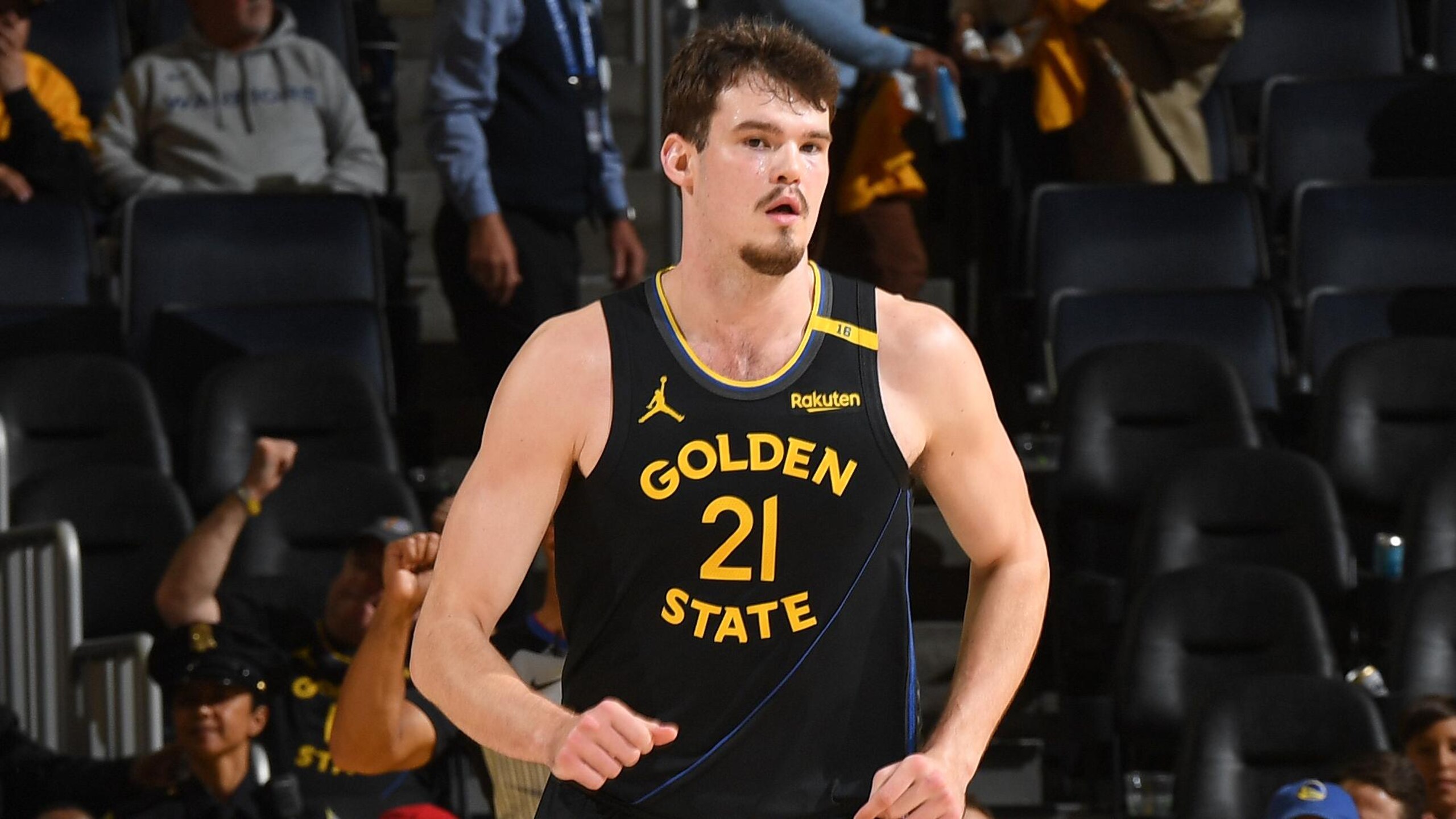
Riser: Quinten Post
Fun fact: Post, a rookie picked near the end of the second round, was the only player in the league to average at least 24.0 points, 10.0 rebounds and 5.0 made threes per 100 possessions last year.
The Warriors obviously won't put the second-year center on the floor for entire games, but his per-minute production as a stretch big makes it clear he's going to enjoy a statistical spike as his playing time increases.
Post is the rare 5 who bends defenses with his shooting. He's got a lot of rough edges and may not be able to survive long stints defensively. But he can fill it up from distance.
Faller: Jimmy Butler
Butler was better with the Warriors than he was with the Heat last season, and he was undeniably a part of the team's late-season friskiness. His mere presence on the floor coerced teammates to cut and imbued the whole operation with a badly needed steadiness.
If you watched him closely last year, you also noticed undeniable signs of physical decline. He'd routinely get near the bucket and pump fake several times in search of a foul because he didn't trust his vertical lift. Defensively, he surrendered blow-by drives a little more often than was comfortable.
Butler may still perform at a fringe All-Star level, and he's going to make the Warriors a better team than they'd be without him. But he's also entering his age-36 season looking like a guy who's racked up a lot of brutal miles.
Houston Rockets
11 of 30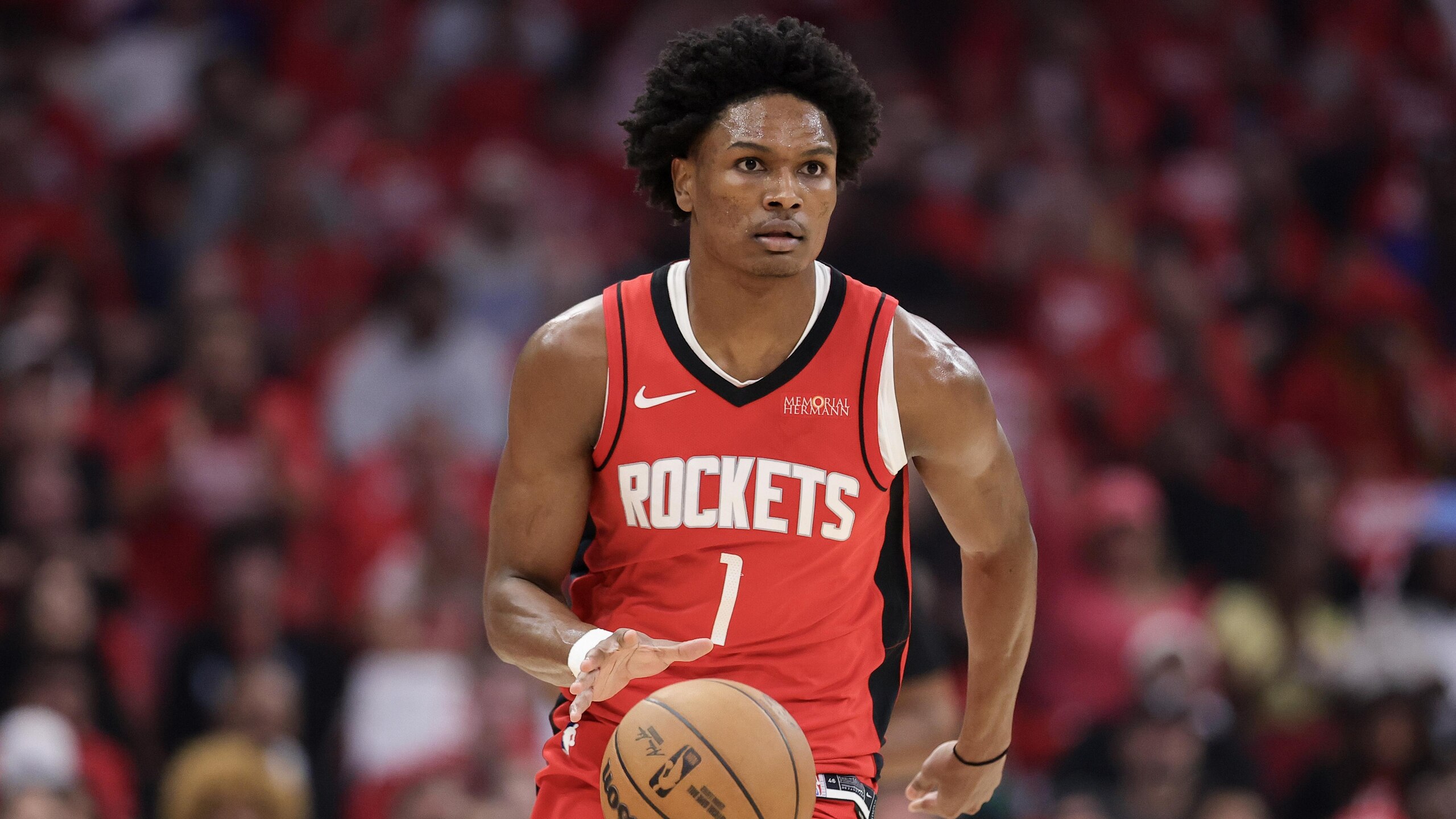
Riser: Amen Thompson
If you thought Amen Thompson burst onto the scene last year, finishing fifth in Defensive Player of the Year voting after permanently seizing a starting job in January, you haven't seen anything yet.
Buy however many shares of his stock are still available. The 23-year-old wing has ample room to grow as a shooter and distributor, and no one should rule out the possibility this is the year he proves he can run the point and smother everything that moves on the other end.
Thompson has limitless athleticism and already makes a major impact. If he tunes up a couple of skills as the game slows down for him, look out.
Faller: Fred VanVleet
VanVleet's 51.5 percent true shooting figure in 2024-25 was his worst since he was a rookie, and his usage rate hit a career-low 17.7 percent. Small guards don't age well, and at 31, FVV is pretty clearly on the downside of his career.
He'll still bring tons of professionalism, dogged defense and big-moment shooting. But FVV's overall impact is due to decline.
Indiana Pacers
12 of 30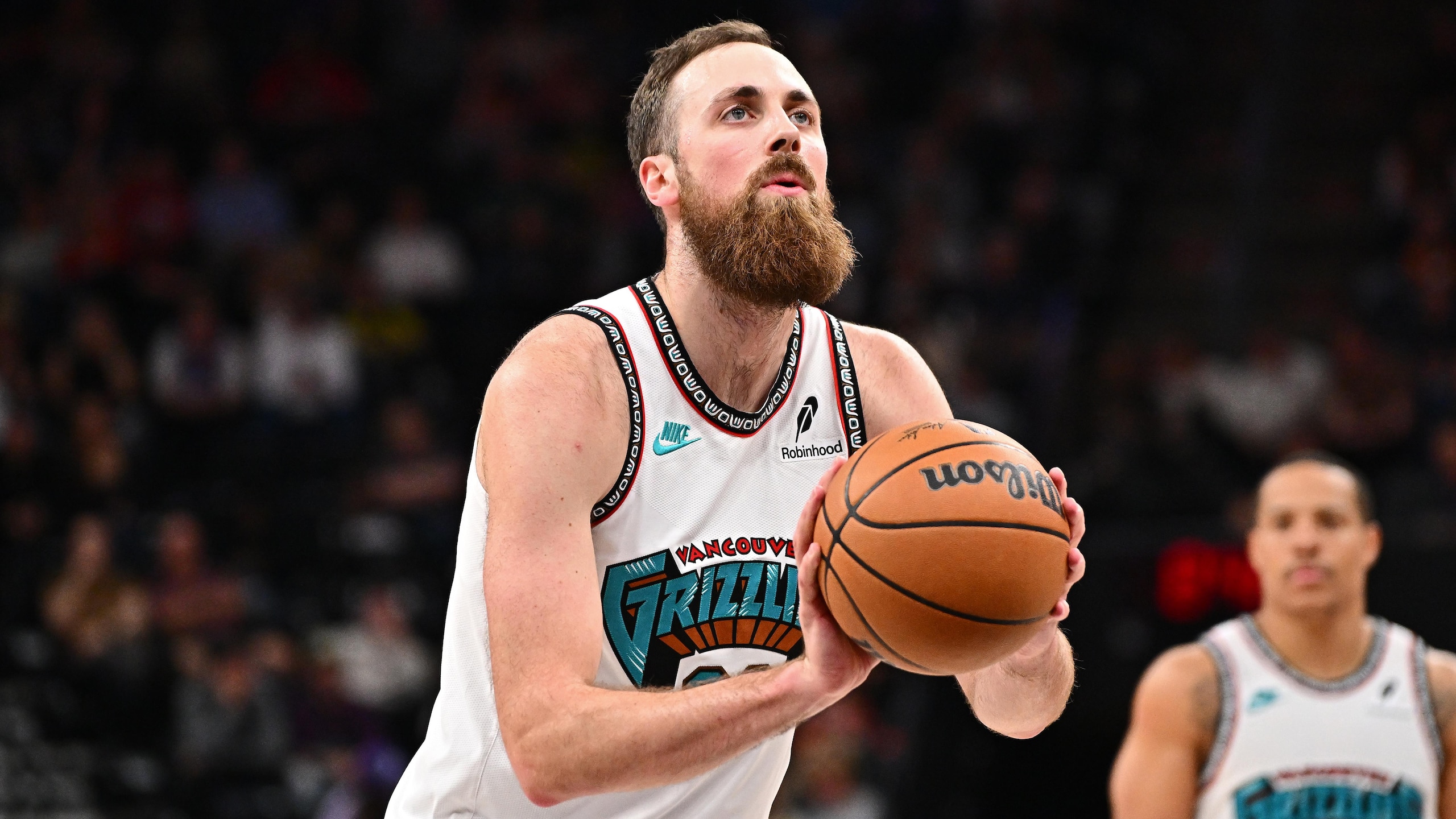
Riser: Jay Huff
Huff isn't going to replace Myles Turner's production at center, but he's in line for the biggest opportunity of his career and should be expected to perform well in an upsized role.
Though he played just 748 minutes for the Memphis Grizzlies last year, the 27-year-old journeyman was consistently productive in his limited time, posting per-36 averages of 21.1 points, 6.2 rebounds, 2.7 blocks and 3.9 made triples (at a 40.5 percent clip).
If he holds up physically, Huff will at least give Indy some of the same floor-stretching and shot-blocking Turner provided over the last decade.
Faller: Obi Toppin
A mostly dependent scorer who was assisted on every single one of his made threes during Indiana's run to the Finals, Toppin is going to find things a bit more difficult without Tyrese Haliburton around.
Add to that the negative impact Haliburton's absence should have on the Pacers' transition attack, which is also a key to Toppin's effectiveness, and it's easy to see some struggles ahead.
Indiana will still try to run and move the ball like few other teams, but we can't pretend its secondary scorers are better off without one of the best facilitators in the league.
Los Angeles Clippers
13 of 30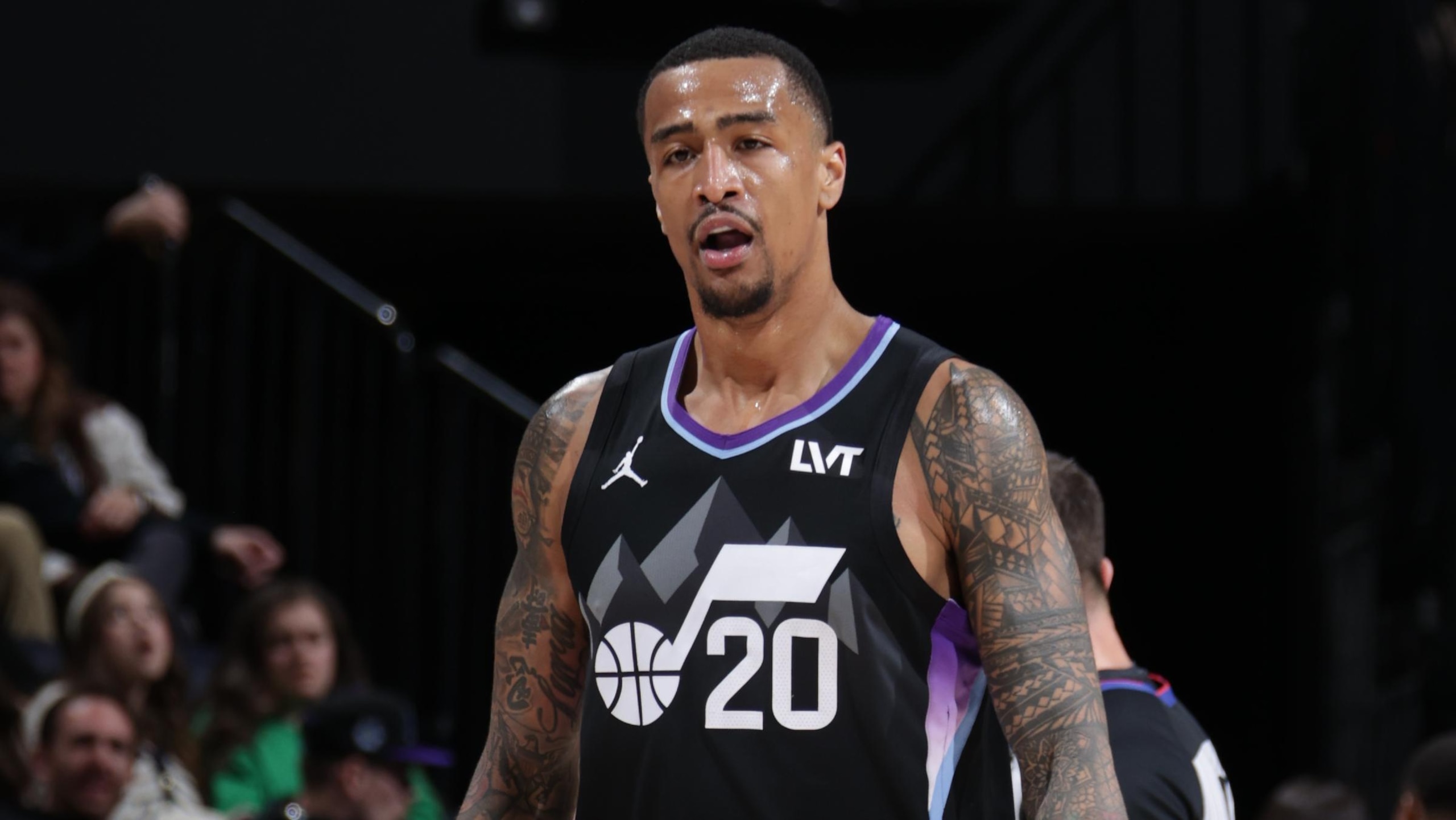
Riser: John Collins
Never better than when he was playing alongside pick-and-roll maestro Trae Young in his early days with the Atlanta Hawks, Collins now finds himself in a similar situation that should bring out his best.
James Harden knows how to hit a teammate on the move, and Collins should find it refreshing to know he's got an ace facilitator back on his side—especially after two years of toiling for the rebuilding Utah Jazz.
Faller: James Harden
We just talked Harden up a bit, but now it's time to temper expectations.
The former MVP returned to the All-Star Game for the first time since 2021-22 last year and made his first All-NBA team since 2020, but those honors came with a 41.0 field-goal percentage and a skyrocketing turnover rate—to say nothing of his increasingly immobile defense.
Even the greats slip eventually, and Harden is entering the age-36 season of a career that hasn't exactly been defined by an emphasis on conditioning.
Los Angeles Lakers
14 of 30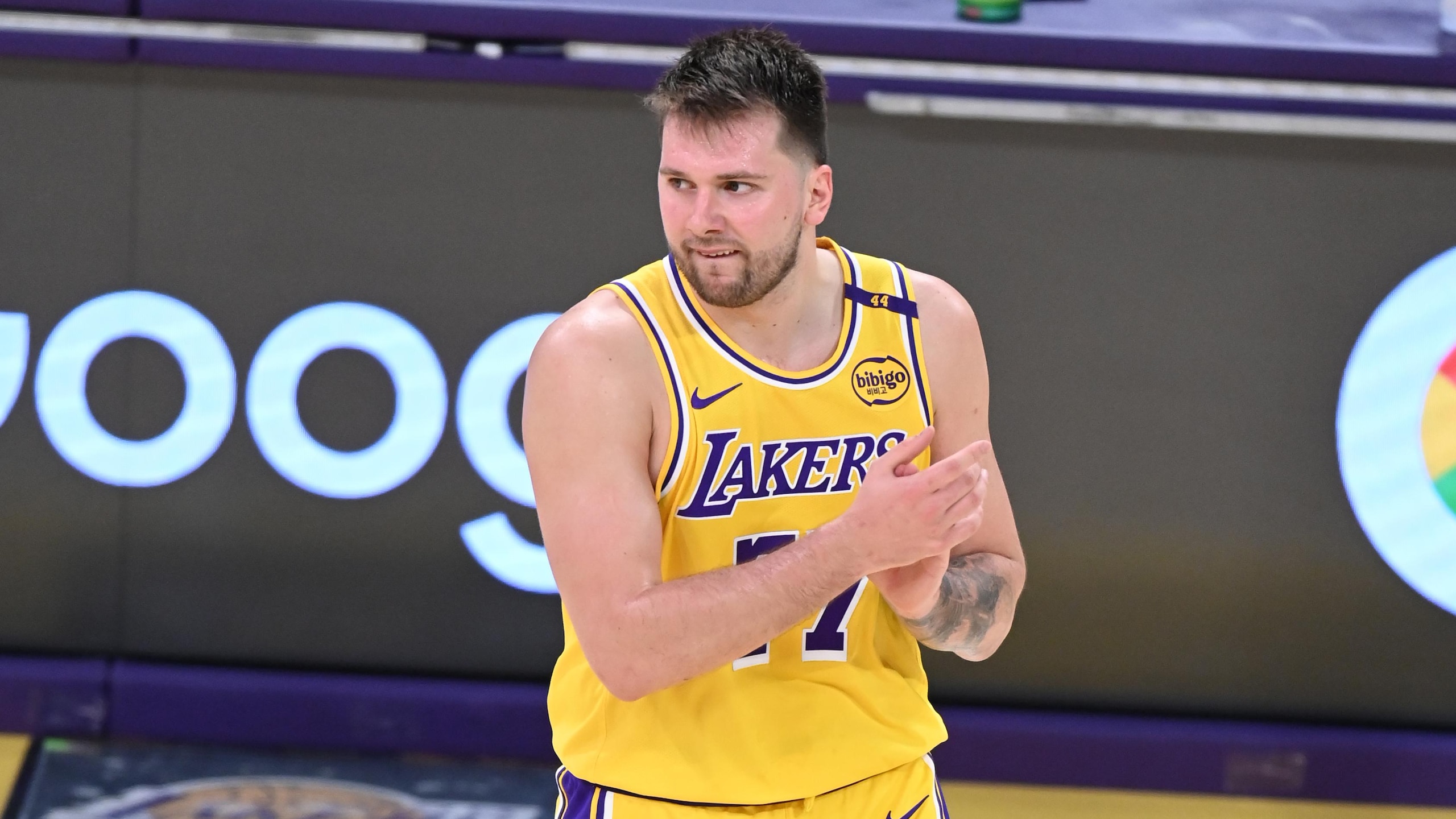
Riser: Luka Dončić
Whether it's because he's actually in shape or he's better settled after a jarring trade to the Los Angeles Lakers, Dončić is bound to improve on last season's performance.
Dončić played a career-low 50 games in 2024-25 and posted point, rebound and assist averages below his career rates. There's a real risk that all the offseason hype about his conditioning is fool's gold and he really is entering an early decline phase after one of the best beginnings to a career anyone has seen.
But the safer bet is on a return to form.
Faller: LeBron James
We've been wrong every year we've predicted an age-related collapse for James, but that streak won't continue forever.
Even if you're not convinced he is finally going to fall off in his age-41 season, you still have to acknowledge the Los Angeles Lakers' clear shift away from him as the franchise centerpiece.
That's not to say James is going to pout and give less than full effort. But a demotion like that—the first of his life, probably—has to have some kind of psychological effect.
James will still probably be an All-Star, but it's just impossible to predict anything but slippage for someone at this stage of his career.
Memphis Grizzlies
15 of 30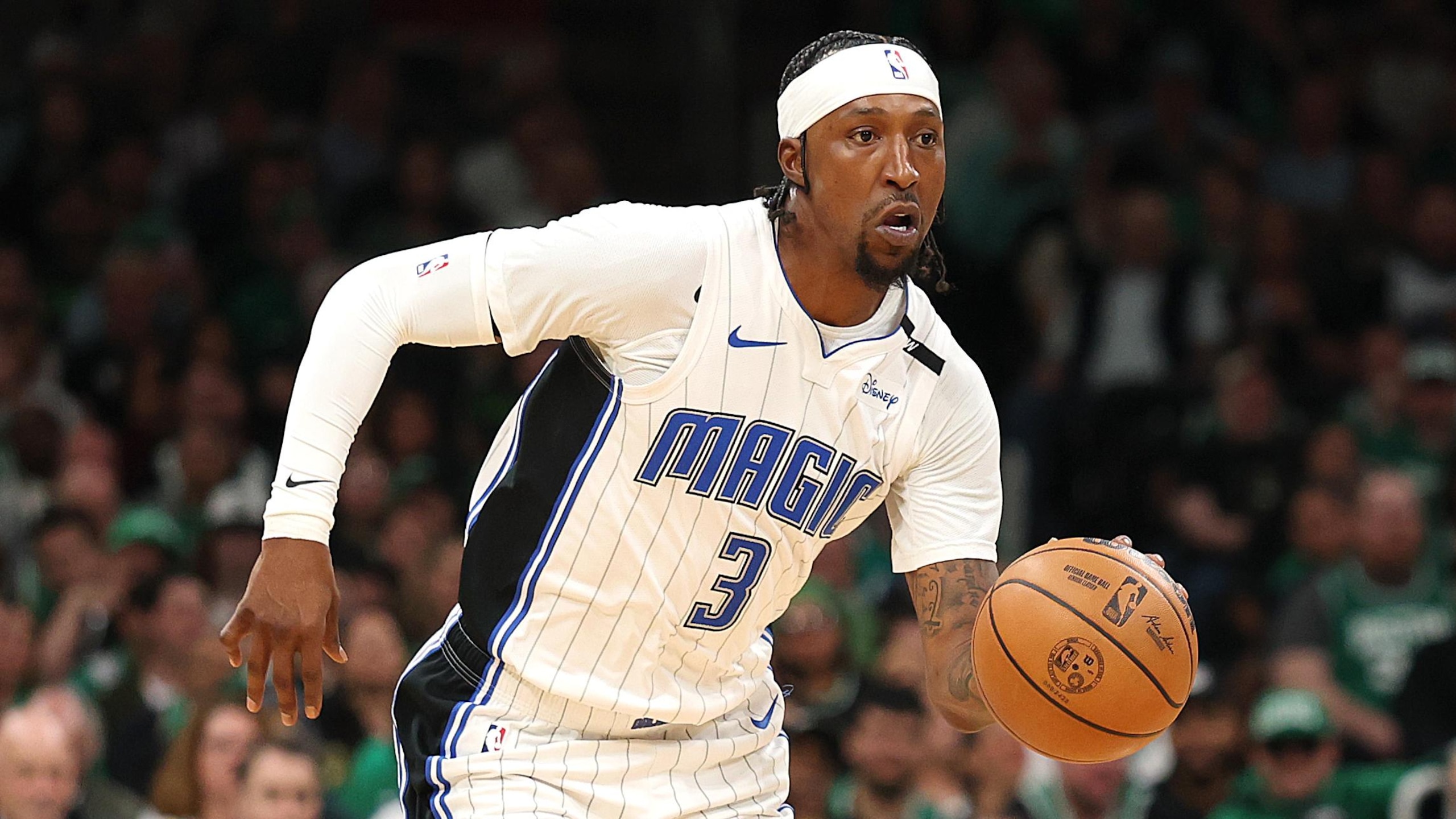
Riser: Kentavious Caldwell-Pope
Yes, he's entering his age-32 campaign and is in the midst of a year-over-year scoring decline that has lasted four seasons. KCP still can't be nearly as bad as he was for the Orlando Magic a year ago.
A career 36.7 percent shooter (who canned at least 39.0 percent in the four seasons prior to 2024-25) isn't going to shoot 34.2 percent from deep again. And there's no way Caldwell-Pope's scoring average dips below last year's 8.7 points per game.
Memphis has better spacing, more dynamic playmaking and should position KCP well for a bounce-back year.
Faller: Ty Jerome
Jerome couldn't miss last year. He shot 51.6 percent from the field and 43.9 percent from deep while hitting seemingly every floater he lofted up toward the basket. His efficient work off Cleveland's bench resulted in a third-place finish in Sixth Man of the Year voting and earned him a $27 million deal from the Grizzlies.
Regression is coming, both because nobody stays as hot as Jerome was last year, and because the Grizzlies have two players—Ja Morant and Scotty Pippen Jr.—who should sit firmly ahead of Jerome in the backcourt rotation.
If Cole Anthony gets off to a good start, it'll be even harder for Jerome to match last year's career-best work.
Miami Heat
16 of 30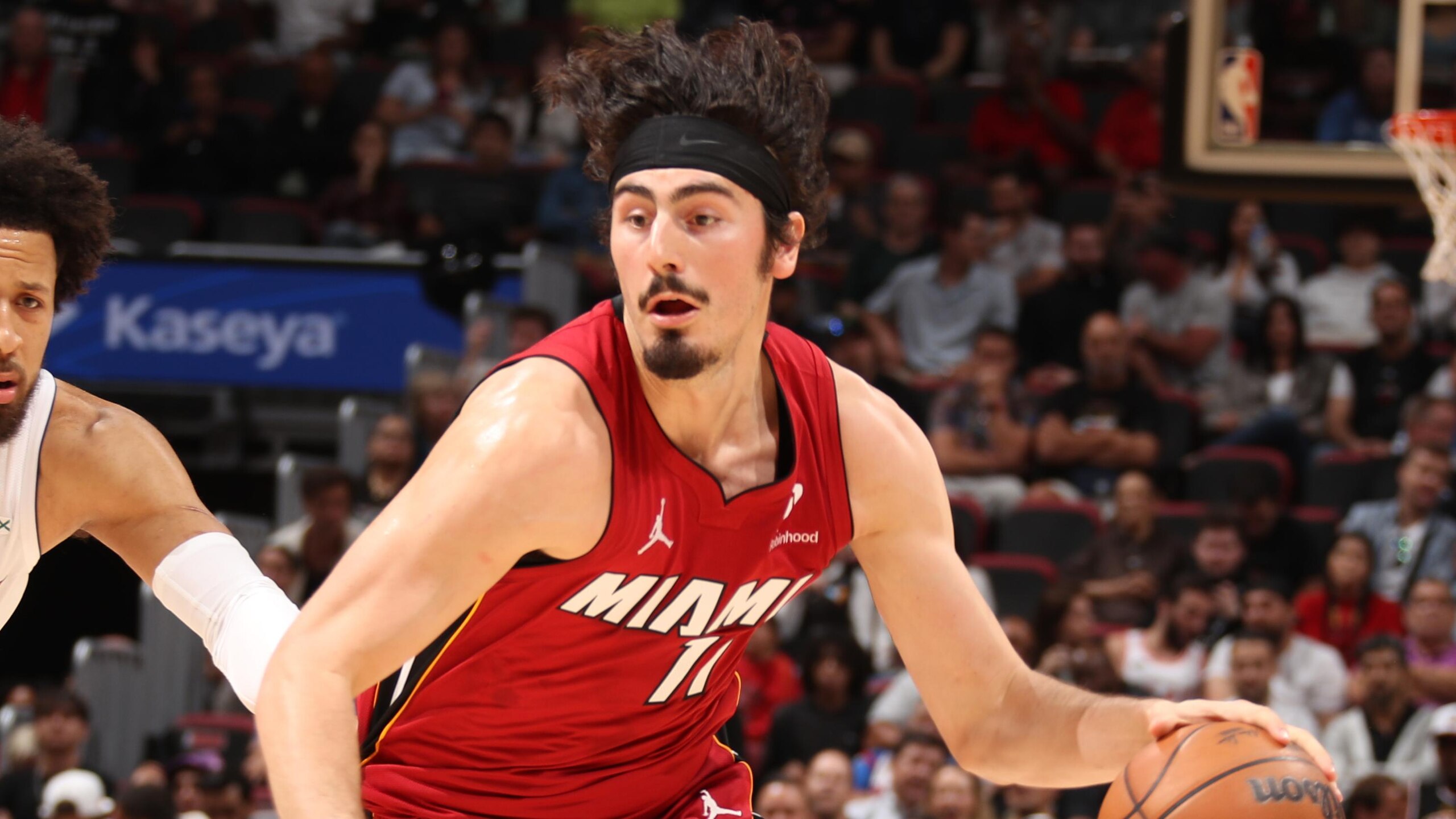
Riser: Jaime Jaquez Jr.
Progress isn't always linear, but it was still jarring to see Jaquez fall off quite as steeply as he did in his second season.
After finishing fourth in Rookie of the Year and ninth in Sixth Man voting, the rugged forward lost minutes, shots and efficiency as a sophomore.
This is not Jaquez, just 24, being on some irreversible downward slide. He still plays with force, still generally makes good decisions with the ball and does enough of the little things to deserve a shot at redemption.
If he can get the ball to go in a little more consistently (46.1/31.1/75.4 shooting split last year), he'll retake his spot in the rotation and perhaps even warrant more than the 17 starts he got in 2024-25.
Faller: Norman Powell
Career years at age 31 are rare, but it's even less common for a player to sustain such a late-blooming breakout.
Powell put up a personal-best 21.8 points on a 61.5 true shooting percentage for the Clippers last season, starting a career-high 60 games and even earning some All-Star consideration. He might still be a solid offensive starter for the Heat, but he's not going to duplicate last season's efforts.
Milwaukee Bucks
17 of 30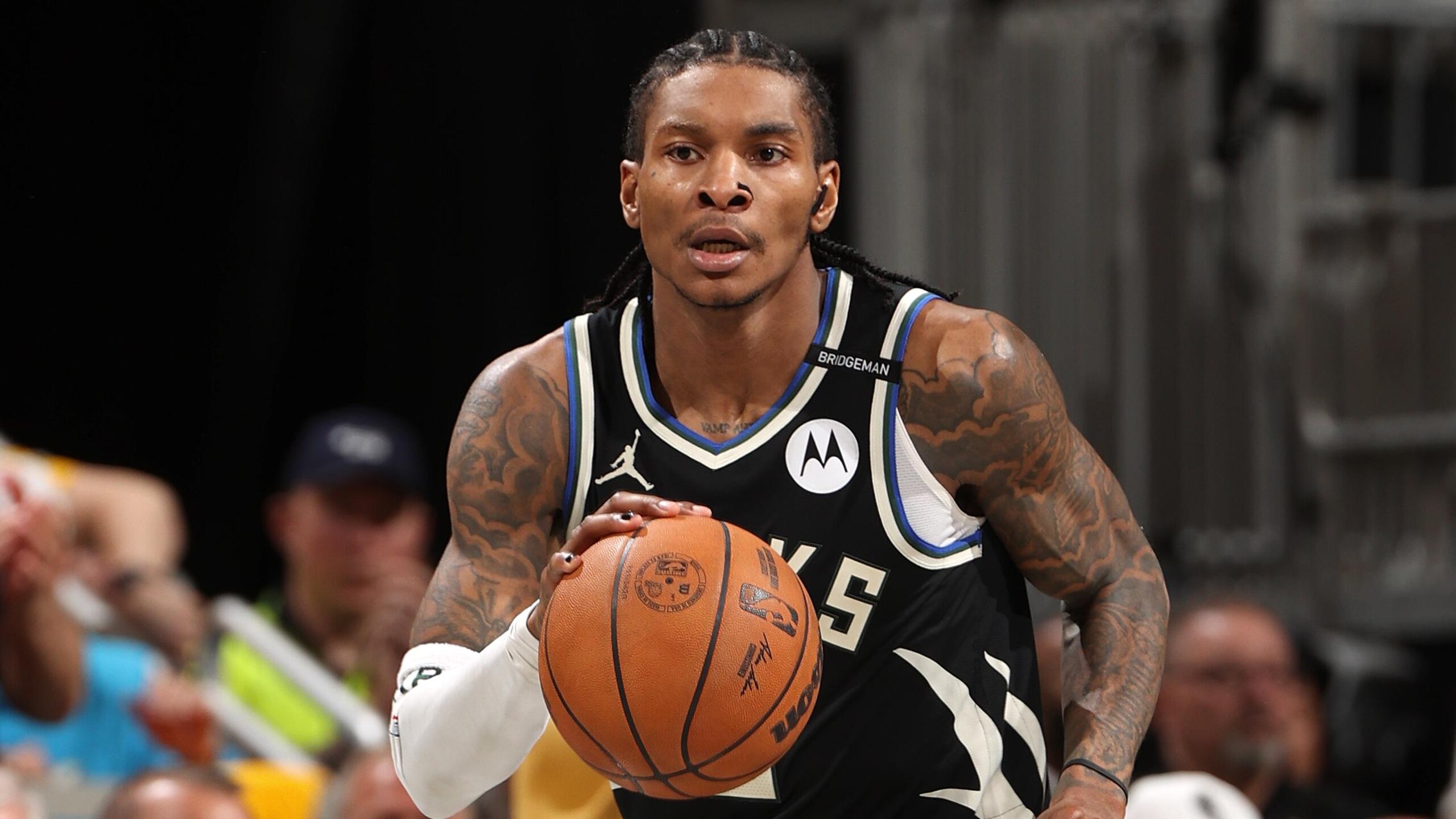
Riser: Kevin Porter Jr.
All he has to do is play at the level he established after a trade sent him to the Milwaukee Bucks, and Kevin Porter Jr. will belong in the "riser" category.
It's probably not wise to expect him to match the 19.2 points he put up for the Rockets in 2022-23, but he's going to top the 10.3 he averaged over the course of last season.
Milwaukee needs on-ball threats at the guard spot, and Porter may be its best option. If he can avoid the off-court issues that turned him into an early-career journeyman, he should seize a starting gig and run with it.
Faller: Taurean Prince
If he somehow replicates last year's ridiculous 43.9 percent shooting from deep (a career high by a mile), Prince might be able to mask the decline that some of his other metrics say is already happening.
The 31-year-old's two-point percentage has fallen for four straight years, as has his free-throw attempt rate—two indicators of athletic slippage.
Prince's role has increasingly been that of a spacing specialist as he's aged, which may partially account for those troubling trends. But the cleaner analysis is that he's losing a step every year. If his deep shooting regresses, his role will have to shrink considerably.
Minnesota Timberwolves
18 of 30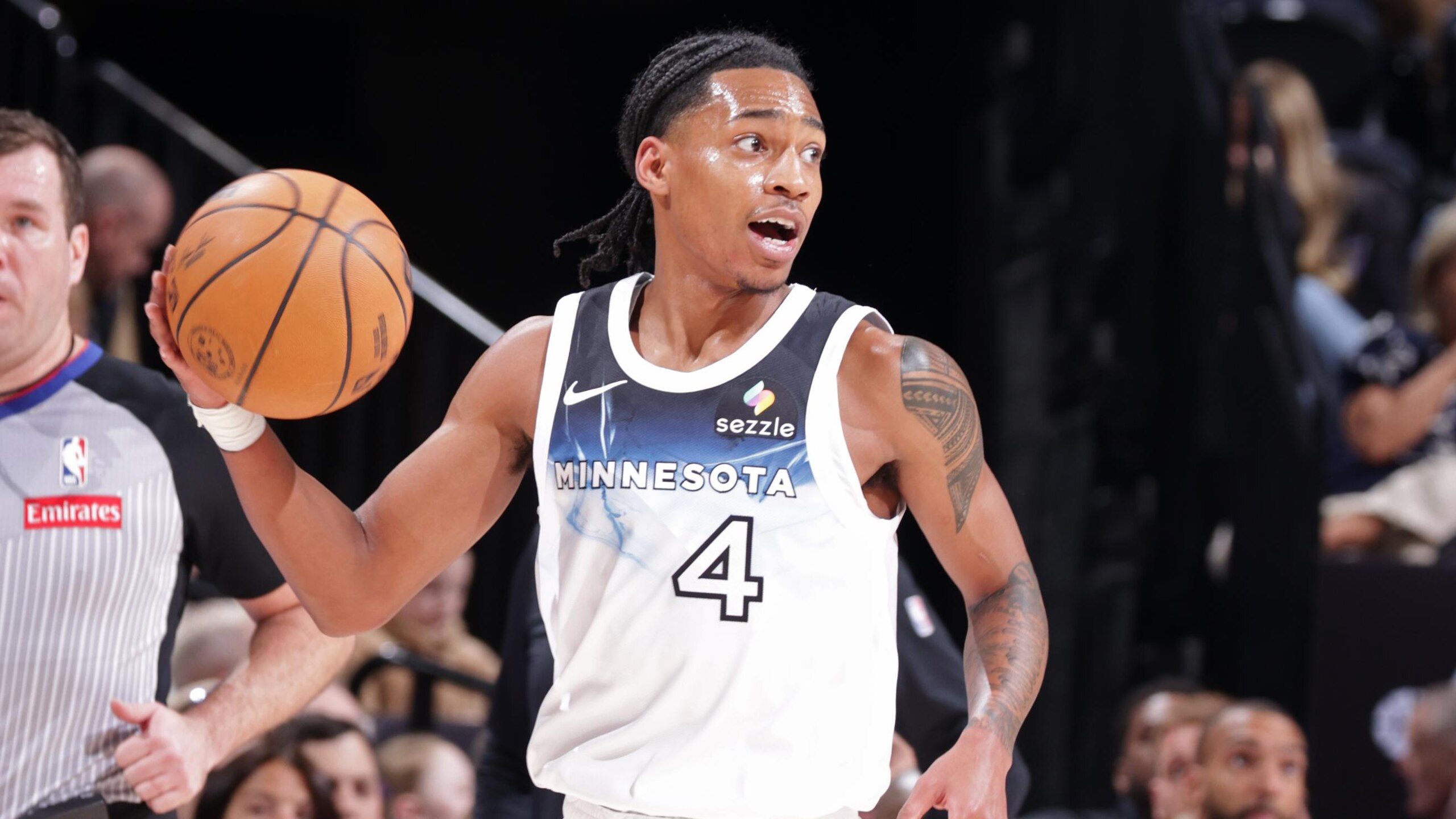
Riser: Rob Dillingham
Dillingham didn't take over a major playmaking role as a rookie, which probably should have been the expectation—even in light of the Minnesota Timberwolves' bold trade to land him on the night of the 2024 draft.
It turns out to be pretty hard for a teenage rookie to carve out minutes on a contender.
This year should be different. Dillingham has a year under his belt, showed some exciting offensive flashes last season and seems bound to absorb minutes from the guy starting ahead of him—who happens to be nearly twice his age.
Faller: Mike Conley
Conley will be 38 on opening night and is coming off a career-low 8.2 points and 24.7 minutes per game. You see where this is going.
A beloved pro, high-end competitor and reliably dangerous three-point shooter, he is in the sunset phase of his stellar career.
He'll still be a great leader and even-keeled tone-setter, but the Wolves needed more dynamic offensive creation last year. Conley really can't provide that, but some of the younger guys behind him can.
New Orleans Pelicans
19 of 30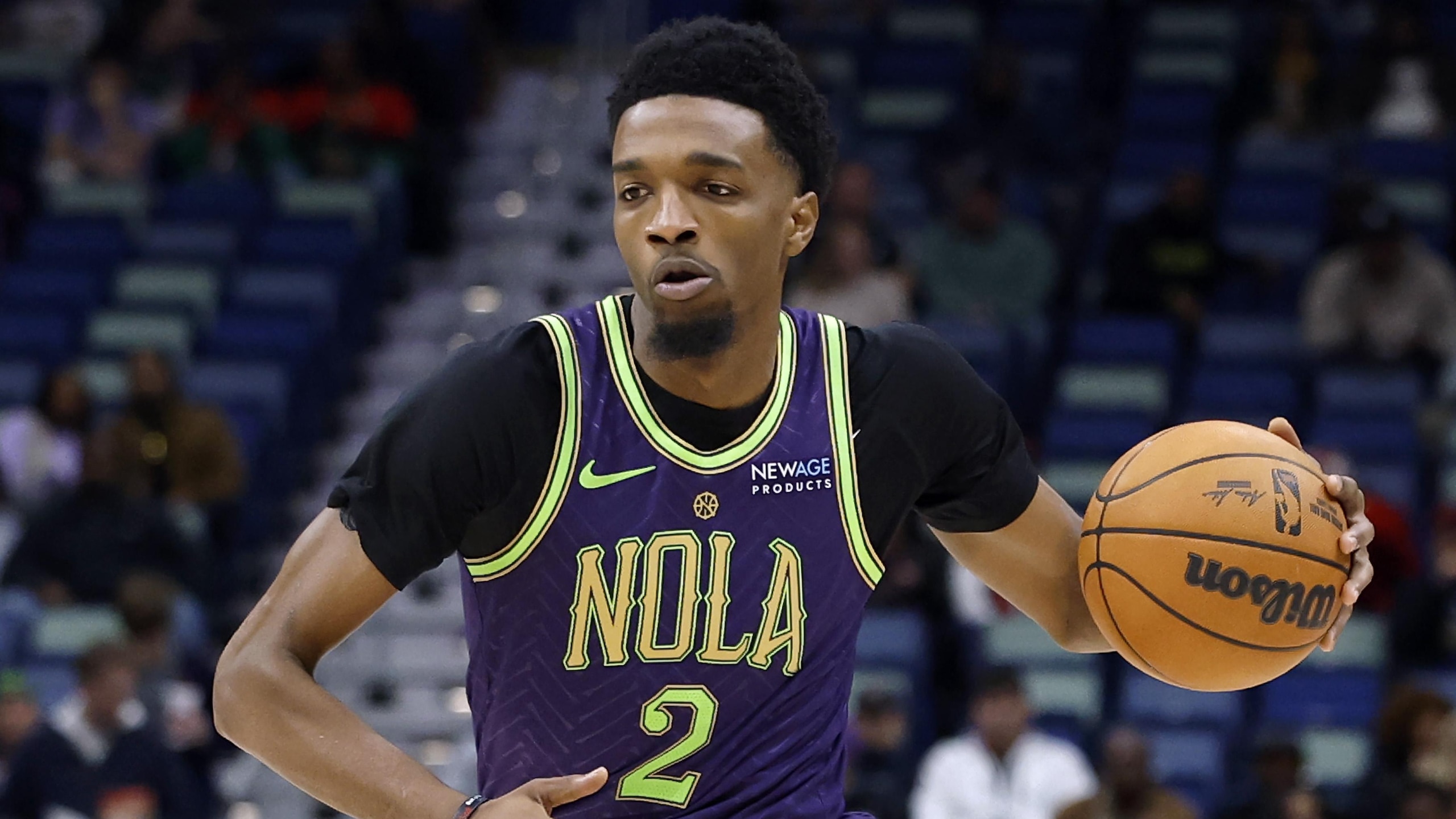
Riser: Herb Jones
Jones had a nightmare season in 2024-25. He couldn't hit a shot from two or three and finished with the lowest accuracy rates of his career from both distances before his season ended with rotator cuff surgery in January. He logged just 20 games, too few to build on his excellent 2023-24 efforts.
This season, he will look much more like the All-Defensive first-teamer and 41.8 percent three-point shooter he was two years ago. For what it's worth, the New Orleans Pelicans seem to agree. They handed him a three-year, $68 million extension in July.
Faller: Jordan Hawkins
If Hawkins can't be among the league's most dangerous high-volume three-point shooters, it's hard to see how he's going to earn minutes for the Pels in his third season.
A promising rookie year marked by 36.6 percent shooting from deep on a lot of difficult on-the-move attempts made it easier to overlook his deficiencies as a defender, passer and interior scorer. The guard's regression to 33.1 percent from deep last year cast those flaws into stark relief.
Hawkins will have to be even better than he was as a rookie to maintain a role, and last season made that seem like a long shot.
New York Knicks
20 of 30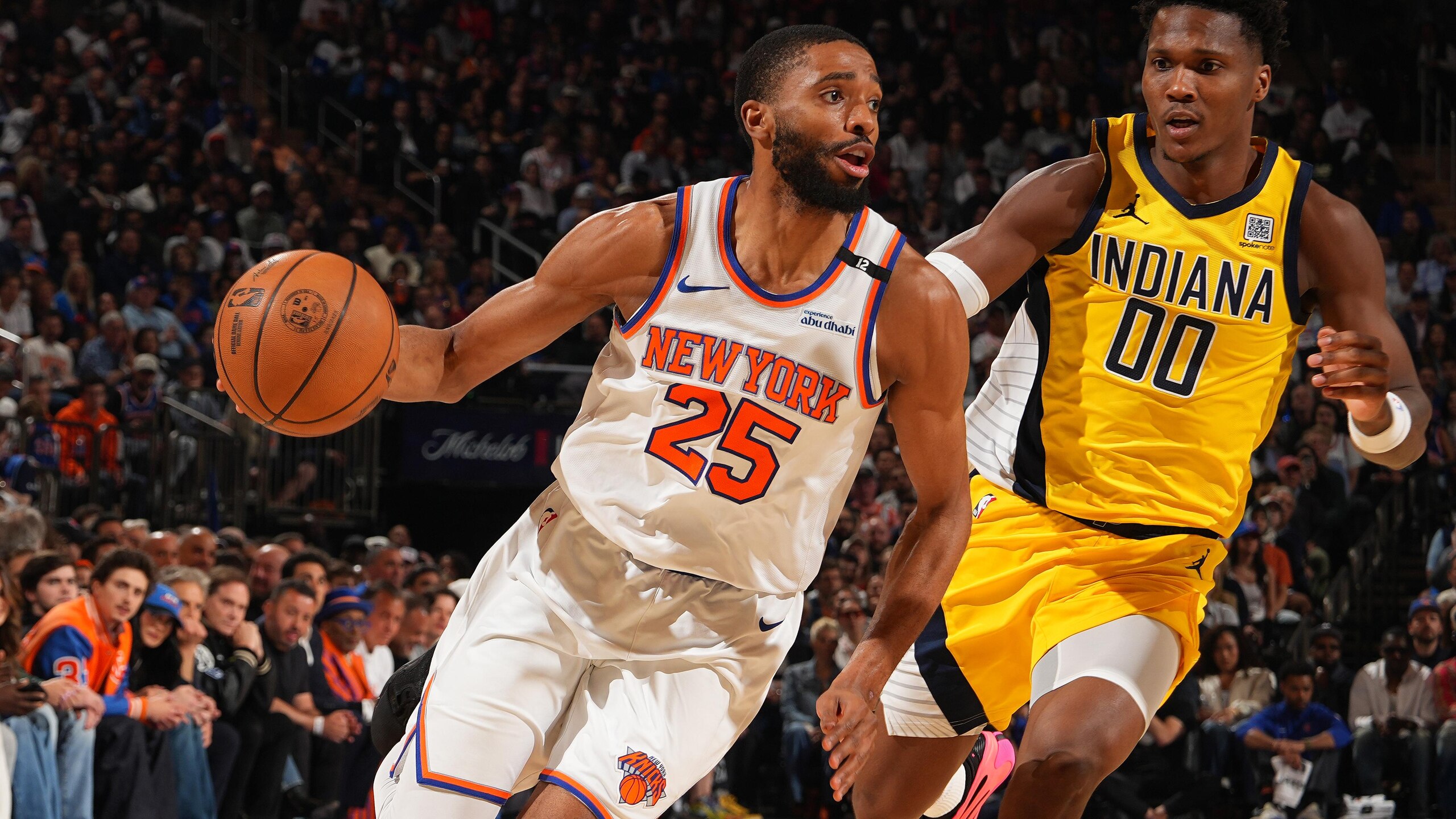
Riser: Mikal Bridges
Mike Brown to the rescue.
In addition to the security of his new $150 million extension, Bridges should benefit from his new head coach's tendency to get the ball moving.
Bridges averaged a career-best 3.7 assists in his first season with the Knicks, but it never felt like he was a consistent part of the playmaking in a bogged-down, Jalen Brunson-centric attack.
Bridges should be able to tap into that skill while perhaps getting back to being the 60.0-plus percent true-shooting percentage player he was with the Suns a few years ago. Plus, there's some very low-hanging fruit available if he can remember how to get to the foul line once in a while. More offensive movement should help in that effort.
Faller: Josh Hart
If Karl-Anthony Towns isn't a center, then Hart probably isn't a starter.
KAT's defensive woes led to some double-big looks in the postseason, and it's possible former head coach Tom Thibodeau would have gone to those more often during the year if Mitchell Robinson had been healthier. When New York sized up in the playoffs, Hart was the one relegated to bench duties.
Brown might give those lineups a longer, earlier look than Thibodeau did.
One other factor pointing to regression: Hart led the league in minutes per game and appeared in 77 contests last season. It seems unlikely he'll match those levels with someone other than Thibs making playing-time decisions.
Oklahoma City Thunder
21 of 30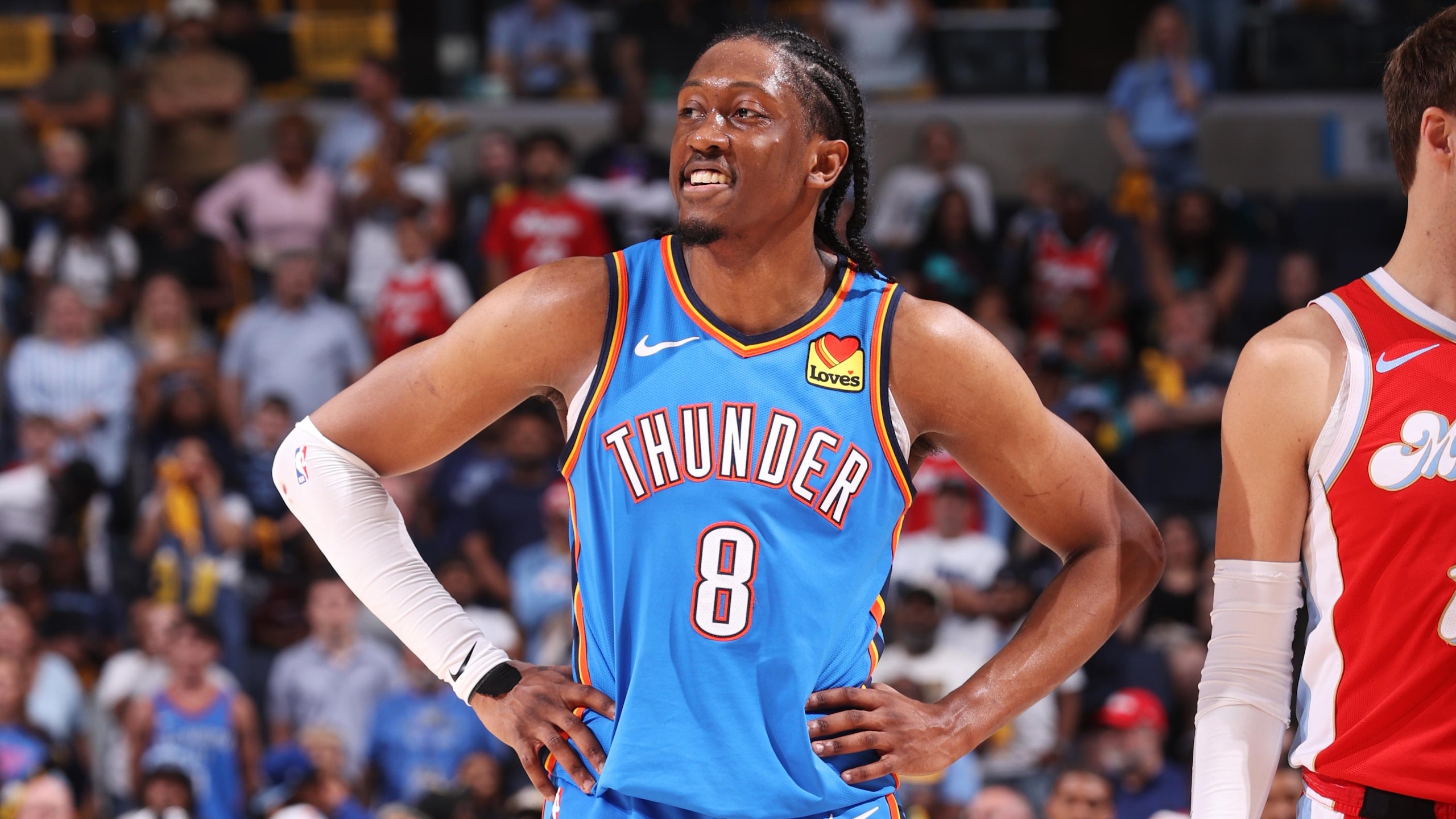
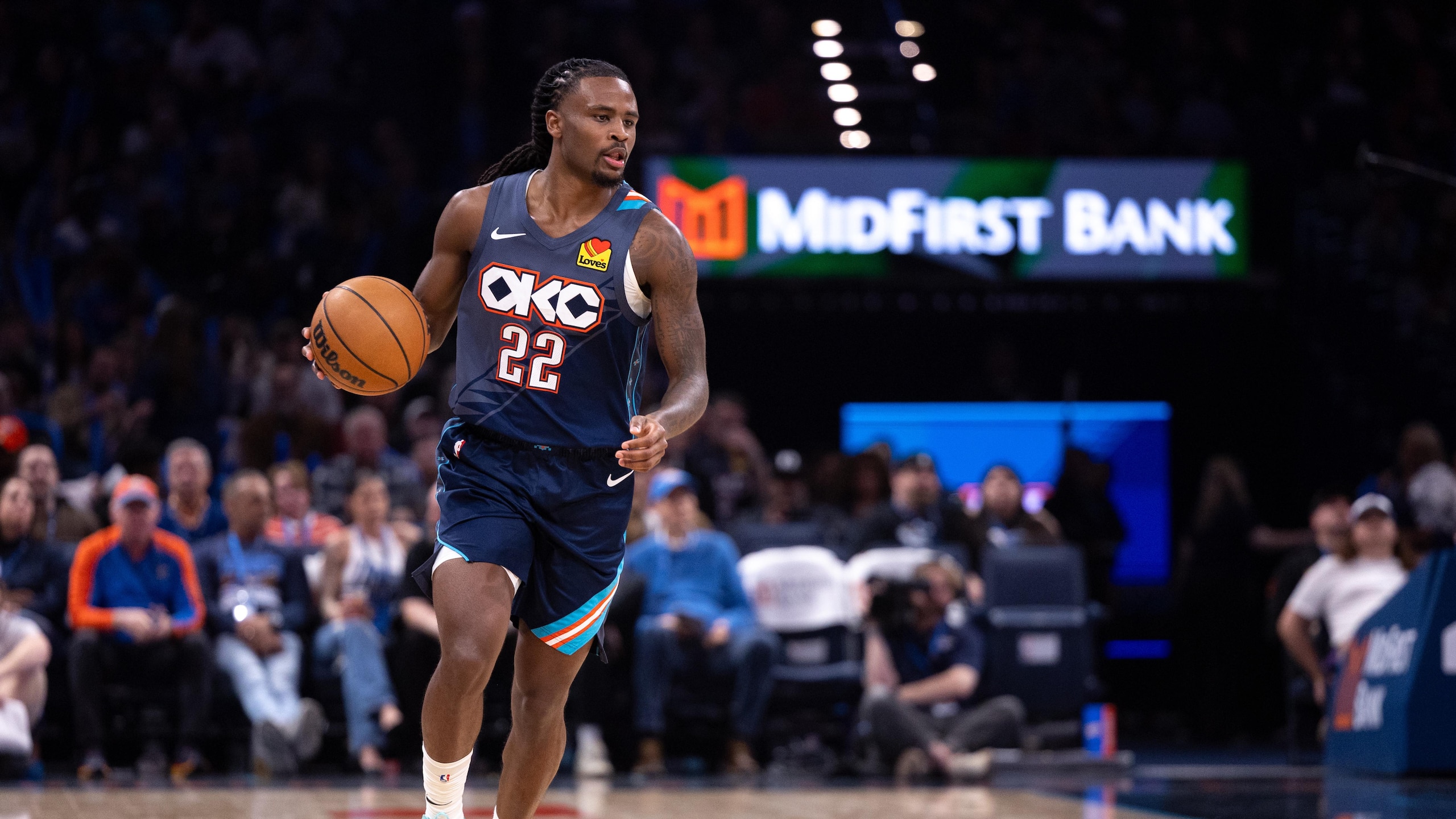
Riser: Jalen Williams
There are still two All-NBA teams that technically rate higher than the third team Williams made last season, not to mention an opportunity to further establish himself as a first-tier offensive initiator.
Note, too, that Williams actually slipped in subtle ways last year. He shot worse from the field and from deep than he did in 2023-24 as defenses focused more intently on him. A wrist injury probably didn't help either.
Just because he's already announced himself as the second-best player on a title-winner, it doesn't mean J-Dub is done improving.
Faller: Lu Dort
Dort's minute-to-minute impact should remain at its currently high levels in his age-26 season, but it's worth wondering whether the Thunder will trim his role as they search for a bit more balance.
OKC is defined by its defense, and Dort, an All-Defense first-teamer, is a huge part of that. But if the Thunder have a flaw, it's on the other end, where a lack of secondary creation sometimes gums up the works. The fix may be more tactical than personnel-based, but OKC might experiment with using players like Ajay Mitchell, Nikola Topić, Aaron Wiggins or Isaiah Joe more often as it tries to juice its attack.
Dort will still be out there in the moments that matter most, making life difficult for the other team's top scoring threat.
Orlando Magic
22 of 30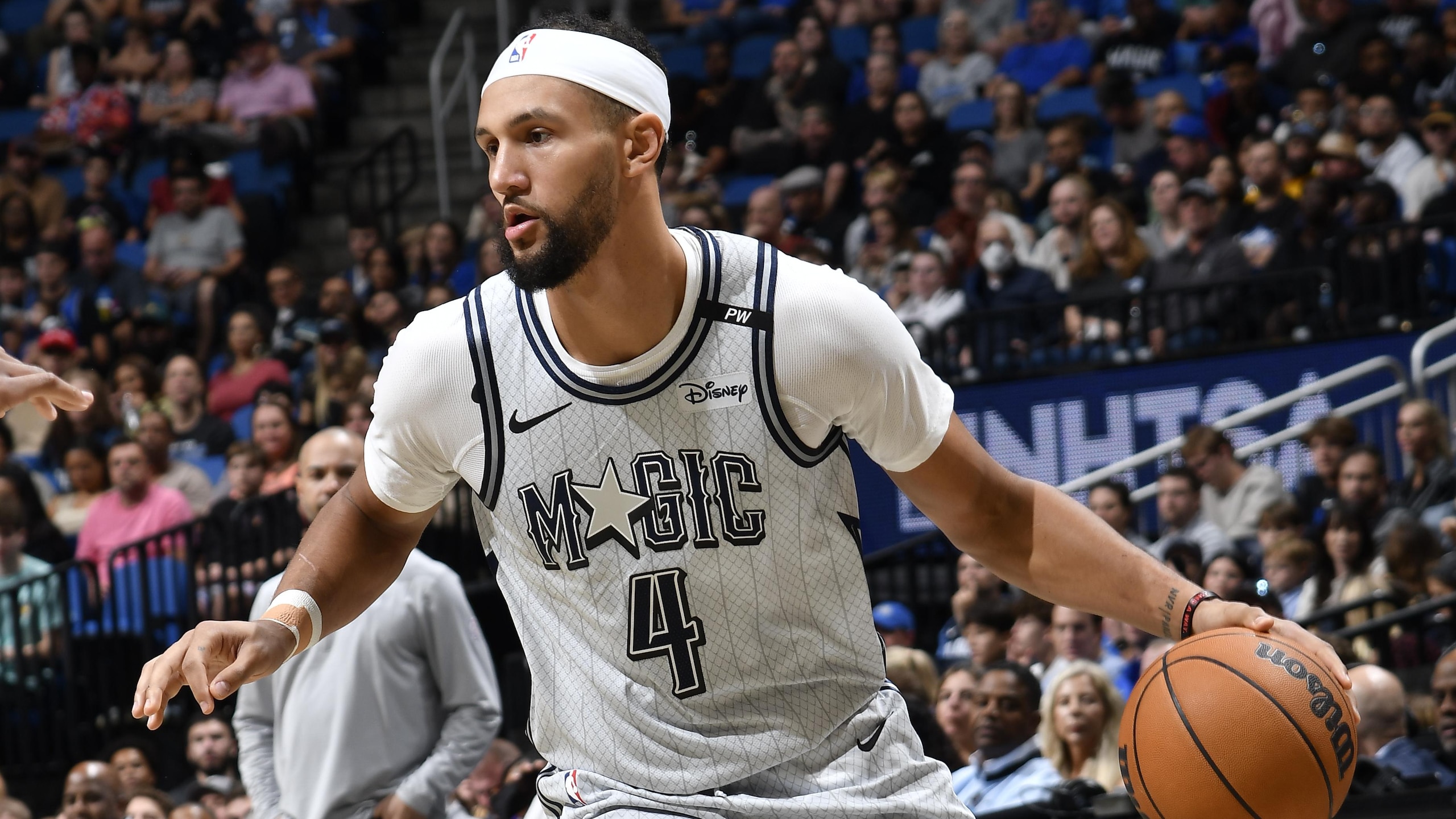
Riser: Jalen Suggs
It's tempting to go with Paolo Banchero, whose rise to All-NBA status is still ongoing, but Suggs is the most logical choice. After struggling to adjust to a much higher-volume offensive role last season, the defensive-minded guard is a great return-to-form pick if he can also stay healthy.
Suggs played just 35 games and appeared only three times after January 1 as he battled knee, back and quad issues. Knee surgery officially ended his season for good in March. His true shooting percentage fell all the way to 53.6 percent, a long way down from the 60.2 percent he posted in 2023-24.
This year will see him regain his scoring efficiency as he gets back onto an All-Defensive team for an ascendant Magic squad.
Faller: Tristan Da Silva
Injuries to Paolo Banchero and Franz Wagner contributed to Da Silva's 38 starts and 22.0 minutes per game last year. It was a substantial role that, until the stars got healthy and Da Silva's scoring efficiency cratered, might have earned him an All-Rookie nod.
With better health for Banchero and Wagner, and assuming Desmond Bane sees at least the 32.0 minutes per game he logged in Memphis last year, it'll be much harder for Da Silva to see regular action.
Orlando is also probably more invested in Jett Howard, Anthony Black and Jase Richardson, whose collective youth gives them much more upside than the 24-year-old Da Silva.
Philadelphia 76ers
23 of 30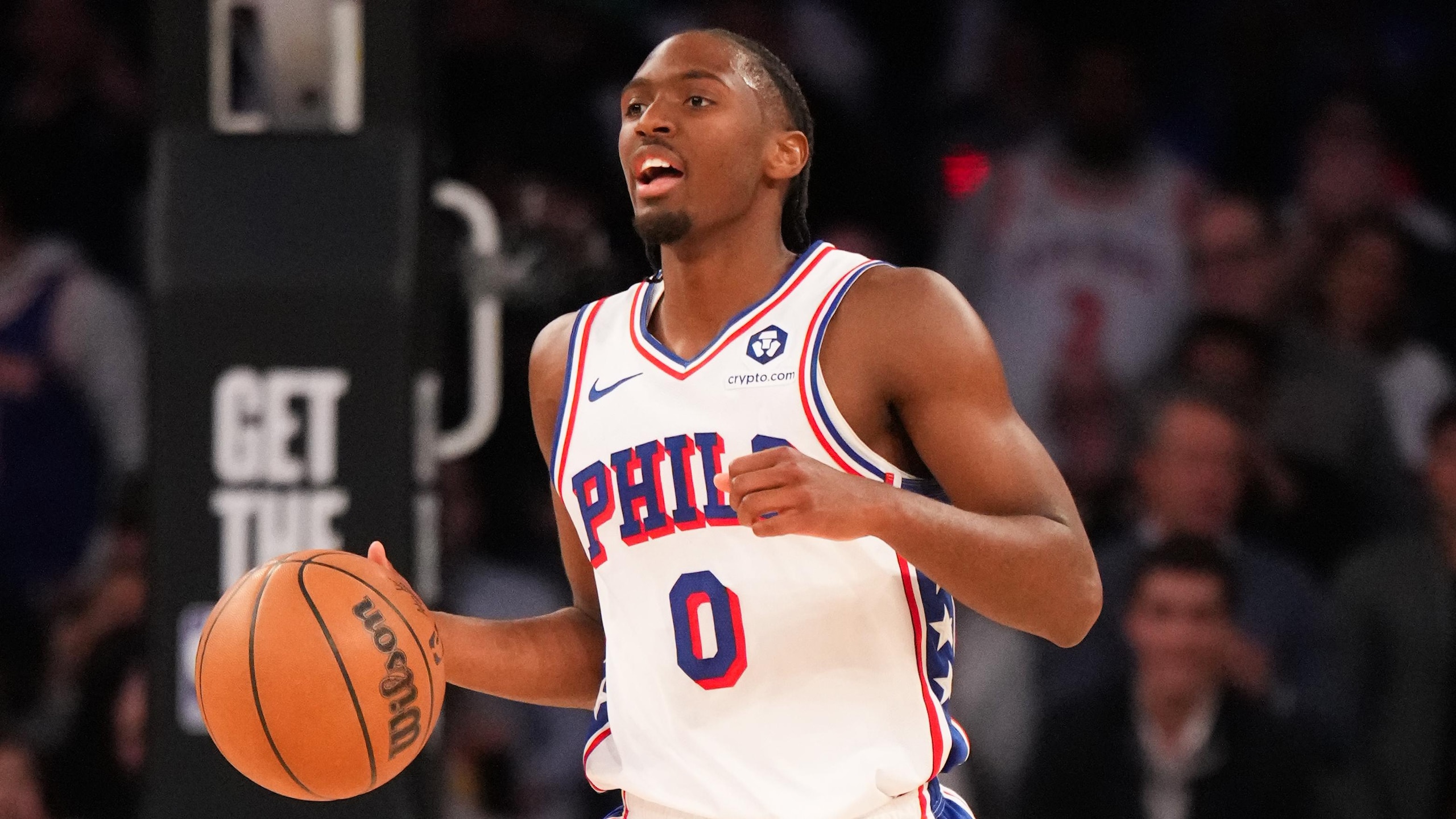
Riser: Tyrese Maxey
Maxey wasn't ready for the role he had to play last season, but it's hard to come up with a young guard who would have been.
Coming into the year, he looked like a luxury third option behind Joel Embiid and Paul George. Quickly, Maxey became a man on an island as he was thrust into a first-option role with little help around him.
The volume was there, as he logged a career-high 37.7 minutes and 21.0 field-goal attempts per game, but his scoring efficiency dipped to its lowest levels since he was a rookie.
Everything broke wrong for Philly last season. Nobody's that unlucky two years in a row, and Maxey should benefit from spending more time in a non-alpha role.
Faller: Quentin Grimes
Even if last year's 28-game explosion for the Sixers represented Grimes' true talent level, he probably won't get to extend it over a full season as a second-option starter. That assumes Paul George and Joel Embiid (both candidates for this "honor") appear in more than the 60 combined games they played last season, which might not be the safest bet.
Still, the Sixers have enough mouths to feed between Maxey, Jared McCain and VJ Edgecombe that Grimes can't possibly get the same number of on-ball chances he did a year ago.
Phoenix Suns
24 of 30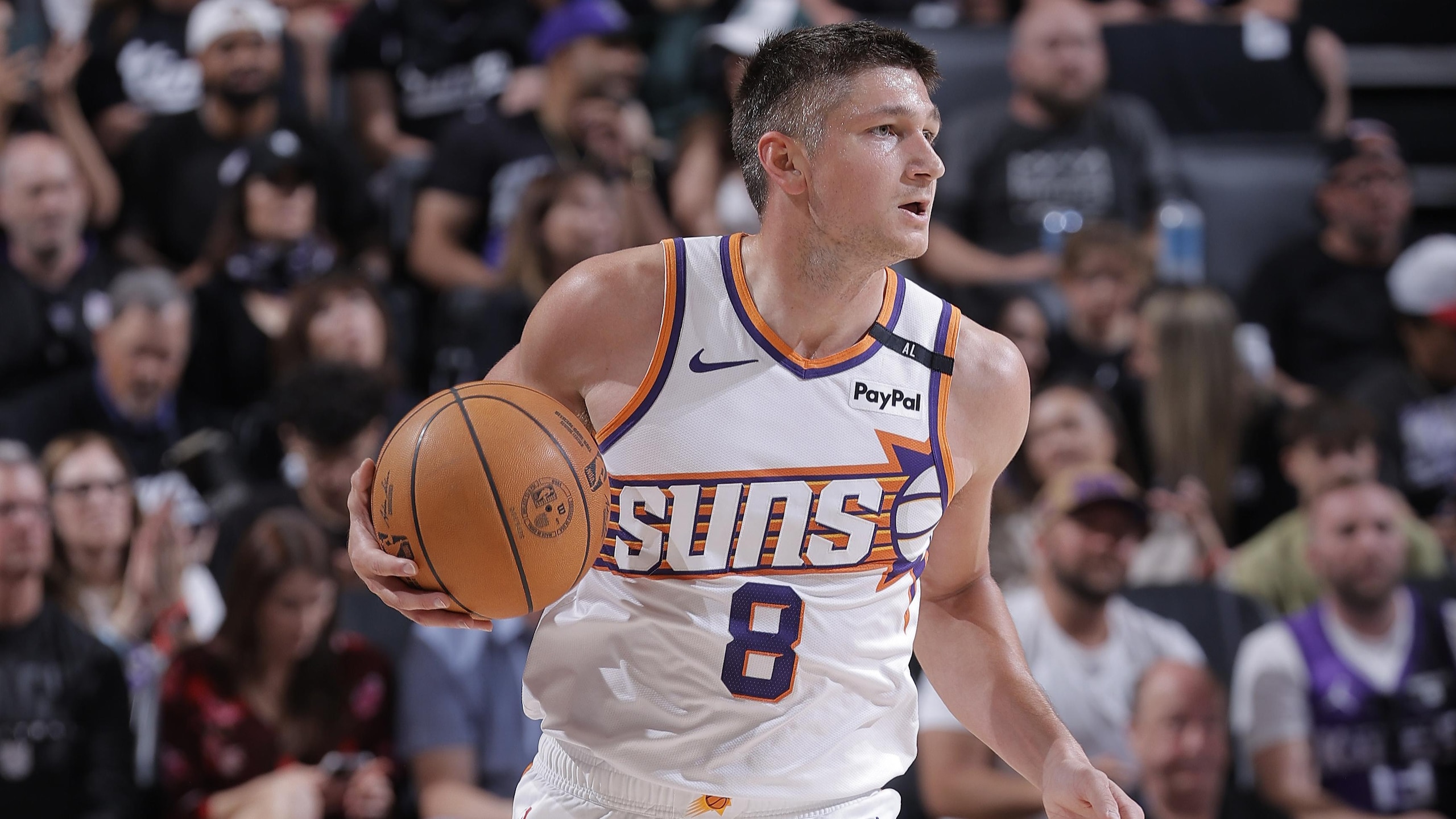
Riser: Grayson Allen
No Kevin Durant and no Bradley Beal means Allen should again become a valuable spacer in the Phoenix Suns' offense. Allen didn't disappear last year, and he still shot a sterling 42.6 percent from deep. But he played almost 10 fewer minutes per game than he did in 2023-24 and went from starting 74 games to seven.
A repeat of 2023-24's 46.1 percent three-point hit rate is unlikely, mostly because that's a historically high number for even moderate-volume snipers. But Allen should see his standing in the Suns' hierarchy improve, along with his production.
Faller: Mark Williams
Williams is basically a catch-and-finish scorer who adds a few extra points on the offensive glass, which makes him ill-suited for a Suns team that lacks reliable setup men. Devin Booker is better than most wings as a facilitator, but neither he nor Jalen Green is an actual point guard.
Those two project to make up the Suns' starting backcourt.
Williams could find it much harder to score without help from his teammates, and the Suns' defensive infrastructure isn't exactly ideal for hiding some of his lapses on that end either.
Portland Trail Blazers
25 of 30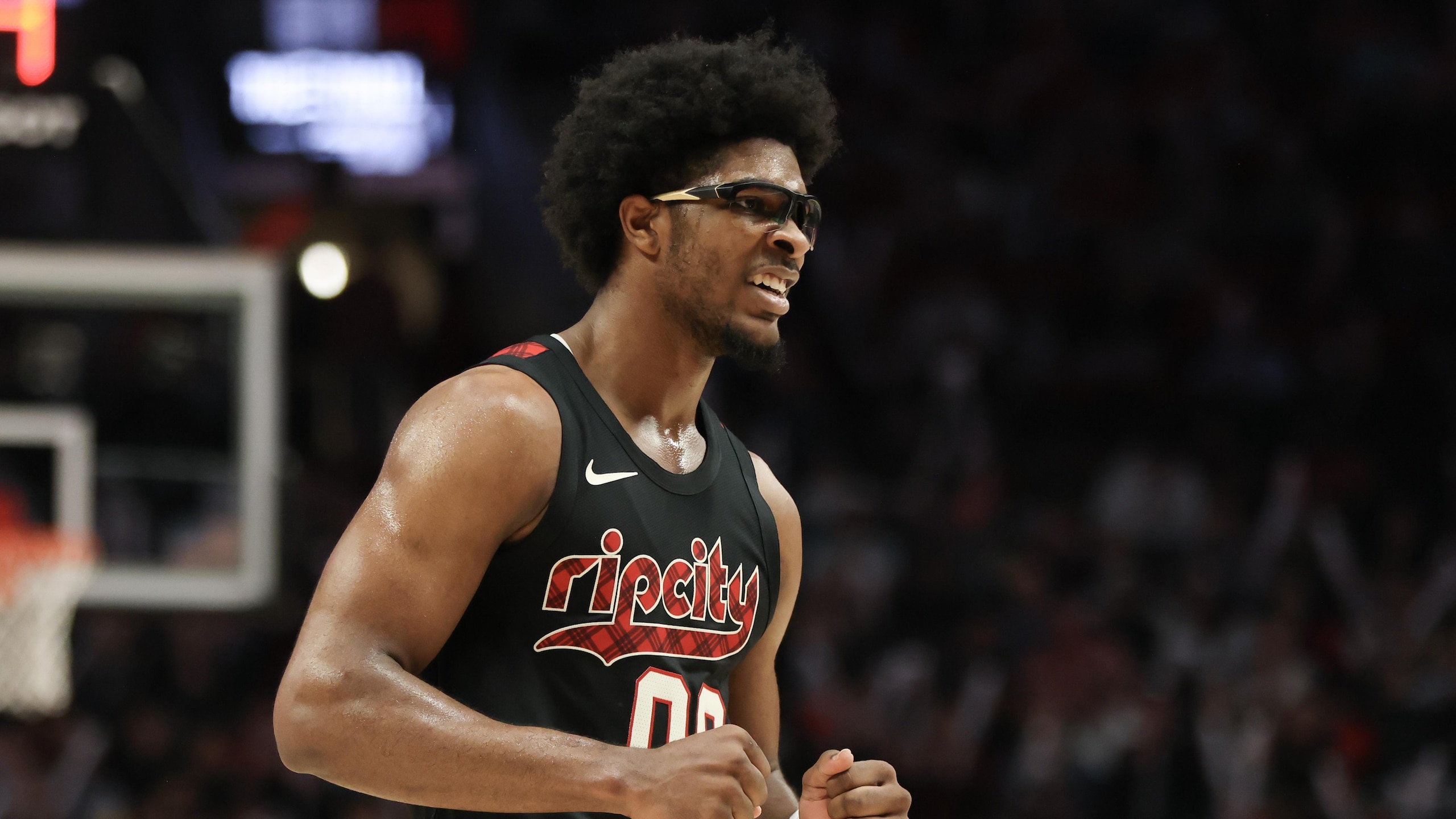
Riser: Scoot Henderson
Henderson's cosmetic stats dipped a bit in his second season, but major gains under the hood more than offset the loss. He bumped his true shooting percentage from 48.9 percent to 54.0 percent, upped his free-throw and three-point rate and turned the ball over less frequently.
This is a triple-down bet on a prospect we've never been able to quit, but it's based on more than stubbornness and faith. Henderson really did improve his feel and efficiency last year, and the swap-out of Anfernee Simons for Jrue Holiday (who's more of a 2 these days) should put the ball in the former No. 3 pick's hands a lot more often.
Faller: Jrue Holiday
The Holiday trade will have its upsides, as the 35-year-old vet will bring poise, experience and leadership to a Portland Trail Blazers team that skews young at a lot of important positions.
That said, his age-34 season with Boston was his worst in over a decade. He averaged just 11.1 points and 3.9 assists while struggling to contain quicker matchups on the perimeter.
That's natural for a player with Holiday's mileage. The question this season won't be about whether he continues to decline. It'll be about how fast his slide accelerates.
Sacramento Kings
26 of 30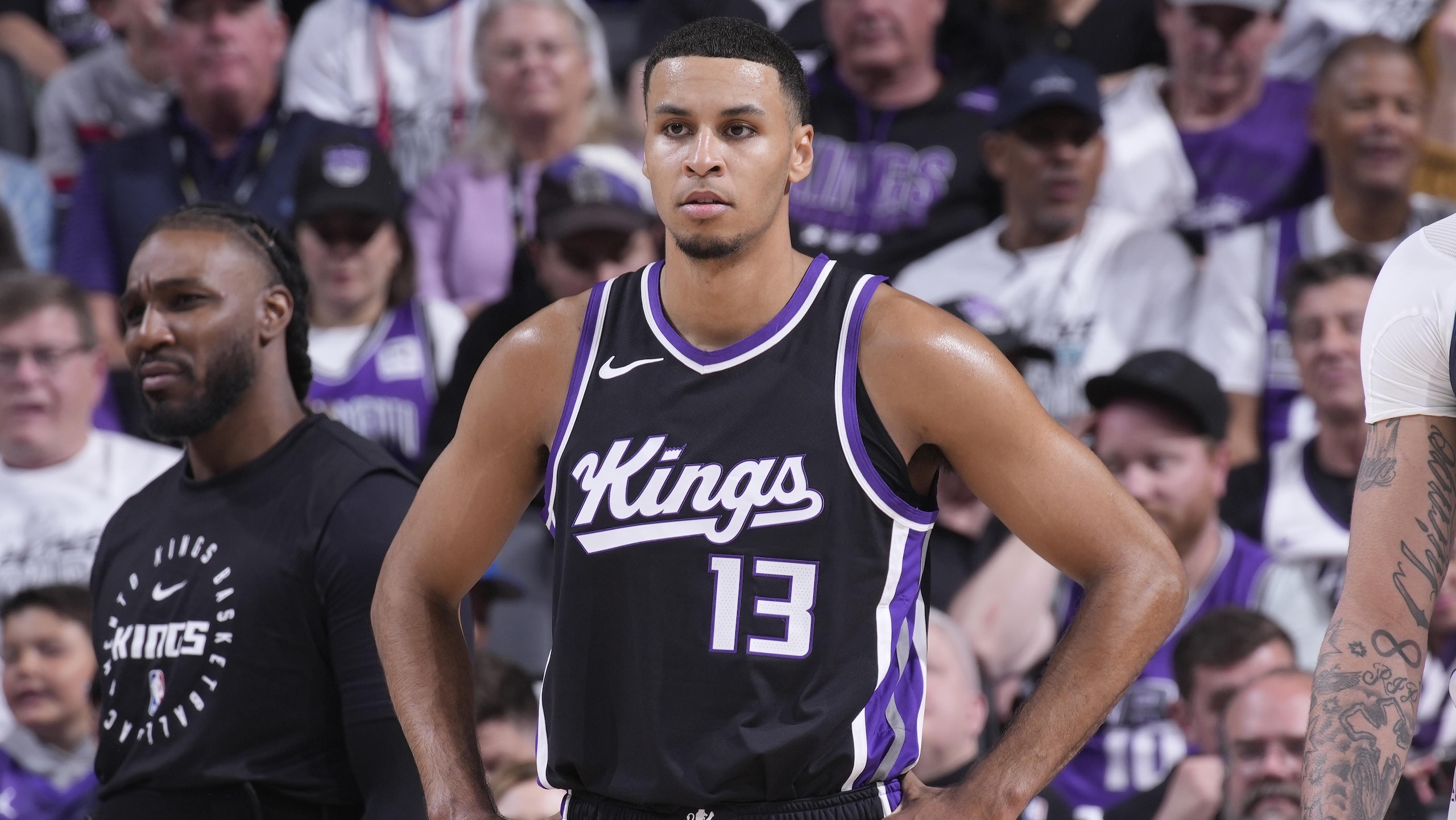
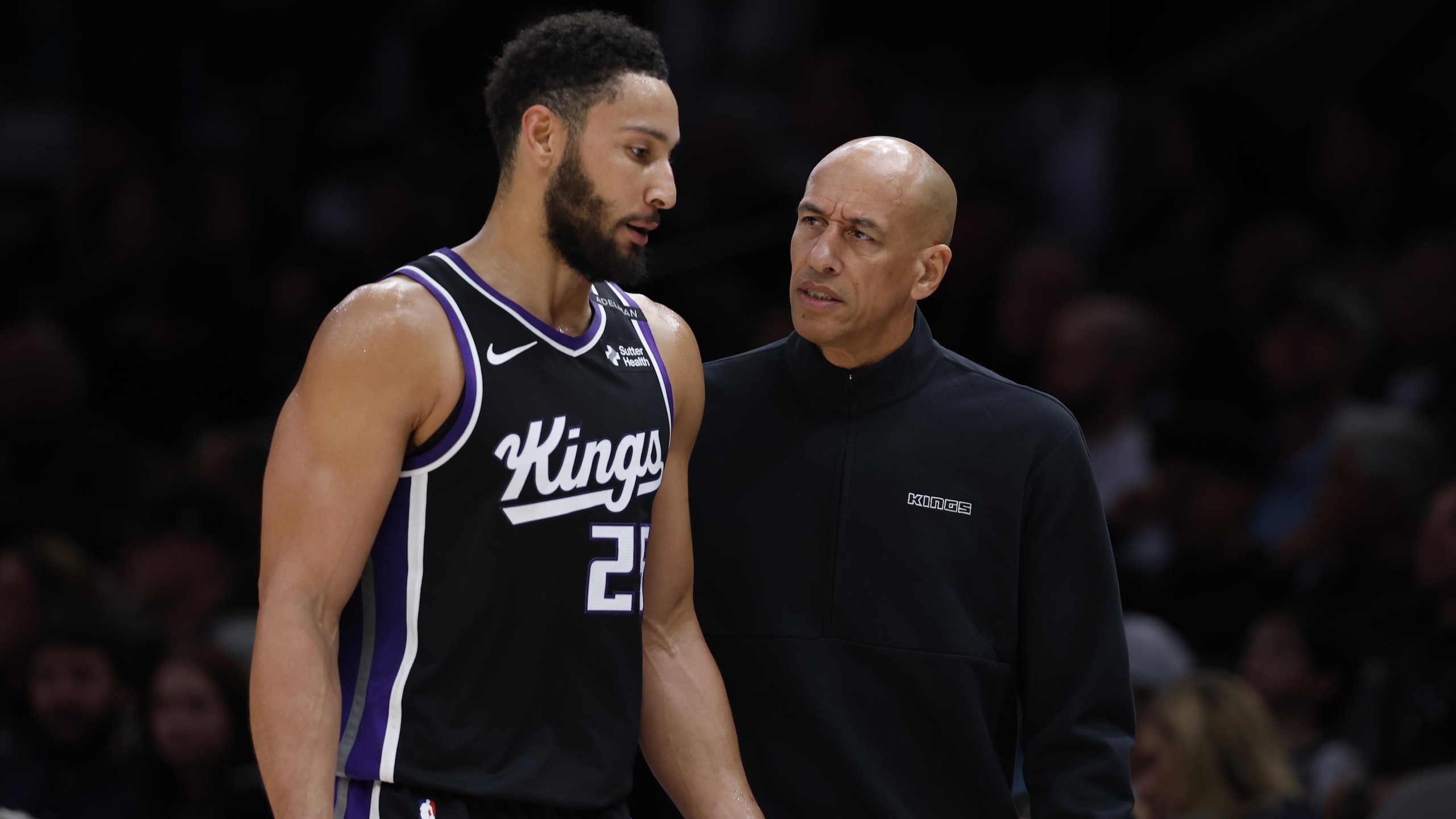
Riser: Keegan Murray
In an effort to speak it into existence, we're going with Keegan Murray here.
After setting the rookie record with 206 made threes, he offset a dip in three-point-percentage by becoming a lockdown defender as a sophomore. Then, last year, he kind of came apart on both ends, posting the worst Box Plus/Minus figure of his career.
Murray has too much to offer as a shooter and defender to keep sliding—even if the Sacramento Kings are a directionless mess with personnel almost perfectly designed to minimize him.
Faller: Dennis Schröder
Speed-based guards can fall off quickly—something to keep in mind as Dennis Schröder starts his first season with the Kings as a 32-year-old.
He was a revelation with the Nets early last year, floundered after a trade to the Warriors and was hardly any better after getting rerouted to the Pistons.
Due mostly to that hot start with Brooklyn, Schröder posted the highest points-per-shot-attempt figure of his career in 2024-25. That number is coming way down, along with some others, as he embarks on his 13th season with his 10th team.
San Antonio Spurs
27 of 30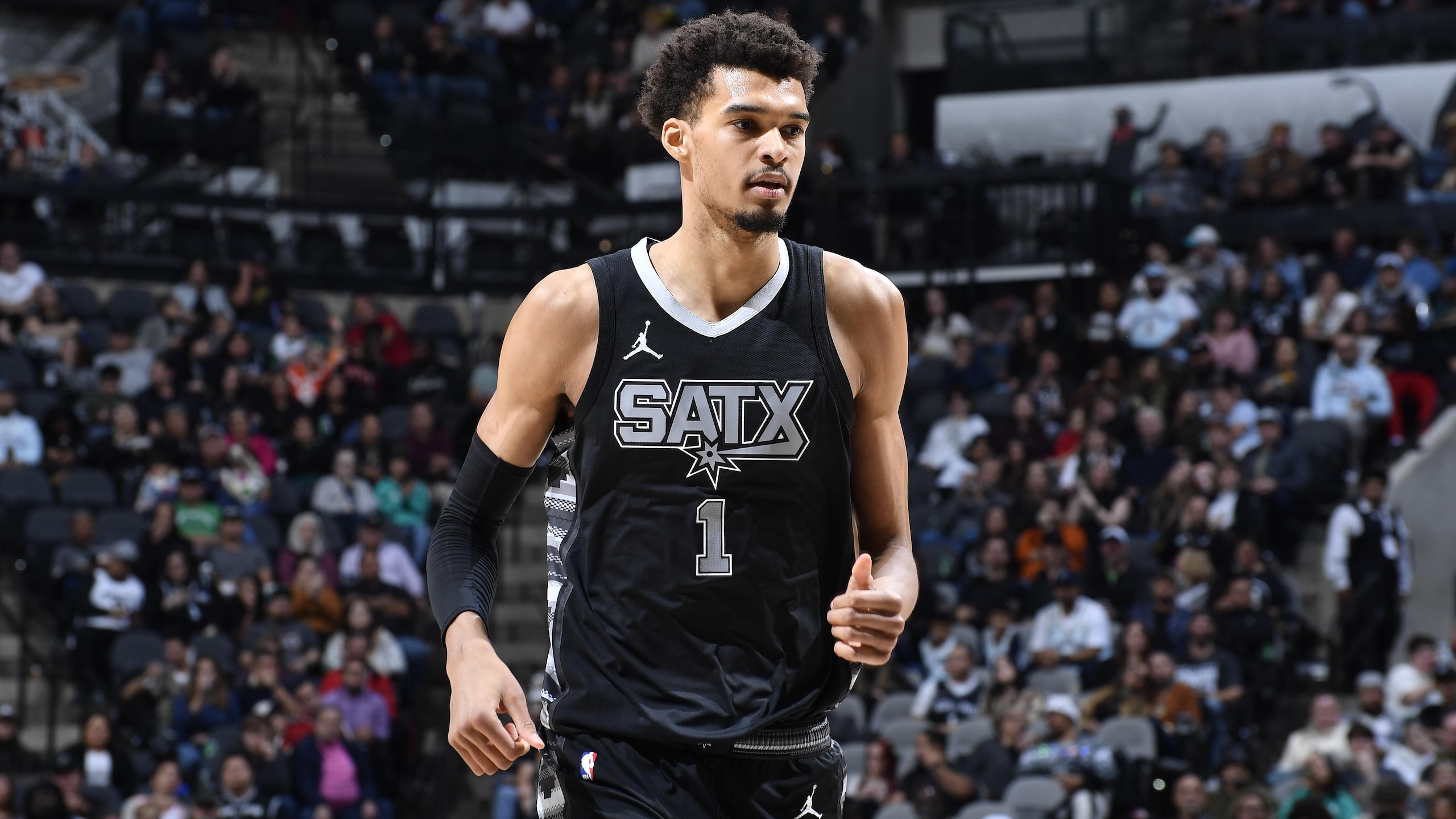
Riser: Victor Wembanyama
Unless Wemby has officially peaked after a year-and-a-half of NBA experience, there's just no one else we can defensibly pick for this spot.
Granted, the Frenchman is already the San Antonio Spurs' best player. And, also granted, any improvements to last year's performance (good health permitting) will put him firmly in the MVP conversation.
So what? Wemby hasn't even begun to peak.
Faller: Kelly Olynyk
Olynyk is 34, couldn't afford to lose a step athletically from the time he was a rookie and is firmly in the "bouncing around" portion of his career. He's played for six teams since 2020-21.
The Spurs are a good spot for him, as the combination of backcourt athleticism and Wembanyama's defensive fire-extinguishing could offset Olynyk's flaws. But the veteran big man's minutes have trended down for three straight years as his lack of lift and foot speed become increasingly big problems.
Toronto Raptors
28 of 30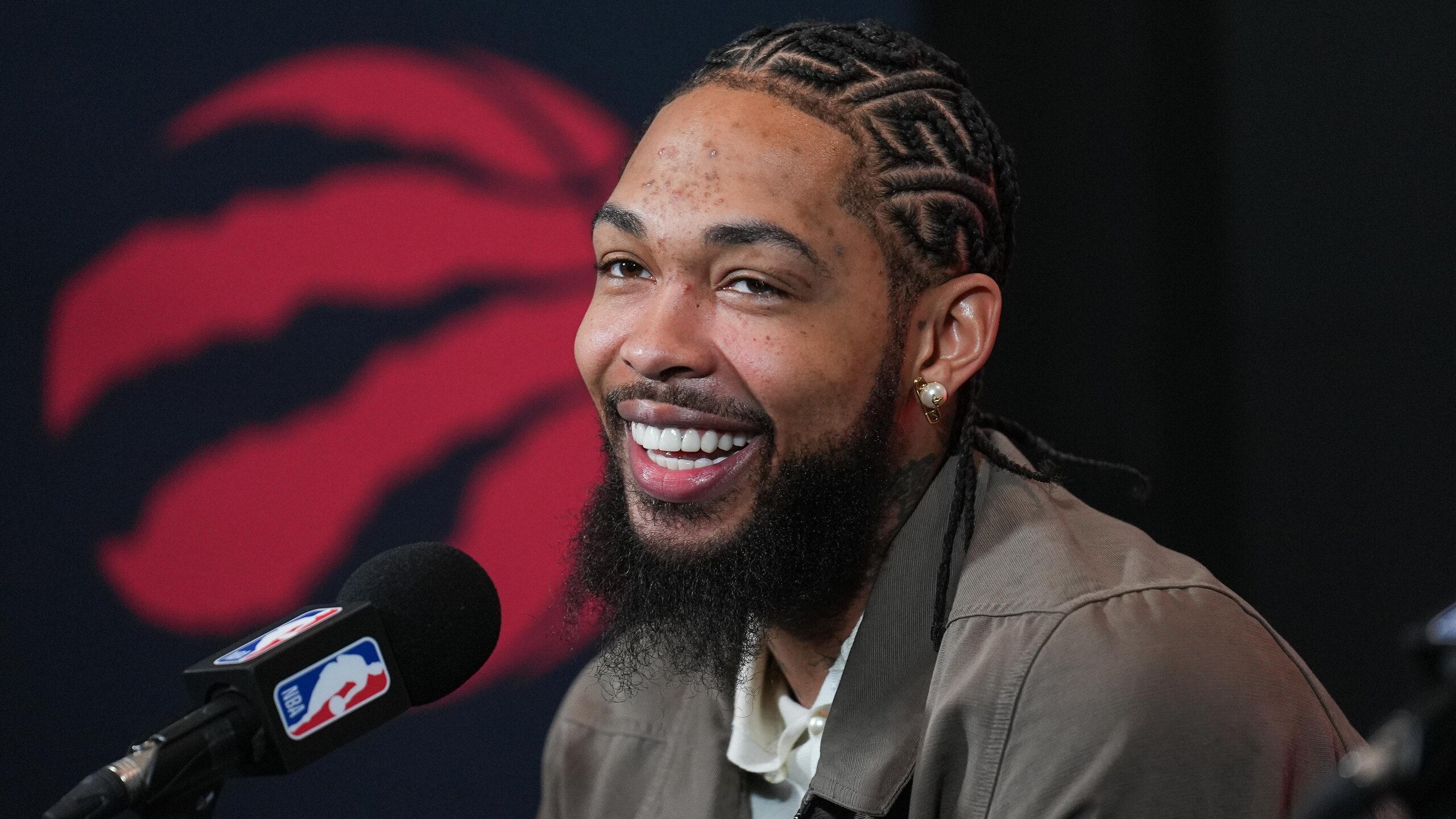
Riser: Brandon Ingram
Ingram only played 18 games last season, but that small sample included an intriguing wrinkle that bodes well for the 28-year-old's next phase.
Basically, he traded free throws for threes, hoisting a career-best 9.4 treys per 100 possessions and getting to the line a career-low 4.5 times per 100 possessions.
Normally, we'd peg declining foul-shot numbers as a bad omen—one that portends athletic falloff. But for Ingram, a more catch-and-shoot, perimeter-oriented game is actually a positive.
No one was ever enamored with a version of Ingram that wanted to operate like a lankier Carmelo Anthony, complete with a litany of tough, contested two-point jumpers.
Ingram isn't an on-ball scoring star, or at least he's never been one on a good team. Better for him to embrace a more limited, three-heavy role in support of Toronto's other options.
Faller: Garrett Temple
Not to pick on the old guy, but Temple has hung around deep into his 30s mostly because he's a respected veteran. He averaged 1.9 points per game last year and has only cracked double figures once, when he put up 10.3 points per game for the 2019-20 Nets.
Odds are, he's not going to top last year's 8.1 minutes or 28 appearances as he transitions into the "Udonis Haslem Ceremonial Player Who's Actually a Coach" role this season.
Utah Jazz
29 of 30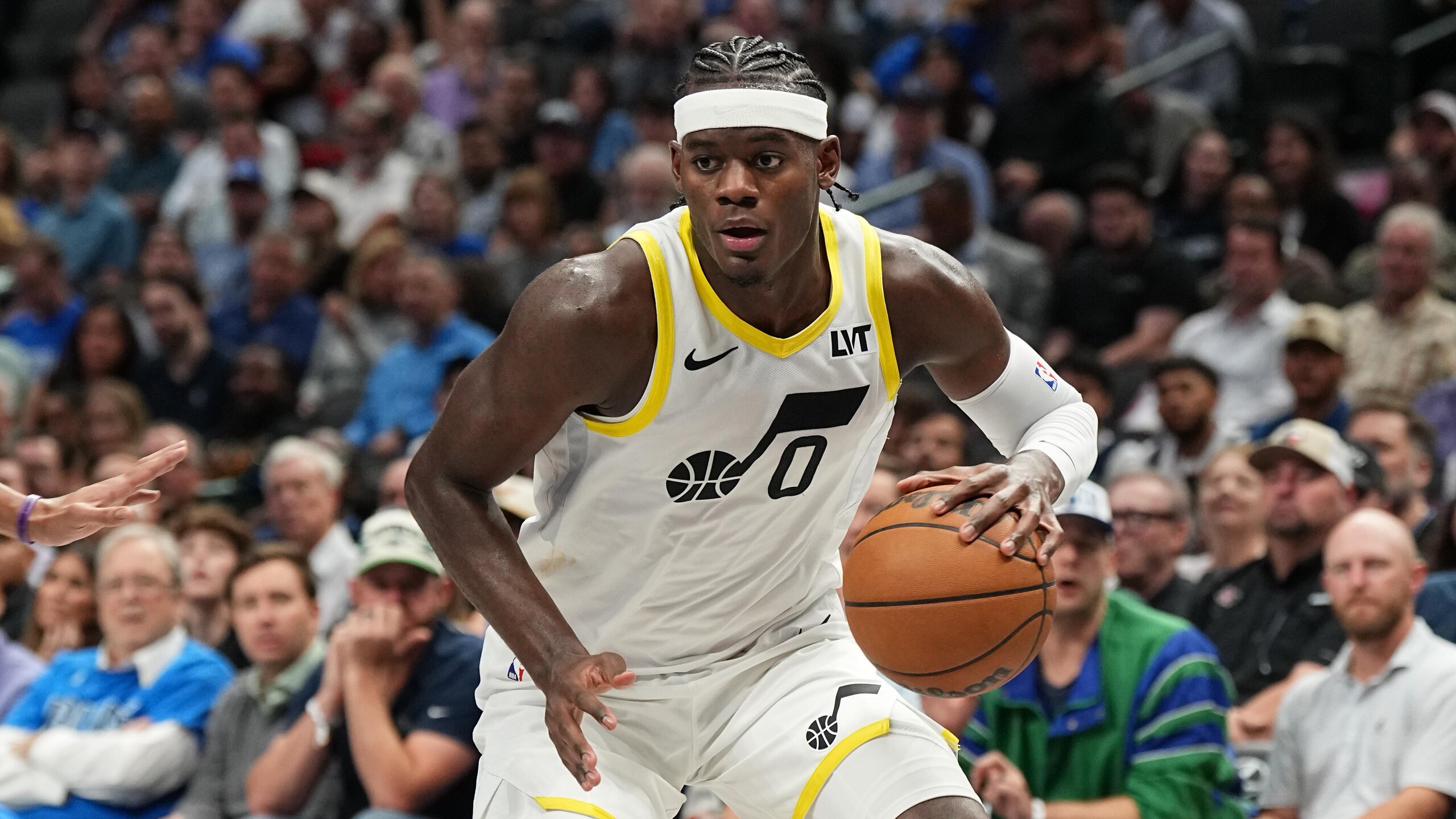
Riser: Taylor Hendricks
Just three games into his second season, Hendricks suffered a devastating injury that completely wrecked what could have been a year of major progress. He was coming off a rookie campaign that included 37.9 percent shooting from deep alongside flashes of disruptive defense. A fractured right fibula and dislocated right ankle shelved him and forced the rest of us to spend a year wondering what might have been.
With so little on his resumé, the 6'9" forward is still a mystery box. But he should get every opportunity to prove the post-rookie hype correct.
Athletic combo forwards who can shoot and defend are hard to come by. Hendricks' return means we've got one more of those rare player types back in the league this season.
Faller: Jusuf Nurkić
Per a report from BasketNews, Bosnia and Herzegovina head coach Adis Beciragic said Nurkić, a member of the national team preparing for Eurobasket, "is out of shape and can barely run."
Nurkić has had offseason glow-ups in the past, but everyone knows it only gets harder to snap back into condition as you age. The veteran center is now 31 and might not see much reason to attack his fitness with a season of tanking ahead in Utah.
Washington Wizards
30 of 30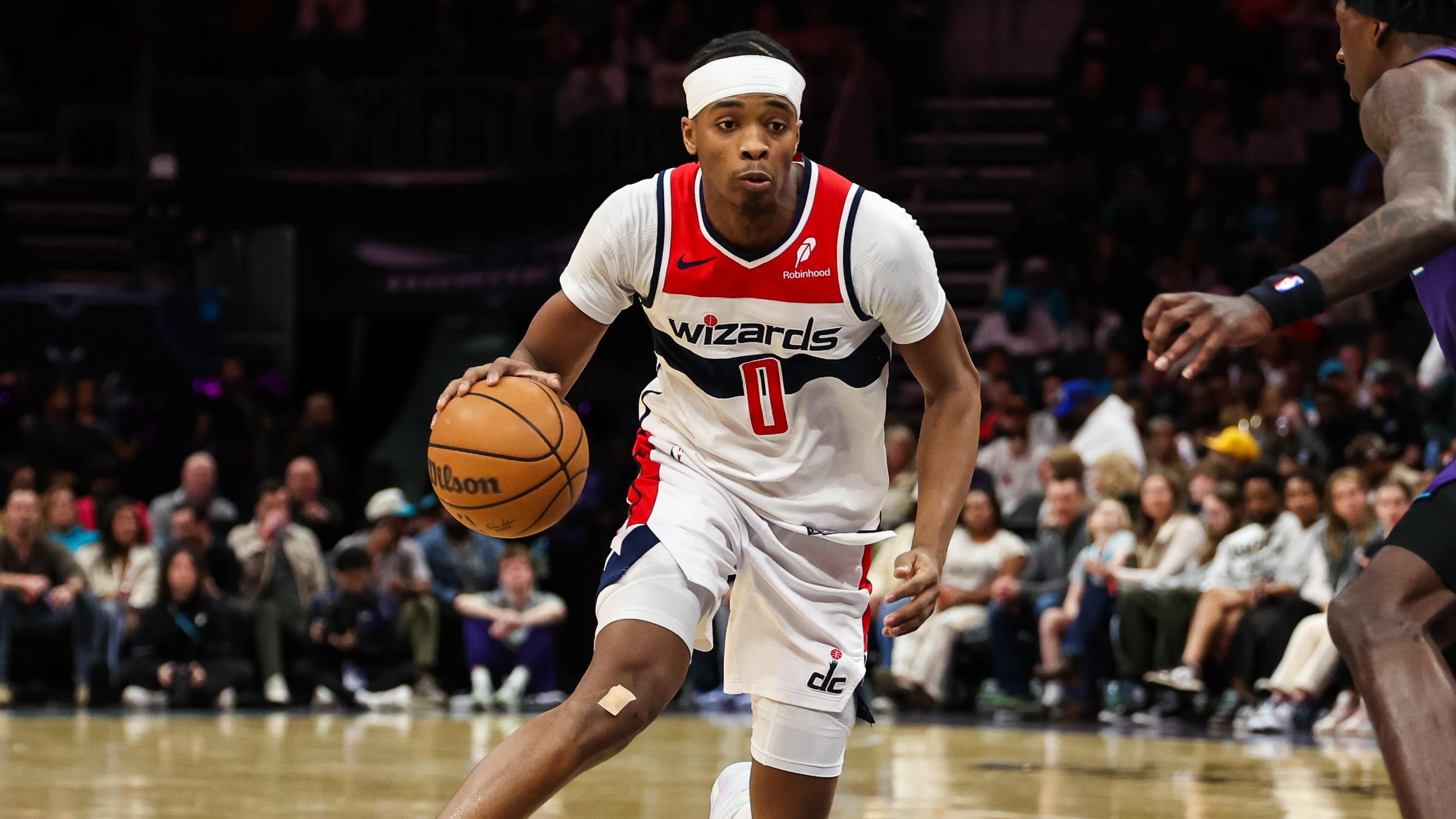
Riser: Bilal Coulibaly
Coulibaly saw his accuracy from the field and from deep fall off in his second season, but we're not concerned about that. If anything, he's set the bar low enough to clear easily on that front.
What matters more is the quiet strides he made in his age-20 season as a facilitator and downhill attacker. Coulibaly doubled his assists and drives per game before a hamstring injury ended his year in March.
In his upcoming third season, the French wing is going to see his shooting return as his on-ball game continues to improve. Don't be surprised when he's a staple in the Most Improved Player conversation.
Faller: Khris Middleton
At 34 and now playing in a decidedly lower-stakes environment than the one he left in Milwaukee, Middleton profiles as an obvious decliner. Though he shot it well and was productive on a per-minute basis with the Bucks, health concerns limited Middleton to mostly reserve duty, and he played just 23.2 minutes per game prior to joining Washington.
A starter in all 14 games he played with the Wizards, Middleton's effectiveness from the field disappeared.
Whether because he's playing less or playing worse, Middleton is no longer going to be the second star on a good team he was for most of the last decade.
Stats courtesy of NBA.com, Basketball Reference and Cleaning the Glass. Salary info via Spotrac.
Grant Hughes covers the NBA for Bleacher Report. Follow him on Bluesky and subscribe to the Hardwood Knocks podcast, where he appears with Bleacher Report's Dan Favale.
.jpg?w=2560)
.jpg?w=2560 "Cardinals LB's Quote Resurfaces 😏")
.jpg?w=2560 "Skattebo Has 0 Touch Game 😬")
.jpg?w=2560 "49ers FB Slams CJGJ 😳")
.jpg?w=2560 "Chargers Fall to 0-6 📉")
.jpg?w=2560 "Bills Safety Ejected for Spitting")