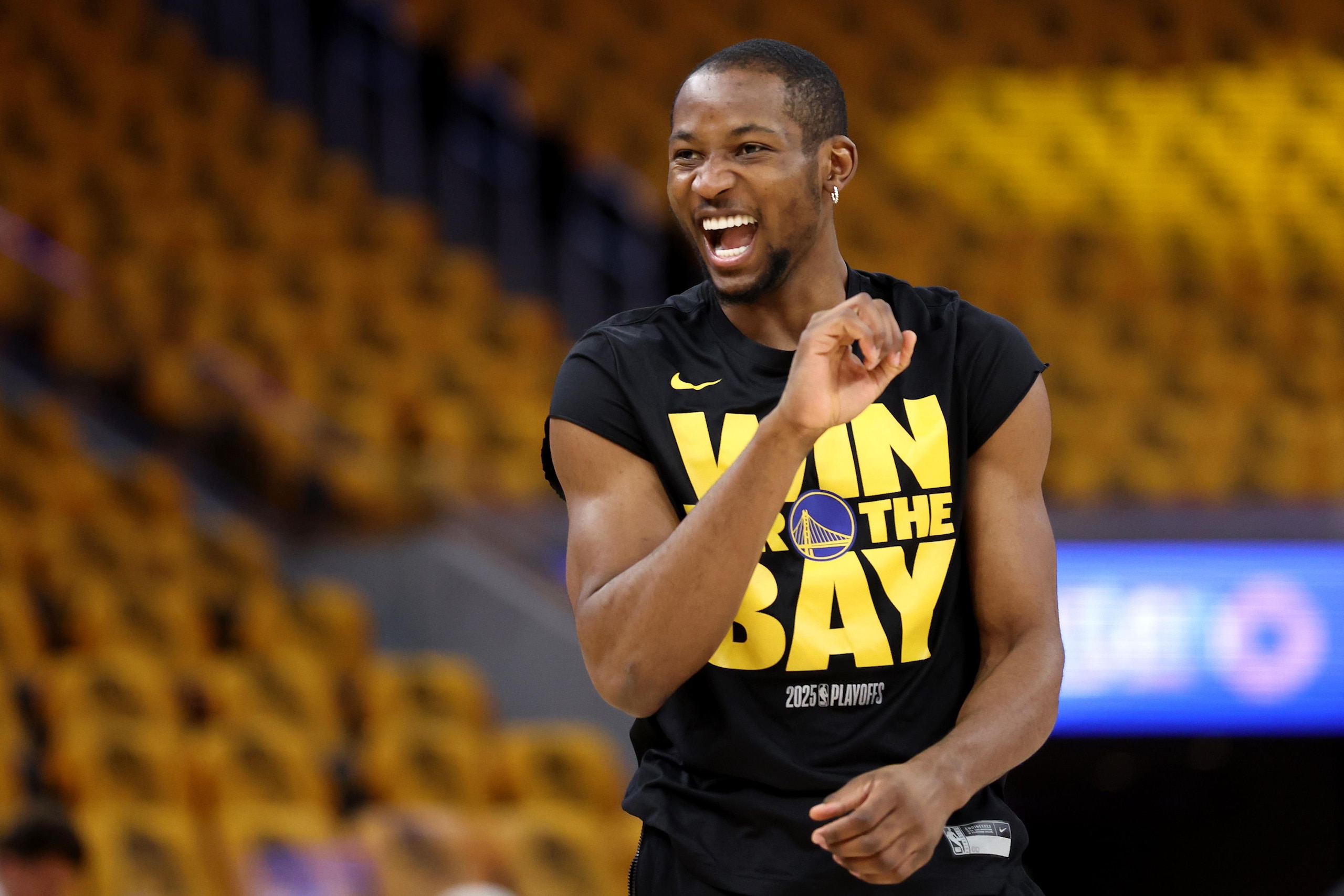

The Golden State Warriors have a crucial decision heading into NBA free agency: What's the path forward with pending restricted free agent Jonathan Kuminga?
There's a real chance the franchise resumes negotiations that were believed to stall in the $30 million vs. $35 million starting range, leaving Kuminga without an extension in October. Is Golden State prepared to return to the table in that range after pulling Jimmy Butler from the Miami Heat at the trade deadline?
Before considering any other free agents (Kevon Looney, Gary Payton II, Pat Spencer, etc.), Kuminga back at $30 million would push the team right under the projected second apron ($207.8 million) for 2025-26.
The path forward with the 22-year-old may mean returning nearly the same roster, outside of additional vets at the minimum. The Warriors don't have the flexibility to shed salary, outside of Moses Moody and Buddy Hield, who will earn a combined $20.8 million.
If the math doesn't add up for a team trying to win now around Steph Curry, Draymond Green and Butler, it would be a shame to let Kuminga go outright without a viable return. Instead, the answer may be a sign-and-trade, but that assumes another team is willing and able to pay him something close to his asking price.
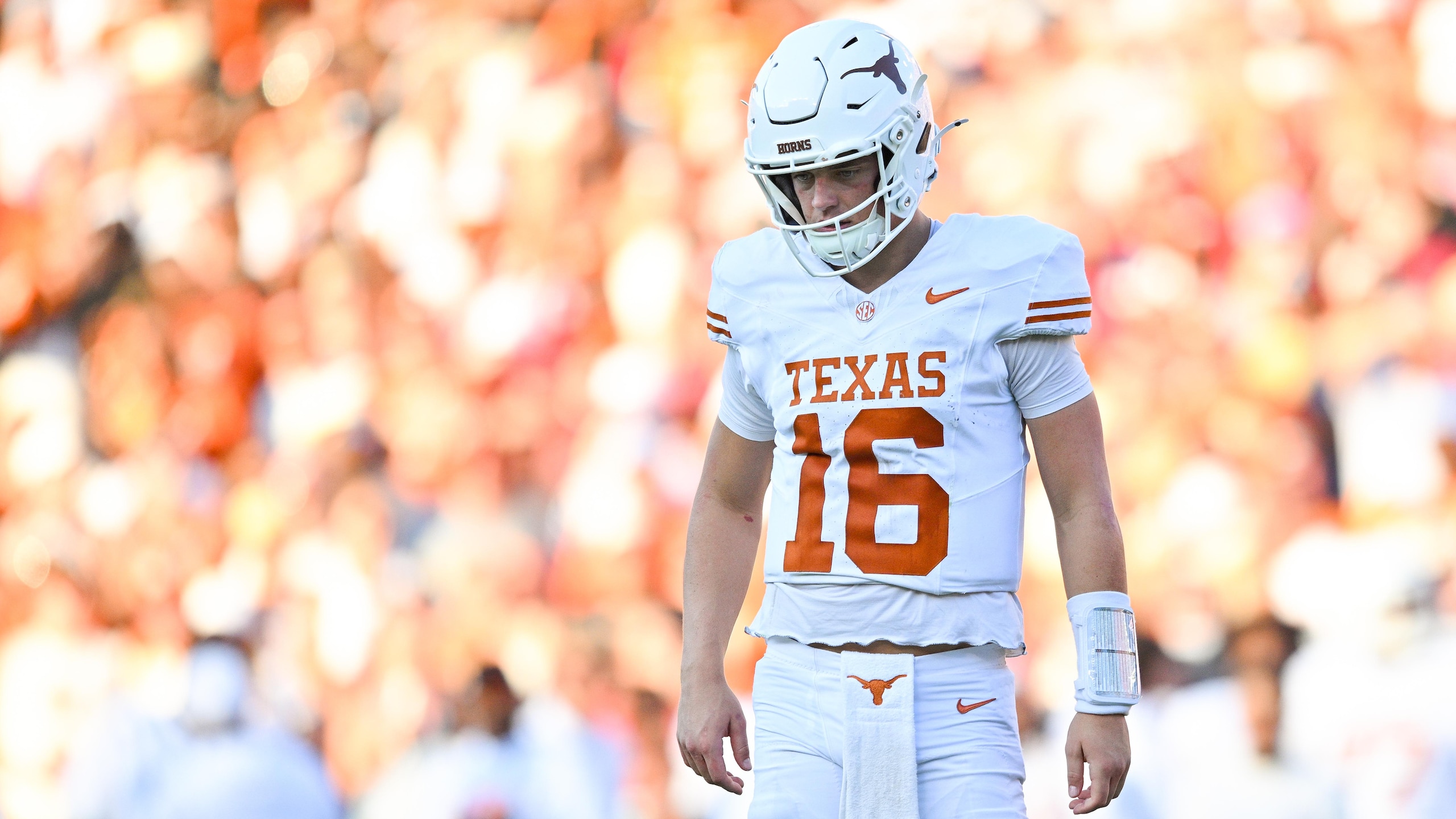
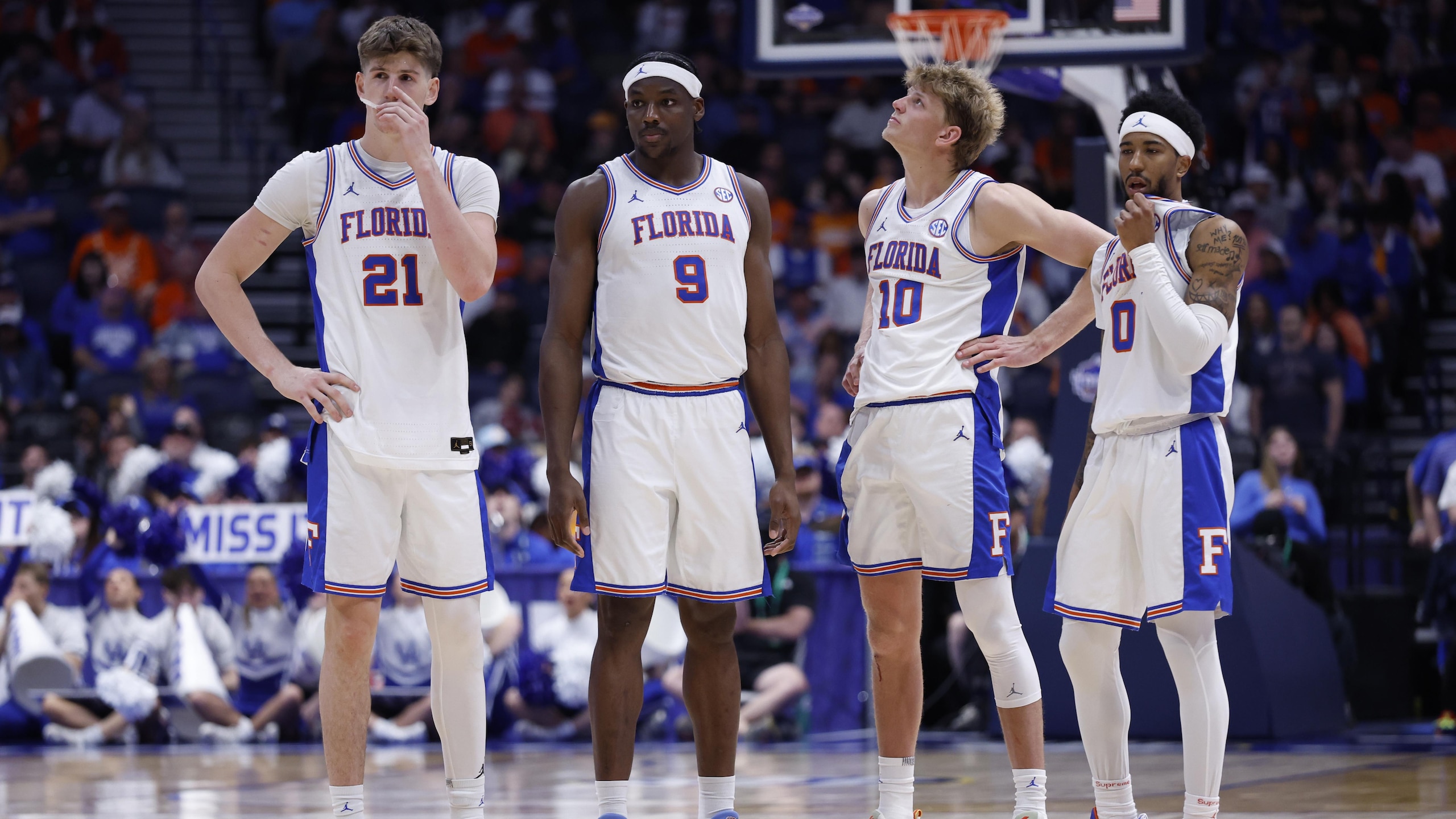
The following is a three-team idea, assuming the Chicago Bulls believe Kuminga is a viable fit with a re-signed Josh Giddey, Coby White and Matas Buzelis. The Charlotte Hornets are the third partner, giving up significant second-round draft capital for Moody from the Warriors.
Full Trade Scenario
1 of 4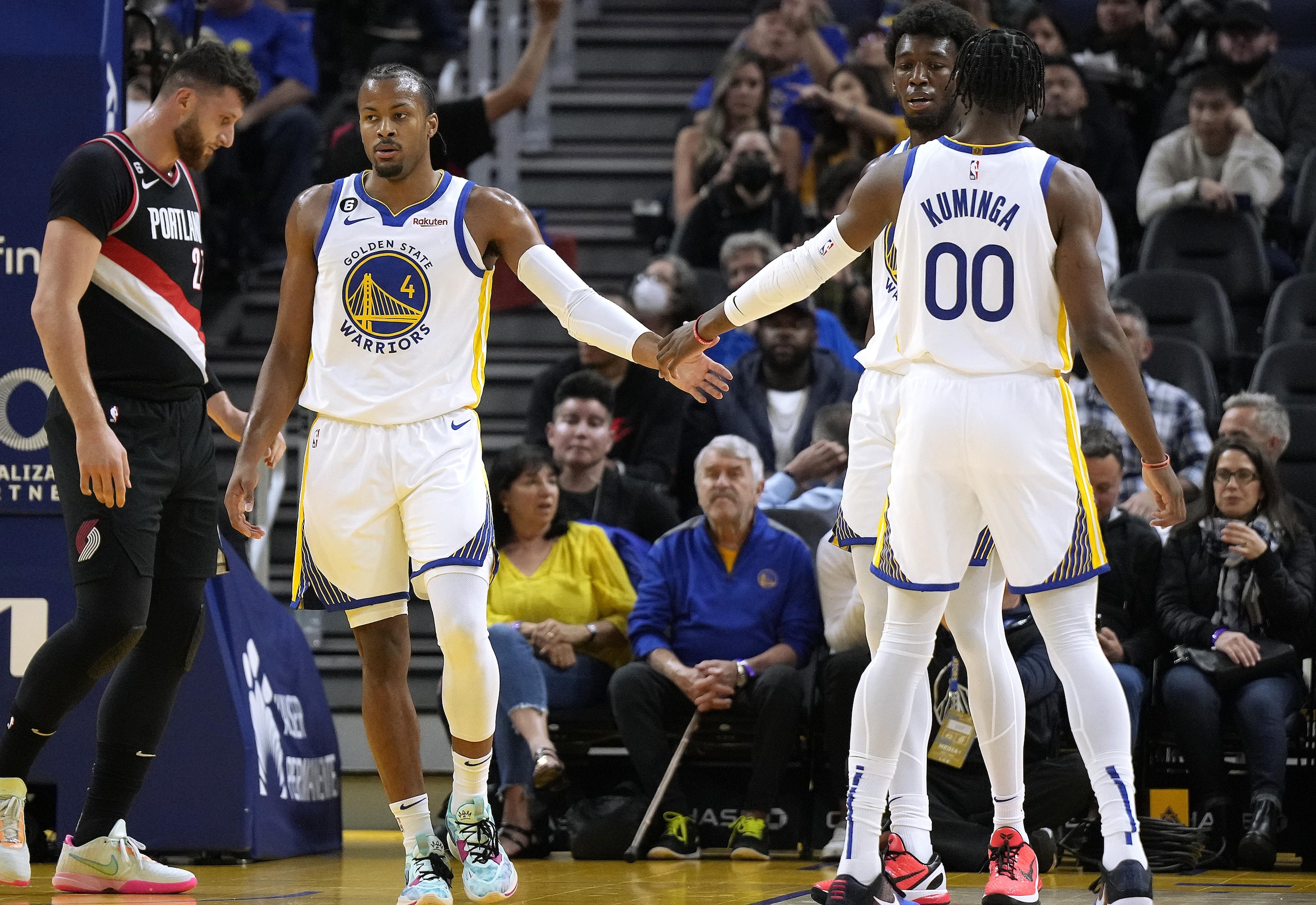
Bulls get:
- Jonathan Kuminga (from Warriors)
Warriors get:
- Lonzo Ball (from Bulls)
- Jalen Smith (from Bulls)
- Josh Okogie (from Hornets)
- 2026 Portland Trail Blazers protected first-rounder (from Bulls)
- 2029 second-rounder (from Hornets)
- 2029 Denver Nuggets second-rounder (from Hornets)
- 2031 second-rounder (from Hornets)
- 2031 Phoenix Suns second-rounder (from Hornets)
Hornets get:
- Moses Moody (from Warriors)
- Jevon Carter (from Bulls)
Notes: The trade needs to wait until July 6, when Kuminga can sign a contract, starting at $30.4 million. Charlotte uses its non-taxpayer mid-level exception to take in Carter, leaving a $7.3 million balance and triggering a first-apron hard cap.
The Bulls also gain a first-apron hard cap by taking in a player via sign-and-trade. The Warriors are hard-capped at the second apron by bringing back players for Kuminga in the sign-and-trade and using aggregation.
The Trail Blazers' first is lottery-protected.
Why the Chicago Bulls Do It
2 of 4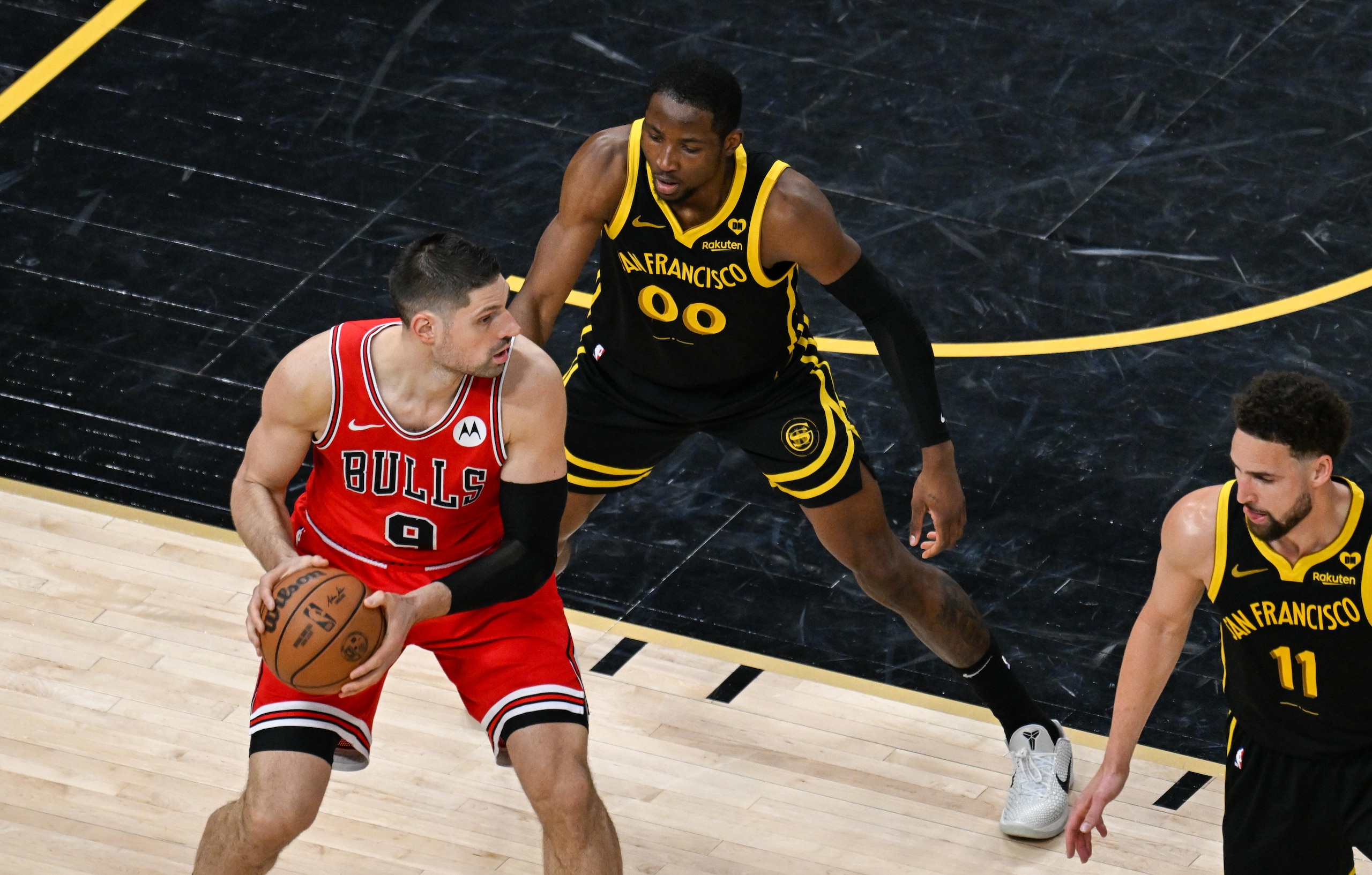
Kuminga, the No. 7 overall pick in 2021, will turn 23 in October. He's a young, athletic forward who averaged 15.3 points a game last season, despite being limited by an ankle injury for over 30 games.
He's not a reliable three-point shooter, but he probably averages over 20 points per game on a team more willing to feature him in the offense than the Warriors.
Chicago hasn't gotten enough out of Patrick Williams, who is under contract for 3-4 more seasons at a flat $18 million (player option on final year), but 6'10" forward Matas Buzelis (No. 11 in 2024) averaged double digits over the last three months of the season.
The Bulls can look to move Williams, but that trio could be a viable rotation with Nikola Vučević at center and Giddey/White at guard.
Kuminga immediately makes Chicago more formidable in a wide-open Eastern Conference, especially considering the cost. Ball is well-liked, but Ayo Dosunmu and other options can fill his minutes. Carter and Smith don't move the needle for the team, so the heftiest price is the first-round pick from the Blazers, but that has enough protection that it won't ever be in the lottery and may eventually convert into a 2028 second-rounder.
The Bulls can still reshuffle, perhaps dealing Kevin Huerter, Dalen Terry, Vučević, and/or Williams. Assuming Giddey is back at a similar $30 million starting salary and without any additional trades, Chicago can still spend its non-taxpayer mid-level exception (projected at $14.1 million) while avoiding luxury taxes.
Why the Golden State Warriors Do It
3 of 4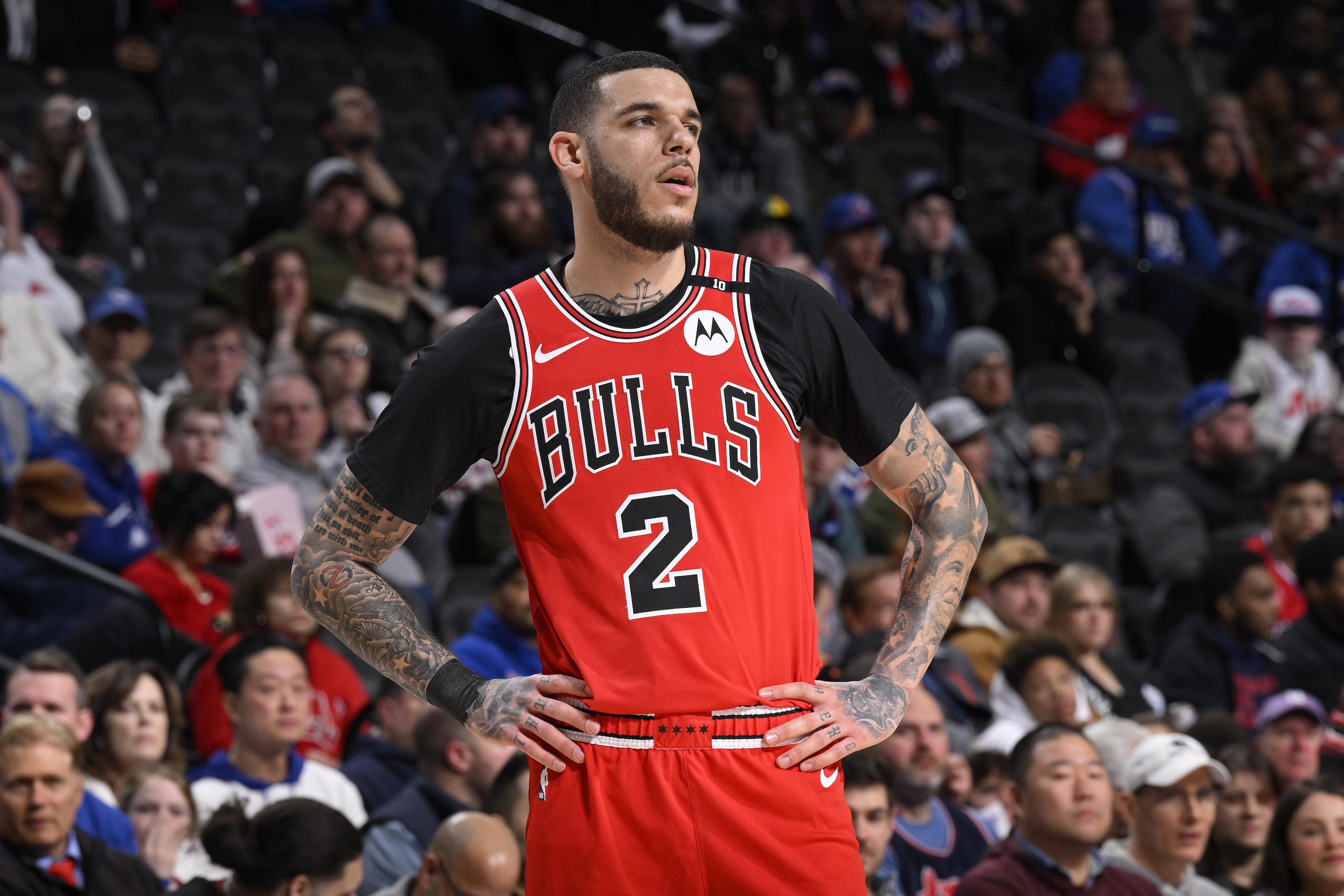
On the premise that the Warriors can't functionally afford Kuminga without sacrificing depth, filling out the rest of the roster with minimum players and/or getting hit by second-apron penalties like frozen draft picks, the question becomes "where" more than "why."
While Kuminga is talented, not many teams have the means to acquire a player via sign-and-trade. Higher-spending teams can't, and rebuilding teams would be hesitant to make that kind of outlay.
Another option is just not paying Kuminga, not trading him and hoping a team gives him a matchable offer sheet. Only the Brooklyn Nets have that kind of projected flexibility, but the initial intel suggests they're not interested in Kuminga.
Golden State can try to retain him on his one-year $8 million qualifying offer, but that path limits the team's ability to trade him, and an incoming franchise wouldn't have his rights after a deal. Sign-and-trade gives closure and doesn't put Kuminga in a position to play for a team that didn't value him enough to reward him with the salary he believes he deserves.
If Chicago is the team willing to step up, it's a question of the return. If the Warriors send out Kuminga just above $30 million, they only get credit for sending out half of that in trade ($15 million). The inclusion of Moody has more to do with avoiding aprons, retaining depth and choosing players from whom the coach got more in the playoffs (Hield, Payton, etc.).
Ball has struggled to stay healthy but is an incredible fit alongside the Warriors' stars. He plays defense, moves the ball and can catch-and-shoot. The team could also use an athletic big in Smith, who didn't fit in with Chicago. A year prior, Smith shot 42.4 percent from three-point range for the Indiana Pacers. He has good size (6'10") but is mobile at 215 pounds. Okogie is still young (turning 27 before the season) and is a smart, experienced wing defender.
The Warriors restock their depleted bank of future second-rounders, while retaining the taxpayer mid-level exception ($5.7 million) to round out the roster, possibly retaining Looney, Payton and Spencer, and staying comfortably under the $207.8 million second apron.
Finally, Ball and Smith's contracts align perfectly with Curry's, and the rest expire after the 2026-27 season (Ball's has a team option in June 2026). Okogie's salary runs through just the upcoming 2025-26 campaign.

Why the Charlotte Hornets Do It
4 of 4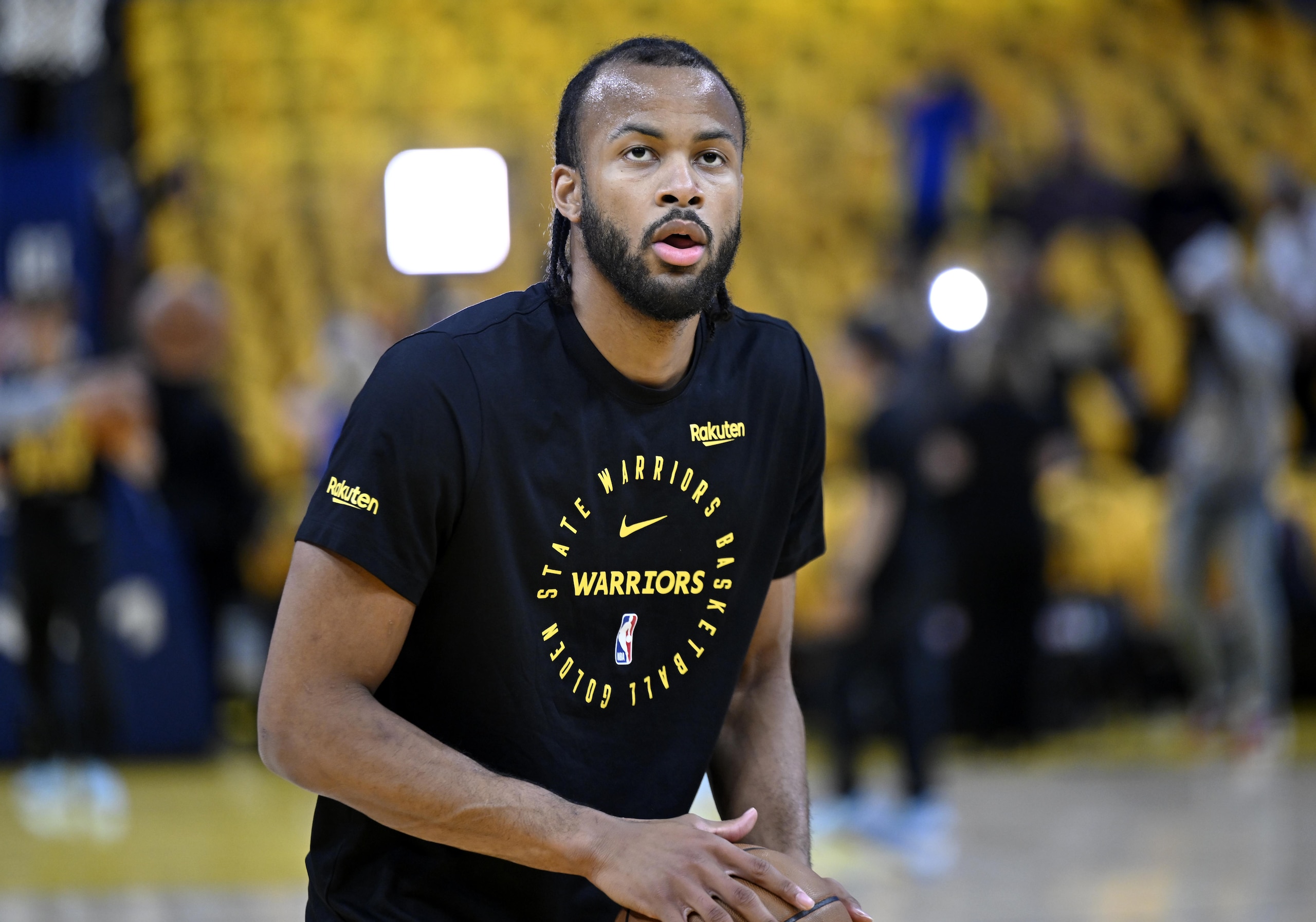
Charlotte wants to add mature young talent, and Moody, 23, would be a solid addition.
The price is Okogie, who isn't part of the Hornets' plans and the draft compensation. The haul of second-rounders may seem like a lot, but they're disposable, and Charlotte has plenty to spare. Moody helps immediately and is under contract at a below-mid-level number (expiring after 2027-28 at $13.4 million).
The Hornets also take on Jevon Carter, presuming he opts into his $6.8 million final year as expected. The 29-year-old is an experienced vet guard who can shoot, but would be relatively expendable for the Hornets, perhaps as part of another future deal.
The franchise remains well below the luxury tax, as it continues to search for the right combinations of players to follow in the footsteps of the 2024-25 Detroit Pistons, who jumped from high in the lottery to playoff contention.
Email Eric Pincus at eric.pincus@gmail.com and follow him on X @EricPincus and Bluesky.


.jpg?w=2560 "Hunter's Wife Calls Out Sharpe")
.jpg?w=2560 "Peyton Linked to Colts GM Job")

.jpg?w=2560 "Colts Fire GM Chris Ballard")