
Where Aaron Rodgers-Steelers Pairing Ranks Among Riskiest Moves of 2025 NFL Offseason

With mandatory minicamps wrapping up around the NFL, the 2025 offseason is largely over. Players and coaches will still be putting in work, but we're not going to see many on-field developments until training camps open in well over a month.
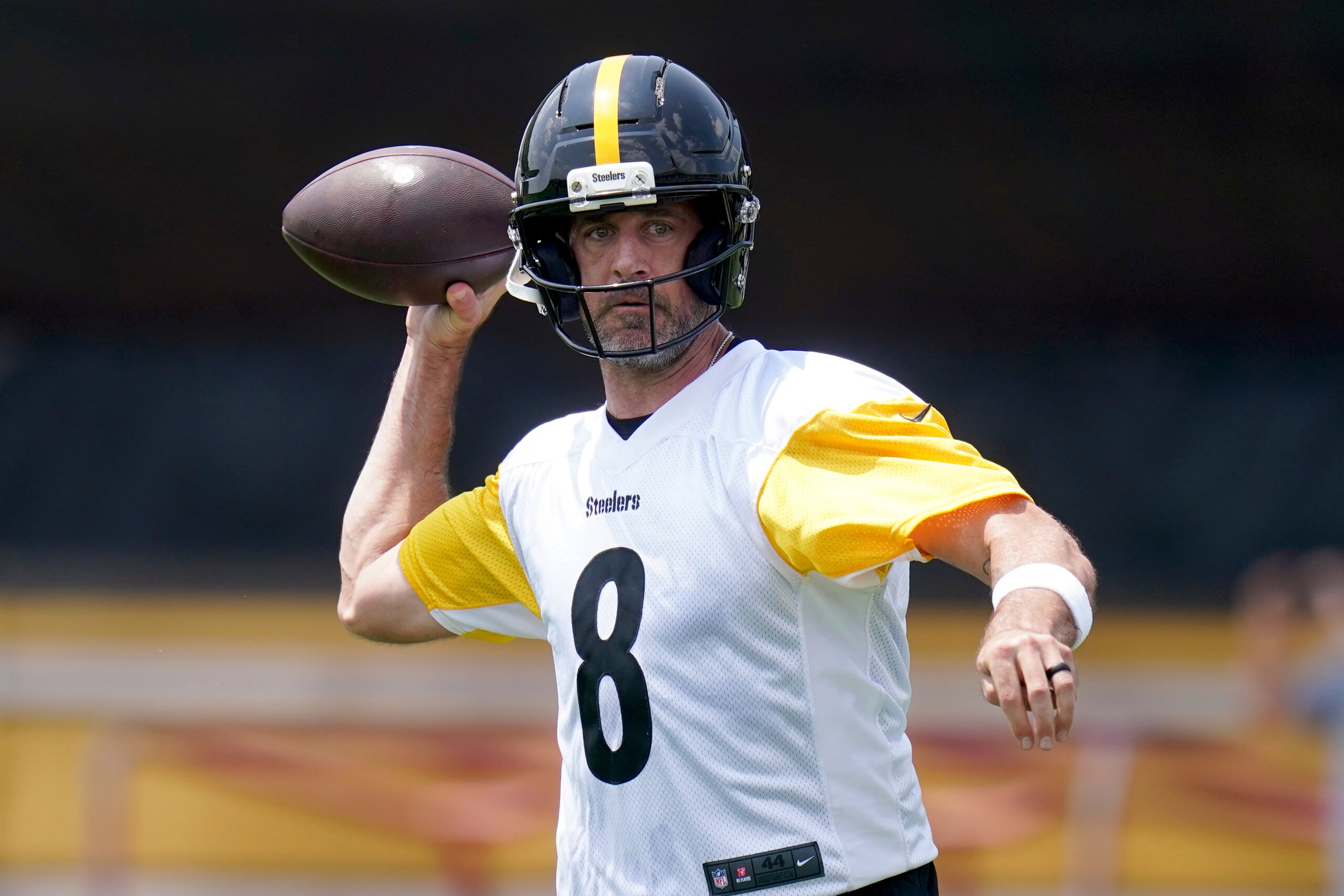
Fittingly, one of the most noteworthy moves of the entire offseason came just before minicamps, when the Pittsburgh Steelers finally and officially paired up with 41-year-old future Hall of Famer Aaron Rodgers.
It was a move most expected but one that isn't guaranteed to pan out.
"To me, it's a big gamble, and it may pay off huge," NBC's Tony Dungy said on the Football Night in America podcast (beginning at the 15-second mark). "We'll see what happens."
Of course, teams are often willing to take risks when it comes to roster building, and the Rodgers-Steelers pairing is far from the only boom-or-bust decision we've seen through this offseason. Where does it rank among the biggest dice throws of 2025? Let's take a look.
5. Jaguars Trade Up for Travis Hunter
1 of 5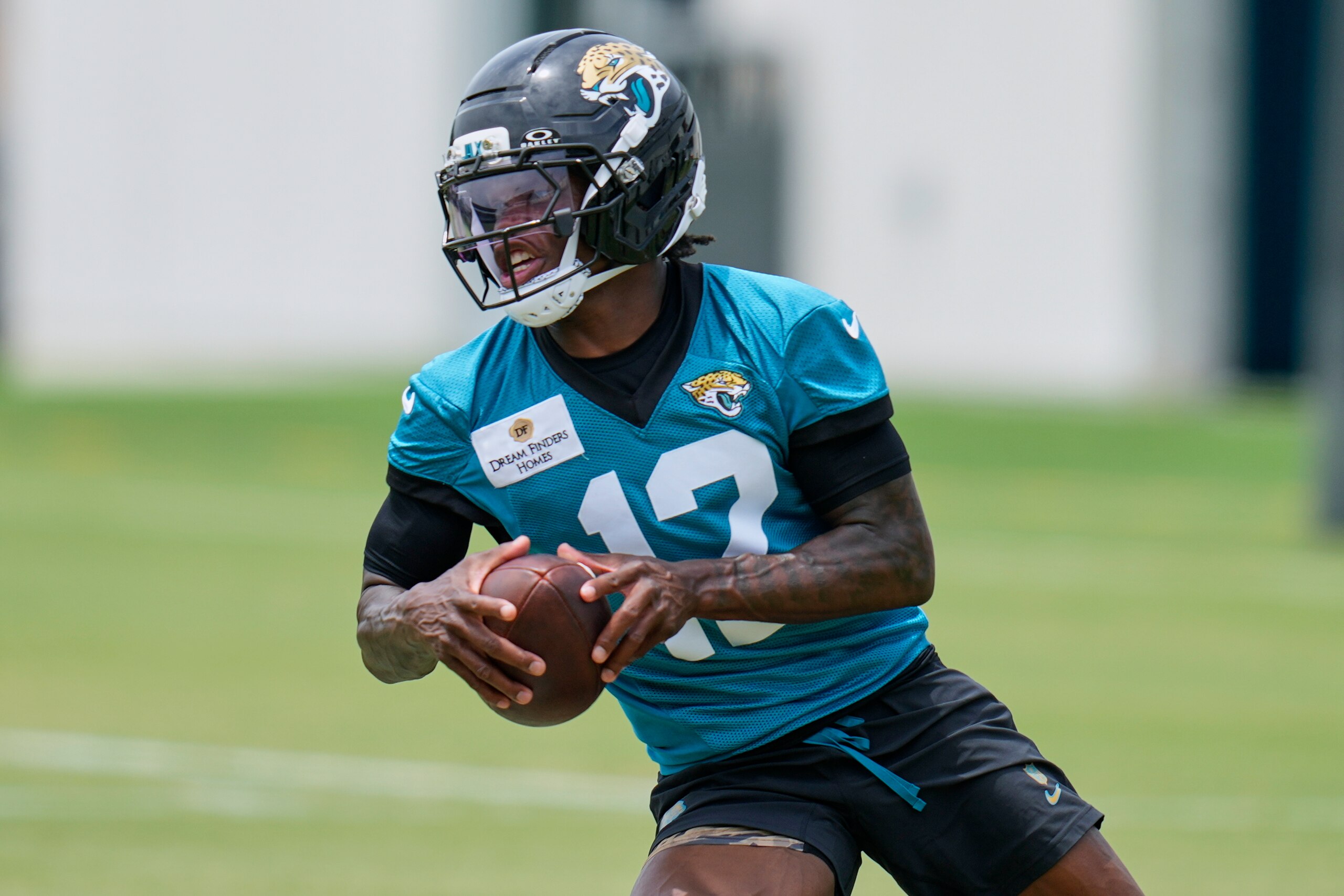
Heading into April's draft Colorado receiver and cornerback Travis Hunter was largely viewed as a "can't-miss" prospect. The reigning Heisman winner was a star two-way player in college and was the top-ranked prospect on the Bleacher Report Scouting Department's final draft board.
So, one could easily argue that the Jacksonville Jaguars' decision to trade up and secure Hunter with the second overall pick was a safe one. It was certainly bold, as Jacksonville gave the Cleveland Browns the fifth overall pick, the 36th pick and a 2026 first-round pick as part of the deal.
While Hunter appears to have all the tools to be a future NFL star, the trade to land him was a risk by rookie GM James Gladstone and rookie head coach Liam Coen. Just about every draft choice is a dice roll, and Hunter is no exception.
Yes, there's a chance that Hunter will fill starting roles on offense and defense, become a Pro Bowl talent at one position and do it all on a single rookie salary. At least, that appears to be Jacksonville's plan, as Hunter has spent offseason practices on both sides of the ball.
"That is absolutely the plan moving forward," Coen said, per NFL.com's Kevin Patra.
However, playing two positions will potentially leave Hunter open to an increased risk of injury. While he's used to doing it, the NFL is faster and more physical than college, and it features a longer season.
Hunter played appeared in 22 games over the past two seasons. He'll appear in 17 as a rookie if he stays healthy for the entire season.
Trying to play two positions could also potentially prevent Hunter from ever being great at one.
Now, Hunter is highly unlikely to be a flat-out bust. And his ceiling could be as a Pro Bowl talent at two positions. There's also a chance, however, that he's merely a "good" NFL starter who happens to play both ways.
Even at two positions, "good" might not justify the cost that Jacksonville paid to get Hunter—especially if a player drafted after him like Abdul Carter or Mason Graham goes on to have a Hall of Fame career.
The Hunter trade has the potential to define the Coen and Gladstone era. Gladstone's favorite saying, according to The Athletic's Michael Silver, is "If there’s an opportunity to be bold, we won’t flinch."
The Jags' new regime announced itself with the Hunter trade. If it doesn't work out, that regime could be out of office before Hunter's rookie contract is up.
4. Cowboys Trade for George Pickens
2 of 5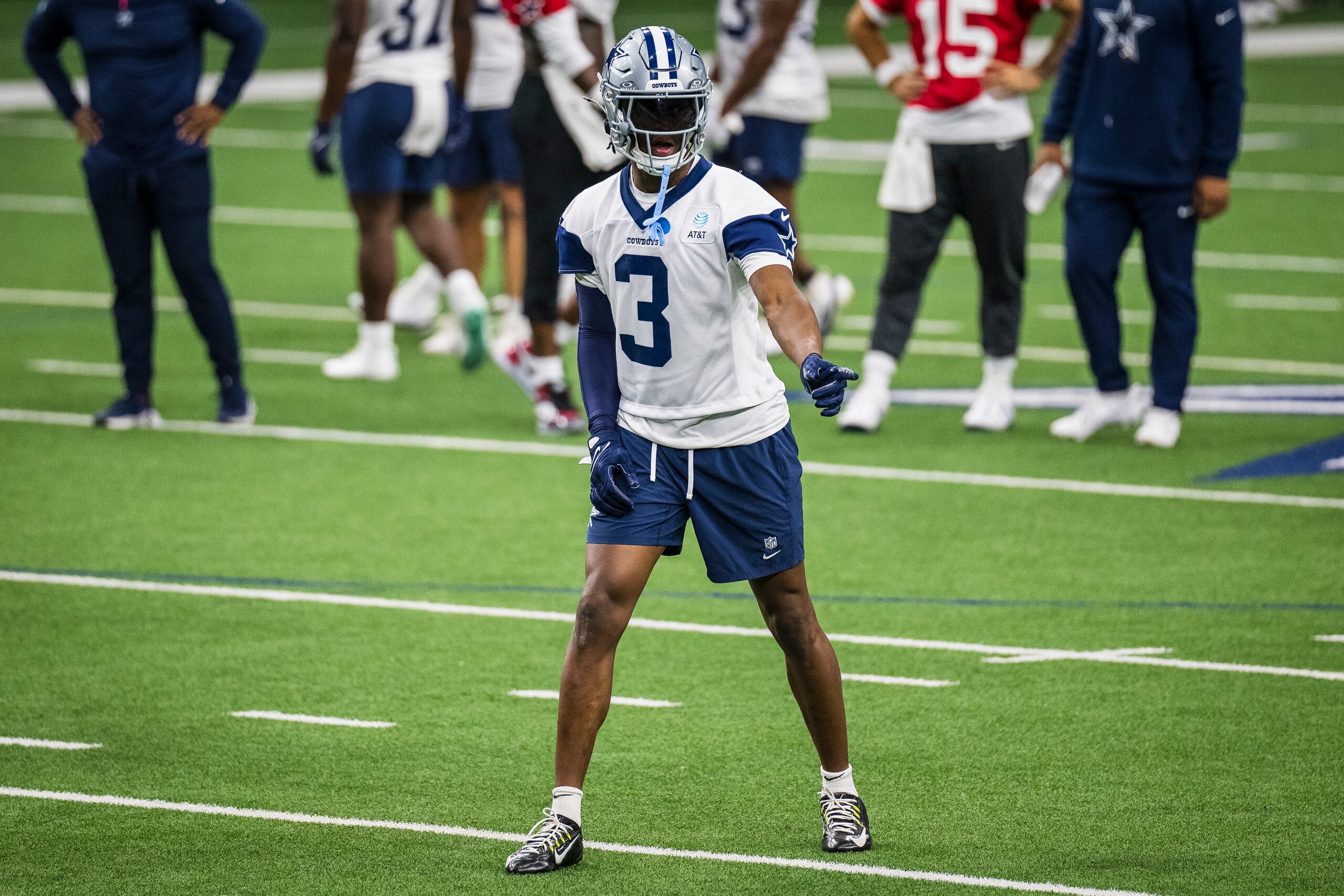
We could include the Dallas Cowboys' decision to keep waiting on Micah Parsons' extension on this list, though there isn't much to lose at this point. With Maxx Crosby, Danielle Hunter and Myles Garrett resetting the edge market, Dallas will have to pay Parsons north of $40 million annually if it re-signs him at all.
Waiting to give Parsons an extension might be a calculated risk, but it falls in line with Dallas' recent history—the Cowboys also waited, too long, to extend quarterback Dak Prescott and wideout CeeDee Lamb.
The Cowboys also waited, much too long, to add a No. 2 receiver opposite Lamb this offseason. They didn't sign a starting-caliber receiver during free agency, and they ignored the position completely during the draft. Ultimately, they decided to find Lambs' running mate by dealing for Steelers receiver George Pickens.
Dallas sent a 2026 third-round pick and a 2027 fifth-round pick to Pittsburgh for Pickens and a 2027 sixth-rounder.
Considering the Cowboys have long lacked a dependable second receiver opposite Lamb and need to find a fast start under new head coach Brian Schottenheimer, this trade was a significant risk.
For one, Pickens' on-field consistency was a major issue in Pittsburgh, which is why he was dealt in the first place. The 24-year-old has immense talent and, physically, could be an ideal match for Lamb. However, he's struggled with focus and professionalism.
"He’s got to grow up in a hurry," Steelers coach Mike Tomlin said in December after Pickens picked up two unsportsmanlike penalties in the same game, per The Athletic's Larry Holder and Mike DeFabo.
If a seasoned head coach like Tomlin can't corral Pickens, the receiver could become a real problem for Schottenheimer.
Even if Pickens shows maturity in Dallas, complements Lamb perfectly and returns to being a 1,000-yard receiver, he's bringing a risk factor. That's because the Cowboys traded for Pickens as he was entering a contract year.
If Pickens flops, the Cowboys offense may disappoint. If he truly shines, he could price himself out in 2026 free agency—if and when Dallas extends Parsons, it will have three players earning at least $34 million annually.
Of course, there's also the chance that Pickens plays just well enough to earn a mid-level contract and give Dallas a long-term answer in the WR2 role.
3. Patriots Bet on Stefon Diggs as No. 1 Receiver
3 of 5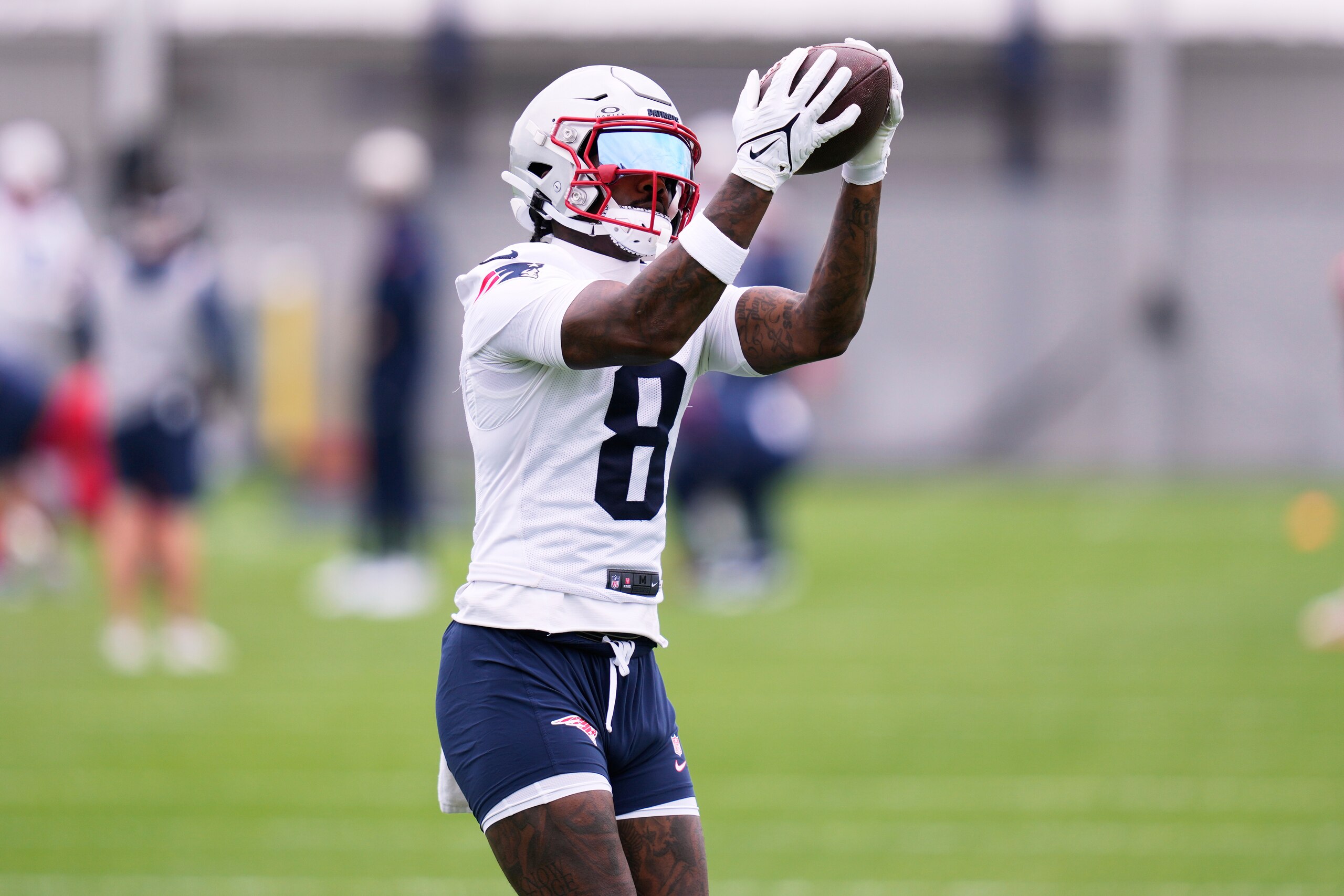
Overall, the New England Patriots have done a sound job of supporting second-year quarterback Drake Maye this offseason. They hired a seasoned coach in Mike Vrable, added multiple pieces to the offensive line and drafted some new skill players in running back TreVeyon Henderson and wideout Kyle Williams.
However, the Patriots decision to sign Stefon Diggs to a three-year, $63.5 million deal and insert him into the No. 1 receiver role was questionable.
And no, his entry here has nothing to do with Diggs' viral boat party video.
Picking Diggs to be the new No. 1 receiver was risky because A.) he's 31 years old and has seen declining production in recent years and B.) he's coming off of a torn ACL he suffered in late October.
New England had limited receiver options this offseason, but wideouts like Deebo Samuel and DK Metcalf were clearly available via trade.
On a positive note, Diggs does appear to be recovering well.
"It’s pretty good," Diggs said on March 11, per Mark Daniels of MassLive. "It’s always been a process. I was seven months on Saturday."
If all goes well, Diggs could return to being the Pro Bowl receiver he was with the Minnesota Vikings and Buffalo Bills. Given his age and injury, however, there's no guarantee of that.
Diggs' production tapered a bit at the end of the 2023 season, and he looked a lot more like a No. 2 receiver with the Houston Texans in 2024 before the ACL tear. He had 496 yards and three touchdowns in eight games with Houston.
Over the past three seasons, Diggs has seen his yards-per-catch average drop from 13.2 to 11.1 to 10.6.
If Diggs cannot regain his Pro Bowl form, he could become a pricey bust for the Patriots. New England isn't expected to be playoff-relevant in 2025—which may be why it needed to spend so lavishly to attract an aging, injured receiver. However, helping Maye develop into a capable NFL starter will be a very important goal. If he can't show growth in Year 2, it could lead to some serious questions entering Year 3.
It will be much harder for Maye to take that coveted next step as a quarterback without a legitimate difference-maker and go-to receiver in the lineup. There's no guarantee that Diggs can be that.
.jpg?w=2560 "Bills Rams Football")
.jpg?w=2560 "Vikings Bears Football")
2. Steelers Bet Their 2025 Season on Rodgers
4 of 5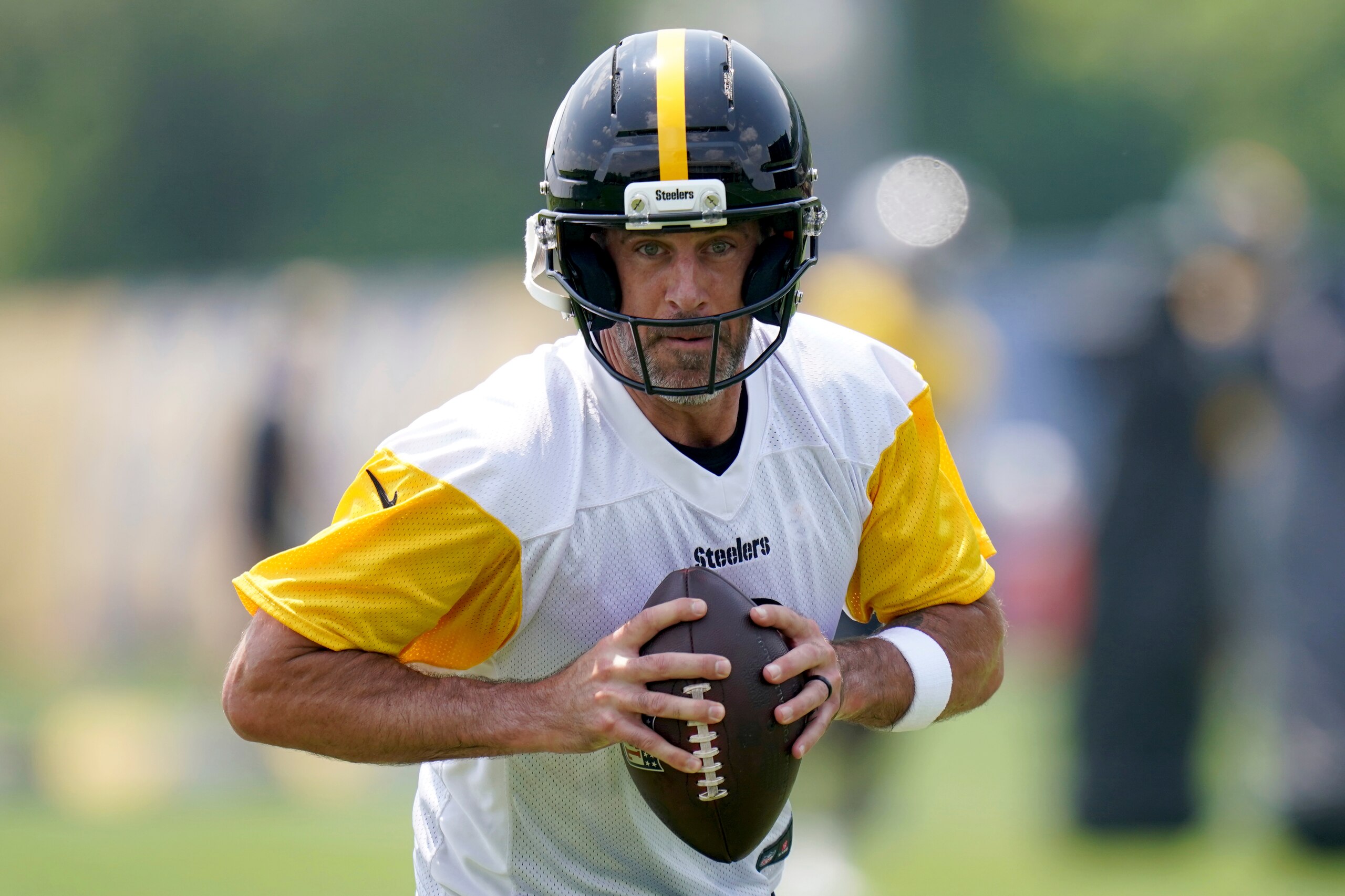
Financially, the Steelers aren't risking much by signing Rodgers. He signed a one-year, $13.7 million deal that includes $10 million guaranteed—well below the bar for a starting NFL quarterback.
The move shouldn't be viewed as a risk because of Rodgers' on-field play with the New York Jets last season either. While Rodgers, statistically, wasn't significantly better than the tandem of Russell Wilson and Justin Fields, his numbers (3,897 yards, 28 TDs, 11 INTs) were respectable.
The Steelers have never experienced a losing season under head coach Mike Tomlin. They weren't likely to start in 2025, regardless of who they employed at quarterback. A "respectable" season from Rodgers might be good enough.
Of course, Rodgers, reportedly, wasn't Pittsburgh's first choice. According to ESPN's Adam Schefter, Pittsburgh pivoted to Rodgers after failing to retain Fields and failing to trade for Mathew Stafford.
Once the Steelers did that, they took a big risk by targeting Rodgers and waiting until right before minicamp to sign him. This is because the pairing is now one of the NFL's biggest storylines and will remain so throughout the season.
In what could be a make-or-break season for the Steelers—who haven't won a playoff game since their 2016 campaign—that could become problematic. Had the Steelers drafted a rookie highly or gone with Mason Rudolph and sixth-round pick Will Howard at quarterback, expectations would be tempered. With Rodgers, a first-ballot Hall of Famer, anything short of a deep playoff run might be viewed as a failure.
Let's not forget that franchise owner Art Rooney II publicly lamented the team's lack of playoff success after the 2024 season.
Rodgers' divisive personality could compound the problem too. While his presence wasn't solely responsible for the mess that was the Jets' 2024 campaign, it may have negatively impacted the locker room.
"That locker room is completely fractured," WFAN's Boomer Esiason said in November.
Now, if there's a coach who can handle Rodgers' personality, it's Tomlin. And there is a very real chance that Rodgers will be a better fit for Arthur Smith's offense than Wilson and Fields were. Rodgers might just be the missing piece that puts Pittsburgh back near the top of the proverbial mountain.
He's not a long-term answer, though, and the Steelers will be back in the quarterback market in 2026 regardless of how this season unfolds. If it really goes south, Pittsburgh could find itself in a situation not too dissimilar to New York's when its run with Rodgers ended in the spring.
1. Seahawks Bet Everything on Sam Darnold
5 of 5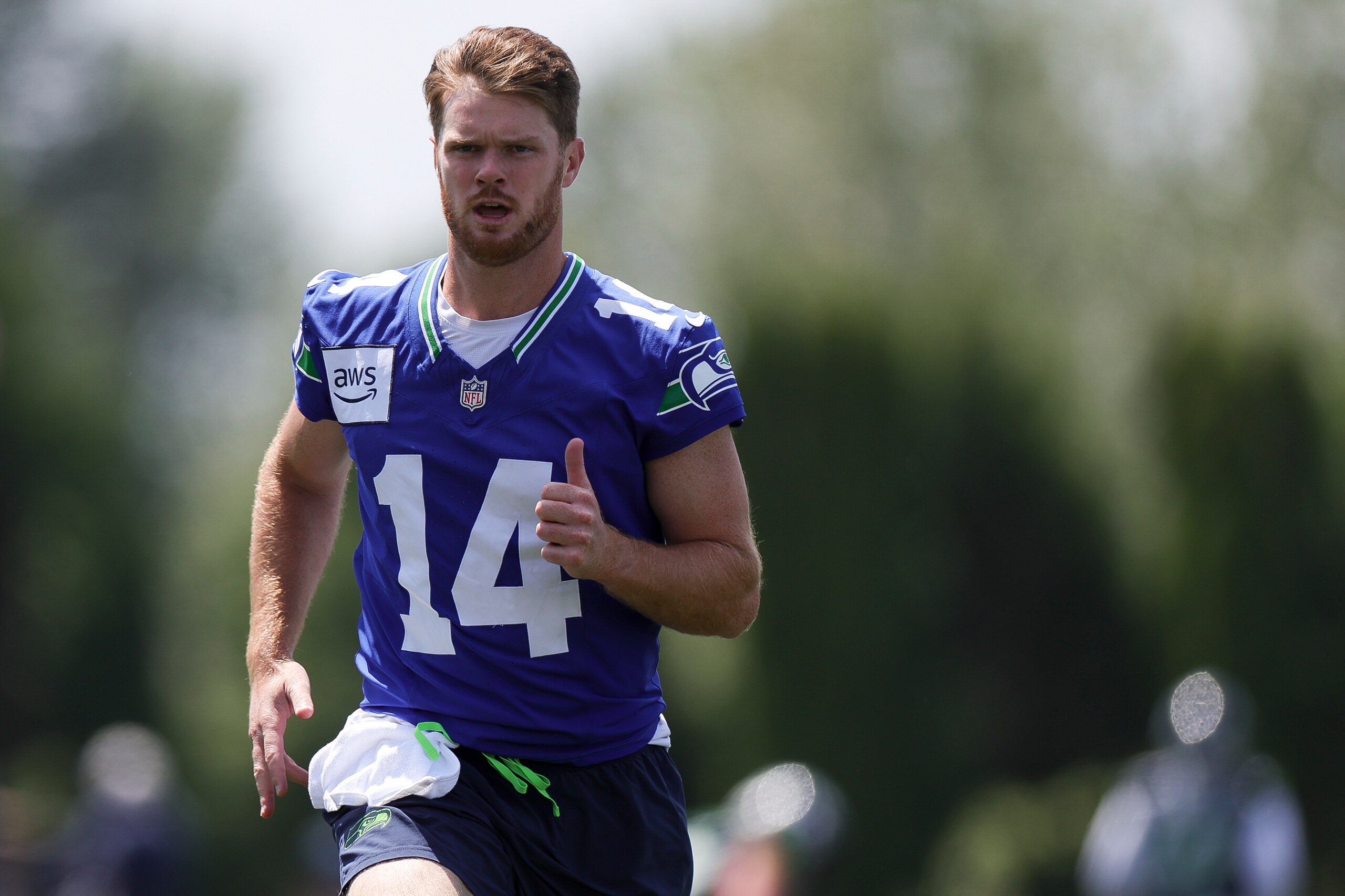
The Steelers' situation is risky because if Pittsburgh flops and the locker room crumbles, Pittsburgh could potentially consider a rebuild that doesn't include Tomlin. Realistically, though, that could all happen without Rodgers at quarterback.
In recent years, Pittsburgh has perennially been a low-end playoff contender, regardless of who is behind center. According to Dylan Svoboda of the New York Post, their Super Bowl odds didn't change after Rodgers was signed—though that may be because the move was so widely anticipated.
The Seattle Seahawks' gamble is a risk on another level entirely. Like the Rodgers signing, it has the potential to blow up in Seattle's face and cost jobs. However, it's a risk Seattle didn't necessarily have to take.
Seattle had a two-time Pro Bowl quarterback in Geno Smith. Head coach Mike Macdonald inherited him last year, but general manager John Schneider—who has been on the job since 2010—had a hand in bringing in Smith in 2019 and re-signing him several times since.
Unable to work out an extension with Smith this offseason, the Seahawks jettisoned him to the Las Vegas Raiders before turning to Darnold in free agency. The land Darnold, they handed out a three-year, $100.5 million deal that includes $55 million guaranteed.
While the financial investment isn't egregious for a starting quarterback, it's a lot for a seven-year veteran with exactly one good season on his resume.
A couple of things are potentially concerning about this deal. For one, Darnold thrived in 2024 under Vikings head coach Kevin O'Connell and with top-tier pass-catchers like Justin Jefferson, Jordan Addison and T.J. Hockenson. Outside of that support system, he's been an average-at-best player his entire career.
Secondly, Darnold appeared to revert to his previous form when faced with heavy pressure in Minnesota's regular-season finale and in the playoffs. He's now going to a team with a lesser supporting cast and with some question marks along the interior offensive line.
With all of that said, Darnold was the top signal-caller available in free agency, and, at 28, he could still provide a long-term answer. However, Seattle shouldn't have been in a position to desperately pursue him.
It had Smith. It has Drew Lock and rookie third-round pick Jalen Milroe. Given what we've seen from Darnold in the past, there's no guarantee he'll finish the season as QB1—though Macdonald believes "it's crazy" to wonder if he'll be the starter Week 1.
It could all work out, of course. Darnold's salary is manageable. He has experience with offensive coordinator Klint Kubiak, who was with Darnold in 2023 as the San Francisco 49ers' passing game coordinator. Maybe Darnold's Pro Bowl campaign was only a glimpse of what's to come, and his end-of-year struggles an aberration.
If Darnold flops and Smith takes the Raiders into the postseason, however, Macdonald and Schneider will likely be looking for work in 2026.
*Contract information via Sptorac
.jpg?w=2560 "Raiders Saints Football")
.jpg?w=2560 "Bills Rams Football")