

Each NBA team always has a ton to get done over the offseason. The difficulty and significance of these to-do lists vary by situation, but the work itself is always a lot—so much so that knowing where they should start can be tough to pin down.
Fortunately, we're here to help with totally unsolicited advice for each front office. We won't be putting the full list of their priorities in order, but we are going to identify the most important item on their summertime game plan.
Every type of issue, question, transaction, etc. is on the table. From retaining incumbent talent and pursuing needs outside the organization to addressing the future of star players and cleaning up the cap sheet, we'll be exploring every nook and cranny of the offseason process.
Reasonable minds are free to disagree on the spotlighted priorities. But remember, the goal here is to identify the decision that has the most influence over how each team goes about the rest of their offseason.
Atlanta Hawks: Trae Young's Extension Eligibility
1 of 30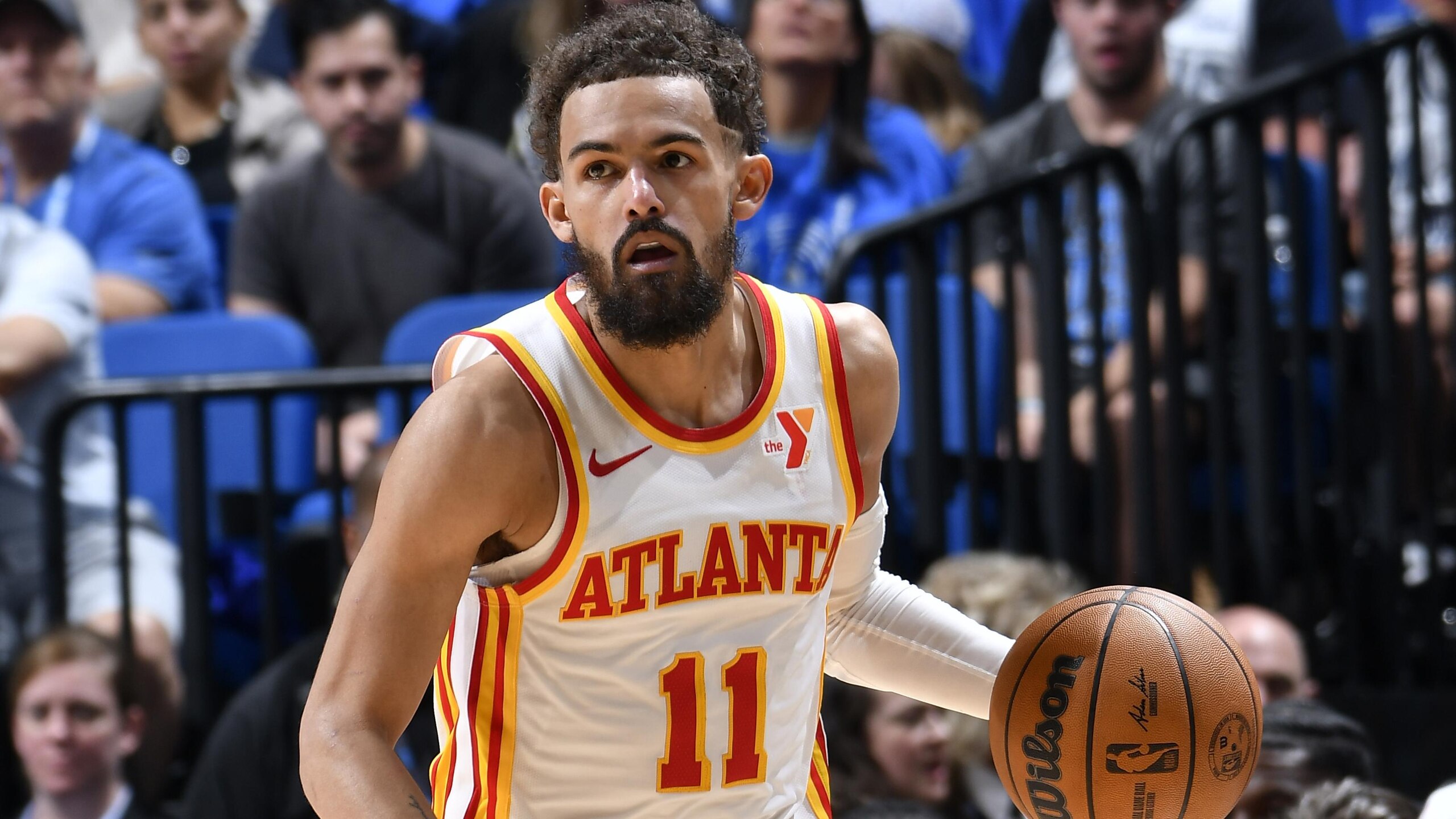
Extension talks with Dyson Daniels and the future of free agent Caris LeVert are worthwhile alternatives here. But Trae Young negotiations will inform everything the Atlanta Hawks do this offseason and beyond.
The 26-year-old is eligible to sign a four-year, $228.6 million extension. Atlanta has to first decide whether he’s worth the full boat. If he’s not, the conversation shifts to how much the Hawks will offer, and whether they’ll need to trade him should he reject whatever they bring to the table.
Shopping him has limited value when Atlanta won’t control its own first again until 2028. But whoever's leading the front office can neither afford to keep him on a contract it considers underwater nor risk losing him for nothing next summer, when he holds a player option.
Boston Celtics: Mapping Out Their Gap Year
2 of 30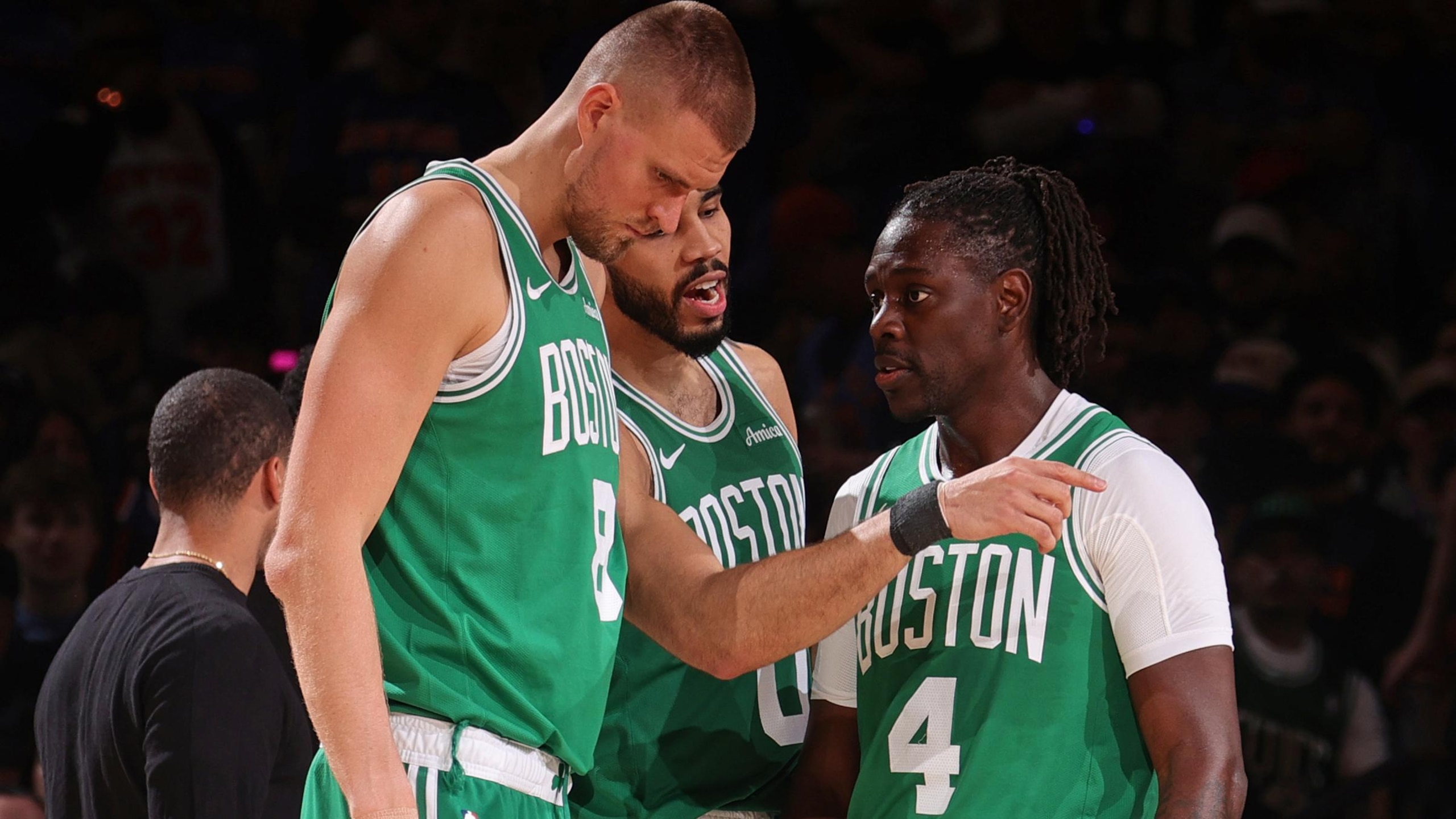
Cutting costs now tops the Boston Celtics’ offseason to-do list over Al Horford’s free agency. It’s not sexy, but Jayson Tatum’s ruptured right Achilles injury demands it.
The Celtics were unlikely to foot the bill for a roster running north of $500 million in player salaries and tax payments no matter what. It is a non-starter with their best player potentially sidelined through next season.
To what extent Boston sheds salary is something lead executive Brad Stevens must figure out. Boston is currently around $23 million into the second apron when accounting for the No. 29 pick, which amounts to $40-plus million above the luxury tax. None of these projections include a new deal for Horford.
Are the Celtics just looking to duck the second apron? Will they try to skirt the tax entirely? Who becomes collateral damage as part of either process? Jrue Holiday and/or Kristaps Porziņģis? Could both Jaylen Brown and Derrick White reach the chopping block as well?
There is a lot for Boston to map out. None of it’s easy, and much of it will be painful.
Brooklyn Nets: Facilitate Blockbuster Trades and Salary Dumps
3 of 30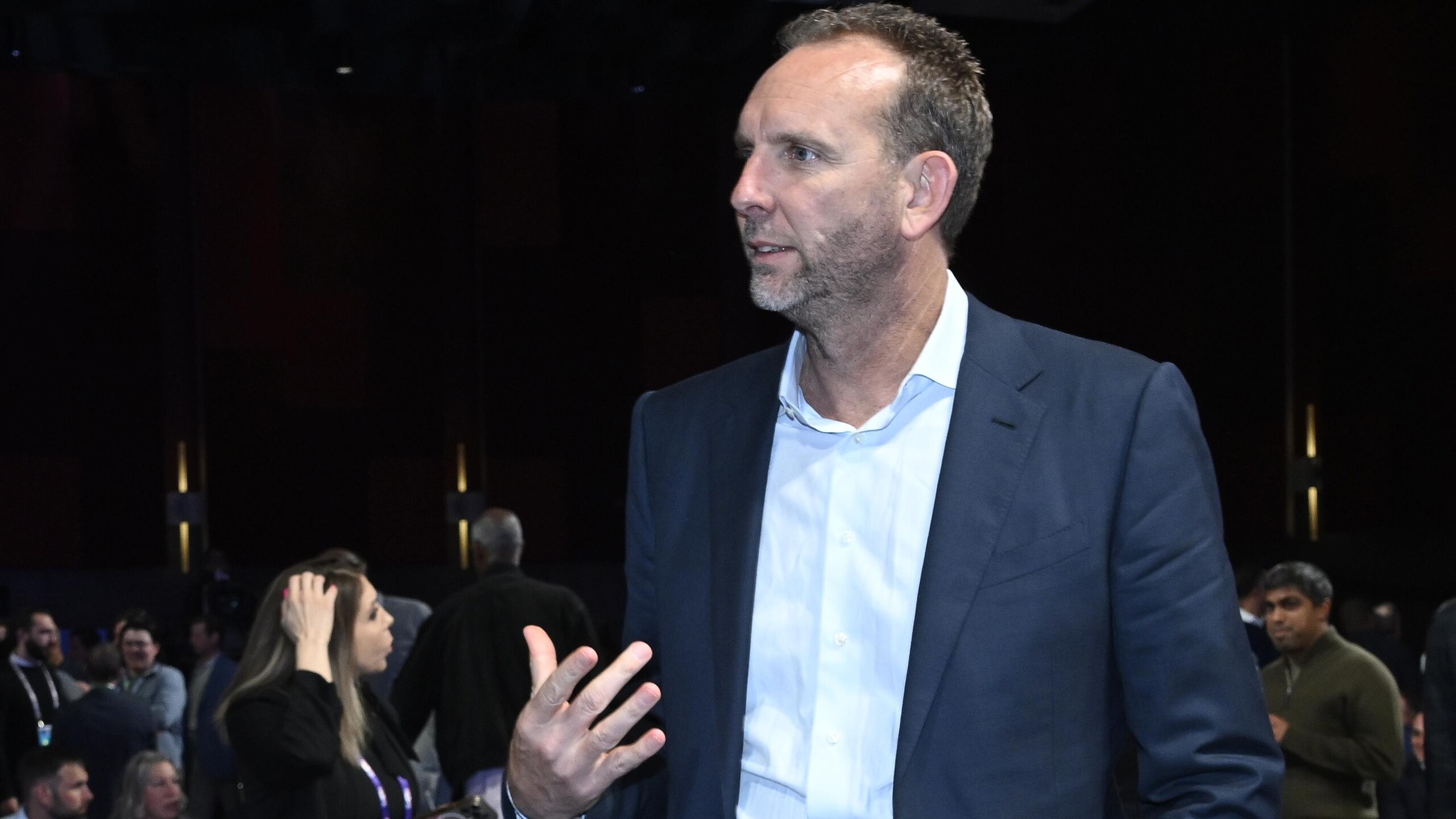
So much of the NBA offseason will end up running through the Brooklyn Nets. They are the only team with real cap space, and they’ve got over $65 million of it to burn, with the potential to dredge up even more if they renounce the rights to restricted free agent Cam Thomas.
Every squad should be contacting the Nets to facilitate deals that help make the salary-matching math work, prevent certain teams from being hard-capped and just generally dump unwanted money. Compensation for this third-party role isn’t usually on the level of a king’s ransom, but as basically the only game in town, Brooklyn can aggressively name its price.
These types of transactions should be the top priority. The free-agency landscape isn’t talented enough for the Nets to swing big on anyone, and chasing blockbuster trades of their own feels futile when they don’t have many other sure things in place.
Charlotte Hornets: Navigating Tre Mann's Restricted Eligibility
4 of 30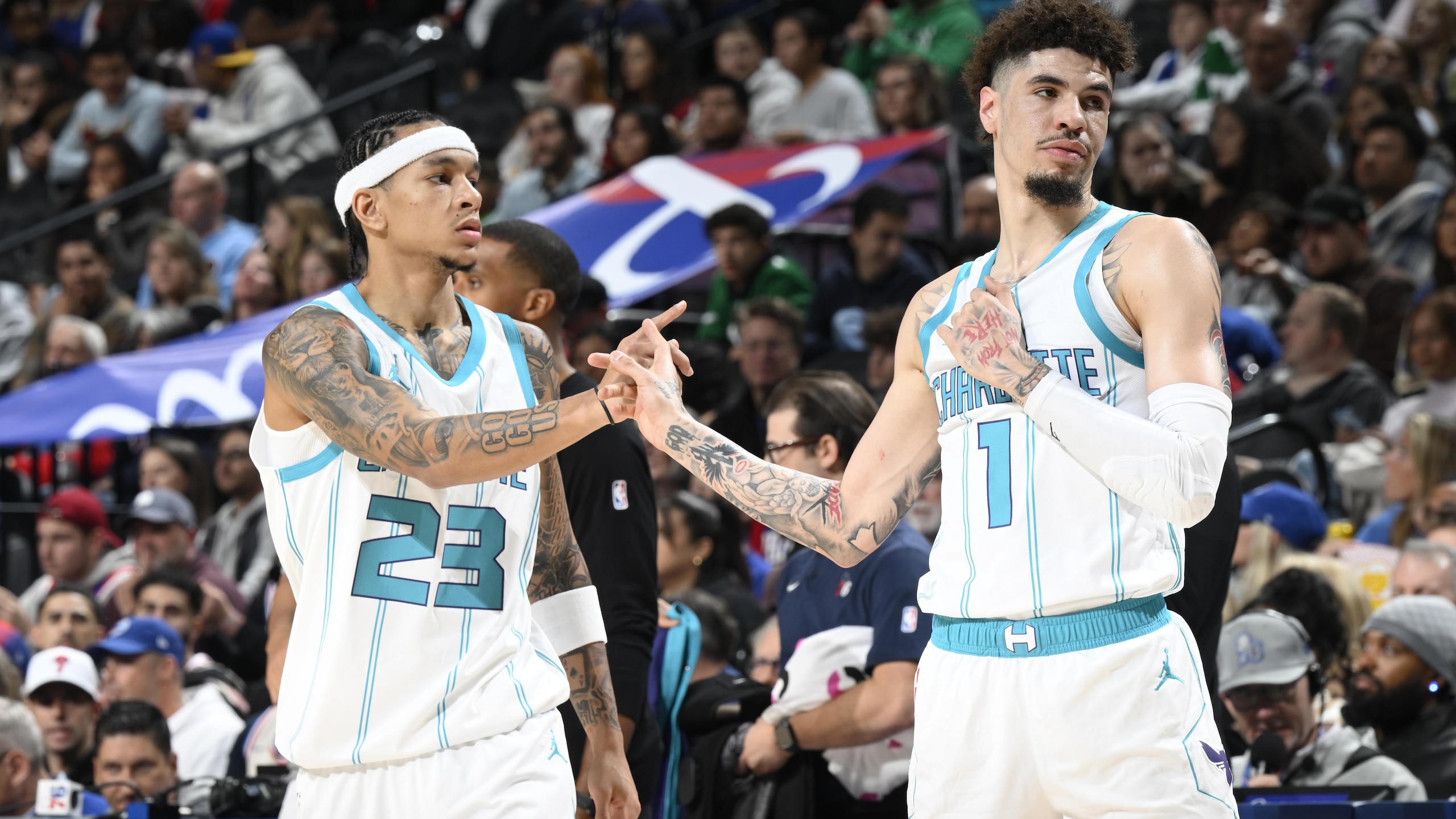
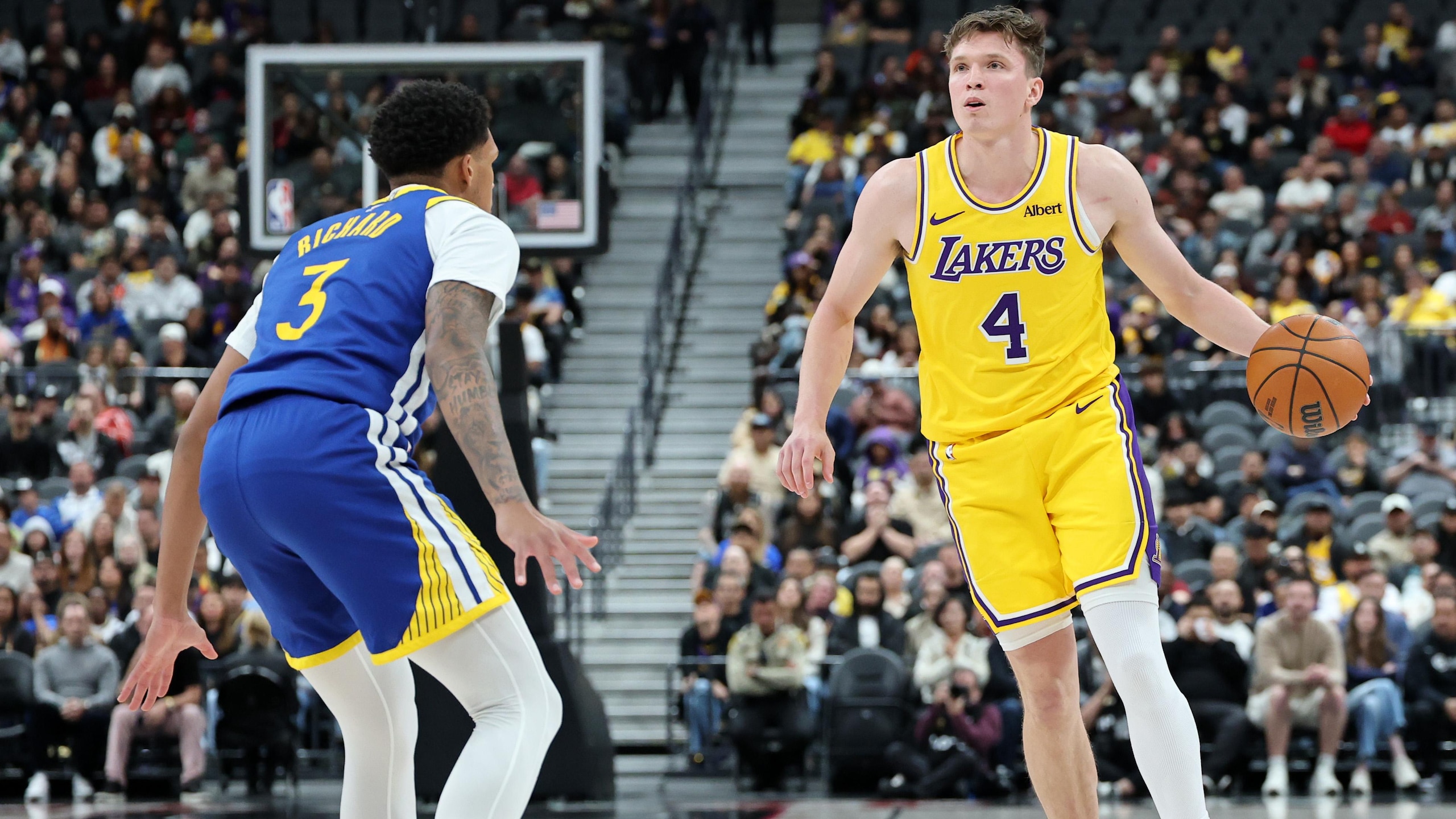
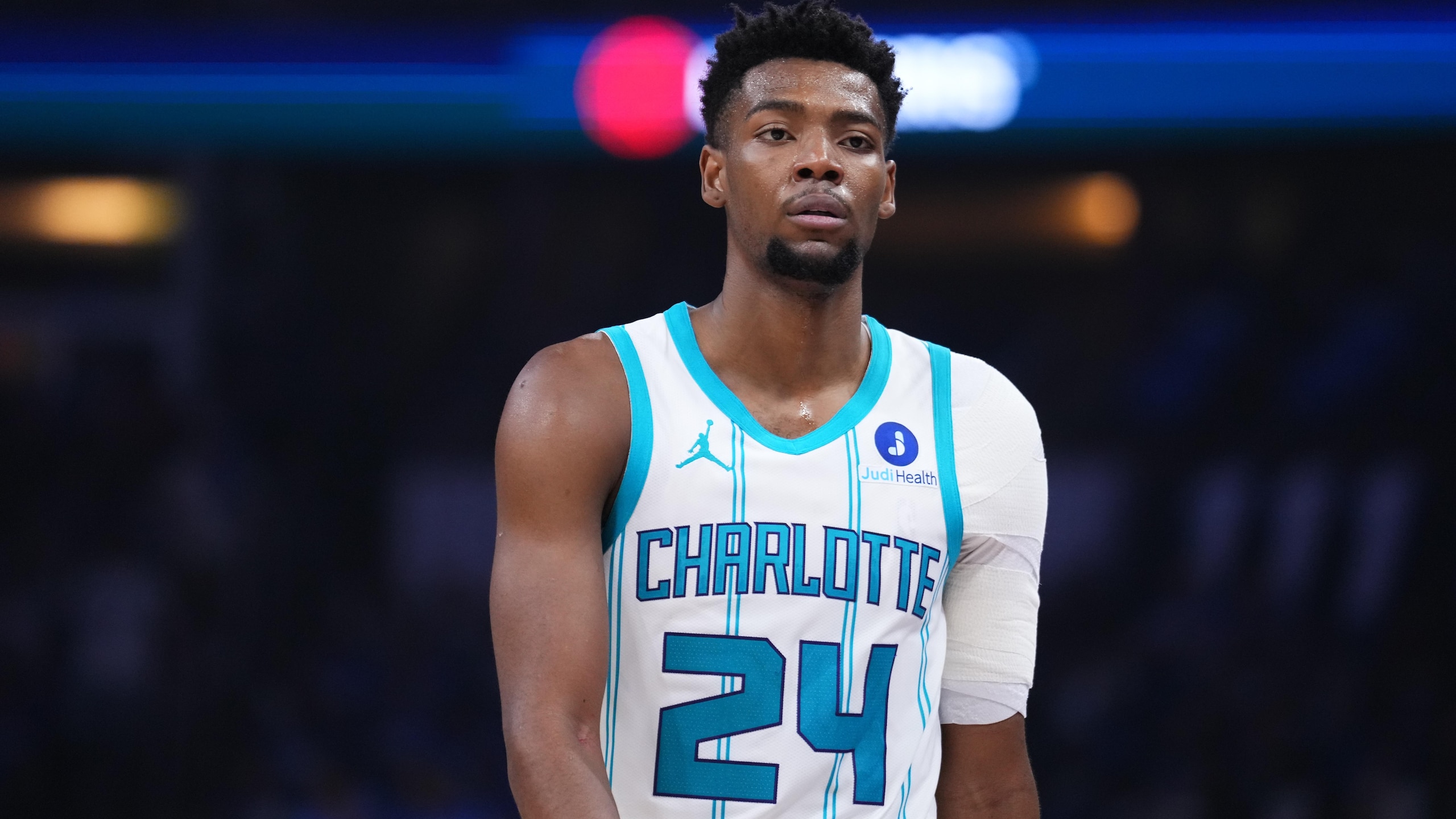
Determining the futures of LaMelo Ball and the extension-eligible Mark Williams will be popular picks here. That's fair. But those aren't decisions the Charlotte Hornets have to make right now.
Tre Mann's restricted free agency, on the other hand, is just about here.
Re-signing the 24-year-old should be considered a borderline must. He is averaging around 13 points and 4.5 assists in under 30 minutes per game since coming to Charlotte while downing 40 percent of his threes. The spacing, shot-making and ball-handling he (theoretically) provides is big-time for a team that doesn't have anyone else around LaMelo who checks all those boxes.
Of course, Mann's health looms as a potential curveball. He appeared in just 13 games this year before a lower back issue sidelined him for the rest of the season. That makes it harder for the Hornets to come up with his price point, but they have more information on his injury than anyone, and his near-season-long absence will probably scare off other suitors.
Chicago Bulls: *Not* Overpaying for Josh Giddey
5 of 30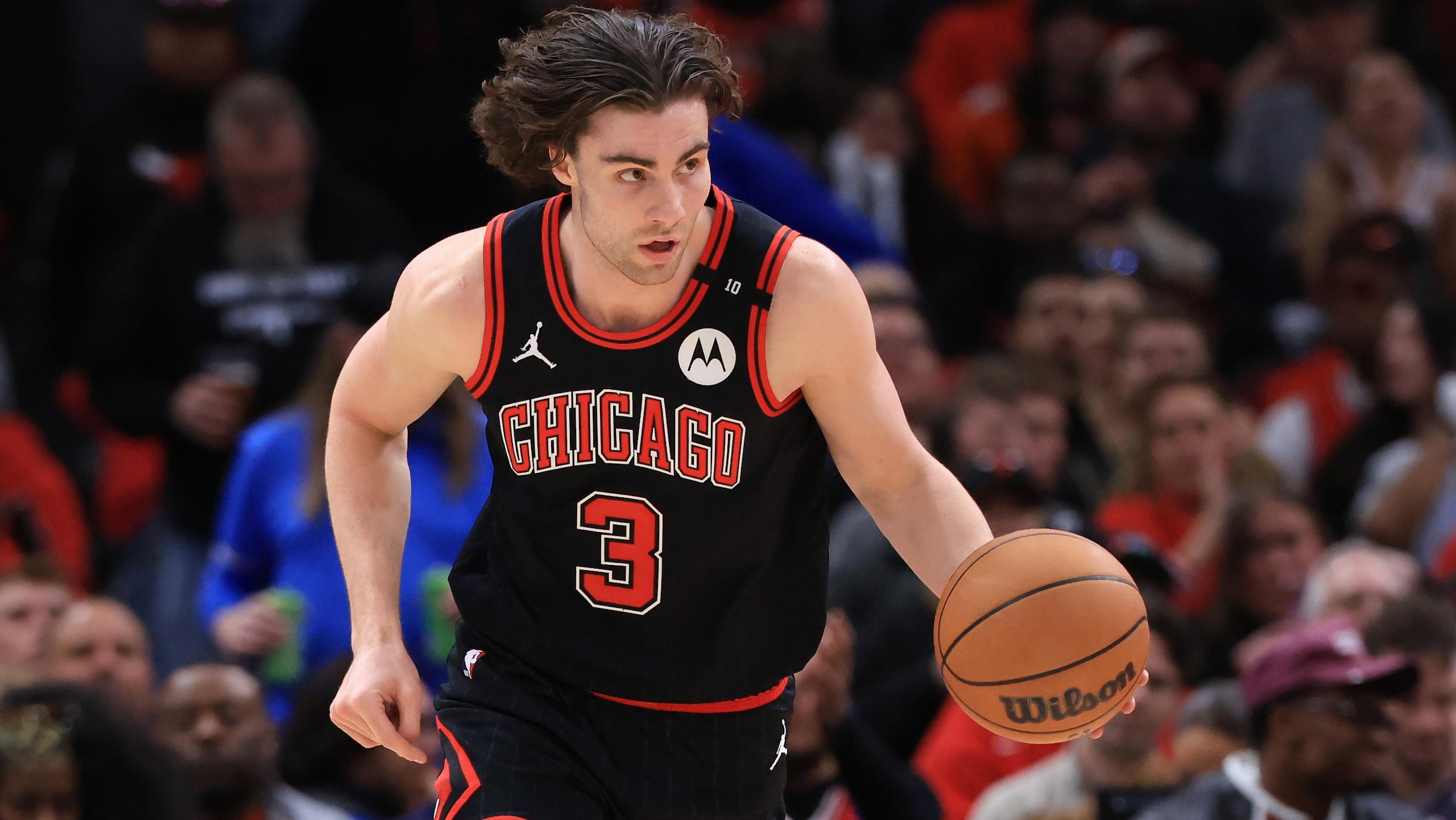
Josh Giddey is a restricted free agent and expected to command a five-year deal from the Chicago Bulls valued at around $150 million, according to Marc Stein of The Stein Line. That is…quite the price tag,
And Bulls fans better hope it’s a smokescreen.
Average annual salaries of $30 million per year aren’t what they used to be, but they’re still close to 20 percent of the cap. Giddey isn’t a good enough starting point guard to command that much.
He has great size and vision and shot the ball well from three this past year. But opposing teams don’t care about guarding him on the perimeter, he doesn’t have the blow-by speed or craft around the basket to make them pay, and his own defense is bad enough that he almost exclusively needs to be stashed against slower, bigger players.
Even if you think this is an overly harsh critique of Giddey, Chicago has no reason to keep negotiating against itself. There is not going to be a market above the bigger mid-level exception of $14.1 million for the 22-year-old unless the Brooklyn Nets are feeling spicy.
Just like last year with Patrick Williams, the Bulls hold all the cards. They folded in those previous negotiations anyway, giving Williams a five-year pact that has aged into one of the NBA’s least attractive contracts. They can’t afford to make the same (inexplicable) error with Giddey.
Cleveland Cavaliers: Re-Sign or Replace Ty Jerome
6 of 30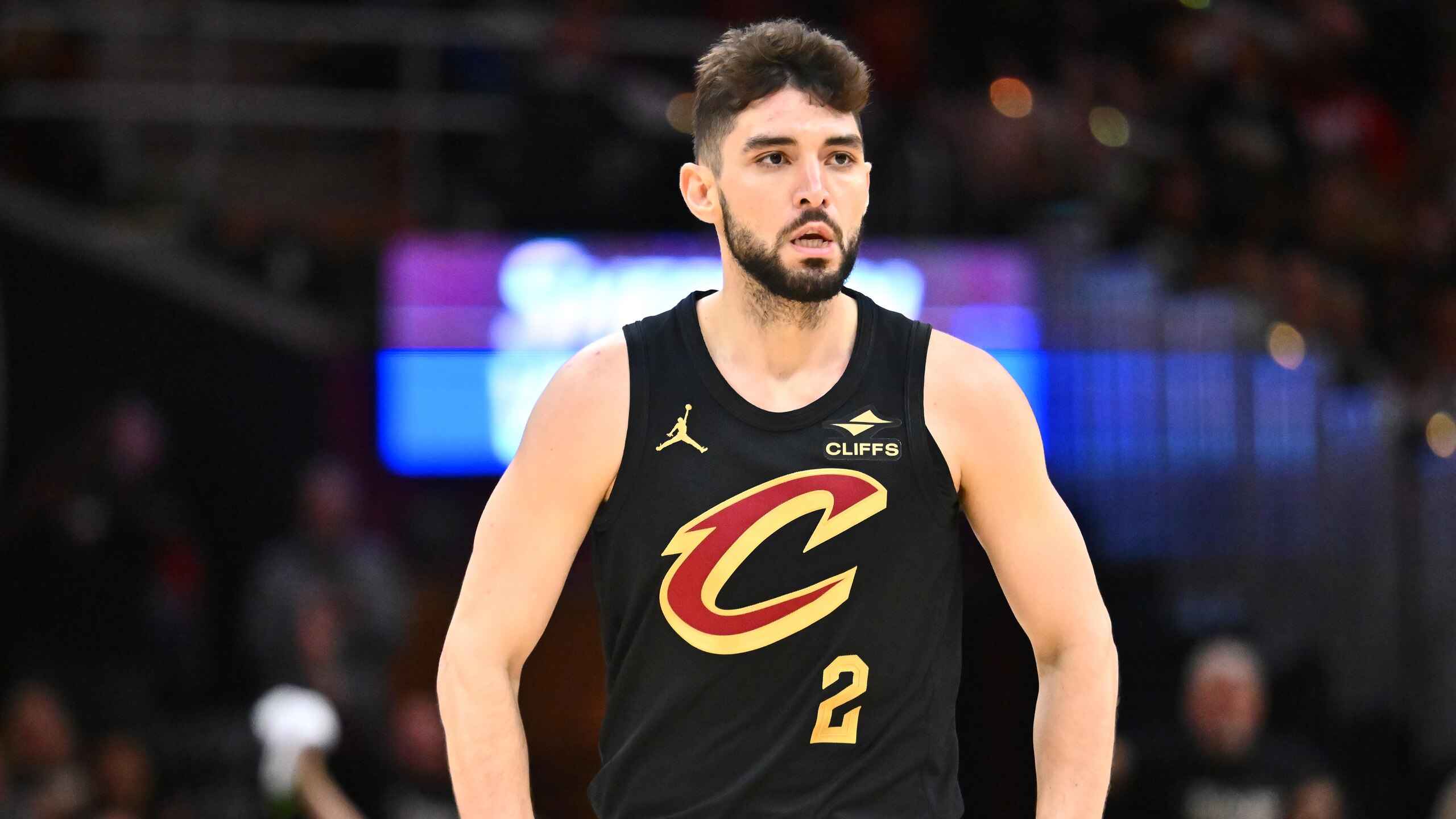
Keeping Ty Jerome is possible for the Cleveland Cavaliers but will be incredibly expensive. Their best offer tops out at around four years and $64 million—a reasonable number that may be enough to retain him, yet one that will cost the team $80 million in additional luxury-tax payments, per ESPN’s Bobby Marks.
Despite how its postseason ended, Cleveland is good enough to pony up and preserve the core. But sticking inside the second apron comes with a bevy of limitations that make other transactions difficult to impossible.
Team president Koby Altman—and, of course, managing governor Dan Gilbert—may prefer to go a cheaper route. And even that will be hard. The Cavs will remain inside the second apron without Jerome on the books, precluding them from spending more than the minimum in free agency.
Filling the third ball-handler spot with that kind of money verges on a pipe dream. If Cleveland is moving on from Jerome, it’ll either have to hope Jaylon Tyson is ready or suss out opportunities on the trade market—where, as a reminder, the Cavs are currently unable to aggregate salaries or take back more money than they send out.
Dallas Mavericks: Kyrie Irving's Future
7 of 30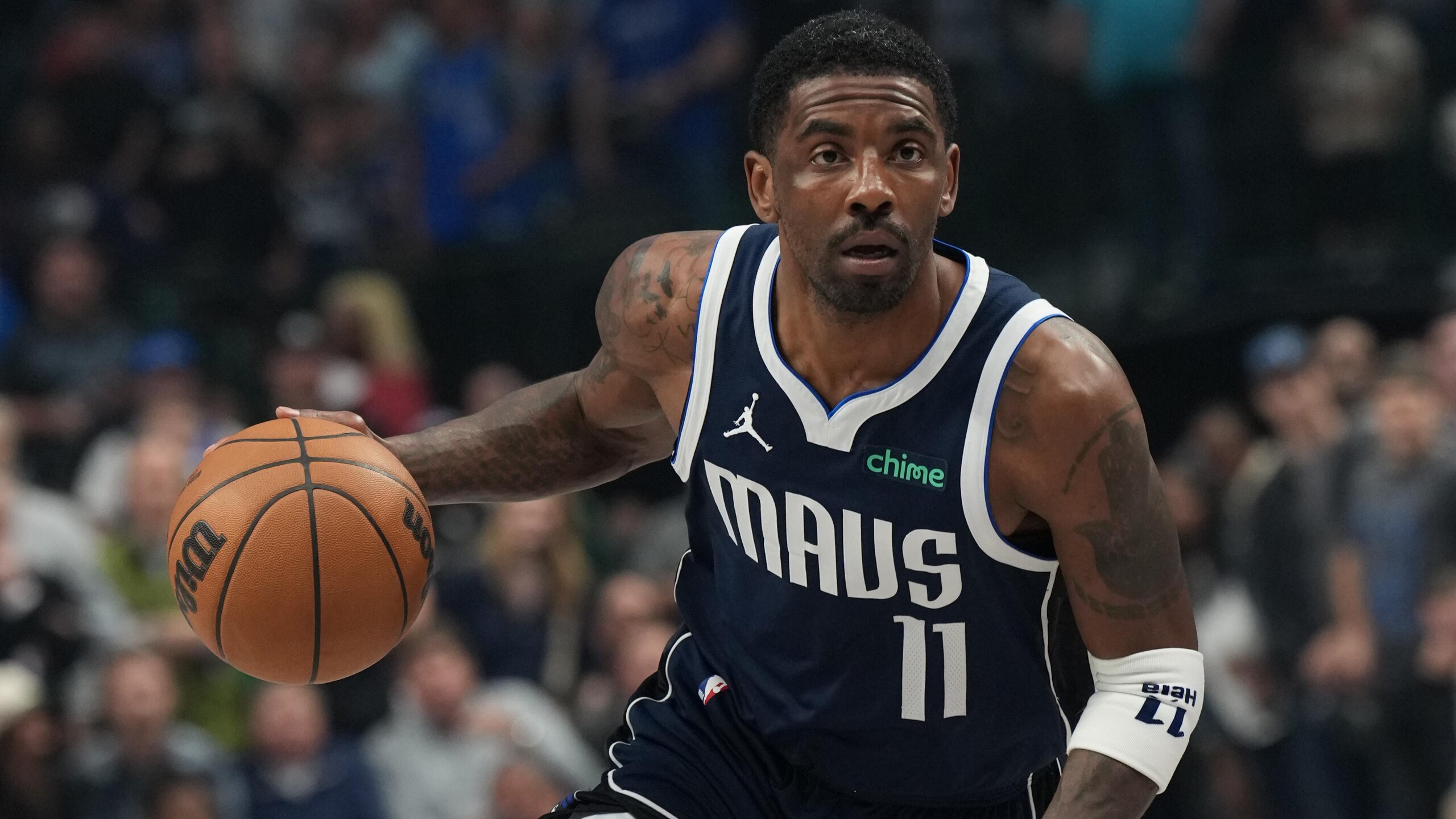
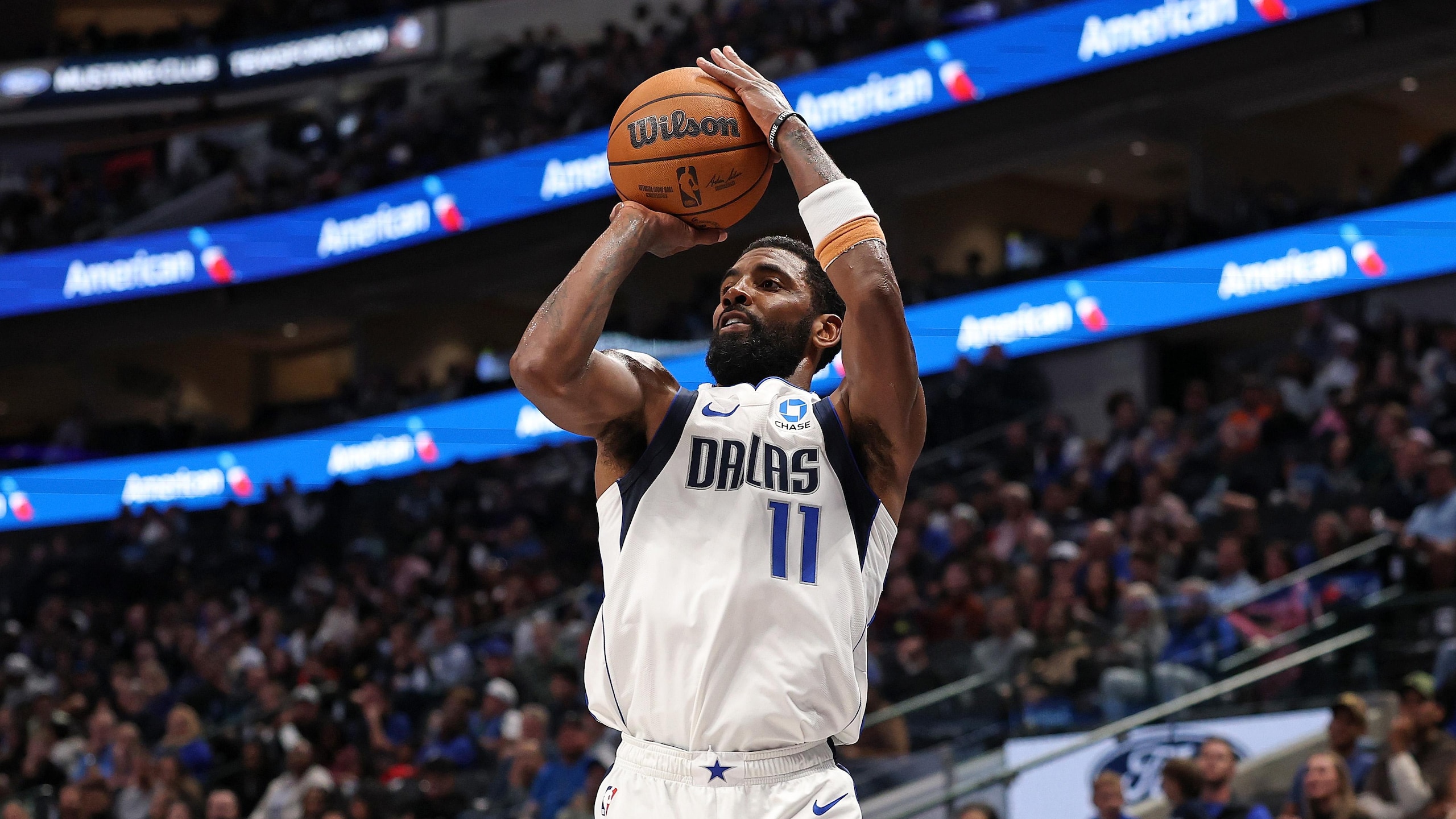
Nobody expects Kyrie Irving to leave the Dallas Mavericks. The how of his return is the wrinkle president of basketball operations Nico Harrison and company must hammer out.
Kyrie has a $42.9 million player option that's grown only more fascinating since he suffered a torn left ACL. Will he opt out and sign a longer-term deal that guarantees him more total money but lowers his annual salary? Does he opt in, return to the rotation in January and hit the open market in 2026, at the age of 34?
Could he opt in and sign an extension? Should he opt out and put pen to paper on a one-plus-one deal that gives him the ability to reach 2026 free agency but safeguards him against a market implosion? And finally, which outcome is most preferable from the Mavs' perspective?
That last question is arguably the most important. Dallas is (for now) sitting over the second apron after factoring in the No. 1 pick's salary. Properly positioning its cap sheet will be pivotal to both next season and the bigger picture.
Denver Nuggets: Get Nikola Jokić to Sign an Extension
8 of 30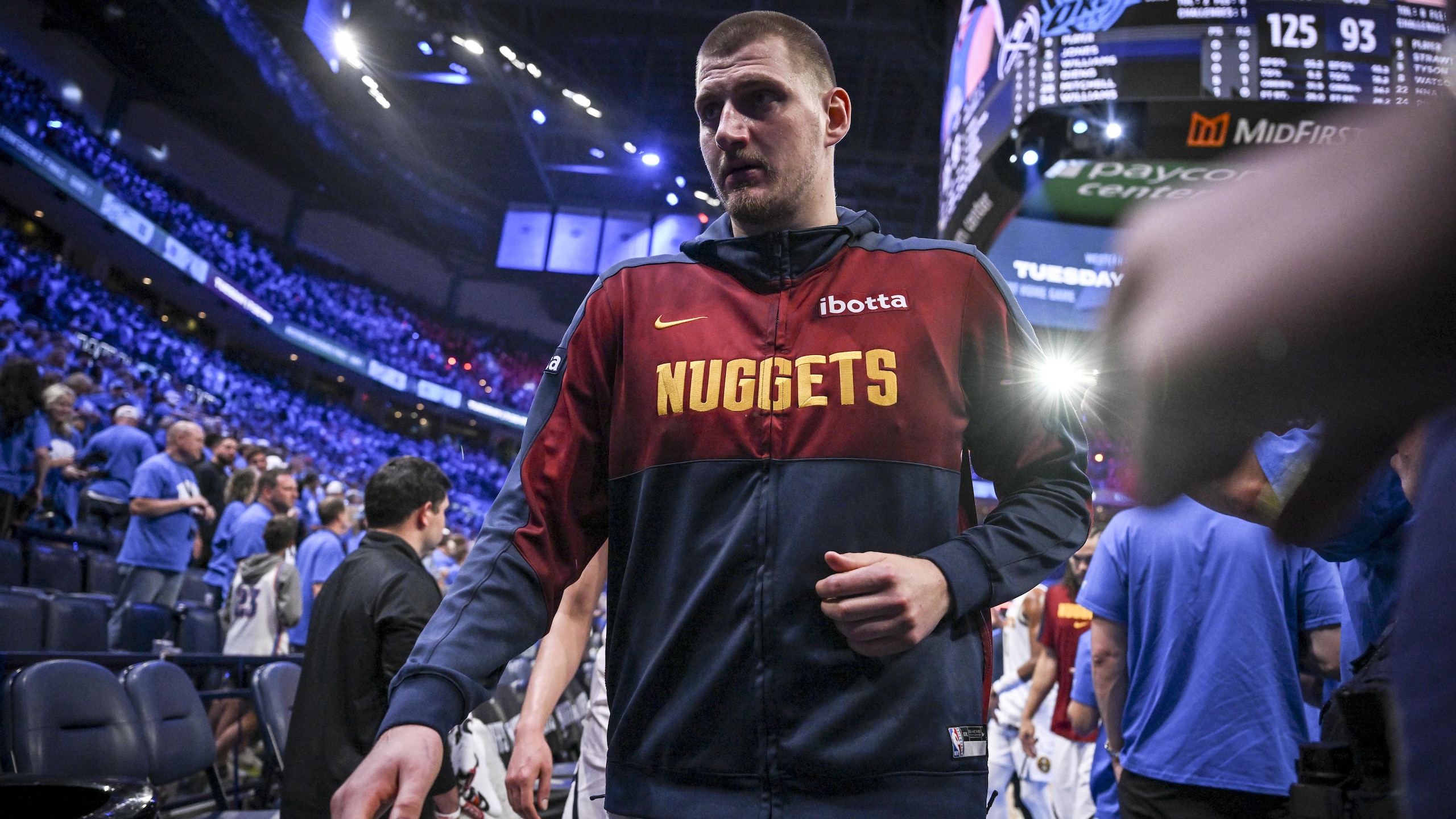
Nikola Jokić is eligible to sign a three-year, $212.5 million extension that would keep him on the books through 2029-30, his age-34 season. The Denver Nuggets will offer him this deal because, well, he's Nikola Jokić.
Will the three-time MVP sign it? That's a different story.
If the past is prologue, Jokić will re-up without any pomp or circumstance. That may be the wrong move. Not only could he sign a four-year, $293.4 million extension next summer, but passing on a deal now puts implicit pressure on whoever's running the front office to keep improving the team around him.
Denver shouldn't need such a reality check. Jokić is the best player in the world right now, turns 31 in February and called out the Nuggets' lack of depth following their second-round loss to the Oklahoma City Thunder.
Urgency should be the default. But team governor Josh Kroenke is already extolling the virtues of standing pat amid financial inflexibility and limited assets. It might behoove Jokić to remind Denver why it's a prospective contender at all. And for their part, the Nuggets should do whatever's necessary to lock him down.
Detroit Pistons: Bringing Back Malik Beasley
9 of 30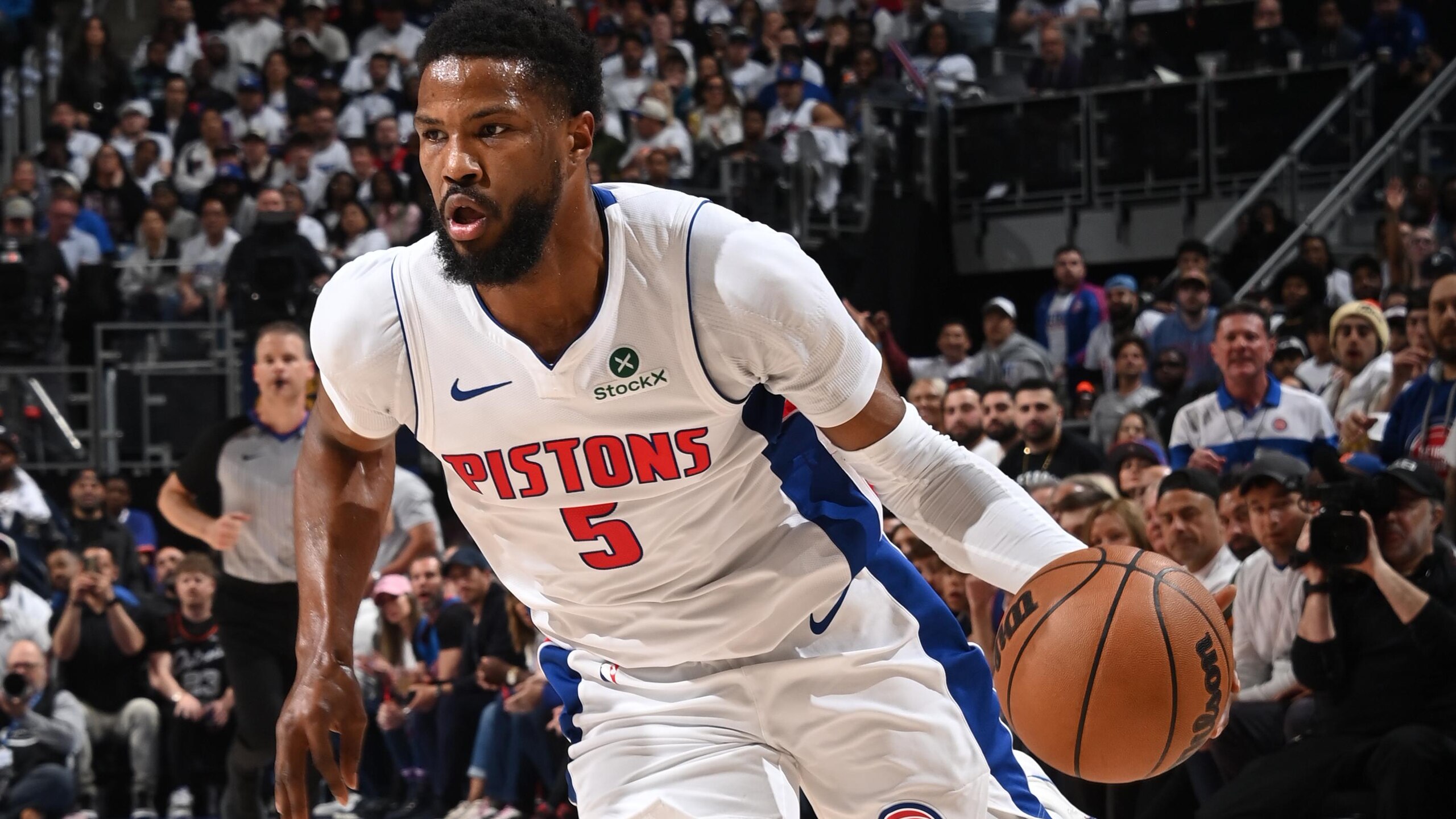
Malik Beasley's one-year, $6 million deal turned out to be one of last summer's biggest bargains. The impact he had on the Detroit Pistons' spacing and overall offense was essential. Now, the team will have to pony up for it.
Although Beasley's return isn't guaranteed, it's entirely likely, if not a foregone conclusion. He wants to be in Detroit, and while the Pistons don't have Bird rights, they can use cap space or the non-taxpayer mid-level exception ($14.1 million) to sign him.
Going the exception route is preferable, since it allows the team to operate over the cap and effortlessly bring back Dennis Schröder and Tim Hardaway Jr. The Pistons can hope Beasley accepts the $8.8 million room exception if they work with cap space, but that feels like a stretch.
Regardless, bringing back Beasley is the priority. Only three other players drilled at least 200 threes while hitting them at a 40 percent clip. Detroit isn't in a position to let that type of production leave.
Golden State Warriors: The Future of Jonathan Kuminga
10 of 30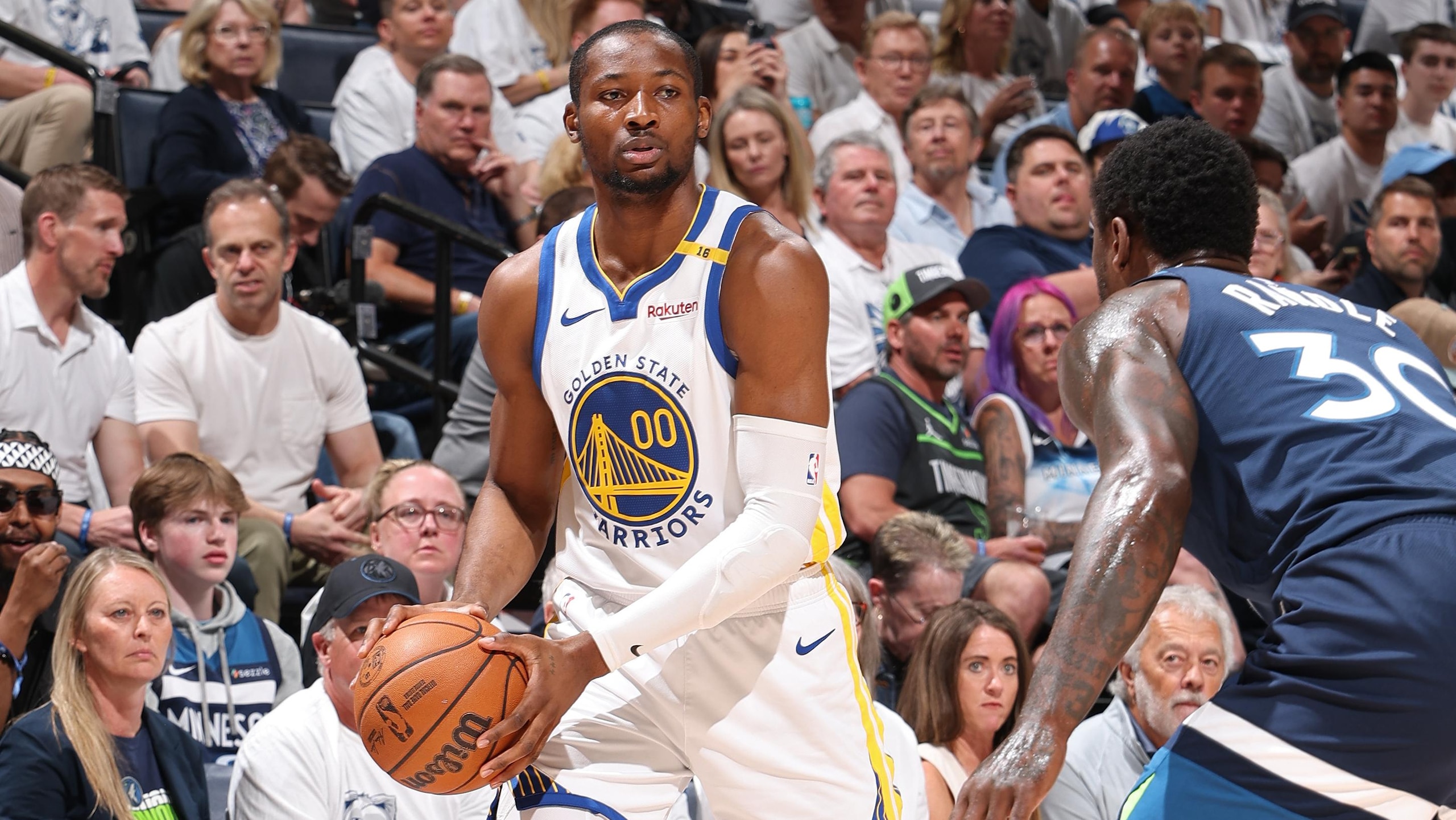
Jonathan Kuminga is entering restricted free agency under the weirdest of circumstances.
His play and role with the Golden State Warriors has been inconsistent, but league sources told The Athletic's Anthony Slater that he still fancies himself a future star. The Warriors probably don't feel the same way, and even if they do, they aren't built to tap into that potential.
Parting ways feels best for both sides. But Golden State can't afford to let Kuminga leave for nothing. That probably won't happen, since the Brooklyn Nets are the only team with cap space. At the same time, if Kuminga has enough faith in himself, he could sign his qualifying offer, play out next season with a no-trade clause and then leave as an unrestricted free agent in 2026. That is another nightmare scenario for the Dubs.
Finding a sign-and-trade is most preferable, but the Base Year Compensation rule complicates that direction as well. However this ends, Golden State must figure out a way to preserve Kuminga as an asset. If that doesn't happen via a sign-and-trade, then the Warriors must hope they can re-sign him to a deal that won't age poorly and can be moved later.
Houston Rockets: Identifying the Long-Term Pecking Order
11 of 30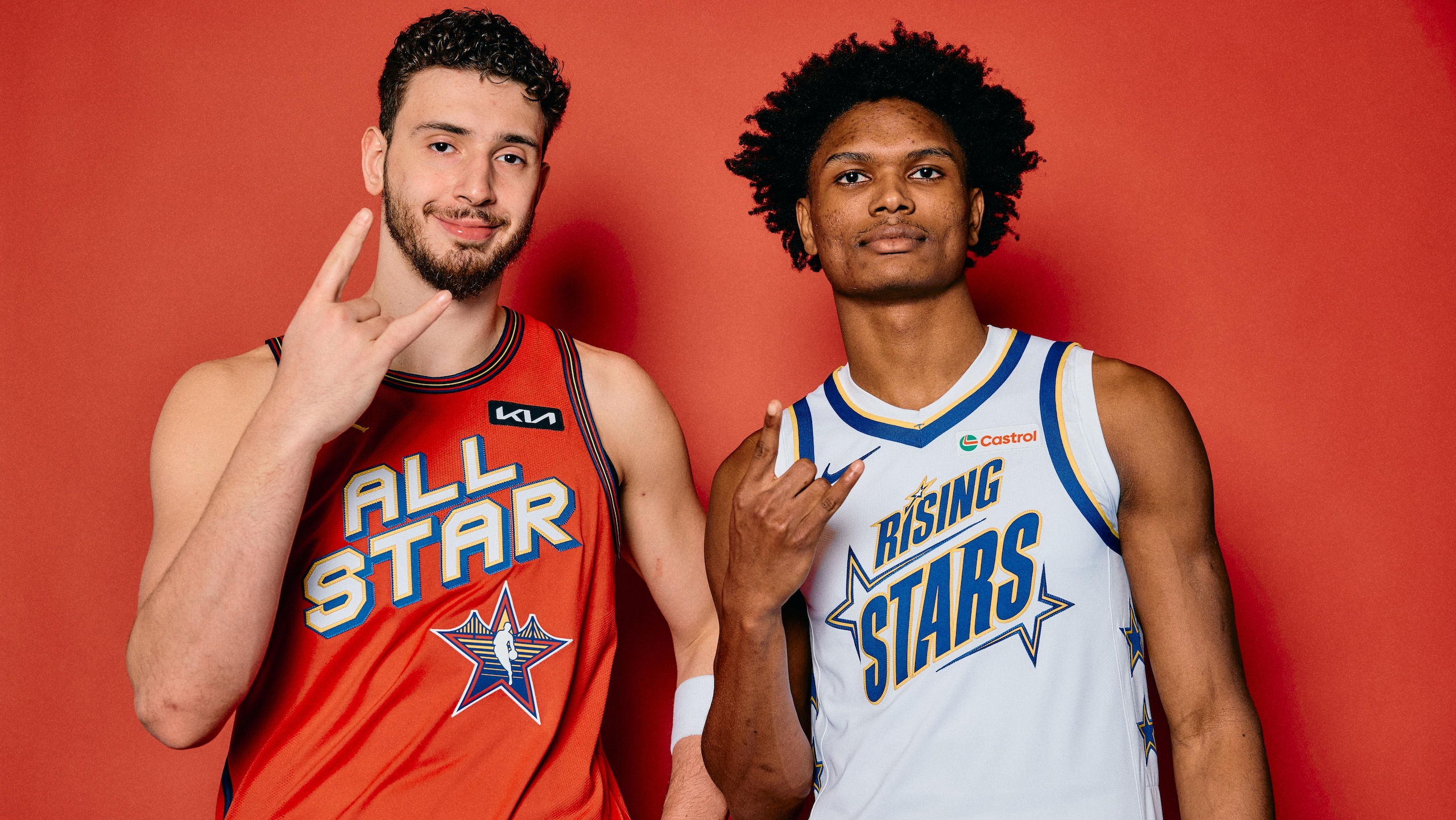
Before they go perusing the trade market for offensive reinforcements, before they tackle extension talks for Tari Eason and Jabari Smith Jr., before they even (try to) re-sign Steven Adams, the Houston Rockets have to identify the most central parts of their future core.
Windows open and close fast, even when they look like they will not. Houston is exceptional now. Greatness will inevitably require collateral damage, whether it’s financially motivated or the cost of a consolidation trade.
Amen Thompson feels like the one player hovering around complete untouchability. Alperen Şengün comes closest to joining him, but do you really make him off-limits in potential talks for Giannis Antetokounmpo, Devin Booker or a star-target-to-be-named later?
Untouchable consideration ends here. Eason, Smith, Reed Sheppard, Cam Whitmore, Jalen Green, Fred VanVleet (team option) and Dillon Brooks aren’t what you’d call expendable. But they are all players whose long-term value is debatable. Even if it doesn’t have all the answers this offseason, Houston needs to shed some clarity on who it prizes most.
Indiana Pacers: Re-Sign Myles Turner
12 of 30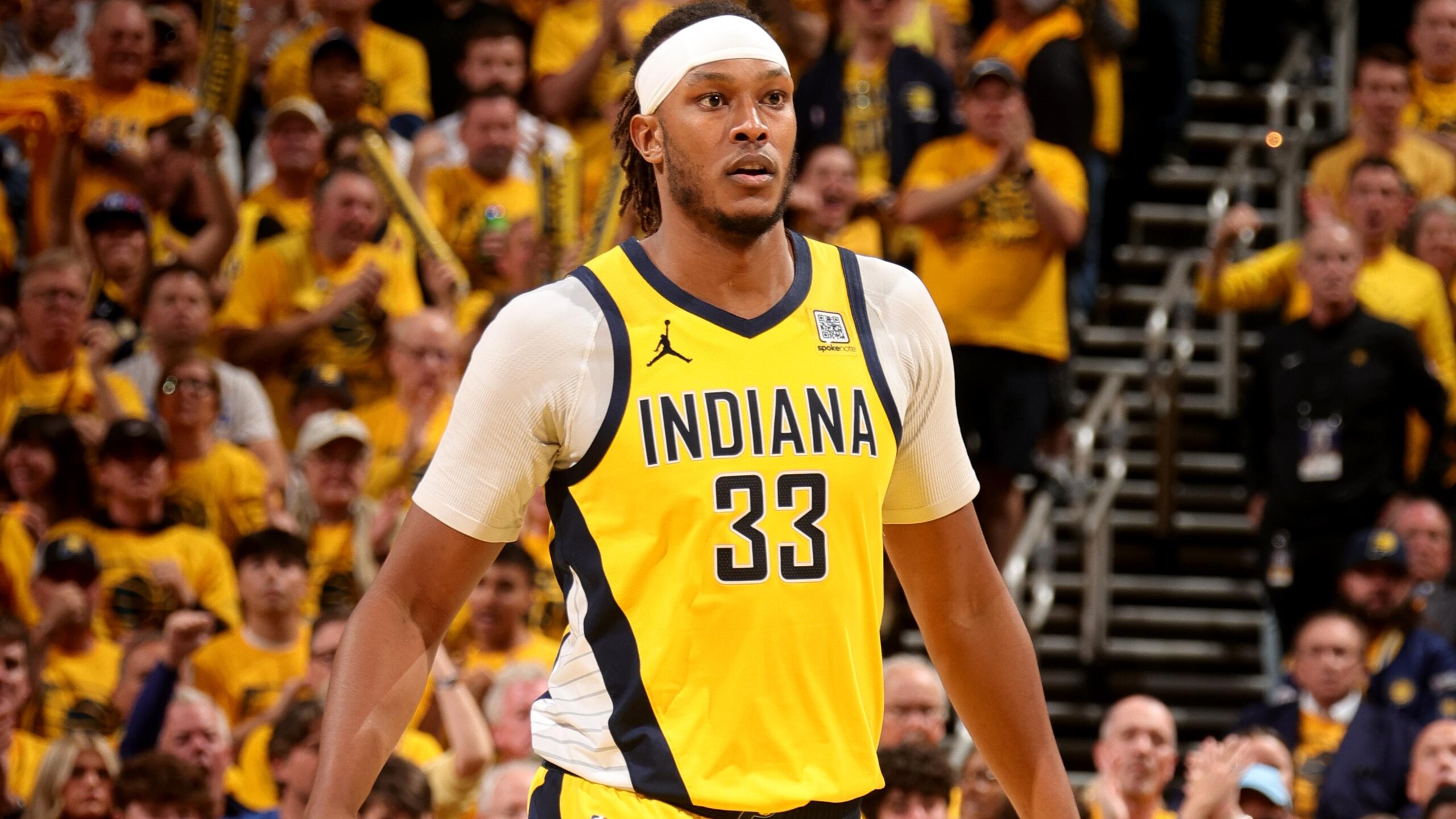
Change is not taboo for the Indiana Pacers just because they made the NBA Finals. But losing Myles Turner absolutely should be.
All signs point toward the 29-year-old staying put. The Brooklyn Nets are the only team with enough cap space to offer money that makes Indiana uncomfortable, and they already have a somewhat handsomely paid center on the books in Nicolas Claxton.
Cap-sheet concerns are the lone potential hangup. The Pacers are within $17 million of the tax after sprinkling in their first-round pick. History suggests they’ll treat that tax line as its own hard cap, which means as currently constituted, there isn't enough room to re-sign Turner and build out the roster.
Indiana shouldn't care.
Shed salary via trade. Or just figure it out later. Teams have until the end of next season to sidestep the tax. Turner’s defense, floor-spacing and deeper-than-many-realized offensive bag are too crucial for the Pacers to let go.
Los Angeles Clippers: Keeping James Harden without Compromising their Books
13 of 30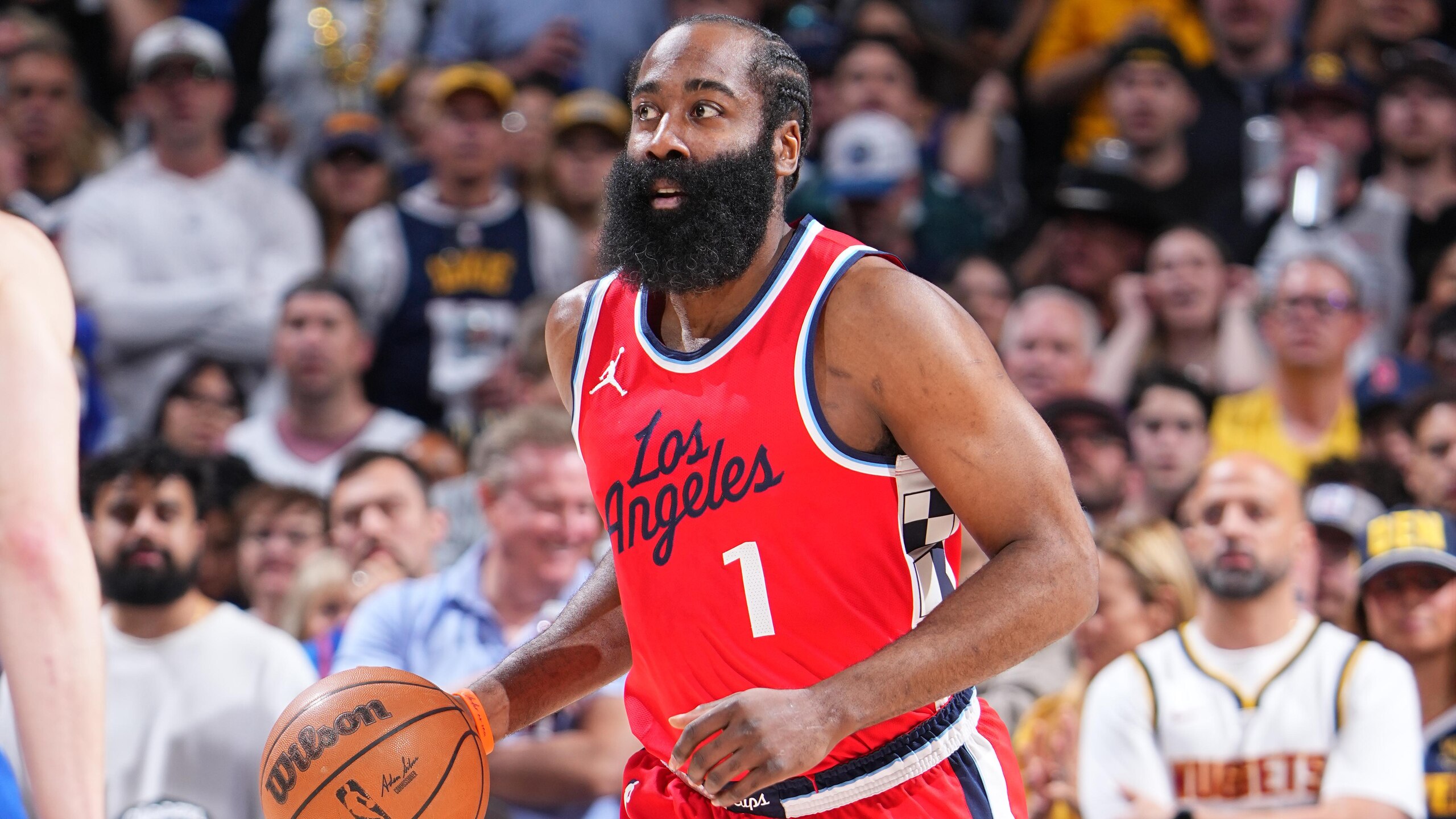
Despite a midseason uptick on the offseason end, the Los Angeles Clippers remained entirely too reliant on an age-35 James Harden. Even if they’re keeping Bogdan Bogdanović and Norman Powell and hoping for better availability from Kawhi Leonard, they need to surround The Beard with at least one another safety-valve—someone who can run the offense in his stead, both when he’s on and off the court.
First, though, the Clippers need to keep Harden himself.
Most don’t expect him to leave. He has a $36.3 million player option, and the cap-space landscape isn’t conducive to him sniffing that money on the open market. His future is more about contract details.
The ideal Clippers scenario involves bringing back Harden at a number that doesn’t nuke access to most or all of the $14.1 million non-taxpayer mid-level exception, and that doesn’t span longer than Kawhi’s current deal, which ends after 2026-27. Can they actualize this outcome? Or will retaining a player they can’t afford to lose require some concessions?
They’re about to find out.
Los Angeles Lakers: Upgrade the Center Rotation
14 of 30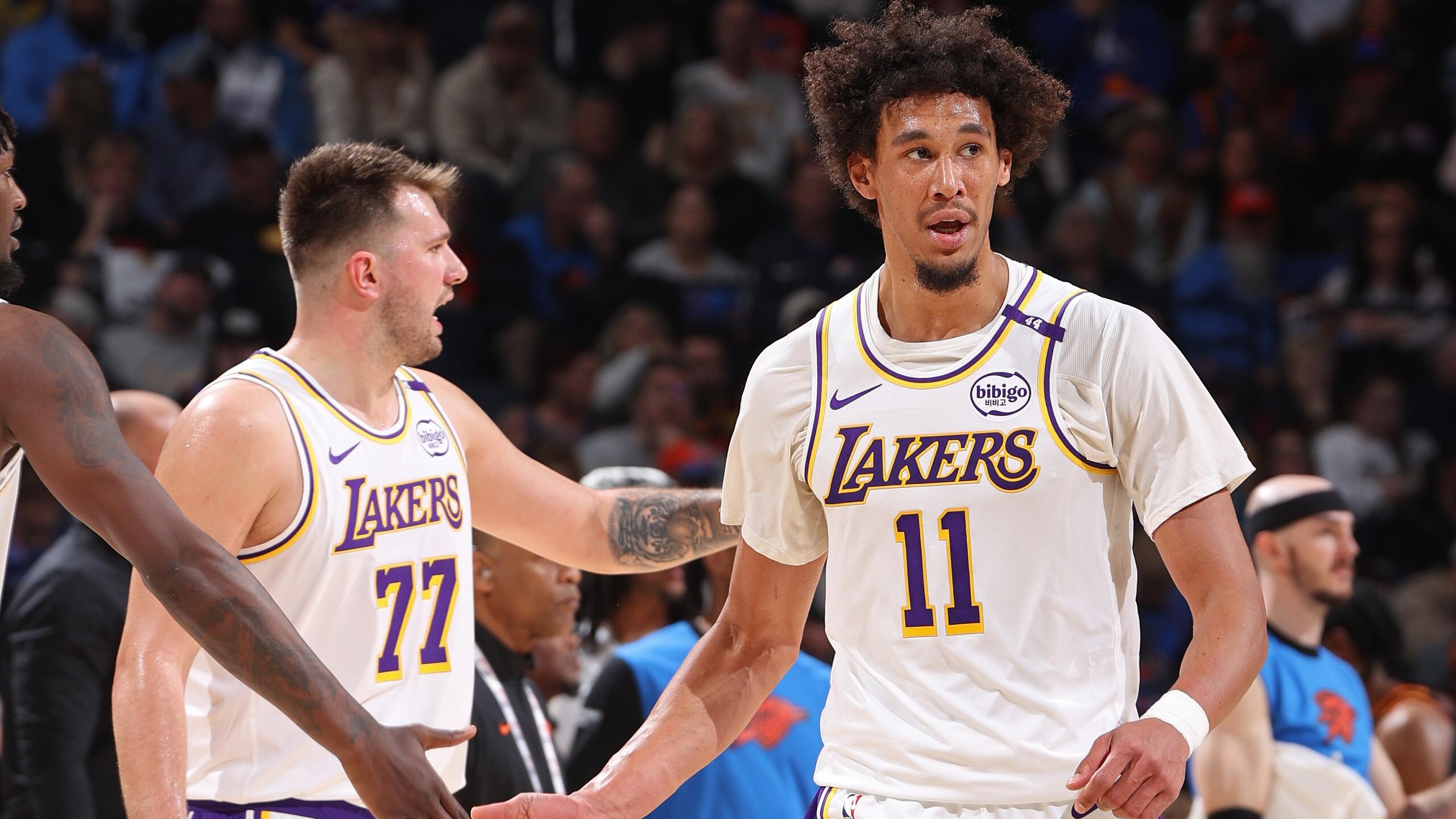
Alternatively, the Los Angeles Lakers’ top priority could be considered “Creating an actual center rotation.” That is how bare-bones it became by the end of last season.
Merely upgrading from Jaxson Hayes and small-ball looks sets the bar too low. Even revisiting the Mark Williams well isn’t impactful enough. The Lakers need a lethal pick-and-roll partner for Luka Dončić and LeBron James who can also serve as a backline anchor at the other end. We can quibble over whether a floor-spacer can be subbed in for a vertical threat, but that debate doesn’t change the underlying issue: Los Angeles needs to swing big on, well, a big.
Getting the right player will require creativity. The Lakers won’t have more than the mini mid-level exception of $5.7 million unless LeBron declines his player option and takes a pay cut of somewhat-epic proportions.
Does that plus the promise of a big role get you Al Horford or Brook Lopez, neither of whom, mind you, check the vertical-threat box? Or is this a need the Lakers must address on the trade market with the one first-round pick they can deal (2031 or 2032)? The path they take doesn’t especially matter—so long as they get the job done.
Memphis Grizzlies: Renegotiate-and-Extend Jaren Jackson Jr.
15 of 30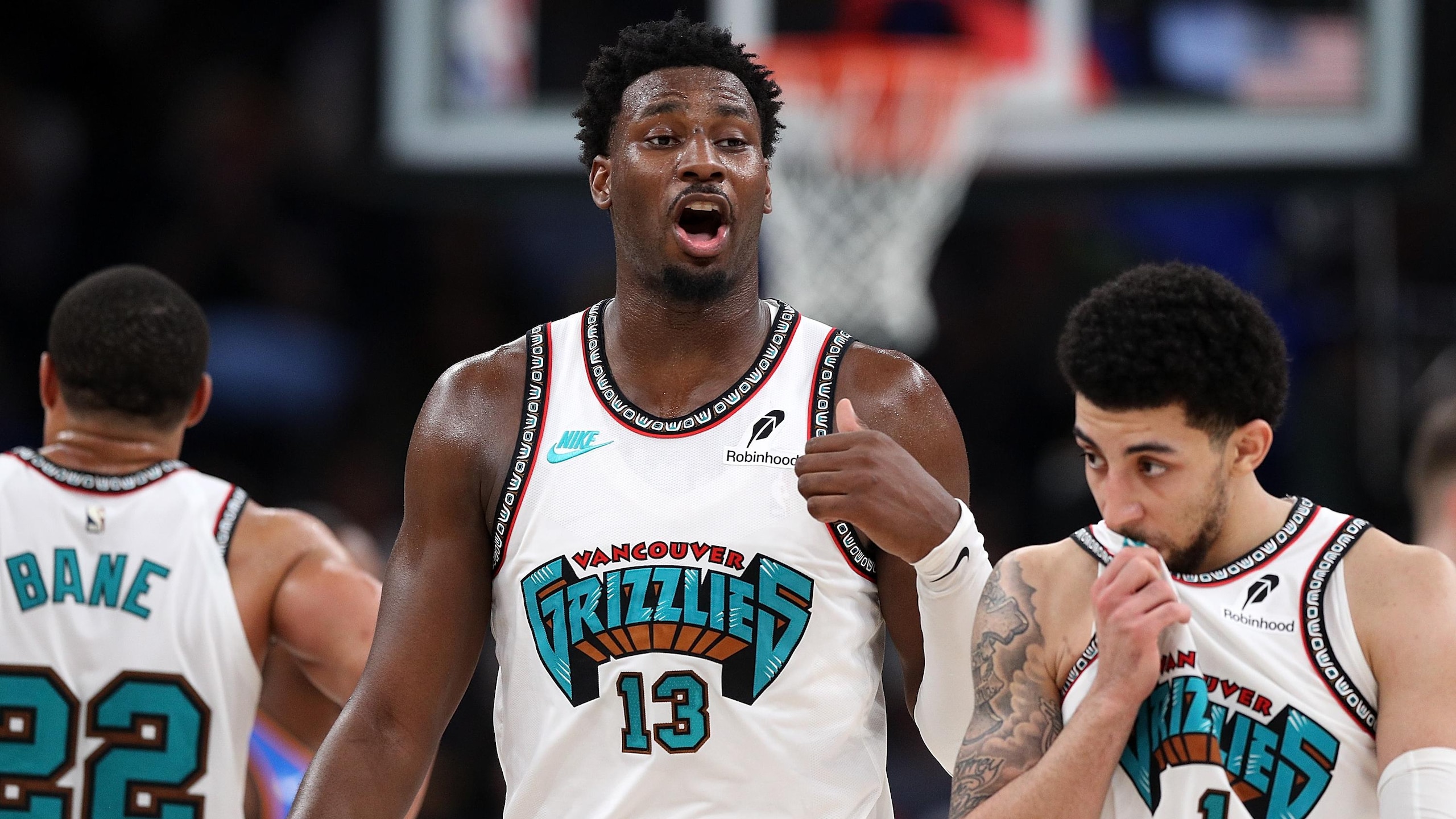
Burning cap space on your own players is a questionable practice when you didn’t end the season on a high note, and when it’s not technically a necessity. If the Memphis Grizzlies are committed to the meat and potatoes of this core, though, locking in Jaren Jackson Jr. borders on essential.
After accounting for Santi Aldama’s restricted-free-agency hold, the Grizz forecast for around $7 million in cap space. They can use that money to bump up Jackson’s 2025-26 salary to roughly $30.4 million and then extend him on a four-year, $190.8 million deal.
Things get thorny if the 25-year-old prefers to explore free agency next summer, when a four-year max could run Memphis $228.6 million and a five-year max checks in at $296 million. That’s a huge difference in average annual value. Jackson would cost around $47.7 million per year in the renegotiate-and-extend versus $57.2 million in a four-year max or $59.2 million in a five-year max.
Every dollar matters for a team that (presumably) wants to continue building around its three stars. And they matter even more to a franchise as historically cost-conscious as the Grizzlies.
Miami Heat: Figuring Out How to Get Their Offensive Tentpole of the Future
16 of 30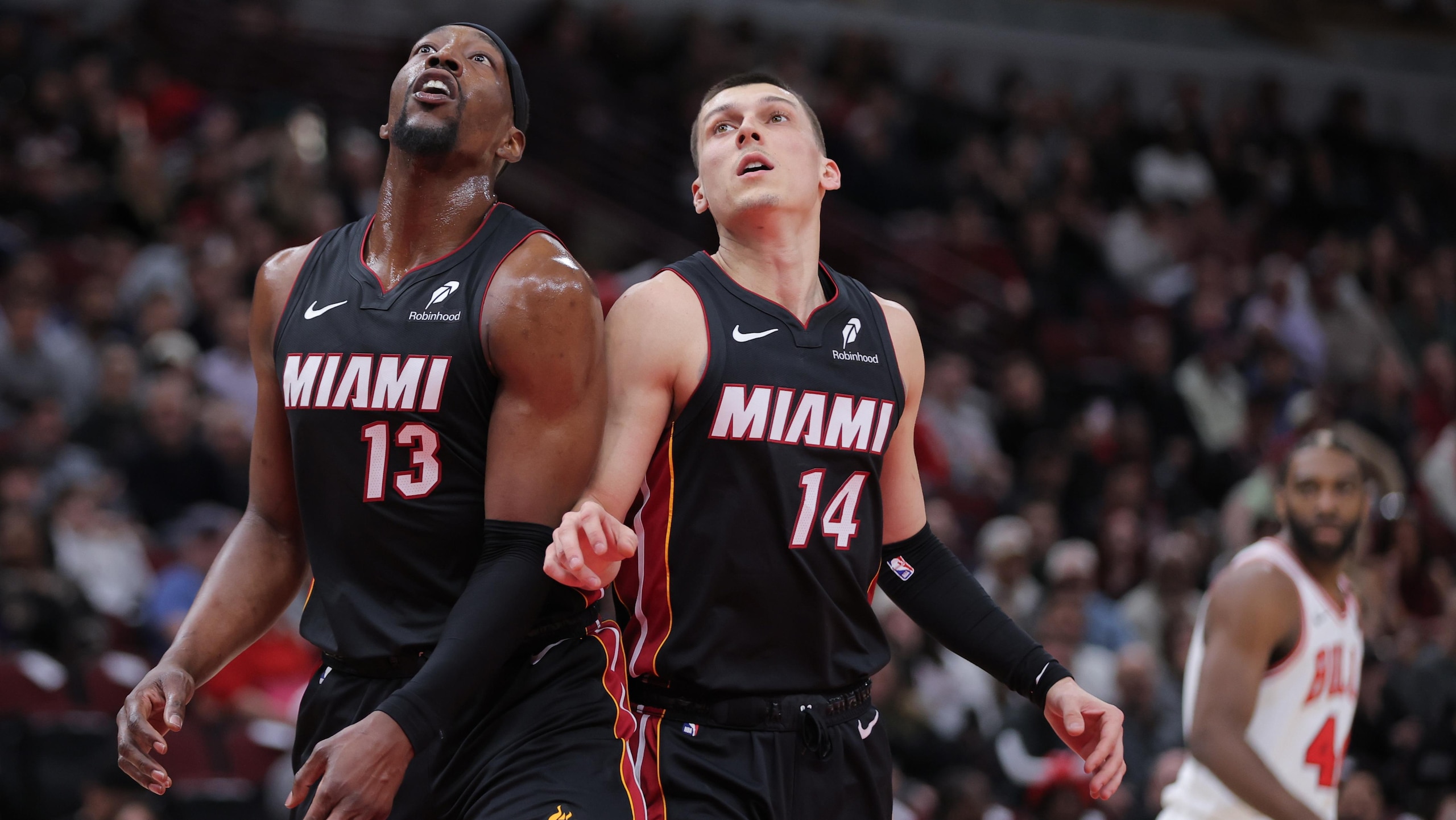
Recent iterations of the Miami Heat struggled to generate even league-average offense when they employed all three of Jimmy Butler, Bam Adebayo and Tyler Herro. They have ranked in the bottom 10 of efficiency for each of the past three seasons, and their place on the bucket-getting pyramid is only shakier without Butler now gone.
Herro has made strides as a playmaker and shot-taker, and Adebayo remains fantastically versatile. Neither is equipped to be the heart and soul of a contender-level offense. Miami ranked in the 37th percentile of points scored per possession this season when the duo played without Butler. They were in the 33rd percentile during those non-Butler stretches for the 2023-24 campaign.
Without a clear present-day or future solution already on the roster, the Heat must look outward. And that should lead them to an awkward realization: They’re better off taking a gap year.
Miami doesn't have any money to throw around in free agency but could have $30-plus million in space next summer, when they also control their own first-round pick. Taking a step back now makes more sense than prematurely pursuing a trade or pretending as if the Heat’s roster is built to yield a solution without a significant addition.
Milwaukee Bucks: The Future of Giannis Antetokounmpo
17 of 30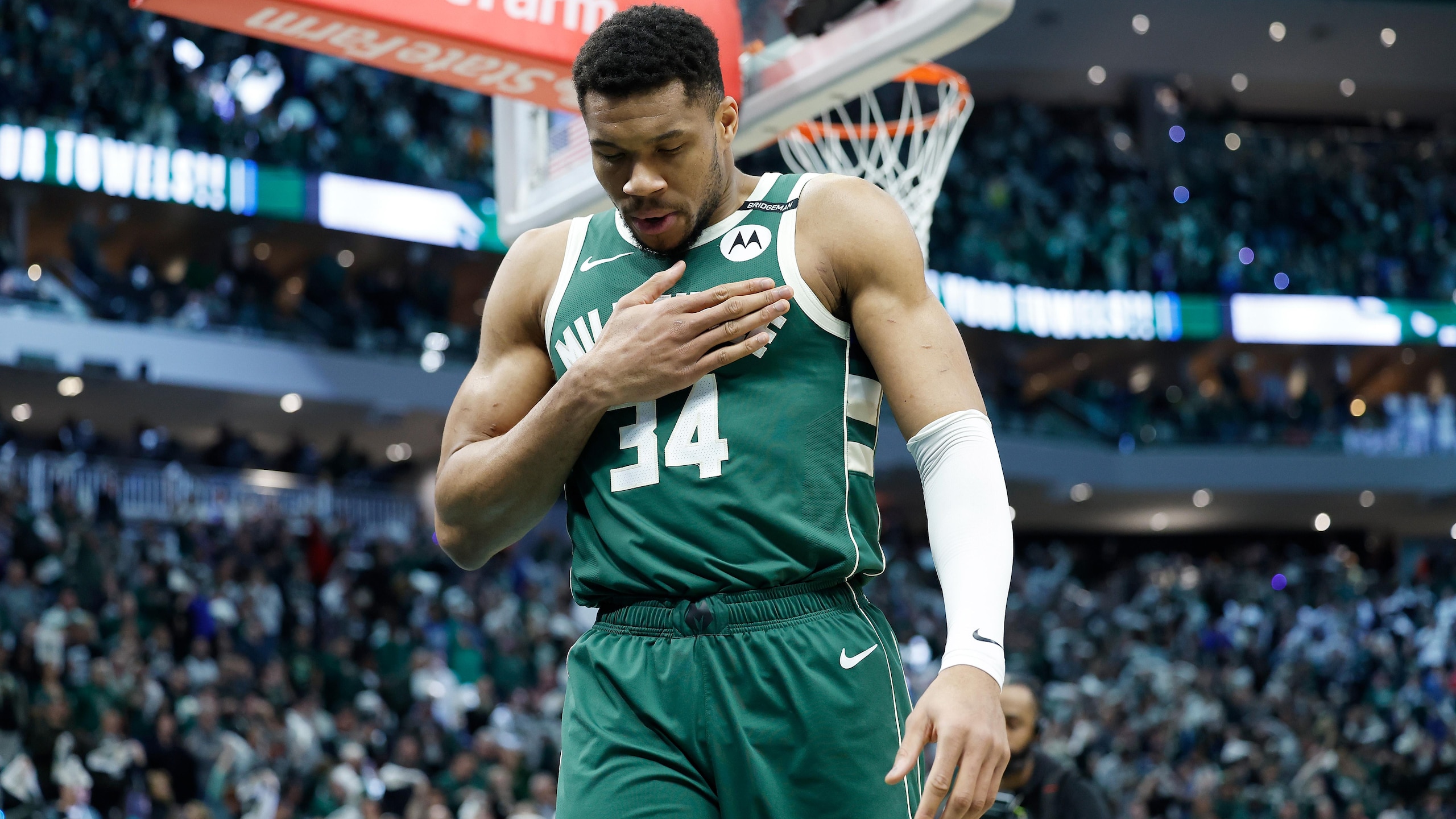
This song has been playing on repeat, unceasingly, since the Milwaukee Bucks bowed out of the playoffs. Fans are no doubt tired of hearing it. But the Bucks’ offseason cannot move forward without the Giannis Antetokounmpo situation getting resolved.
The two-time MVP hasn’t requested a trade as of this writing. With that said, he may have soft-launched an exit strategy. ESPN’s Shams Charania reported in the middle of May that “for the first time in his career, Antetokounmpo is open-minded about exploring whether his best long-term fit is remaining in Milwaukee or playing elsewhere.”
Well, that seems ominous. But Marc Stein of The Stein Line has since heard that the Bucks aren’t giving up hope of keeping Giannis, and that they intend to sell him on a gap year. How does that work when Milwaukee doesn’t control its own 2026 first-rounder? Your guess is as good as mine.
At any rate, Antetokounmpo’s future is the Bucks’ only priority until it’s settled. And for that matter, it is also the issue that will hold up scores of other offseason moves around the league, as rival teams wait to see how the situation plays out.
Minnesota Timberwolves: Talent Retention
18 of 30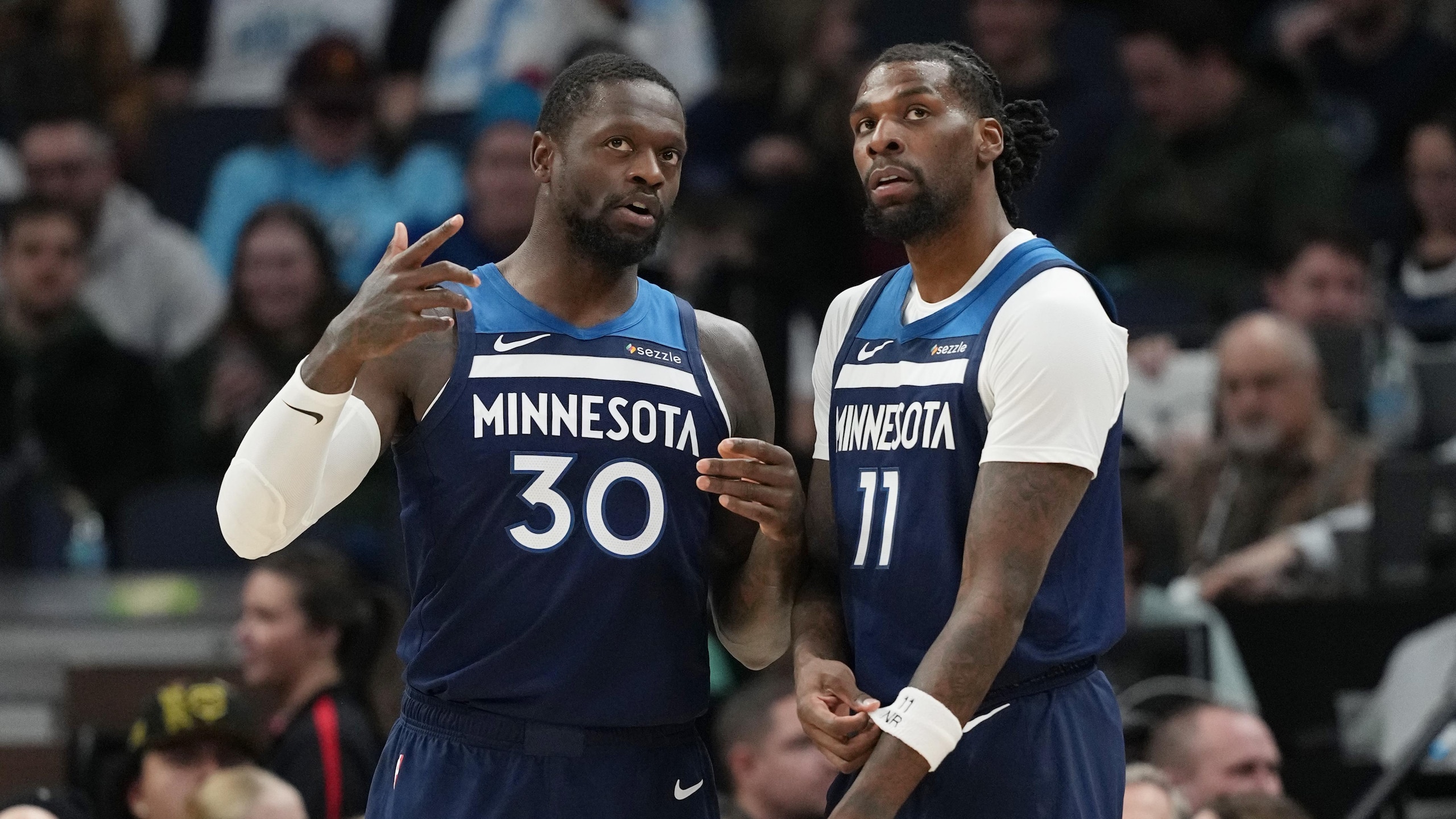
Temptation to make major changes is always strongest fresh off a playoff-series loss. The Minnesota Timberwolves are not immune to that impulse. They appeared to coalesce at the right time to end the regular season, but a five-game Western Conference Finals at the hands of the Oklahoma City Thunder is nothing if not a reminder of how far away they remain.
Resisting the urge to indulge significant alterations isn’t hard—unless the Timberwolves aren’t willing to pay for continuity. Julius Randle ($30.4 million player option) and Naz Reid ($15 million player option) can both become free agents, and Nickeil Alexander-Walker (unrestricted) is already ticketed for the open market.
Minny has the ability to pay everyone. But it will be a first-apron team if both Reid and Randle opt in—without including a new salary for Alexander-Walker. Keeping all three will require the Wolves to stay inside the second apron, dump other salary or hope that Reid, Randle and Naw would return for a (roughly) combined $55 million in 2025-26.
Failing that, they’re looking at retaining two of the three. But “retaining” is the operative word. Unless they can sweep in and land Kevin Durant, the Wolves need to avoid the perils of making changes just for change’s sake.
New Orleans Pelicans: Get More High-Volume Floor-Spacers
19 of 30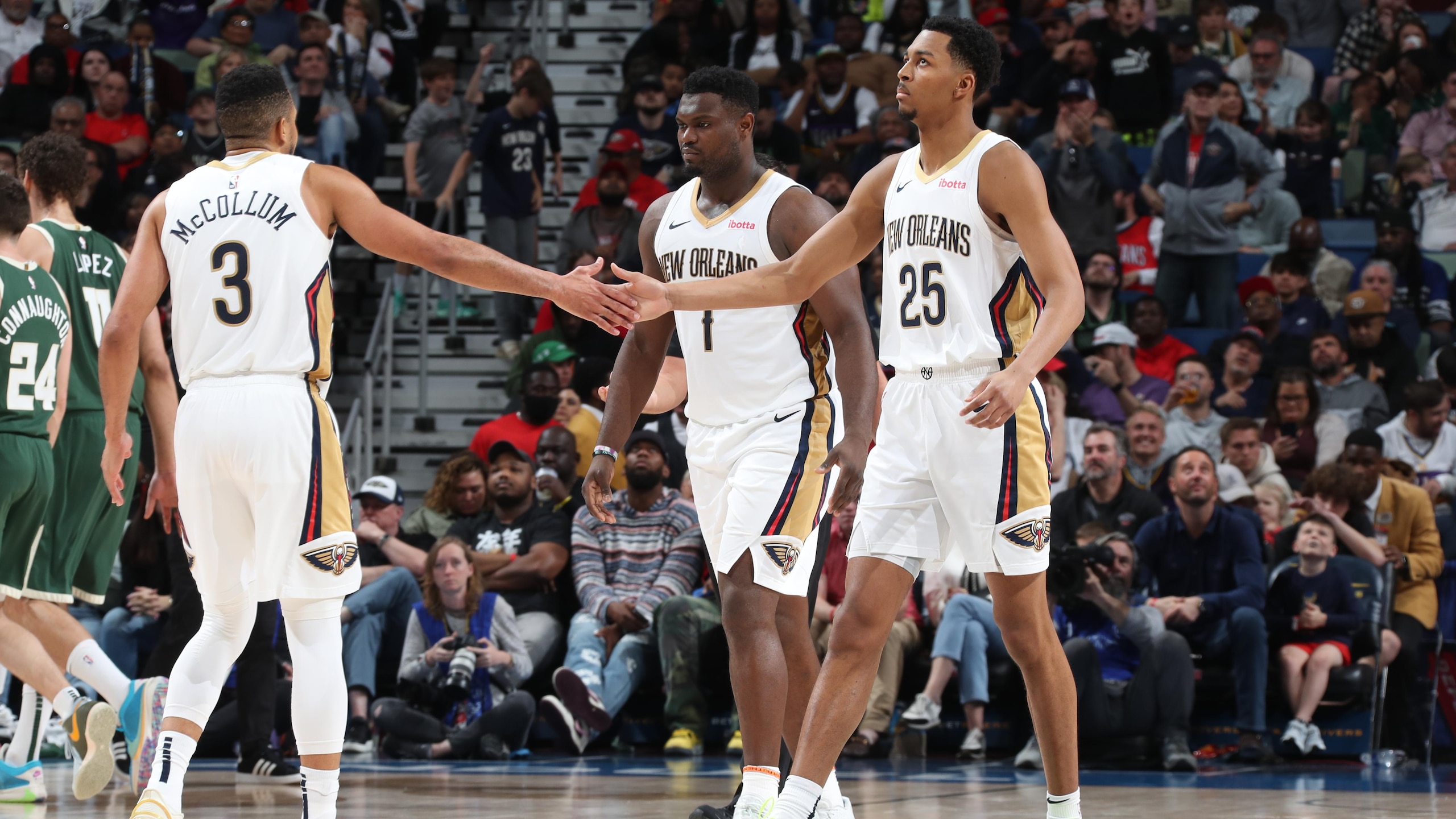
New Orleans Pelicans lead executive Joe Dumars told NOLA.com’s Rod Walker the team is sticking with Zion Williamson as its franchise centerpiece. If the Pelicans are serious about continuing to build around Zion, though, they need to get more high-volume floor-spacers in the mix.
The offense ranked 26th in the share of its shots coming from downtown last year, and it has placed no higher than 23rd in the same category over the past half-decade. New Orleans’ three-point volume also fell in the 1st percentile this past season during Zion’s minutes.
Trey Murphy and CJ McCollum are the lone players on the roster who qualify as high-volume snipers, with Jordan Hawkins hovering around the fringes depending on his role (and, frankly, the night). And it isn’t so much the raw attempts themselves as much as what they represent: more room for Zion to drive, and more options to whom he can kick out on those drives.
New York Knicks: Karl-Anthony Towns' Future
20 of 30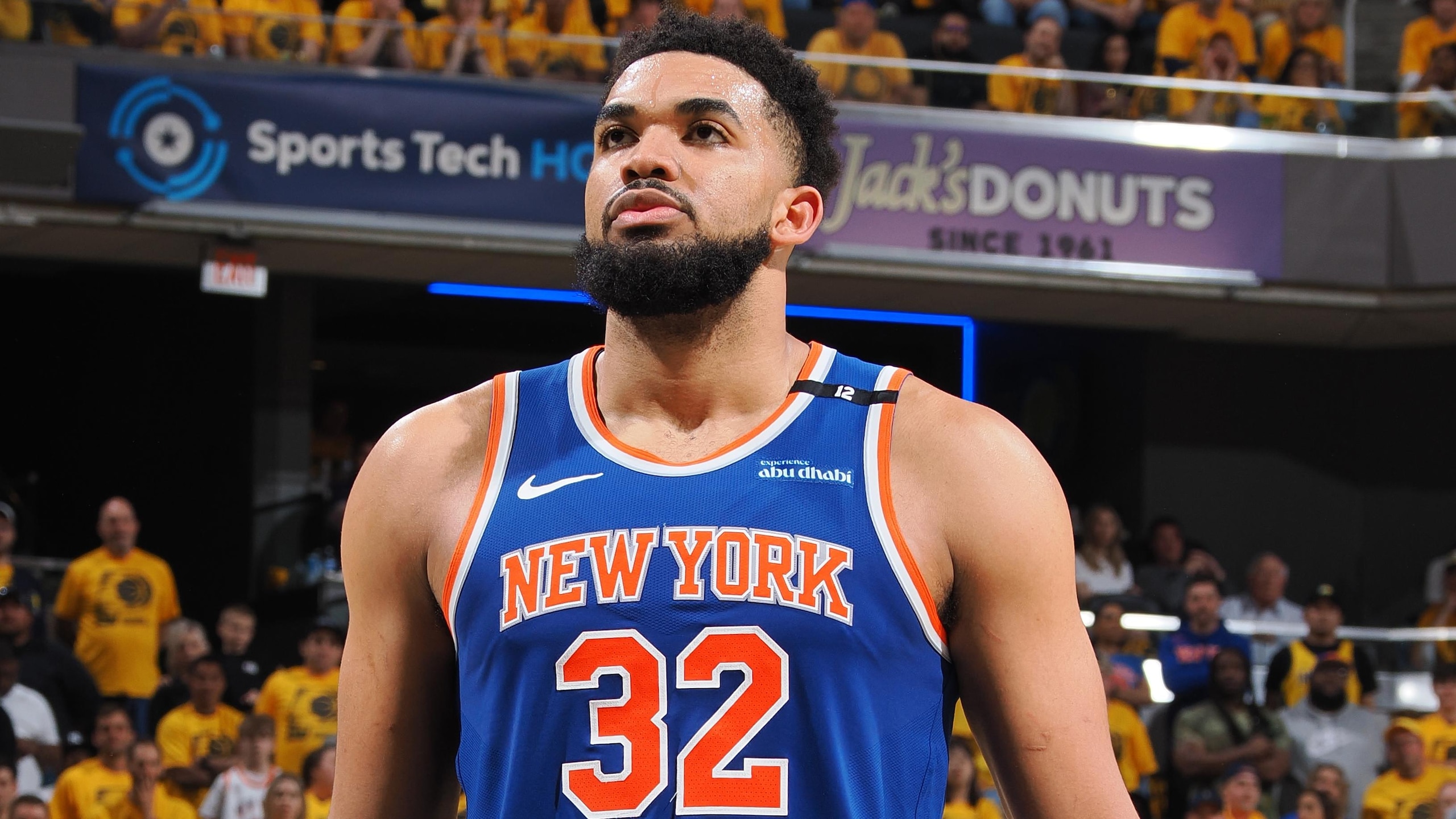
Finding a replacement for the recently dismissed Tom Thibodeau goes without saying for the New York Knicks. After that, they must tackle the future Karl-Anthony Towns. This starts by asking a question: Is he better off as a power forward or center?
If the Knicks decide he’s a 5, they must focus on building out their rotation accordingly. Getting KAT to take more threes and improving his synergy with Jalen Brunson is big no matter what. Finding at least one other player to insulate the Brunson-Towns duo on defense is even bigger.
If New York determines it wants KAT to play more 4, it must plan around the shift. Mitchell Robinson is already in tow, but he shouldn’t be logging 30-plus minutes. Even if the Knicks want Towns to soak up center reps outside the starting lineup, they’ll need a highly serviceable third big. Does the mini mid-level exception get in you the discussion for Al Horford? What about Brook Lopez?
Then, of course, there’s the elephant in the room: Depending on where KAT makes sense, is he too expensive to continue building around? And if he is, how much trade value does he have with three years and $170-plus million left on his deal?
Determining Towns’ best position will go a long way toward directing New York’s offseason—and, frankly, its future.
Oklahoma City Thunder: Juggling Roster Spots
21 of 30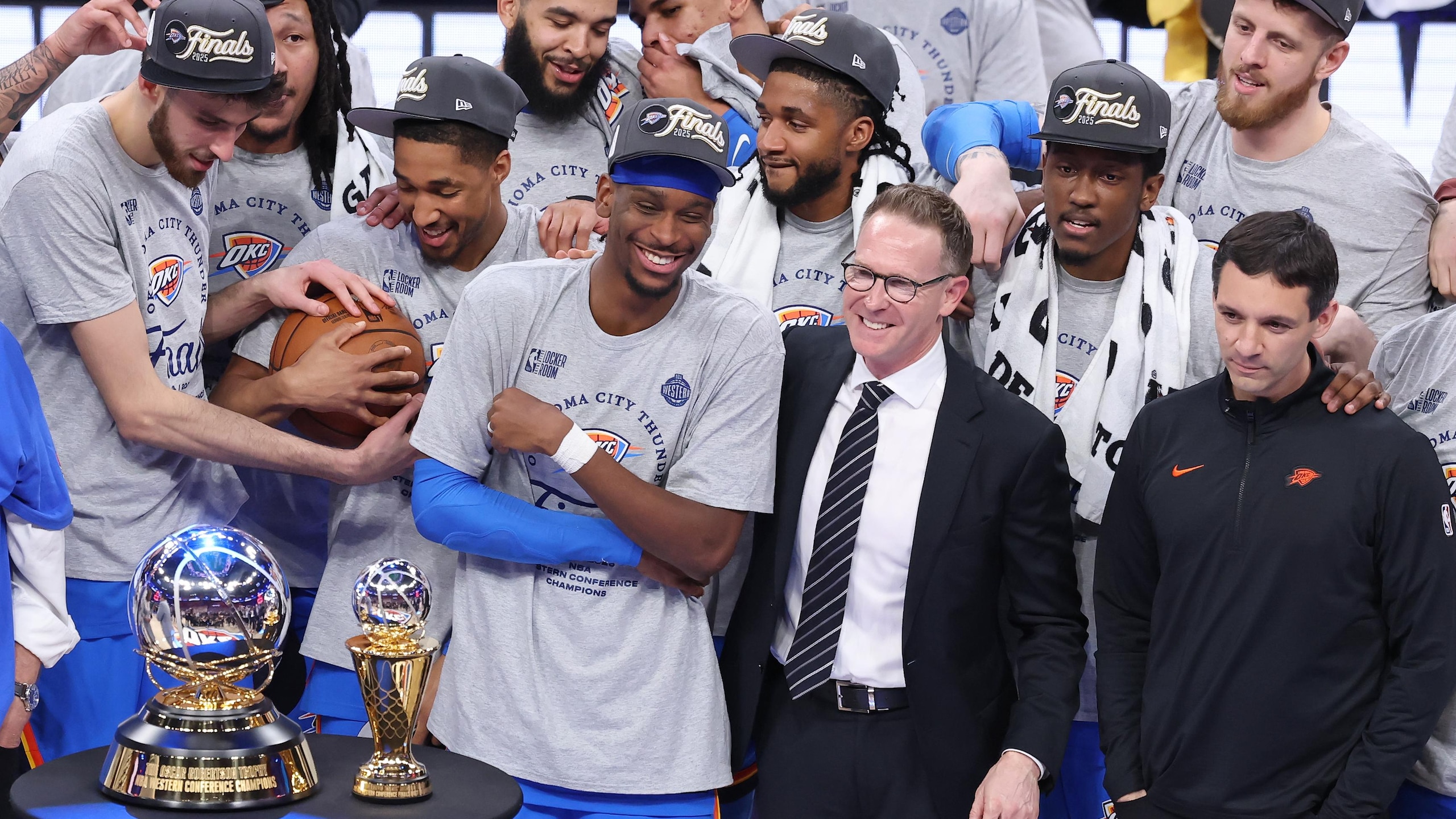
The Oklahoma City Thunder will have 14 players under contract next season once they guarantee deals for Ajay Mitchel and Jaylin Williams. That leaves them with one open roster spot ahead of a draft in which they have three picks: No. 15, No. 24 and No. 44.
Making room for all of those selections is out of the question. Prioritizing spots for both Nos. 15 and 24 might even be a stretch, though it's not entirely unlikely.
Team president Sam Presti must decide how he wants to play this.
Does he start offloading players, like Ousmane Dieng, who seemingly don't factor into the larger picture? Can he consolidate this year's three picks into a higher singular selection? Is it possible to move one or both of this June's first-rounders for draft equity further out?
This is an excellent problem to have. And Presti is intimately familiar with it. But it’s an issue he and the rest of the front office must reconcile all the same.
Orlando Magic: Dramatically Improving the Offense
22 of 30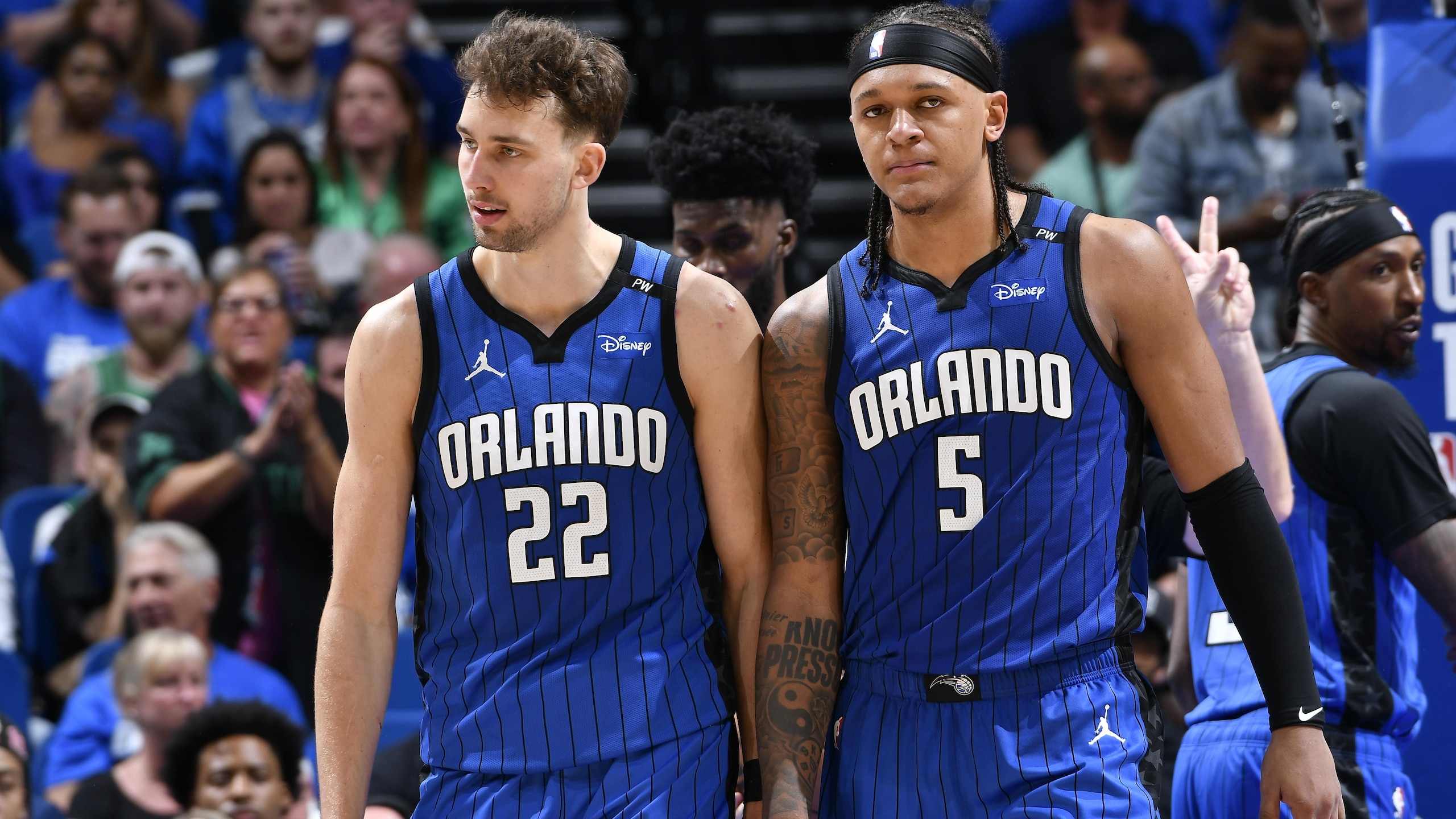
After 13 consecutive years of failing to field an above-average offense, including eight bottom-five finishes and 12 bottom-10 placements, the Orlando Magic need to break character and, you know, actually take steps toward addressing the issue.
Reinforcements must come in the forms of a floor general and shooting, without doing anything drastic enough to warp the roles of Paolo Banchero and Franz Wagner. Any point guards and shot-makers the Magic target should be able to streamline their responsibilities, not marginalize them.
The most meaningful moves probably have to come via trade. Orlando will enter the offseason close to the second apron if the entire roster remains intact. The cap sheet has a number of non-guarantees the Magic can ditch to skirt the tax, but opening up the bigger mid-level exception of $14.1 million seems unlikely.
That’s fine. Orlando has all of its own first-round picks moving forward, an additional first this June (No. 25), some youthful fliers and a smattering of digestible contracts for salary-matching. The front office has the tools to act, and it’s time that they do.
Philadelphia 76ers: Making the Right Decision at No. 3
23 of 30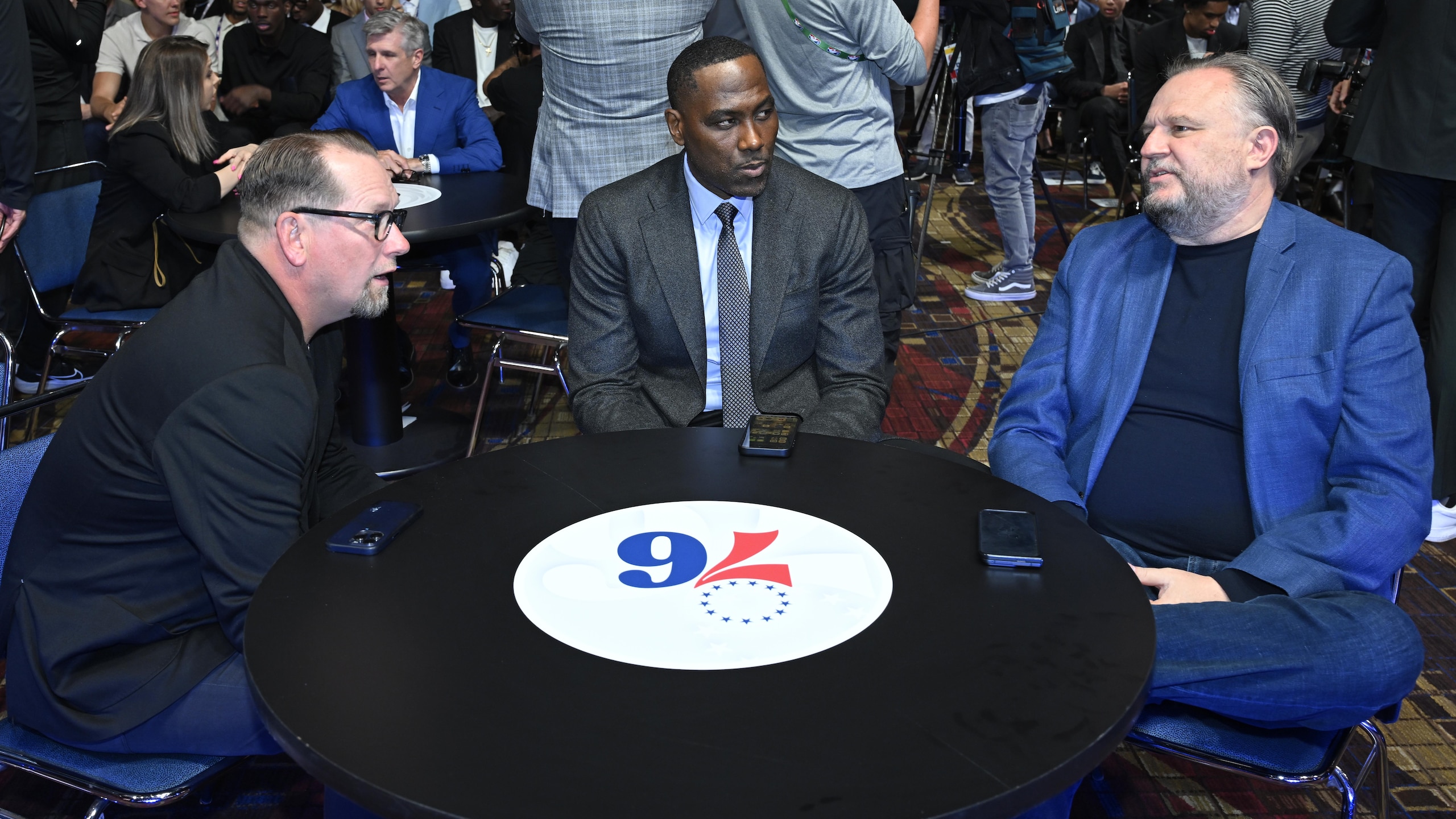
Nailing the No. 3 pick covers a range of outcomes for the Philadelphia 76ers.
At its most basic, this feels like a decision between Ace Bailey or V.J. Edgecombe. But it can also include choosing between trade opportunities.
Could the Sixers flip the No. 3 pick for more immediate, higher-end help? Is it possible for them to trade down while acquiring said help? Will there be a scenario in which they can dangle third overall to bring back a star? Can it be used to improve the roster while getting Philly out from under the final three years of Paul George’s deal?
The Sixers can approach their time on the clock from a variety of different angles. They just better make sure their decision is the right one.
Phoenix Suns: Locking in Devin Booker
24 of 30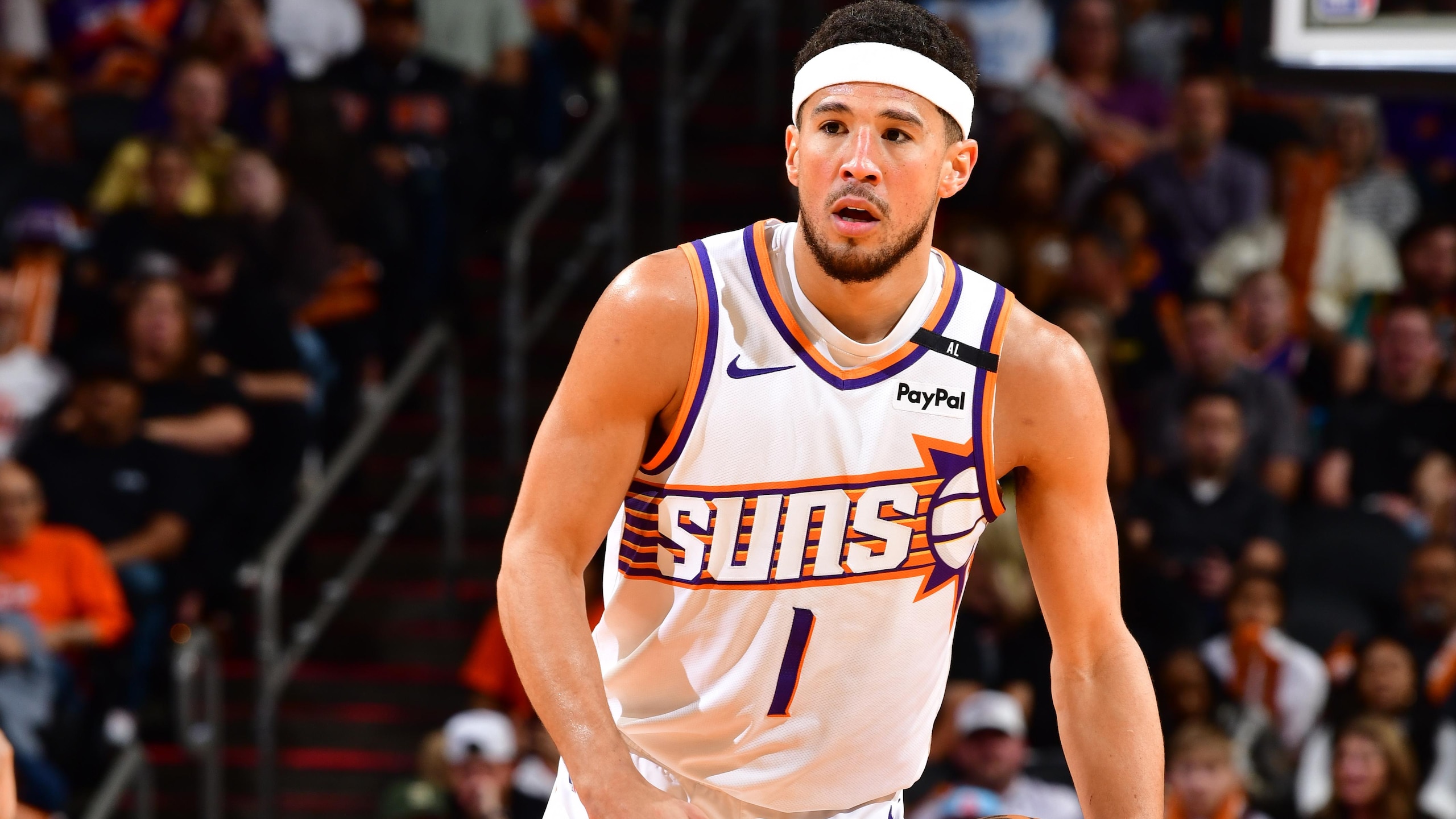
Kevin Durant may be top-of-mind in the rumor mill, and his future with the Phoenix Suns will inform much of what happens this offseason and beyond.
The same holds true for Devin Booker—only more so.
He is the Suns’ lifeline, the only player currently standing between them and total irrelevance. That won’t change so long as Phoenix doesn’t have its own first-rounder until 2032.
This increases the stakes of keeping Booker in purple and orange. And the Suns will have an opportunity this offseason to lock him down on a two-year, $149.8 million extension that runs through the 2029-30 season—-if he signs it.
There is no indication Booker won’t consider putting pen to paper. His affinity for Phoenix has never been in question, and he was intimately involved in the decision to hire Jordan Ott as the new head coach.
That’s a great sign. Getting his actual signature is an even better one.
Portland Trail Blazers: Consolidating or Switching Up the Rotation
25 of 30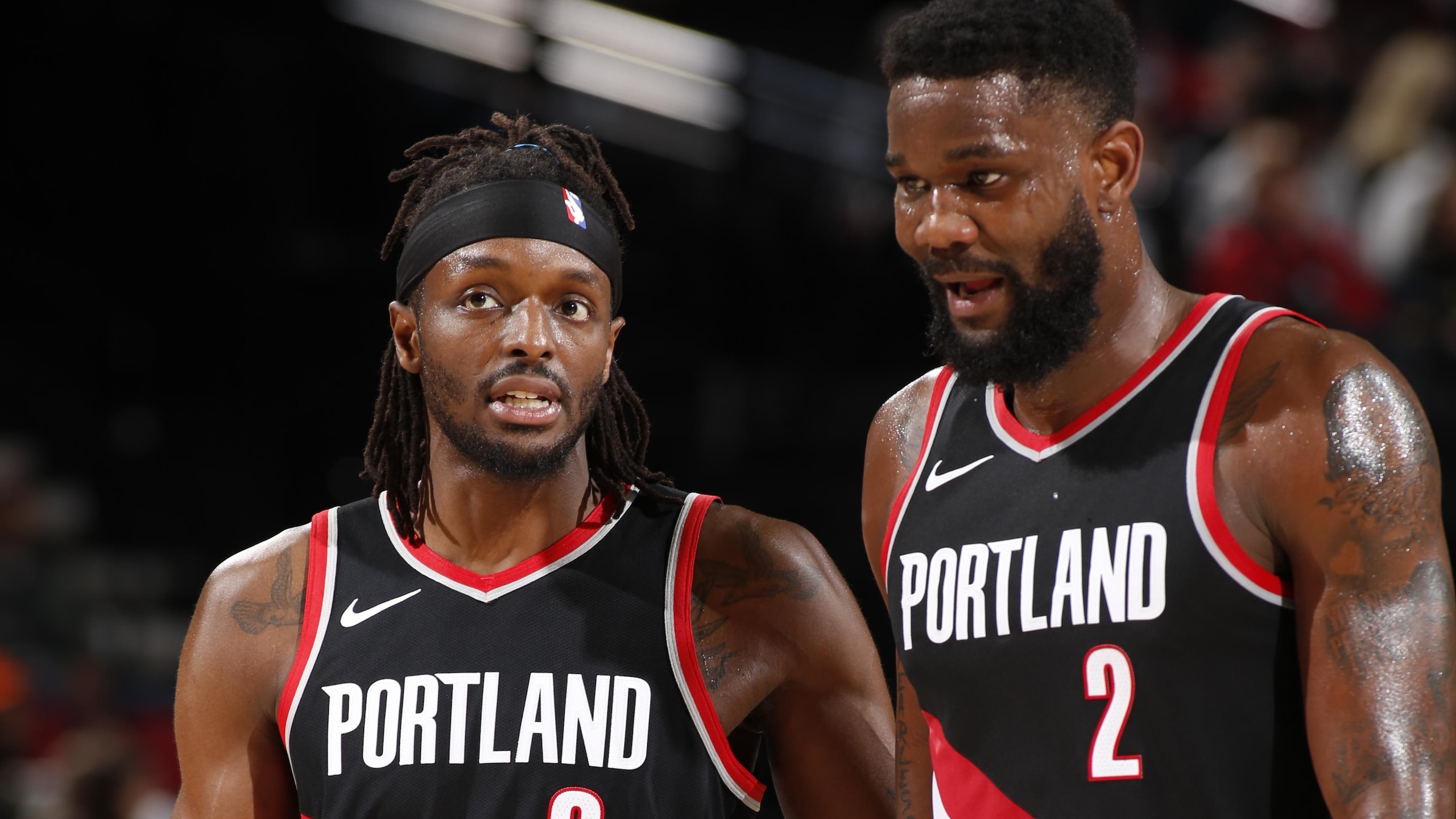
It turns out the Portland Trail Blazers are (not-so-)secretly stacked. Their midseason ascent showcased a veritable mixed bag of effective depth, defense and intensity, setting the stage for a fascinating offseason in which they will add the No. 11 pick and should be able to access most or all of the bigger mid-level exception of $14.1 million without dipping into the tax.
Barring a one-sided star trade, now is not the time for the Blazers to over-index on change. But there is value in narrowing down the scope of their depth chart.
Guys like Jerami Grant, Matisse Thybulle (player option), Deandre Ayton and Robert Williams III do not profile as mainstays. Moving them (preferably for value) opens up more minutes for those who might be.
This isn't just about the keepers already in place. The Blazers gave plenty of minutes last season to their most important players (for the most part). This is more about creating pockets of space for new additions who better align with Portland's bigger picture, and who do more to address their biggest needs (like deadeye shooting).
We'd also be remiss not to give a quick honorable mention to Shaedon Sharpe's extension eligibility. He remains a tantalizing mystery box three years later, which makes it fairly difficult to settle on the right value. The Blazers needn't approach negotiations with the utmost urgency, but if his yet-to-be-determined ceiling paves way for what they deem a team-friendly deal, they'd do well to get it done.
Sacramento Kings: Add a Starting Point Guard
26 of 30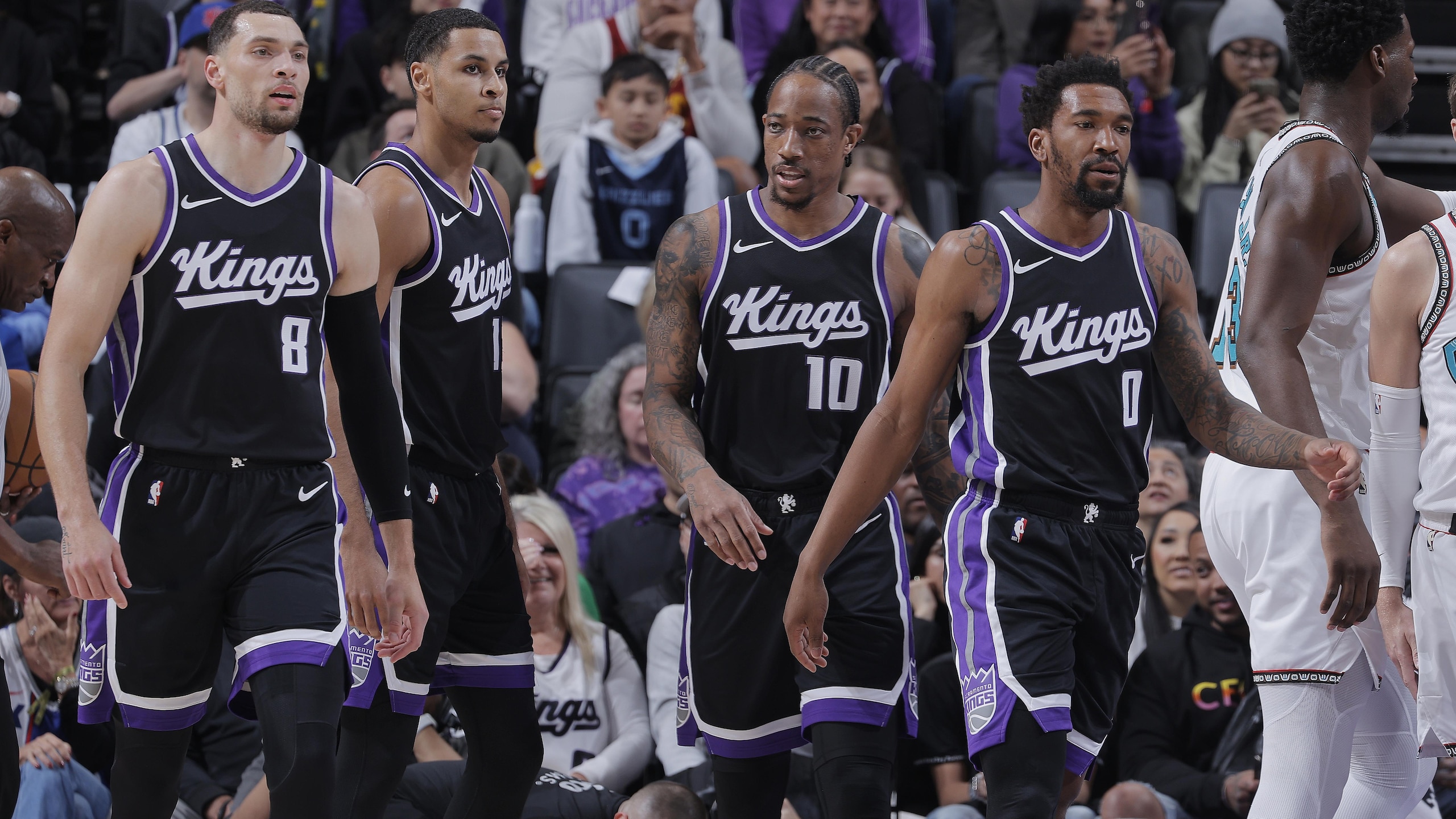
Domantas Sabonis urged the Sacramento Kings to go after a point guard during his exit interview. They better listen to him.
DeMar DeRozan, Malik Monk and Zach LaVine can each provide the prescribed dose of secondary playmaking, and Sabonis himself is equipped to be the head of the snake. But the Kings need someone who can attack set defenses from the outside-in, has a higher gear than DeRozan and is more of a dynamic table-setter than Monk or LaVine.
Sacramento should have the full non-taxpayer mid-level of $14.1 million at its disposal, giving it a leg up on the spending of many other teams. The front office also shouldn’t rule out taking to the trade market.
Mortgaging the farm for a Ja Morant or Trae Young doesn’t quite jibe with the personnel or the Kings’ proximity to title contention. But they should have the assets (or salary-matching) to poke around names such as Coby White, Scottie Pippen Jr., Payton Pritchard, Jamal Murray, LaMelo Ball and others.
This is an altogether different conversation if Sacramento opts to strip it down under general manager Scott Perry and start anew. So long as the Kings are trying to make the most of next season, though, a starting-caliber floor general must sit atop their wish list.
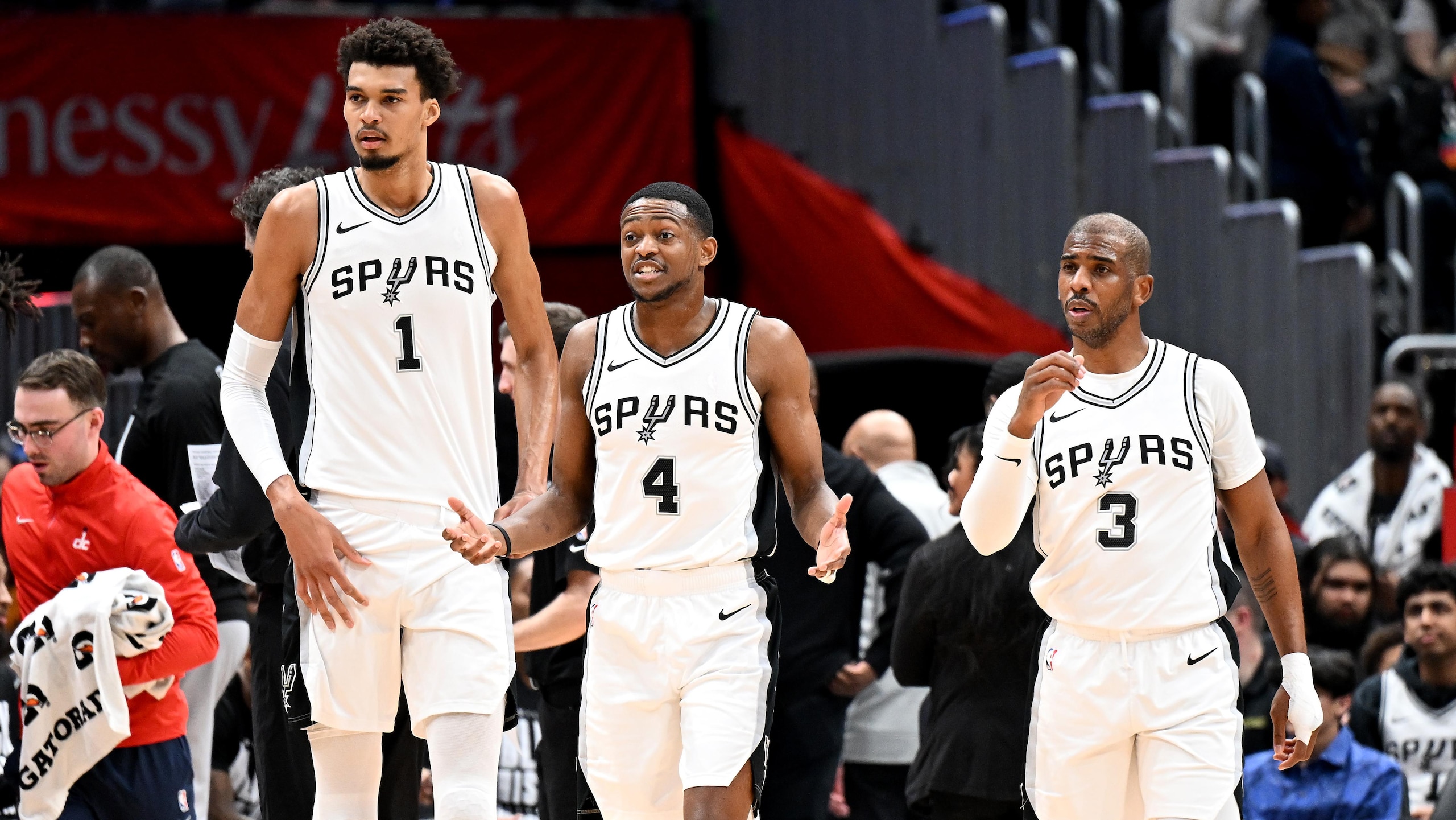
San Antonio Spurs: Opening Up the Floor Around Victor Wembanyama
27 of 30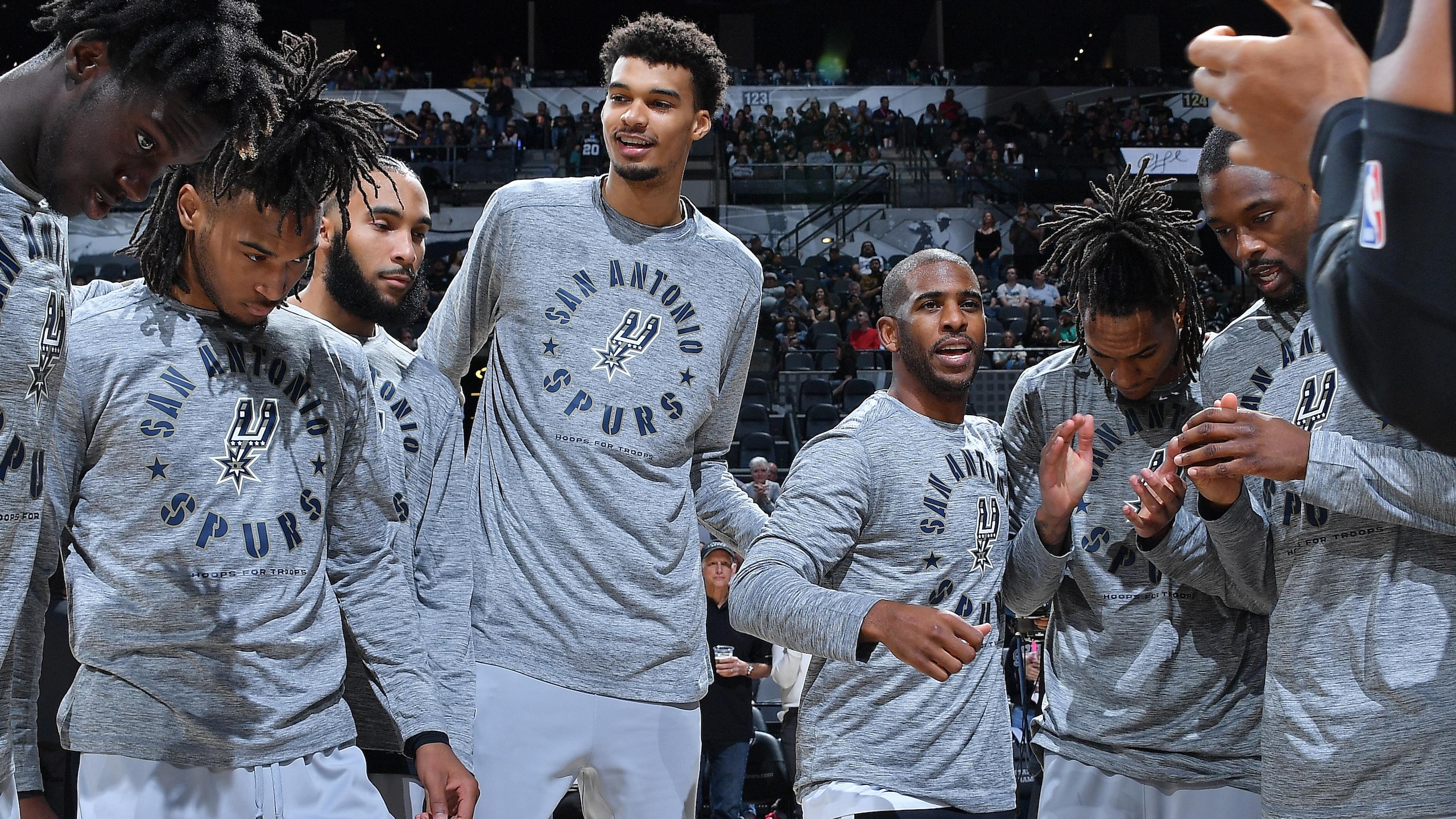
Budding and established top-end talent is starting to pile up on the San Antonio Spurs. Complementary shooting around Victor Wembanyama? Not so much.
Everyone not named Wemby last season combined to place in the 41st percentile of both off-ball gravity and catch-and-shoot three-point efficiency, according to BBall-Index. That's not going to cut it.
Even if you're higher on De'Aaron Fox's outside touch than consensus (*raises hand*), the Spurs are probably going to lose Chris Paul's 37.7 percent clip from downtown to a bigger role elsewhere. Their floor balance stands to get wonkier if they draft Dylan Harper at No. 2, who has reasonable catch-and-shoot touch but canned just 33.3 percent of his triples overall as a freshman at Rutgers.
Luckily for the Spurs, they have the tools to gussy up their floor-spacing ranks. They should have access to both the bigger mid-level exception ($14.1 million) and bi-annual exception ($5.1 million) and still boast the draft-pick and salary-matching resources to swing trades for players good enough to enter the closing-lineup mix.
Toronto Raptors: Loading Up on Complementary Shooters
28 of 30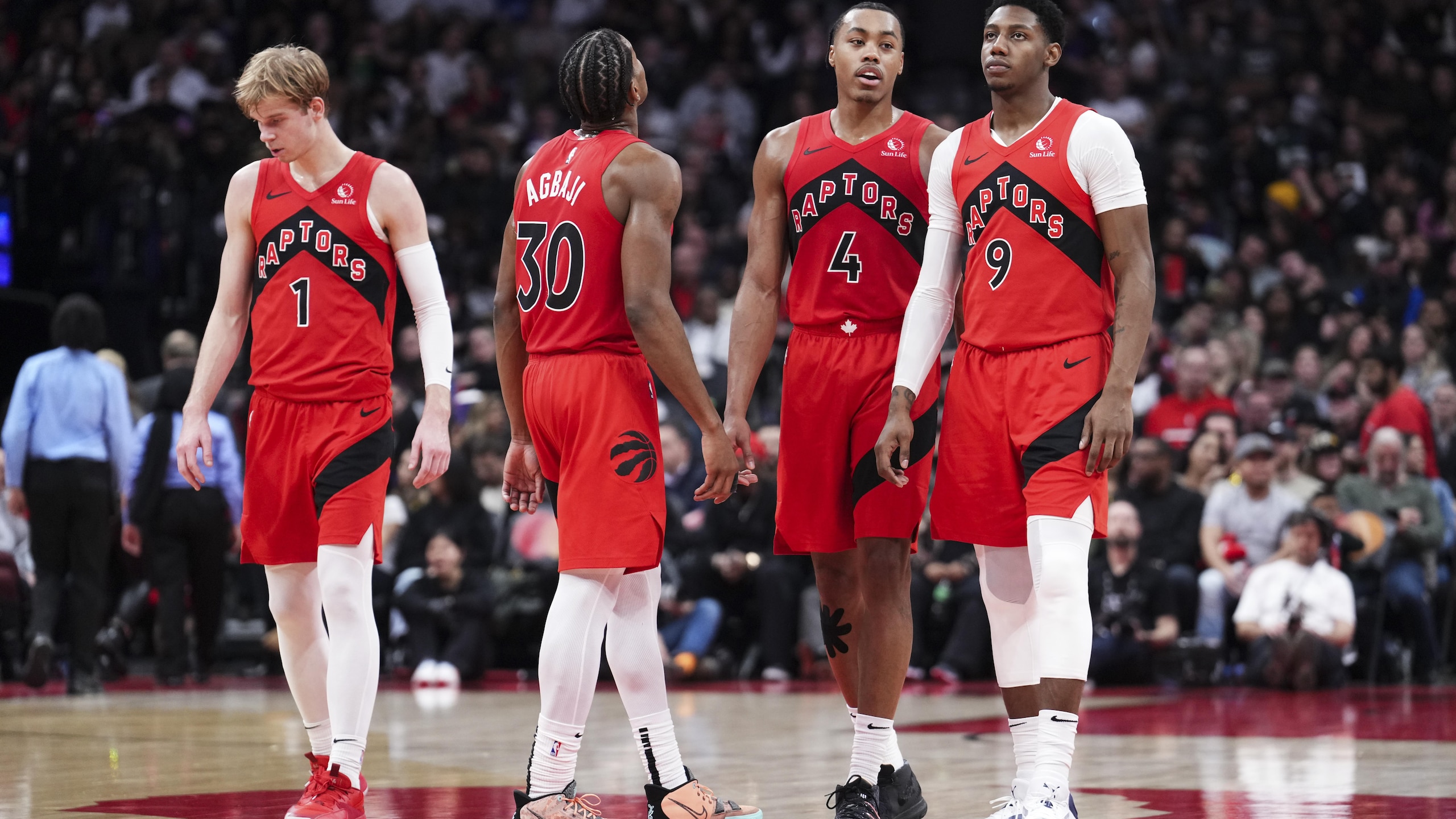
Trading for Brandon Ingram arms the Toronto Raptors with a neat bundle of on-ball decision-makers. They now need the orbiting floor-spacers to optimize that dynamism.
Ingram, Scottie Barnes, RJ Barrett and Immanuel Quickley are all capable of playing away from the ball to varying degrees. Quickley is the only one of them, though, who qualifies as a lethal long-range threat.
The urgency to increase three-point-shooting ranks is heightened even further by having Jakob Poeltl at center. For all his high-IQ utility, he's no floor-spacer.
Toronto has some in-house options it can turn to—most notably Gradey Dick, Ochai Agbaji and even Jamison Battle. But the offense last season ranked 29th in three-point-attempt rate and 22nd in overall outside shooting, including 24th in spot-up efficiency.
Counting on internal development—and the integration of the No. 9 pick—isn't enough. Whether it's by trade or free agency, the Raptors need to reel in upgrades from the outside.
Utah Jazz: Keeping Expectations in Check
29 of 30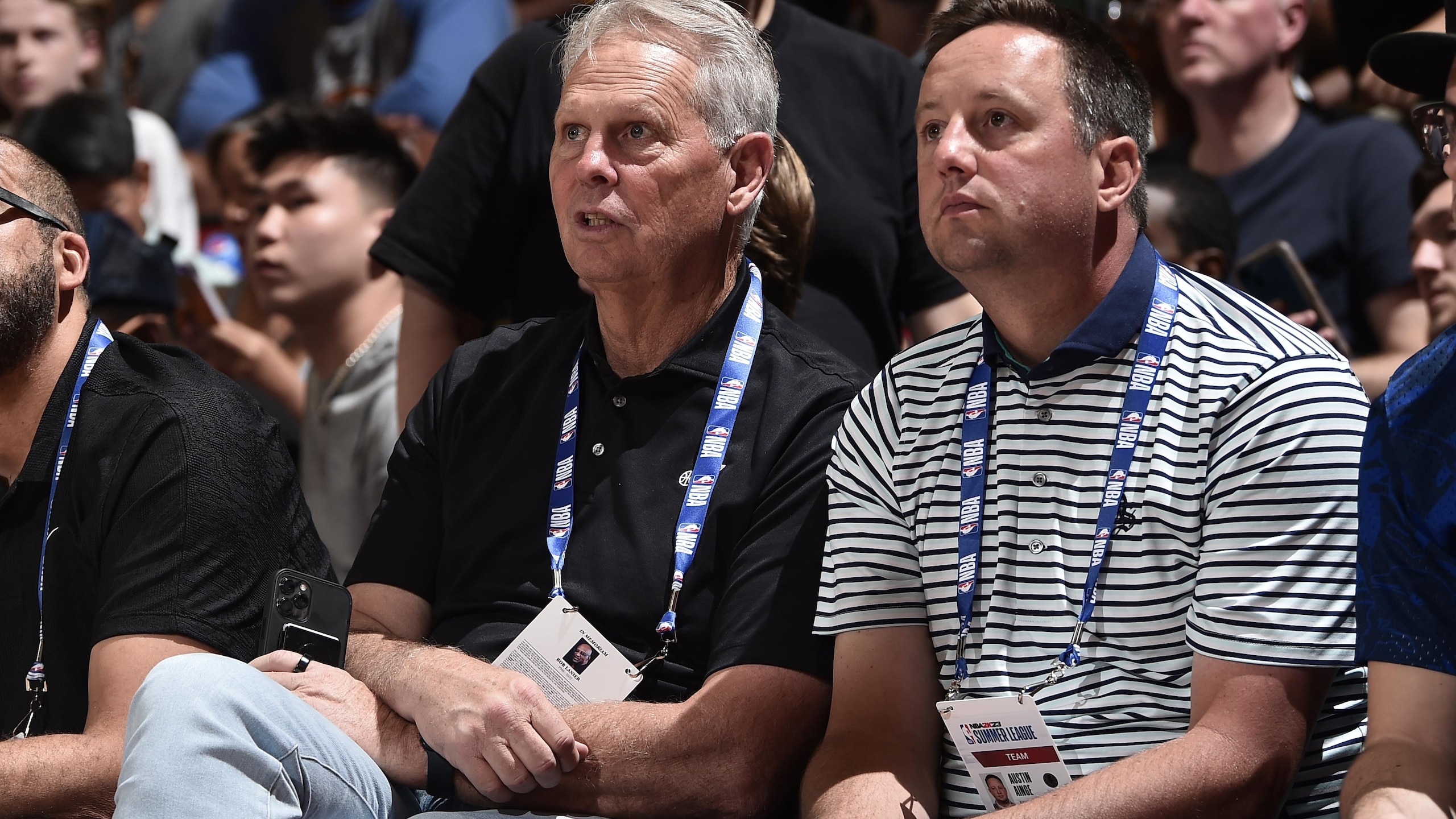
Newly-minted president of basketball operations Austin Ainge would like you to know there will be none of those tanking shenanigans under his watch.
First of all: Rest in peace to Walker Kessler’s three-point volume.
Second of all: If Ainge is subtly pointing out the Jazz won’t have the talent necessary to not suck in the Western Conference while trying to win, then please, by all means, carry on. But if this is a nod toward a grand plan that sees Utah attempt to fast track its situation three seasons into its rebuild, I have some advice:
Don’t.
The Jazz aren’t ready to start taking bigger swings. Not yet. They need a primary building block first. Perhaps they get one with the No. 5 pick, but they won’t know until the regular season gets underway. They sure as hell know that player isn’t already on the roster.
Acting like aggressive buyers under the circumstances would undermine everything Utah’s rebuild is supposed to do. This isn’t to say Ainge must now trade Collin Sexton and Lauri Markkanen for pennies on the dollar. He shouldn’t. But as frustrated as fans might be by the speed and fruits of this rebuild so far, the Jazz have, for the most part, acted with plenty of self-awareness. That can’t change now.
Washington Wizards: Put Those Expiring Contracts To Good Use
30 of 30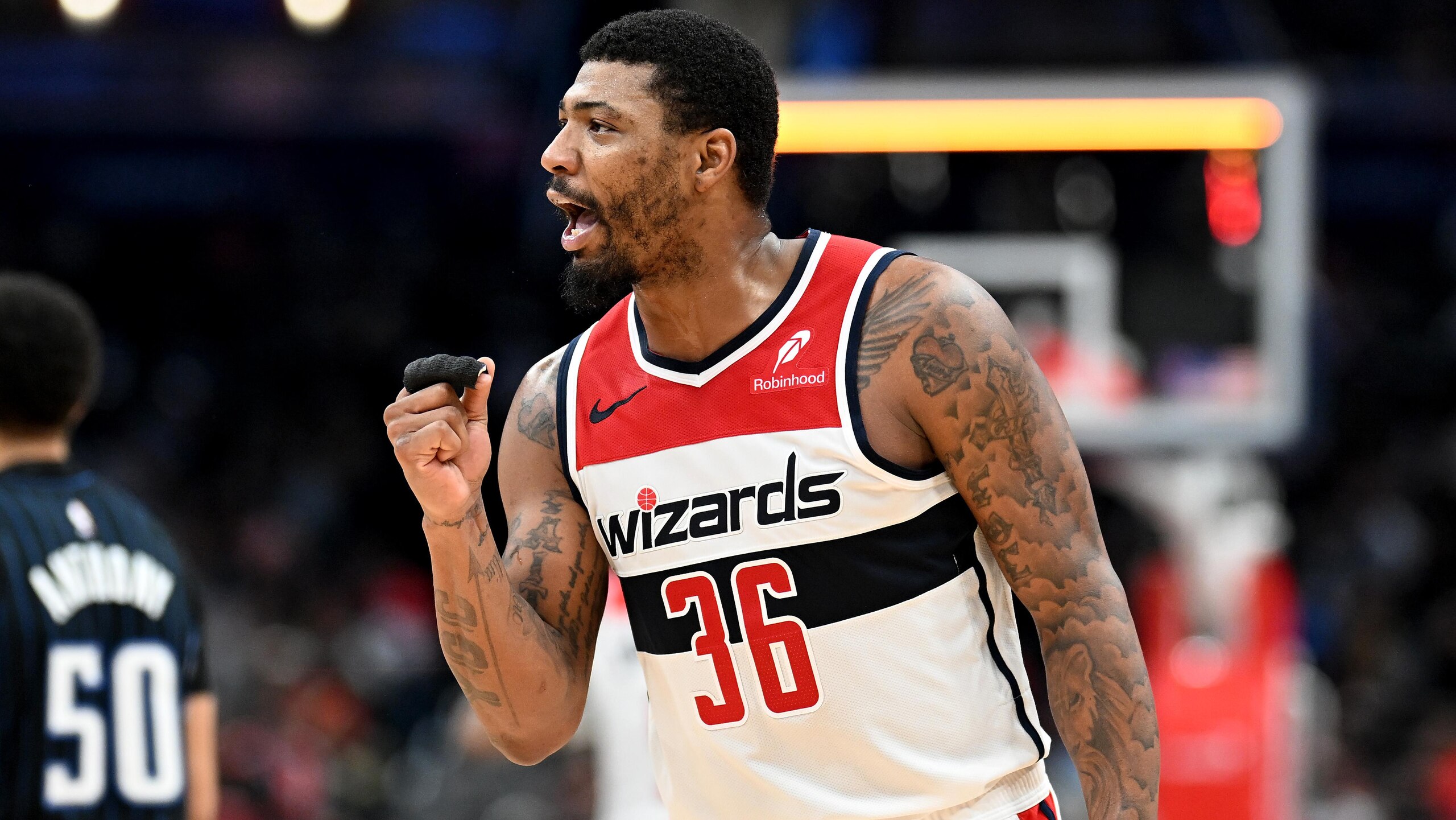
Fewer than 10 teams are projected to have non-taxpayer-mid-level-exception-level flexibility heading into the offseason. That’s great news for the Washington Wizards.
Even after penciling in salaries for the No. 6 and No. 18 picks, Khris Middleton’s $34 million player option and the possibility of guaranteeing all or part of Richaun Holmes’ $13.2 million deal, the Wiz will have gobs of wiggle room beneath the luxury tax. They also have two traded player exceptions worth more than $5 million ($9.9 million and $5.3 million).
This ability to take in more money than Washington sends out is a commodity. It should let the Michael Winger- and Will Dawkins-led front office to facilitate other blockbusters and salary dumps while picking up additional picks and prospects—not unlike the team did at this past trade deadline.
The Wizards’ threshold for bigger-time absorption is also higher than many of their peers. Middleton and Marcus Smart ($21.6 million) should give them two expirings north of $20 million, they can futz with Holmes’ non-guarantee, and they even have the ability to parlay Malcolm Brogdon’s Bird rights into sign-and-trade opportunities.
Dan Favale is a National NBA Writer for Bleacher Report. Follow him on Bluesky (@danfavale), and subscribe to the Hardwood Knocks podcast, co-hosted by Bleacher Report's Grant Hughes.
.jpg?w=2560 "🚨 Davante Out 6-10 Weeks")
.jpg?w=2560 "Tank Dell Playing Sunday 💯")
.jpg?w=2560 "Live: Monday Night Raw 🔴")