.png?w=2560)

Winners and Losers After NFL Owners Vote on Tush Push and More Rule Changes
In Minnesota, NFL owners voted on rule changes with multiple big-ticket items on the docket. The Super Bowl champions earned another win, and those who value divisional prominence should be satisfied by the final votes.
On Tuesday, the league went forward with the proposal to allow players to try out for Olympic flag football teams. Now stars can expand their brands as Olympic medalists.
The Green Bay Packers motioned to prohibit the Philadelphia Eagles' signature Tush Push and plays that involve assisting a runner by doing anything other than blocking for him. The Packers' proposal came down to a close vote, 22-10, falling short of the required 75 percent to pass the ban.
The league also tweaked the onside kick rules in hopes of increasing the success of recoveries for the kicking team, but its modifications missed one particular component that could've made the special teams play relevant again.
Let's break down the biggest winners and losers from the owners' meetings on rule changes.
Winner: Philadelphia Eagles
1 of 7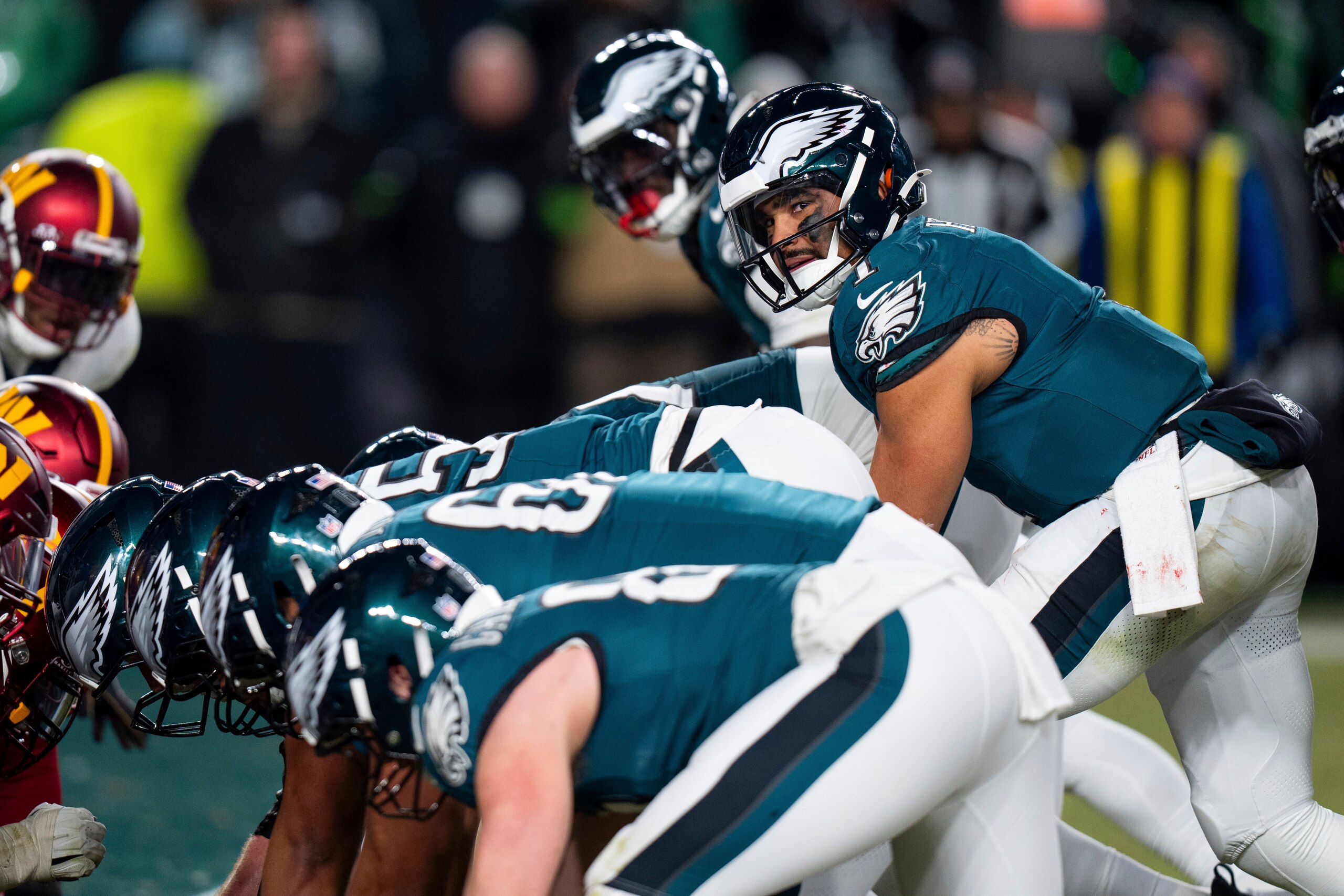
The Philadelphia Eagles can continue to Tush Push their way to first downs and goal-line touchdowns.
According to NFL Network's Ian Rapoport, the proposal to ban the play fell short by two votes, 22-10. Ironically, that was the same score in Philadelphia's win over the Green Bay Packers in the 2024 NFC Wild Card Round of the playoffs.
On Wednesday morning, former Eagles center Jason Kelce, who helped make the Tush Push a successful conversion, lobbied to keep the play (of course).
ESPN's Adam Schefter released the list of team that were against the ban. Philadelphia received heavy support from the AFC East division.
Eagles quarterback Jalen Hurts has scored at least 10 rushing touchdowns every year since 2021. He's likely to extend that streak for as long as the Tush Push remains legal.
Though detractors have raised safety issues with the play, teams need to compile tangible data to prove those claims, as ESPN's Field Yates fairly suggested before the final votes.
In Week 10 of the upcoming season, the Eagles will travel to Lambeau Field for a Monday Night Football matchup with the Packers. Don't be surprised if the Eagles rub the Packers' failed proposal in their face with multiple Tush Push conversions.
The Eagles' social media team is already poking fun at the Packers.
Loser: Green Bay Packers
2 of 7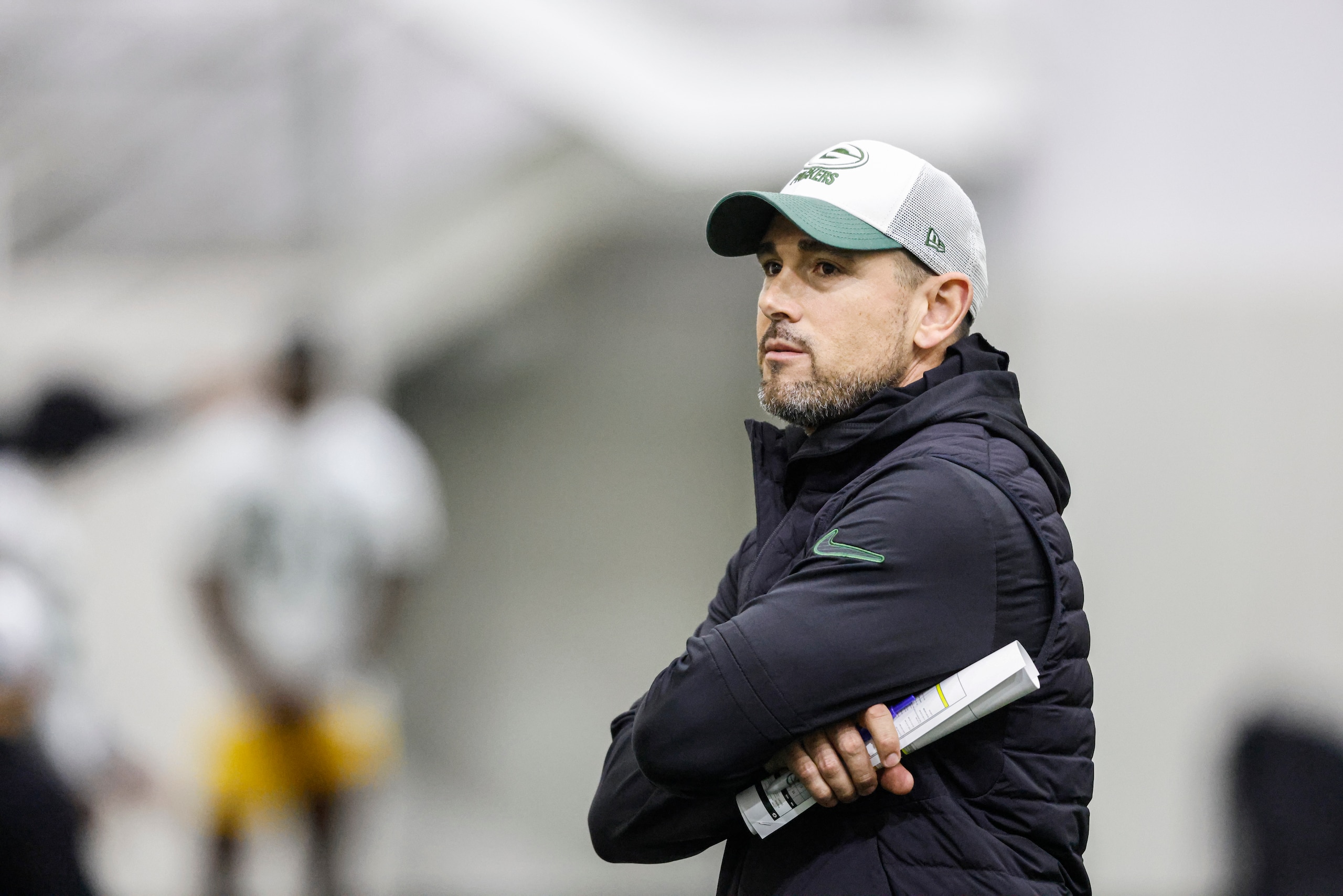
Philadelphia Eagles opponents with a weak interior defensive front are all losers in the shortcoming of the Tush Push ban. That said, the Green Bay Packers take the biggest loss, though it's not because of their defensive personnel.
According to The Athletic's Dianna Russini, the Packers formally submitted the proposal to prohibit the play in February. Then, they revised it to a broader ban of assisting a runner (h/t NFL Network's Tom Pelissero).
The Packers gained support from most of the league, but they didn't get enough to pass a rule that would've added more potential flags on critical plays.
And why does anyone want more penalties in crucial moments of games?
Other teams, like the Buffalo Bills, have tried to emulate the Eagles' signature Tush Push play without the same success rate. In some cases, running backs are pushed and pulled into the end zone, and that would've been banned under the Packers' proposal as well.
If Green Bay runs any sort of play in which Jordan Love or any of its players is pushed forward, people will remember this failed proposal, but hey, if you can't ban it, copy it, right?
Winner: NFL Players with Olympic Aspirations
3 of 7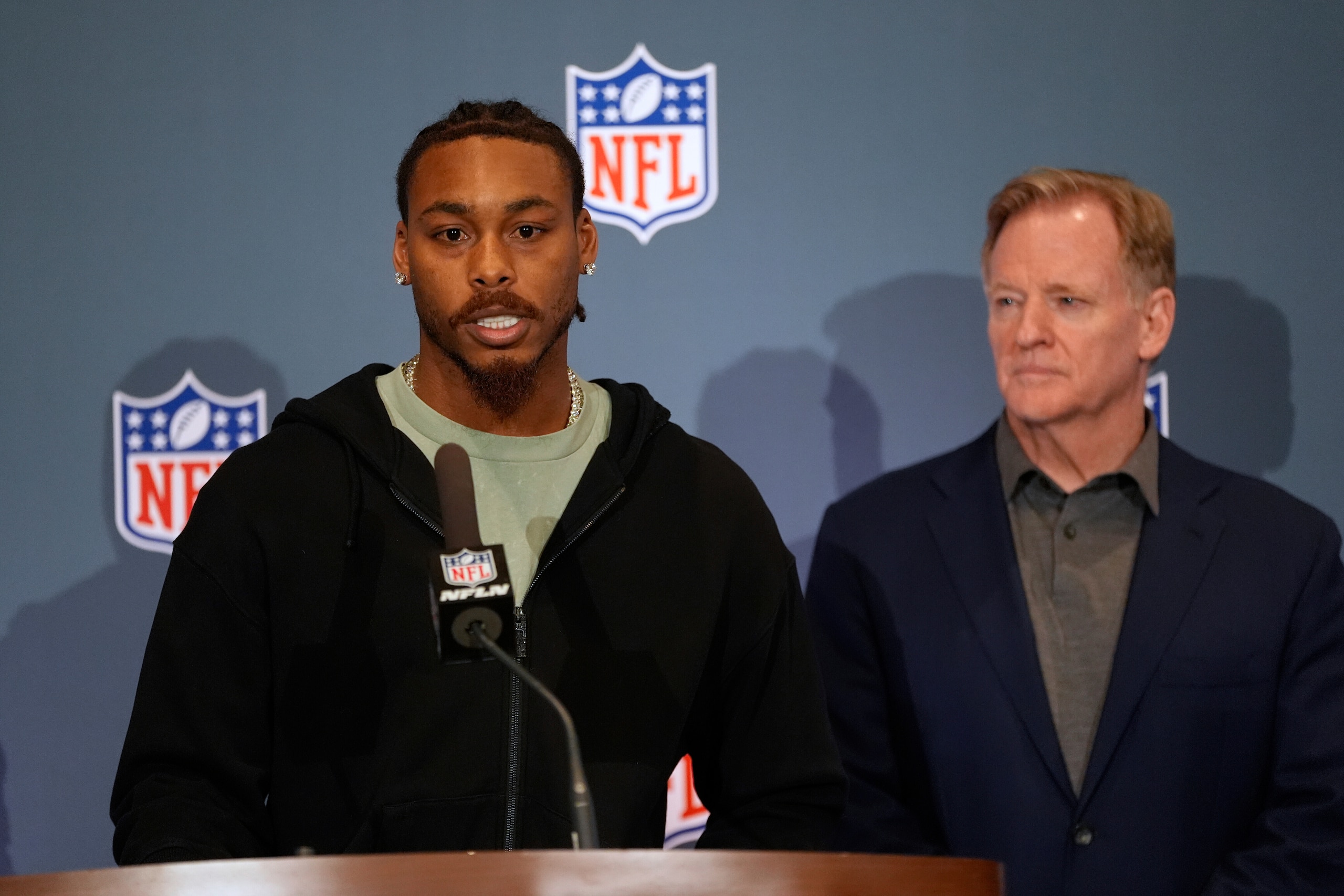
On Tuesday, NFL teams unanimously voted to allow flag football tryouts for the 2028 Olympics.
Minnesota Vikings wide receiver Justin Jefferson spoke about the thought of winning a gold medal and representing the United States among the world's top athletes.
"It's something that's so special. "Even though it's three years down the line, and there's still planning, just to think about the chances of playing in the Olympics and getting the gold medal is a dream. It's reverting back to being a kid. Watching track and field meets. Watching basketball win the gold medal. That's something that, as a kid, I always wanted to be a part of."
Like Jefferson, several household names would love the opportunity to win gold.
Also, lesser-known players can make a name for themselves, especially those who represent countries outside of the U.S. Each NFL team can allow multiple players to try out for flag football teams as long as they represent different countries.
In a flag football setting, athleticism will be a key factor. The NFL's fastest, strongest and elite pass-catchers could shine in front of a world audience in Los Angeles for the 2028 Olympics.
.jpg?w=2560 "Titans Giants Football")
.jpg?w=2560 "Saints Lions Football")

Loser: Teams Looking for a Surprise Spark on Onside Kicks
4 of 7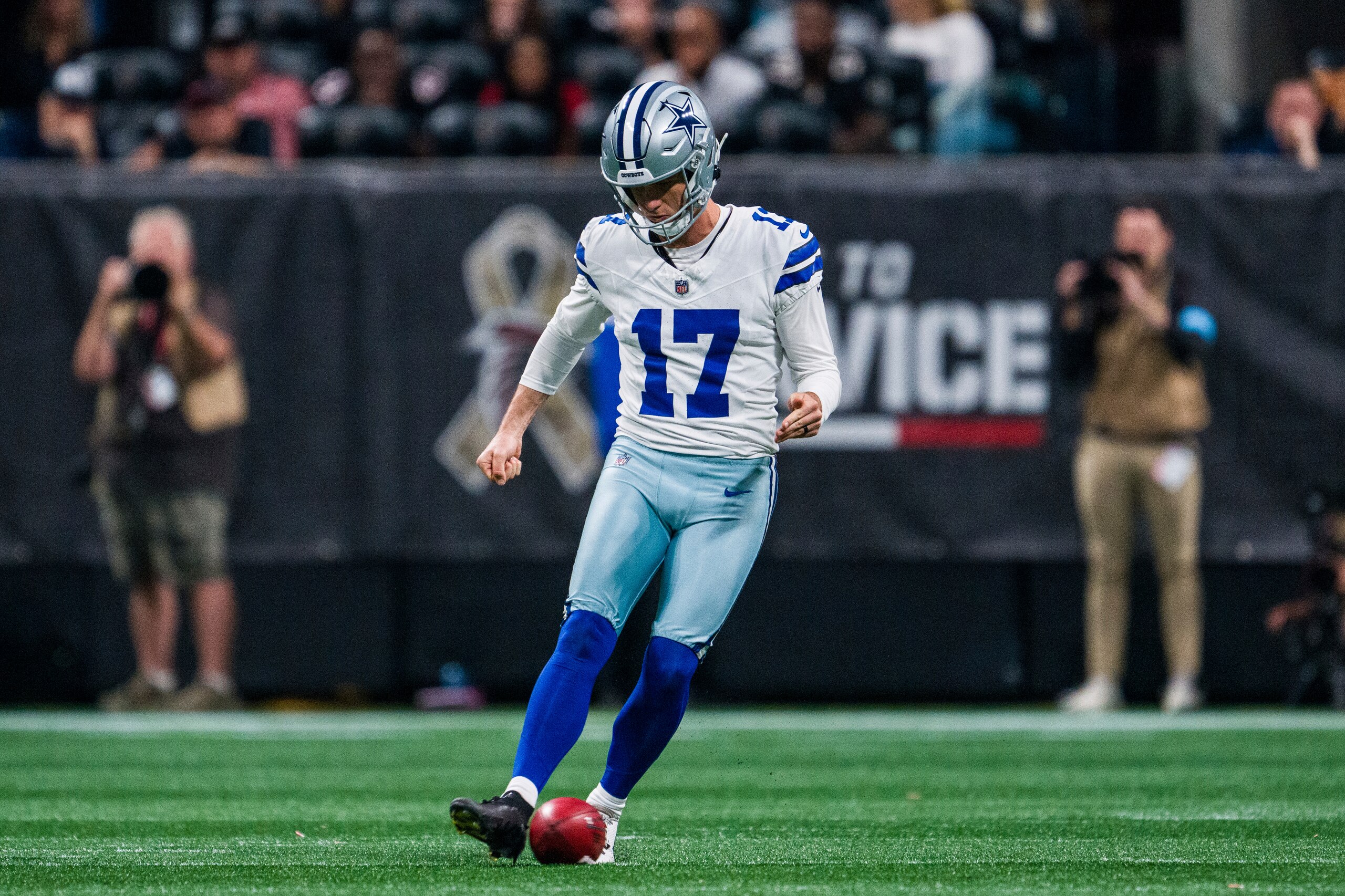
Last year, the league tweaked the onside kick rules, mandating that teams must be trailing in the fourth quarter and declare the intention to attempt an onside kick.
Despite the approved tweaks to those rules, teams won't see a significant increase from last year's 6 percent success rate on onside kicks.
According to NFL Network's Tom Pelissero, teams can declare an onside kick at any time in the game and the kicking team will line up one yard closer to the opponent.
The NFL still omitted the most important component of an onside kick: the surprise factor.
Regardless of the game situation and positioning of the kicking team, the best time to attempt an onside kick is when the opponent isn't expecting it. Because teams still have to declare before an attempted onside kick, it allows the opponent to fully prepare and field its "hands" team to make a recovery.
A skilled kicker may be able to get a good bounce for his team, but a prepared special teams unit, knowing what's coming, can offset that.
Also, a team that mounts a comeback to tie a game can't further swing momentum in its favor with an onside kick because only teams that are trailing can declare to do it.
Winner: Division Leaders
5 of 7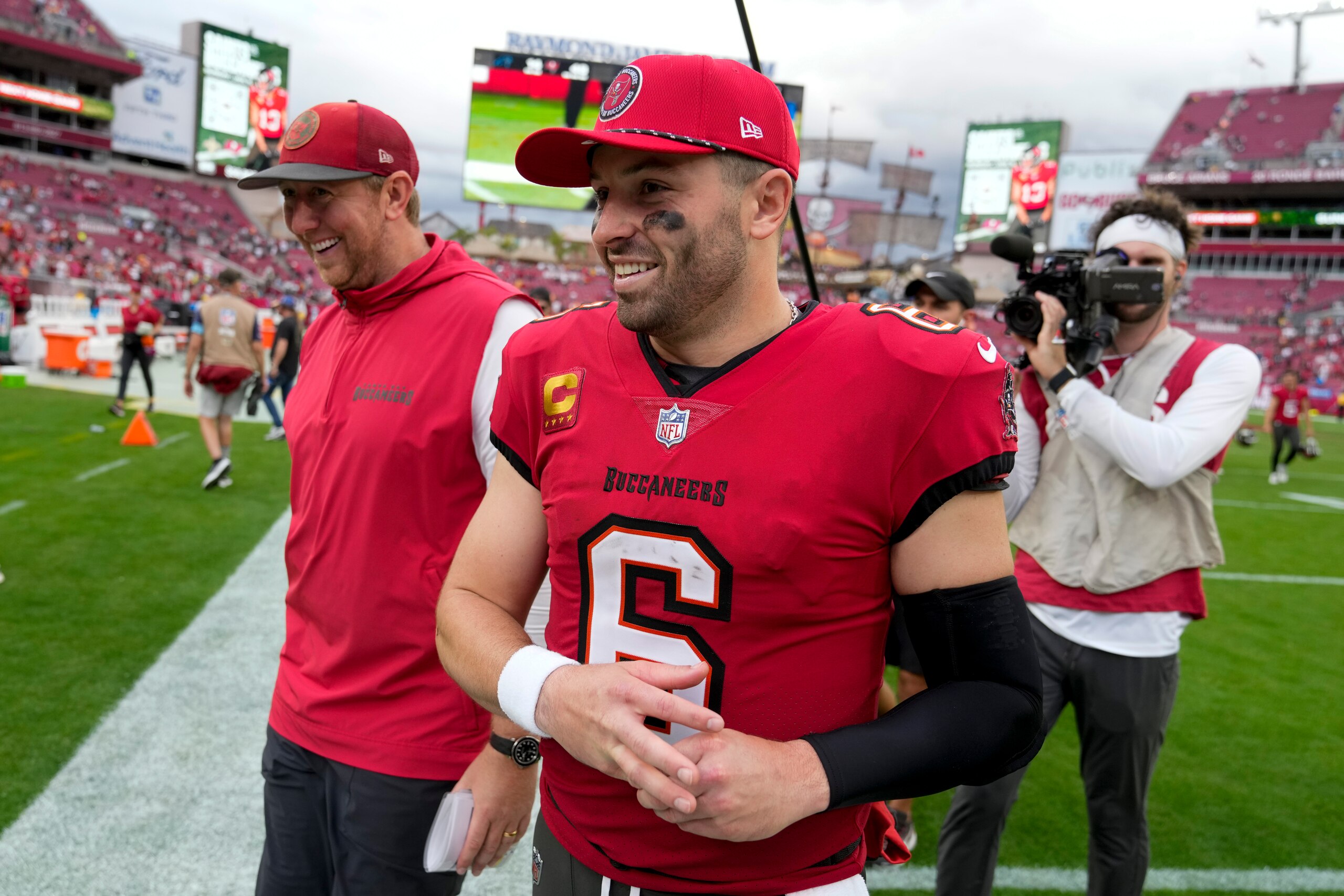
According to Mark Maske of The Washington Post, the Detroit Lions withdrew their playoff seeding proposal before any official votes.
The Athletic's Jayna Bardahl reported that Detroit's initiative received "minimal support" because owners didn't want to take away the division winners' home-field advantage.
The Lions suggested that teams in each conference be seeded by record alone, but division winners would still be a get a playoff slot. This would mean that a second-place team in one division could host a home playoff game if it had a better record than its opponent, even if that club won its division.
For example, the Minnesota Vikings would've been the NFC's No. 3 seed and hosted the sixth-seeded Tampa Bay Buccaneers in last season's playoff bracket.
Pittsburgh Steelers head coach Mike Tomlin, via ESPN's Brooke Pryor, voiced his support for the current seeding structure, which rewards division leaders.
"I'm a division purist, to be quite honest with you. I love the rivalries that are division play," Tomlin said. "I love the structure of our scheduling that highlights it. I just categorized myself as a division purist. I think the division winner should get a home playoff game."
Loser: Competitive Divisions in a Weak Conference
6 of 7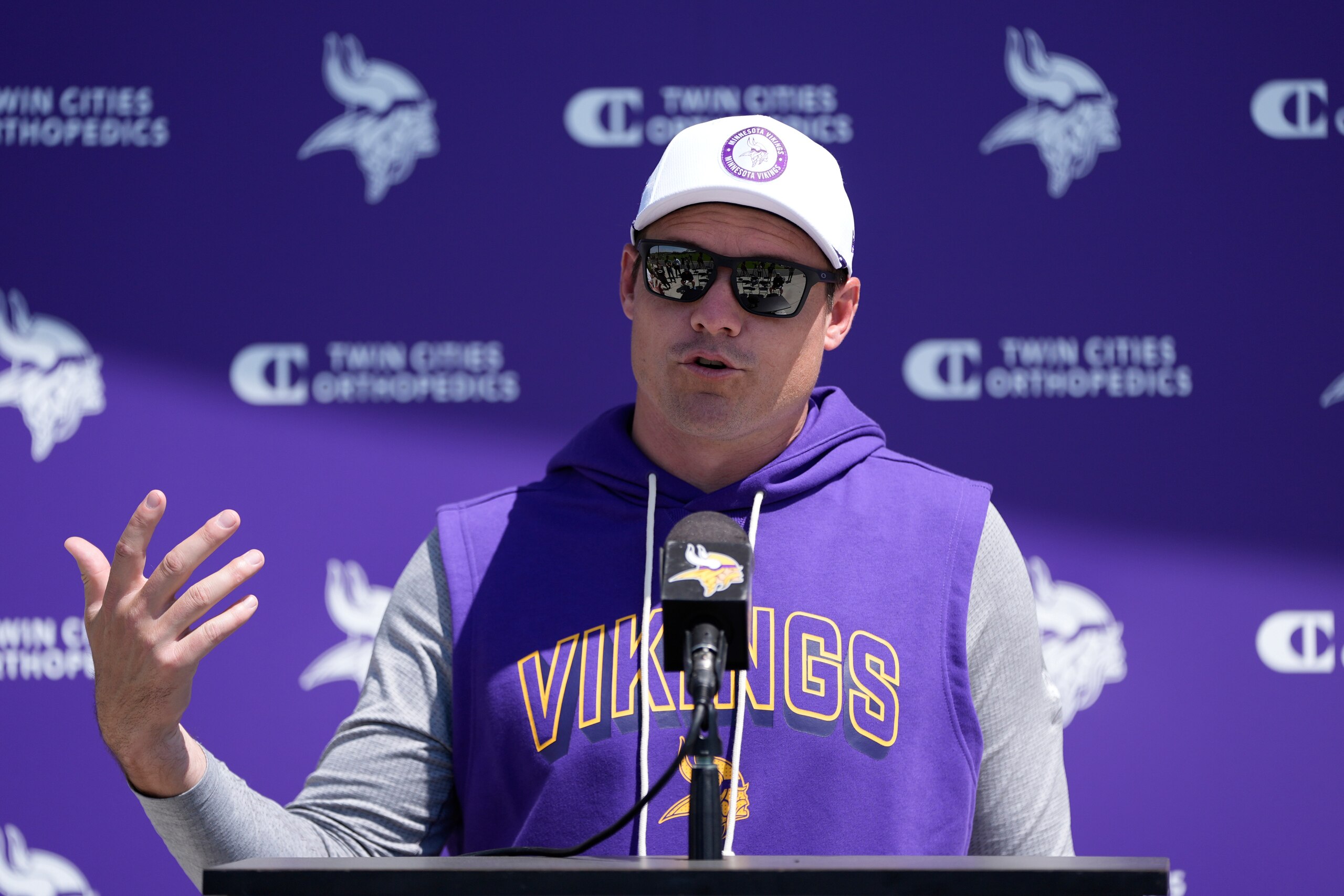
While Pittsburgh Steelers head coach Mike Tomlin and most owners see the current format as a reward for division winners, others view it as a disservice to road playoff teams with an overall better record than the home squad.
Last year, three clubs in the NFC North and AFC West divisions qualified for the playoffs. If seeded by record, both playoff conference brackets would've featured different Wild Card Round matchups.
As mentioned, the Minnesota Vikings would've hosted a playoff game instead of the Tampa Bay Buccaneers, who won the NFC South. Also, the Washington Commanders, who finished 12-5, would've had a home playoff game against the 11-6 Green Bay Packers in a matchup between the No. 4 and No. 5 seeds in the NFC.
In the AFC, the 11-6 Los Angeles Chargers would've hosted the 10-7 Houston Texans, who won the AFC South title.
We have no idea if the Lions' proposed format would've changed postseason results, but teams that play in tougher divisions have a legitimate gripe about going on the road to play teams in weaker divisions with a lesser record.
Loser: Fringe Playoff Teams Looking for Help Late in Season
7 of 7
Under the current playoff format, teams locked into a seed have little incentive to play starters to win in the final week of the regular season. So, if those clubs are playing against opponents still competing for a postseason spot, it will more than likely be a lopsided game, which compromises late playoff races.
If overall records determine seeding, teams vying for a home playoff game would be less likely to rest starters in the final week of the season. This would also benefit viewers who want more competitive Week 18 games, though some of the backups performed well in the final week of last year's regular season.
Still, in the spirit of competition, viewers want to see the best players on the field. Without the incentive to host at least one playoff game among non-division winners, a number of Week 18 contests will be meaningless in terms of postseason implications.
Perhaps the league will revisit the Lions' proposal when (not if) it adds an 18th game to the regular-season schedule to prevent teams that clinch early playoff spots from coasting to the finish line.
Maurice Moton covers the NFL for Bleacher Report. You can follow him on Twitter @MoeMoton.
.jpg?w=2560 "Vikings Buccaneers Football")