.png?w=2560)


The NBA trade market could be awash with activity over the upcoming offseason.
In fact, a number of factors already point toward that direction.
Cap space is tight for most teams. Free agency looks light on difference-makers, particularly if stars like LeBron James, James Harden and Kyrie Irving stick with their current clubs. And while the draft is capable of filling roster holes, there can only be one winner of the Cooper Flagg sweepstakes.
There should be, in other words, an obvious and active market for needle-movers, and there should be several available in trades. So, let's take a hypothetical glance at how things could shake out by brokering potential deals for our top 10 players with a realistic chance of becoming available.
One note before getting started: Since franchise finances are fluid on this side of free agency, we'll focus on the foundation of these deals as opposed to finding true dollar-for-dollar swaps.
10. Mark Williams, Charlotte Hornets
1 of 10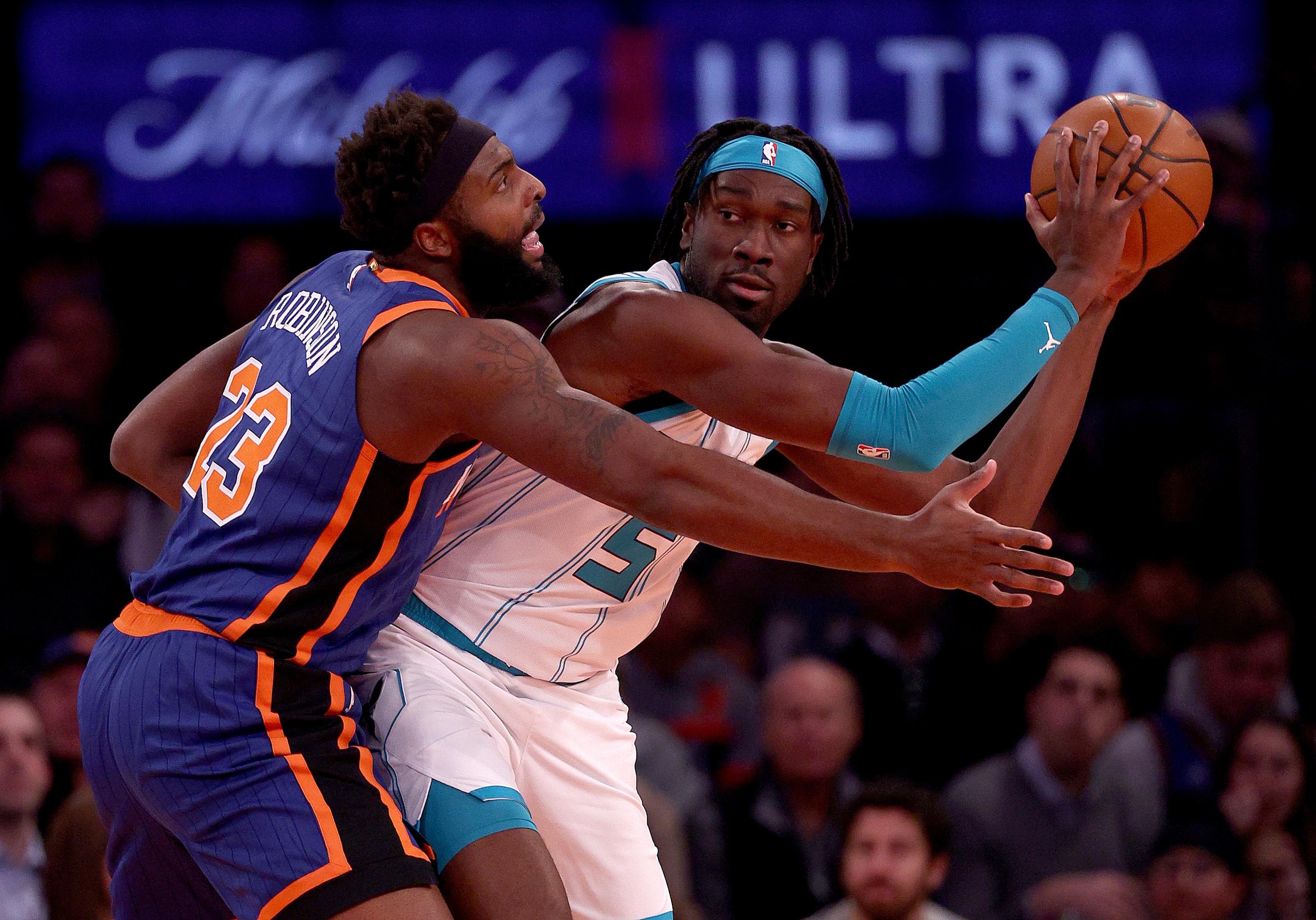
New York Knicks receive: Mark Williams
Charlotte Hornets receive: Mitchell Robinson and two second-round picks
Why the Knicks do it: A rim-runner does wonders for this team on both ends of the floor, and it might want to fill that role with a cheaper, more reliable option than Robinson. Williams, who has another season left on his rookie deal, has encountered his own injury issues, but the 41 games he's logged during this campaign are still a number Robinson won't clear this season and also failed to reach in two of the last four.
Why the Hornets do it: Well, they're obviously willing to let Williams go, but you'd figure they still want a big, bouncy presence in the paint. A healthy Robinson handles those duties even better than Williams, so Charlotte could see this as a chance to buy low on Robinson while also adding a couple of second-rounders to its arsenal.
9. Jabari Smith Jr., Houston Rockets
2 of 10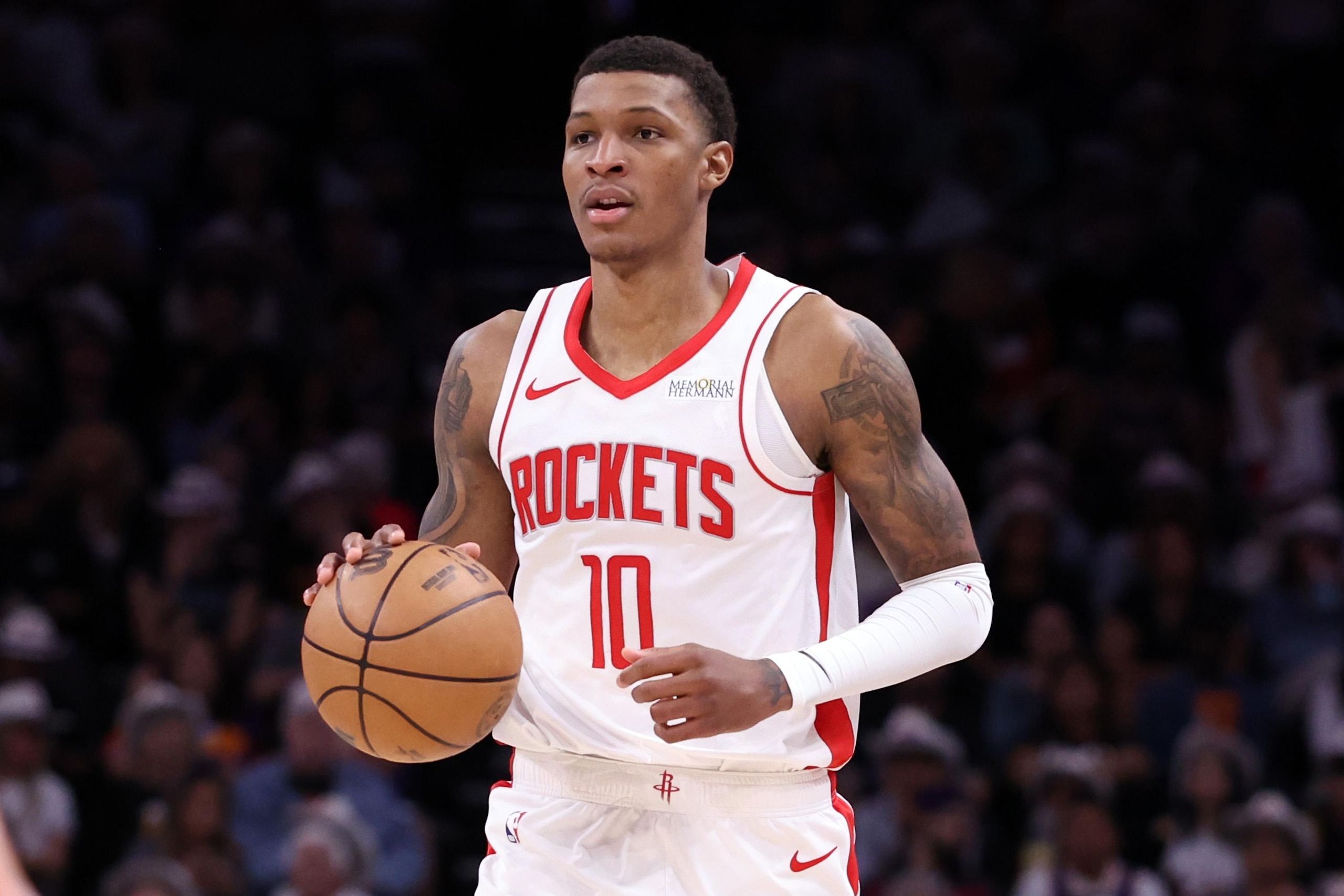
Phoenix Suns receive: Jalen Green, Jabari Smith Jr., Cam Whitmore and two first-round picks
Houston Rockets receive: Devin Booker
Why the Suns do it: They're in dire need of an organizational overhaul, and few teams are better equipped to provide the tools needed to make that change than the Rockets. Green, Smith and Whitmore all have building-block potential, and if the return is Booker, Houston might be willing to return one or both of the two future firsts it owns from Phoenix.
Why the Rockets do it: They still might be an established star away from a Phase 3 launch into full-fledged title contention. Green has yet to strike the ideal volume-efficiency balance, and Smith seems like he's settling in as a complementary piece. Booker may not be having his best season, but he obviously has the skills and stature to seize control of this attack and push it toward the top five.
8. Nic Claxton, Brooklyn Nets
3 of 10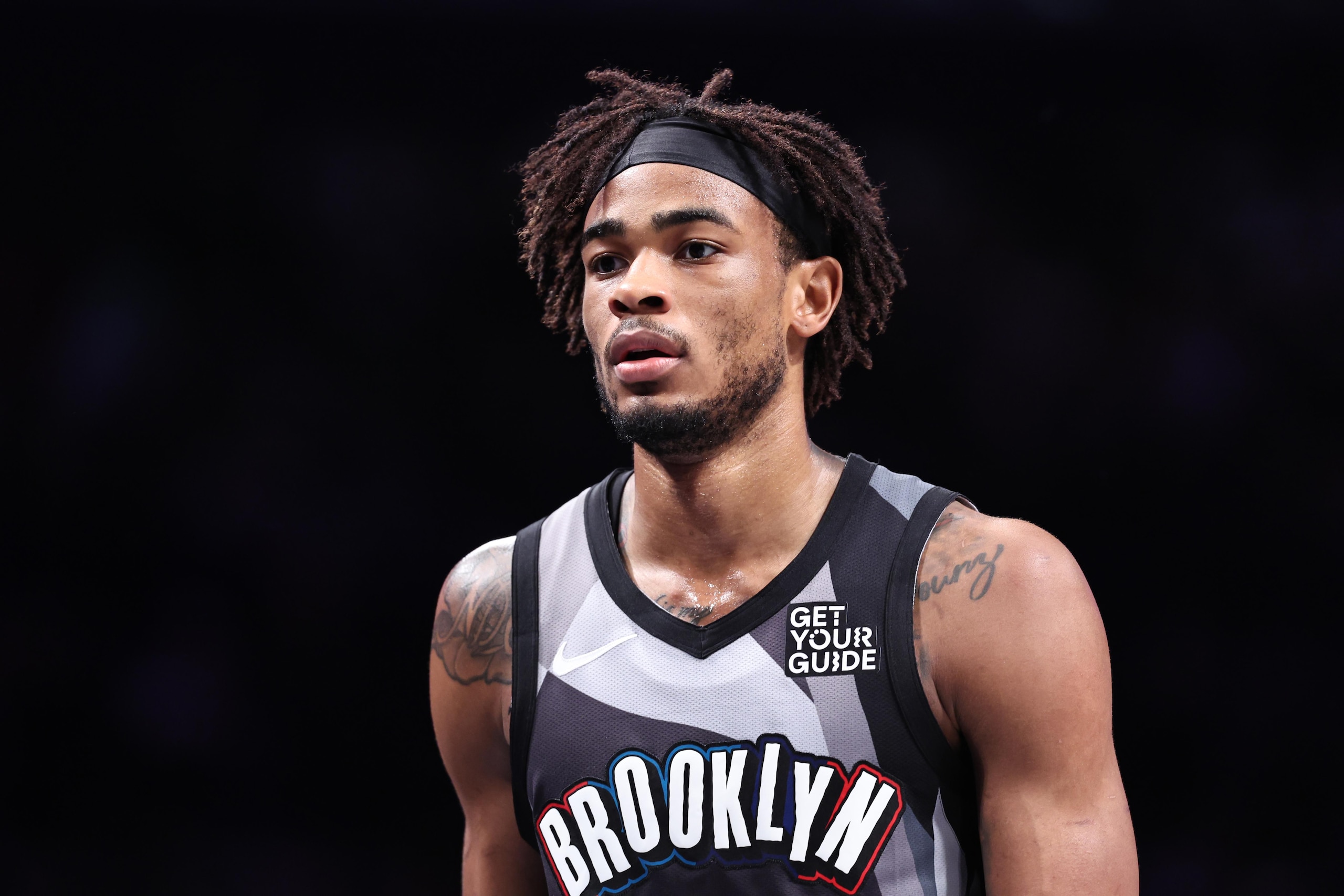
Los Angeles Lakers receive: Nic Claxton
Brooklyn Nets receive: Rui Hachimura, Dalton Knecht, a future first-round pick and a future first-round pick swap
Why the Lakers do it: They made that since-rescinded trade for Mark Williams for a reason. A defense with Luka Dončić, Austin Reaves and a 40-year-old LeBron James on the perimeter is crying out for paint protection. An offense with those three creators, meanwhile, can maximize a close-range finisher. Claxton, a career 63.5 percent shooter who's about to crack the top 10 in blocks in per game for the third time in six seasons, checks both boxes with ease.
Why the Nets do it: They're about to wrap up their second consecutive season with a sub-.400 winning percentage. And despite the losing, they're woefully short on young, blue-chip talent. This asset-rich return could help change that, no matter if Brooklyn would view Knecht and the draft picks as keepers or trade chips.
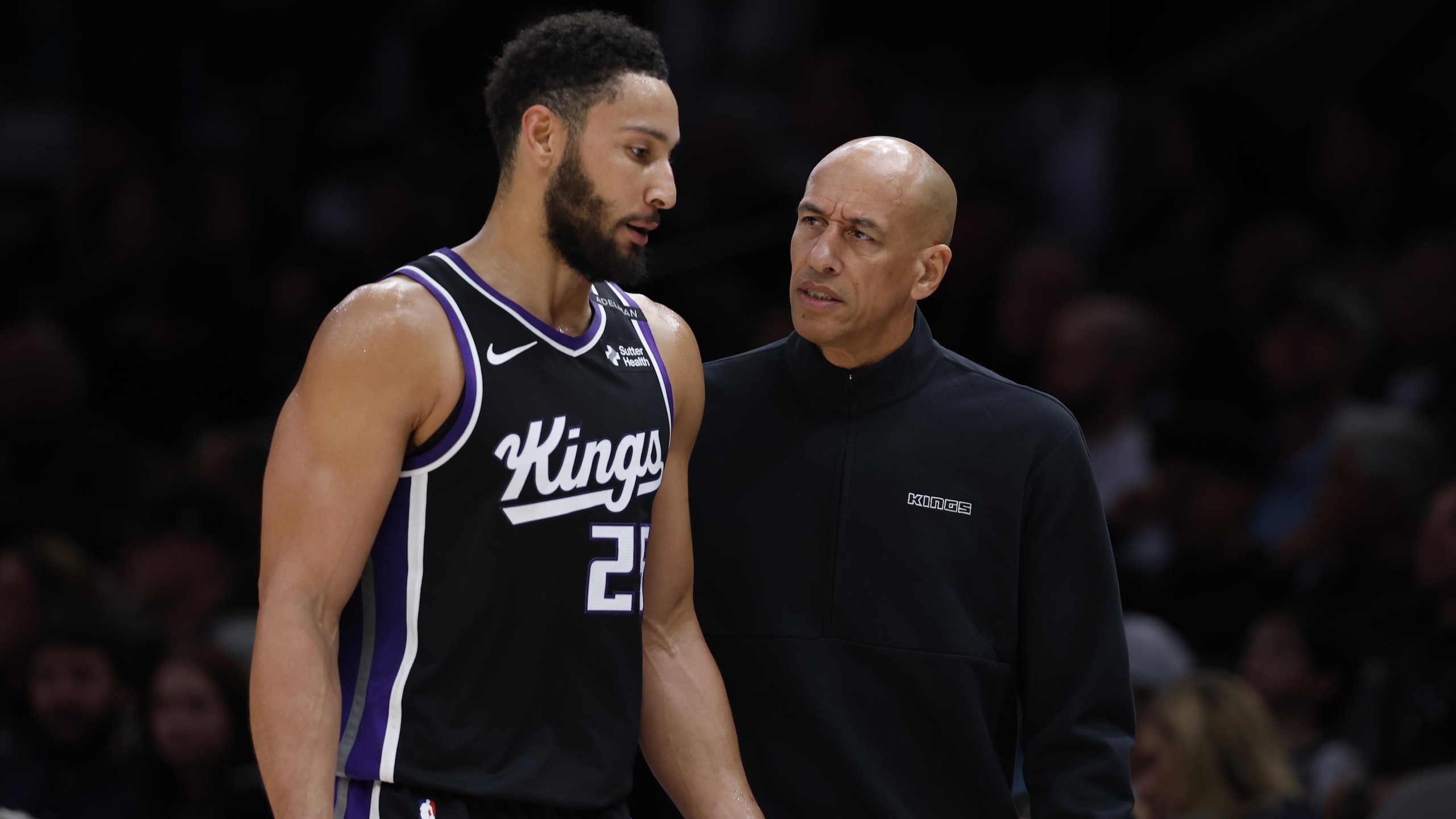
7. Cam Johnson, Brooklyn Nets
4 of 10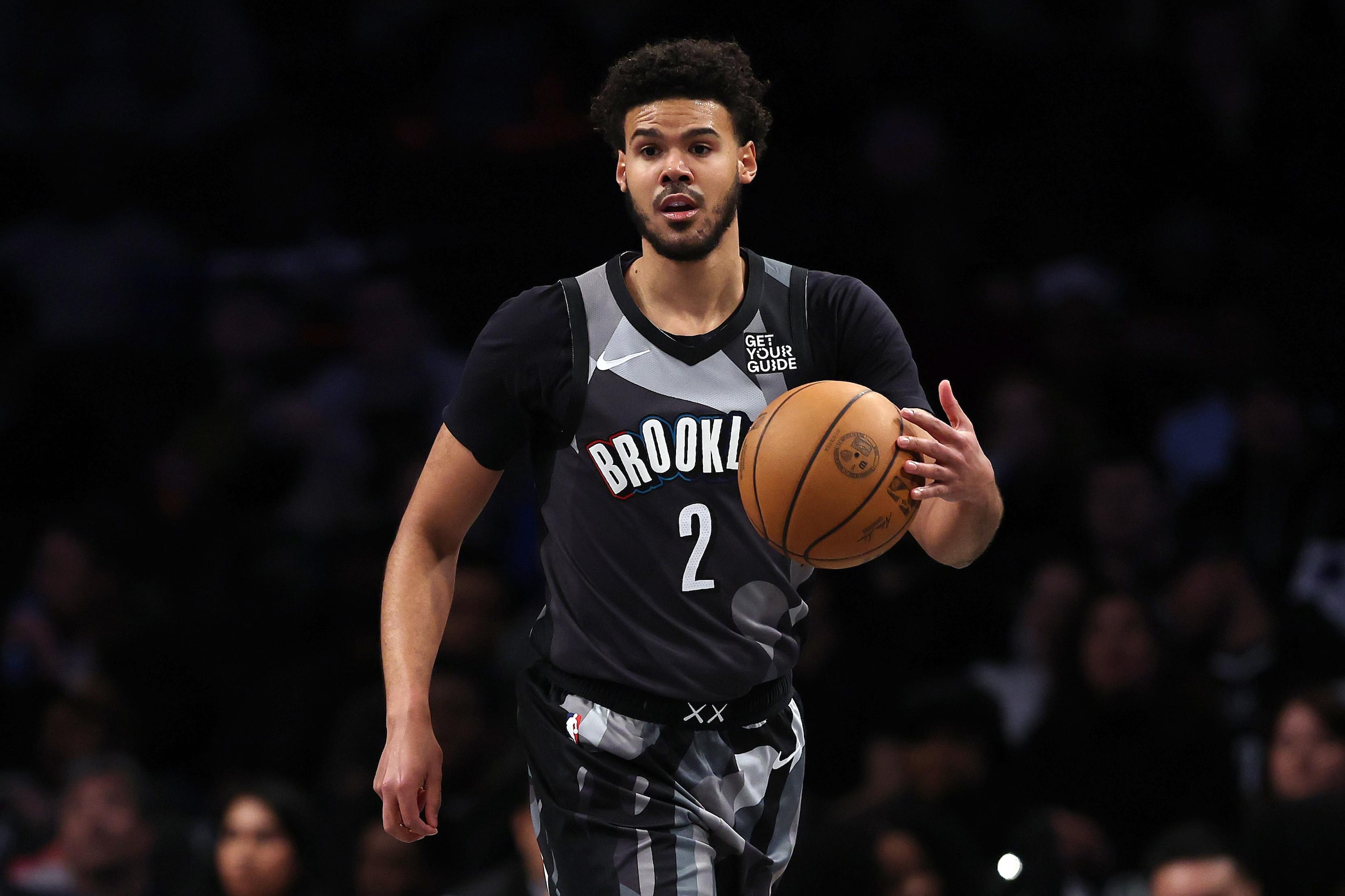
Detroit Pistons receive: Cam Johnson
Brooklyn Nets receive: Tobias Harris and two lightly-protected future first-round picks
Why the Pistons do it: Momentum is finally building in the Motor City, and Detroit's decision-makers should feel empowered to fuel this effort. Johnson may not fill the second-star void next to Cade Cunningham, but he's a tremendous role player who would be a better complement than Harris thanks to superior shooting and defensive versatility.
Why the Nets do it: Brooklyn looks about as far removed from contention as anyone. Maybe the Nets try to use their gobs of space to change that this offseason, but no one should have to explain the potential pitfalls of attempting to rush a rebuild to this organization. Slow, steady and sustainable growth feels like the best path forward, and the incoming picks would ease that process.
6. Lauri Markkanen, Utah Jazz
5 of 10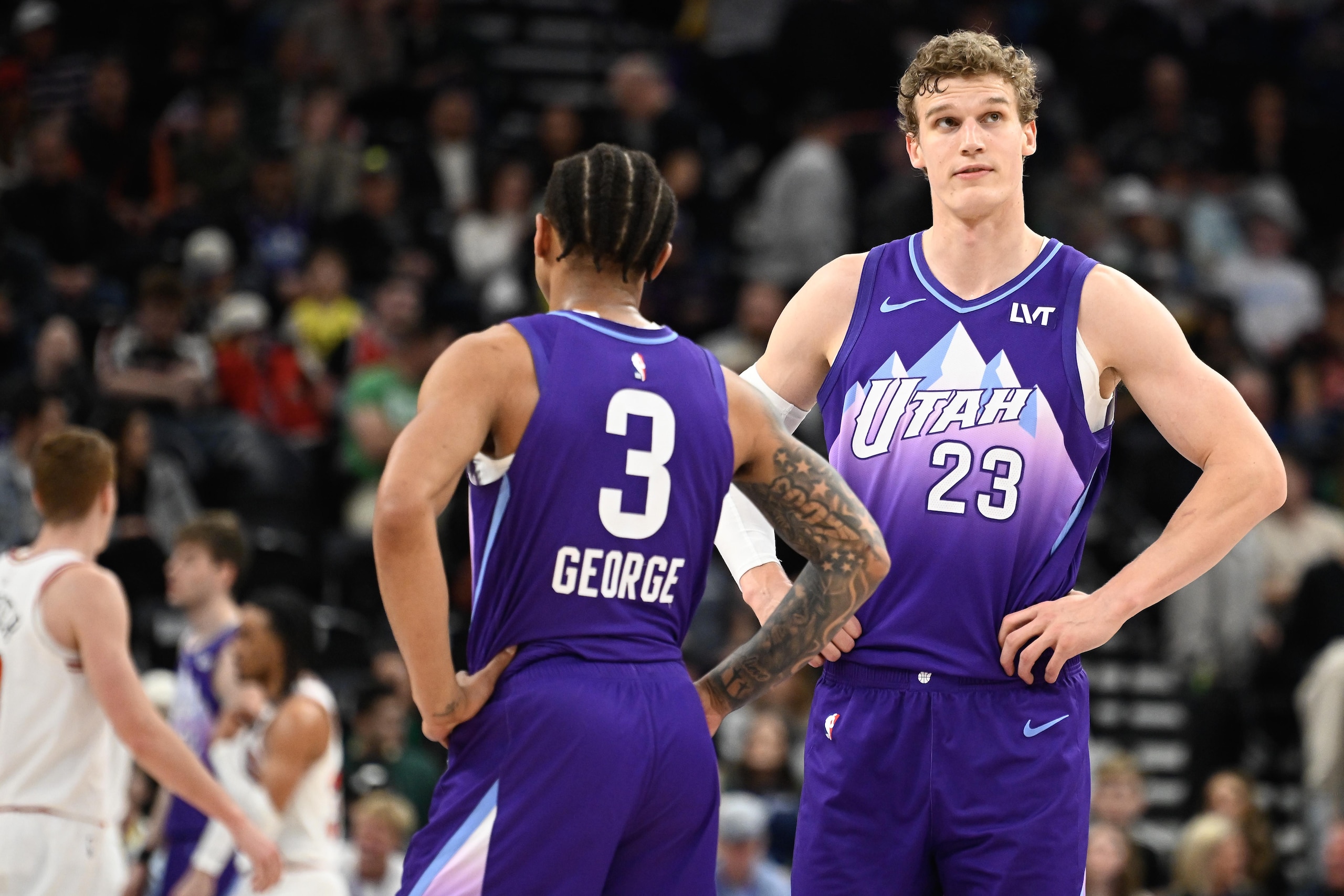
Portland Trail Blazers receive: Lauri Markkanen
Utah Jazz receive: Jerami Grant, Robert Williams III and two future first-round picks
Why the Blazers do it: Perhaps Portland's pluckiness convinces the front office this roster is closer to competitive than people thought coming into the campaign. If the Blazers are bullish about their young perimeter players, maybe they'd see a frontcourt upgrade like Markkanen as the missing piece. His two-way talents feel like perfect on-court fits in between Deni Avdija and Donovan Clingan.
Why the Jazz do it: Regardless what happens at next month's draft lottery, the Jazz won't be able to get their roster on the same timeline as Markkanen's. Not soon enough to justify the cost of his colossal contract, at least. Getting two firsts for him given the year he's having and the money he's owed feels like a big win, even if Grant is similarly overpaid (but not for as long or as much) and Williams is a walking injury risk.
5. LaMelo Ball, Charlotte Hornets
6 of 10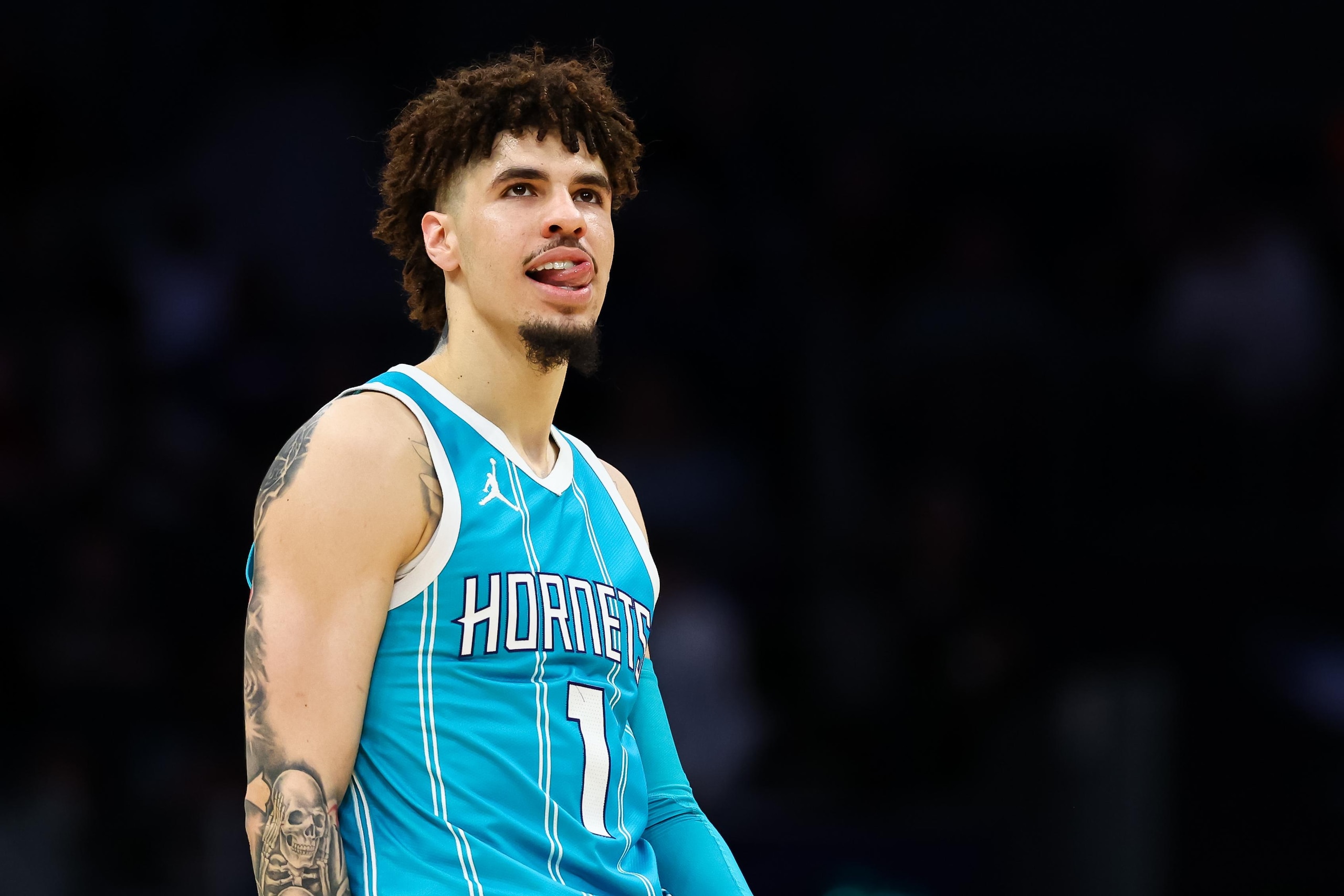
Orlando Magic receive: LaMelo Ball
Charlotte Hornets receive: Anthony Black, Kentavious Caldwell-Pope and two first-round picks
Why the Magic do it: They need an offensive jolt badly enough to accept the unanswered questions about Ball's ability to stay on the floor (let alone positively impact winning). His elite vision and in-the-arena shooting range would breathe new life into Orlando's attack, while his suspect shooting rates would hopefully spike with opposing defenses also having to contend with Paolo Banchero and Franz Wagner.
Why the Hornets do it: Ball's five seasons in Buzz City have yet to yield a single playoff trip, and Charlotte is in jeopardy of posting its worst win rate of his tenure. The Hornets could have serious doubts about his ability to lead an organization, which notably saw a full regime change within the past two years.
4. Zion Williamson, New Orleans Pelicans
7 of 10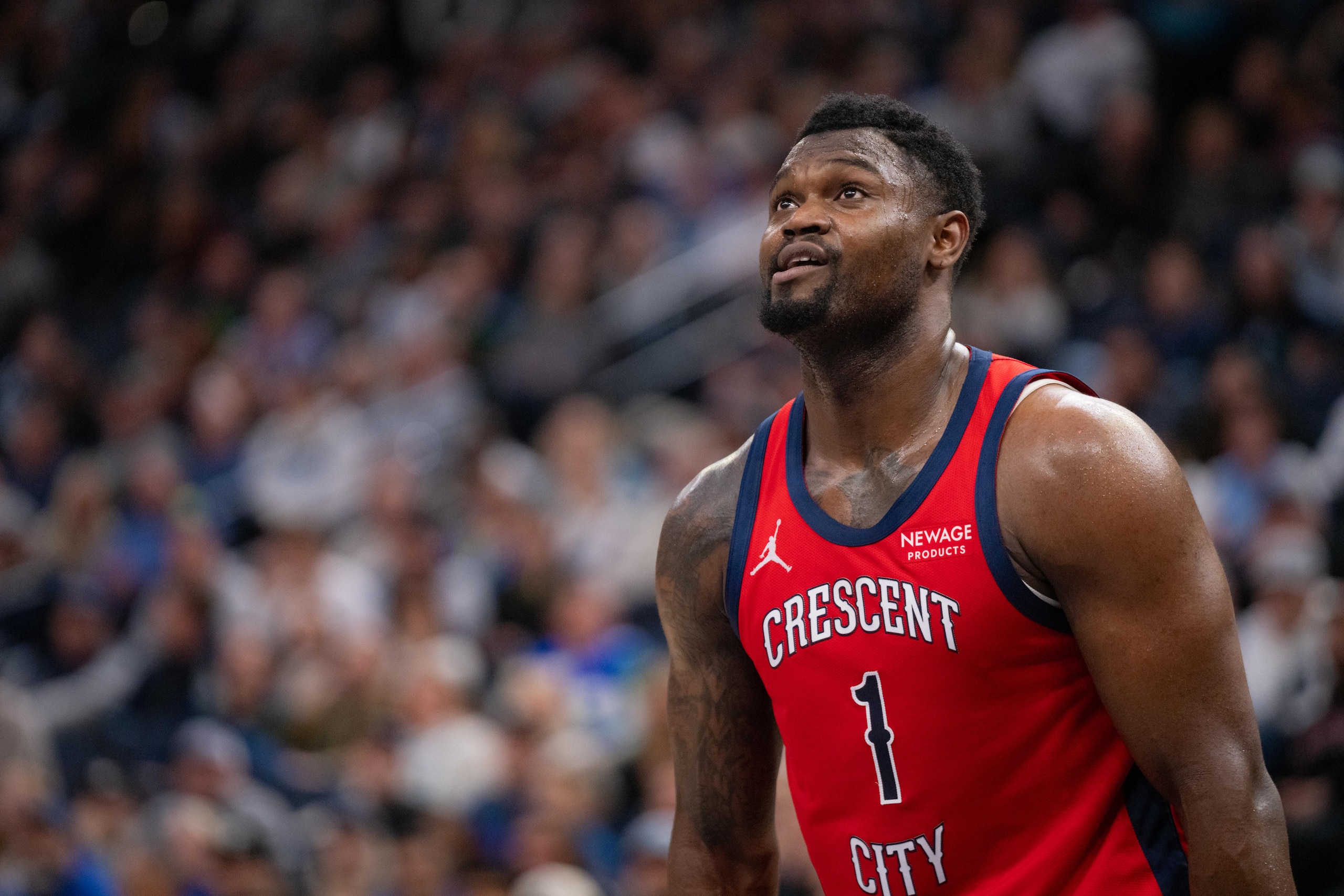
Detroit Pistons receive: Zion Williamson
New Orleans Pelicans receive: Tobias Harris, Ron Holland, Bobi Klintman and a future first-round pick
Why the Pistons do it: It's obvious Cade Cunningham needs a co-star, but it's also unclear how good the Pistons could become after adding one. Doing a discounted deal for Williamson to account for his availability issues might be the right middle ground. If Detroit keeps him upright, it would suddenly have one of the league's top tandems. If it doesn't, it has enough assets left over to return to the trade market.
Why the Pelicans do it: Yes, injury issues torpedoed their season, but why should anyone expect anything different with this team? New Orleans could be tired of waiting and hoping for better results with Williamson, and this trade package would offer a relatively easy out. There may not be a top-shelf asset in the mix, but Harris is a solid starter, Holland and Klintman are tools-y early-20-somethings and the pick would be from a franchise that missed the playoffs each of the past five seasons.
3. Trae Young, Atlanta Hawks
8 of 10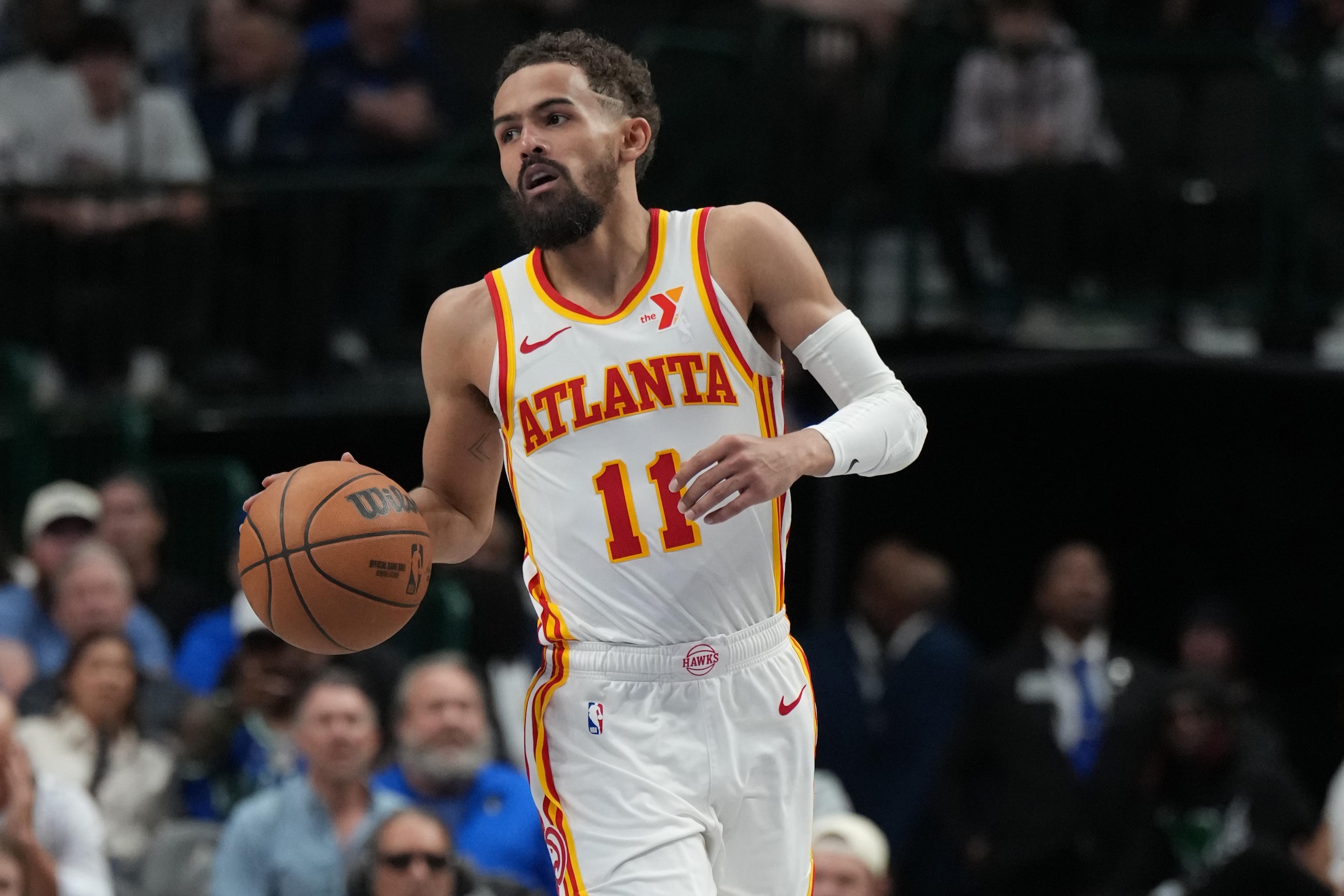
Memphis Grizzlies receive: Trae Young
Atlanta Hawks receive: Ja Morant
Why the Grizzlies do it: If Memphis' late-season swoon leads to an early exit, maybe the same front office that fired its coach in the heat of a playoff race would consider swapping star guards with another stalled franchise. The Grizzlies would obviously prefer Young's durability, but they might also view his top-shelf table-setting and deep shooting range as on-court upgrades over Morant's downhill attacking.
Why the Hawks do it: They haven't won a playoff series since crashing the 2021 Eastern Conference Finals. They could sense things are growing stale with Young, whom they've tasked with the lowest usage percentage since his rookie season. A healthy Morant can be a game-changer, and he's never had as much turnover trouble or as many defensive shortcomings as Young.
2. Domantas Sabonis, Sacramento Kings
9 of 10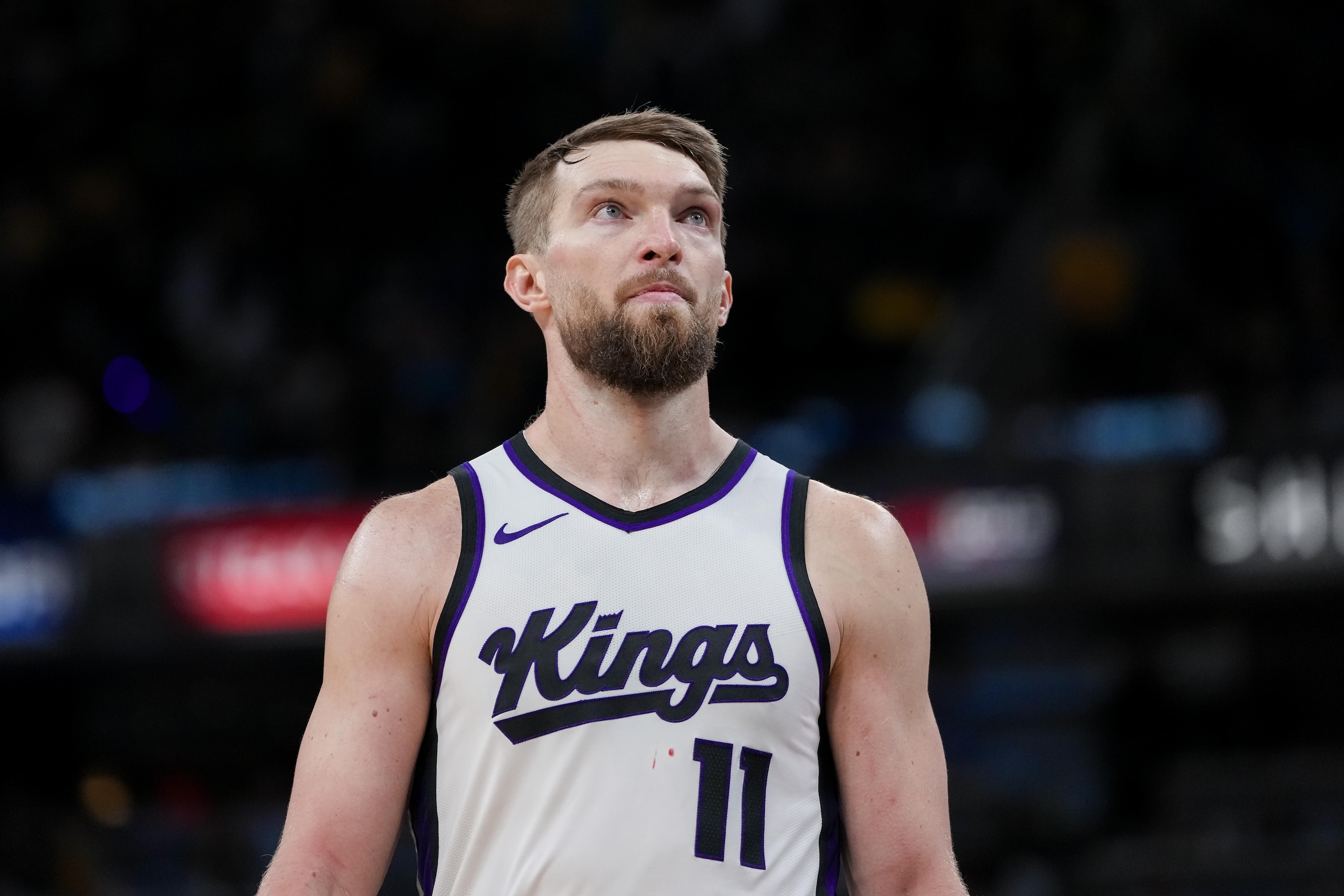
Brooklyn Nets receive: Domantas Sabonis
Sacramento Kings receive: Nic Claxton, Maxwell Lewis and two first-round picks
Why the Nets do it: Brooklyn could have something major brewing this offseason, with Brian Lewis of the New York Post calling a Giannis Antetokounmpo trade the Nets' "Plan A" for the summer. Dealing for Sabonis feels much more realistic and affordable, plus there's enough in the coffers to pull this off and still seek out multiple high-level upgrades elsewhere. Having Sabonis as a second/third star and Cam Johnson as the ultimate role player might allow the Nets' next centerpiece to truly thrive.
Why the Kings do it: Sabonis might be less than sold on Sacramento's long-term outlook, and maybe the front office would quietly feel the same with the team trending down since its 2023 playoff breakthrough. Kings ownership may not sign off on a roster reset, but this would net a pair of first-round picks and a physically impressive 22-year-old while also delivering a readymade interior anchor to shore up this leaky defense.
1. Kevin Durant, Phoenix Suns
10 of 10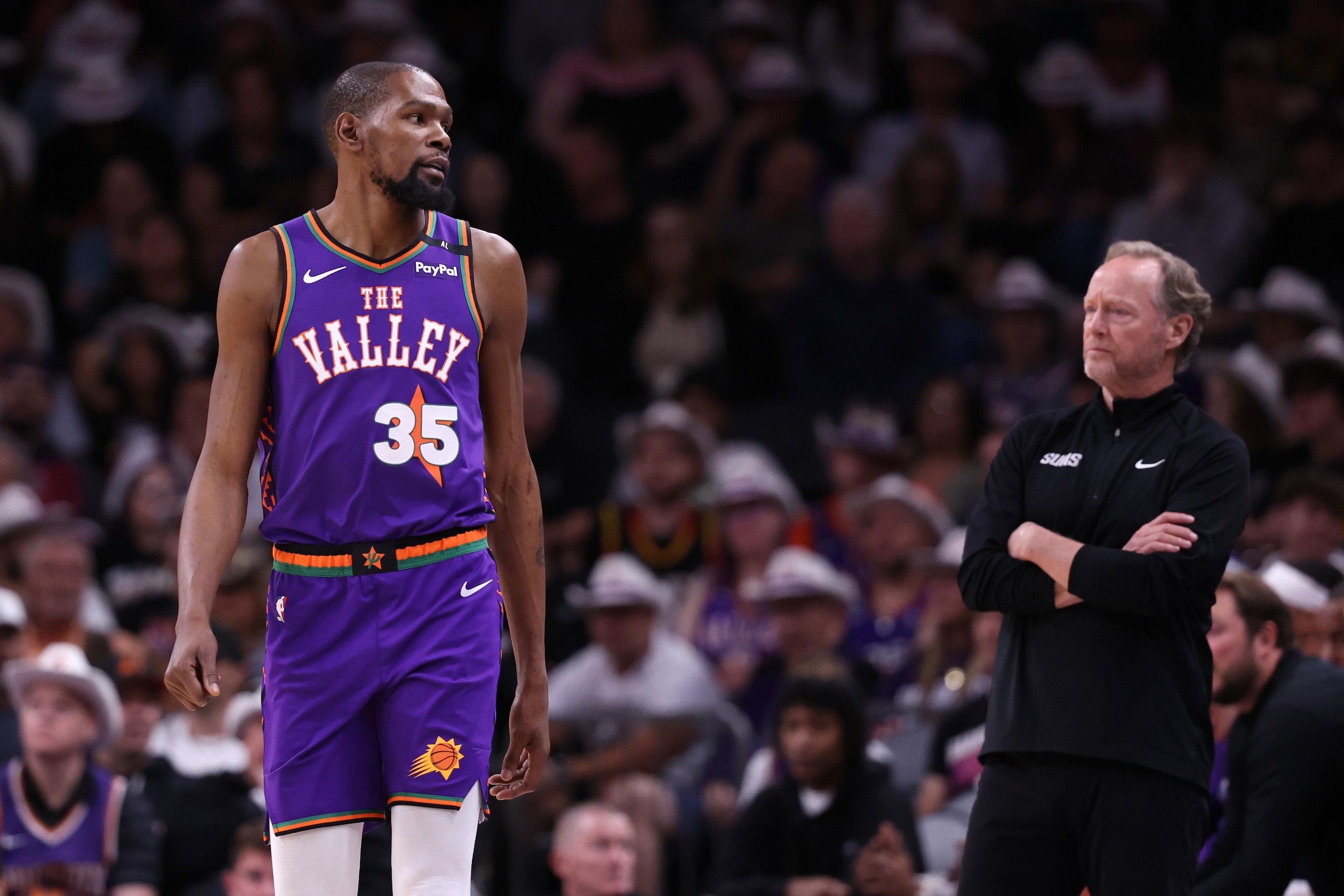
Dallas Mavericks receive: Kevin Durant
Phoenix Suns receive: Klay Thompson, P.J. Washington, Jaden Hardy and two first-round picks
Why the Mavericks do it: They narrowed their championship window by swapping out Luka Dončić for Anthony Davis, so they must be hyper-focused on the present. And while there are all kinds of red-flag worries (and dim long-term hopes) for a Durant-Davis-Kyrie Irving trio, few teams—if any—are matching that talent. It might only take them one healthy playoff run to justify the cost of this swap and even the Dončić deal.
Why the Suns do it: A Durant deal feels inevitable, but if Phoenix is keeping Devin Booker around, it won't want to tear everything down to the studs. The Suns will want competitive pieces, plus the assets to either add more or keep stored away for the future. Thompson would be an easy fit as a low-maintenance shooter, Washington could help replace some of Durant's defensive versatility, and Phoenix would hope to strike it rich with the first-round picks (and, to a much lesser extent, Hardy). The Suns would also need to take on more salary to make this work, so the actual return would be a touch larger than it appears here.
.jpg?w=2560)
.jpg?w=2560 "Cardinals LB's Quote Resurfaces 😏")
.jpg?w=2560 "Skattebo Has 0 Touch Game 😬")
.jpg?w=2560 "Chargers Fall to 0-6 📉")
.jpg?w=2560 "Packers Beat Cowboys on SNF 🧀")
.jpg?w=2560 "49ers FB Slams CJGJ 😳")
.jpg?w=2560 "Bills Safety Ejected for Spitting")