.png?w=2560)

Winners and Losers of Tush Push, NFL Rule Changes from 2025 Spring League Meeting
When it comes to major American sports, the NFL reigns supreme. However, the game can provide new fans with a steep learning curve because of its lengthy list of rules and bylaws. It doesn't help that the rules are constantly evolving.
A number of rule-change proposals were up for vote on Tuesday at the league's annual spring meeting, with a potential ban on the Philadelphia Eagles' infamous "tush push" headlining the list.
Many fans—and many who are directly involved with other NFL teams—have viewed the Eagles' variation on the quarterback sneak as an unfair competitive advantage. The reason? Philadelphia seems to be the only team that can pull it off with a high level of consistency and efficiency.
Other rule proposals on Tuesday's docket included tweaks to regular-season overtime, an expansion of replay reviews and changes to the dynamic kickoff that was implemented in 2024.
A full list of proposals can be found here.
Here, we'll dive into the biggest changes that fans can expect to see in 2025, along with the biggest winners and losers of Tuesday's voting.
Rule-Change Rundown
1 of 8
While the proposed ban on the tush push was tabled for now, according to NFL Network's Ian Rapoport, a few notable changes were passed. Notably, regular-season overtime rules were changed to more closely mirror those for the postseason, and a rules amendment to "expand Instant Replay’s ability to advise the on-field officials on specific, objective aspects of a play" were both passed.
Rules for the kickoff were also tweaked, giving return teams more formation flexibility and moving the spot point for touchbacks from the 30-yard line to the 35-yard line.
A proposed change to the onside-kick rule that would have allowed "the kicking team to declare an onside kick at any time during the game if trailing its opponent" was not approved. According to NFL Network's Tom Pelissero, changes to the onside-kick rules could be "considered later."
Though it won't impact games, a change proposed by the Pittsburgh Steelers was approved and should have a notable effect on NFL free agency. Under the new rule, teams may now directly contact players during the legal-tampering window.
The Detroit Lions' proposal to eliminate automatic first downs for defensive holding and illegal contact did not pass, according to ESPN's Adam Schefter. Detroit's proposal to allow for playoff re-seeding—with wild-card teams being seeded higher than division winners if they hold a better record—was tabled, according to Rapoport.
Winner: The Philadelphia Eagles
2 of 8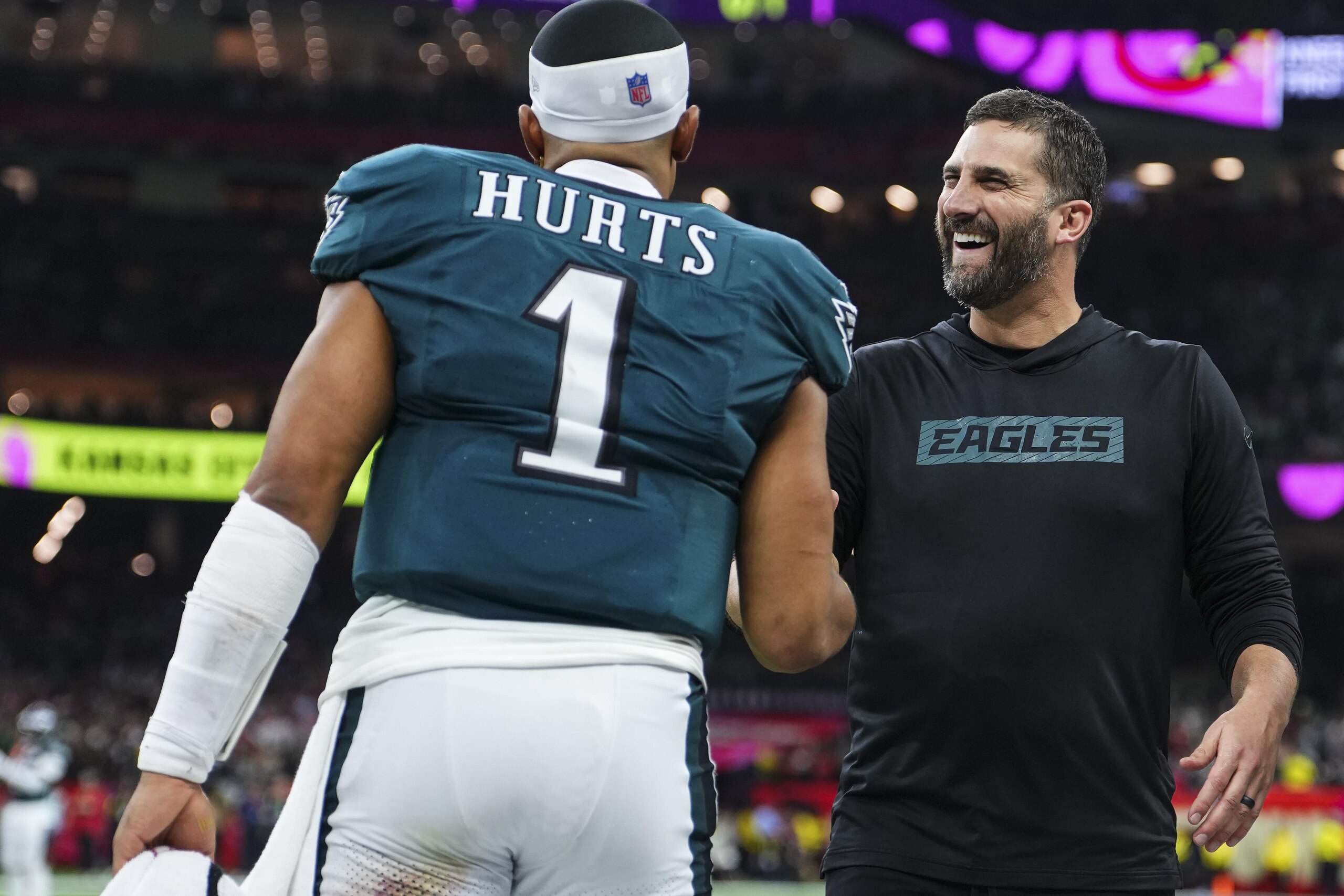
There will be no ban on the tush push at this point in the offseason, although the potential for a ban hasn't completely disappeared.
A formal vote to ban the play—in which players push the quarterback from behind immediately after he takes the snap on a quarterback sneak—was not taken. However, the ban, which was proposed by the Green Bay Packers, had support from members of the competition committee, according to ESPN's Kalyn Kahler.
While the ban would have affected all 32 teams, it was obviously directed at the defending champions. Other teams have tried the maneuver, but the Eagles frequently use it in short-yardage situations and have had significantly more success with it than other squads.
According to Sports Illustrated's Tim Capurso, Philadelphia's success rate on the QB-push play was 86 percent in 2022 and 2023, while the league average was 76 percent.
An eventual ban on the play is still possible, but for now, the Eagles can plan to do what they do better than any other team in the 2025 season. Having the ban officially shut down by a vote would have been a bigger win for Philadelphia, but the Eagles should be coming away pleased regardless.
Losers: Teams That Can't Figure Out How to Stop the Tush Push
3 of 8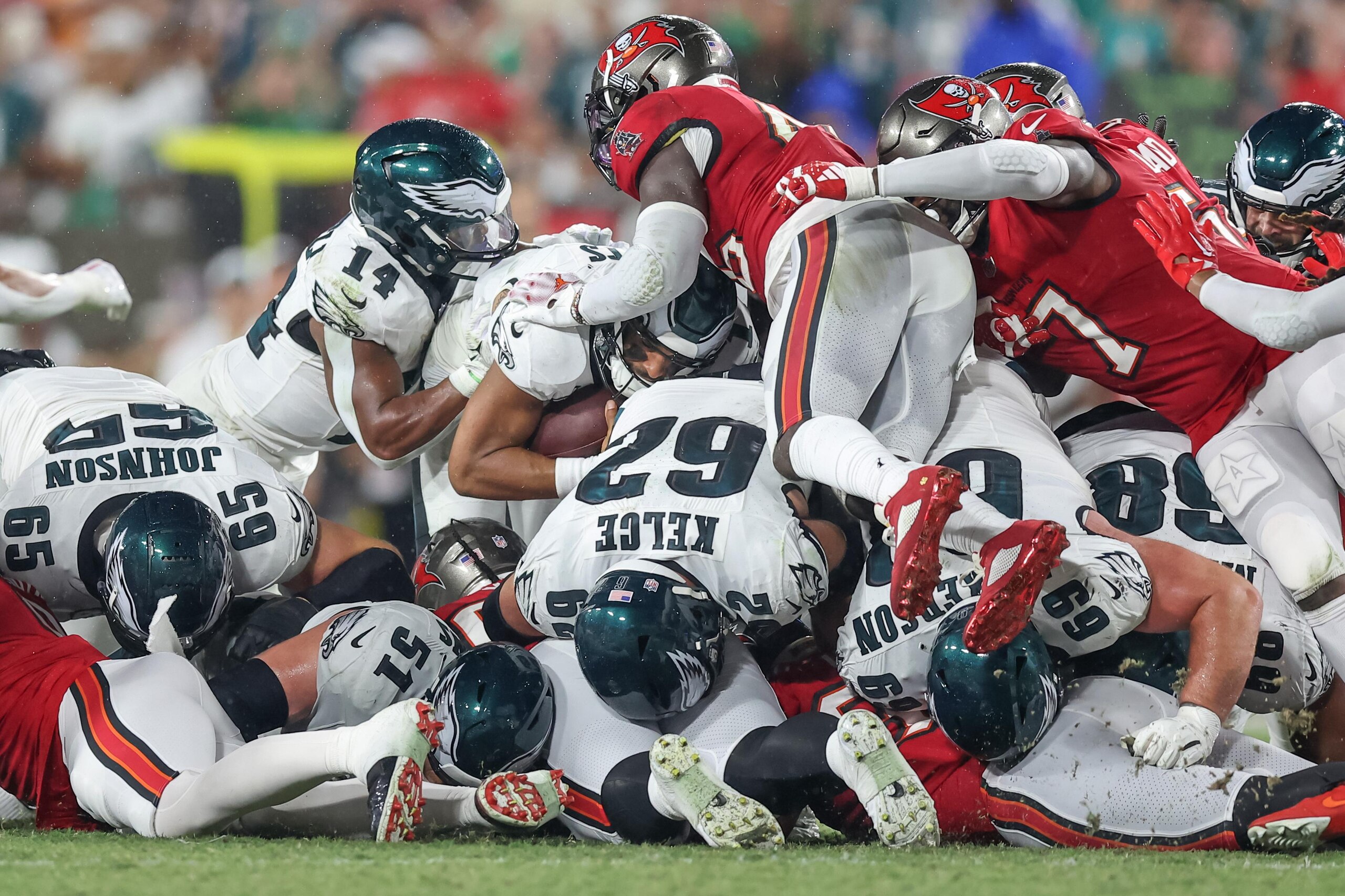
While the tush push might feel like an automatic play, it isn't. The Tampa Bay Buccaneers have had success stopping it in the past, and Bucs head coach Todd Bowles never seemed like a big proponent of banning it outright.
"I don’t think the first thing you can do is try to take it out of the ball game because that takes away the creativity of everybody trying to do everything else," Bowles said, per Rob Maaddi of the Associated Press. "So you gotta learn how to stop it."
However, teams that can't stop the QB-push play—or aren't interested in trying to learn how to do so—probably aren't happy with Tuesday's decision.
Critics of the tush push, including Packers head coach Matt LaFleur, have argued that it isn't a quality football play and could impact player safety.
"When you look at the play, I would say I don’t think it’s a great football play,” LaFleur told reporters. “It’s more of a rugby play. Some of the injury concerns, we want to just kinda get out in front of that and be a little bit more proactive.”
However, the proposal very much felt like a case of "if we can't beat it, let's ban it."
The quarterback sneak has long been an NFL staple, and no one is arguing to take it out of the game. The issue is that the Eagles are the only team that has regularly found success by pushing the quarterback from behind, and most teams haven't even tried the maneuver frequently.
According to ESPN's Kalyn Kahler, only the Eagles and the Buffalo Bills ran the tush push more than five times last season.
Teams hoping to stop the QB-push play in the meeting room lost on Tuesday. Until/unless the ban is back up for another vote, they'll have to learn to stop it—or emulate it themselves—on the field.
.jpg?w=2560 "Texans Titans Football")
.jpg?w=2560 "Broncos Chargers Football")
Winners: NFL Kick Returners
4 of 8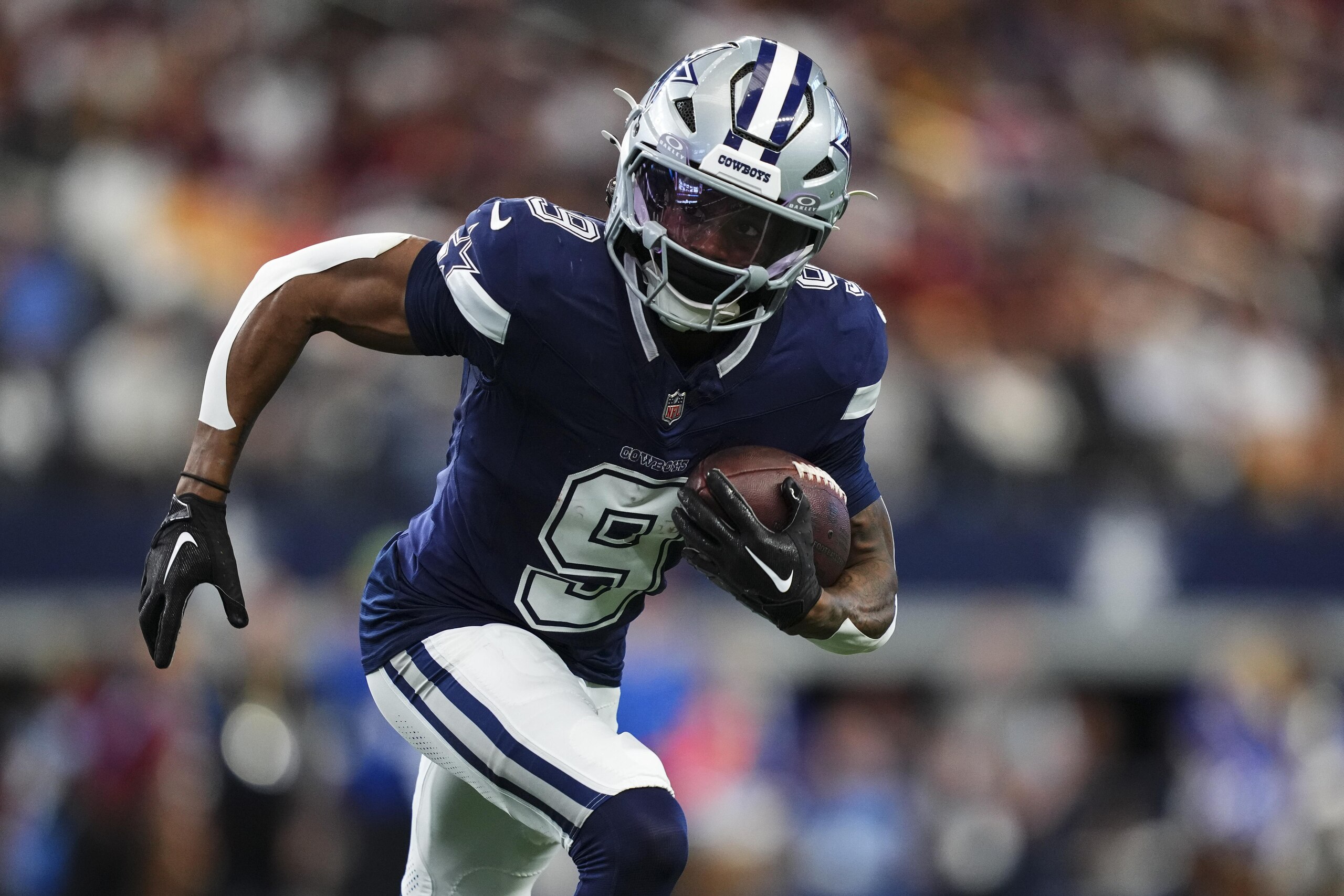
It's probably fitting that the NFL introduced the dynamic kickoff in the same year that legendary returner Devin Hester was inducted into the Pro Football Hall of Fame.
The kickoff, which made returns easier and more heavily penalized touchbacks, handed a bit more value to players who specialize in kick returns.
According to NFL Football Operations, there were 332 more kick returns in 2024 than there were in 2023. According to ESPN's Kevin Seifert, fans can expect another significant jump in returns with the touchback spot being moved to the 35-yard line.
"With this touchback spot change, the NFL has been projecting an increase in the return rate from ~33% in 2024 to between 60%-70% in 2025," Seifert posted on X.
The reason is fairly simple. With kickers becoming increasingly adept at hitting long field goals, many offenses starting at the 35-yard line will only need to pick up a few first downs to move into scoring range. Some teams may still refuse to kick to dangerous returners, but plenty will look to avoid handing out free yards and easier scoring opportunities.
The result should be more returned kicks, which is a big win for specialists like Dallas Cowboys All-Pro returner KaVontae Turpin.
Entering the 2024 offseason, the kickoff had largely become a dead play. Kickers typically just sent the ball out of the back of the end zone, which meant that teams rarely prioritized having a high-end returner.
If kickoffs are returned at a rate of 60-70 percent, having a strong return specialist will become a necessity once again. This means that players like Turpin will be in high demand, and franchises will scour the college ranks for the next Devin Hester.
Tuesday's change is a massive win for NFL hopefuls looking to make their mark as returners and for those hoping to earn lucrative contracts as return specialists.
Winners: Fans of Fair Football
5 of 8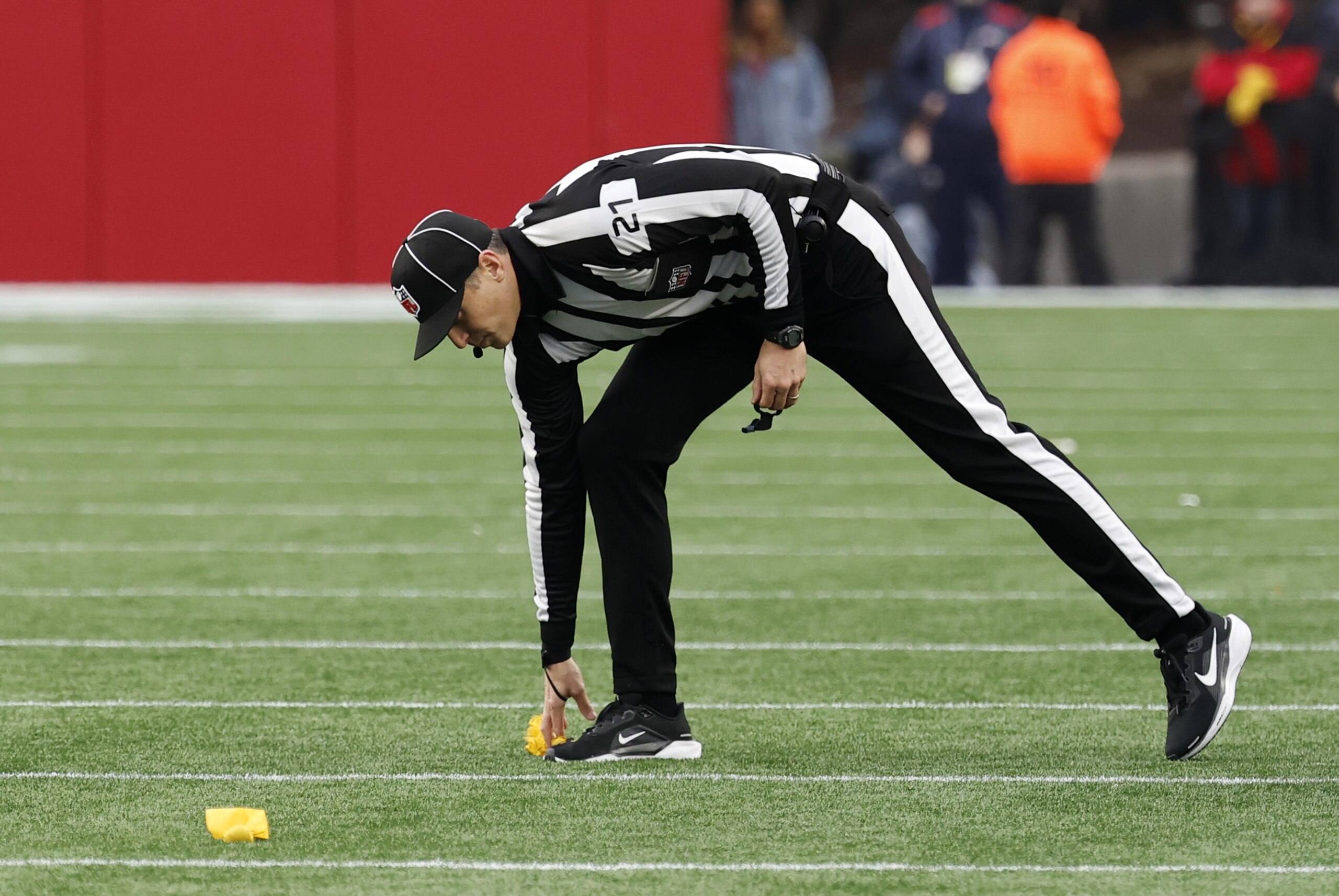
Two of Tuesday's rule changes should be viewed as big wins for fans of fair play. The first is the change to regular-season overtime rules, which will now fall in line with the postseason overtime rules.
The change, which was proposed by Philadelphia, will ensure that both teams can possess the football during the regular-season overtime period, regardless of whether the opening drive results in a touchdown.
That's the way it's been in the postseason since the playoff overtime rule was changed in 2022. A defensive score on the opening possession will still end the game, and if teams trade touchdowns to start overtime, the game will still revert to sudden death. However, teams winning the overtime coin toss will no longer have the massive regular-season advantage that they previously did.
If a team wins the toss and scores a touchdown on its first possession, the other team will now have the chance to match. The Eagles also proposed expanding overtime from 10 minutes to 15 minutes—the length of postseason overtime—though that part of the rule was not changed.
Fans should also expect more accuracy when it comes to penalties that are called on the field. The expansion of instant replay, which was proposed by the competition committee, will give replay officials more opportunities to get the calls right:
"Amends Rule 15, to expand Instant Replay’s ability to advise the on-field officials on specific, objective aspects of a play and/or to address game administration issues when clear and obvious video evidence is present."
We've all seen calls made in real time that appeared blatantly wrong upon replay review. Tuesday's change probably won't eliminate them entirely, but officiating errors will ideally now be fewer and further between.
Losers: Defensive Coordinators Hoping to Coach More Aggressively
6 of 8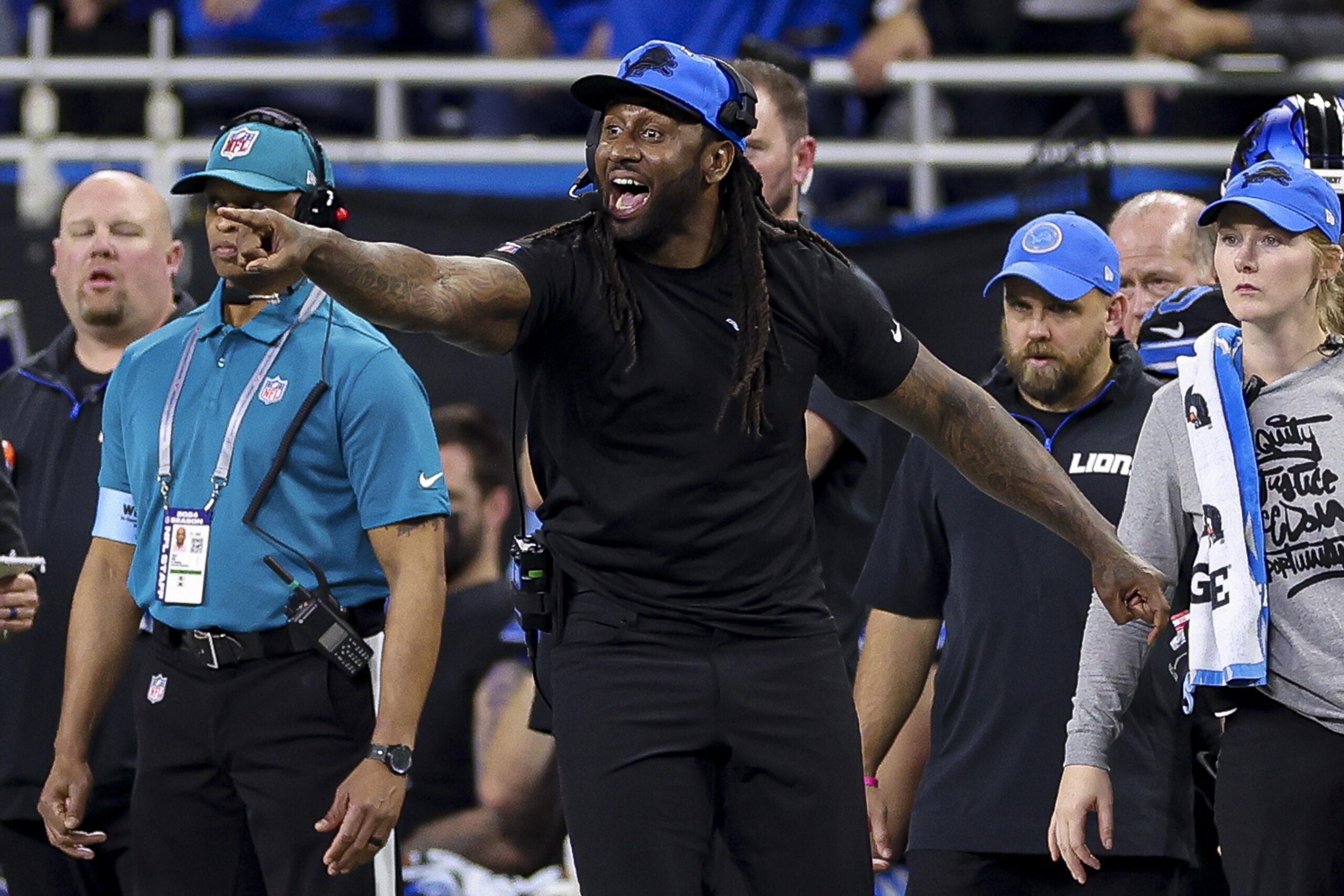
While a vote on the tush push was tabled, the Lions' proposal to eliminate automatic first downs for defensive holding and illegal contact was voted down. That means that both penalties will continue resulting in five yards and an automatic first down.
That's good news for offensive players and coaches, who will continue to have an advantage when it comes to the rules. The reasoning for Detroit's proposal was "competitive equity," according to Benjamin Raven of MLive.
"Current penalty enforcement is too punitive for the defense."
While it's true that the current NFL rules heavily favor the offense—specifically passing offenses—taking away automatic first downs for defensive passing infractions would have had a massive impact on the way games are called.
On one hand, it often feels unfair to see an offense facing 3rd-and-long get a "free" first down when a relatively minor infraction occurs. On the other, the current rule ensures that defenders aren't bullying receivers at the line of scrimmage.
Had the proposed change passed, defensive coordinators could instruct their players to play receivers as aggressively as possible in long down-and-distance situations. For example, a 3rd-and-20 would become a 3rd-and-15 if an illegal contract penalty was called.
Keeping the status quo will help ensure that the NFL is still an offensively driven league, which is a win for teams with great passing attacks and for fans who love to see high-scoring games. But for defensive coaches hoping to play ultra-aggressively in certain down-and-distance situations, it's a loss.
Winners: Teams Hoping to Make a Splash in Free Agency
7 of 8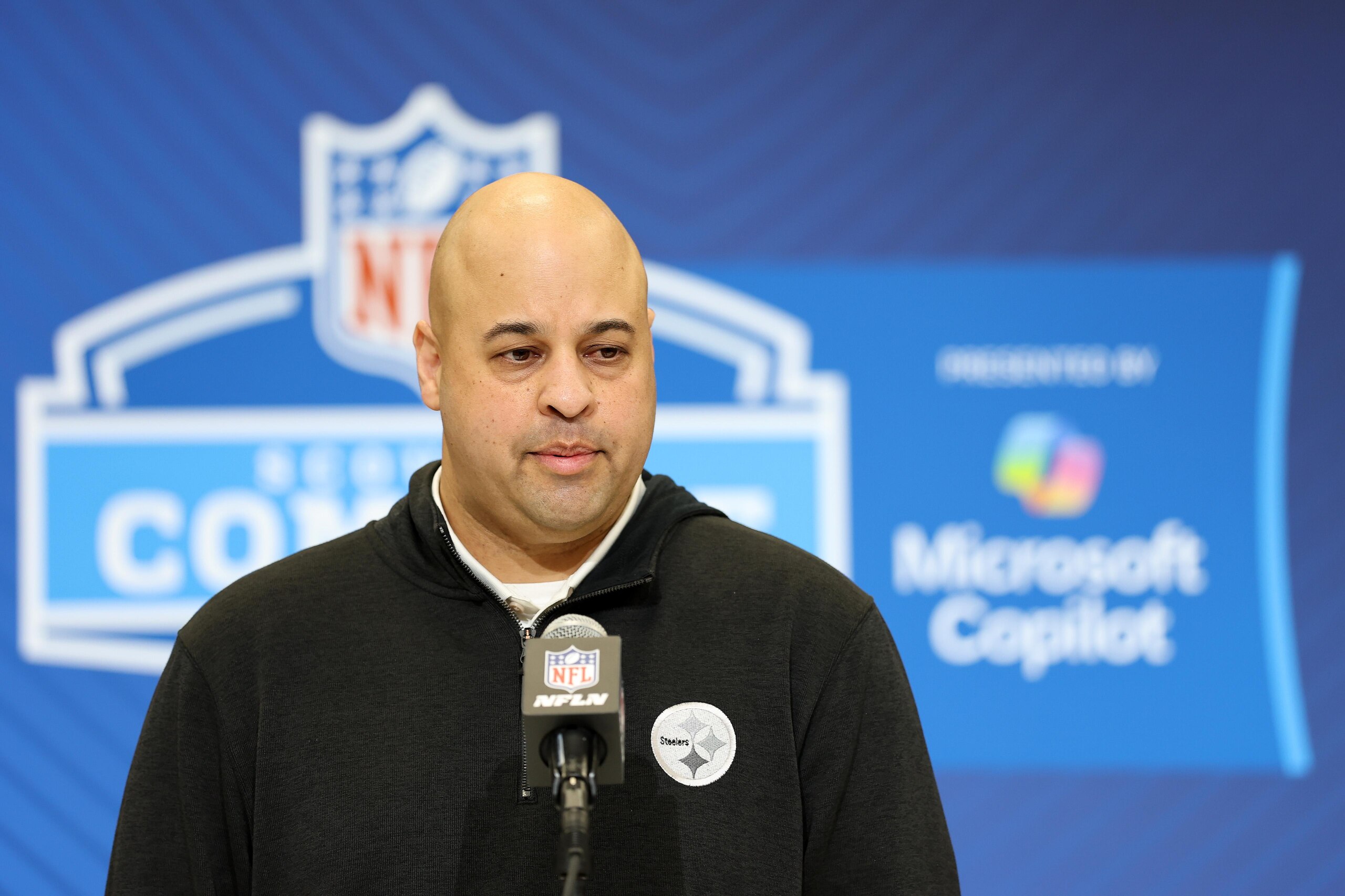
Pittsburgh's proposal to change free-agency rules won't affect fans on game days. However, it's a notable tweak that will likely have a substantial impact on free agency moving forward.
The proposal, which passed, will allow teams to have direct contact with players during the legal-tampering period and to schedule visits ahead of the official start of free agency in March.
From NFL Football Operations:
"To permit clubs during the two-day negotiation period to: (i) have one video or phone call with a prospective unrestricted free agent and his player agent; and (ii) permits clubs to arrange for the player’s travel upon agreeing to terms with a prospective unrestricted free agent. Travel cannot occur until the beginning of the new league year."
According to Pro Football Talk's Charean Williams, teams may have direct contact with no more than five unrestricted free agents.
Under the old rules, teams could contact the agents of unrestricted free agents during the legal-contact window but not the players themselves. The change should allow teams to make stronger early pitches to their top free-agent targets each offseason. Contracts say plenty, but it can be hard to sell a player on a team's culture or overall plan when speaking through a third party.
Allowing teams to make early travel plans should also help speed up the process for teams and players who wish to meet in person and quickly put pen to paper. Under the old rules, teams couldn't even begin to make travel plans until the start of the new league year.
Tuesday's change is a big win for teams that plan to be aggressive in free agency and for fans who enjoy the early offseason frenzy.
Losers: Fans Planning to Attend Late-Season Games
8 of 8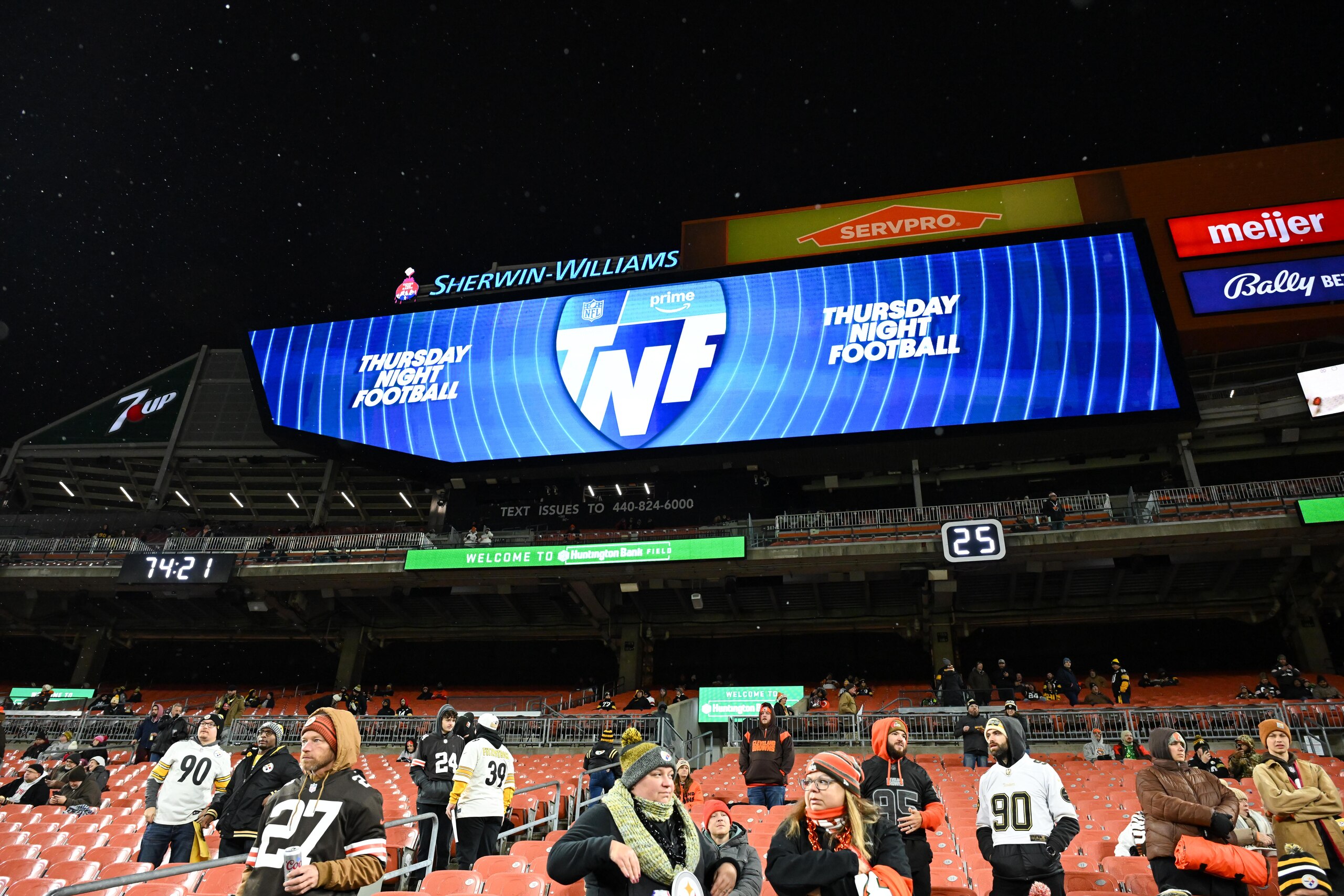
Though it's not actually a rule change, fans should take note of the NFL's decision to tweak the window for flexing Thursday games.
The change was approved on Monday and will reduce the window for flexing games from Sunday into a Thursday Night Football slot.
"NFL owners have approved a tweak to league rules for flexing Thursday night games on Amazon Prime, reducing the window for notifying teams of a change to 21 days," Seifert wrote. "The window had been 28 days since the rule was enacted in a contentious vote before the 2023 season."
Games can still only be flexed from Sunday to Thursday between Weeks 13 and 17.
While reducing the time of advance notice by a week might not seem like a big deal, it could have a big impact on fans planning to attend games late in the season. It may be particularly problematic for fans planning to travel to away games.
Anyone who has tried to reschedule a flight a few weeks out from its original departure date knows it can be a hassle. Trying to schedule a day off of work or change other obligations with three weeks' notice may be impossible for some fans.
Attending NFL games, especially when travel is involved, isn't cheap. Recouping expenses when a game can't be attended isn't always feasible, either.
The revised flex rule should help ensure fans watching from home will get better games on Thursday nights, but it will ultimately be a massive loss for some fans hoping for a late-season, in-person viewing experience.
.jpg?w=2560 "Lions Cardinals Football")