
Poor Landing Spots for Top 10 2025 NFL Draft Prospects
Quarterbacks Baker Mayfield and Sam Darnold are excellent examples of recent first-round NFL draft picks whose careers didn't start well because of the teams they landed on. Once they moved elsewhere, they blossomed.
Their recent success should force teams to reassess how they look at a player's career. That doesn't apply only to quarterbacks, either.
Every incoming prospect, particularly those who are expected to be top-10 picks, needs to land in the right place, at the right time and with the right people to maximize their potential.
The Bleacher Report Scouting Department's rankings include an eclectic mix of talents that range from a Heisman Trophy winner, one only quarterback prospect, an offensive lineman without a defined position, a defensive tackle, a safety and two running backs.
Without a true "generational talent" among the group, where each lands will be critical to their futures. First, let's look at where each of those top 10 should prefer not to land before projecting ideal landing spots later this week.
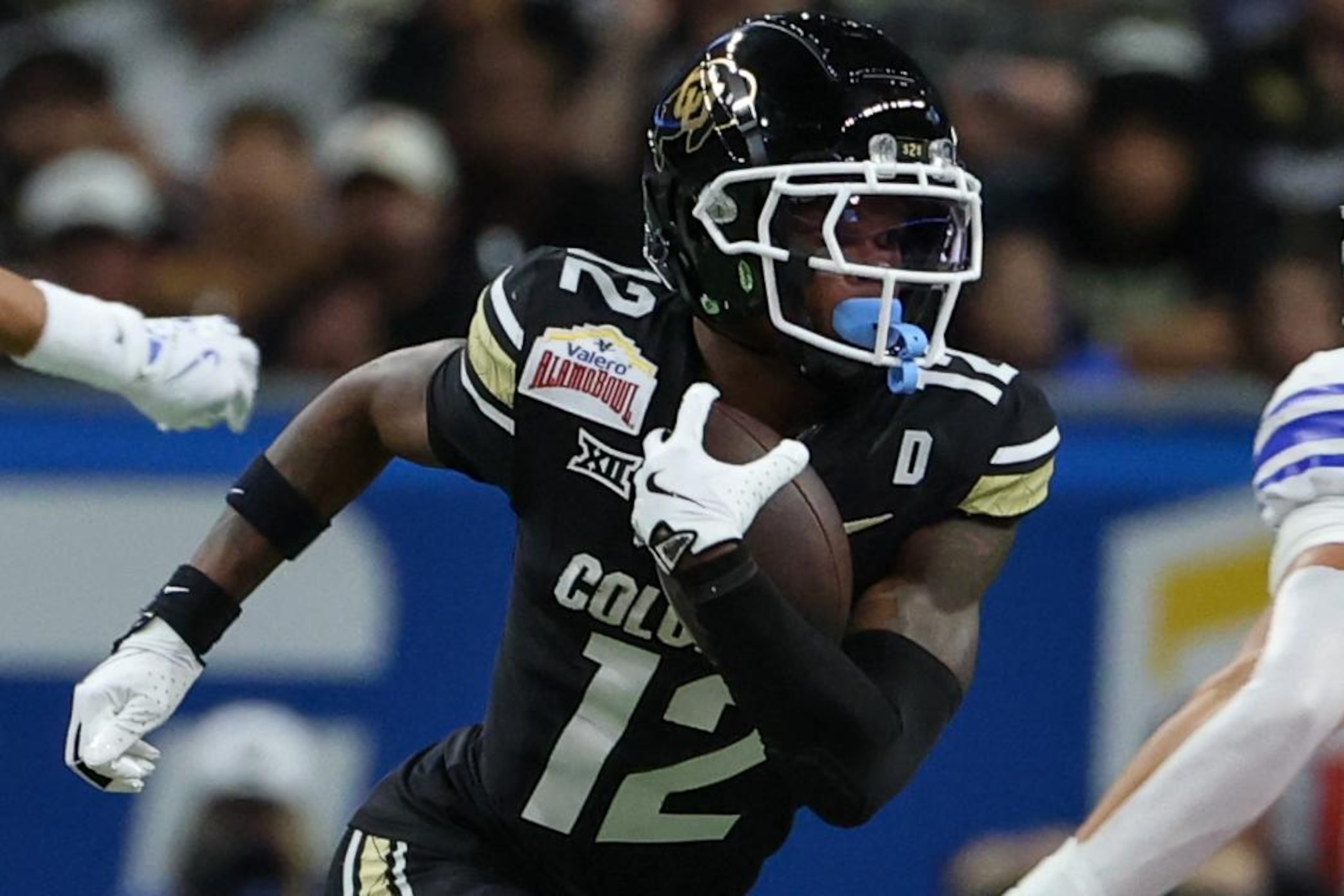
1. CB/WR Travis Hunter, Colorado
1 of 10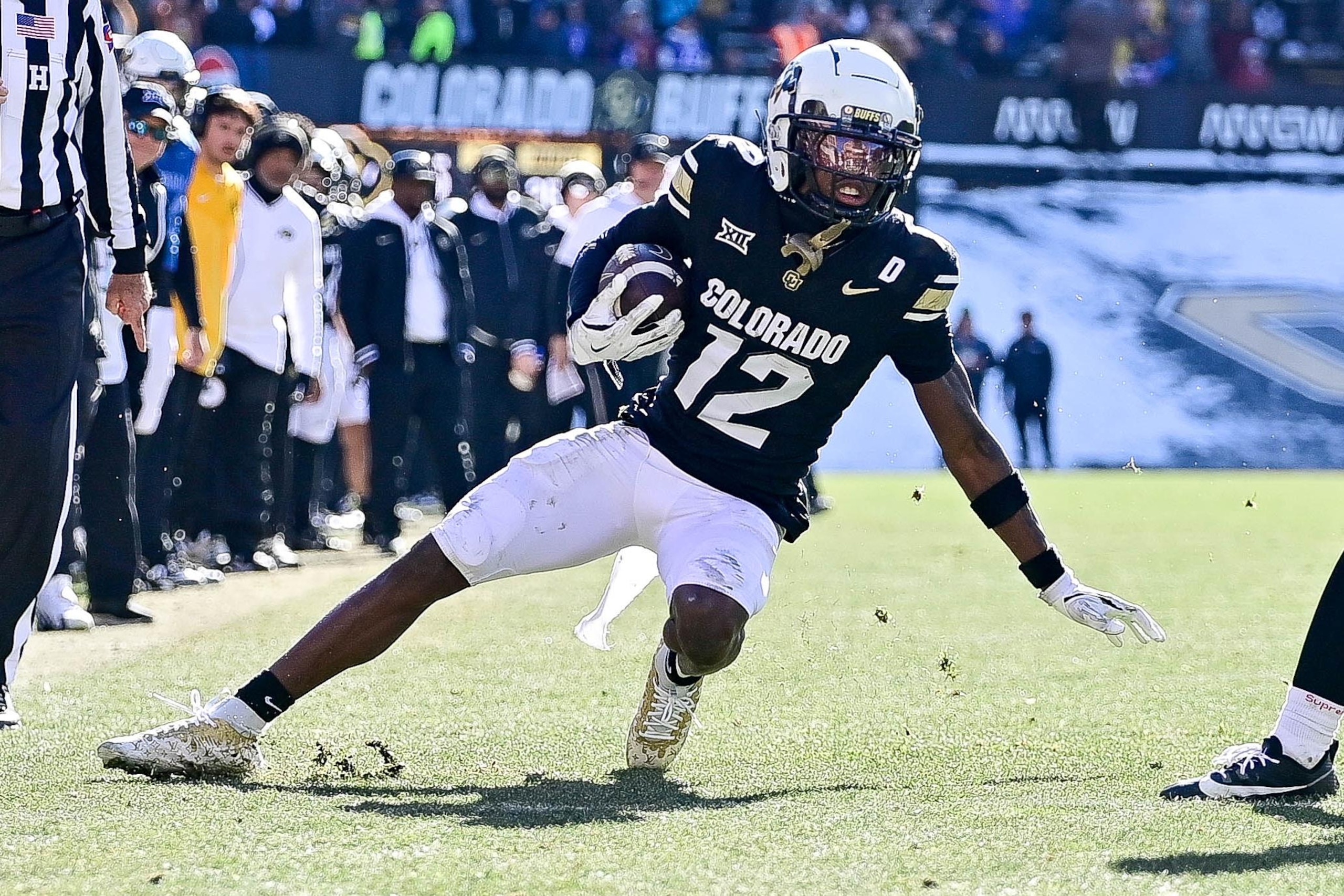
As awesome as it was to see Colorado's Travis Hunter play over 100 snaps per game in college, he'll need to concentrate on one position in the NFL while possibly playing in sub-packages on the other side of the ball.
Hunter is a unique talent. He shouldn't be restrained to playing just cornerback or wide receiver. However, he would benefit from concentrating on honing his craft at one spot while providing some juice to the other in limited doses.
Which position should he concentrate on, though?
The 2024 Heisman Trophy winner has higher upside at cornerback, where his traits portend a possible top-three cover man. He can be a productive wide receiver as well, but productive wide receivers can be regularly found. Elite cornerbacks can't.
A team in the top 10 with a bigger need at wide receiver shouldn't be the one to invest in Hunter's skill set.
Worst Fit: New England Patriots
2. Edge Abdul Carter, Penn State
2 of 10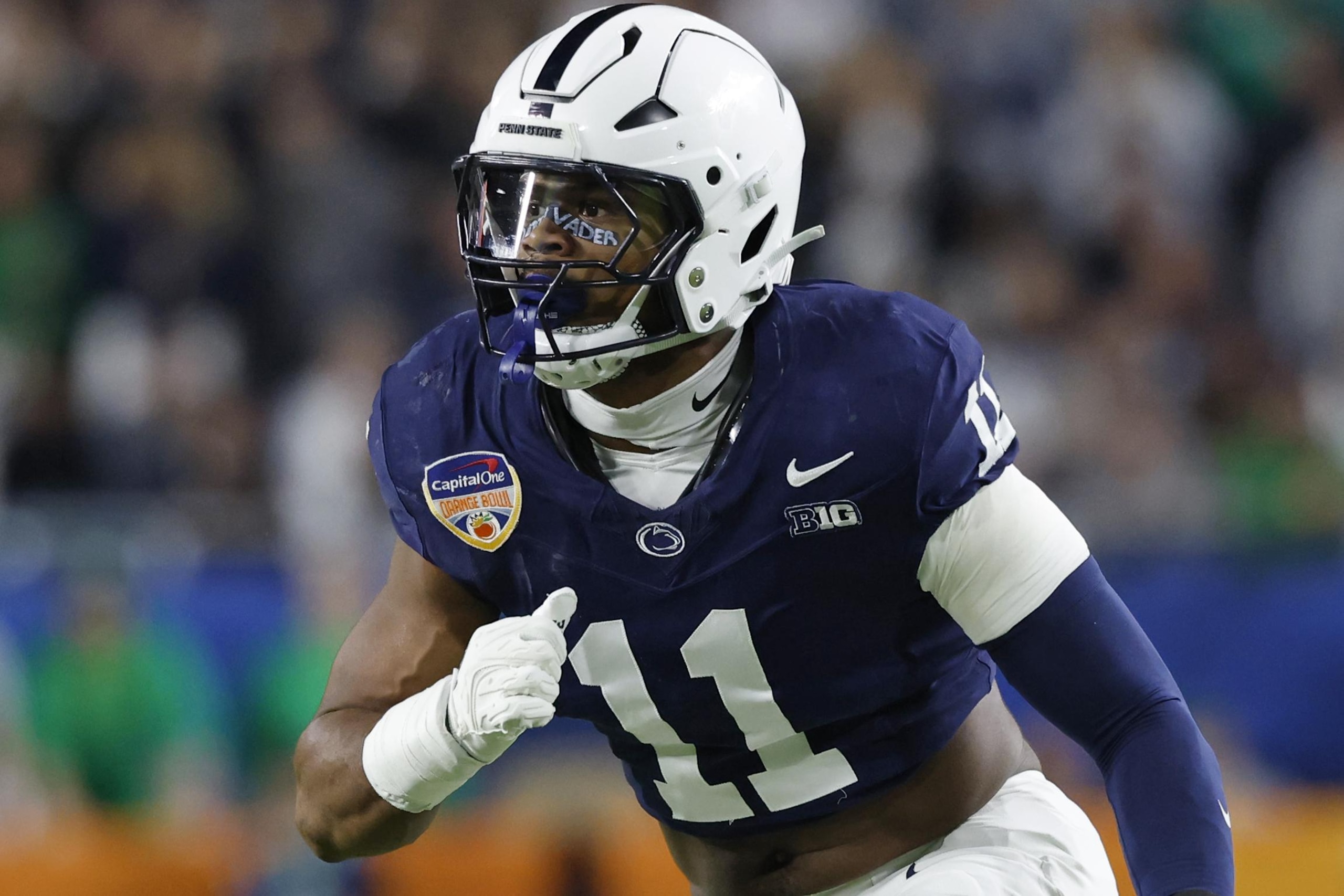
Penn State's Abdul Carter was seen as a first-round pick entering the 2024 season, but that status came with a caveat. Carter had to make the full-time transition from off-ball linebacker to edge-defender, and everyone would reevaluate his status at the end of the campaign.
Well, Carter showed rapid and continued improvement at the new position throughout the 2024 season, to the point where he's now in the conversation as the No. 1 overall pick based on his explosive edge-rushing traits.
However, Carter isn't a finished product. He still needs time to hone his technique with improved hand usage and a more robust pass-rush repertoire.
In some ways, he's similar to fellow former Nittany Lion Micah Parsons. He needs a deployment plan to fully realize how destructive he can be to opposing offenses.
A team that sticks him on one edge and hopes he consistently wins his matchup, particularly if the squad lacks a strong bookend, will still get results. It won't get top-end production, though.
Worst Fit: Carolina Panthers
3. DL Mason Graham, Michigan
3 of 10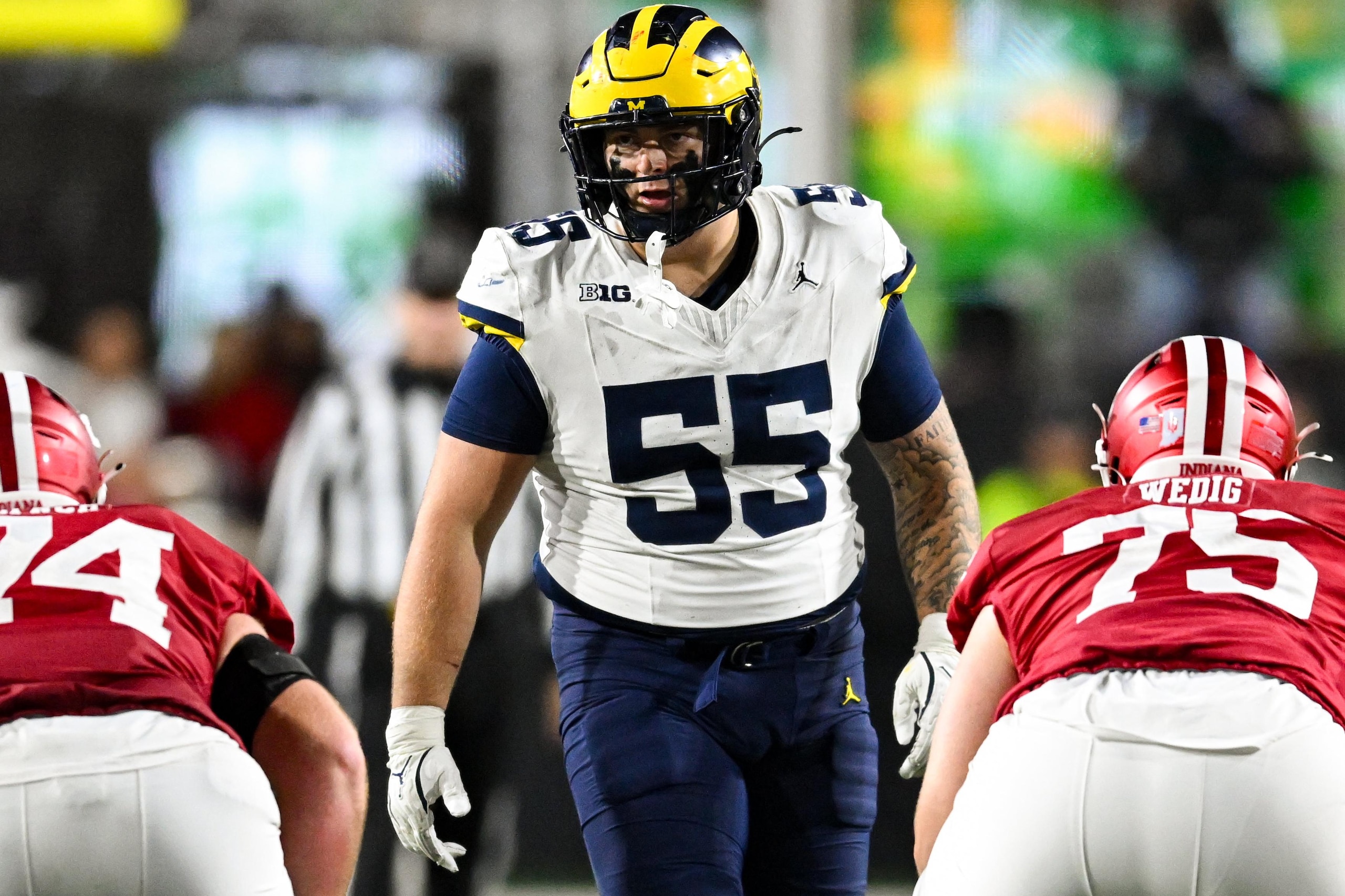
Mason Graham hasn't garnered as much attention throughout this draft cycle as others despite being consistently graded as a top-three prospect, according to the B/R Scouting Department.
His lack of a spotlight can be chalked up to three main things.
First, Graham doesn't play a premium position. His impact at defensive tackle isn't readily understood by everyone watching Michigan's defense.
Second, his numbers won't blow anyone away when trying to frame his performance against previous elite defensive tackle prospects.
Lastly, the Wolverines weren't nearly as good as they were in 2023, which limited his national exposure.
However, the unanimous All-American is the best defensive tackle prospect not named Jalen Carter over the last five years. He's a legitimate disruptive force both against the run and the pass. As a prospect, the biggest concern about Graham's game is a lack of length.
Where a team could go wrong with Graham is either by asking him to primarily play 1-technique or place him in more of a read-and-react scheme.
Worst Fit: Jacksonville Jaguars
.jpg?w=2560 "Rams Eagles Football")
.jpg?w=2560 "Saints Lions Football")
.jpg?w=2560 "Cardinals Giants Football")
4. WR Tetairoa McMillan, Arizona
4 of 10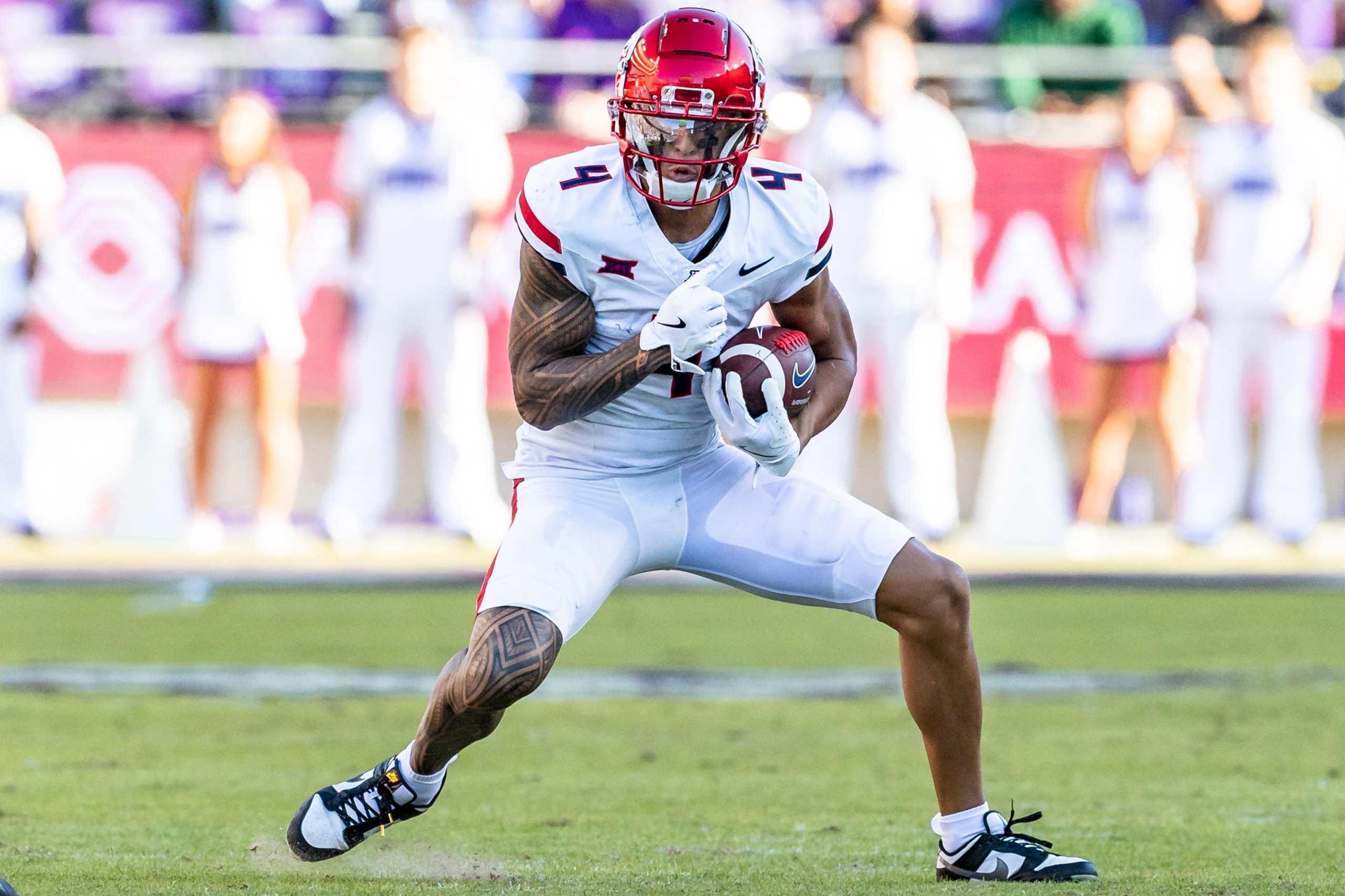
A true X-receiver worthy of a top-10 selection has basically joined the ranks of a premium position. Last year's class was special because it featured Marvin Harrison Jr., Malik Nabers, Rome Odunze and Brian Thomas Jr. The top of the incoming crop isn't as strong.
However, Arizona's Tetairoa McMillan is the type of prospect who can take over as an NFL team's WR1 by the end of his rookie season.
McMillan is a 6'5", 210-pound target with massive mitts and awesome body control. He's also more flexibility in his lower body than his size indicates, which allows him to change speeds and directions better than typical bigger targets.
For any wide receiver prospect, the worst possible scenario is the same: Landing with a squad that doesn't have stability at quarterback.
McMillan made the most out of his time in Arizona despite inconsistent play at the game's most important position. He'll struggle to do the same in the NFL when defensive backs are much better attuned to confusing and baiting signal-callers.
Worst Fit: New York Jets
5. S Malaki Starks, Georgia
5 of 10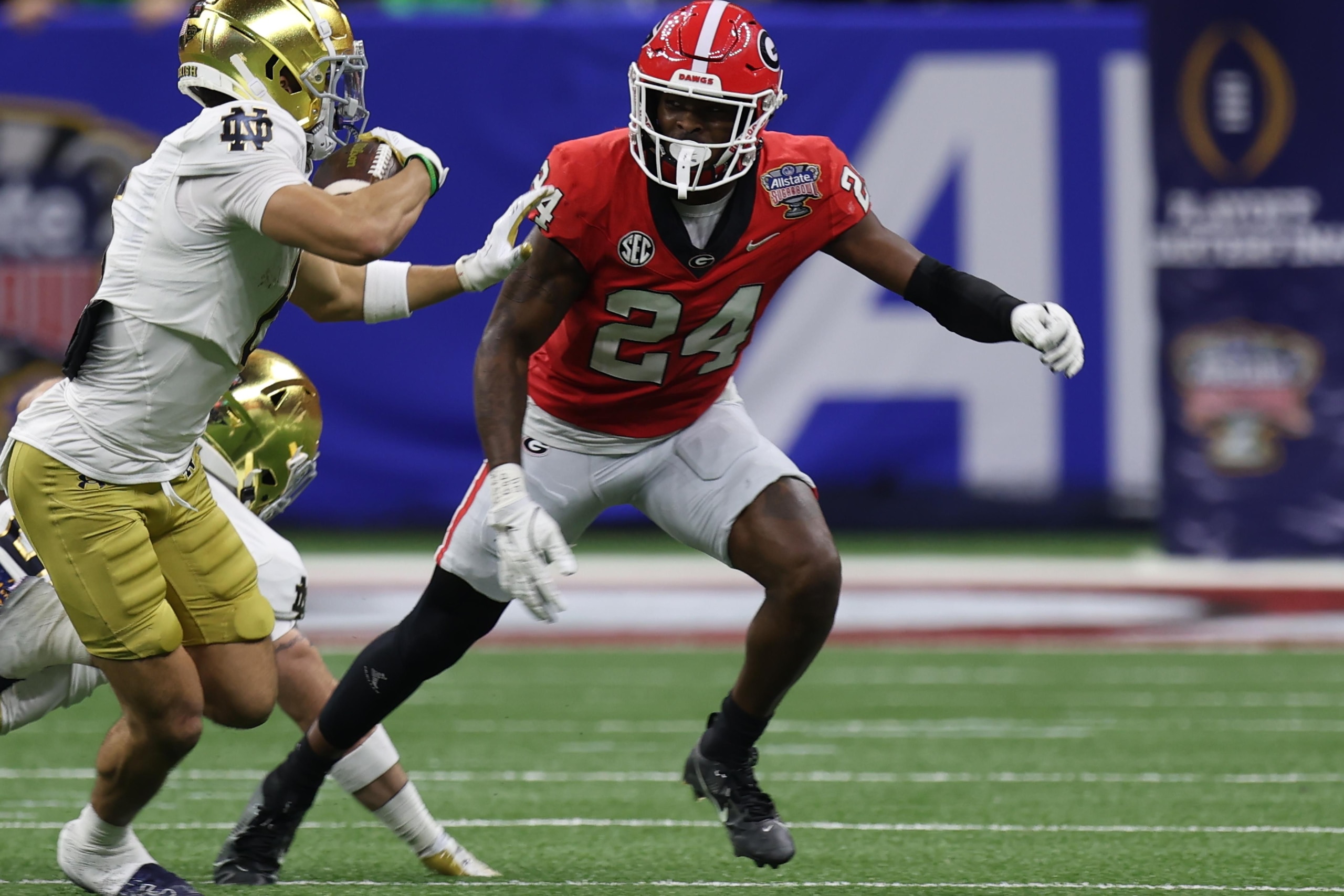
A safety being this high in the process is both a testament to how good Georgia's Malaki Starks and somewhat exposes what can be viewed a weaker top-10 group.
For Starks, two things can work against him. The first, he can't control. The second depends on his future team and its coaching staff.
To start, safety is a devalued position. Teams tend to invest far more in their cornerbacks because of their pure coverage abilities, which means Starks could experience a draft-day slide because of the position he plays.
Secondly, Starks' strengths as a safety are in coverage. So, those traits certainly help his case. He's capable of lining up over the slot and carrying tight ends and wide receivers down the field while also exhibiting excellent balls skills.
The two-time first-team All-American can play downhill and in the box, but it's not where he can contribute the most.
Worst Fit: Houston Texans
6. CB Will Johnson, Michigan
6 of 10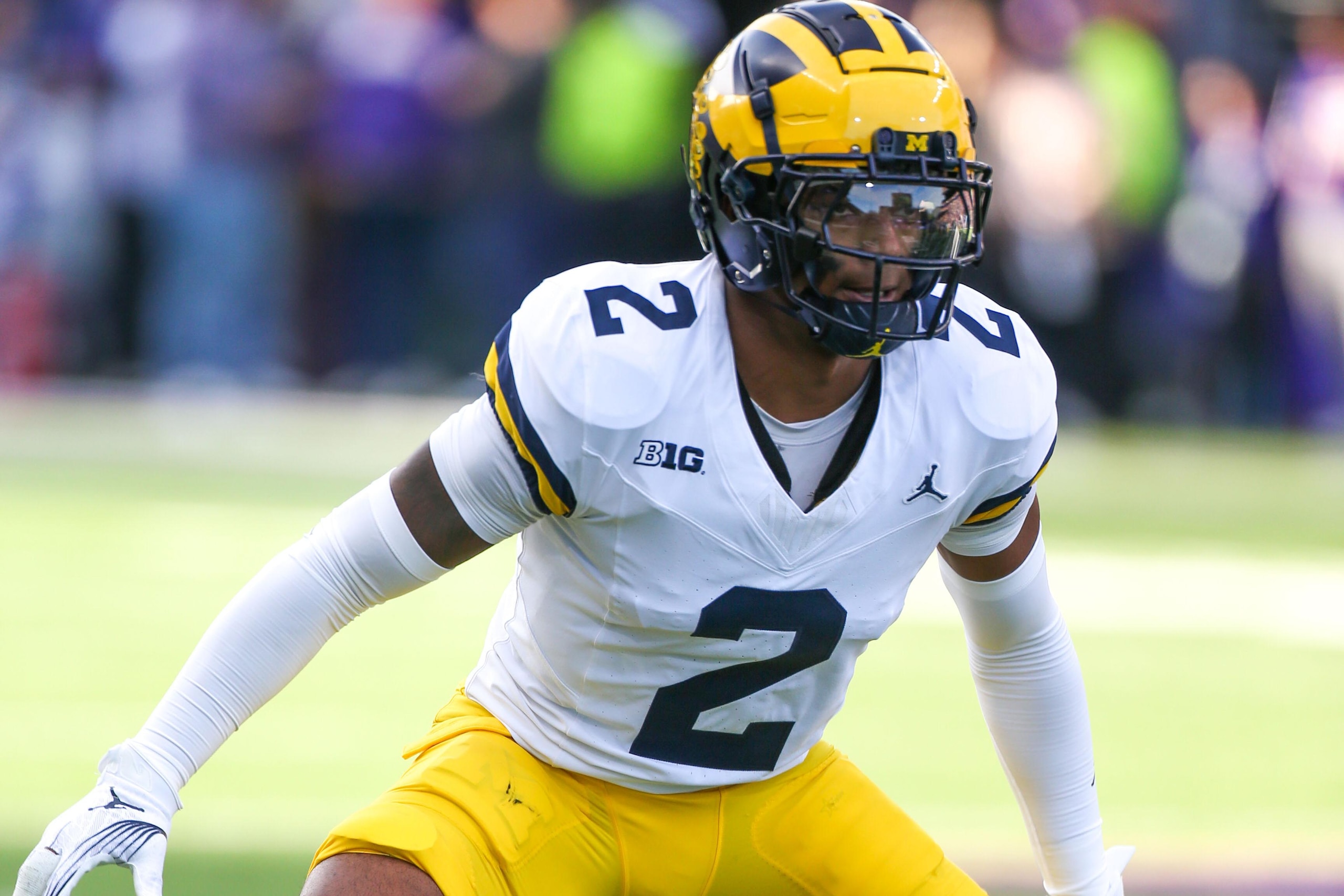
Much like former Wolverines teammate Mason Graham, Will Johnson's profile generally isn't viewed as favorably as it was entering the season, even though little has changed in regard to his skill set and status.
One big difference does exist between those two, though. Turf toe cost Johnson all but six games this season.
Fortunately, turf toe isn't a lingering concern and shouldn't affect his status for the 2025 campaign. As such, a team searching for an excellent cover corner should look toward the 21-year-old.
Because of the injury and the fact he hasn't been on the field in over four months, he's being slept on to a degree despite his previous draft standing.
That being the case, Johnson may experience a draft-day slide, especially if he's not able to put together a strong workout prior to the draft. The biggest concern for him at this juncture is that he'll take a tumble, thus going lower than expected and signing a smaller rookie contract.
Based on his play, Johnson is worthy of being a top-10 selection.
Worst Fit: Dallas Cowboys
7. OL Will Campbell, LSU
7 of 10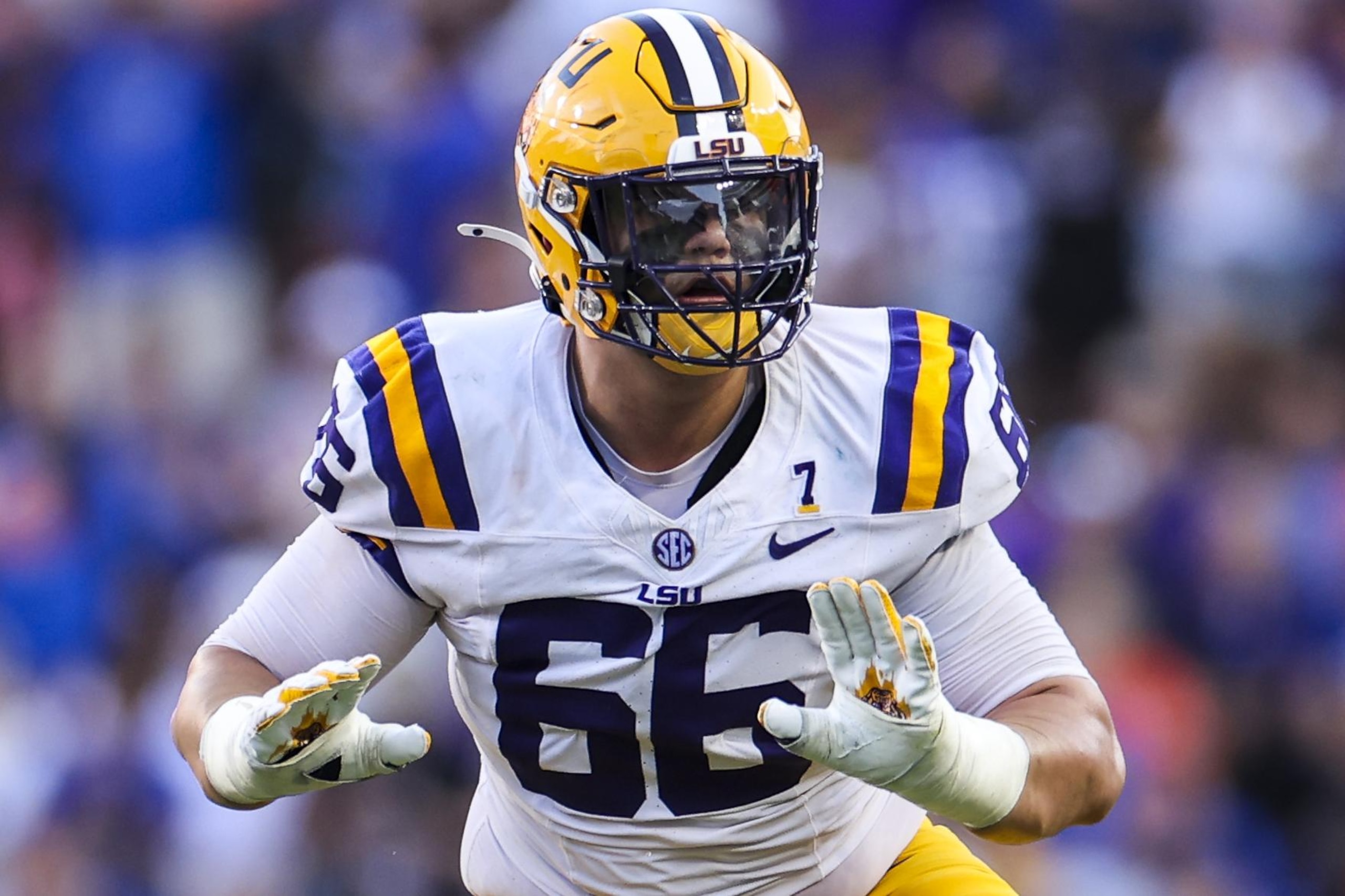
LSU's Will Campbell is clearly the best blocker in the 2025 draft class, but where he plays in the NFL has yet to be determined.
Some front offices will see Campbell as their team's long-term solution at left tackle after playing there for the last three seasons. Others may project him inside to take full advantage of his strengths while not allowing highly athletic NFL defensive ends take advantage of any slight deficiencies.
The B/R Scouting Department lists Campbell as an interior lineman, but the group concedes that he could be a starting left tackle depending on his situation.
Spending a top-10 pick on Campbell likely earmarks him at left tackle, at least to start his career. He could be fine there as long as he's not expected to step in immediately as a tailor-made blindside protector. Leaving Campbell on island could prove to be disastrous at the start of his career.
Worst Fit: Cleveland Browns
8. QB Cam Ward, Miami
8 of 10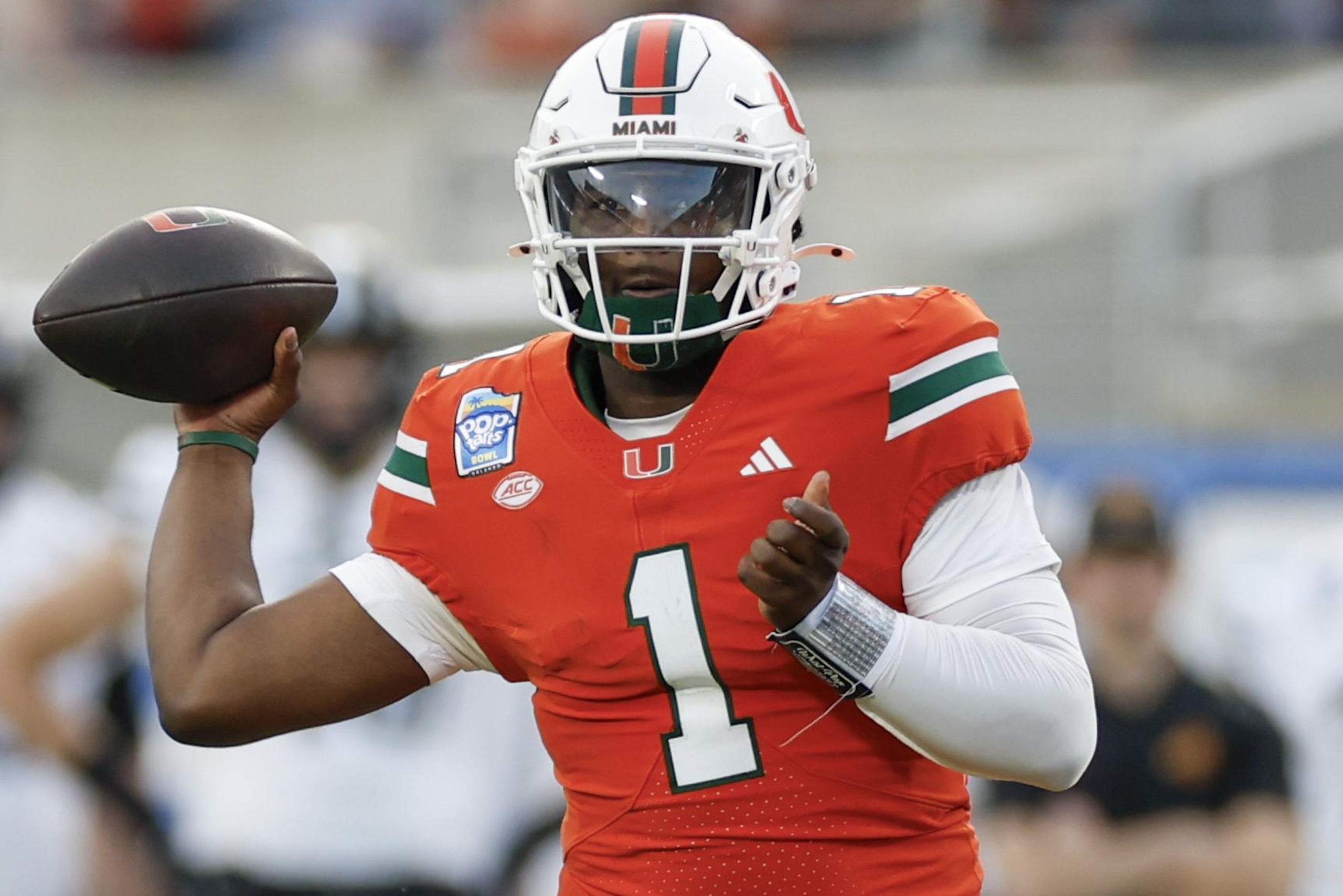
As Bleacher Report's QB1, Miami's Cam Ward has a real opportunity to be the No. 1 overall pick once the quarterback-starved Tennessee Titans are on the board.
This year's quarterback class is not considered the strongest, though. Ward stands on his own merit, with tremendous playmaking skills and outstanding natural arm talent. His ability to create outside of structure is what separates him from classmate Shedeur Sanders.
But a fine line exists between being a top-notch playmaker and trying to do too much, which Ward is known to do on occasion. The two-time transfer set the Hurricanes' single-season passing record. He benefited greatly being able to target the likes of tight end Elijah Arroyo and wide receiver Xavier Restrepo.
The worst thing for a quarterback of Ward's ilk to to find himself on a squad without quality surrounding talent. If that happens, he will likely struggle early in his career.
Worst Fit: New Orleans Saints
9. RB Ashton Jeanty, Boise State
9 of 10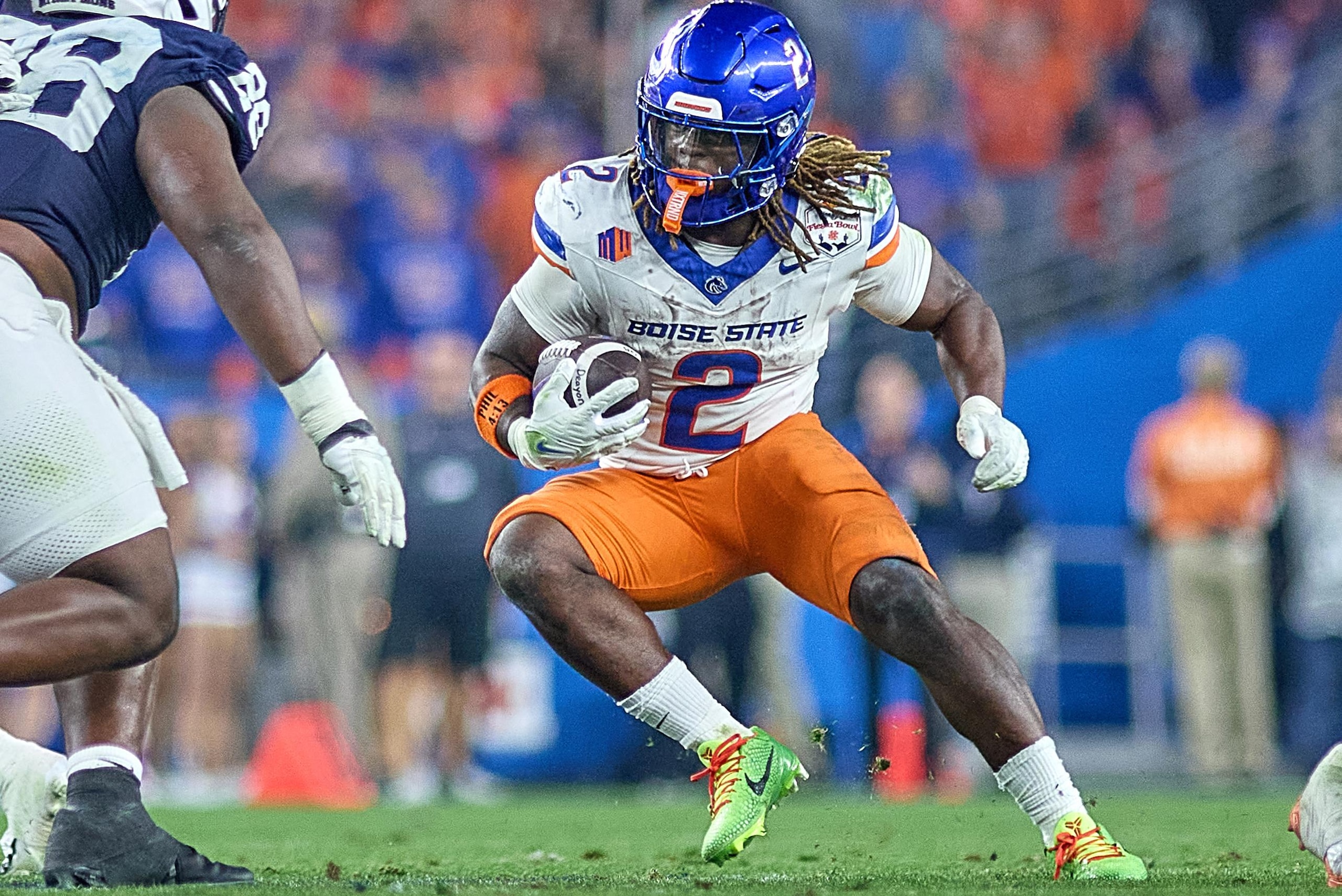
Boise State's Ashton Jeanty pieced together one of the finest seasons ever by a collegiate running back. The former Bronco produced 2,601 rushing yards, finishing just behind Barry Sanders' all-time single-season record.
Some will argue that it doesn't matter, and that running backs are devalued. However, the Philadelphia Eagles' run to Super Bowl LIX could generate a newfound interest in top-shelf running backs.
Jeanty displays tremendous vision and contact balance, which allow him to consistently work his way through traffic. As a result, he's viewed as a legitimate top-10 talent regardless of position.
Still, Jeanty could go much lower because some teams don't believe in building through the run game. Or worse, he could land on a team with a mediocre offensive line, which results in him having to do too much at the start of his career.
Worst Fit: Miami Dolphins
10. RB Omarion Hampton, North Carolina
10 of 10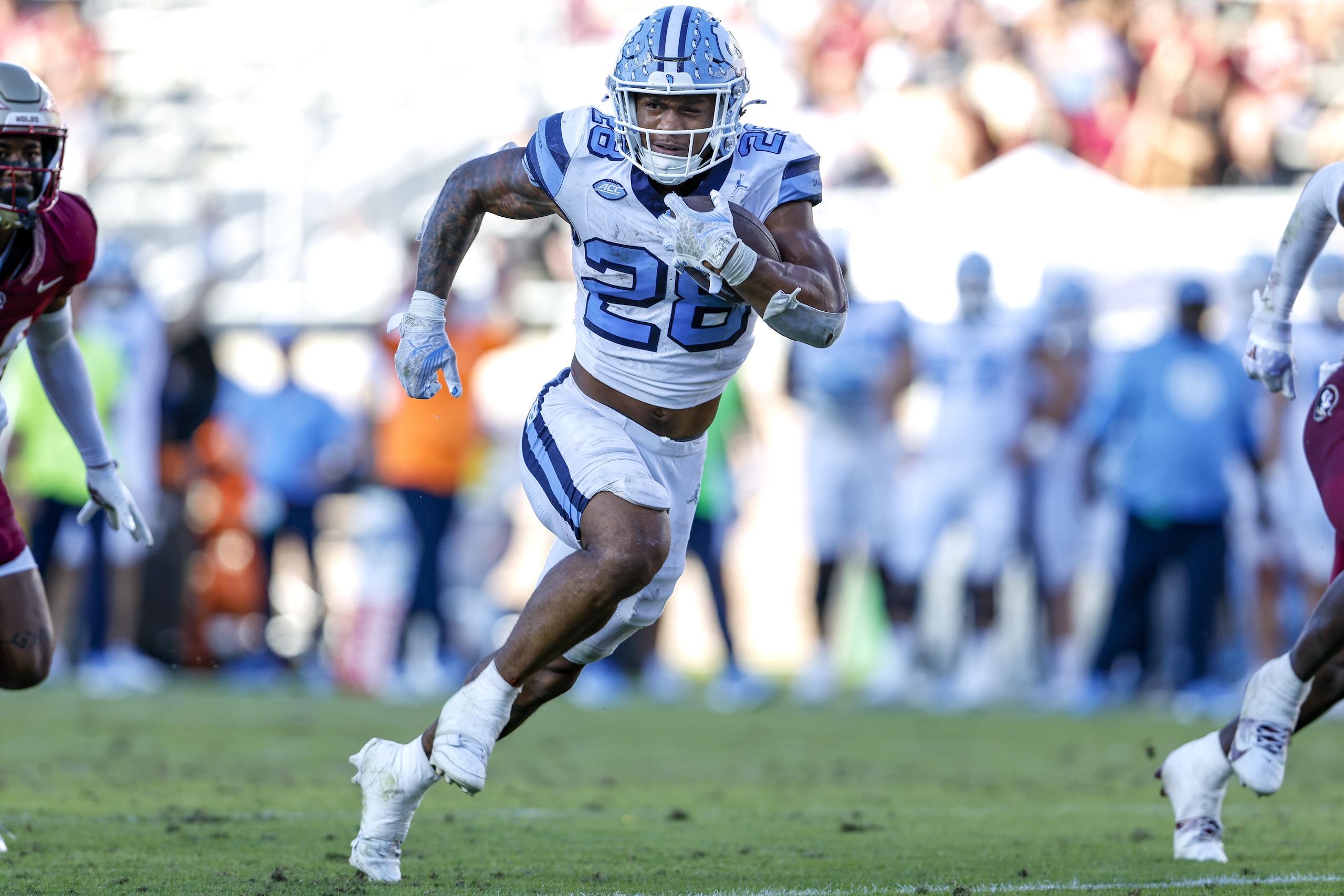
Back-to-back running backs near the top of the draft isn't normal by today's standard, unless we're discussing fantasy football.
Bijan Robinson and Jahmyr Gibbs were outliers in the 2023 draft. Ashton Jeanty and North Carolina's Omarion Hampton aren't as explosive as those two. Beyond that blip, two running backs haven't been drafted in the top half of the round since Leonard Fournette and Christian McCaffrey in 2017.
Hampton's case is more interesting than Jeanty's because he's more of a powerful, downhill runner who needs the right system to serve as a hammer for some squad.
Make no mistake, the 220-pound ball-carrier has some juice. But no one should ask him to be working laterally then asked to burst downfield. He's going to punish those along the way or run past them as they wear down. The two-time first-team All-American needs to be utilized in a scheme where he can be a workhorse.
Worst Fit: Denver Broncos
_0.jpg?w=2560)

.png?w=2560 "Money In The Bank Ends In Shocker 💼")
.png?w=2560 "Shocking CFB Top 25 Shakeup 🔢")